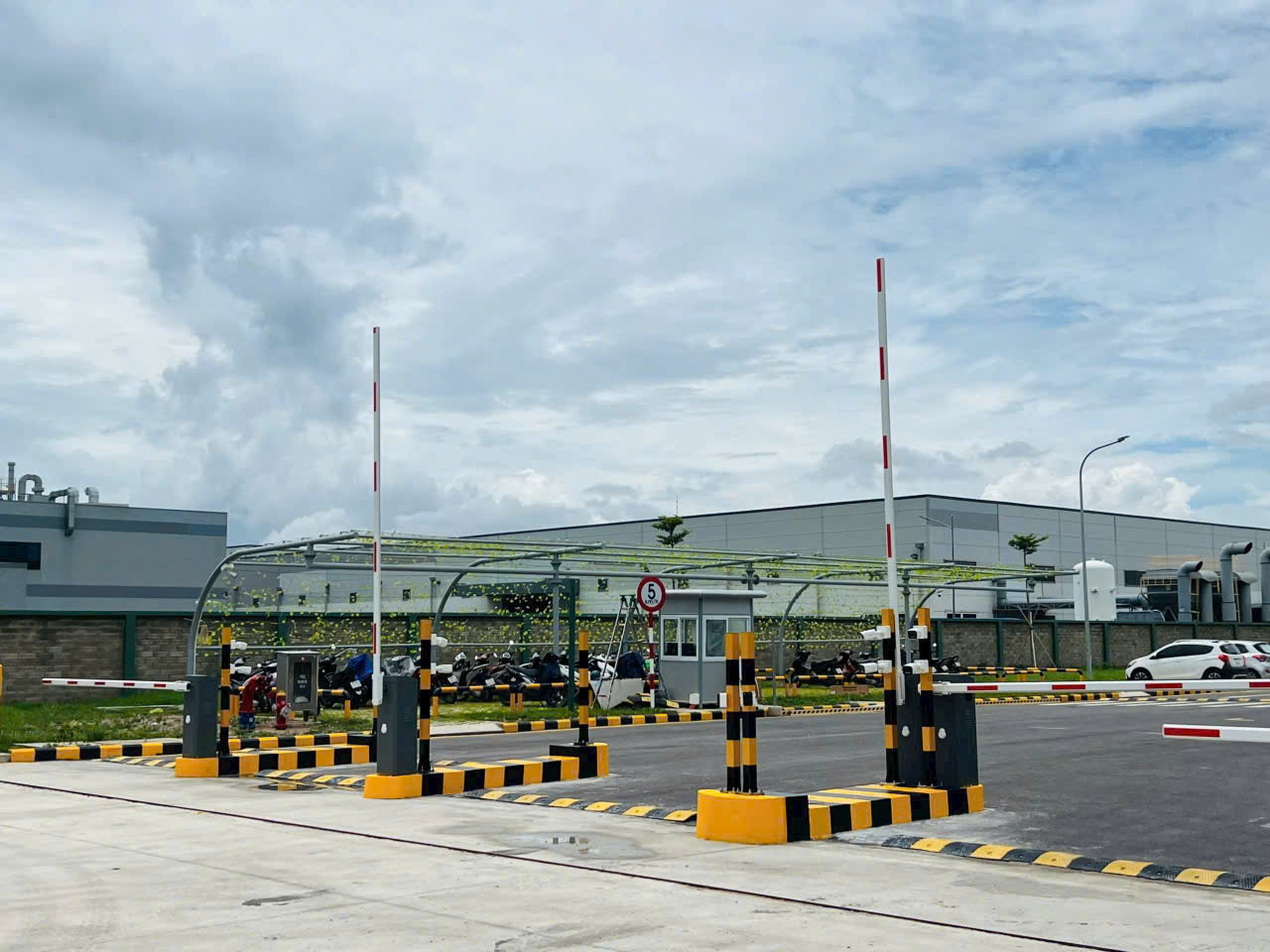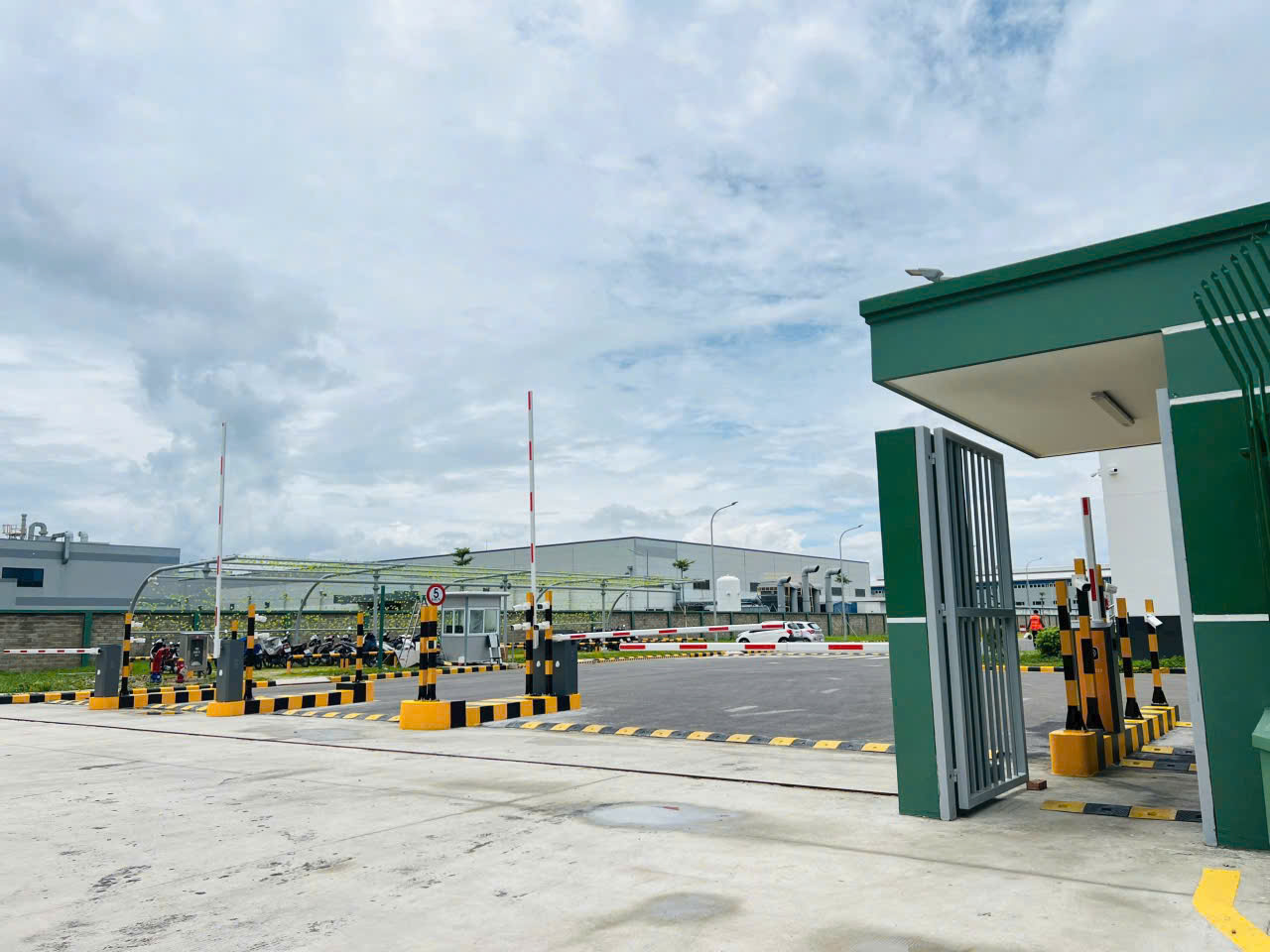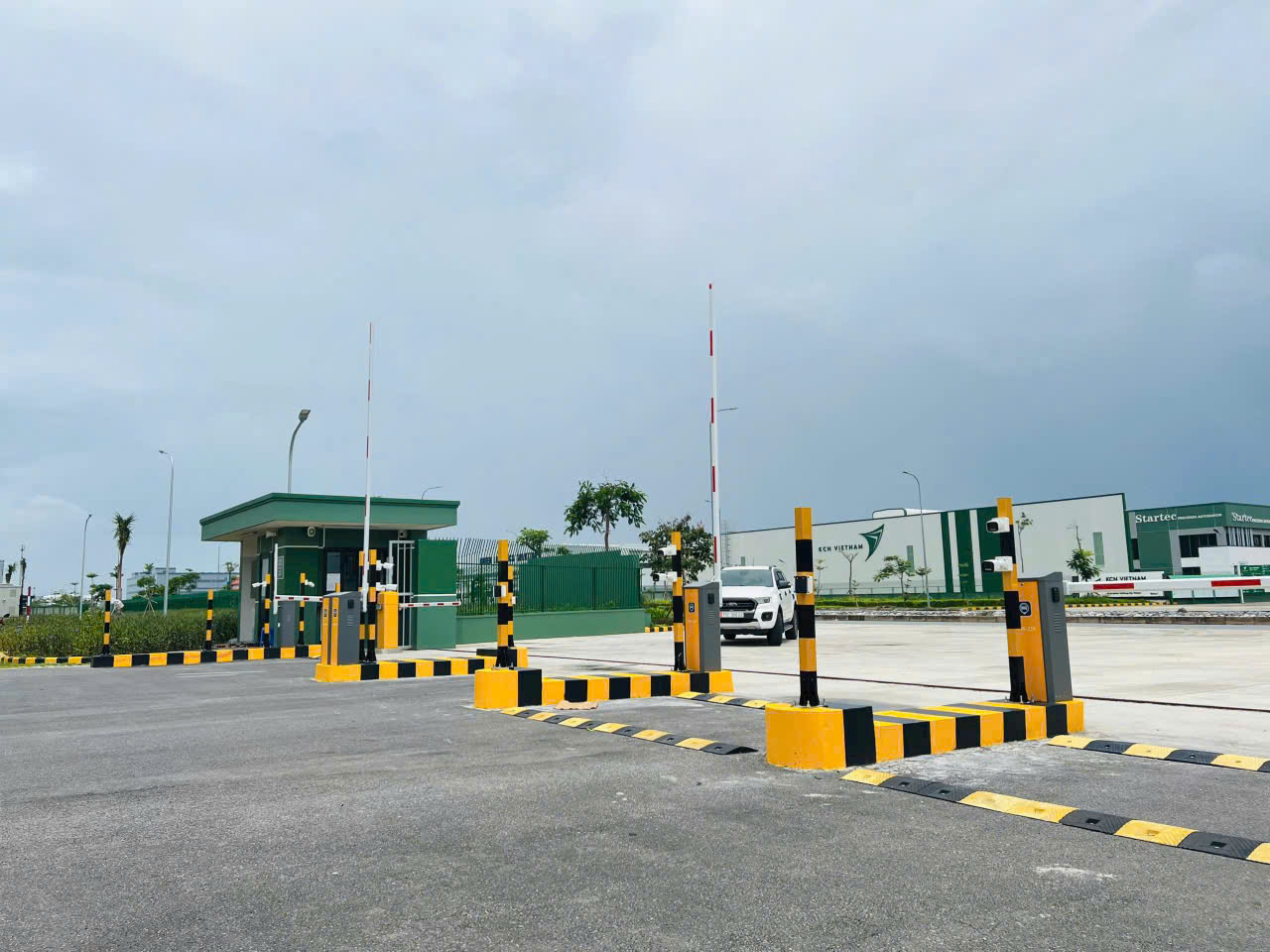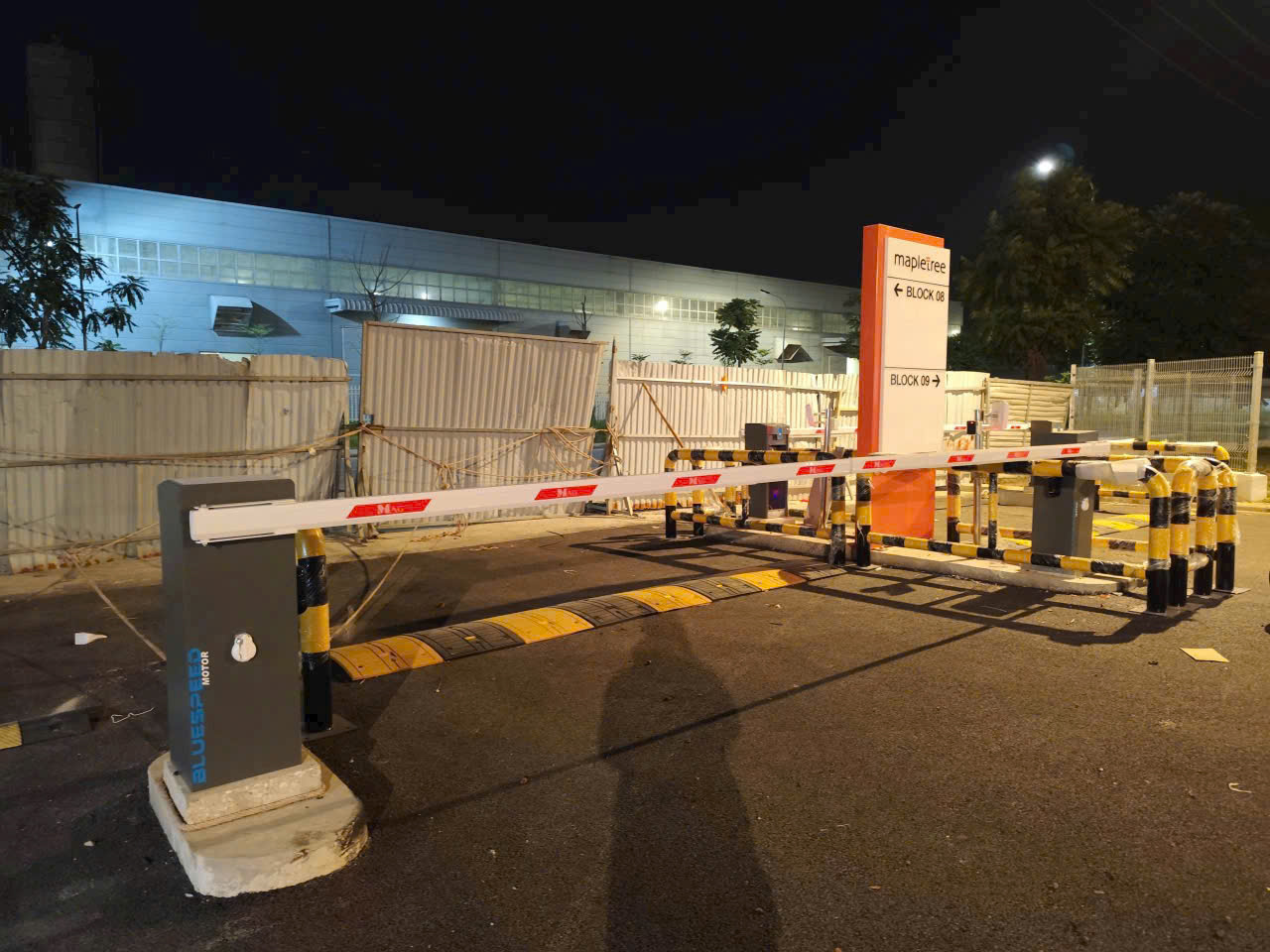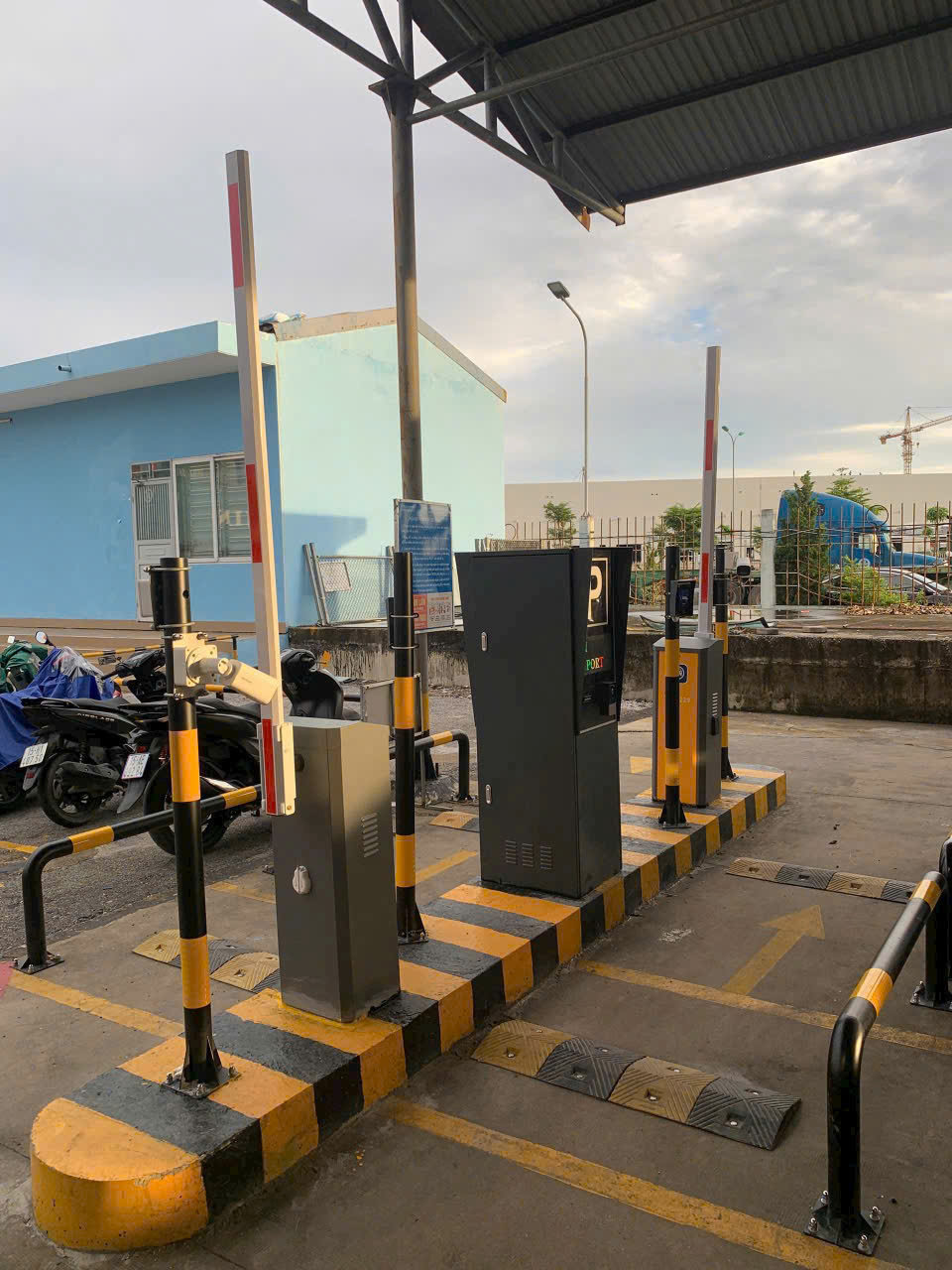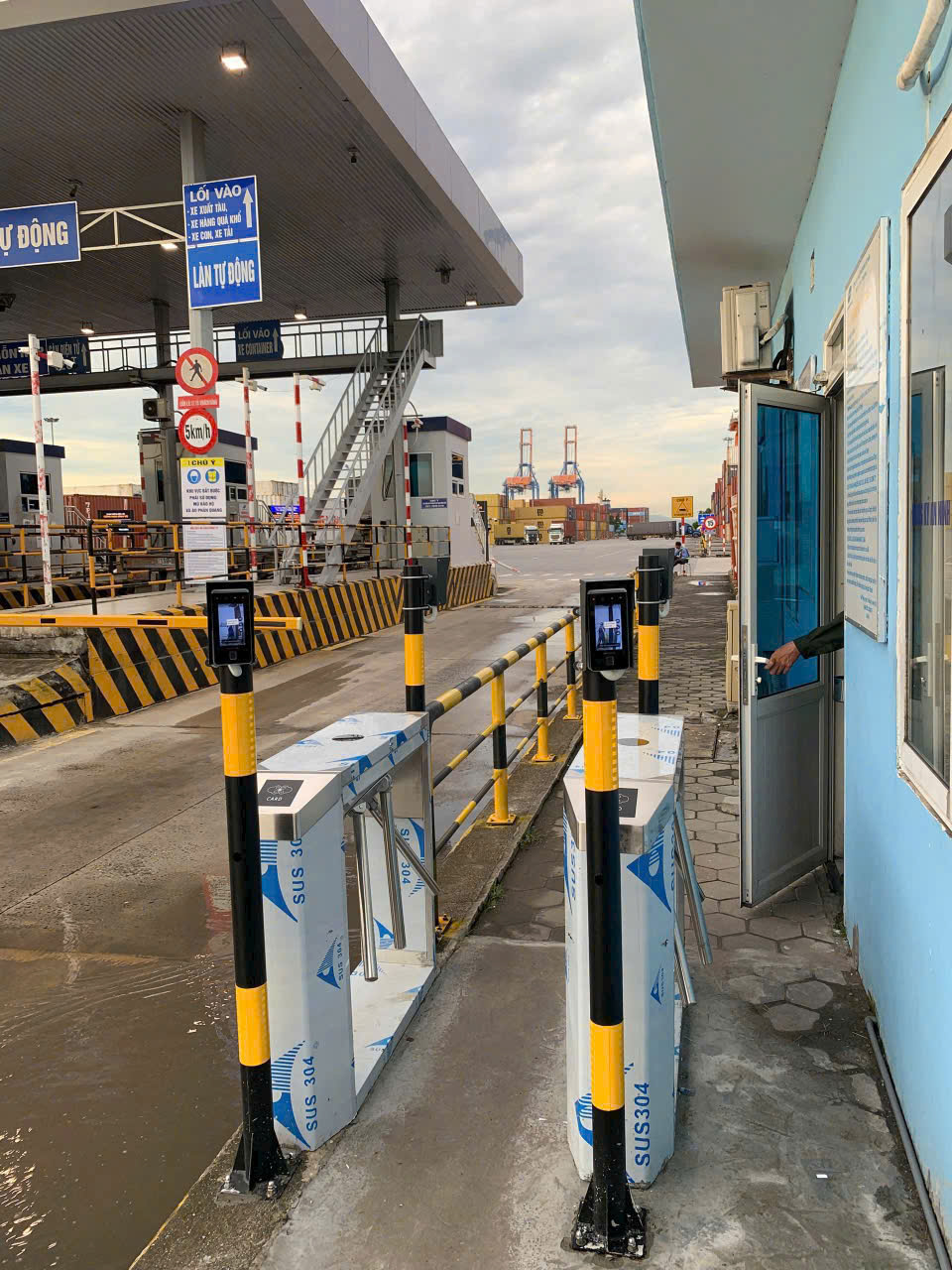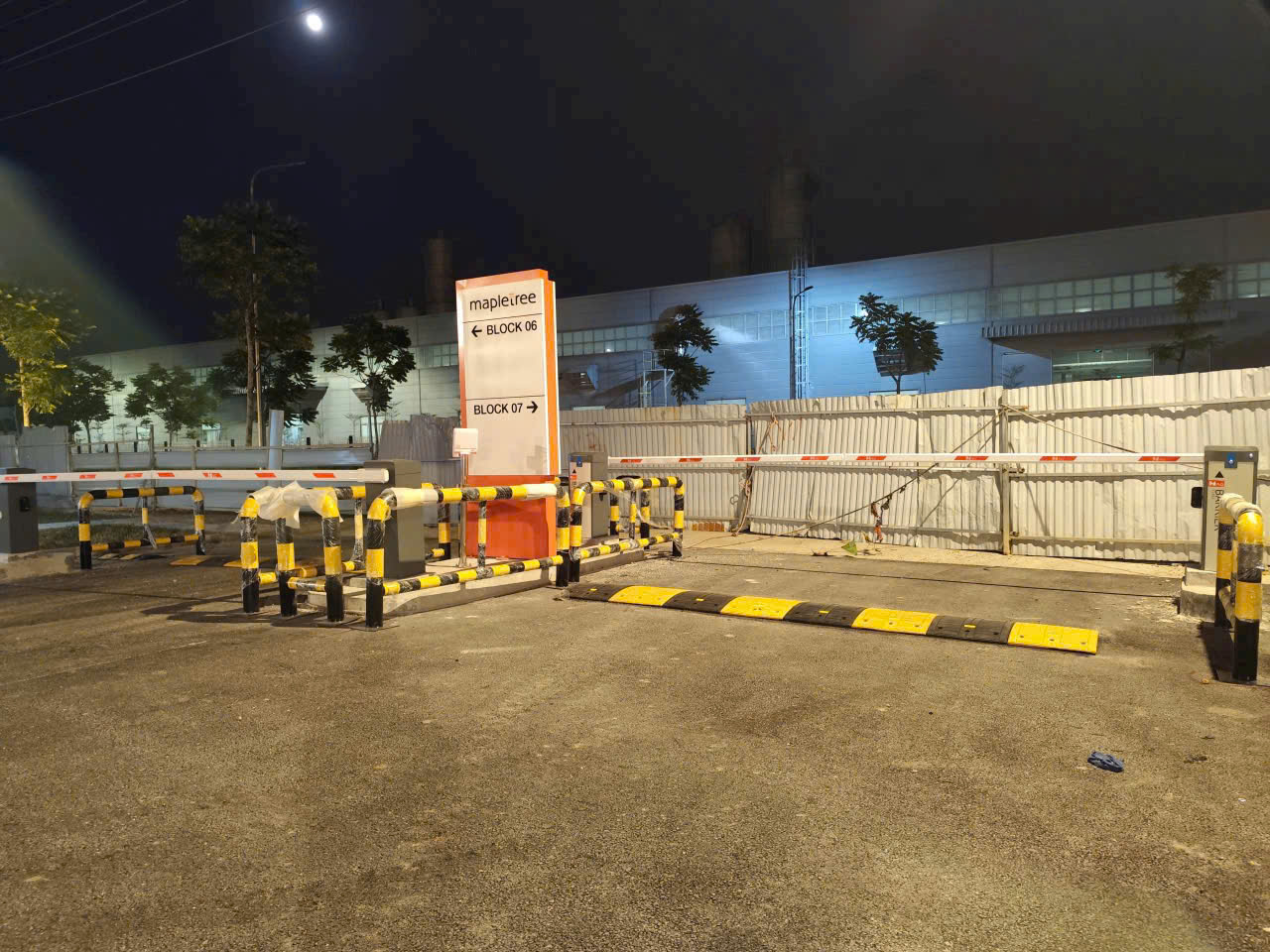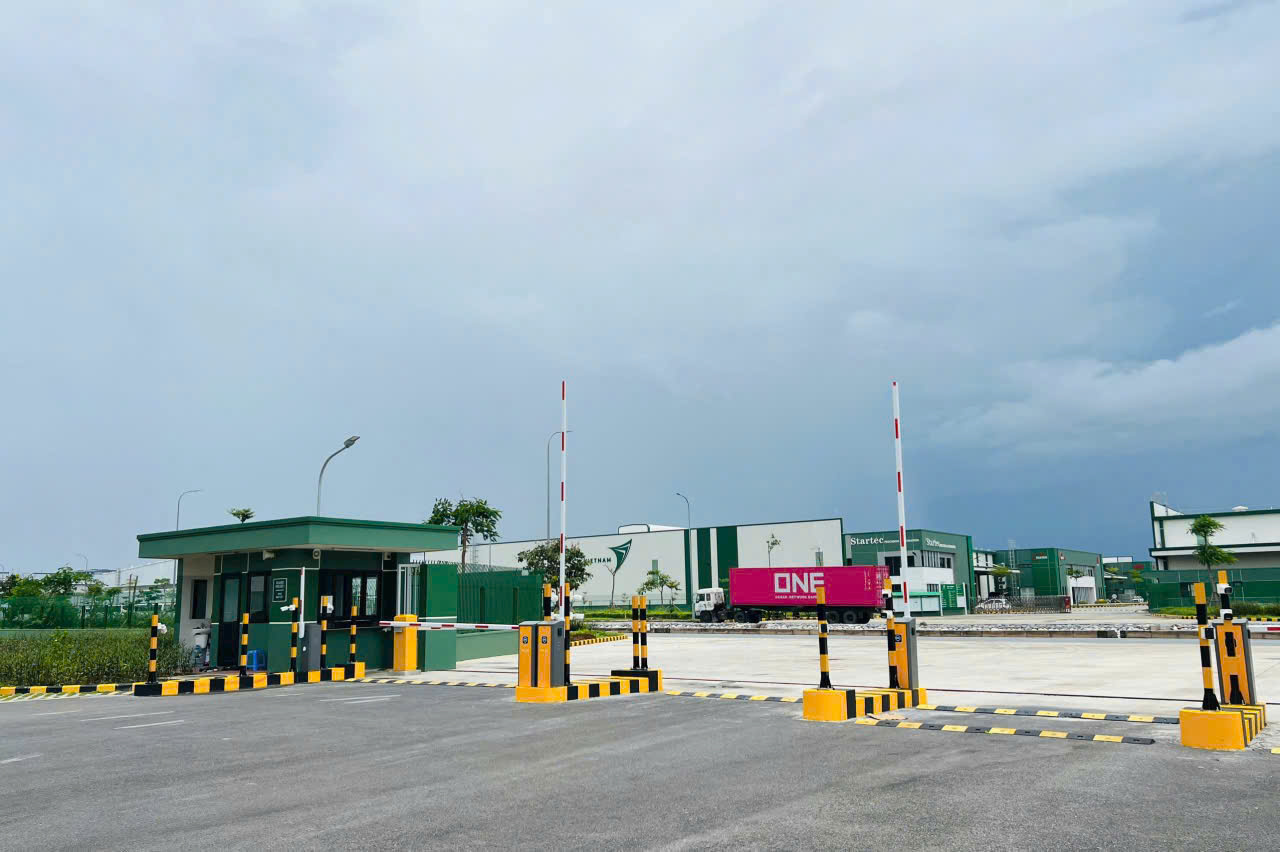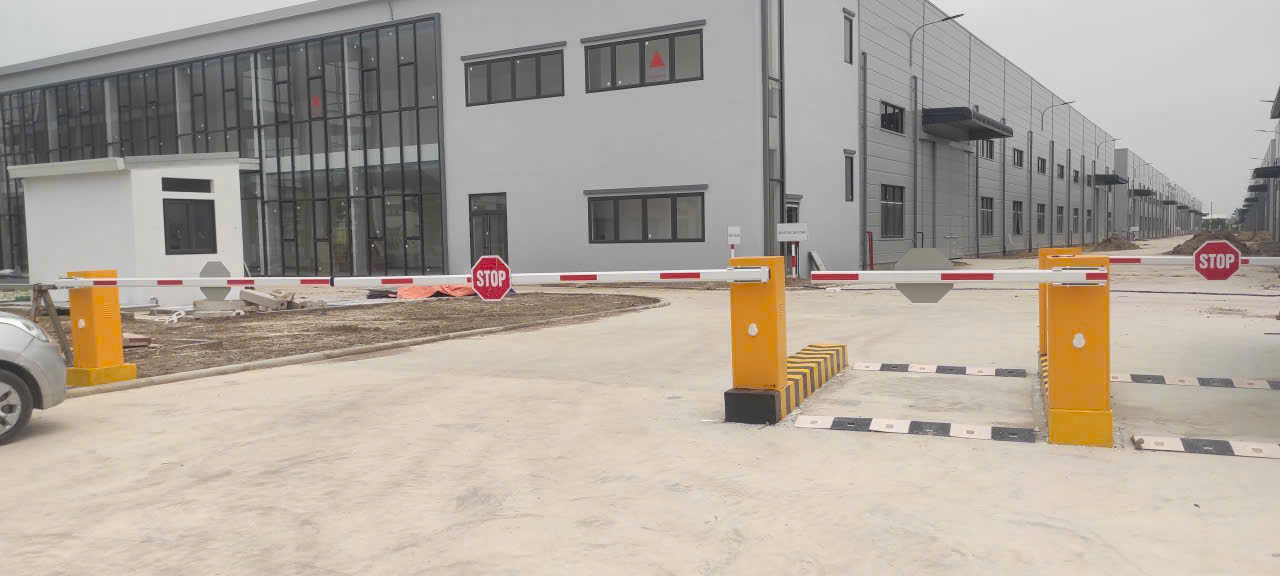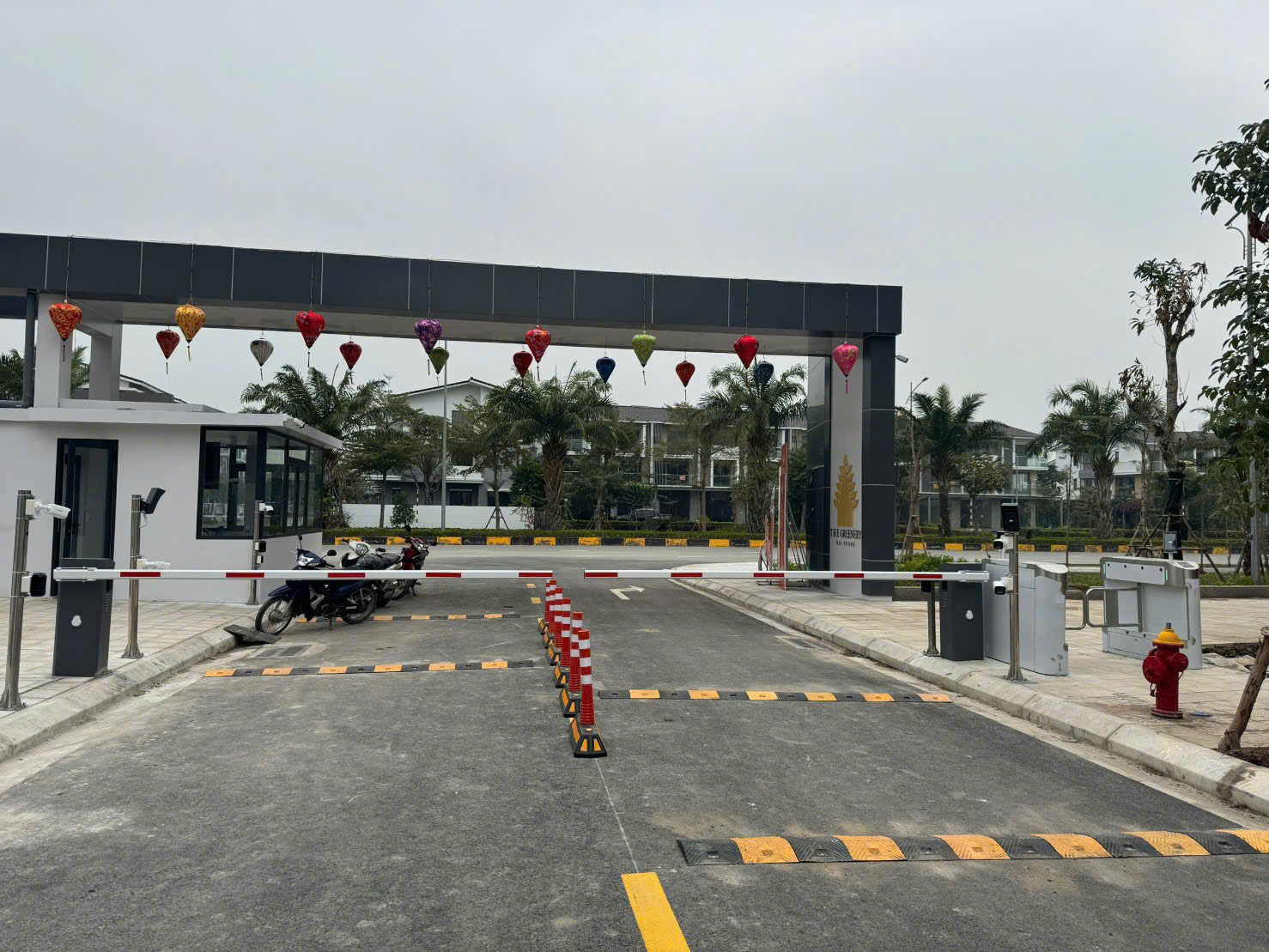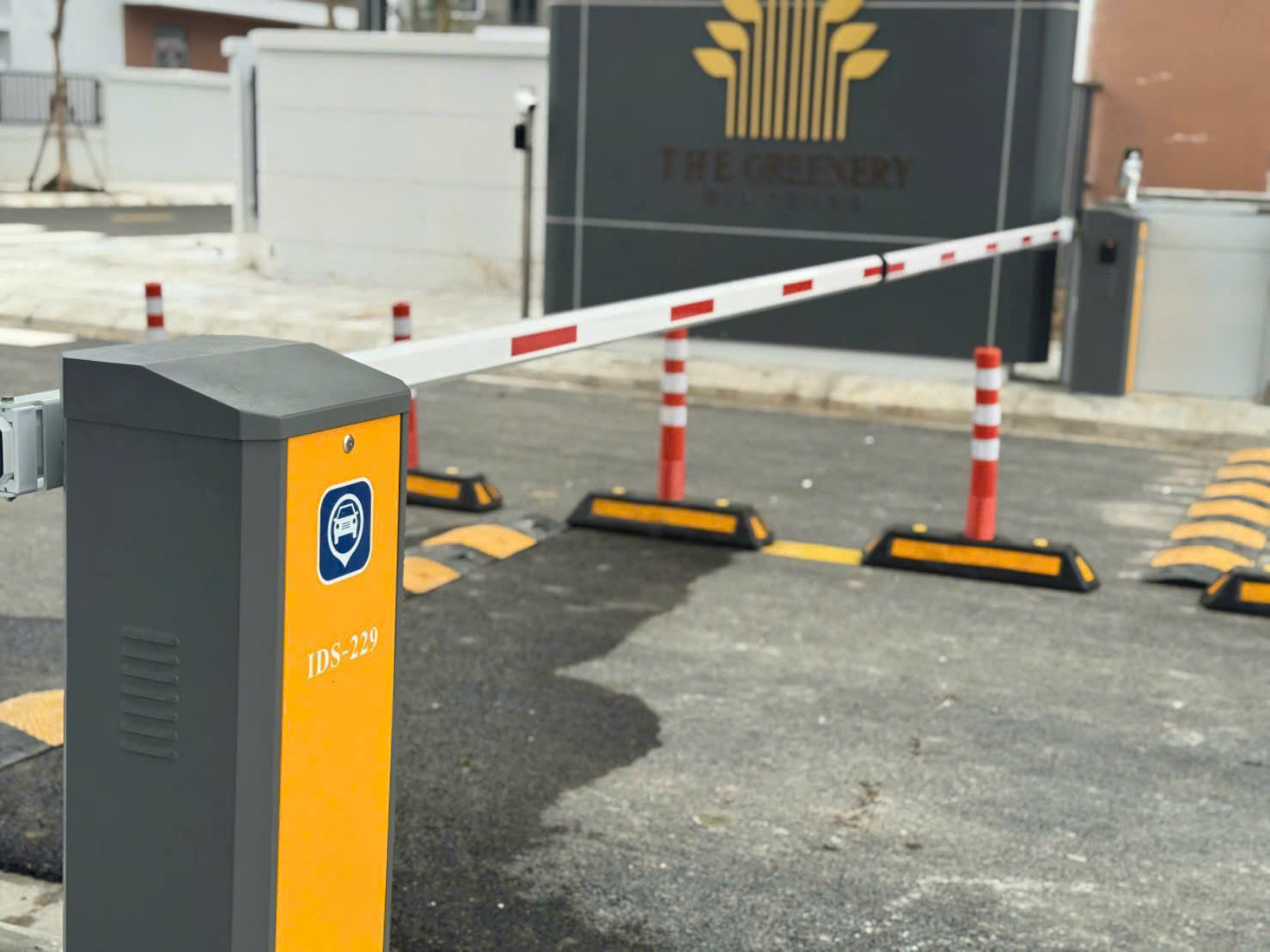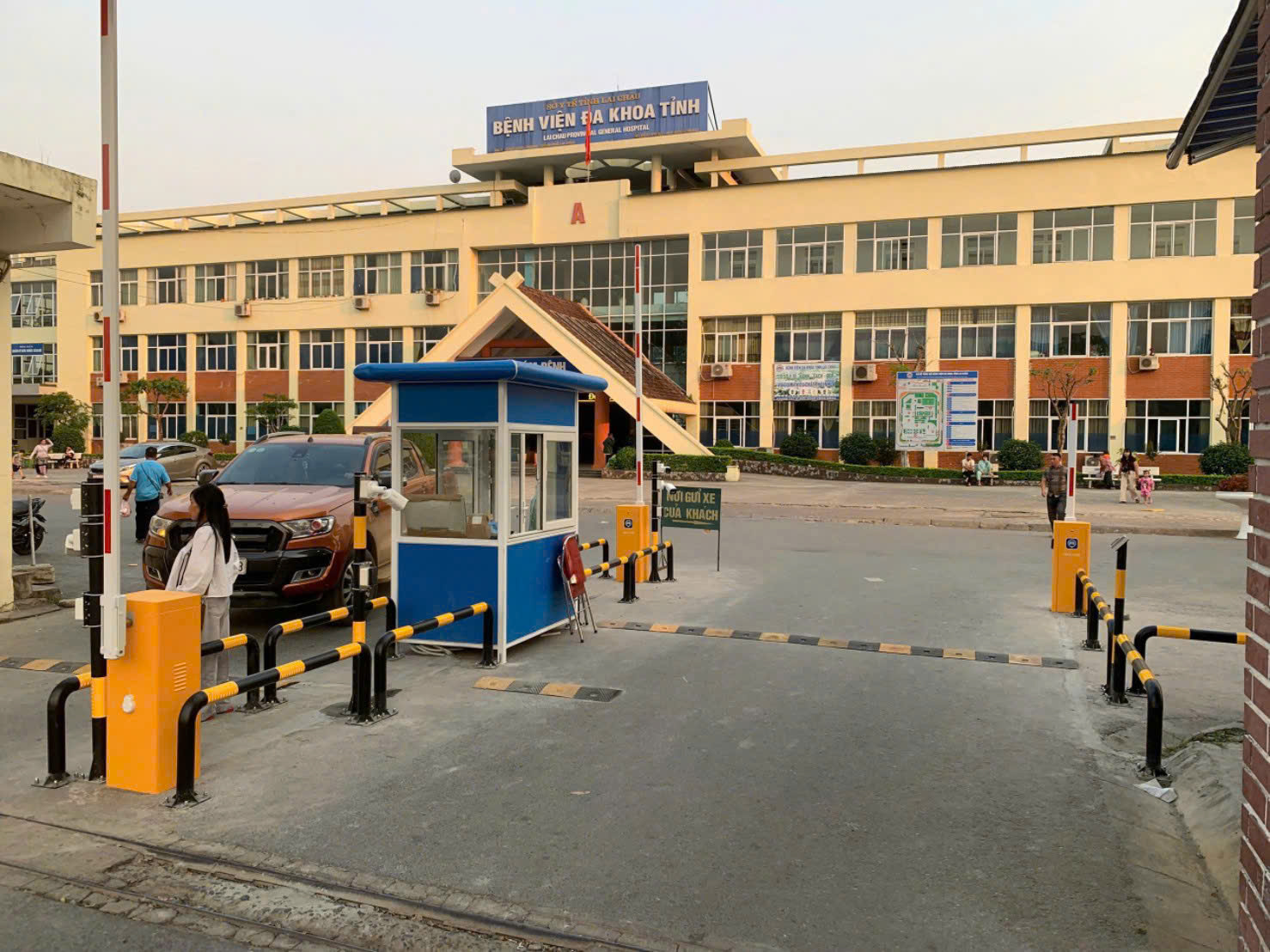


Automatic barrier
An overview of automatic barriers.
Automatic Barrier – Electromechanical Barrier Gate for Access Control
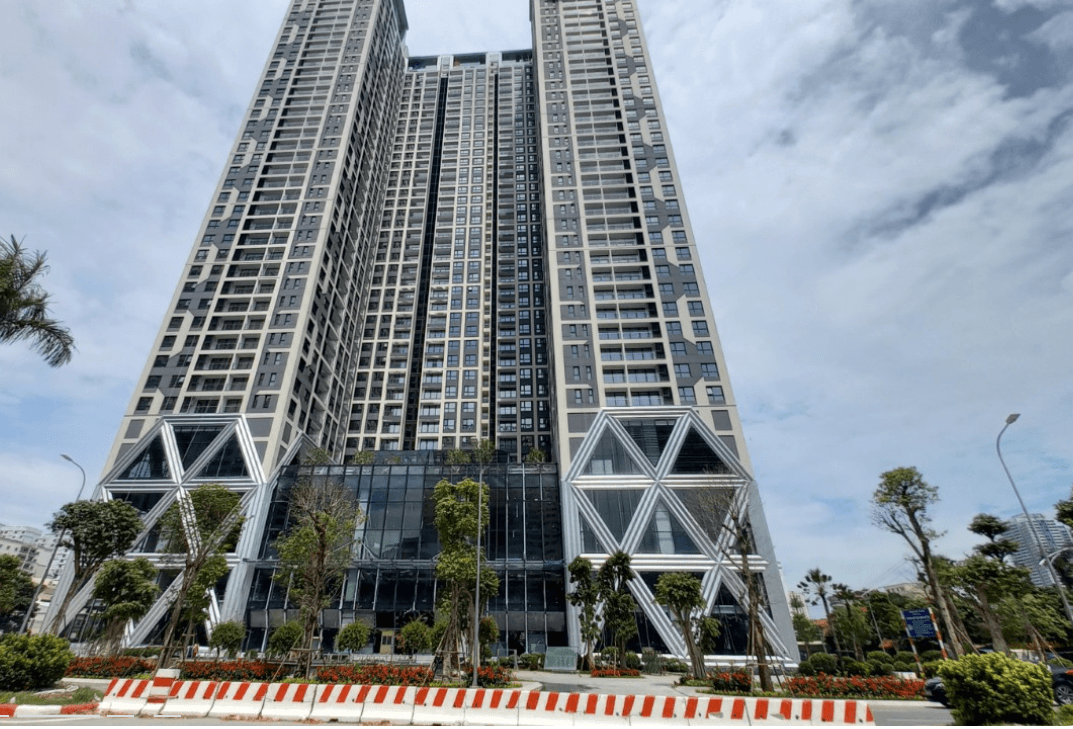
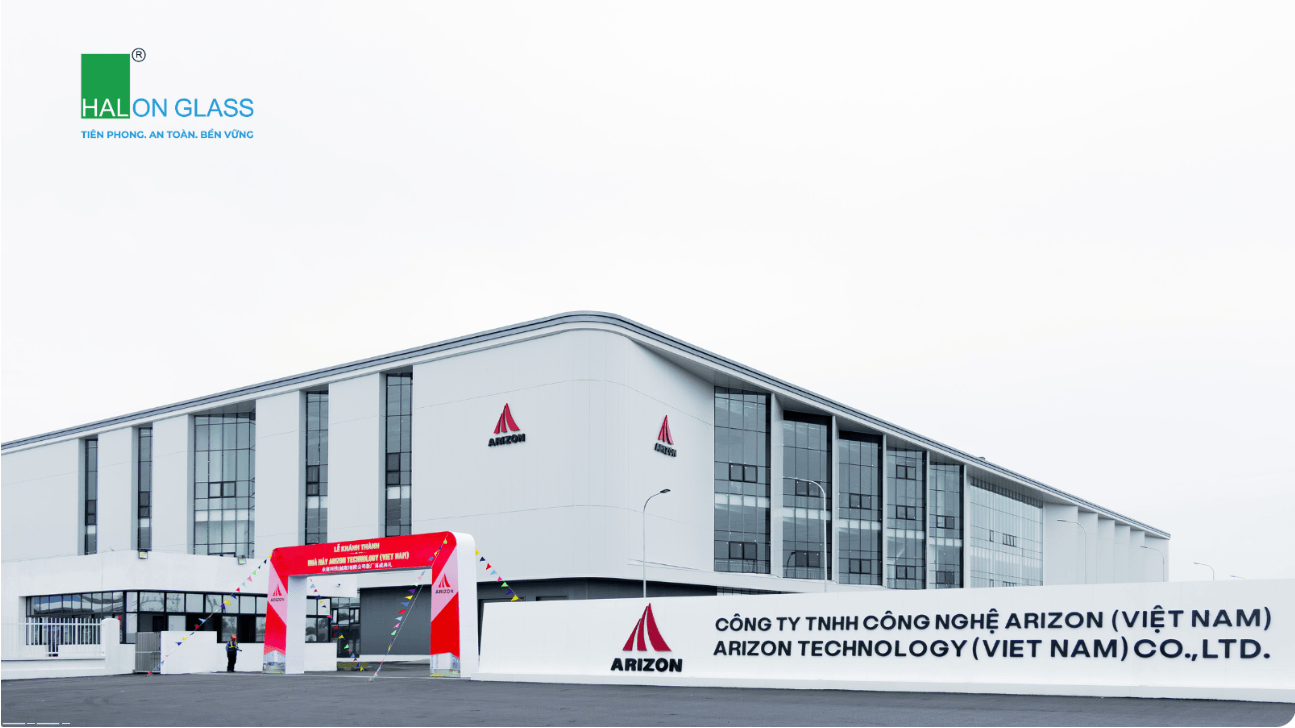
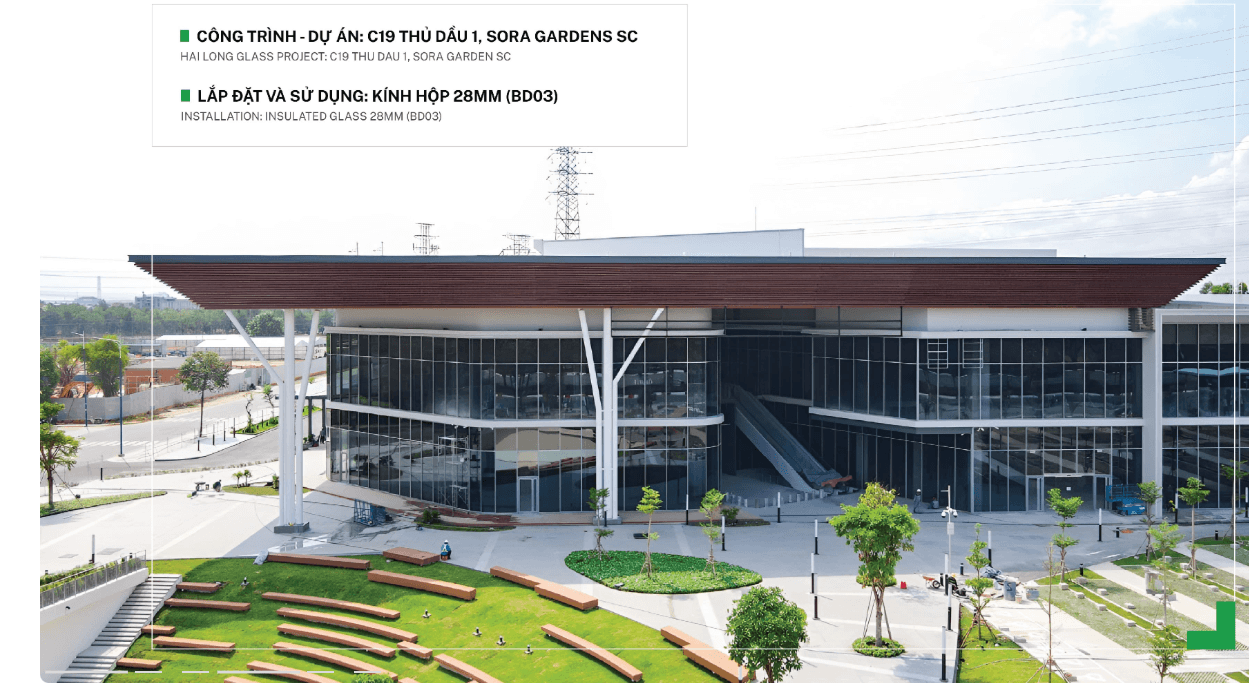
What types of buildings use automatic barriers?
- Parking lot
- Apartment
- Building
- Factory
- Industrial zone
- School
- Hospital
- Shopping mall
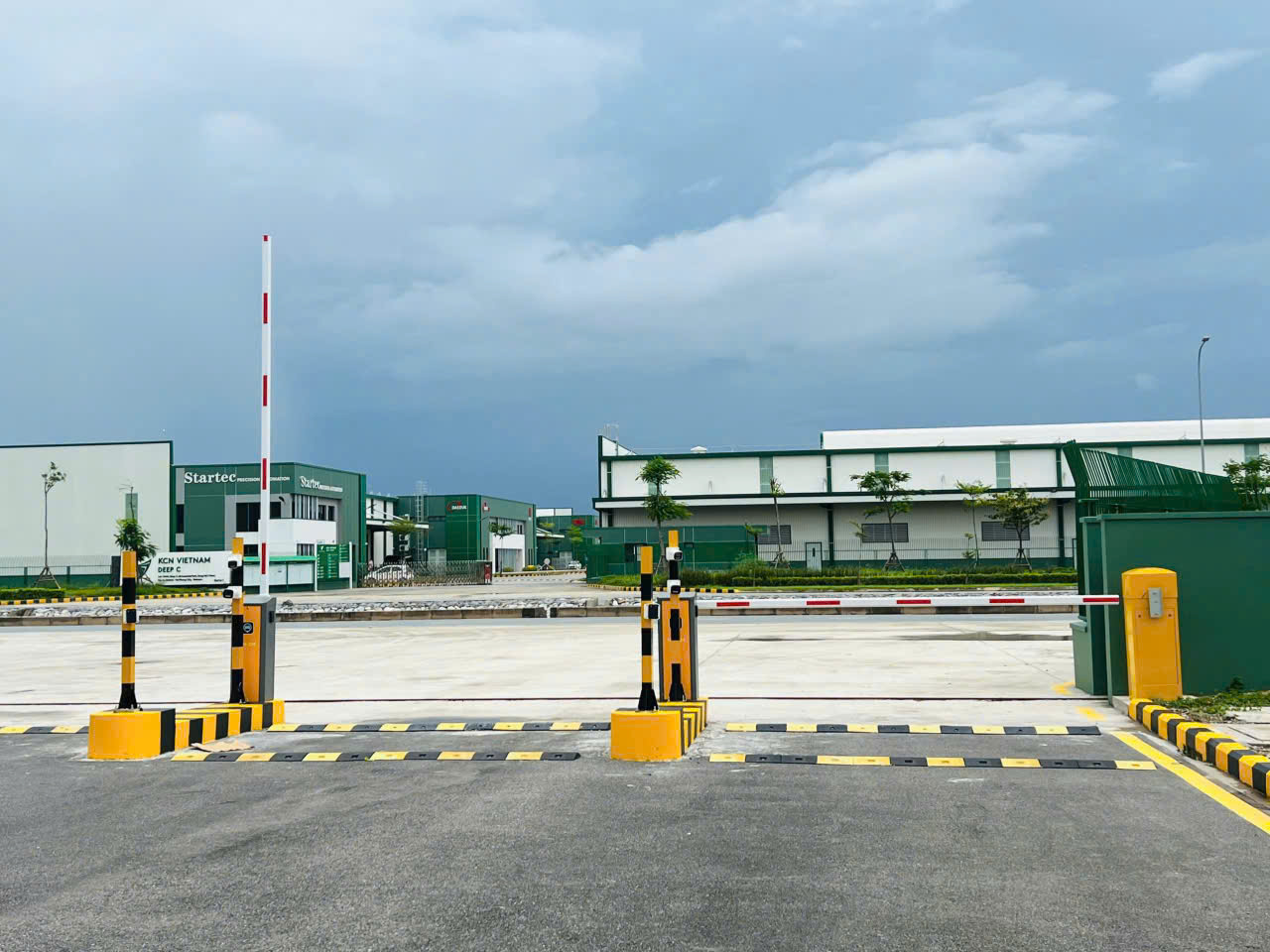
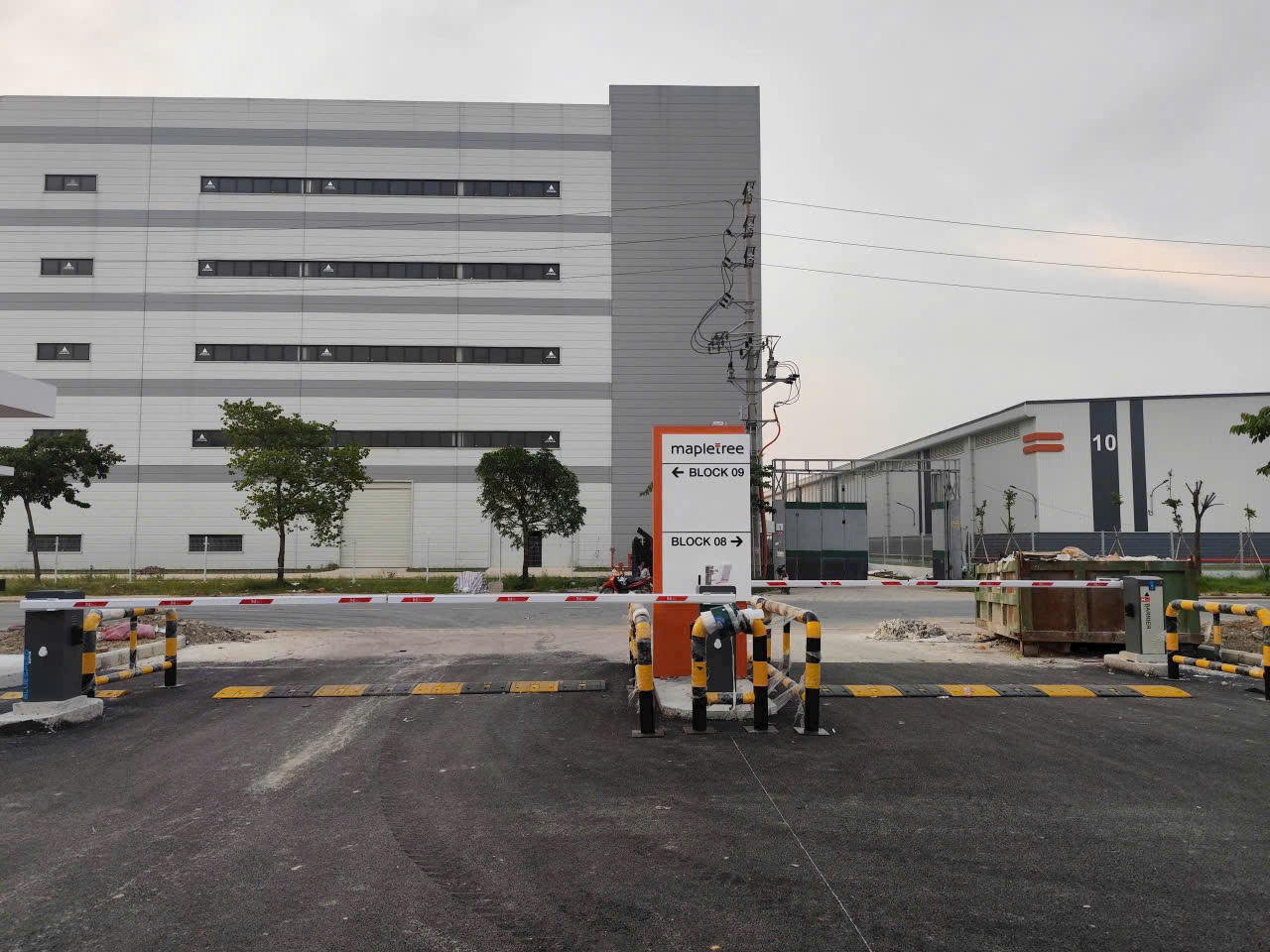
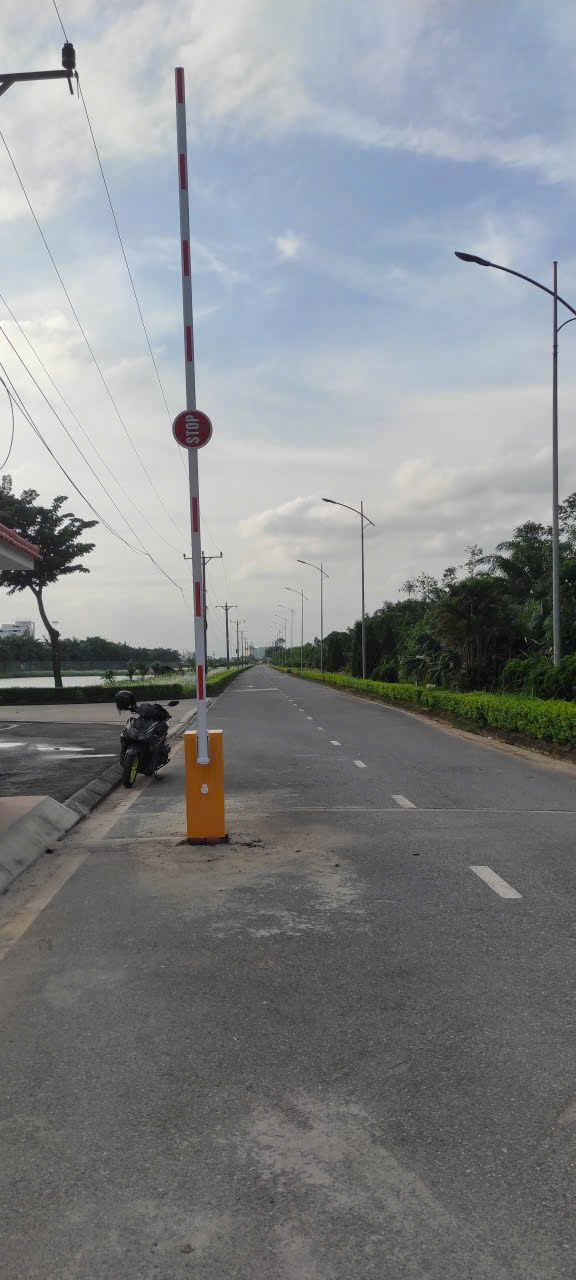
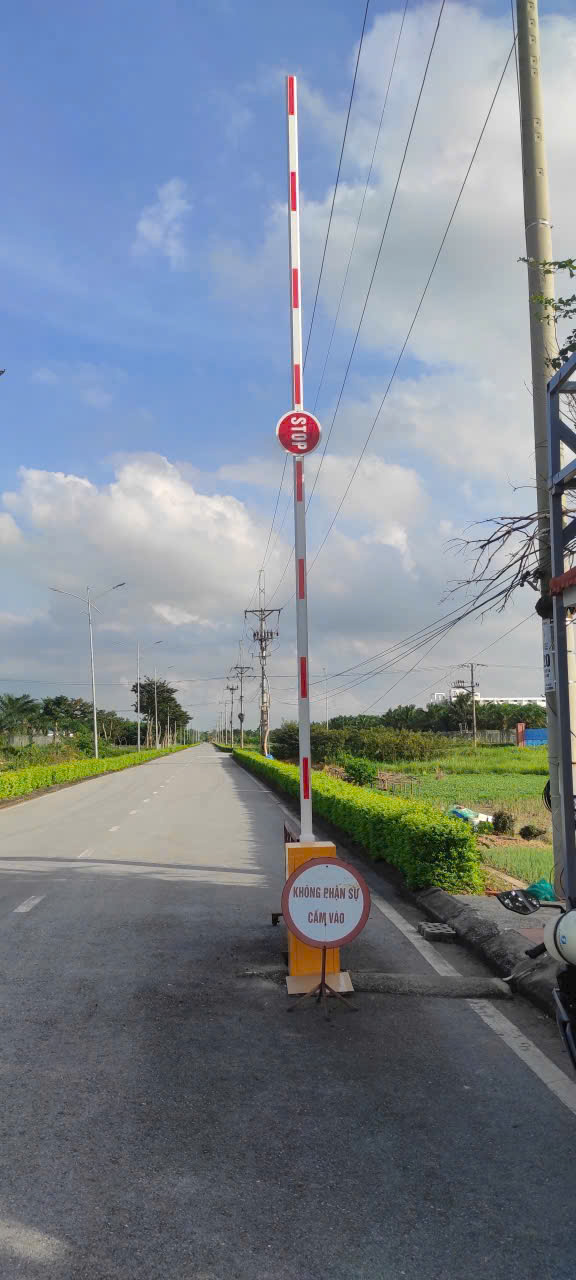
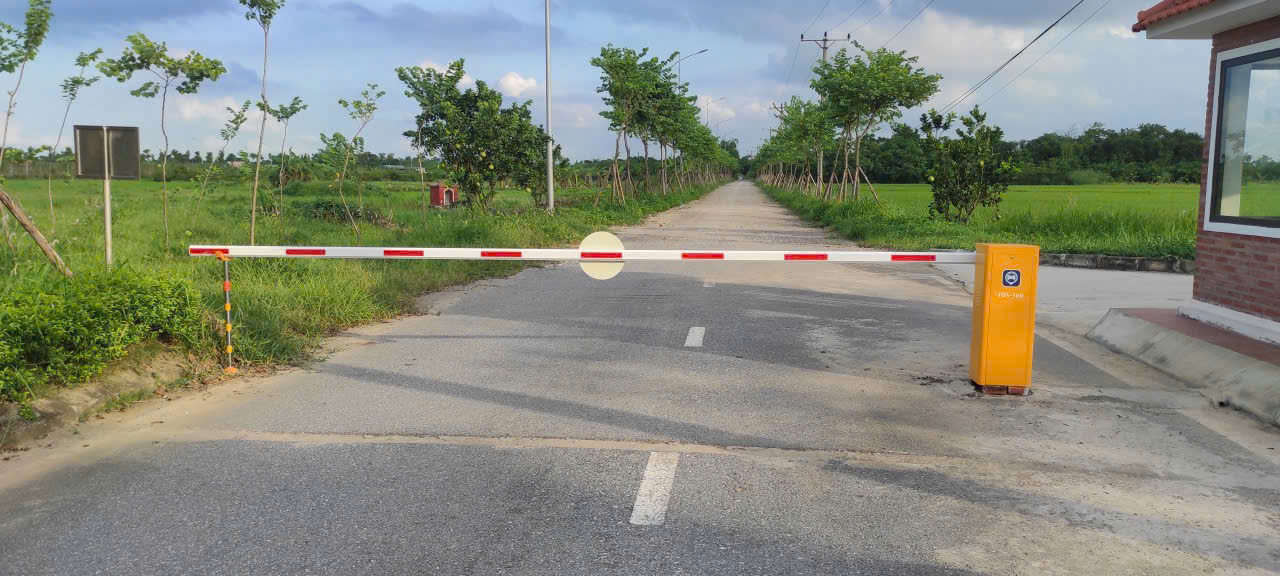
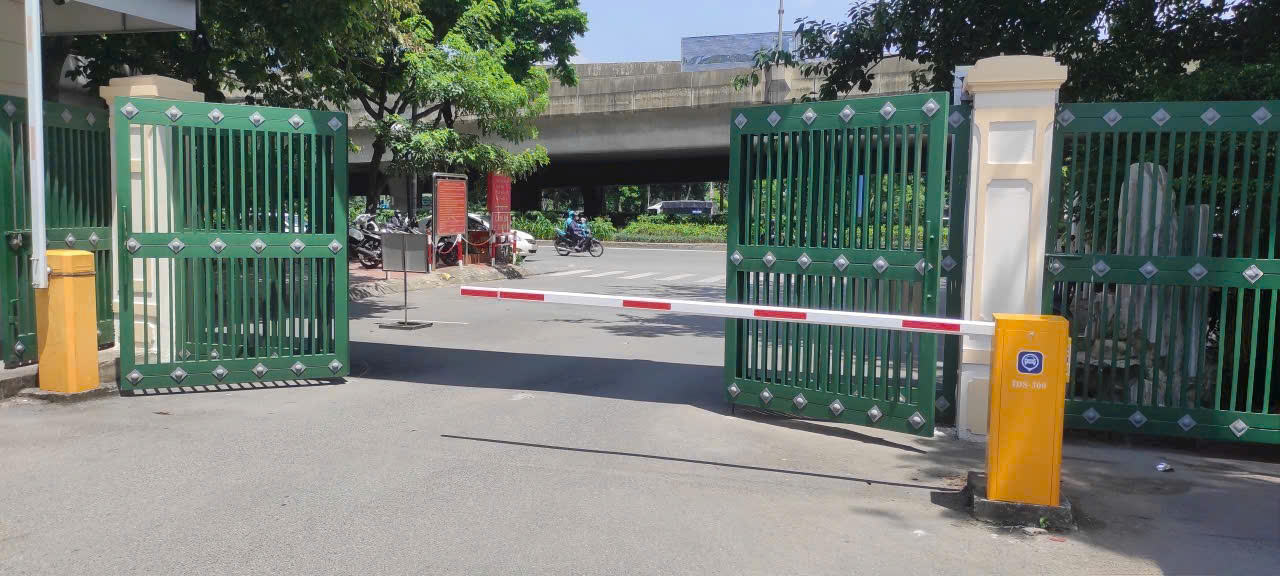
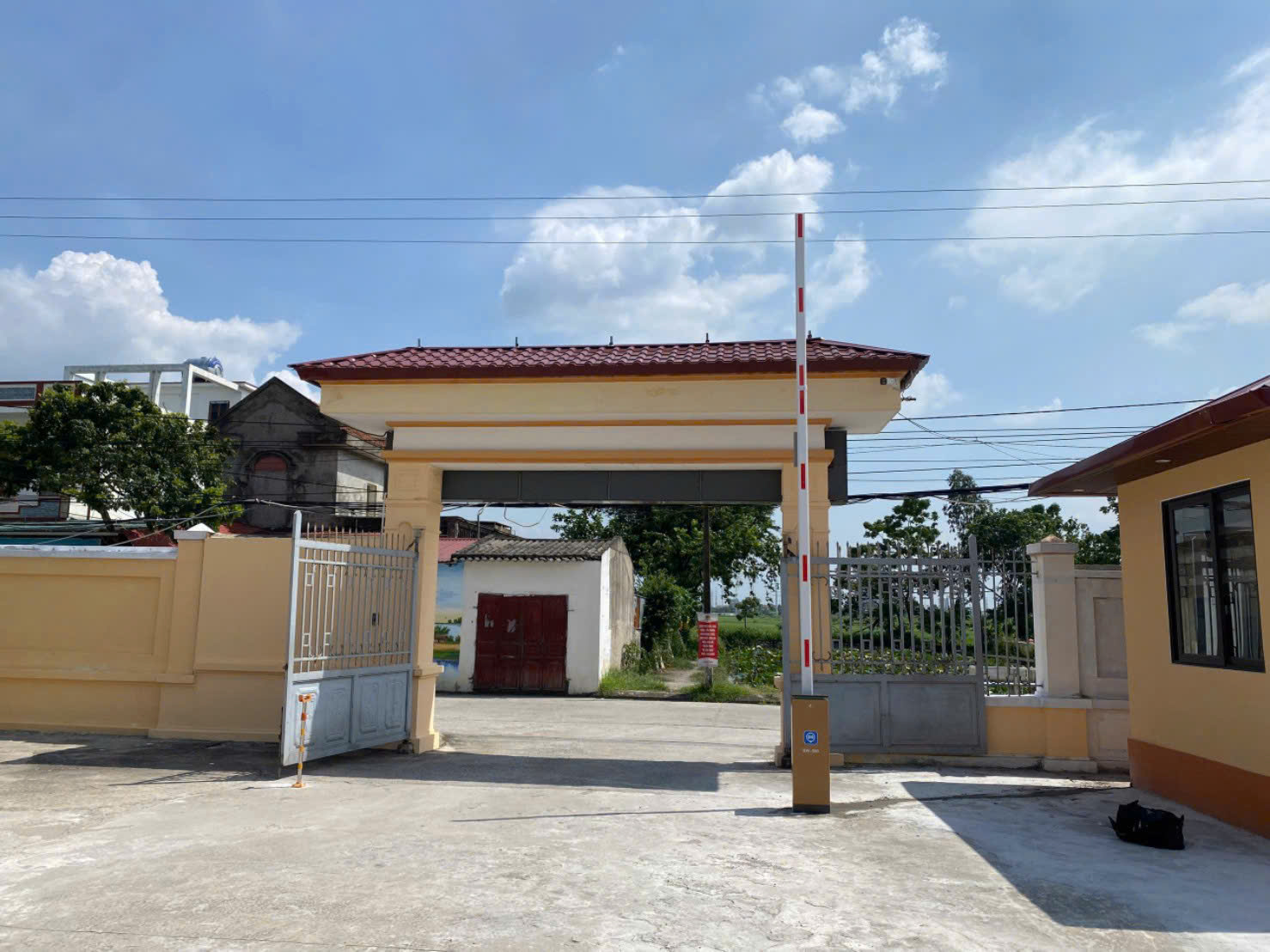
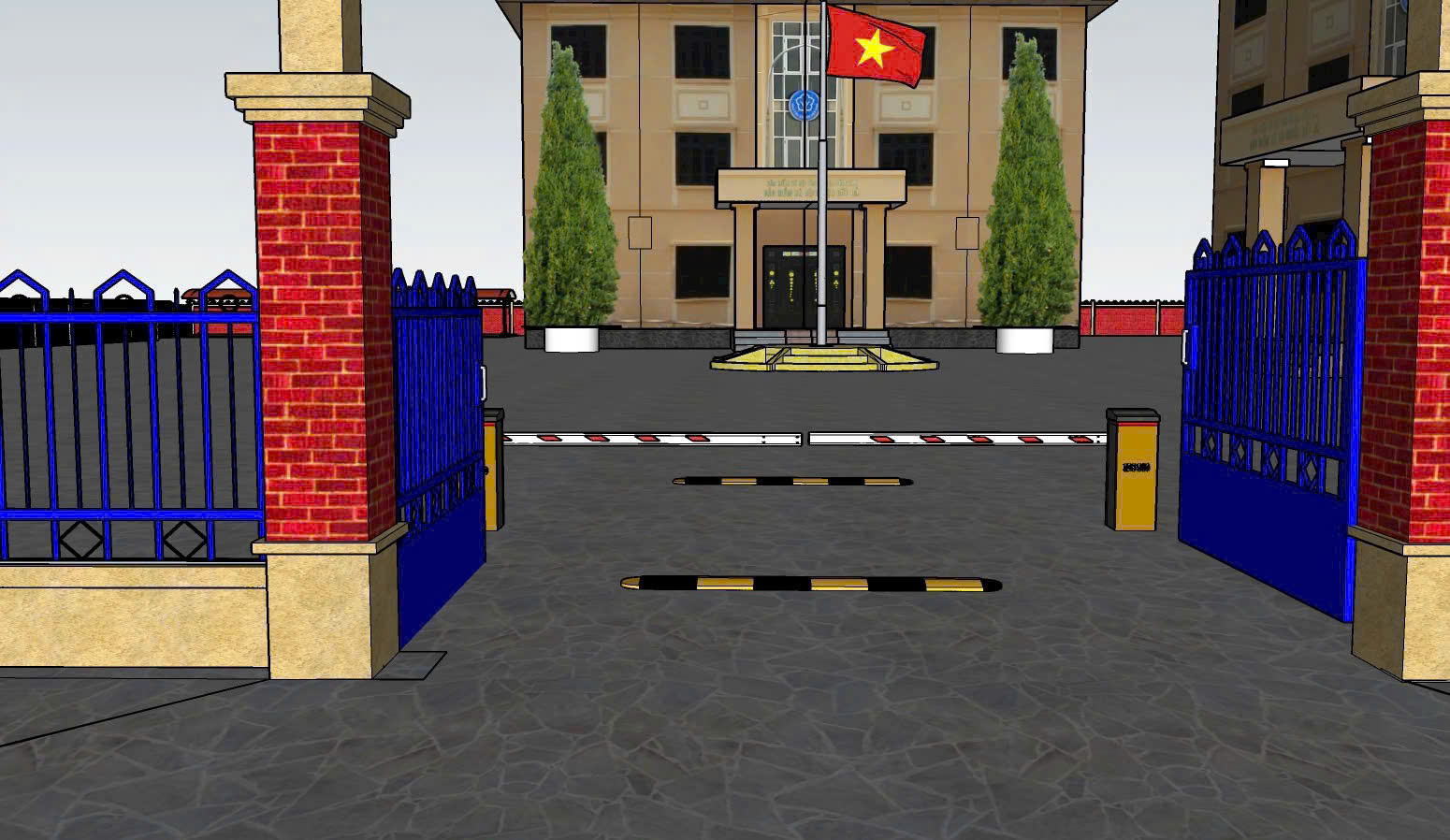
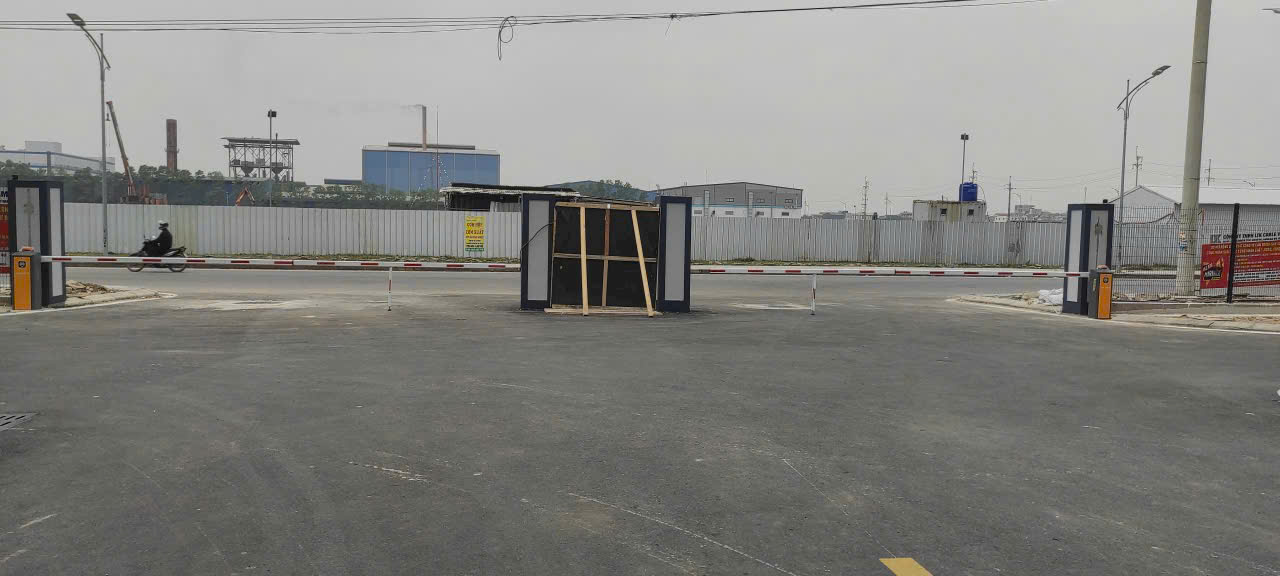
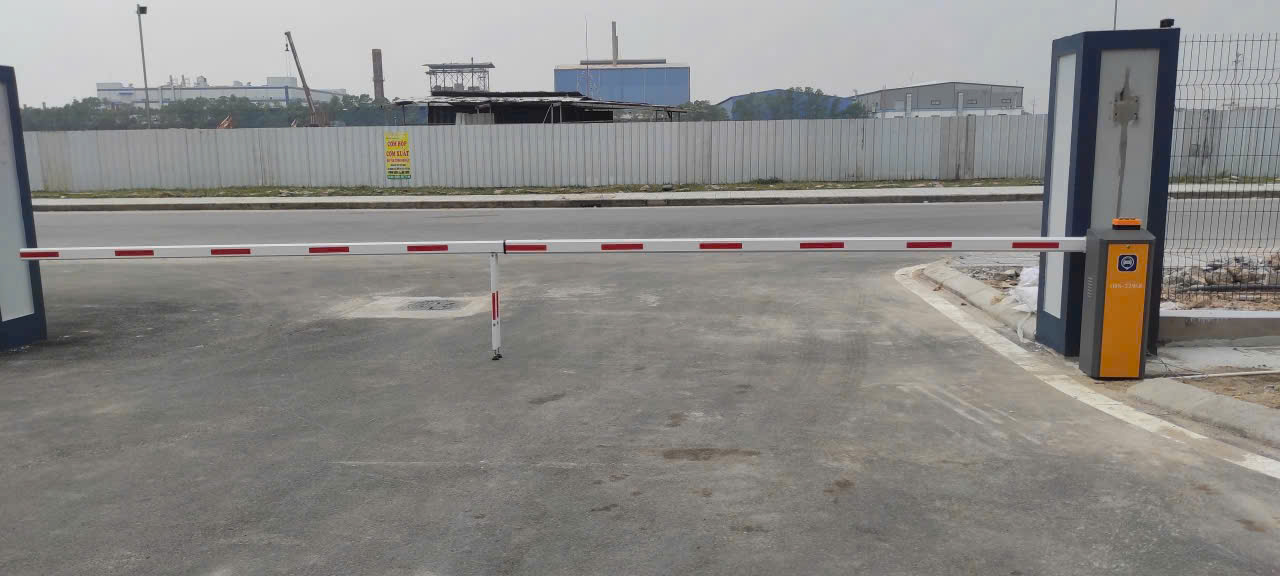
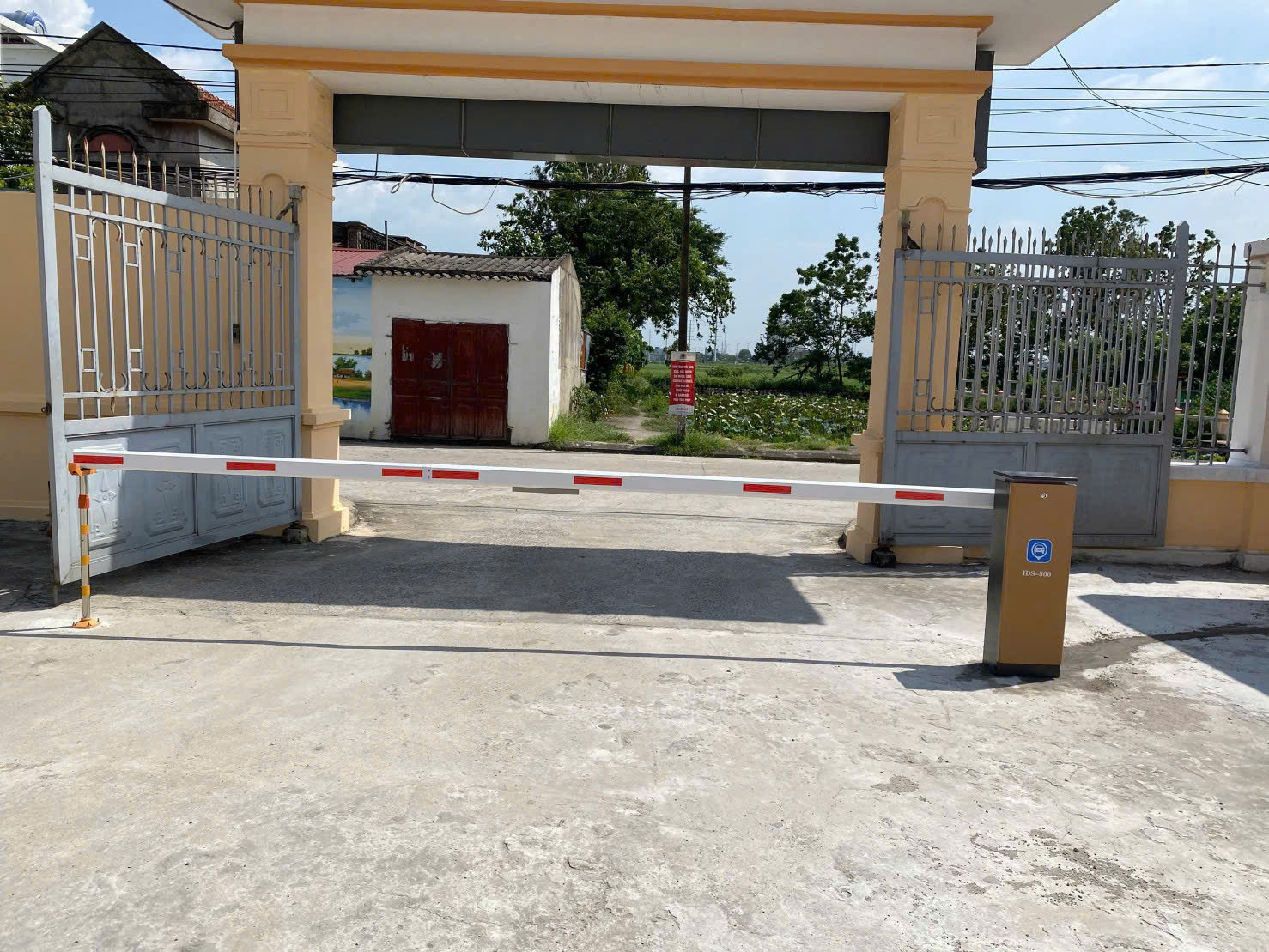
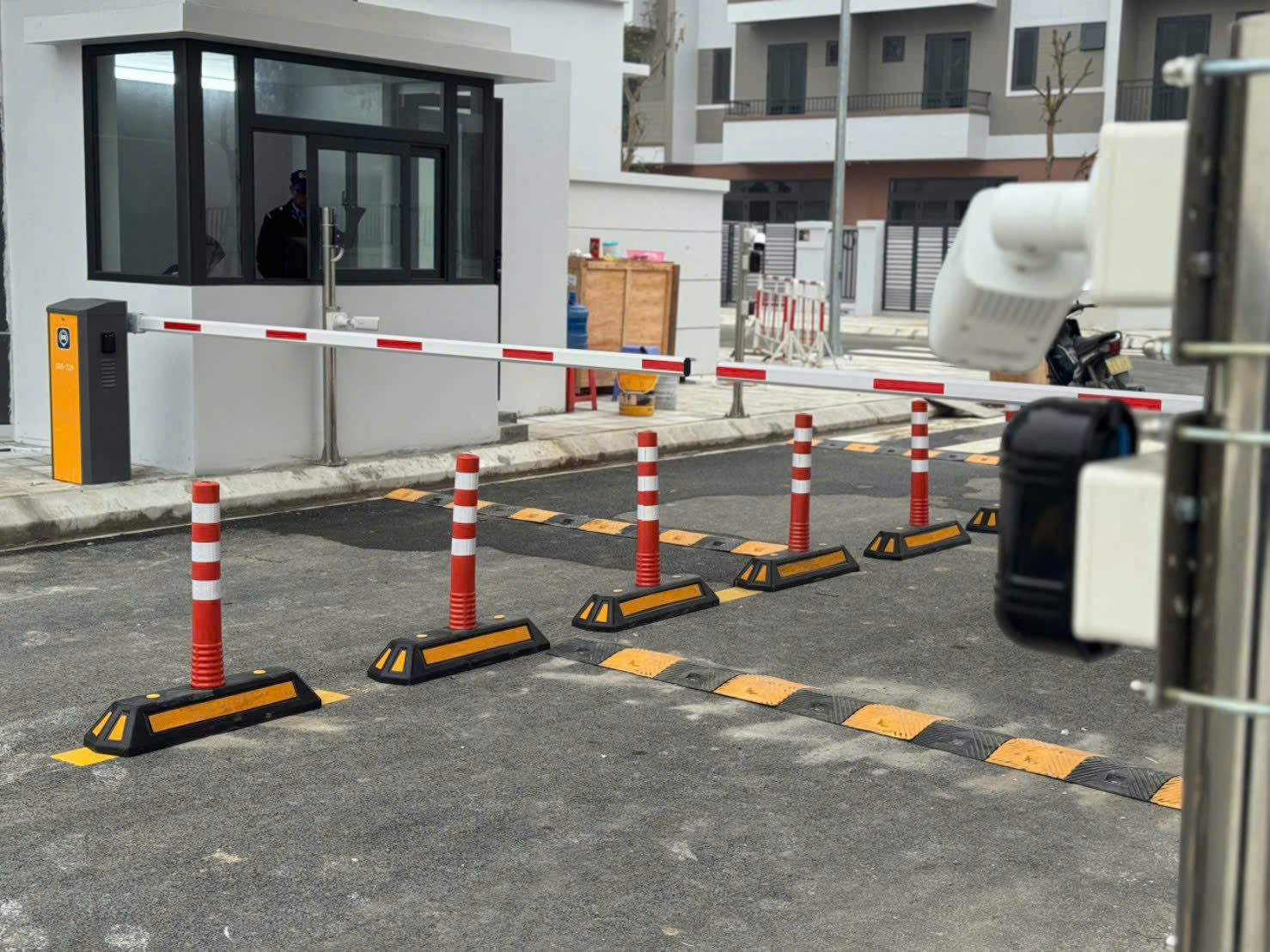
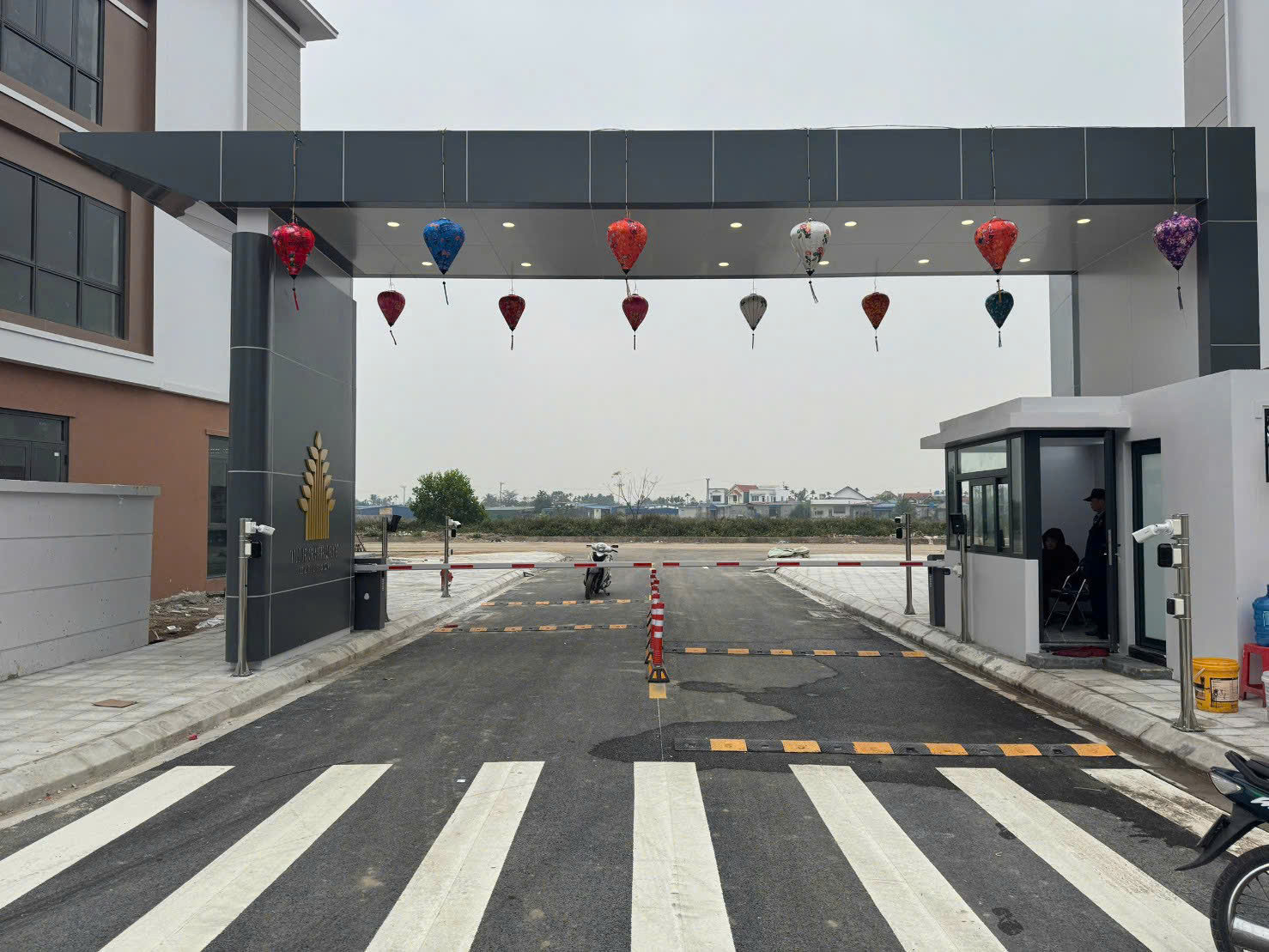
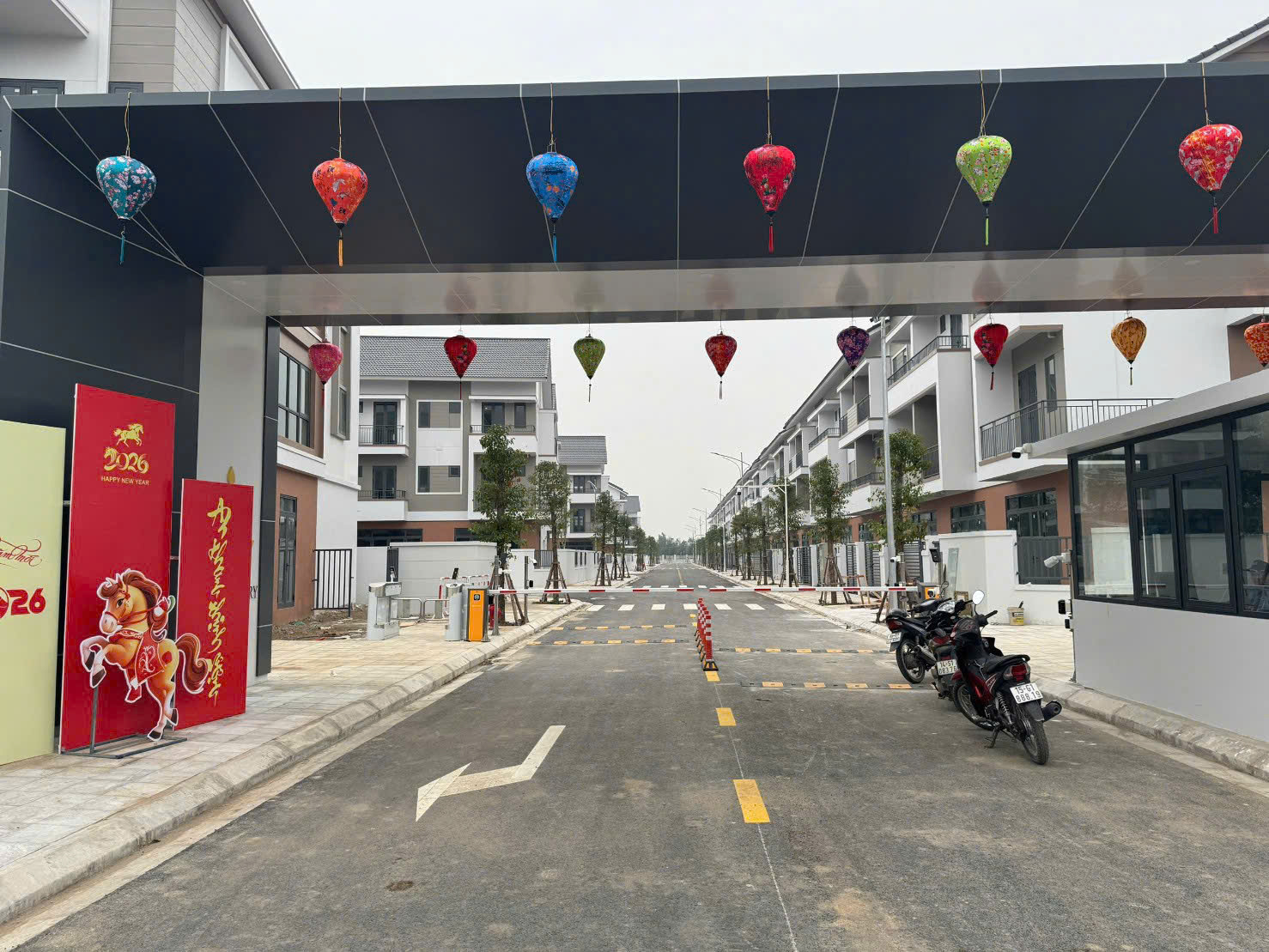
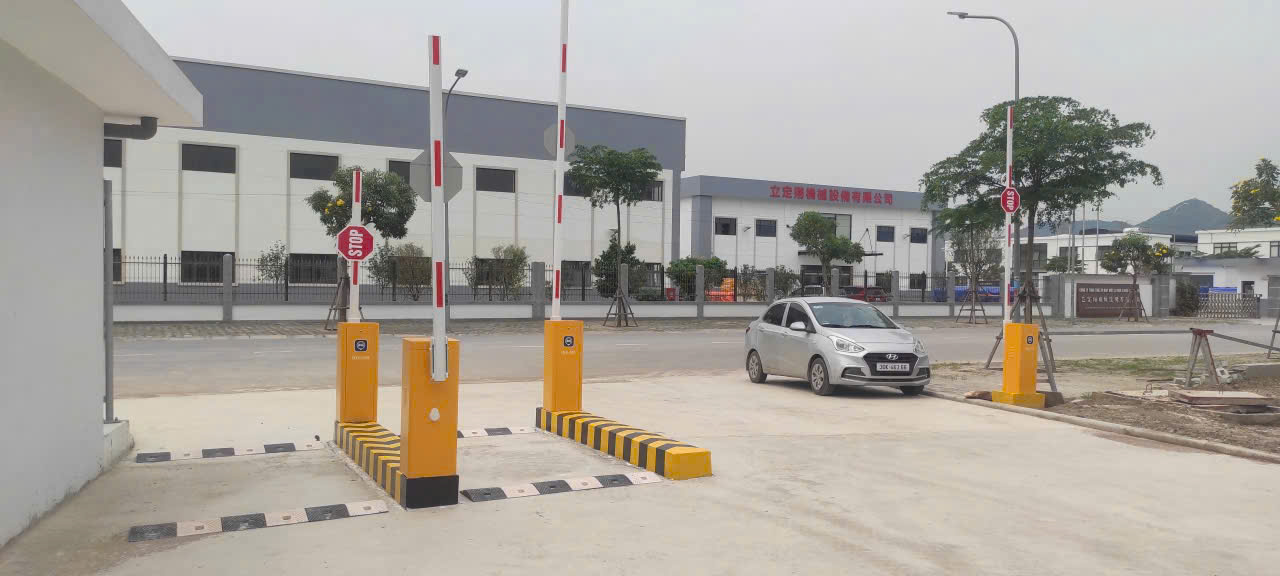
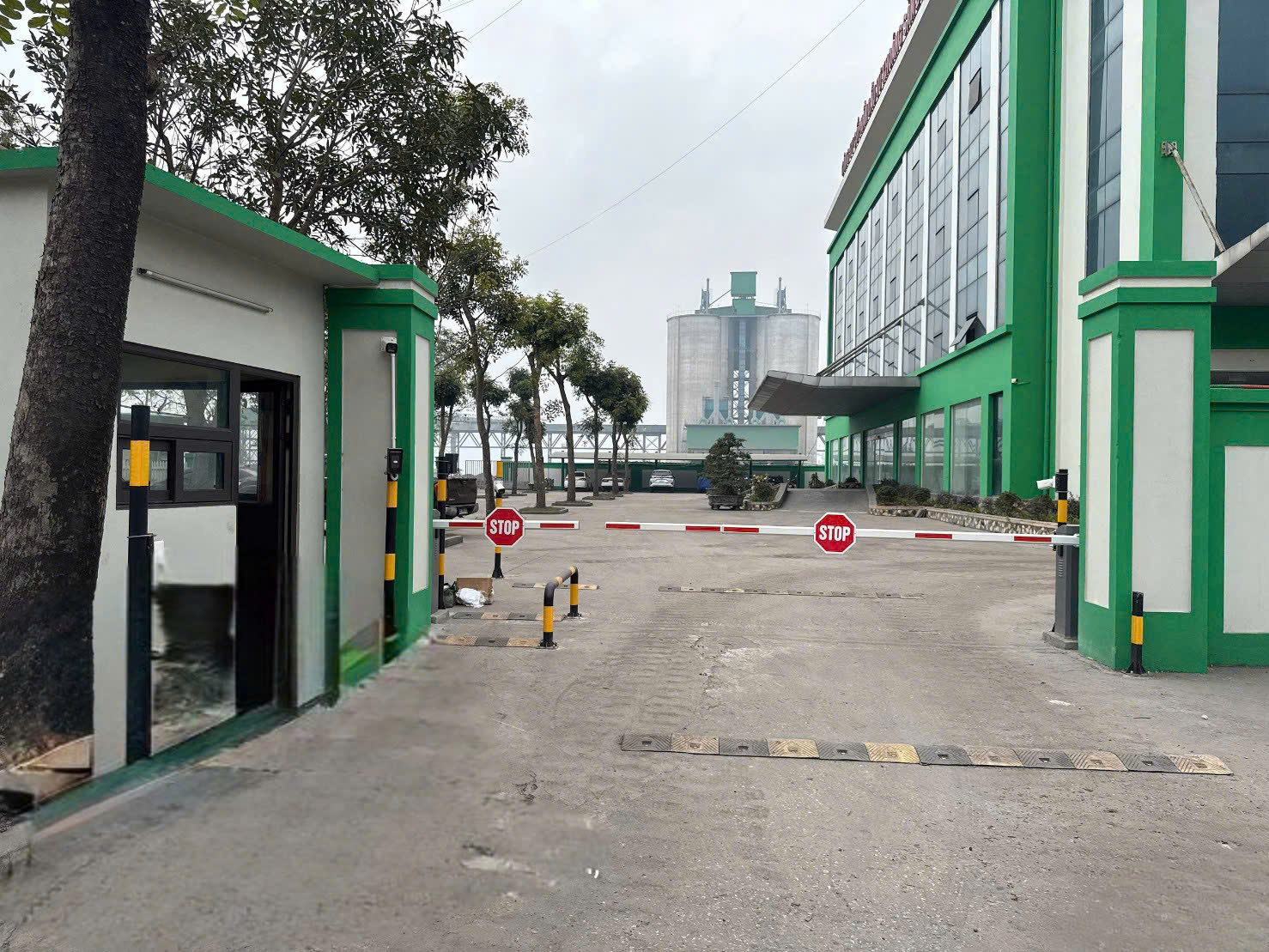
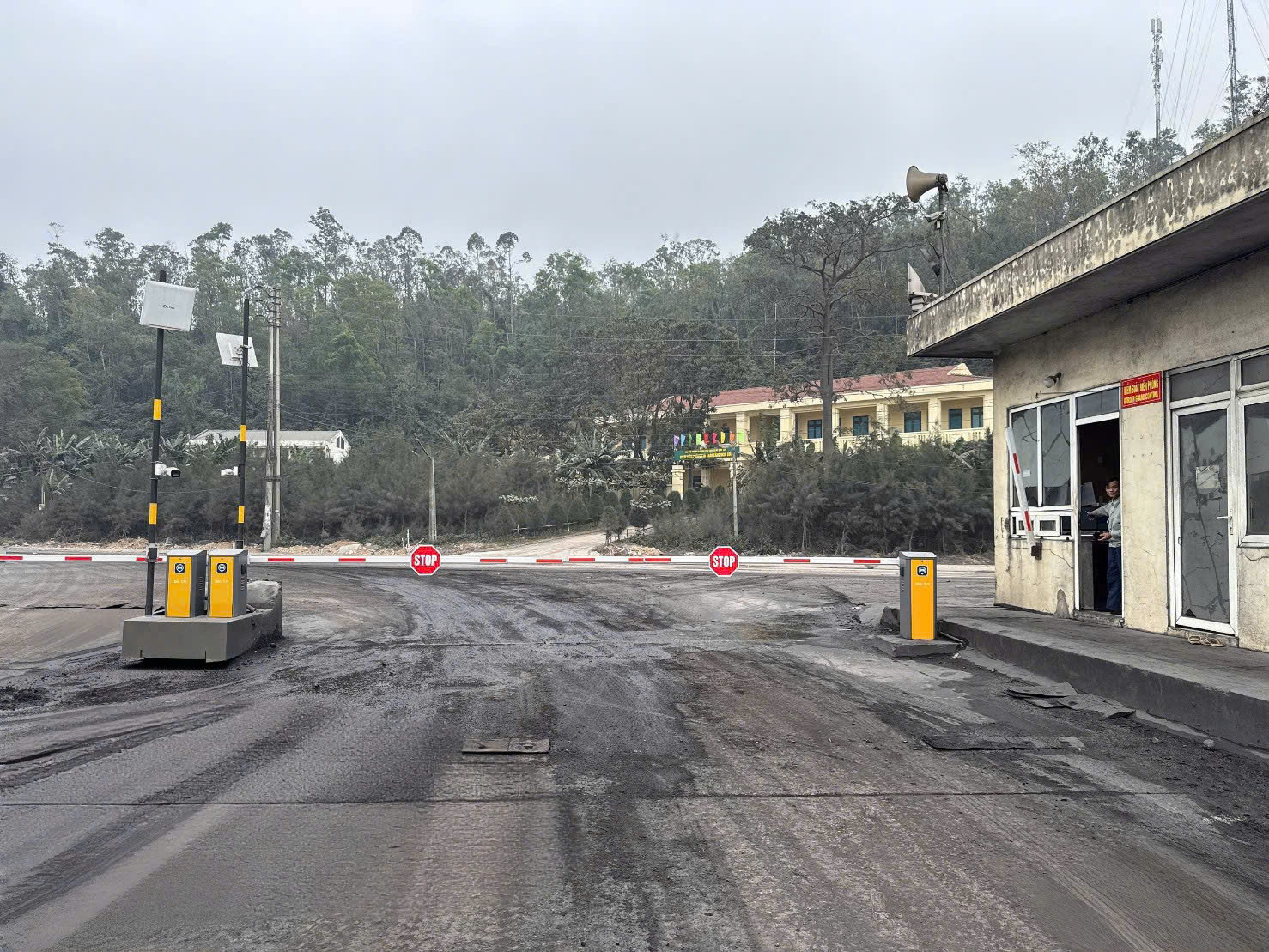
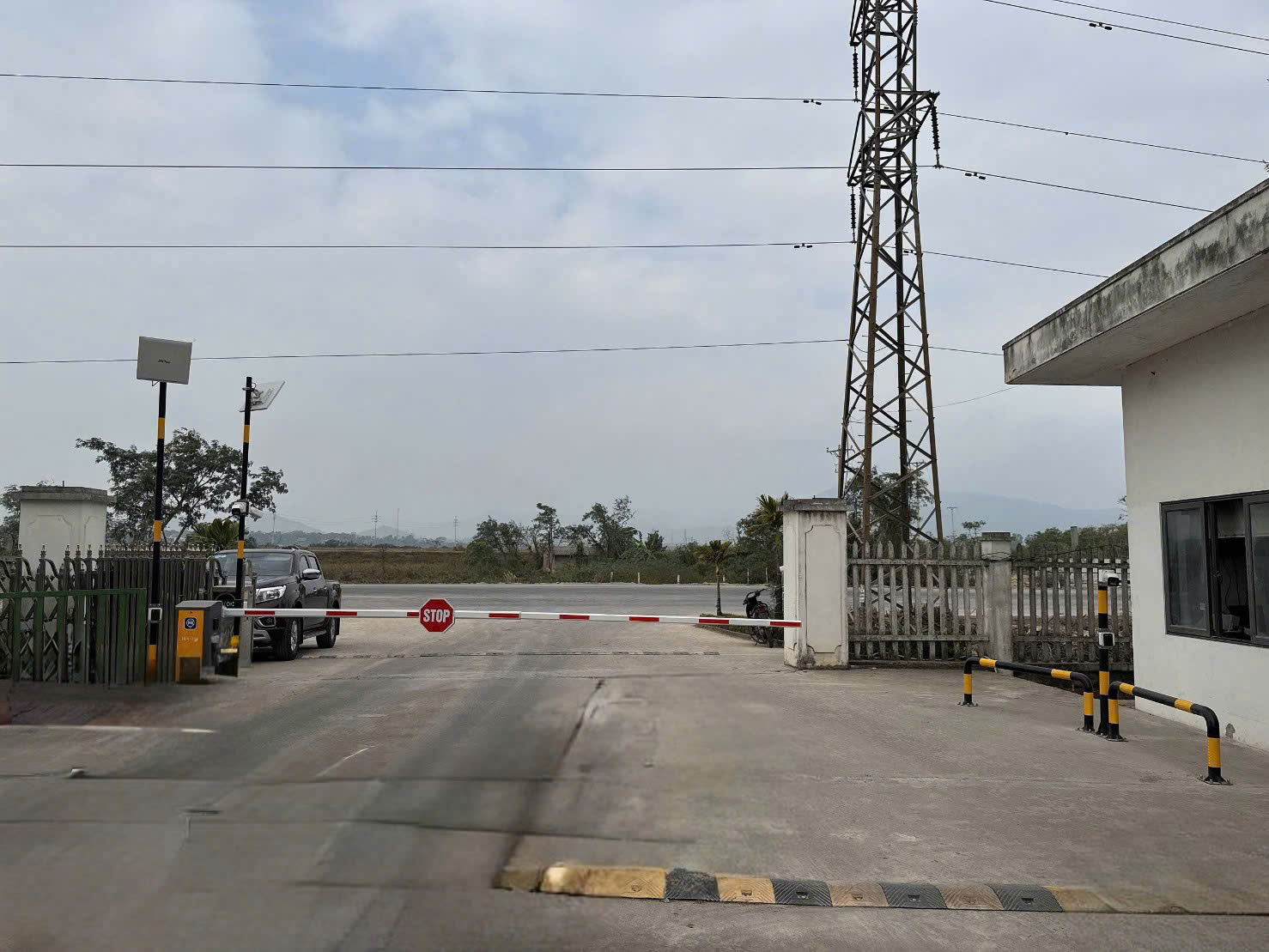
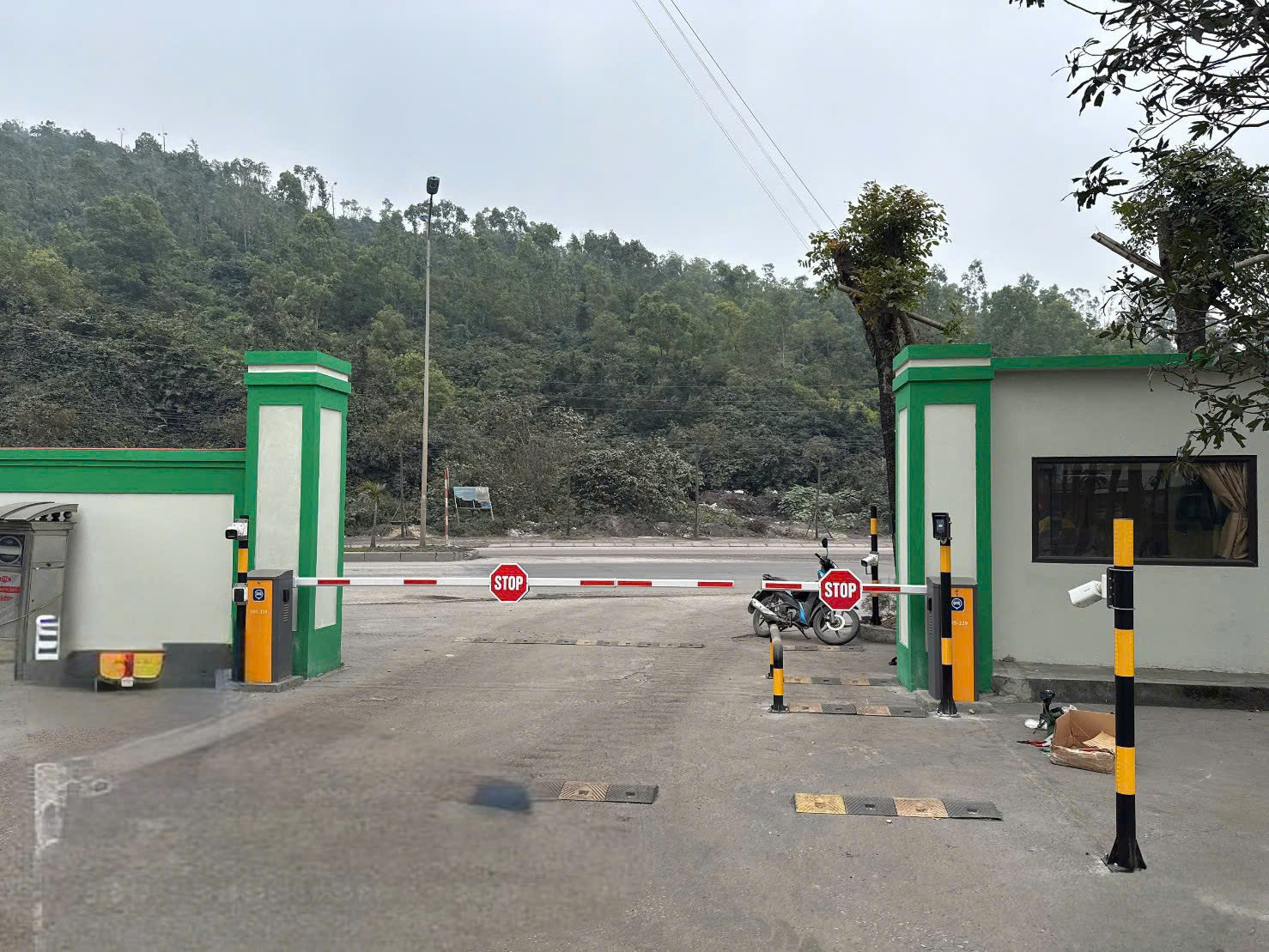
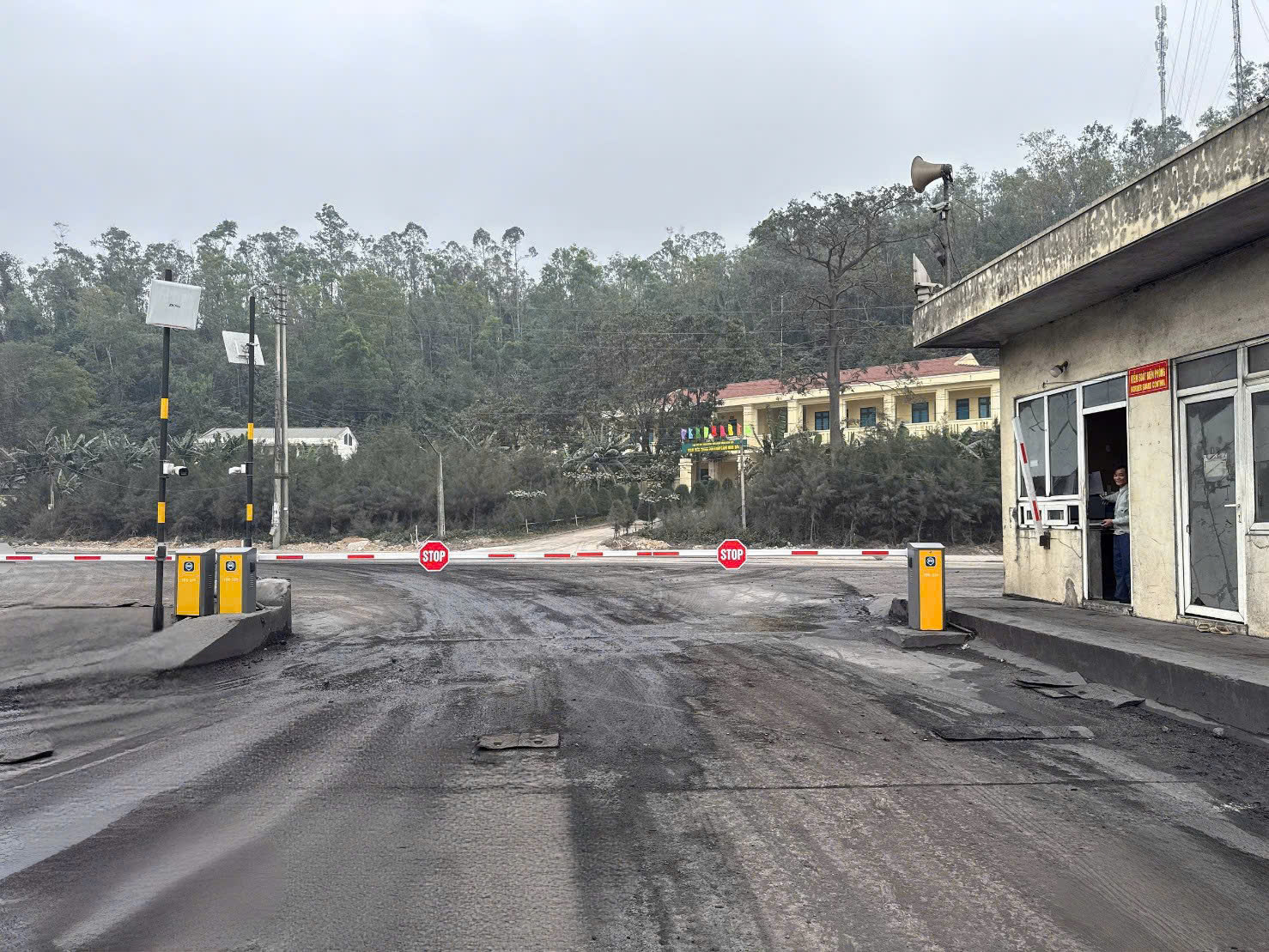
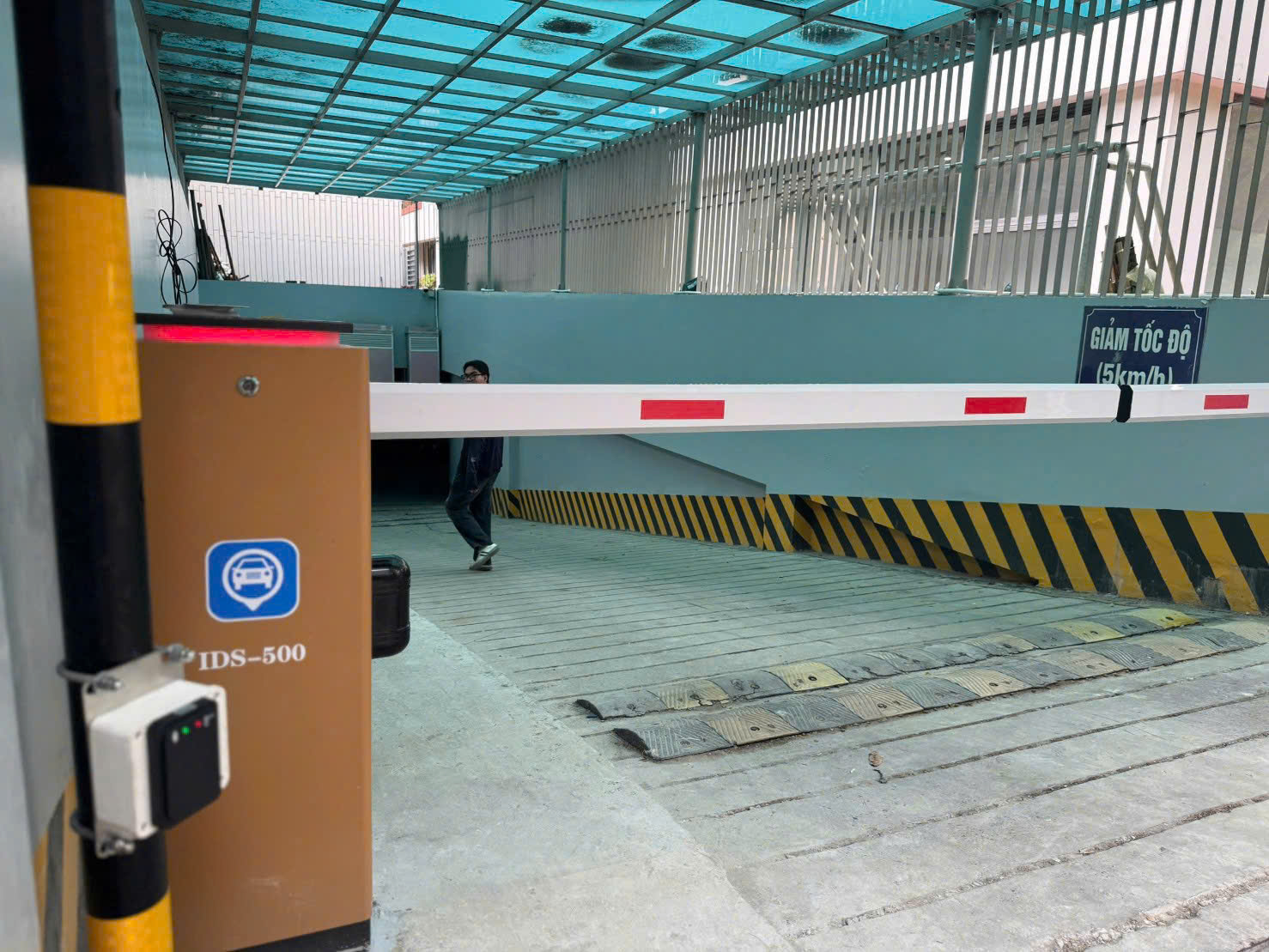
Automatic barriers are specialized electromechanical devices designed to regulate traffic and control access to areas with high traffic volume or high security requirements, such as parking lots, building entrances, industrial parks, security checkpoints, toll stations, and other restricted areas.

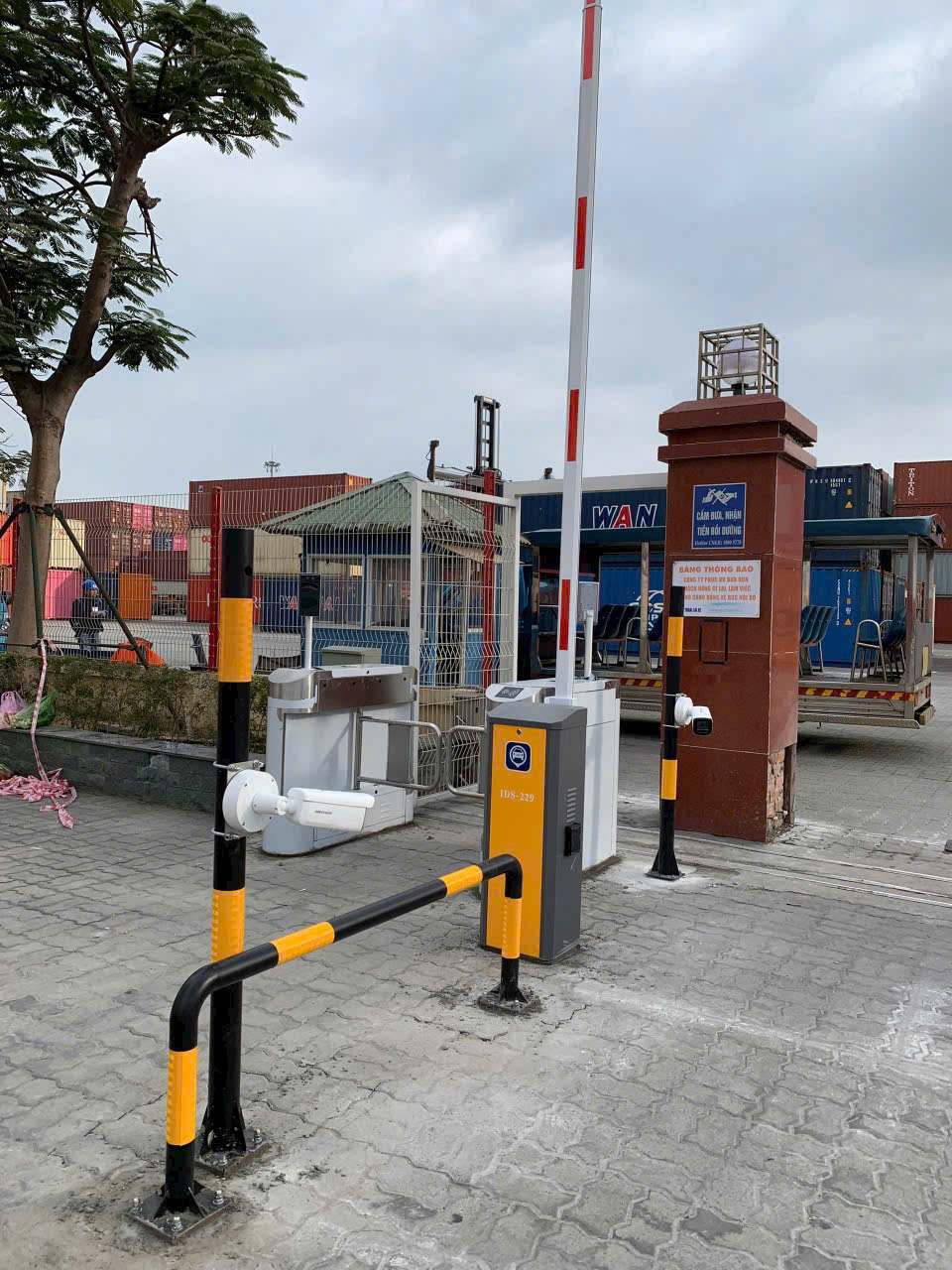
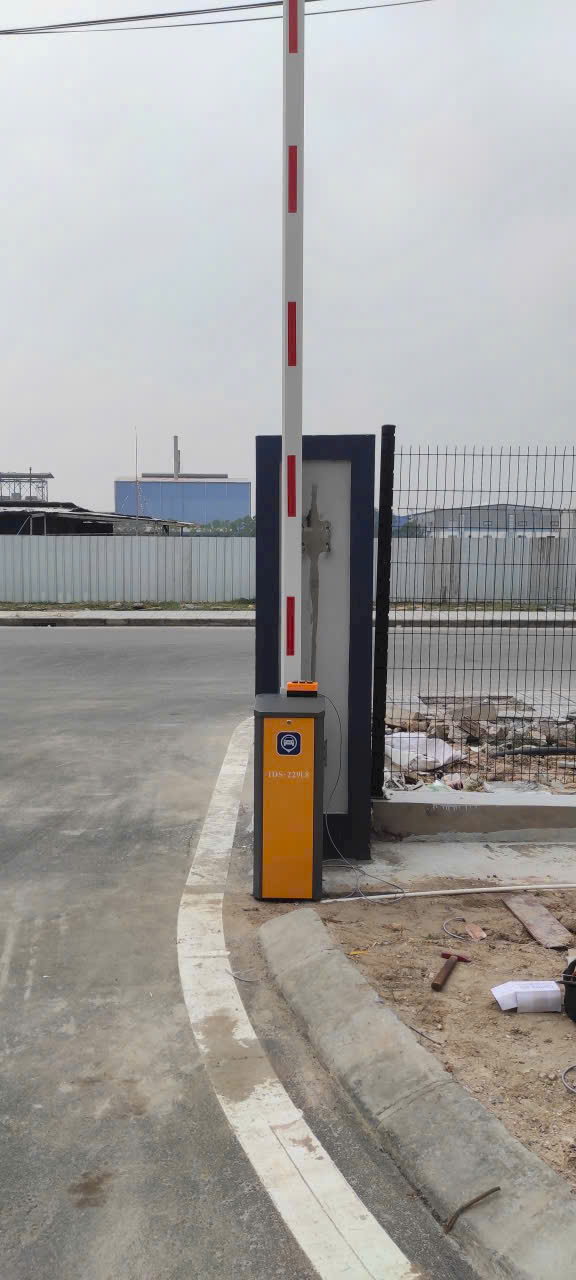
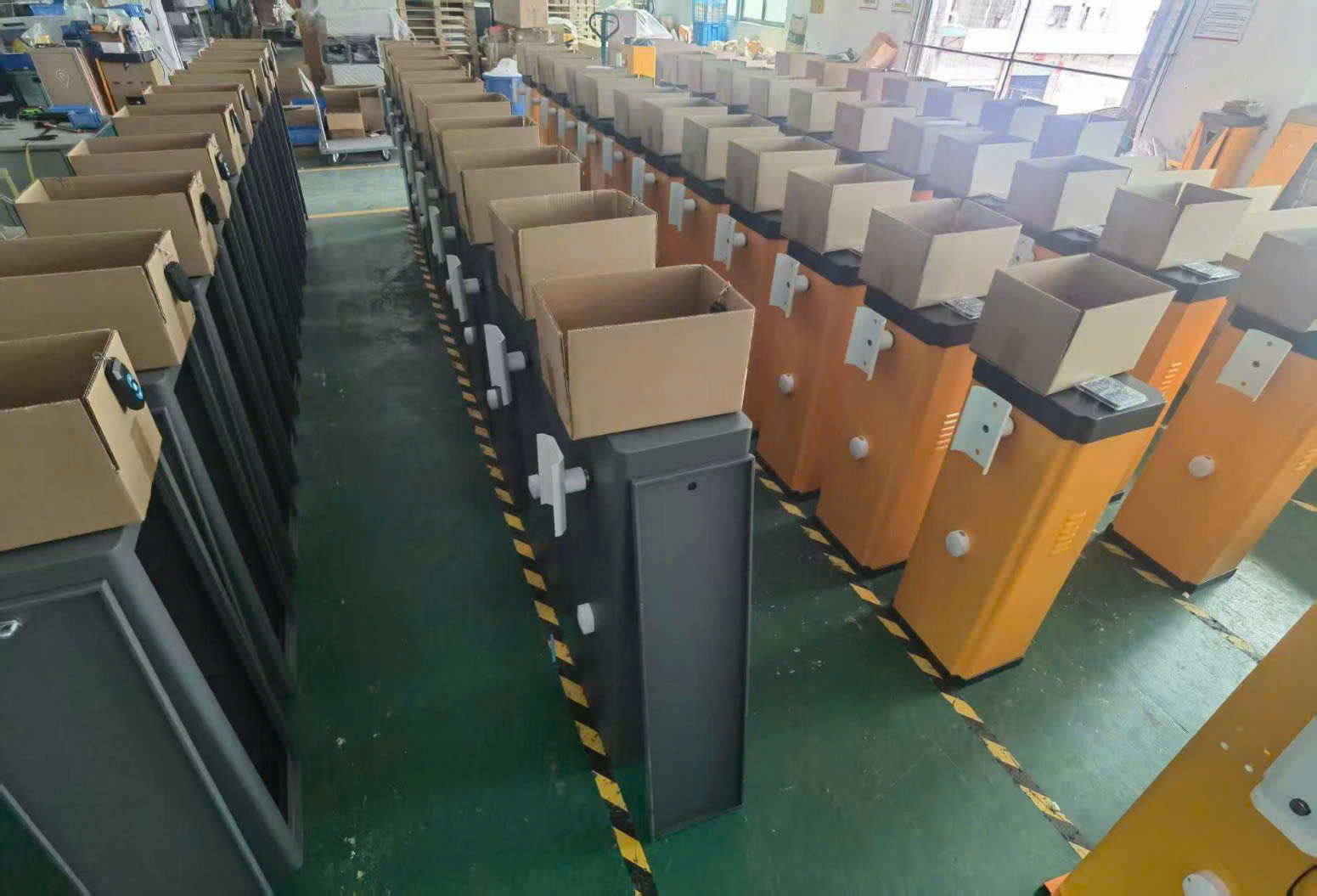
Structurally, automatic barriers consist of the following main components:
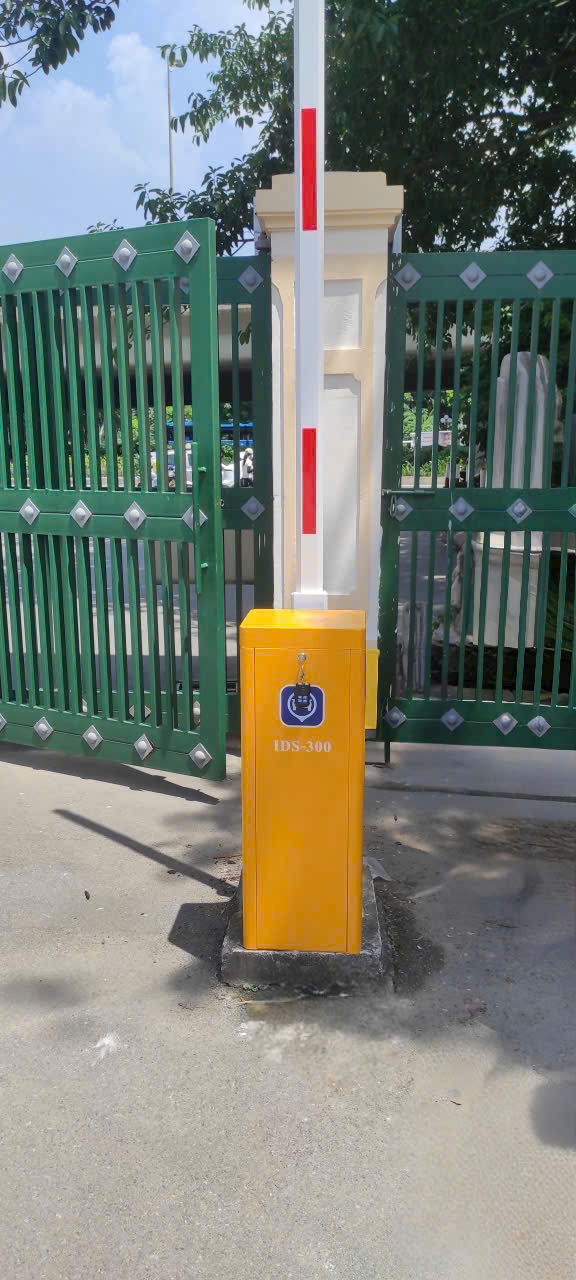
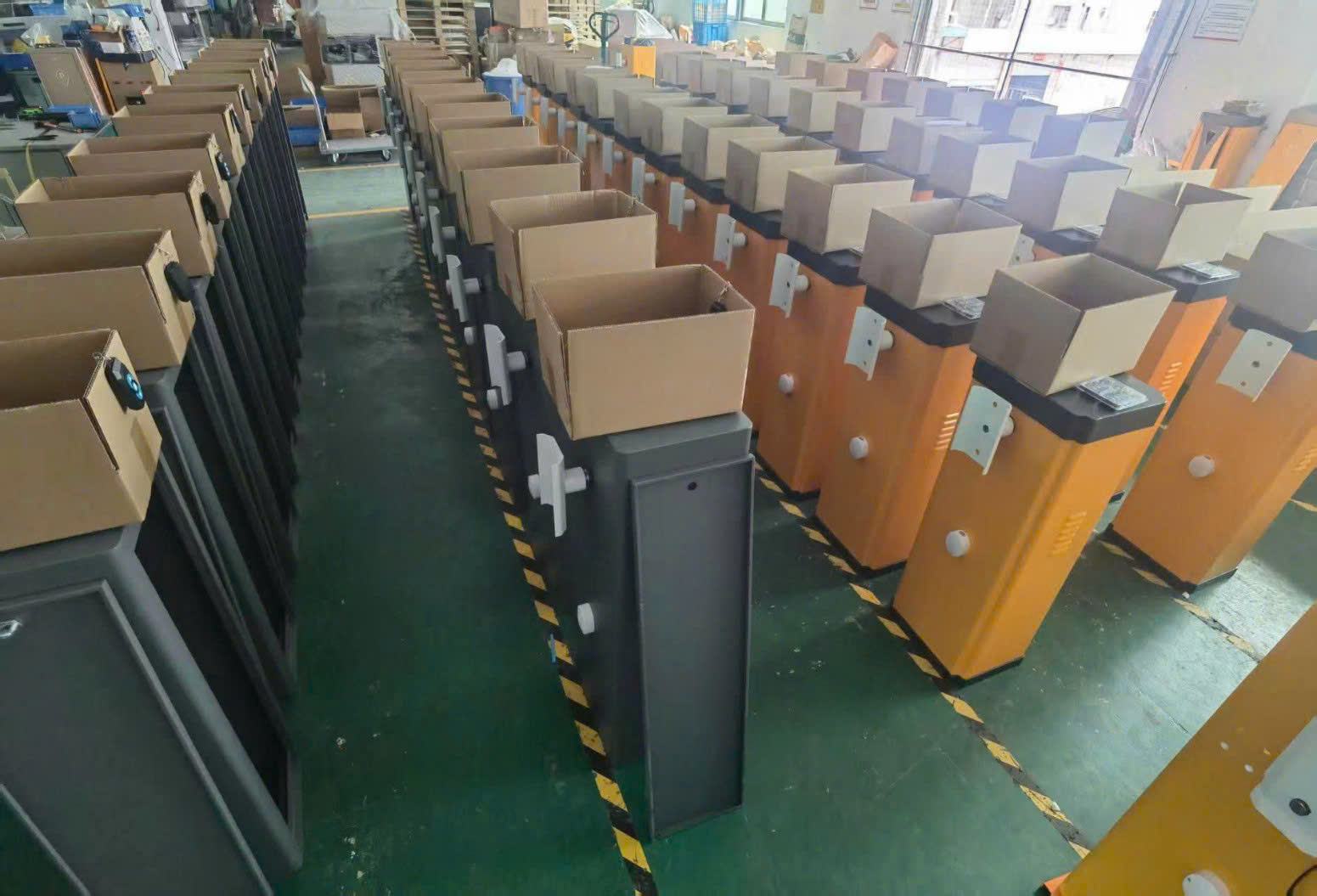
- Barrier body: Usually made from steel or aluminum alloy, it is weather-resistant and impact-resistant, ensuring durability and a long lifespan.
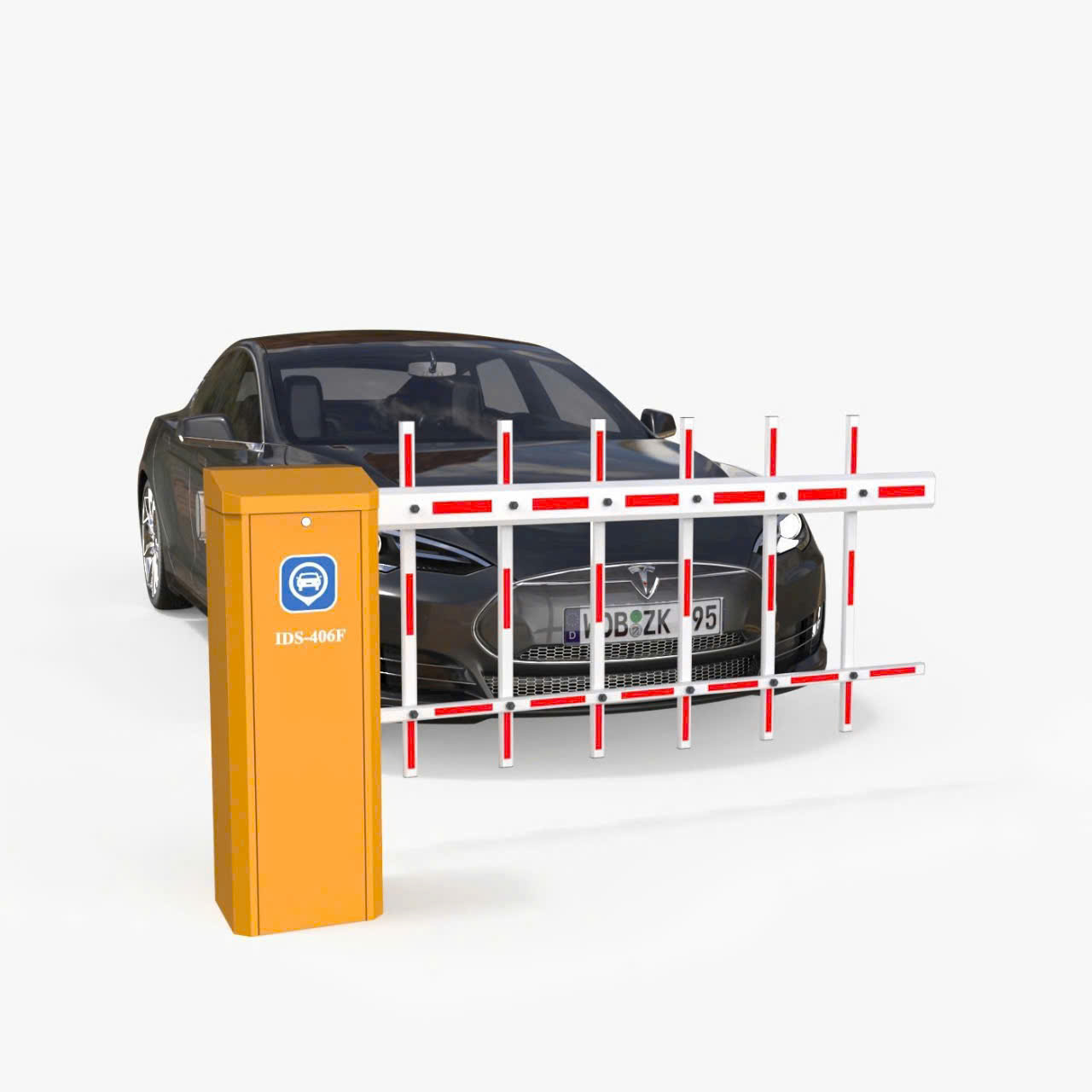
- Barrier arm: This is a long, mechanical component, made of aluminum, steel, or a lightweight yet strong composite material, attached to the barrier body and capable of being raised and lowered using a control mechanism.
- Electric motor: Servo motors or asynchronous motors are used to control the raising and lowering movement of the barrier arm precisely, smoothly, and quickly.
- Electronic controller: This is the central signal processing unit that receives commands from peripheral devices such as sensors, card readers, or management systems, and controls the barrier's operation according to pre-programmed scenarios.
- Safety sensors: These include optical sensors, force sensors, or infrared sensors that detect obstacles or people passing through to prevent the barrier from closing and causing danger.
- Connectivity: Allows barriers to integrate with access control systems such as RFID card readers, surveillance cameras, vehicle identification systems (ANPR), or remote control devices.
In principle, when a signal to open the gate is received from the control system (for example, card recognition, code, or command from the monitoring center), the motor will activate to raise the barrier, allowing the vehicle to pass through. Conversely, when there is no signal or a closing signal, the barrier will lower to prevent the vehicle from entering the restricted area.
Automatic barriers are designed for smooth operation, minimizing noise and vibration, and are capable of continuous operation in harsh environments with fluctuating temperatures and humidity. Modern control systems also allow for programming operating times, automatic or manual modes, and integration of safety features such as automatic stopping upon encountering obstacles, and audible or visual warnings.

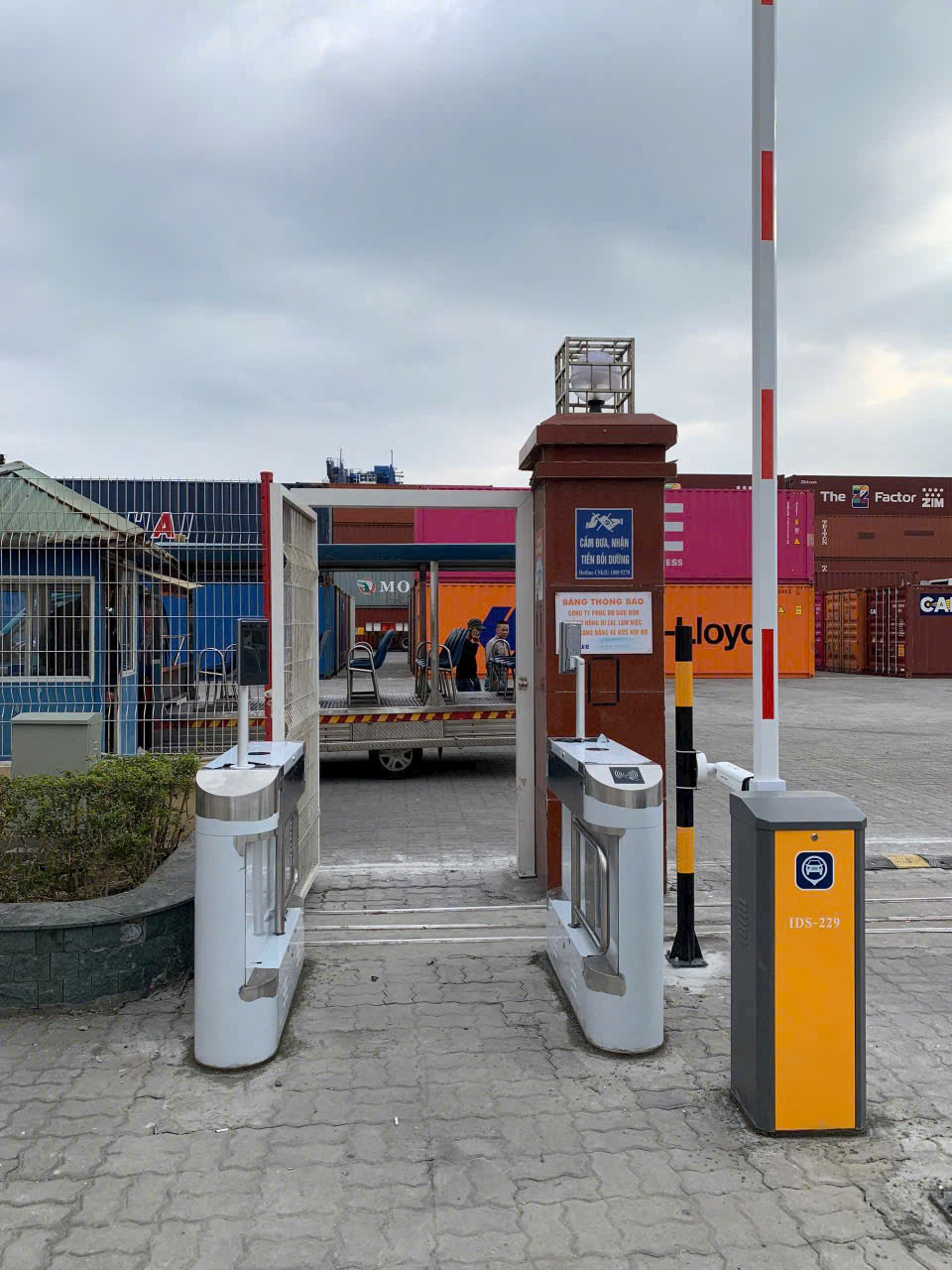
Automatic barriers have a wide range of applications, including:
- Managing access to public and private parking lots helps control the number of vehicles entering and exiting, preventing overcrowding and congestion.
- Implement security controls at industrial zones, residential areas, and office buildings, ensuring that only authorized personnel are allowed access.
- The application is used in road toll stations to automate the toll collection process and reduce waiting times for vehicles.
- Control traffic at checkpoints, border crossings, or areas with restricted traffic.
Technically, automatic barriers can be classified according to several criteria:
- According to the operating mechanism: Lever-operated barriers (barriers that move up and down), rotating automatic gate barriers, and straight or folding automatic barriers.
- Depending on the power source: Barriers can use 220V, 24V electricity, or backup power sources such as batteries or solar panels.
- Based on opening and closing speed: Fast barriers (opening time under 1 second) or standard barriers (opening time from 3-6 seconds), suitable for different usage needs.
- In terms of integration capabilities: Barriers can be integrated with smart parking management systems, surveillance camera systems, license plate recognition systems, fire alarm systems, and other IoT devices.
To ensure stable and safe operation, regular maintenance and inspection of automatic barrier components are crucial. Maintenance steps typically include:
- Inspect and lubricate joints and rotating shafts to prevent mechanical jamming.
- Check the operation of the motor and controller, ensuring there are no signal errors or electrical malfunctions.
- Clean the sensors and peripherals to ensure sensitivity and accuracy.
- Check the power supply and backup systems to avoid sudden power outages that could disrupt operations.
- Check the driver software and update to the latest version if necessary to enhance functionality and security.
In terms of safety, automatic barriers are equipped with features such as:
- Automatic stopping and reversing upon encountering obstacles: Helps prevent accidents and equipment damage.
- LED and buzzer warning system: Indicates operating status and alerts users when the barrier opens or closes.
- Manual operation mode: Allows the barrier to be opened manually in case of emergency or power failure.
- Security lock: Prevents unauthorized opening or vandalism of the barrier.
Thanks to their advantages in functionality and durability, automatic barriers are increasingly being used in modern traffic management and security systems, contributing to improved operational efficiency and ensuring the safety of people and vehicles in transit.
Detailed structure of an automatic barrier
Automatic barriers are traffic control devices widely used in parking lots, industrial park entrances, office buildings, and many other areas. Understanding their detailed structure helps improve operational efficiency, maintenance, and product selection to meet specific requirements. Automatic barriers consist of three main parts:
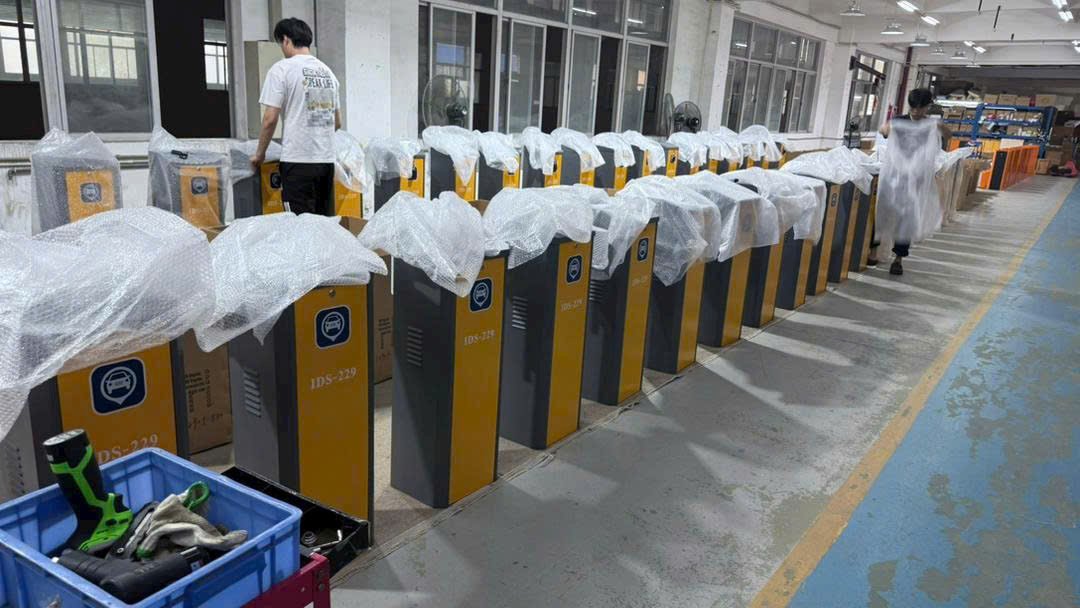
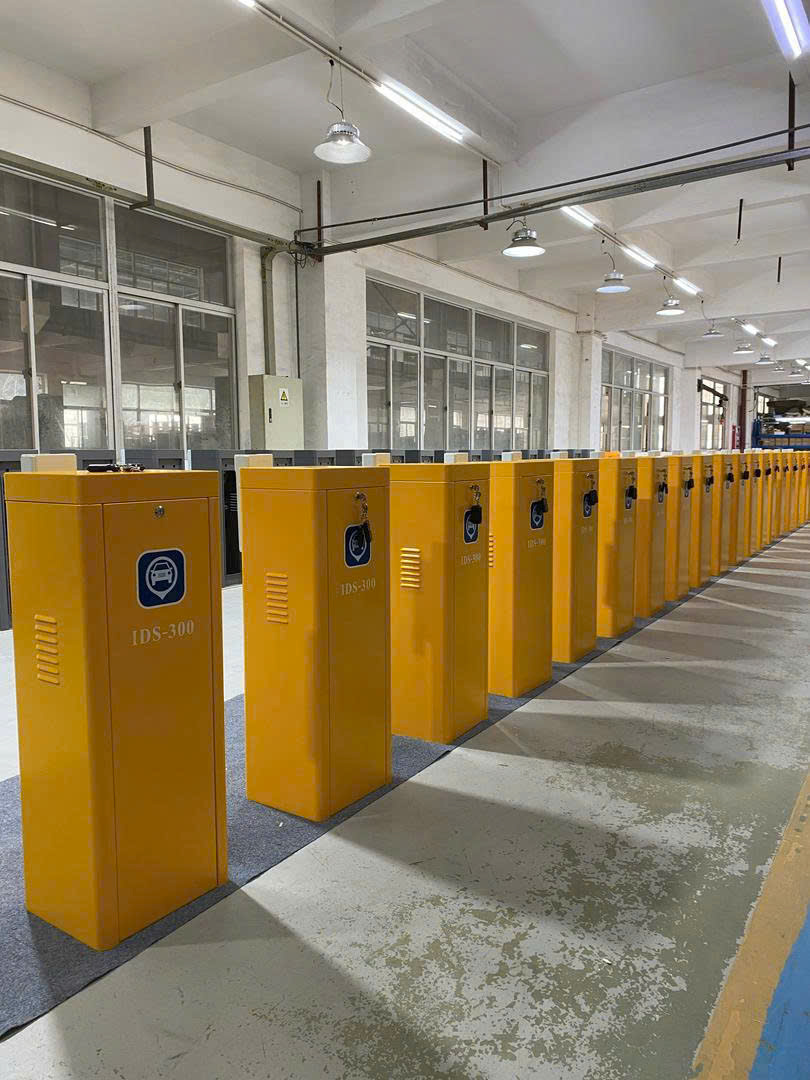
- Body shell:
The housing is the central component containing the entire mechanical and electronic control system for the barrier. The housing is typically made of high-grade steel or aluminum alloy, coated with an anti-corrosion and anti-oxidation electrostatic paint, increasing the device's lifespan when operating outdoors in harsh weather conditions such as rain, sun, dust, and high humidity.
Motor power depends on the model, the length of the barrier arm, and the operating frequency. Please check the specifications of each model before making your selection.
- The control board is the brain of the barrier, integrating a microprocessor to process signals from the remote control, buttons, sensors, and other peripheral devices. This board also has functions such as overload protection, arm jamming prevention, and automatic stopping upon encountering an obstacle, ensuring the safety of people and vehicles.
- The spring-assisted system helps balance the weight of the barrier arm, reducing the load on the motor during operation. The springs are precisely designed to ensure the arm can be raised and lowered smoothly, avoiding vibration or loud noise.
- Mechanical drive system: includes gears, rotating shafts, and a transmission system that converts the motor's rotational motion into the lifting and lowering motion of the barrier arm.
- Shield arm:
The barrier arm is the part that comes into direct contact with traffic, serving to either prevent or allow vehicles from passing through. The length of the arm typically ranges from 1 meter to 6 meters, depending on the installation location and traffic control requirements.

The barrier arm can be designed in the following forms:
- Straight type: common and easy to install, suitable for entrances with wide spaces.
- Barrier fences: have a structure in the form of horizontal bars or mesh, enhancing blocking ability and safety, often used in places requiring stricter control.
The materials used to manufacture barrier arms are typically aluminum or lightweight steel, which are highly durable, rust-resistant, and impact-resistant. The arm surfaces are often painted with reflective paint or have reflective decals applied to increase visibility in low-light conditions.
To enhance safety and aesthetics, the guardrail arm can also be equipped with:
- LED lights or flashing lights help warn and attract the attention of drivers at night or in bad weather conditions.
- Place a rubber pad or soft material under the forearm to minimize injury in the event of a minor impact.
- Controller:
The control unit is an electronic and mechanical system that operates the barrier flexibly, accurately, and safely. The main components of the control unit include:
- Remote control: allows users to open or close the barrier without direct contact with the device, increasing convenience and safety.
- Local push button: typically installed near the barrier so that security personnel or managers can operate it directly when needed.
- Automatic sensors: including infrared sensors, magnetic loop sensors, or radar sensors, enable the barrier to automatically raise when it detects a vehicle approaching and lower when the vehicle has passed. This minimizes waiting time and increases control efficiency.
- Safety system: includes devices such as anti-jamming sensors, collision sensors, and emergency stop mechanisms, ensuring that the barrier does not pose a danger to people and vehicles during operation.
- Central control board: integrates functions for programming, adjusting lifting and lowering speeds, arm open holding time, and other operating modes such as automatic, semi-automatic, or manual.
Modern controllers can also connect to a centralized management system via LAN, Wi-Fi, or GSM, allowing for remote monitoring and control of barriers through dedicated software or smartphone applications.
Key technical specifications of automatic barriers
Selecting the right automatic barrier requires a thorough understanding of technical specifications to ensure the equipment operates efficiently, reliably, and safely in each specific environment. These specifications not only reflect operational capabilities but also directly impact the lifespan and traffic control performance of the system.
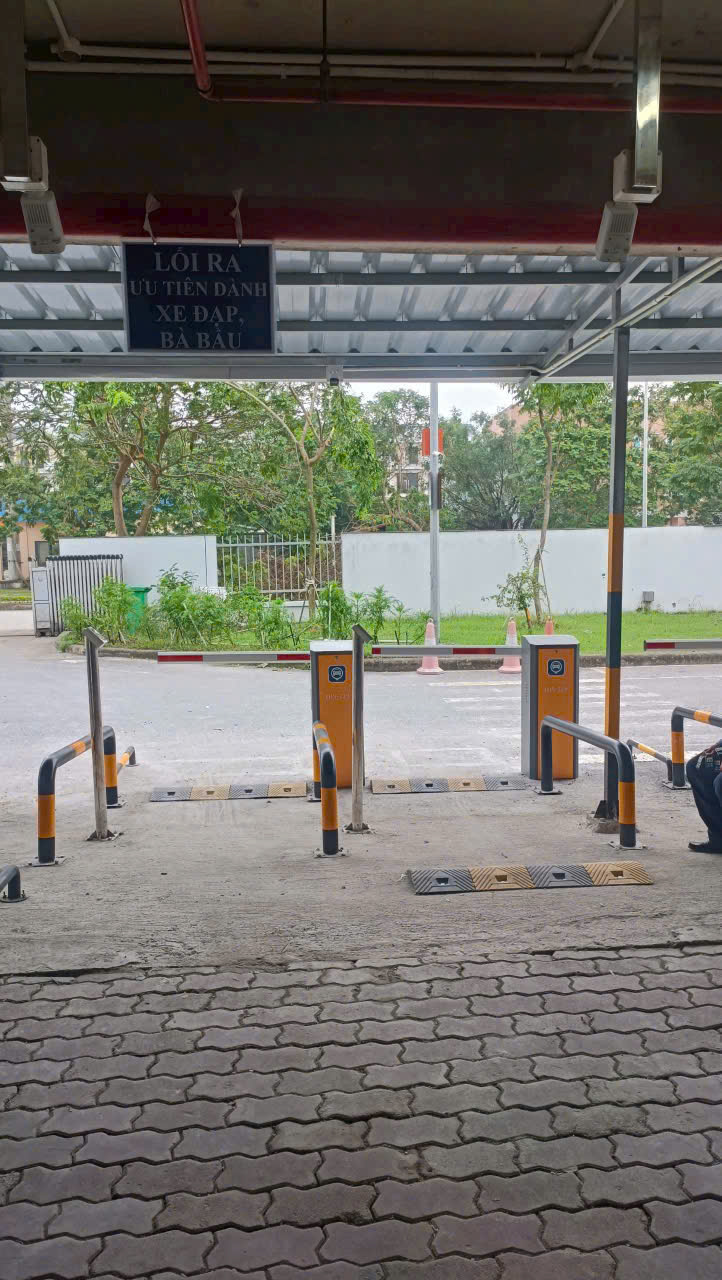
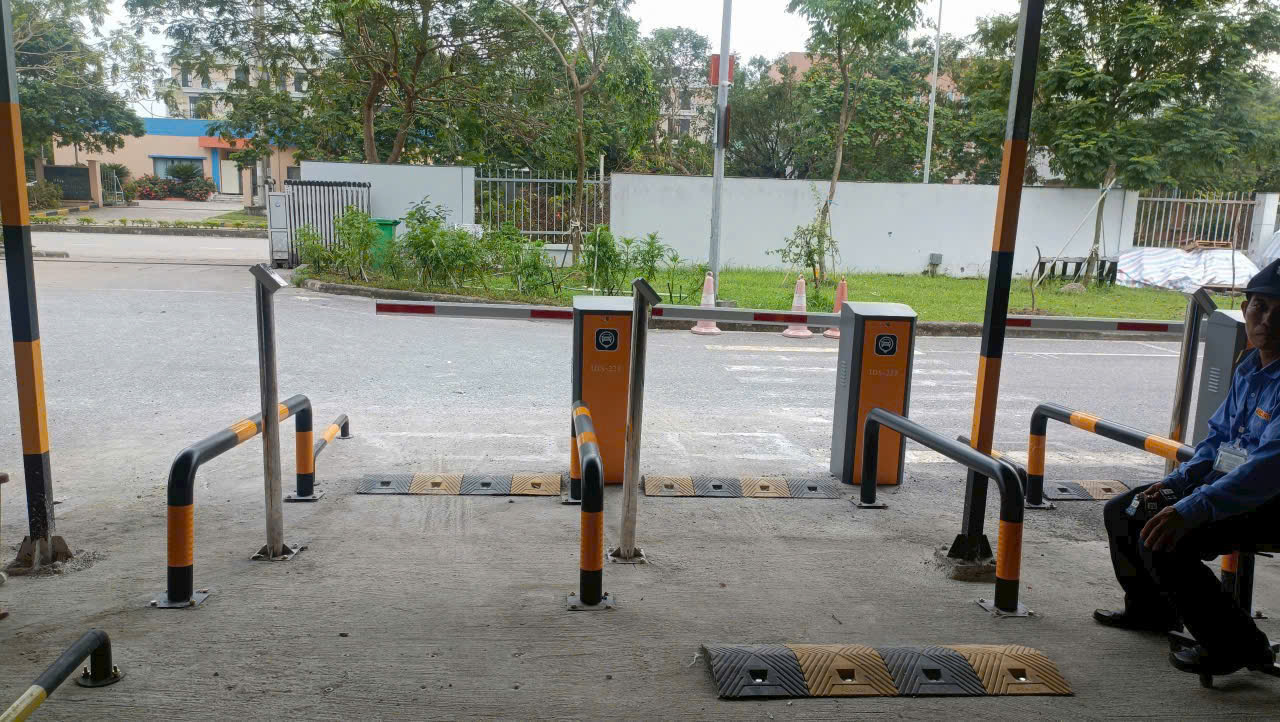
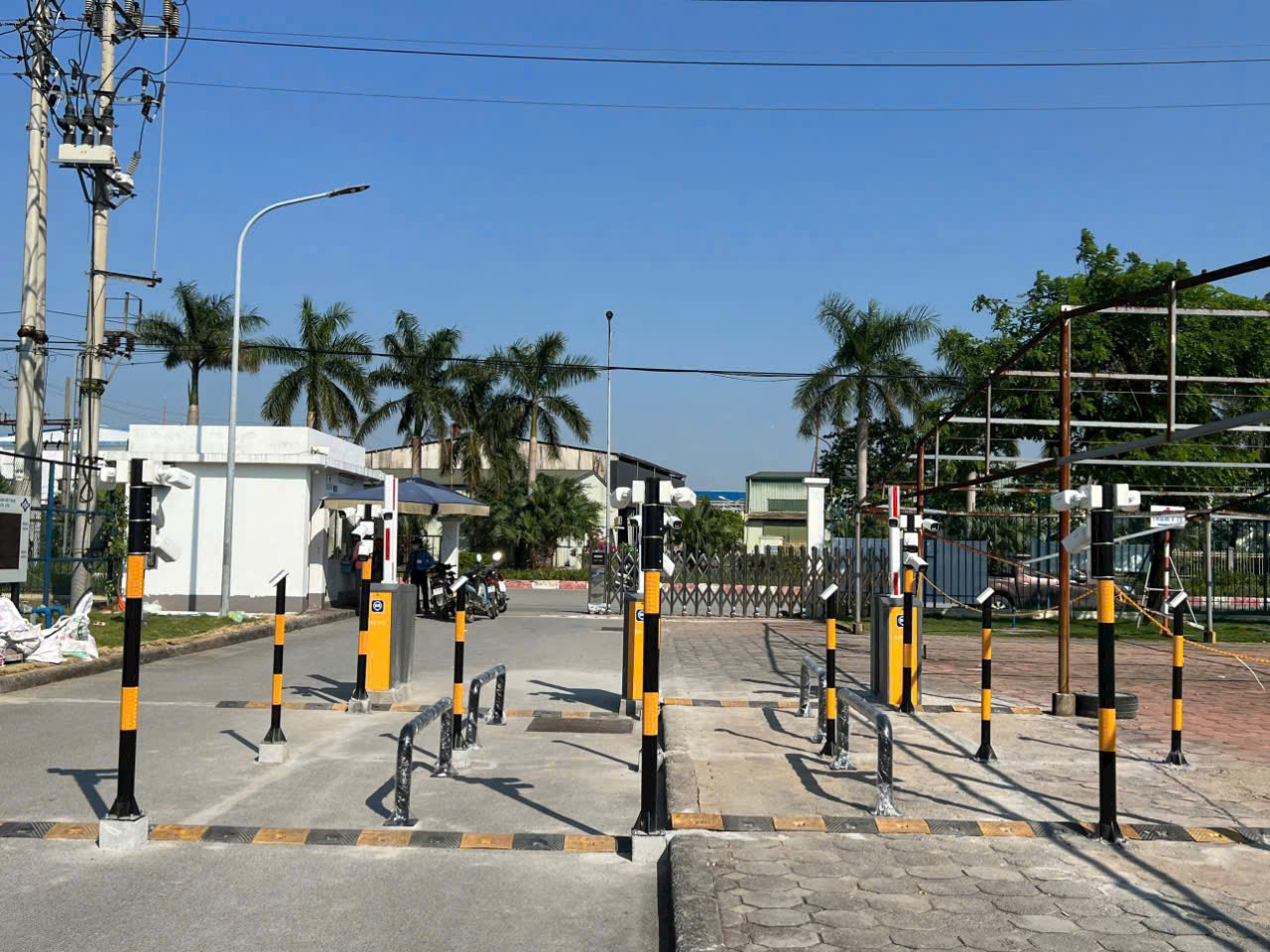
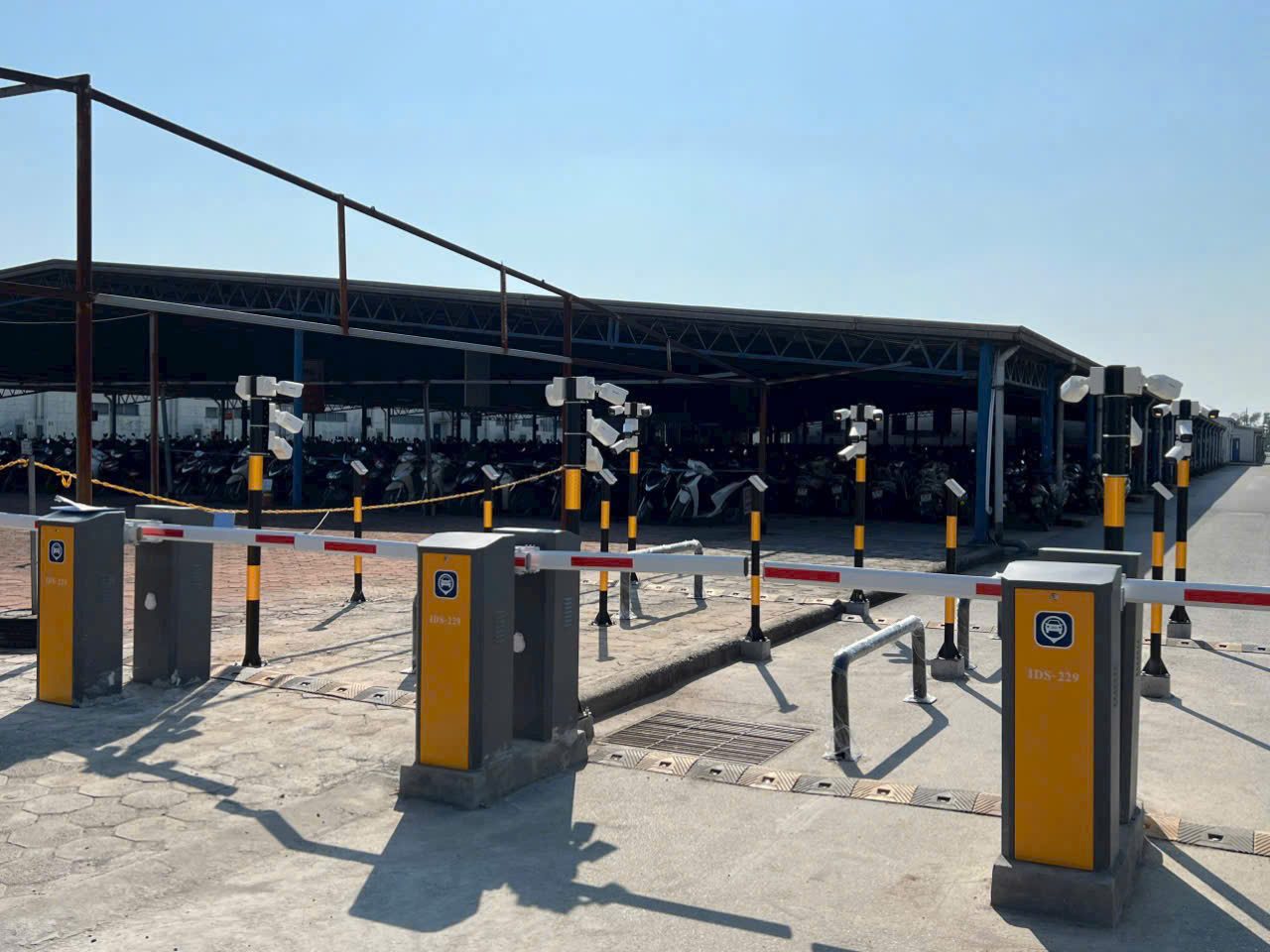
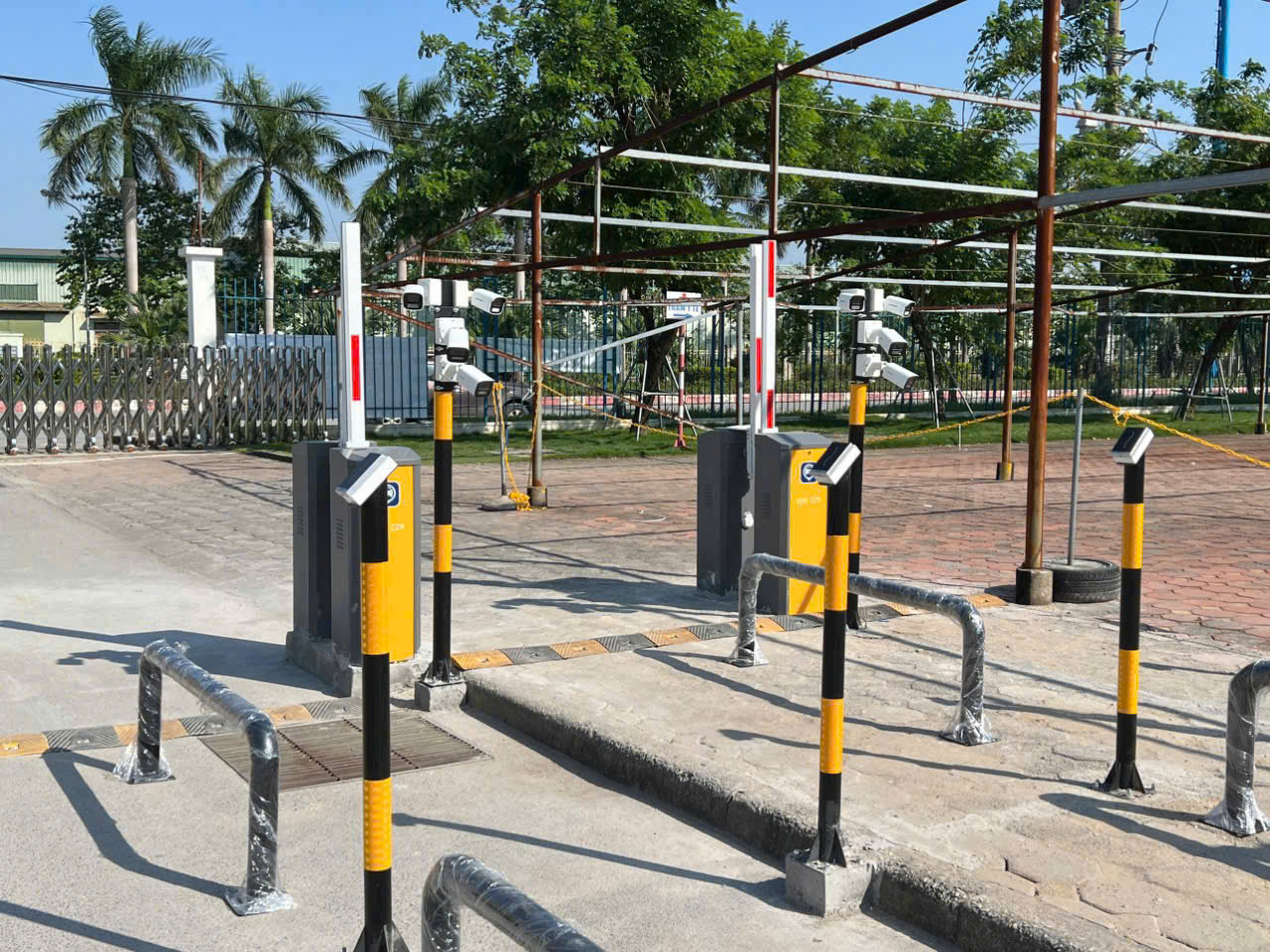
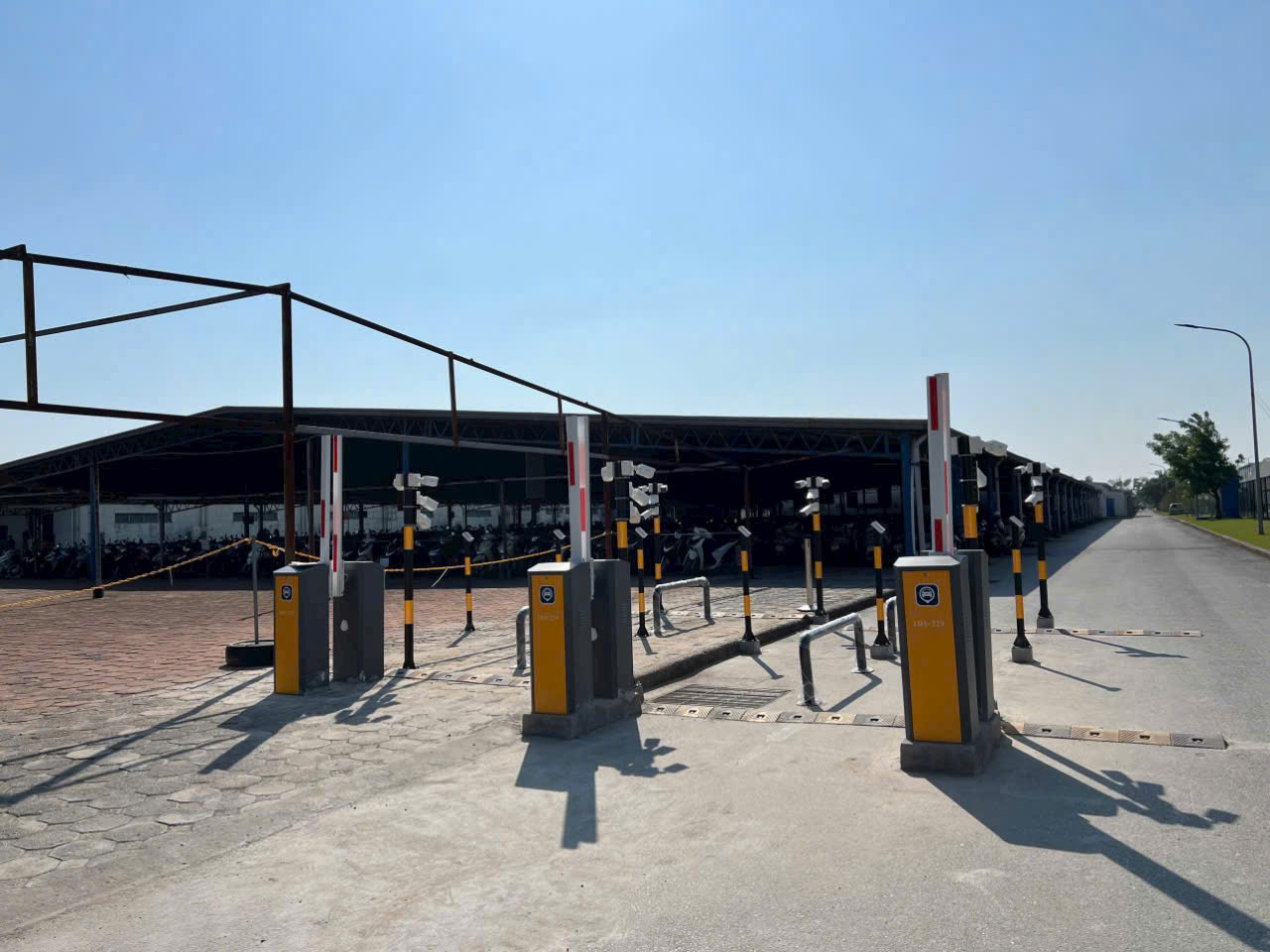
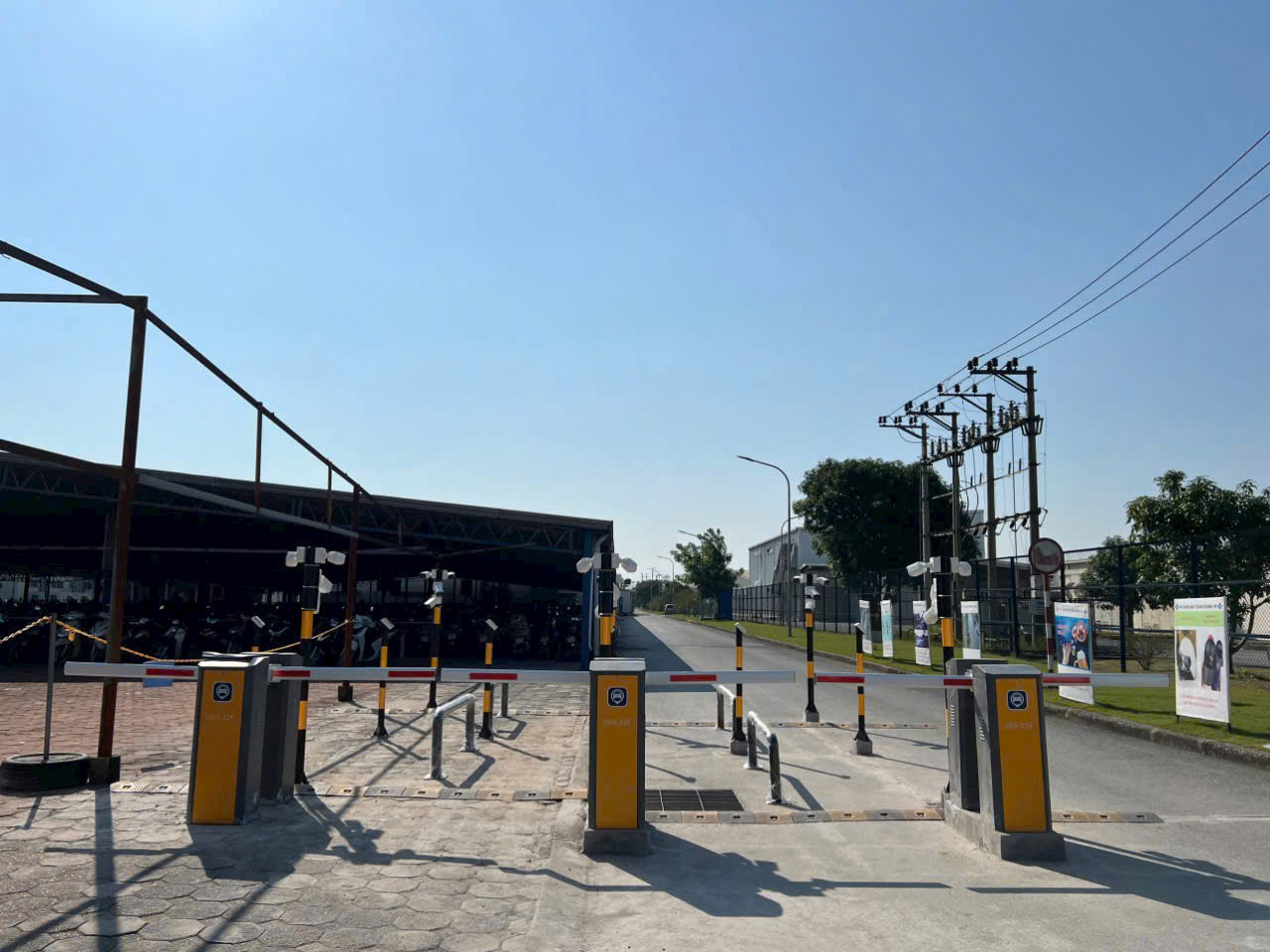
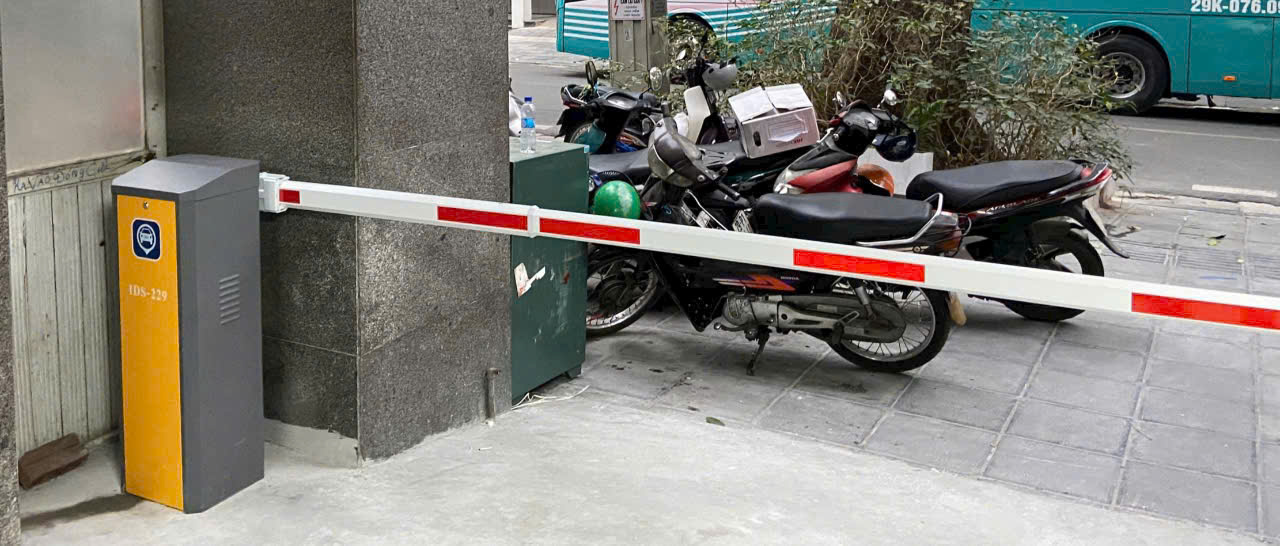
- Barrier arm length: Barrier arm length typically ranges from 1m to 6m, depending on the size of the entrance/exit and control requirements. For areas with wide passageways such as large parking lots or industrial park entrances, a barrier arm length of 4m to 6m is optimal to ensure full lane coverage. Conversely, for narrow areas such as office building or residential entrances, a barrier arm length of 1m to 3m is more suitable, saving space and reducing investment costs.
- Opening and closing times:
- The opening/closing speed and operating frequency depend on the specific model, the length of the barrier arm, and the system configuration.
- Operating Voltage: Automatic barriers typically use 220V AC or 24V DC. 220V AC is common in areas with stable power supply, making connection and operation easier. Meanwhile, 24V DC is often used in environments requiring high safety standards or where the power supply is unstable, minimizing electrical risks and extending equipment lifespan. The appropriate voltage choice depends on the existing electrical system and the specific technical requirements of each project.
- Engine power:
- Motor power depends on the model, the length of the barrier arm, and the operating frequency. Please check the specifications of each model before making your selection.
- Operating Cycle: The operating cycle of an automatic barrier is one of the key factors determining its ability to handle traffic flow. High-end models can operate continuously with up to 100% opening/closing cycles per day, meaning no rest periods are needed between operations. This is essential for areas with high traffic volume such as shopping mall parking lots, industrial parks, or toll stations. A high operating cycle minimizes equipment downtime and increases control efficiency.
- Housing Material: Barrier housings are typically made from steel or aluminum alloy, coated with electrostatic paint to prevent rust and corrosion. Steel offers advantages such as high mechanical strength and impact resistance, making it suitable for harsh environments or those with a high risk of impact. Aluminum alloy is lighter, offers good oxidation resistance, and is easy to install, making it suitable for indoor areas or less harsh environments. The electrostatic paint coating not only enhances aesthetics but also protects the device from weather effects such as rain, sun, and high humidity.
- Safety Features: Automatic barriers are equipped with many advanced safety features to protect users and vehicles. Anti-jamming sensors are one of the key functions, allowing the barrier to automatically stop or reverse when it detects an obstacle during opening or closing, preventing injury or damage. Additionally, barriers can be integrated with alarm systems, surveillance cameras, and other access control devices to enhance security. Some models also support automatic opening in case of power failure or emergency, ensuring no traffic disruption.
Understanding and selecting the correct technical specifications of automatic barriers not only optimizes operational efficiency but also ensures safety, durability, and adaptability to diverse operating environments.
Applications and benefits of automatic barriers in traffic management.
Automatic barriers are electromechanical devices designed to control the flow of vehicles and pedestrians at entry and exit points, playing a crucial role in improving traffic management efficiency and security. With the development of technology, automatic barriers are increasingly integrated with many intelligent features, optimizing operation and ensuring absolute safety.
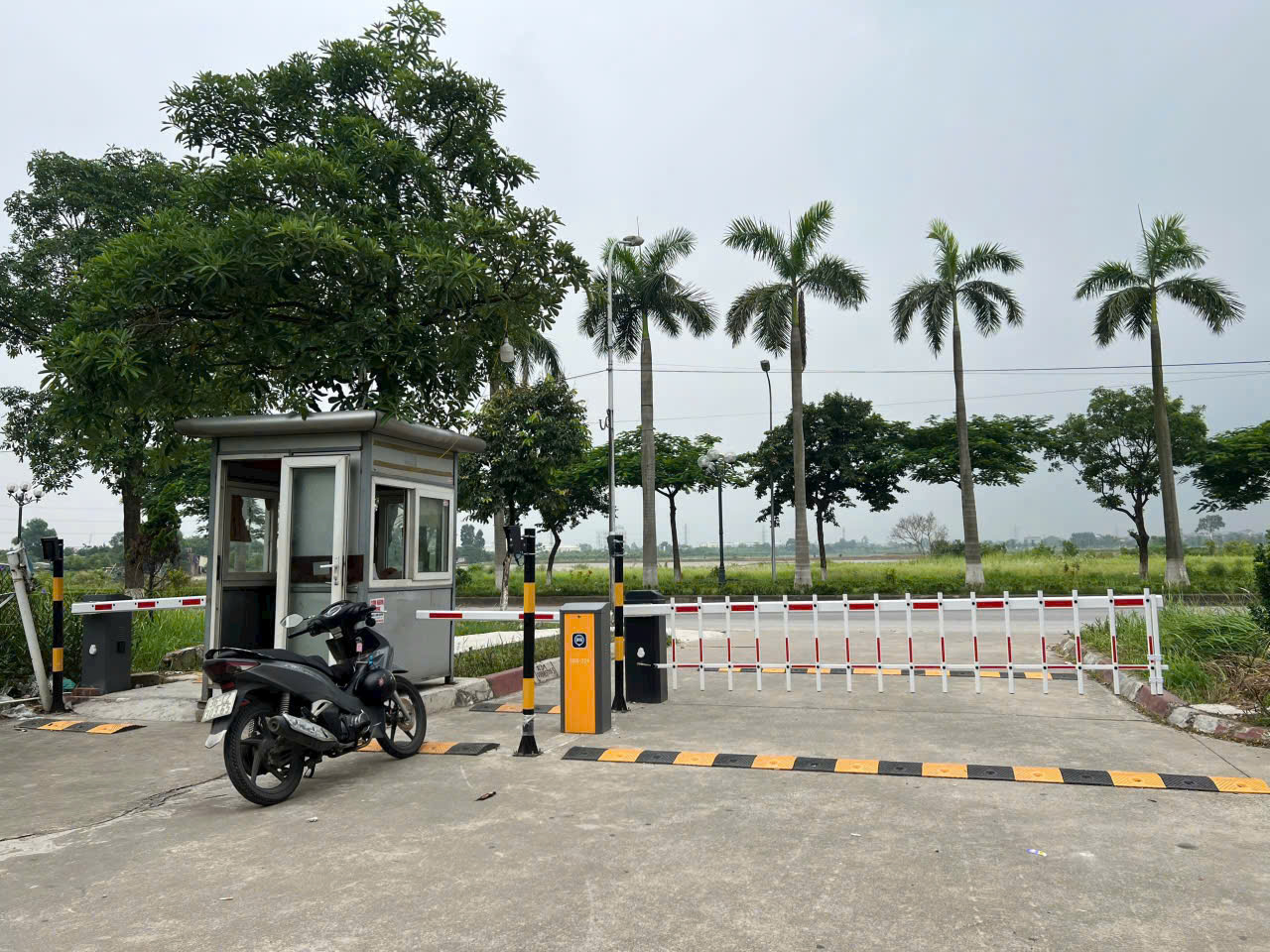
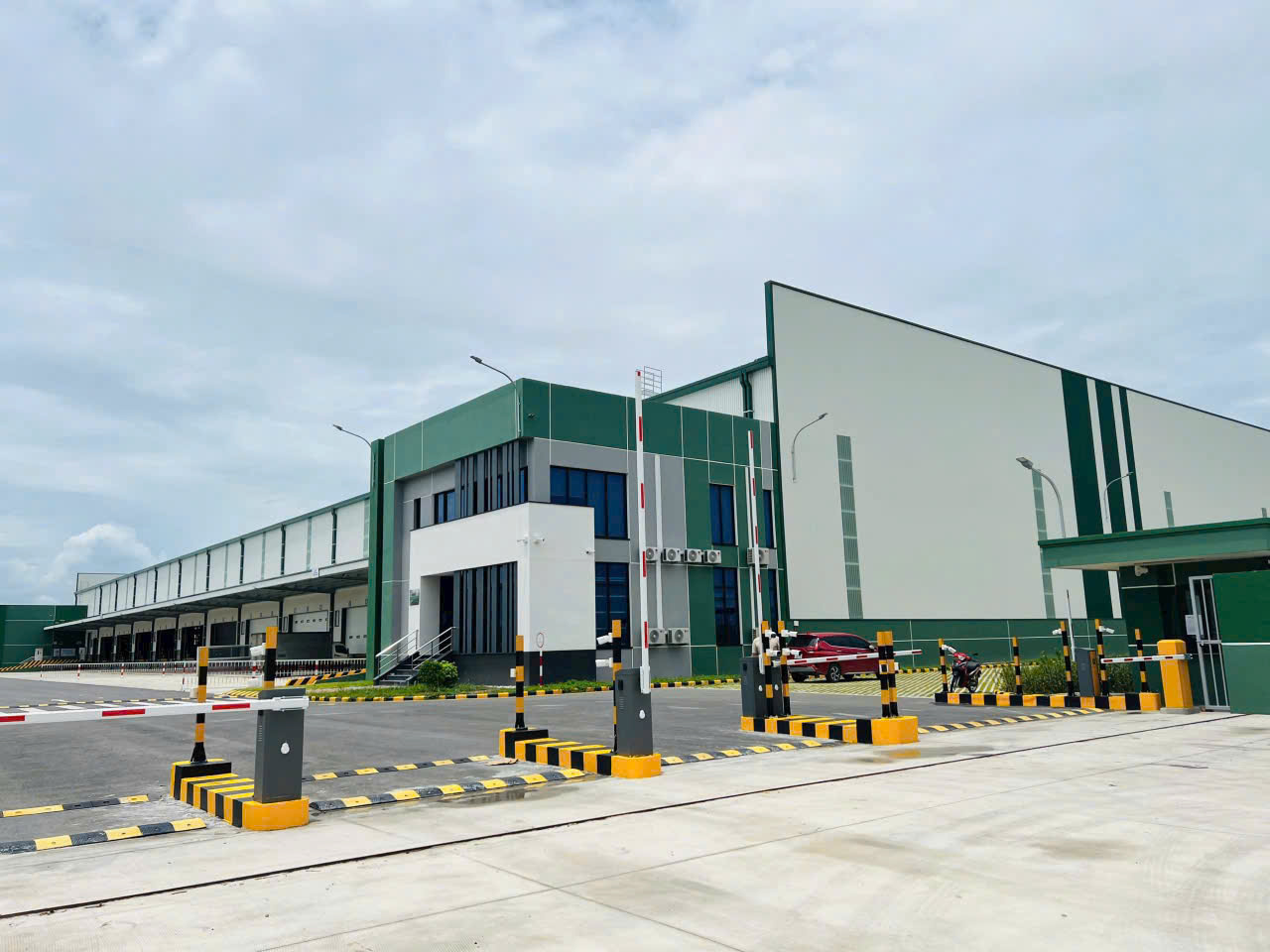
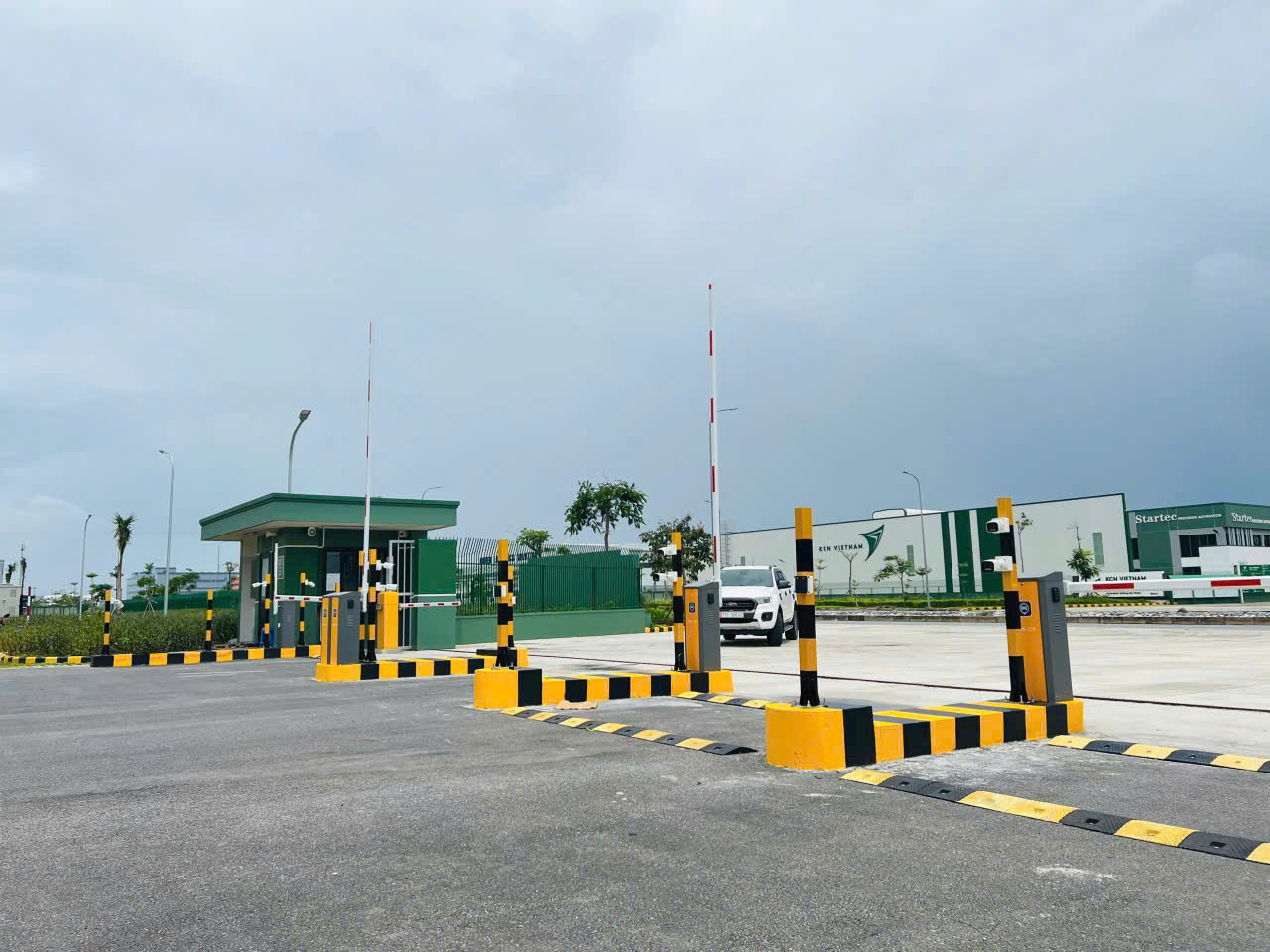
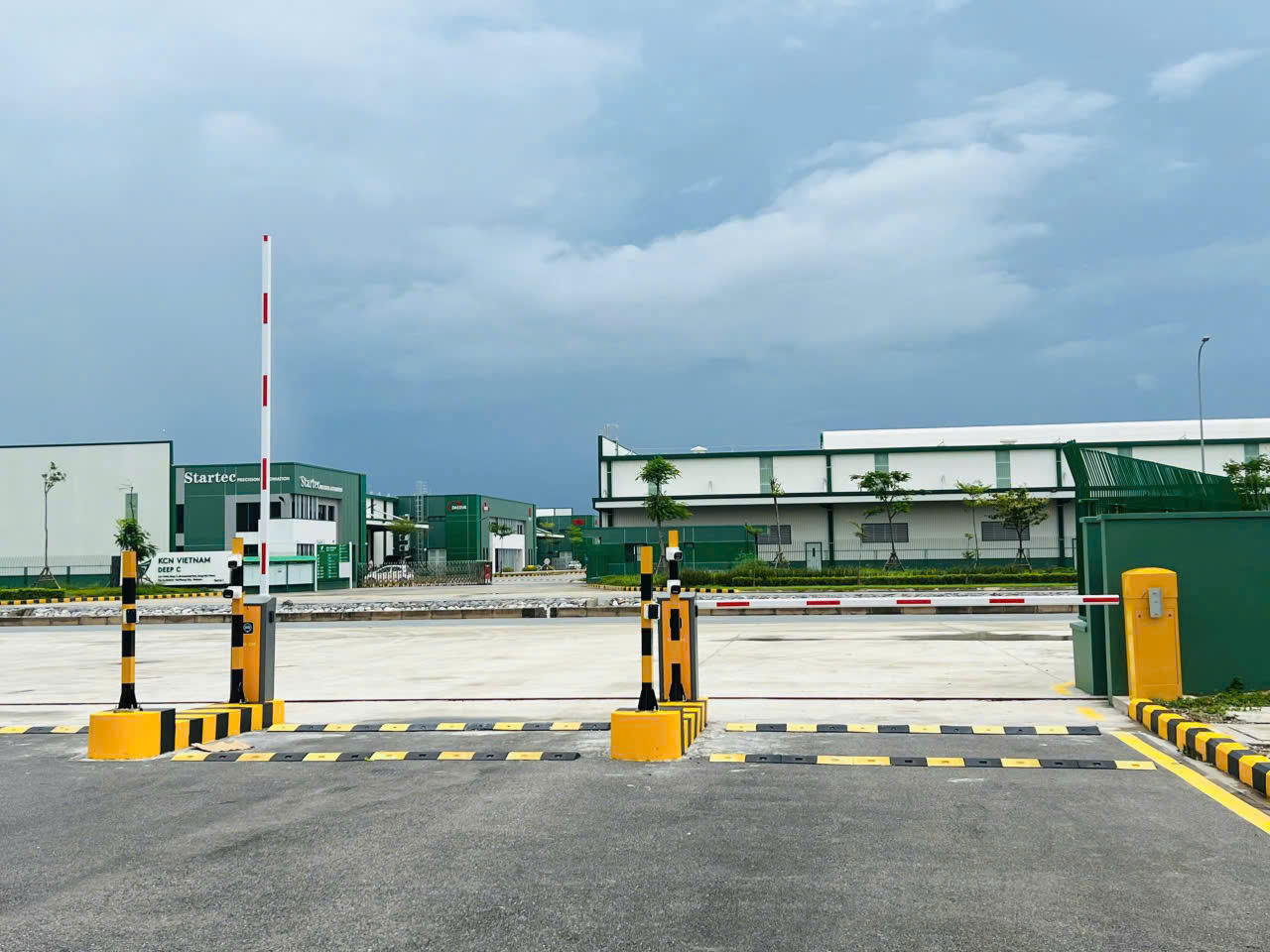
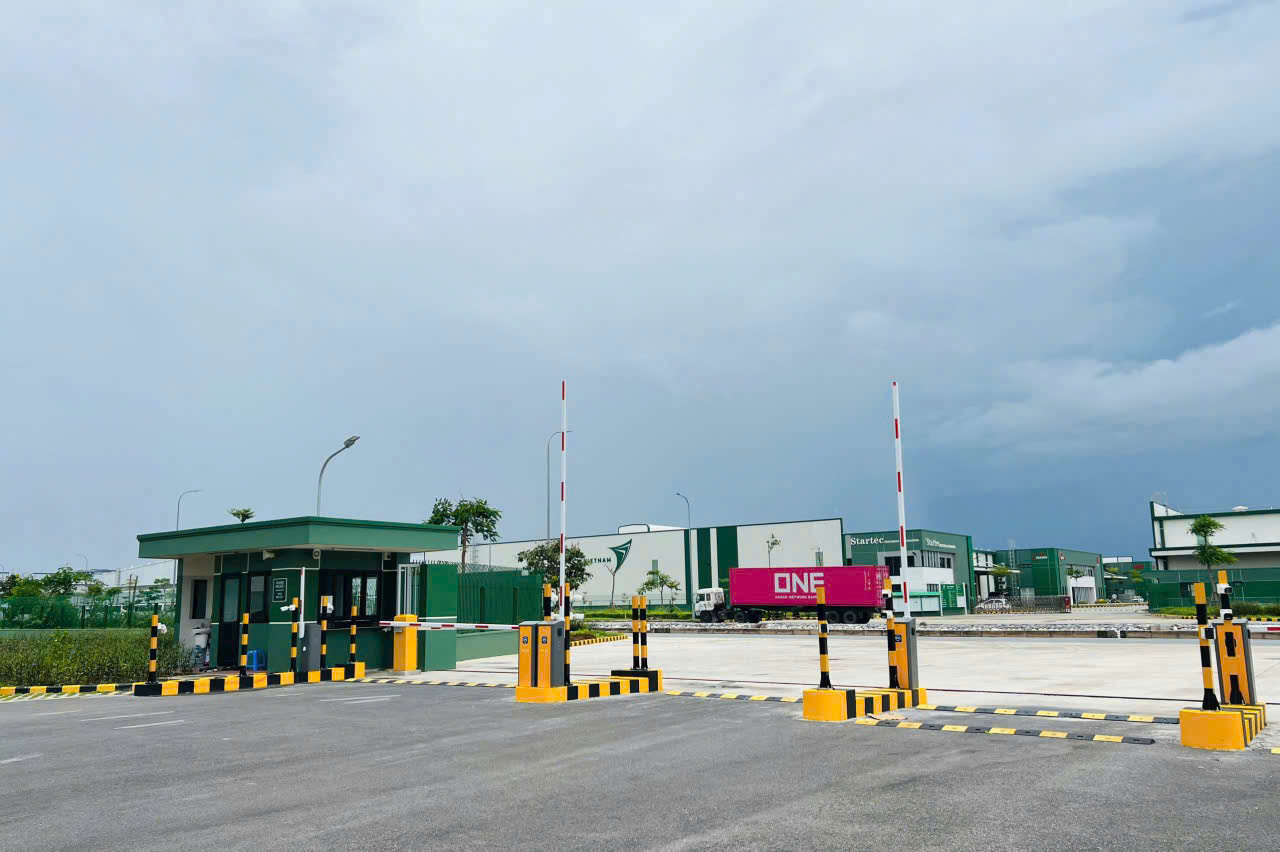
Automatic barriers are widely used in many different fields, specifically:
- Parking lots: Automatic barriers help to tightly control vehicle entry and exit, scientifically directing traffic flow, thereby minimizing chaos and congestion. In addition, the use of barriers contributes to enhanced security by preventing unauthorized vehicles from entering the parking area, and also supports automated fee collection or electronic ticketing.
- Industrial and residential areas: In these areas, automatic barriers act as a first line of defense, controlling the entry and exit of people and vehicles to ensure the safety of residents and employees. Barriers can be connected to card access control systems, surveillance cameras, or license plate recognition sensors to enhance access control efficiency and minimize security risks.
- Toll stations: Automatic barriers are used to automate the toll collection process, minimizing waiting times for vehicles passing through the station. These devices can coordinate with electronic toll collection (ETC) systems, vehicle license plate recognition (ANPR), and sensors to quickly open the barrier once payment is complete, thereby increasing traffic flow and reducing congestion at toll stations.
- Entrance gates to office buildings and shopping malls: Automatic barriers enhance security control, ensuring only authorized personnel are allowed entry. Integration with access control systems such as magnetic cards, QR codes, or facial recognition further improves security and convenience for users.
The benefits of using automatic barriers include:
- Manpower savings: Automated barriers minimize the need for gatekeepers, saving operating costs and reducing human error. Automating the access control process also allows staff to focus on other important tasks.
- Enhanced safety: Automatic barriers help reduce collisions and traffic accidents at entry and exit points by controlling speed and traffic flow. Additionally, the system can be equipped with anti-jamming sensors, automatically stopping or reversing when an obstacle is detected, ensuring the safety of people and vehicles.
- Fast and precise operation: Barrier opening and closing times typically take only a few seconds, minimizing congestion and enhancing user experience. The system can operate continuously 24/7 with high stability, ensuring no traffic disruption.
- Easy integration: Automatic barriers can be flexibly connected to other systems such as surveillance cameras, access cards, license plate recognition sensors (ANPR), and smart parking management systems. This integration not only enhances automation but also improves security and centralized management.
In-depth analysis of the technology and operation of automatic barriers:
- Motor and drive mechanism: Automatic barriers typically use DC or AC electric motors with a lever or arm drive mechanism. The motors are designed to operate smoothly, reliably, and with high load capacity, suitable for frequent opening and closing in high-traffic environments.
- Safety sensors: Infrared or optical sensors are installed to detect obstacles within the barrier's operating area. Upon detecting an obstacle, the system will automatically stop or reverse the barrier arm, preventing injury to people and vehicles.
- Intelligent control system: Automatic barriers are equipped with a central controller capable of recognizing signals from peripheral devices such as card readers, license plate recognition cameras, or automatic payment systems. This controller processes signals quickly and accurately, ensuring the barrier operates synchronously with other systems.
- Communication protocols: Automatic barriers typically support common communication protocols such as RS485, TCP/IP, or wireless connectivity for easy integration into a centralized management system. This allows for remote management and monitoring of the barrier, as well as timely status updates and incident reporting.
Applications and development trends:
- Smart barriers: The development of artificial intelligence (AI) and the Internet of Things (IoT) has opened up the possibility of developing smart automatic barriers capable of learning and automatically adjusting to actual traffic flow, thereby optimizing operational efficiency.
- Integration with intelligent traffic management systems: Automatic barriers are increasingly being integrated into intelligent traffic management systems (ITS), helping to coordinate traffic more efficiently, reduce congestion, and improve urban traffic safety.
- Applications in specialized areas: In addition to traditional applications, automatic barriers are also used in areas requiring high security such as airports, seaports, and military zones, helping to strictly control access and ensure absolute safety.
Common types of automatic barriers on the market
Modern automatic barriers are not only diverse in design but also rich in technology and features, meeting various technical requirements and operating environments. Choosing the right type of barrier depends on the installation location, traffic volume, and safety and maintenance requirements.
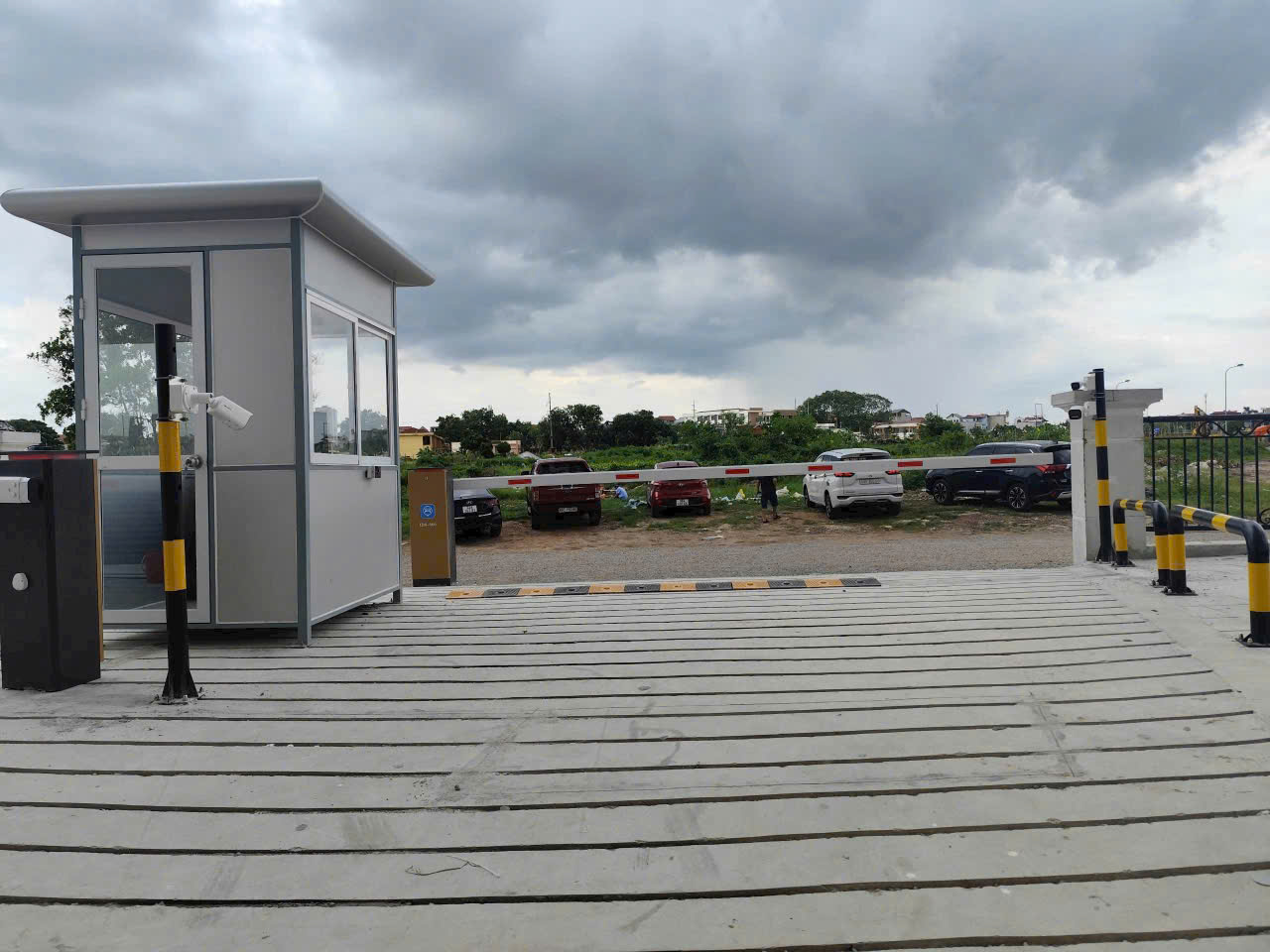
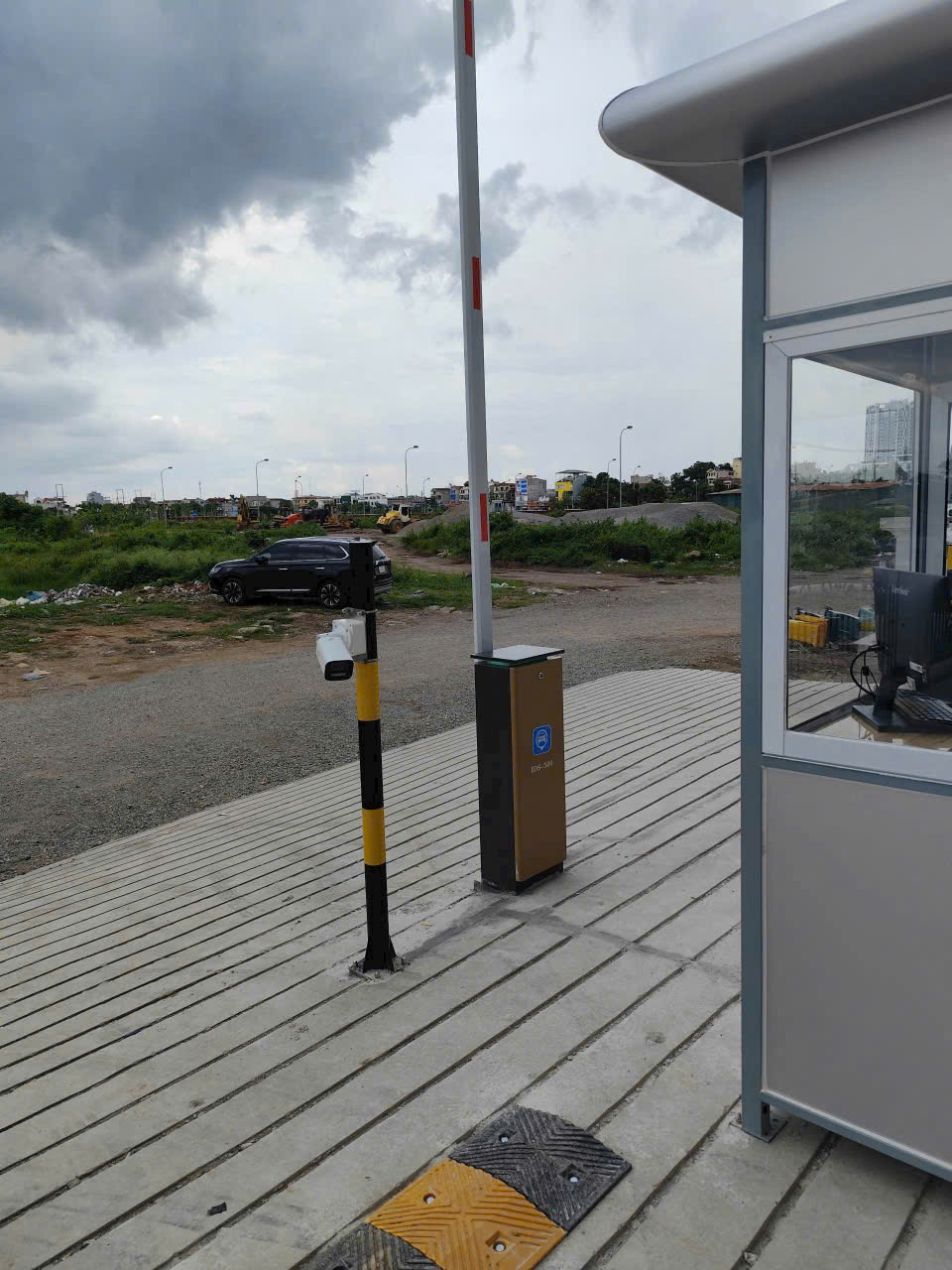
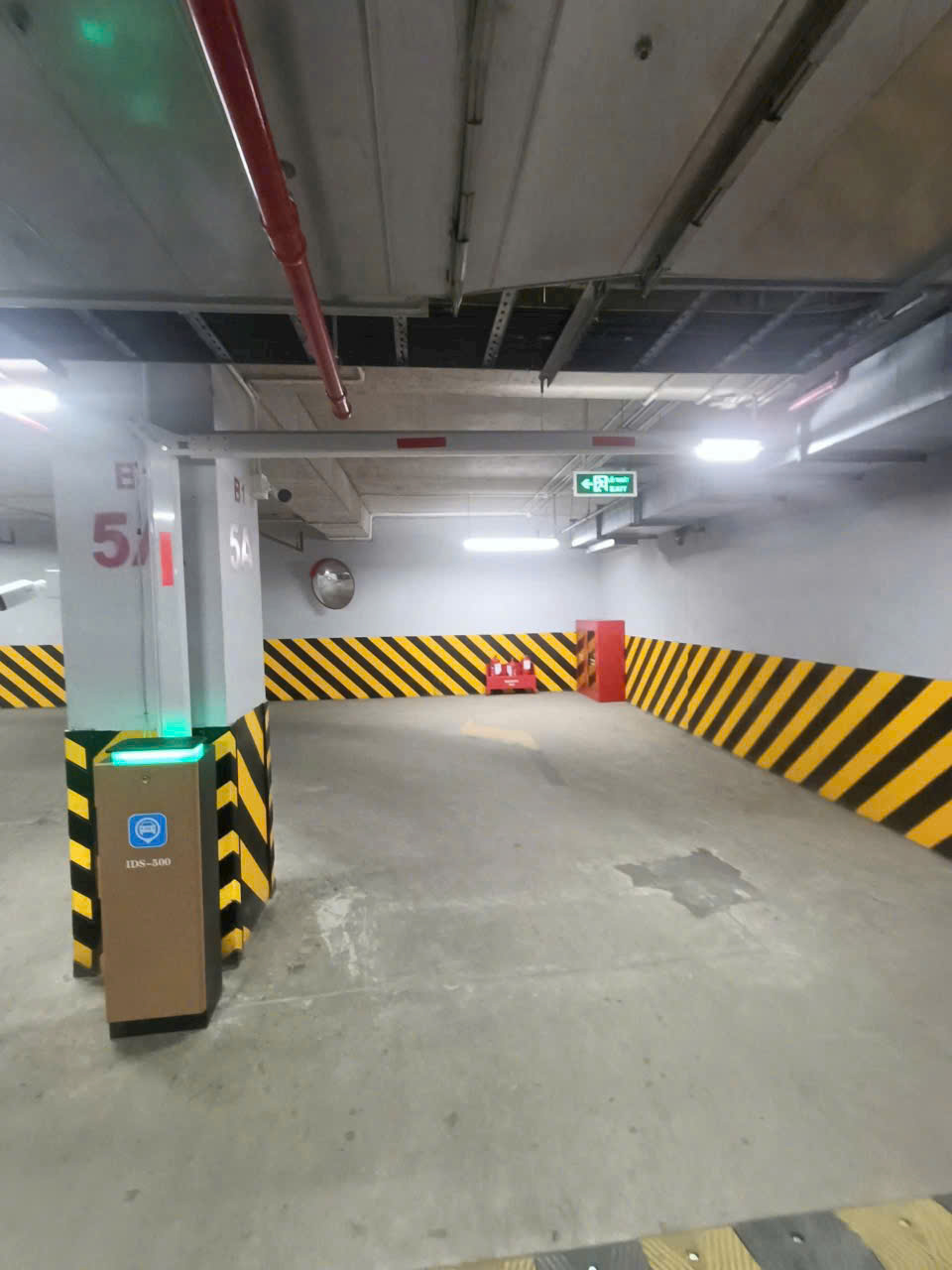
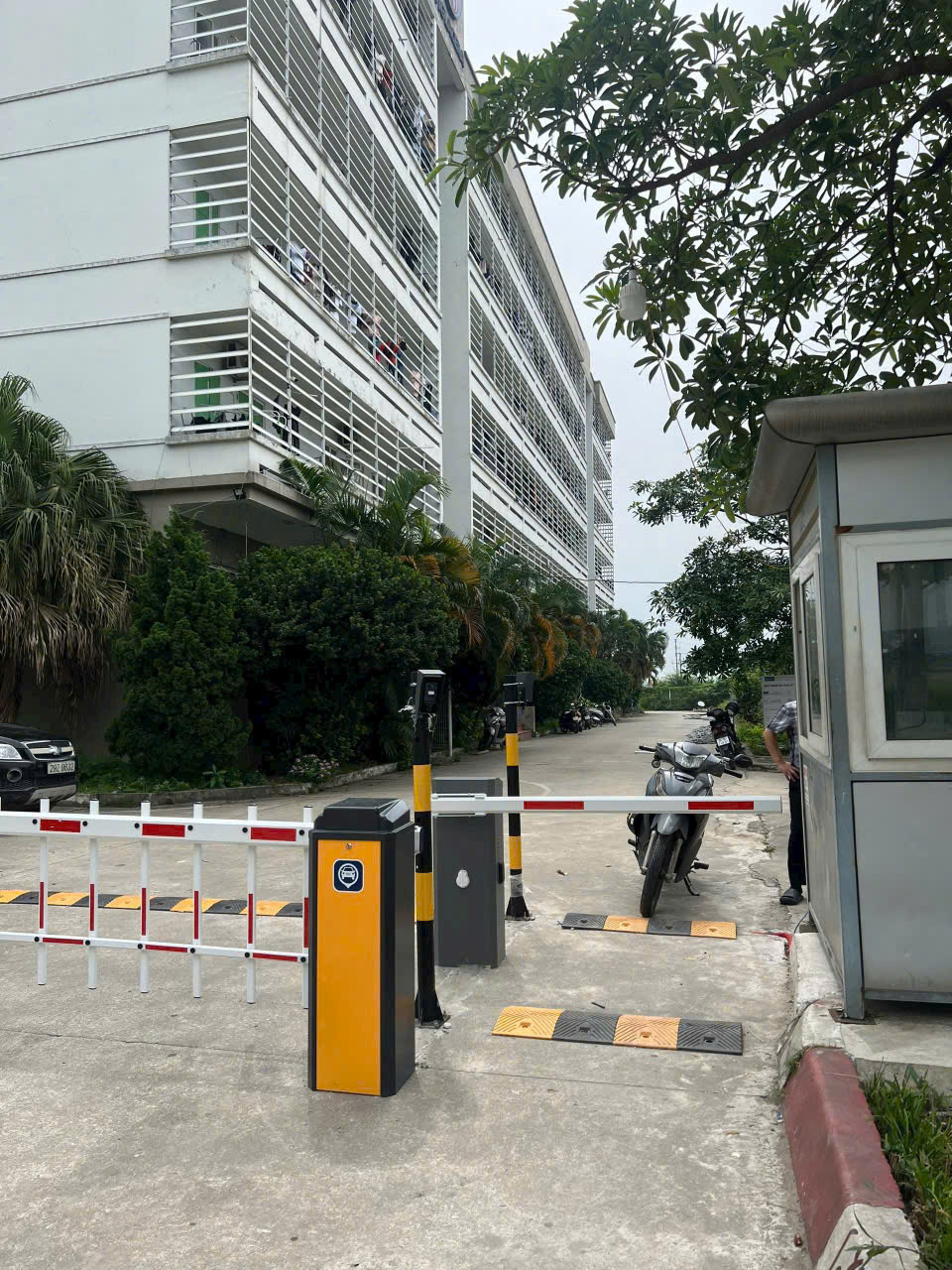
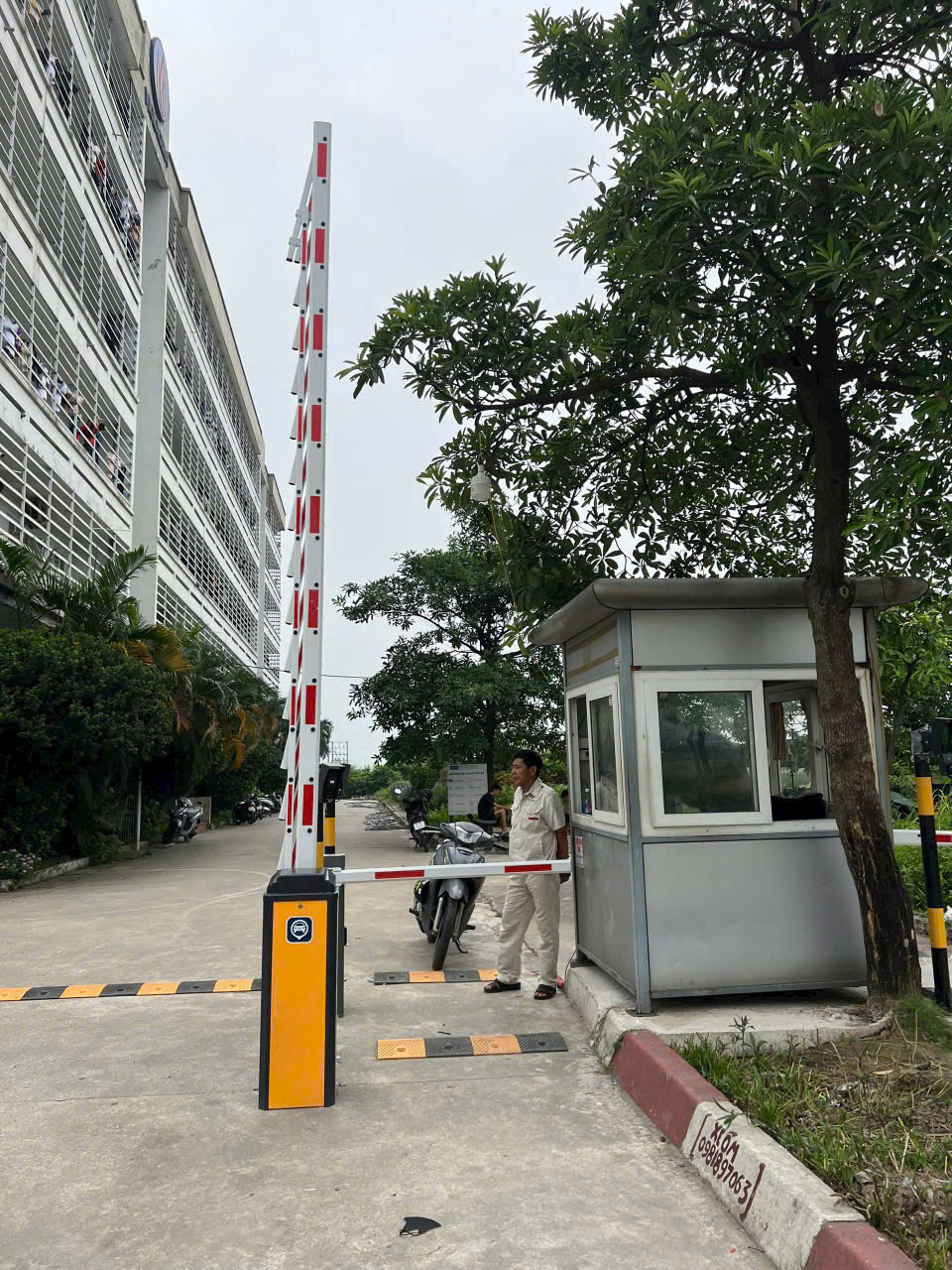
Barrier arm needs to be straight
Straight barrier arms are the most common type in access control systems. These barrier arms are typically 3 to 6 meters long, made from aluminum alloy or lightweight steel, and may be powder-coated or plastic-coated for increased durability and weather resistance.
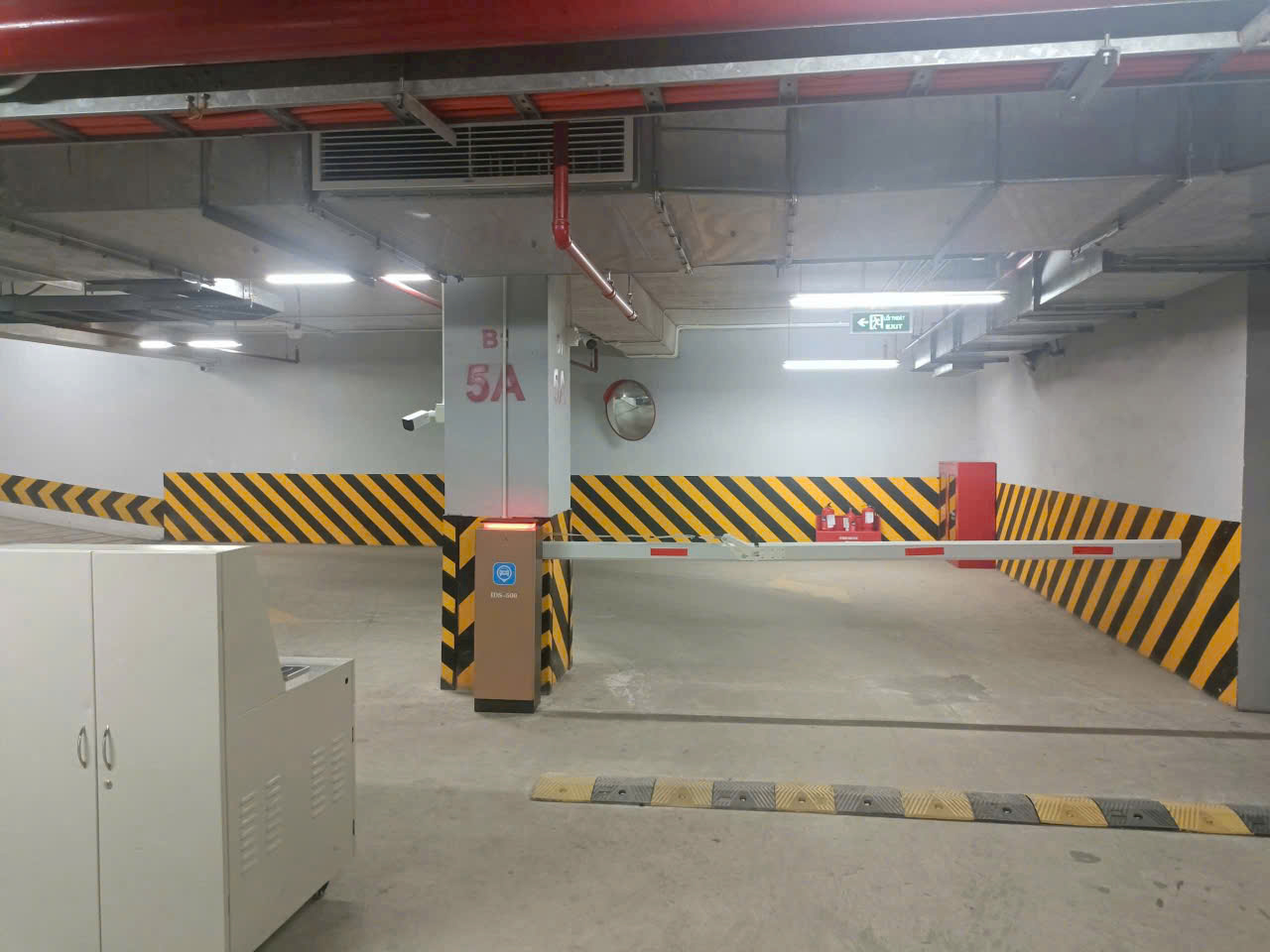
Technical advantages:
- Simple mechanical design: An electric motor system combined with a mechanical drive mechanism allows for quick and stable raising and lowering of the barrier arm.
- Easy maintenance: Due to its simple design with few complex parts, checking and replacing components such as motors, sensors, or controllers is quick and easy.
- Reasonable investment cost: Suitable for projects with limited budgets while still ensuring operational efficiency.
Applications: Straight barrier gates are typically installed in large parking lots, entrances to industrial parks, residential areas, or road toll stations with ample space.
Folding barrier
Folding barrier arms are designed with multiple interconnected sections that can be folded, reducing the overall length when extended and saving installation space. This type is particularly suitable for locations with limited space or for blocking narrow passageways.
Specifications:
- Flexible folding mechanism: The joints between the arm sections are robustly designed, using high-strength materials to ensure durability and stability during operation.
- Precision motor control: Servo motors or stepper motors are commonly used to control the opening angle of each arm segment, resulting in smooth operation and minimized noise.
- Impact resistance: The foldable arm design minimizes damage from minor impacts and allows for easy replacement of individual sections if damaged.
Applications: Folding barrier arms are suitable for crowded urban areas, underground garage entrances, or control points where space is limited in terms of barrier arm length.
Automatic barrier with LED lights
Integrating LED lights into barrier arms not only enhances aesthetics but also improves visibility in low-light conditions or at night, contributing to traffic safety and reducing accidents.
Specifications and benefits:
- Multicolor LED lights: Red or green LEDs are commonly used to indicate the open/closed status of the barrier, making it easier for drivers to observe from a distance.
- Energy saving: LED lights have a long lifespan and low power consumption, making them suitable for continuously operating systems.
- Water and dust resistance: LED lights are designed to meet IP65 standards or higher, ensuring stable operation in all weather conditions.
Applications: LED-lit barriers are commonly used in high-traffic areas at night, such as shopping mall parking lots, industrial parks, or toll booths.
Automatic barrier with integrated sensors
Automatic barriers with integrated sensors are a modern solution that optimizes access control by automatically detecting and responding when a vehicle or person approaches the barrier.
Common sensor technologies:
- Infrared sensors: Detect objects based on the obstruction of infrared radiation, commonly used to detect vehicles or pedestrians in close proximity.
- Radar sensors: Use radio waves to detect movement and distance, and are capable of operating effectively in adverse weather conditions such as rain or fog.
- Optical sensors and smart cameras: Combining image recognition technology to differentiate vehicle types, enhancing security and providing more precise control.
Operational advantages:
- Automatically open the barrier upon detecting a vehicle: Minimize waiting time and increase traffic flow.
- Collision prevention: Sensors detect obstacles or people standing near the barrier, automatically stopping or reversing the barrier arm to avoid accidents.
- Integrated smart management system: Easily connects with access control software, surveillance camera systems, and other security devices.
Applications: Sensor-integrated barriers are commonly used in smart cities, automated parking lots, modern industrial parks, and areas with high security and convenience requirements.
Instructions for operating and maintaining automatic barriers
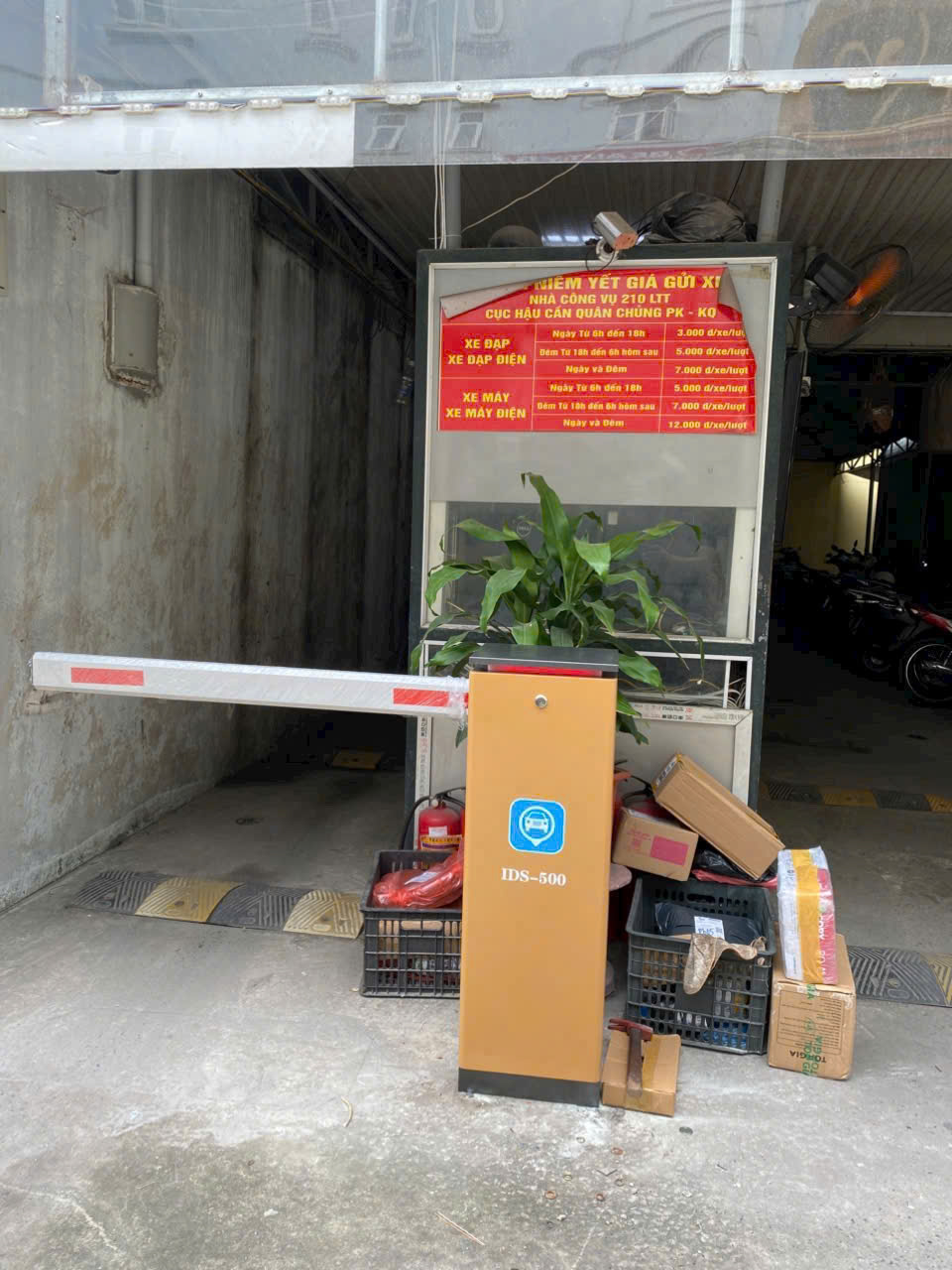
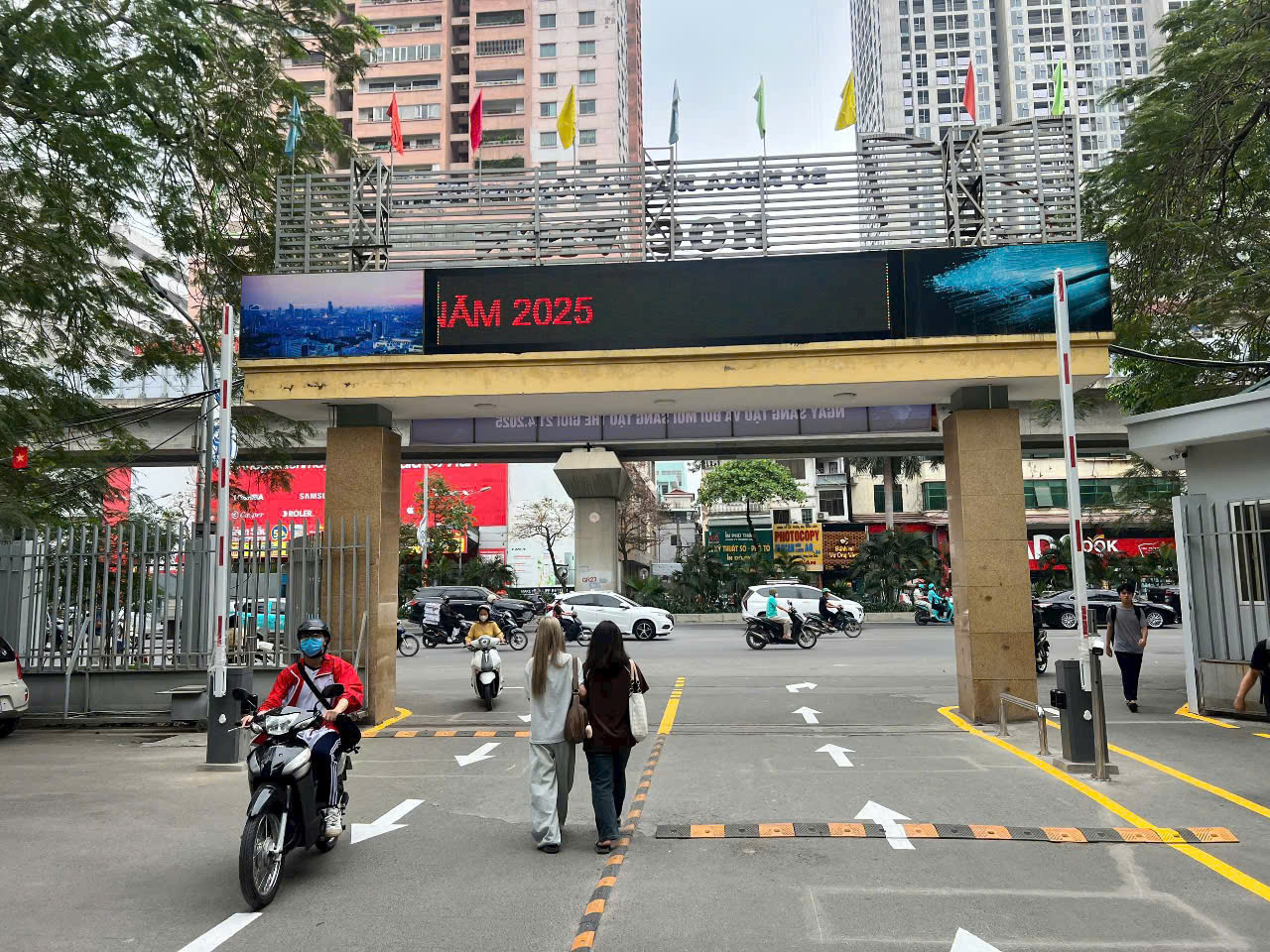
To ensure the stable, efficient, and long-lasting operation of automatic barriers , proper operation and maintenance procedures are crucial. Below is a detailed and in-depth guide to the steps for operating and maintaining automatic barriers:
- Operate:
- Using a remote control or push buttons: Automatic barriers are typically controlled via a remote or a fixed control panel. Operators must ensure accurate operation, avoiding pressing and holding buttons for too long, which can overload the motor.
- Check the operating area: Before opening or closing, ensure there are no obstructions within the operating range of the barrier arm. Obstructions can jam the mechanism, damage the motor, or other mechanical parts.
- Safety precautions: Do not allow people or vehicles to stand too close while the barrier is in operation to avoid accidents.
- Opening and closing operation: Open and close the barrier gently, avoiding applying strong force to the barrier arm to prevent misalignment or breakage of mechanical parts.
- Scheduled maintenance:
- Cleaning the body and guardrails: Regularly wipe away dust, excess grease, and dirt buildup on the surfaces to prevent interference with mechanical and electronic functions.
- Inspect the mechanical components: Observe the joints, hinges, and screws for signs of looseness, rust, or damage. Tighten or replace as needed.
- Check safety sensors: If the barrier is equipped with collision avoidance sensors or optical sensors, check their correct operation and clean the sensor surfaces to ensure sensitivity.
- Check the braking system: For barriers with mechanical or electronic brakes, regular checks are necessary to ensure the barrier arms can stop accurately, preventing slipping or free fall.
- Check the electrical system:
- Ensure a stable power supply: The power supply to the barrier must maintain stable voltage and current. Use a voltage stabilizer or UPS if necessary to avoid problems caused by power outages or voltage fluctuations.
- Check electrical connections: Regularly inspect connectors and wires for signs of open circuits, short circuits, or corrosion. Replace damaged wires immediately.
- Inspect the control board: Observe the board for signs of burning, bulging components, dust, or moisture. Clean the board with compressed air or a soft brush, avoiding the use of harmful solvents.
- Inspect relays and fuses: Ensure electrical protection components are functioning properly, and replace them if there are signs of damage to prevent fires or widespread malfunctions.
- Engine and spring maintenance:
- Lubricate moving parts: Engines and mechanical components such as gears, shafts, and hinges need to be lubricated regularly with specialized grease to reduce friction, minimize wear, and minimize noise.
- Check the tension of the support spring: The support spring helps balance the pulling force of the barrier arm, reducing the load on the motor. The tension and elasticity of the spring should be checked, and adjusted or replaced if it appears stretched or weak.
- Check engine temperature: During operation, the engine should not overheat. If unusually high temperatures are detected, the cause should be checked, such as poor lubrication, overload, or internal component failure.
- Check for noise and vibration: Loud noises or unusual vibrations can be a sign of mechanical or engine problems. Prompt action is necessary to avoid serious damage.
- Update the driver software:
- For barriers integrated with intelligent control systems: Software updates improve operational efficiency, add new features, and enhance security against intrusion threats.
- Check your software version: Regularly check your current version and compare it to the latest update from the manufacturer.
- Perform updates correctly: Software updates should be performed by qualified technicians to ensure that they do not disrupt operations or cause system errors.
- Data backup: Before updating, it is necessary to back up all configuration and control data to avoid loss in case of problems.
Important note: Operation and maintenance of automatic barriers should be performed by qualified or properly trained technical personnel. Furthermore, the manufacturer's instructions must be followed to ensure optimal safety and efficiency.
Reasons why you should buy an automatic barrier today.
Investing in automated barriers not only improves traffic management efficiency but also offers numerous practical and in-depth technical and operational benefits:
- Saving time and operating costs : Automatic barriers are equipped with intelligent control systems, allowing for quick and accurate operation without constant human intervention. Optical or infrared sensors automatically detect vehicles, minimizing waiting times and increasing traffic flow. Reducing direct human labor not only saves on labor costs but also minimizes human error, improving management efficiency.
- Enhanced security and access control : Automatic barriers integrate modern identification technologies such as RFID cards, QR codes, and license plate recognition (ANPR) to accurately control each entry and exit. This helps prevent unauthorized access, protect assets, and ensure the safety of the area. In addition, the system can connect with surveillance cameras and alarm systems to detect and handle unusual situations promptly.
- High durability and stability : Modern automatic barriers are constructed from high-grade alloy steel or aluminum, offering corrosion resistance, harsh weather conditions, and strong impact resistance. The electric or hydraulic motor systems are designed with advanced technology, ensuring smooth, durable operation with minimal maintenance. Furthermore, electronic components are protected by waterproof and dustproof casings meeting IP65 standards or higher, ensuring stable operation in outdoor environments.
- Easy installation and integration : The modular design of the automatic barrier makes installation quick and convenient. The device can be easily integrated with modern management systems such as IP surveillance cameras, access control systems, fingerprint or facial recognition sensors, and centralized management software. This creates a smart, synchronized, and efficient traffic management ecosystem.
- Professional technical support and warranty : Reputable suppliers typically offer 24/7 technical support, including installation advice, routine maintenance, and prompt troubleshooting. Long-term warranties and the provision of genuine replacement parts ensure that equipment always operates at its best, minimizing downtime and repair costs.
Choose a high-quality automatic barrier now to enhance management and safety in your area. Contact us for detailed advice and the best price quote!
Need advice on automatic barriers?
Please provide the lane width, installation location, traffic volume, and control requirements for a suitable configuration recommendation.
Hotline/Zalo: 0966.321.655