

Curved Glass
Curved glass
The concept of curved glass and its specifications.
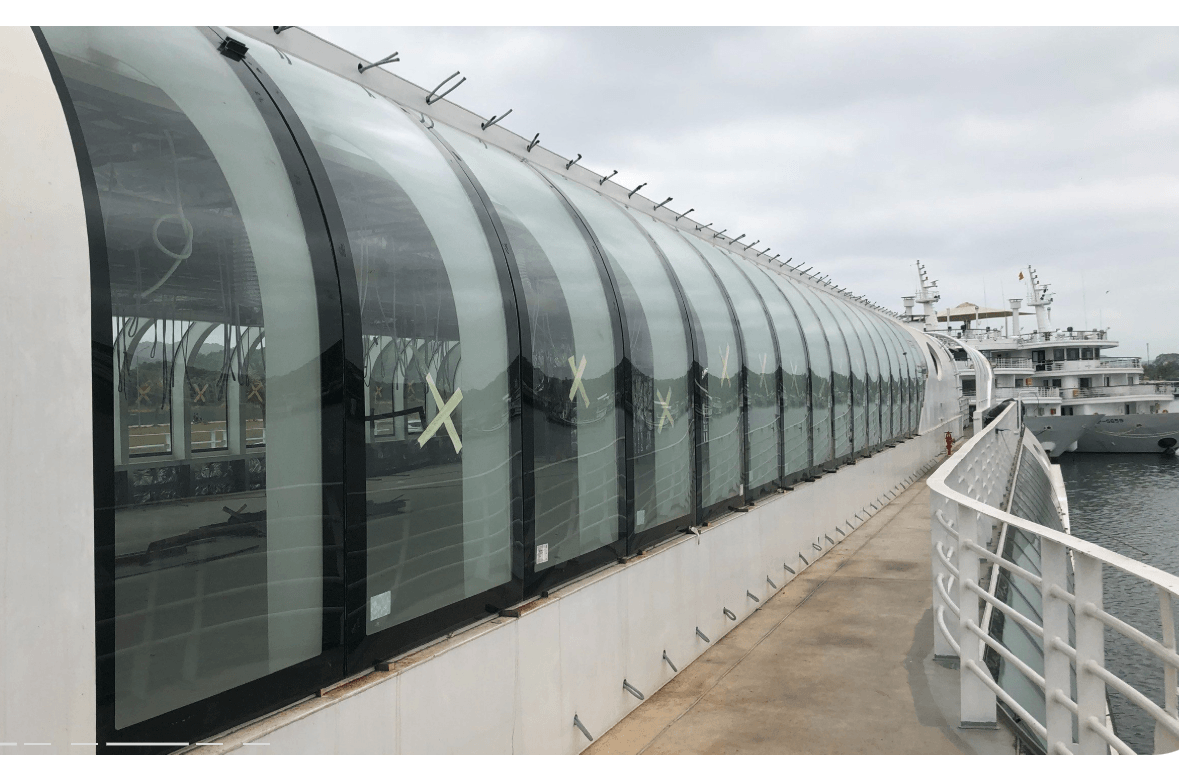
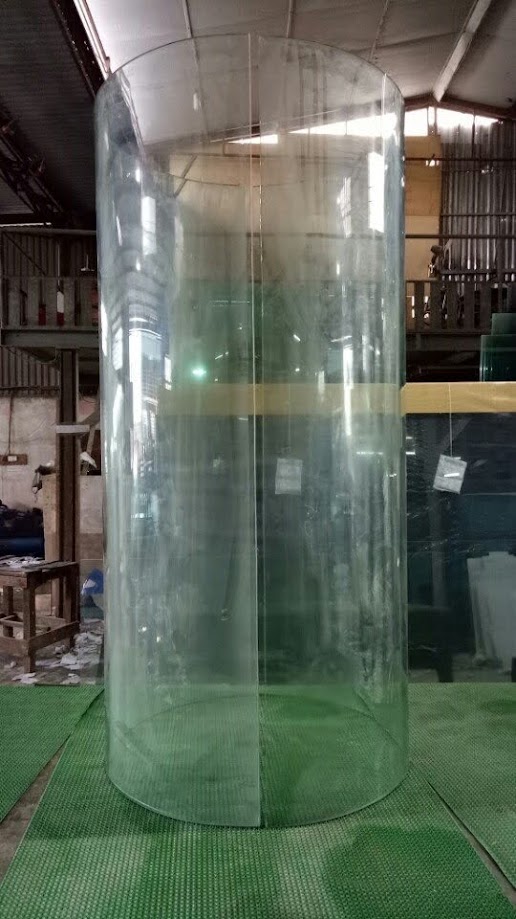
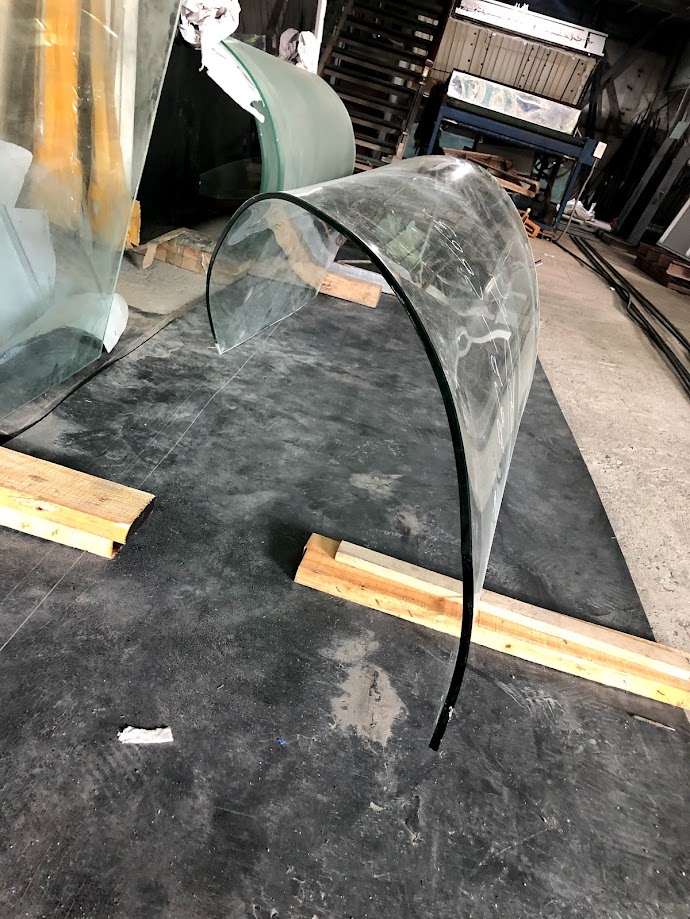
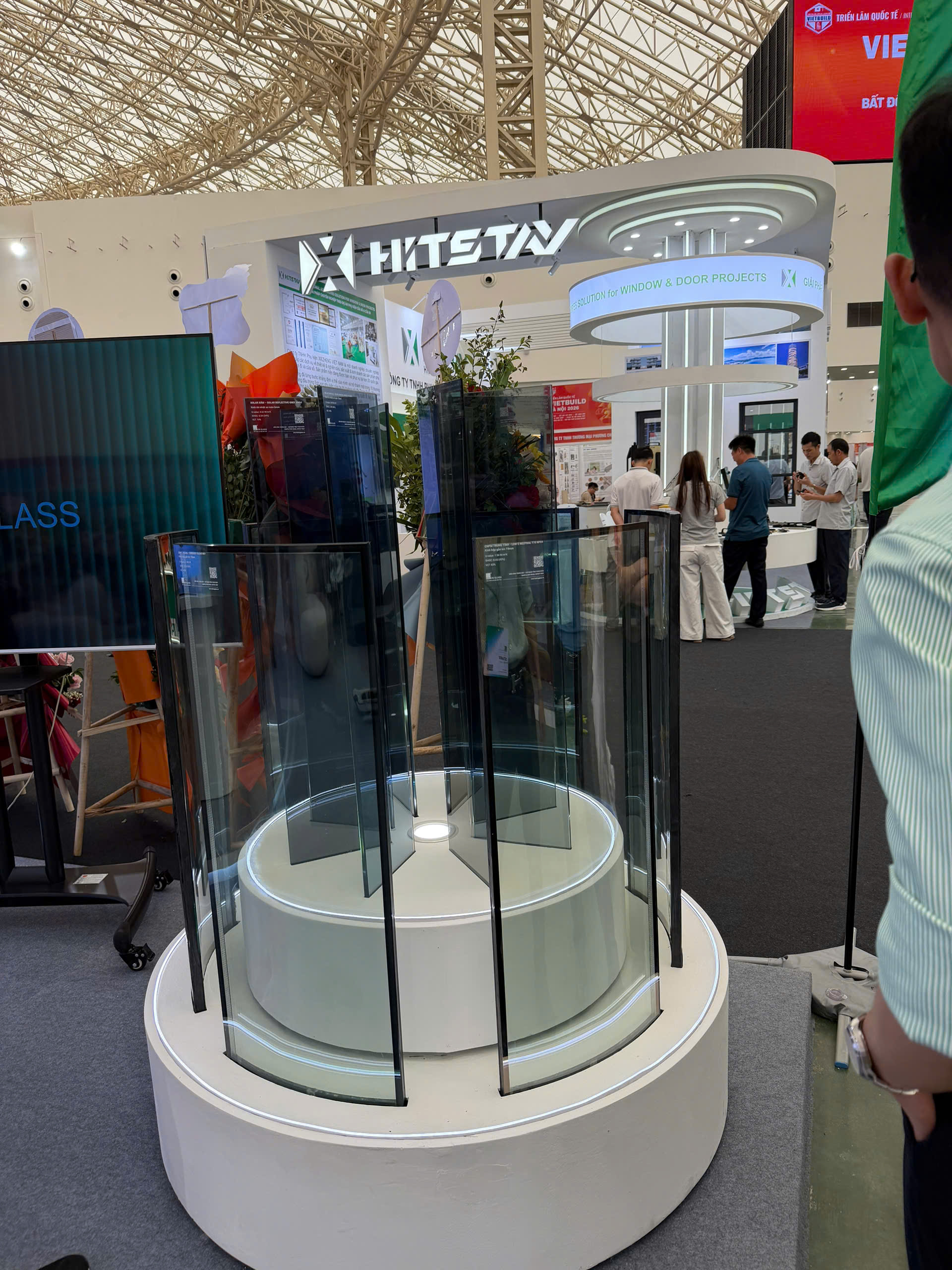
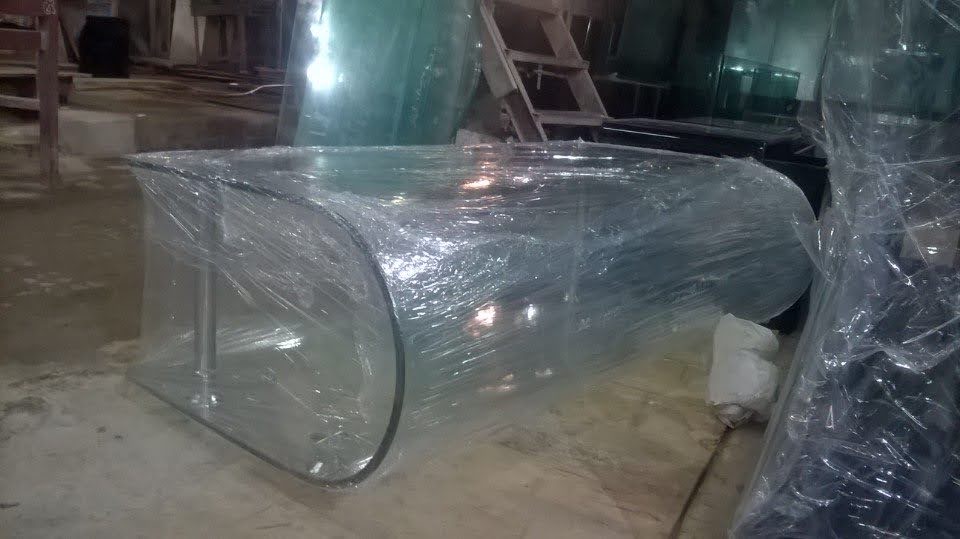
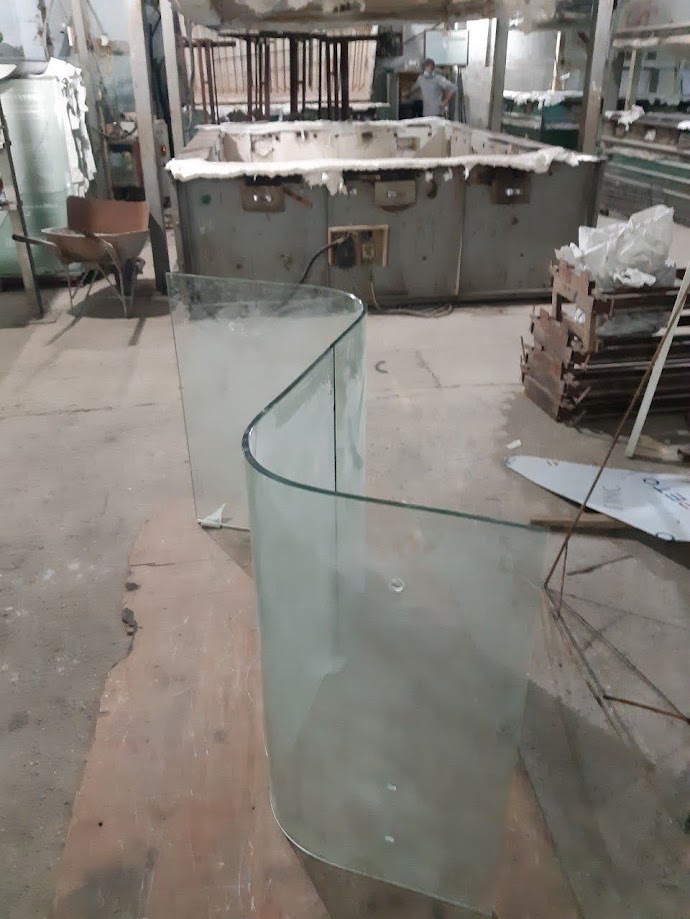
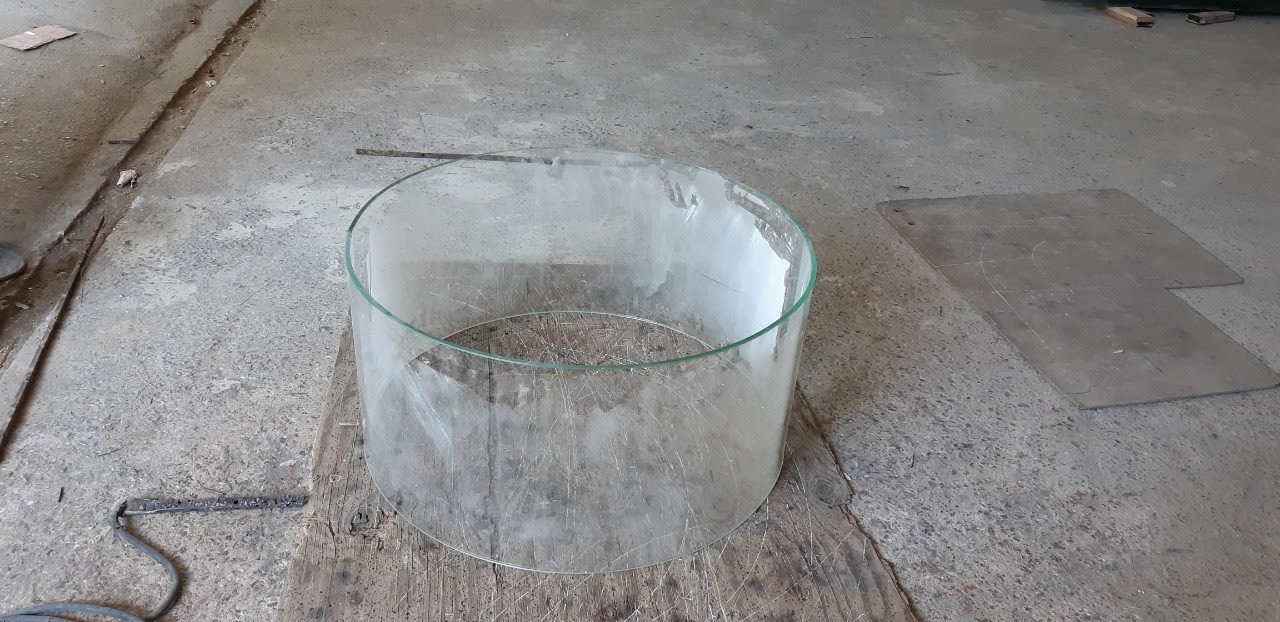
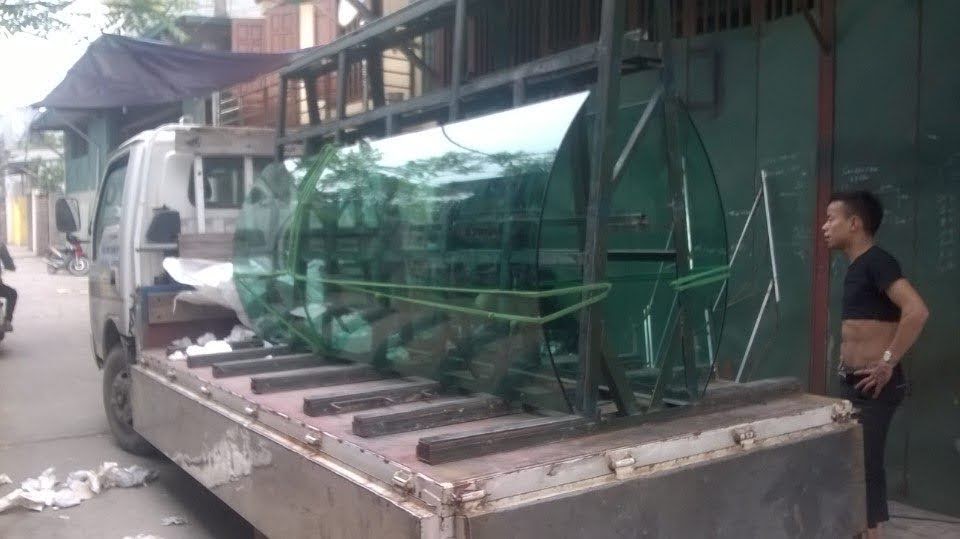
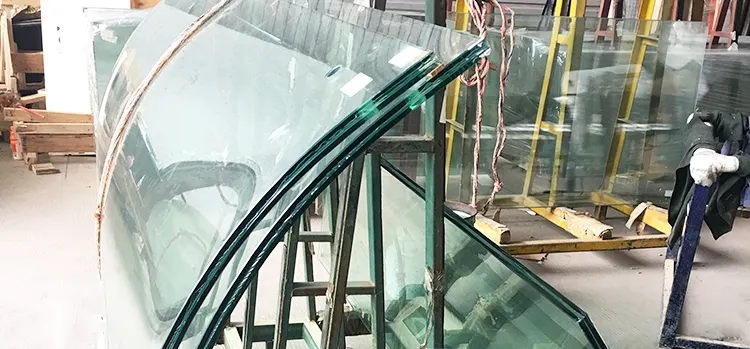
Curved glass is a type of glass that is heat-treated or chemically processed to create a curved shape with a desired radius, while still ensuring standards of mechanical strength, safety, and aesthetics. Unlike traditional flat glass, curved glass allows architects and engineers to realize designs of curved surfaces, wavy surfaces, rounded glass walls, domes, or curved railings without dividing the glass into many small sections, thus creating a continuous, elegant, and modern surface.
Structurally, curved glass can be manufactured from various types of base glass such as ordinary (float) glass, tempered glass, laminated safety glass, low-e glass, reflective glass, or ultra-clear glass. Depending on the project requirements, the manufacturer will choose the appropriate thickness, bending radius, sheet size, and processing method. Common thicknesses for curved glass range from 5mm, 8mm, 10mm, 12mm to 19mm, and can even be greater for special structures such as high-rise curtain walls or load-bearing glass roofs.
The outstanding feature of curved glass is its ability to combine three elements simultaneously: high aesthetic appeal, good mechanical strength, and flexible shape customization. The glass surface after bending retains a relatively flat surface and does not undergo excessive optical distortion if the manufacturing process is tightly controlled. Furthermore, curved glass can be further treated with coatings such as heat-reflective coatings, anti-stain coatings, anti-glare coatings, or ceramic enamel printing to enhance its effectiveness in specific environments.
In technical standards, curved glass must meet requirements for dimensional tolerances, radius of curvature tolerances, warping, impact resistance, wind load resistance, thermal shock resistance, and safety upon breakage. Reputable factories typically implement a quality management system according to ISO 9001, controlling each stage from glass cutting, edge grinding, washing, heating, bending, tempering to final inspection to ensure the product meets EEAT standards for reliability and consistency.
Professional curved glass manufacturing process
The process of manufacturing curved glass requires specialized equipment, an experienced technical team, and a rigorous quality control process. Each step in the production line directly affects the accuracy of the curvature radius, the transparency, and the durability of the finished glass sheet. A standard glass factory typically invests in modern bending and tempering furnaces, precise bending molds, and simulation software to optimize production parameters.
Basic steps in bending glass
The process of bending glass typically includes the following main steps:
1. Glass selection and engineering design : Engineers will determine the type of glass (normal glass, tempered glass, laminated glass, etc.), thickness, sheet size, radius of curvature, direction of curvature (convex, concave, double), and surface treatment requirements. 2D/3D engineering drawings are used to design the bending die and program the parameters for the bending furnace.
2. Glass Cutting and Edge Processing : The full-size glass sheet is cut to the required dimensions using a CNC cutting machine or an automatic cutting machine. Then, the glass edges are ground, beveled, or polished to remove stress concentrations and increase safety. Precise edge grinding helps minimize cracking during heating and bending.
3. Glass washing and surface inspection : The glass is passed through a specialized washing machine to remove dust, oil, and impurities. A clean surface is mandatory to avoid defects such as air bubbles, burn marks, and scratches that may appear after bending. Technicians will inspect the glass under a strong light to detect defects before it is placed in the furnace.
4. Heating in the bending furnace : The glass sheet is placed on a bending die or roller system, then placed in the heating furnace. The temperature in the furnace is gradually raised to near the softening point of the glass (usually around 600–700°C depending on the type of glass). The heating rate, holding time, and temperature distribution must be precisely controlled to ensure the glass softens evenly and does not warp locally.
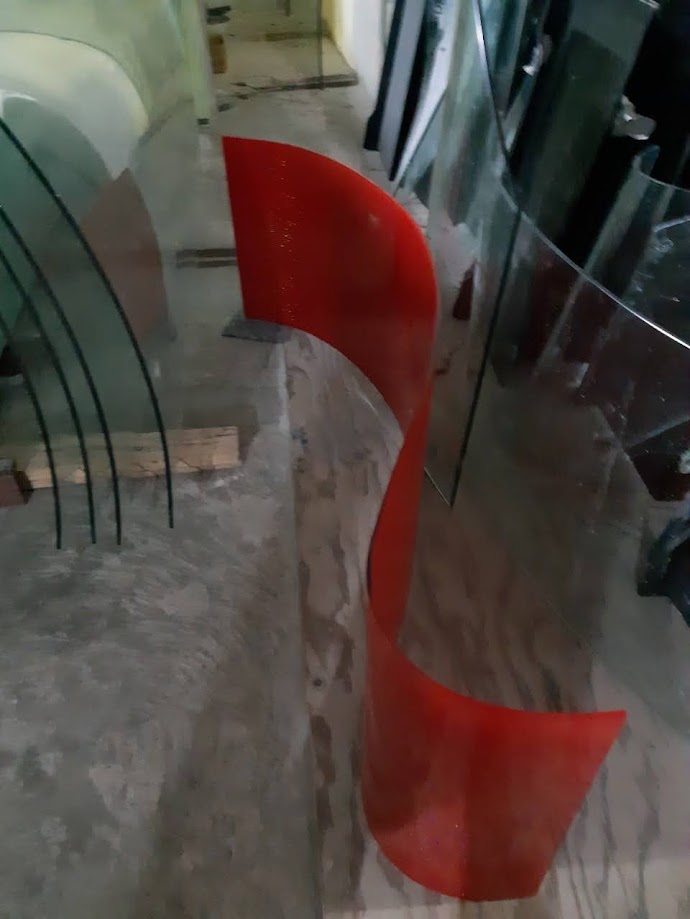
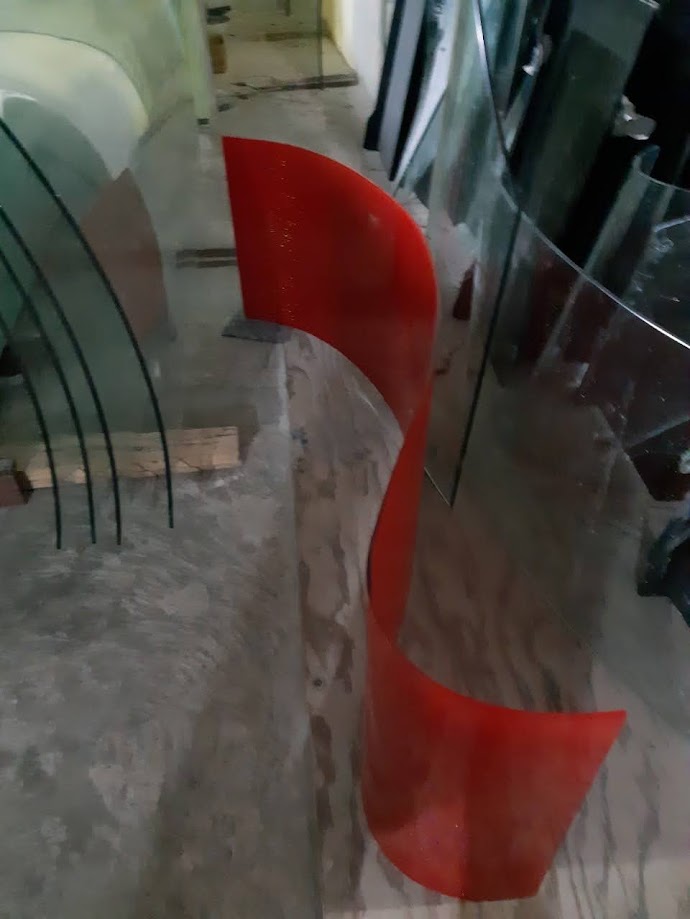
5. Shaping according to a mold : When the glass reaches its softened state, gravity combined with pressure or a roller system will deform the glass according to the shape of the mold. For glass with a large radius of curvature, gravity bending can be used; for small radii or complex shapes, a precise metal mold and a specialized pressing mechanism are required. The accuracy of the mold directly determines the precision of the radius of curvature.
6. Heat treatment or controlled cooling : After achieving the desired shape, the glass is rapidly cooled (heat treatment) using a strong stream of cold air to create surface compressive stress, increasing strength and safety. For curved laminated glass, a slower cooling process can be applied to suit the multi-layer structure. This stage requires controlled cooling rate to avoid cracking due to thermal shock.
7. Quality Control and Finishing : Finished products undergo measurements for curvature radius, dimensions, flatness, optical defect inspection, impact resistance testing, and thermal resistance testing. Only those glass panels that meet the standards are moved to the next stage, such as safety lamination, heat-reflective coating, enamel printing, or accessory installation.
Factors affecting the quality of bent glass
The quality of curved glass depends on many technical and managerial factors. Understanding these factors helps investors, architects, and construction companies choose the right supplier and optimize the design to ensure safety and long-term effectiveness.
1. Glass quality : Raw glass must meet standards for flatness, clarity, and be free of air bubbles, deep scratches, or impurities. Low-quality glass, when bent, is prone to optical distortion, wavy lines, or weak points that can cause cracking. For high-end projects, ultra-clear (low-iron) glass should be prioritized to ensure true color reproduction and high transparency.
2. Design of curvature radius and thickness : The smaller the curvature radius, the greater the stress within the glass, requiring stricter bending techniques. Choosing the appropriate thickness based on the curvature radius, installation height, and wind load is crucial for safety. Design standards typically specify minimum curvature radius limits for each glass thickness.
3. Bending furnace and die technology : Modern bending furnaces with multi-zone temperature control systems, precise sensors, and intelligent control software ensure even heat distribution across the entire glass sheet. Bending dies are CNC machined from heat-resistant steel or special alloys, guaranteeing geometric accuracy and durability under high temperature conditions.
4. Operational and Process Control Experience : Experienced technical teams know how to adjust heating parameters, holding times, cooling rates, and glass placement methods to minimize warping and cracking. An internal quality control system, combined with regular testing according to national and international standards, forms the foundation for maintaining consistent quality of curved glass products.
Applications of curved glass in architecture and interior design.
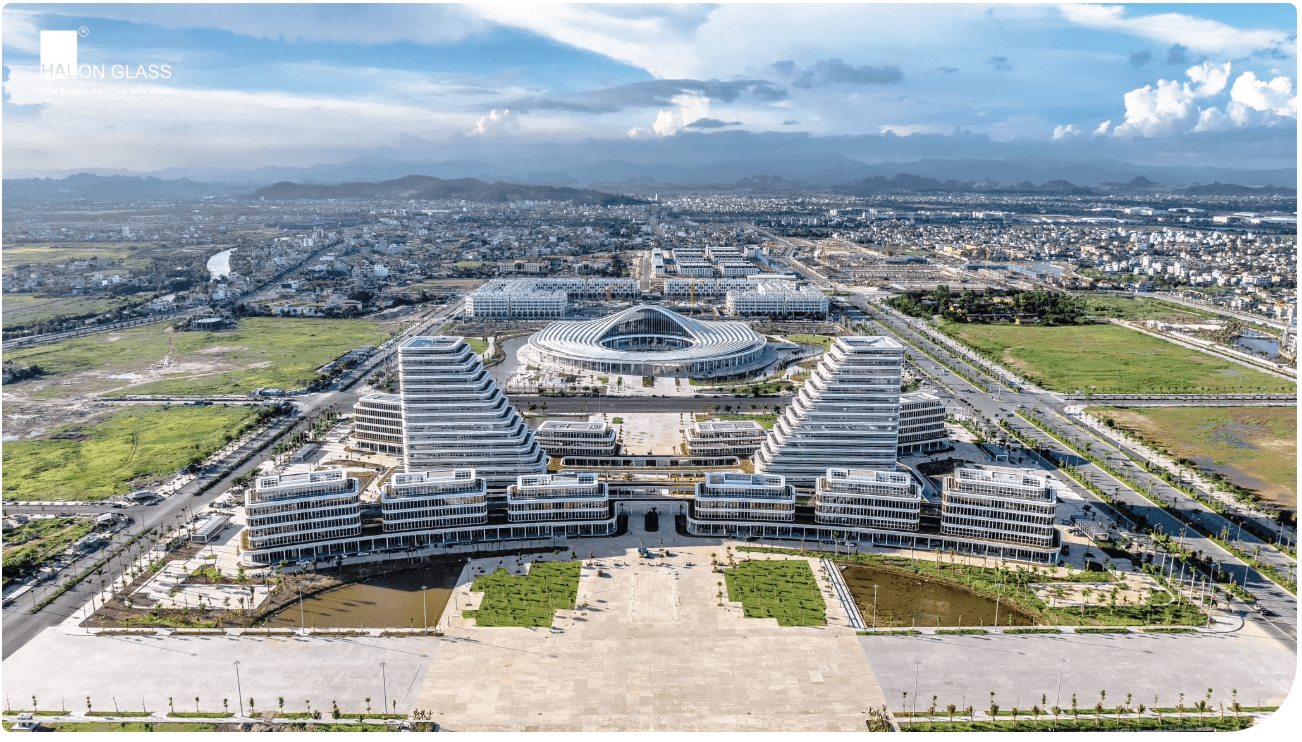
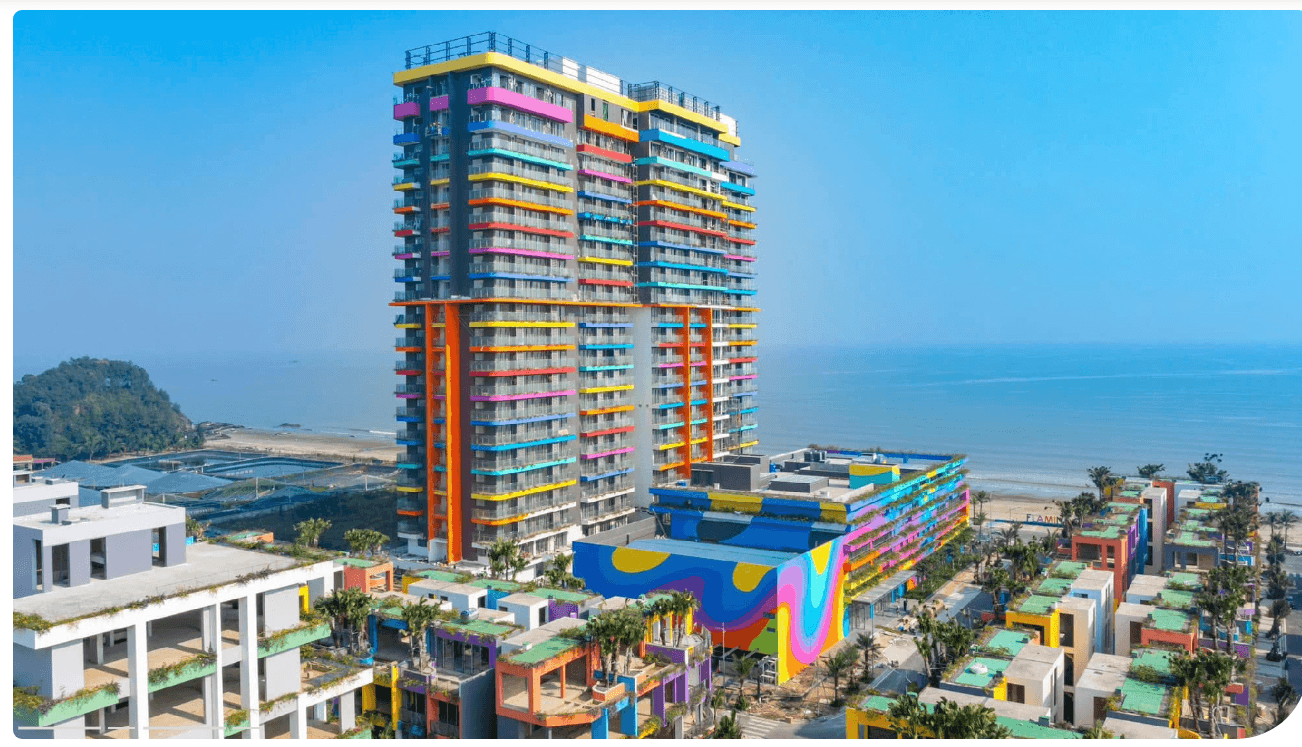
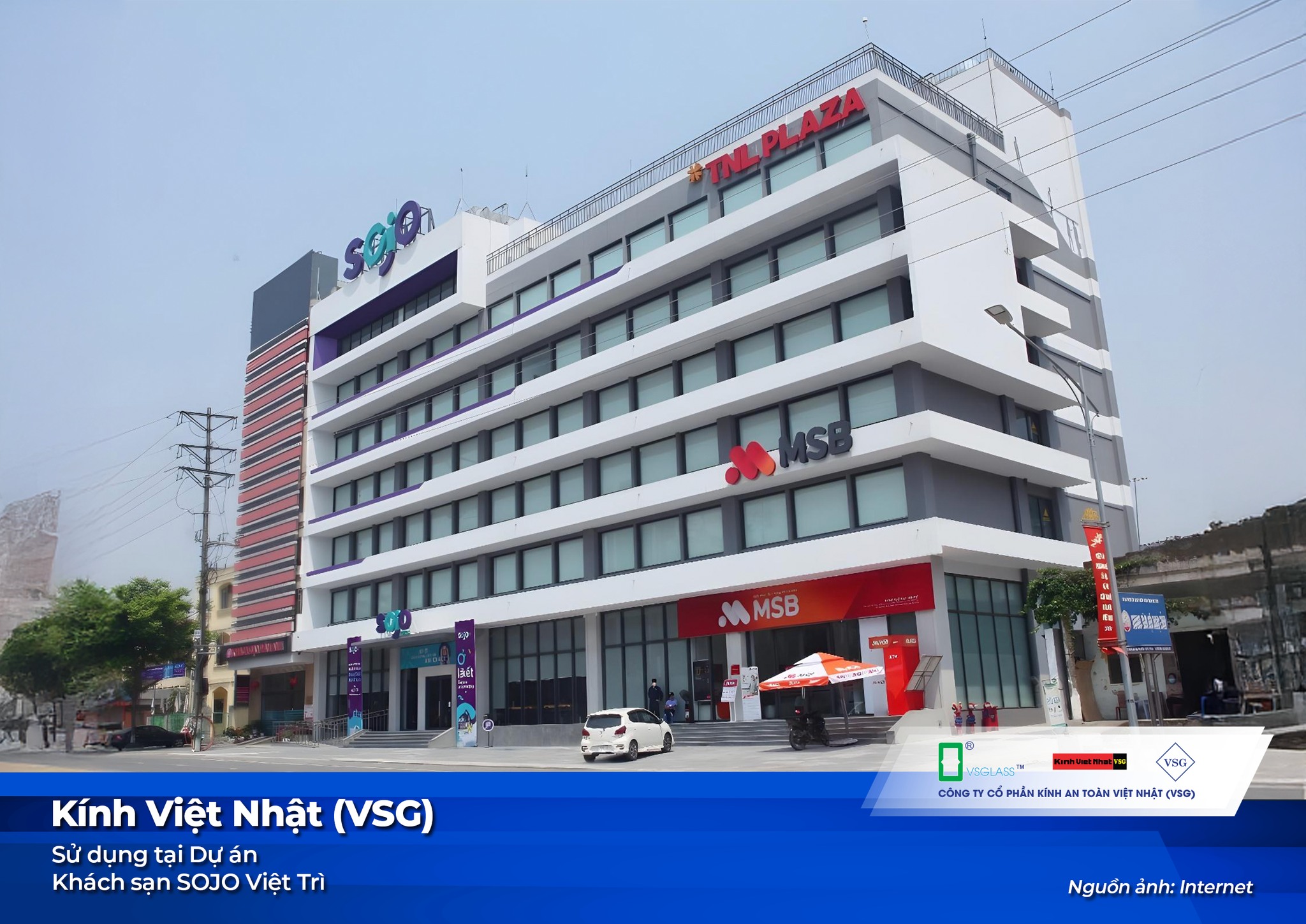
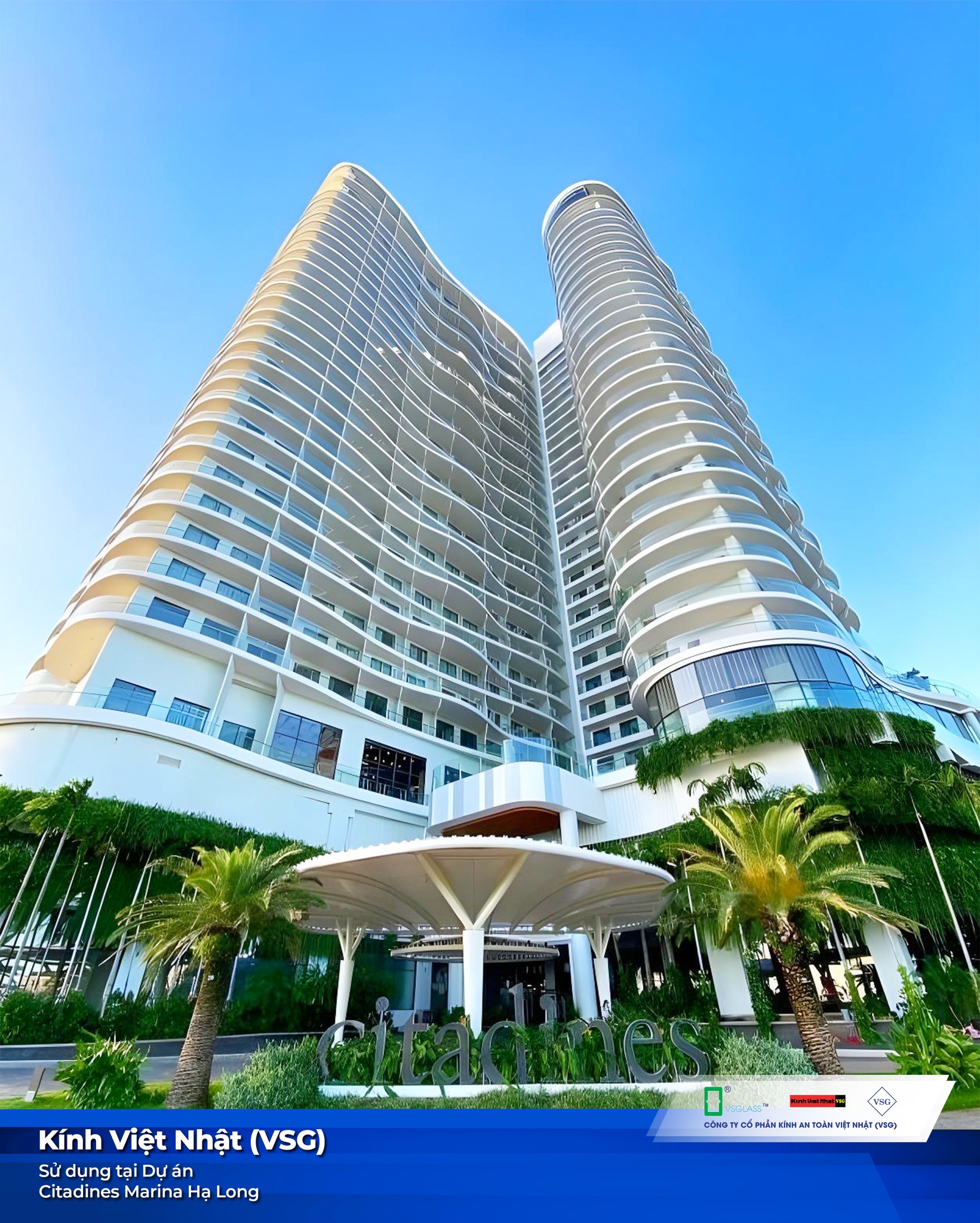
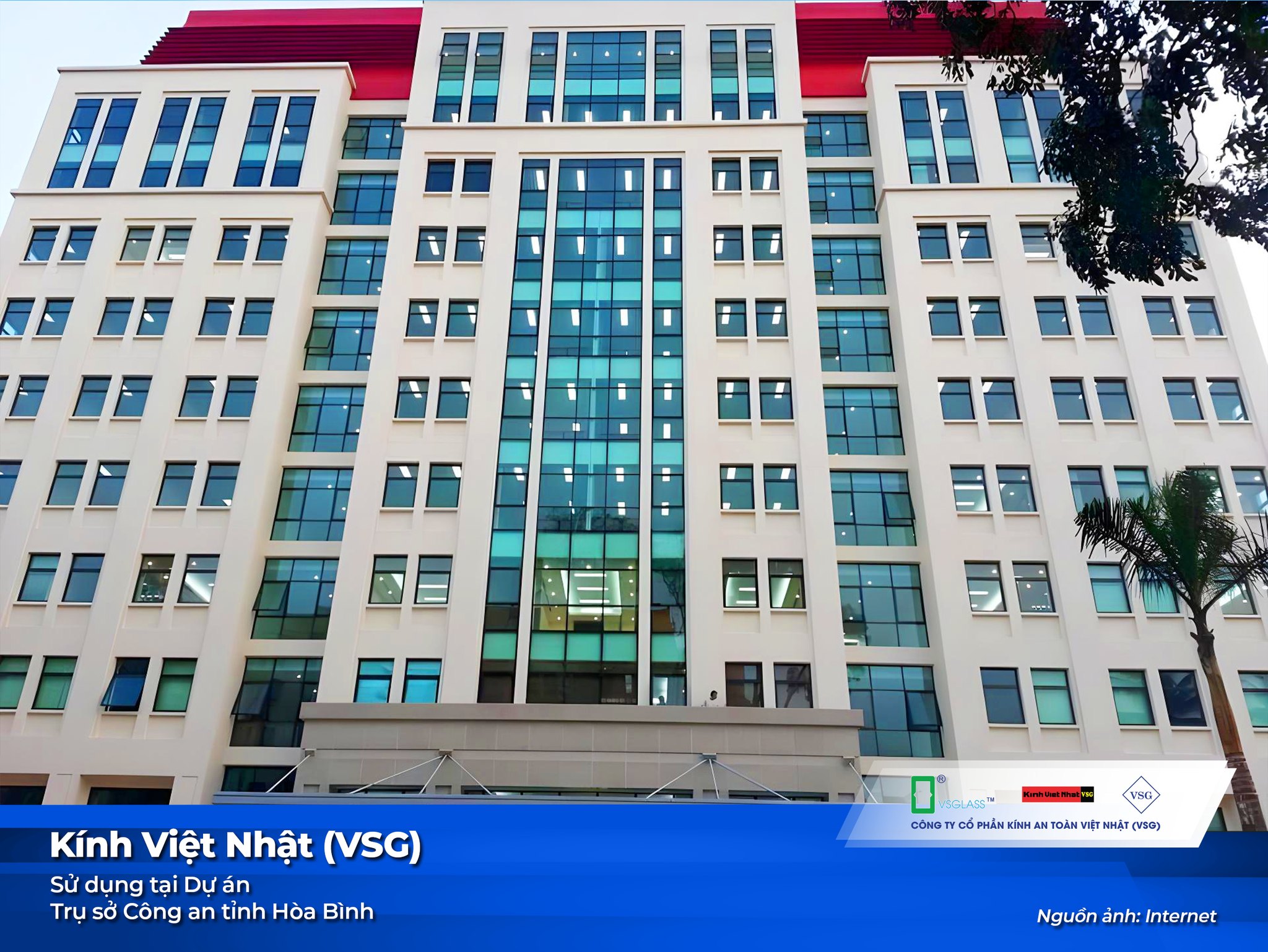
Curved glass opens up many innovative design solutions for modern architecture, from building facades and interior spaces to high-end decorative elements. Thanks to its flexible shaping capabilities, curved glass reduces the number of joints, creating a seamless and smooth feel to the glass surface, while optimizing the amount of natural light.
Applications in exterior architecture
In exterior architecture, curved glass is widely used for elements requiring curved or rounded surfaces, ensuring both aesthetic appeal and meeting technical requirements for strength and safety. Some typical applications include:
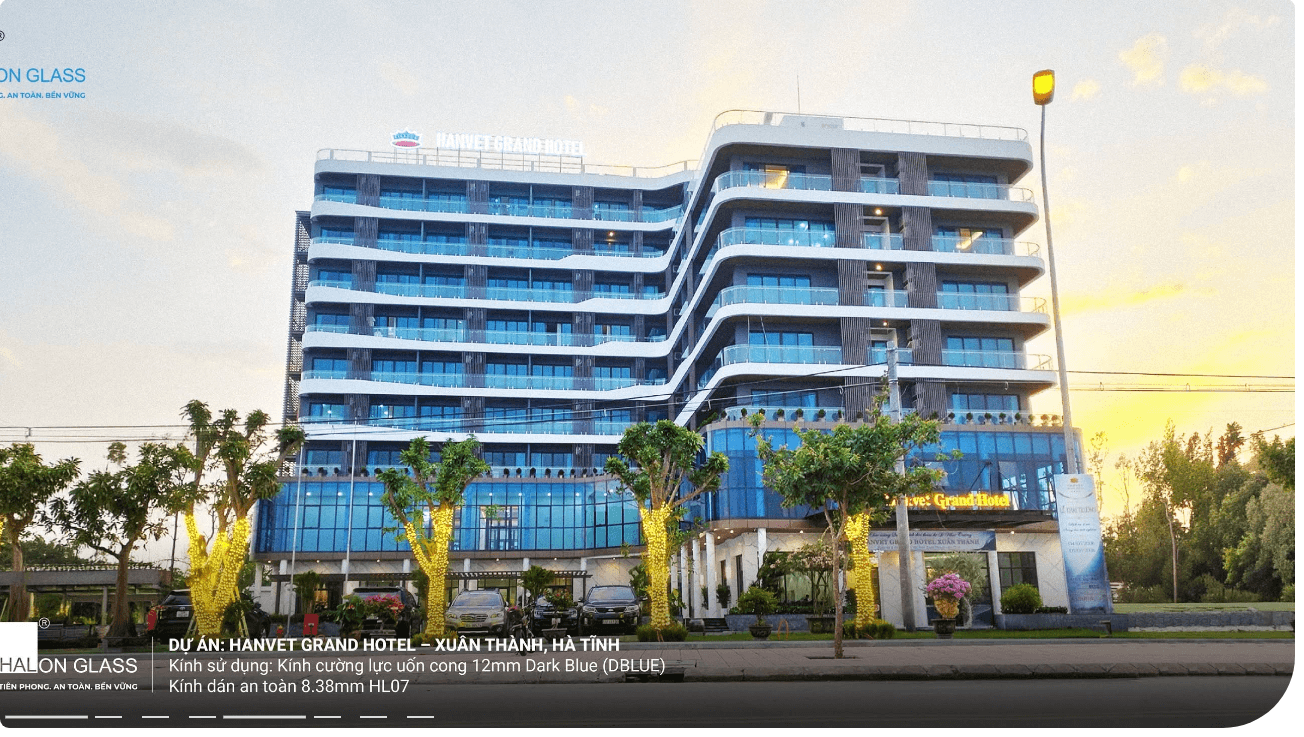
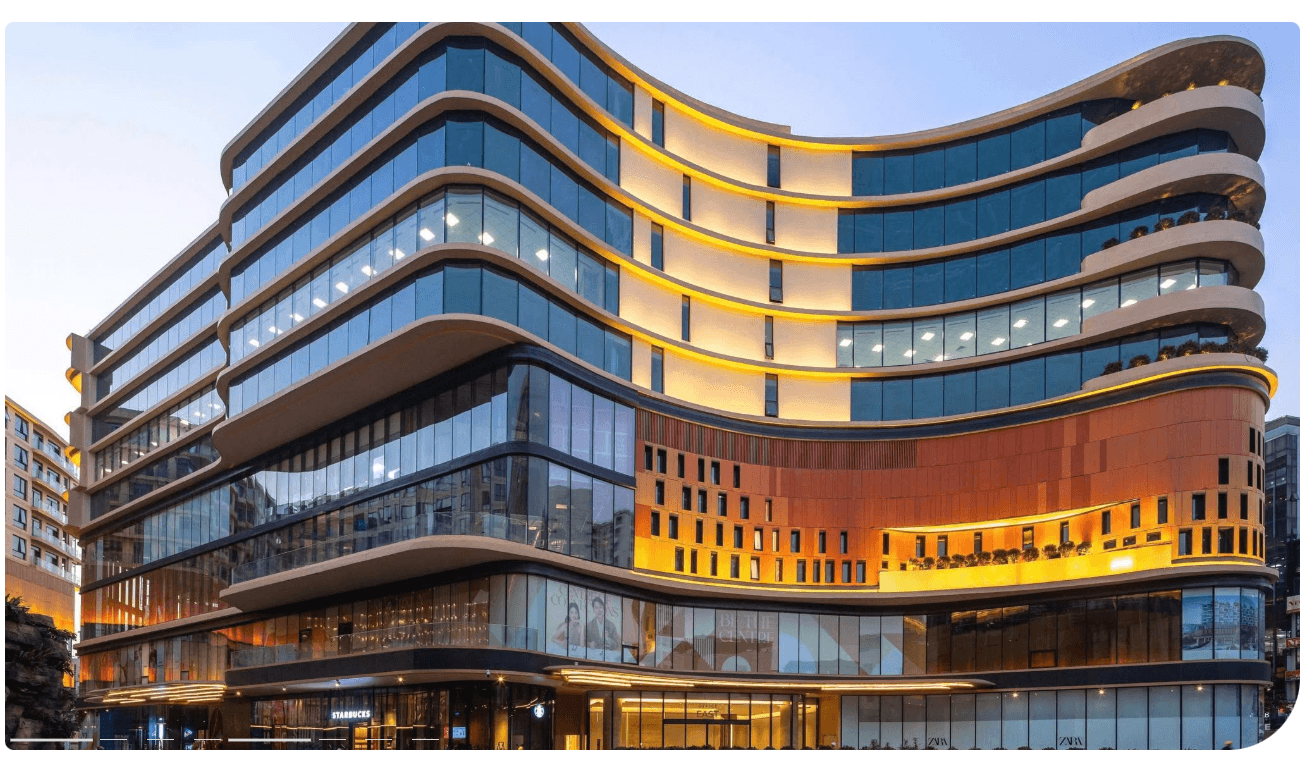
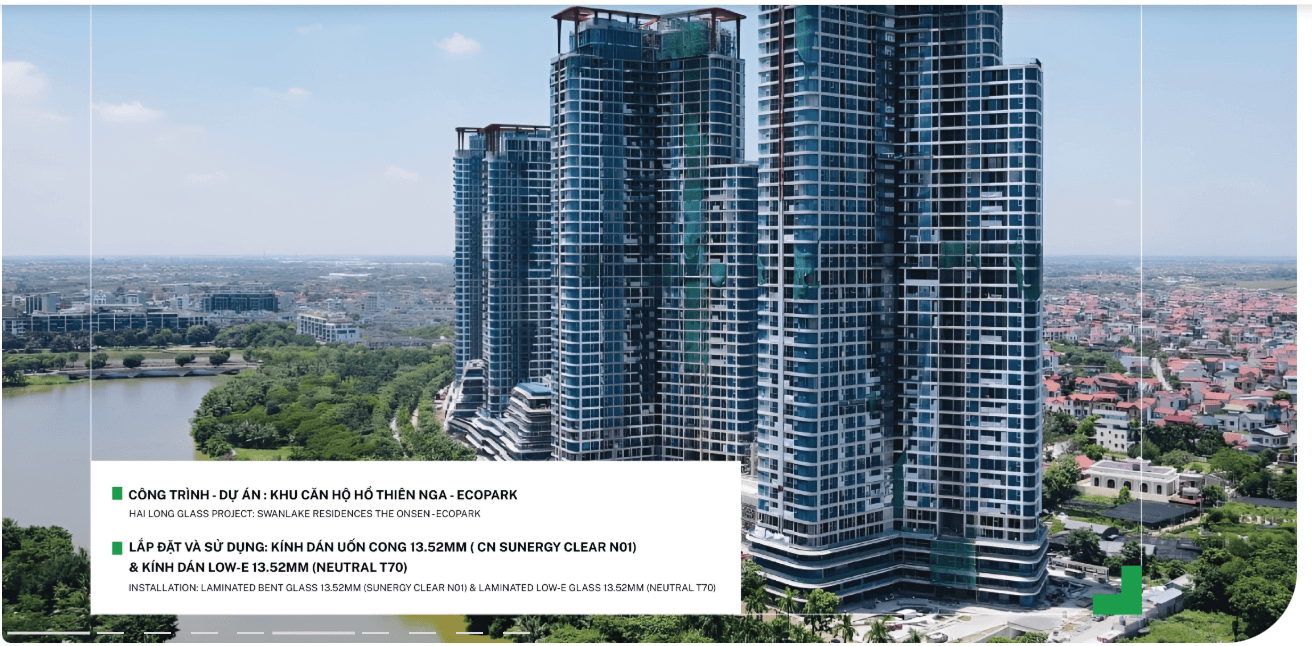
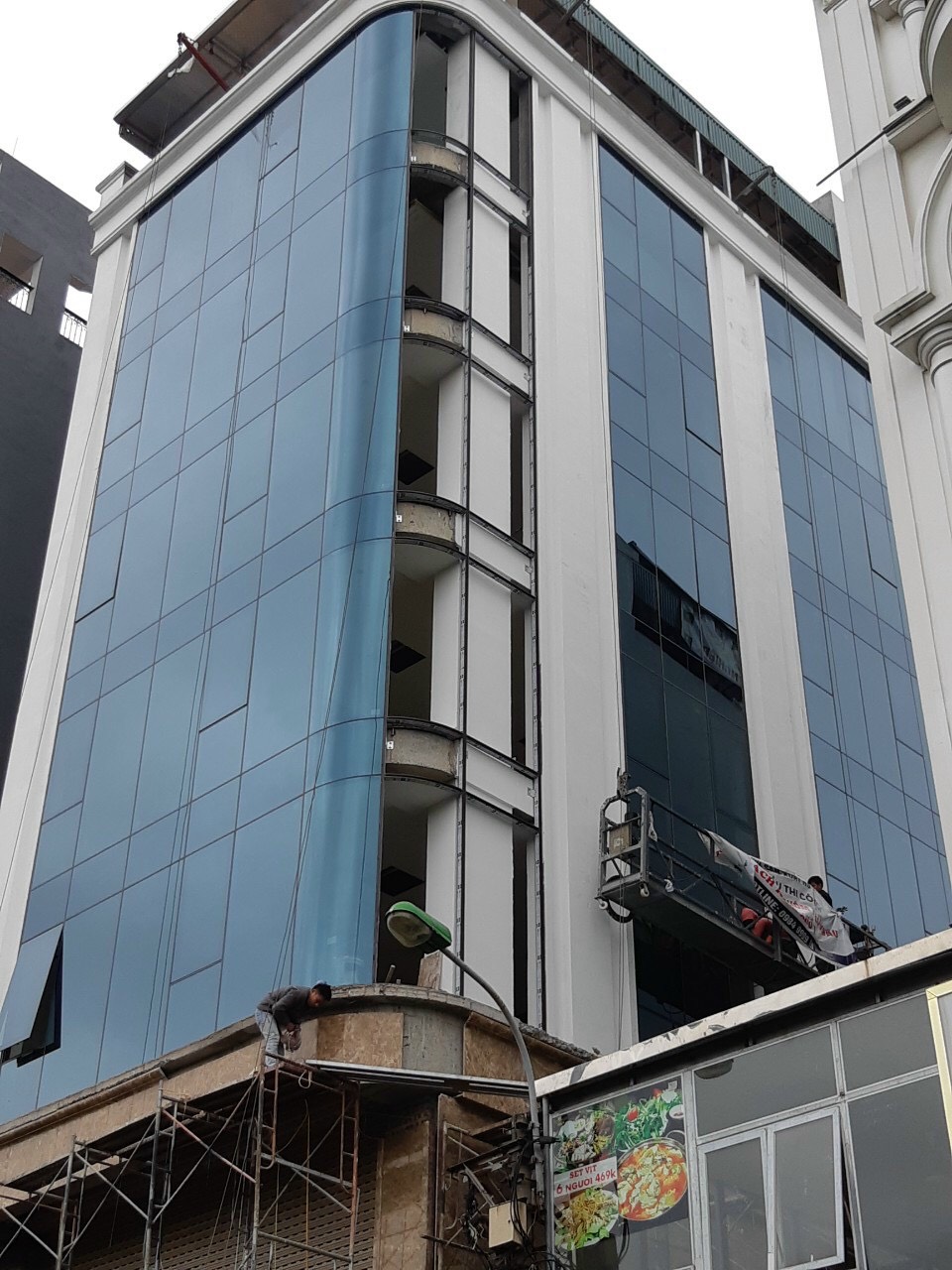
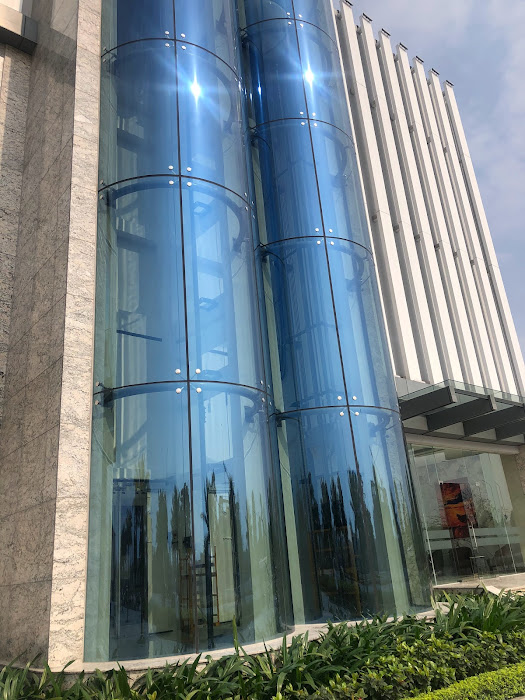
1. Curved glass curtain wall : This curtain wall system uses curved glass, allowing for the creation of elliptical, circular, softly curved, or wavy building shapes. Compared to joining many flat glass panels at small angles, curved glass reduces the number of aluminum frames, minimizes silicone sealant joints, increases airtightness, and improves sound and thermal insulation.
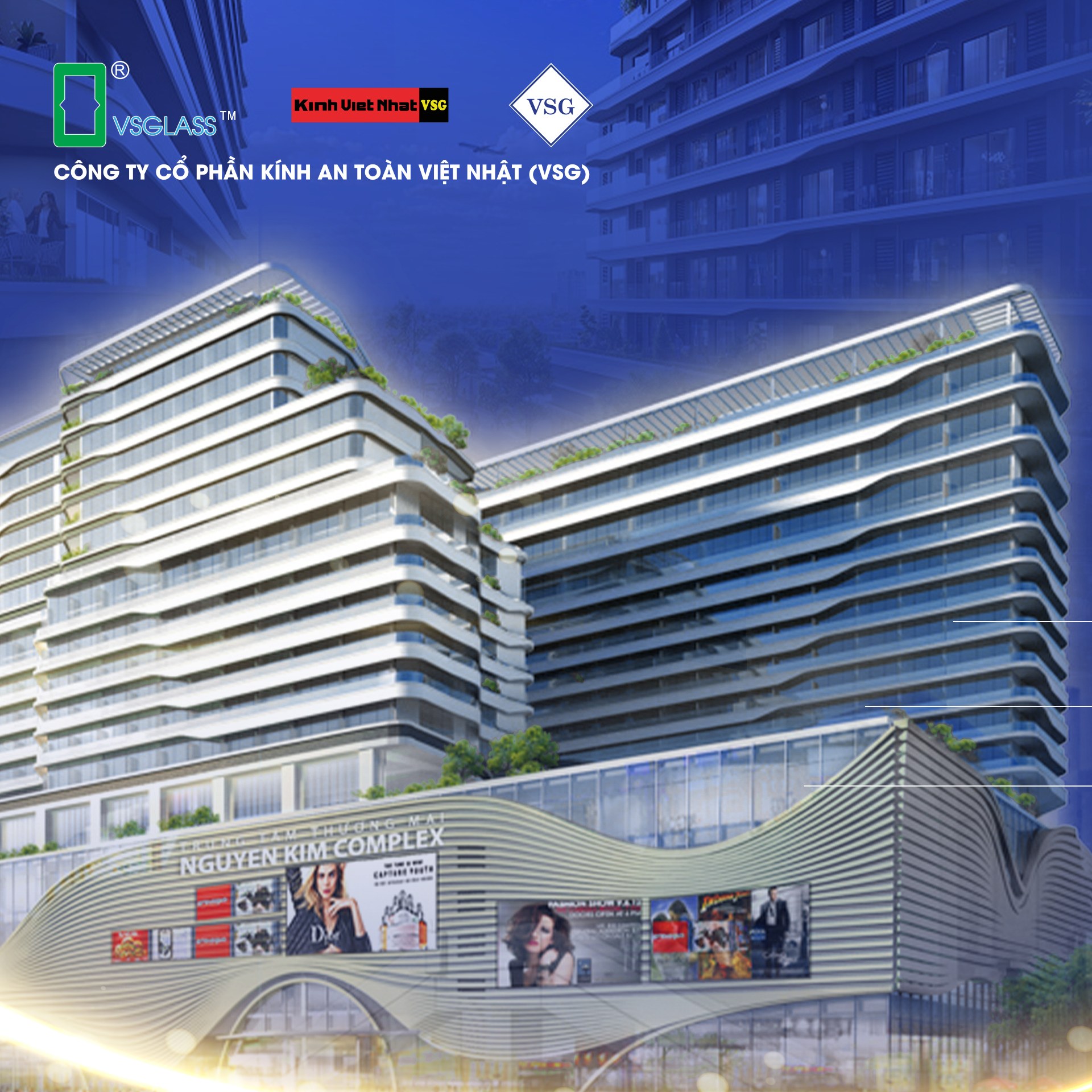
2. Rounded glass facades for buildings : The sharp corners of a building can be replaced with rounded glass facades using curved glass, creating a softer, more elegant, and safer feel, especially in high-traffic areas. This solution also improves the panoramic view from the interior space.
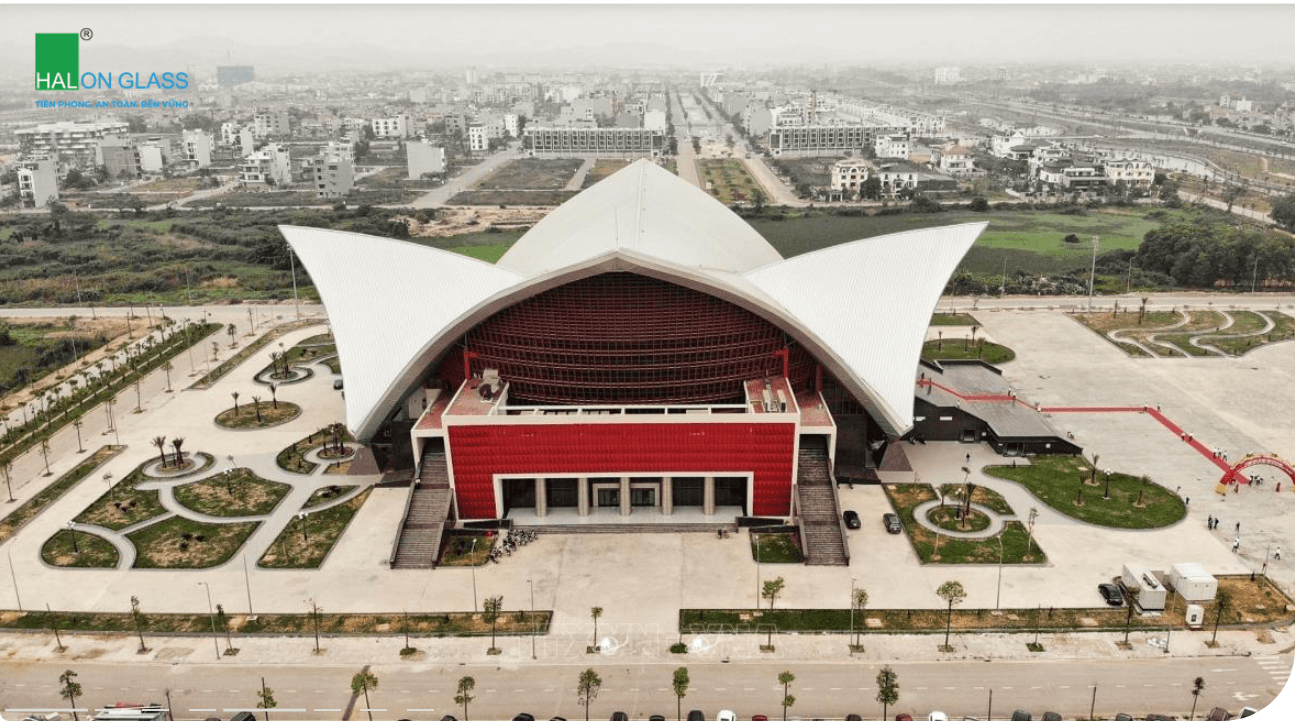
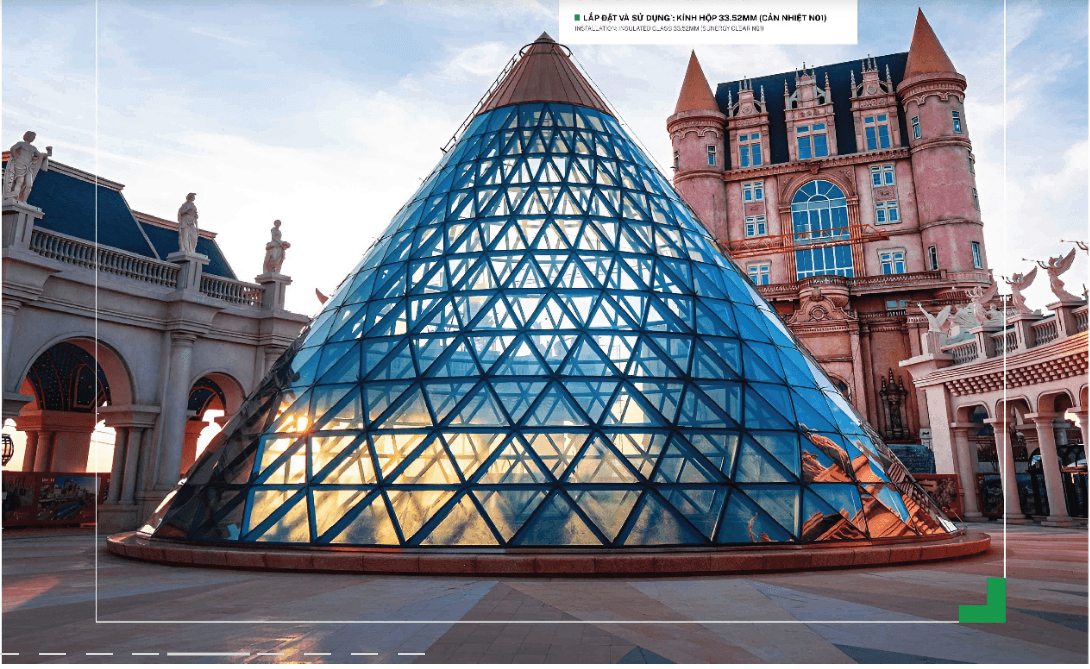
3. Glass roofs, skylights, and domes : Curved glass is used for domes, curved skylights, walkway canopies, or glass roofs for lobby areas. The curved shape allows for better rainwater drainage, reduces water accumulation on the surface, and creates an impressive natural light effect for the space below.
4. Curved glass railings, balconies, and pedestrian bridges : Railings using curved glass create a seamless, unbroken feel, suitable for buildings with curved floor plans or rounded balconies. When combined with curved safety laminated glass, the railing system ensures safety while creating a unique architectural highlight.
Applications in interior design and decoration.
In interior design, curved glass is favored for its ability to create soft, flowing shapes, making spaces more sophisticated and modern. Interior designers often utilize curved glass to optimize space, reduce sharp edges, and increase user safety.
1. Curved glass partitions in the home : Curved glass partitions are used to divide spaces in living rooms, offices, waiting areas, or meeting rooms. The curved surface allows for a natural flow of movement, minimizes collisions with sharp corners, and creates a sense of open and seamless space.
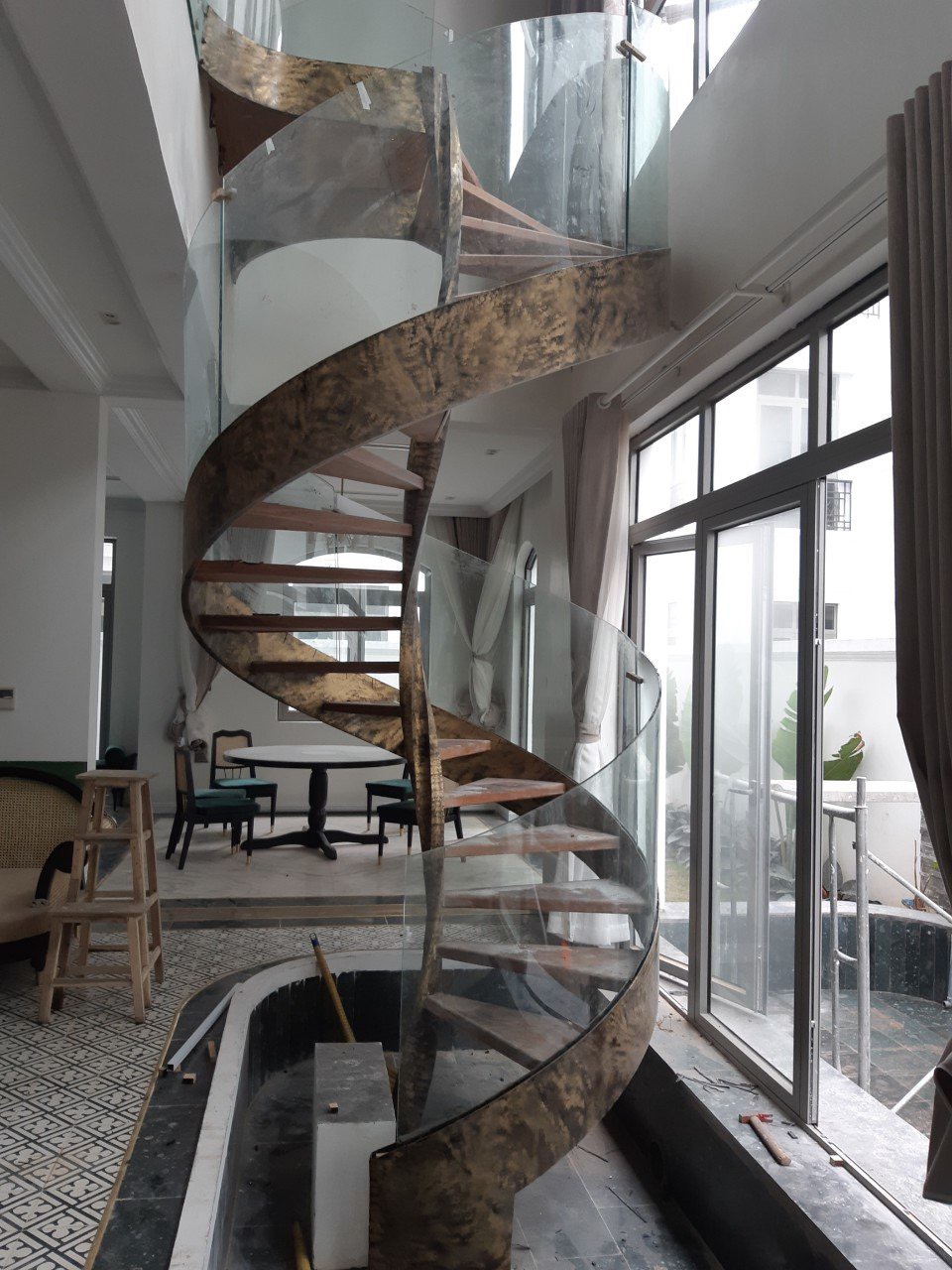
2. Curved Glass Staircases and Handrails : Staircases using curved glass for the railing or handrail create a strong aesthetic focal point. When combined with a stainless steel, steel, or wood frame, curved glass staircases become an artistic architectural detail, suitable for high-end spaces such as villas, hotels, and shopping malls.
3. Curved glass counters, display cabinets, and shelves : In restaurants, bars, showrooms, or fashion stores, curved glass is used for counters, product display cabinets, and decorative shelves. The curved shape optimizes product viewing angles, creates a soft and attractive feel for customers, and easily integrates with LED lighting systems to enhance visual effects.
4. Curved glass shower enclosures and walk-in shower cabins : Shower cabins using curved glass save space, especially in small bathrooms or corners with rounded walls. Curved tempered glass combined with rust-resistant stainless steel fittings creates a modern, safe, and easy-to-clean shower space.
5. Furniture and Artistic Decorations : Curved glass is also used in furniture products such as curved glass tables, curved TV stands, curved decorative mirrors, and artistic decorative partitions. Thanks to its diverse shaping capabilities, curved glass helps designers realize many unique ideas that flat glass would find difficult to achieve.
Notes on designing and selecting curved glass
When incorporating curved glass into design and construction, close coordination is essential between architects, structural engineers, glass manufacturers, and construction companies to ensure feasibility, safety, and cost-effectiveness. Some important considerations include:
1. Standardize the radius of curvature and dimensions from the design stage : The radius of curvature should be chosen to suit the factory's production capacity, avoiding excessively small radii or overly complex shapes that increase costs and technical risks. The drawings should clearly show the radius, curvature direction, and the location of drill holes and cuttings so that the manufacturer can accurately calculate the bending die.
2. Choosing the right type of glass for the intended function : For curtain walls, glass roofs, railings, or areas with a high risk of impact, curved tempered glass or curved laminated safety glass should be prioritized to ensure safety in case of breakage. For projects requiring good thermal and sound insulation, double-glazed windows combined with curved glass or curved low-e glass can be used.
3. Structural and accessory calculations : Aluminum, steel, spider, or glass clamping systems must be designed to be compatible with the curved shape of the glass. Using standard accessories for flat glass can cause localized stress, leading to cracking during use. Structural engineers need to calculate wind loads, user loads, and other impacts to select the appropriate glass thickness and connection method.
4. Quality control and product origin : It is advisable to choose manufacturers of curved glass with quality certifications, product testing records, and experience in similar projects. Requesting factory certificates, mechanical test results, and technical documentation helps investors better control product quality.
5. Proper maintenance and cleaning : Curved glass needs to be cleaned with specialized solutions, avoiding the use of hard materials that can scratch the surface. For exterior elements, the frame, sealant, and accessories should be inspected periodically to promptly address any signs of deterioration, ensuring safety throughout the lifespan of the building.
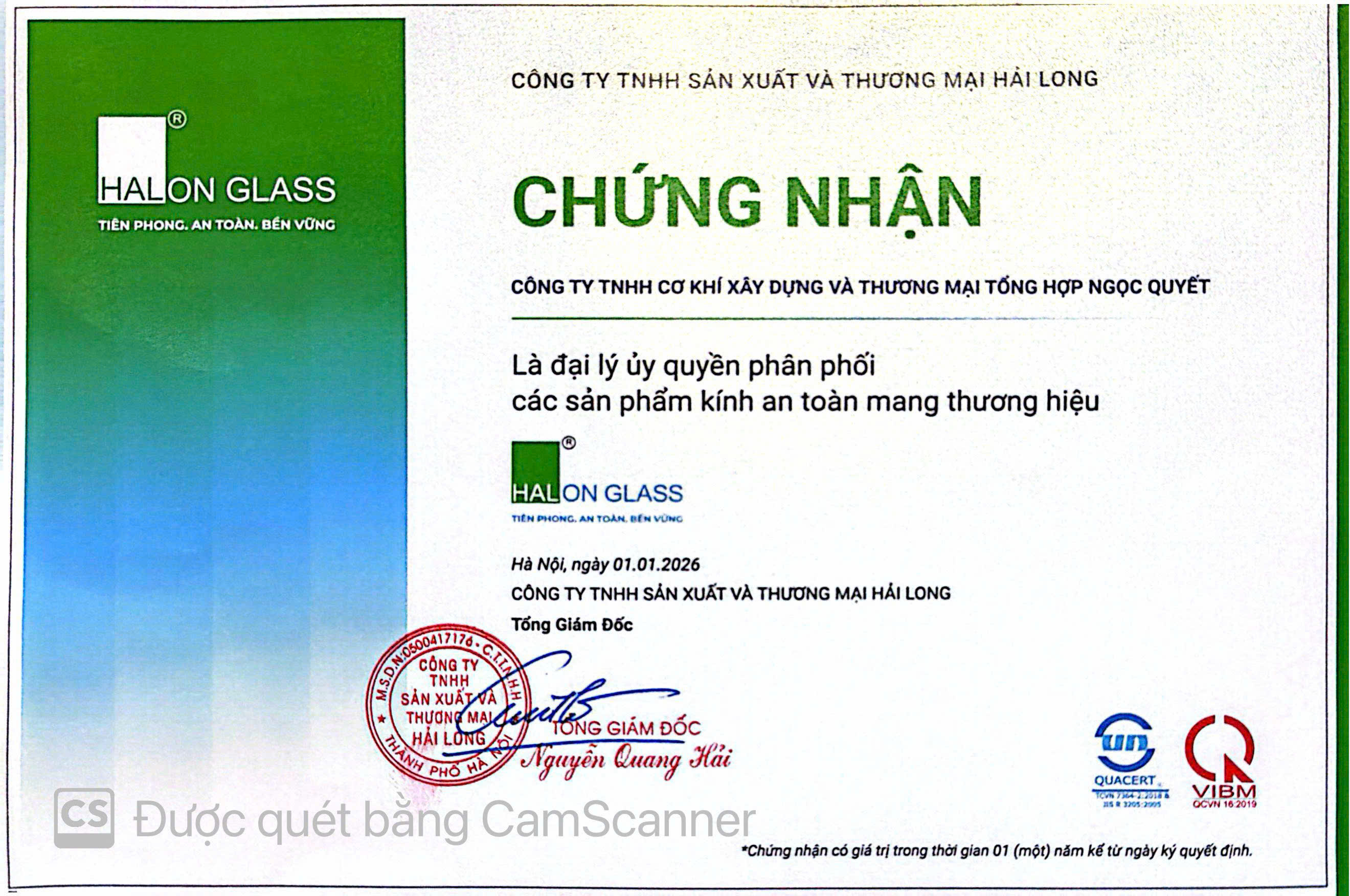
Ngoc Quyet specializes in distributing construction glass to glass dealers, aluminum and glass contractors, processing workshops, and construction projects. For large orders, customers should provide the type of glass, thickness, size, quantity, and delivery location to receive appropriate configuration advice and pricing.
Need an accurate quote for your glass order? Please send the type of glass, thickness, dimensions, quantity, and delivery address. HOTLINE / ZALO: 0966.321.655

Vách kính cường lực
Phòng ngủ chính là một trong những không gian quan trọng nhất trong căn nhà, giúp gia chủ có những giây phút nghỉ ngơi thoải mái sau một ngày làm việc mệt mỏi. Trong cuộc sống hiện đại ngày nay, không gian sống của chúng ta thường nhỏ, hẹp, thiếu ánh sáng, khi thiết kế nội thất cho ngôi nhà của mình, chúng ta nên tận dụng tối đa khả năng phản chiếu của ánh sáng. Để làm được điều đó, việc lắp đặt, sử dụng vách kính cường lực là 1 trong những lựa chọn tối ưu mà nhiều gia đình Việt Nam đang hướng đến. Thay vì thiết lập một bức tường vững chãi, chật trội tại sao chúng ta không thử sáng tạo với vách kính cường lực?

Sàn Kính Chịu Lực
Ngày nay trong nền kiến trúc thế giới, việc sử dụng sàn kính chịu lực tại các công trình kiến trúc nổi tiếng được coi là một sự sáng tạo phi thường, nó mang lại những kỳ diệu cho tinh thần của chúng ta. Chỉ với những tấm kính chịu lực, các kiến trúc sư có thể thỏa sức sáng tạo ý tưởng.

Rèm Kính Hộp
Rèm kính hộp là sản phẩm kết hợp giữa tấm rèm cửa và kính hộp có chân không, giúp cách âm cách nhiệt vượt trội, đồng thời có thể điều chỉnh ánh sáng linh hoạt, tối ưu không gian cửa cho các thiết kế hiện đại.

PHÒNG TẮM KÍNH
Cabin phòng tắm kính là sản phẩm được sử dụng phổ biến trong các phòng tắm hiện đại. Đặc tính chính của cabin phòng tắm kính bao gồm: An to An toàn: Cabin phòng tắm kính được làm từ kính cường lực chịu lực tốt, có độ dày từ 8-12mm, an toàn cho người sử dụng. Đa dạng về kiểu dáng: Cabin phòng tắm kính có nhiều kiểu dáng, kích thước và màu sắc khác nhau để phù hợp với nhu cầu và sở thích của người dùng. Tiện ích: Cabin phòng tắm kính được trang bị đầy đủ các phụ kiện như vòi sen, bộ xả, thanh treo, khóa cửa, đèn LED, loa Bluetooth,… giúp người dùng có được trải nghiệm tốt nhất khi sử dụng. Dễ dàng vệ sinh: Vì được làm từ kính cường lực nên cabin phòng tắm kính dễ dàng vệ sinh và lau chùi, không để lại vết bẩn hay mảng nước. Tiết kiệm không gian: Cabin phòng tắm kính có thiết kế nhỏ gọn, tiết kiệm không gian phòng tắm, phù hợp cho các căn phòng tắm có diện tích nhỏ. Tóm lại, cabin phòng tắm kính là sản phẩm hiện đại, an toàn và tiện ích, giúp tạo nên không gian phòng tắm đẹp mắt và tiện nghi cho người dùng.

Lan Can Kính
Lan can kính là một hạng mục mới được khai thác ở nước ta. Nếu những loại lan can gỗ, bê tông ngày xưa chưa mang lại được vẻ đẹp hiện đại sang trọng cho các công trình thì ngày nay với lan can kính đang là sự đột phá mới. Hiện nay, lan can kính không chỉ sử dụng cho các không gian rộng lớn như siêu thị, trung tâm thương mại, trung tâm tổ chức sự kiện, sân bay để tạo sự tráng lệ, hoành tráng cho những nơi đó, mà nay còn được đưa vào sử dụng ngay tại chính ngôi nhà của chúng ta. Để thay thể những lan can song kim loại hay song gỗ thông thường, người dân đã hướng đến việc sử dụng lan can kính ở cầu thang, hành lang và ban công. Với sự đa dạng về mẫu mã và thiết kế, bên cạnh sự bền vững chắc chắn, lan can kính còn mang lại vẻ đẹp hiện đại, sang trọng và tạo được điểm nhấn, xóa đi điểm tĩnh cho ngôi nhà của bạn.
Curved Glass

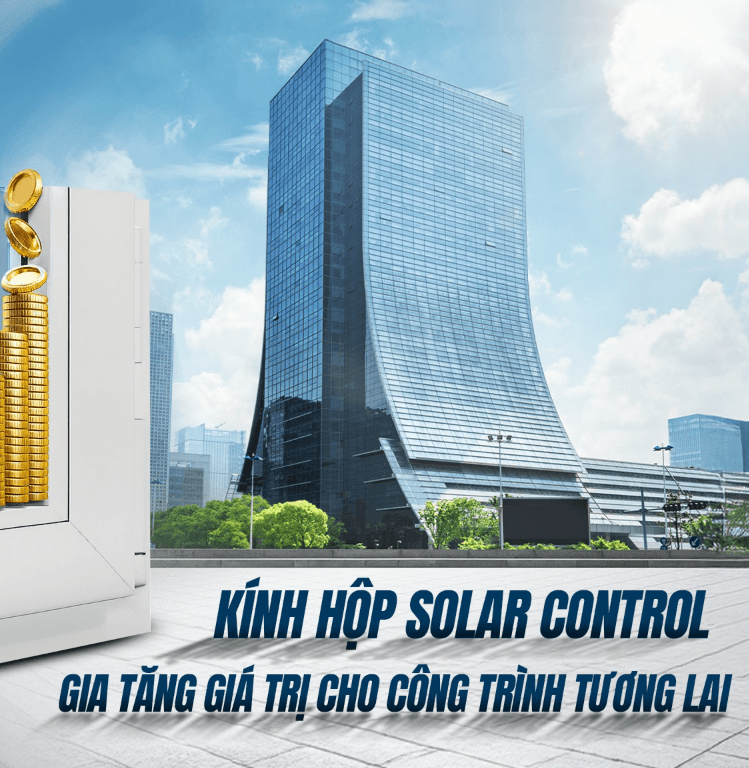
Kính Solar Control
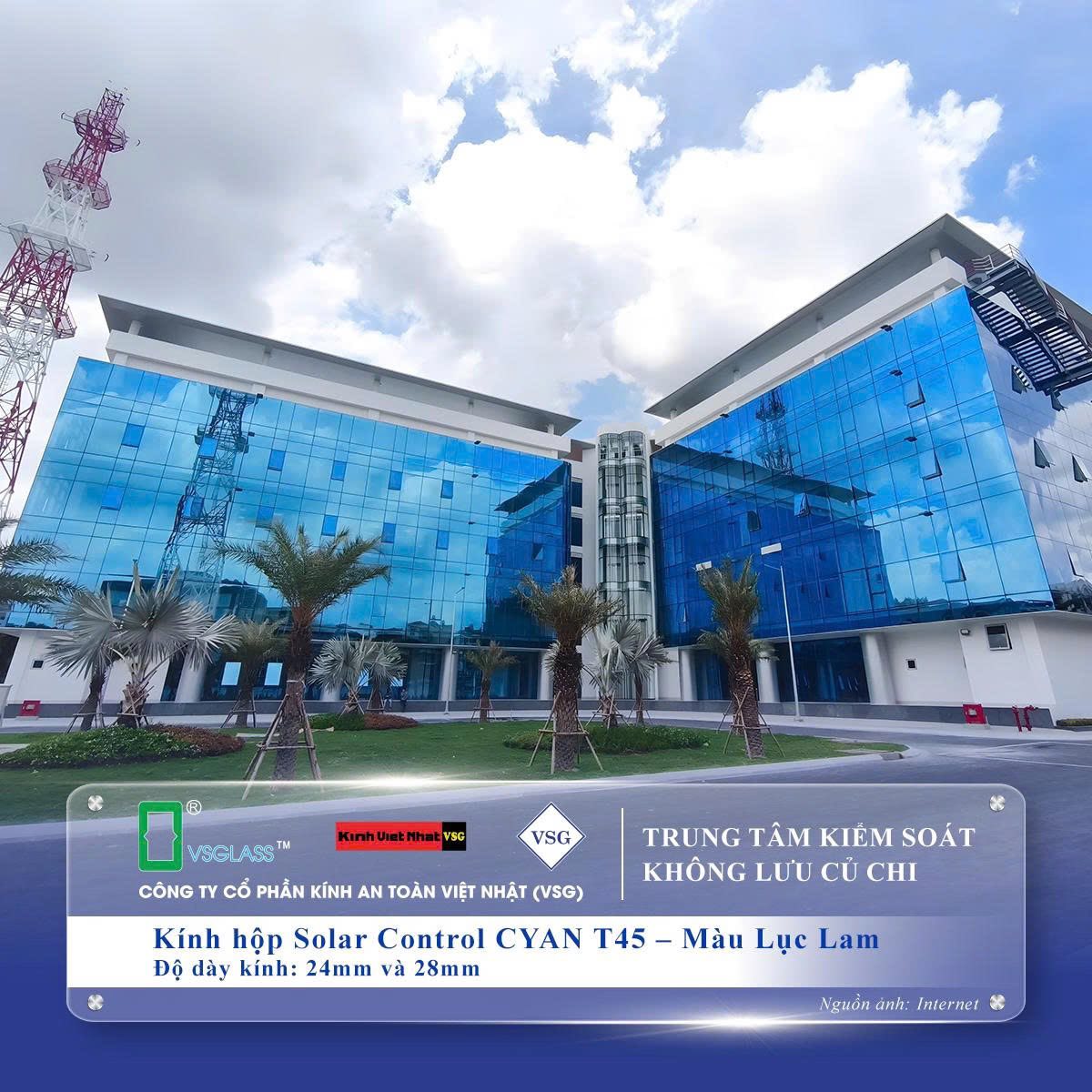
Kính Solar Control là loại kính có khả năng kiểm soát nguồn nhiệt lượng từ mặt trời, giúp ngăn chặn lên tới 65% nhiệt lượng và tới 99% tia UV, đảm bảo không gian bên trong luôn mát mẻ, dễ chịu và an toàn cho sức khỏe
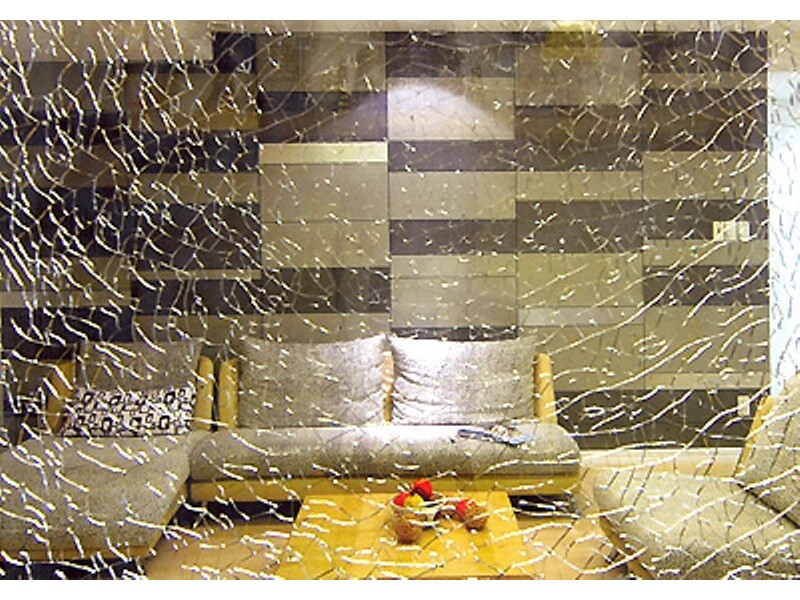
Cracked Glass:
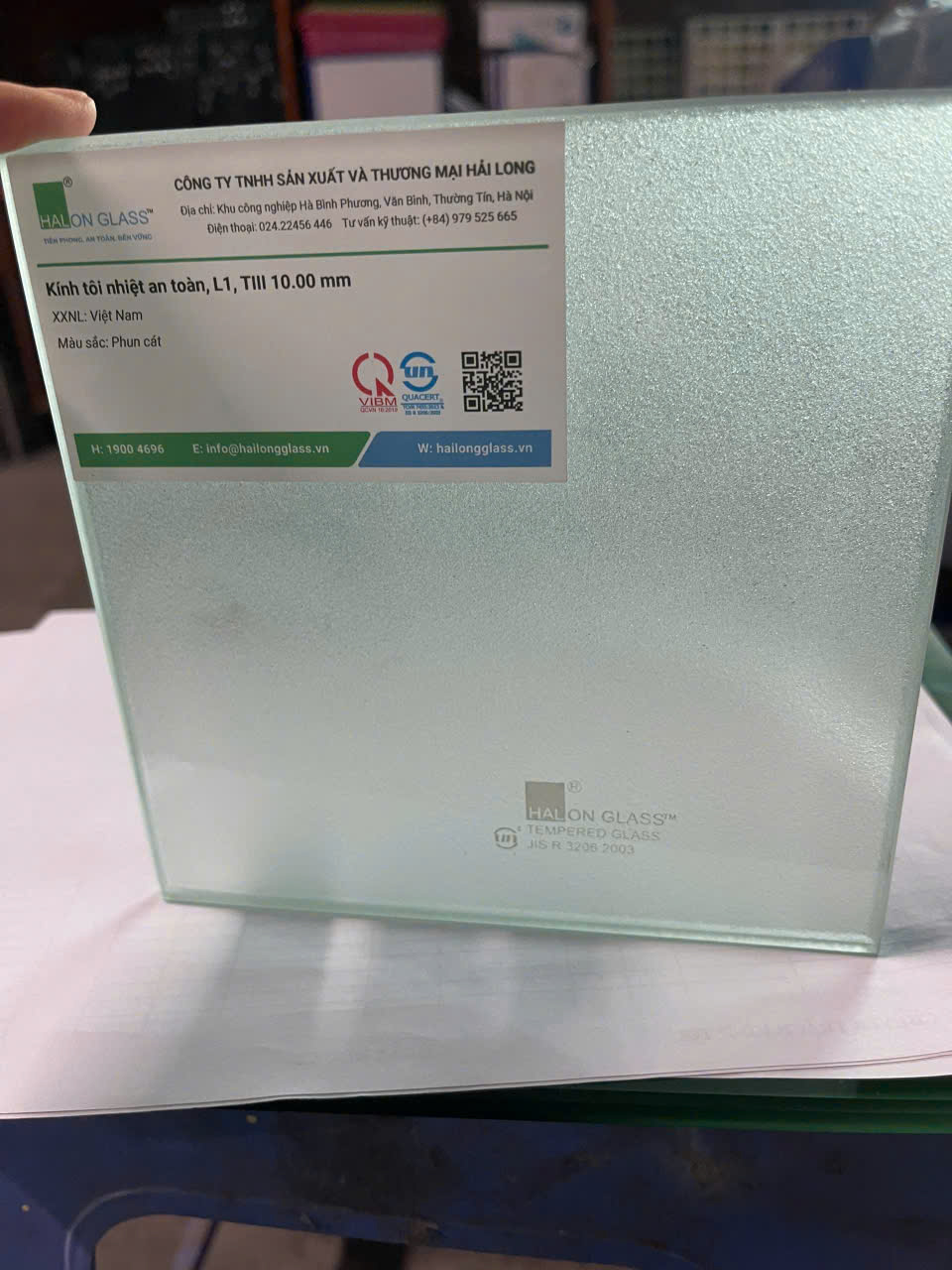
Kính phun cát
Kính phun cát là một giải pháp thông minh để trang trí và che không gian tại những vị trí cần thiết. Những nhà nghiên cứu và sản xuất về kính dần cải biến và phát triển dòng vật liệu này để được sử dụng rỗng rãi trong đời sống. Chính vì vậy kính cường lực phun cát được ra đời nhằm mục đích ứng dụng cái đẹp, sáng tạo trong ngành vật liệu trang trí nội thất.
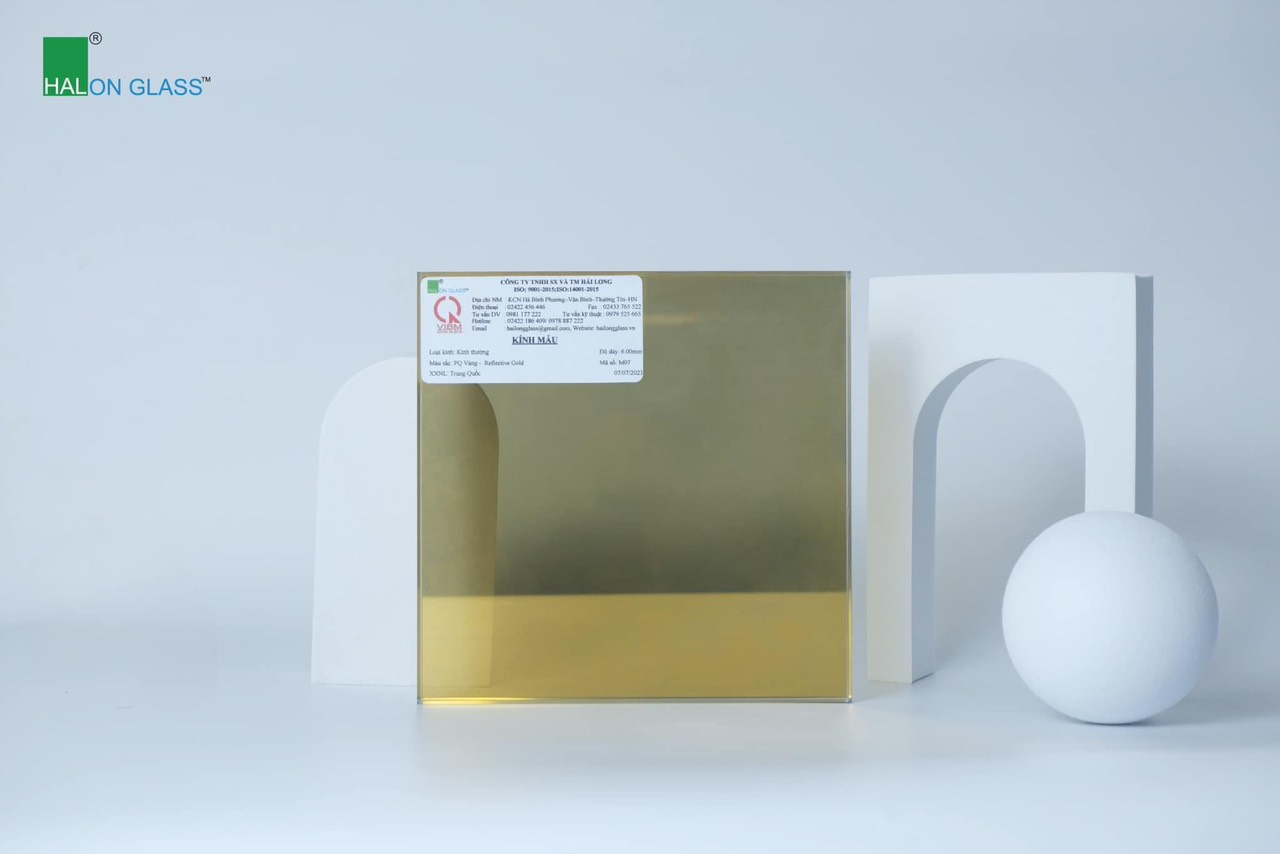
Reflective glass
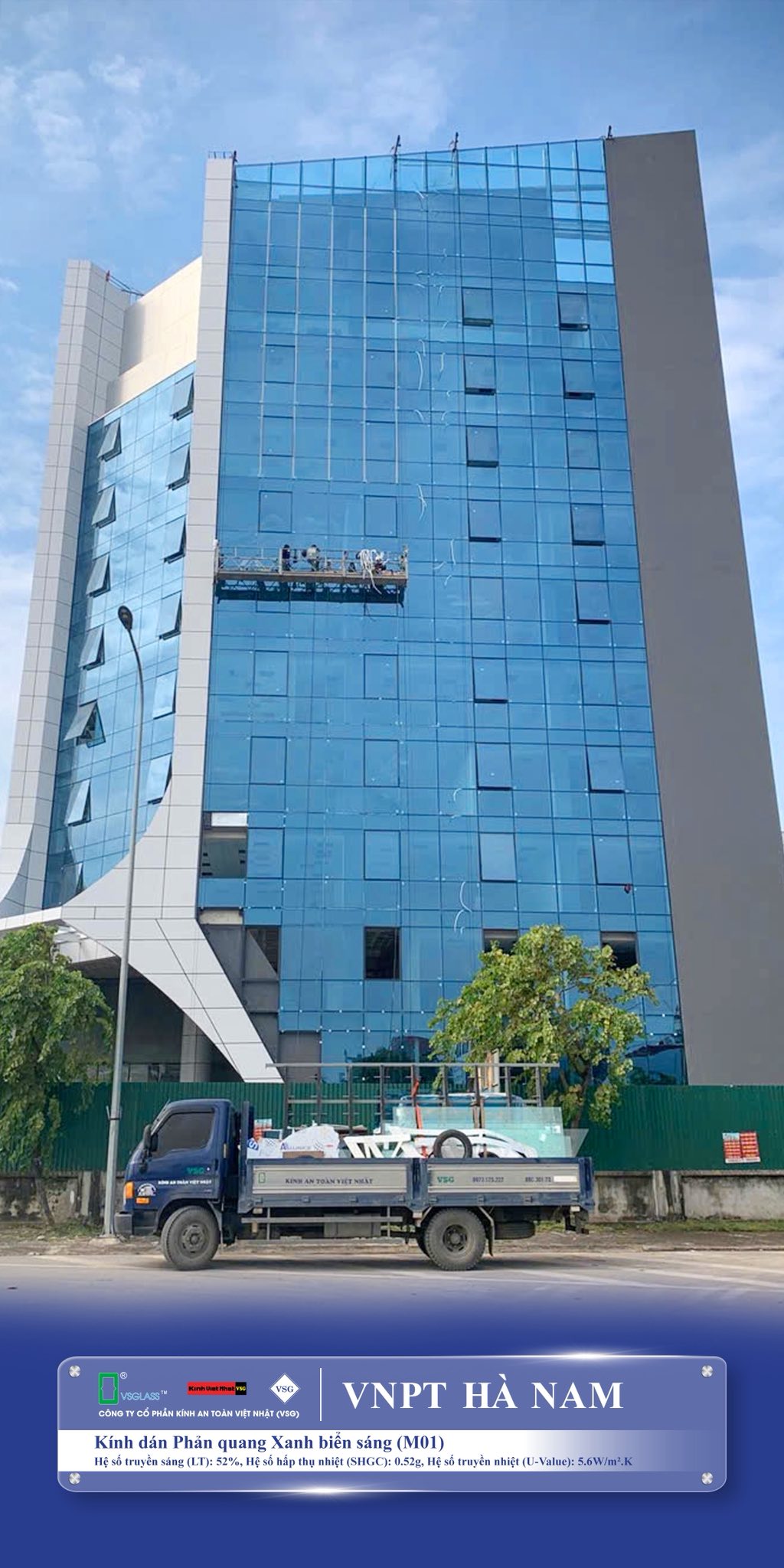
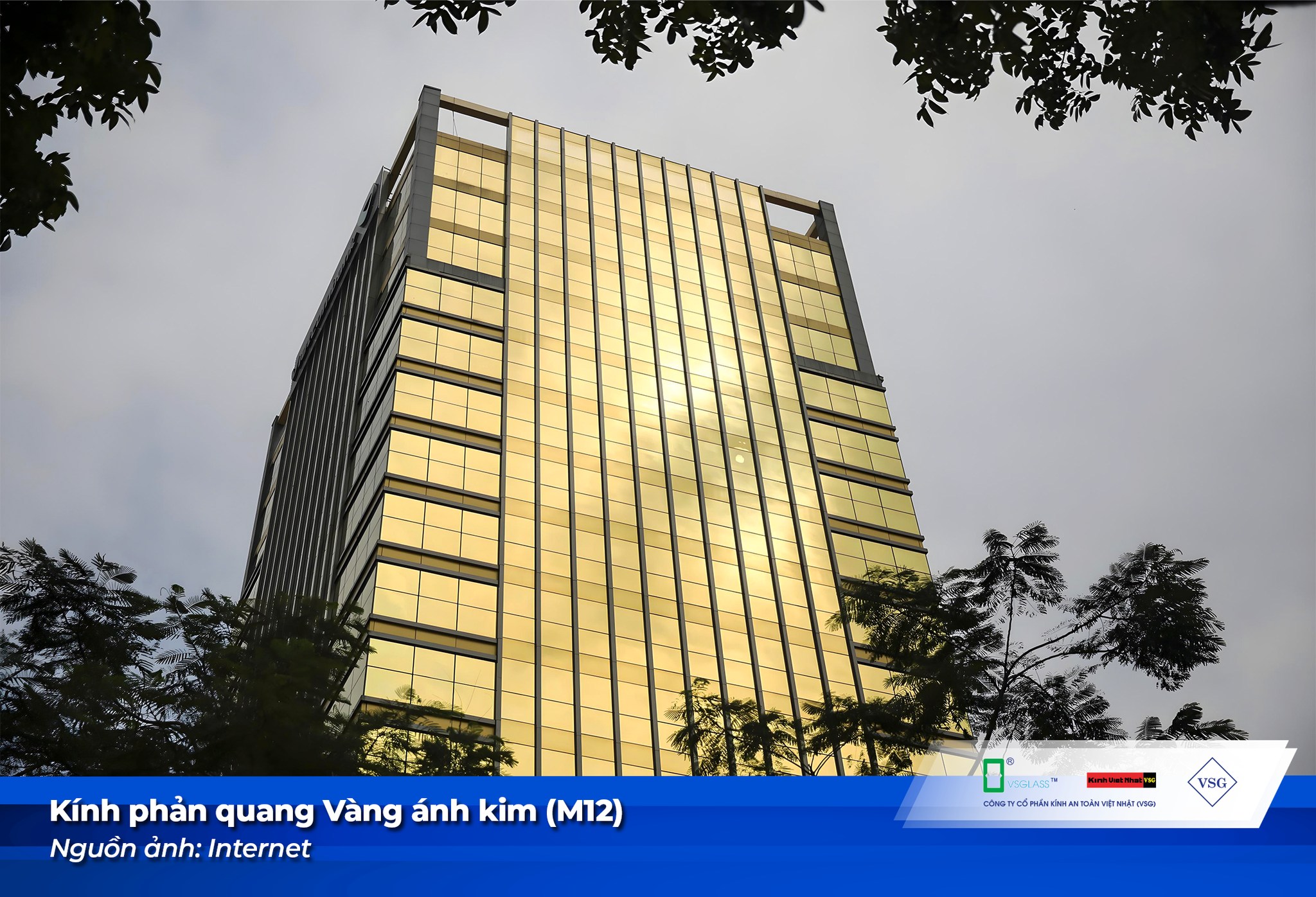
Reflective glass is a type of flat glass that optically reflects light, blocks ultraviolet rays, provides good thermal insulation, but still maintains transparency and allows light to pass through thanks to a special layer of metal oxide evenly coated on one surface of the glass.