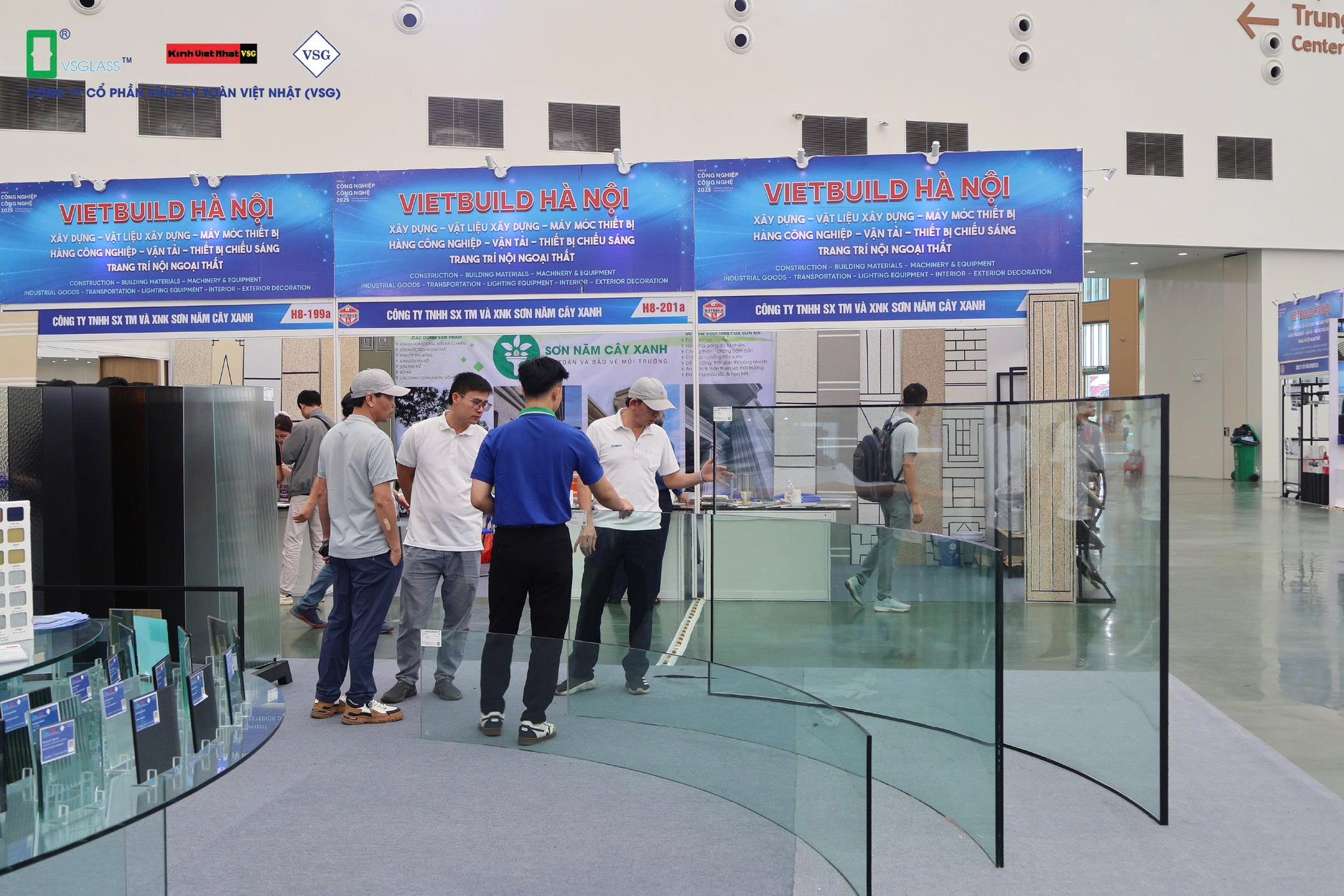
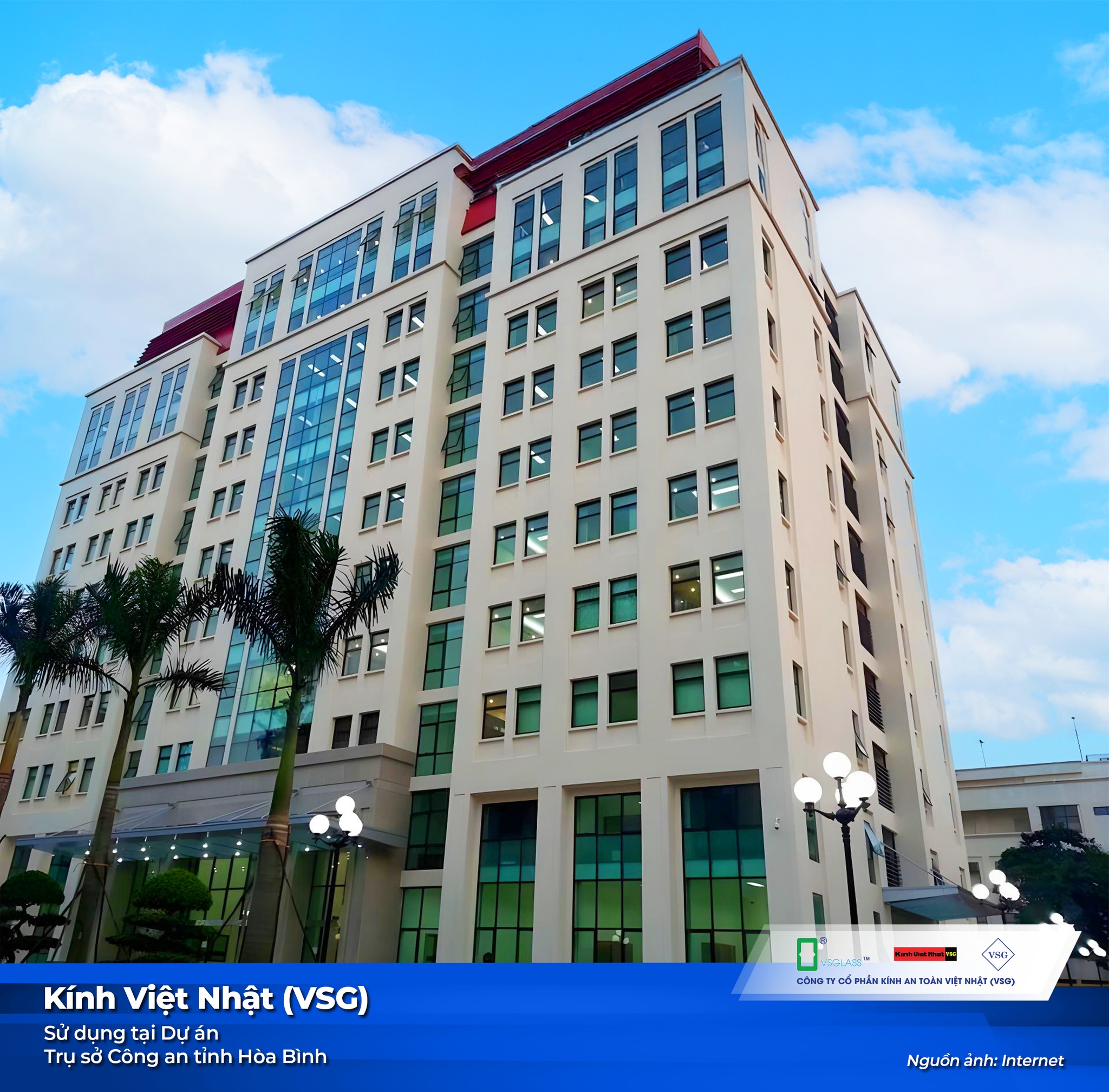
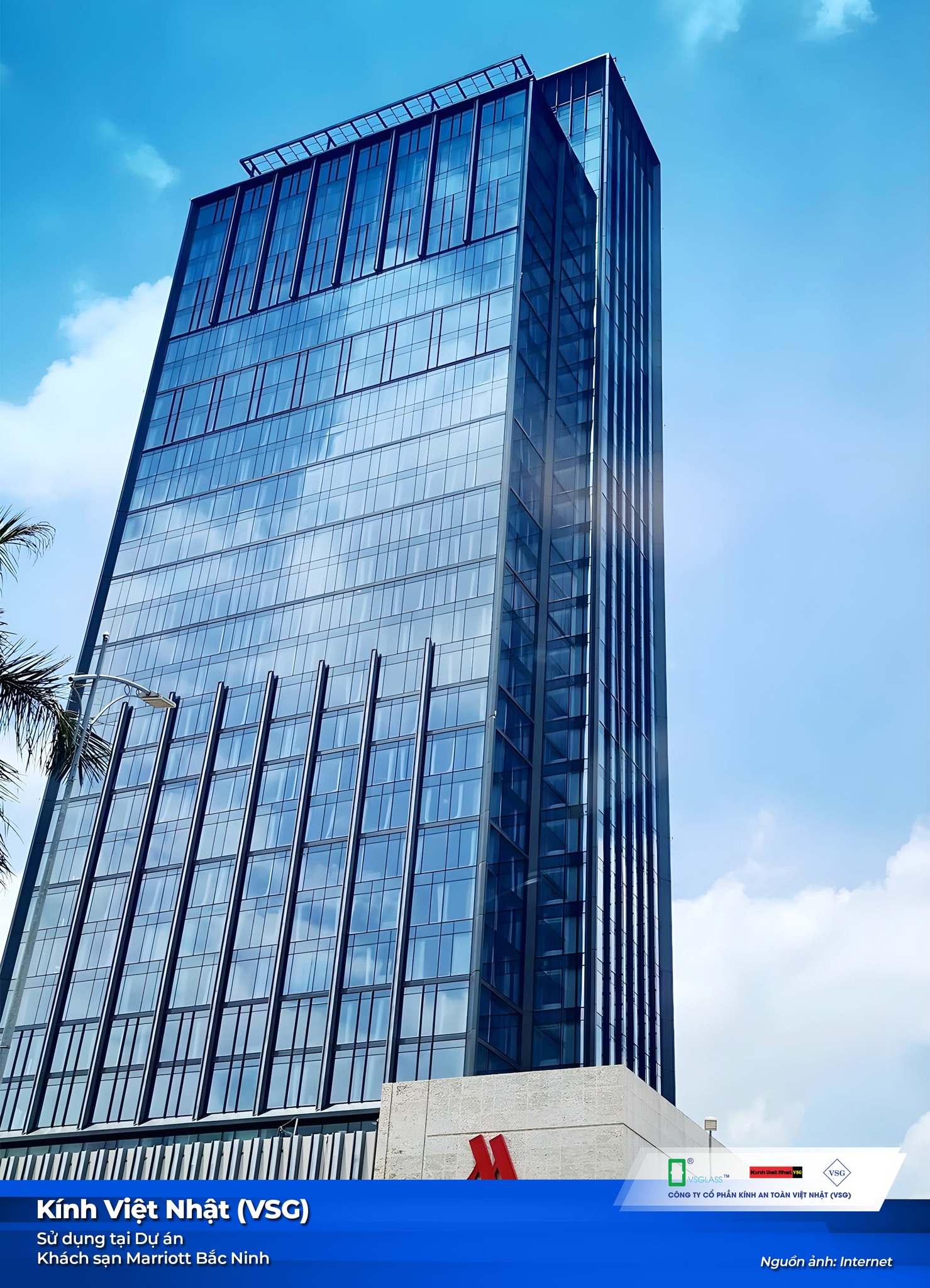
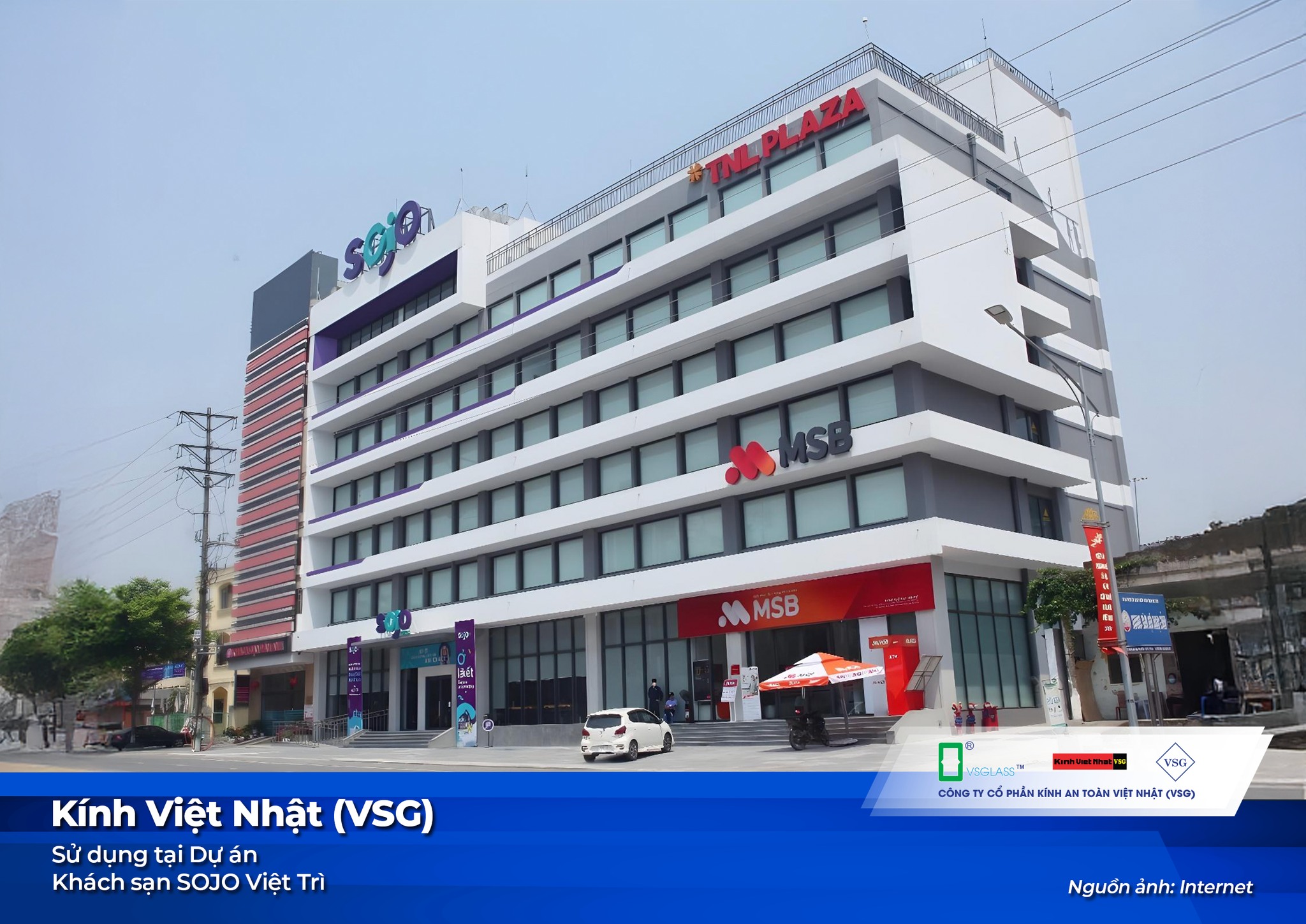
Discover beautiful, durable, and easy-to-clean decorative stained glass designs that enhance the elegance and modernity of your living space. We offer application suggestions for living rooms, kitchens, staircases, and partitions, along with tips on choosing glass, color coordination, and detailed pricing information.
What are colored glass? Concept, structure, and in-depth classification.
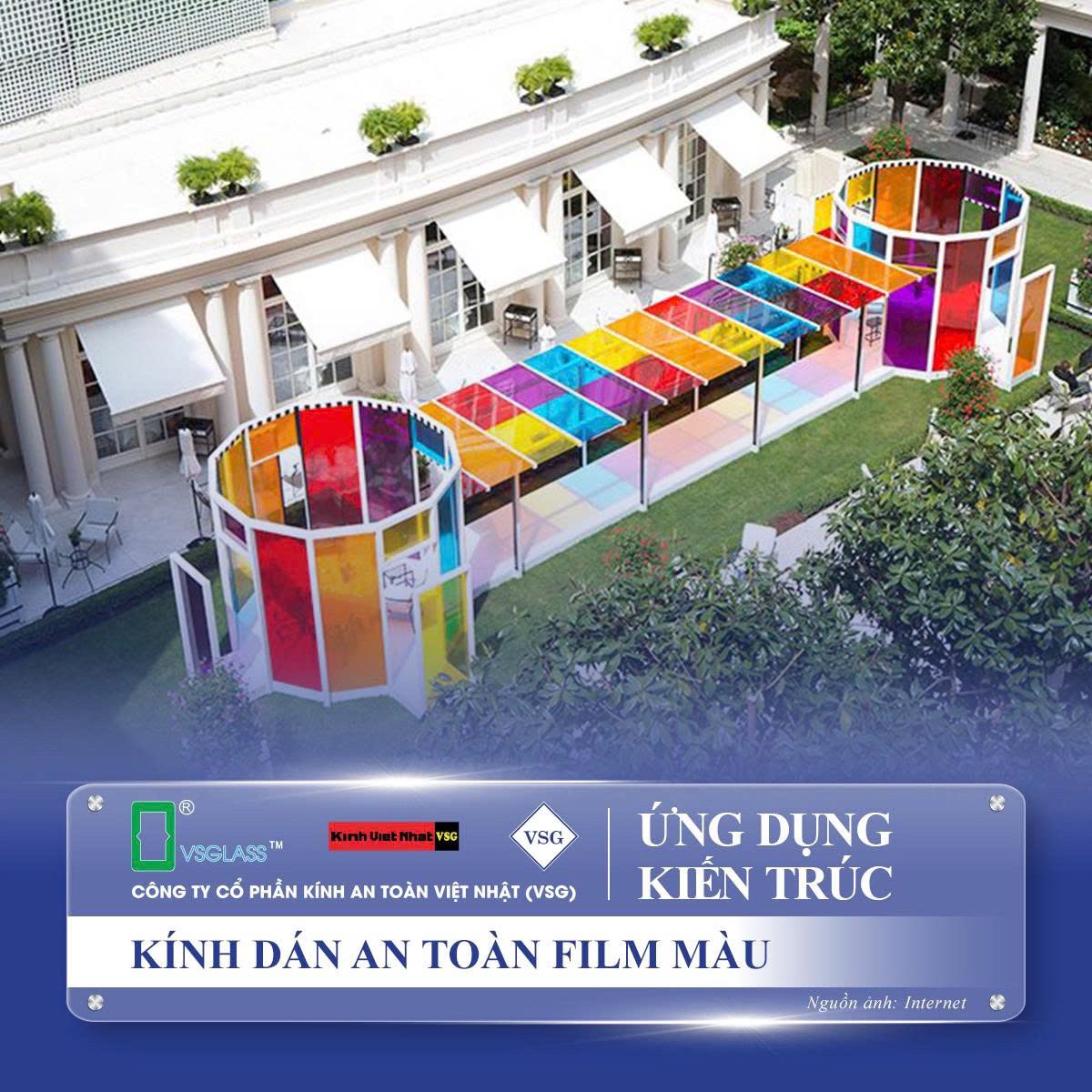
Colored glass is a type of glass whose surface or structure has been treated to create stable, durable colors, commonly used in construction and interior design. The colors can be created by applying paint, enamel, dyeing the glass itself, coating with film, or applying a reflective layer. As a result, glass not only serves the purpose of shielding and letting in light but also becomes a decorative material with high aesthetic value.
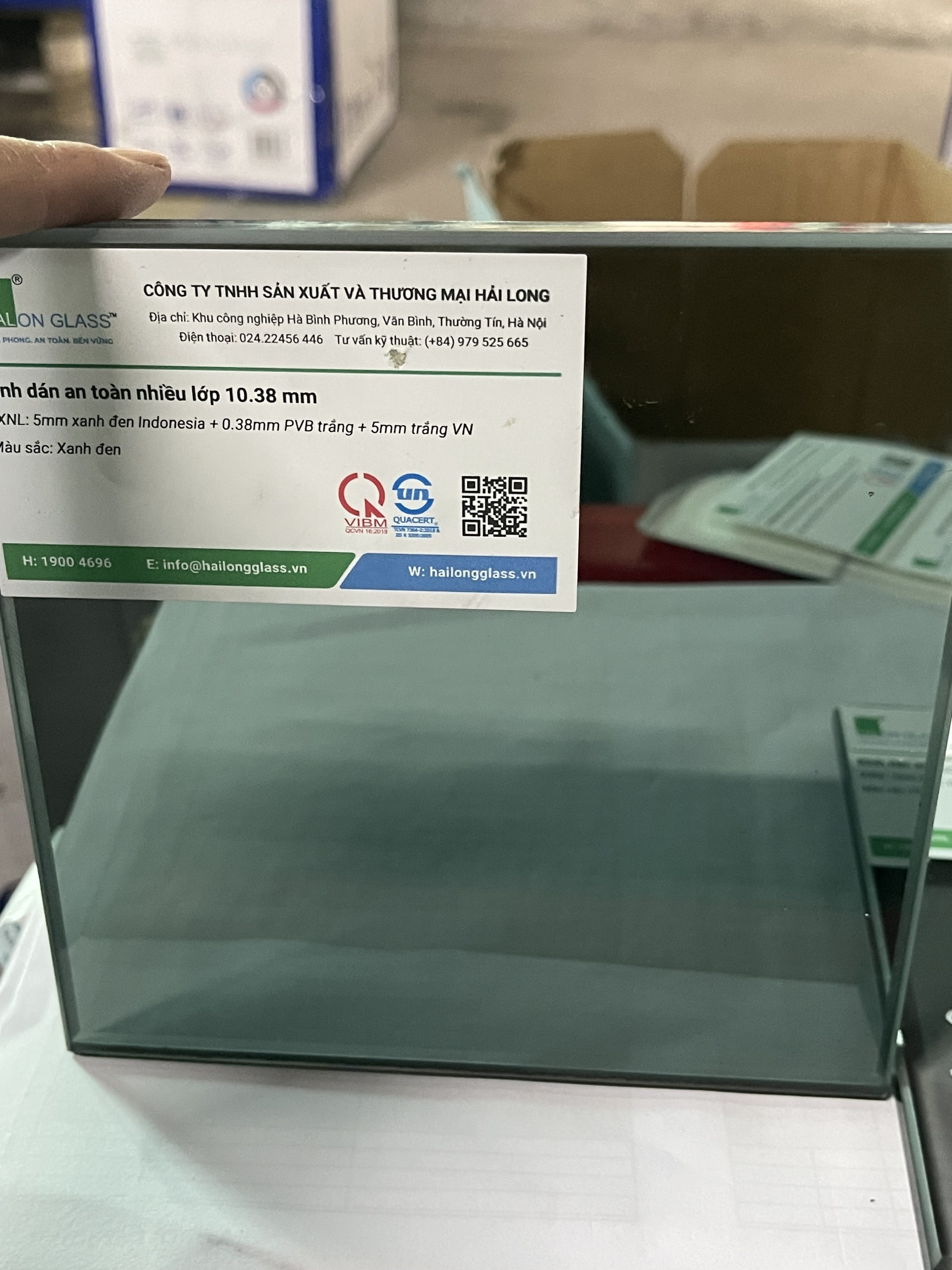
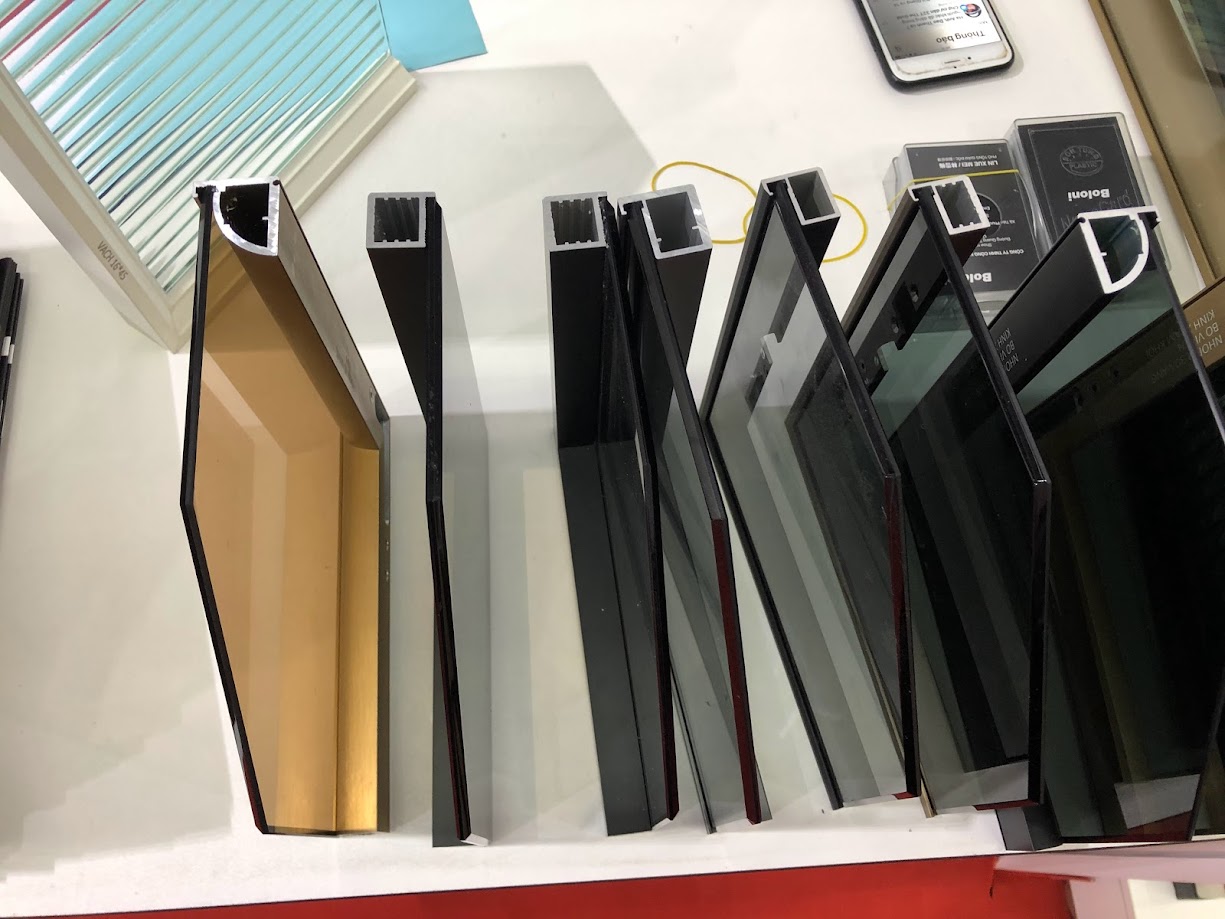
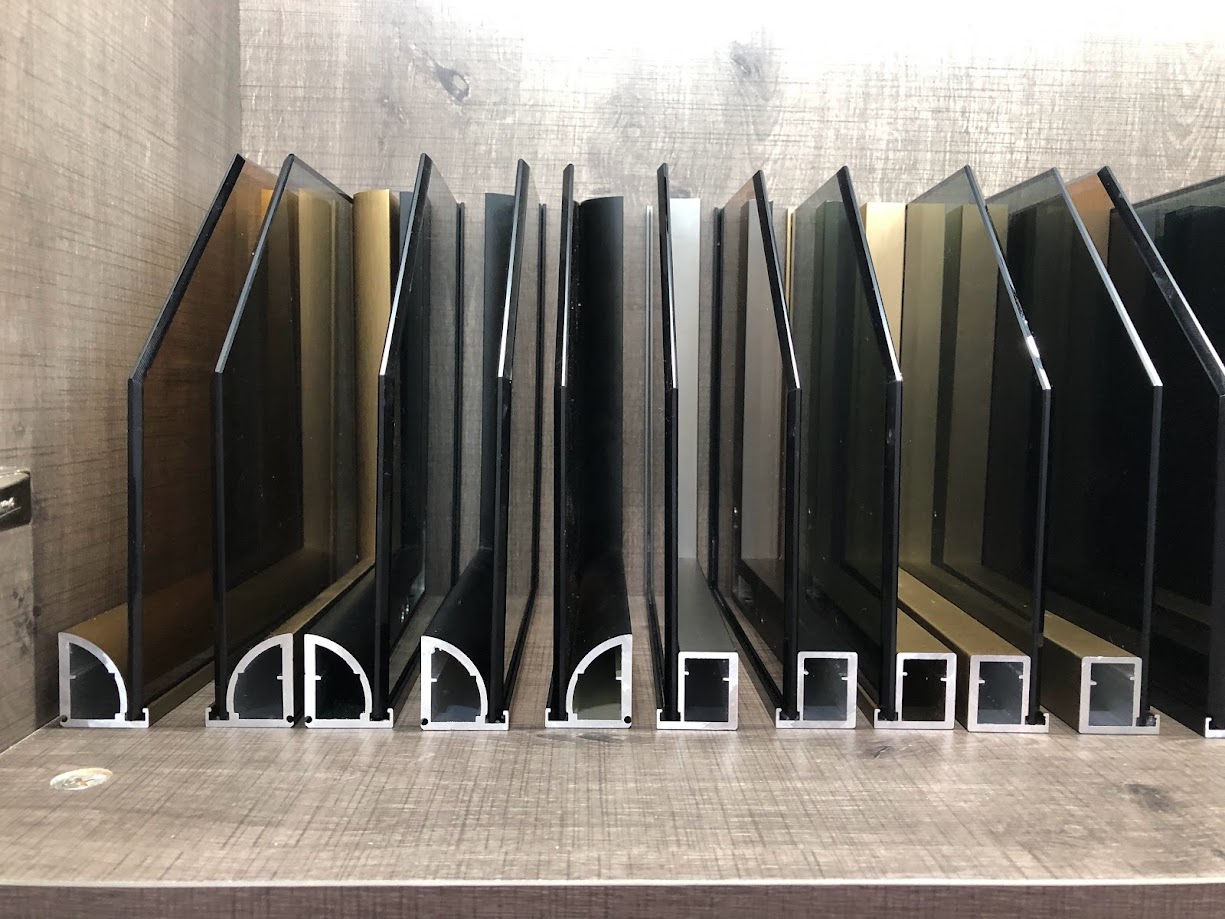
Structurally, colored glass is typically based on standard float glass, tempered glass, or laminated safety glass. One or more additional layers are added to the surface or structure of the glass: a ceramic coating, a heat-resistant coating, a colored film, a metal coating, or a colored PVB layer. Each different structure results in varying mechanical properties, color fastness, thermal insulation, and sound insulation capabilities, suitable for different construction projects.
Based on manufacturing technology, colored glass can be classified into main groups: back-painted glass, tempered ceramic frit, tinted glass, reflective glass, laminated glass, and PVB safety laminated glass. Each type has its own advantages and disadvantages in terms of durability, cost, safety, and practical applications.
Painted glass is a popular choice for interior design, created by applying a specialized paint to a glass surface and then tempering or heat-curing it. The paint adheres firmly to the surface, creating a wide variety of colors, high gloss, and easy cleaning. Enameled glass uses ceramic glaze fired at high temperatures, offering superior colorfastness and resistance to harsh weather conditions, making it suitable for curtain walls, sunshades, and building facades.
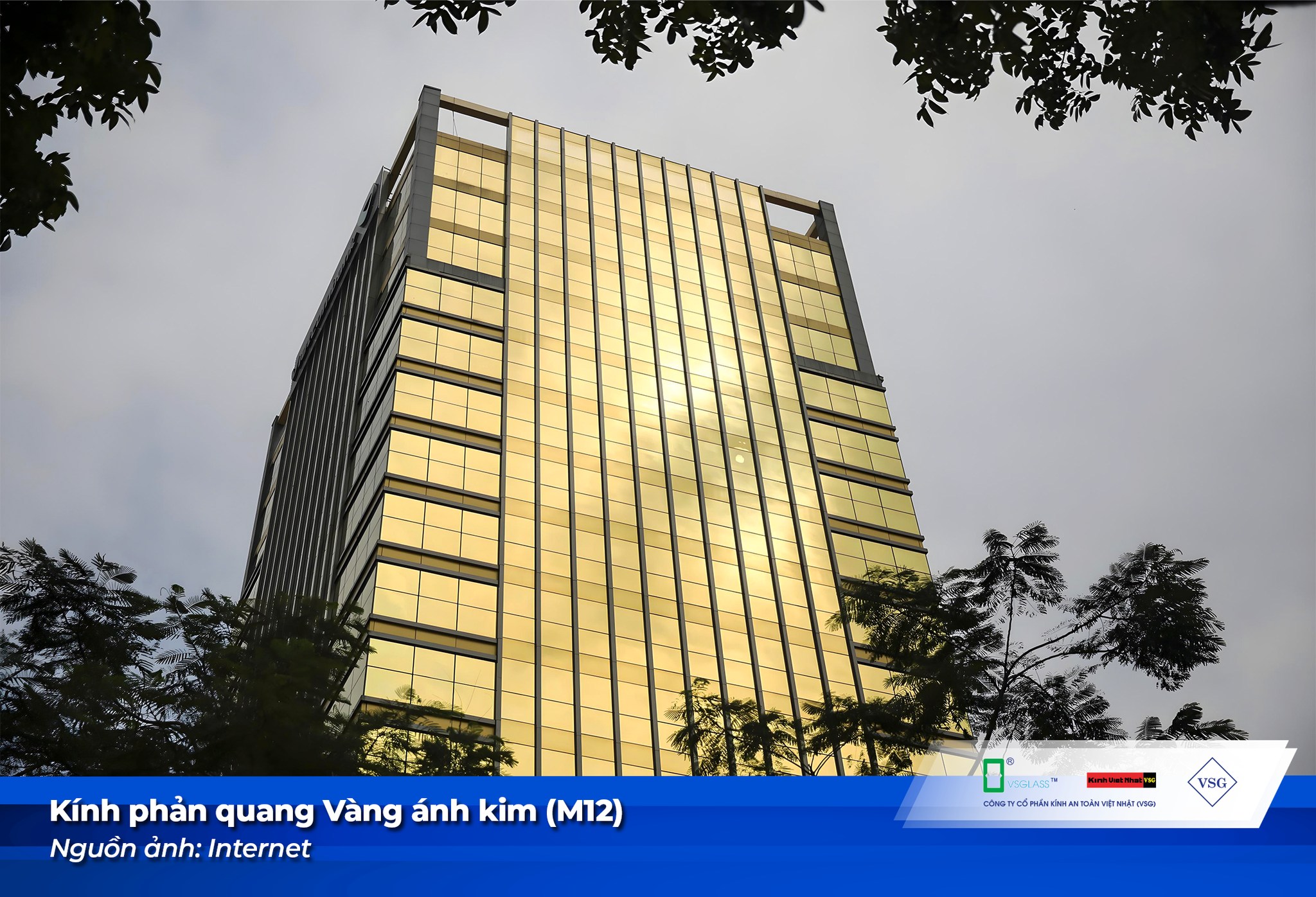
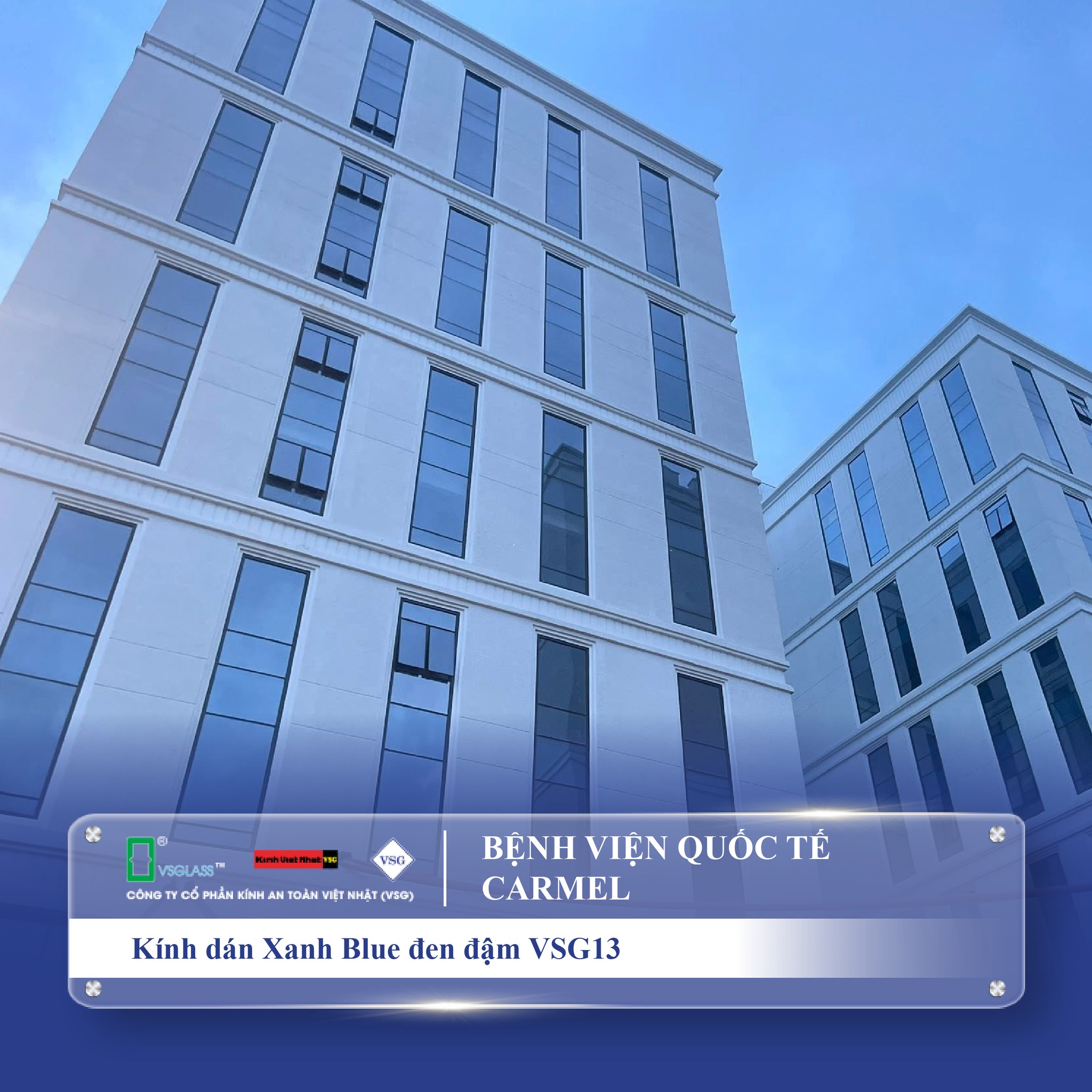
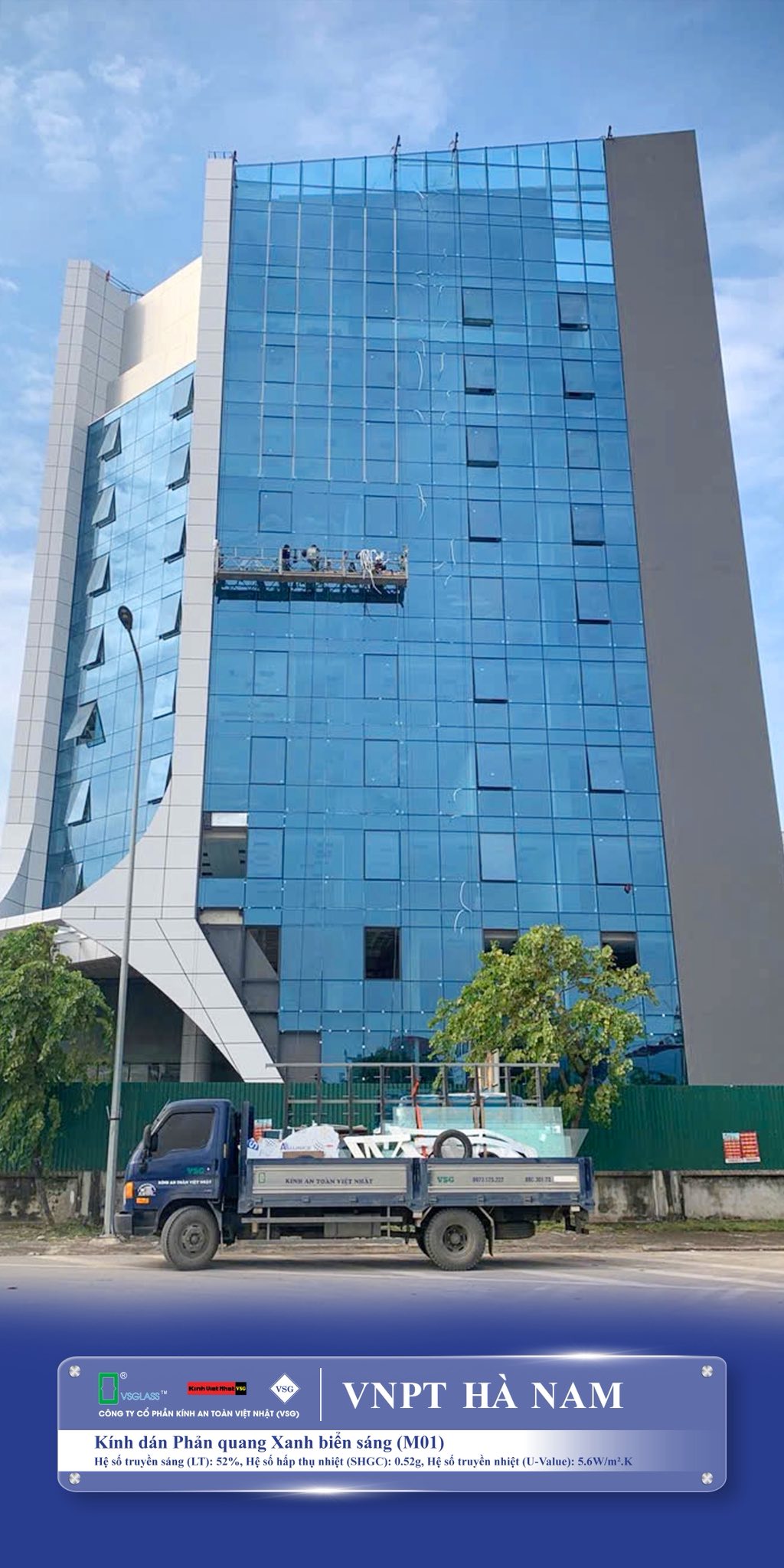
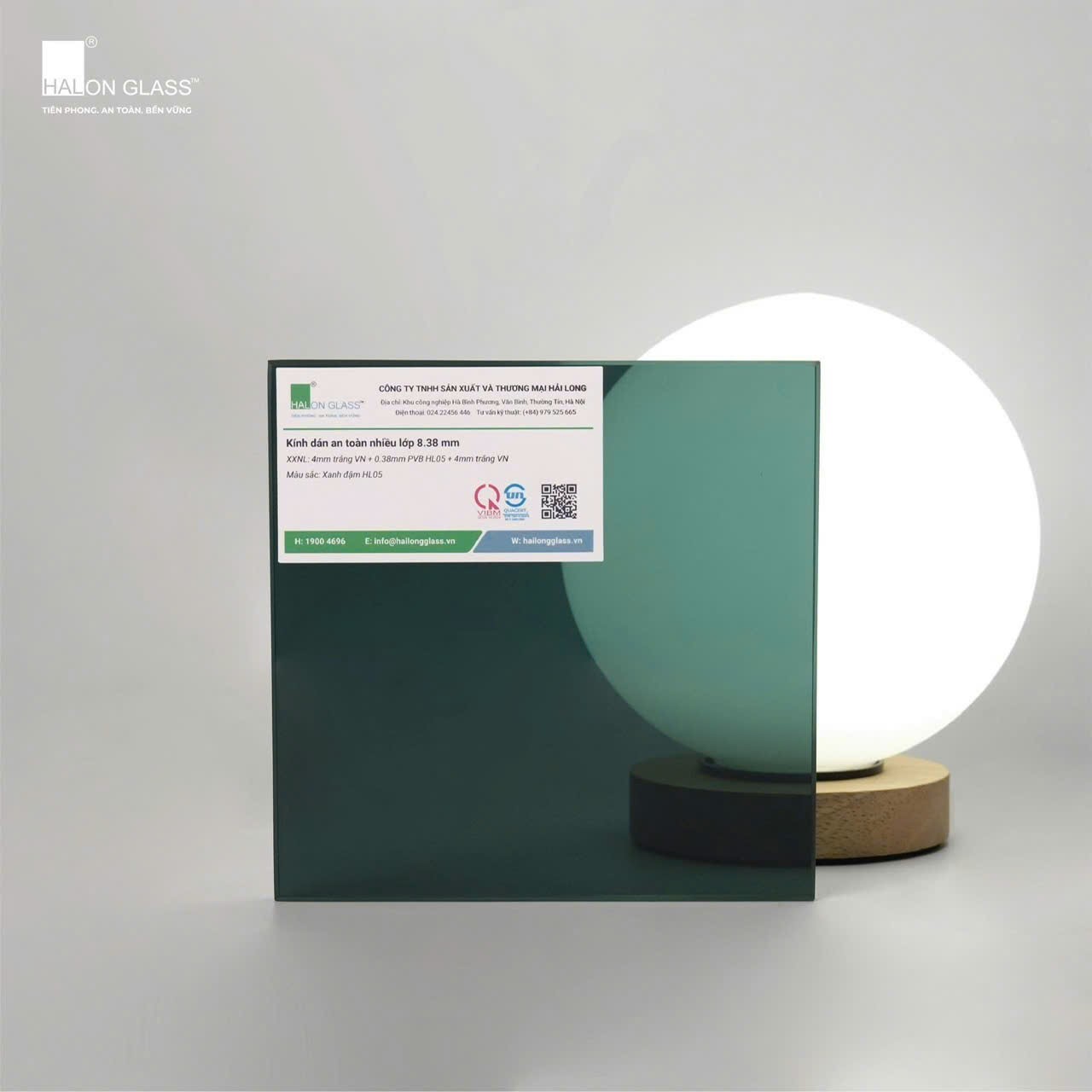
In-block colored glass is created during the glassmaking process, when metal oxides are added to the molten glass mixture. This type has a uniform color throughout its thickness, offers good glare reduction and solar radiation blocking capabilities, and is commonly used for curtain walls and exterior glass facades. Reflective colored glass has an additional thin metal coating, creating a mirror effect, increasing heat reflection, reducing solar energy absorption, and helping buildings save energy.
The outstanding advantages of colored glass in construction and interior design.
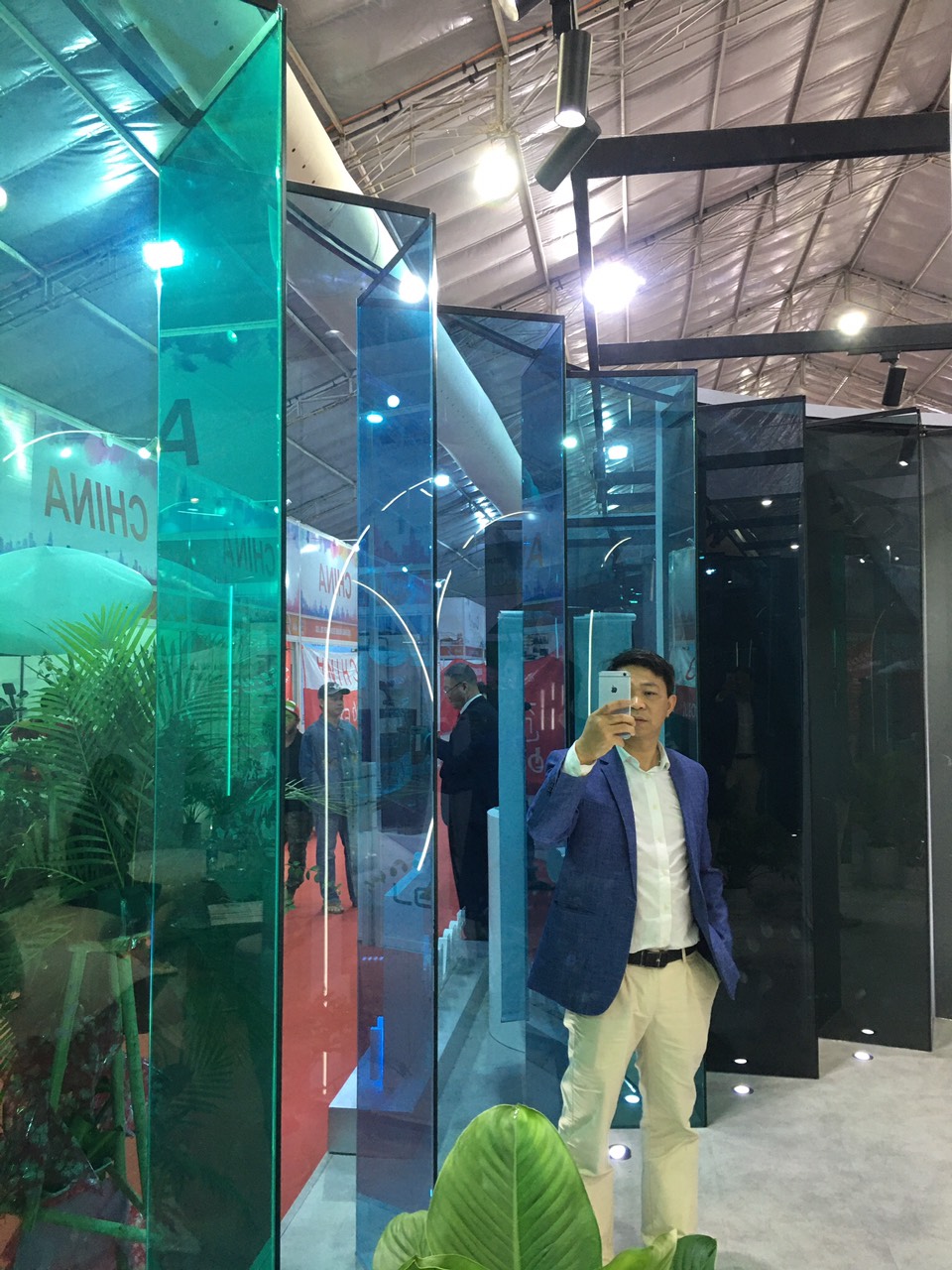
Colored glass is popular in modern constructions due to its combination of aesthetic, functional, and durable advantages. First, colored glass provides a luxurious and modern look; its smooth, glossy surface reflects light well, making spaces appear larger and brighter. The diverse range of colors, from white, cream, beige, gray, and black to various shades of blue, red, yellow, and brown, along with its flexible color matching capabilities, caters to many different design styles.
In terms of durability, when using tempered or laminated safety glass as a base, colored glass can withstand many times more force than ordinary glass of the same thickness, and is highly resistant to impact and thermal shock. The color layer is treated with specialized technology, making it difficult to peel, less prone to fading, and resistant to humid environments and high temperatures, making it suitable for kitchens, bathrooms, and outdoor facades. This helps extend the lifespan of the building and reduce maintenance and replacement costs.
The ease of cleaning and maintenance of colored glass is also a major advantage. The smooth surface of the glass is less prone to dust accumulation, waterproof, and does not yellow like some other materials. Simply wiping with a soft cloth and glass cleaning solution is enough to maintain its beautiful shine for a long time. For areas such as kitchens, bathrooms, and shower enclosures, quick cleaning helps keep the space clean and reduces mold and bacteria growth.
In terms of functionality, colored glass has the ability to reflect and absorb some solar radiation, especially reflective colored glass and in-stain colored glass. As a result, buildings experience reduced heat penetration, minimized glare, and a more comfortable working and living environment. When combined with safety laminated glass or double-glazed windows, colored glass also contributes to improved sound insulation, creating a quieter space for offices, hotels, and homes.
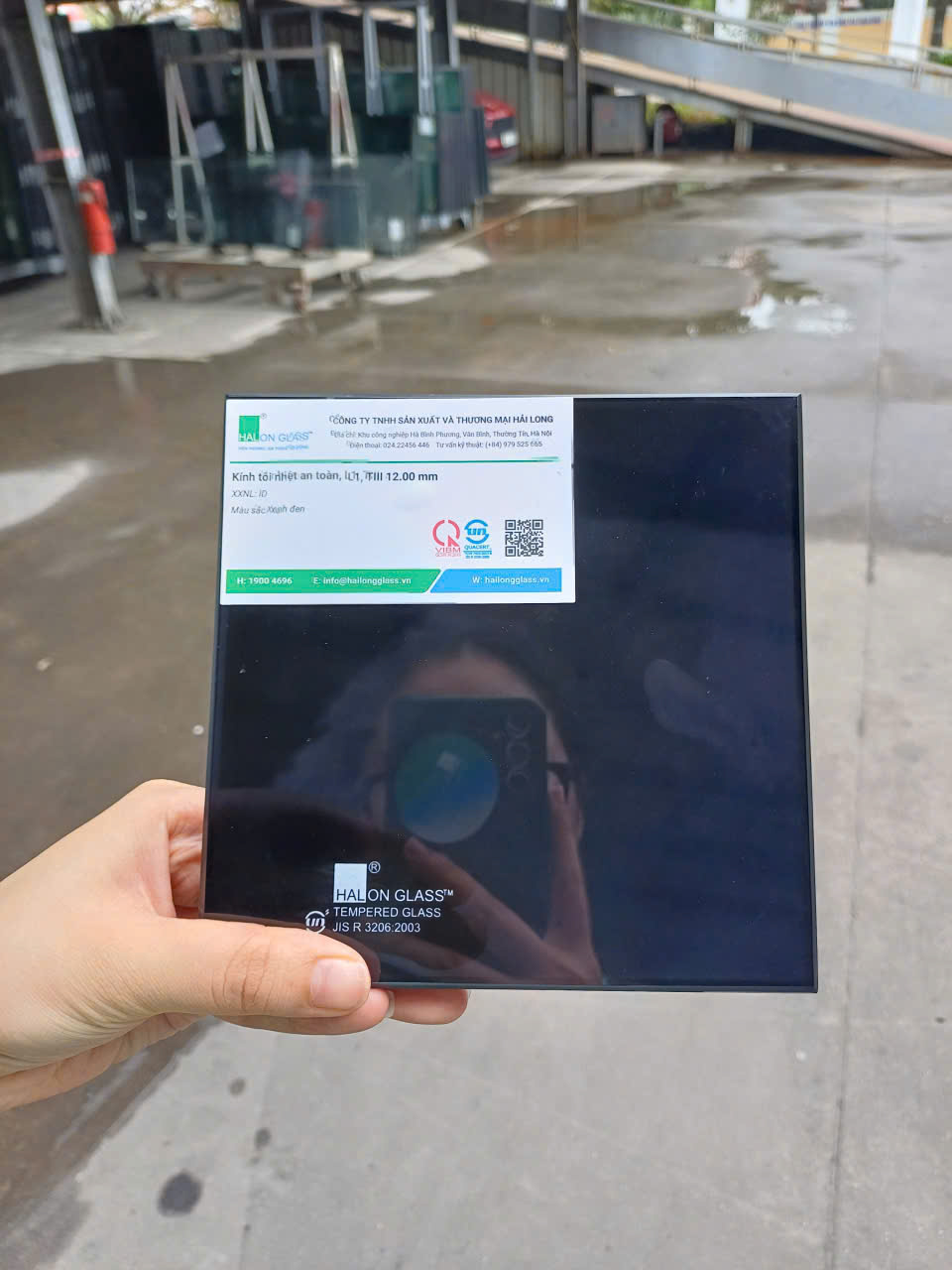
In terms of safety, tempered colored glass, when broken, shatters into small, non-sharp fragments, reducing the risk of injury. Laminated safety glass has a PVB film that holds the broken pieces together, minimizing scattering and protecting users. For items such as railings, staircases, and high-rise glass walls, the use of safety colored glass is mandatory according to many current construction standards.
Applications of colored glass in construction: curtain walls, glass partitions, railings.
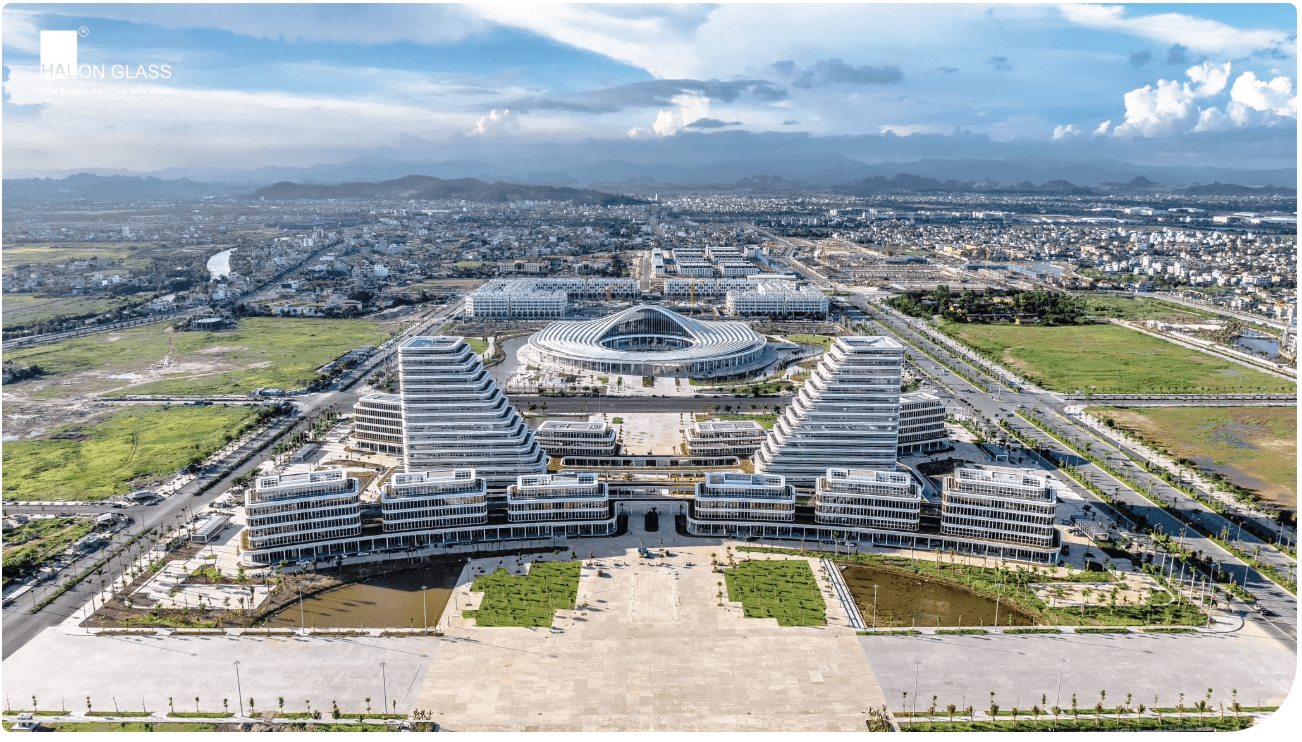
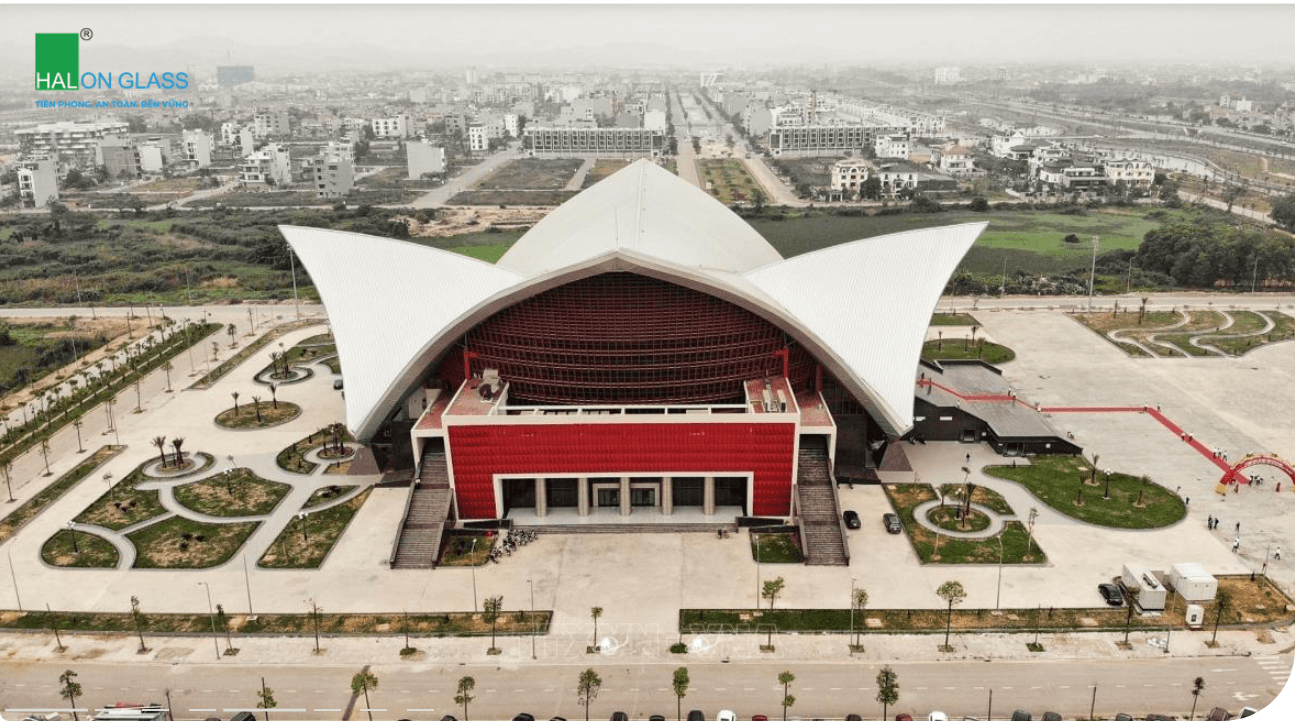
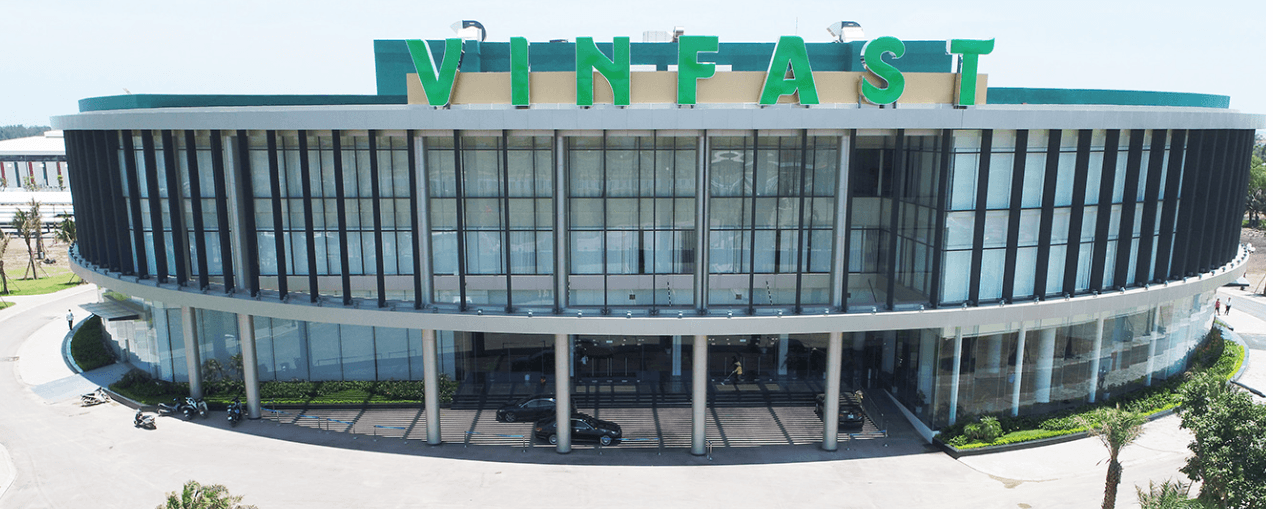
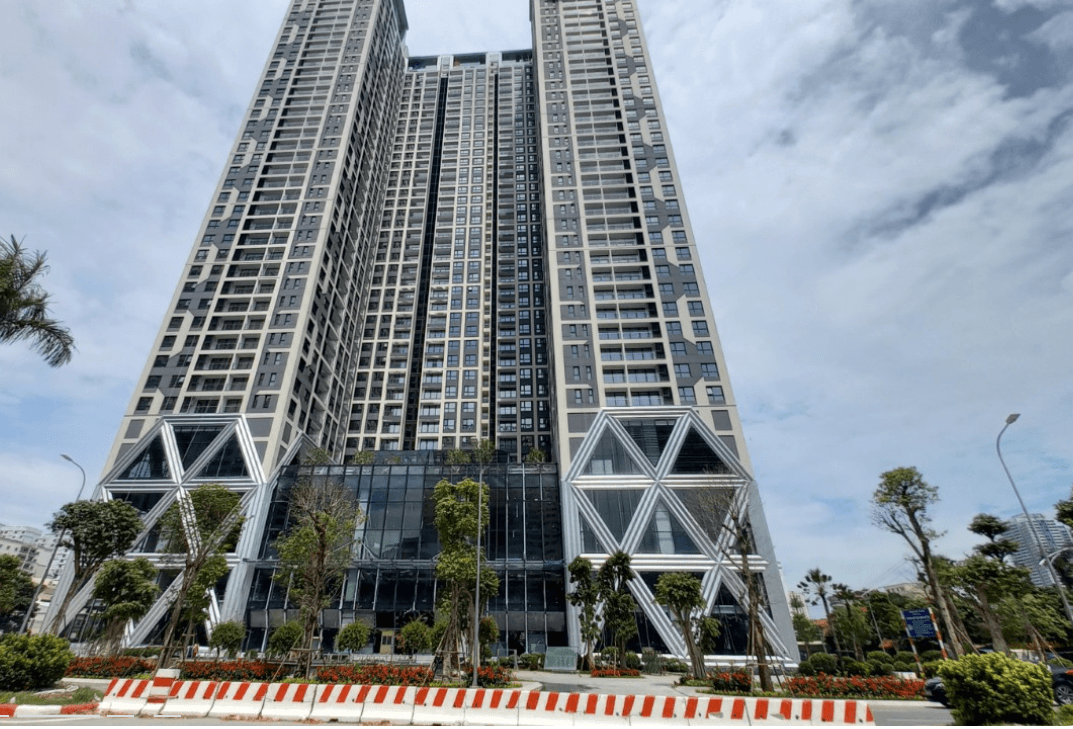
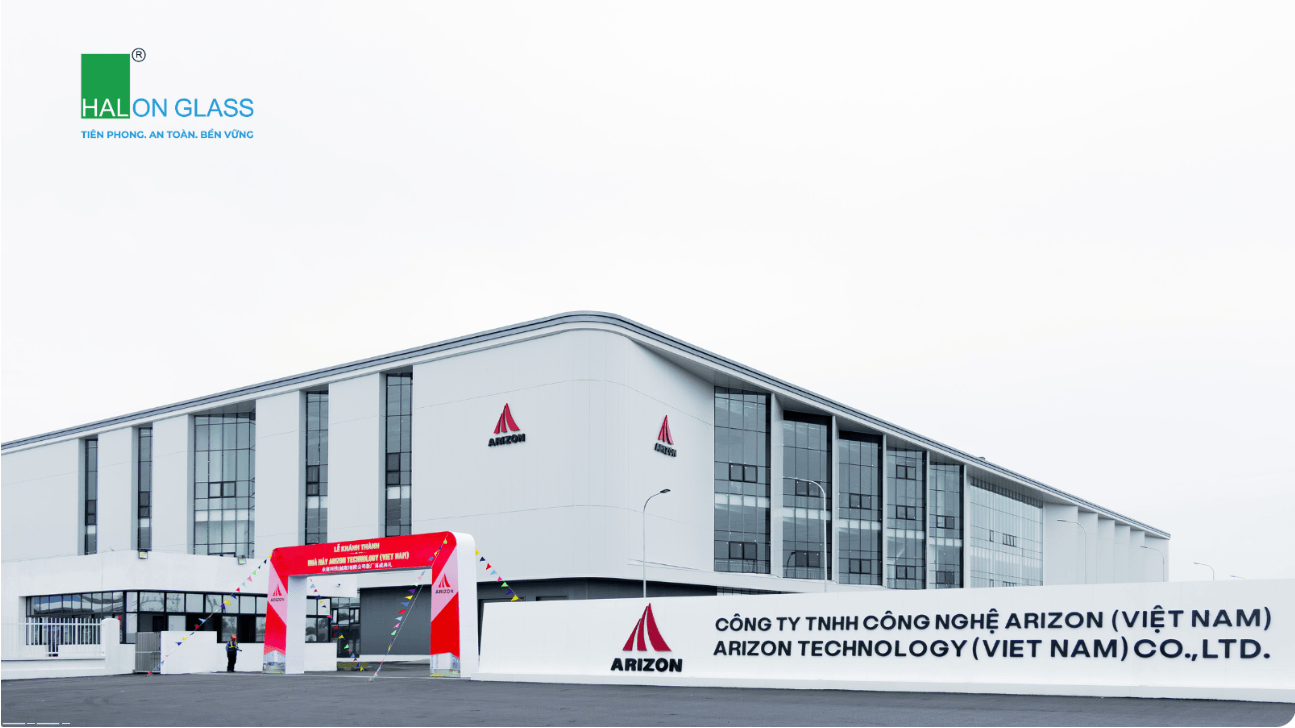
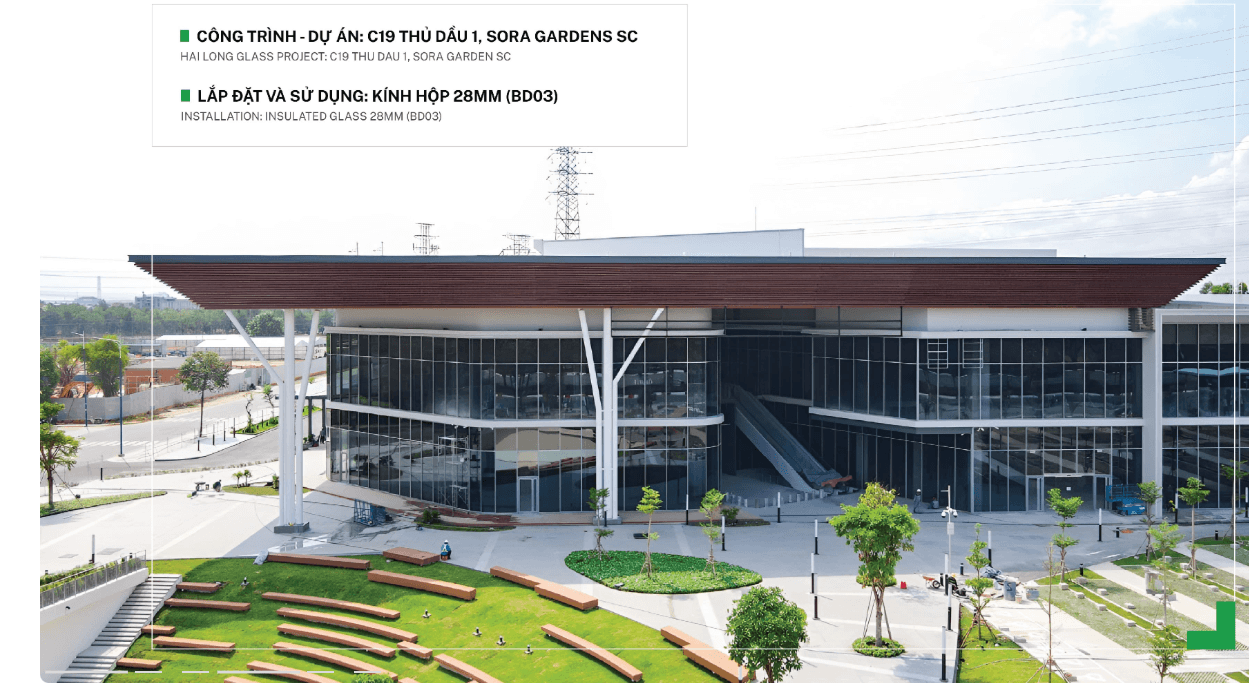
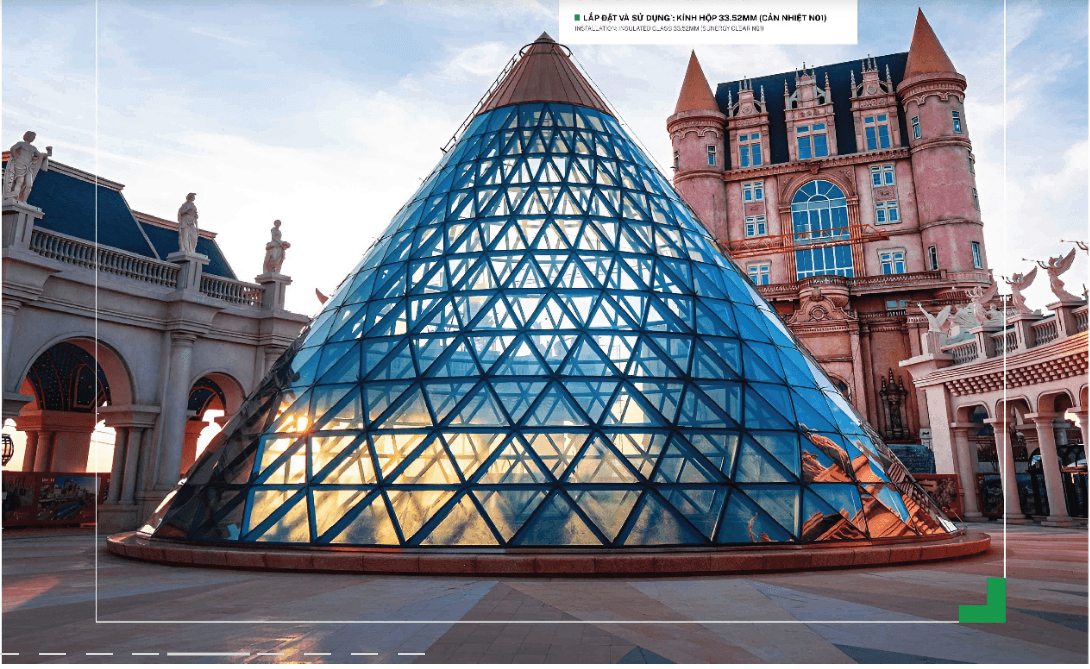
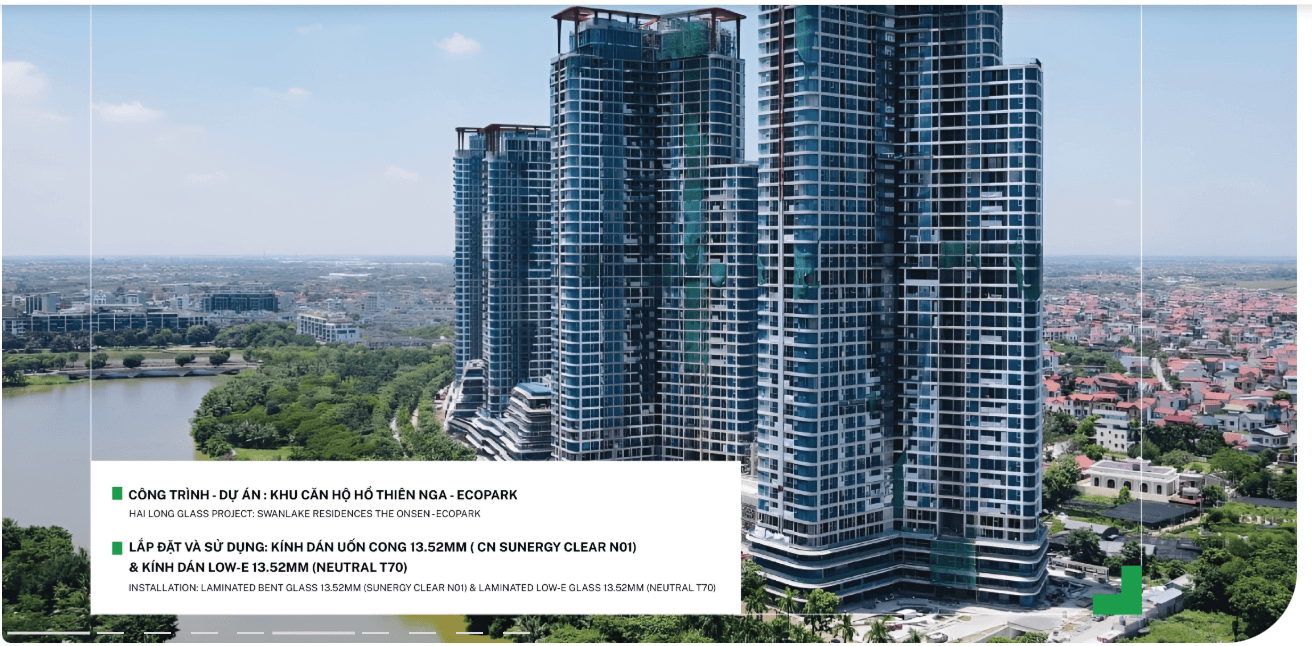
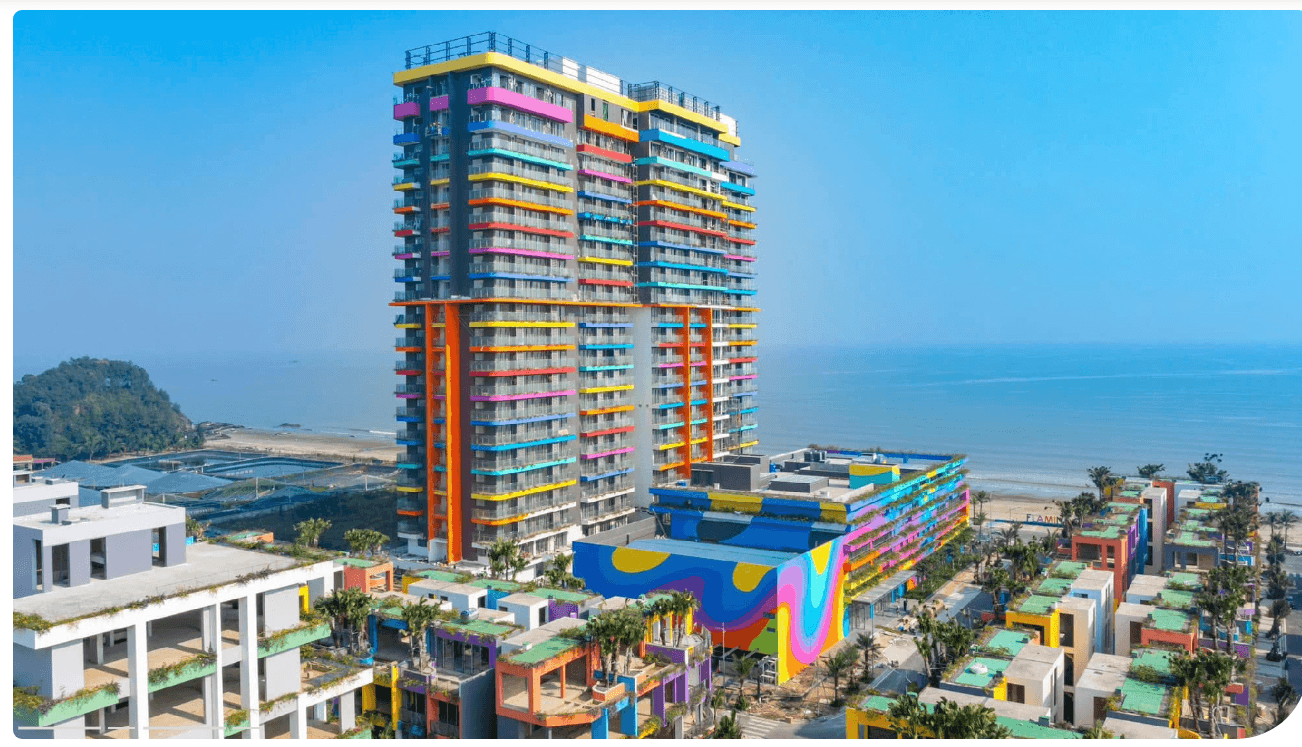
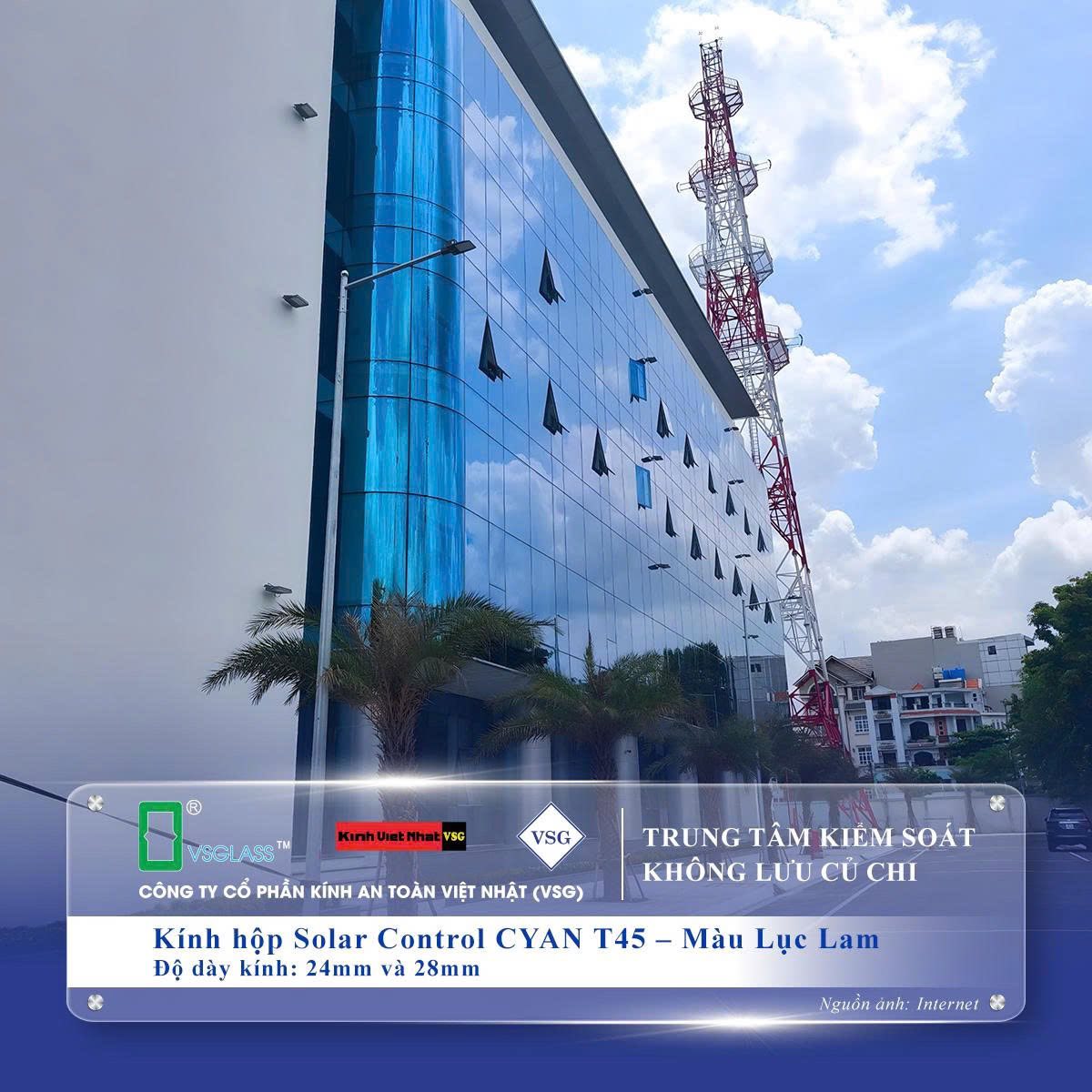
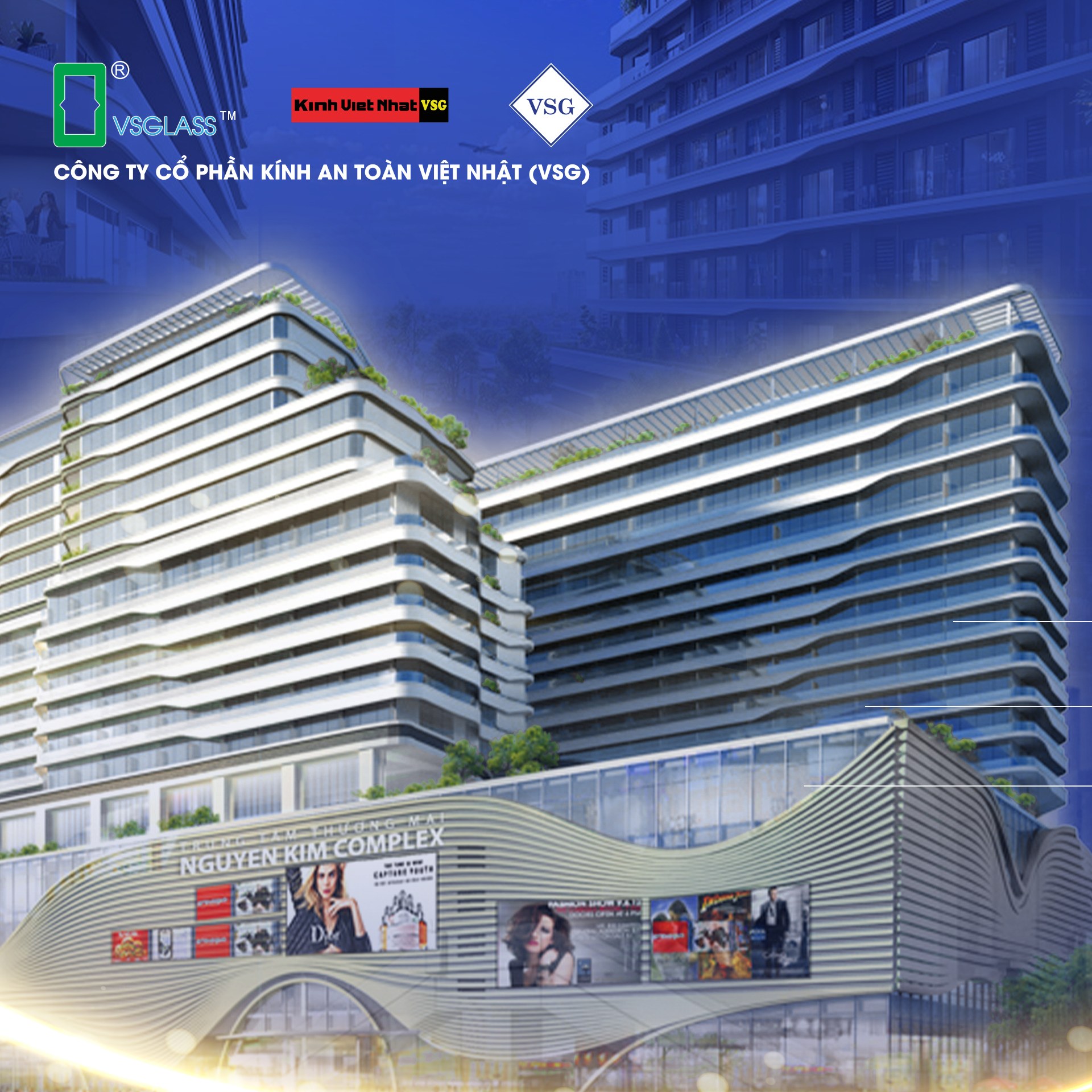
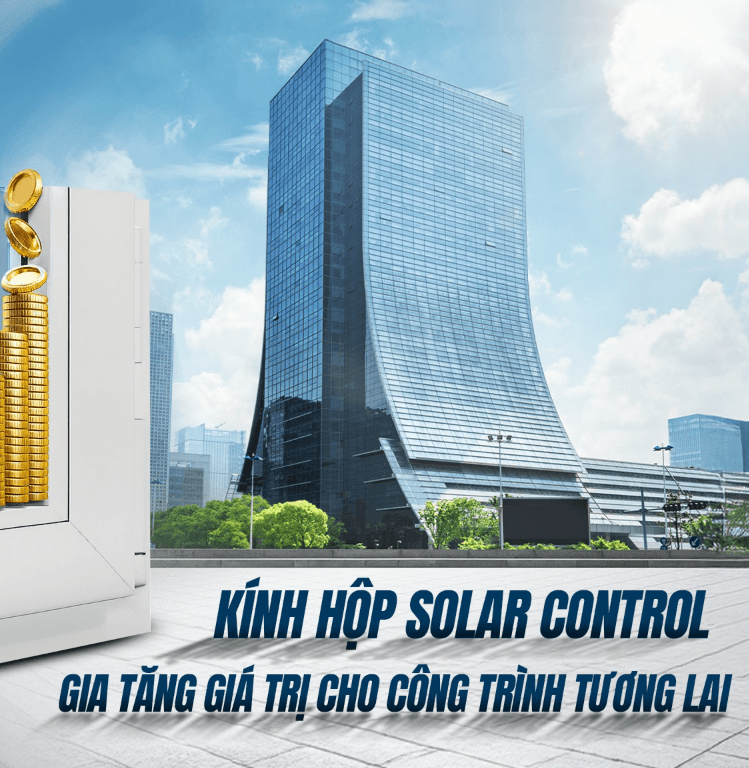
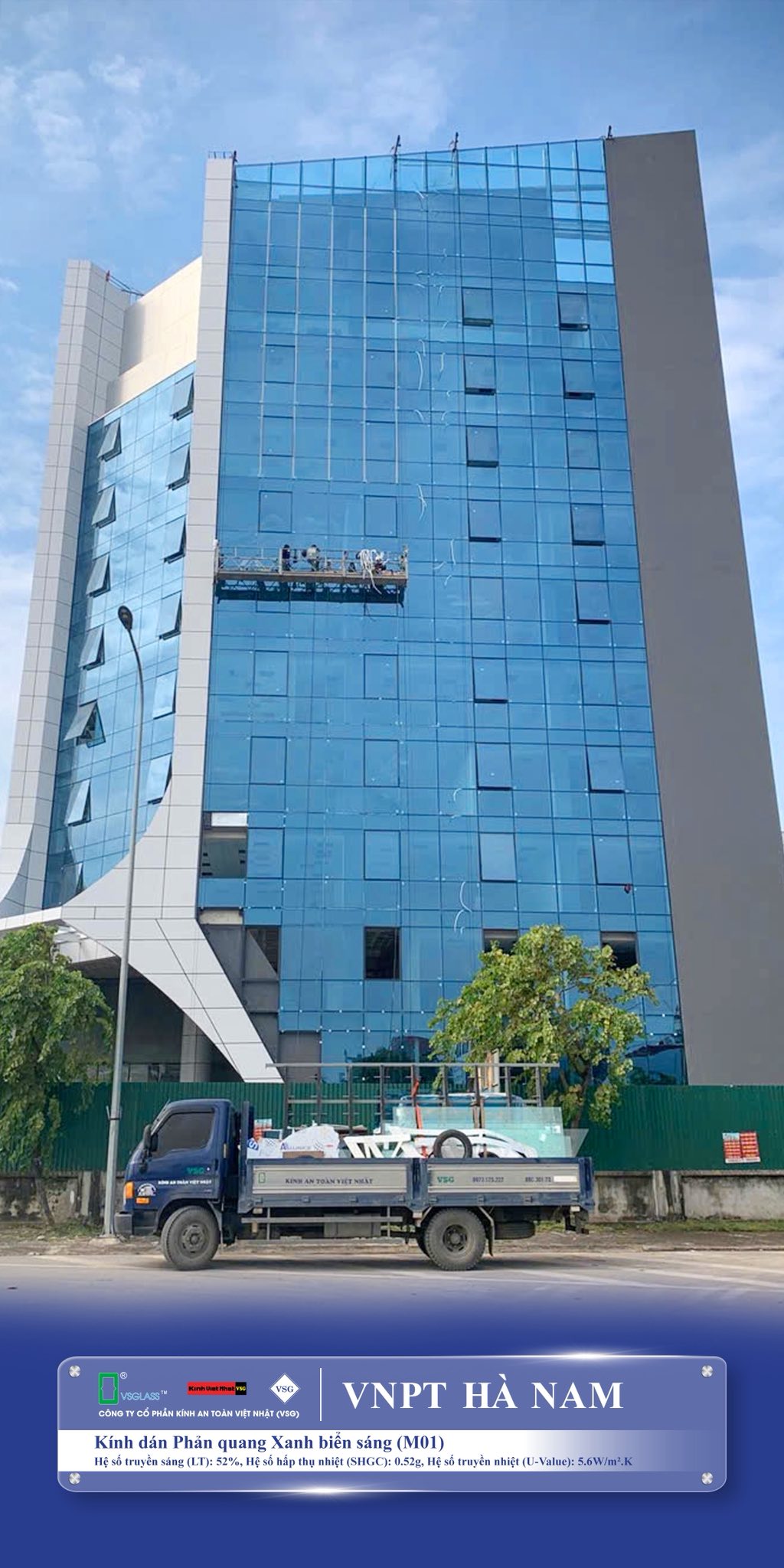
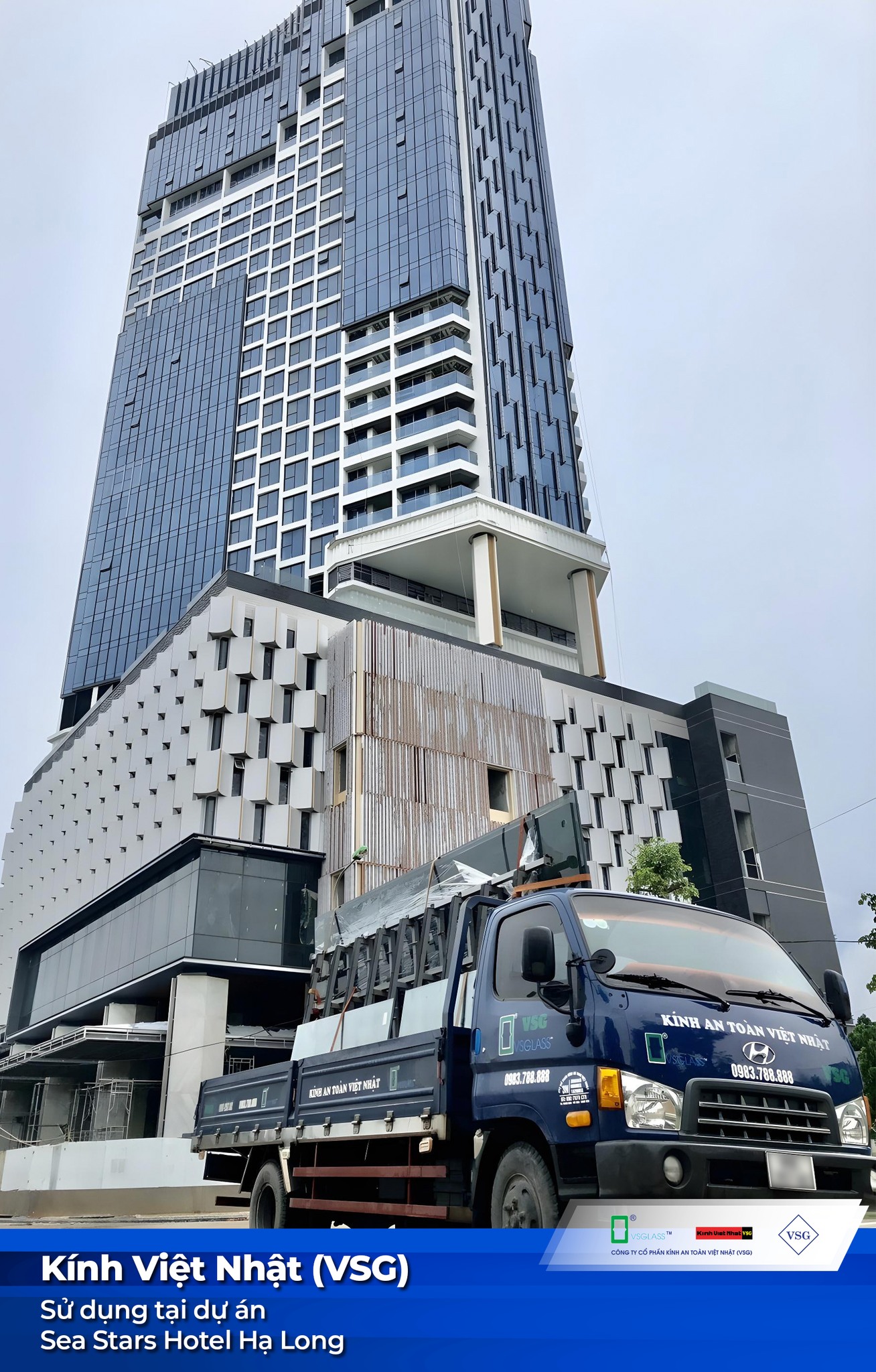
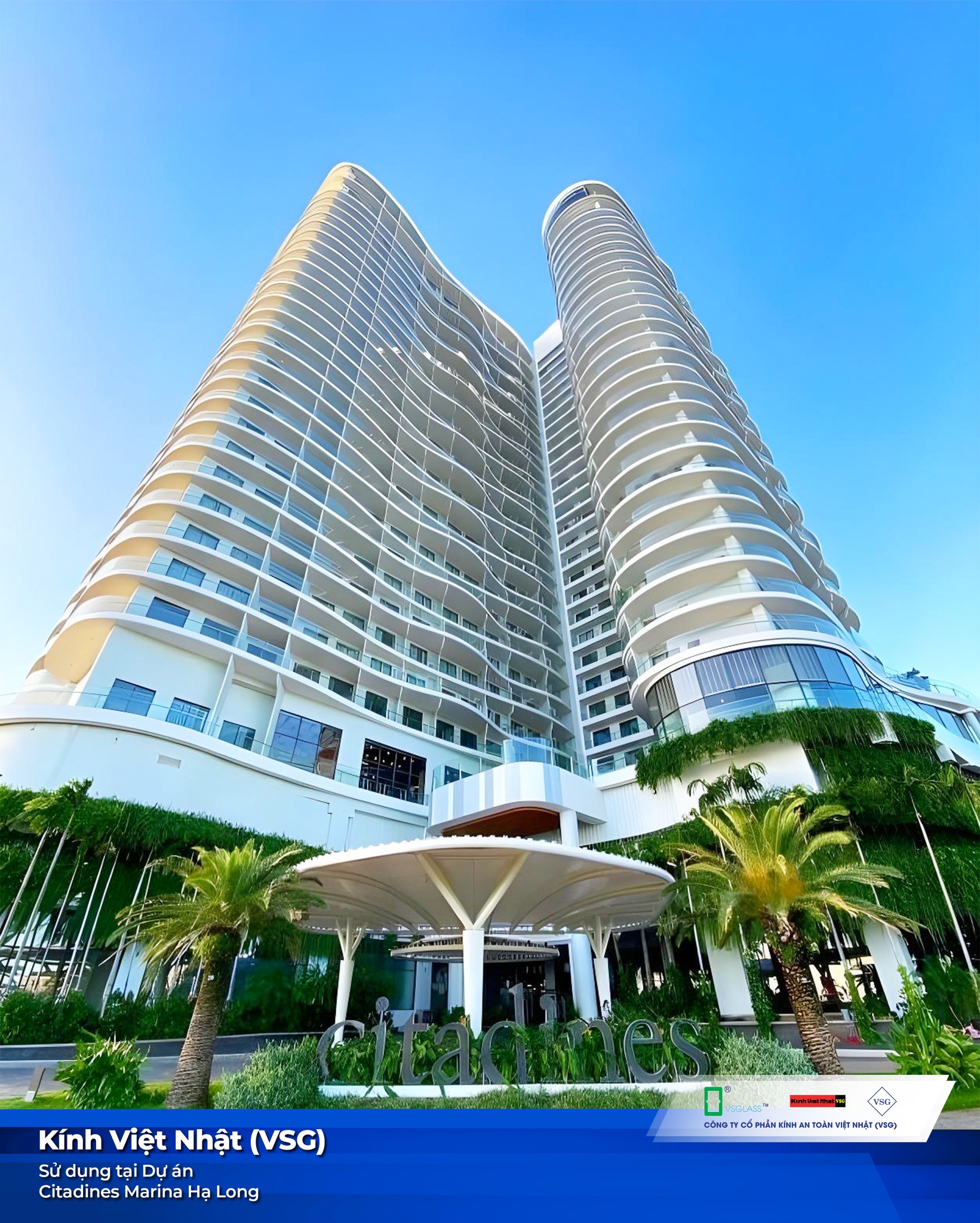
In the construction industry, colored glass is widely used for facades, glass walls, windows, sunshades, glass roofs, railings, and many other exterior elements. For facades, colored glass helps create a modern, uniform appearance for the building while improving energy efficiency. Popular facade systems include: aluminum-framed glass curtain walls, concealed mullion facades, spider systems, and unitized systems, in which colored glass acts as the main cladding.
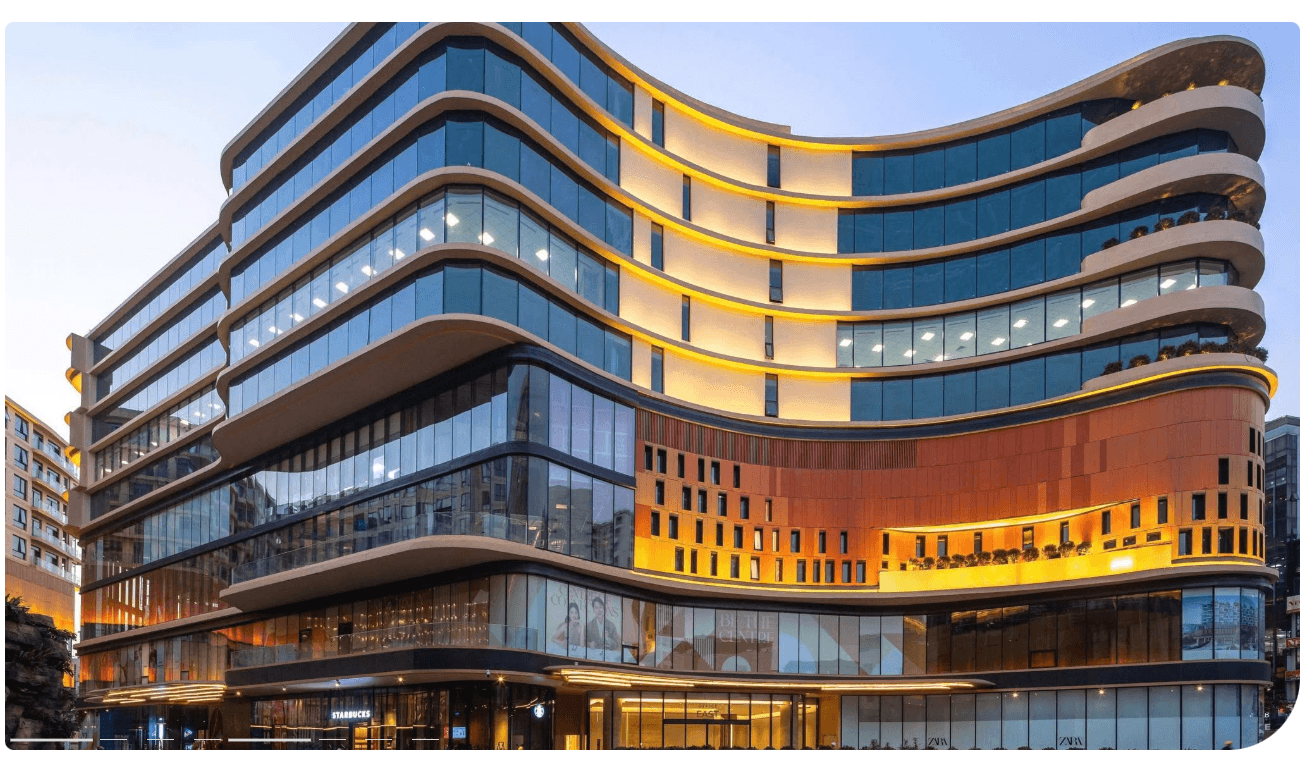
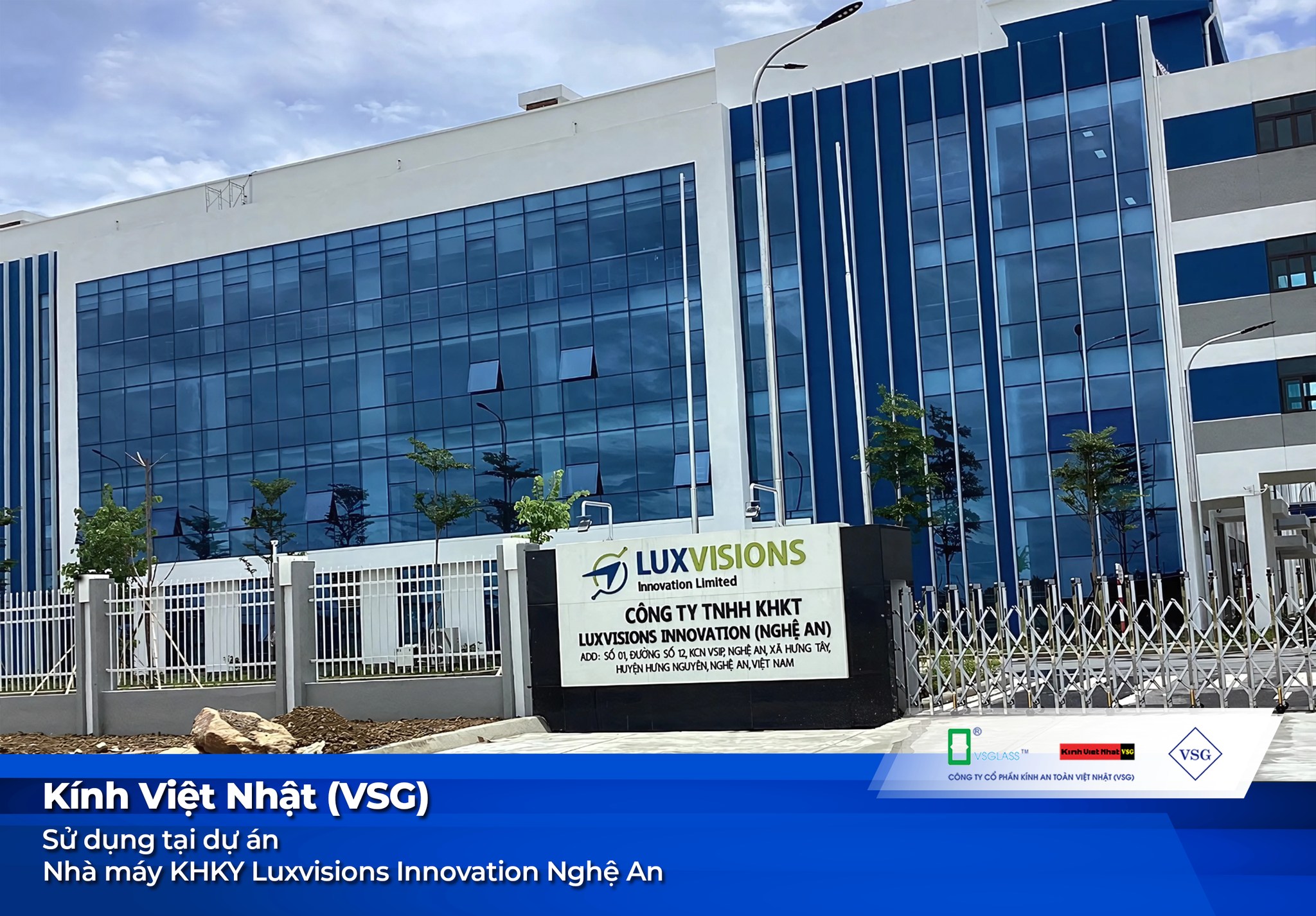
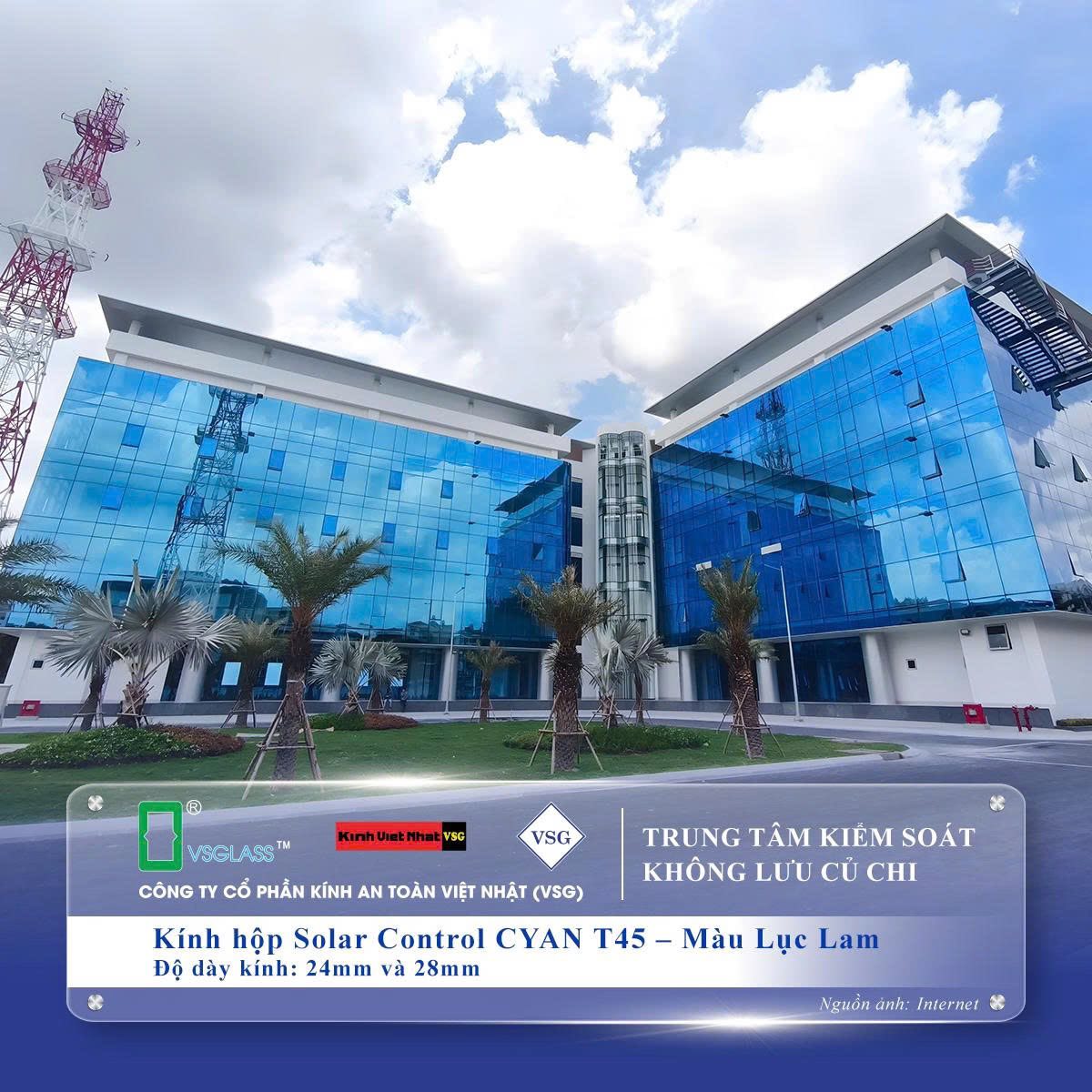
For building facades, reflective colored glass, in-slice colored glass, and glazed colored glass are often preferred. They help reduce heat radiation, minimize glare, and increase privacy for the interior space. Facade colors can be coordinated in large areas or modules, creating strong visual effects suitable for high-rise buildings, shopping malls, office buildings, and hotels.
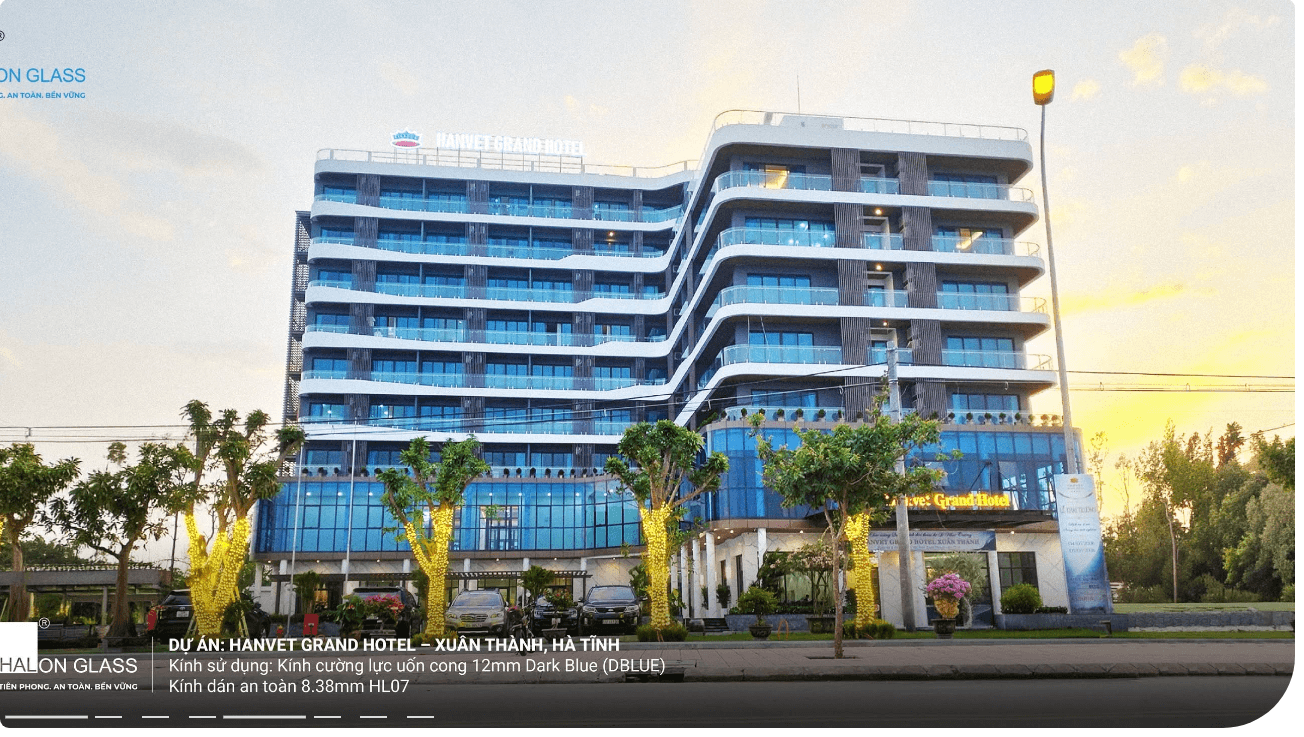
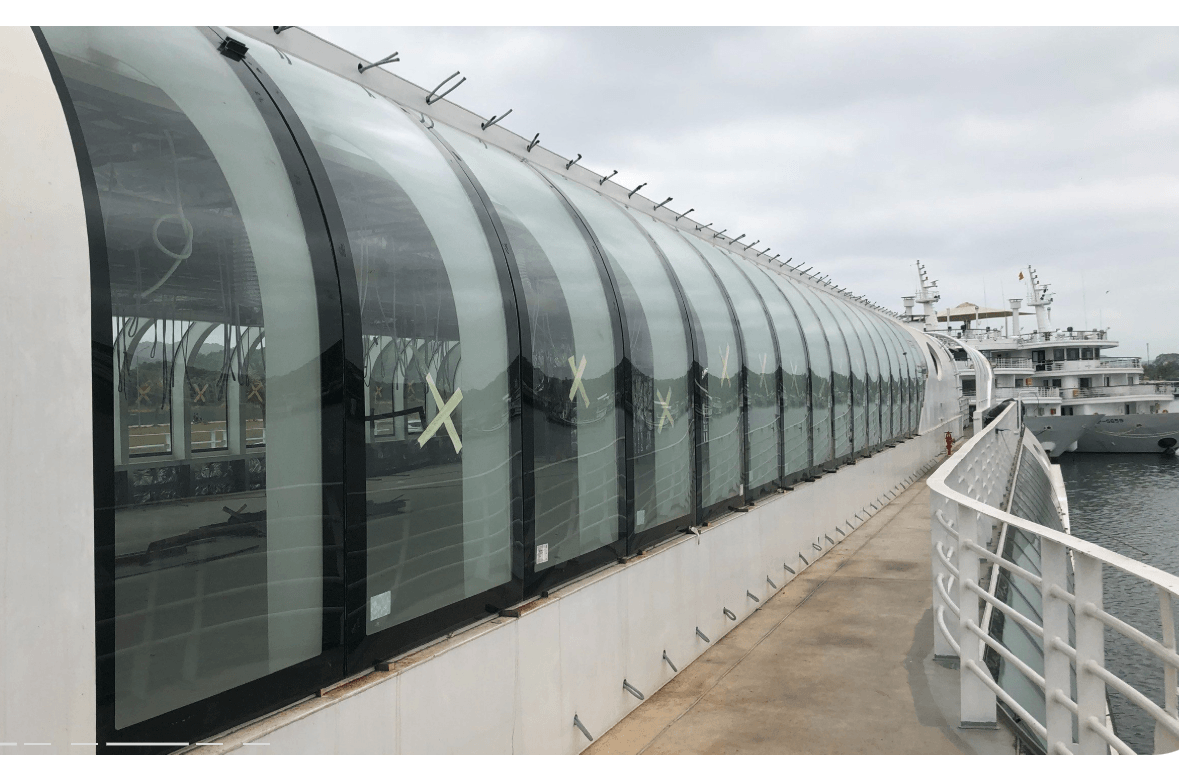
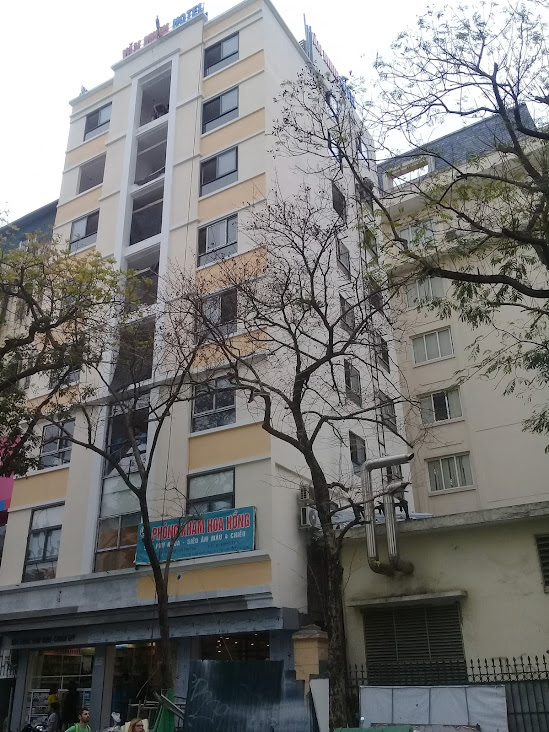
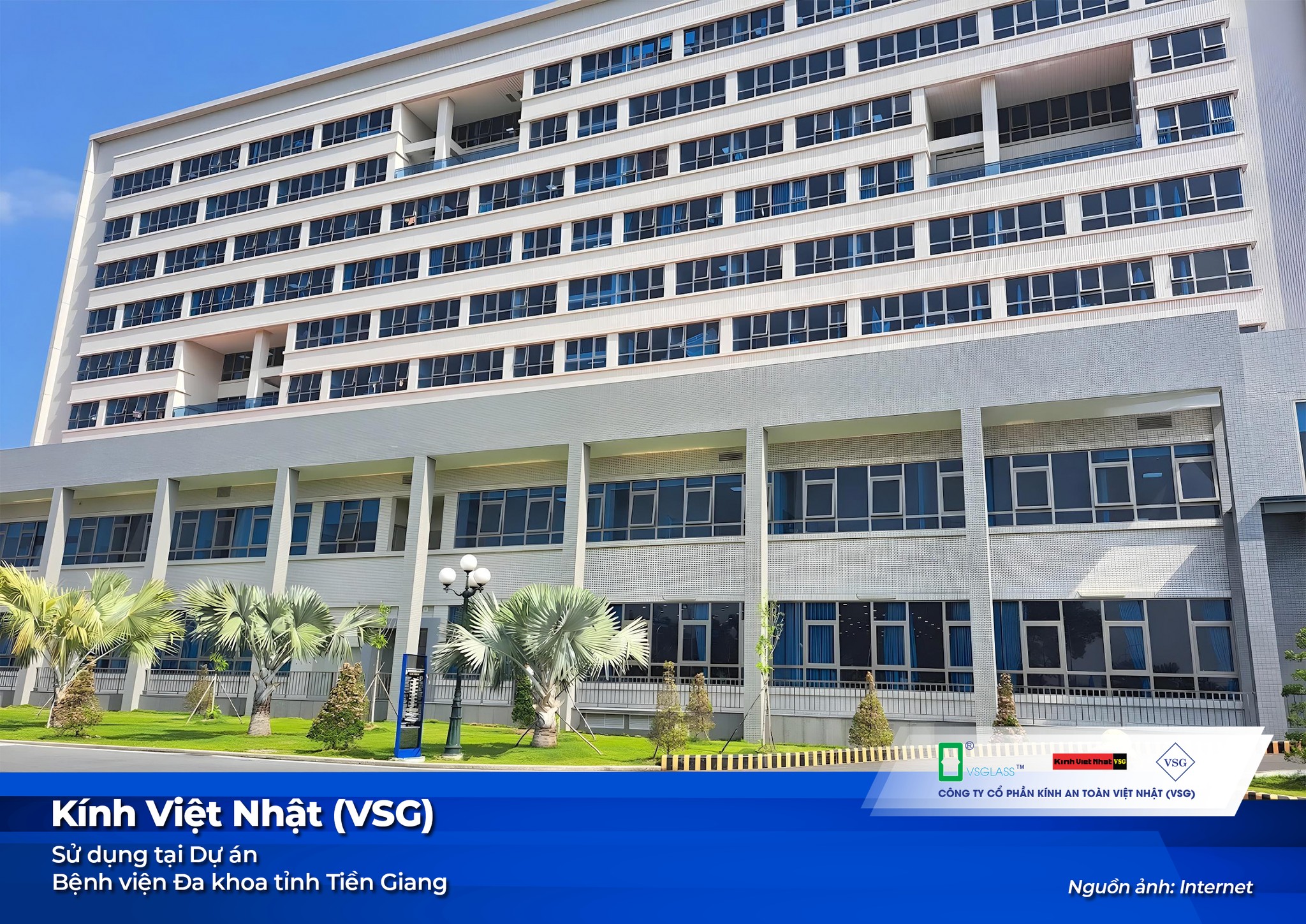
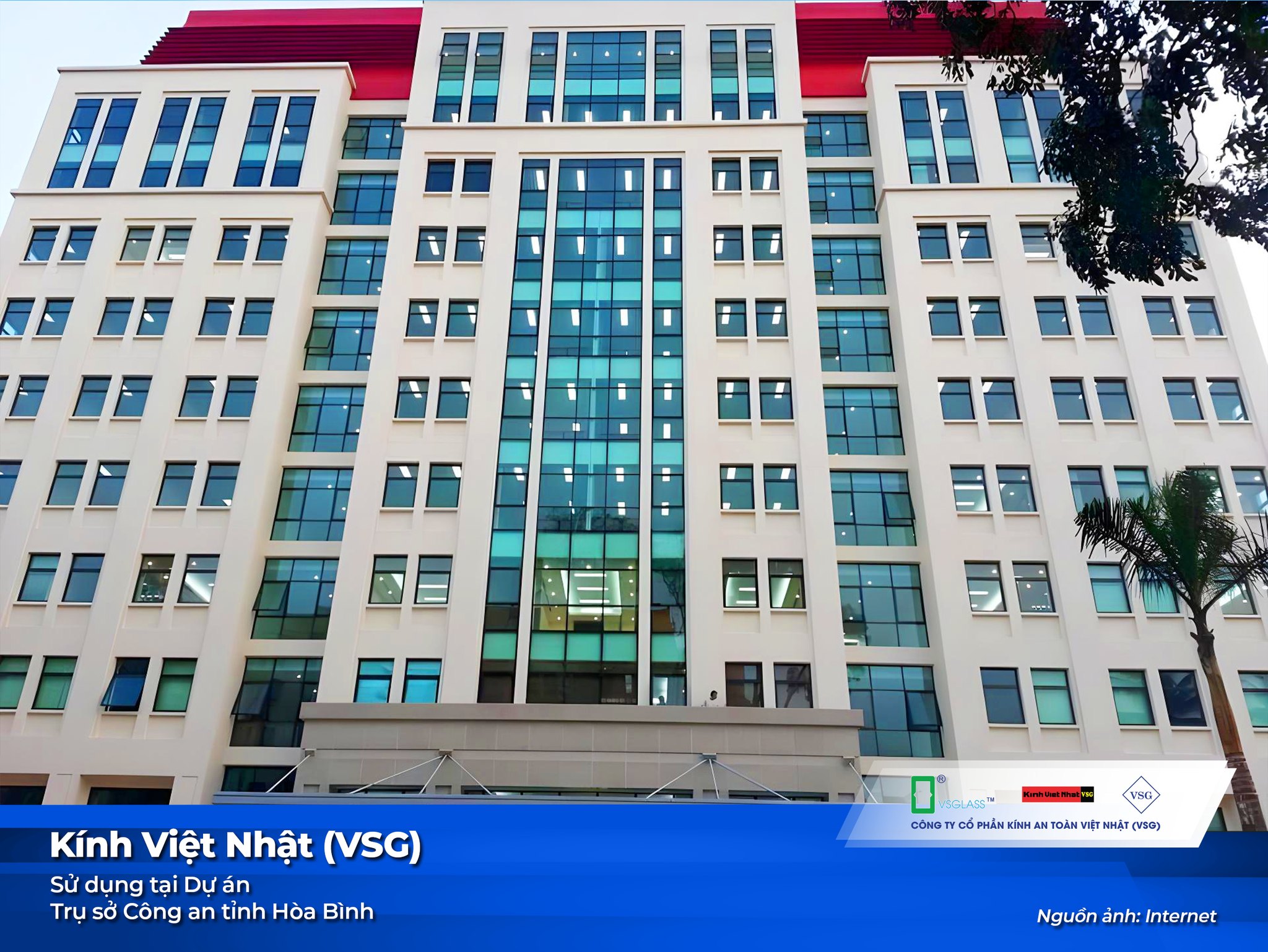
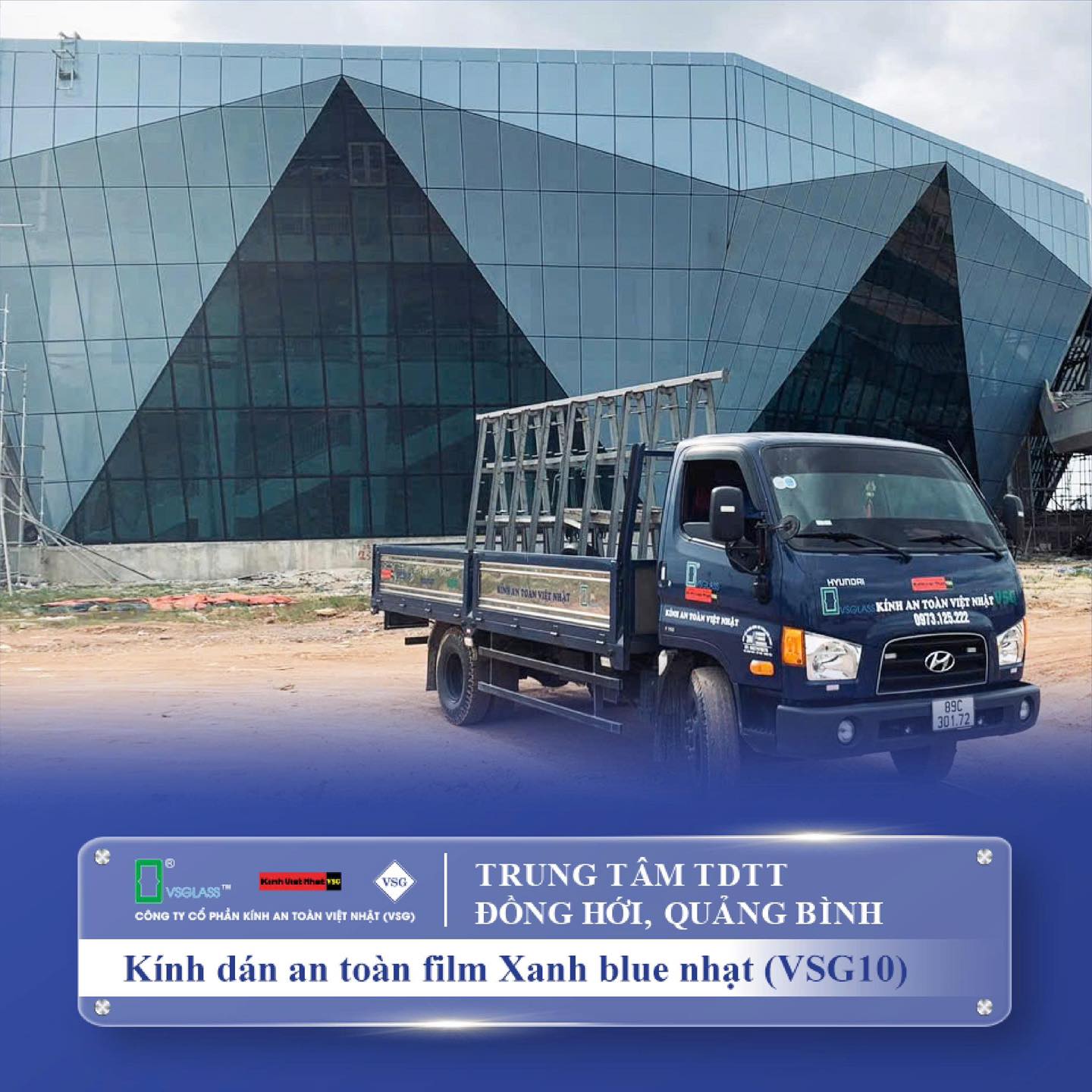
Glass walls and windows using colored glass help control light and create a striking facade. In areas where visibility from the outside needs to be restricted but light is still desired, dark tones such as gray, dark blue, tea brown, and black are frequently used. Combined with aluminum frames, steel frames, or high-end aluminum-glass systems, colored glass creates glass walls that are both sturdy and aesthetically pleasing, meeting standards for wind load and safety.
Colored glass railings are an alternative to traditional metal or concrete railings, offering a light and airy feel while ensuring safety. Common applications include balcony railings, stair railings, skylight railings, and hallway railings. Safety laminated colored glass or tempered glass with a thickness of 10–15 mm is used, combined with stainless steel posts and wooden or aluminum handrails. The railing color can be coordinated with the facade or interior design, creating a harmonious overall look.
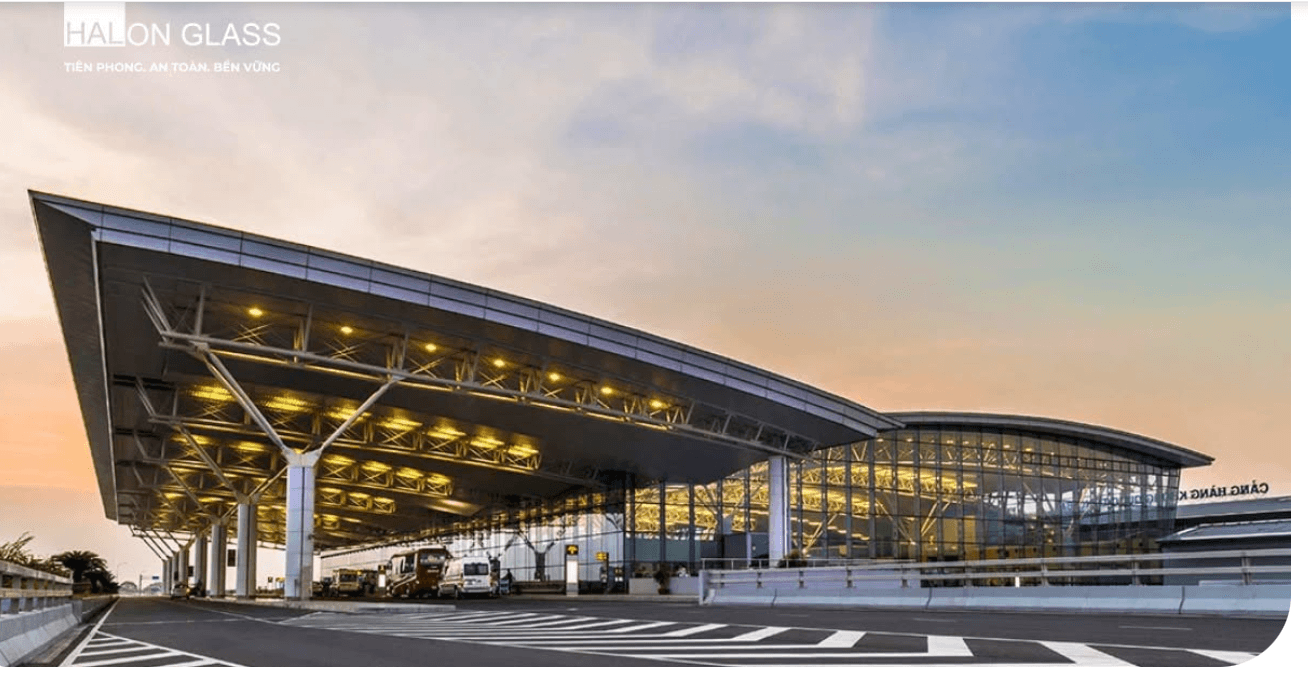
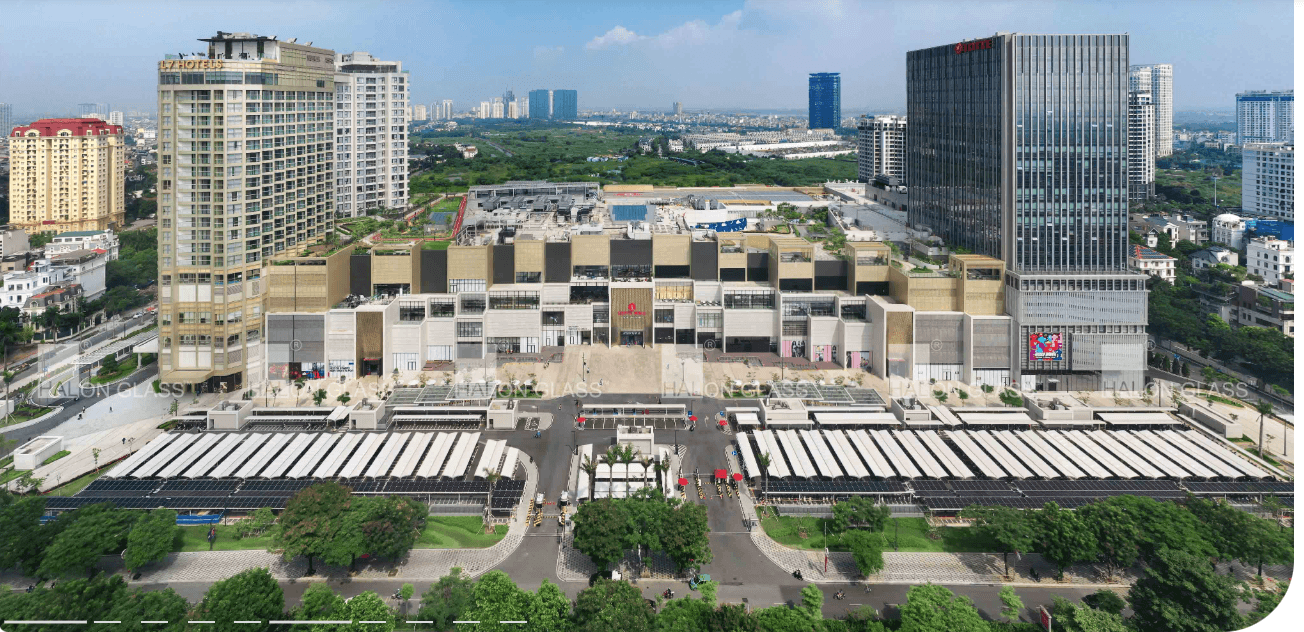
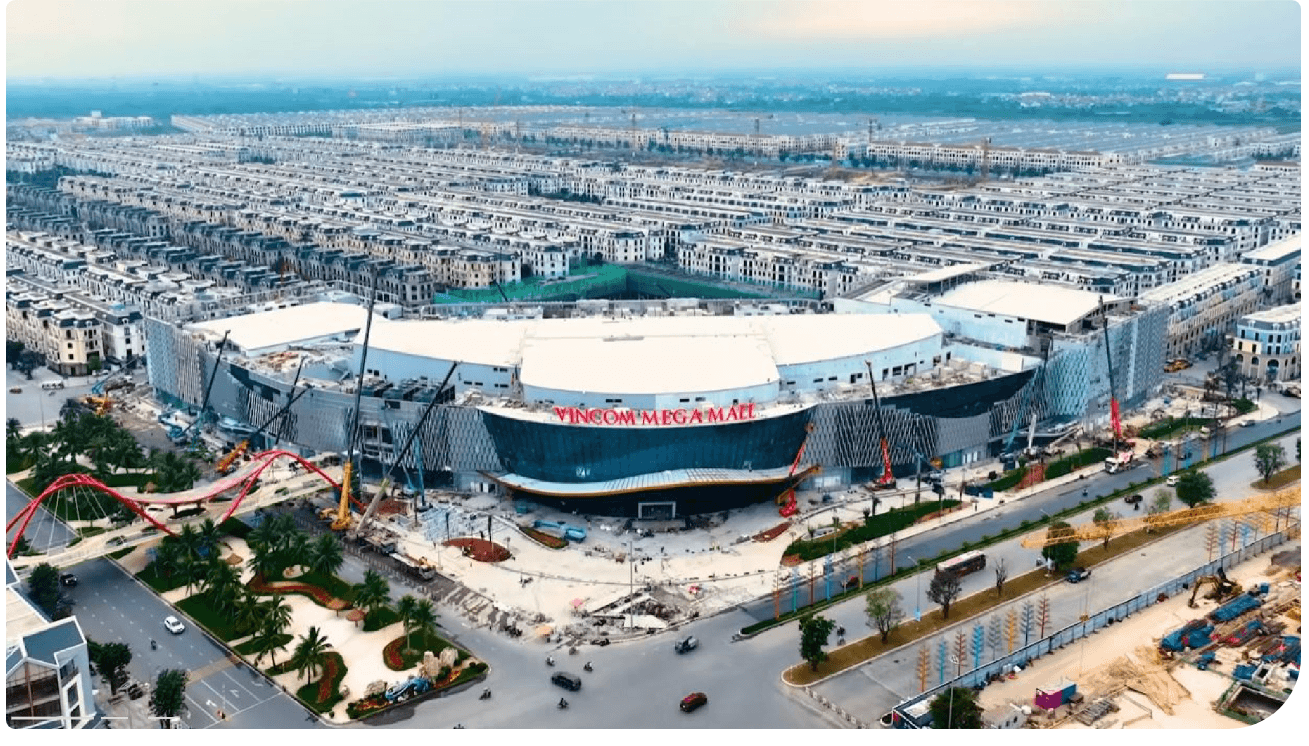
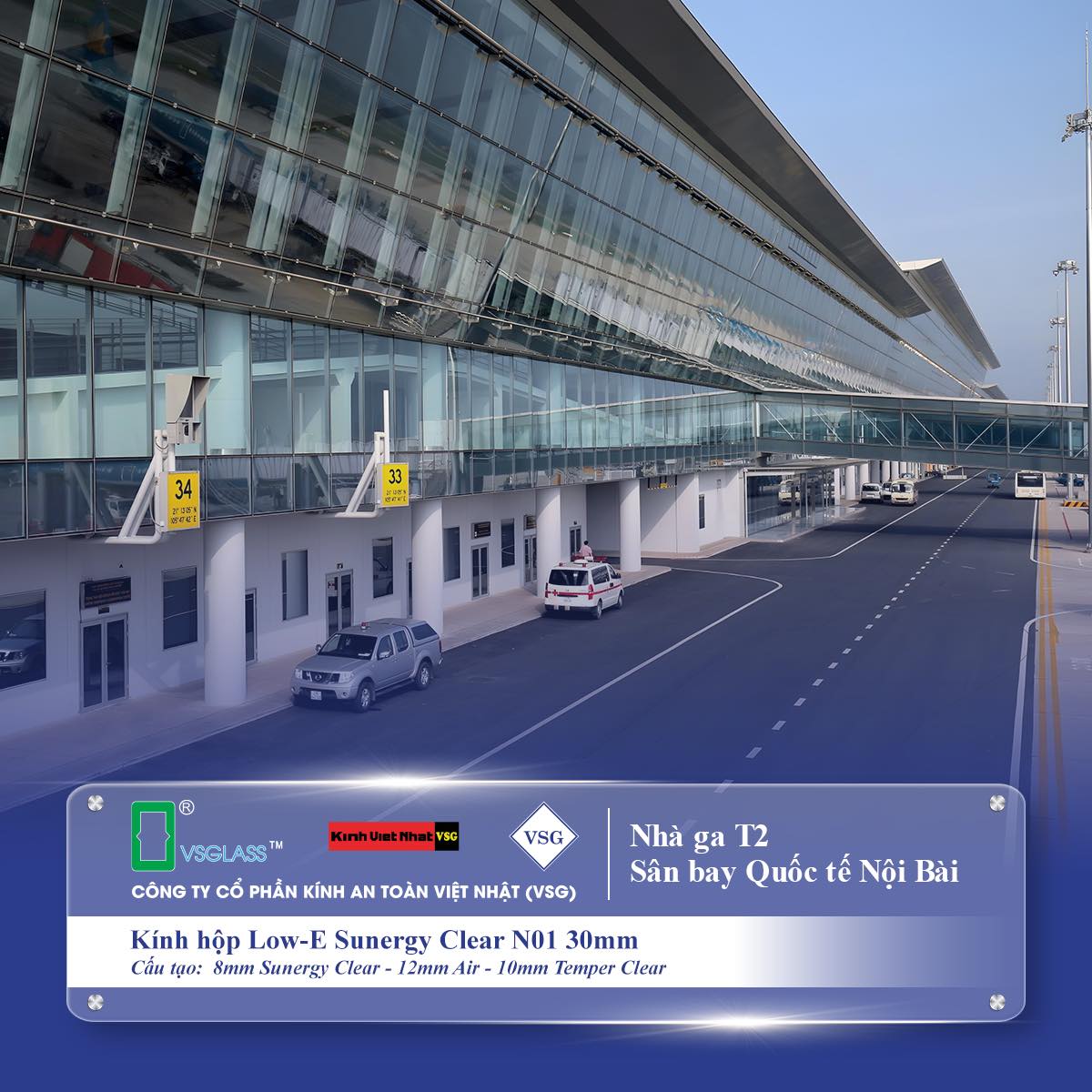
In public buildings such as shopping malls, train stations, and airports, colored glass is also used for partitions, elevator cabins, waiting areas, and advertising spaces. The ability to print, glaze, and cut into complex shapes gives architects ample creative space, creating glass surfaces that are both symbolic and meet stringent technical requirements.
Technical and safety standards for using colored glass in construction.
When using colored glass in construction, compliance with technical and safety standards is crucial. Glass thickness must be calculated based on building height, wind load, glass panel dimensions, installation location, and intended use. Standards such as TCVN, EN, and ASTM are often referenced to determine minimum thickness, glass type (tempered, laminated, double-glazed), and connection method to the frame system.
For high-rise building facades, tempered colored glass or laminated safety glass is a mandatory choice to ensure safety in case of impact or breakage. Accessories such as silicone sealants, gaskets, clamps, spiders, and aluminum frames must meet standards for durability, weather resistance, and anti-aging properties. The construction process must strictly adhere to the following steps: survey, shop drawing design, fabrication, installation, acceptance testing, and inspection of airtightness, waterproofing, and wind resistance.
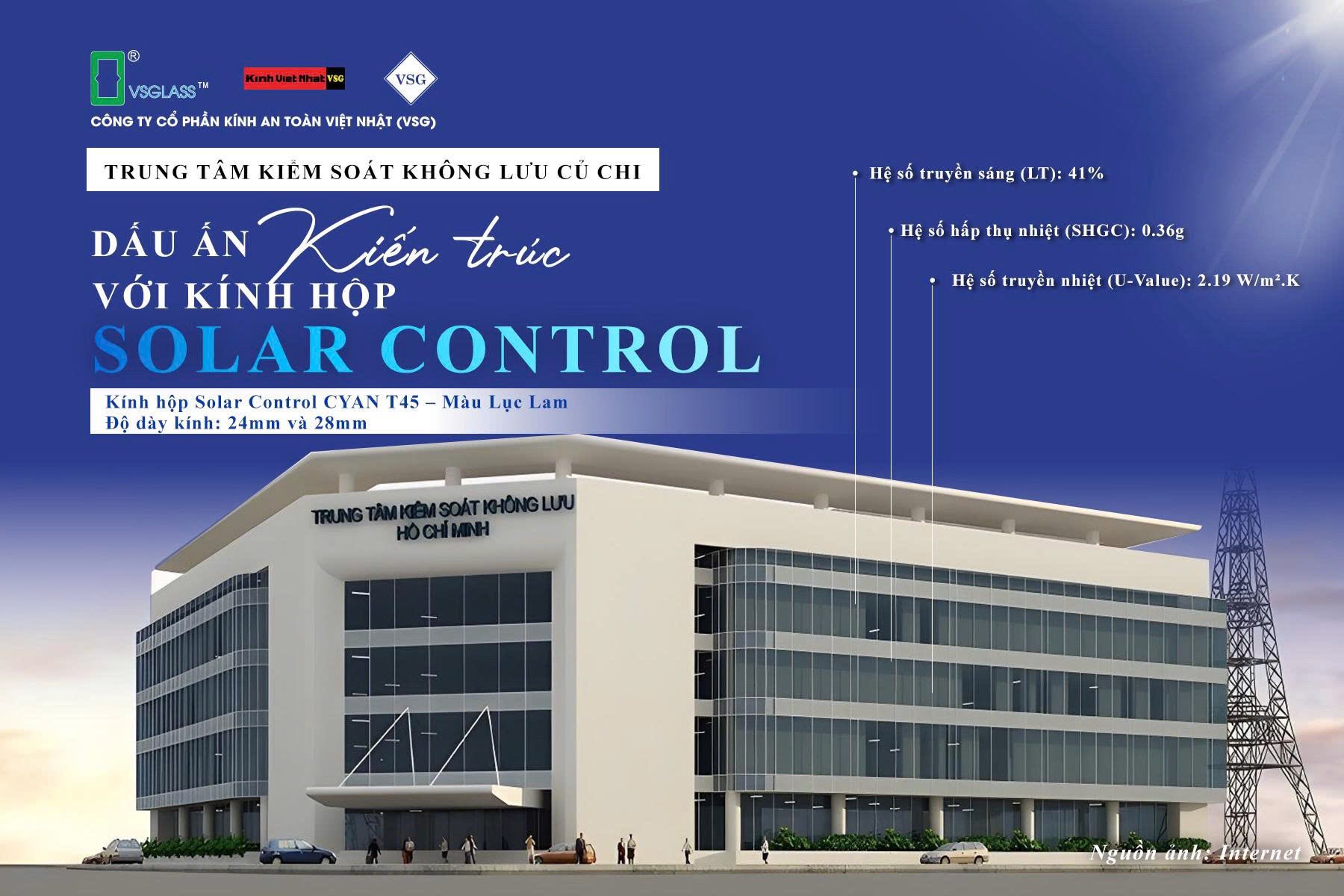
Regarding color and light transmission, parameters such as light transmission coefficient (VLT), heat transfer coefficient (SHGC), and reflectivity need to be calculated to ensure a balance between natural lighting and heat control. For green buildings, choosing low-e or reflective colored glass with appropriate indices will help reduce the load on the air conditioning system, contributing to achieving certifications such as LEED and LOTUS.
Applications of colored glass in interior design: kitchens, partitions, doors, furniture.
In interior design, colored glass is considered a versatile material, easily combined with wood, metal, stone, and tiles to create modern and sophisticated spaces. One of the most popular applications is colored glass backsplashes. Replacing traditional ceramic tiles, colored glass backsplashes provide a smooth surface with fewer seams, are easy to clean, and add a splash of color to the cooking area. The glass is typically tempered, 6–8 mm thick, painted on the back, and attached to the wall using a specialized adhesive.
Colored glass partitions are an optimal solution for spaces that need functional division while maintaining openness and visual connection. Modern offices often use colored glass partitions combined with clear glass to create meeting rooms, private workspaces, and reception areas. In homes, colored glass partitions can be used to separate the living room from the kitchen, or the bedroom from the workspace, ensuring privacy without making the space feel cramped or cluttered.
Glass doors, sliding doors, and folding doors with colored glass save space, increase natural light, and create an aesthetic focal point. Colored glass doors with aluminum, iron, or wooden frames are used for bathrooms, dressing rooms, and home offices. With frosted, pastel, or sand-frosted glass tones, the doors still ensure privacy without the need for additional curtains. Recessed floor and ceiling sliding rails ensure smooth and safe operation.
The use of colored glass in furniture is becoming increasingly diverse: countertops, kitchen cabinets, wardrobes, TV stands, bar counters, reception desks, decorative partitions, column cladding, and living room wall cladding. Glossy or frosted colored glass surfaces, combined with LED lighting, create unique lighting effects, elevating the space. For minimalist, modern, and industrial interior styles, the use of colored glass helps reduce the feeling of heaviness, creating an overall sense of lightness.
In bathrooms, colored glass is used for shower enclosures, bathroom doors, wall cladding around the sink area, and decorative wall panels. Tempered colored glass is moisture-resistant, heat-resistant, and does not warp or mold like some other materials. Common colors include milky white, gray, light blue, and black, combined with stainless steel or PVD-coated accessories, creating a luxurious and easy-to-clean home spa space.
Modern interior design trends featuring colored glass.
Current interior design trends prioritize minimalism, airiness, and the utilization of natural light, making colored glass a key material in many projects. A prominent trend is the use of neutral colored glass such as white, beige, gray, and charcoal, combined with natural wood and black metal, creating a warm yet modern space. Glossy colored glass is used to visually expand the space in small apartments and narrow townhouses.
The second trend is using pastel-colored glass for youthful spaces: light pink, mint green, pale yellow, and light blue. These tones are often found in kitchens, bedrooms, creative workspaces, cafes, and fashion showrooms. Pastel-colored glass makes spaces feel soft and comfortable, suitable for Scandinavian, Korean, and Japandi styles.
The third trend is combining colored glass with UV printing and ceramic printing technology to create glass surfaces with custom patterns, designs, and images. This opens up high possibilities for personalization in interior spaces: glass walls printed with artwork, colored glass printed with brand logos, colored glass printed with faux stone or wood patterns. These surfaces serve both a decorative purpose and are easier to clean and more colorfast than wallpaper or conventional paint.
Criteria for selecting colored glass and considerations for installation and maintenance.
When choosing colored glass for construction or interior design, several factors must be considered simultaneously: intended use, installation location, safety requirements, aesthetic requirements, budget, and technical standards. For exterior areas such as facades, railings, and glass roofs, tempered glass or laminated safety glass of appropriate thickness and with heat-insulating and glare-resistant colors should be prioritized. For interiors, there can be more flexibility in terms of thickness and type of glass, but user safety must still be ensured.
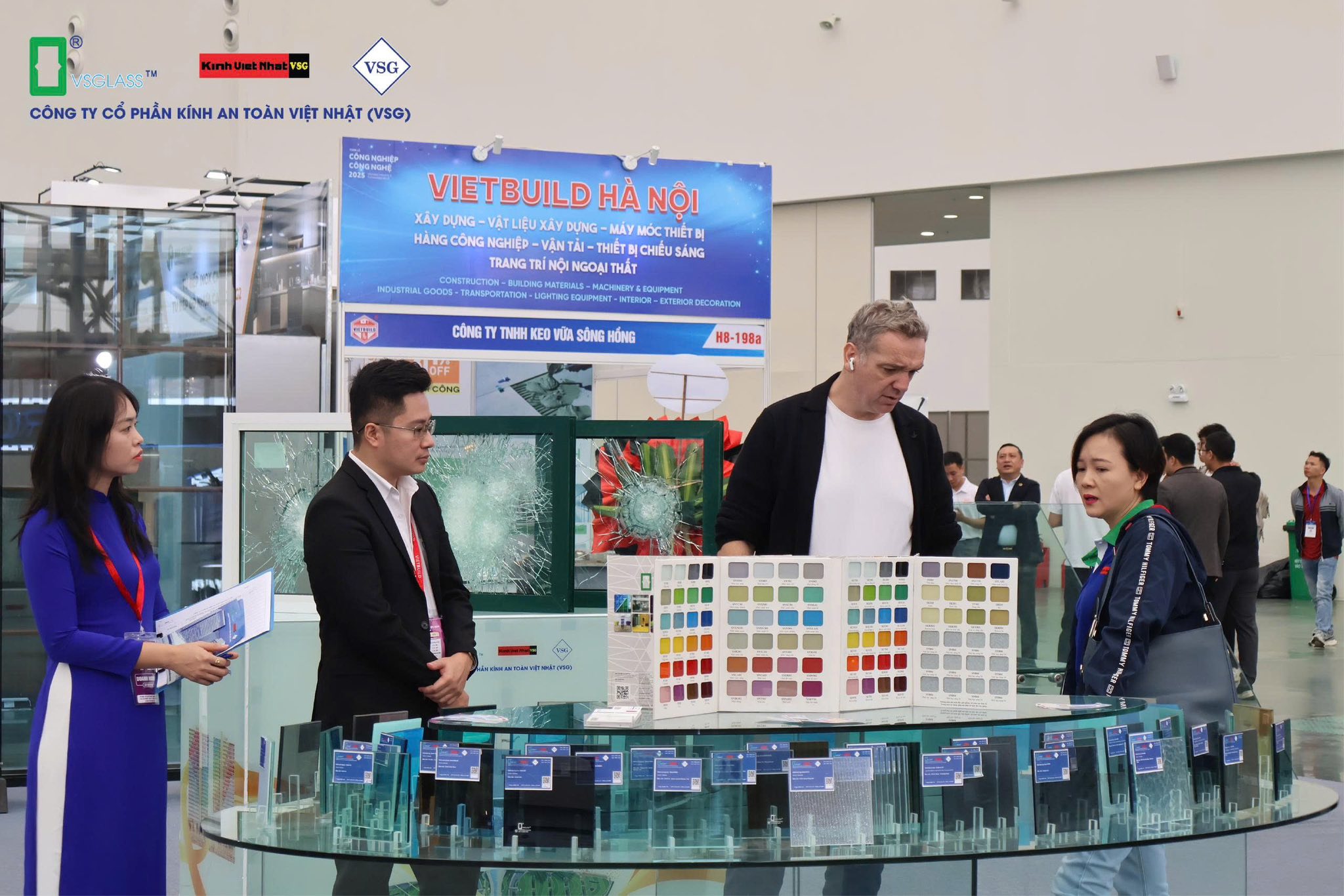
Regarding color, consider harmony with the overall architecture, interior style, wall paint, flooring, ceiling, and furniture. Bold colors create strong accents and are suitable for decorative wall sections, reception counters, and backdrops, while lighter, neutral tones are suitable for larger areas such as kitchen wall cladding, partitions, and living room wall cladding. It's advisable to use a physical color chart or stained glass samples for comparison under similar lighting conditions as the project.
In construction, accurate measurements, wall surface preparation, and the selection of standard accessories and adhesives are crucial factors determining the durability of colored glass. The walls must be flat, dry, clean, and waterproof; the glass dimensions must be calculated to account for thermal expansion and installation errors. Drilling and cutting for electrical outlets, kitchens, and sinks must be done at the factory before tempering to avoid on-site drilling and cutting that could cause cracks or breakage.
Regarding maintenance, colored glass needs to be cleaned regularly with a soft cloth and specialized cleaning solution, avoiding sharp objects and highly corrosive chemicals. For outdoor colored glass surfaces, the frame, sealant, and gaskets should be inspected periodically to promptly address any cracks or peeling, preventing water leakage. For colored glass railings and staircases, bolts, glass clamps, and handrails should be inspected to ensure safety during long-term use.
Choosing a reputable supplier and installer of colored glass is also a crucial criterion. A professional company will advise on the right type of glass, the correct standards, provide quality certificates, technical documentation, and clear warranties. A systematic work process from surveying, designing, manufacturing to installation and acceptance helps minimize risks and ensures the project meets both aesthetic requirements and ensures durability and safety over time.
Ngoc Quyet Company specializes in distributing construction glass to glass dealers, aluminum and glass contractors, processing workshops, and construction projects. For large orders, customers should provide the type of glass, thickness, size, quantity, and delivery location to receive appropriate configuration advice and pricing.
Need an accurate quote for your glass order? Please send the type of glass, thickness, dimensions, quantity, and delivery address. HOTLINE / ZALO: 0966.321.655
Discover beautiful, durable, and easy-to-clean decorative stained glass designs that enhance the elegance and modernity of your living space. We offer application suggestions for living rooms, kitchens, staircases, and partitions, along with tips on choosing glass, color coordination, and detailed pricing information.
I am very satisfied with the attentive and professional customer service team. Even though it was quite a while after the project was handed over, they were very enthusiastic and quick to assist me when I needed it!
We are very pleased to cooperate with Ngoc Quyet Glass Agency – a reputable supplier of glass for aluminum and glass contractors and construction projects.
Ngoc Quyet Company specializes in distributing construction glass, serving dealers, aluminum and glass contractors, processing workshops, and construction projects.
NGỌC QUYẾT
With extensive experience in the field of building glass, we specialize in distributing building glass to dealers, aluminum and glass contractors, and construction projects.




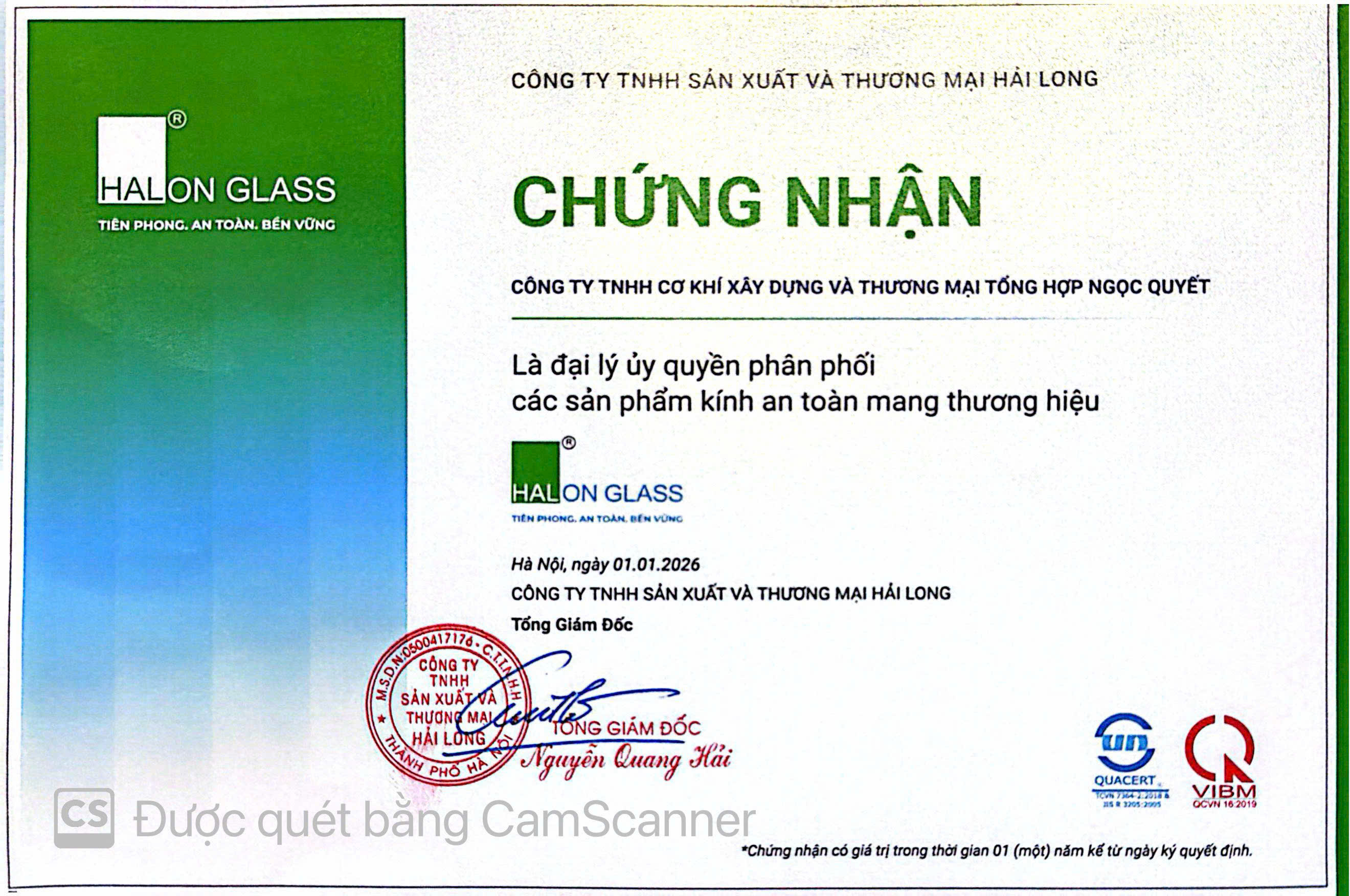 Ngoc Quyet Company specializes in distributing construction glass to glass dealers, aluminum and glass contractors, processing workshops, and construction projects. For large orders, customers should provide the type of glass, thickness, size, quantity, and delivery location to receive appropriate configuration advice and pricing.