
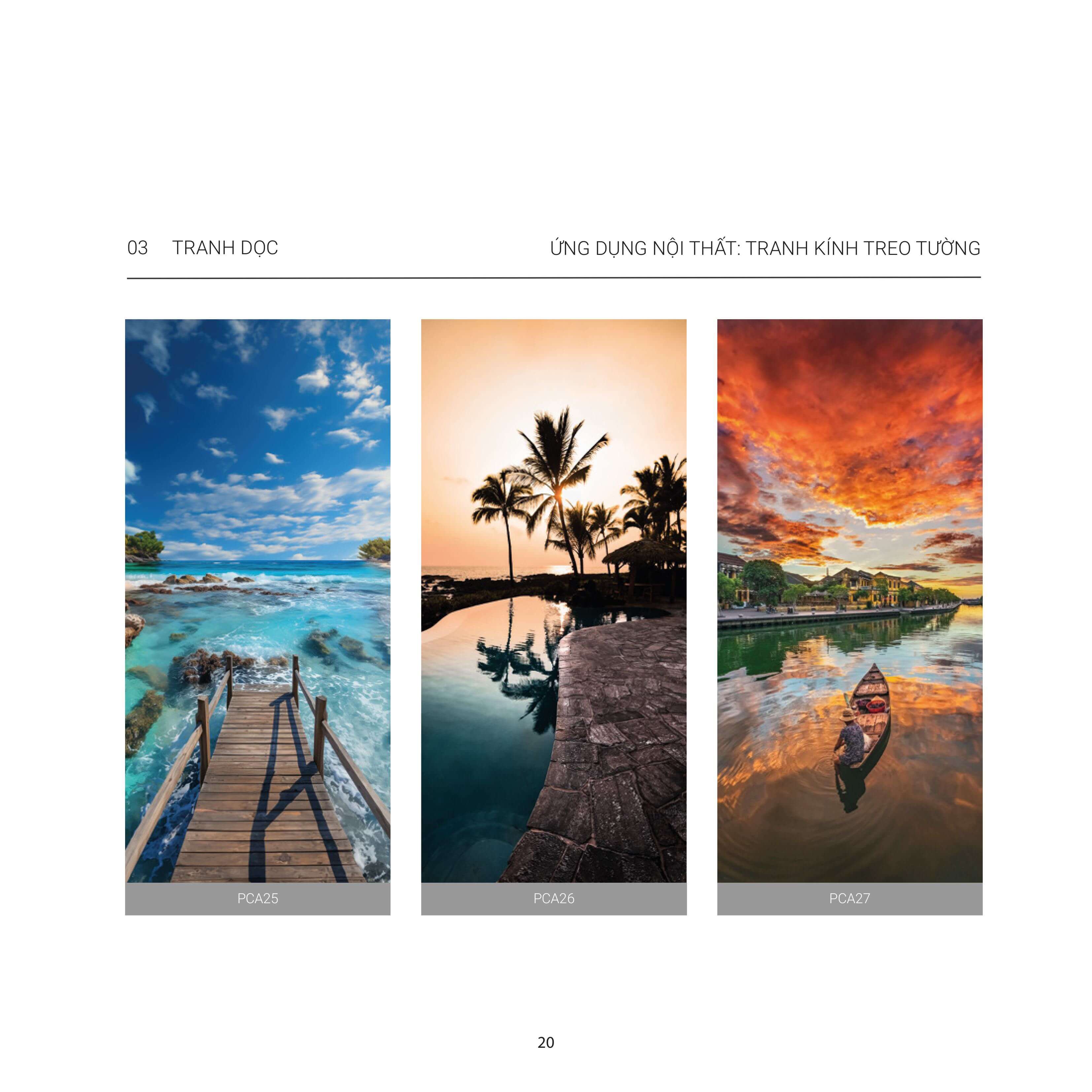
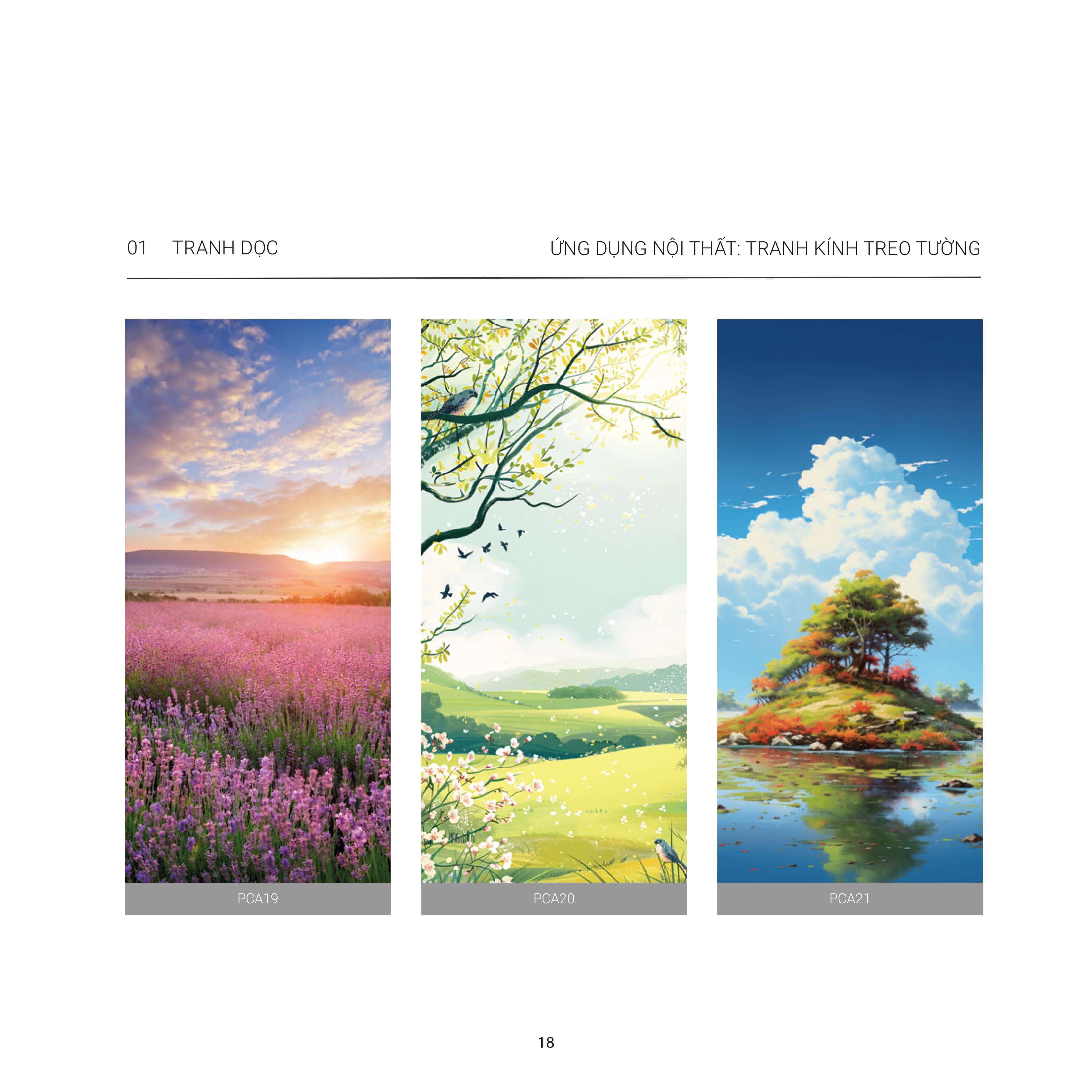
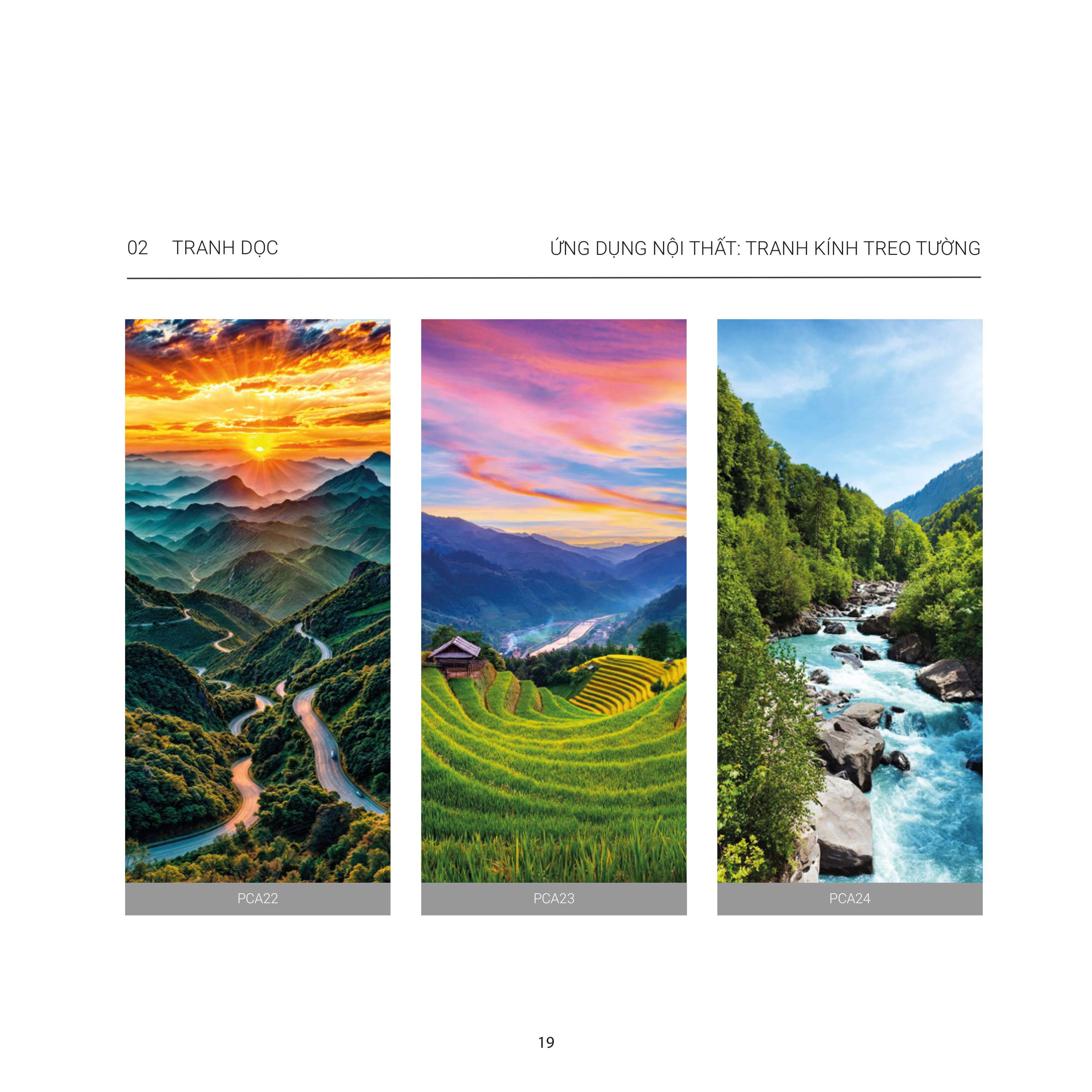
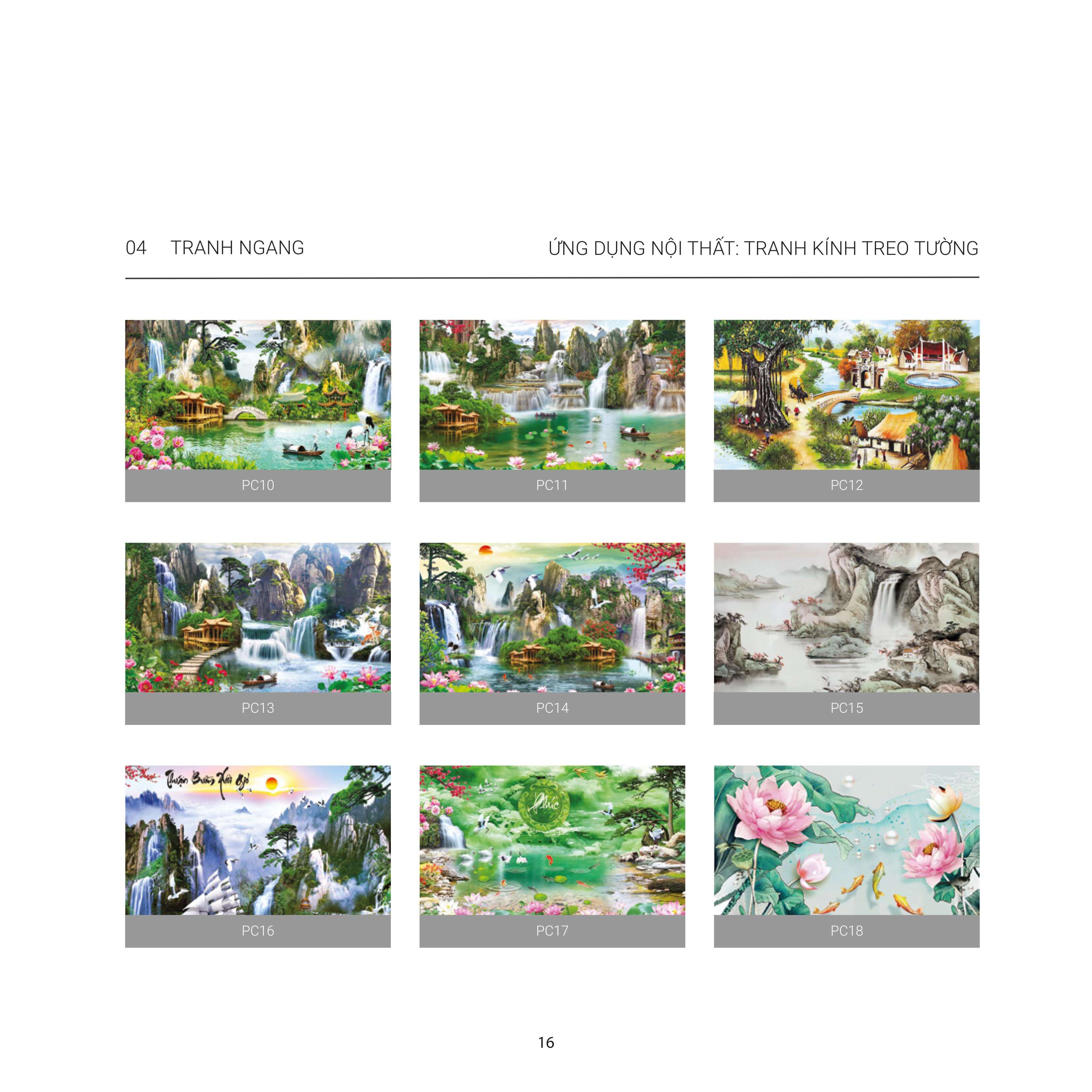
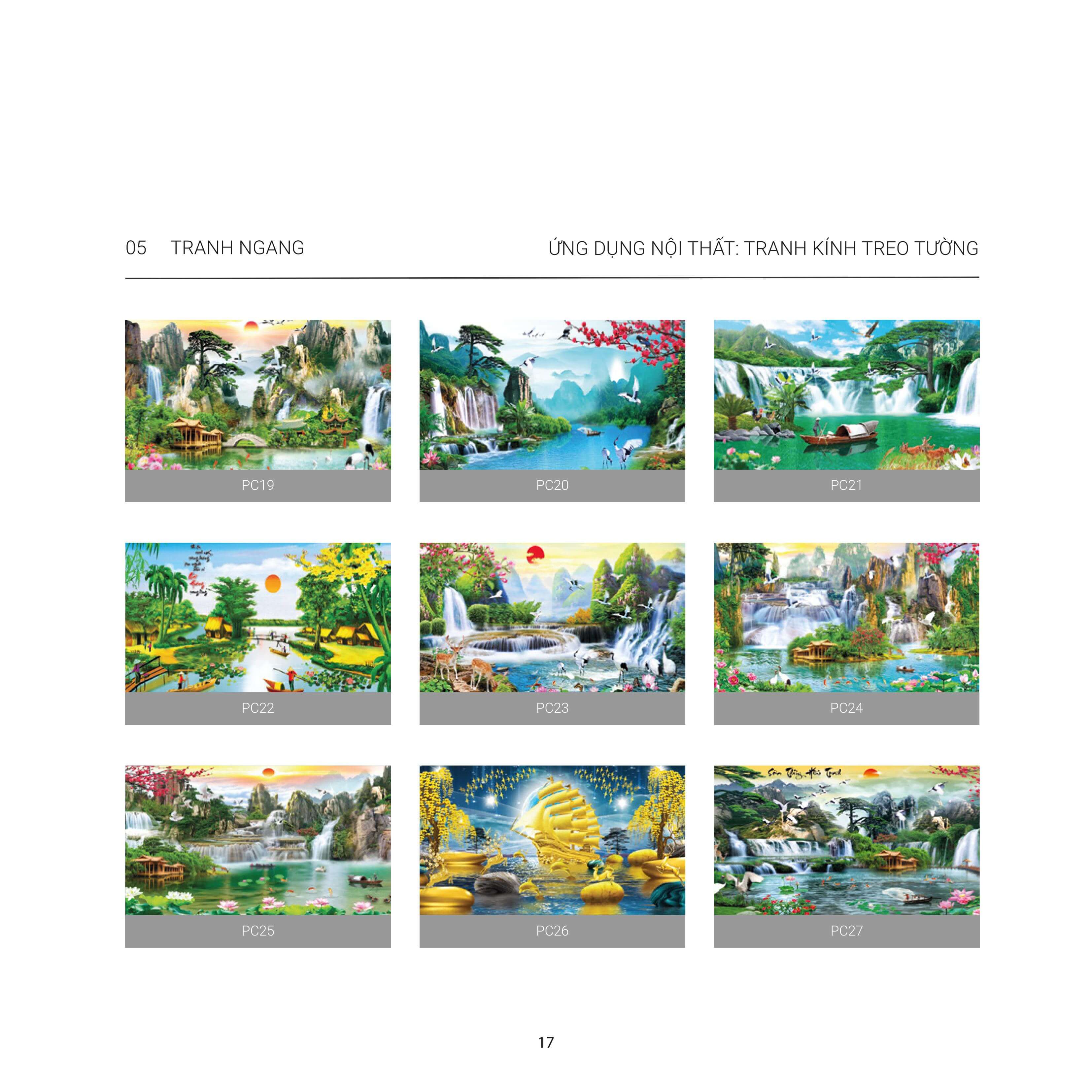
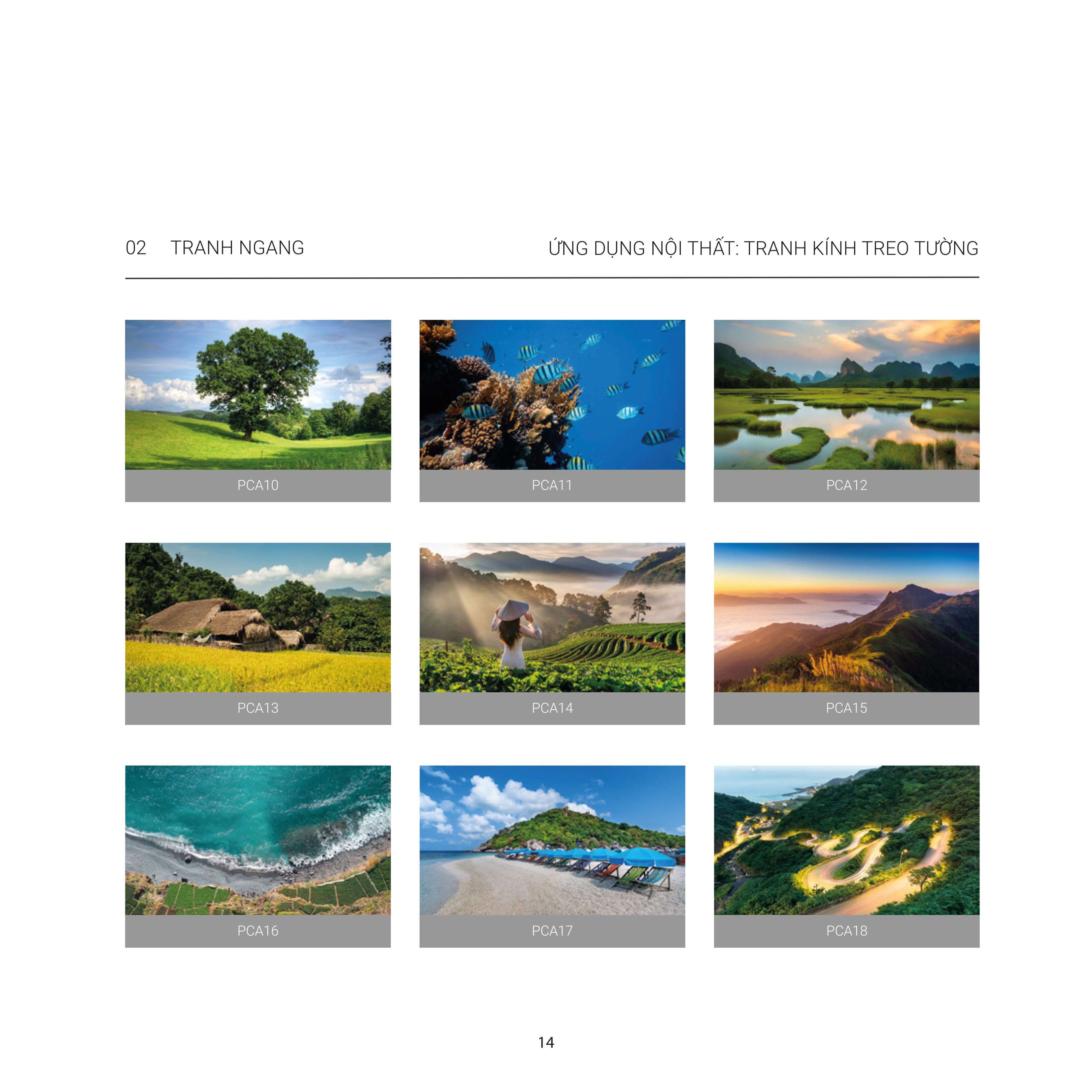
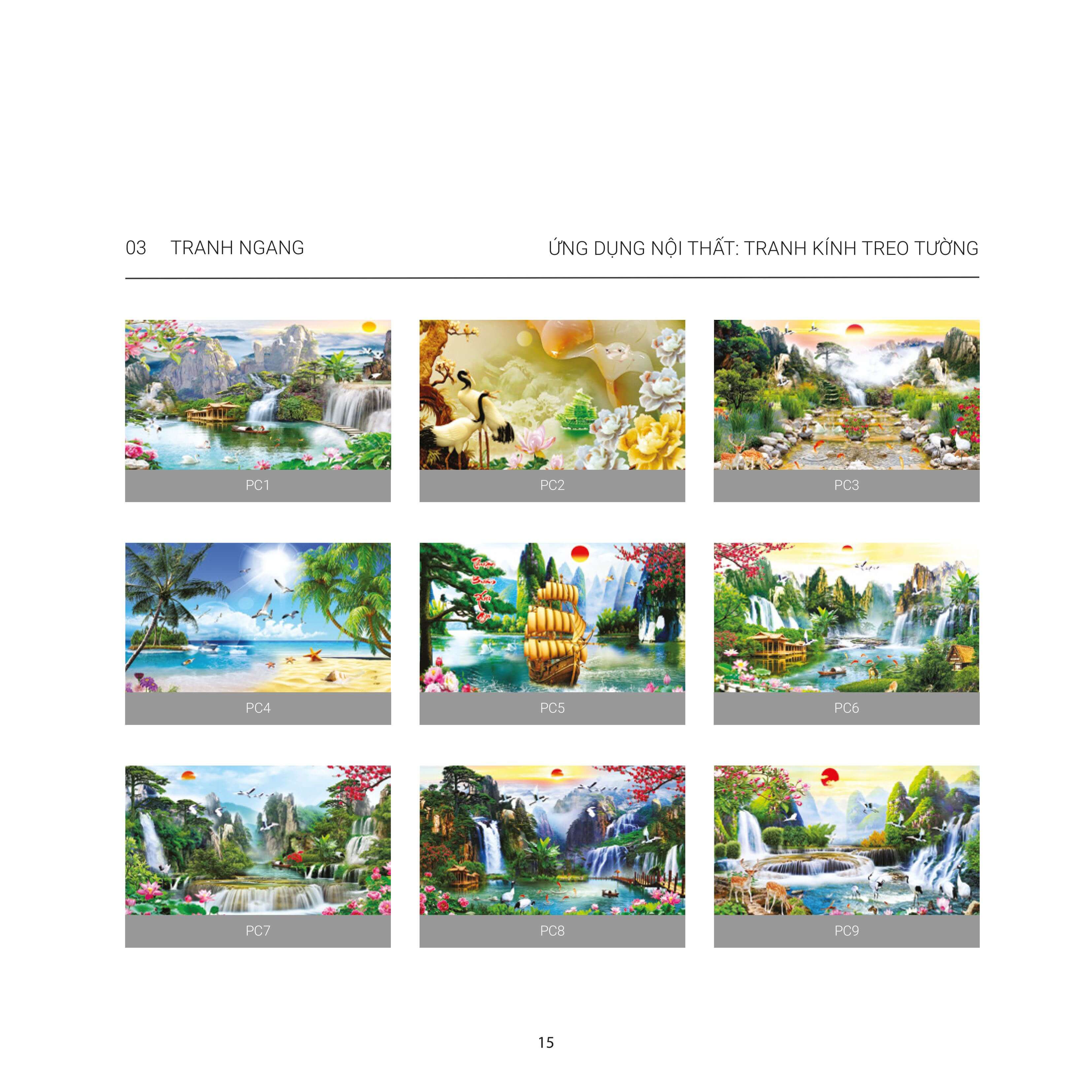
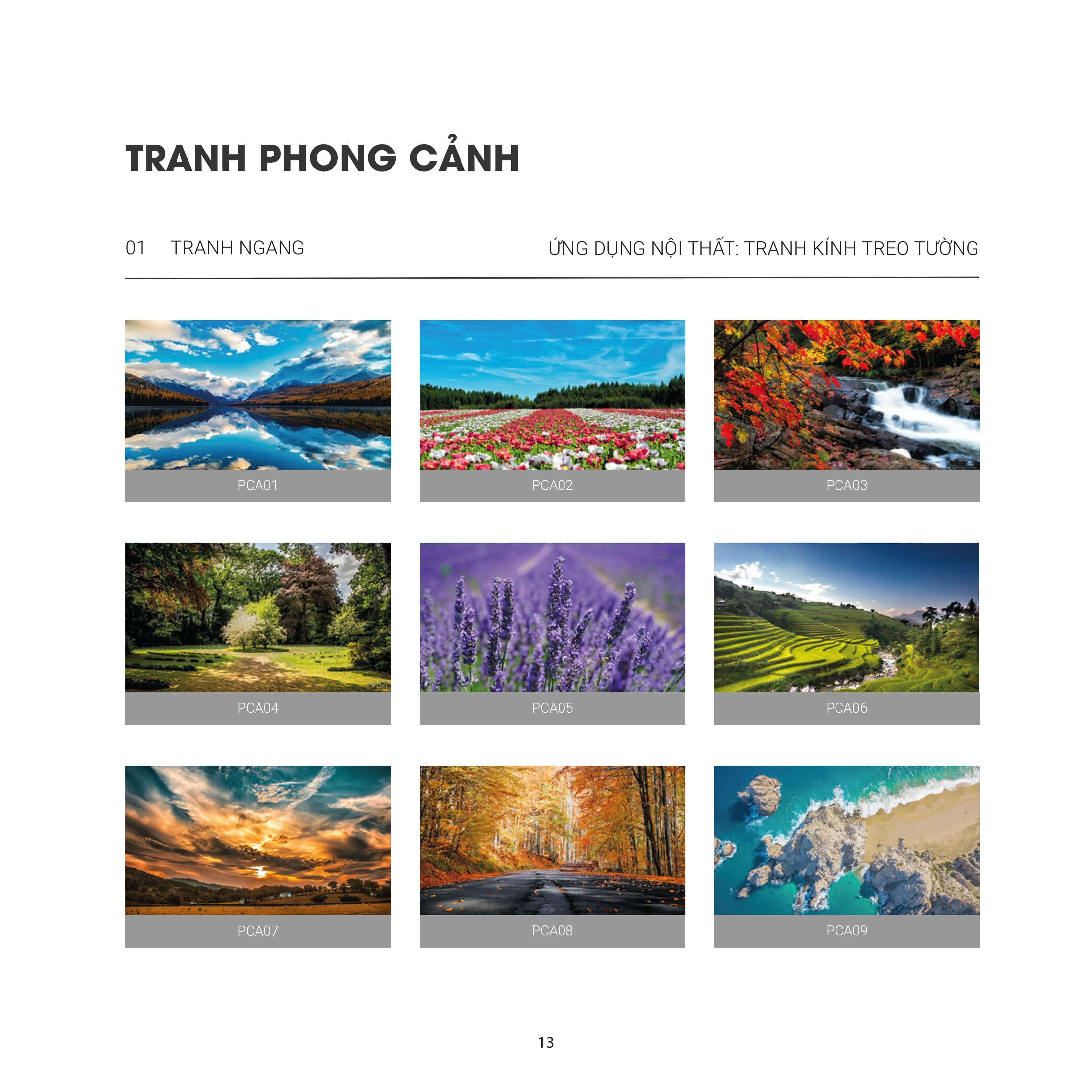
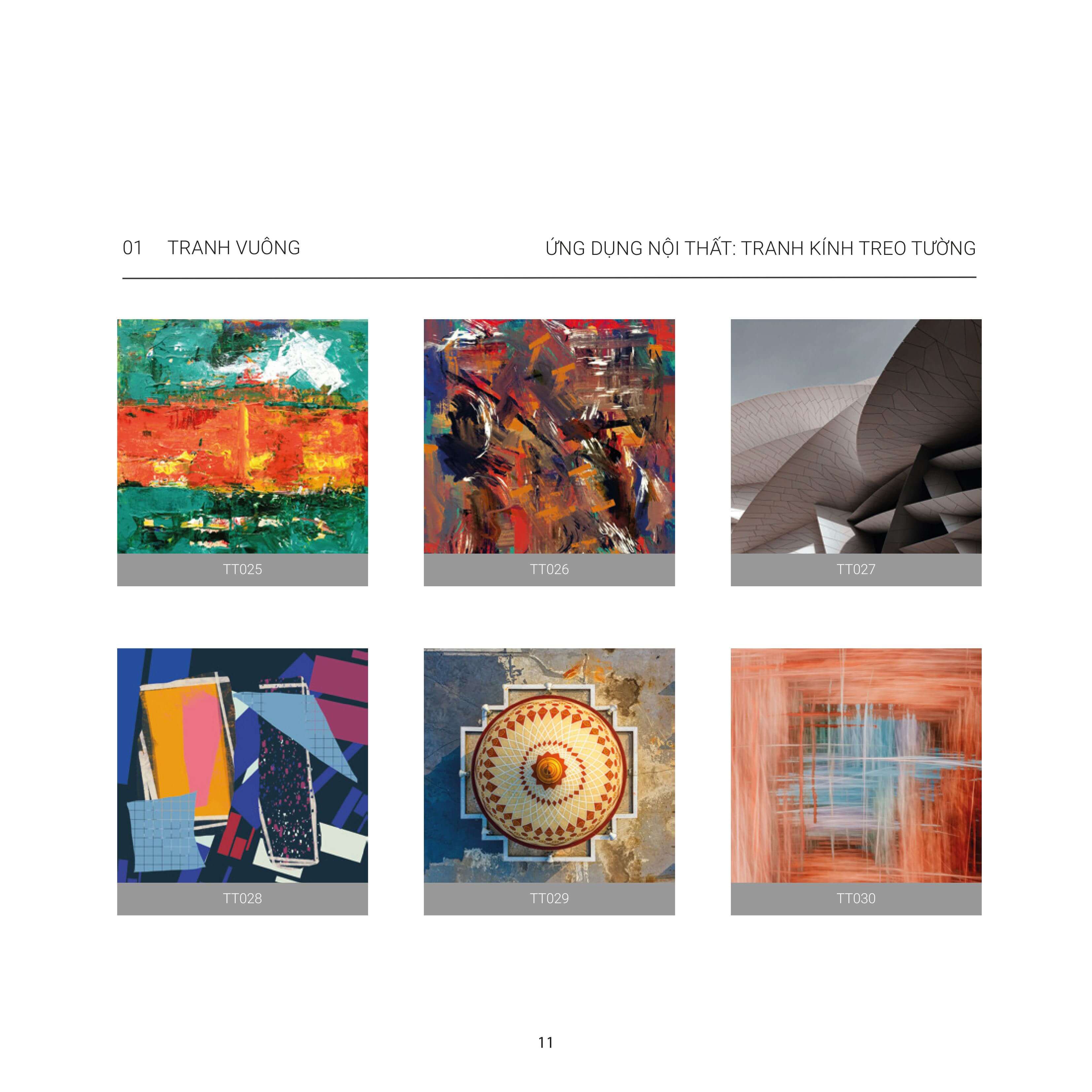
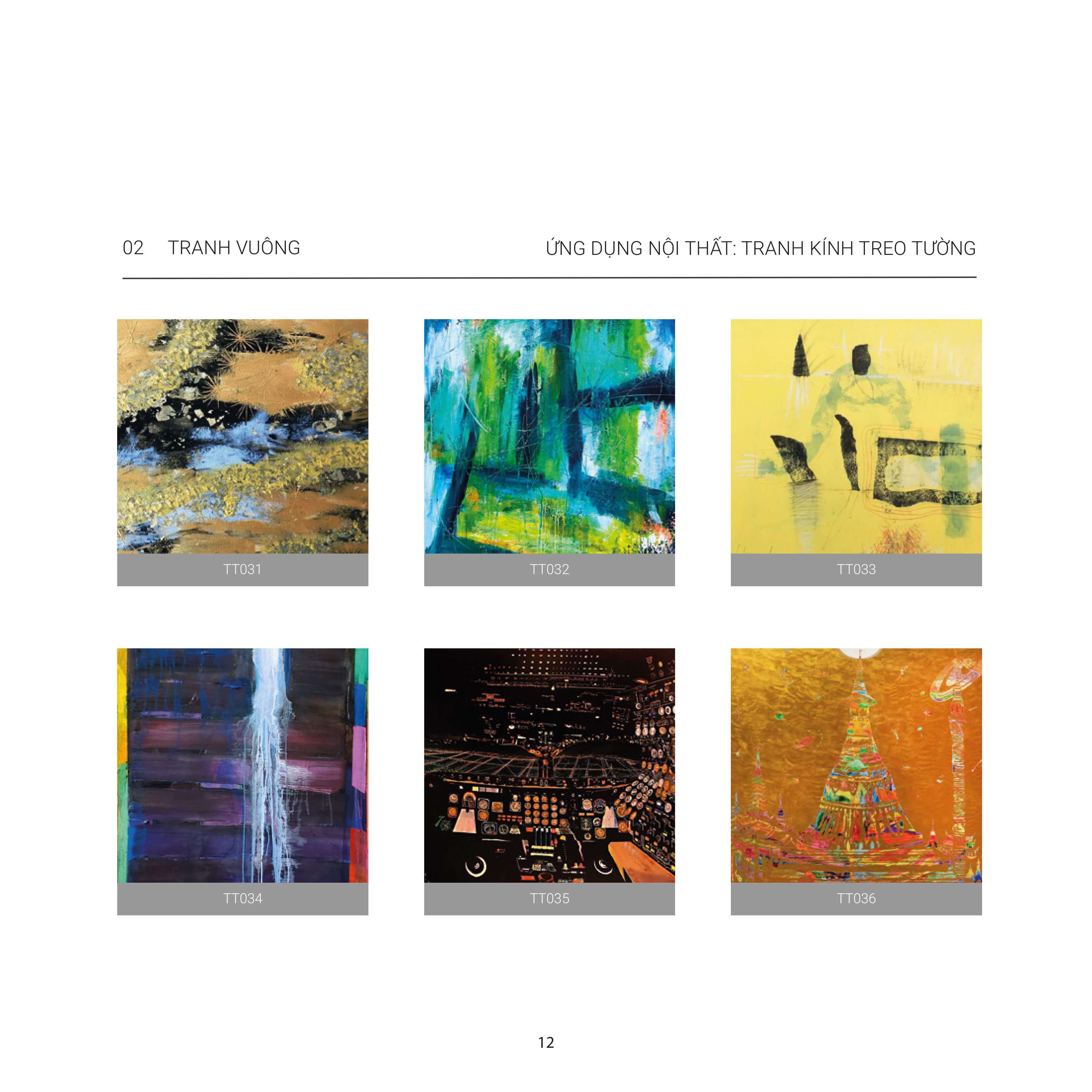
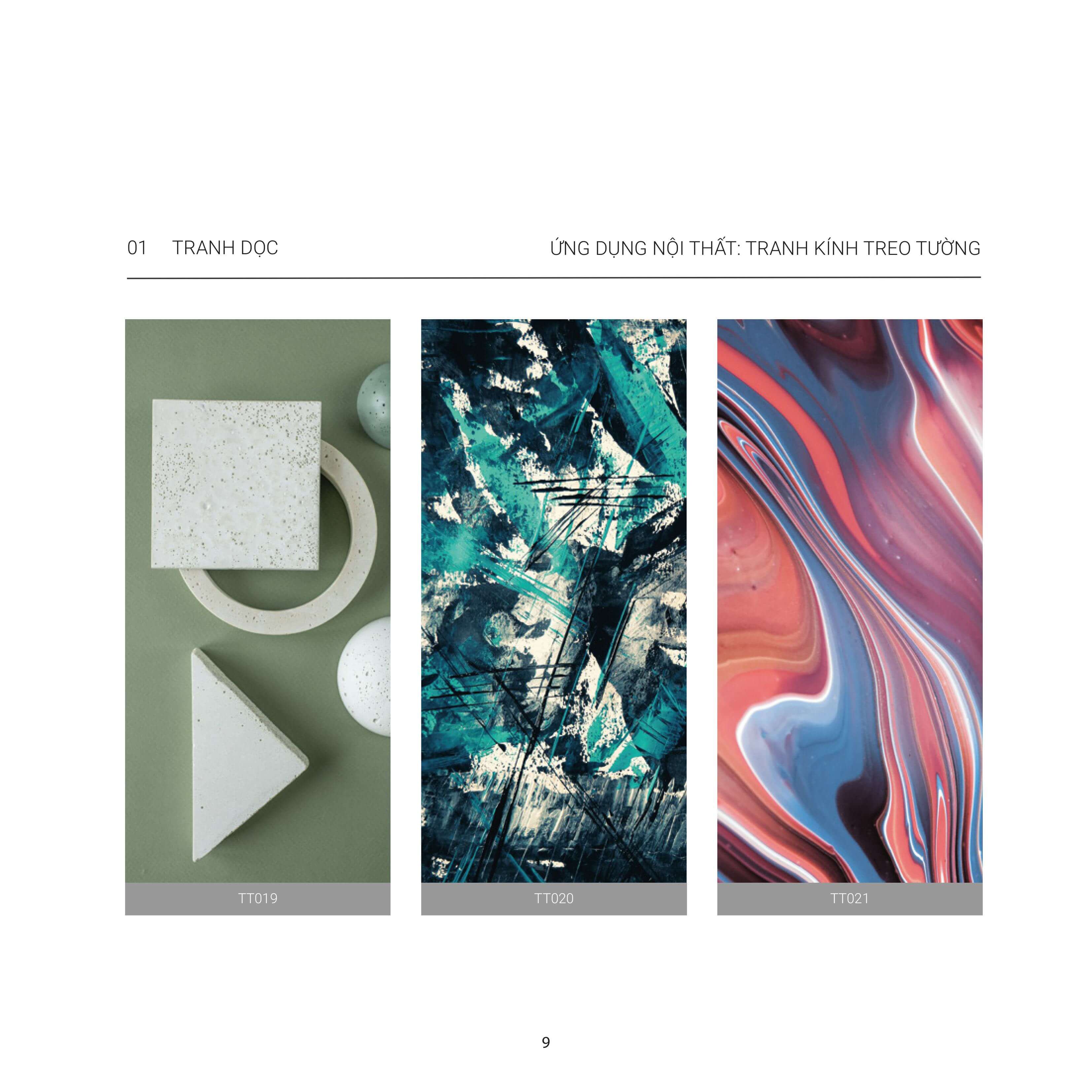
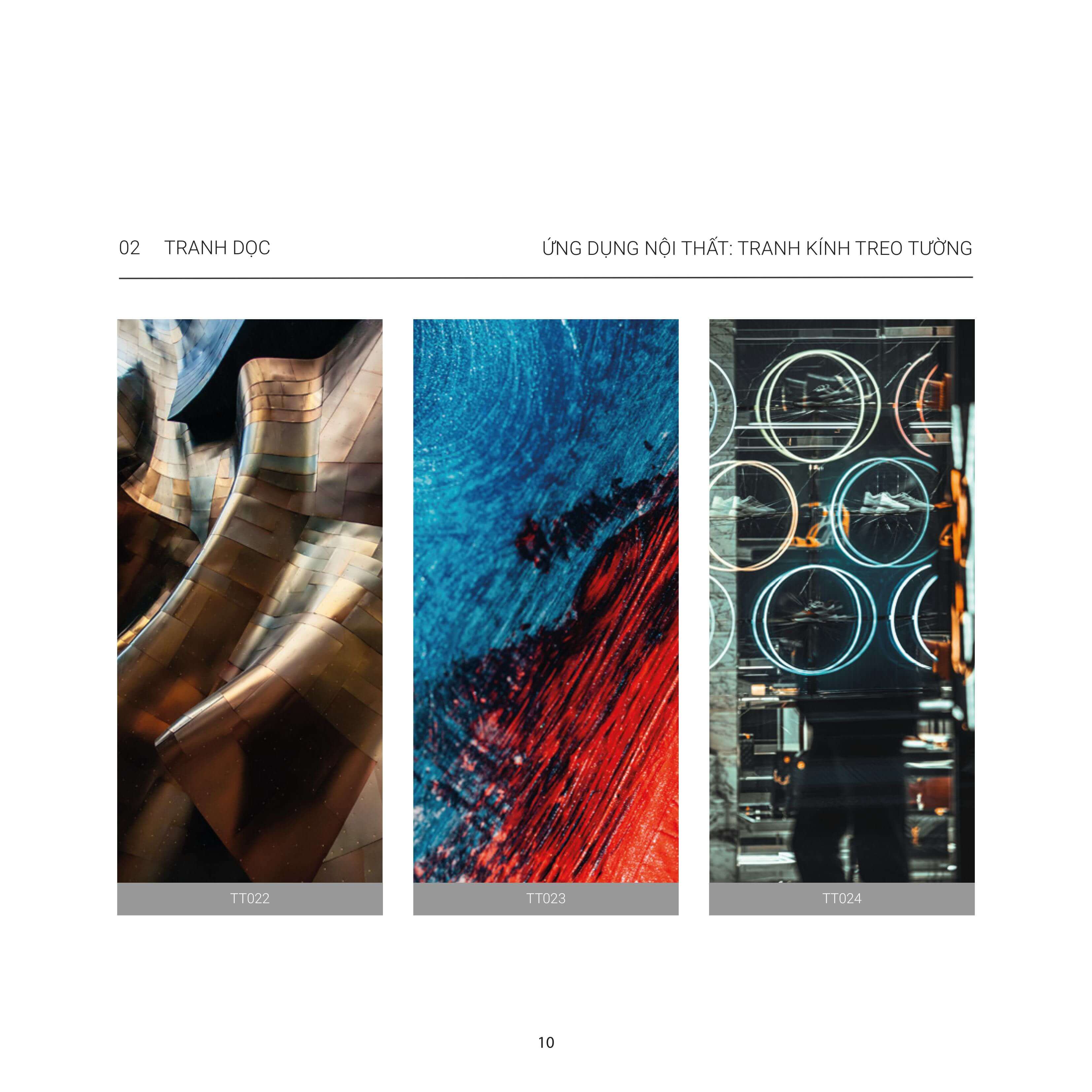
Inkjet printed art glass
Inkjet printed glass – A modern, durable, and technically sound interior decoration solution.
The concept of inkjet stained glass and the principles of printing technology on glass.
Structure, thickness, and standard specifications of inkjet-printed glass paintings.
- Base glass layer: Tempered glass or ordinary glass, which can be clear glass, ultra-clear glass, or colored glass.
- Inkjet printing layer: UV ink or solvent-based ink specifically designed for glass surfaces, printed directly using a digital inkjet printer.
- Rear protection layer: Paint, protective film, or adhesive layer enhances durability and scratch resistance on the back, while also concealing the adhesive system and accessories.
- Installation accessories: Neutral silicone sealant, specialized glass adhesive, trim strips, aluminum frame, wooden frame, or mechanical support system.
Basic technical specifications table for inkjet printed glassCategory Reference specifications Structure Tempered glass or regular glass + direct UV inkjet printing + backing protection layer (paint or film) + installation accessories Thickness 5 mm, 6 mm, 8 mm, 10 mm, 12 mm depending on the application and load-bearing requirements. Specifications Cut to the actual dimensions of the project; the maximum width depends on the raw glass sheet and transportation conditions (usually up to 2400–3000 mm). Standard Tempered glass meets TCVN/EN/ASTM safety standards; UV ink specifically designed for glass, with high adhesion and colorfastness. Application Kitchen cladding, living room wall cladding, partitions, wall art, signage, reception backdrops, showroom decoration, spa, hotel, restaurant decoration. Advantage Sharp images, long-lasting colors, moisture-resistant, easy to clean, heat-resistant, highly aesthetically pleasing, and flexible design customization. Limit Heavy weight, requires advanced installation techniques, difficult to change patterns once fixed, and more expensive than conventional decorative materials. Quote Priced per square meter, depending on the type of glass, thickness, printing technology, design complexity, and order volume. Delivery Custom manufacturing takes place, with production and delivery times typically ranging from 5 to 10 working days, depending on scale and technical requirements.
Practical applications of inkjet-printed stained glass in interior design and architecture.
Common types of inkjet-printed stained glass categorized by purpose.- Inkjet-printed glass panels for kitchen backsplashes: Focusing on heat resistance, moisture resistance, and ease of cleaning, they typically use 6-8 mm tempered glass and feature printed images of landscapes, fruits, nature, and abstract patterns.
- Inkjet-printed glass art for the living room: Prioritizing aesthetics and feng shui, large sizes are preferred, suitable for covering entire walls or as large wall hangings, using 8-10 mm thick glass.
- Inkjet-printed glass partitions: Combining the functions of space division and decoration, they typically use 10–12 mm tempered glass and can be printed with frosted or semi-transparent patterns to retain natural light.
- Inkjet printed glass for commercial projects: Focus on brand identity, printing logos, product images, and design concepts that are consistent with the interior space.
Advantages, limitations, and factors affecting the pricing of inkjet-printed stained glass;
Technical limitations and considerations when using inkjet-printed stained glass;
Advantages of inkjet-printed stained glass;
Applications of inkjet-printed stained glass in interior design.
The concept of inkjet stained glass and the principles of printing technology on glass.
Structure, thickness, and standard specifications of inkjet-printed glass paintings.
- Base glass layer: Tempered glass or ordinary glass, which can be clear glass, ultra-clear glass, or colored glass.
- Inkjet printing layer: UV ink or solvent-based ink specifically designed for glass surfaces, printed directly using a digital inkjet printer.
- Rear protection layer: Paint, protective film, or adhesive layer enhances durability and scratch resistance on the back, while also concealing the adhesive system and accessories.
- Installation accessories: Neutral silicone sealant, specialized glass adhesive, trim strips, aluminum frame, wooden frame, or mechanical support system.
| Category | Reference specifications |
|---|---|
| Structure | Tempered glass or regular glass + direct UV inkjet printing + backing protection layer (paint or film) + installation accessories |
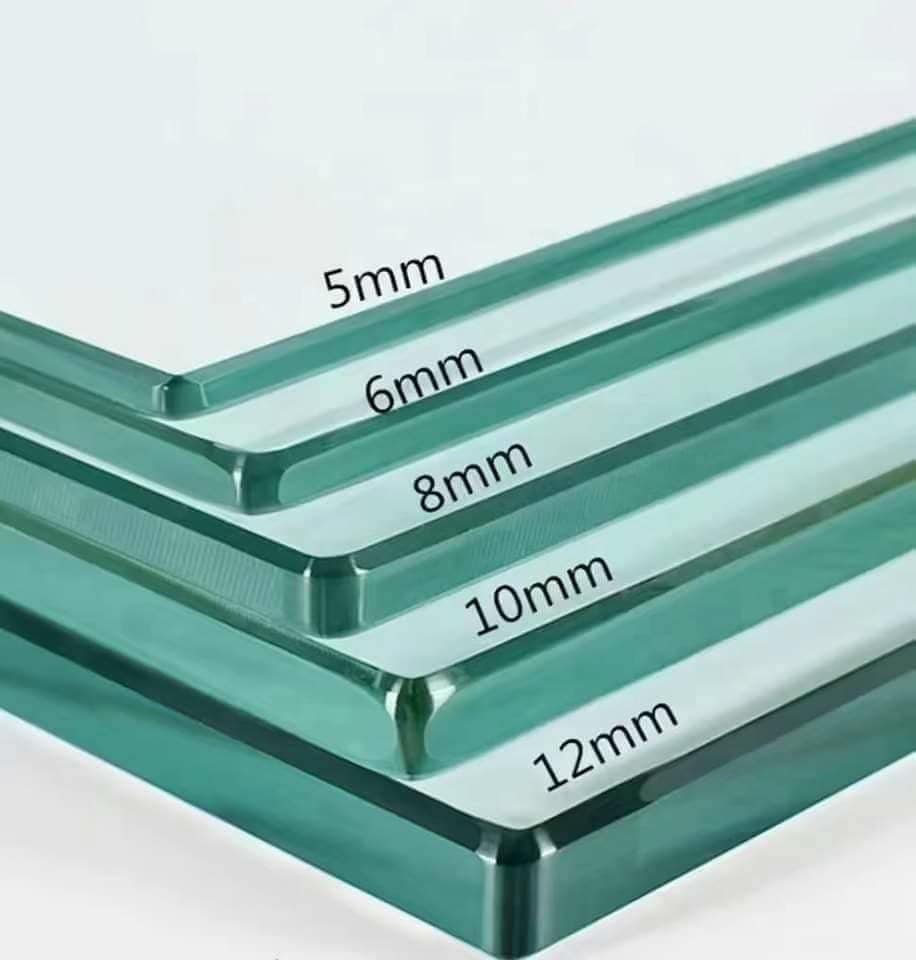
| Thickness | 5 mm, 6 mm, 8 mm, 10 mm, 12 mm depending on the application and load-bearing requirements. |
| Specifications | Cut to the actual dimensions of the project; the maximum width depends on the raw glass sheet and transportation conditions (usually up to 2400–3000 mm). |
| Standard | Tempered glass meets TCVN/EN/ASTM safety standards; UV ink specifically designed for glass, with high adhesion and colorfastness. |
| Application | Kitchen cladding, living room wall cladding, partitions, wall art, signage, reception backdrops, showroom decoration, spa, hotel, restaurant decoration. |
| Advantage | Sharp images, long-lasting colors, moisture-resistant, easy to clean, heat-resistant, highly aesthetically pleasing, and flexible design customization. |
| Limit | Heavy weight, requires advanced installation techniques, difficult to change patterns once fixed, and more expensive than conventional decorative materials. |
| Quote | Priced per square meter, depending on the type of glass, thickness, printing technology, design complexity, and order volume. |
| Delivery | Custom manufacturing takes place, with production and delivery times typically ranging from 5 to 10 working days, depending on scale and technical requirements. |
Practical applications of inkjet-printed stained glass in interior design and architecture.
Common types of inkjet-printed stained glass categorized by purpose.
- Inkjet-printed glass panels for kitchen backsplashes: Focusing on heat resistance, moisture resistance, and ease of cleaning, they typically use 6-8 mm tempered glass and feature printed images of landscapes, fruits, nature, and abstract patterns.
- Inkjet-printed glass art for the living room: Prioritizing aesthetics and feng shui, large sizes are preferred, suitable for covering entire walls or as large wall hangings, using 8-10 mm thick glass.
- Inkjet-printed glass partitions: Combining the functions of space division and decoration, they typically use 10–12 mm tempered glass and can be printed with frosted or semi-transparent patterns to retain natural light.
- Inkjet printed glass for commercial projects: Focus on brand identity, printing logos, product images, and design concepts that are consistent with the interior space.
Technical limitations and considerations when using inkjet-printed stained glass;
Advantages of inkjet-printed stained glass;
Applications of inkjet-printed stained glass in interior design.
Inkjet-printed glass art is a type of interior decoration that uses tempered or regular glass as a base, then applies digital inkjet printing technology to directly print images, patterns, and designs onto the glass surface. Specialized inks adhere to the glass through surface treatment and a drying process, creating high-definition images with vibrant colors, long-lasting color retention, and resistance to environmental factors.
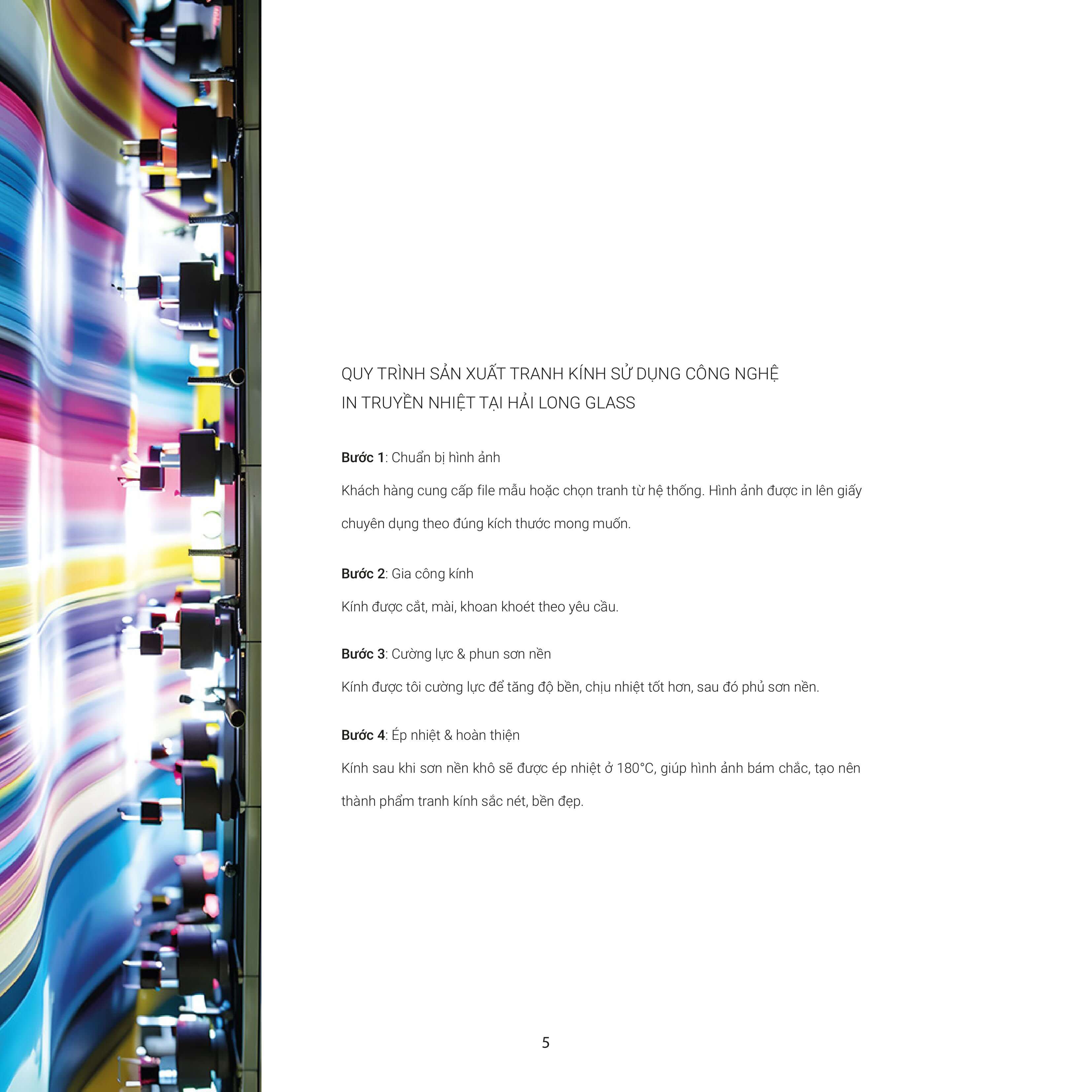
In principle, UV inkjet printing on glass uses a digital printhead to spray ultra-fine ink particles onto a cleaned and treated glass surface. Immediately after the ink is sprayed, a UV lamp system shines directly on it to dry and cure the ink layer, creating a coating that adheres firmly to the glass. As a result, inkjet-printed glass can achieve high resolution, print fine details, and have smooth color transitions, while minimizing peeling and fading even with long-term use in humid, high-temperature environments such as kitchens or bathrooms.
Compared to methods like applying decals or printing on film and then pressing it onto glass, direct inkjet-printed glass offers superior durability, is free from air bubbles, material shrinkage, and yellowing over time. This is why the product is the preferred choice for architects, interior contractors, and investors for high-end residential buildings, showrooms, hotels, restaurants, spas, and offices.
The composition of inkjet-printed stained glass depends on the intended use, installation location, and technical requirements of each project. However, fundamentally, a complete set of inkjet-printed stained glass usually includes the following main layers:
In terms of thickness, glass used for inkjet-printed stained glass typically ranges from 5 mm to 12 mm. For kitchen backsplashes, wall cladding, and decorative partitions, common thicknesses are 6 mm, 8 mm, or 10 mm. For applications requiring higher load-bearing capacity, such as partitions, railings, and countertops, 10 mm or 12 mm tempered glass can be used to ensure safety. Glass thickness directly affects weight, load-bearing capacity, flatness, and construction costs, so it needs to be calculated appropriately based on the wall structure, frame system, and installation plan.
The dimensions of inkjet-printed stained glass are usually produced according to the actual requirements of the project. The maximum size depends on the size of the original glass sheet and the transportation capacity, typically ranging from 2400–3000 mm in length and 1200–2000 mm in height per sheet. For large wall areas, stained glass can be divided into multiple interconnected sheets, ensuring the correct glass size while facilitating transportation, installation, and future maintenance.
Inkjet-printed glass is not just a simple decorative material, but also a solution that combines aesthetics, functionality, and durability. Thanks to its ability to print any image on demand, the product easily meets many different design styles, from modern and minimalist to classic, neoclassical, East Asian, or European styles.
In kitchen spaces, inkjet-printed glass backsplashes are one of the most popular applications. Installed on the wall behind the stovetop, the glass protects the wall from grease and steam while also creating an aesthetic focal point with themes such as flowers, landscapes, abstract designs, and geometric patterns. The flat, waterproof glass surface is easy to clean, making kitchen maintenance quicker and more convenient than with traditional tiles or painted walls.
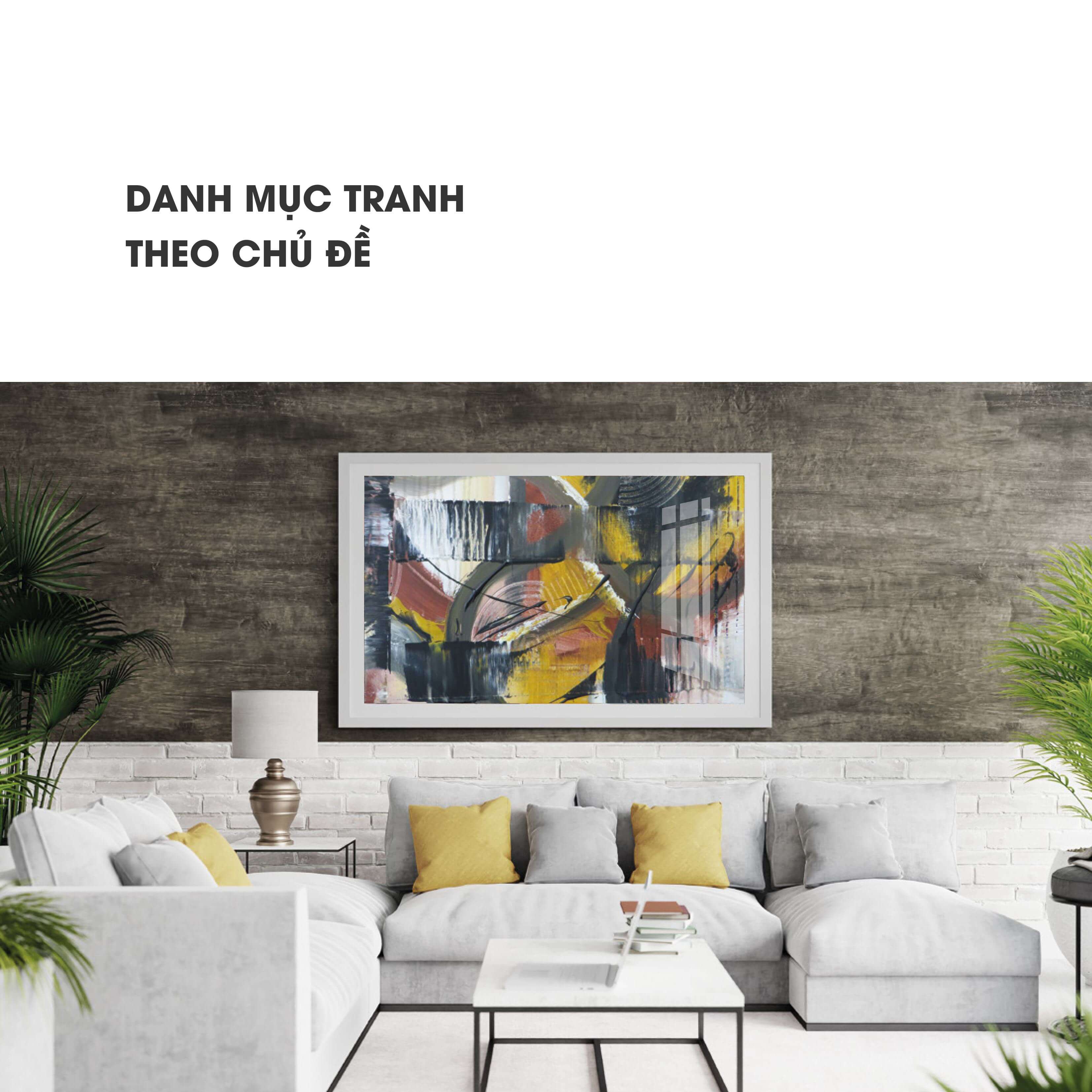
In the living room, inkjet-printed glass wall art, whether hung on the wall or covering the entire wall behind the sofa or TV stand, creates a luxurious and modern spatial effect. The images can be feng shui paintings, art pieces, landscape paintings, cityscapes, or exclusive graphic designs based on the homeowner's ideas. Thanks to the gloss and light-reflecting properties of glass, the living room space appears more spacious, brighter, and has greater depth.
For commercial projects such as hotels, restaurants, cafes, spas, and showrooms, inkjet-printed decorative glass is used for lobbies, reception areas, partitions, signage, and photo backdrops. Brand images, logos, slogans, and identifying patterns are printed directly onto the glass, creating a professional, consistent, and memorable appearance for customers. In addition, inkjet-printed glass is also used for bathrooms, saunas, bedroom glass partitions, sliding doors, railings, and tabletops, creating a consistent aesthetic throughout the entire project.
Inkjet-printed stained glass is highly valued for its combination of modern printing technology and durable glass materials. However, to choose and use it effectively, it is necessary to understand both the advantages and limitations, as well as the factors affecting the investment cost.
In terms of advantages, inkjet-printed glass stands out for its ability to reproduce images with high resolution, true-to-life colors, a wide color gamut, and the ability to print even small details and complex color transitions. UV printing technology ensures the ink adheres firmly to the glass surface, providing a certain degree of scratch resistance and minimizing fading under the influence of light and temperature. Glass is a waterproof material, resistant to mold and mildew, and does not warp, making it very suitable for hot and humid climates and environments with high humidity such as kitchens and bathrooms.
In terms of cleaning and maintenance, inkjet-printed stained glass surfaces are smooth, less prone to dirt buildup, and easy to clean with a soft cloth and common cleaning solutions. Compared to painted walls, wallpaper, or engineered wood, glass is less susceptible to grease stains, yellowing, and peeling. The lifespan of inkjet-printed stained glass can last for many years if installed correctly and using high-quality ink.
Furthermore, inkjet-printed stained glass allows for virtually unlimited design customization. Users can choose images from a pre-existing library or provide their own design files, ensuring uniqueness and suitability to the overall interior style. This is especially important for high-end projects, where distinctiveness and consistency in every detail are required.
Despite its many advantages, inkjet-printed glass still has some limitations that need to be considered. First, glass is a heavy material, requiring the wall system, support frame, and installation accessories to be strong enough to withstand the weight. Transportation, handling, and installation require experienced personnel to avoid cracks, breakage, and chipping of the glass edges. Once permanently installed, changing the image or replacing the glass artwork is more complex and expensive compared to lighter materials such as fabric, canvas, or wallpaper.
Technically, inkjet-printed stained glass requires high precision in measuring, cutting, drilling, rounding, and edge finishing. Small measurement errors can result in the glass not fitting properly into the installation space, causing difficulties during construction or affecting the overall aesthetics. Furthermore, the quality of the ink, the printing machine, the glass surface treatment process, and the skill of the equipment operator are also crucial factors determining the colorfastness, sharpness, and scratch resistance of the product.
In terms of cost, inkjet-printed glass is generally more expensive than conventional wall decoration solutions. The price is calculated per square meter and depends on the type of glass (regular or tempered glass, clear or ultra-clear glass), thickness, printing technology, design complexity, number of colors, order volume, and on-site installation requirements. Items requiring extensive processing, such as drilling holes for electrical outlets, cutting holes for equipment, or cutting to special shapes, also increase costs.
Inkjet printed glass – A modern decorative solution.
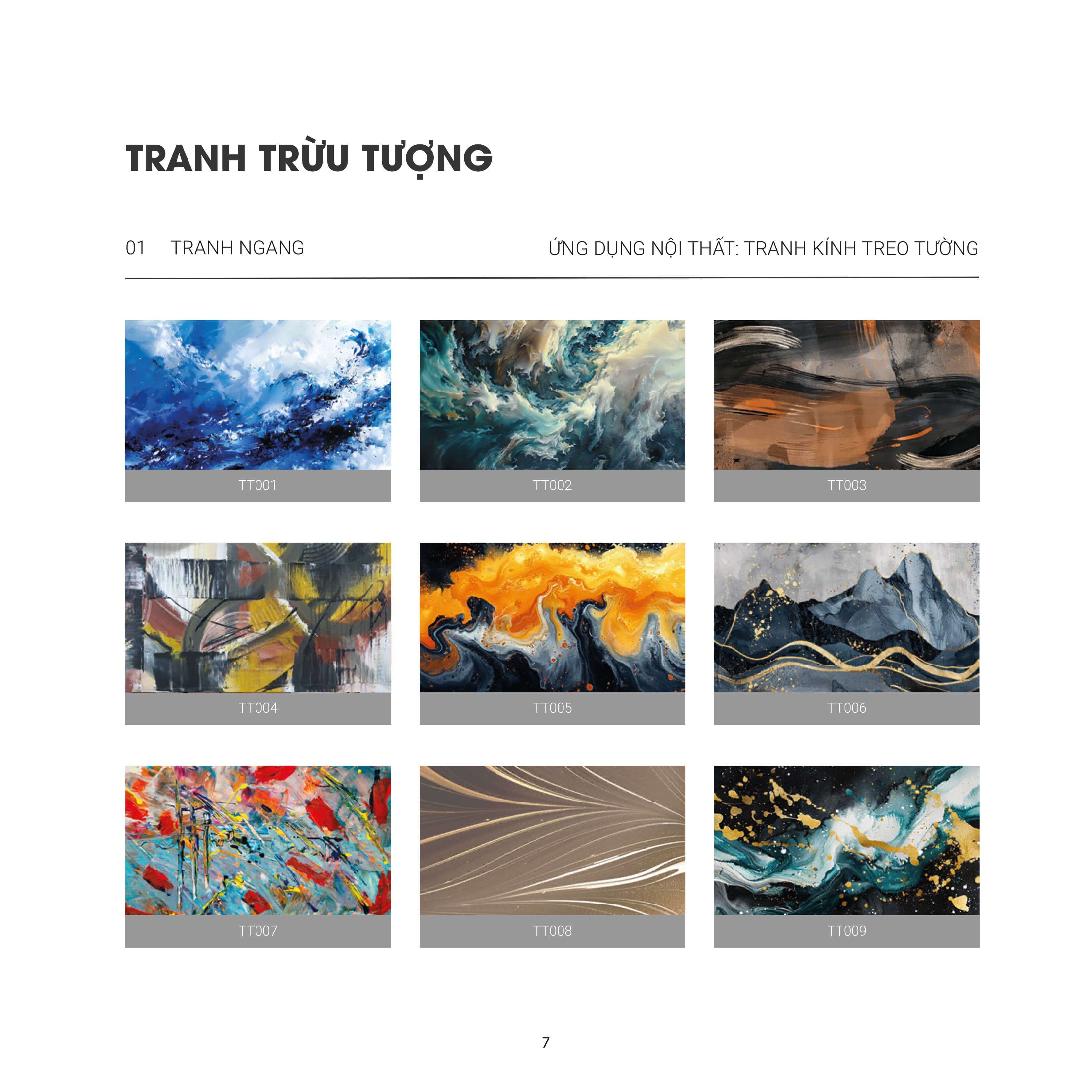
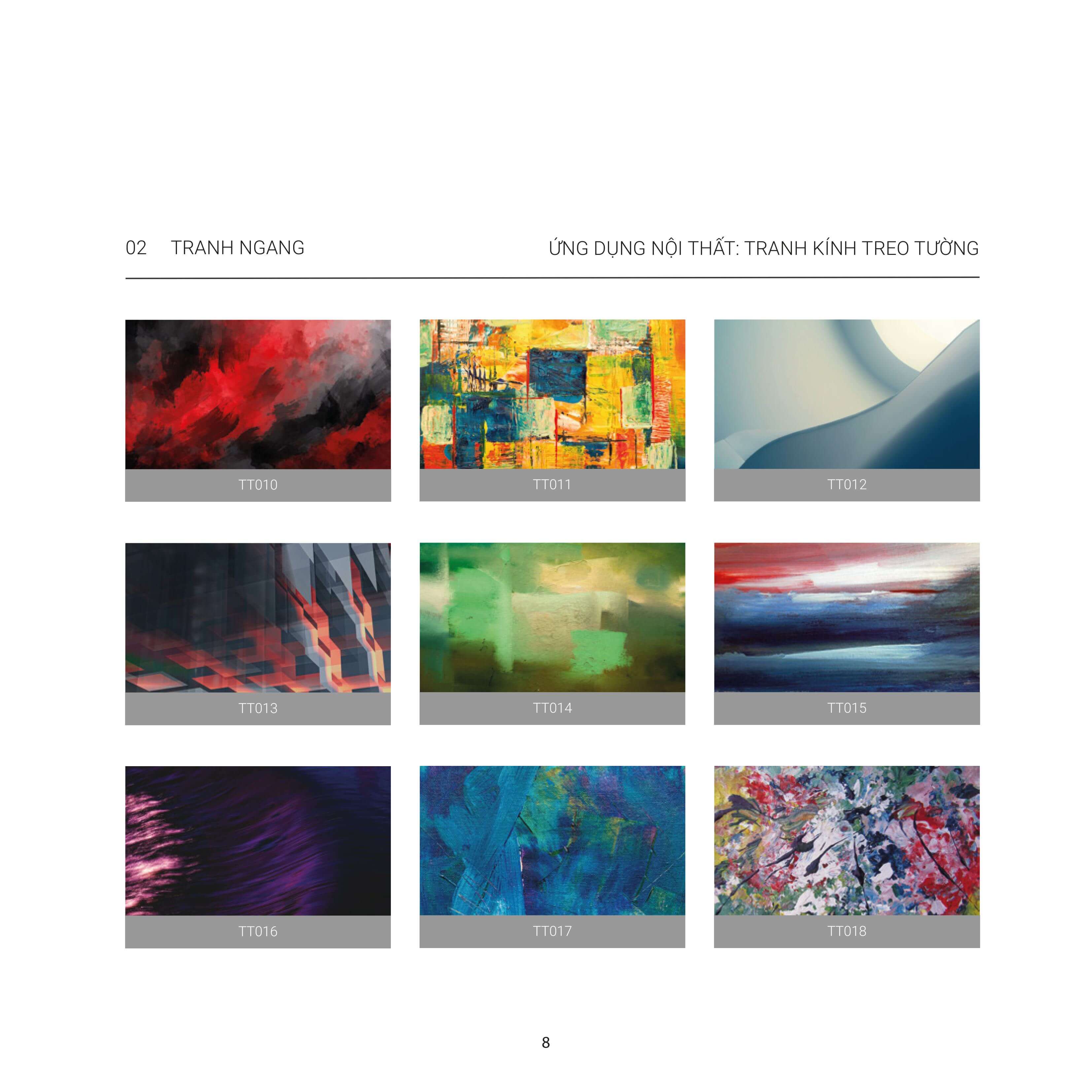
Inkjet-printed glass art is one of the most popular interior design trends today, thanks to its ability to create sharp, vibrant images on glass surfaces. Inkjet technology helps reproduce diverse colors and exquisite details, suitable for a variety of spaces from homes to offices, shops, and hotels.
Inkjet-printed glass paintings not only offer high aesthetic appeal but also superior durability, scratch resistance, and heat resistance. The use of high-quality ink ensures that the images do not fade over time, keeping the space looking fresh and elegant.
Inkjet-printed glass art is widely used in the design of partitions, glass doors, glass walls, and other decorative surfaces. Thanks to its design flexibility, users can easily choose patterns that suit their personal style and needs, from traditional floral motifs to modern, abstract images.
When choosing inkjet-printed stained glass , prioritize experienced companies that use safety-certified glass, genuine inks, high-resolution industrial printers, and a rigorous quality control process. Proper consultation, on-site surveys, and the provision of suitable technical solutions will optimize costs, ensure safety, and extend the product's lifespan.
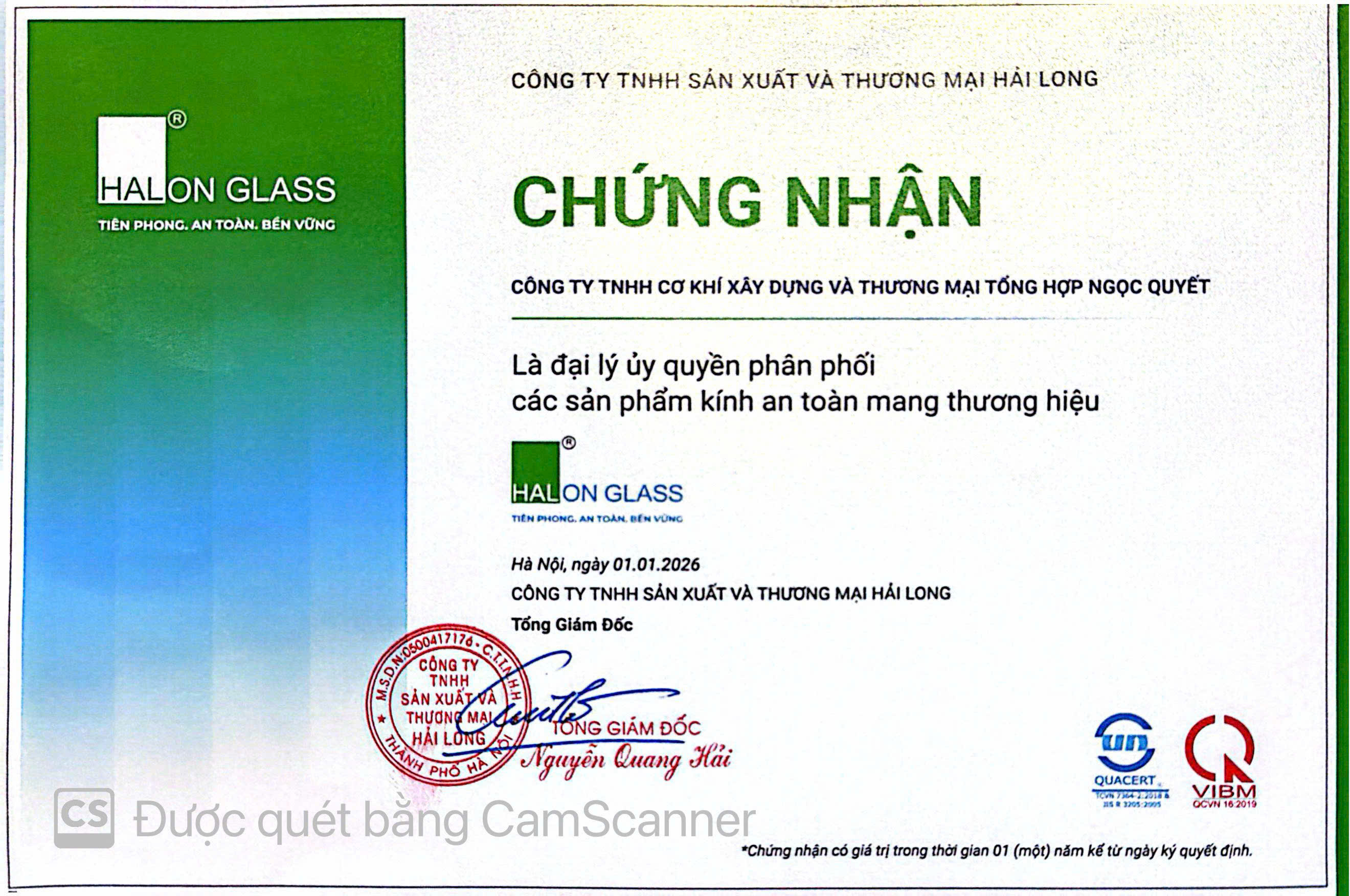
Ngoc Quyet specializes in distributing construction glass to glass dealers, aluminum and glass contractors, processing workshops, and construction projects. For large orders, customers should provide the type of glass, thickness, size, quantity, and delivery location to receive appropriate configuration advice and pricing.
Need an accurate quote for your glass order? Please send the type of glass, thickness, dimensions, quantity, and delivery address. HOTLINE / ZALO: 0966.321.655
In principle, UV inkjet printing on glass uses a digital printhead to spray ultra-fine ink particles onto a cleaned and treated glass surface. Immediately after the ink is sprayed, a UV lamp system shines directly on it to dry and cure the ink layer, creating a coating that adheres firmly to the glass. As a result, inkjet-printed glass can achieve high resolution, print fine details, and have smooth color transitions, while minimizing peeling and fading even with long-term use in humid, high-temperature environments such as kitchens or bathrooms.
Compared to methods like applying decals or printing on film and then pressing it onto glass, direct inkjet-printed glass offers superior durability, is free from air bubbles, material shrinkage, and yellowing over time. This is why the product is the preferred choice for architects, interior contractors, and investors for high-end residential buildings, showrooms, hotels, restaurants, spas, and offices.
The composition of inkjet-printed stained glass depends on the intended use, installation location, and technical requirements of each project. However, fundamentally, a complete set of inkjet-printed stained glass usually includes the following main layers:
In terms of thickness, glass used for inkjet-printed stained glass typically ranges from 5 mm to 12 mm. For kitchen backsplashes, wall cladding, and decorative partitions, common thicknesses are 6 mm, 8 mm, or 10 mm. For applications requiring higher load-bearing capacity, such as partitions, railings, and countertops, 10 mm or 12 mm tempered glass can be used to ensure safety. Glass thickness directly affects weight, load-bearing capacity, flatness, and construction costs, so it needs to be calculated appropriately based on the wall structure, frame system, and installation plan.
The dimensions of inkjet-printed stained glass are usually produced according to the actual requirements of the project. The maximum size depends on the size of the original glass sheet and the transportation capacity, typically ranging from 2400–3000 mm in length and 1200–2000 mm in height per sheet. For large wall areas, stained glass can be divided into multiple interconnected sheets, ensuring the correct glass size while facilitating transportation, installation, and future maintenance.
Inkjet-printed glass is not just a simple decorative material, but also a solution that combines aesthetics, functionality, and durability. Thanks to its ability to print any image on demand, the product easily meets many different design styles, from modern and minimalist to classic, neoclassical, East Asian, or European styles.
In kitchen spaces, inkjet-printed glass backsplashes are one of the most popular applications. Installed on the wall behind the stovetop, the glass protects the wall from grease and steam while also creating an aesthetic focal point with themes such as flowers, landscapes, abstract designs, and geometric patterns. The flat, waterproof glass surface is easy to clean, making kitchen maintenance quicker and more convenient than with traditional tiles or painted walls.
In the living room, inkjet-printed glass wall art, whether hung on the wall or covering the entire wall behind the sofa or TV stand, creates a luxurious and modern spatial effect. The images can be feng shui paintings, art pieces, landscape paintings, cityscapes, or exclusive graphic designs based on the homeowner's ideas. Thanks to the gloss and light-reflecting properties of glass, the living room space appears more spacious, brighter, and has greater depth.
For commercial projects such as hotels, restaurants, cafes, spas, and showrooms, inkjet-printed decorative glass is used for lobbies, reception areas, partitions, signage, and photo backdrops. Brand images, logos, slogans, and identifying patterns are printed directly onto the glass, creating a professional, consistent, and memorable appearance for customers. In addition, inkjet-printed glass is also used for bathrooms, saunas, bedroom glass partitions, sliding doors, railings, and tabletops, creating a consistent aesthetic throughout the entire project.
Inkjet-printed stained glass is highly valued for its combination of modern printing technology and durable glass materials. However, to choose and use it effectively, it is necessary to understand both the advantages and limitations, as well as the factors affecting the investment cost.
In terms of advantages, inkjet-printed glass stands out for its ability to reproduce images with high resolution, true-to-life colors, a wide color gamut, and the ability to print even small details and complex color transitions. UV printing technology ensures the ink adheres firmly to the glass surface, providing a certain degree of scratch resistance and minimizing fading under the influence of light and temperature. Glass is a waterproof material, resistant to mold and mildew, and does not warp, making it very suitable for hot and humid climates and environments with high humidity such as kitchens and bathrooms.
In terms of cleaning and maintenance, inkjet-printed stained glass surfaces are smooth, less prone to dirt buildup, and easy to clean with a soft cloth and common cleaning solutions. Compared to painted walls, wallpaper, or engineered wood, glass is less susceptible to grease stains, yellowing, and peeling. The lifespan of inkjet-printed stained glass can last for many years if installed correctly and using high-quality ink.
Furthermore, inkjet-printed stained glass allows for virtually unlimited design customization. Users can choose images from a pre-existing library or provide their own design files, ensuring uniqueness and suitability to the overall interior style. This is especially important for high-end projects, where distinctiveness and consistency in every detail are required.
Despite its many advantages, inkjet-printed glass still has some limitations that need to be considered. First, glass is a heavy material, requiring the wall system, support frame, and installation accessories to be strong enough to withstand the weight. Transportation, handling, and installation require experienced personnel to avoid cracks, breakage, and chipping of the glass edges. Once permanently installed, changing the image or replacing the glass artwork is more complex and expensive compared to lighter materials such as fabric, canvas, or wallpaper.
Technically, inkjet-printed stained glass requires high precision in measuring, cutting, drilling, rounding, and edge finishing. Small measurement errors can result in the glass not fitting properly into the installation space, causing difficulties during construction or affecting the overall aesthetics. Furthermore, the quality of the ink, the printing machine, the glass surface treatment process, and the skill of the equipment operator are also crucial factors determining the colorfastness, sharpness, and scratch resistance of the product.
In terms of cost, inkjet-printed glass is generally more expensive than conventional wall decoration solutions. The price is calculated per square meter and depends on the type of glass (regular or tempered glass, clear or ultra-clear glass), thickness, printing technology, design complexity, number of colors, order volume, and on-site installation requirements. Items requiring extensive processing, such as drilling holes for electrical outlets, cutting holes for equipment, or cutting to special shapes, also increase costs.
Inkjet printed glass – A modern decorative solution.
Inkjet-printed glass art is one of the most popular interior design trends today, thanks to its ability to create sharp, vibrant images on glass surfaces. Inkjet technology helps reproduce diverse colors and exquisite details, suitable for a variety of spaces from homes to offices, shops, and hotels.
Inkjet-printed glass paintings not only offer high aesthetic appeal but also superior durability, scratch resistance, and heat resistance. The use of high-quality ink ensures that the images do not fade over time, keeping the space looking fresh and elegant.
Inkjet-printed glass art is widely used in the design of partitions, glass doors, glass walls, and other decorative surfaces. Thanks to its design flexibility, users can easily choose patterns that suit their personal style and needs, from traditional floral motifs to modern, abstract images.
When choosing inkjet-printed stained glass , prioritize experienced companies that use safety-certified glass, genuine inks, high-resolution industrial printers, and a rigorous quality control process. Proper consultation, on-site surveys, and the provision of suitable technical solutions will optimize costs, ensure safety, and extend the product's lifespan.
Ngoc Quyet specializes in distributing construction glass to glass dealers, aluminum and glass contractors, processing workshops, and construction projects. For large orders, customers should provide the type of glass, thickness, size, quantity, and delivery location to receive appropriate configuration advice and pricing.
Need an accurate quote for your glass order? Please send the type of glass, thickness, dimensions, quantity, and delivery address. HOTLINE / ZALO: 0966.321.655
ARTICLE RATINGBe the first to comment.Your rating
Inkjet printed art glass