Vacuum-insulated glass units provide effective sound and thermal insulation, enhance durability, and improve energy efficiency for buildings. They are suitable for use in modern windows and glass partitions.



Vacuum Insulated Glass
Vacuum Insulated Glass Units: A Breakthrough Technology in the Building Materials Industry
Technical Advantages and Applications of Vacuum Insulated Glass Units:
Thermal Insulation and Energy Saving;
Superior Soundproofing;
High Durability and Safety;
Standards and Technologies for Manufacturing Vacuum Insulated Glass Units.
- Glass preparation: Select glass of suitable thickness, usually from 4mm to 12mm, and treat the surface to increase the adhesive's bonding ability.
- Glass assembly: Two or more panes of glass are joined together using an aluminum or stainless steel frame, and spacers are placed to maintain the correct spacing.
- Vacuuming: Using a high-powered vacuum pump to remove all the air from the space between the glass layers, creating a near-absolute vacuum environment.
- Airtight sealing: Using special adhesive to seal gaps, ensuring that air cannot enter inside throughout the product's lifespan.
Practical Applications and Economic Benefits
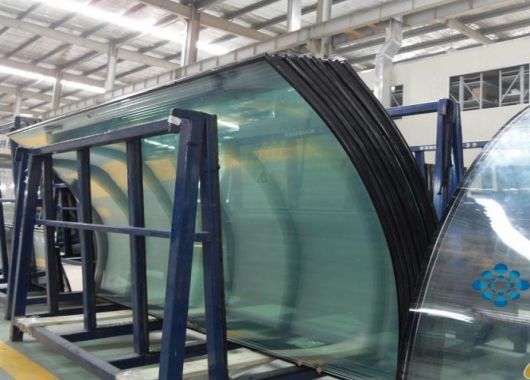
Vacuum insulated glass is one of the most advanced solutions currently available in the field of building materials, especially in the design of windows, facades, and modern architectural structures. Unlike traditional insulated glass, vacuum insulated glass utilizes a vacuum space between two or more layers of glass, minimizing heat and sound transmission while significantly enhancing thermal and sound insulation capabilities.
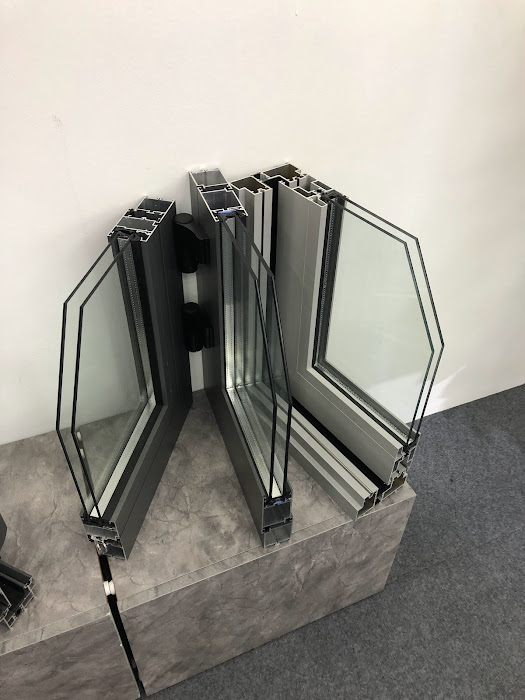
Structurally, vacuum insulated glass consists of two layers of tempered or ordinary glass bonded together by an aluminum or stainless steel frame. The space between the two layers of glass is almost completely vacuumed. This creates an effective thermal insulation layer, preventing heat transfer through the glass by eliminating air – the primary heat conductor in traditional insulated glass.

Vacuum-sealed double-glazed windows stand out for their superior thermal insulation capabilities thanks to their very low thermal conductivity, helping to maintain stable temperatures and effectively save energy. In addition, the vacuum space between the glass layers provides excellent sound insulation, minimizing noise from the external environment and creating a quiet and comfortable space. In terms of durability, the glass uses tempered or laminated safety glass, ensuring good strength and impact resistance. The airtight structure also prevents condensation, keeping the glass clear and long-lasting.
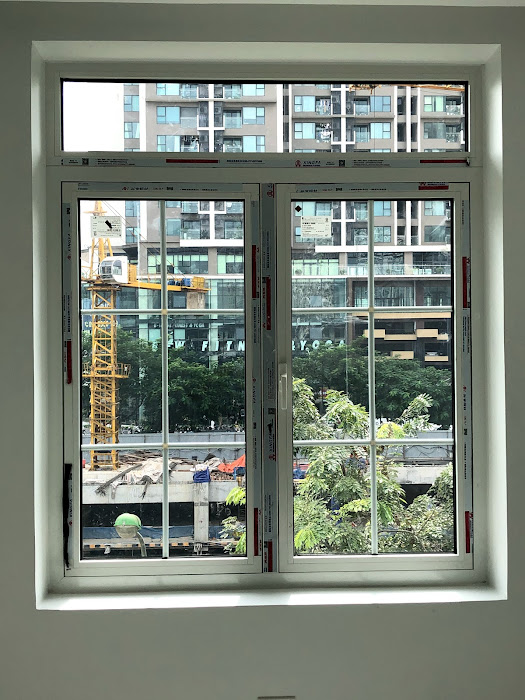
Vacuum-sealed double-glazed windows have a very low thermal conductivity (U-value), typically only 0.5 to 1.0 W/m²K, much lower than single-glazed or double-glazed windows. This significantly minimizes heat loss or absorption from the external environment, contributing to maintaining a stable temperature inside living or working spaces. As a result, air conditioning systems operate more efficiently, reducing energy consumption and operating costs.
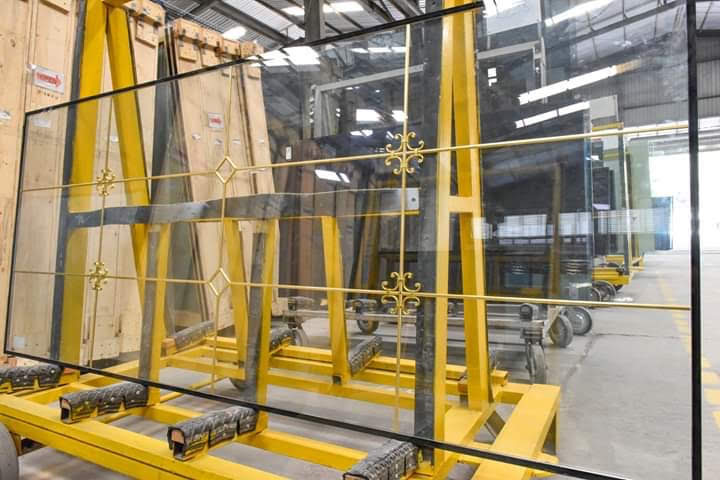
The vacuum between the glass panes not only prevents heat transfer but also limits sound transmission, helping to reduce noise from the external environment. This is an important feature in densely populated urban areas or near major traffic routes, where quietness and comfort are required for users.

Vacuum insulated glass units typically use tempered glass or laminated safety glass, ensuring good strength and effective impact resistance. Additionally, the airtight structure and internal vacuum prevent condensation, avoiding opacity and extending product lifespan.

The production process for vacuum insulated glass units requires advanced technology and strict quality control to ensure stable vacuum levels and product durability. The main steps include:
To achieve EEAT (Expertise, Authoritativeness, and Trustworthiness) certification, vacuum insulated glass manufacturers must comply with international standards such as ISO 9001 for quality management, ASTM for glass testing, and building safety regulations. The application of advanced technology and rigorous testing ensures that products not only meet technical requirements but also build strong customer trust.
Vacuum insulated glass units are widely used in high-end constructions such as office buildings, hotels, shopping malls, and modern residences. With superior thermal and sound insulation capabilities, the product contributes to improving the quality of living and working environments while reducing energy costs for air conditioning and heating systems.
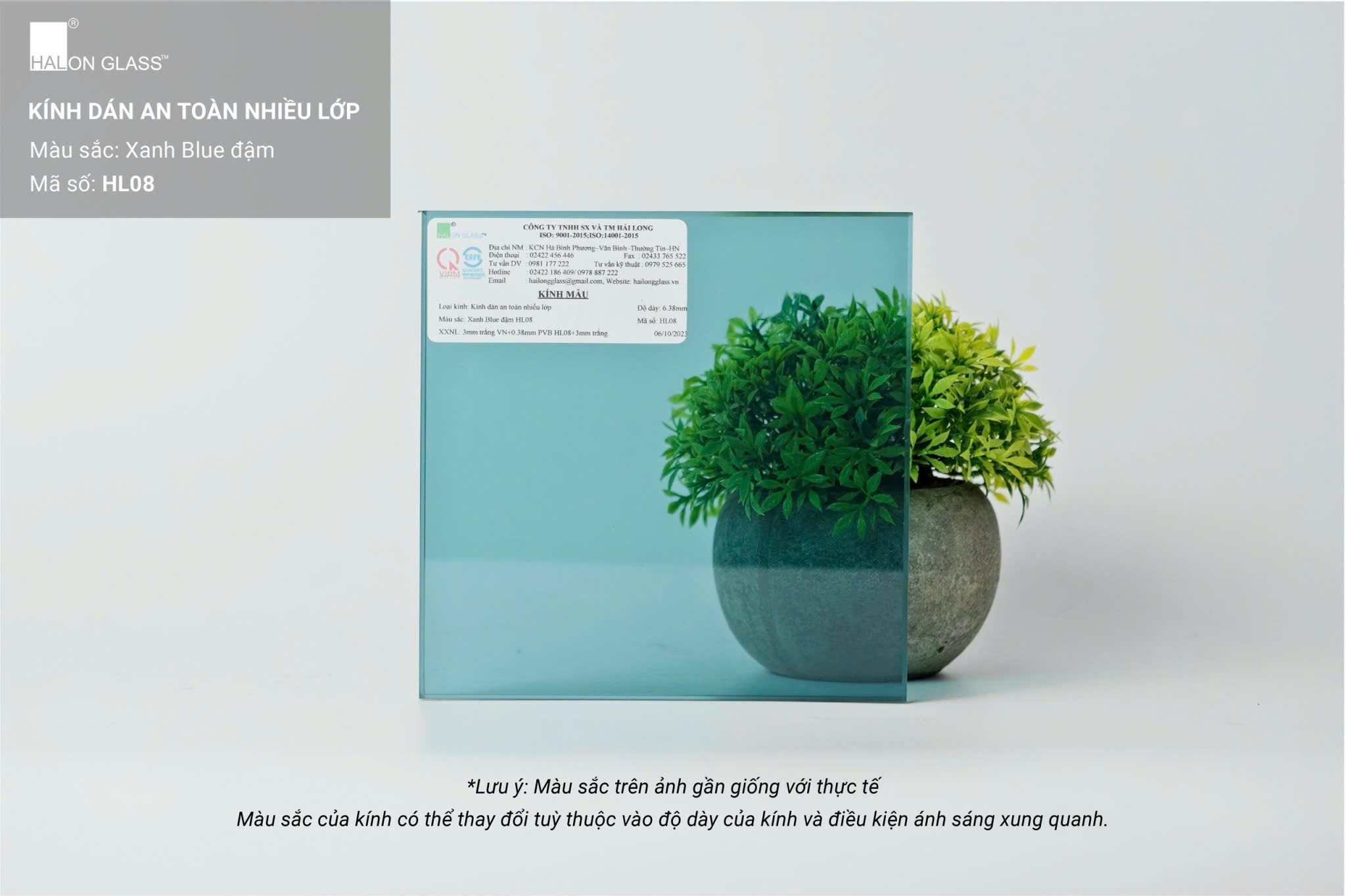
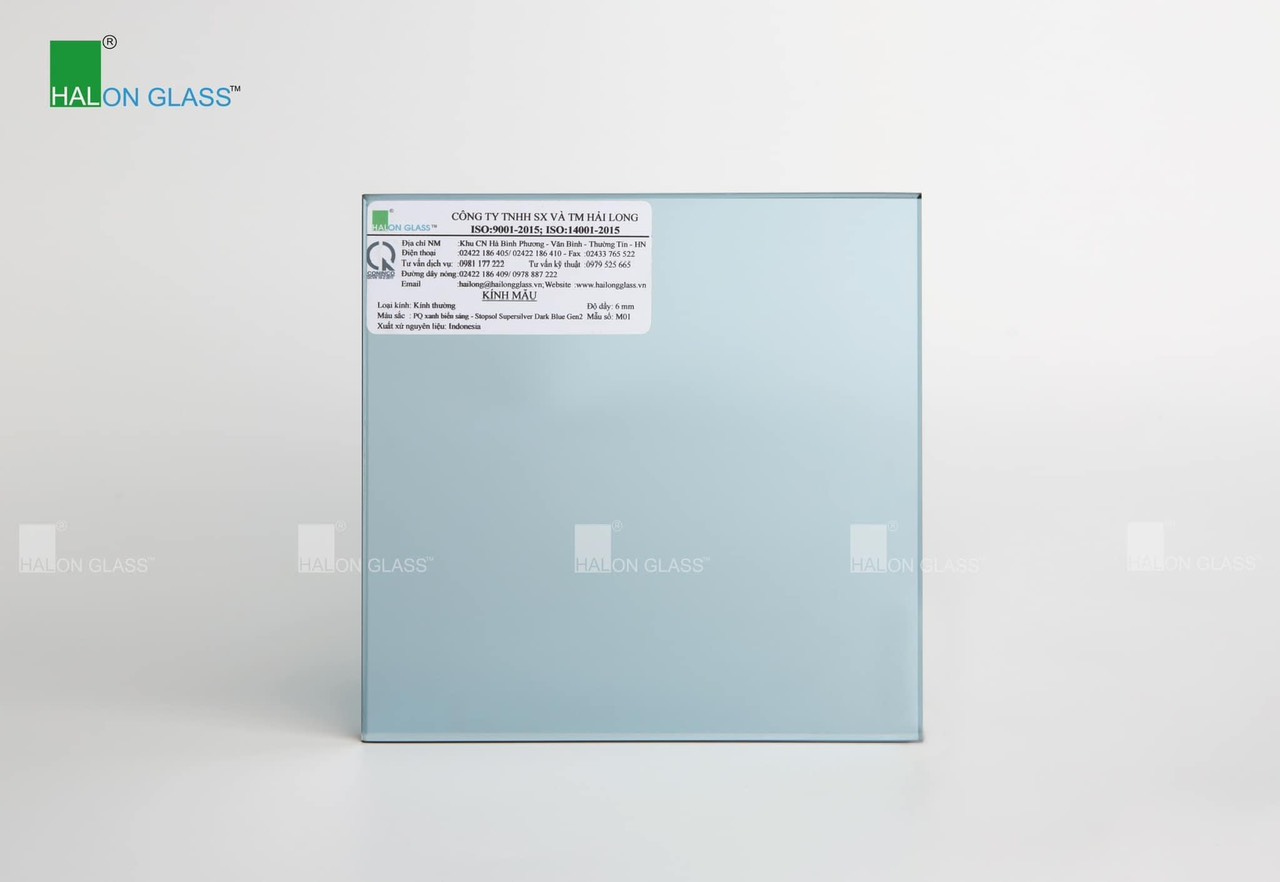
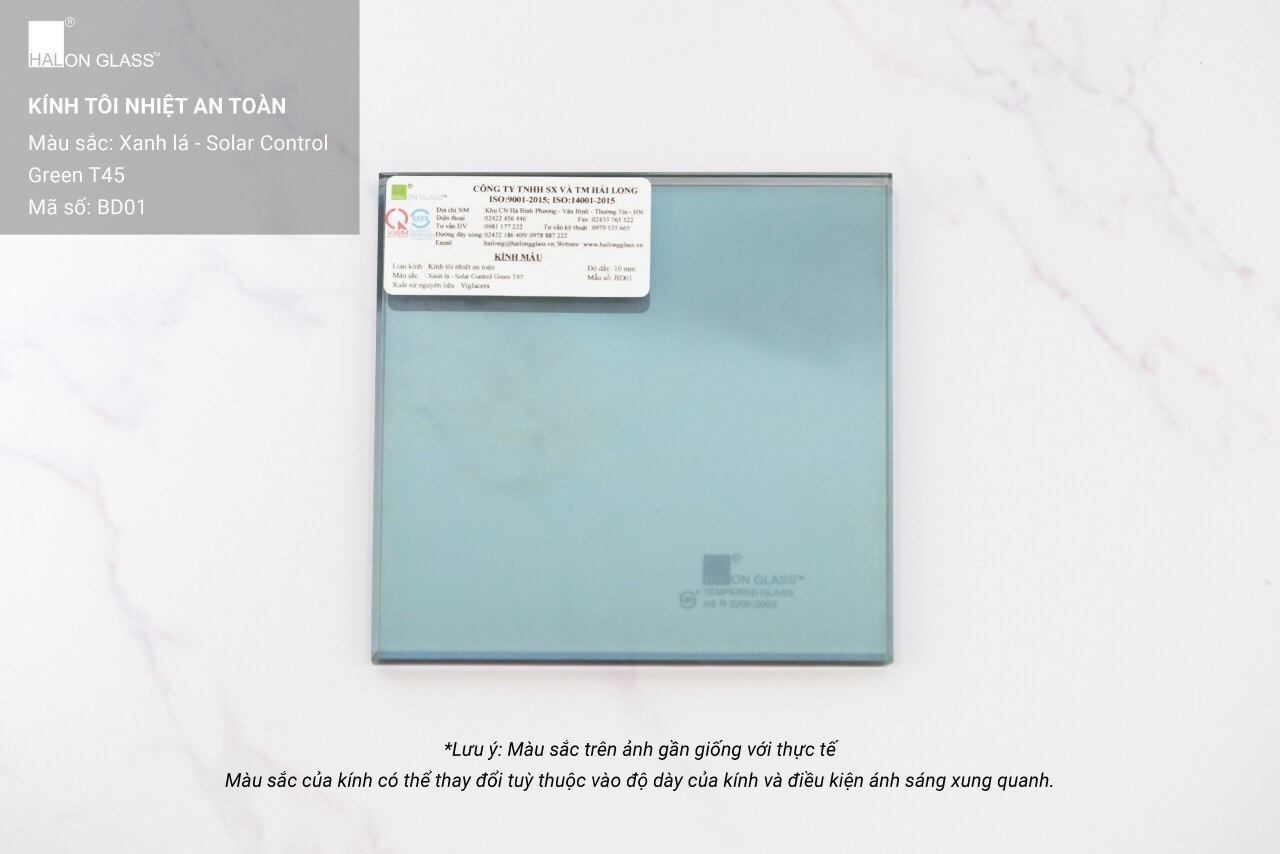
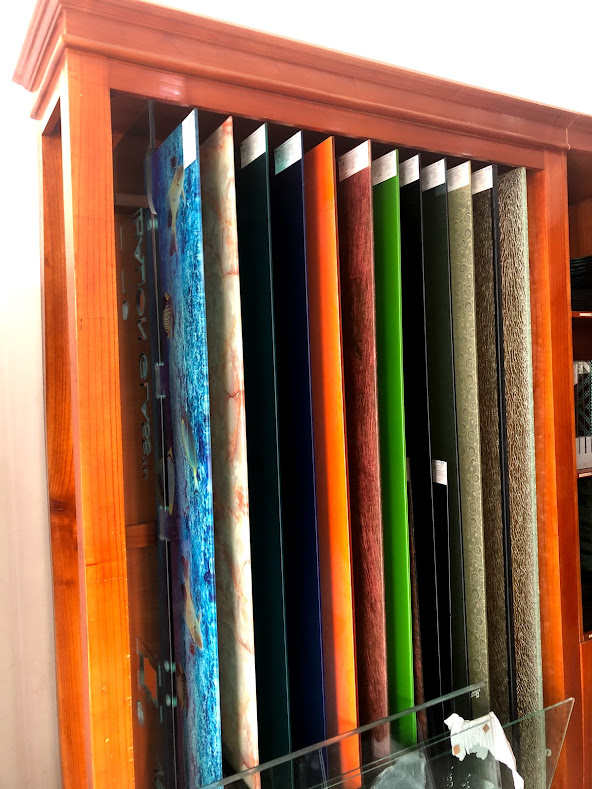
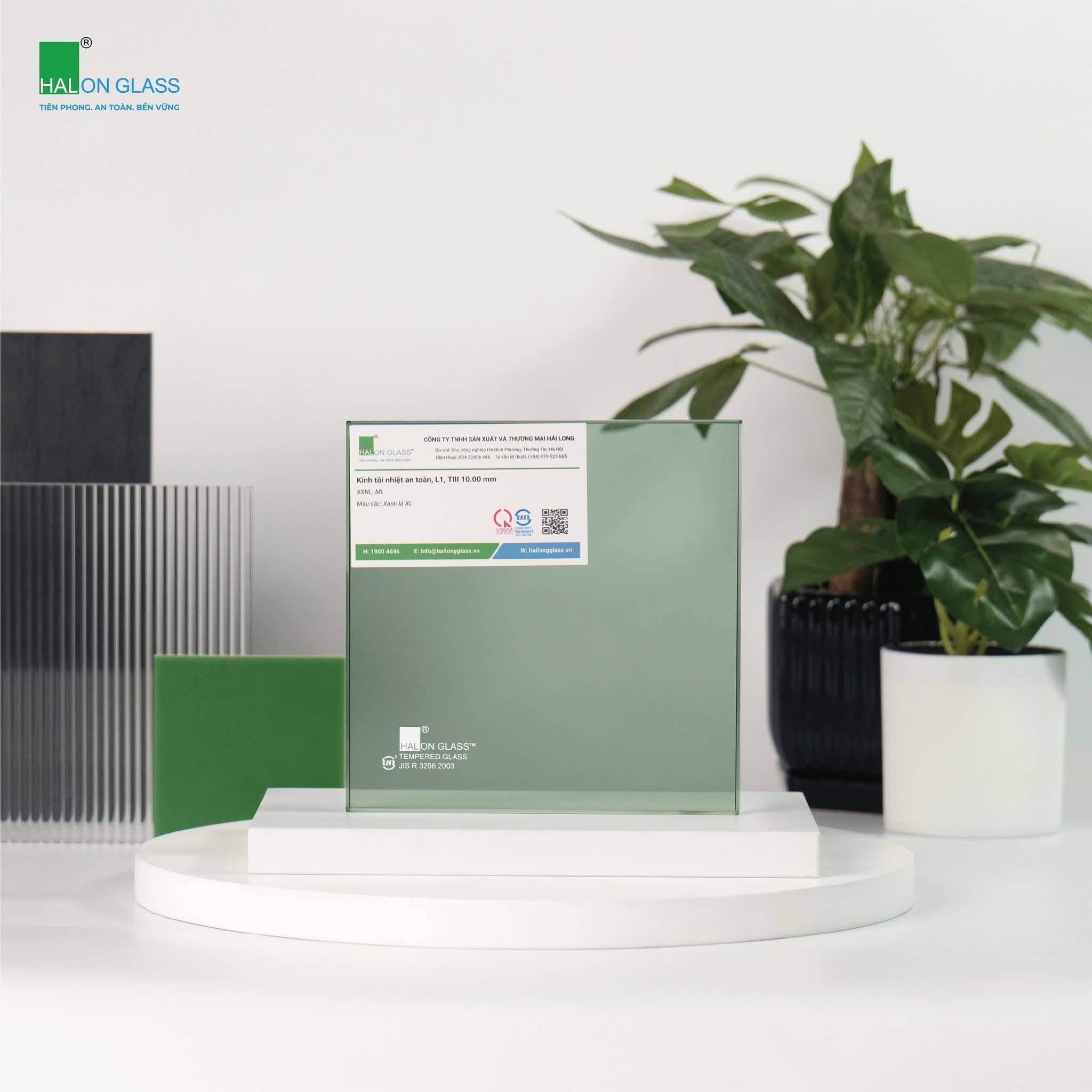
In particular, Ngoc Quyet Company provides vacuum insulated glass with sample delivery and shipping services to various provinces, assisting customers in selecting products suitable for each specific project. Providing samples allows customers to directly assess the quality and functionality of the glass before making an investment decision, facilitating construction projects nationwide.
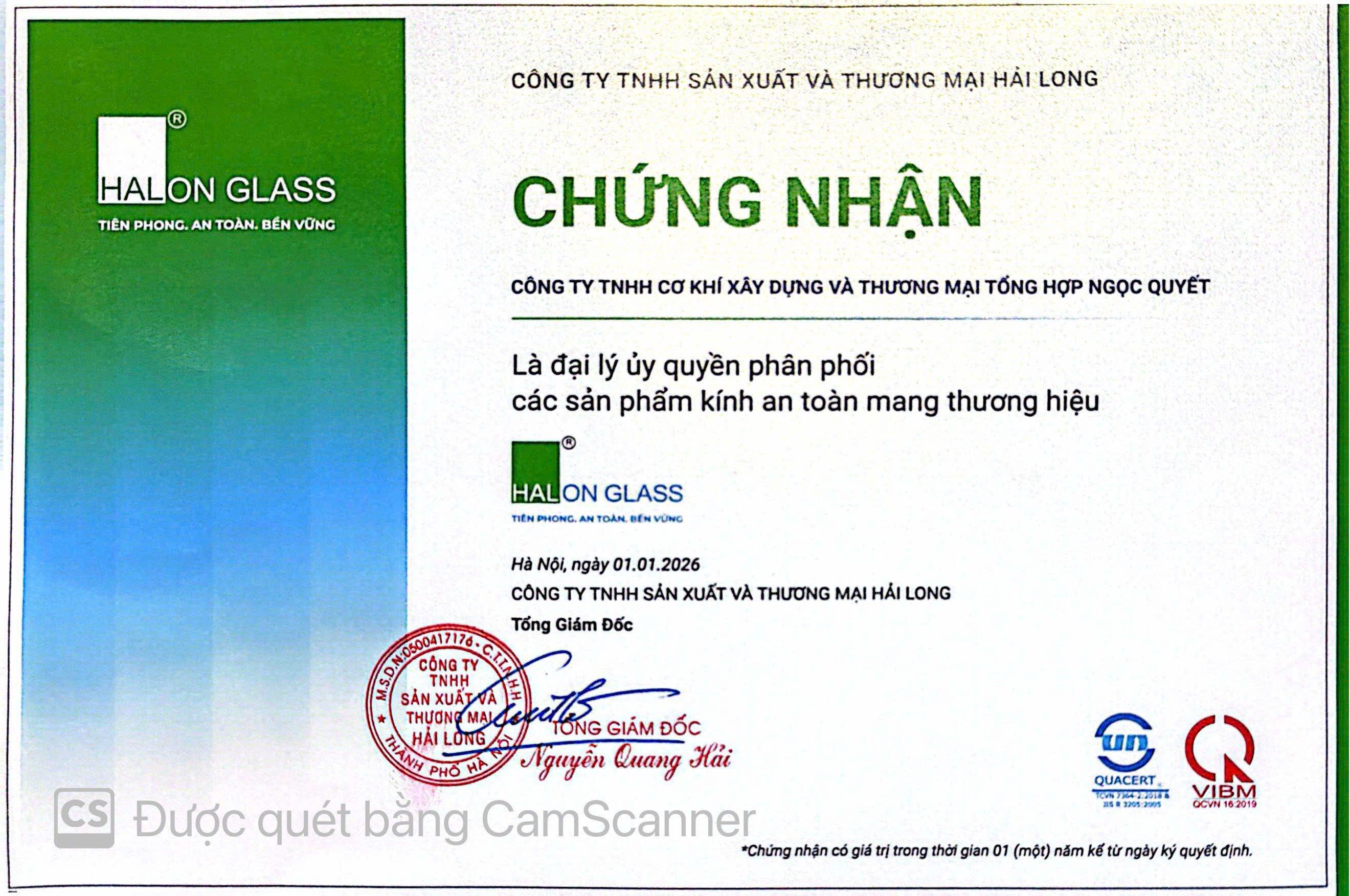
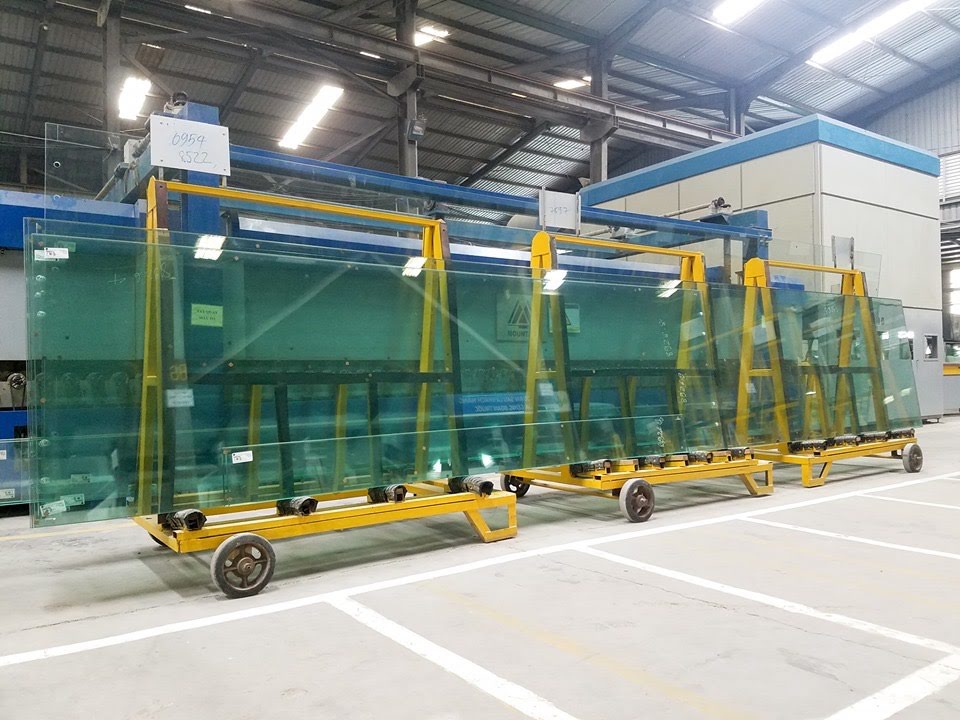
Ngoc Quyet Company specializes in distributing construction glass to glass dealers, aluminum and glass contractors, processing workshops, and construction projects. For large orders, customers should provide the type of glass, thickness, size, quantity, and delivery location to receive appropriate configuration advice and pricing.
Need an accurate quote for your glass order? Please send the type of glass, thickness, dimensions, quantity, and delivery address. HOTLINE / ZALO: 0966.321.655

bài viết mới

Consultation Hotline: 0966 321 655
Chuyên gia tư vấn Care For - Live Your Dream
Connect directly via Zalo at 0966 321 655.
Khám phá sản phẩm Care For - Live Your Dream
WHAT CUSTOMERS SAY ABOUT US

I am very satisfied with the attentive and professional customer service team. Even though it was quite a while after the project was handed over, they were very enthusiastic and quick to assist me when I needed it!
Anh Tuấn Phương
Thu Duc - Ho Chi Minh City

We are very pleased to cooperate with Ngoc Quyet Glass Agency – a reputable supplier of glass for aluminum and glass contractors and construction projects.
Mr. Bao Ngoc
District 10 - Ho Chi Minh City
Liên hệ
HanoiHo Chi MinhHai PhongQuang Ninh
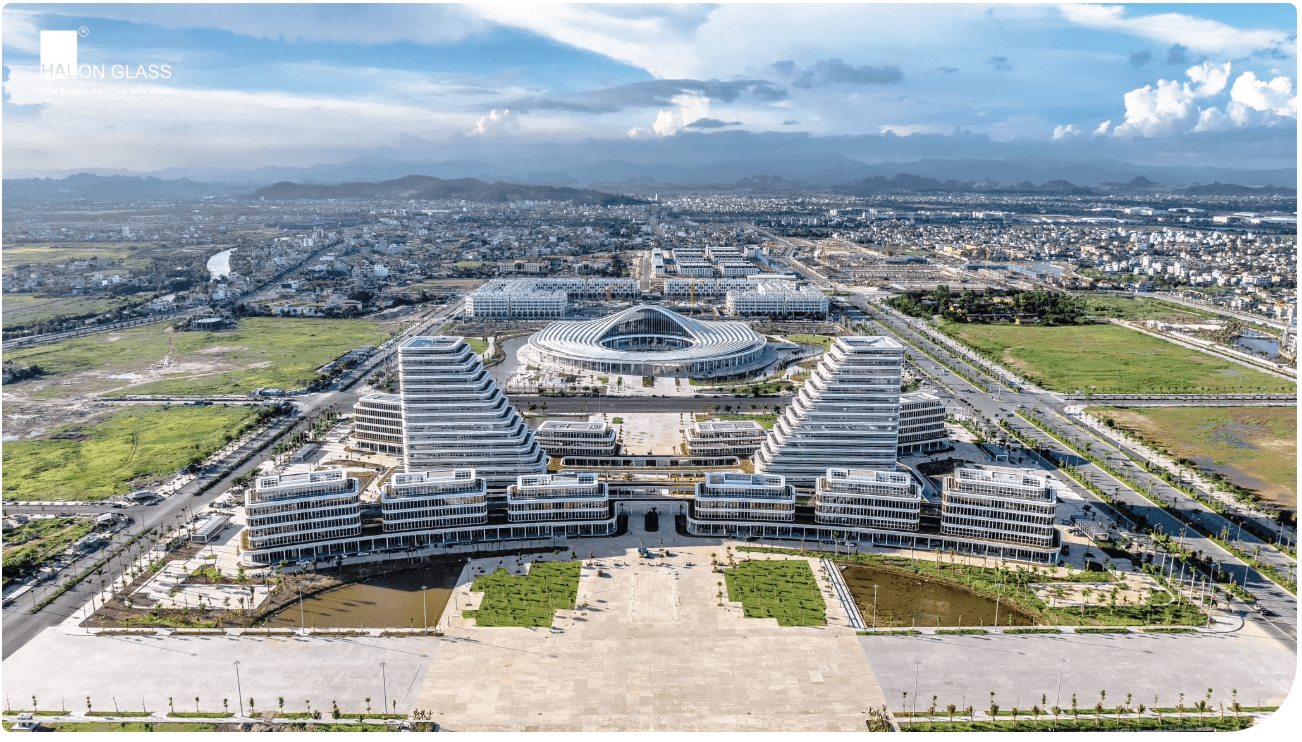
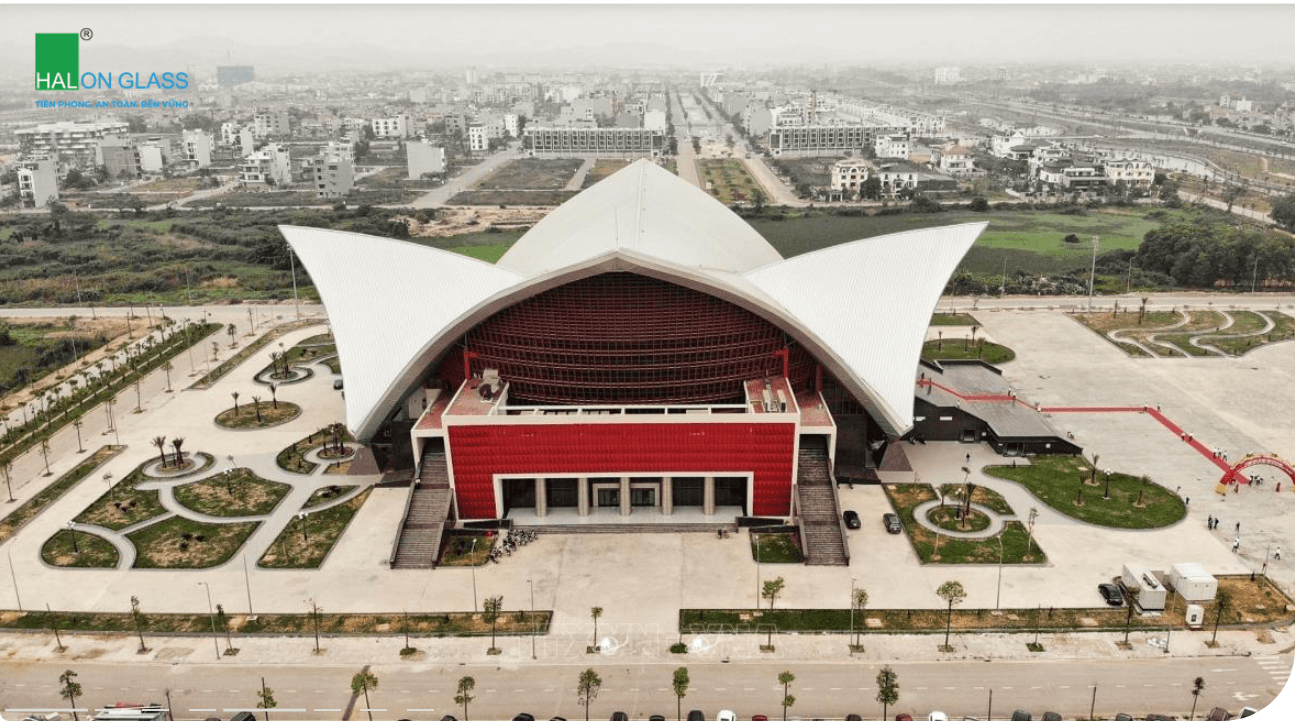
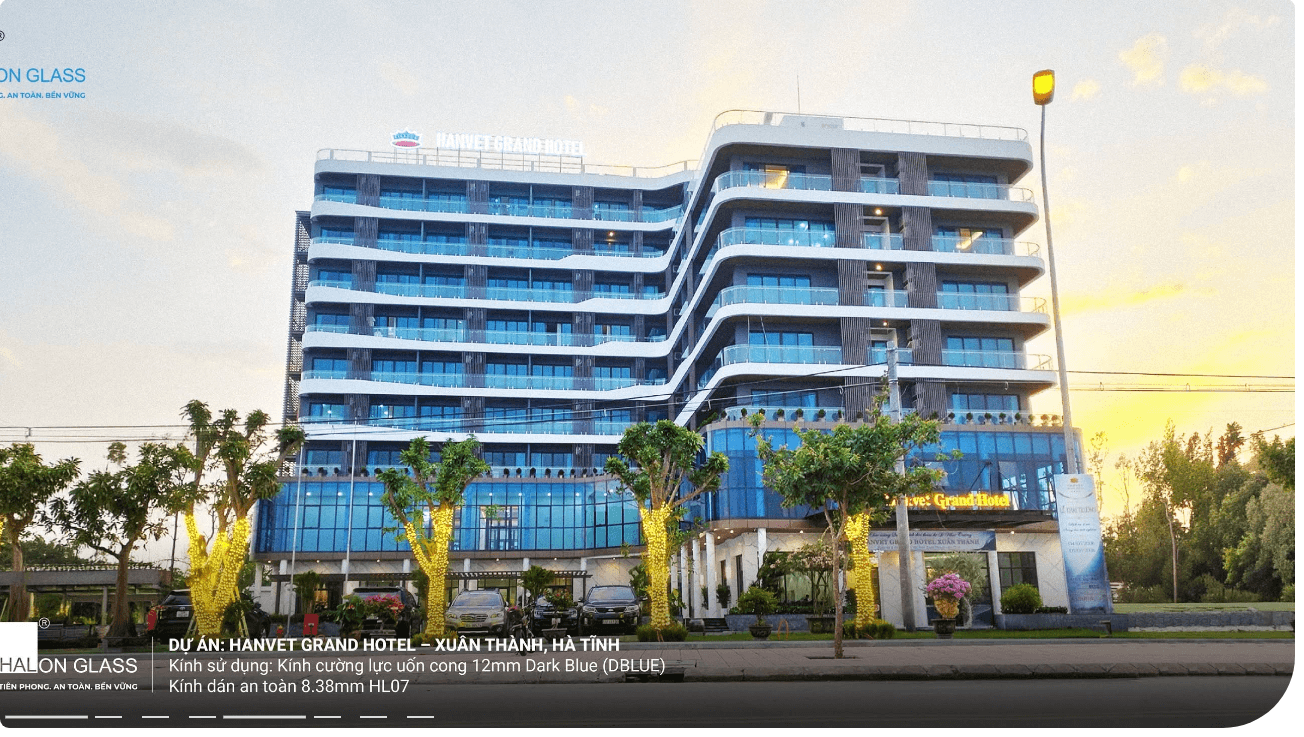
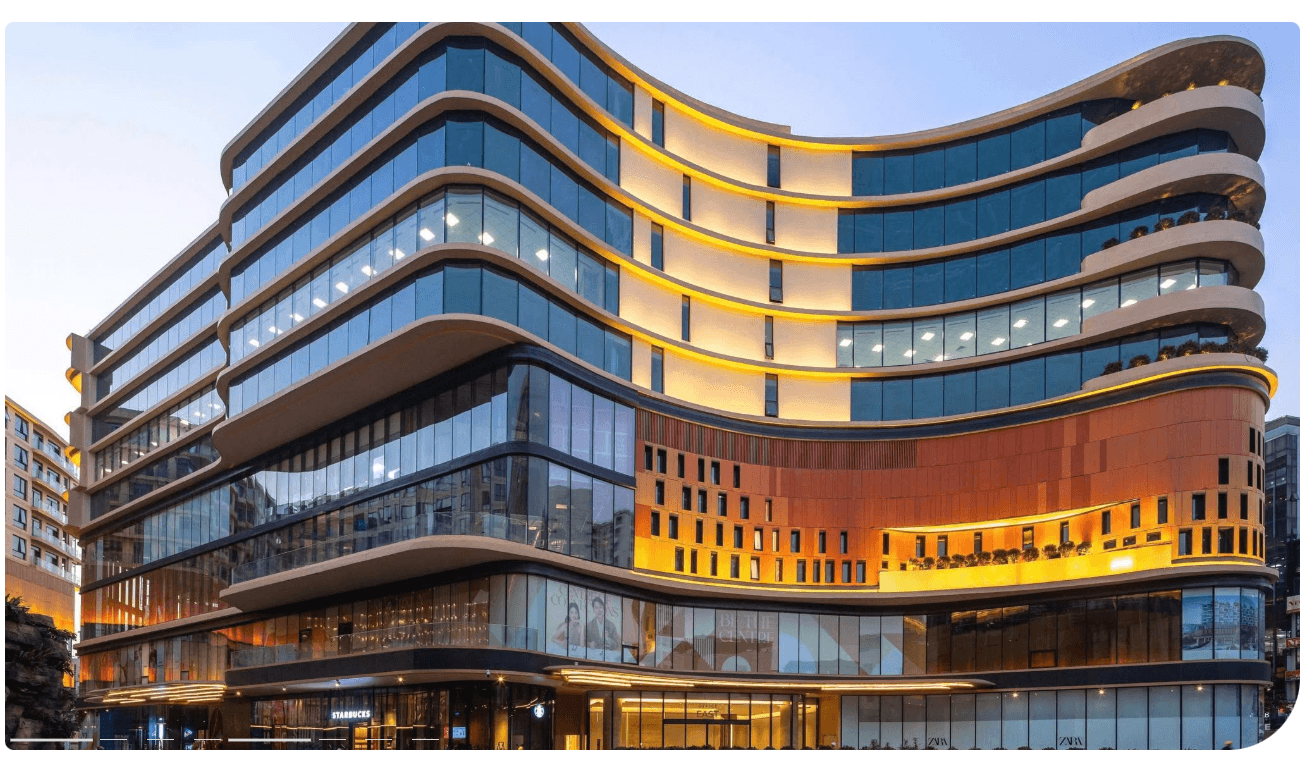
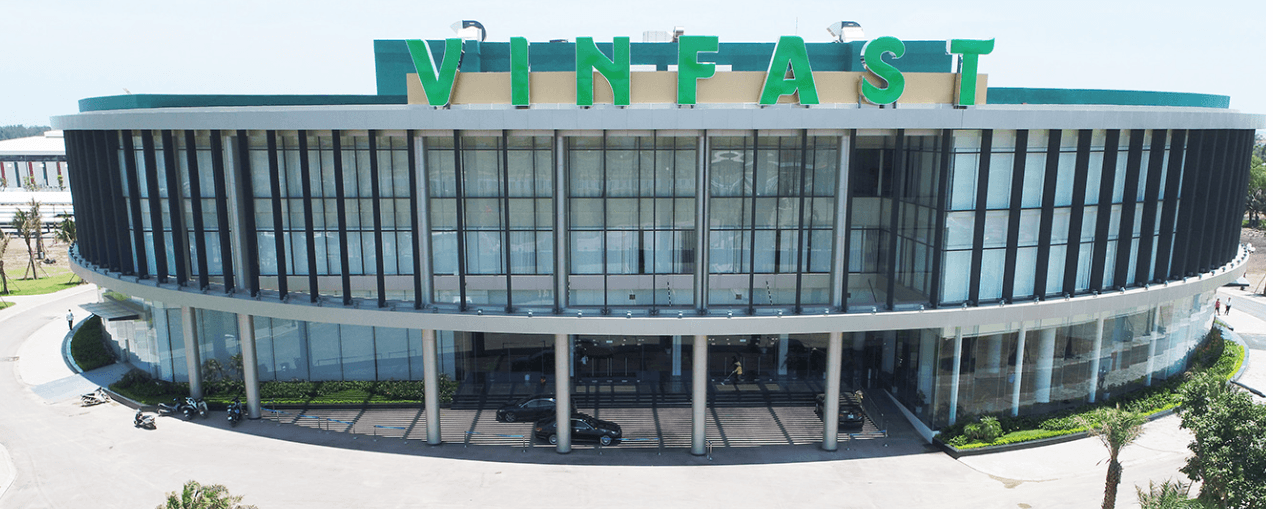
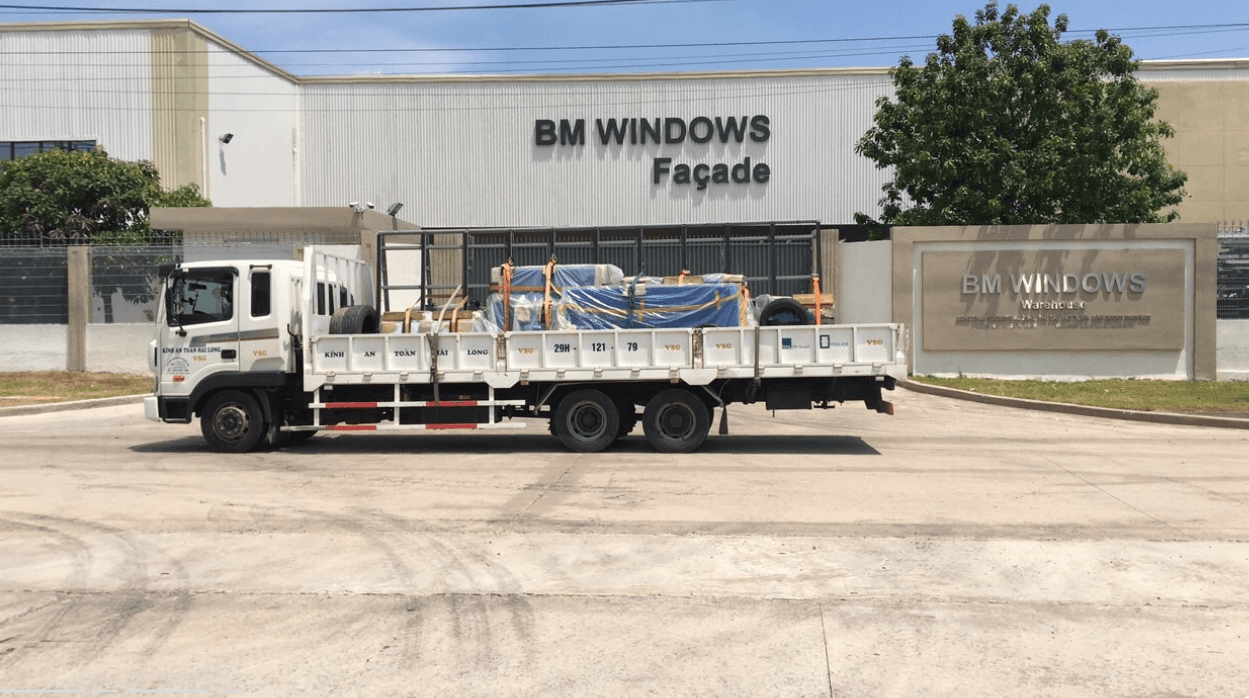
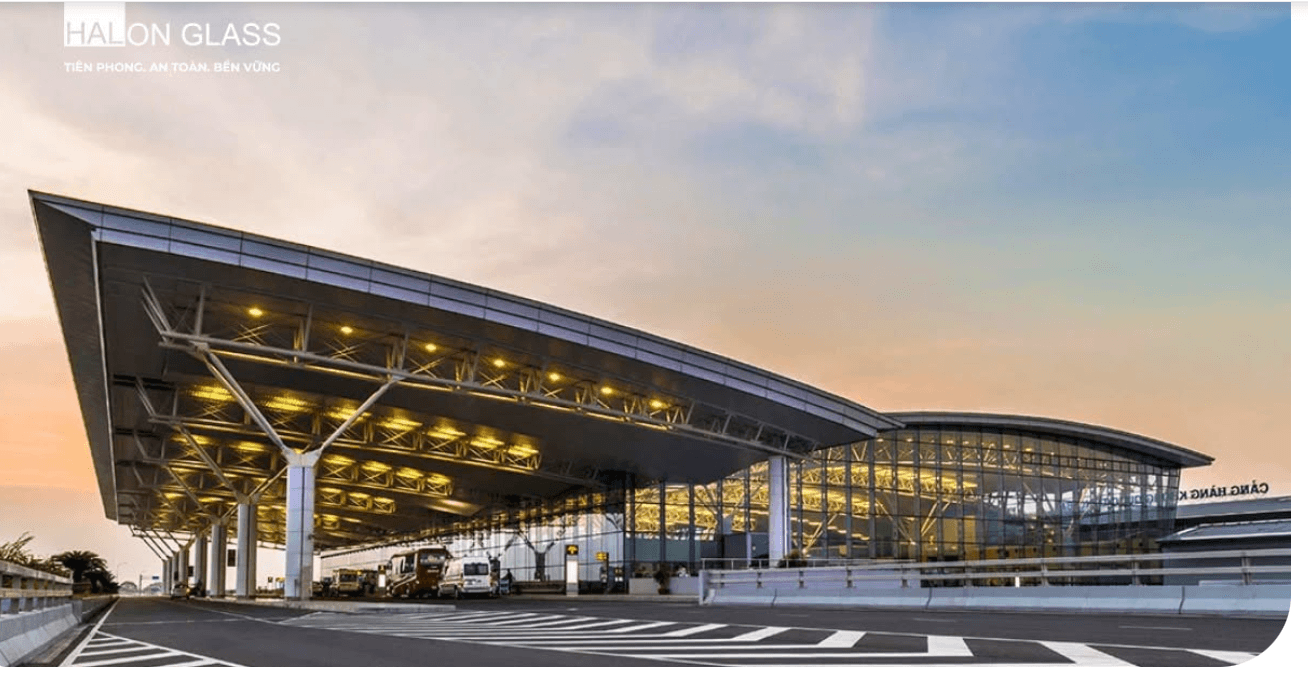
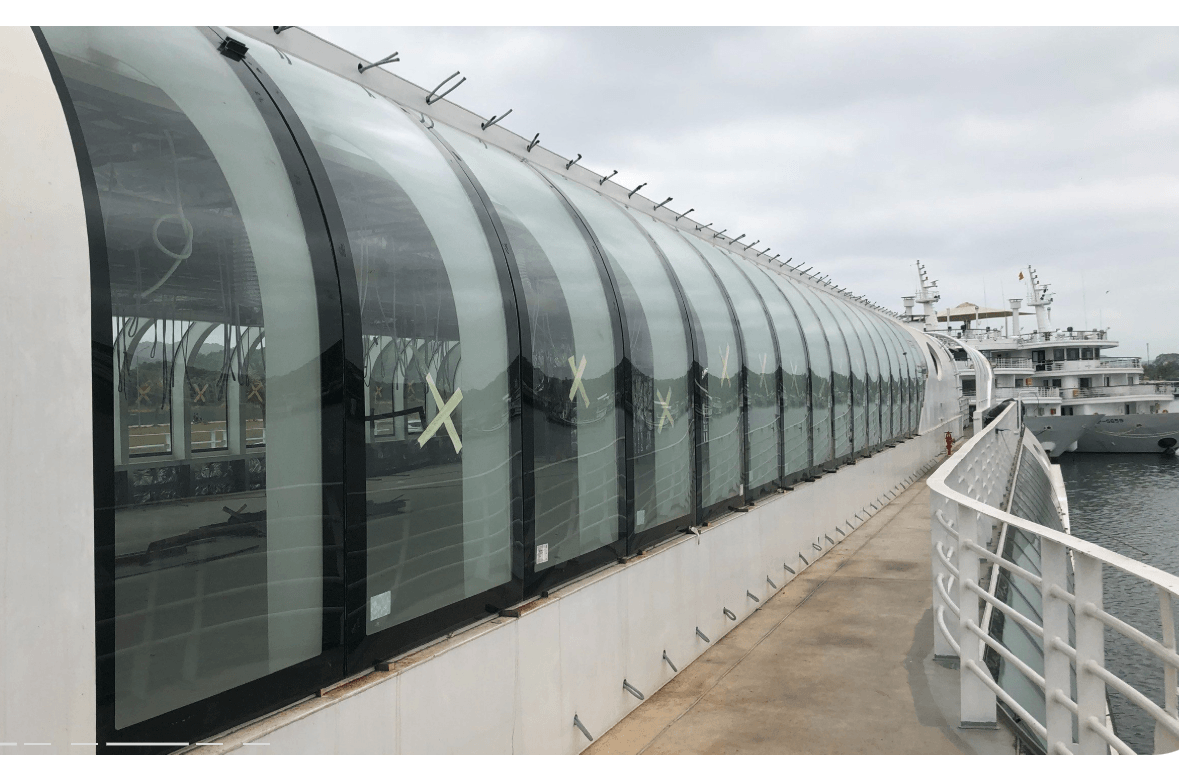
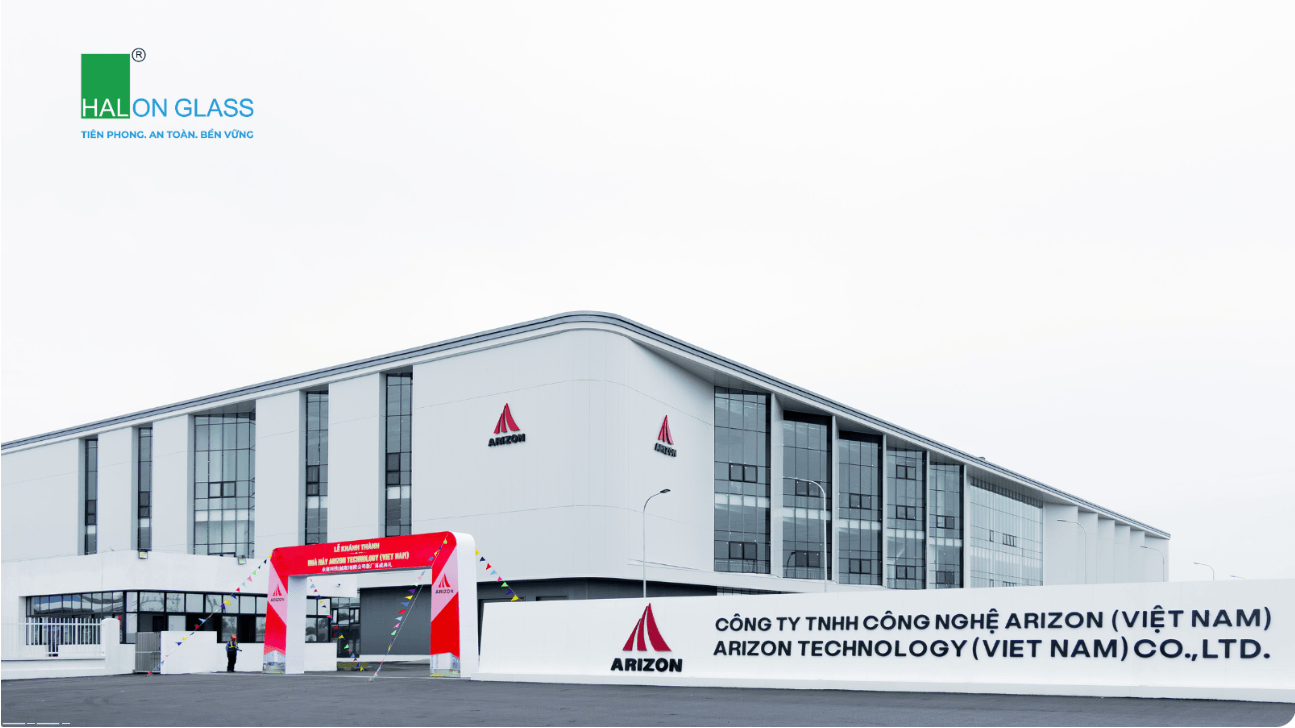
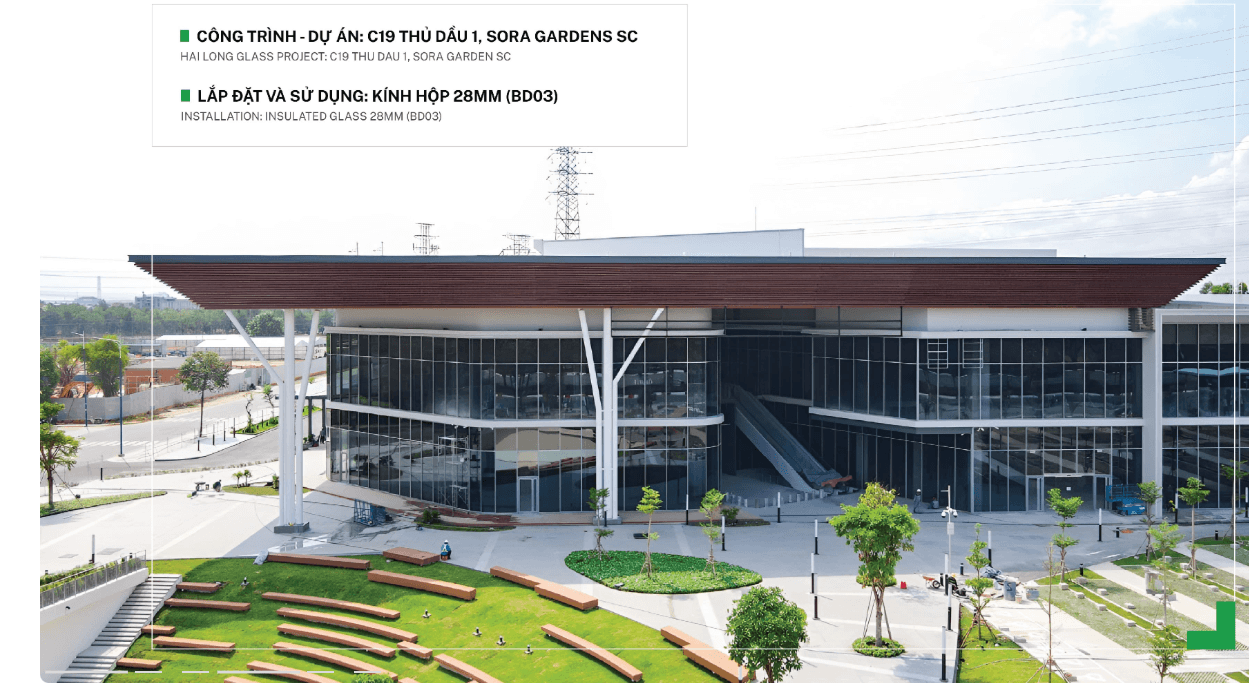
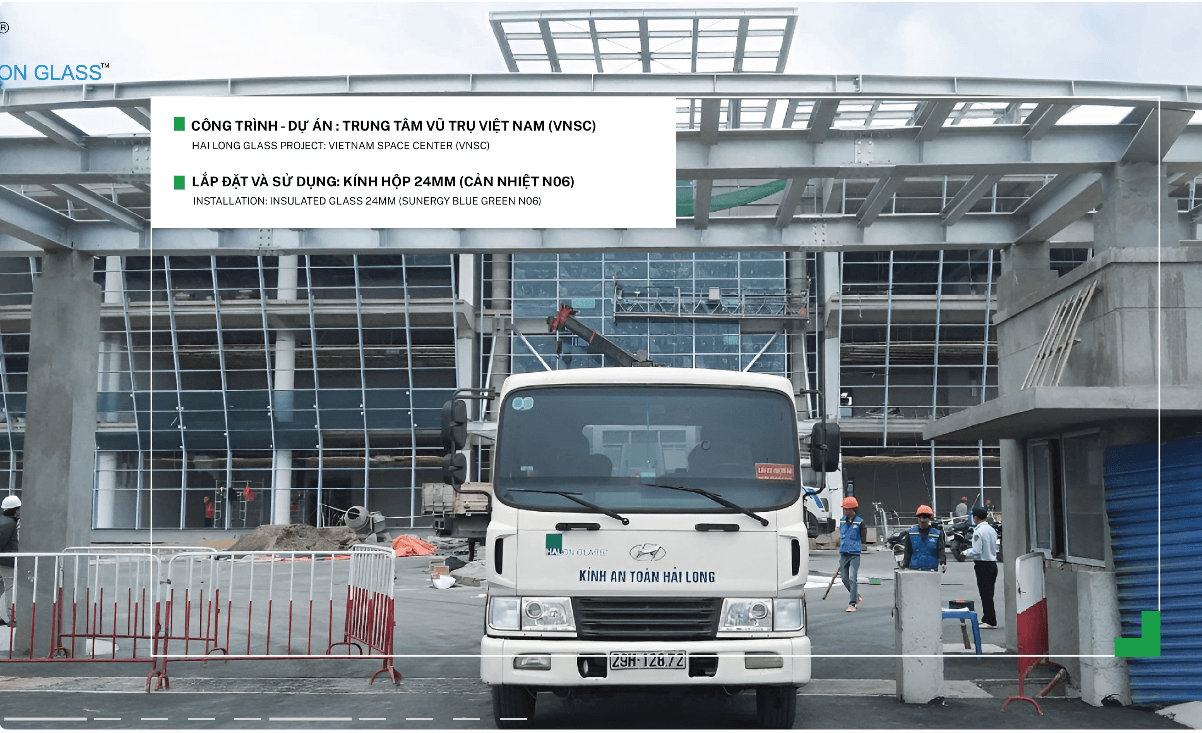
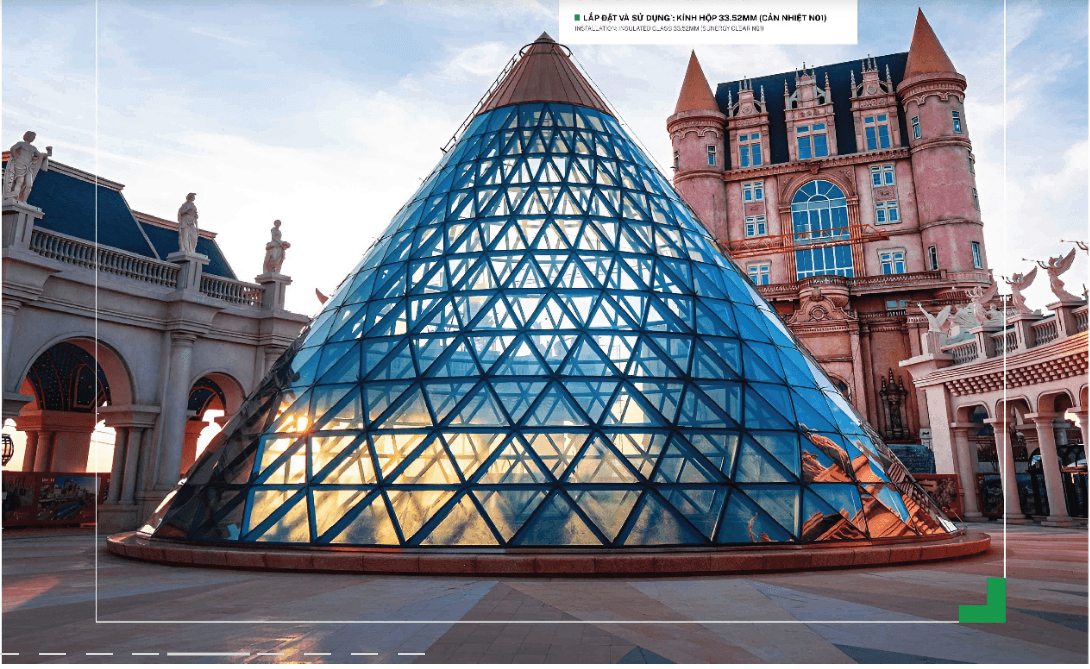
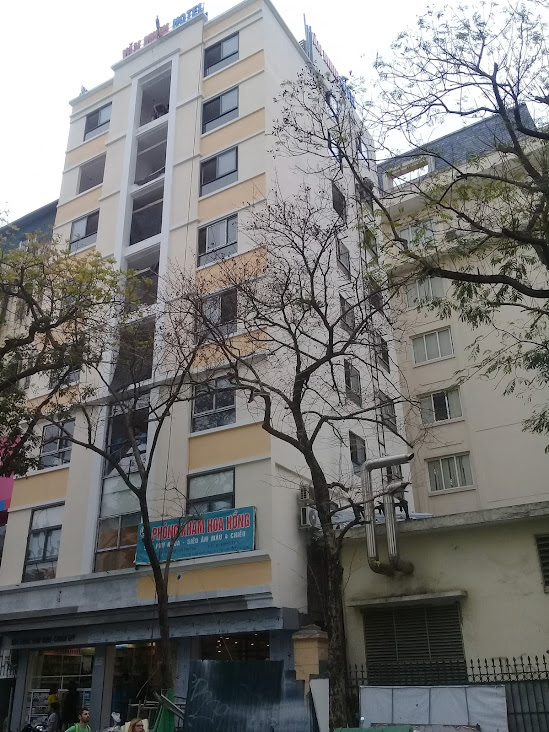
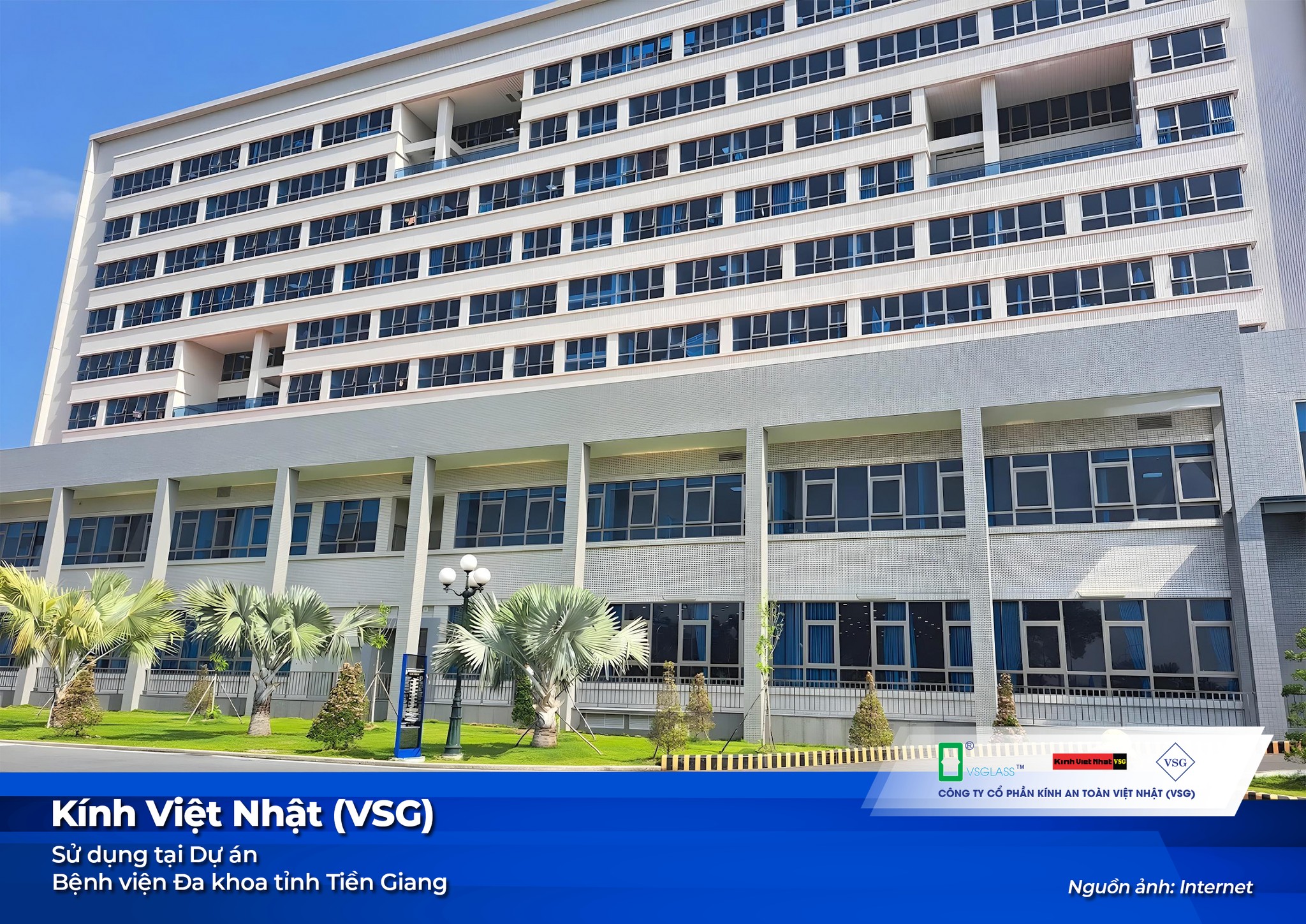
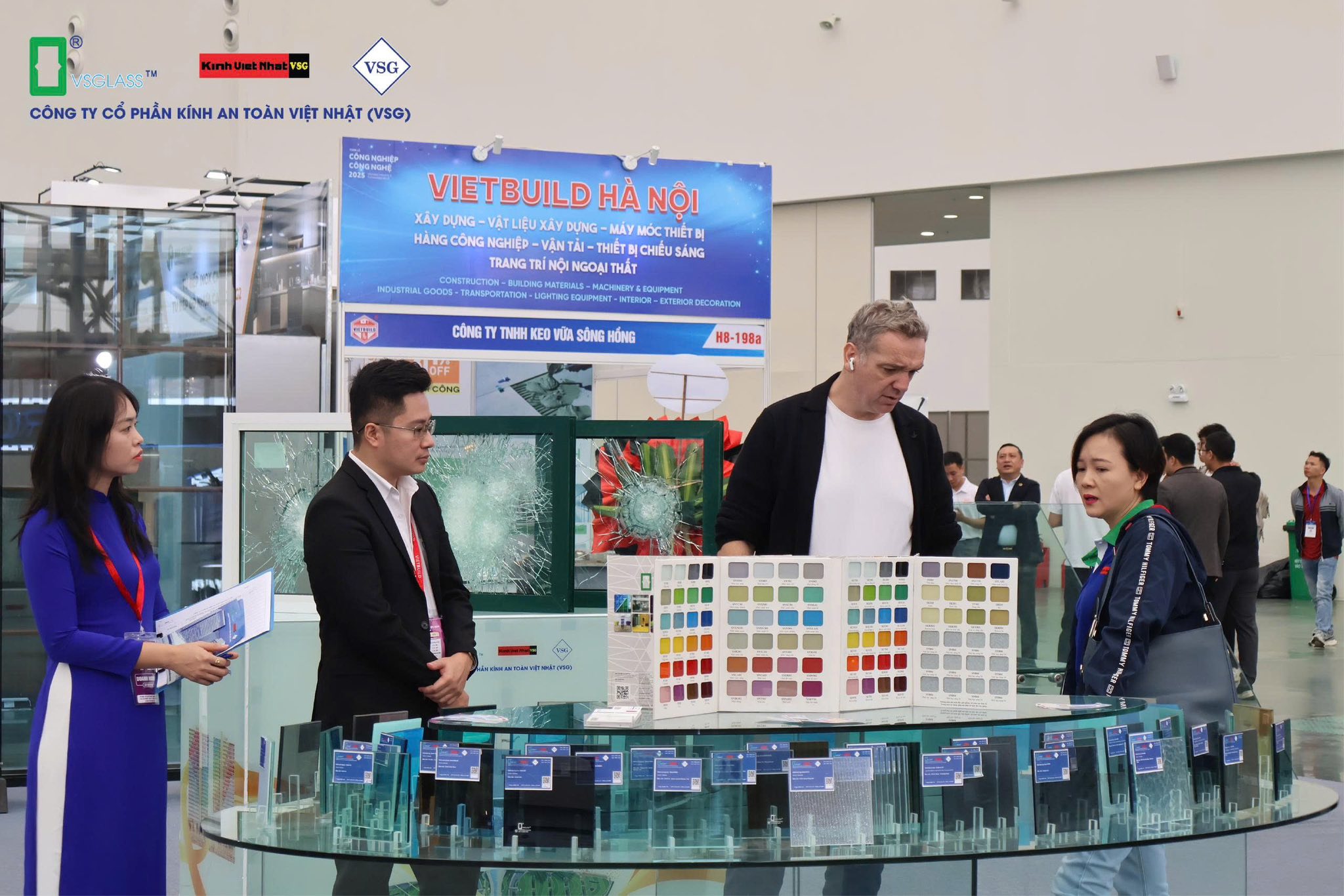
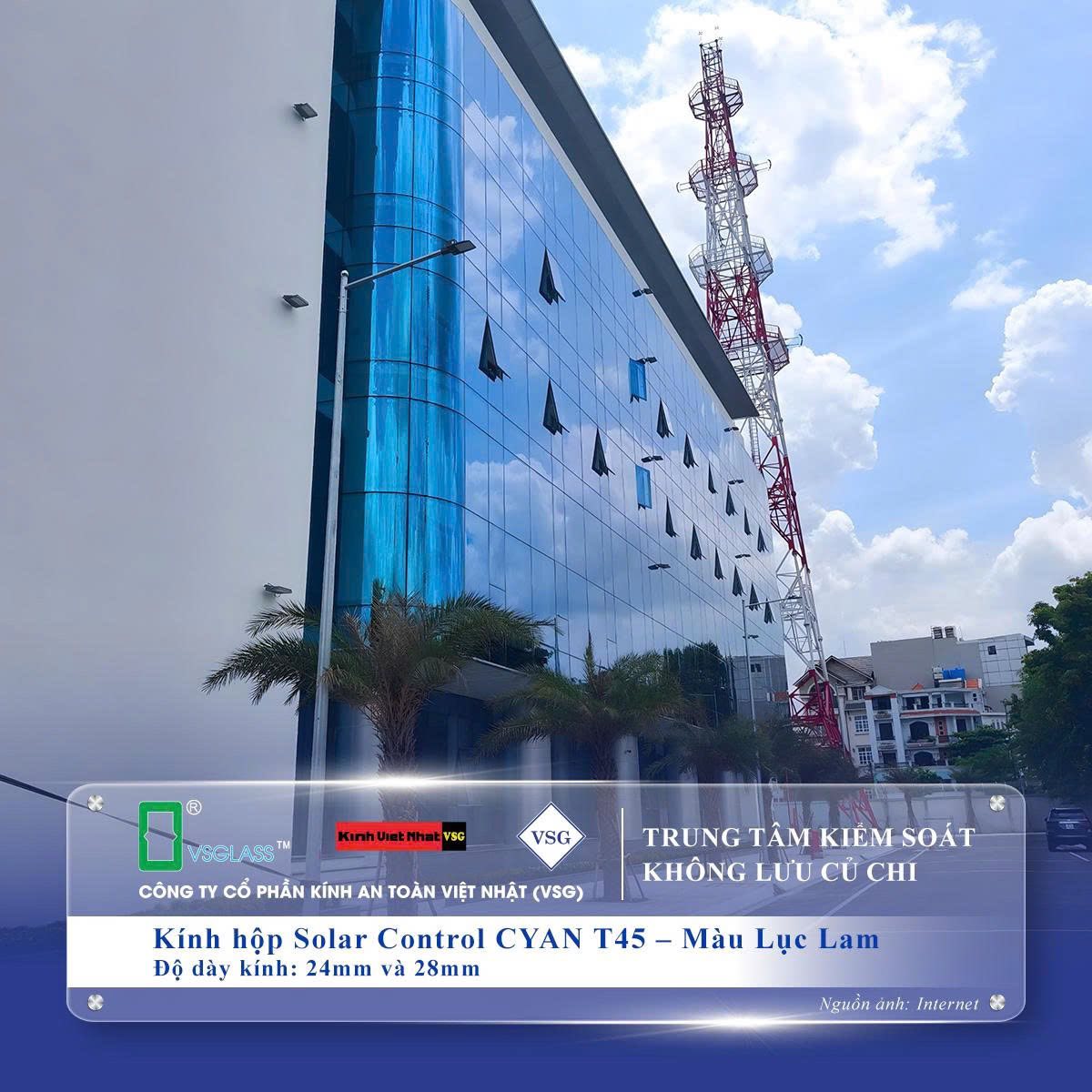
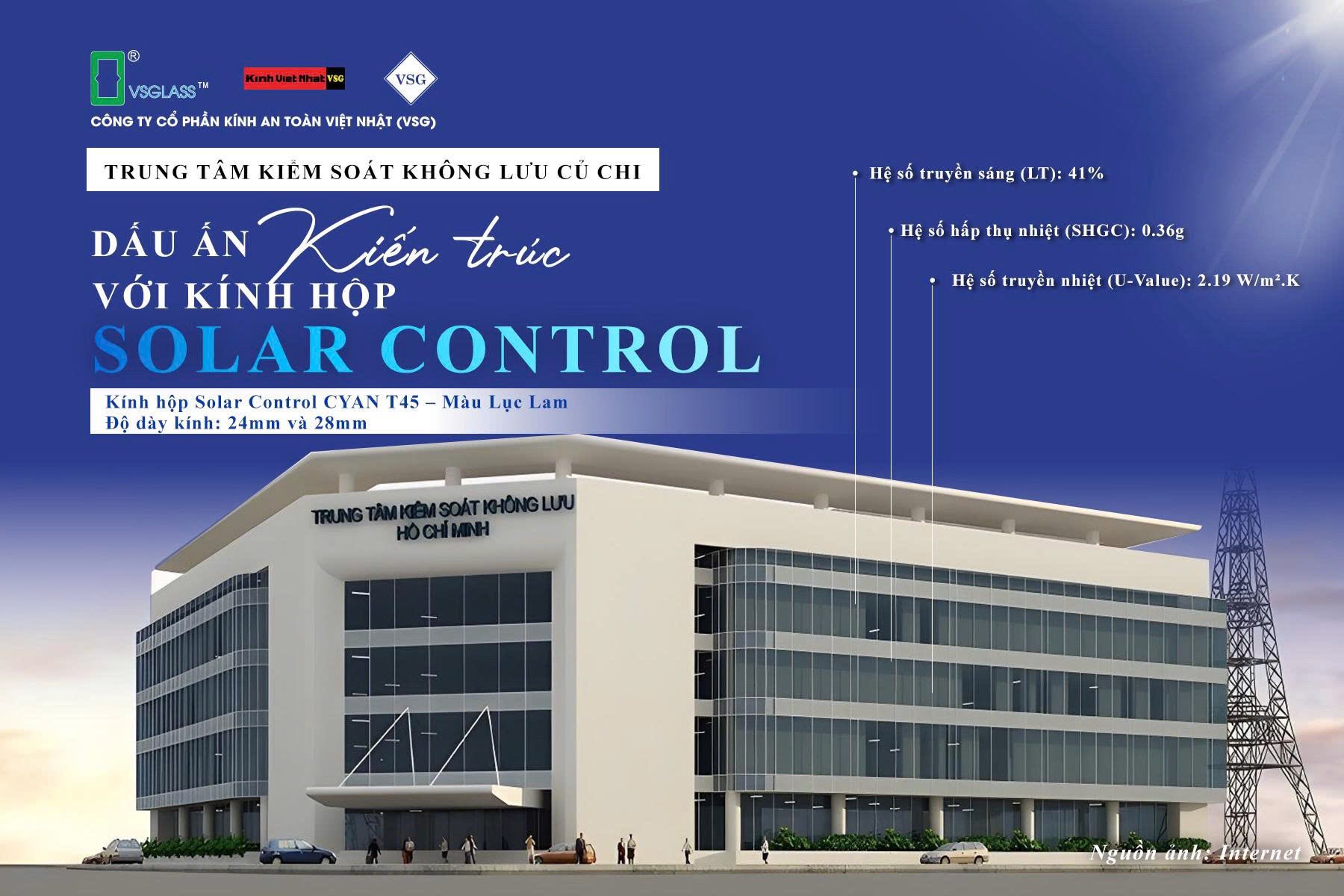
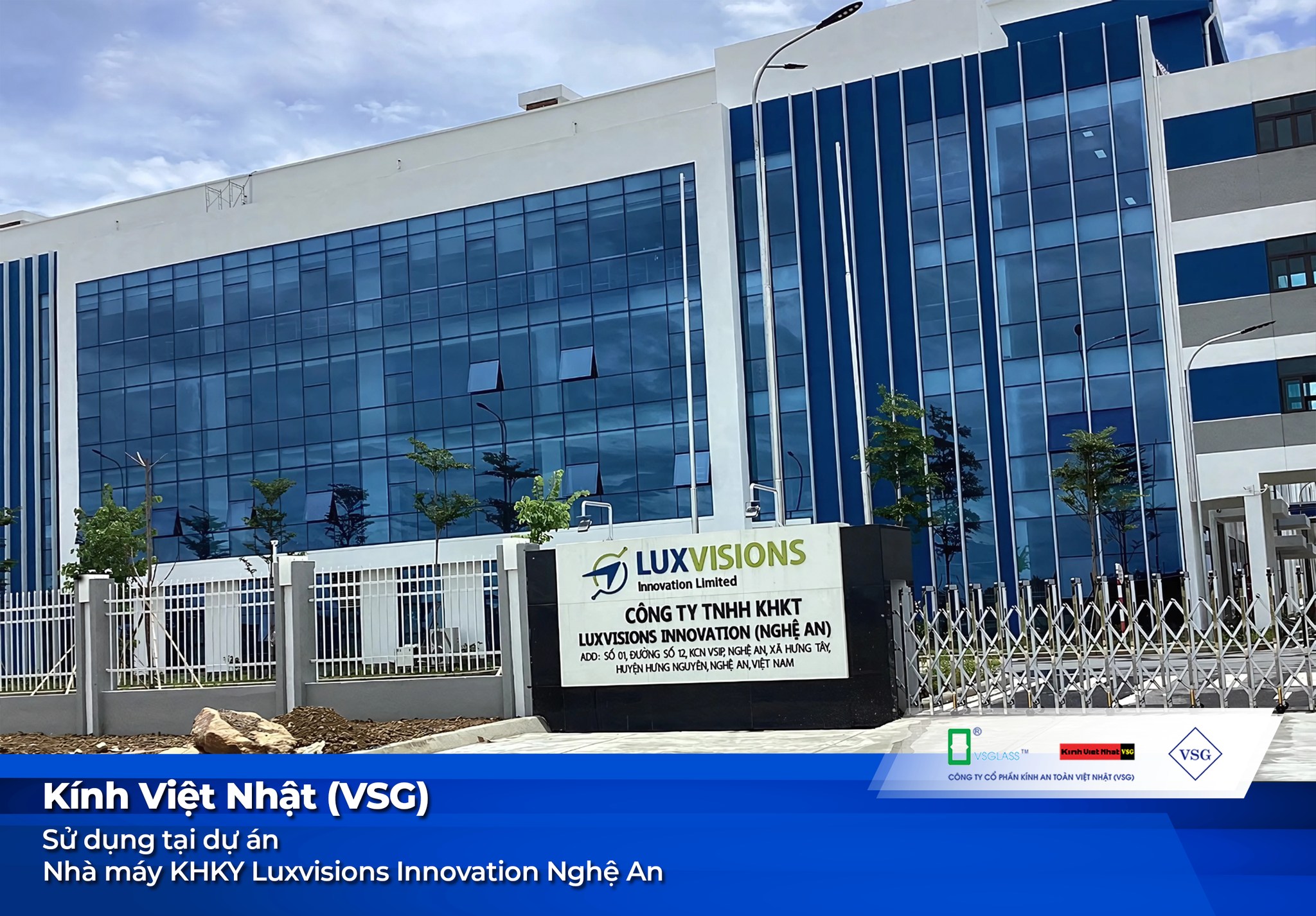
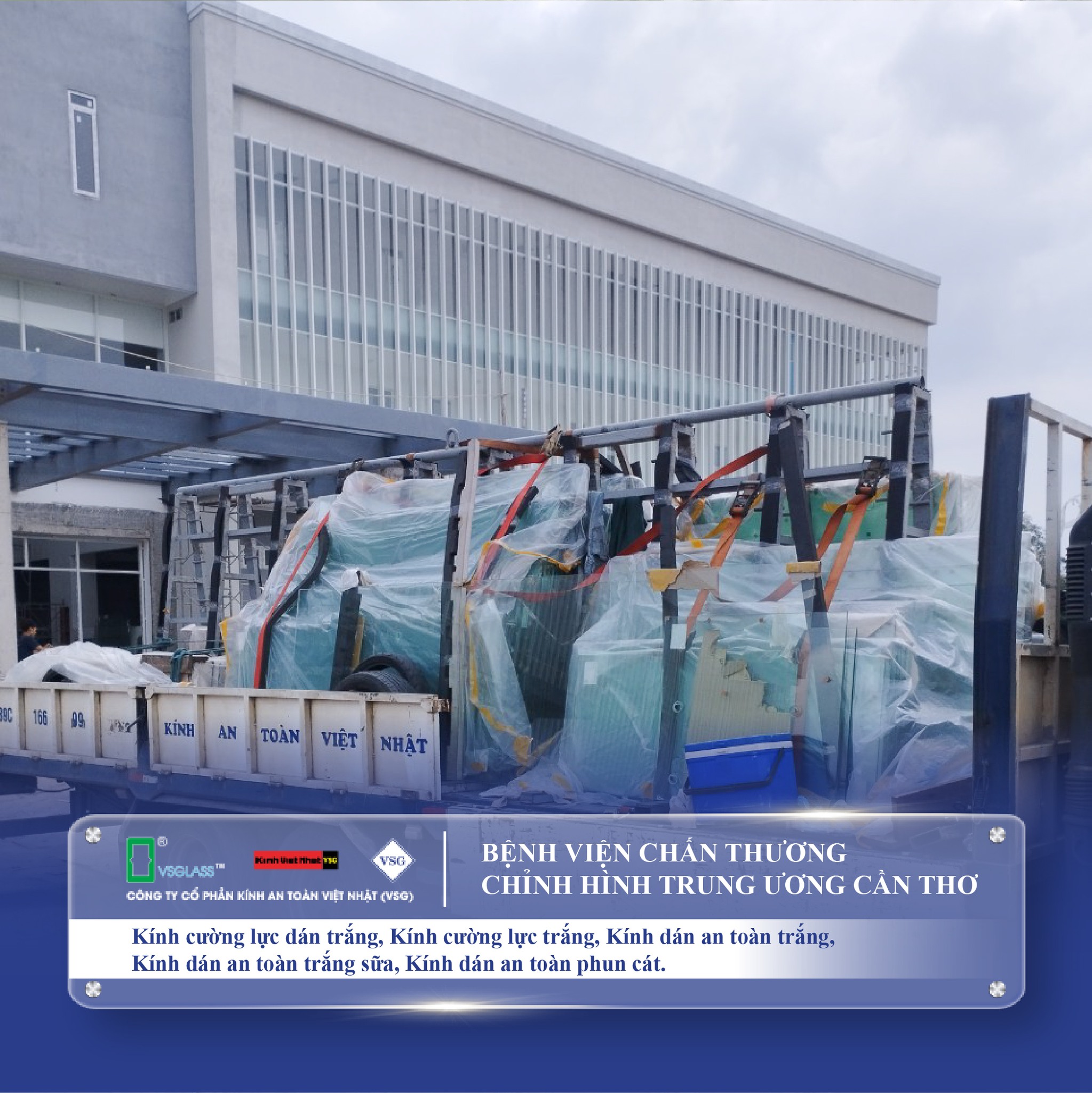
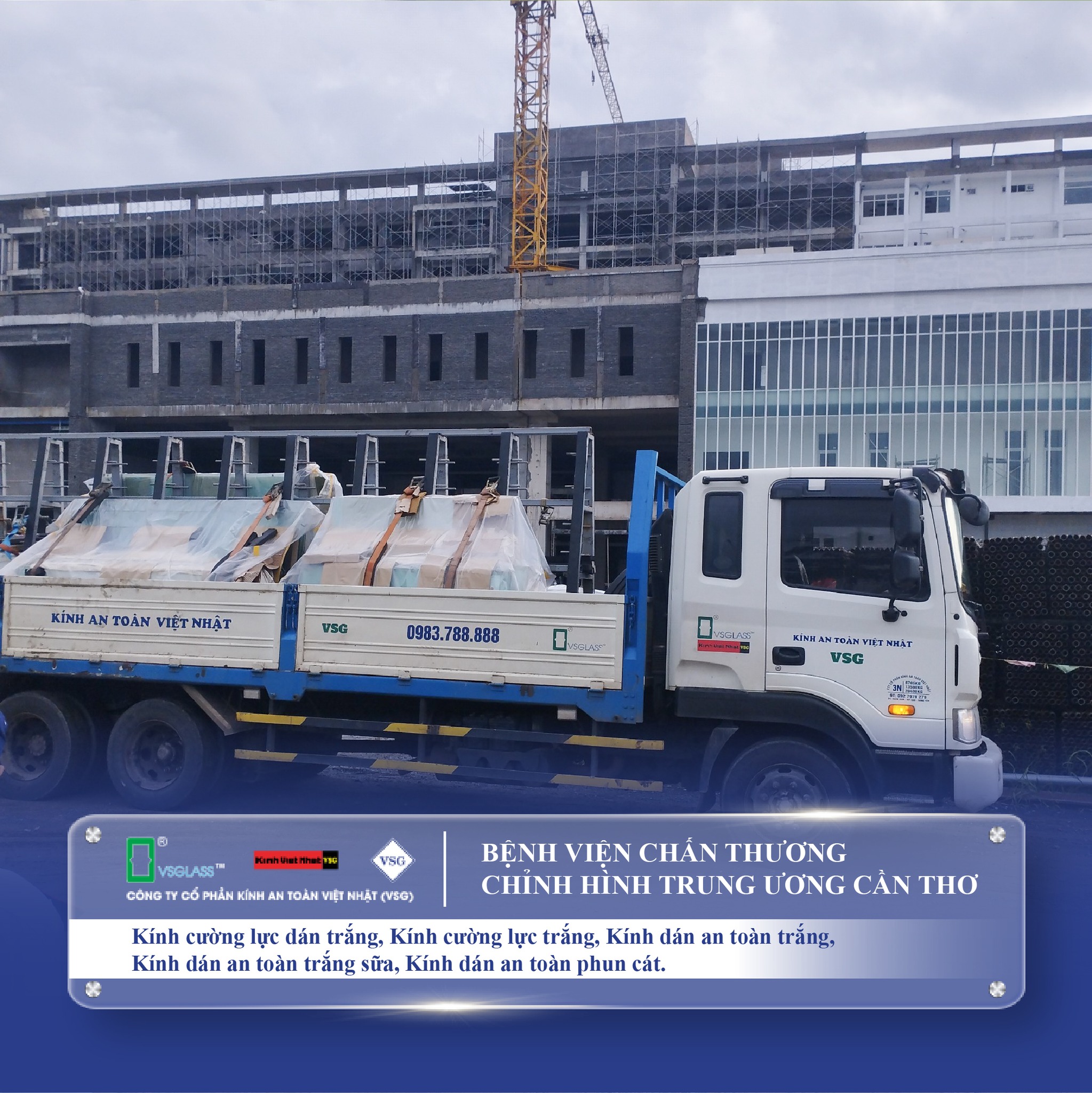
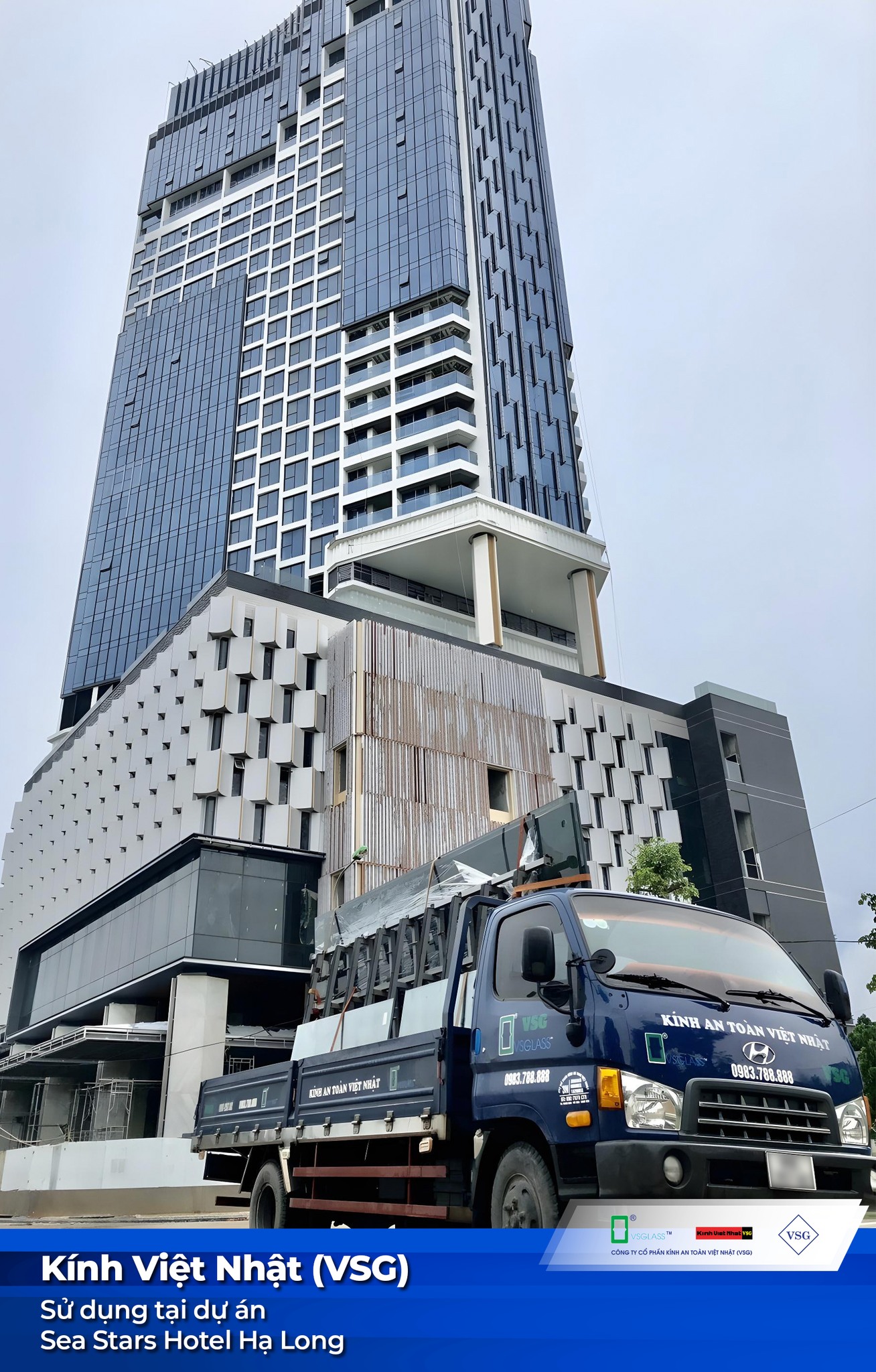
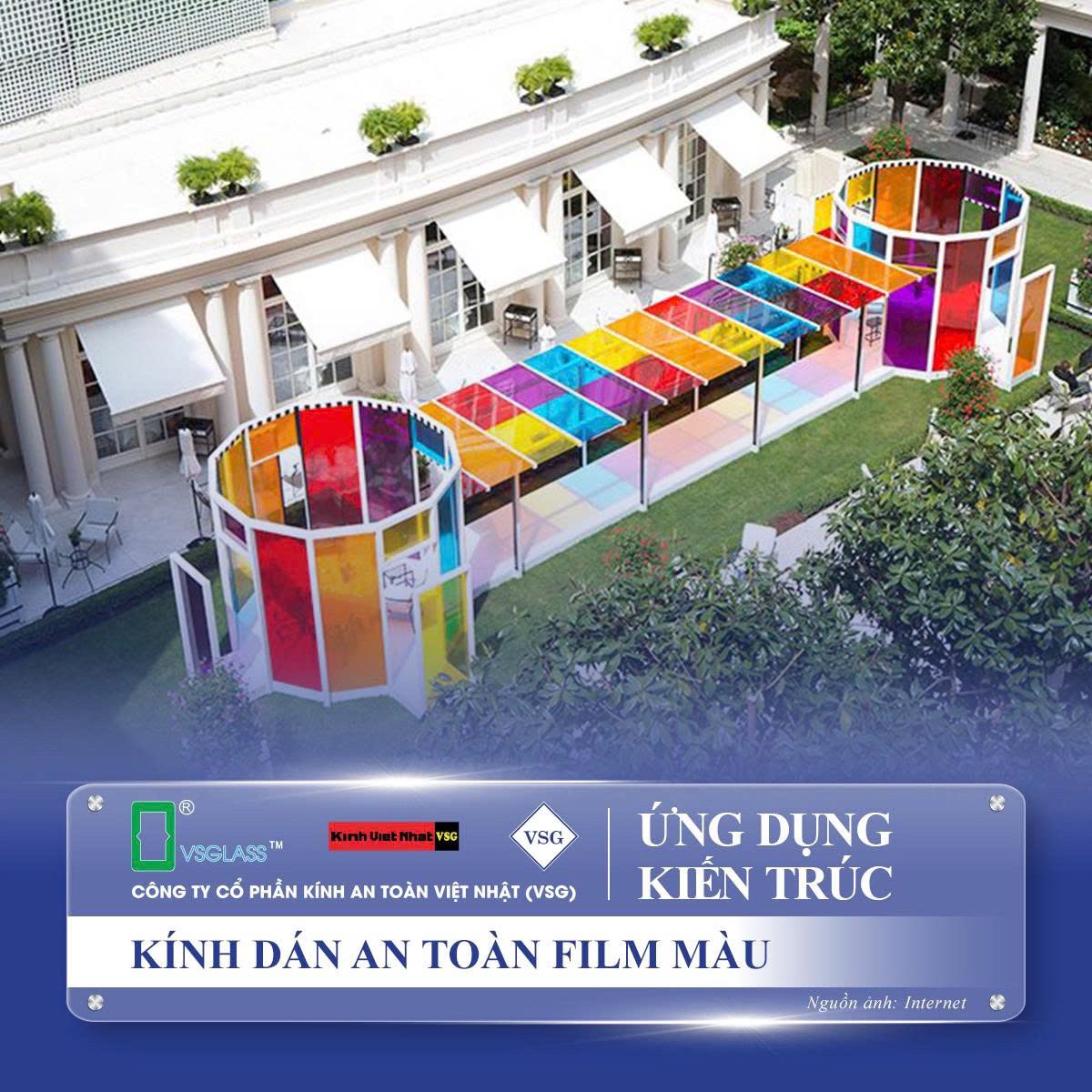
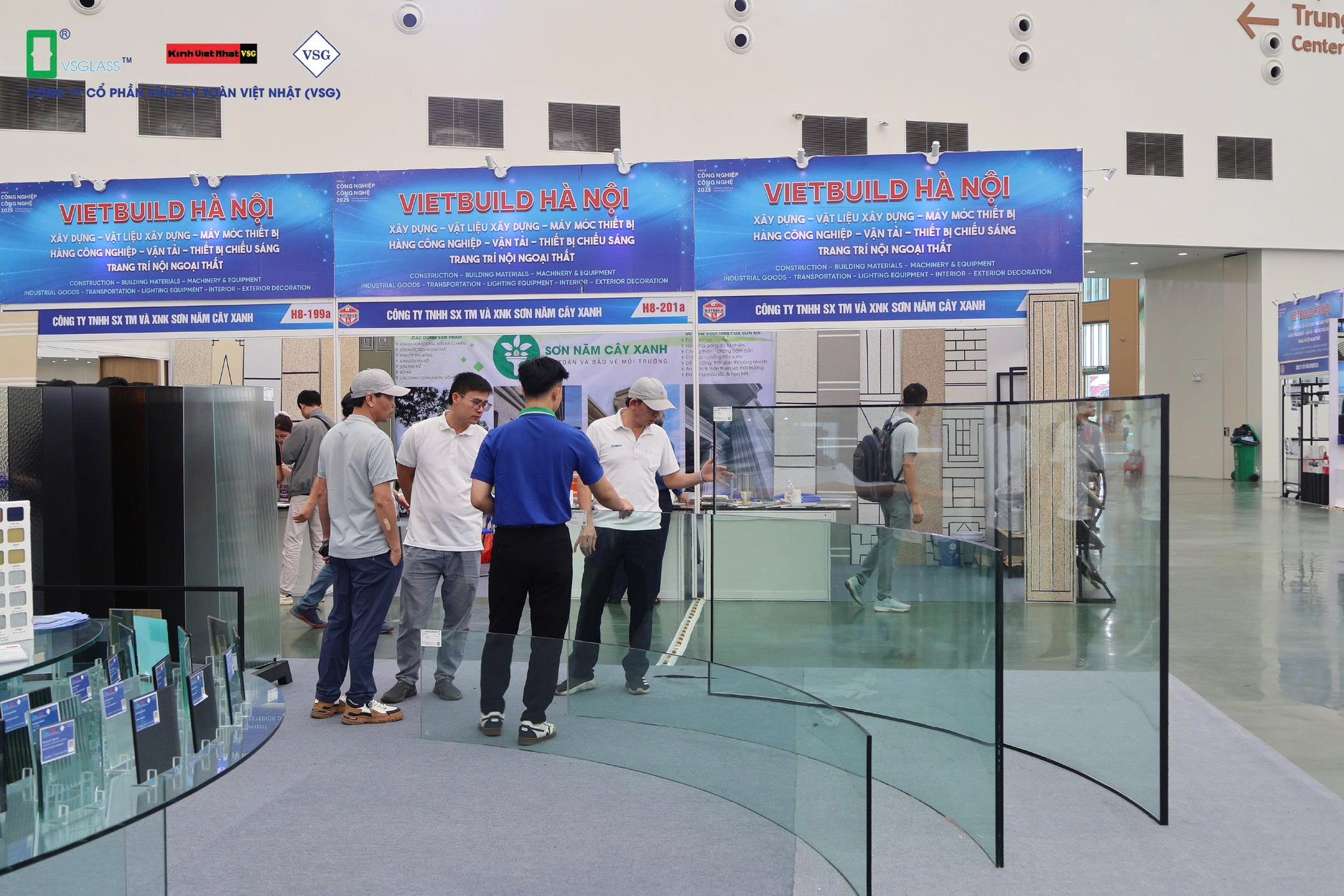
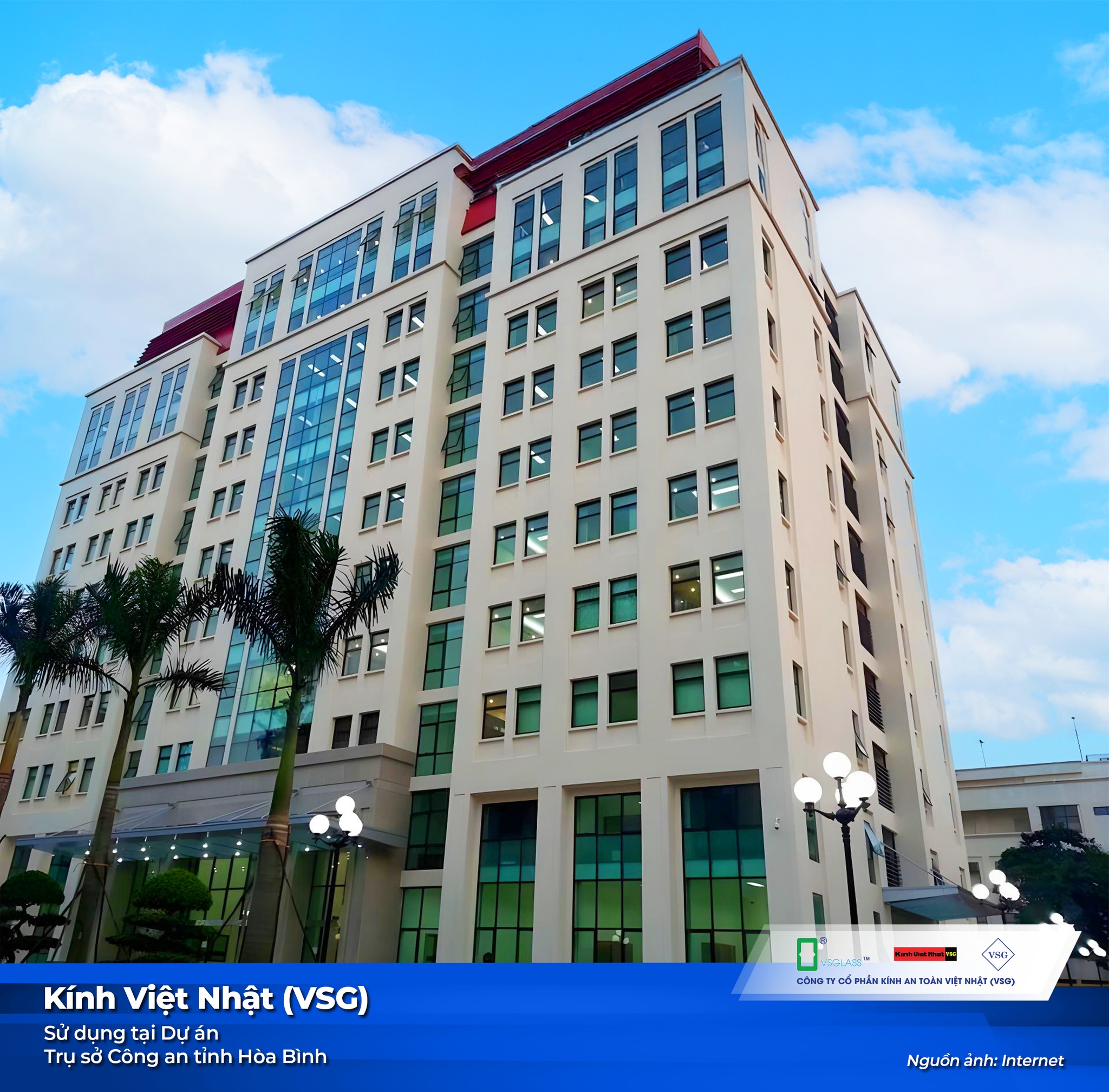
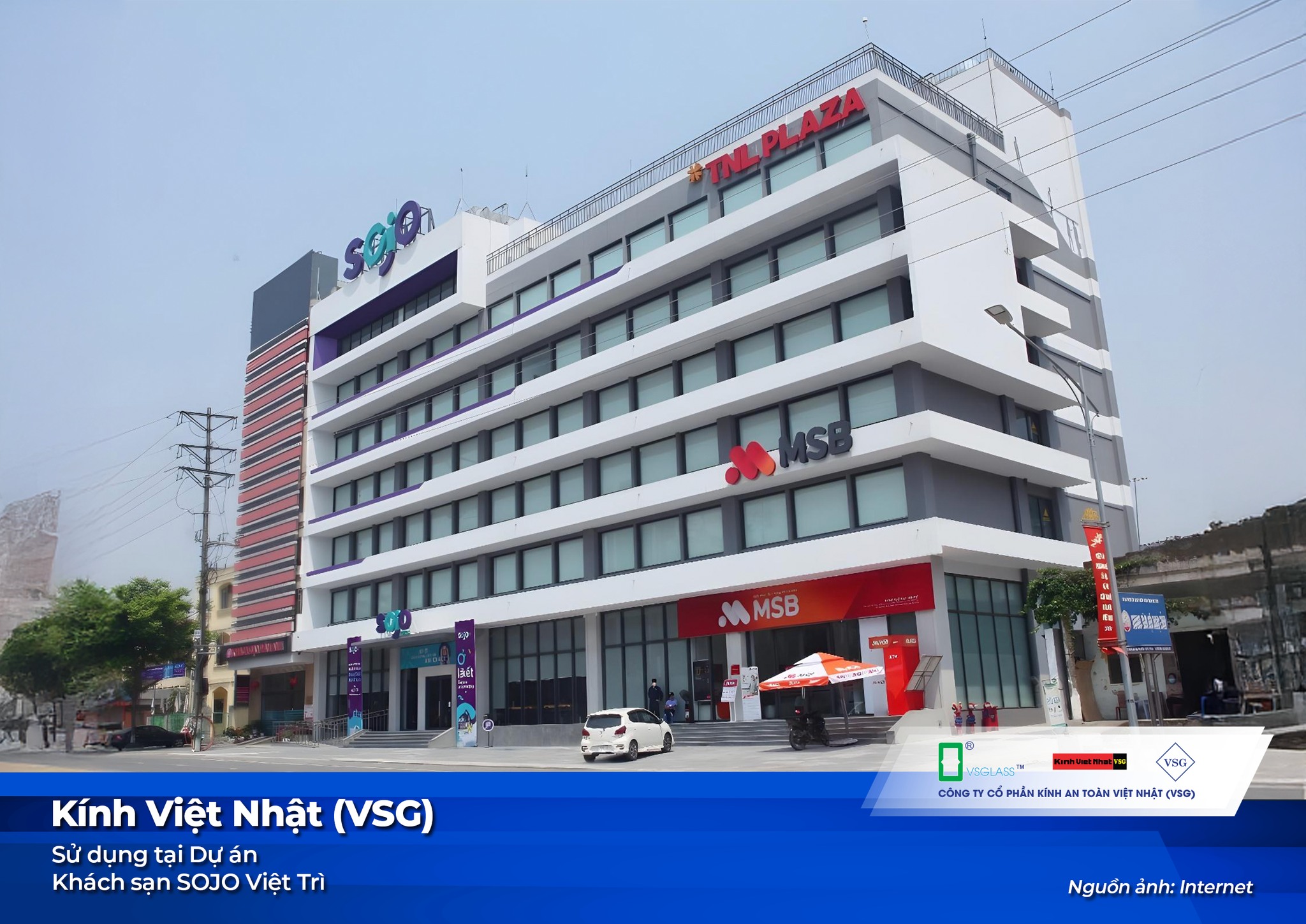
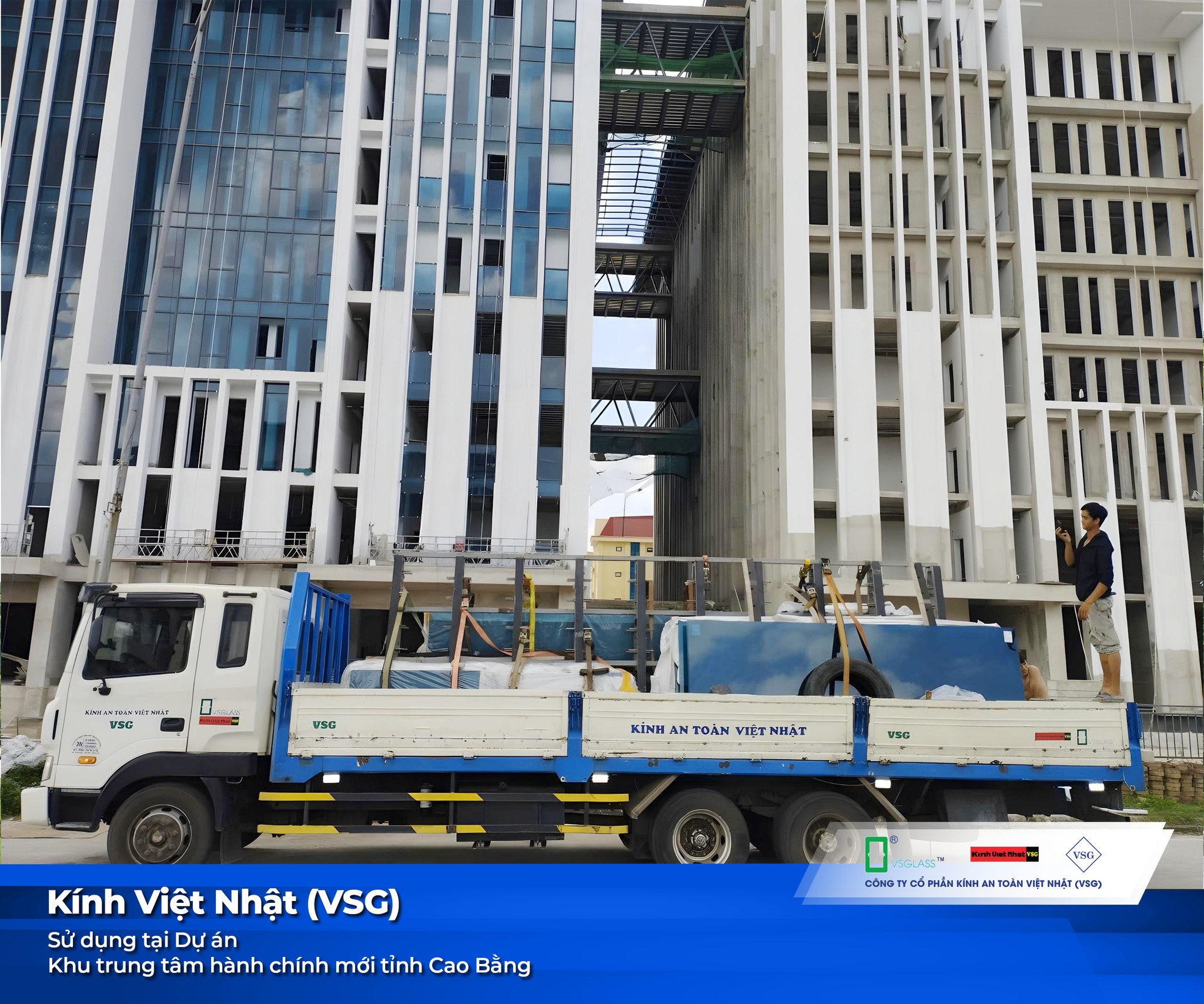
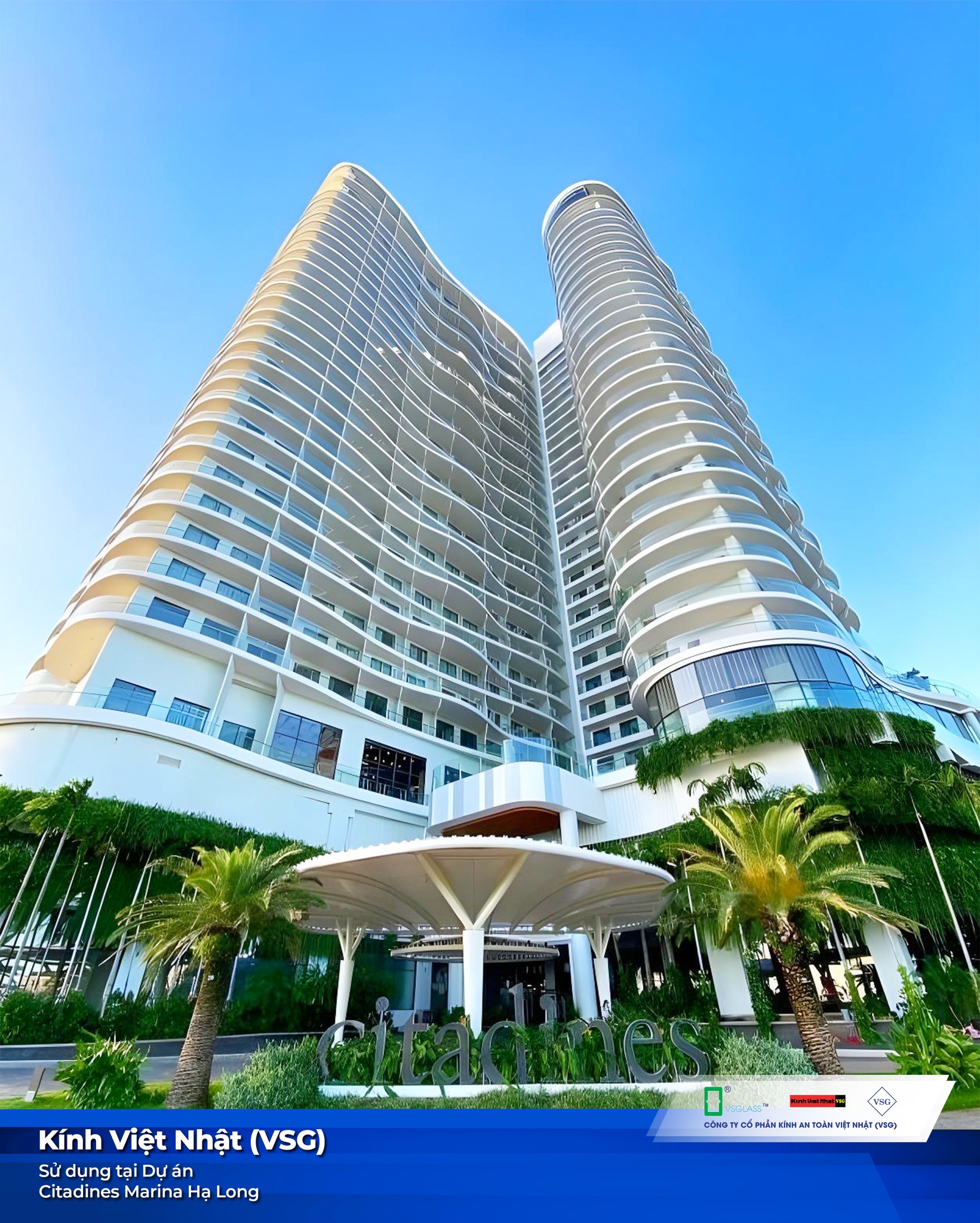
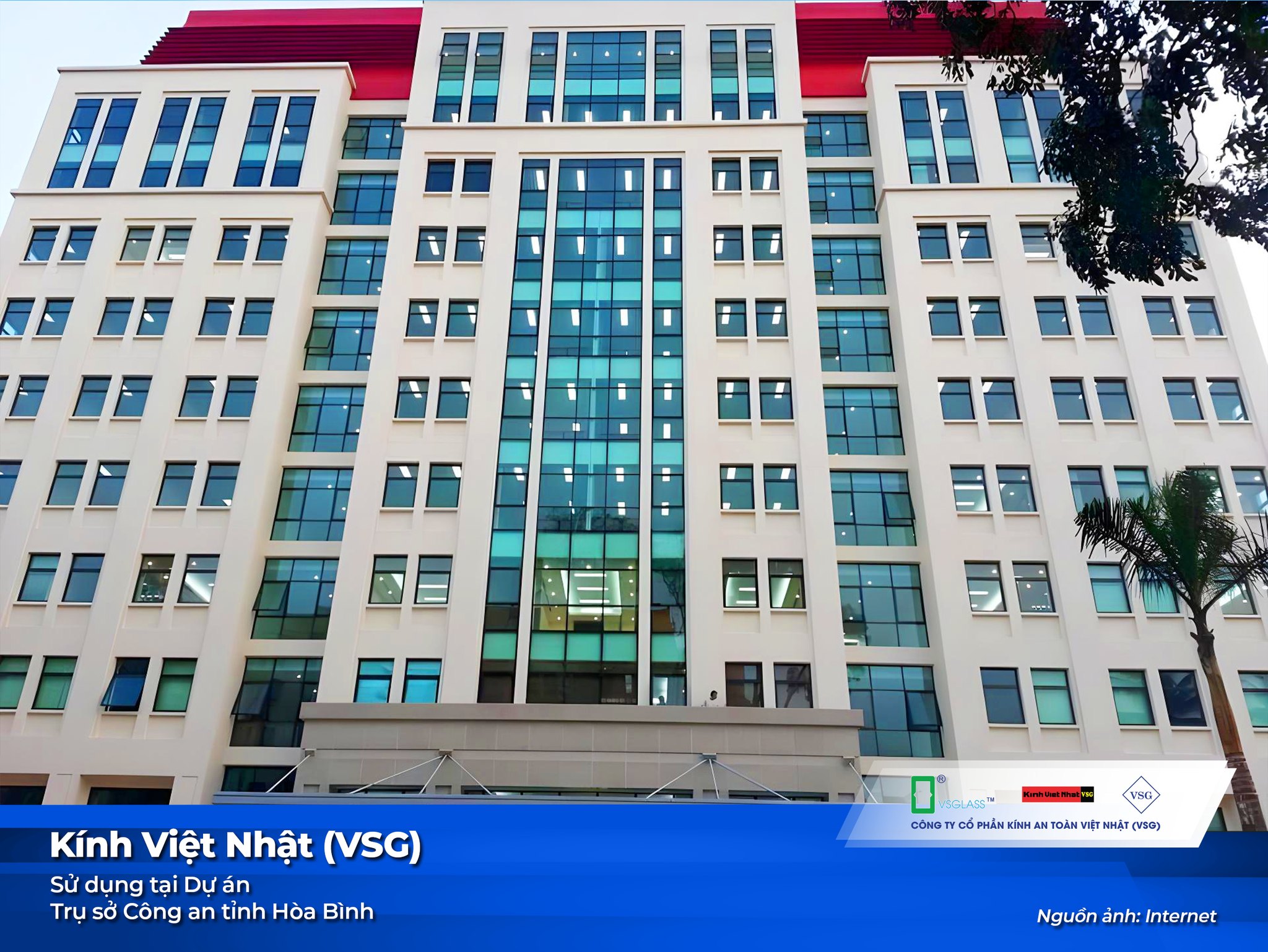
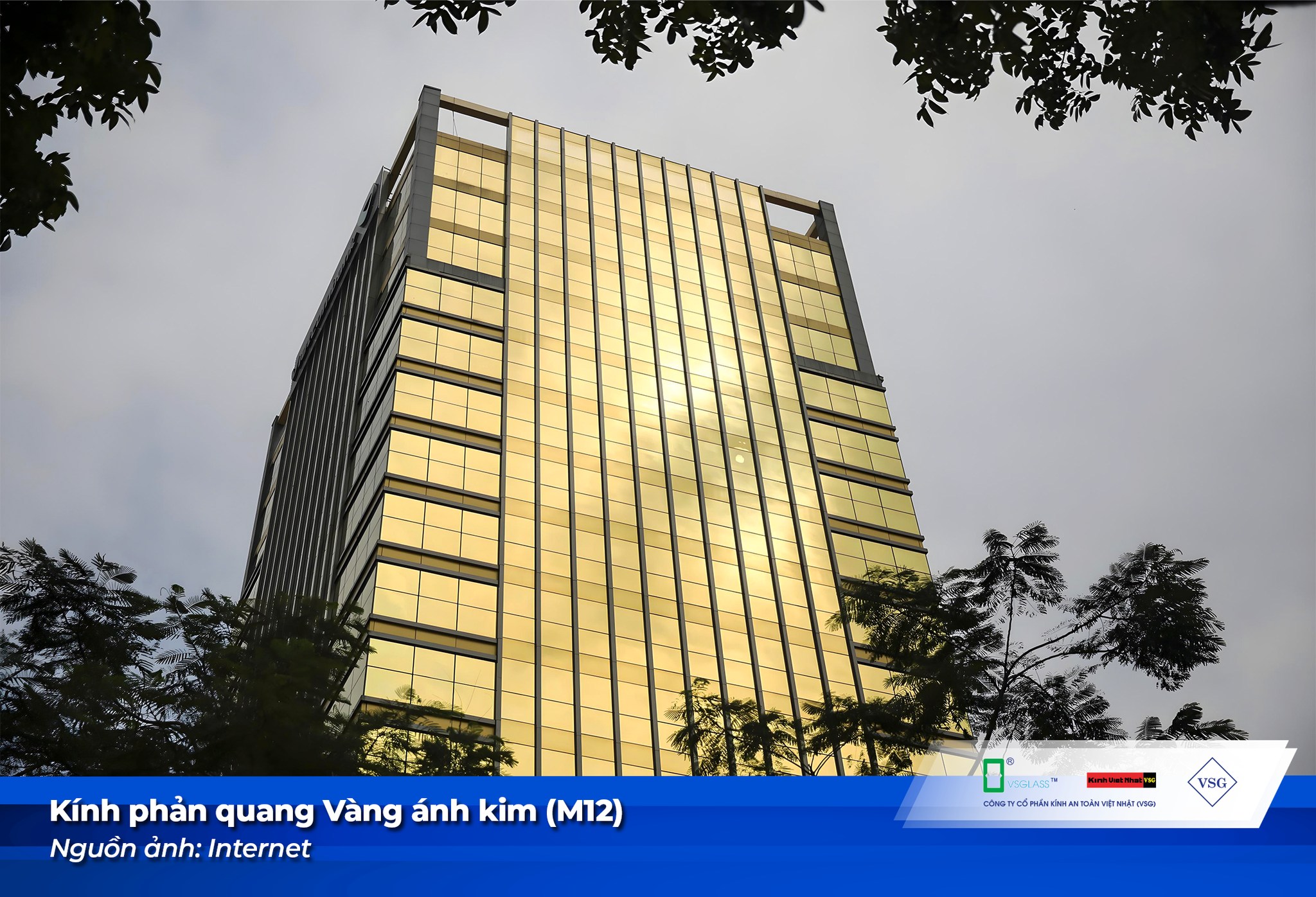
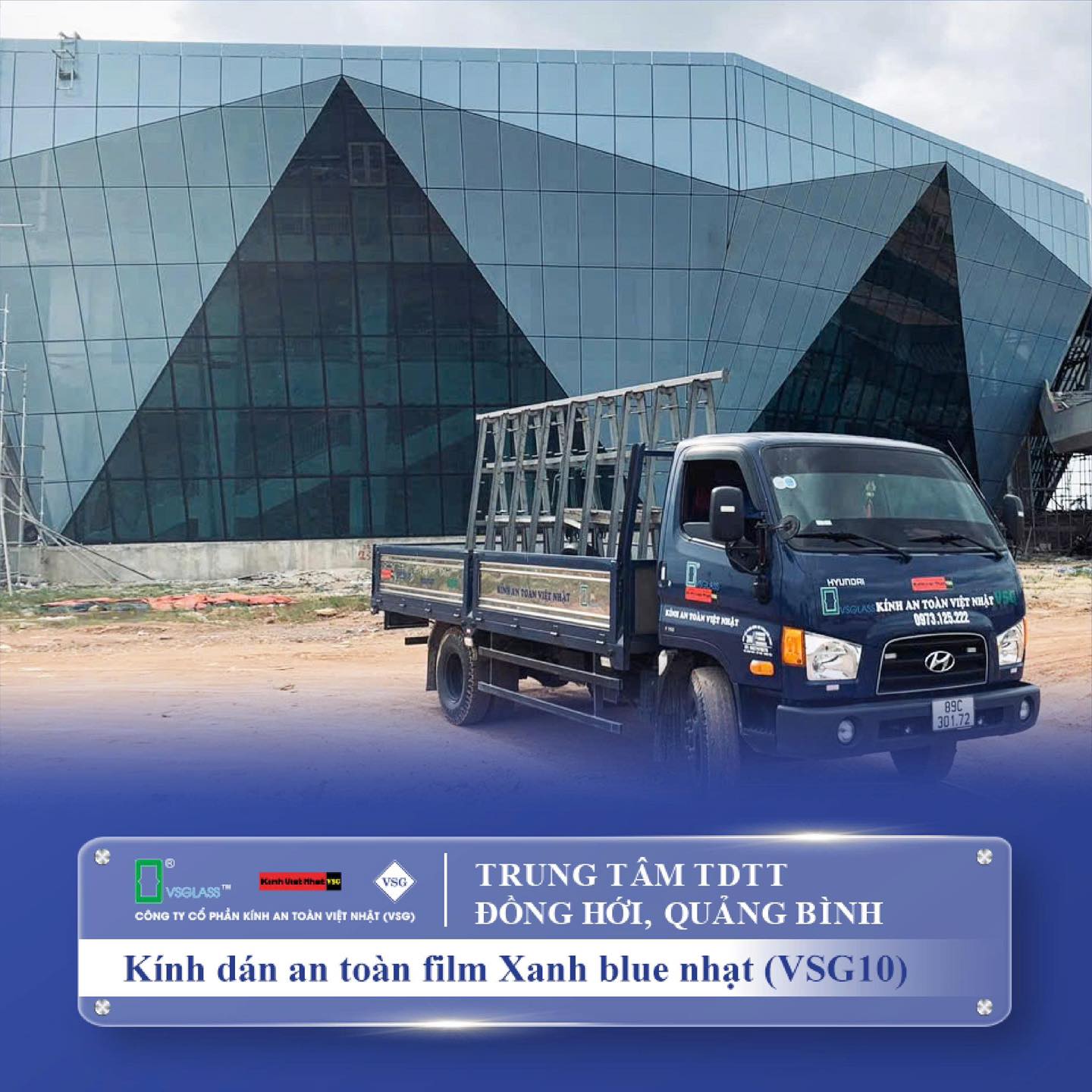
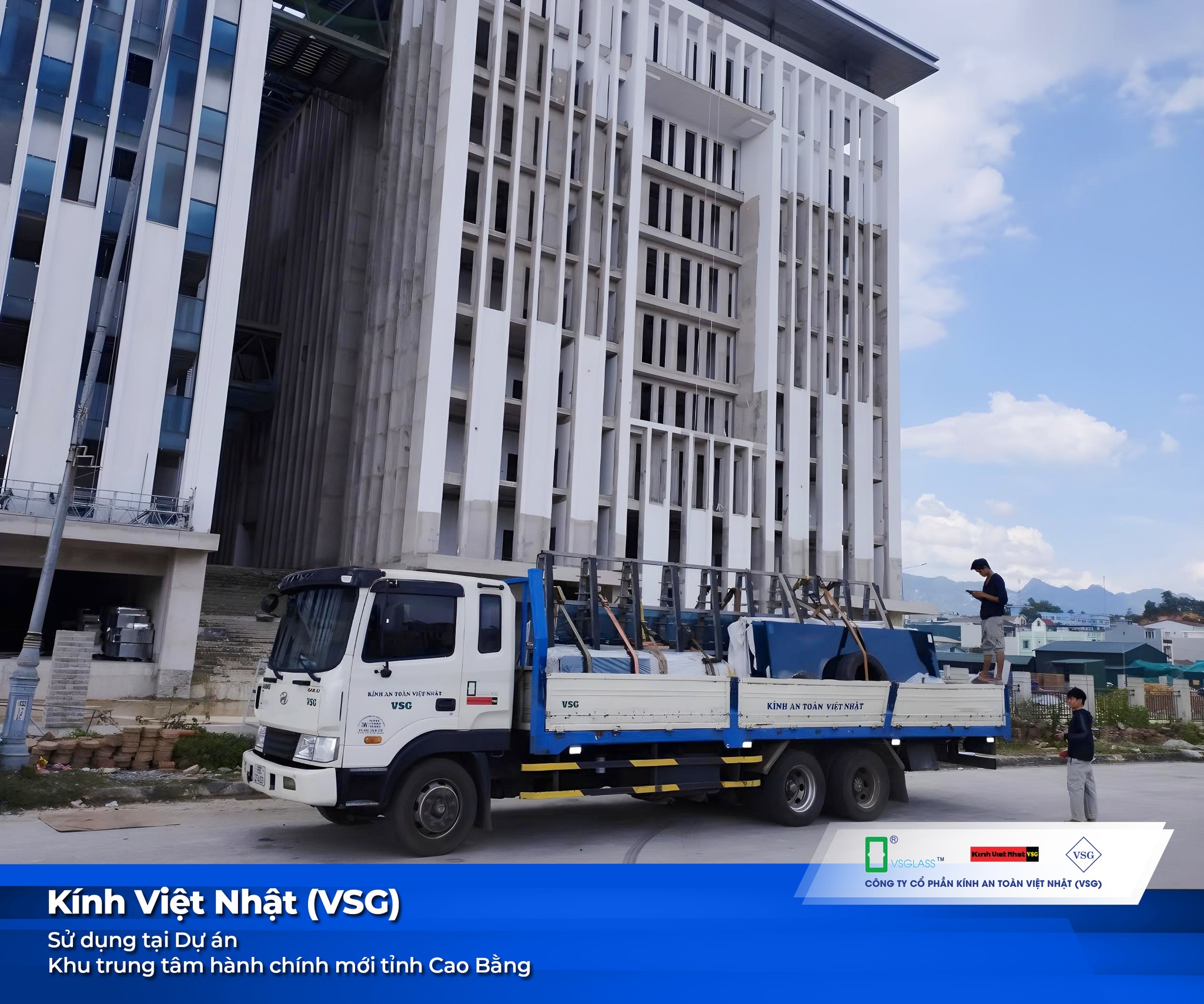
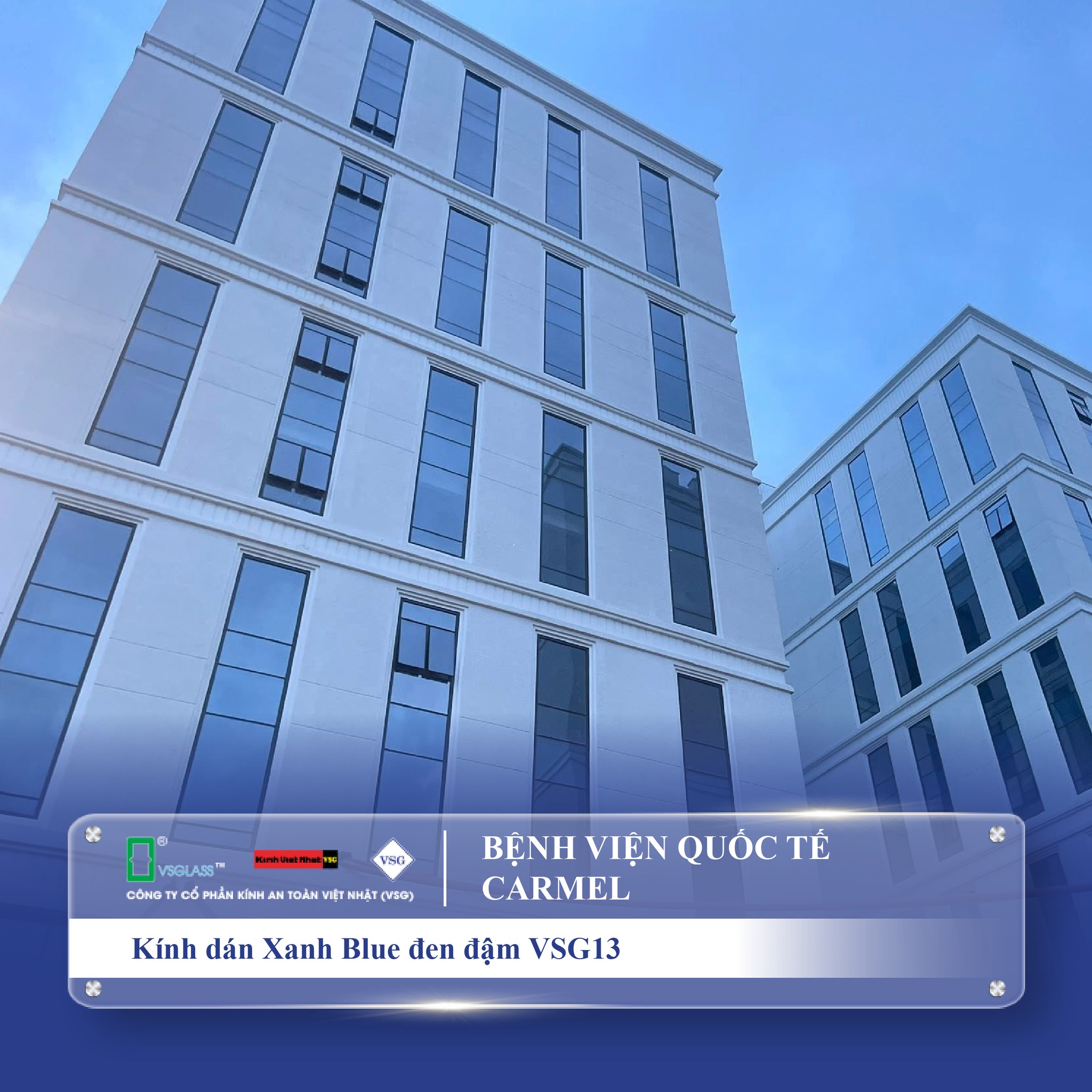
PROJECT PHOTOGRAPHS
Ngoc Quyet Company specializes in distributing construction glass, serving dealers, aluminum and glass contractors, processing workshops, and construction projects.










NGỌC QUYẾT
With extensive experience in the field of building glass, we specialize in distributing building glass to dealers, aluminum and glass contractors, and construction projects.
Professional consulting
Success stems from preparation; we always advise our clients on the most suitable solutions for their project requirements.

Ngoc Quyet Company
Delivery policy to the construction site.
Return policy: 24-48 hours
Warranty policy, if applicable.
Nationwide Glass Supply
Ngoc Quyet Company's team specializes in distributing building glass to dealers, aluminum and glass contractors, and construction projects.