


Cracked Glass:
Cracked glass
What is cracked glass? Structure and the principle behind the formation of the cracking effect.
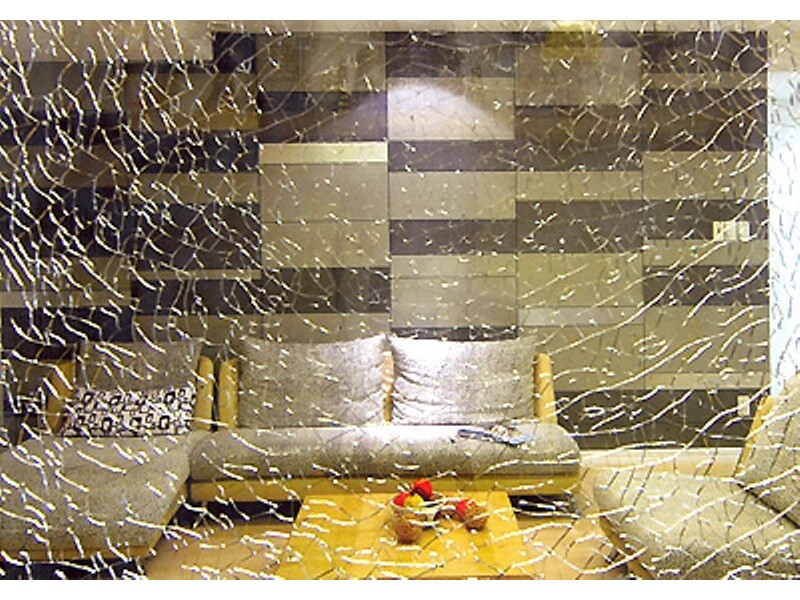
Cracked glass is a high-end decorative material produced using a combination of tempering and safety lamination technology. The standard structure consists of a layer of tempered glass sandwiched between two layers of ordinary glass using a specialized PVB film. After lamination, the tempered glass in the middle is intentionally shattered, but thanks to the PVB film and the strong bond between the two outer layers of ordinary glass, all the fragments remain in place, creating a unique crackling effect while ensuring safe use.
Essentially, cracked glass is a special type of laminated safety glass, where the central tempered glass layer acts as the crack pattern. When intentionally shattered, the tempered glass breaks into countless tiny fragments, distributed along random cracks. These cracks are "sealed" by a PVB film, creating a surface with depth, light effects, and aesthetics that are very different from ordinary clear glass.
The standard structure of a cracked safety glass panel typically includes:
- The outer layer of ordinary glass: Serves as the usable surface and can be clear glass, ultra-clear glass, colored glass, or reflective coated glass.
- First layer of PVB film: Bonds regular glass to tempered glass, while also increasing sound insulation, heat insulation, and UV protection.
- The middle layer of tempered glass: It is heat-treated at high temperatures, then rapidly cooled to increase surface stress, and then subjected to controlled blasting to create a crackling effect.
- Second PVB film layer: Holds the tempered glass fragments together, connecting them to the remaining regular glass layer.
- The inner layer of ordinary glass: Forms the remaining surface of the glass panel, ensuring flatness, glossiness, and safety during use.
Thanks to its multi-layered structure, cracked safety glass offers both an aesthetic "shattered but not shattered" effect and meets stringent standards for safety, durability, and strength. This is why this material is increasingly popular in interior and exterior design, especially in high-end buildings, hotels, shopping malls, and modern homes.
The outstanding advantages of cracked glass in architecture and interior design.
Cracked glass not only creates a visually striking impression but also possesses many superior technical advantages compared to ordinary glass or single-layer tempered glass. The combination of tempering and safety lamination technology allows the product to achieve three key elements simultaneously: aesthetics, safety, and durability.
Unique aesthetic effect, creating a focal point in the space.
The most noticeable advantage of cracked glass is its natural crackle pattern; no two pieces are alike. Each piece of glass is a unique "painting," created from:
- The cracks run randomly in multiple directions, creating a sense of movement and depth.
- The light effect when illuminated by lamps or sunlight causes the tiny fragments to reflect and refract light, creating a sparkling, luxurious effect.
- The ability to combine colors through the use of colored glass, colored films, or LED lights helps to make the space stand out and have personality.
In interior design, decorative cracked glass is often used for:
- Create an artistic room divider between the living room, dining room, and kitchen.
- Create backgrounds for reception desks, bars, and cashier counters in hotels, restaurants, and showrooms.
- Decorative wall cladding for the TV area, staircase, and waiting area.
- Install doors, windows, and skylights that provide both privacy and allow light to pass through.
Superior safety thanks to laminated glass construction.
Although the inner surface is made of shattered glass, cracked safety glass still ensures high safety standards thanks to its multi-layered structure and PVB film. While ordinary glass on the outside might crack under strong impact,:
- The fragments do not scatter but adhere tightly to the PVB film, minimizing the risk of injury.
- The glass panel retained its overall shape, providing a safe timeframe for handling and replacement.
- It offers better security against break-ins compared to single-pane glass, as it's more difficult for intruders to completely break through the glass in a short amount of time.
Compared to ordinary tempered glass, which shatters into small fragments when broken, laminated safety glass offers distinct advantages in applications requiring a high level of safety, such as railings, glass partitions near children's areas, high-rise windows, and crowded public areas.
Durability, load-bearing capacity, and service life.
The tempering technology gives the middle layer of glass high mechanical strength, making it more impact-resistant than ordinary glass of the same thickness. After controlled shattering, the internal stress structure is "released," reducing the risk of spontaneous explosion later. Combined with two layers of ordinary glass and a PVB film, cracked glass has:
- It has good overall load-bearing capacity, suitable for both vertical (walls, doors) and horizontal (tabletops, steps) applications.
- High weather resistance, minimally affected by temperature and humidity changes when used according to standards.
- Long lifespan, especially when using high-quality PVB film and a standardized lamination process.
With proper installation and maintenance, decorative cracked glass can maintain its beauty and functionality for many years without delamination, yellowing of the film, or surface deformation.
The process of manufacturing cracked glass according to technical standards.
To produce a crackle glass that meets EEAT standards for quality and safety, manufacturers must strictly adhere to technical procedures from raw material selection to finished product inspection. Each step directly affects the durability, crackle effect, and long-term stability of the product.
Material selection: glass, PVB film, and accessories.
The raw materials for crackle safety glass include:
- Standard glass: Typically uses high-quality float glass with a flat surface, free of air bubbles and impurities. Common thicknesses range from 5mm to 10mm depending on the application.
- Tempered glass: Made from standard float glass, with a thickness equivalent to or thinner than ordinary glass, ensuring strength and minimal shattering in the event of an explosion.
- PVB film: This is a key factor determining adhesion, transparency, UV resistance, and sound insulation. The PVB film must have a thickness, tensile strength, and aging resistance that meet safety standards for laminated glass.
- Accessories, adhesives, and gaskets: Used during the bonding and installation process, ensuring they do not cause yellowing or chemical reactions with glass and PVB.
Choosing the right type of glass and PVB film not only affects the quality but also determines the aesthetic effect of the cracked glass. For example, using ultra-clear glass will provide true colors and sharp crack lines; while colored glass or film creates an artistic effect, suitable for spaces that need a strong focal point.
I used a technology that involved strengthening and exploding to create a cracking effect.
The core of cracked glass technology lies in the central tempering process. The basic process includes:
- I temper the glass: The glass is heated to a temperature of approximately 650–700°C, then rapidly cooled with a stream of cold air. This process creates compressive stress on the surface, making the glass 4–5 times stronger than ordinary glass.
- Assembled into a multi-layered structure: Tempered glass is placed between two sheets of ordinary glass, with layers of PVB film in between as per the design.
- Controlled shattering: After lamination or in certain special processes before lamination, tempered glass is subjected to impact to shatter into small fragments. The degree and pattern of shattering are controlled to create the desired crack pattern while ensuring that the two outer layers of ordinary glass are not damaged.
Thanks to the PVB film and pressure, all the fragments of the tempered glass are held together, preventing movement and creating a stable cracked surface. The randomness in the shattering process makes each cracked glass panel a unique product, increasing the aesthetic value and personalization of the project.
Secure lamination using PVB film.
After arranging the glass layers and PVB film, the laminated safety glass sheet is fed into the lamination line. The process typically includes:
- Preheating is used to remove air bubbles between the glass and film layers.
- Vacuum sealing ensures that no air is trapped, preventing air bubbles and cloudiness later on.
- Heat pressing – high-pressure pressing in an autoclave, causes the PVB film to melt and adhere completely to the glass surface, forming a unified block.
The standardized lamination process ensures that cracked glass has high transparency, is free of streaks, air bubbles, and delamination during use. At the same time, the PVB film also plays the following roles:
- Absorbs shock, increasing impact resistance.
- Reducing sound transmission improves the soundproofing capabilities of the space.
- Filters UV rays, protecting interior furnishings and the health of users.
Practical applications and considerations when using cracked glass.
Thanks to its combination of aesthetics and safety, cracked glass is widely used in many architectural and interior design projects. Depending on the design requirements, engineers and architects can choose the appropriate thickness, color, crack pattern, and installation method.
Applications in residential and commercial interior design.
In residential settings, decorative cracked glass is often used for:
- Living room-kitchen partition: Creates a soft spatial division, allowing light to pass through while ensuring privacy thanks to the frosted effect.
- Decorative wall cladding: Especially in areas behind the TV, lobbies, and hallways, it helps to make the space more luxurious and distinctive.
- Tabletops, bar counters: Combined with LED lighting from below, the crackle effect becomes more prominent, creating an impressive focal point.
- Doors, windows, skylights: These ensure safety while creating beautiful lighting effects when sunlight shines through.
In commercial buildings, cracked safety glass is preferred in the following applications:
- Decorative wall panels for hotel lobbies and shopping malls.
- Background for reception desk, cashier counter, and display counter.
- Stair railings and handrails are combined with metal or wooden frames.
- Signs, nameplates, and logos with a unique crackle effect.
Thanks to its ability to blend with artificial light, cracked glass is particularly suitable for spaces that need to create a strong impression on customers, such as showrooms, spas, restaurants, bars, and modern-style cafes.
Technical considerations when designing and installing cracked glass.
To maximize the effectiveness and safety of cracked glass, several important technical points should be considered during the design and construction process:
- Calculating glass thickness: Based on the panel size, installation location (indoor or outdoor), wind load, and service load, select the appropriate glass configuration.
- Frame and accessories: Aluminum, steel, or wooden frames must be sufficiently rigid and have appropriate gaskets to prevent stress concentration at the glass edges.
- Expansion gap: Allow space for thermal expansion of the glass, avoiding tight sealing at all four edges which could cause unwanted cracking or breakage.
- Installation location: For items prone to impact, it is preferable to use a thicker, crackle safety glass configuration, with an additional PVB film reinforcement layer.
- Maintenance and cleaning: Use a neutral glass cleaning solution and a soft cloth, avoiding corrosive chemicals or sharp objects that could scratch the outer glass surface.
When designed and installed correctly, cracked glass is not only a decorative material but also a safe and sustainable solution for many types of construction. The combination of tempering technology and safety lamination with PVB film helps the product meet stringent technical requirements while providing high aesthetic value to living and working spaces.

Vách kính cường lực
Phòng ngủ chính là một trong những không gian quan trọng nhất trong căn nhà, giúp gia chủ có những giây phút nghỉ ngơi thoải mái sau một ngày làm việc mệt mỏi. Trong cuộc sống hiện đại ngày nay, không gian sống của chúng ta thường nhỏ, hẹp, thiếu ánh sáng, khi thiết kế nội thất cho ngôi nhà của mình, chúng ta nên tận dụng tối đa khả năng phản chiếu của ánh sáng. Để làm được điều đó, việc lắp đặt, sử dụng vách kính cường lực là 1 trong những lựa chọn tối ưu mà nhiều gia đình Việt Nam đang hướng đến. Thay vì thiết lập một bức tường vững chãi, chật trội tại sao chúng ta không thử sáng tạo với vách kính cường lực?

Sàn Kính Chịu Lực
Ngày nay trong nền kiến trúc thế giới, việc sử dụng sàn kính chịu lực tại các công trình kiến trúc nổi tiếng được coi là một sự sáng tạo phi thường, nó mang lại những kỳ diệu cho tinh thần của chúng ta. Chỉ với những tấm kính chịu lực, các kiến trúc sư có thể thỏa sức sáng tạo ý tưởng.

Rèm Kính Hộp
Rèm kính hộp là sản phẩm kết hợp giữa tấm rèm cửa và kính hộp có chân không, giúp cách âm cách nhiệt vượt trội, đồng thời có thể điều chỉnh ánh sáng linh hoạt, tối ưu không gian cửa cho các thiết kế hiện đại.

PHÒNG TẮM KÍNH
Cabin phòng tắm kính là sản phẩm được sử dụng phổ biến trong các phòng tắm hiện đại. Đặc tính chính của cabin phòng tắm kính bao gồm: An to An toàn: Cabin phòng tắm kính được làm từ kính cường lực chịu lực tốt, có độ dày từ 8-12mm, an toàn cho người sử dụng. Đa dạng về kiểu dáng: Cabin phòng tắm kính có nhiều kiểu dáng, kích thước và màu sắc khác nhau để phù hợp với nhu cầu và sở thích của người dùng. Tiện ích: Cabin phòng tắm kính được trang bị đầy đủ các phụ kiện như vòi sen, bộ xả, thanh treo, khóa cửa, đèn LED, loa Bluetooth,… giúp người dùng có được trải nghiệm tốt nhất khi sử dụng. Dễ dàng vệ sinh: Vì được làm từ kính cường lực nên cabin phòng tắm kính dễ dàng vệ sinh và lau chùi, không để lại vết bẩn hay mảng nước. Tiết kiệm không gian: Cabin phòng tắm kính có thiết kế nhỏ gọn, tiết kiệm không gian phòng tắm, phù hợp cho các căn phòng tắm có diện tích nhỏ. Tóm lại, cabin phòng tắm kính là sản phẩm hiện đại, an toàn và tiện ích, giúp tạo nên không gian phòng tắm đẹp mắt và tiện nghi cho người dùng.

Lan Can Kính
Lan can kính là một hạng mục mới được khai thác ở nước ta. Nếu những loại lan can gỗ, bê tông ngày xưa chưa mang lại được vẻ đẹp hiện đại sang trọng cho các công trình thì ngày nay với lan can kính đang là sự đột phá mới. Hiện nay, lan can kính không chỉ sử dụng cho các không gian rộng lớn như siêu thị, trung tâm thương mại, trung tâm tổ chức sự kiện, sân bay để tạo sự tráng lệ, hoành tráng cho những nơi đó, mà nay còn được đưa vào sử dụng ngay tại chính ngôi nhà của chúng ta. Để thay thể những lan can song kim loại hay song gỗ thông thường, người dân đã hướng đến việc sử dụng lan can kính ở cầu thang, hành lang và ban công. Với sự đa dạng về mẫu mã và thiết kế, bên cạnh sự bền vững chắc chắn, lan can kính còn mang lại vẻ đẹp hiện đại, sang trọng và tạo được điểm nhấn, xóa đi điểm tĩnh cho ngôi nhà của bạn.
Curved Glass

Kính Solar Control
Kính Solar Control là loại kính có khả năng kiểm soát nguồn nhiệt lượng từ mặt trời, giúp ngăn chặn lên tới 65% nhiệt lượng và tới 99% tia UV, đảm bảo không gian bên trong luôn mát mẻ, dễ chịu và an toàn cho sức khỏe
Cracked Glass:
Kính phun cát
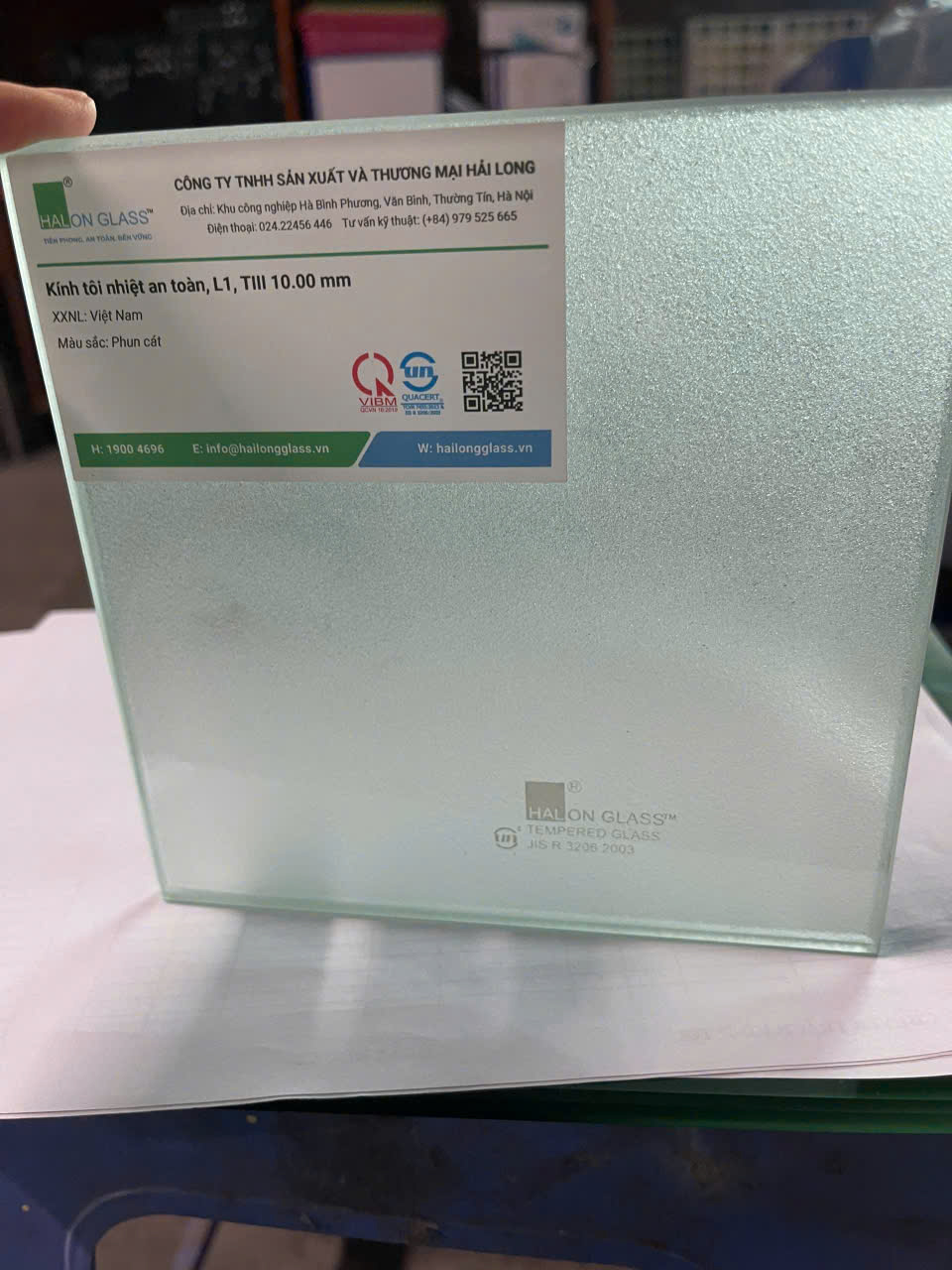
Kính phun cát là một giải pháp thông minh để trang trí và che không gian tại những vị trí cần thiết. Những nhà nghiên cứu và sản xuất về kính dần cải biến và phát triển dòng vật liệu này để được sử dụng rỗng rãi trong đời sống. Chính vì vậy kính cường lực phun cát được ra đời nhằm mục đích ứng dụng cái đẹp, sáng tạo trong ngành vật liệu trang trí nội thất.
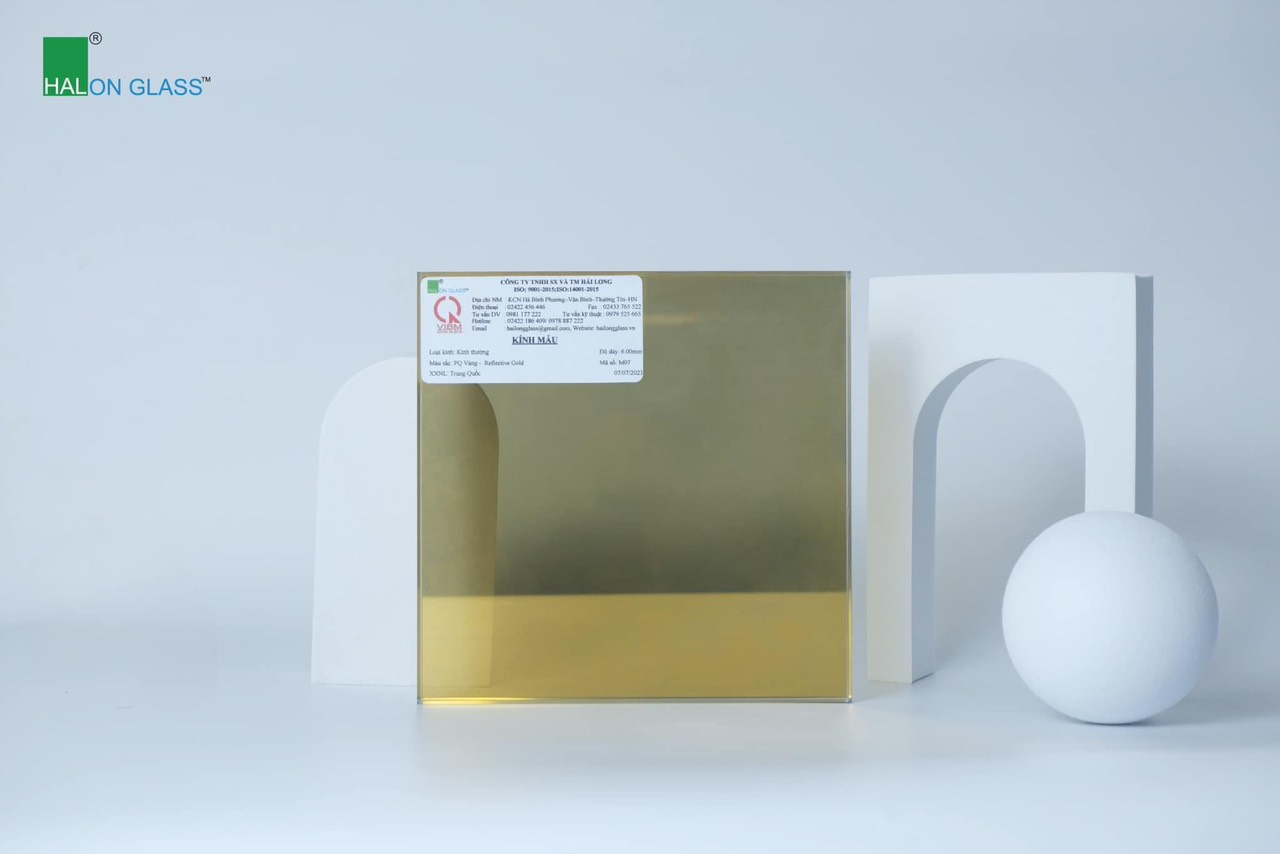
Reflective glass
Reflective glass is a type of flat glass that optically reflects light, blocks ultraviolet rays, provides good thermal insulation, but still maintains transparency and allows light to pass through thanks to a special layer of metal oxide evenly coated on one surface of the glass.




























































