Automotive and Marine Glass
We supply high-quality, durable automotive and marine glass that enhances both the safety and aesthetics of your vehicle or vessel.
Automotive and Marine Glass: Role and Applications in Modern Transportation
Materials and Manufacturing Technology for Automotive and Marine Glass -
Safety Standards and Testing -
Applications and Special Features of Automotive and Marine Glass
- UV-protective glass: Protects skin and eyes from the harmful effects of ultraviolet rays, while also preventing aging of the car's interior.
- Anti-glare glasses: Minimize glare when driving at night or in direct sunlight.
- Rain-sensing windshield wipers: Automatically activate the wipers when water is detected on the windshield surface, enhancing convenience and safety when driving in rainy conditions.
- Soundproof glass: Helps reduce noise from the outside environment, creating a quiet and comfortable space for those inside the vehicle.
Integrated Technology in Automotive and Boat Windows
- Head-Up Display (HUD): Displays important information such as speed and navigation directions directly on the windshield, helping the driver keep their eyes on the road.
- Light and temperature sensors: Automatically adjust the brightness and heat insulation of the glass to suit environmental conditions.
- Collision warning system: Uses sensors mounted on the windshield to detect potential collisions and warn the driver in a timely manner.
Maintenance and Replacement of Car and Boat Glass
- Regular cleaning: Use a specialized cleaning solution and a soft cloth to clean the glass surface, preventing scratches and maintaining clear visibility.
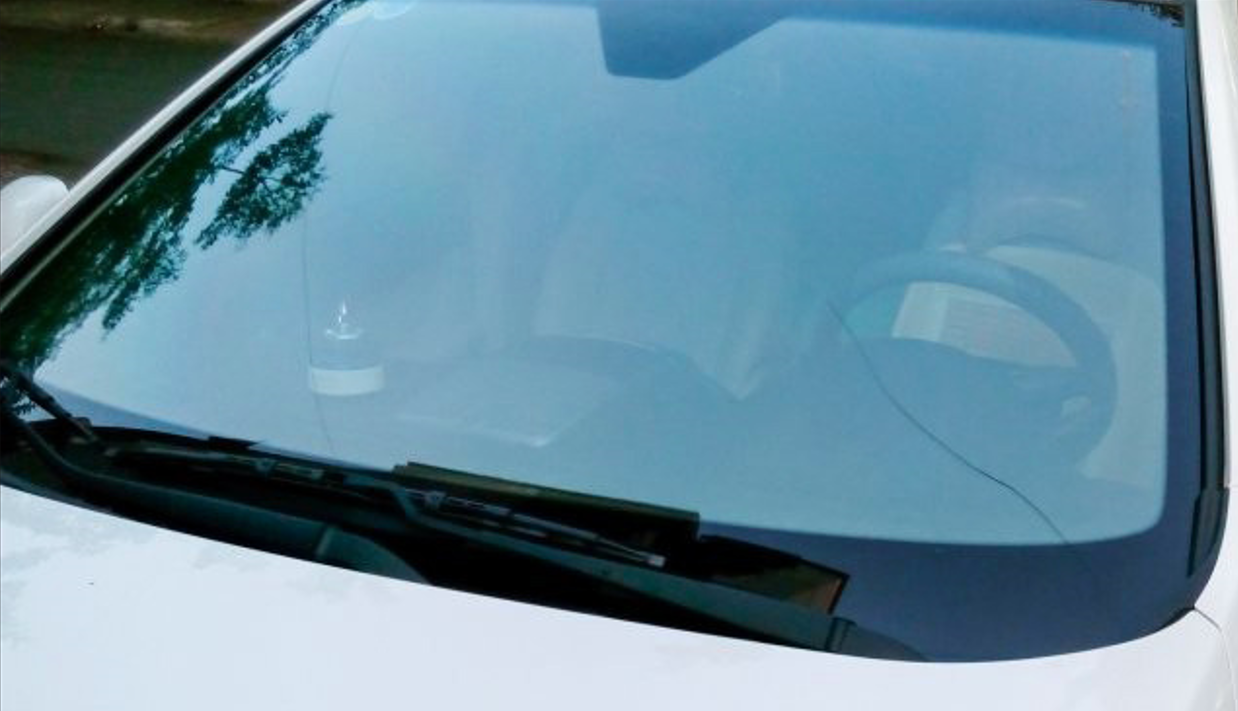
- Inspect and repair cracks: Small cracks need to be addressed promptly to prevent them from spreading and becoming dangerous.
- Protection from physical impact: Avoid strong collisions, parking in areas where objects are likely to fall, or exposure to harsh environmental conditions.
Safety standards for automotive and marine glass;
Application of technology in glass manufacturing.
Automotive and marine glass plays a vital role in protecting drivers, passengers, and equipment inside from external impacts such as weather, dirt, collisions, and UV rays. In the transportation industry, glass is not simply a transparent material but a complex engineering component, requiring a combination of advanced materials and modern manufacturing technology to ensure optimal safety and performance.
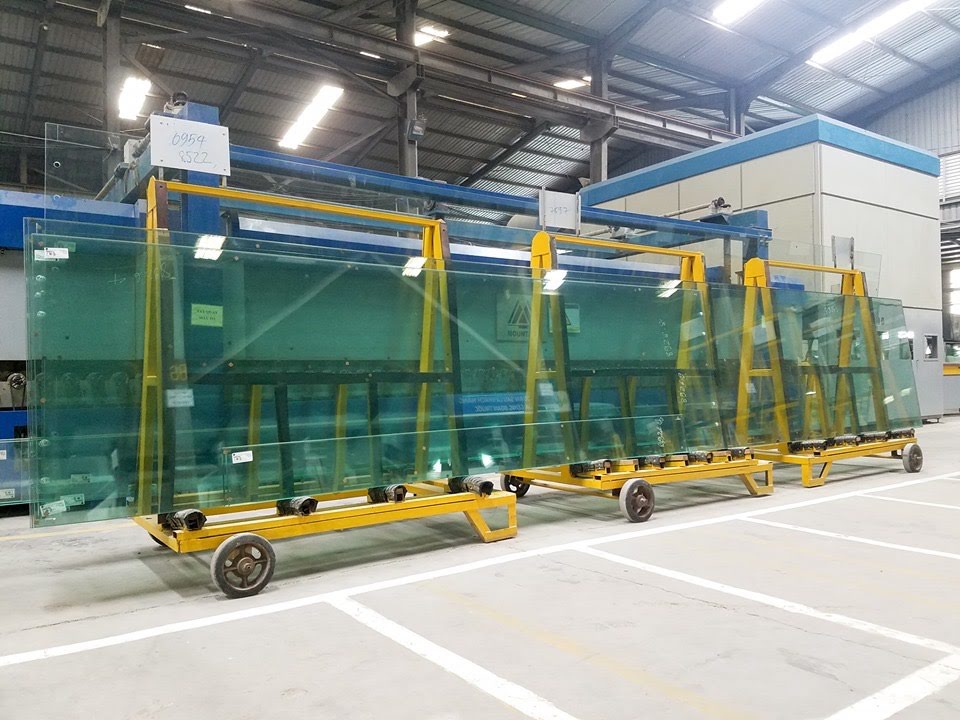
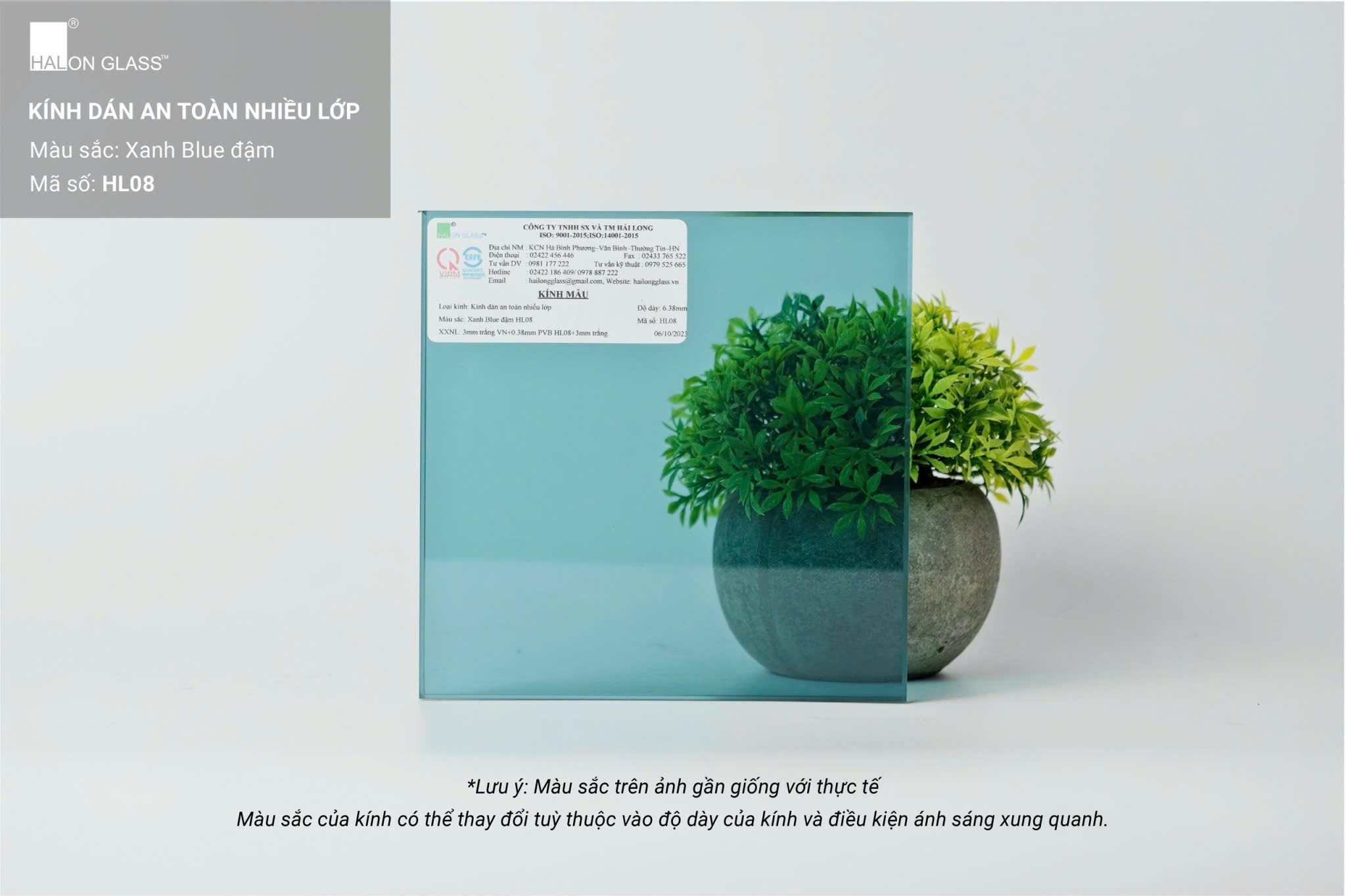
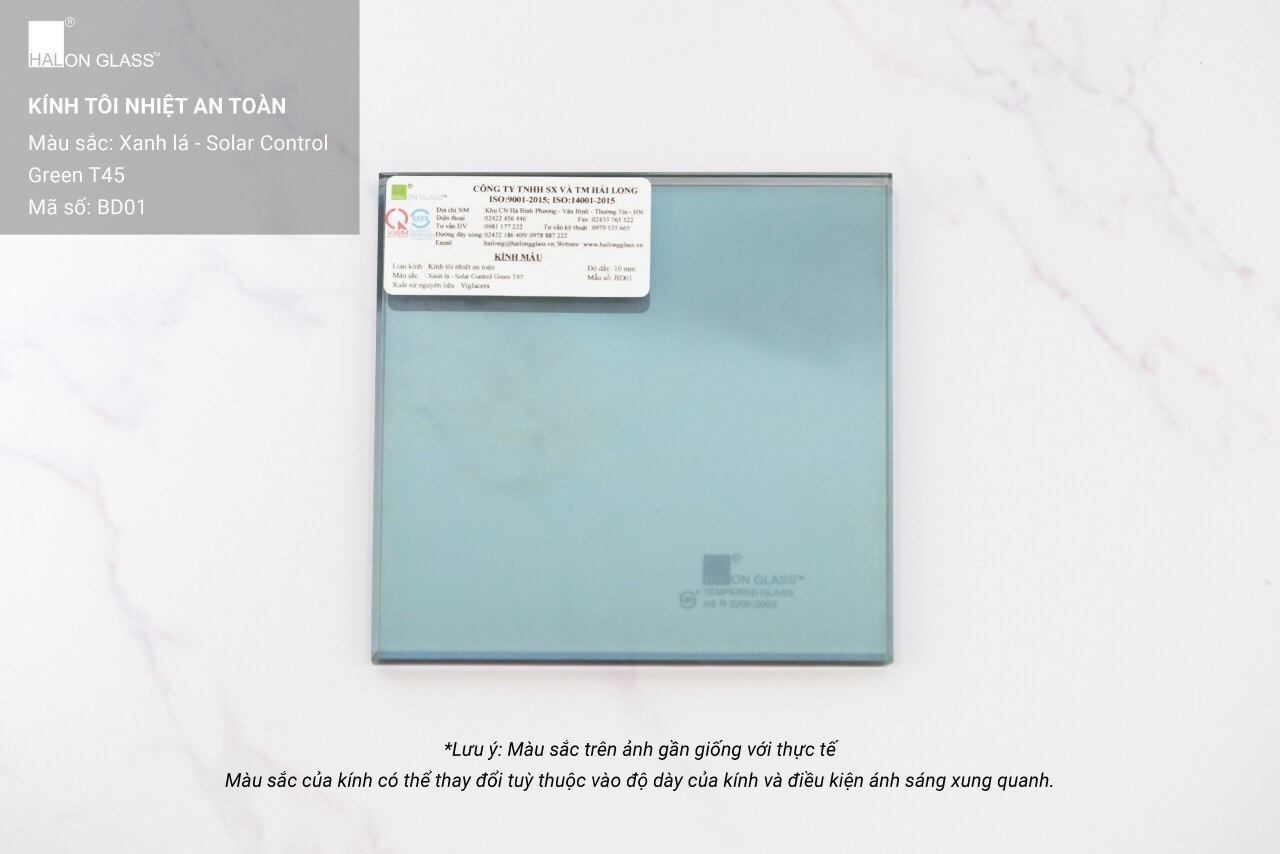
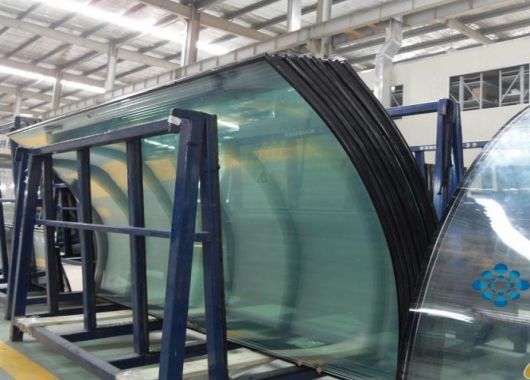
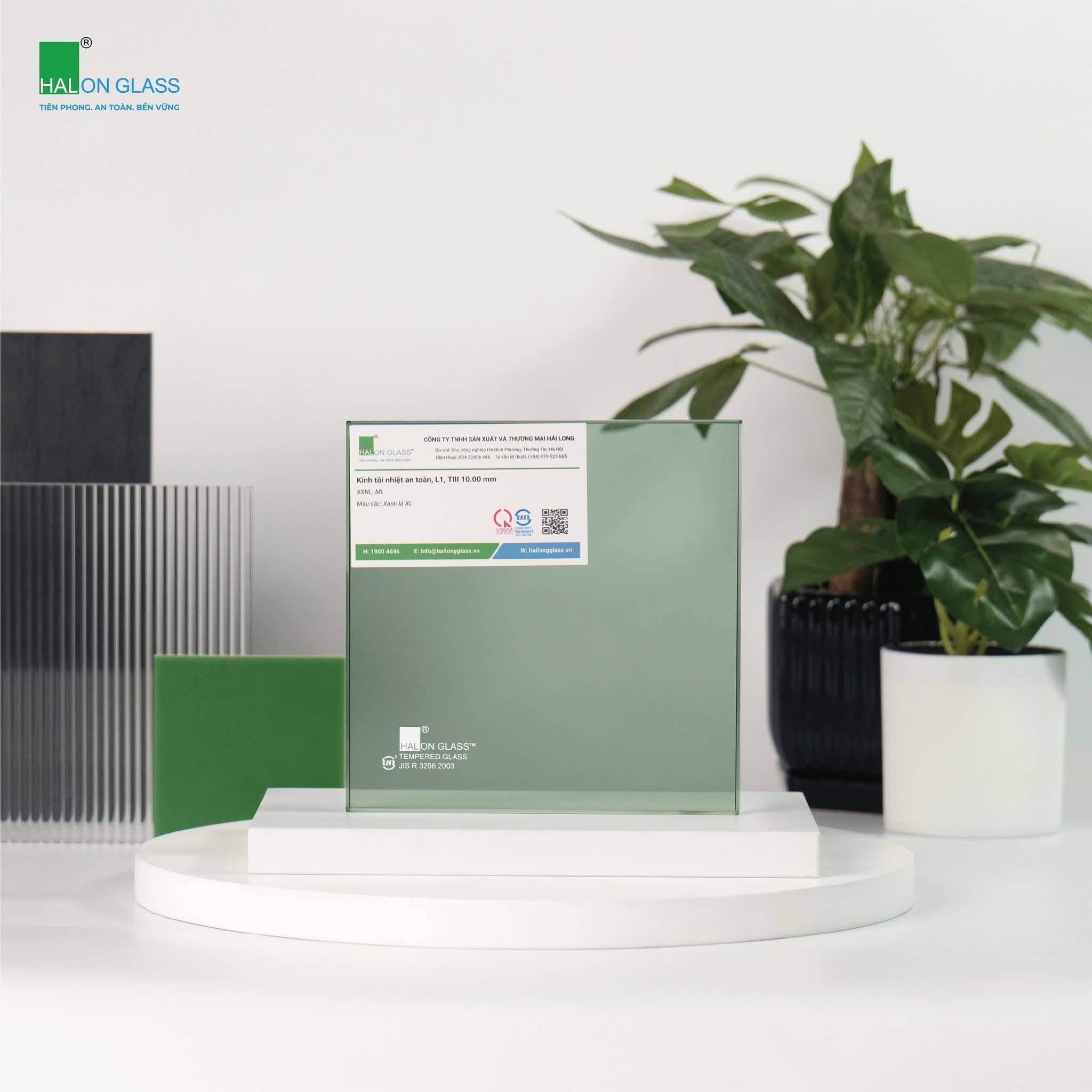
Automotive and marine windows are typically made from either tempered glass or laminated safety glass, each with its own characteristics and applications. Tempered glass undergoes heat or chemical treatment to increase its strength and impact resistance; when broken, it shatters into small, non-sharp fragments, reducing the risk of injury. Laminated safety glass, on the other hand, consists of two or more layers of glass bonded together by a PVB (Polyvinyl Butyral) plastic film, which holds the glass fragments together when broken, increasing impact and penetration resistance.
Modern glass manufacturing technology also incorporates features such as UV protection, anti-reflective coatings, heat insulation, and self-cleaning capabilities. In particular, heat-insulating glass is coated with a thin film that helps reduce the temperature inside vehicles or ships, enhancing comfort and saving energy on air conditioning. Nano-coating technology also enables the glass to self-clean by breaking down dirt under the influence of sunlight and rain.
Automotive and marine glass must comply with strict safety standards set by international and national organizations. For example, the European Union's ECE R43 standard specifies the strength, impact resistance, and shatter safety of automotive glass. Similarly, the US ANSI Z26.1 standard also sets out specific technical requirements for motor vehicle glass.
In addition to international standards, each country has its own regulations to ensure quality and safety for users. Glass must be impact-resistant, heat-resistant, and UV-resistant to protect passengers in all environmental conditions. In particular, when the glass breaks, the material must not produce sharp, dangerous fragments; tempered glass or laminated glass with a safety film is commonly used.
Modern technologies such as nano-coating, heat treatment, and mechanical reinforcement are applied to enhance the durability and safety features of the glass. Rigorous quality control checks are also conducted through impact, bending, and heat resistance tests to ensure the product meets technical standards and provides optimal protection for users.
The testing process includes impact tests, heat resistance tests, puncture resistance tests, and transparency tests. For marine glass, the standards also add requirements for resistance to seawater corrosion and the ability to withstand high pressure in harsh weather conditions.
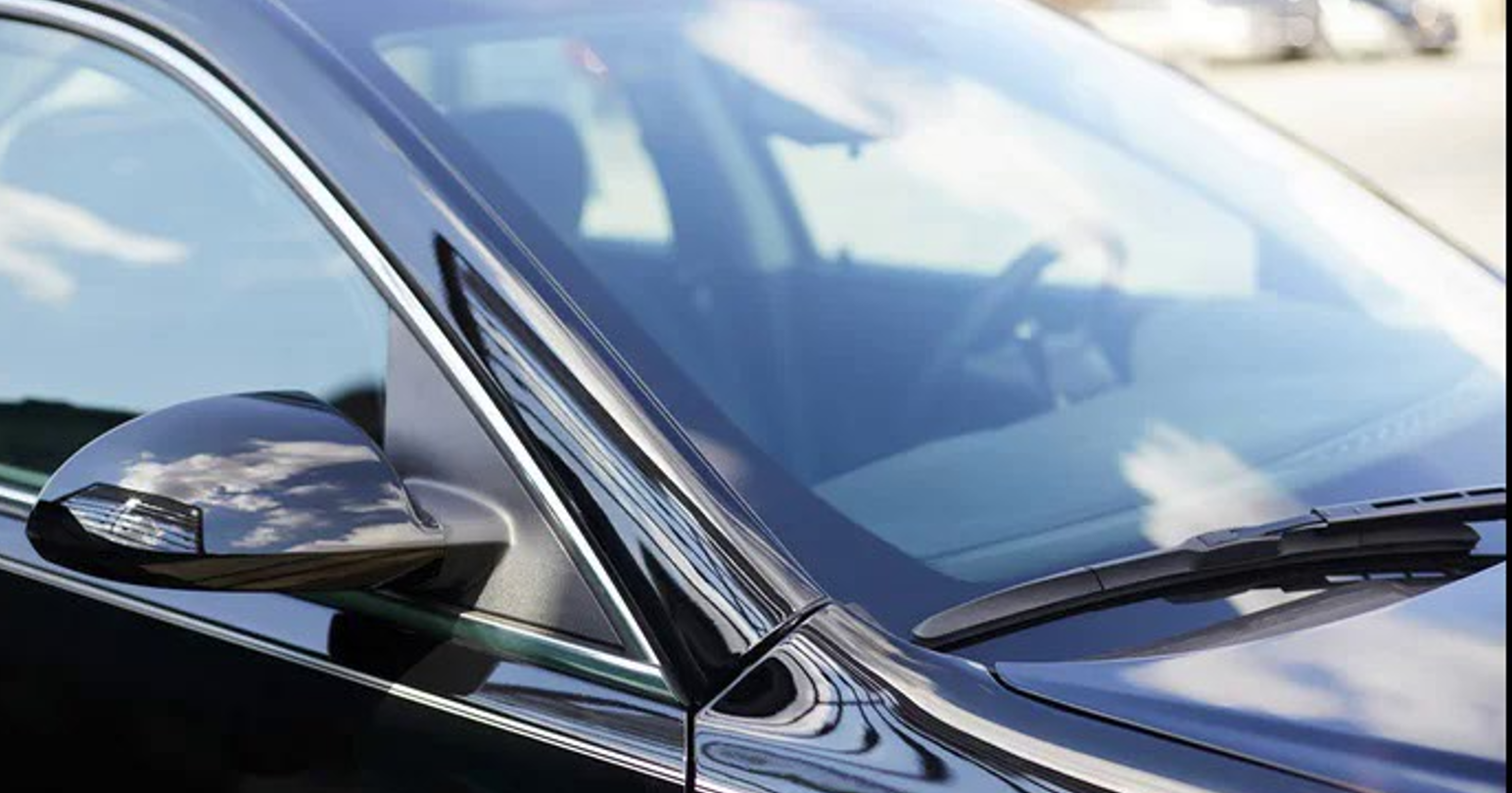
Car windows not only ensure clear visibility but also incorporate many features that support safe driving, such as:
For ships, glass must also meet specific requirements such as resistance to seawater corrosion, ability to withstand high wind and wave pressure, and ensure a wide and clear view in all weather conditions. Some types of ship glass are also equipped with anti-fog and anti-scratch coatings to maintain long-term performance.
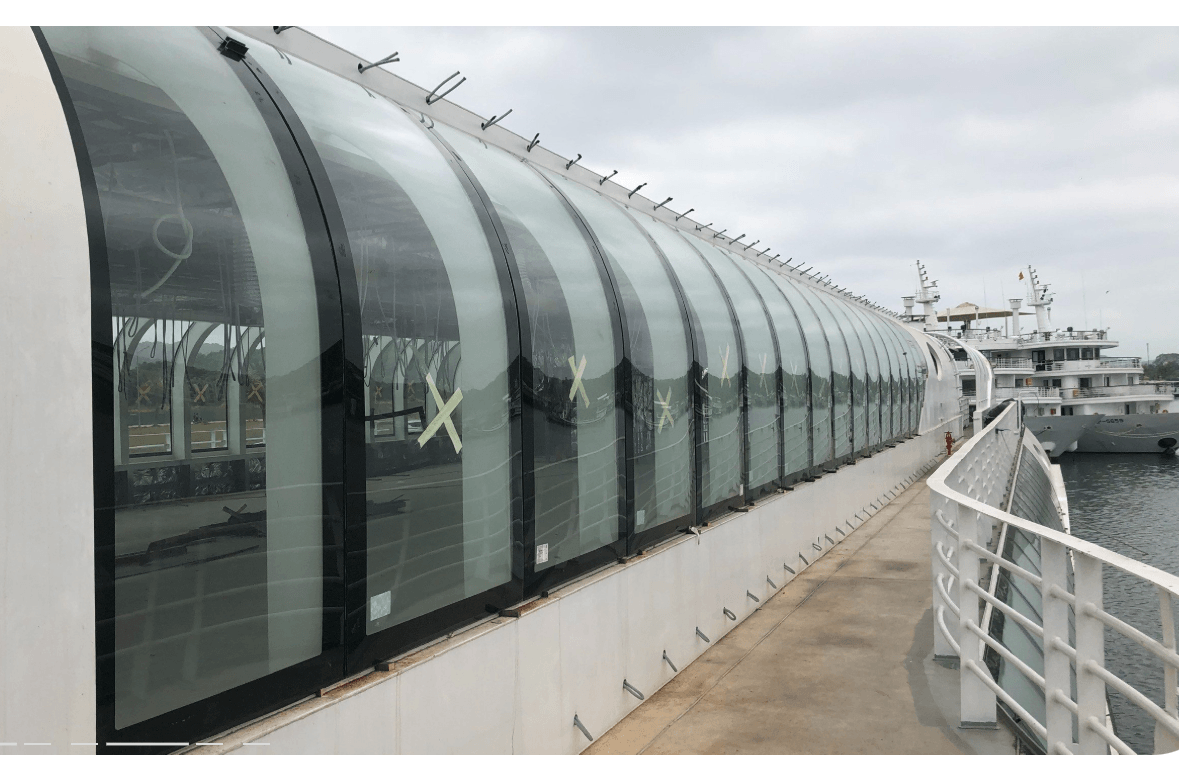
The technological development trends in the automotive and marine glass industries are becoming increasingly diverse with the integration of intelligent systems. For example, modern automotive glass can integrate:
In the marine industry, glass is also integrated with sensors to measure pressure, temperature, and automatic anti-fogging systems, enhancing safe operation in rough seas and bad weather conditions.
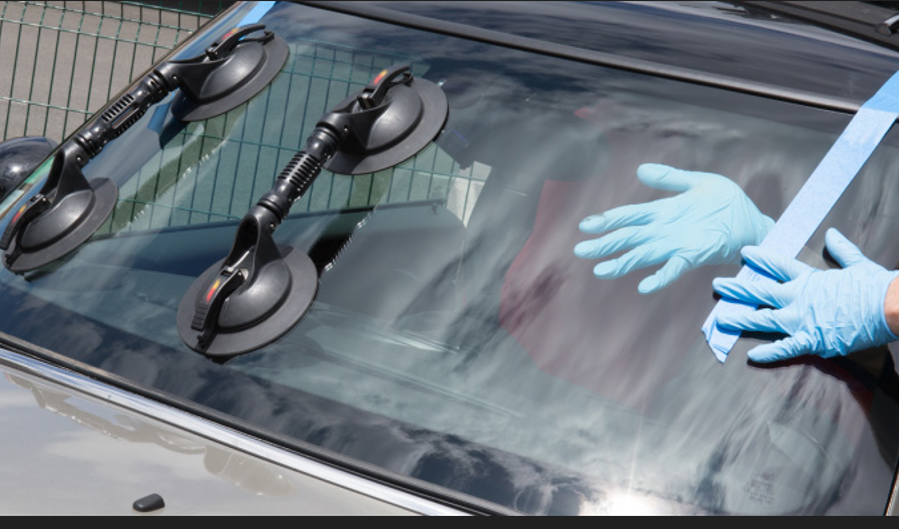
Maintaining the glass of cars and boats requires special attention to preserve its functionality and durability. Maintenance measures include:
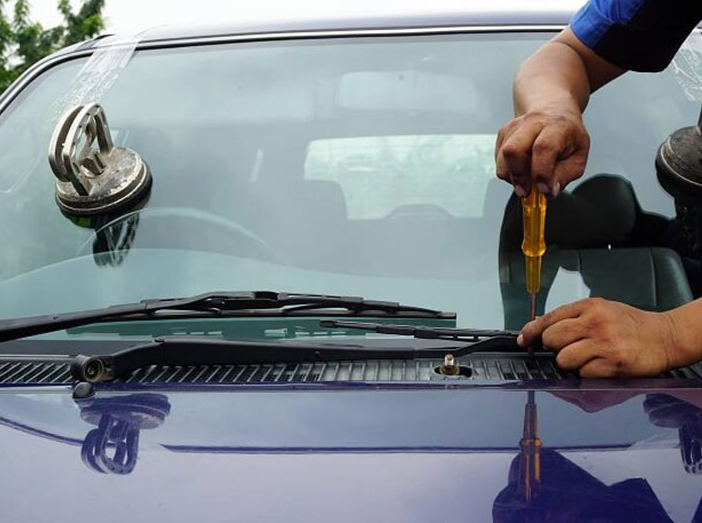
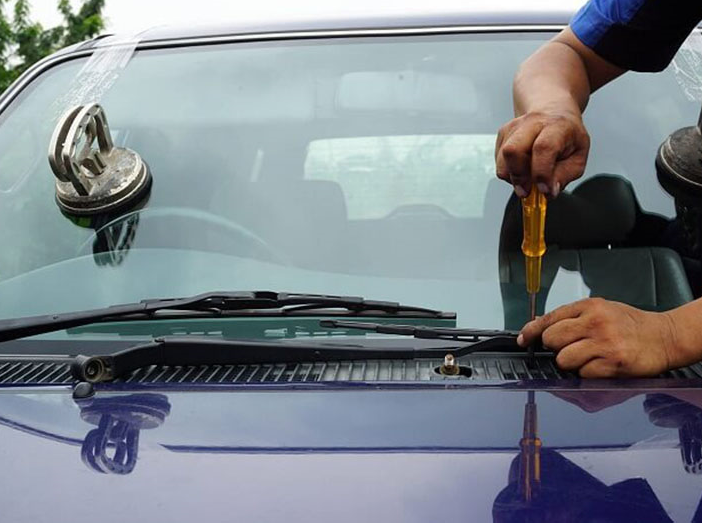
When glass is severely damaged or no longer meets safety standards, replacement should be carried out by professional units using genuine materials and modern installation technology.
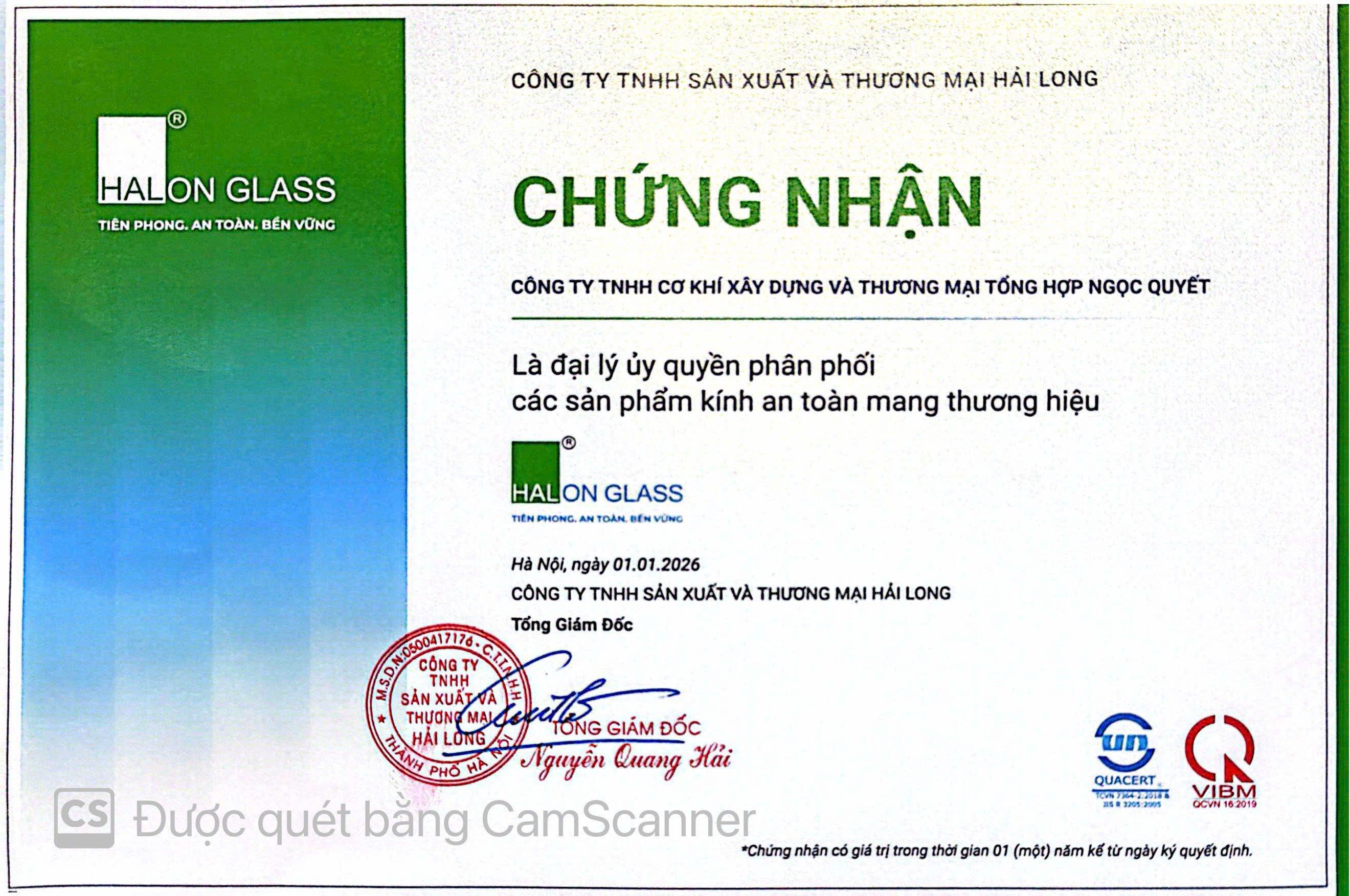
Ngoc Quyet Company specializes in distributing construction glass to glass dealers, aluminum and glass contractors, processing workshops, and construction projects. For large orders, customers should provide the type of glass, thickness, size, quantity, and delivery location to receive appropriate configuration advice and pricing.
Need an accurate quote for your glass order? Please send the type of glass, thickness, dimensions, quantity, and delivery address. HOTLINE / ZALO: 0966.321.655