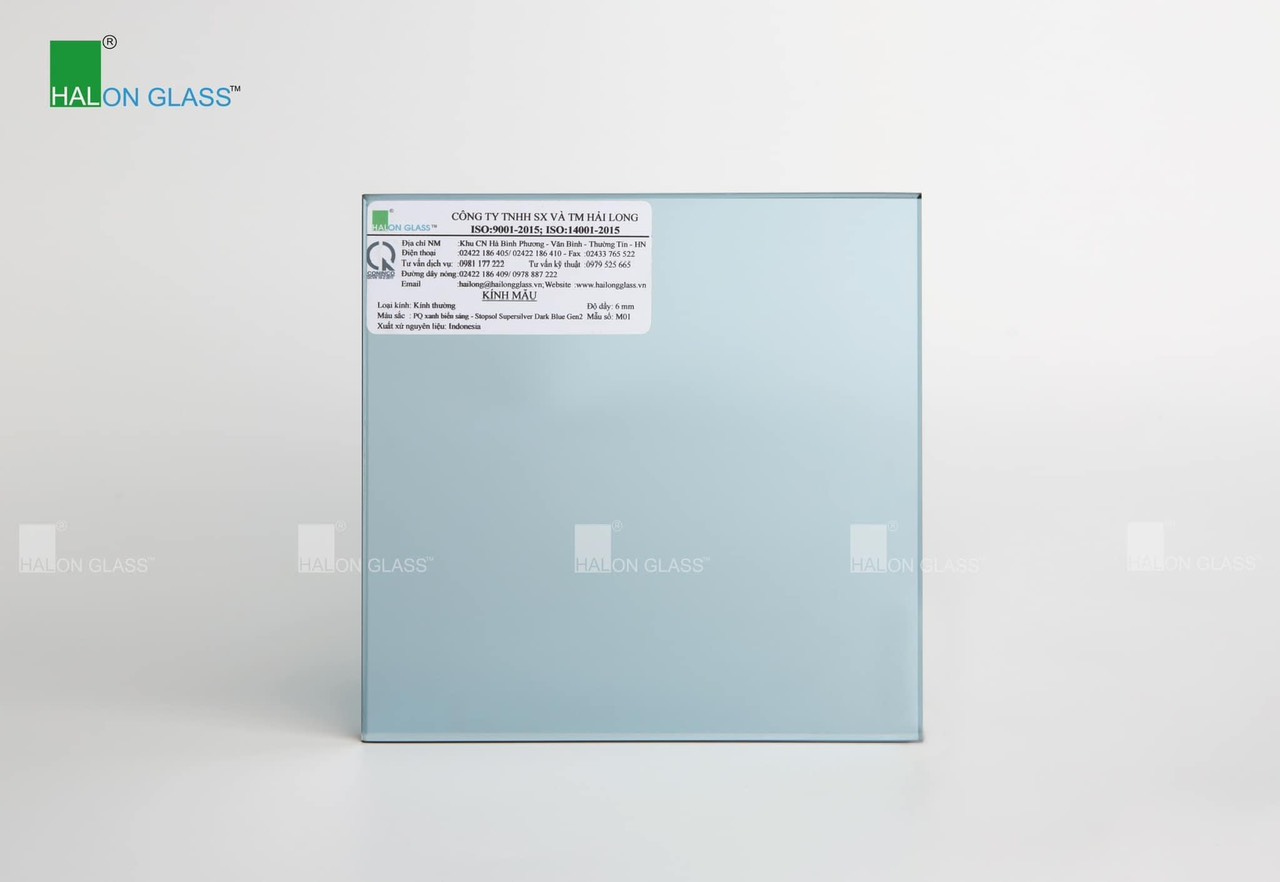
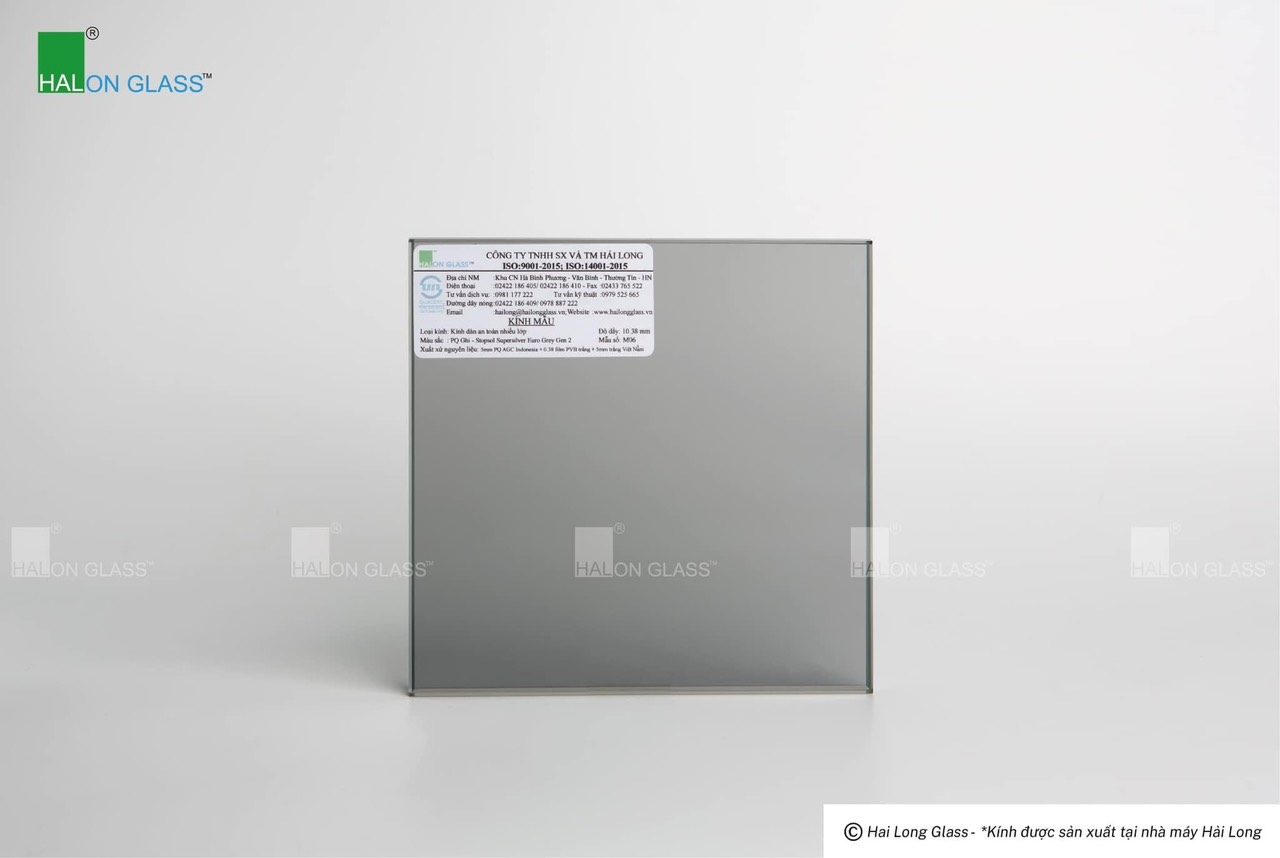
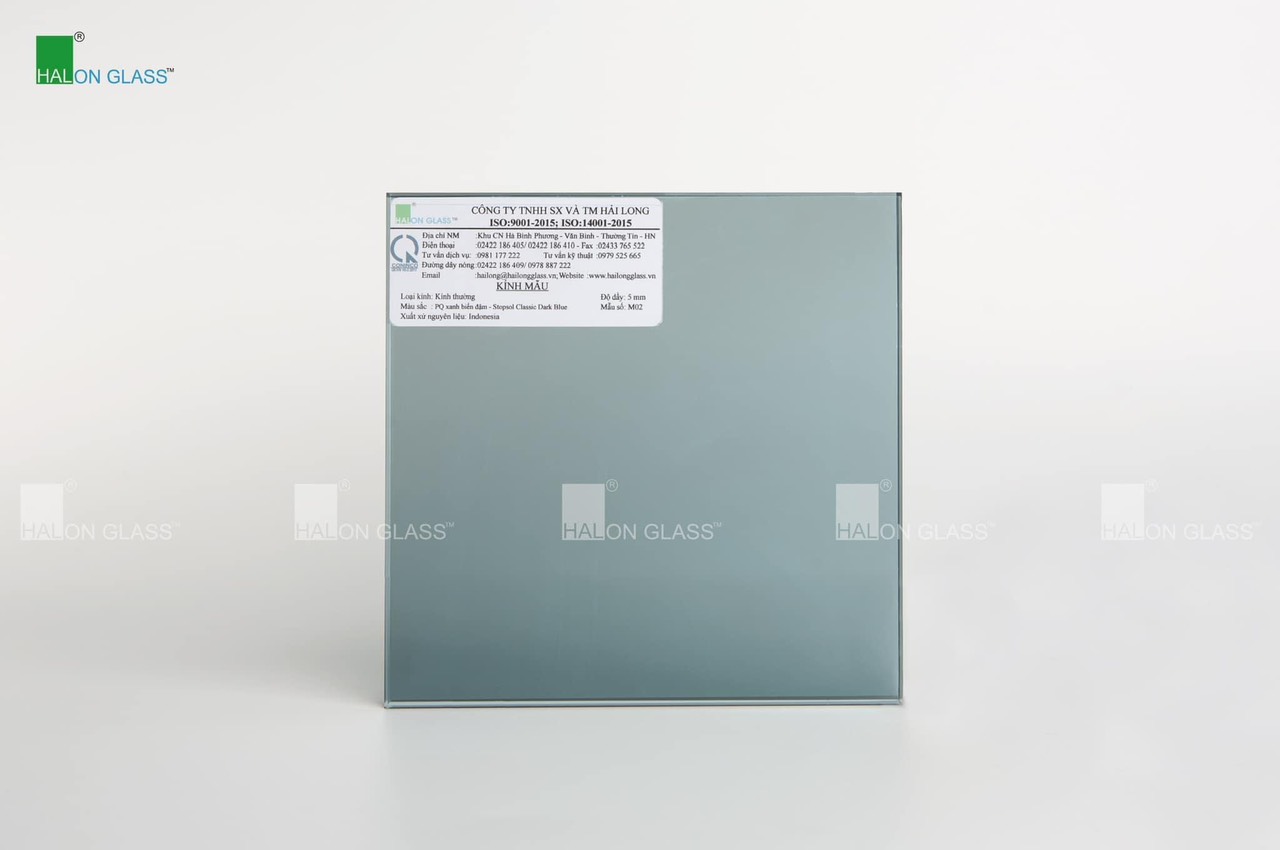
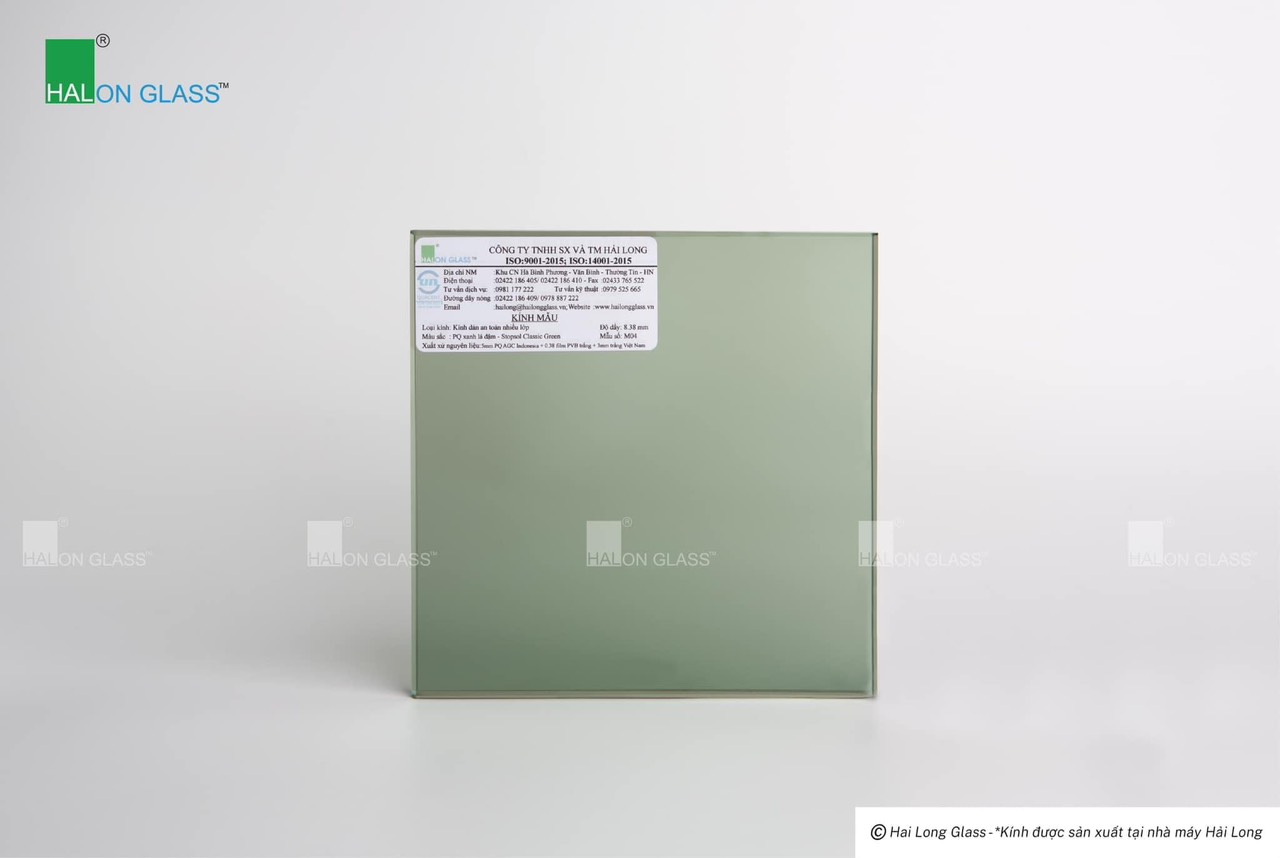
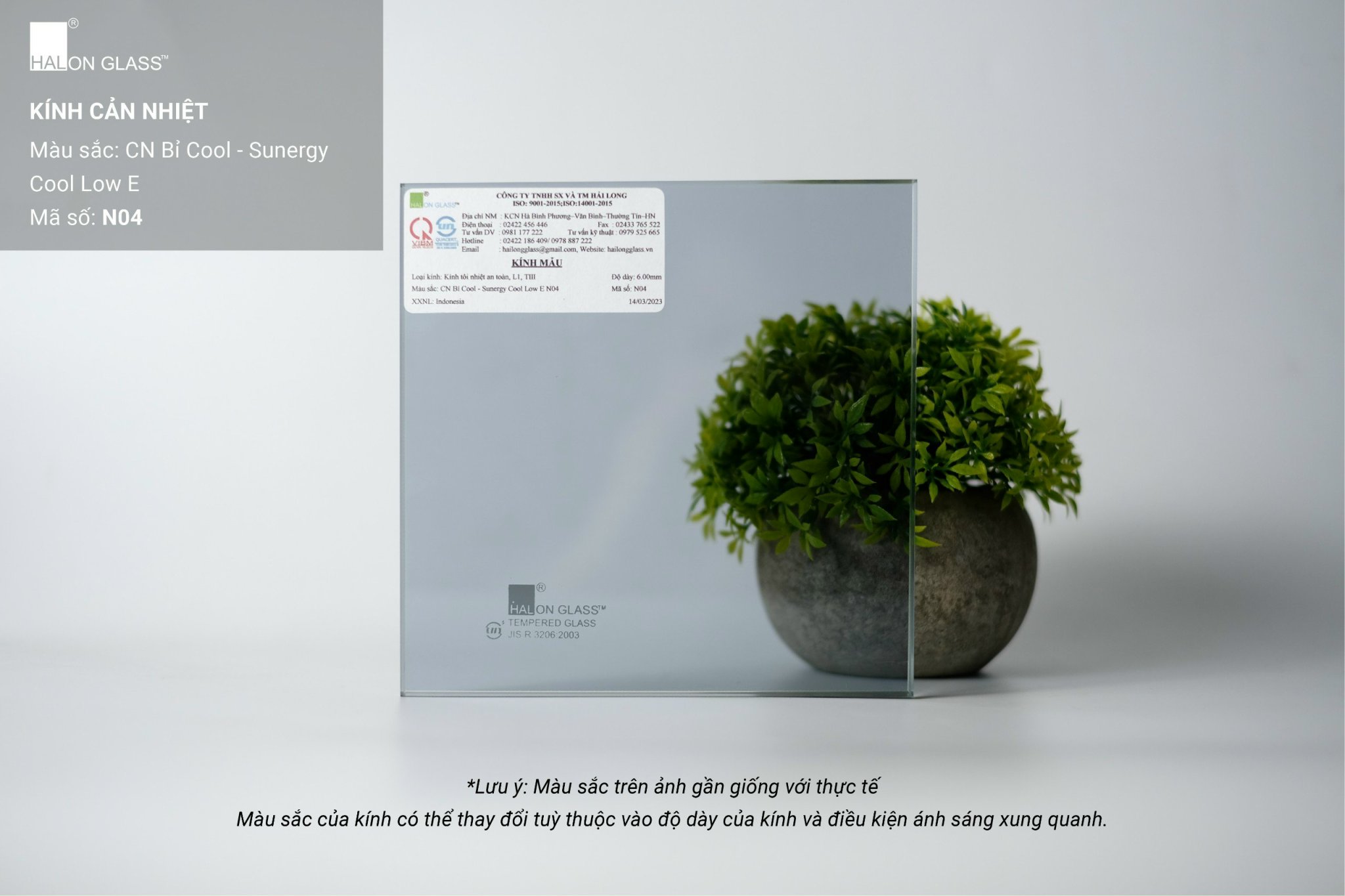
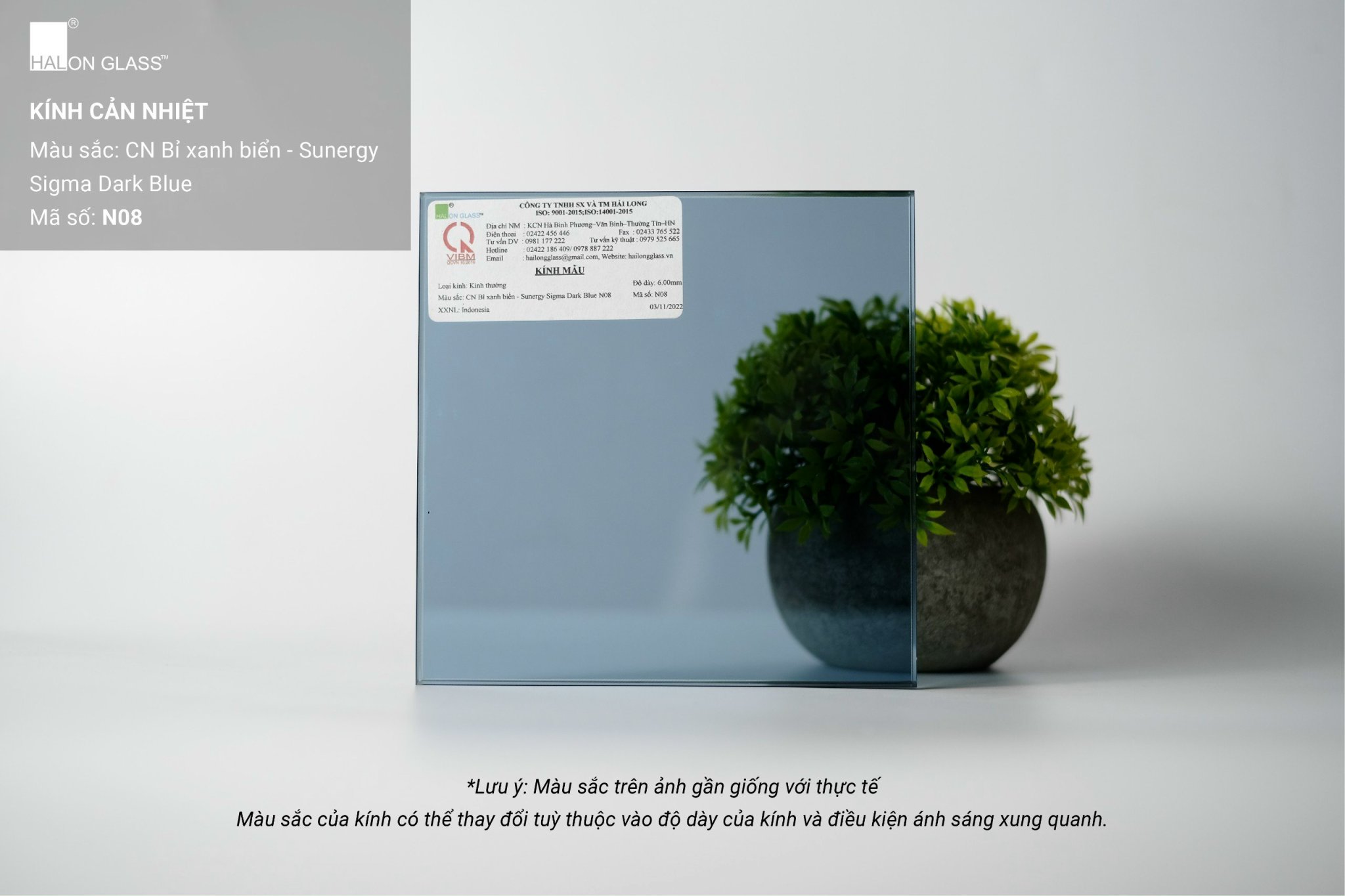
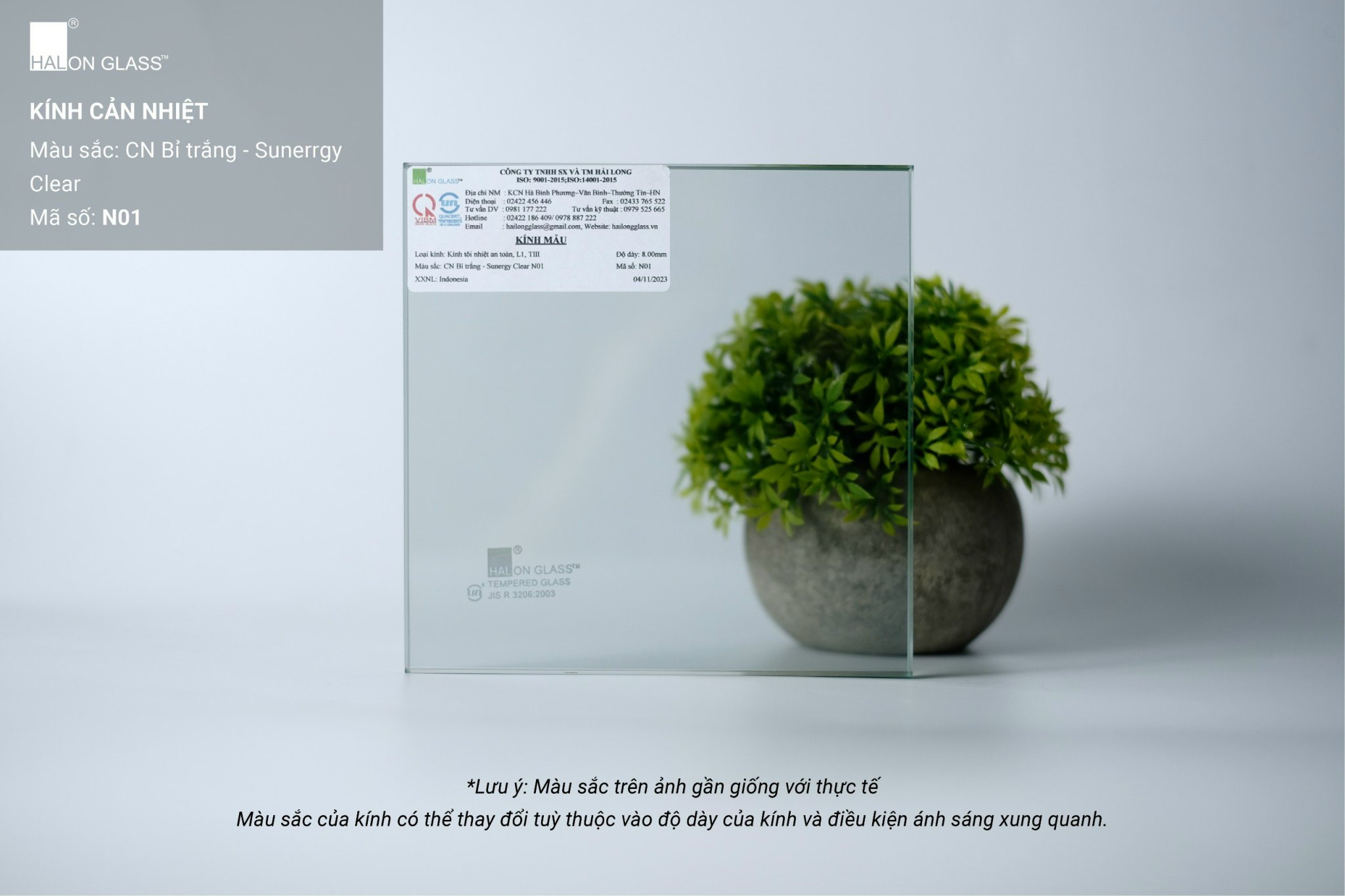
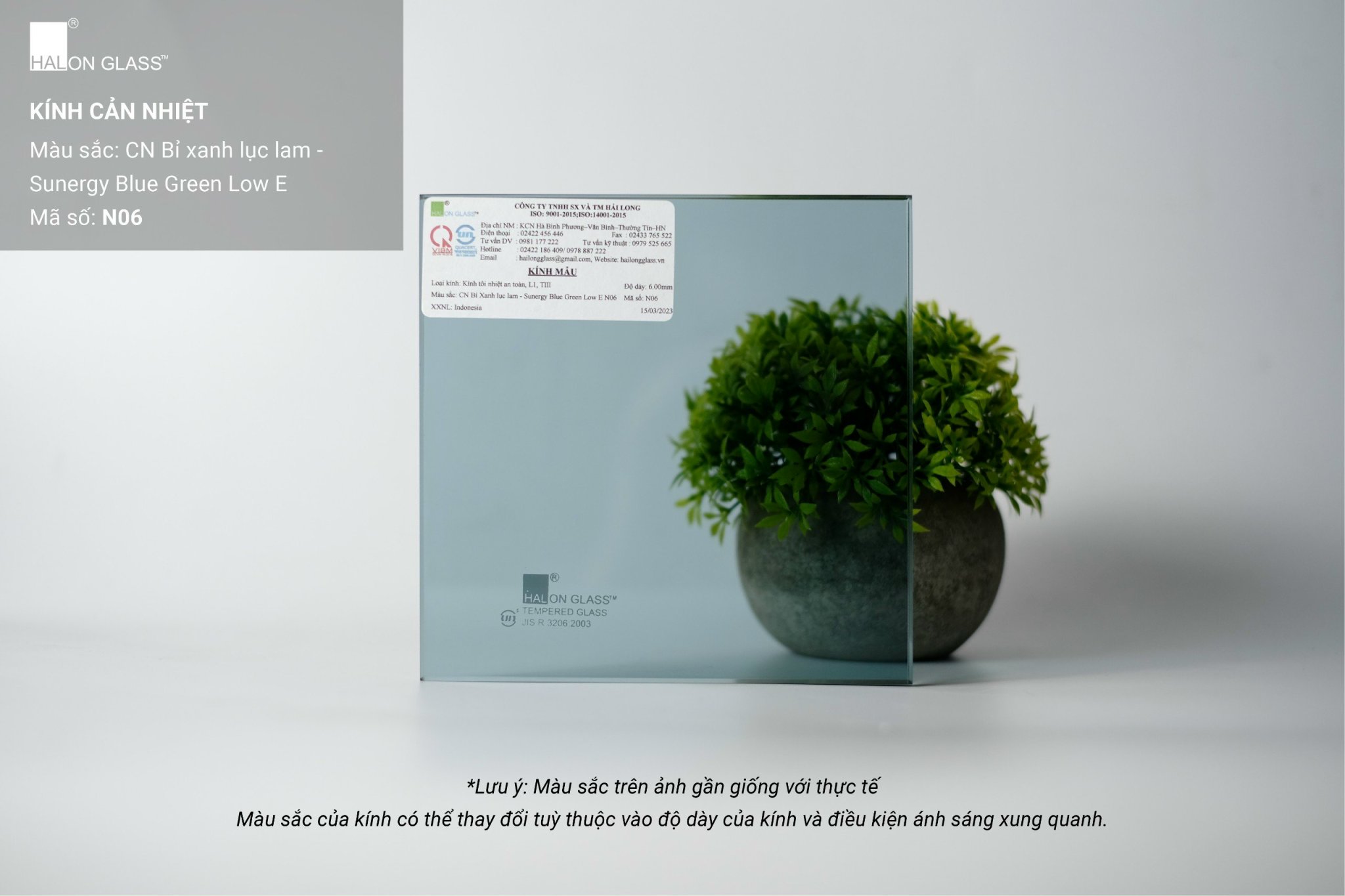
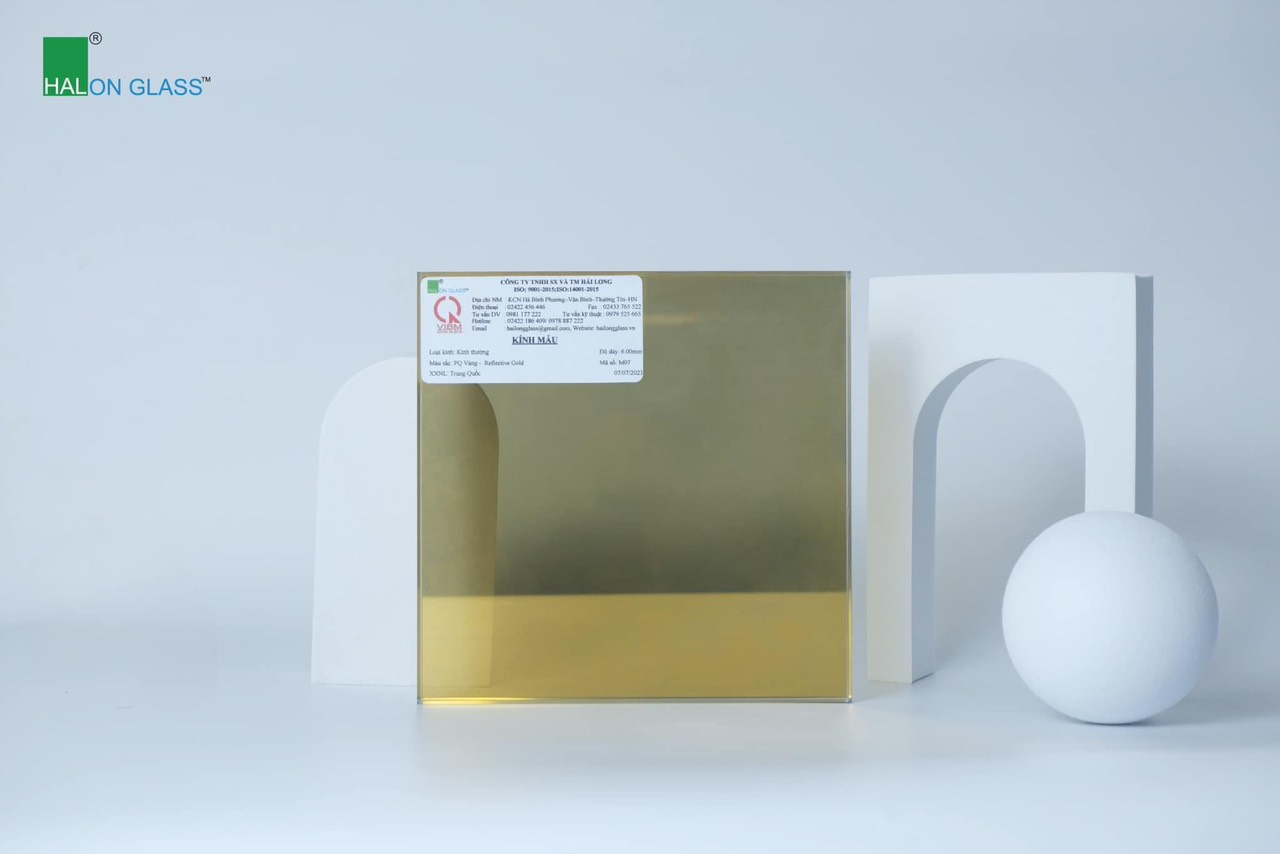
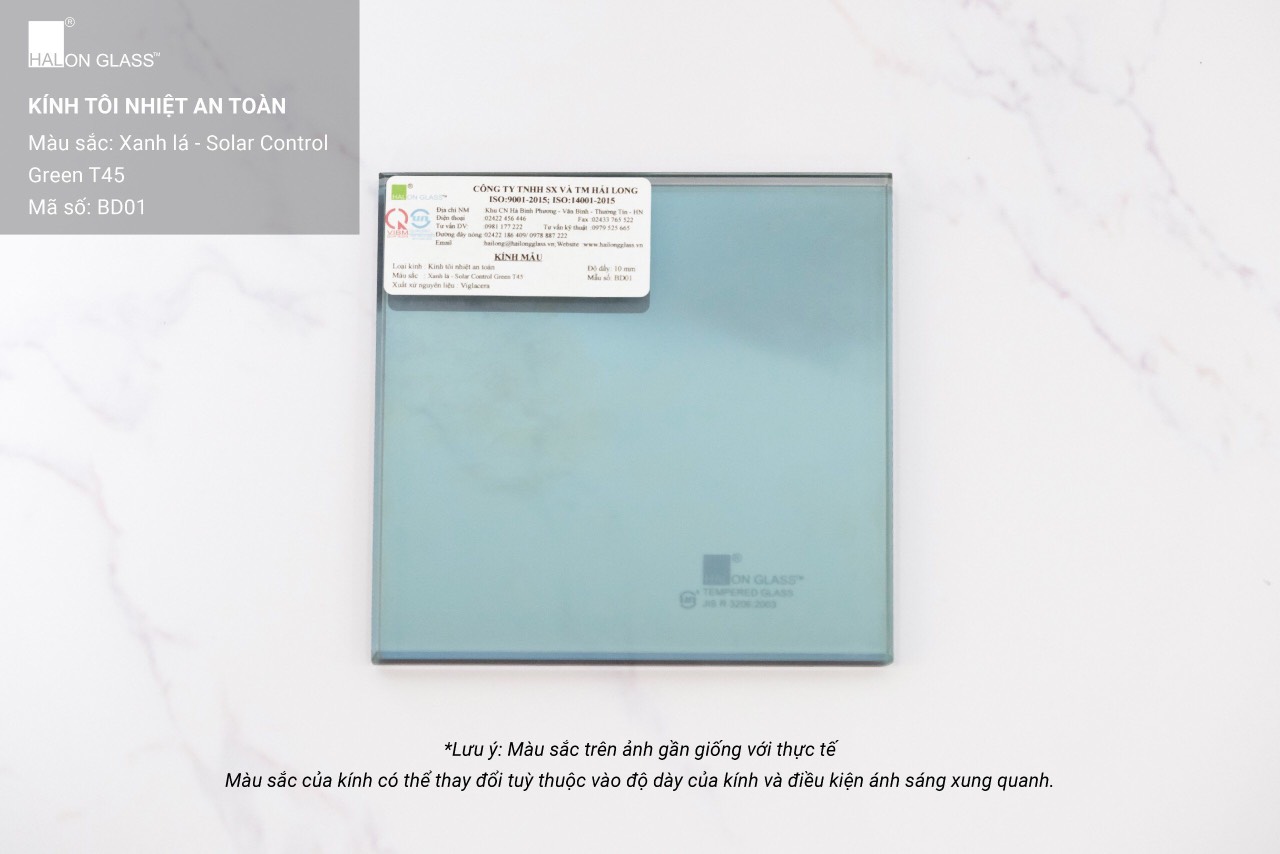
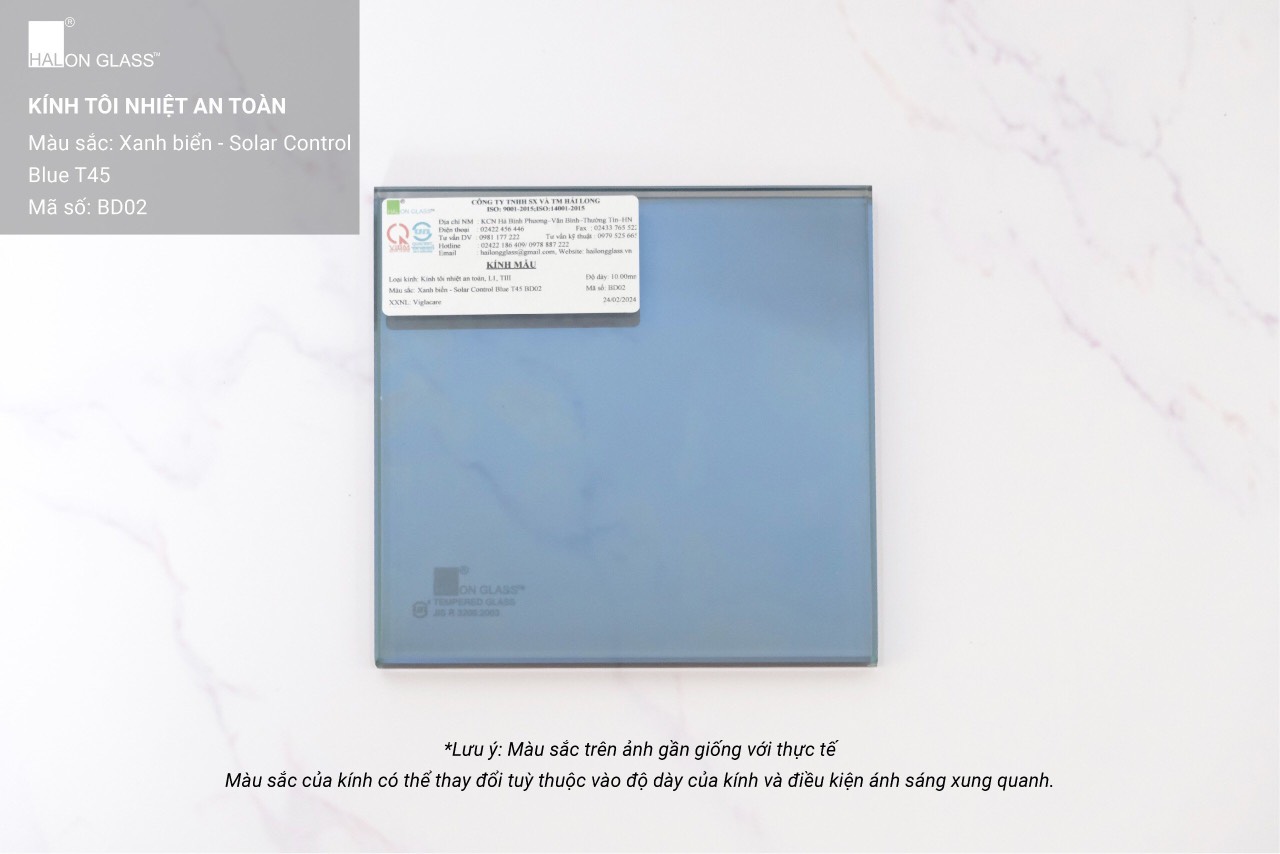
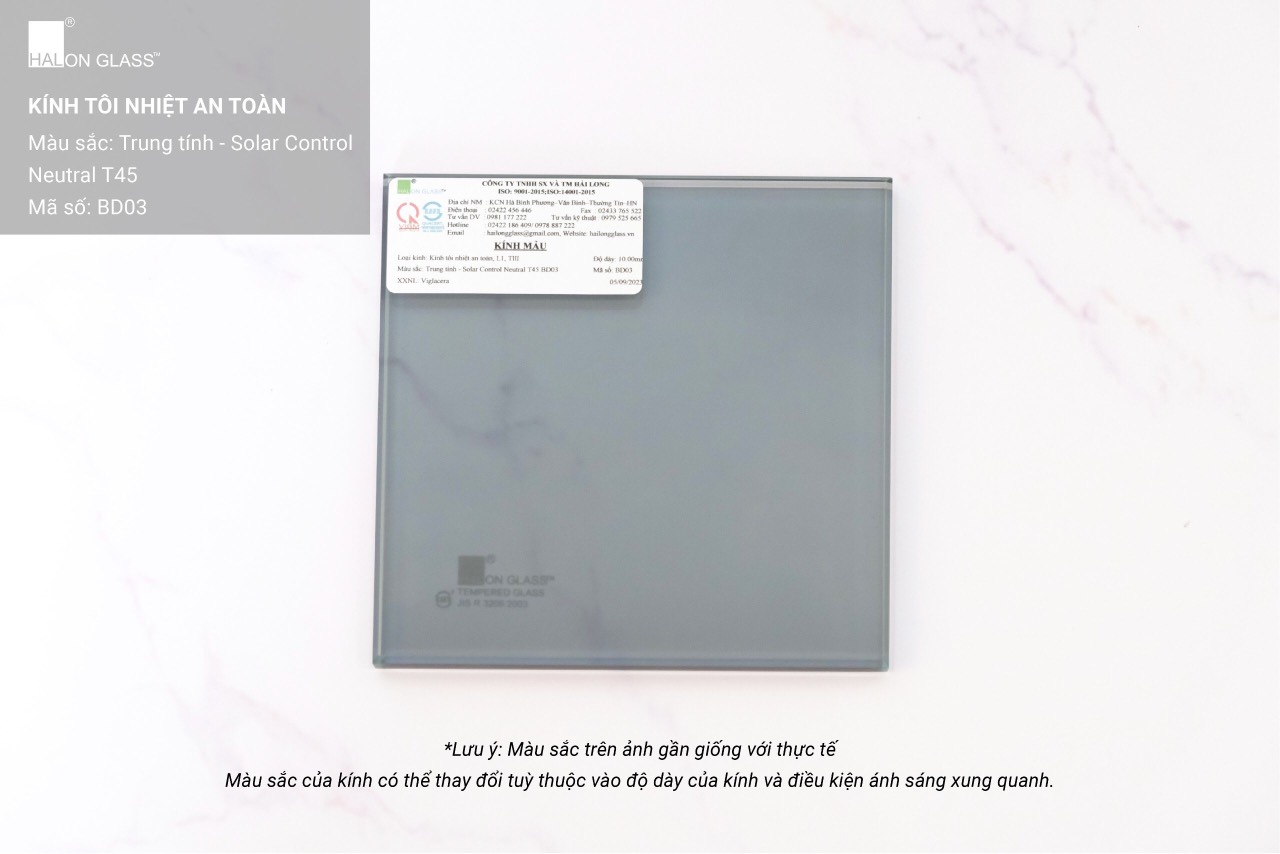
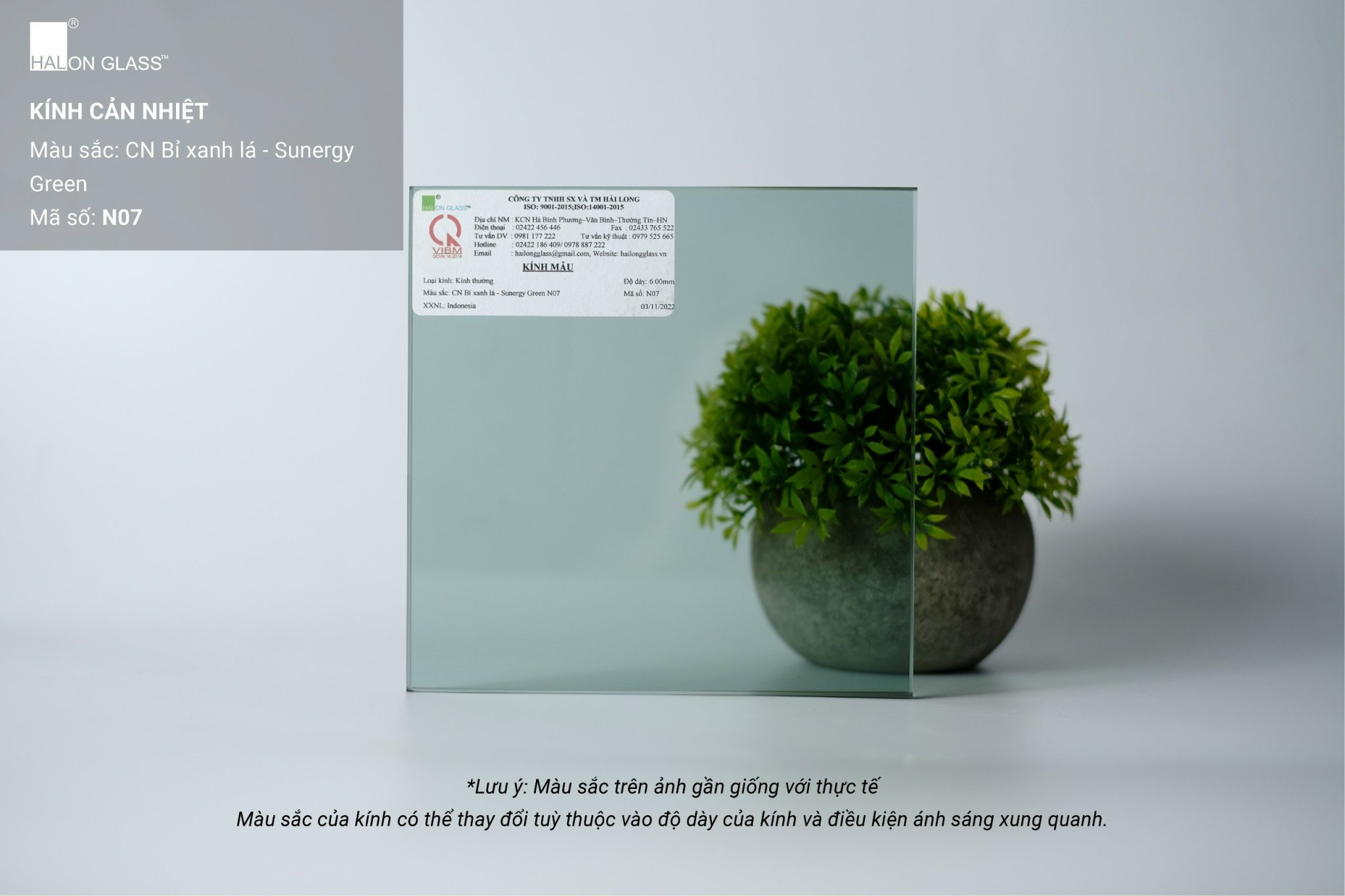
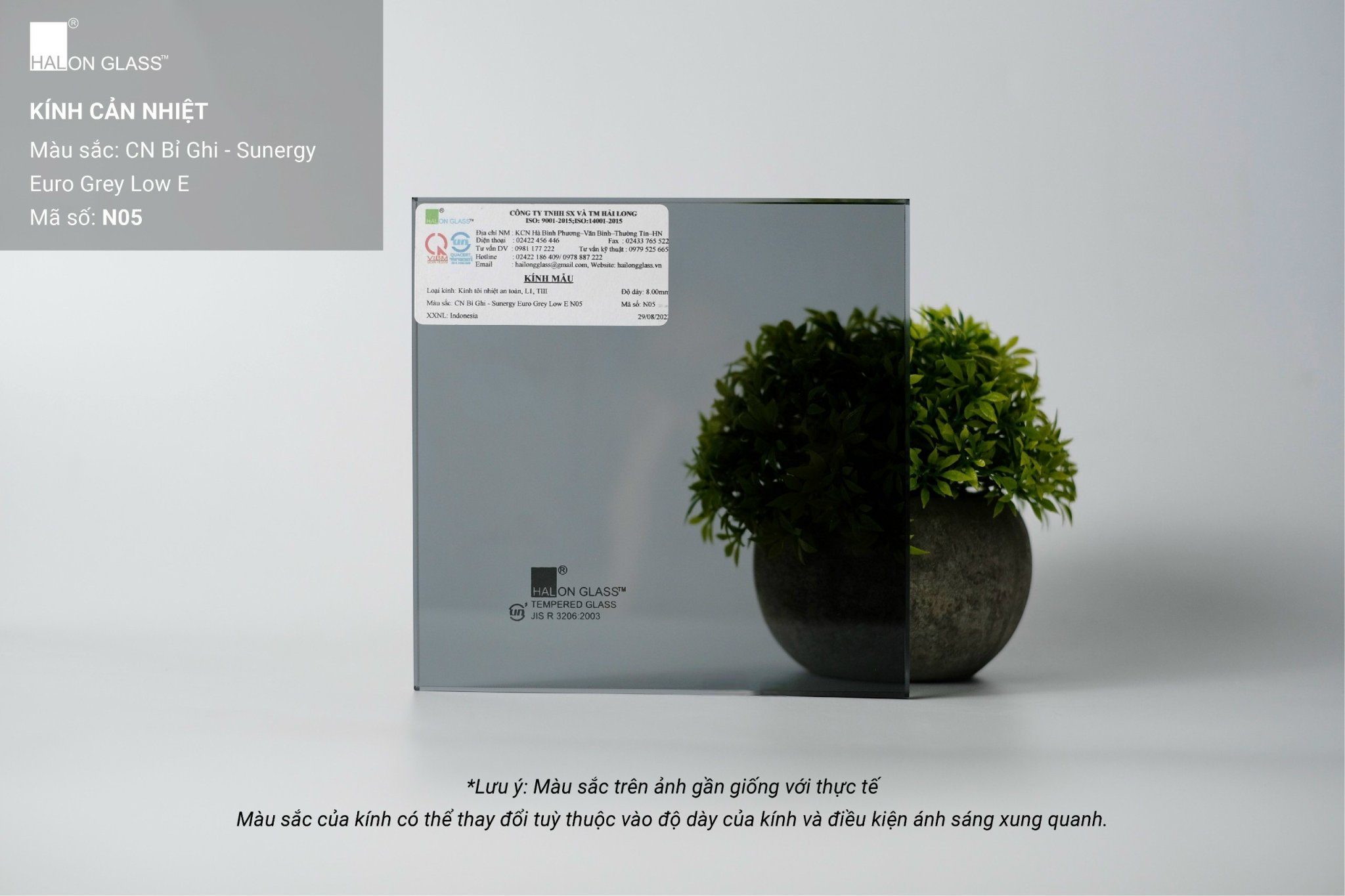
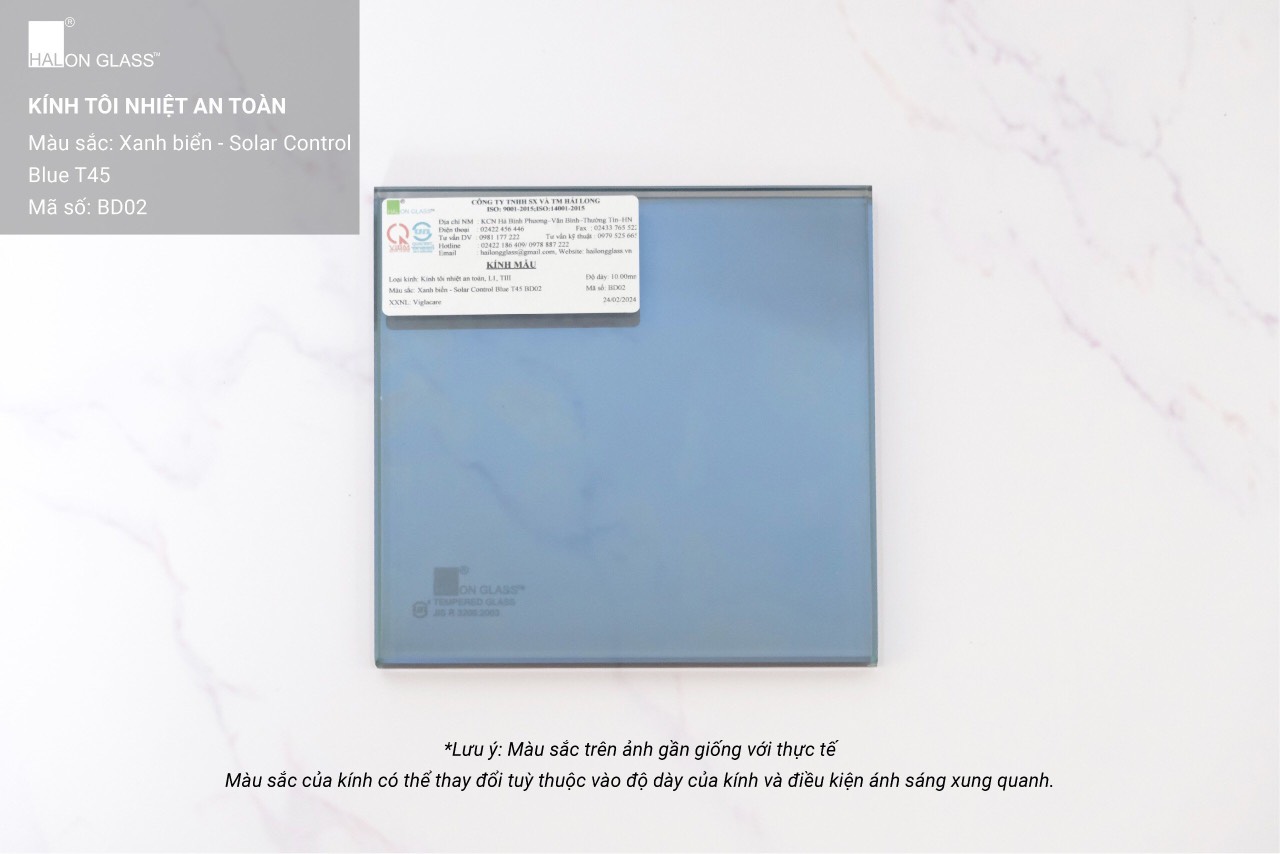
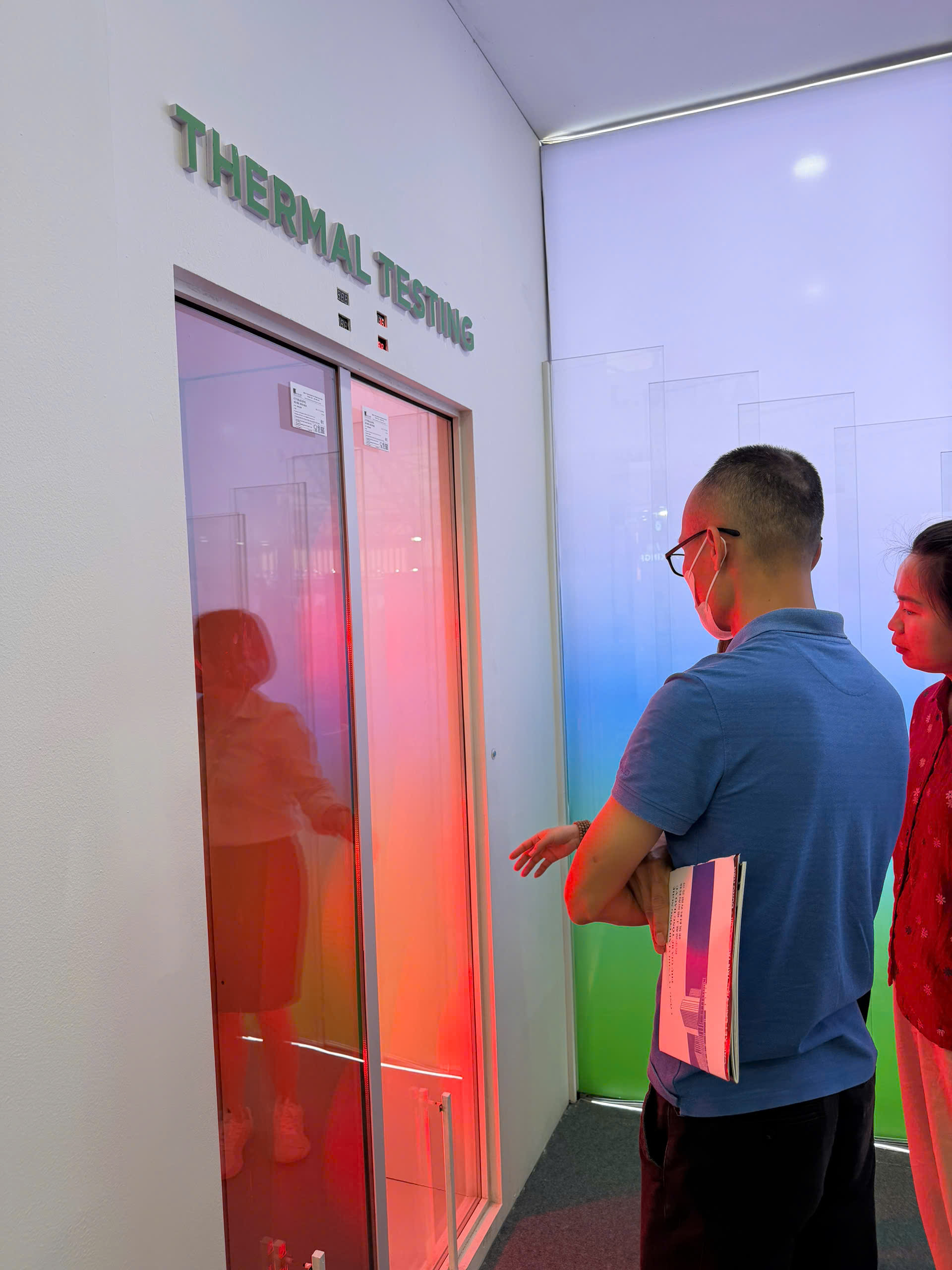
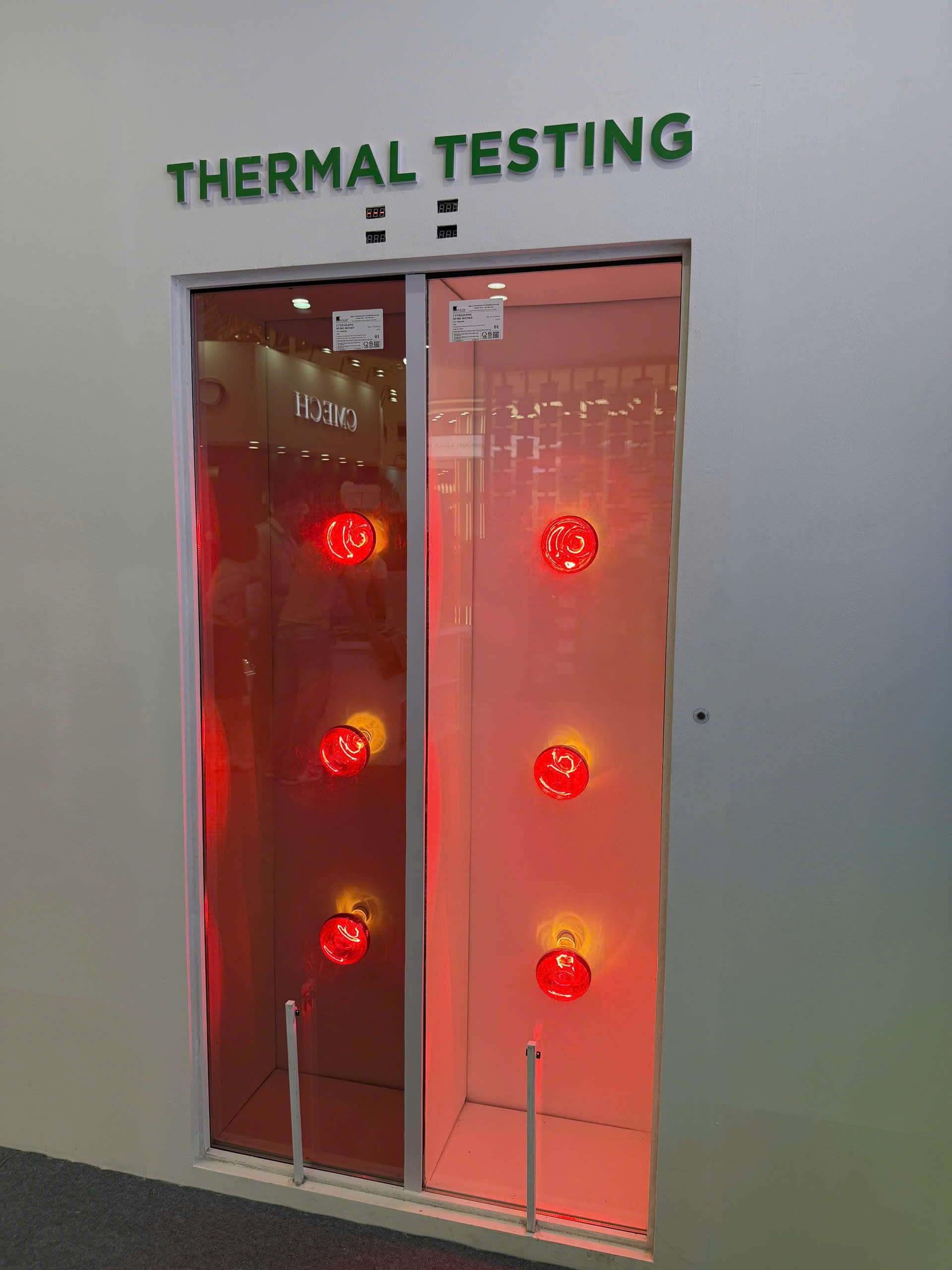
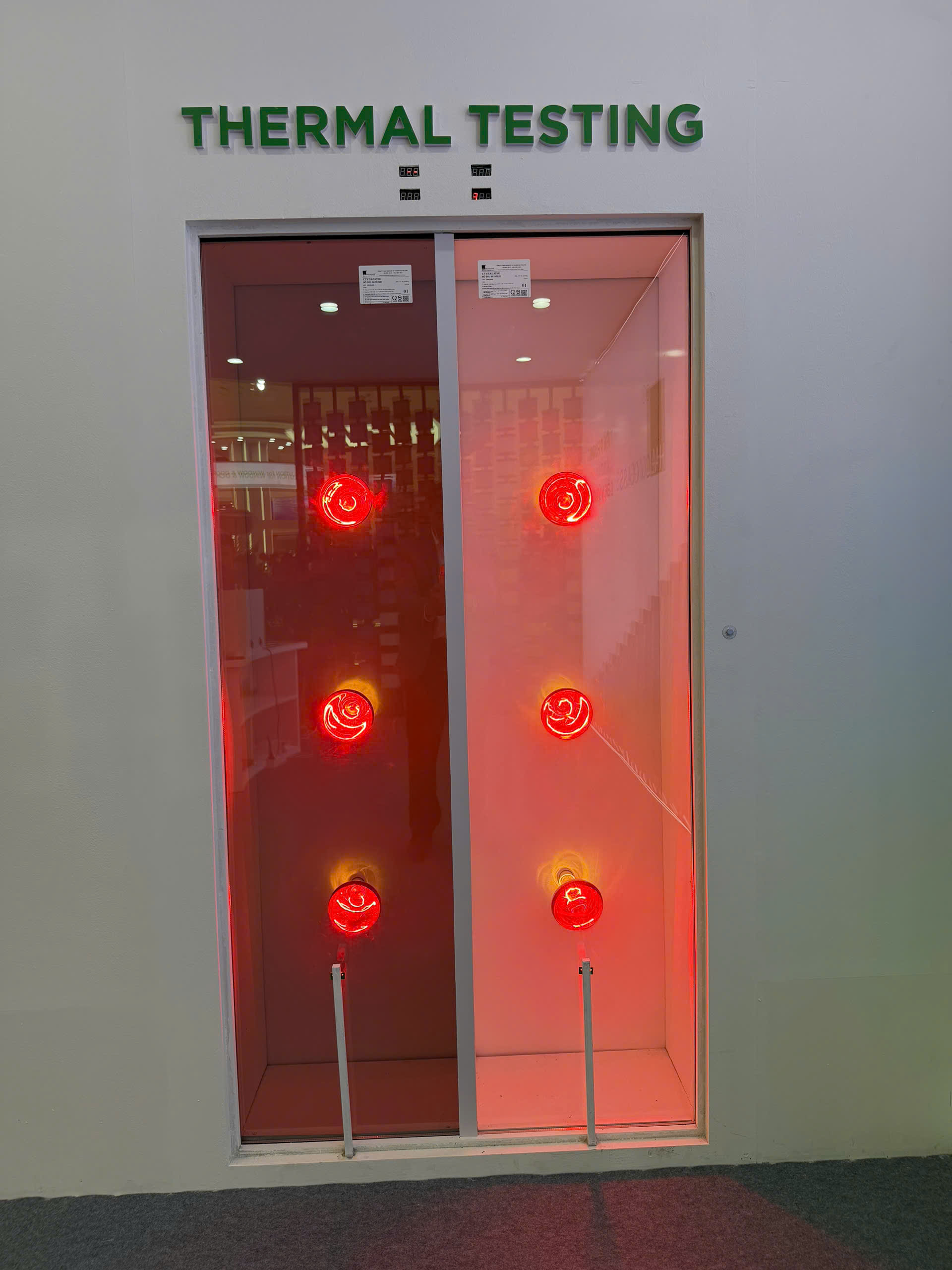
Low-E heat-reflective glass
Low-E heat-reflective glass: Technology and applications in modern construction.
Structure and operating principle of Low-E heat-reflective glass.- Infrared reflection: Low-E coatings reflect most of the thermal energy in the form of infrared rays, helping to reduce the amount of heat transferred through the glass.
- Low absorption and emission: The coating has a low emissivity coefficient, meaning it doesn't easily release heat energy, thus keeping the internal temperature more stable.
- High light transmission: Despite its heat-blocking capabilities, Low-E glass maintains high natural light transmission, keeping interior spaces bright and airy.
- Energy saving: Minimizing the need for air conditioning and heating systems, thereby reducing electricity costs and protecting the environment.
- Enhance comfort: Maintain a stable room temperature, avoiding excessive heat in summer and cold in winter.
- UV protection: Low-E coatings block most ultraviolet rays, protecting furniture and fixtures from fading and damage caused by sunlight.
- Enhanced aesthetics: Low-E glass has a glossy, transparent surface, suitable for many modern architectural styles.
- Increased durability and safety: When combined with tempered glass or laminated safety glass, Low-E glass also enhances strength and shatter resistance.
- Hard-coated Low-E glass: This coating is created during the glass heating process, providing high mechanical strength and suitability for applications requiring high impact resistance and harsh environments.
- Soft-coated Low-E glass: This coating is applied using vacuum sputtering after the glass has been manufactured. It offers better heat reflection but requires protection within the insulated glass unit to prevent scratches.
- Single-layer and multi-layer Low-E glass: Depending on the thermal and sound insulation requirements, Low-E glass can be designed with one or more coatings, combined with double-glazed units to increase efficiency.
- Glass curtain walls: Help reduce heat radiation from the sun while creating a modern aesthetic for high-rise buildings.
- Windows and doors: Enhance thermal insulation, reduce noise, and protect living spaces from external environmental impacts.
- Interior partitions: Create open spaces while ensuring privacy and effective temperature control.
- ASTM E2190 Standard: Specifications for insulated glass units and related technical requirements.
- Standard EN 1096: Evaluation of the optical and thermal properties of Low-E coated glass.
- Vietnamese National Standard (TCVN): Regulations on safety and performance of glass use in construction in Vietnam.
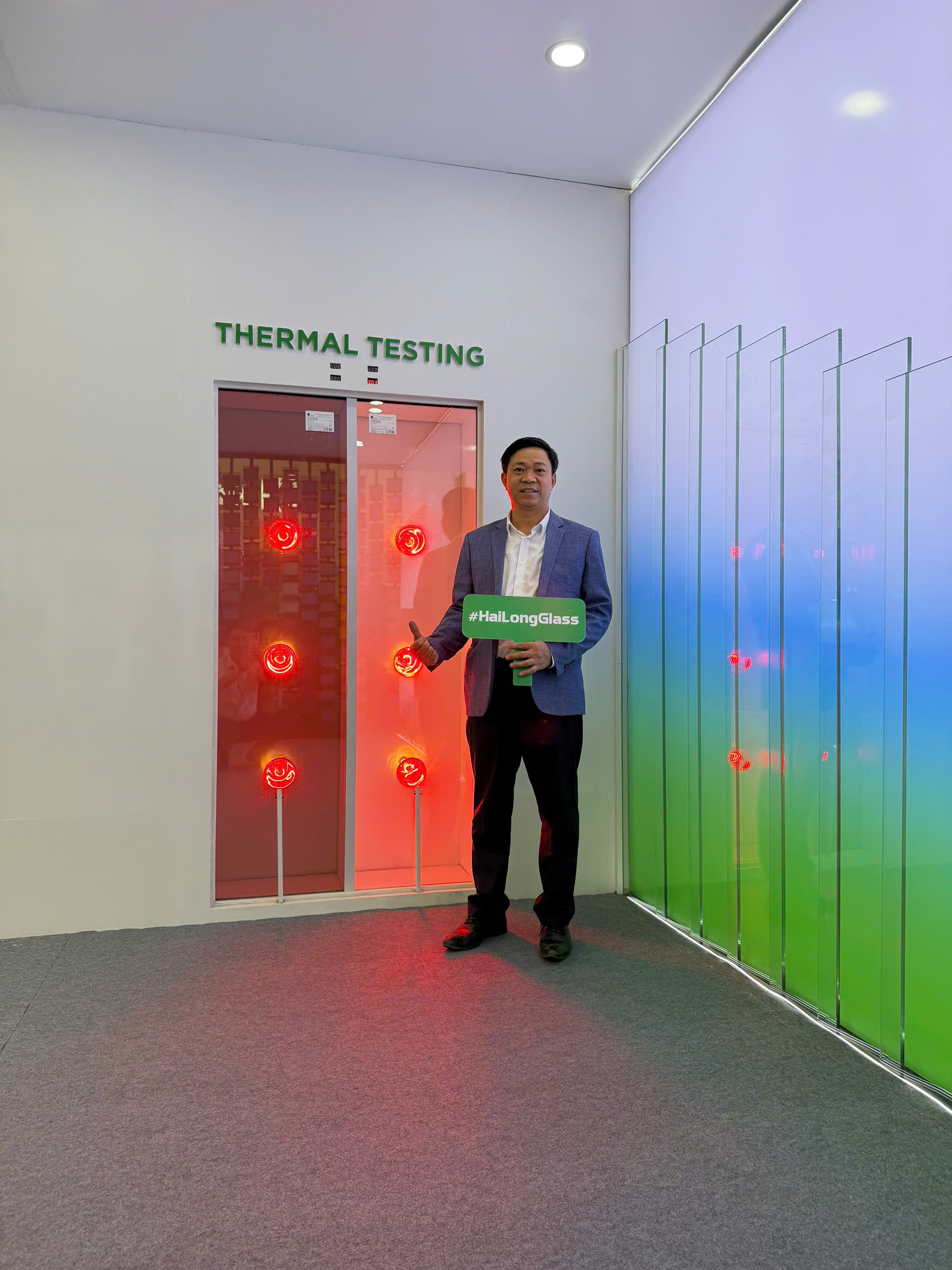
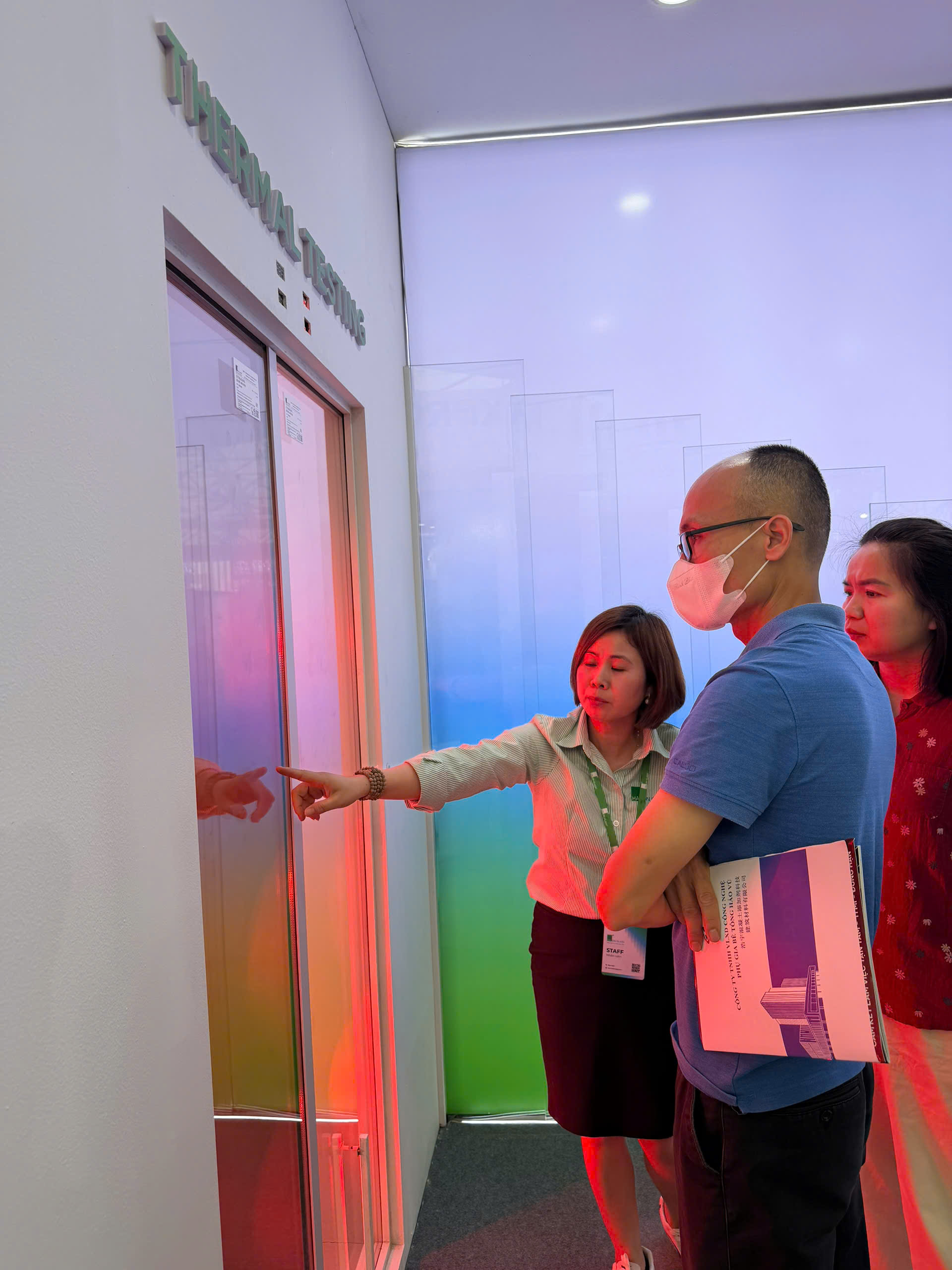
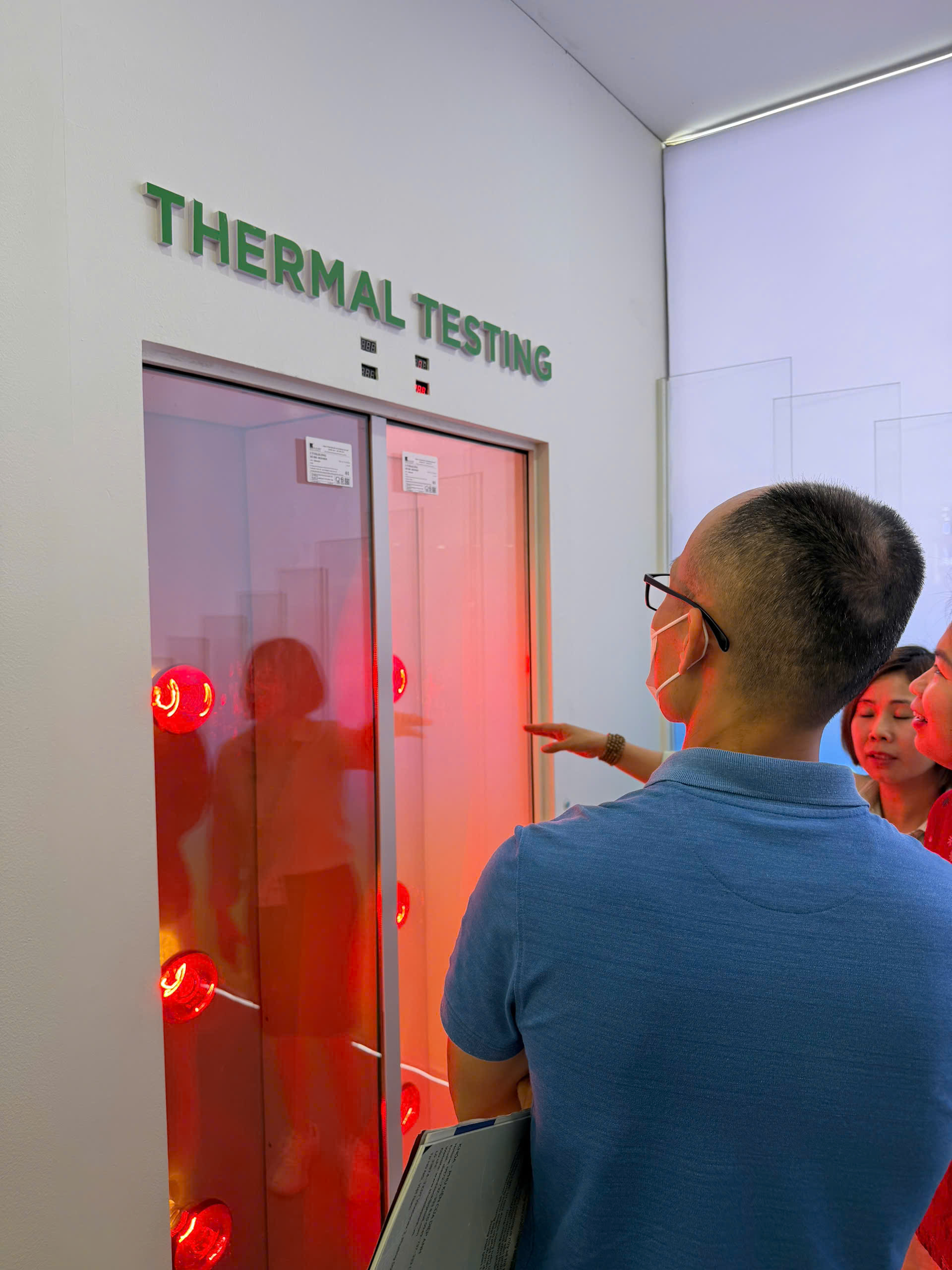
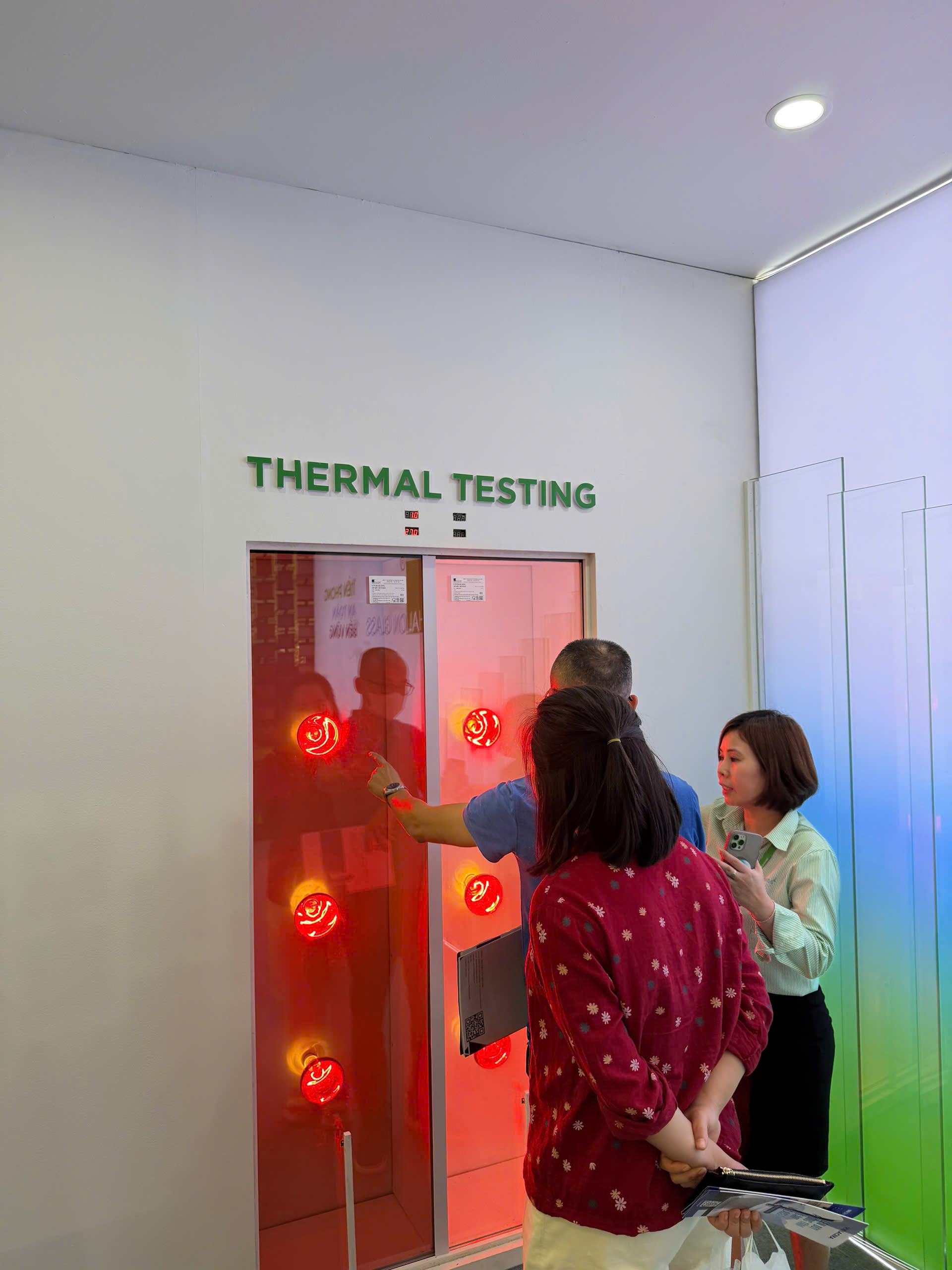
Low-E (Low Emissivity) glass is a type of glass coated with a special thin film to minimize heat transfer through the glass surface while maintaining high transparency. This technology improves thermal insulation efficiency in buildings, reduces energy consumption, and enhances user comfort. Low-E coatings are typically made from metal oxides or precious metals, capable of reflecting infrared and ultraviolet rays, thereby limiting heat transfer from the outside to the inside or vice versa.
Low-E glass consists of one or more layers of glass bonded together, with at least one layer coated with a Low-E film. This coating can be created by vacuum sputtering or chemical coating, depending on the specific technical requirements and application. The operating principle of Low-E heat-reflective glass is based on its ability to reflect and absorb thermal radiation.
Thanks to these properties, Low-E glass is widely used in office buildings, high-end residences, shopping malls, and other projects requiring high energy efficiency standards.
Low-E heat-reflective glass offers many advantages over conventional glass, including:
Currently, Low-E glass on the market is classified based on the coating method and technical features:
Low-E heat-reflective glass is widely used in many areas of construction and interior design:
To ensure quality and effectiveness, Low-E glass must comply with international and domestic technical standards such as:
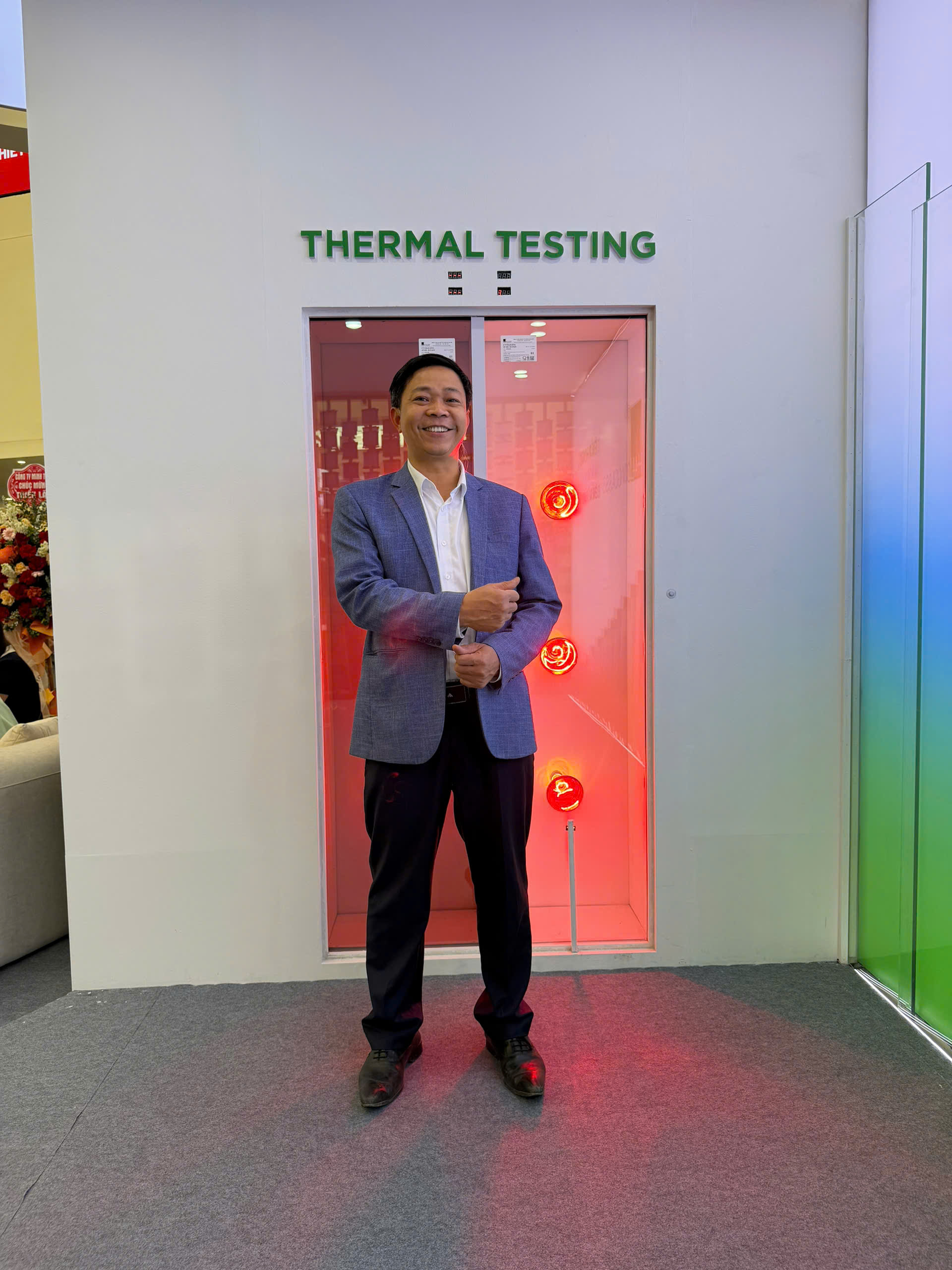
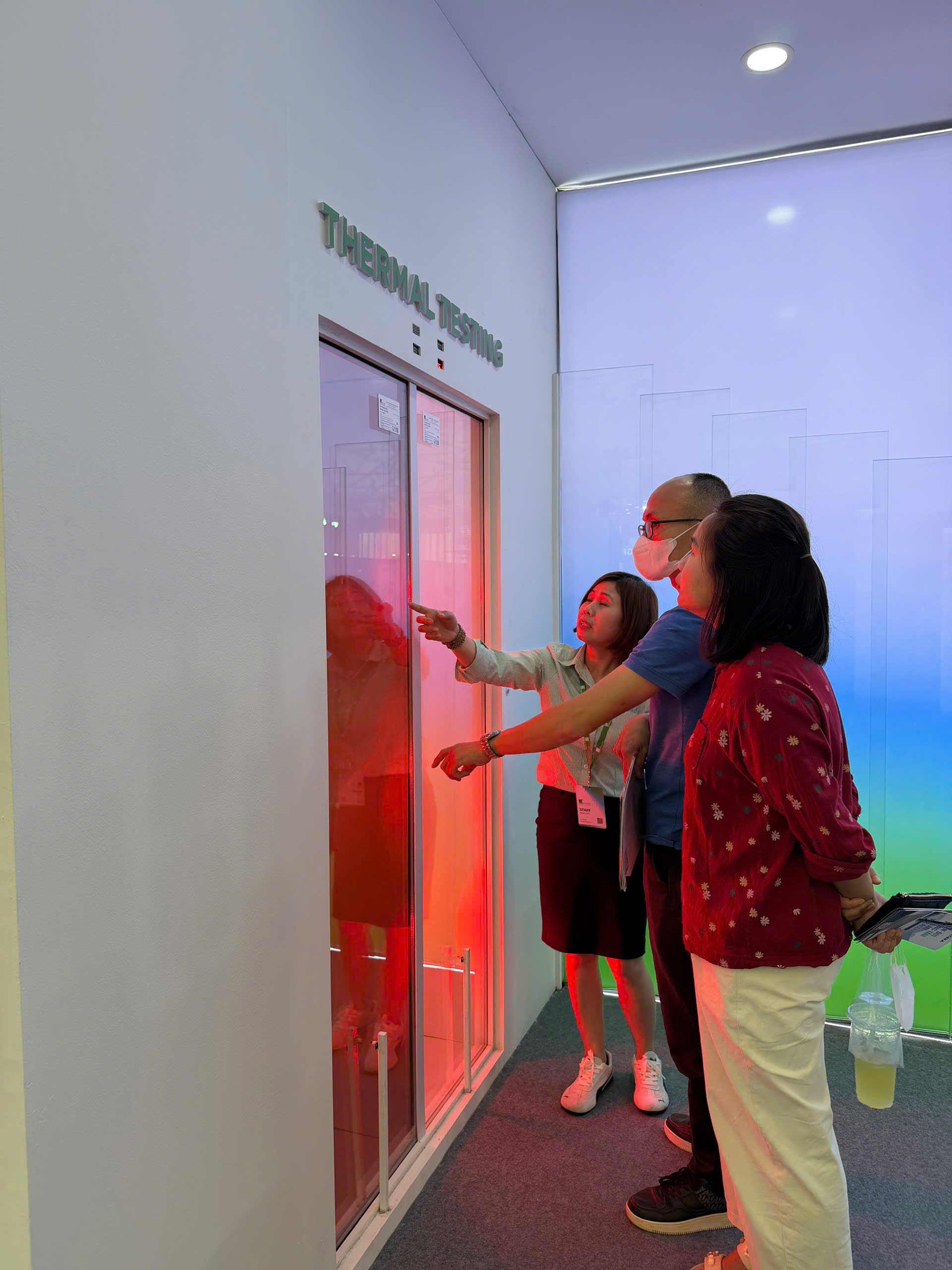
To experience the quality and effectiveness of Low-E heat-reflective glass firsthand, customers can contact Ngoc Quyet Company to receive free samples. The company provides genuine products, professional consulting services, and dedicated technical support, helping customers choose the most suitable glass solution for their needs and project conditions.
Ngoc Quyet specializes in distributing construction glass to glass dealers, aluminum and glass contractors, processing workshops, and construction projects. For large orders, customers should provide the type of glass, thickness, size, quantity, and delivery location to receive appropriate configuration advice and pricing. Need an accurate glass price quote for your order? Send the type of glass + thickness + size + quantity + delivery location. HOTLINE / ZALO: 0966.321.655