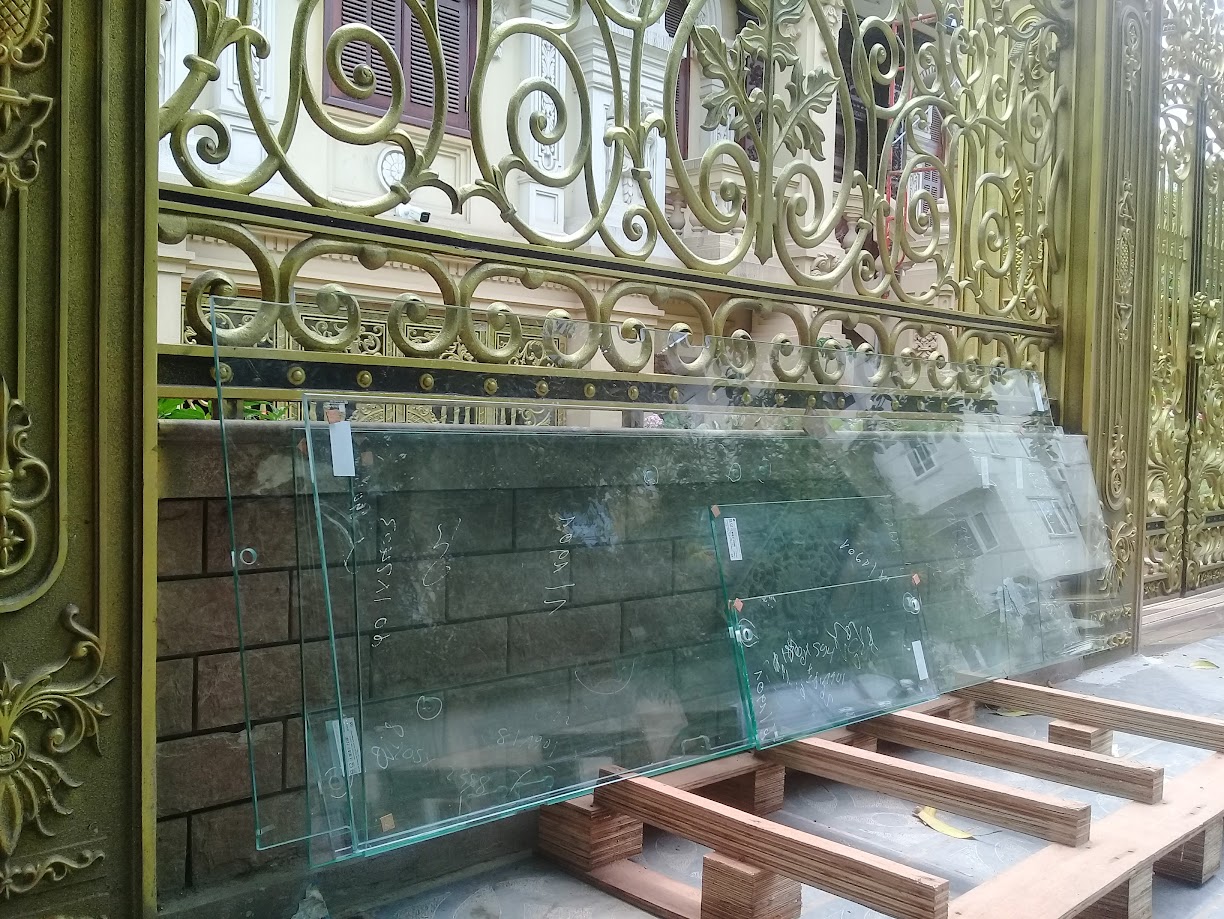
Discover heat-soaked safety glasses – a safe, durable solution for high-temperature work, effectively protecting your eyes and allowing you to work more comfortably and with greater peace of mind.
Heat-soaked glass: A safe and sustainable solution for modern buildings.
1. Structure and technical characteristics of heat-soaked glass. Heat-soaked glass technical specifications table.
Parameter
Value
Note
Type of glasses
Heat Soak Test for Tempered Glass
Tempered glass or VSG
Thickness
4mm - 19mm
Diverse options to meet project requirements.
Soaking temperature
290°C ± 10°C
According to BS EN 14179:2005 standard
Soaking cycle
120 - 150 minutes
The time the temperature is maintained in the oven.
Applicable standards
BS EN 14179:2005
Regulations regarding Heat Soak Tests
Load-bearing capacity
4-5 times more visible than regular glasses.
Depending on thickness and structure
Resistance to spontaneous breakage
98% off
Compared to non-heat-soaked tempered glass
2. Manufacturing specifications and applicable standards for heat-soaked glass
Heating: The glass is placed in a furnace and heated to approximately 290°C ± 10°C.
Maintain the temperature: At this temperature for approximately 120 to 150 minutes to activate the transformation of the NiS particles.
Cooling: The glass is rapidly cooled to complete the tempering process and stabilize its structure.
Heat-soaked single tempered glass
VSG heat-soaked laminated glass
Reflective glass, heat-treated colored glass
Technical standards and certification
BS EN 14179:2005: Heat Soak Test Standard for Tempered Glass.
BS EN 12150: Safety tempered glass standard.
ISO 12543: Standard for laminated glass.
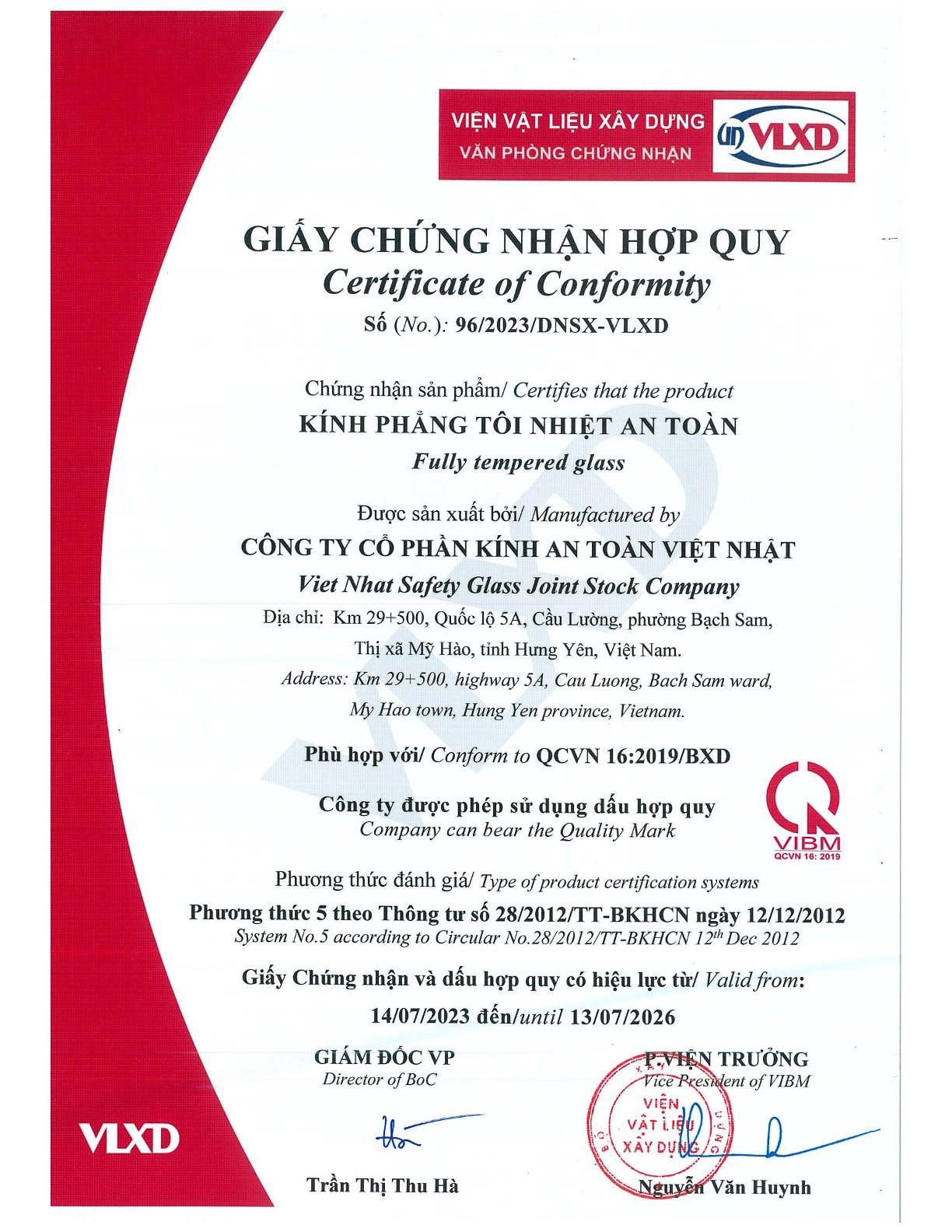
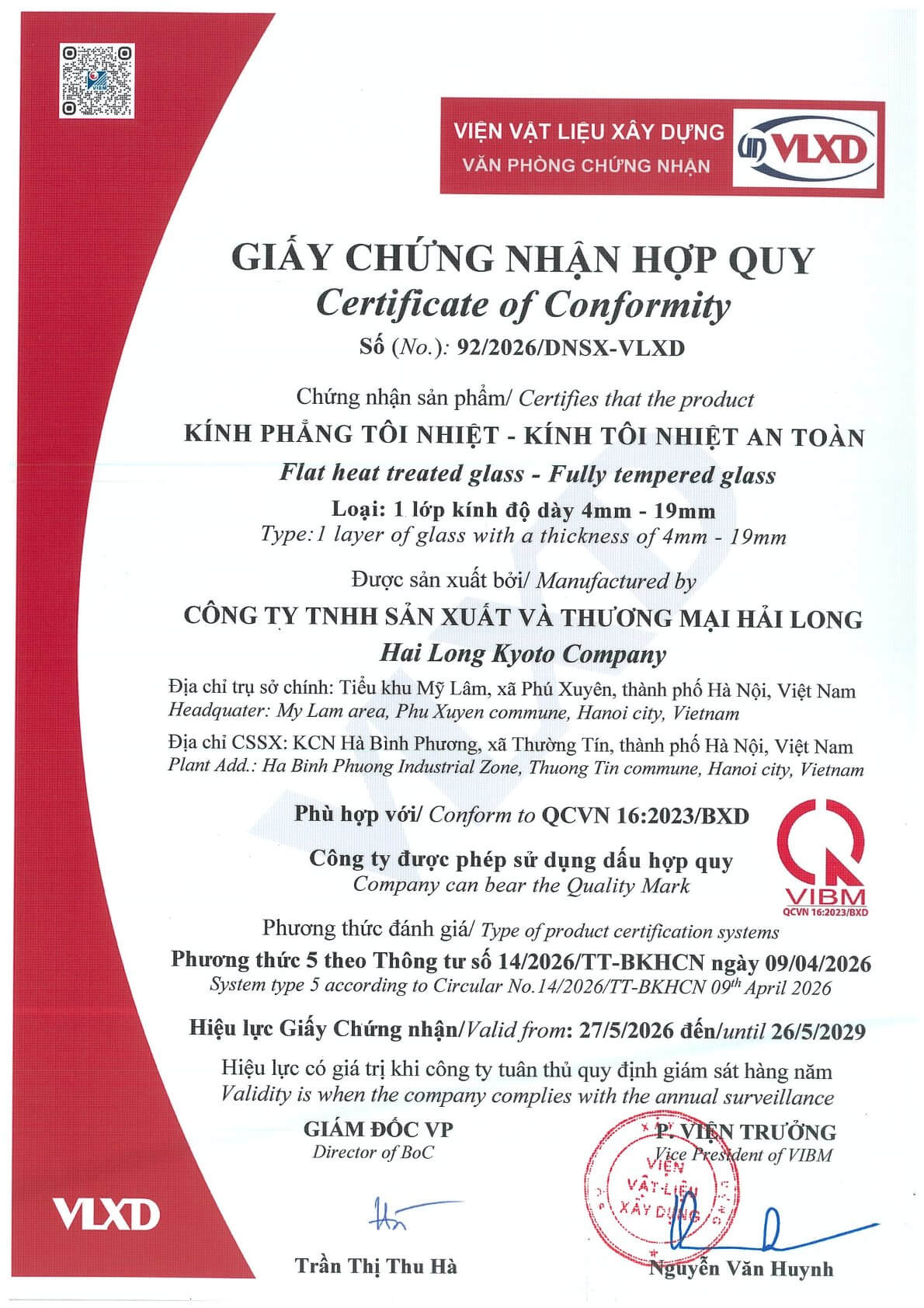
Quality certification from reputable testing organizations.
3. Applications and outstanding advantages of heat-soaked glass in construction
Glass facades: High-rise buildings, shopping malls, and modern offices.
Glass roofs and skylights: Increase load-bearing capacity and reduce the risk of spontaneous breakage due to temperature and environmental pressure.
Glass doors and partitions: Ensure user safety and enhance the aesthetic appeal of the building.
Public buildings and areas with high pedestrian density: Ensure maximum safety in the event of glass breakage.
Reduce the risk of spontaneous glass breakage by up to 98%: Thanks to the Heat Soak Test process, which eliminates glass panels containing unstable NiS particles.
High safety: The glass shatters into small, non-sharp pieces, minimizing the risk of injury.
Durability and stability: Superior load-bearing and heat resistance, suitable for harsh environmental conditions.
Adherence to stringent standards: Meeting the technical requirements for high-end and safe construction projects.
Variety of thicknesses and sizes: Flexibility in design and construction.
Quotation and delivery process for heat-soaked glass
Special technical requirements (e.g., load-bearing capacity, thermal insulation, sound insulation).
Order quantity and delivery time.
Contact and technical support
We provide advice on choosing the appropriate type and thickness of glass.
Instructions for the installation and maintenance of heat-soaked glass.
Evaluate and inspect the product quality before installation.
Support for resolving technical issues that arise during use.
Heat-soaked glass is a special type of tempered glass that undergoes a heat soak test to eliminate the risk of spontaneous breakage due to the presence of nickel-sulfur (NiS) particles within the glass. This process is carried out in a heat soaking furnace maintaining a temperature of approximately 290°C ± 10°C according to BS EN 14179:2005 standards, which helps to activate the transformation of NiS particles early and break unstable glass panels right at the factory.
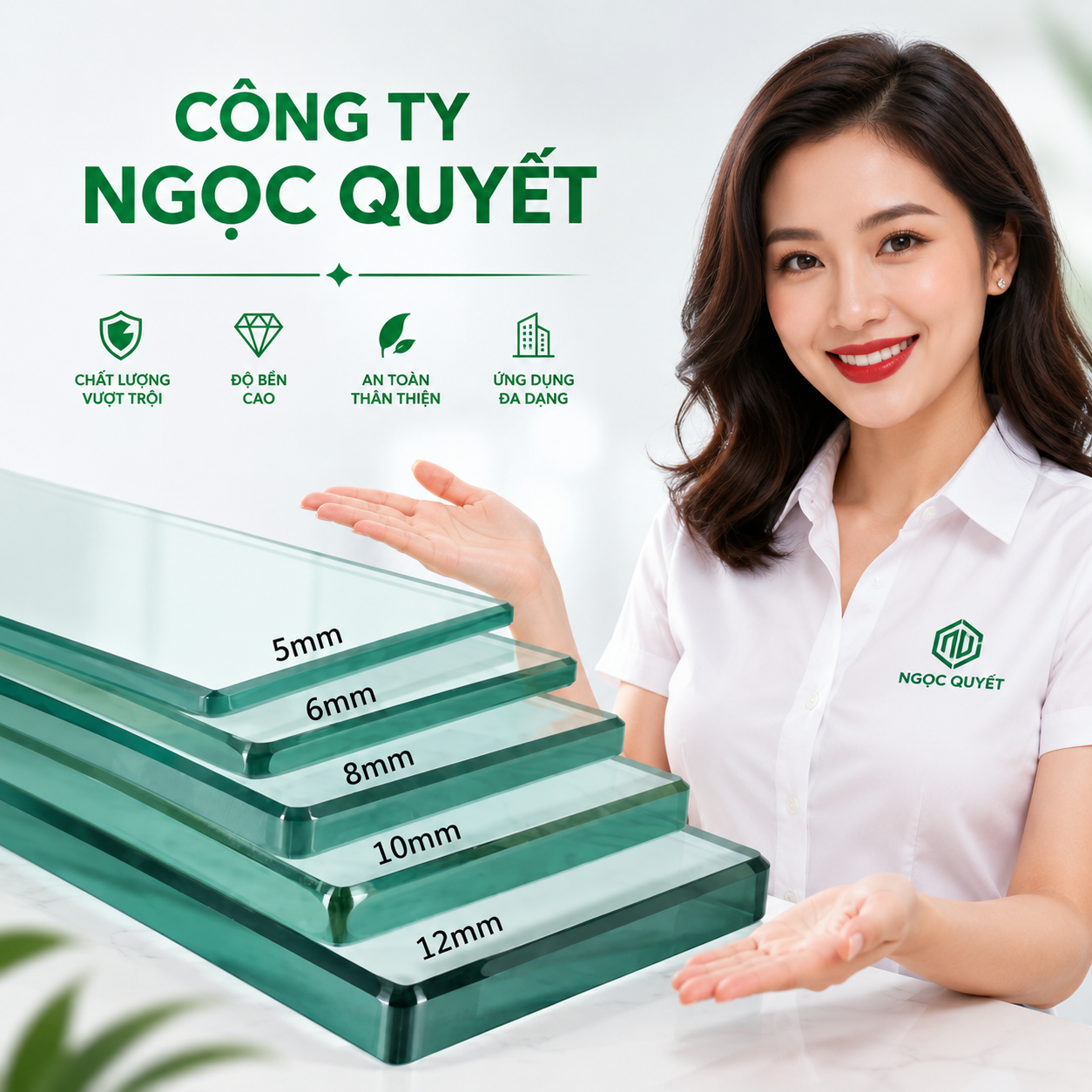
Structurally, heat-soaked glass is typically tempered glass or laminated glass (V-laminate glass) that has undergone thorough heat treatment. This glass boasts high strength, excellent heat resistance, and superior safety compared to ordinary glass. Common thicknesses for heat-soaked glass include 4mm, 5mm, 6mm, 8mm, 10mm, 12mm, 15mm, and 19mm, suitable for various technical and design requirements.
The heat-soaked glass manufacturing process begins with selecting standard-compliant tempered glass, which is then placed in a heat soaking furnace for a heat soak test. This process includes the following steps:
The entire process is strictly controlled according to BS EN 14179:2005 standards to ensure the effective elimination of the risk of spontaneous breakage due to NiS. This standard clearly specifies the temperature, time, and test conditions to ensure that heat-soaked glass achieves the highest quality.
Heat-treated glass comes in a wide variety of specifications, including different sizes and thicknesses, to meet the needs of many types of construction projects, from residential to commercial and industrial. Common types of glass include:
Heat-soaked glass must meet international and domestic standards such as:
Heat-soaked glass is widely used in constructions requiring high safety and durability, such as:
The outstanding advantages of heat-soaked glass include:
Besides its advantages, heat-treated glass also has some limitations, such as higher production costs compared to regular tempered glass due to the complex heat treatment process and longer processing time. However, the safety and durability that heat-treated glass provides are significant, especially in projects requiring strict safety standards.
Typically, suppliers will provide detailed quotations along with quality certifications and technical specifications. Delivery times for heat-soaked glass range from 7 to 21 days, depending on order size and technical requirements.
To ensure quality and timely delivery, choosing a reputable supplier with a strict quality control system and good after-sales service is crucial. Suppliers of heat-soaked glass often provide technical consulting, design, and construction support to optimize product usage efficiency.
For detailed advice on heat-treated glass, customers should contact manufacturers or authorized distributors directly. Technical consultations help determine the right type of glass for the project's requirements, thereby ensuring safety and cost-effectiveness.
Technical support services typically include:
Ngoc Quyet specializes in distributing construction glass to glass dealers, aluminum and glass contractors, processing workshops, and construction projects. For large orders, customers should provide the type of glass, thickness, size, quantity, and delivery location to receive appropriate configuration advice and pricing.
Need an accurate quote for your glass order? Please send the type of glass, thickness, dimensions, quantity, and delivery address. HOTLINE / ZALO: 0966.321.655
Discover heat-soaked safety glasses – a safe, durable solution for high-temperature work, effectively protecting your eyes and allowing you to work more comfortably and with greater peace of mind.
I am very satisfied with the attentive and professional customer service team. Even though it was quite a while after the project was handed over, they were very enthusiastic and quick to assist me when I needed it!
We are very pleased to cooperate with Ngoc Quyet Glass Agency – a reputable supplier of glass for aluminum and glass contractors and construction projects.
Ngoc Quyet Company specializes in distributing construction glass, serving dealers, aluminum and glass contractors, processing workshops, and construction projects.
NGỌC QUYẾT
With extensive experience in the field of building glass, we specialize in distributing building glass to dealers, aluminum and glass contractors, and construction projects.