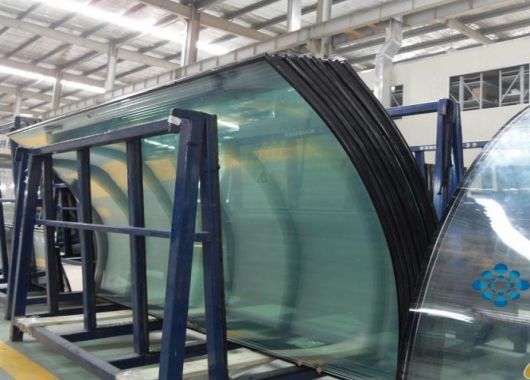
Discover curved lenses with a flexible design that provide a wider field of view for all your daily activities.



Hailong Bent Glass
Curved glass: An overview of the technology and applications.
The process of manufacturing curved glass
Heating and shaping
Cooling and shaping;
Technical characteristics and advantages of curved glass;
Practical applications of curved glass in various fields:
Architecture and construction
; Automotive and transportation;
Electronics and industry
; Standards and considerations when selecting curved glass.
- EN 12150 standard: Regulations concerning tempered glass, including bent tempered glass.
- ASTM C1048 Standard: American Standard for Float Glass, Tempered Glass, and Curved Glass.
- ISO 12543: International standard for laminated safety glass, commonly applied to bent and laminated glass.
Curved glass is a glass product that undergoes a heating and shaping process to create glass panels with curved surfaces or complex shapes, serving various design and engineering purposes. Glass bending technology requires high precision in controlling temperature, time, and force to ensure the glass does not crack, shatter, or deform unexpectedly. Curved glass is widely used in modern architecture, interior design, automotive, electronics, and many other fields, contributing to enhanced aesthetics and functionality.
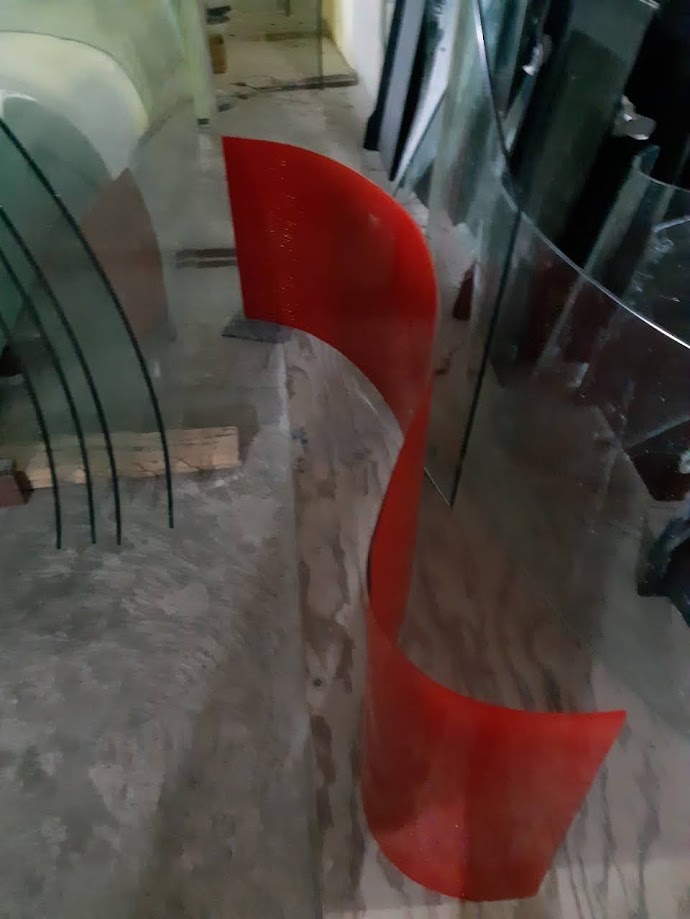
The process of manufacturing curved glass involves two main steps: heating and shaping, followed by cooling and shape stabilization. First, flat glass sheets are placed in a furnace at temperatures between 600 and 700 degrees Celsius to soften them, making them malleable and easily bent into heat-resistant molds. Next, the curved glass is slowly cooled in a cooling chamber to reduce internal stress, ensuring shape retention and increasing mechanical strength. Controlling the temperature and cooling rate is crucial to prevent cracking and ensure product quality.
The process of producing bent glass begins by placing a flat sheet of glass into a specialized furnace. The temperature in the furnace is precisely controlled, typically ranging from 600 to 700 degrees Celsius, depending on the type and thickness of the glass. When the glass reaches a certain softening temperature, it becomes malleable and can be bent according to a pre-prepared mold. This mold can be made of metal or other heat-resistant material, ensuring the glass retains its desired shape when it cools.
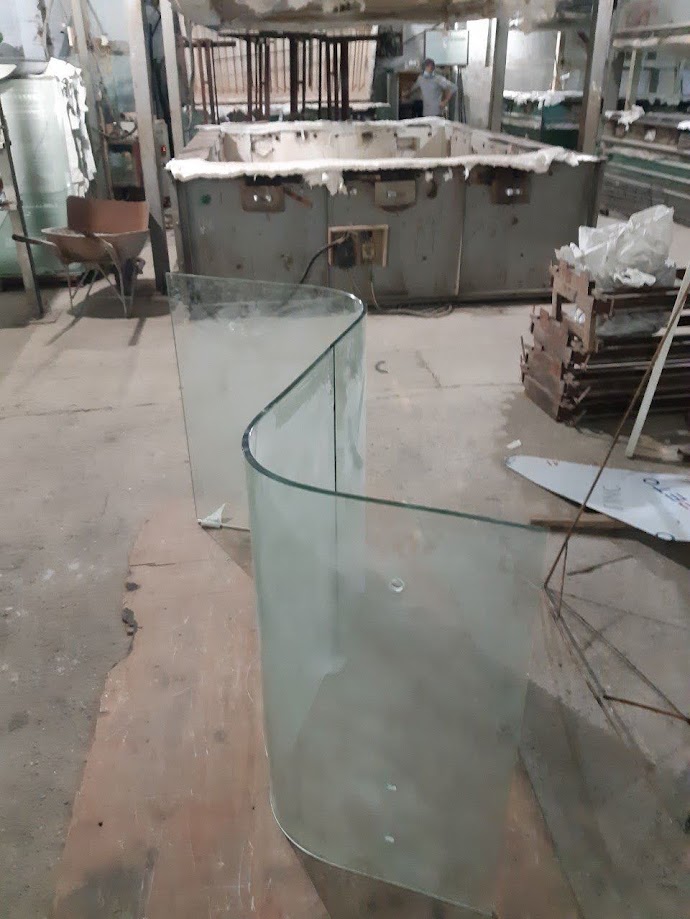
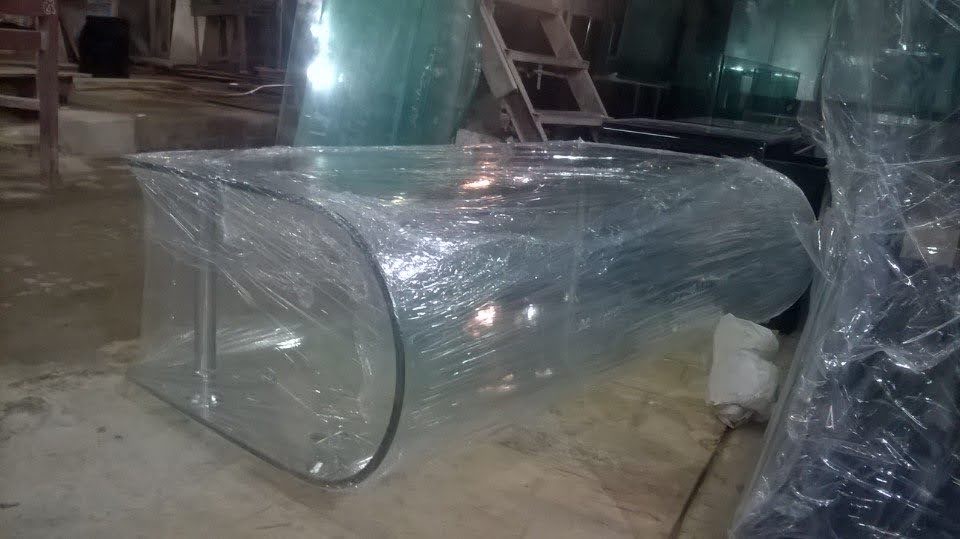
After bending, the glass is slowly cooled in an annealing lehr to minimize internal stress. This process helps the glass maintain its stable curved shape and enhances its mechanical strength. If cooled too quickly, the glass may crack or lose its structural uniformity, affecting the quality of the final product.
Curved glass not only offers high aesthetic value but also possesses many superior technical characteristics. Firstly, curved glass has better load-bearing capacity than ordinary flat glass due to its evenly distributed stress structure across the curved surface. Secondly, curved glass can be combined with safety glass types such as tempered glass or laminated glass, enhancing impact resistance and ensuring user safety.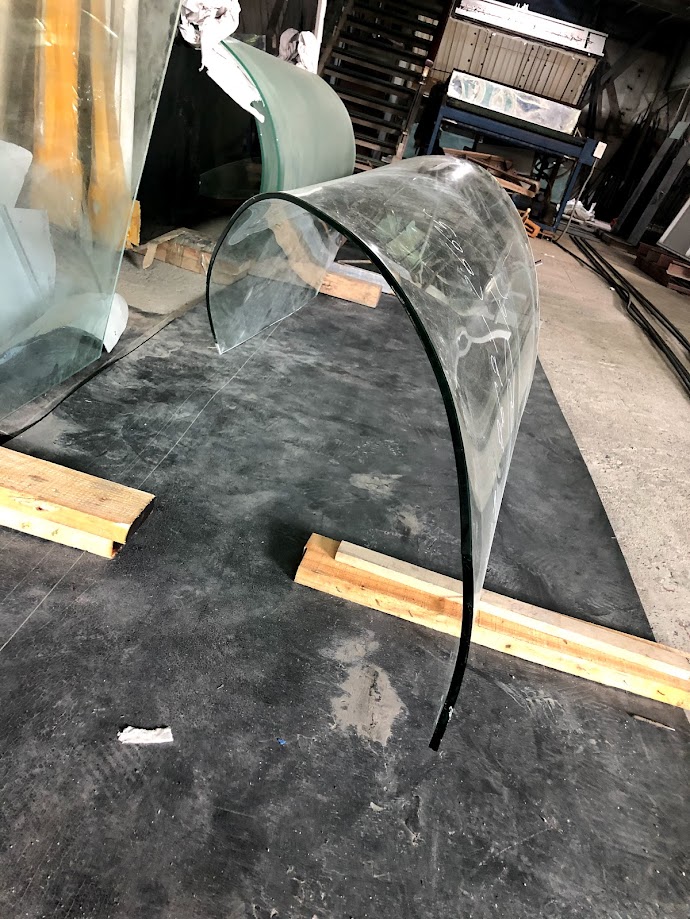
Furthermore, curved glass offers effective thermal and sound insulation, especially when combined with special coatings or inert gas layers between the glass panes. This helps minimize energy consumption in buildings and creates a more comfortable living and working environment.
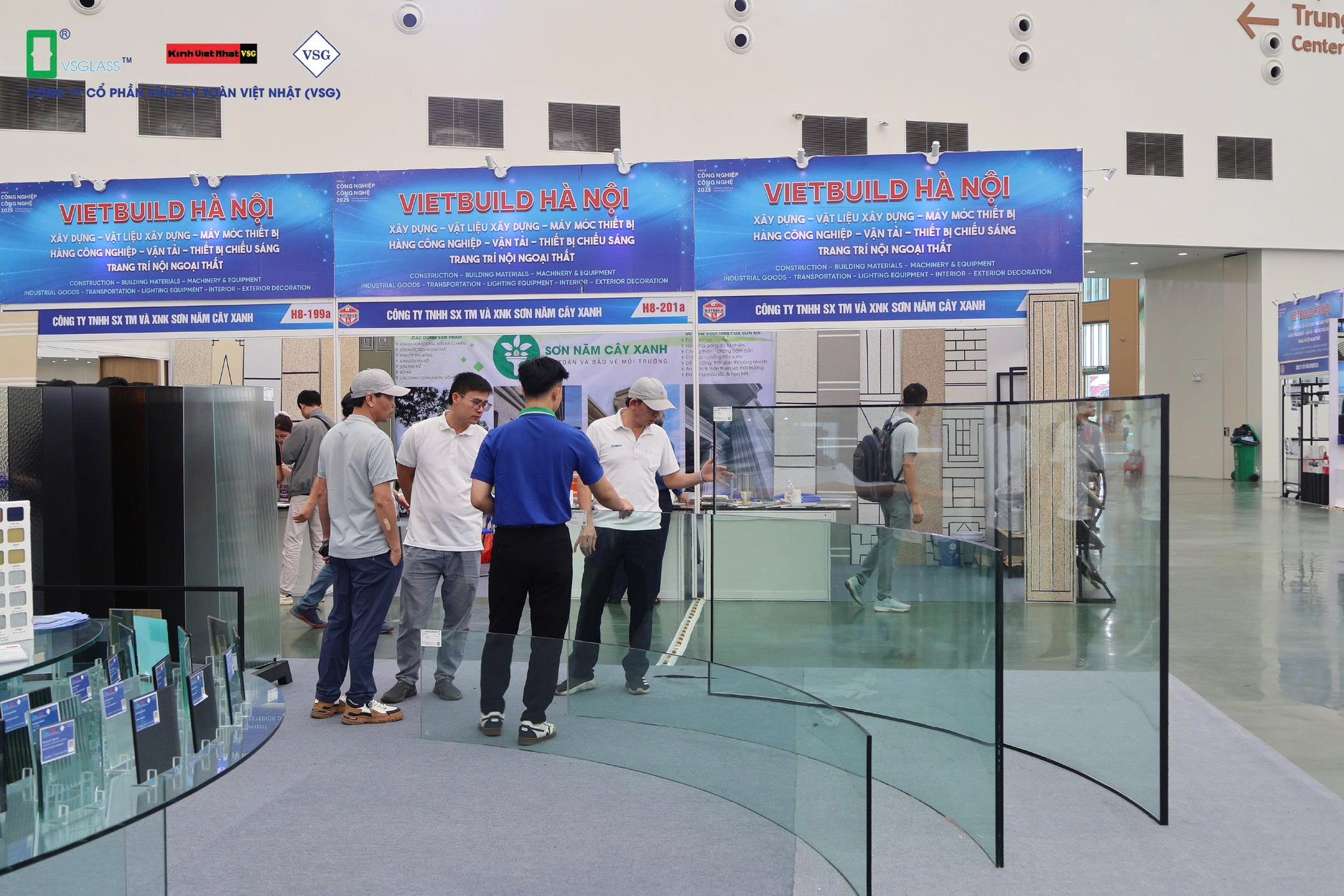
Curved glass plays a crucial role in many fields due to its versatility and aesthetic appeal. In architecture and construction, curved glass creates open, soft spaces that maximize natural light, often appearing in building facades, domes, and modern interiors. The automotive industry uses curved glass to design windshields and windows, reducing air resistance, improving aerodynamics, and enhancing safety. Furthermore, in electronics, curved glass is used for phone and tablet screens, providing an optimal user experience and sophisticated design, while also serving specific industrial applications.
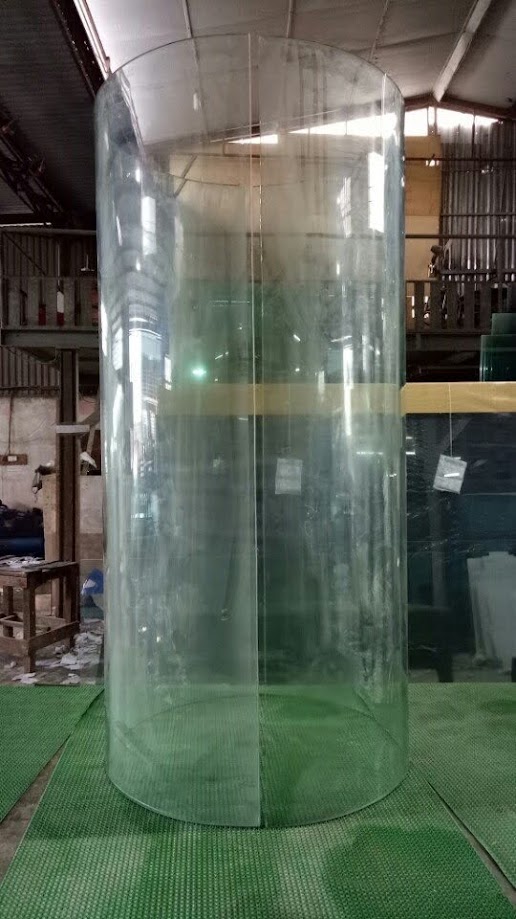
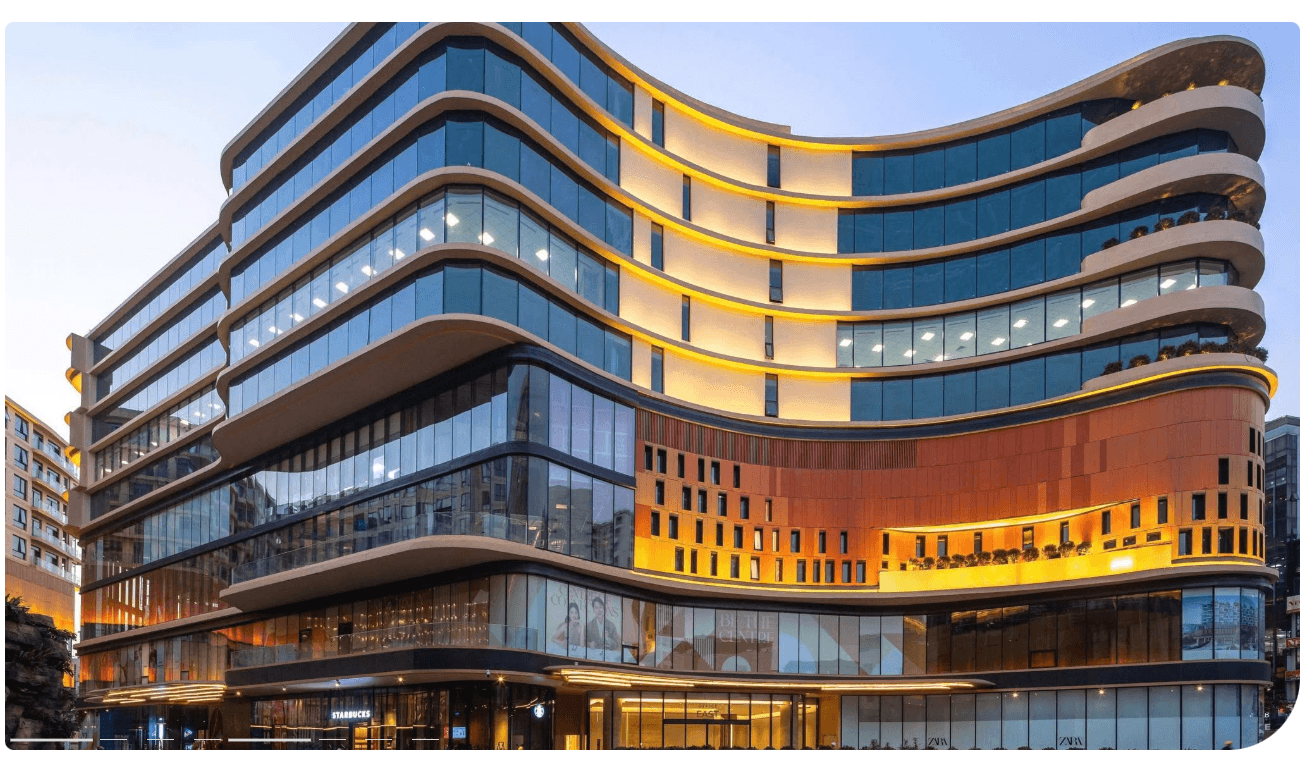
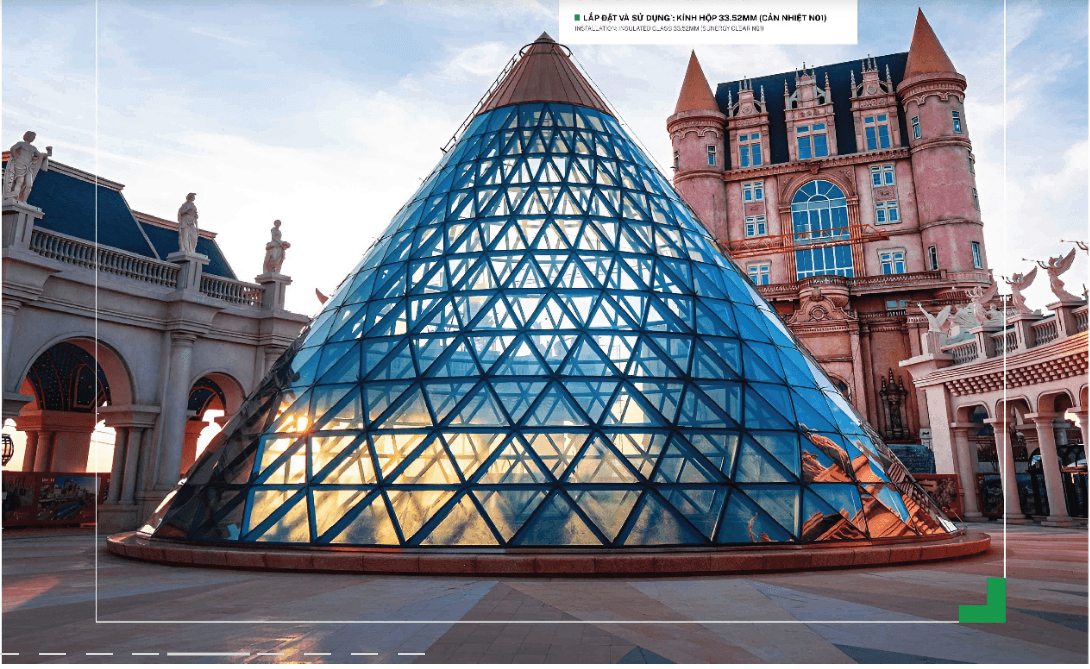
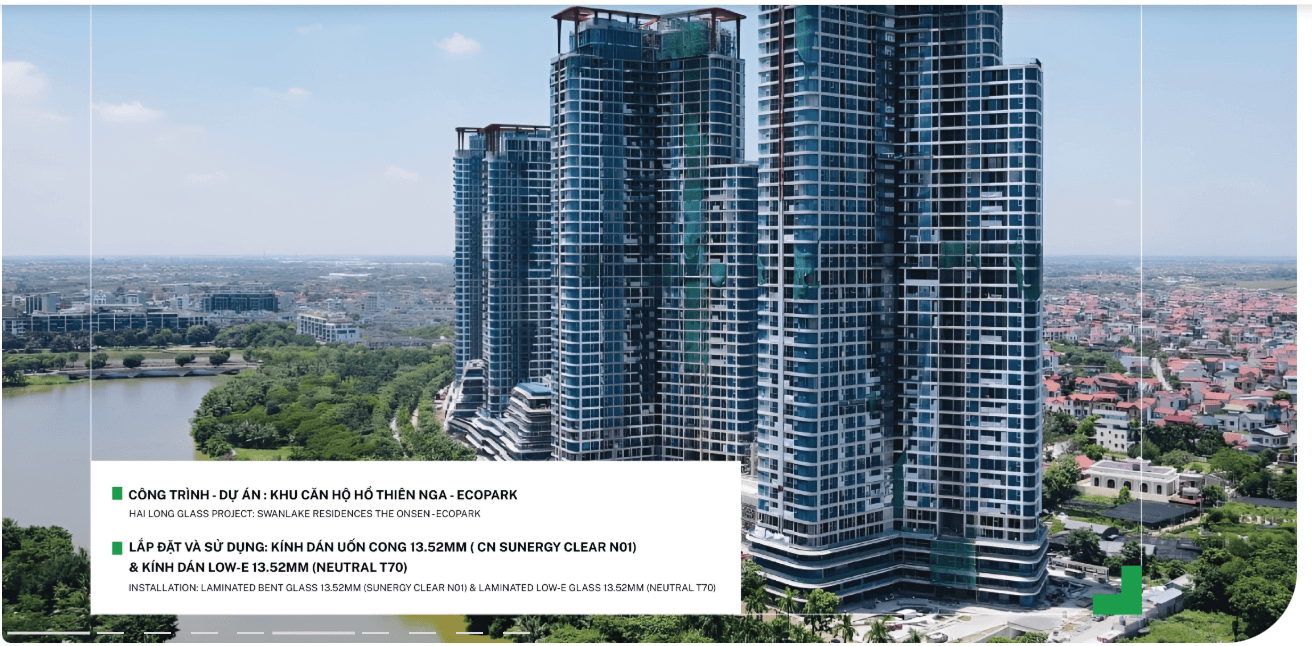
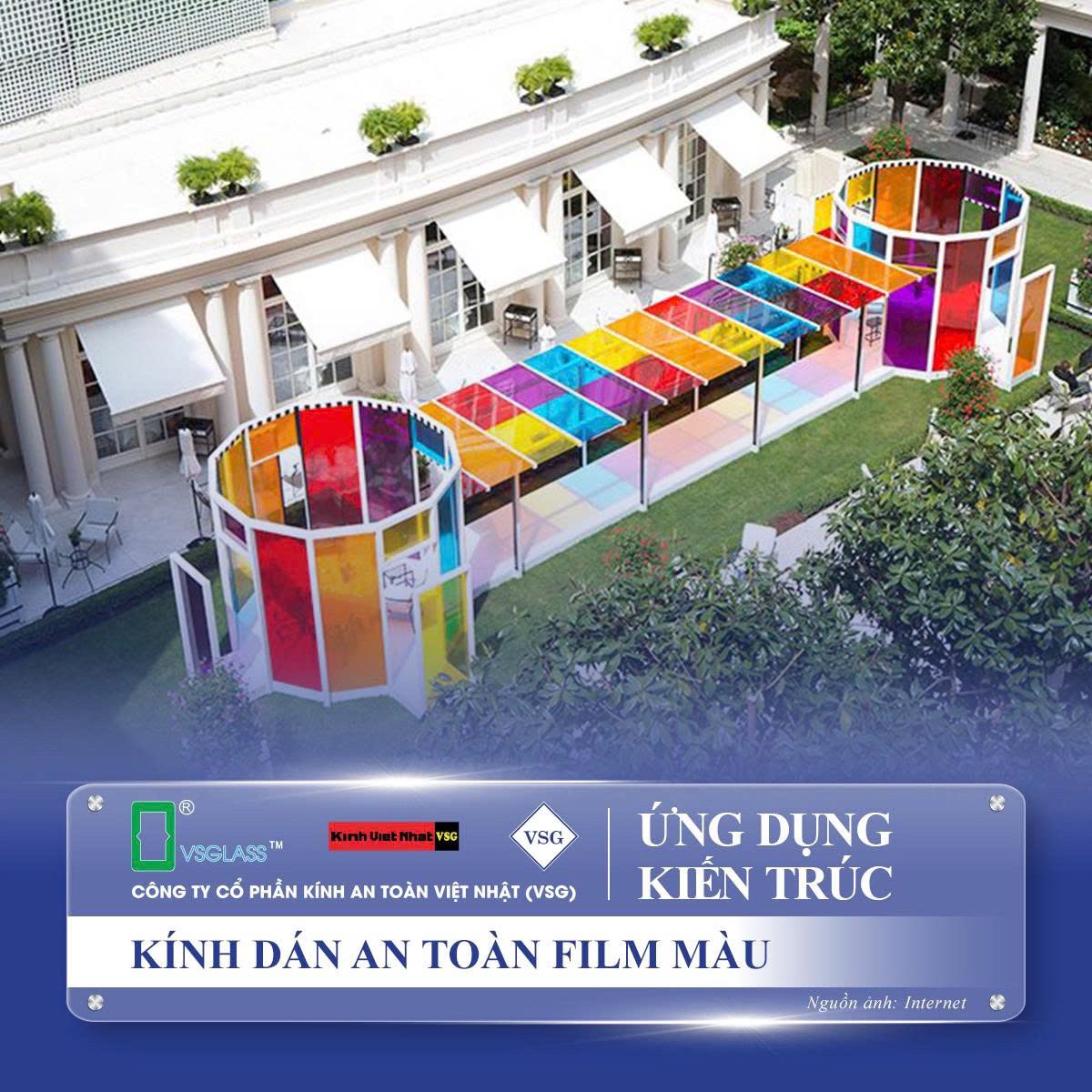
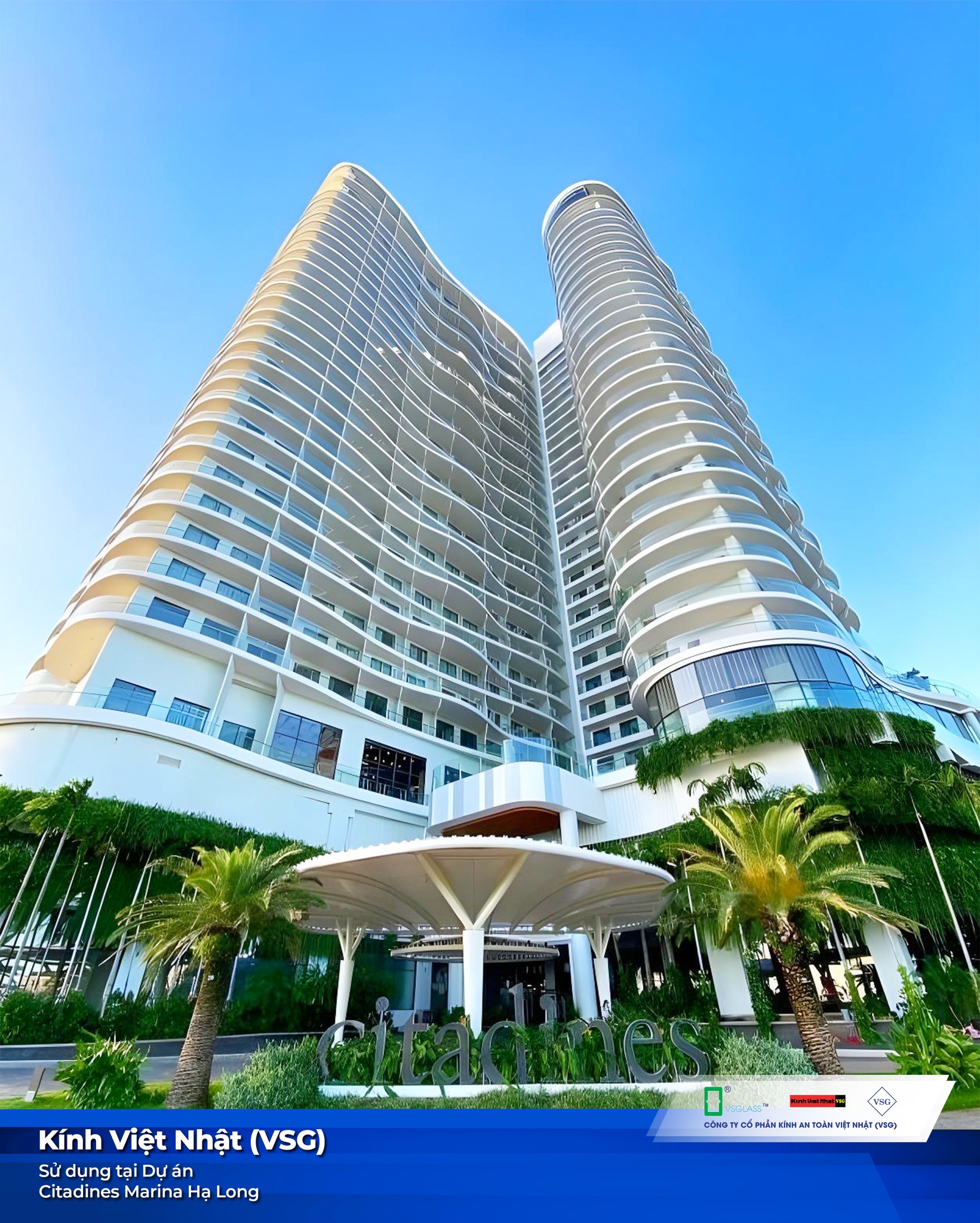
Curved glass is widely used in modern architectural projects such as building facades, domes, railings, glass staircases, and unique interior details. The use of curved glass creates open, soft, and aesthetically pleasing spaces while maximizing natural light. Notable projects utilizing curved glass include shopping malls, luxury hotels, and modern office buildings.

In the automotive industry, curved glass is used to manufacture windshields, windows, and other glass components with curved shapes to suit the aerodynamic design of the vehicle. Curved glass reduces air resistance, enhances aesthetics, and improves visibility for the driver. Additionally, curved glass is used in public transportation vehicles such as subways and luxury buses to enhance passenger comfort and safety.
Curved glass is also used in the production of electronic device screens such as smartphones, tablets, and curved screens for entertainment devices. Glass bending technology helps create products with sophisticated designs, enhancing user experience and expanding display space. In industry, curved glass is also used for protective components, machine doors, or specialized equipment requiring unique shapes.
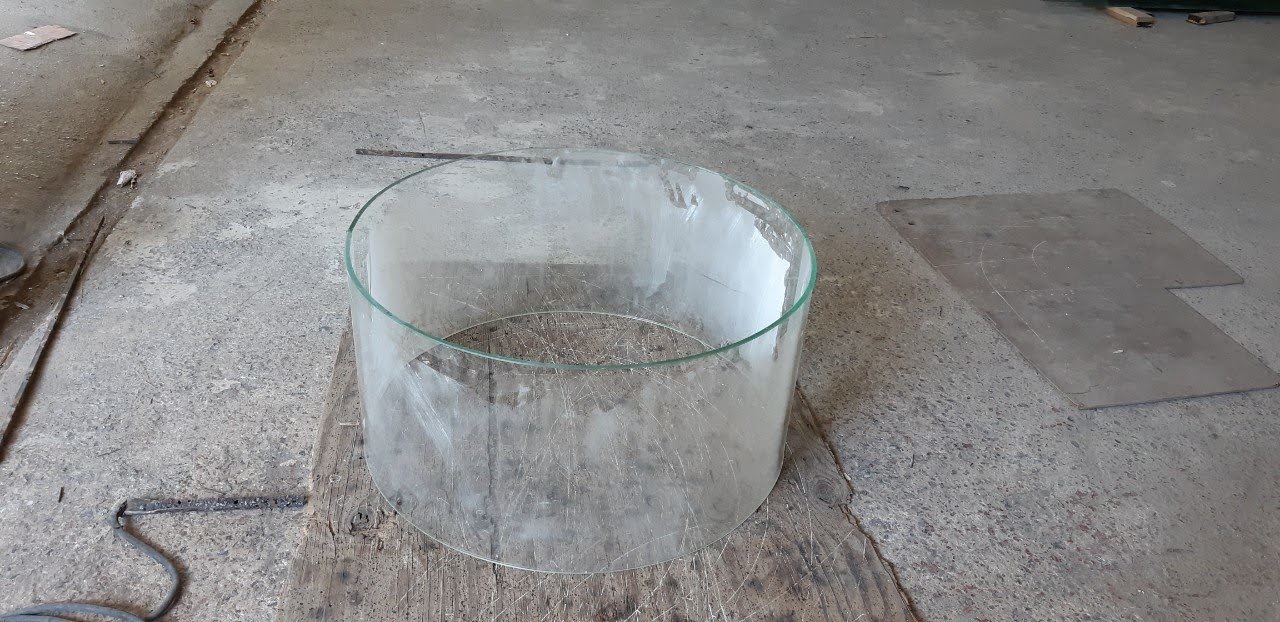
When selecting curved glass for projects, strict technical standards and safety requirements must be considered. Some common international standards applicable to curved glass include:
Furthermore, it is essential to select a reputable manufacturer and supplier of curved glass that can control product quality and meet the specific technical requirements of each project. This not only ensures aesthetic appeal but also enhances the durability and safety of the structure or product using curved glass.
To receive a quote for curved glass tailored to your needs and project, please contact Ngoc Quyet Company – a specialist supplier of high-quality curved glass products, expert consulting services, and dedicated technical support.
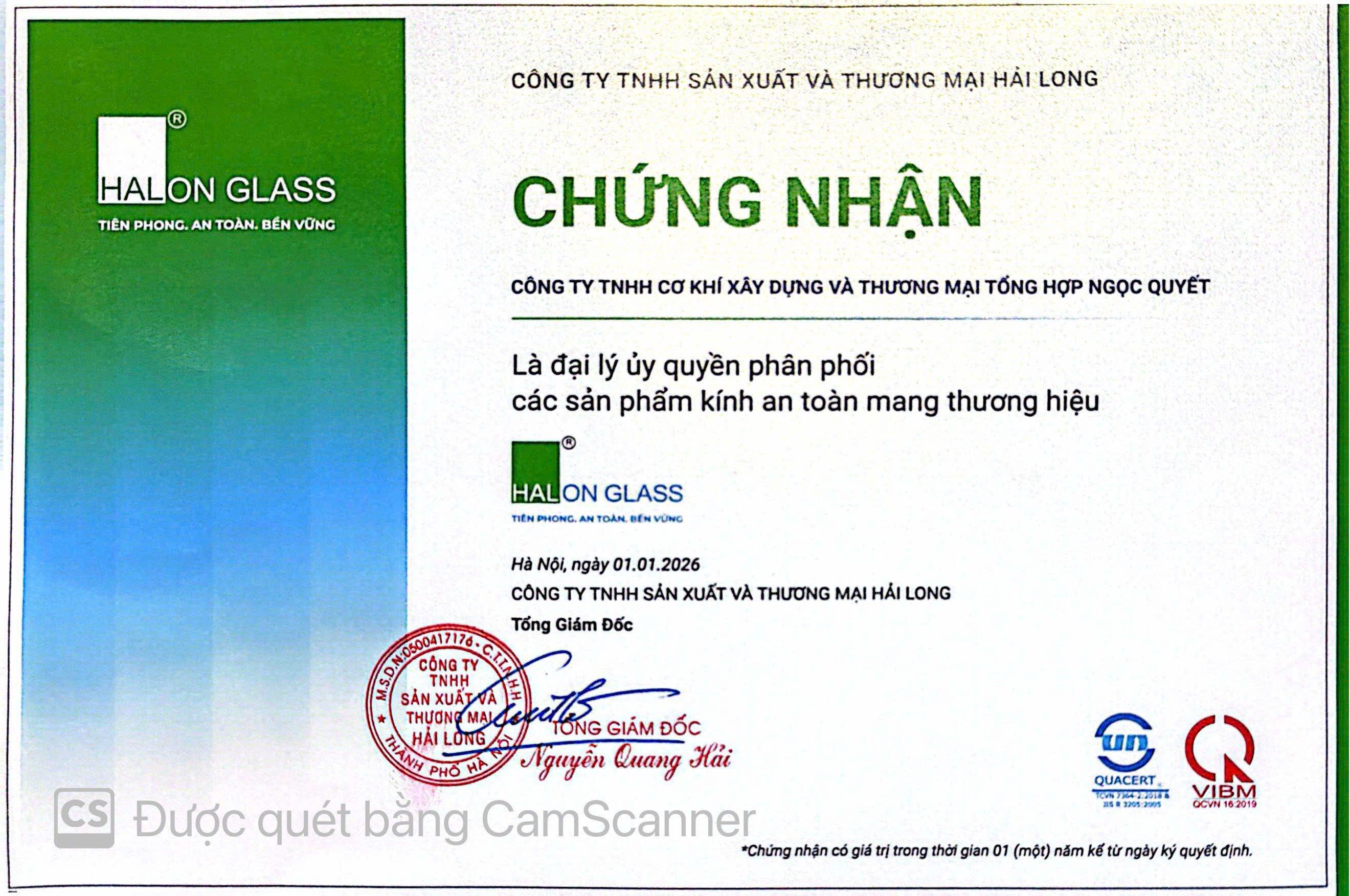
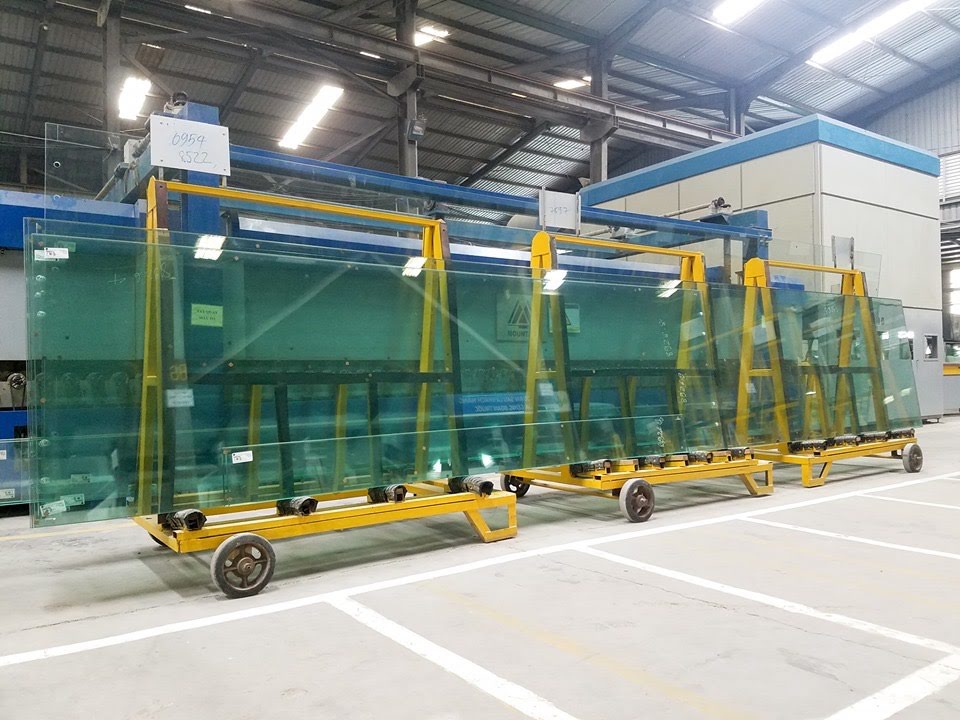
Ngoc Quyet Company specializes in distributing construction glass to glass dealers, aluminum and glass contractors, processing workshops, and construction projects. For large orders, customers should provide the type of glass, thickness, size, quantity, and delivery location to receive appropriate configuration advice and pricing.
Need an accurate quote for your glass order? Please send the type of glass, thickness, dimensions, quantity, and delivery address. HOTLINE / ZALO: 0966.321.655

bài viết mới

Consultation Hotline: 0966 321 655
Chuyên gia tư vấn Care For - Live Your Dream
Connect directly via Zalo at 0966 321 655.
Khám phá sản phẩm Care For - Live Your Dream
WHAT CUSTOMERS SAY ABOUT US

I am very satisfied with the attentive and professional customer service team. Even though it was quite a while after the project was handed over, they were very enthusiastic and quick to assist me when I needed it!
Anh Tuấn Phương
Thu Duc - Ho Chi Minh City

We are very pleased to cooperate with Ngoc Quyet Glass Agency – a reputable supplier of glass for aluminum and glass contractors and construction projects.
Mr. Bao Ngoc
District 10 - Ho Chi Minh City
Liên hệ
HanoiHo Chi MinhHai PhongQuang Ninh
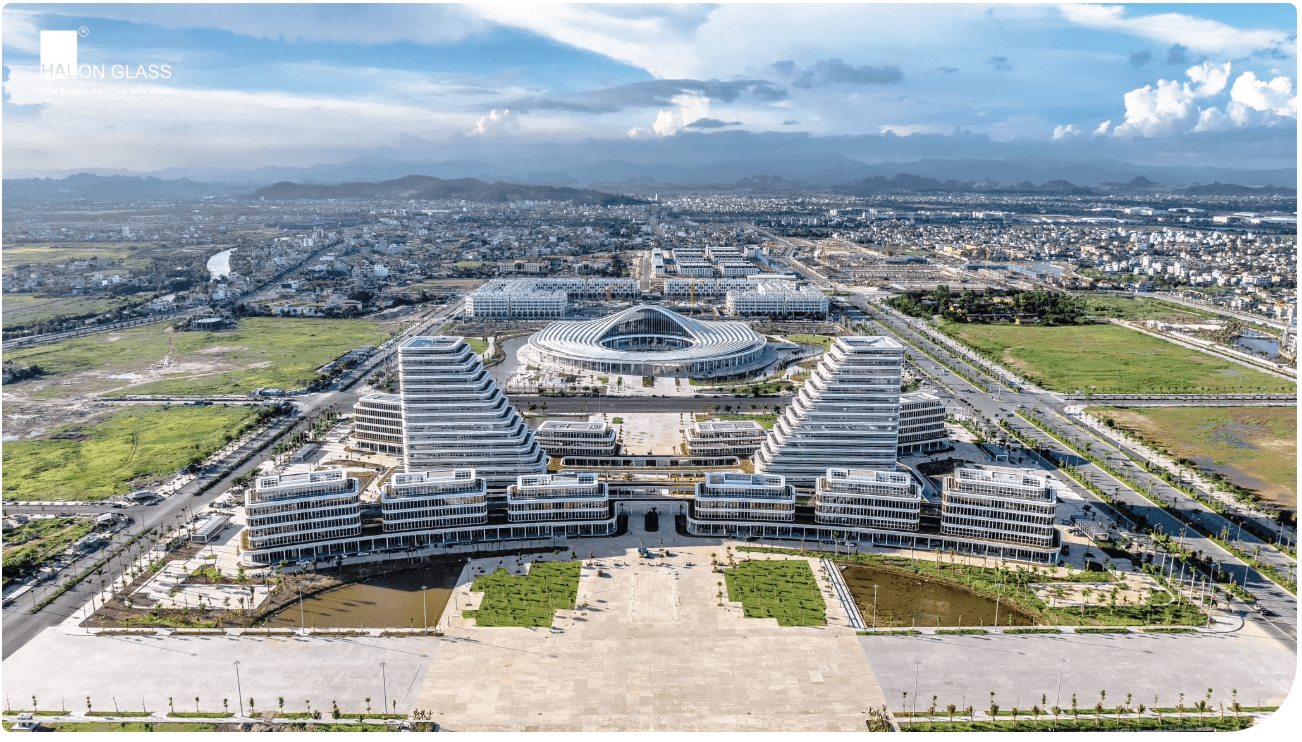
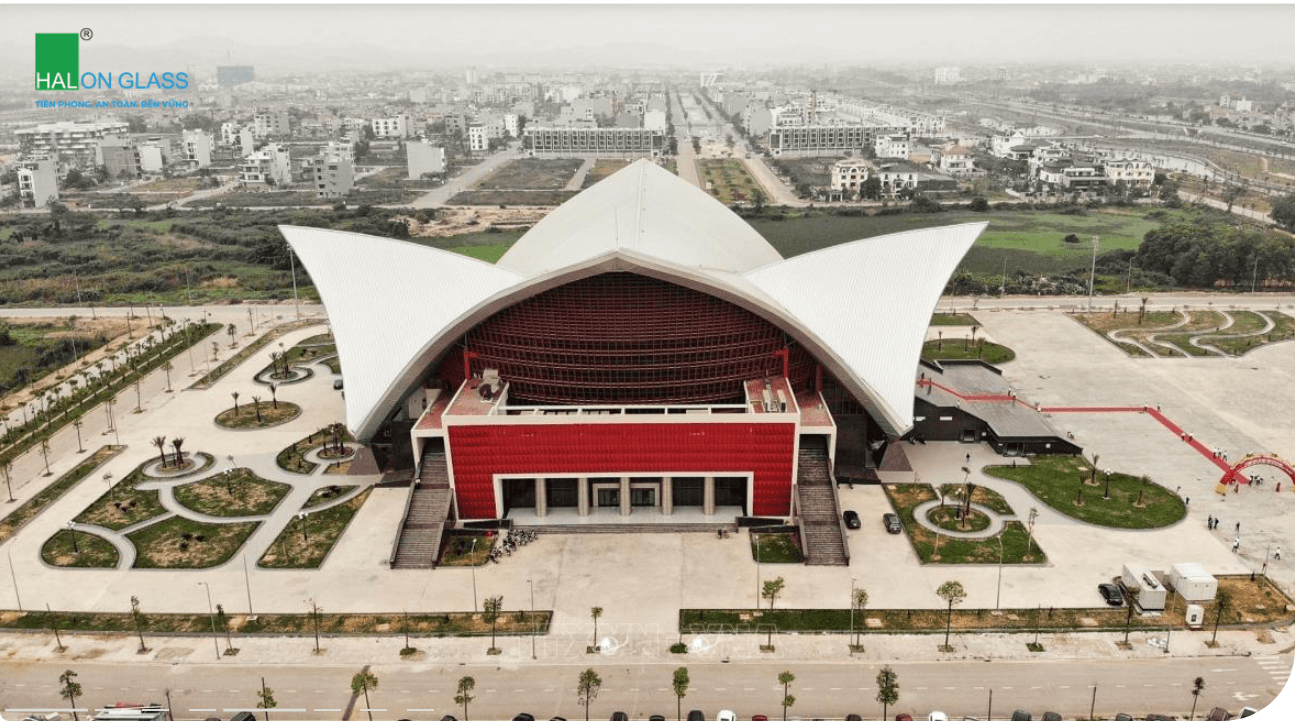
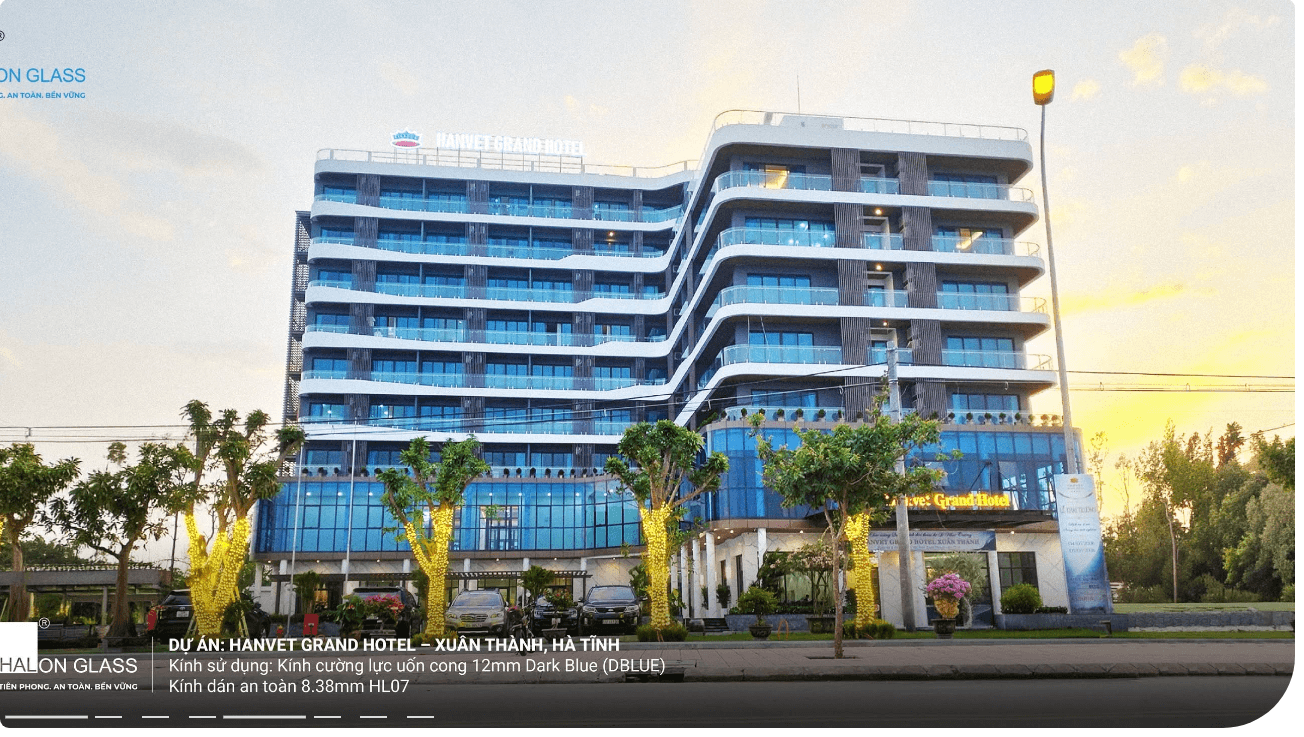
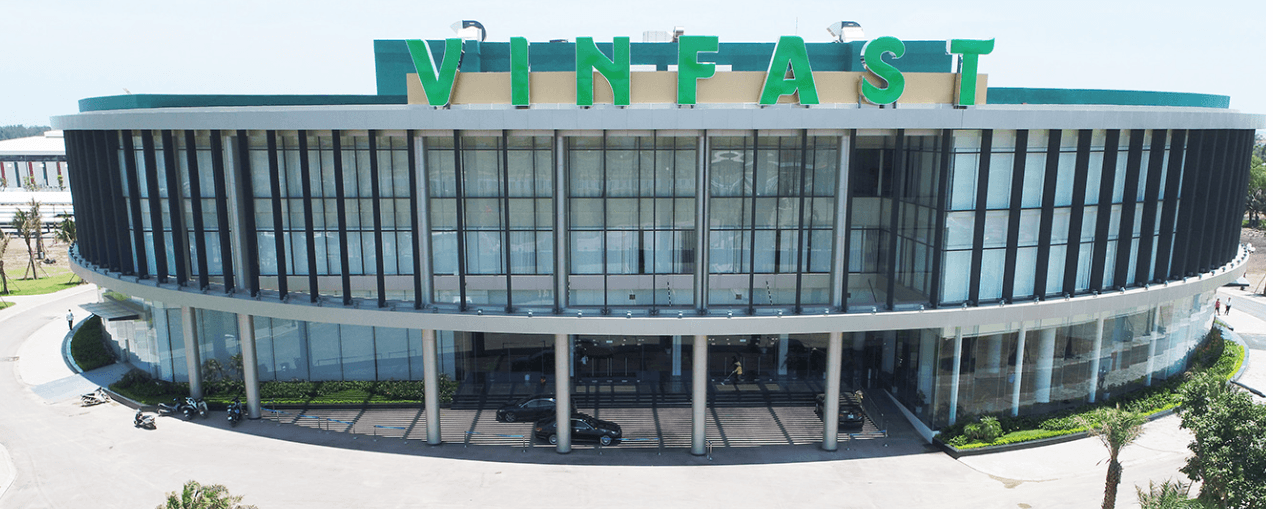
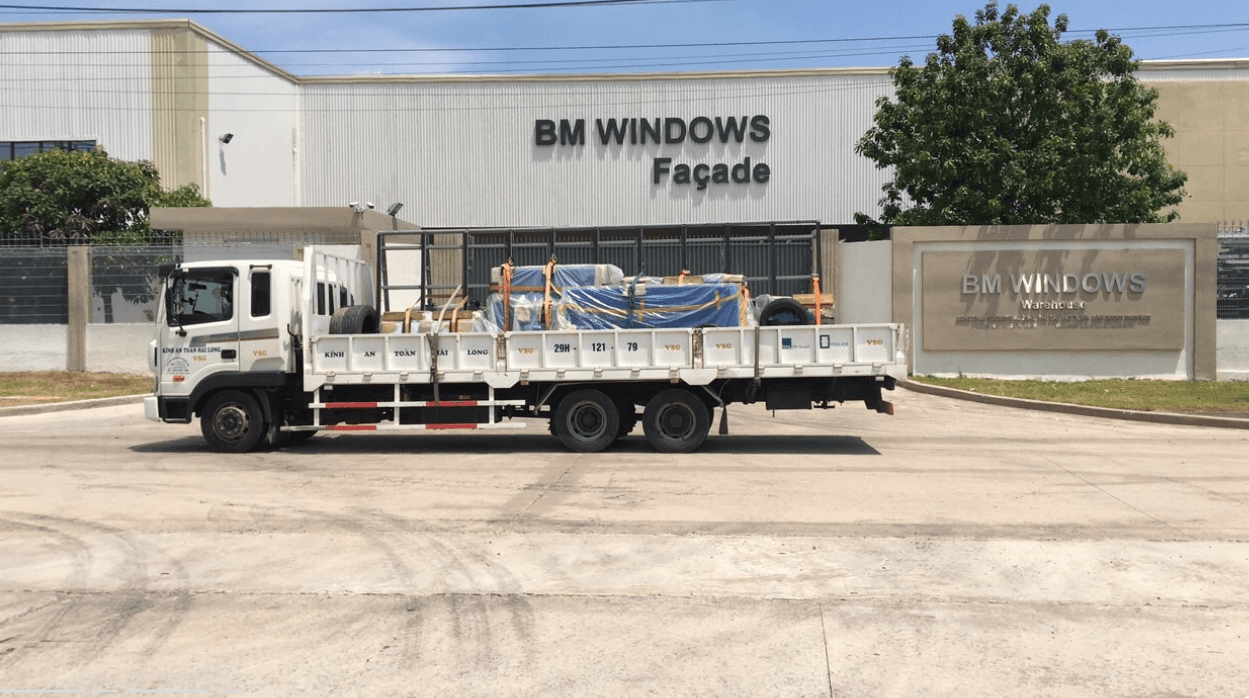
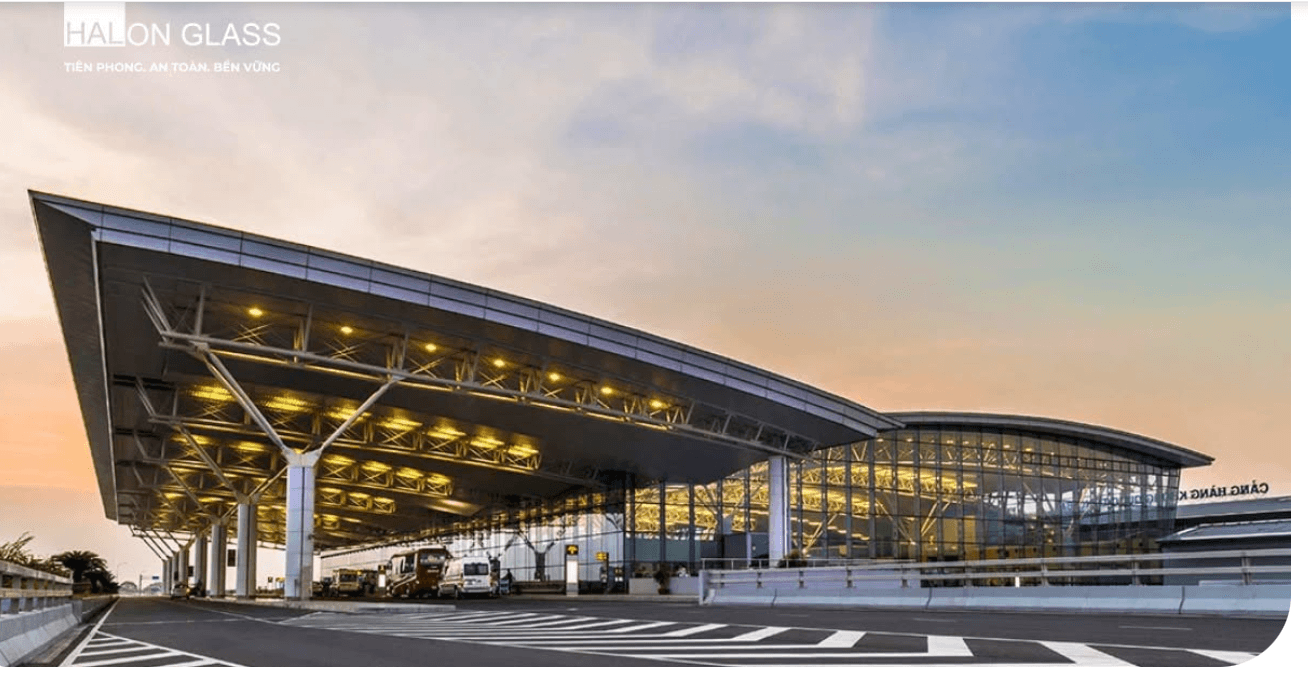
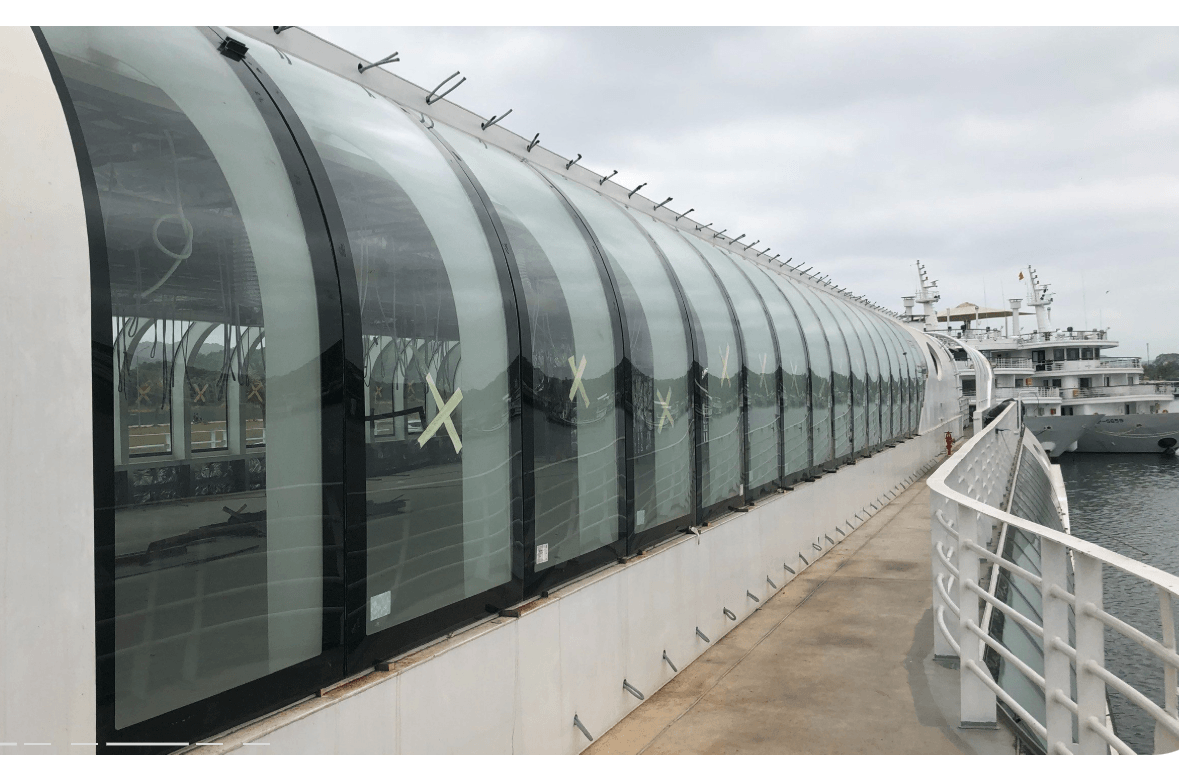
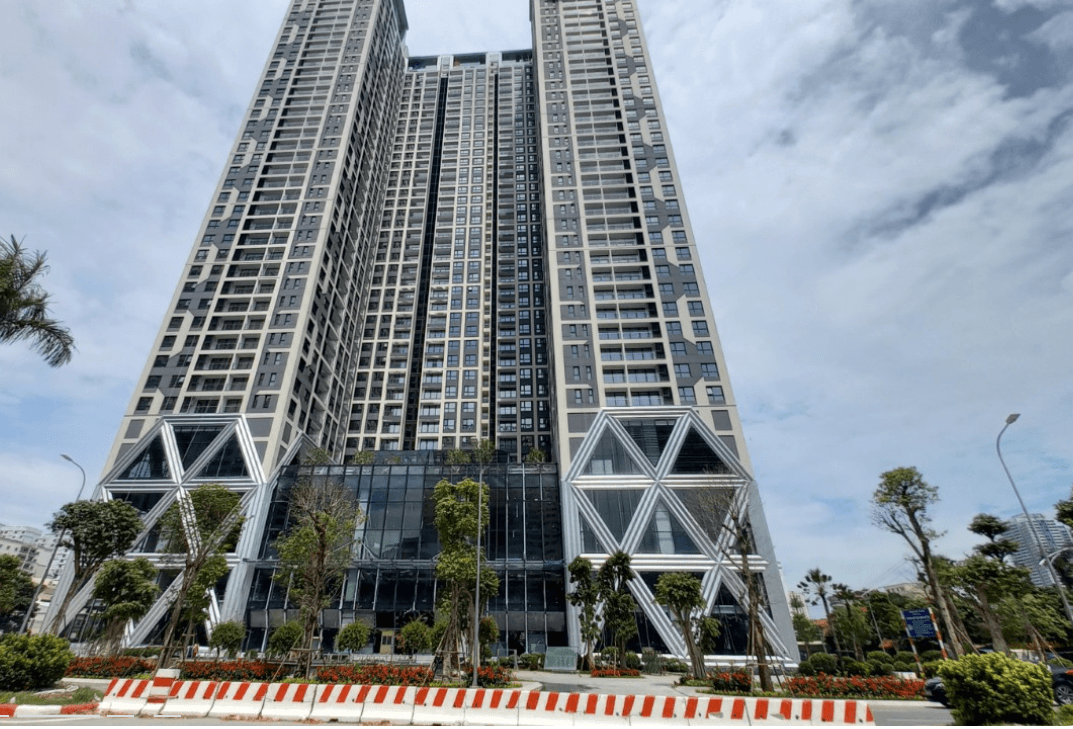
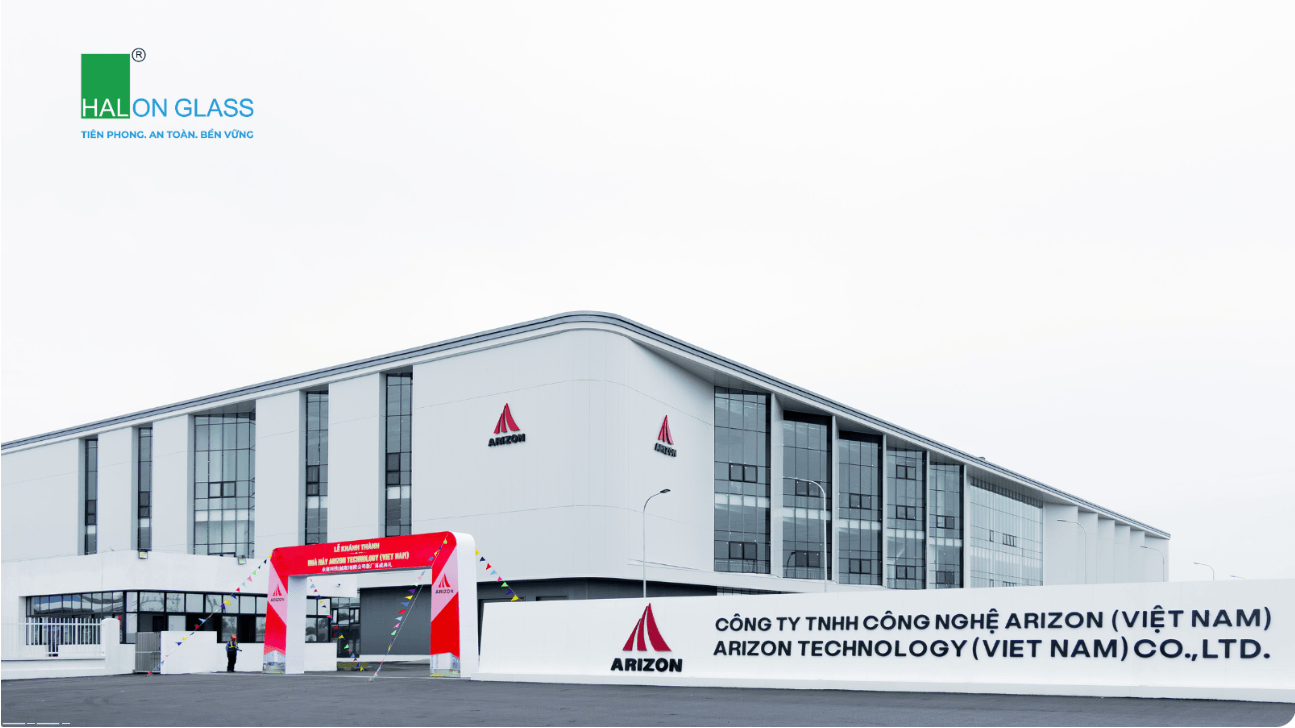
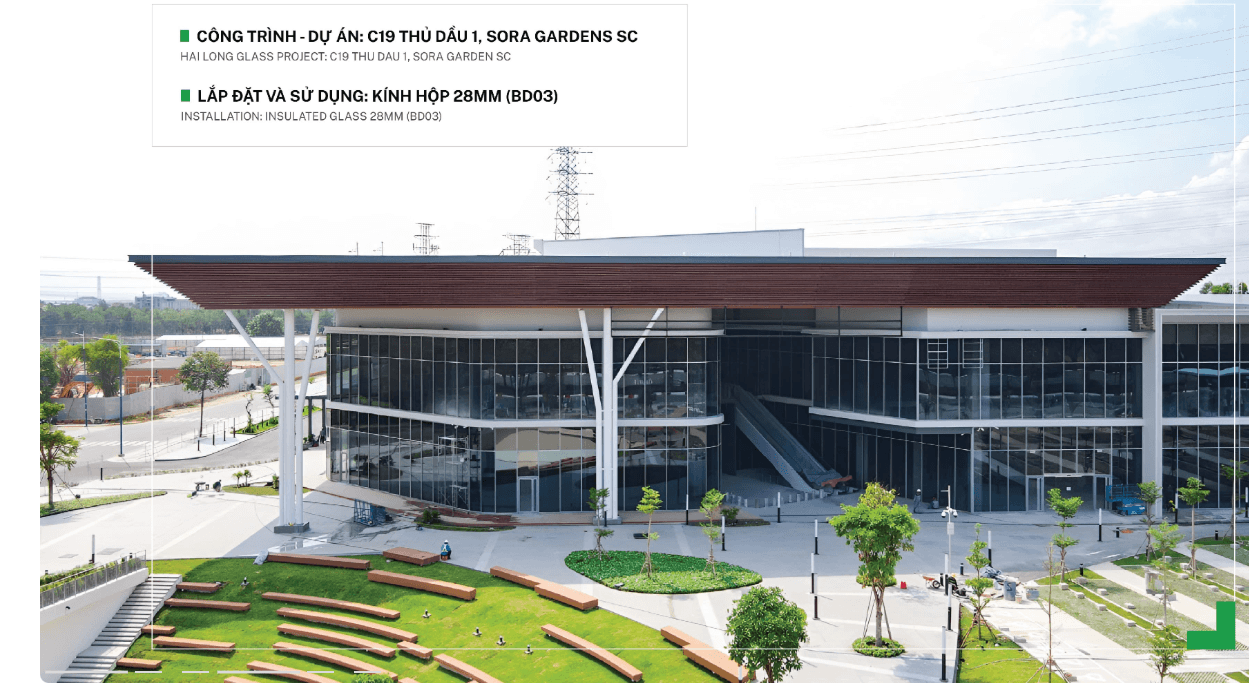
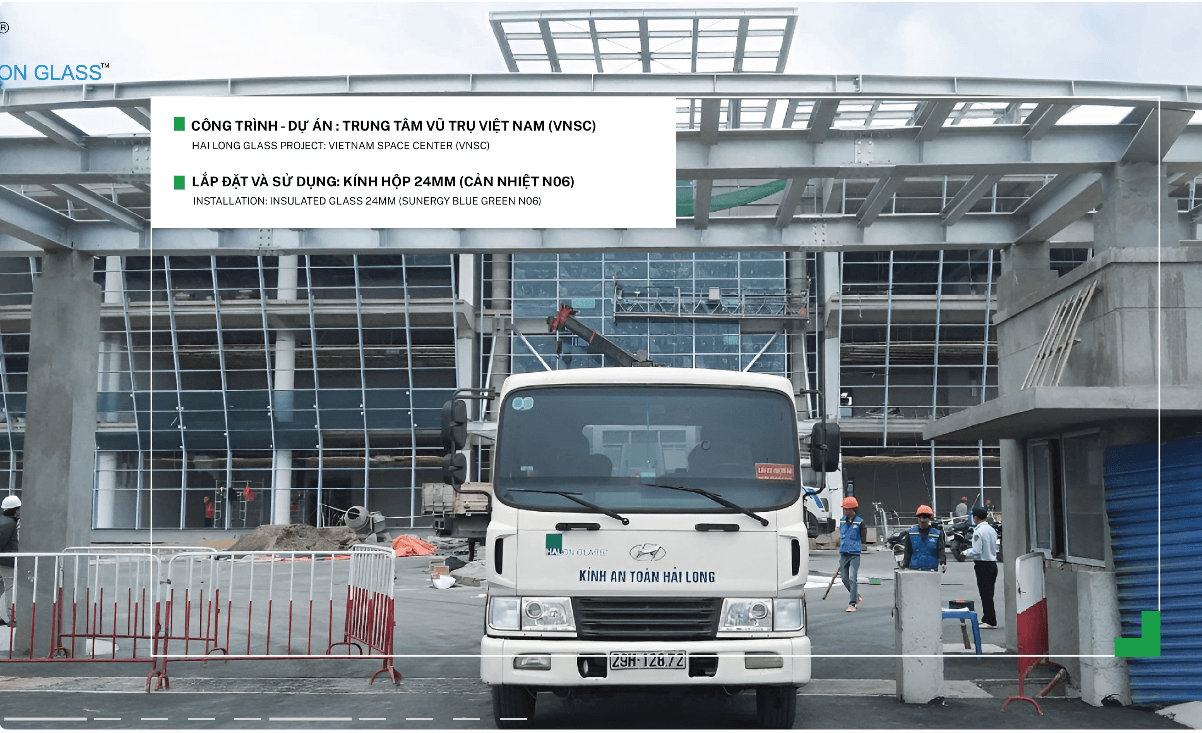
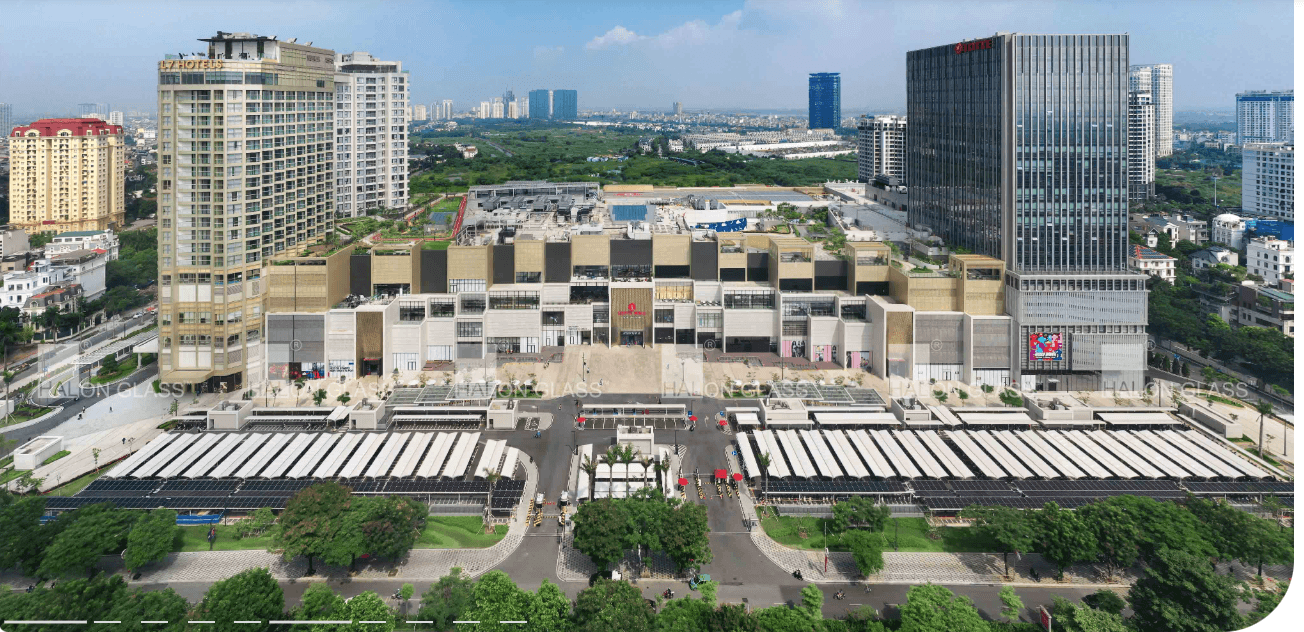
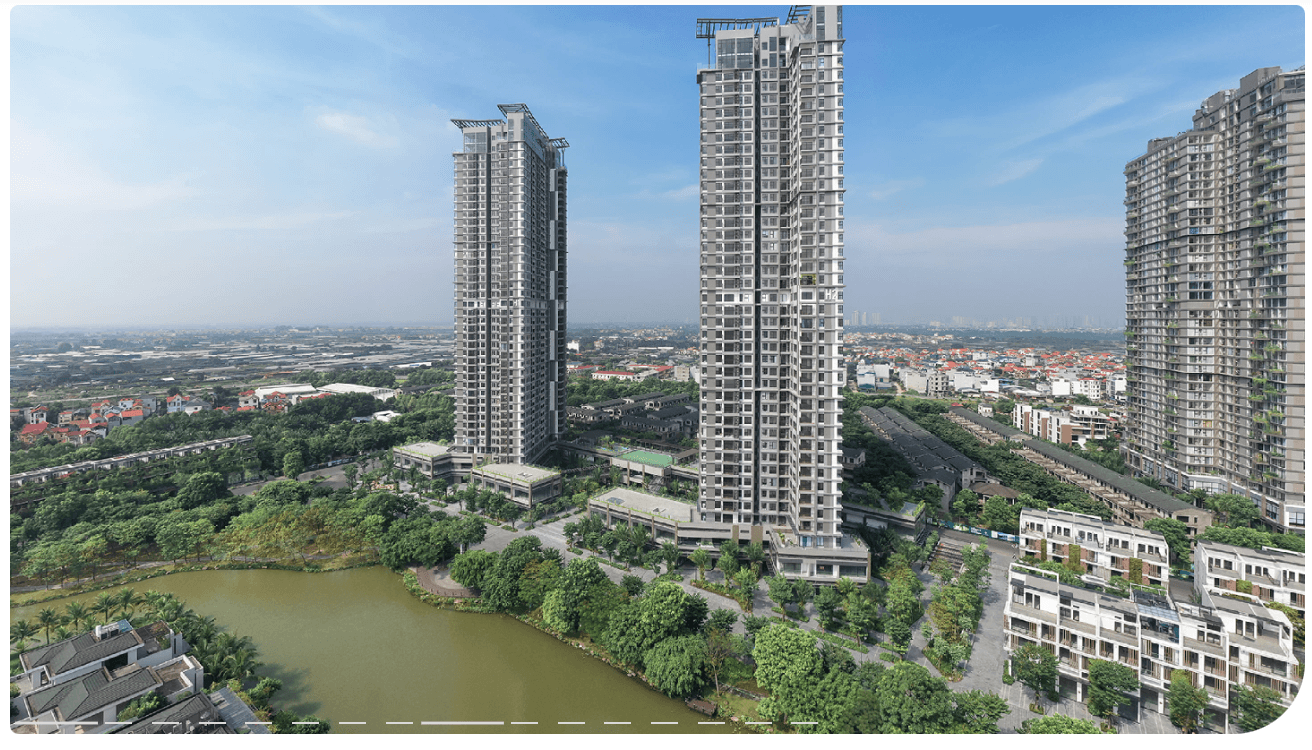
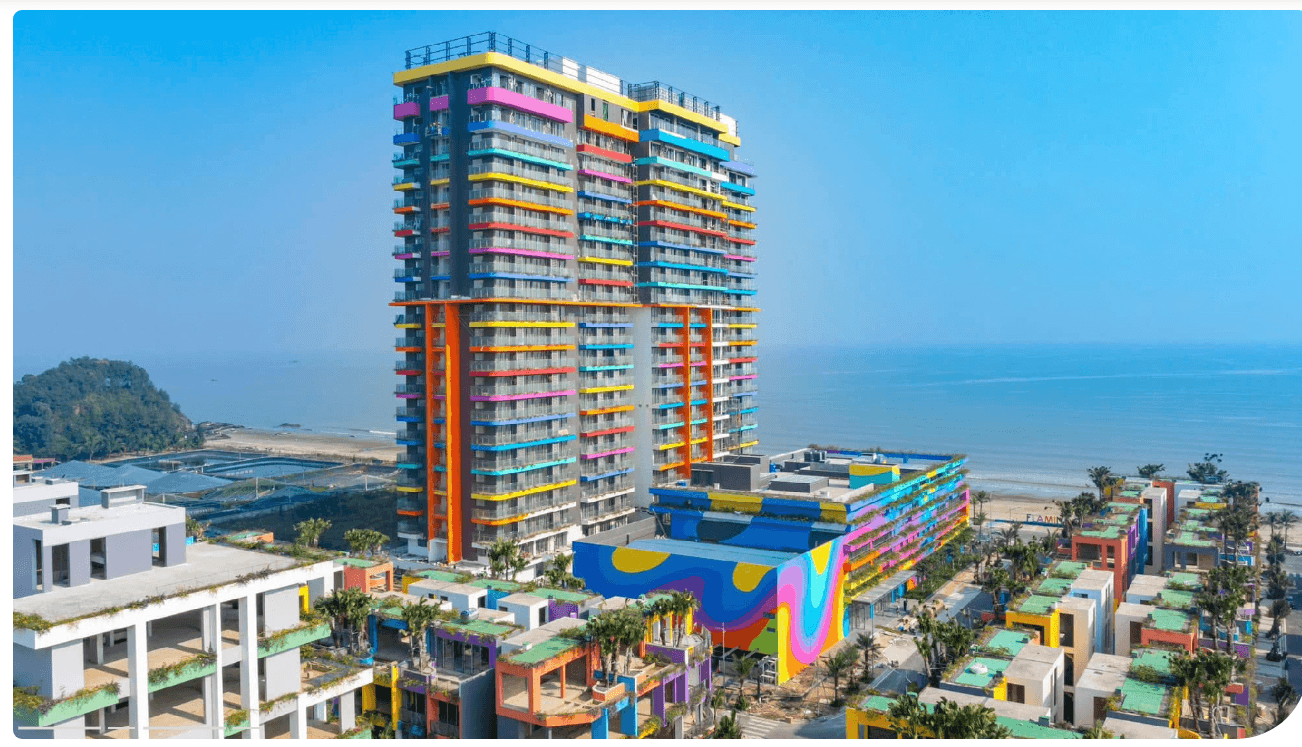
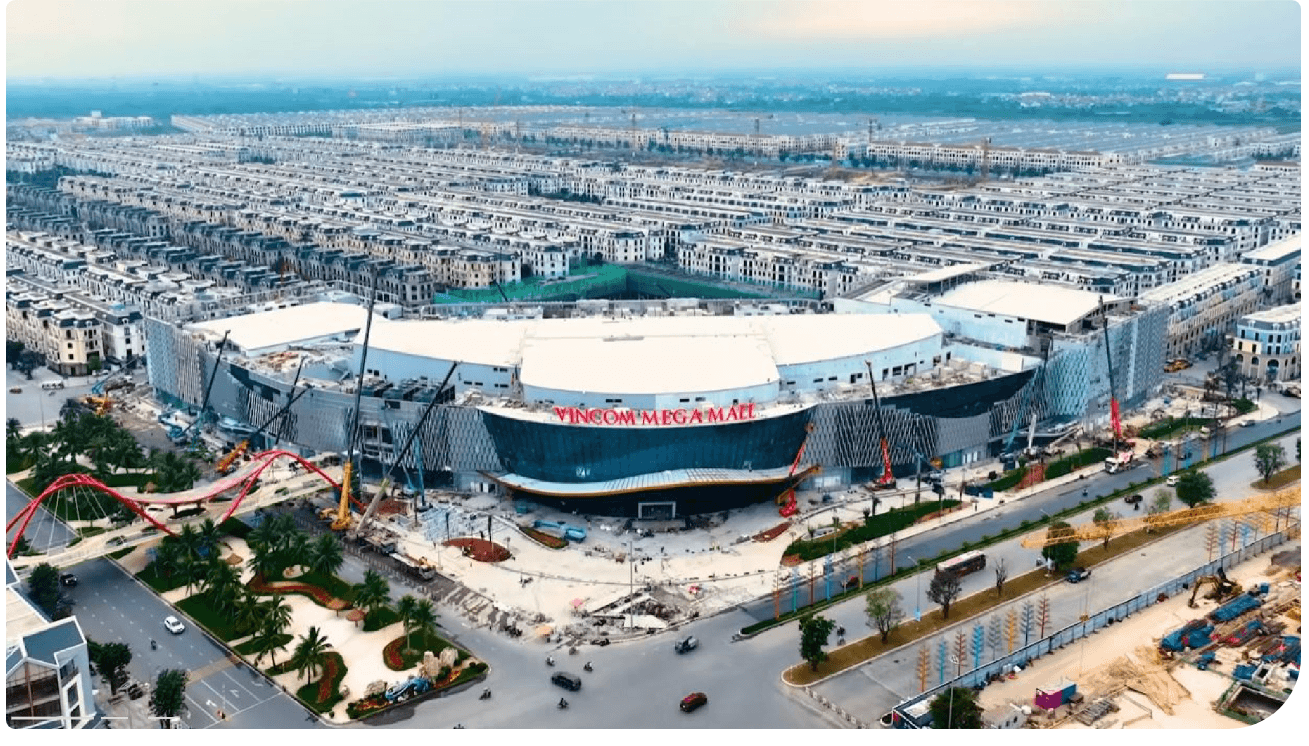
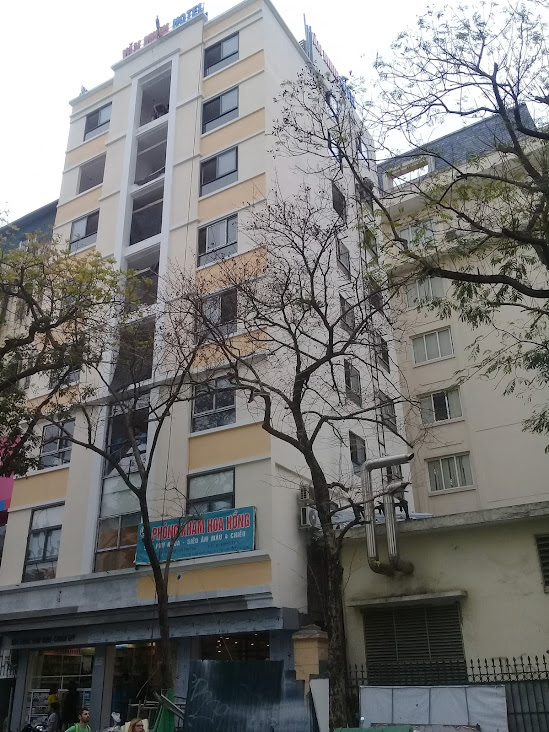
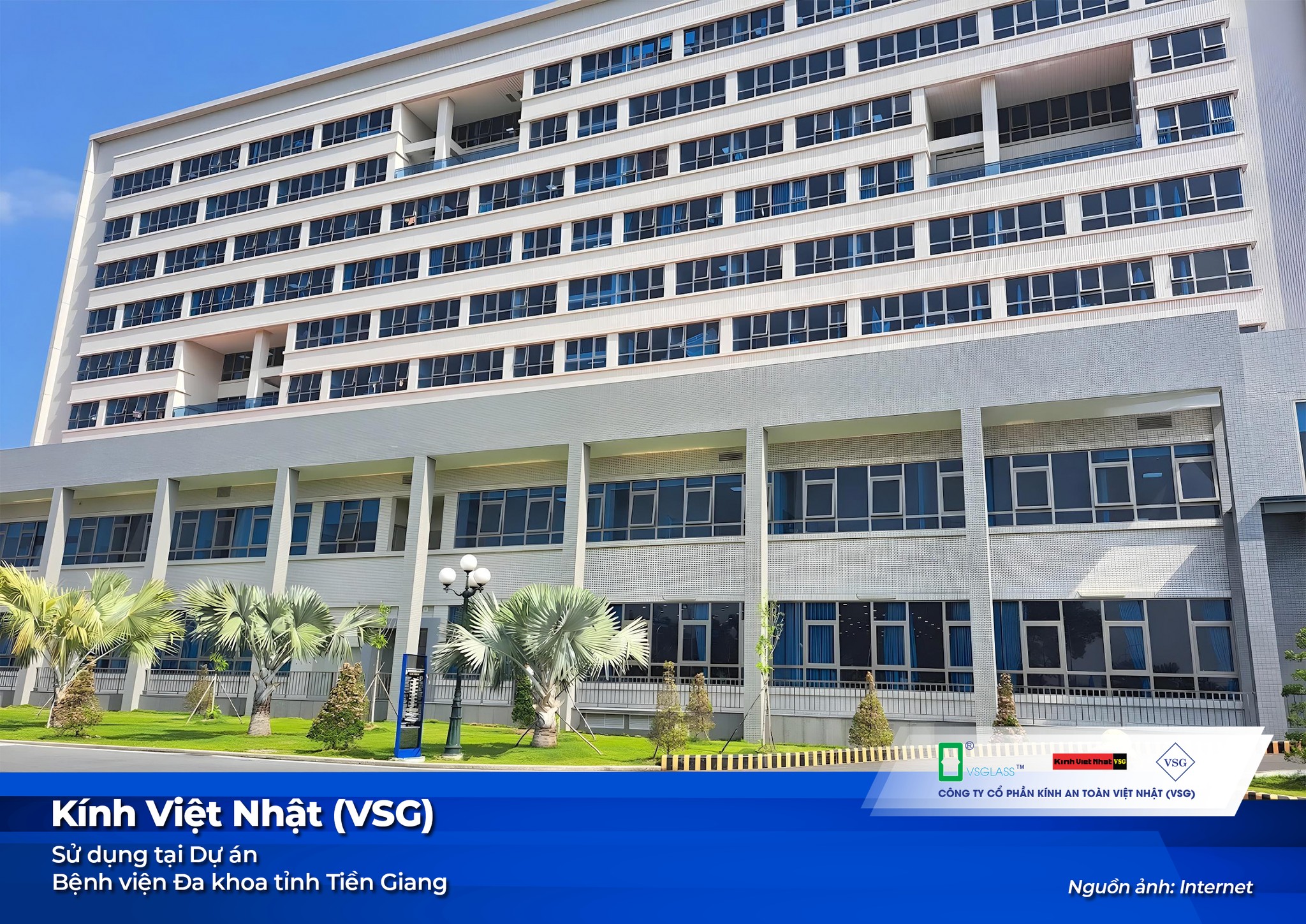
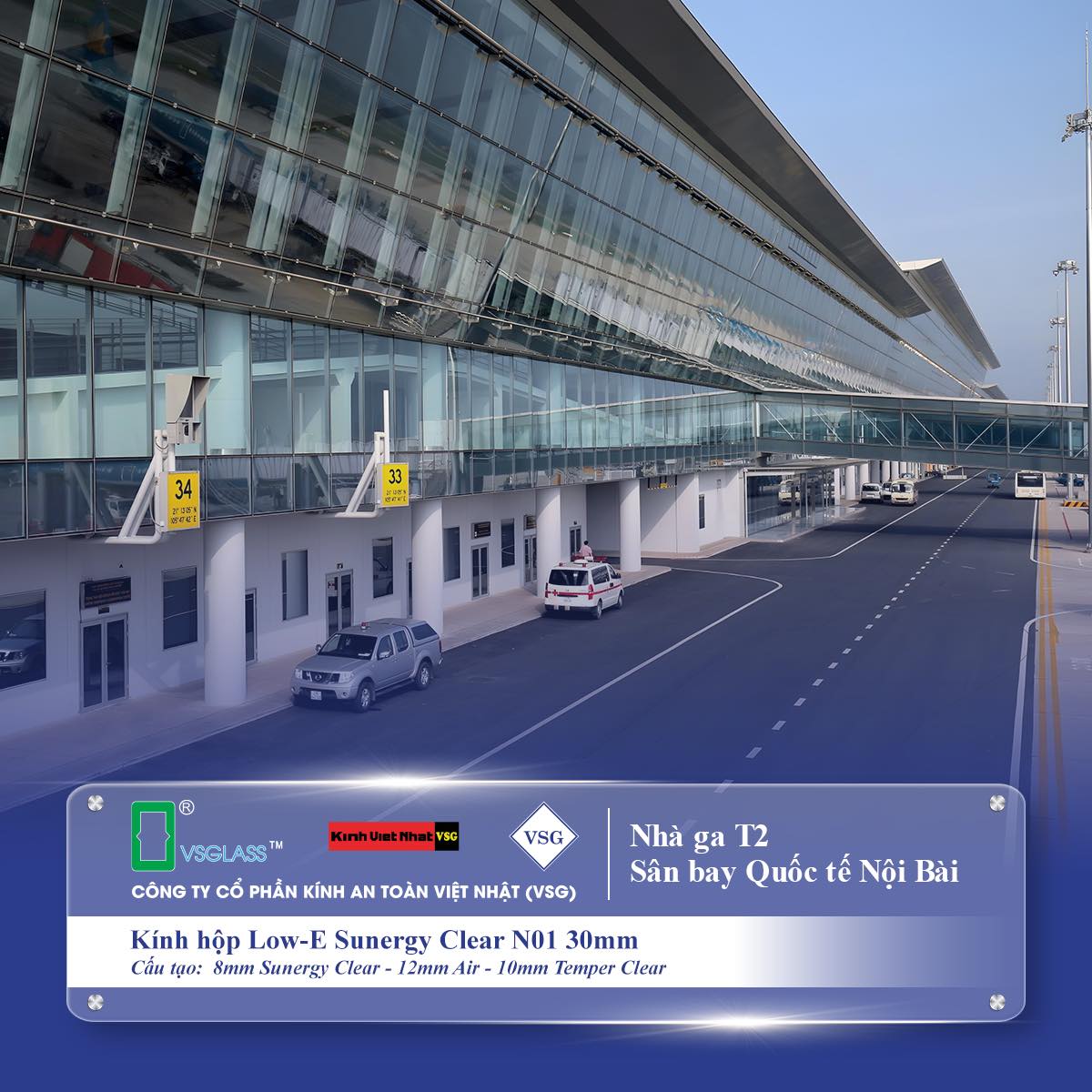
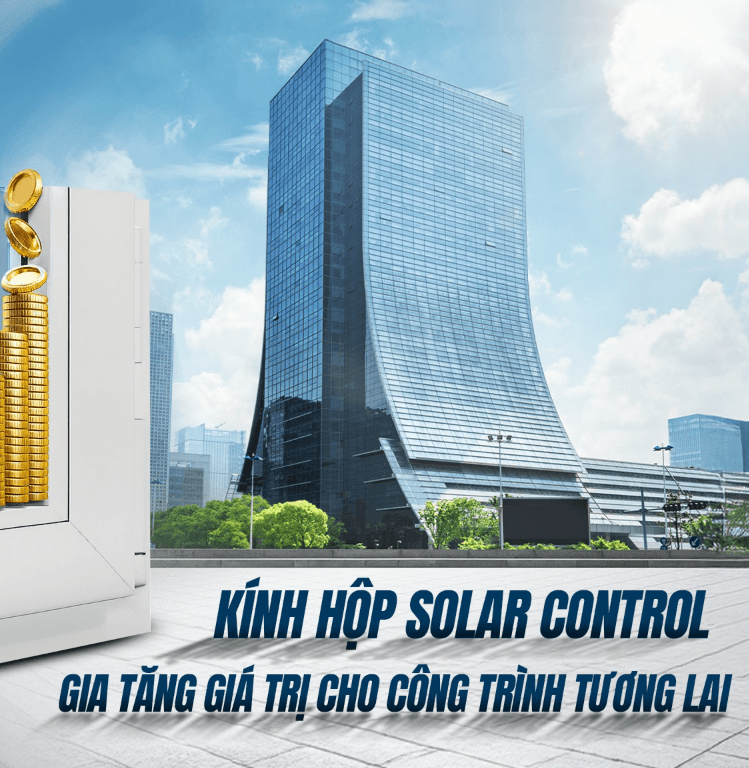
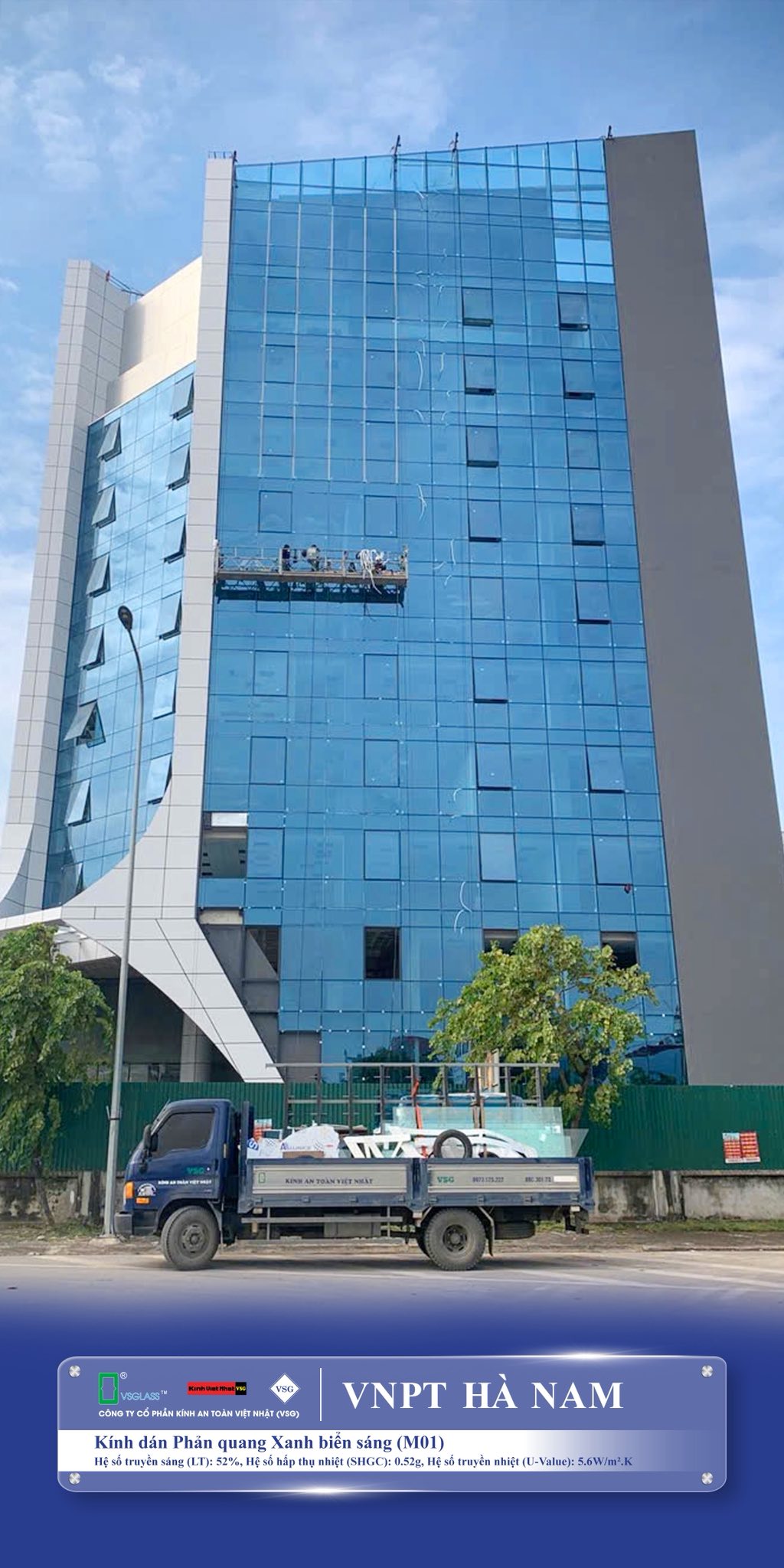
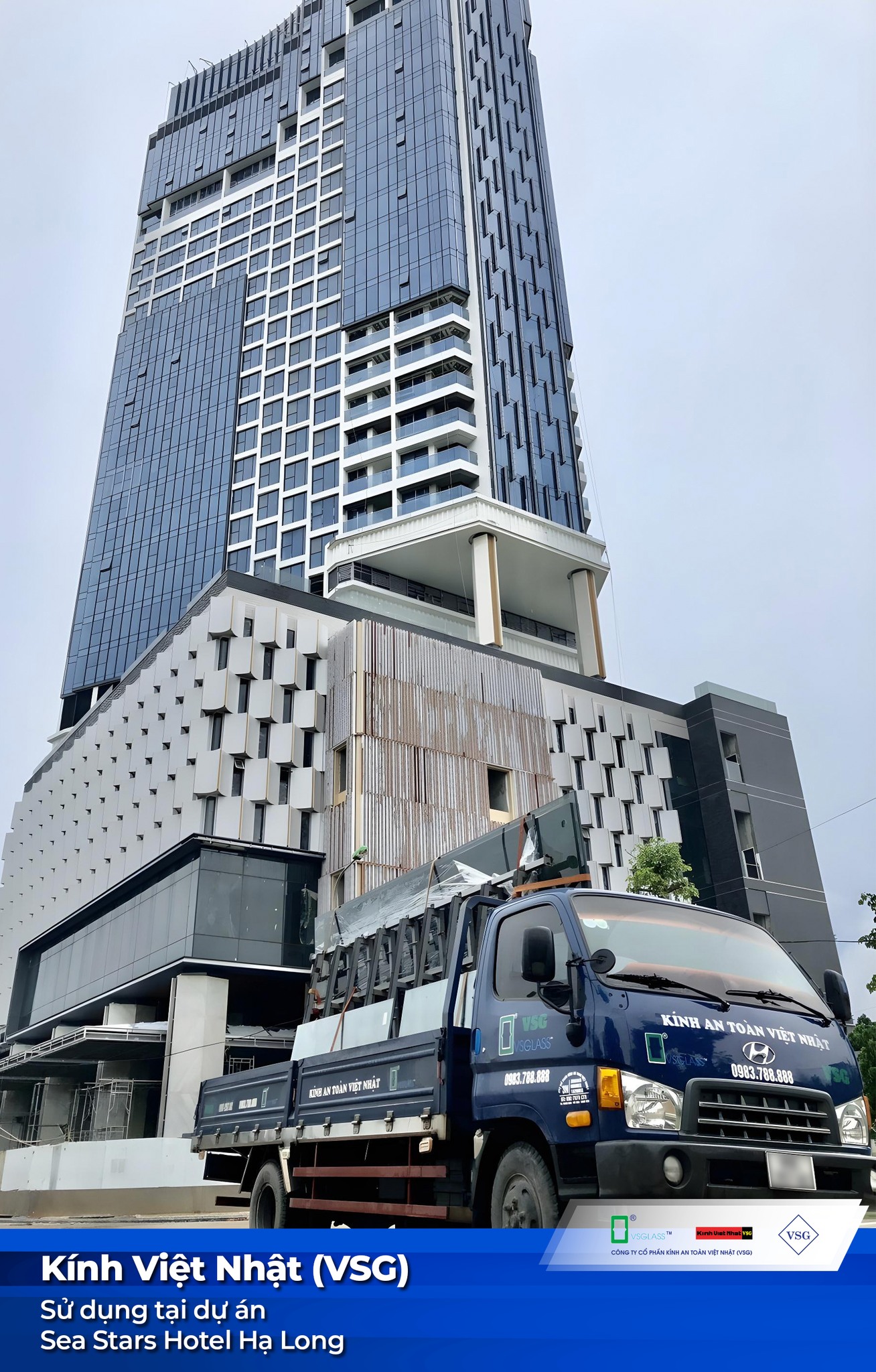
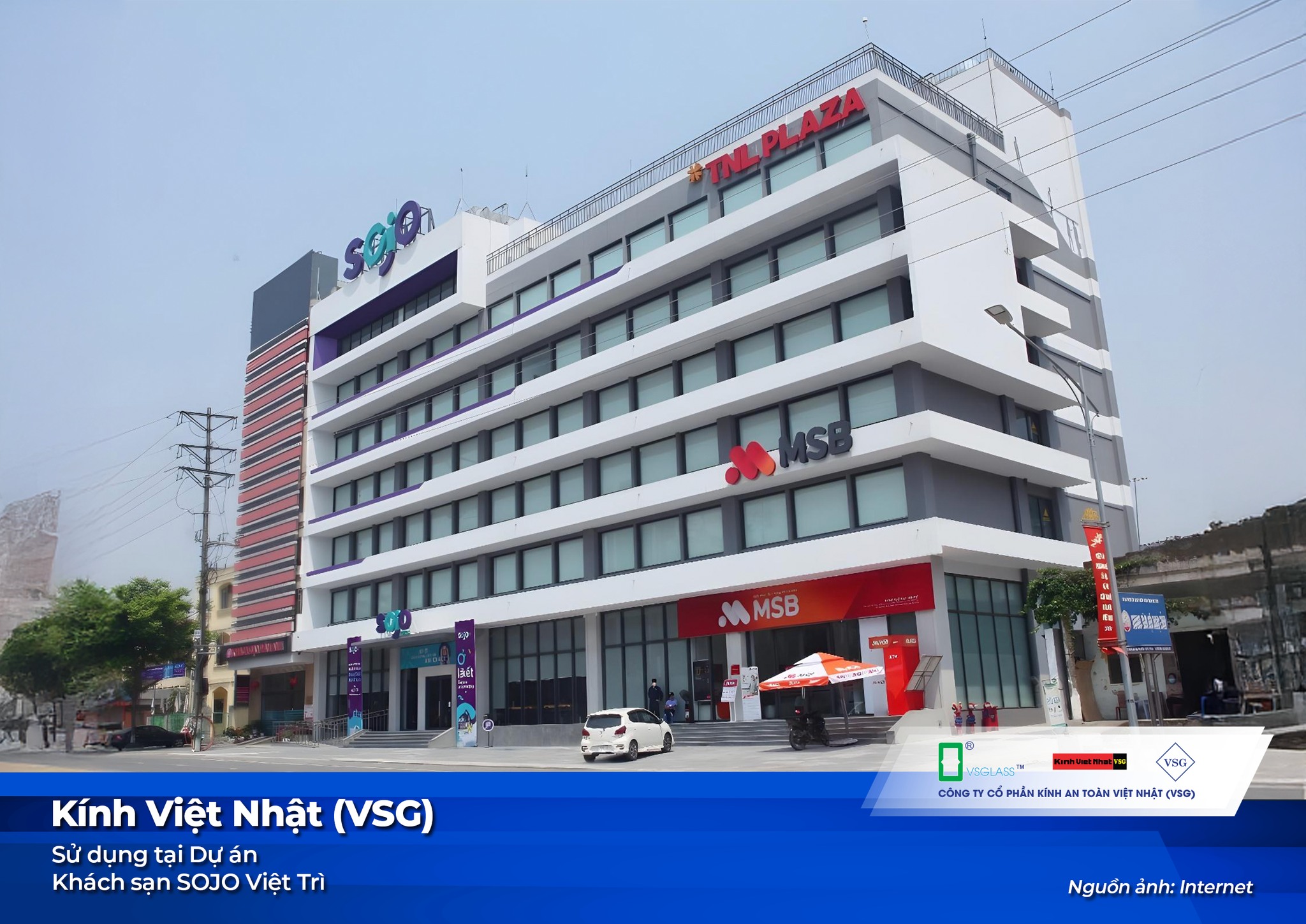
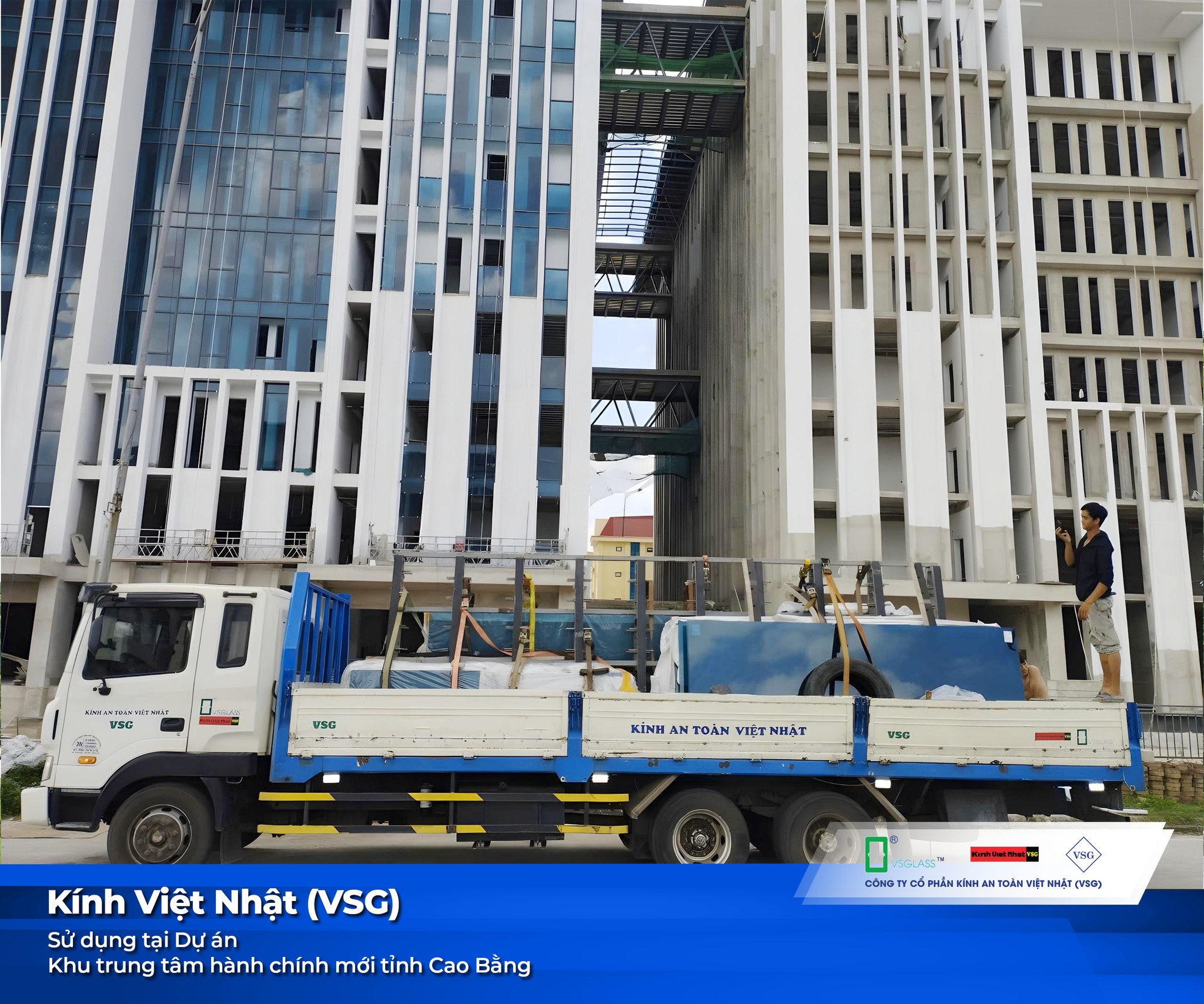
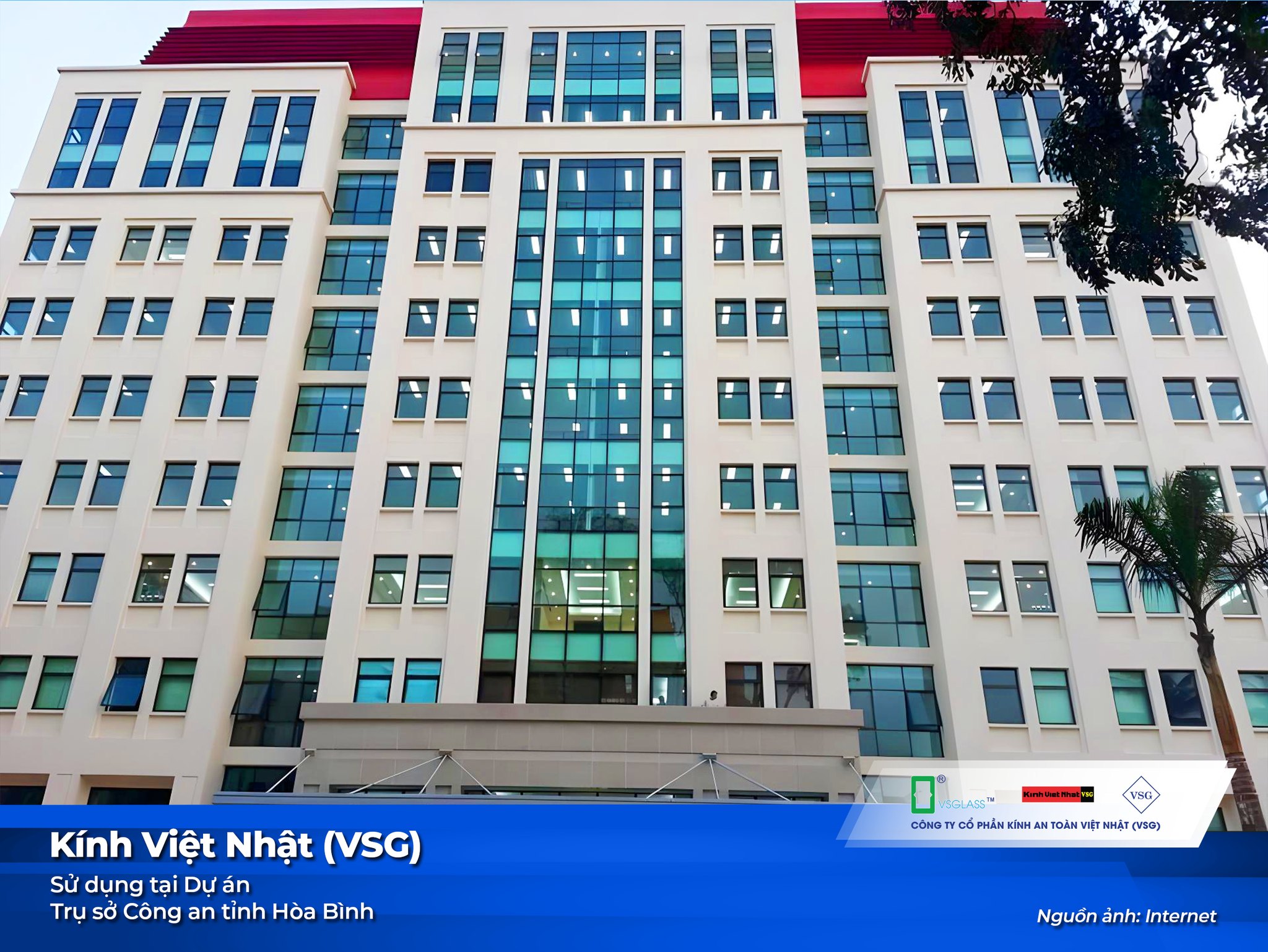
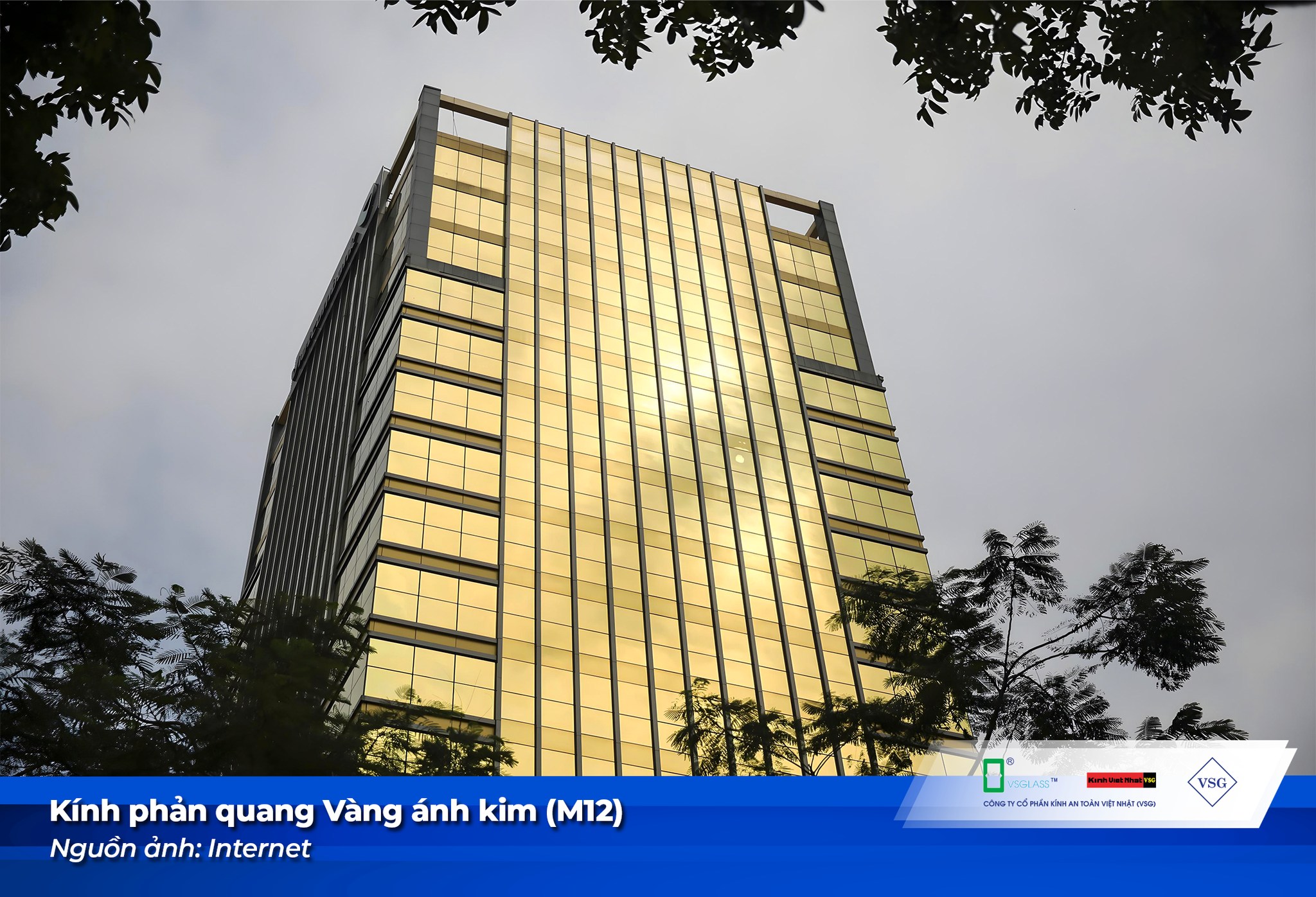
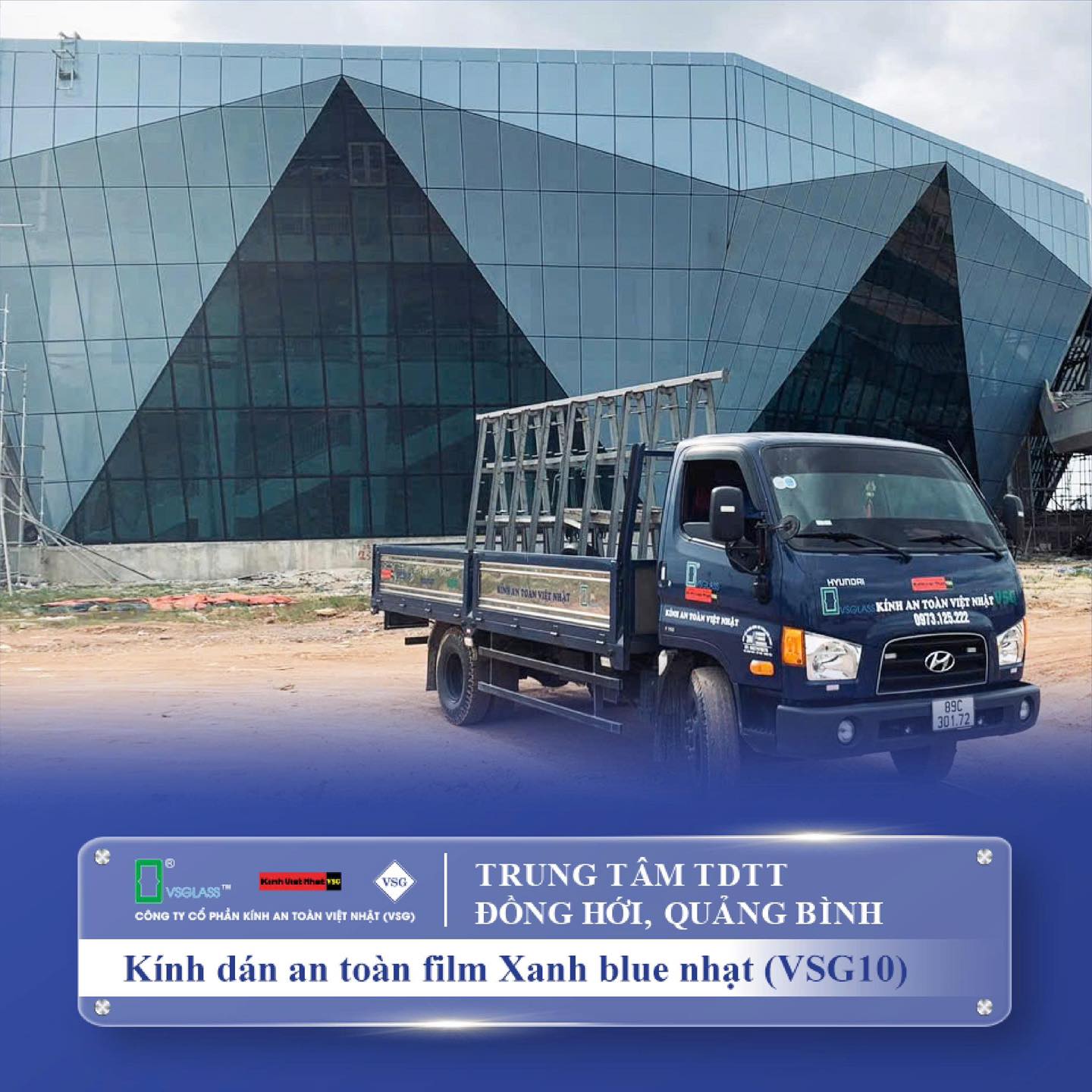
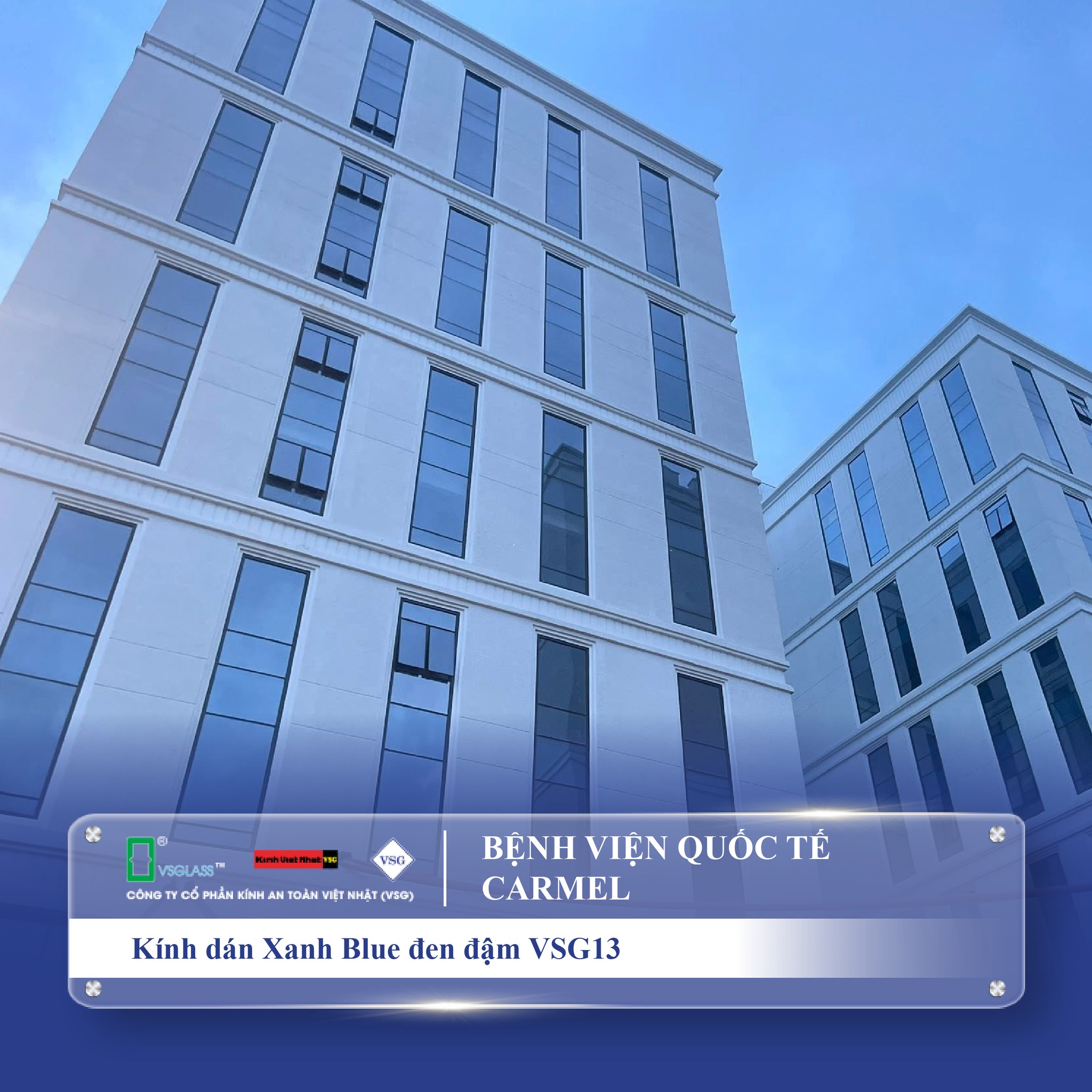
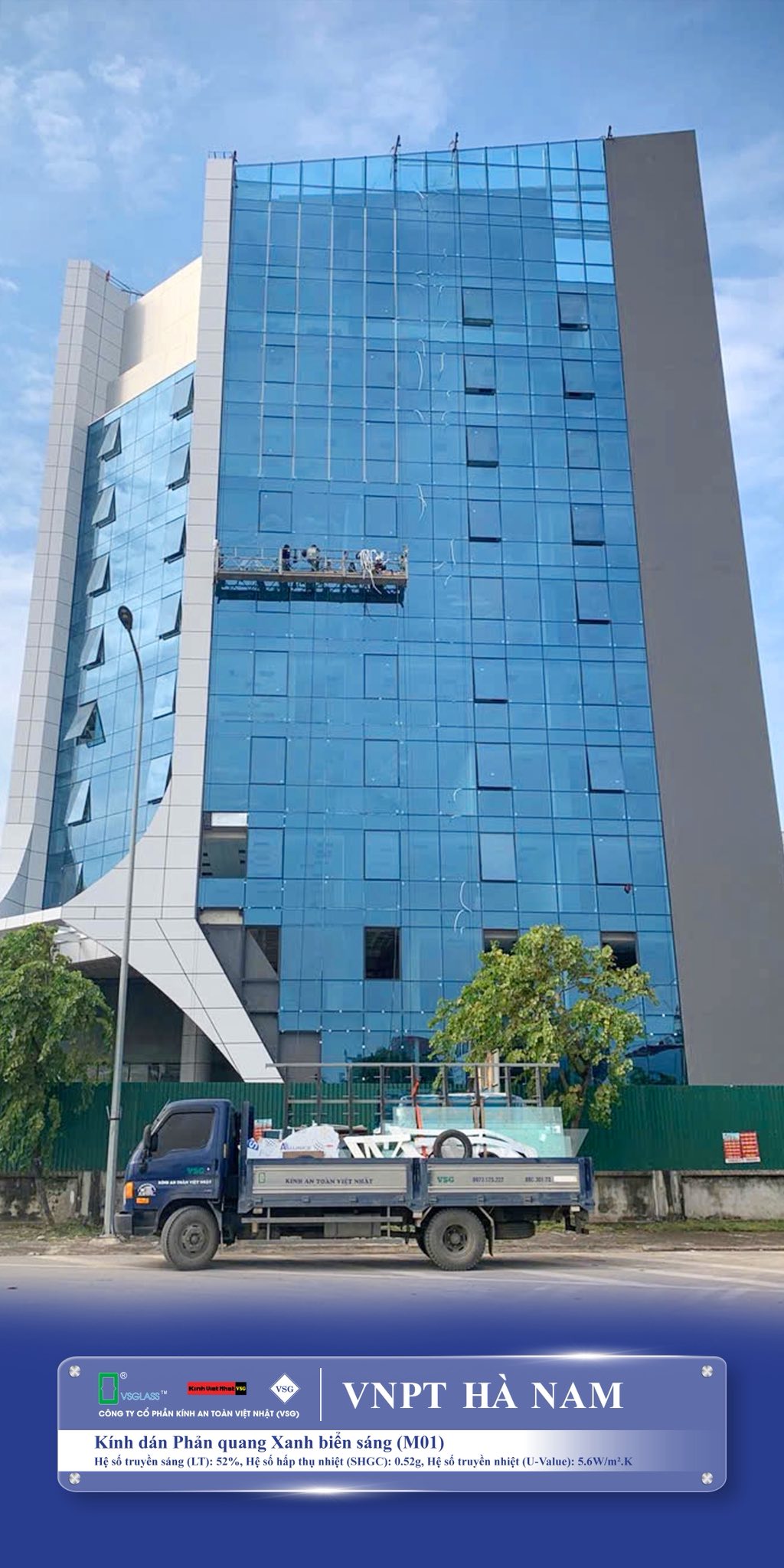
PROJECT PHOTOGRAPHS
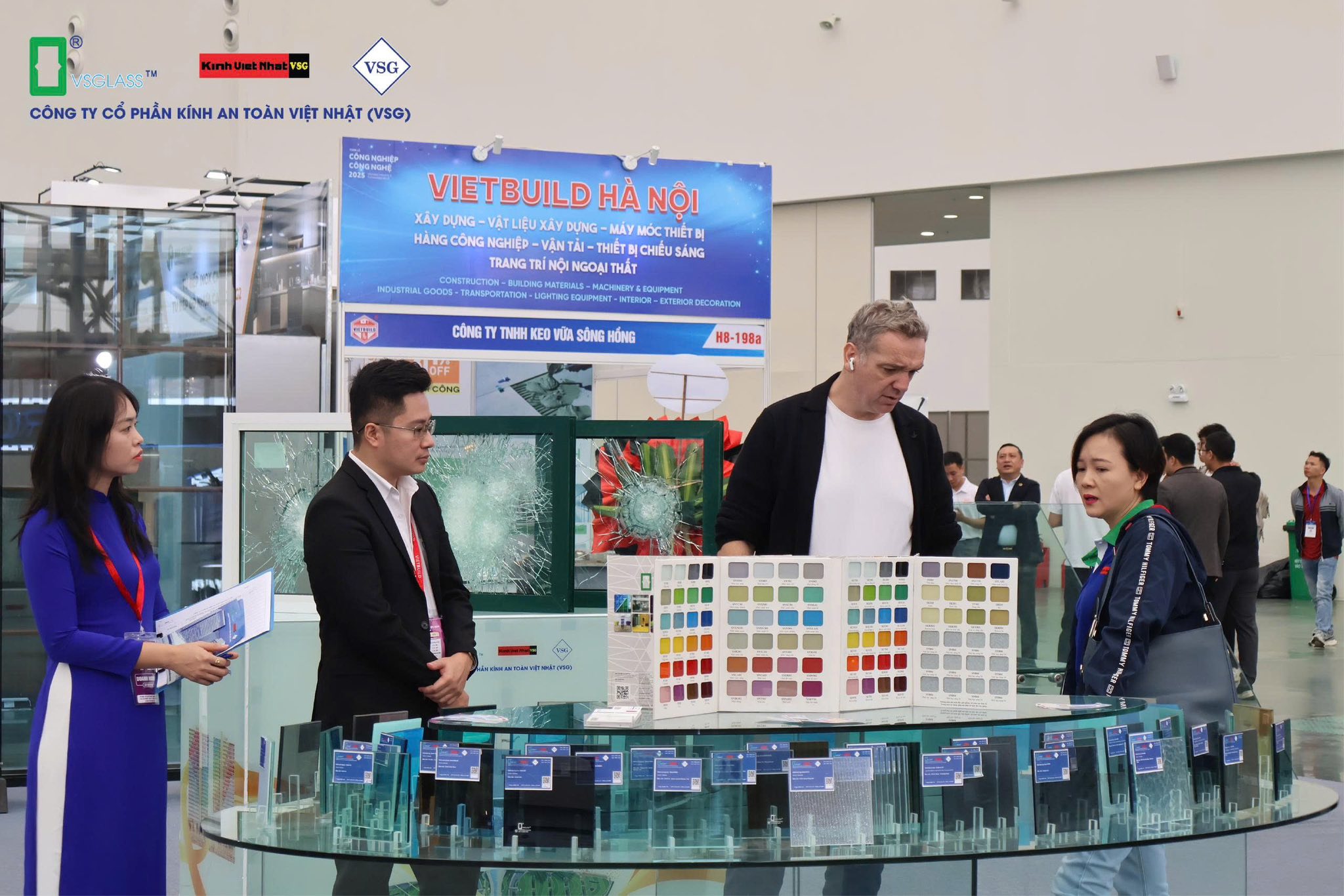
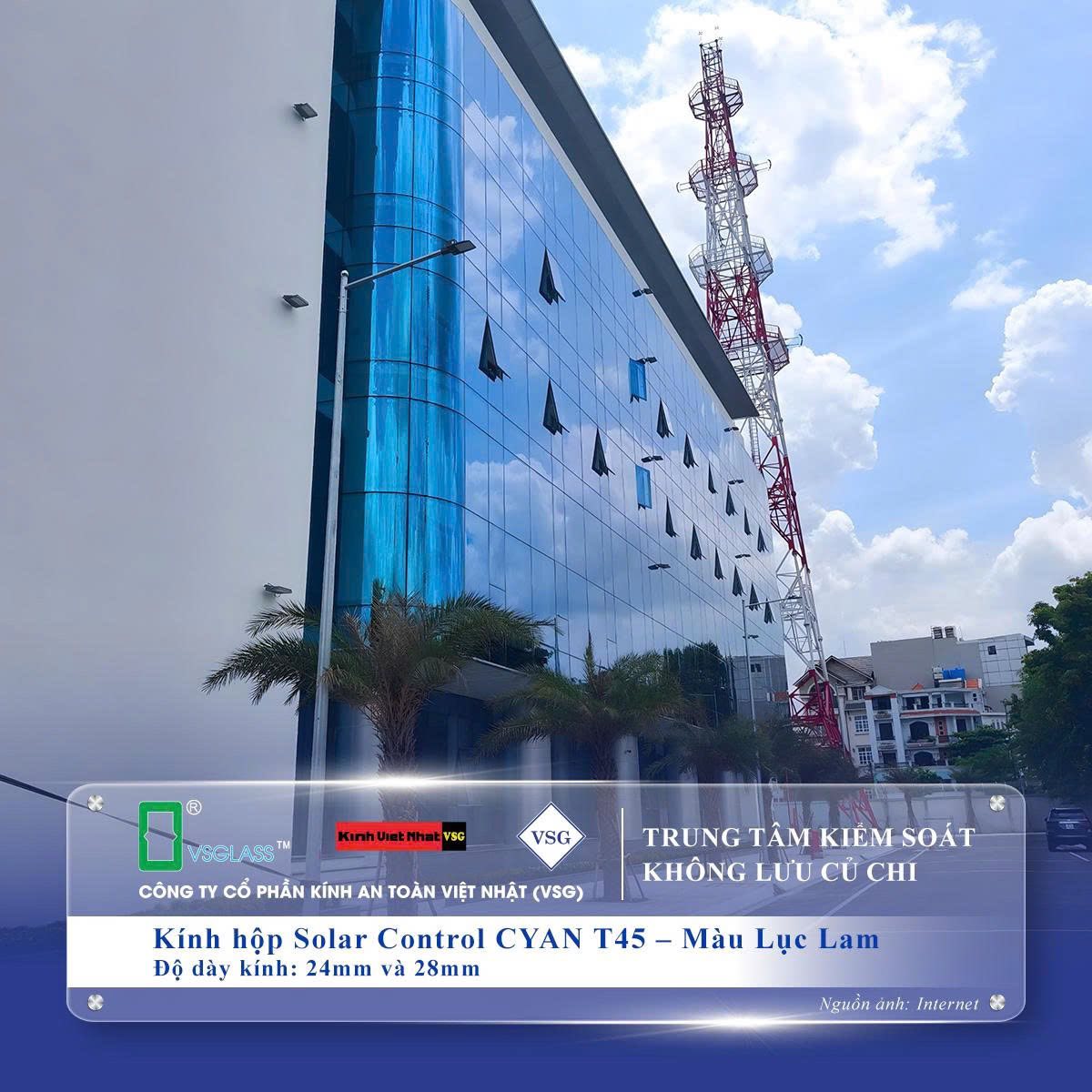
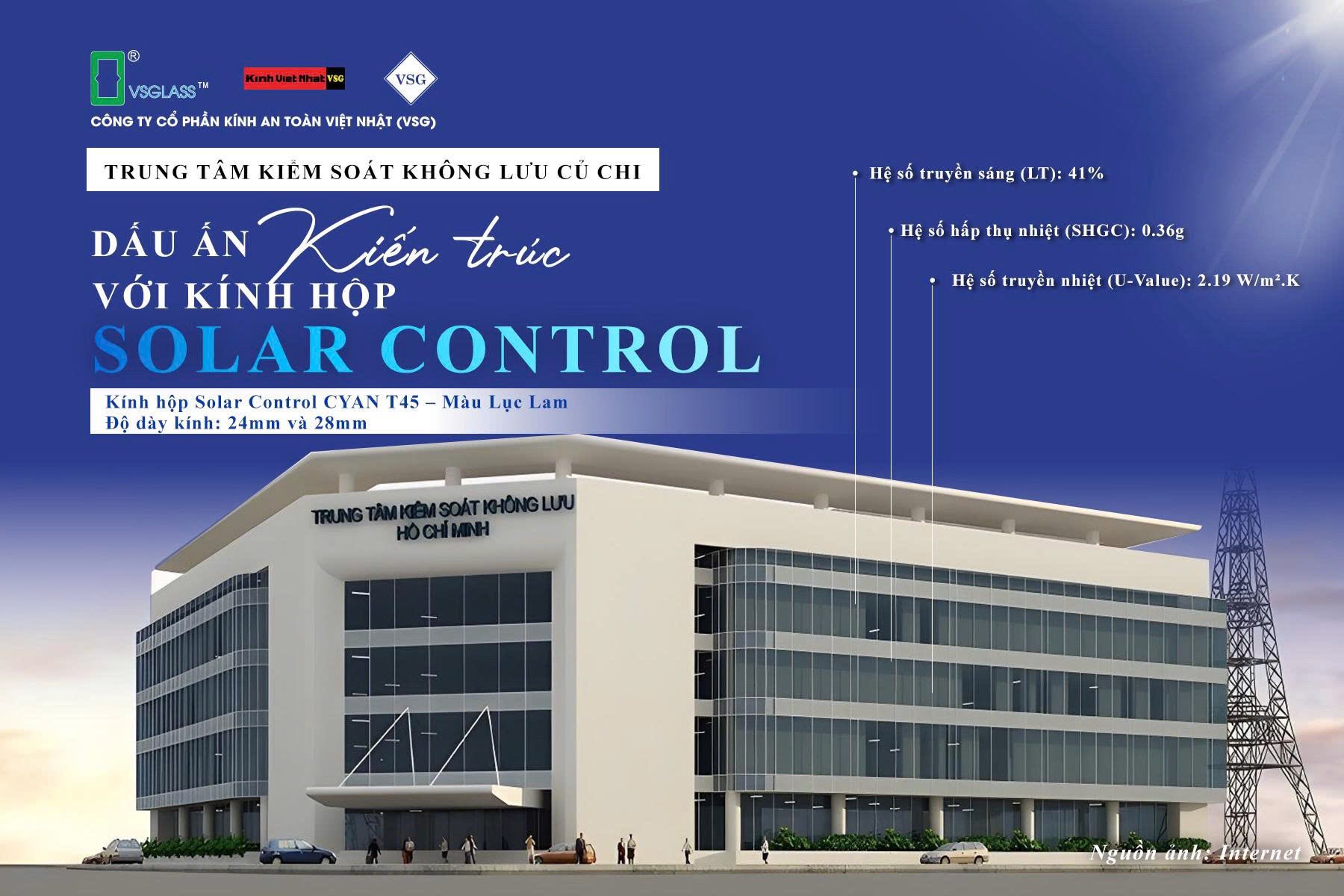
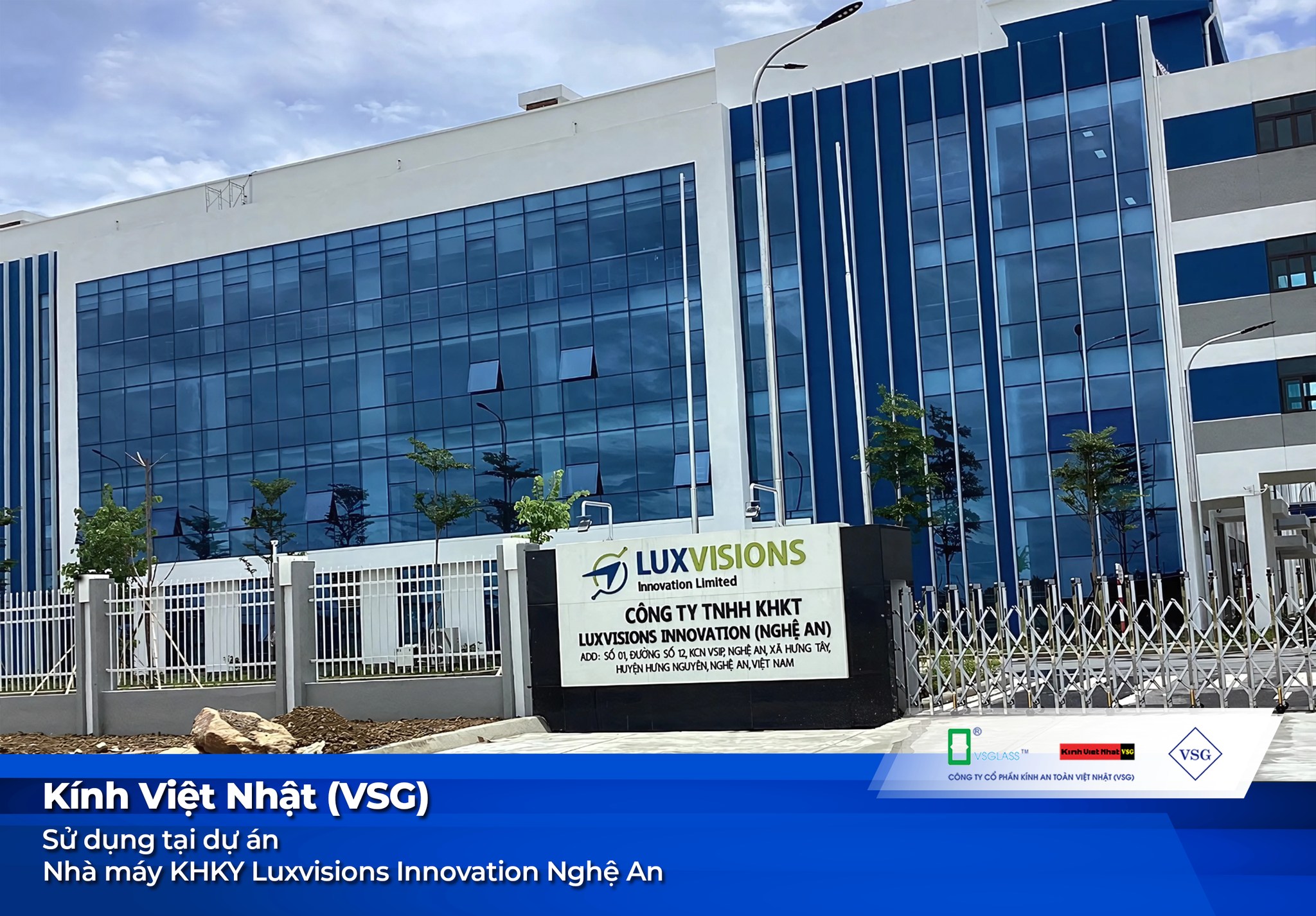
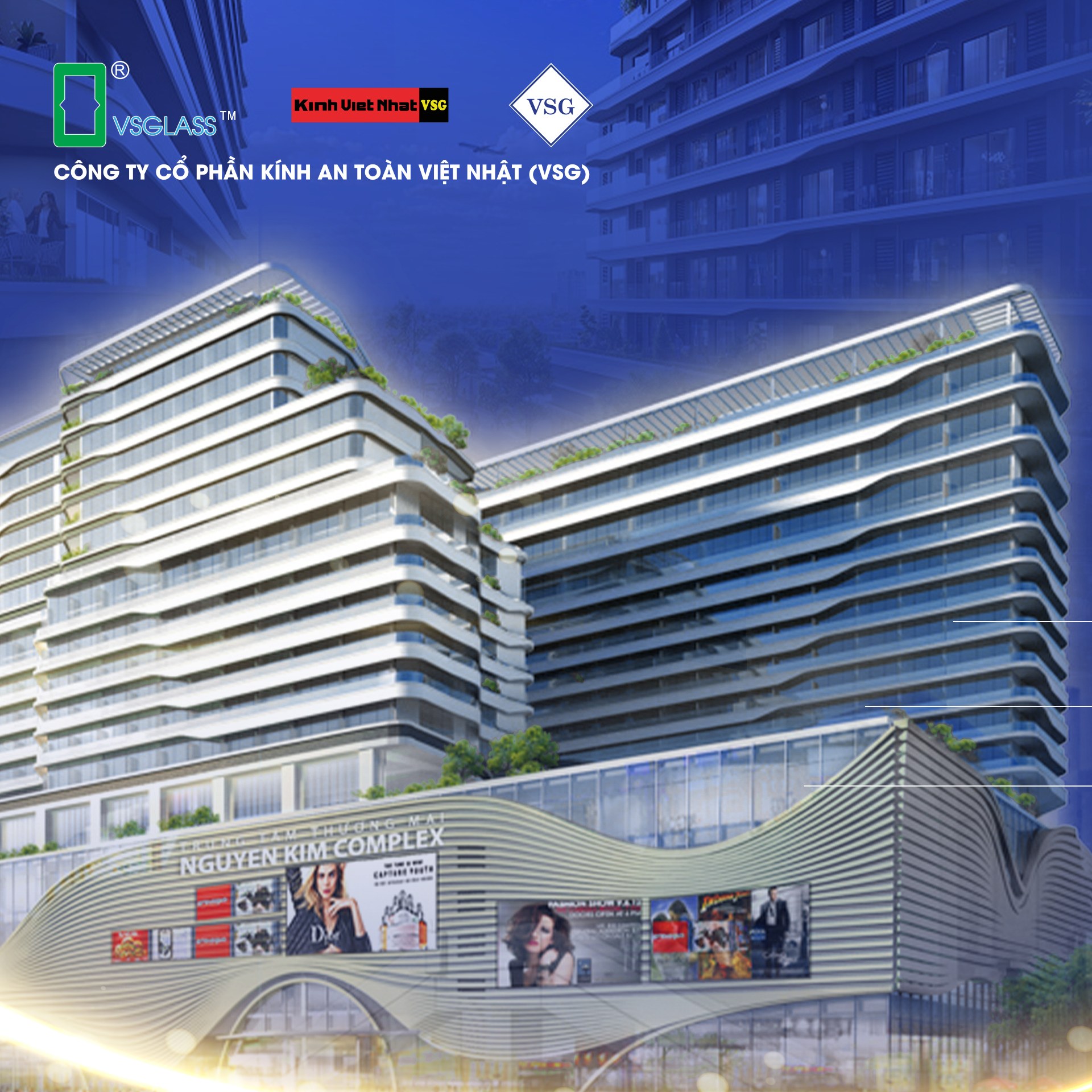
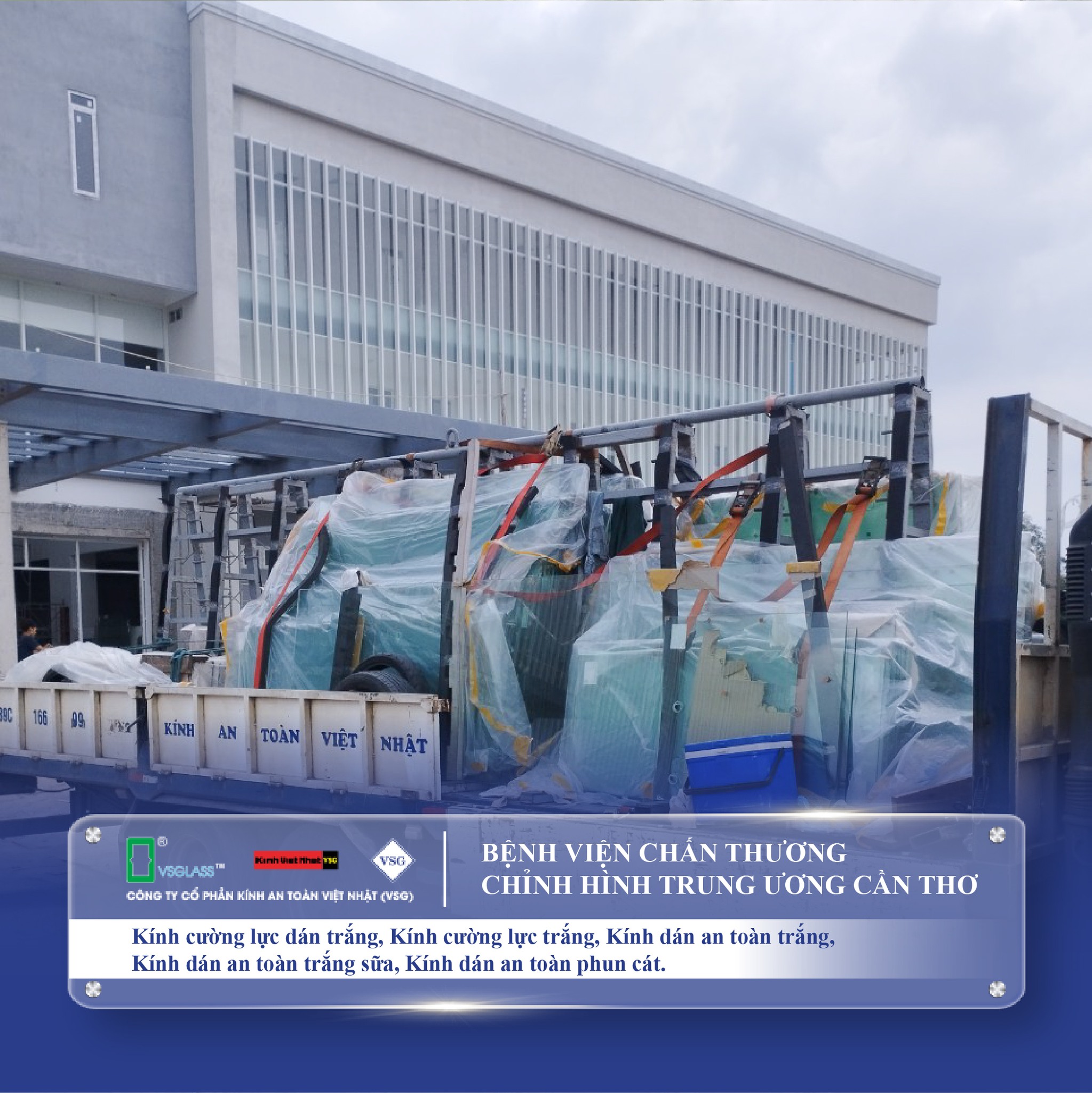
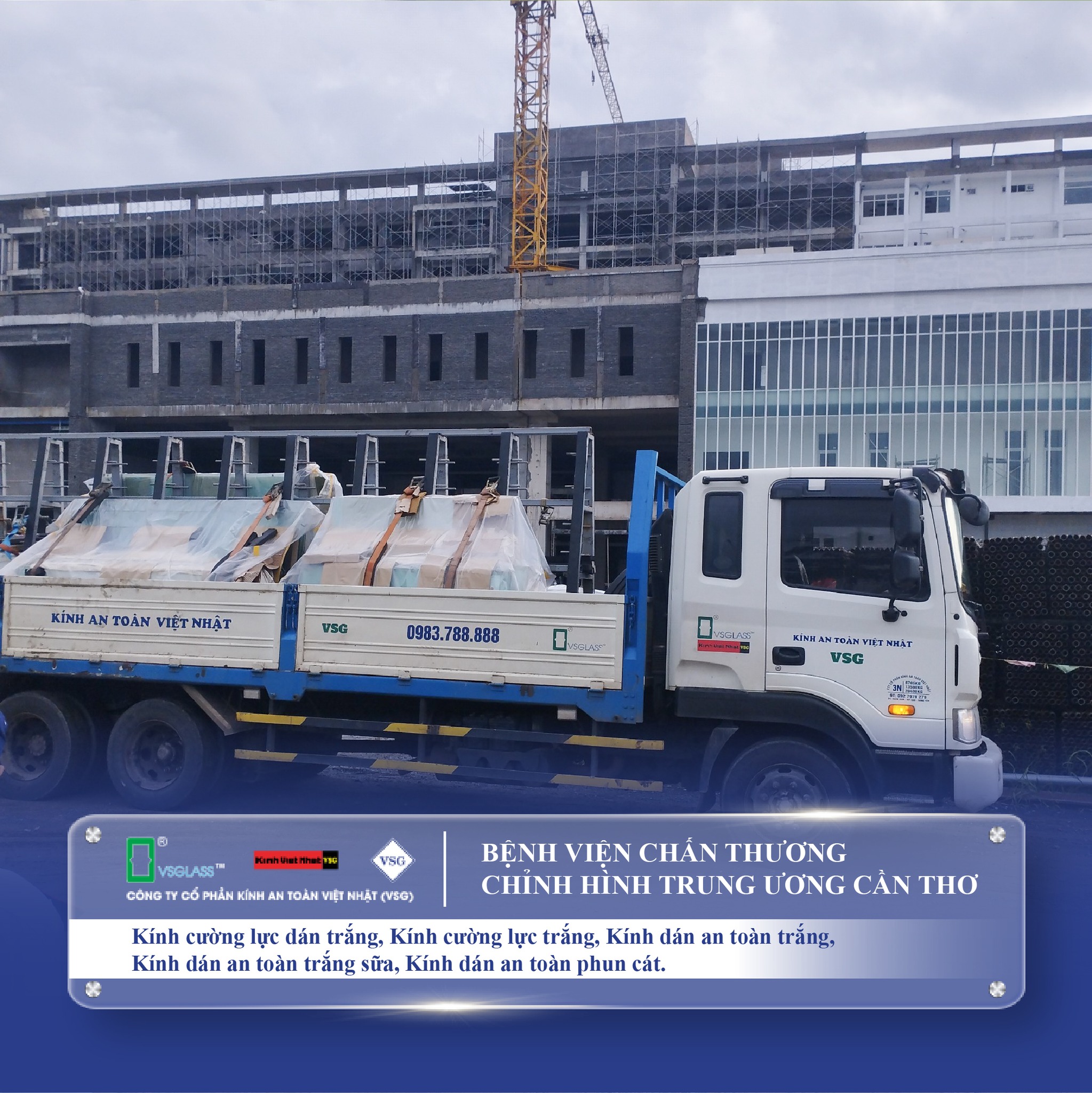
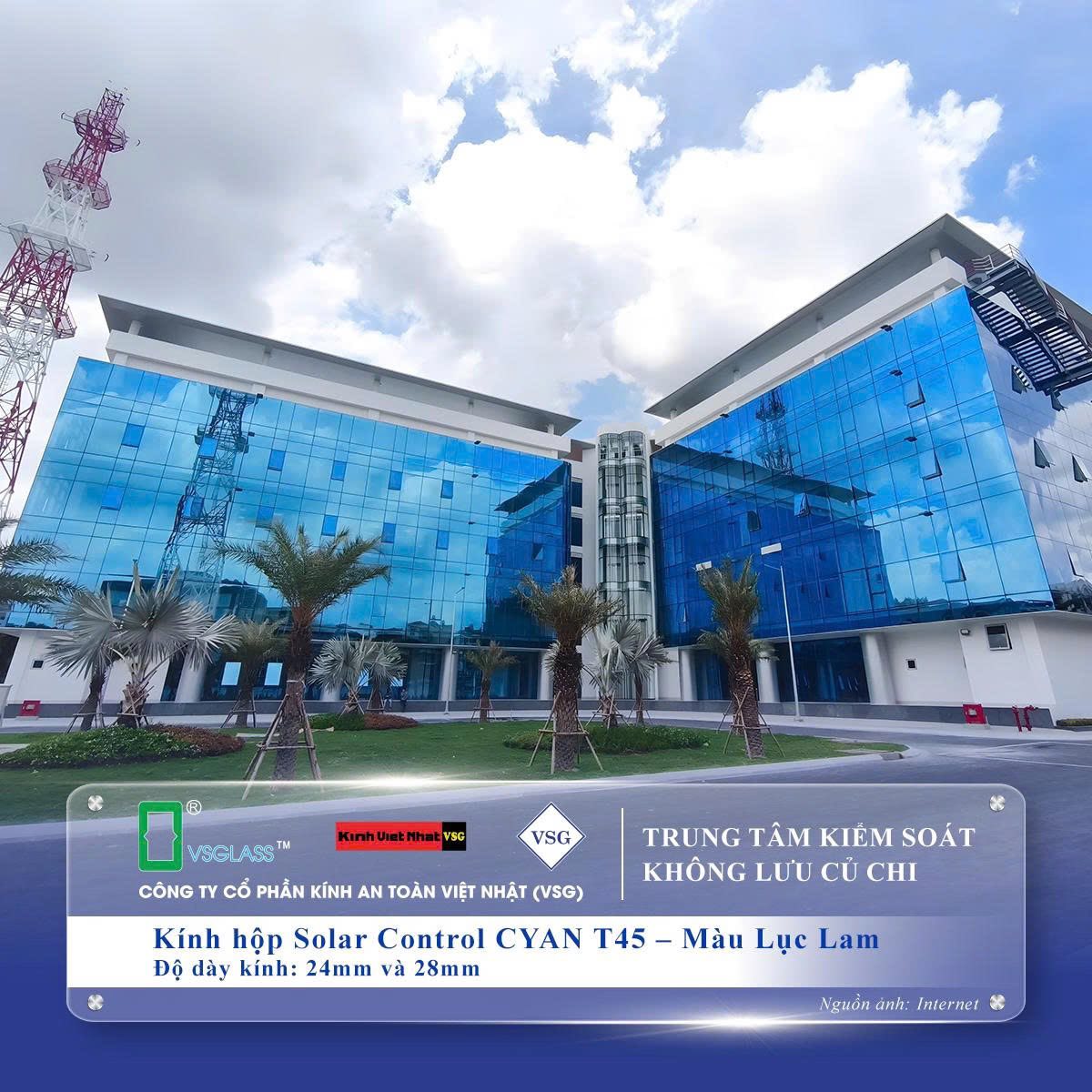
Ngoc Quyet Company specializes in distributing construction glass, serving dealers, aluminum and glass contractors, processing workshops, and construction projects.



NGỌC QUYẾT
With extensive experience in the field of building glass, we specialize in distributing building glass to dealers, aluminum and glass contractors, and construction projects.
Professional consulting
Success stems from preparation; we always advise our clients on the most suitable solutions for their project requirements.

Ngoc Quyet Company
Delivery policy to the construction site.
Return policy: 24-48 hours
Warranty policy, if applicable.
Nationwide Glass Supply
Ngoc Quyet Company's team specializes in distributing building glass to dealers, aluminum and glass contractors, and construction projects.