Aluminum Corner Doors – A Durable and Beautiful Solution for All Construction Projects
Introduction to welded corner aluminum doors
FANCYDOOR welded corner aluminum doors for dealers and aluminum and glass contractors.
Laser aluminum welding is one of the modern door solutions widely used in construction and architectural design today. Unlike traditional aluminum doors that use screws or corner brackets for joining, corner-welded aluminum doors apply advanced thermal welding technology to melt and join the aluminum frame corners into a seamless unit, creating superior strength and aesthetics.
The corner welding process not only enhances mechanical strength but also minimizes gaps, improving sound insulation, thermal insulation, and waterproofing effectiveness. Corner welding creates a seamless joint without any movement or looseness in the structure, thereby significantly improving the load-bearing capacity and stability of the door in harsh weather conditions.
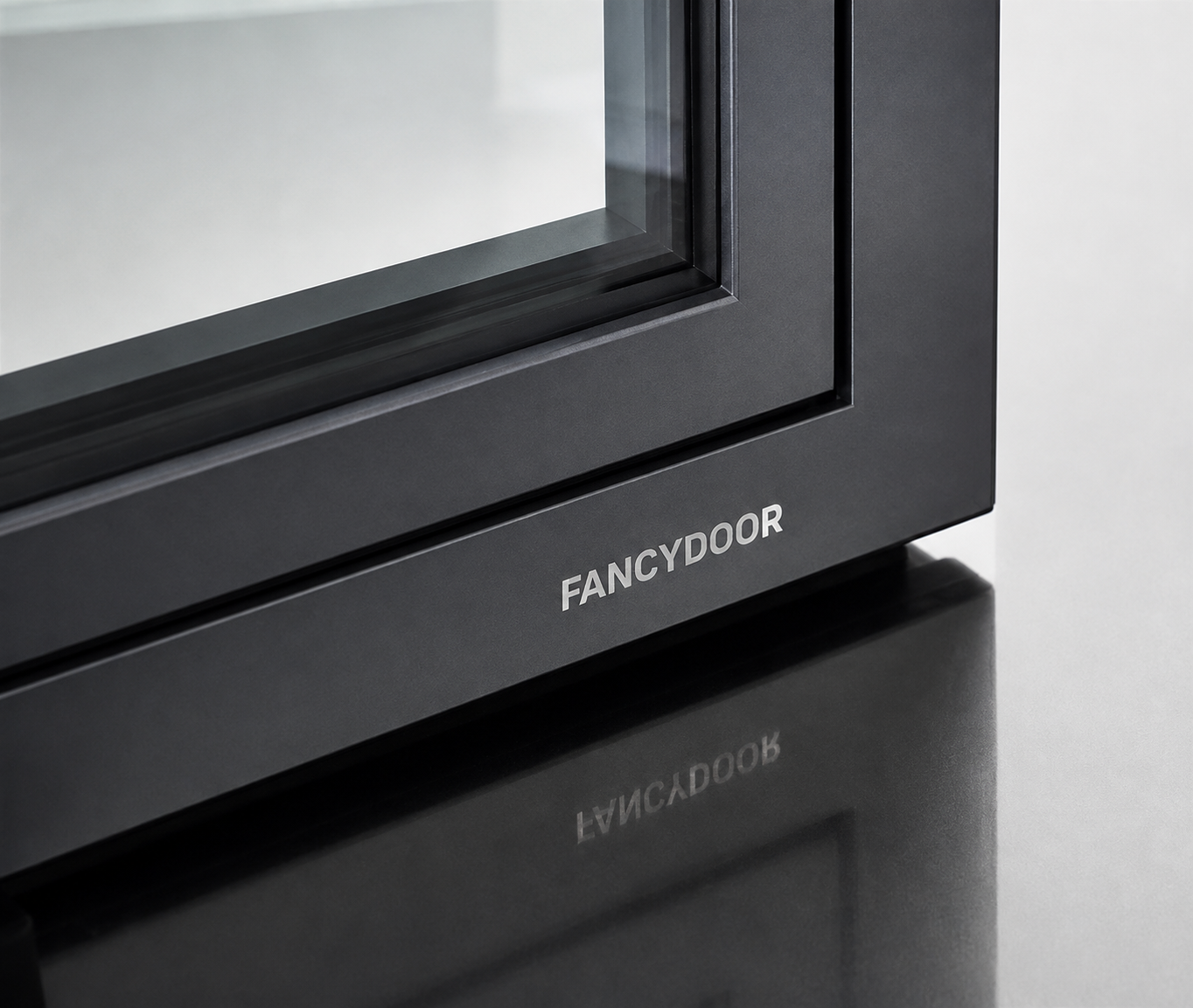
Corner welding technology in aluminum door manufacturing
Corner welding technology uses automatic or semi-automatic welding machines with a high heat source.
The technical advantages of fillet welding technology include:
- High mechanical strength: Seamless welds allow the door frame to withstand tensile, compressive, and impact forces better than traditional mechanical joining methods.
- Waterproof and airtight: The welds are completely sealed, eliminating potential gaps, making the door effectively waterproof and airtight.
- Aesthetics: The welds are meticulously finished, leaving no visible screw marks or corner brackets, creating a luxurious and modern appearance.
- Sound and heat insulation capabilities: Sealed joints minimize sound and heat transmission through the joints, improving sound and heat insulation for the space.
Materials and construction of welded corner aluminum doors
Corner welded aluminum doors are typically made from high-grade aluminum alloys such as 55, 65, 93, 100 series aluminum or other types of aluminum with high strength and good corrosion resistance. These aluminum profiles are designed with hollow chambers inside to enhance thermal insulation and reduce the door's weight.
The basic structure of a welded corner aluminum door includes:
- Aluminum frame: Aluminum bars are precisely cut to the required dimensions and welded at the corners to form a sturdy door frame.
- Glass: Safety glass, tempered glass, or double-glazed windows are commonly used to enhance sound insulation, thermal insulation, and safety.
- Hardware accessories: Including hinges, locks, rubber gaskets, and waterproof silicone sealant, which help complete the function and increase the lifespan of the door.
Technical advantages and applications of welded corner aluminum doors
The technical advantages of welded corner aluminum doors are far superior to those of traditional aluminum doors:
- High durability: Corner welds create a seamless door frame that is strong, durable, and does not deform over time.
- Waterproof and windproof: The sealed joints make the door effectively waterproof, suitable for areas with heavy rainfall or strong winds.
- Easy to maintain: Welded corner aluminum doors are less prone to loosening and do not require frequent screw tightening or corner bracket replacement.
- High aesthetic appeal: The weld surface is meticulously finished, with no unnecessary details, suitable for modern and luxurious architectural projects.
- Excellent sound and heat insulation: Helps save energy and create a quiet, comfortable space.
The applications of welded corner aluminum doors are diverse, including:
- Main doors and windows in civil constructions such as houses, apartments, and villas.
- Entrance doors and facade doors in office buildings and shopping malls.
- Doors in industrial areas and factories need to be highly durable and weather-resistant.
- Doors in public buildings such as hospitals, schools, and hotels.
The manufacturing and installation process of welded corner aluminum doors.
The manufacturing process for welded corner aluminum doors requires high precision and technical skill, and includes the following steps:
- Design and measurement: Accurate measurements are taken according to the required door dimensions, and detailed technical drawings are designed.
- Aluminum bar cutting: The aluminum bars are cut to standard dimensions, ensuring a precise 45-degree angle for creating a standard fillet weld.
- Corner welding: Using a specialized welding machine to weld the corners of the aluminum frame, creating a seamless door frame.
- Surface treatment: Grinding of welds, cleaning and surface treatment to ensure aesthetics and oxidation resistance.
- Glass and accessory assembly: Installing glass, gaskets, hinges, locks, and other accessories.
- Quality control: Assessing airtightness, durability, and aesthetics before shipping and installation.
- On-site installation: Install the doors correctly, ensuring they are balanced, airtight, and secure.
Technical requirements and quality standards
To ensure the quality of welded corner aluminum doors, the following technical standards must be followed:
- Dimensional accuracy: The error margin should not exceed ±1mm to ensure a tight fit for the door frame and precise welds.
- Weld strength: Welds must withstand minimum tensile, compressive, and bending forces according to international standards.
- Waterproofing capability: Meets Vietnamese waterproofing standards (TCVN) or equivalent international standards.
- Corrosion resistance: Aluminum surfaces and welds must be treated with anti-oxidation coatings to ensure a long lifespan.
- Safety requirements: The glass used must be safety glass, capable of withstanding impact and not posing a danger if broken.
Corner welding technology in aluminum door manufacturing
Corner welding technology is one of the important and revolutionary advancements in the modern aluminum door manufacturing industry. The application of automatic or semi-automatic welding machines not only improves product quality but also optimizes the production process, minimizes errors, and increases productivity. Corner welding focuses on connecting aluminum profiles at a 90-degree angle, creating a sturdy door frame while ensuring aesthetics and high durability.
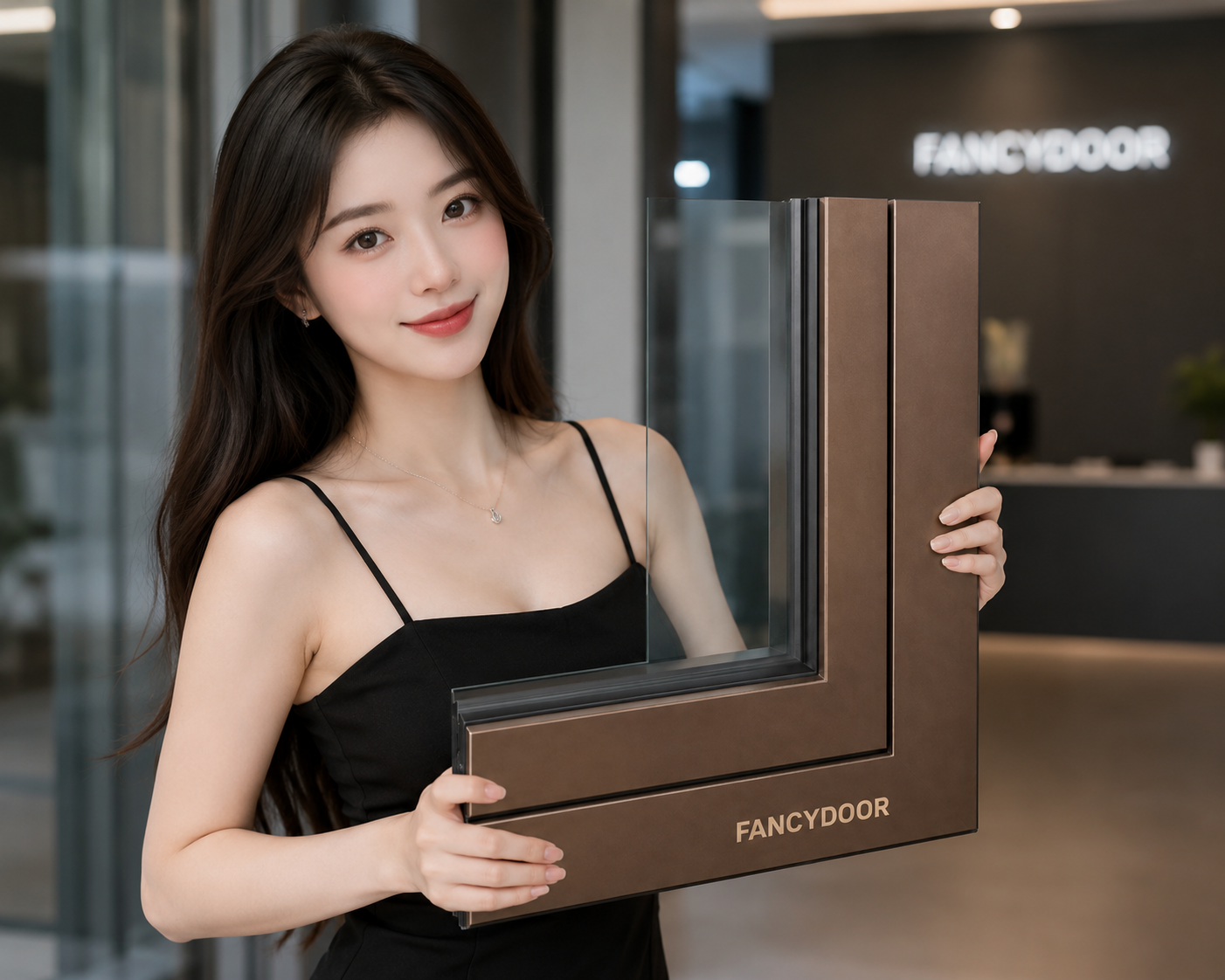
To better understand this technology, a detailed analysis of each step in the fillet welding process is necessary:
- Surface preparation: This is the first and most important step to ensure weld quality. Aluminum bars are precisely cut to design dimensions using CNC or hydraulic cutting machines, ensuring high accuracy in size and cutting angle. Then, the surface of the aluminum bars is thoroughly cleaned using methods such as light grinding, specialized cleaning solutions, or compressed air to remove dirt, grease, and natural aluminum oxide layers. A clean surface preparation ensures good weld adhesion, preventing porosity or uneven welds.
- Heat welding: Corner welding machines utilize high-frequency heat welding technology or laser aluminum welding, depending on the type of aluminum alloy and technical requirements. Welding temperature is precisely controlled, typically ranging from 600°C to 700°C, sufficient to melt the ends of the aluminum bars at the corner without deforming them. The welding process is performed automatically or semi-automatically, with parameters such as current, voltage, and welding speed pre-programmed to ensure high mechanical strength welds without gaps or defects such as cracks, porosity, or burn-in. The corner weld forms a homogeneous metal joint, ensuring absolute load-bearing capacity and airtightness.
- Cleaning the weld joint: After the welding process is complete, the weld joint often contains impurities such as slag, burn marks, or surface oxides. Cleaning the weld joint is done by light abrasion, sanding, or using specialized chemical solutions to completely remove these impurities. This not only makes the weld joint flat and smooth but also increases the adhesion of the subsequent coating, while preventing corrosion at the weld joint.
- Powder coating: This is the final but extremely important step in the aluminum door manufacturing process. After welding and cleaning, the aluminum frame is placed in a powder coating booth, where a powder coating is evenly sprayed onto the surface under the effect of an electric field. Powder coating not only enhances aesthetics with a wide variety of colors to meet customer requirements but also creates a durable protective layer against environmental factors such as moisture, UV rays, and corrosive chemicals. This coating has high adhesion, does not peel off, and helps extend the lifespan of the aluminum door for many years of use.
The application of fillet welding technology in aluminum door manufacturing offers many outstanding advantages:
- High mechanical strength: Corner welds create a strong connection, allowing the door frame to withstand strong impacts and resist deformation under external forces.
- Corrosion resistance: Thanks to the powder coating and seamless welding, aluminum doors have superior oxidation and corrosion resistance, making them suitable for harsh climatic conditions such as coastal areas or regions with high humidity.
- High aesthetic appeal: The corner welds are precisely and smoothly executed, leaving no rough weld marks or gaps. Combined with a variety of powder coating colors, this gives the aluminum doors a luxurious and modern appearance.
- Long lifespan: Corner welding technology helps aluminum doors maintain their quality and appearance for a long time, minimizing maintenance and replacement costs.
- Optimizing the production process: Using automatic or semi-automatic welding machines helps increase production speed, reduce labor costs, and minimize technical errors.
Technical factors affecting the quality of fillet welds:
- Aluminum material quality: The aluminum alloy used must ensure high purity and uniformity to avoid weld cracking or reduced strength.
- Control welding temperature: Too high a temperature can deform the aluminum bar, while too low a temperature will not create a strong weld.
- Welding machine parameters: Current, voltage, and welding speed need to be adjusted to suit the type of aluminum and the size of the aluminum bar for optimal efficiency.
- Precision in cutting and assembly: Aluminum bars must be cut and assembled precisely to ensure that the welds are not misaligned, guaranteeing uniformity and aesthetics.
Corner welding technology is not just a simple technique, but a sophisticated combination of materials, equipment, and modern technological processes, creating high-quality aluminum doors that meet the stringent technical and aesthetic requirements of the construction and interior design industries.
Detailed specifications of welded corner aluminum doors
To ensure optimal quality and performance, welded corner aluminum doors are designed based on strict technical standards, meeting stringent requirements for durability, aesthetics, and functionality in various environmental conditions. Detailed technical specifications include:
- Frame material: Door frames are made from high-grade aluminum alloy, commonly 55, 65, and 93 series. Each aluminum series has its own specific technical characteristics suitable for different types of construction projects.
- Aluminum profile 55: Commonly used for medium and small-sized doors and windows, with a thickness of 1.2mm to 1.6mm, ensuring lightness while maintaining sturdiness.
- Aluminum profile 65: Suitable for larger doors, offers better load-bearing capacity, thickness from 1.4mm to 2.0mm, ideal for projects requiring high durability.
- Aluminum system 93: Used for doors with special technical requirements, such as large doors or doors with high sound and heat insulation functions, with frame thickness up to 2.0mm.
- Frame dimensions: The door frame is precisely cut and machined to the actual dimensions of the building, using modern CNC machinery to ensure high accuracy. Precise machining helps to:
- Ensures absolute airtightness, preventing the ingress of water, dust, and noise.
- Enhance aesthetics with seamless, gap-free joints.
- It helps make the installation process quick, easy, and accurate.
- Corner welds: This is the crucial point that determines the strength and stability of corner-welded aluminum doors. Thermal welding technology is used to create strong welds with the following characteristics:
- High tensile strength: The welds have good tensile and impact resistance, and will not crack or break during long-term use.
- Resistance to spalling: The weld joint will not spall or crack due to temperature changes or mechanical stress.
- High aesthetic appeal: The welds are smoothly finished, leaving no rough weld marks, ensuring uniformity and a beautiful appearance for the entire door frame.
- Included accessories: The accessories used for welded corner aluminum doors are all high-quality, with superior durability and functionality.
- Stainless steel hinges: Rust-resistant, strong, ensuring smooth and durable door operation over time.
- Multi-point locking: Enhances security by ensuring the door is securely closed at multiple points, effectively preventing unauthorized entry.
- EPDM gaskets: Made from synthetic rubber, they offer good water resistance, sound insulation, and thermal insulation, helping to extend the lifespan of doors and improve the indoor environment.
- Glass used: Glass is a crucial component affecting the sound insulation, thermal insulation, and safety features of doors.
- Laminated safety glass: Consists of two or more layers of glass bonded together with a PVB film. When broken, the glass does not shatter into dangerous fragments, but retains its frame, ensuring user safety.
- Soundproof and heat-insulating double-glazed windows: These consist of two or more layers of glass bonded together by an aluminum frame and a layer of inert gas inside, effectively minimizing noise and preventing heat transfer.
- Depending on the door configuration and building requirements, tempered glass, laminated safety glass, or double-glazed glass can be used.
- Powder coating: The aluminum frame surface is treated with modern powder coating technology, featuring the following outstanding characteristics:
- Diverse color options: Based on the RAL color chart, meeting the aesthetic needs and design styles of each project.
- High adhesion: The paint adheres firmly to the aluminum surface, and will not peel or fade after prolonged use.
- Weather resistance: Powder coating helps the aluminum frame resist the effects of UV rays, rain, wind, and other harsh environmental elements.
Adherence to these specifications not only ensures that corner welded aluminum doors meet technical standards but also enhances the usability, durability, and aesthetics of the construction project.
The outstanding advantages of welded corner aluminum doors.
FANCYDOOR corner welded aluminum doors
Aluminum corner welded doors, manufactured using laser welding, are a modern door solution widely used in construction and interior design due to their superior technical and aesthetic characteristics. Compared to traditional doors such as wooden doors or assembled aluminum doors, corner welded aluminum doors offer many specialized benefits, meeting stringent requirements for durability, safety, and long-term usability.

- High durability:
Corner welds are made using welding technology that creates seamless joints without gaps or mechanical weaknesses. This enhances the overall rigidity of the door frame, improving its ability to withstand external forces such as strong winds, impacts, or static loads. Corner-welded aluminum door frames are less prone to deformation, warping, or cracking over time, especially in harsh climates or high-humidity environments. Compared to aluminum doors assembled using screws or aluminum brackets, corner-welded doors offer superior load-bearing capacity and shape stability.
- Sound insulation and heat insulation capabilities:
Aluminum corner welded doors are often combined with double-glazed windows and high-quality gaskets such as EPDM or silicone, creating a door system with effective sound and thermal insulation. Double-glazed windows with an inert gas layer (argon or krypton) between the glass layers minimize heat and noise transmission from the outside environment. The tight-fitting gaskets prevent air leakage, contributing to maintaining a stable temperature inside the space. This not only enhances user comfort but also saves energy for air conditioning and heating systems.
- Waterproof:
The tightly sealed corner welds, combined with a smart drainage groove design and highly elastic EPDM gaskets, make corner welded aluminum doors highly waterproof. Rainwater and dirt cannot penetrate inside, protecting interior surfaces and equipment from mold and damage. The well-designed drainage system allows water to quickly drain away, preventing water accumulation that can cause rust or damage to the door frame.
- High aesthetic appeal:
The surface of welded corner aluminum doors is treated with modern electrostatic powder coating technology, creating a smooth, durable, and scratch-resistant finish. A wide range of colors, from porcelain white and matte black to wood-grain or metallic tones, makes it easy to match with various architectural styles, from classic to modern. The seamless design of the corner welds creates a sophisticated and elegant appearance, without the disjointed details found in assembled aluminum doors. Furthermore, welded corner aluminum doors can be fabricated in various shapes and sizes to meet diverse design requirements.
- Easy to maintain and clean:
The aluminum frame used in corner welded doors is made from high-grade aluminum alloy with excellent oxidation and corrosion resistance. This prevents the door from rusting or fading over time, minimizing maintenance costs. The smooth aluminum surface is easy to clean with common cleaning solutions without affecting the paint or metal structure. Regular maintenance only requires checking the welds, gaskets, and hardware to ensure the door operates smoothly and maintains its aesthetic appeal for a long time.
Technical details and in-depth applications:
- Corner welding technology: Using automatic or semi-automatic welding machines with a stable current, ensuring welds have high mechanical strength and are free from porosity or fractures. Welds are inspected using non-destructive testing (NDT) methods such as ultrasonic or penetrant testing to ensure quality.
- Aluminum alloys used: Typically 6063 or 6061 aluminum alloys, which have high tensile strength, good corrosion resistance, and are easy to machine and weld.
- EPDM gasket system: This is a type of synthetic rubber with good elasticity, resistance to aging, and the ability to withstand temperatures from -40°C to 120°C, ensuring long-lasting airtightness.
- Double-glazed windows: Tempered glass or laminated safety glass can be used, with a thickness ranging from 5mm to 12mm, depending on sound insulation and load-bearing requirements.
- Included accessories: High-quality hinges, locks, and handles from reputable brands are used, ensuring durability and safety during use.
Practical applications: Welded corner aluminum doors are commonly used in high-end projects such as office buildings, shopping malls, villas, modern townhouses, hotels, and resorts. With high customization options in size and style, welded corner aluminum doors meet stringent technical and aesthetic requirements, while enhancing the value and elegance of the building.
Types of glass used in corner welded aluminum doors
Glass is an indispensable component in the construction of corner welded aluminum doors, playing a crucial role in ensuring both the technical functionality and aesthetics of the product. Choosing the right type of glass not only affects durability and load-bearing capacity but also determines the effectiveness of sound insulation, thermal insulation, and user safety. Below is an in-depth analysis of common types of glass used in corner welded aluminum doors:
Laminated safety glass
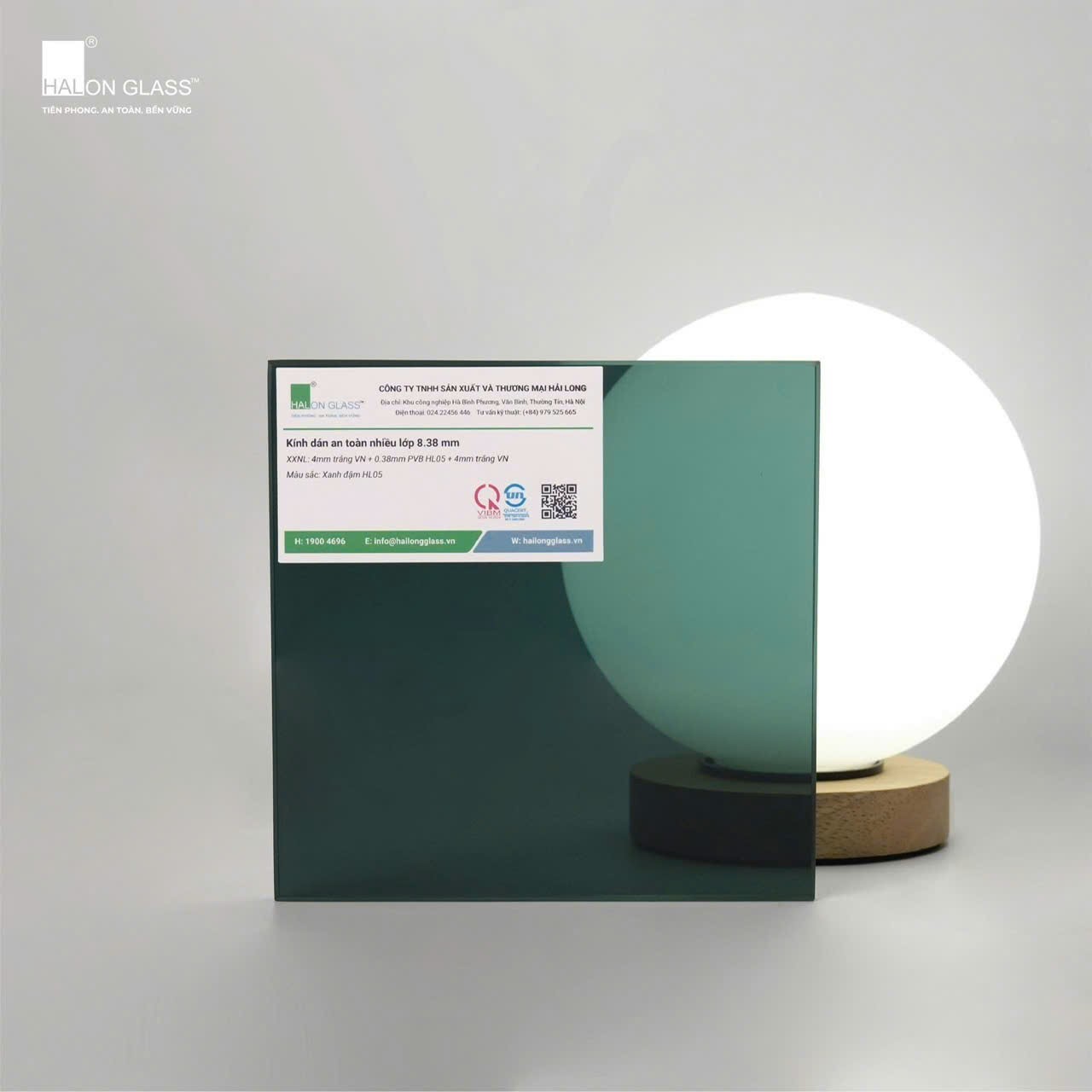
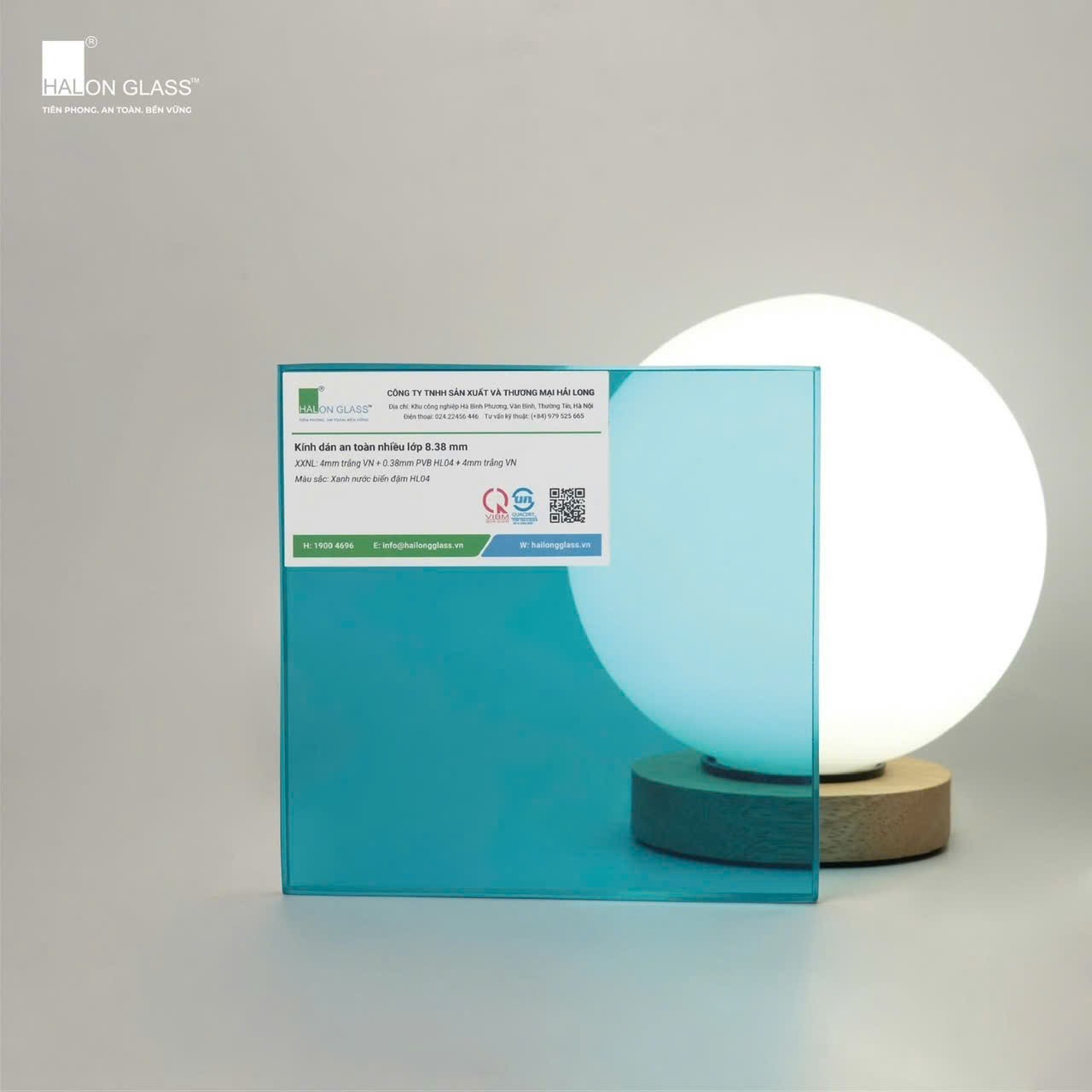
Laminated safety glass is a type of glass constructed from two or more layers of glass bonded together with a PVB (Polyvinyl Butyral) or EVA (Ethylene Vinyl Acetate) film in between. This film is highly elastic, helping to bond the glass layers together, forming a homogeneous unit.
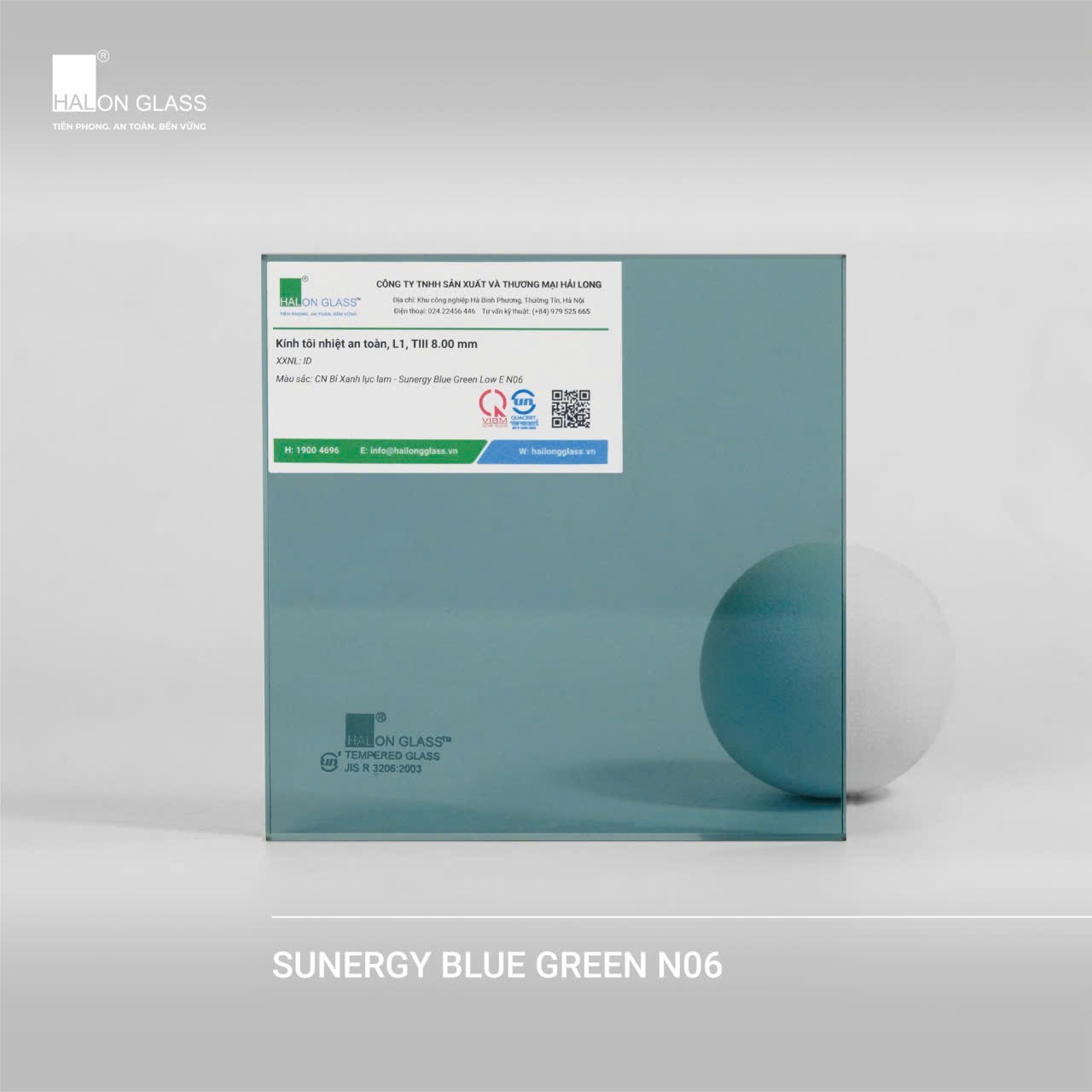
Technical advantages:
- Safety in case of breakage: When the glass is subjected to a strong impact and shatters, the glass fragments do not scatter but remain firmly attached to the film, minimizing the risk of injury from sharp shards.
- Strength: Laminated glass has higher mechanical strength than ordinary glass, withstanding impacts and pressure well, making it suitable for high-traffic doors and windows or locations requiring strict safety standards.
- UV protection: The PVB film layer also has the ability to block some ultraviolet rays, protecting the interior from fading and damage caused by sunlight.
- Sound insulation: Thanks to its multi-layered structure, laminated glass is also more effective at reducing noise than single-layer glass.
Applications: Laminated safety glass is commonly used in constructions with high safety requirements, such as main doors, balcony doors, low-floor windows, or locations prone to impact. Additionally, this type of glass is preferred in areas with young children or the elderly to minimize the risk of accidents.
Soundproof and heat-insulating double-glazed windows
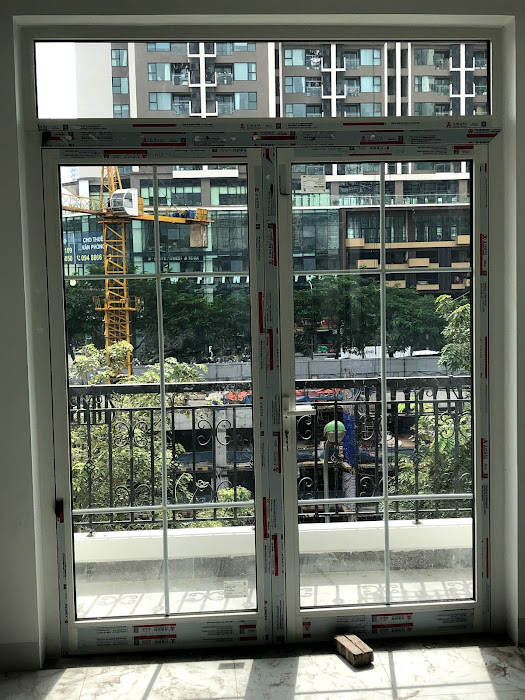
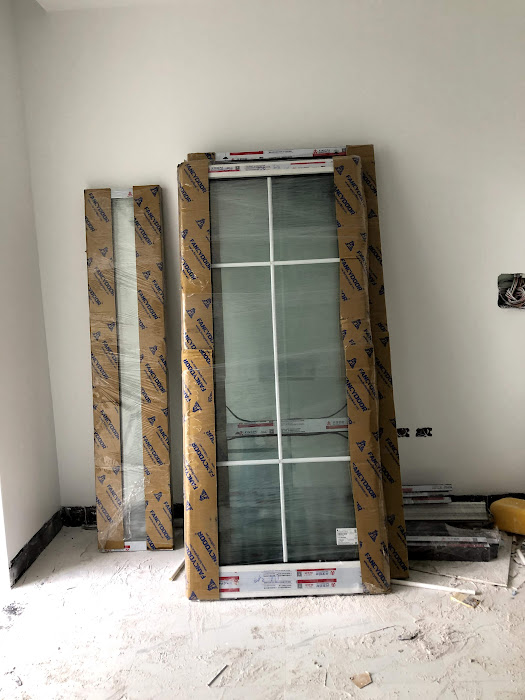
Double-glazed windows are a system of windows made up of two or more panes of glass separated by a sealed space, which may contain air or inert gases such as Argon or Krypton to increase thermal and sound insulation.
Structural characteristics:
- The space between the glass panes: Typically ranges from 6mm to 20mm, creating an air cushion that helps reduce heat and sound transmission.
- Aluminum or plastic frame: Surrounds the double-glazed unit to maintain an airtight seal and prevent moisture from entering, avoiding condensation inside the glass.
- Desiccant layer: Placed within the frame to absorb moisture, maintaining dryness inside the insulated glass unit, increasing its lifespan and efficiency.
Technical advantages:
- Superior sound insulation: Double -glazed windows can reduce external noise by up to 40-50 dB, making them ideal for urban areas, near busy roads, or noisy locations.
- Effective insulation: Helps maintain a stable temperature inside the room, minimizing heat transfer through doors and windows, thereby saving energy for the air conditioning system.
- Anti-fogging: The airtight design and moisture-absorbing layer prevent condensation, keeping the glass clear and clean.
- High durability: Double-glazed windows have a long lifespan and are less affected by environmental factors such as temperature and humidity.
Applications: Double-glazed windows are commonly used in high-end buildings, offices, and modern homes, especially in areas requiring good sound and heat insulation such as bedrooms, offices, and windows facing busy streets.
Tempered glass
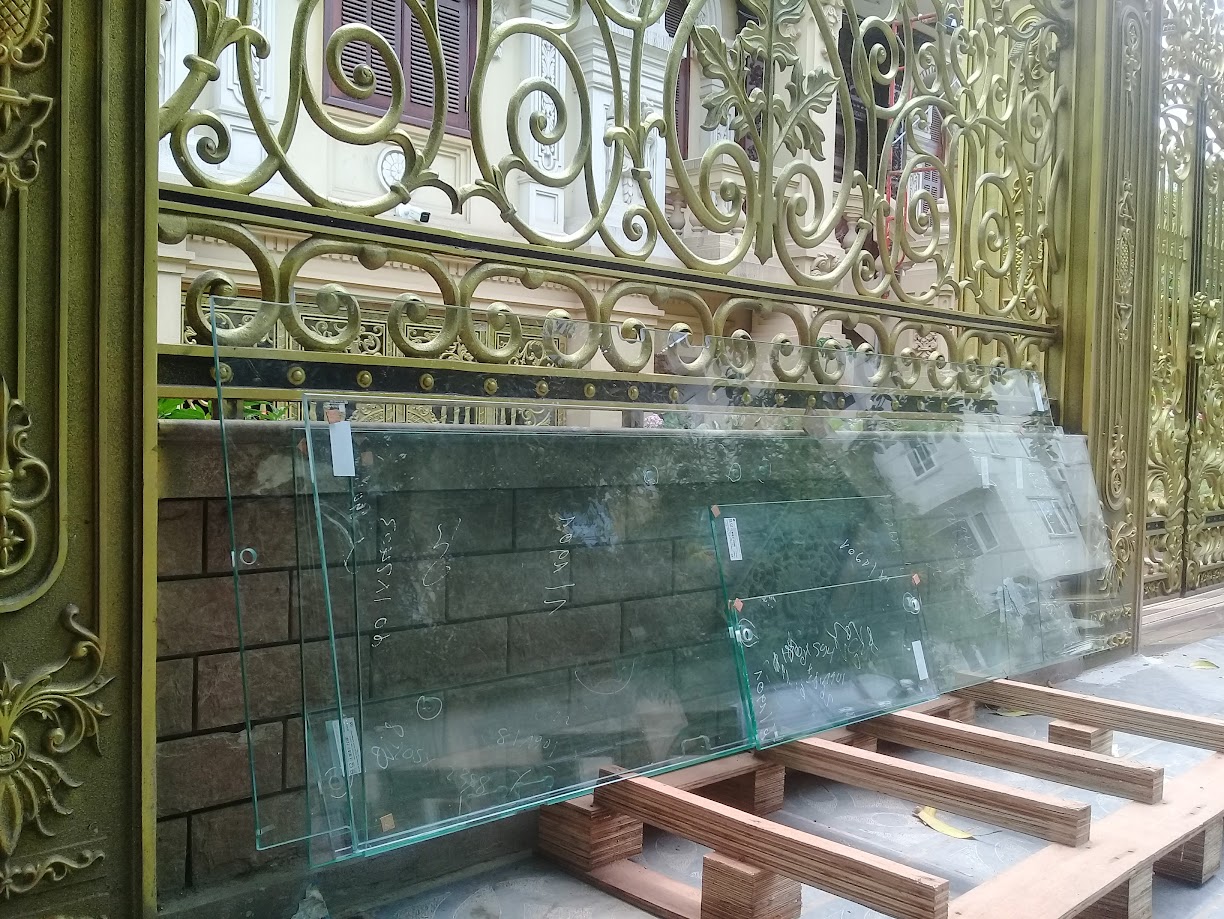
Tempered glass is a type of glass that has undergone a heat or chemical treatment process to increase its strength and durability compared to ordinary glass. The heat treatment process involves heating the glass to approximately 600-700°C and then rapidly cooling it with cold air, creating compressive stress on the glass surface.
Specifications:
- High mechanical strength: Tempered glass can withstand 4-5 times more force than ordinary glass of the same thickness, increasing its resistance to impact, wind pressure, and other mechanical forces.
- Safe in case of breakage: When broken, tempered glass shatters into small, corn-kernel-sized pieces with no sharp edges, minimizing the risk of serious injury.
- Heat resistance: Tempered glass can withstand sudden temperature changes up to 200°C, making it suitable for environments with large temperature fluctuations.
- Transparency and aesthetics: Tempered glass retains its transparency and does not deform or change color after processing.
Applications: Tempered glass is widely used in welded corner aluminum doors to enhance durability and safety, especially in areas prone to strong impacts such as main doors, balcony doors, and facade glass doors. Additionally, tempered glass is suitable for large door designs, sliding doors, and frameless glass doors.
Accessories and gaskets included with corner welded aluminum doors.
Accessories and gaskets are essential components in the construction of welded corner aluminum doors, playing a crucial role in ensuring the operational performance, durability, and aesthetics of the product. Choosing and using the right accessories and gaskets that meet technical standards will help the door operate stably, withstand environmental impacts, and minimize maintenance and repair costs over the long term.
304 stainless steel hinges are one of the most important accessories for welded corner aluminum doors. 304 stainless steel is a type of stainless steel with superior oxidation and corrosion resistance, especially suitable for humid climates or environments with high salinity such as coastal areas. 304 stainless steel hinges not only ensure high load-bearing capacity but also help the door operate smoothly, minimizing noise when opening and closing. The hinge design is usually precisely machined, with high mechanical durability, helping to prevent the door from sagging or misaligning over time, while also being easy to maintain and replace when needed.
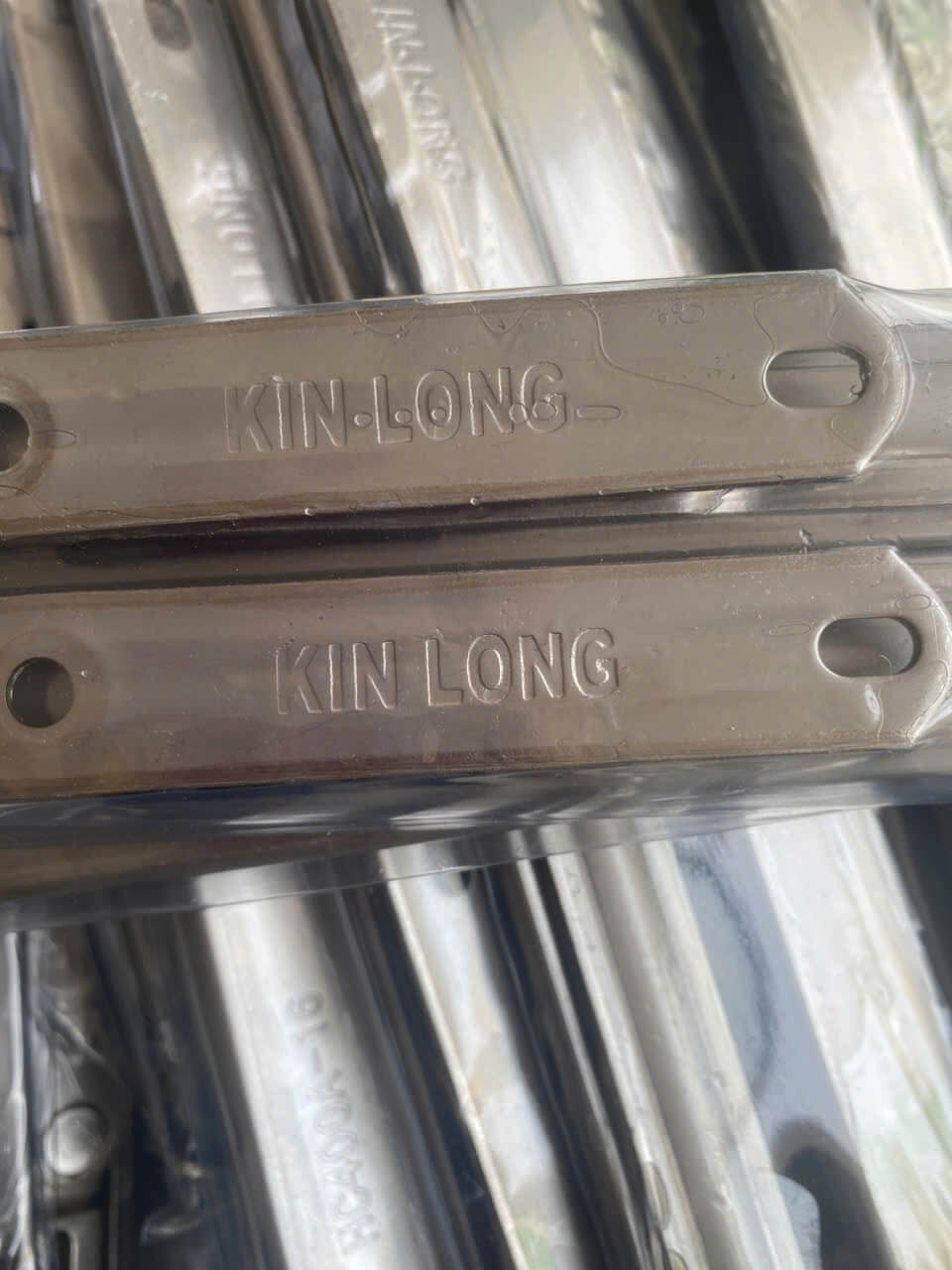
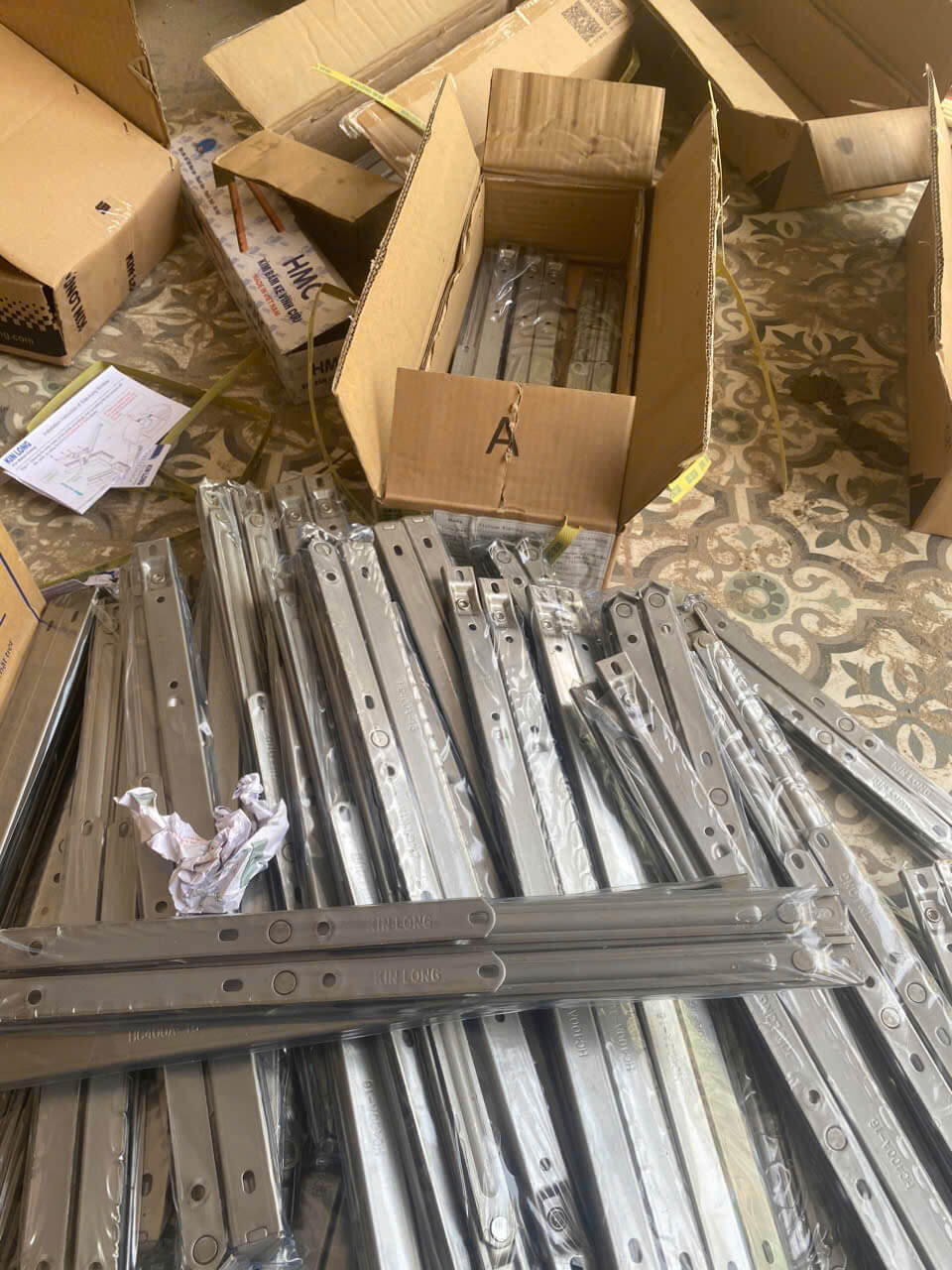
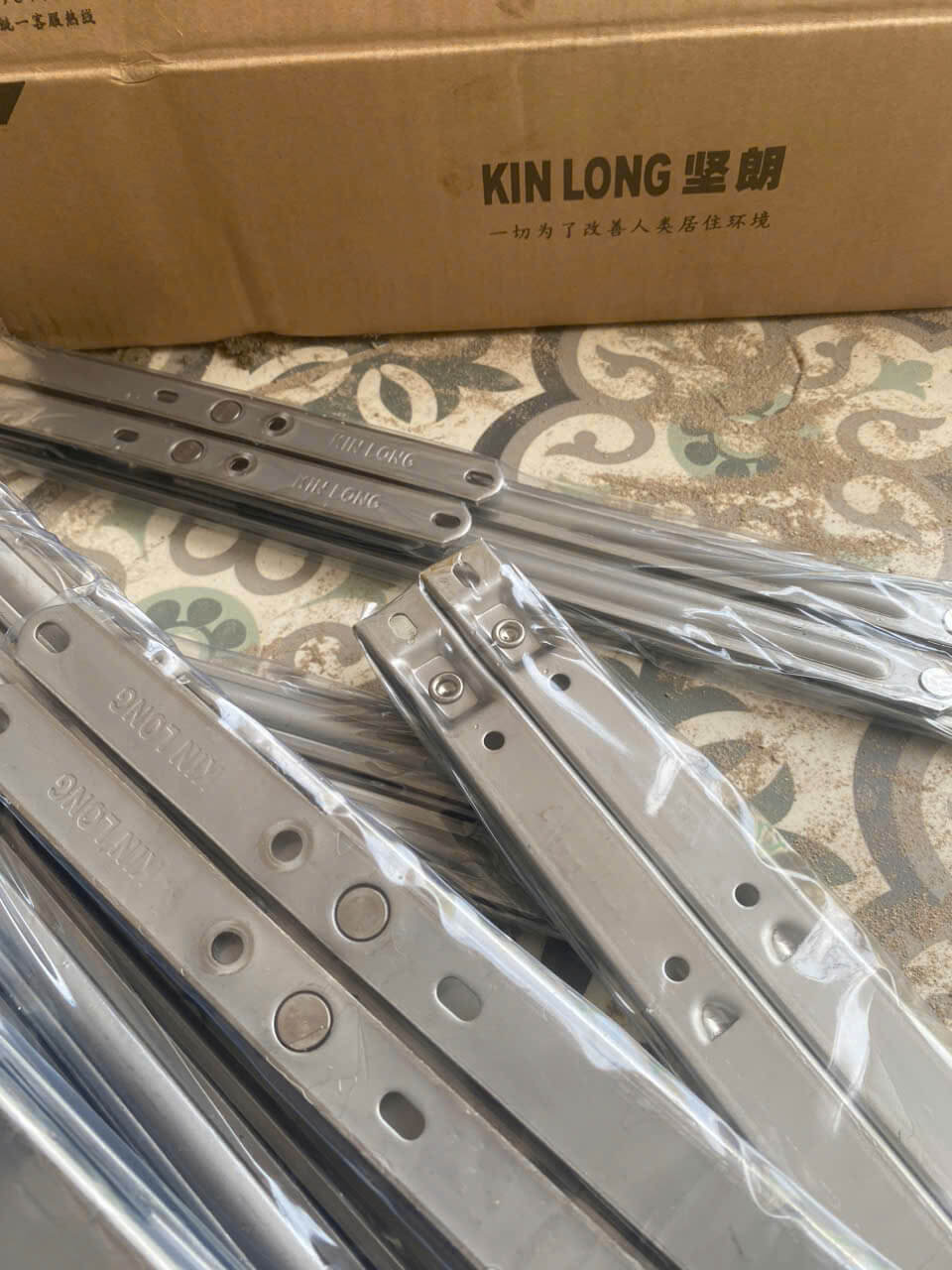
Multi-point locks are the optimal security solution for welded corner aluminum doors, especially in residential buildings, offices, or areas requiring high security. Multi-point locks work by simultaneously locking multiple points on the door frame, from top to bottom or on both sides of the door, creating a consistent and secure locking force, ensuring the door is completely sealed. This not only prevents unauthorized entry but also minimizes gaps that cause heat loss, drafts, and noise. Modern multi-point locks are typically made from alloy steel or stainless steel, offering excellent resistance to cutting and force, and often integrate modern features such as electronic locks, fingerprint locks, or remote control.
EPDM (Ethylene Propylene Diene Monomer) gaskets are a type of synthetic rubber commonly used in welded corner aluminum doors due to their high elasticity and excellent weather and chemical resistance. EPDM gaskets effectively seal gaps between the aluminum frame and the door leaf, preventing rainwater, dust, and air from entering. Additionally, EPDM gaskets provide effective sound and thermal insulation, helping to maintain a stable temperature in the space and reducing energy consumption for air conditioning or heating systems. EPDM gaskets can last for decades without deformation or loss of elasticity, making them suitable for projects requiring high durability and low maintenance.
Glass trim strips play a crucial role in securing the glass panel within the aluminum frame, ensuring both safety and aesthetics for corner welded aluminum doors. These strips are typically made from high-strength aluminum or aluminum alloy, designed to fit snugly between the glass and the door frame, keeping the glass stable and preventing shaking or breakage under impact. Additionally, glass trim strips help distribute force evenly across the glass surface, increasing impact resistance and reducing the risk of cracking. Choosing the right trim strip to match the glass thickness and door style also enhances aesthetics, creating a seamless and harmonious overall product.
To ensure optimal performance of welded corner aluminum doors, the accompanying accessories and gaskets must meet strict technical standards regarding quality and dimensions. Using genuine, certified accessories will help avoid technical issues such as door jamming, water leaks, frame deformation, or reduced product lifespan. Furthermore, the installation of accessories must be carried out by highly skilled technicians, ensuring that all components are assembled accurately, synchronously, and securely.
Criteria for selecting accessories and gaskets for welded corner aluminum doors:
- Materials: Preferably 304 stainless steel, rust-resistant alloy steel, and EPDM gaskets that are weather and chemical resistant.
- Mechanical durability: The accessories must withstand significant impact forces and not deform or be damaged after prolonged use.
- Waterproofing and soundproofing capabilities: The gasket must ensure absolute sealing, effectively preventing water and noise.
- Aesthetics: Accessories and gaskets should have a design that harmonizes with the overall door, with matching colors and styles.
- Easy maintenance and replacement: Accessories should have a simple design, making them convenient for routine maintenance and replacement when needed.
Investing in high-quality accessories and gaskets not only enhances the performance of welded corner aluminum doors but also helps protect the building from adverse environmental impacts, while increasing aesthetic value and user safety. Especially in projects with high technical requirements such as high-rise buildings, industrial zones, or areas with harsh climates, choosing the right accessories becomes even more crucial to ensure long-term and stable performance.
Applications of welded corner aluminum doors in construction.
FANCYDOOR welded corner aluminum doors.
Welded corner aluminum doors are one of the popular modern door solutions in the construction industry, thanks to the combination of precise corner welding techniques and high-quality aluminum materials. Corner welding creates strong joints, ensuring stability and long-term durability for the door frame, while minimizing the weaknesses commonly found in aluminum doors assembled with screws or glue. Below is a detailed analysis of the specific applications of welded corner aluminum doors in various types of construction projects:
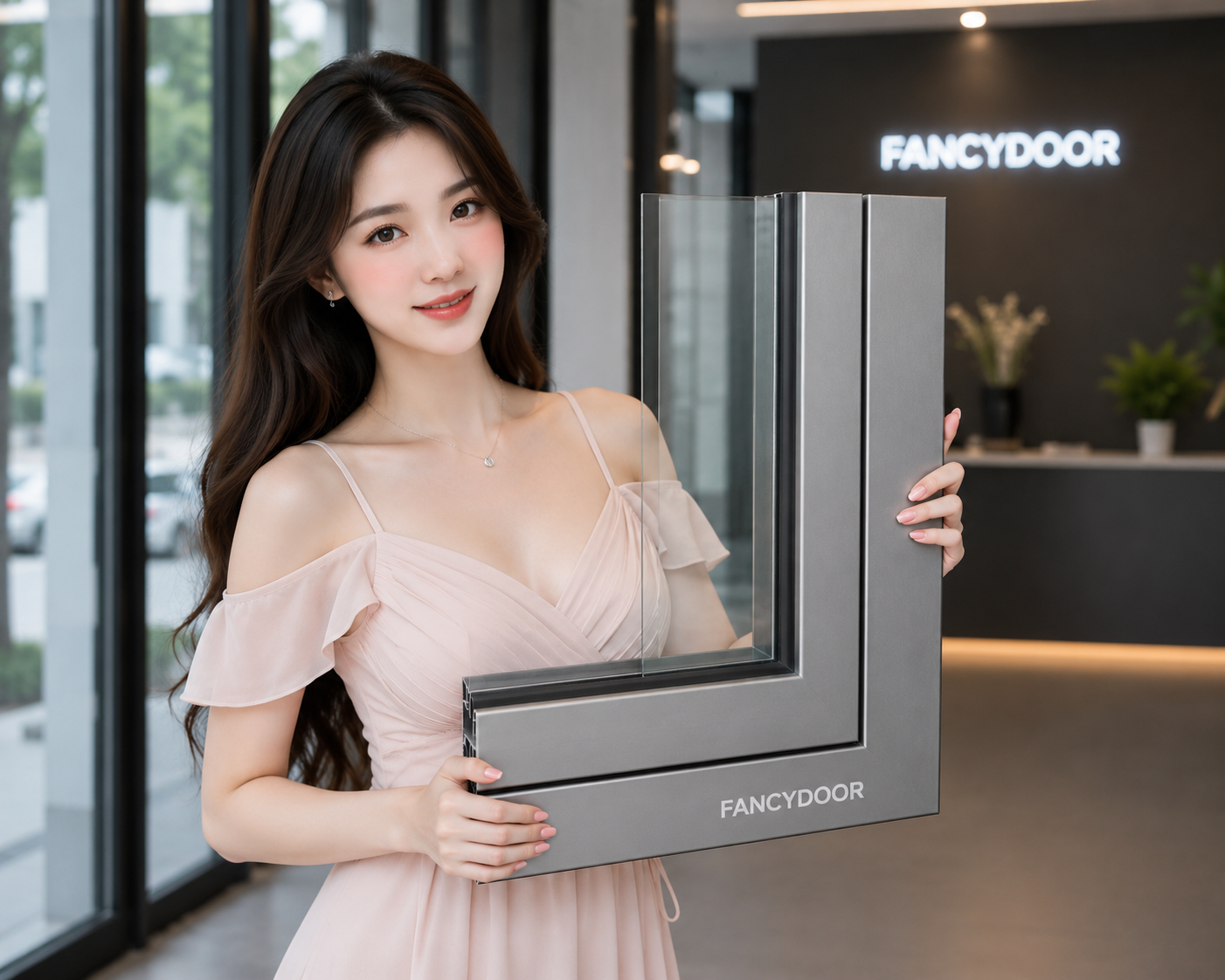
- Residential buildings: In residential constructions, welded corner aluminum doors are commonly used for main doors, windows, and balcony doors. Their outstanding advantage is superior sound and heat insulation thanks to high-quality EPDM rubber gaskets combined with a tightly welded aluminum frame structure. This minimizes external noise and maintains a stable temperature inside the house, contributing to energy savings. Furthermore, welded corner aluminum doors meet high aesthetic requirements with anodized or powder-coated aluminum surfaces in a variety of colors, suitable for many architectural styles from modern to classic.
- Commercial buildings: In offices, shopping malls, and stores, corner welded aluminum doors are chosen for their high mechanical strength and good load-bearing capacity. The corner welding technique creates seamless joints, minimizing the risk of loosening or deformation during long-term use. This door system is also easy to maintain, clean, and replace accessories such as hinges and locks without affecting the overall structure. The modern and elegant design of corner welded aluminum doors contributes to enhancing aesthetic value and creating a professional impression for commercial spaces.
- Industrial applications: For factories and warehouses, welded corner aluminum doors are specially designed to withstand strong impacts and resist corrosion in harsh environments. High-grade aluminum alloy materials offer oxidation resistance, combined with scratch-resistant and chemical-resistant coatings to ensure long-lasting performance and longevity. Additionally, the doors can be equipped with fire-resistant, waterproof accessories and secure locking systems to meet stringent industry standards.
- Public buildings: In schools, hospitals, and hotels, welded corner aluminum doors not only ensure safety but also meet high aesthetic requirements. Their strength and impact resistance protect users in emergency situations. Furthermore, the doors can integrate features such as automatic, fire-resistant, or soundproof functions, suitable for environments requiring absolute quiet and safety. The flexible design allows for customization of size and color to suit different public spaces.
Technically, corner welded aluminum doors utilize extruded aluminum profiles with various cross-sections, welded using automatic or semi-automatic welding machines with TIG or MIG welding technology, ensuring high mechanical strength and aesthetic appeal of the welds. The welds are polished smooth, leaving no protruding or rough weld marks, resulting in a smooth and uniform surface finish. EPDM rubber gaskets are precisely installed at contact points to enhance water resistance and sound insulation.
The customization options for welded corner aluminum doors are very diverse, including:
- Colors: Utilizing powder coating or anodizing technology, a wide range of colors is available, including white, black, gray, wood grain, and metallic gold, suitable for both interior and exterior design requirements.
- Size: Can be manufactured in standard sizes or to the specific requirements of each project, from small window frames to large frames for main doors or balcony entrances.
- Accessories: Integrate various types of hinges, locks, handles, multi-point locking systems, electronic locks, or fingerprint locks to enhance security and convenience.
- Styles: Diverse options ranging from swing doors, sliding doors, folding doors to automatic doors, meeting all usage needs and architectural spaces.
Thanks to their technical advantages and design flexibility, welded corner aluminum doors not only meet stringent technical requirements but also align with the sustainable development trend in modern construction, contributing to improved energy efficiency and enhanced aesthetic value for buildings.
Guide to choosing the right corner welded aluminum door
To select the right welded corner aluminum door for each construction project, a thorough analysis and evaluation of technical, aesthetic, and environmental factors is necessary. This not only ensures durability and safety but also enhances the aesthetic value and long-term usability of the product.
- Aluminum material:
The type of aluminum used determines the durability, load-bearing capacity, and aesthetics of a door. Popular aluminum systems currently available include:
- Aluminum profile system 55: Commonly used for small windows, ventilation openings, or locations that do not bear heavy loads. This system is characterized by its small cross-section, light weight, ease of installation, and low cost.
- Aluminum system 65: Suitable for large doors and windows requiring higher load-bearing capacity. This aluminum system has a thicker cross-section, higher impact resistance and wind pressure resistance, making it suitable for residential and commercial constructions.
- Aluminum system 93: Used for large doors, sliding doors, or swing doors. This aluminum system has a sturdy structure, superior load-bearing capacity, and excellent sound and heat insulation, making it suitable for high-end projects or those with stringent technical requirements.
In addition, attention should be paid to the thickness of the aluminum profile (usually from 1.2mm to 2.0mm) and the corner welding technology to ensure a strong joint that is not warped or leaking water.
- Type of glasses:
Glass is a crucial component affecting the light transmission, sound insulation, thermal insulation, and safety of corner welded aluminum doors. The choice of glass should be based on the specific intended use:
- Laminated safety glass: Made from two or more layers of glass bonded with a PVB film in between, which increases strength and reduces shattering upon impact. Suitable for main doors and entrances in high-traffic areas.
- Soundproof and heat-insulating double-glazed windows: These are two or more layers of glass bonded together with a layer of inert gas (such as argon) in between, which helps reduce noise and prevent heat transfer. Suitable for bedroom doors, offices, or areas requiring quietness.
- Tempered glass: Glass that is heat-treated at high temperatures to increase its mechanical strength and impact resistance compared to ordinary glass. Often used for large doors or locations prone to impact.
- Reflective or tinted glass: Helps reduce glare, enhance aesthetics, and control indoor temperature.
Choosing the right glasses not only improves usability but also ensures user safety.
- Color and surface finish:
The color and surface finish of welded corner aluminum doors directly affect their overall aesthetics and weather resistance. Common finishing methods include:
- Powder coating: This technology uses electrically charged and melted powder paint applied to the aluminum surface, creating a durable, scratch-resistant, and corrosion-resistant coating. It offers a wide variety of colors, easily matching various architectural styles.
- Anodizing: Creates a hard aluminum oxide layer on the surface, increasing oxidation resistance and preserving the natural shine of aluminum.
- Applying wood grain or metal grain film: This brings a natural, luxurious look to aluminum doors, suitable for projects requiring high aesthetic standards.
The choice of colors should be consistent with the overall design of the building, ensuring harmony and creating an aesthetic focal point.
- Accessories included:
Aluminum corner welded door accessories include hinges, locks, gaskets, sliding rails, handles, and other connecting parts. The quality of these accessories directly affects the safety, convenience, and lifespan of the door.
- Hinges: Choose hinges made of stainless steel or alloy that are strong, rust-resistant, and operate smoothly.
- Door locks: Prioritize using multi-point locks or certified security locks to ensure effective anti-theft protection.
- Rubber gaskets: Play a crucial role in sound insulation, thermal insulation, and waterproofing. EPDM or silicone gaskets, with their high durability and elasticity, are the optimal choice.
- Sliding rails and operating accessories: Precision, smooth operation, and durability are essential for the door to function reliably over a long period.
Using genuine, compatible accessories that match the aluminum frame helps avoid technical problems and enhances the aesthetic appeal of the door.
- Reputable construction company:
Choosing experienced suppliers and contractors with modern equipment and strict quality control processes is key to ensuring that corner welded aluminum doors meet technical and aesthetic standards.
- Construction experience: Companies with many years of experience and completed projects will have a thorough understanding of technical requirements and be able to handle any unforeseen situations effectively.
- Equipment and technology: Utilizing automatic corner welding machines, CNC cutting equipment, and modern painting technology helps improve product quality.
- After-sales service: Warranty, maintenance, and technical support after installation ensure customers can use the product with peace of mind for a long time.
Choosing a reputable contractor also helps minimize the risk of damage, dimensional discrepancies, and ensures the project's progress.
Carefully considering these factors helps customers acquire high-quality corner welded aluminum doors that optimally meet their needs in terms of functionality and aesthetics.
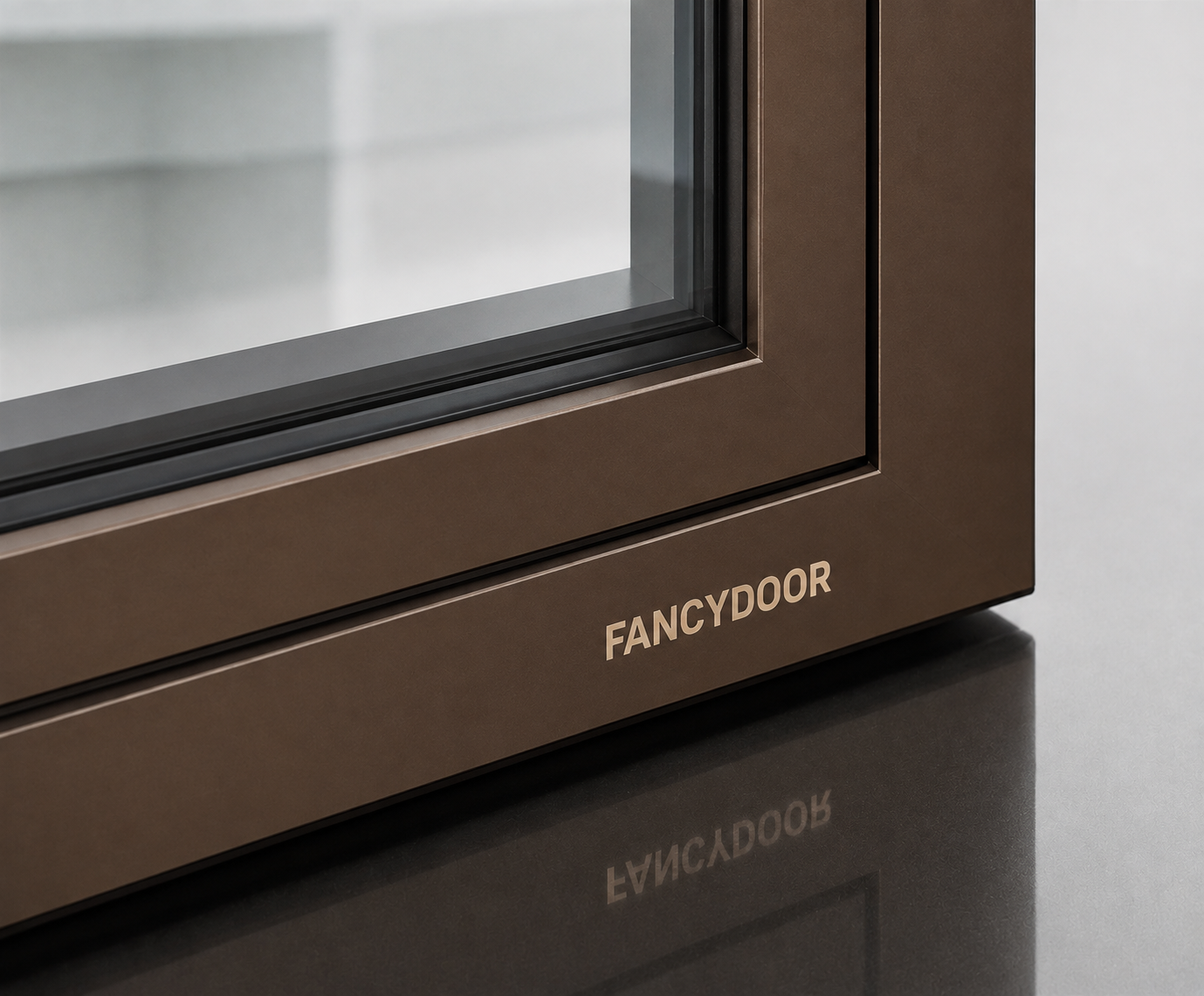
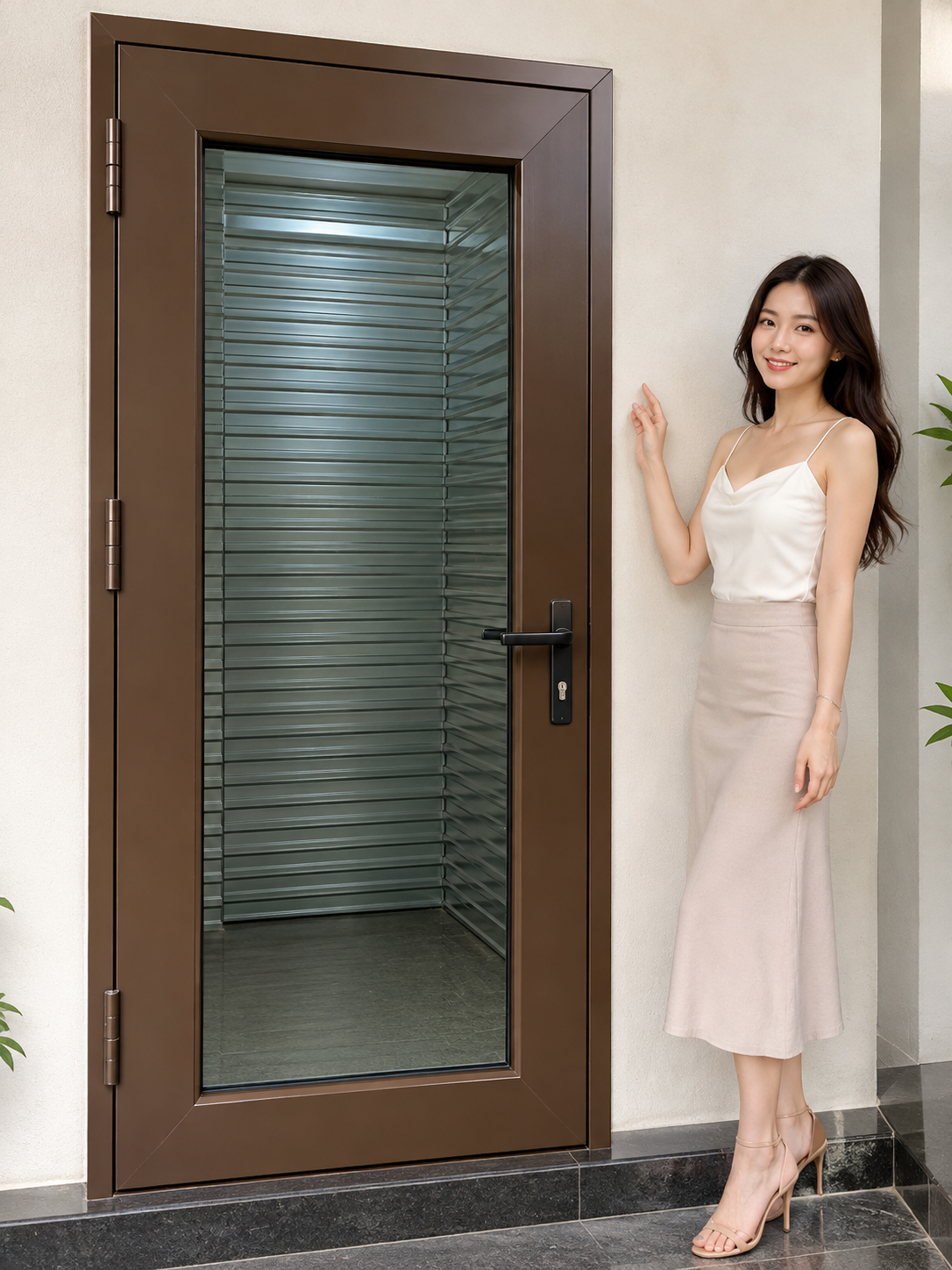
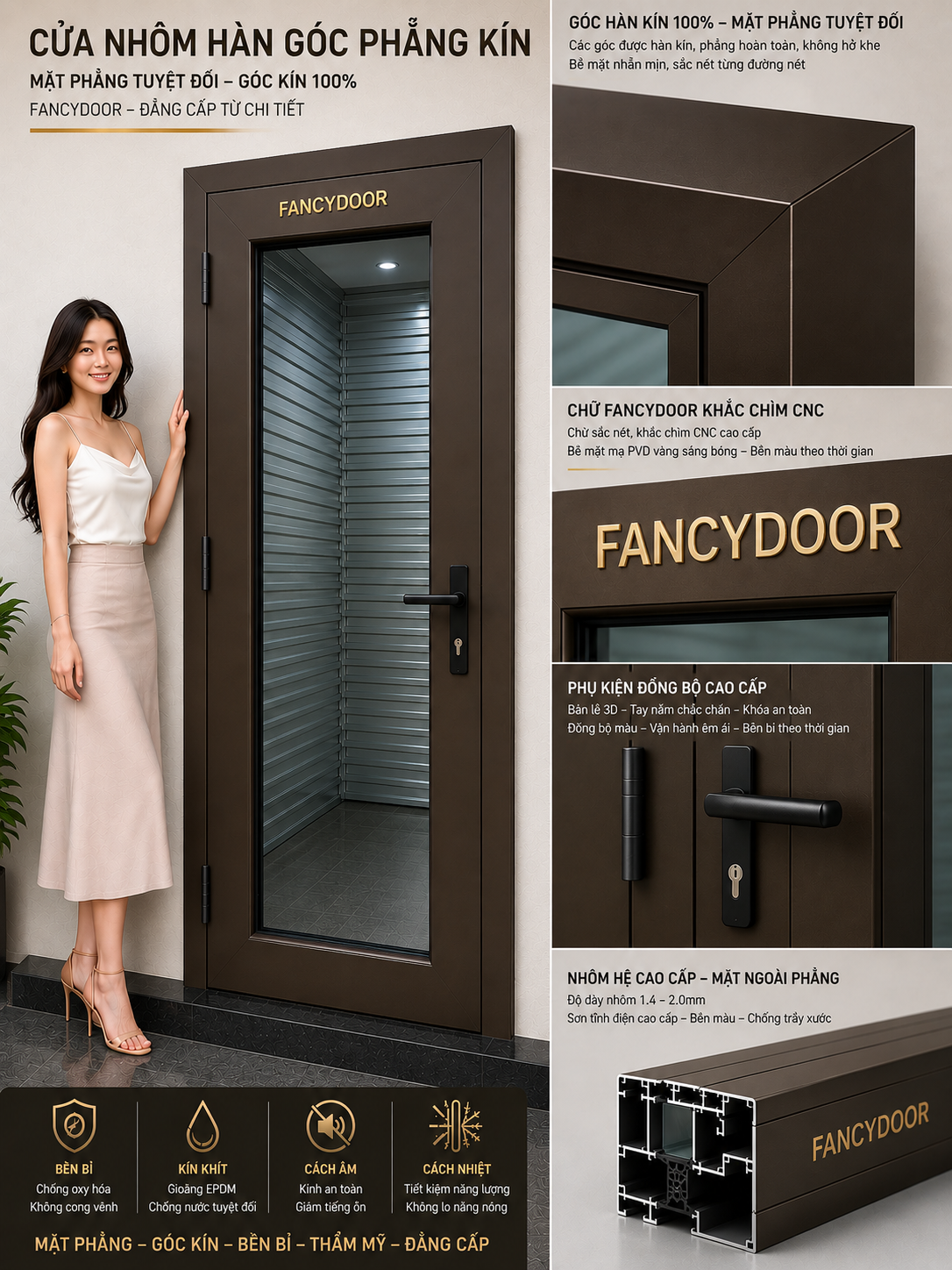
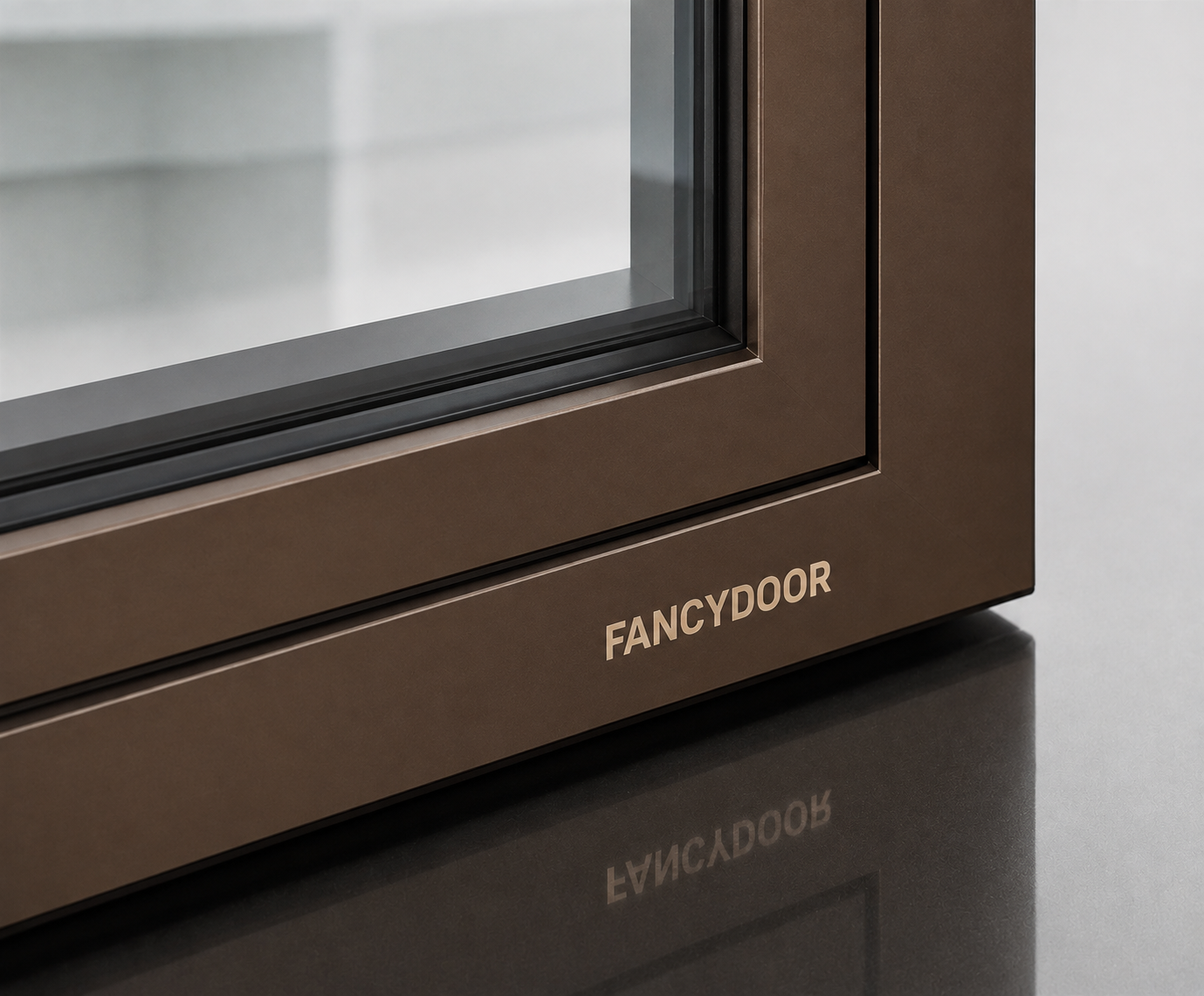
Contact Ngoc Quyet Company to get high-quality corner welded aluminum doors.
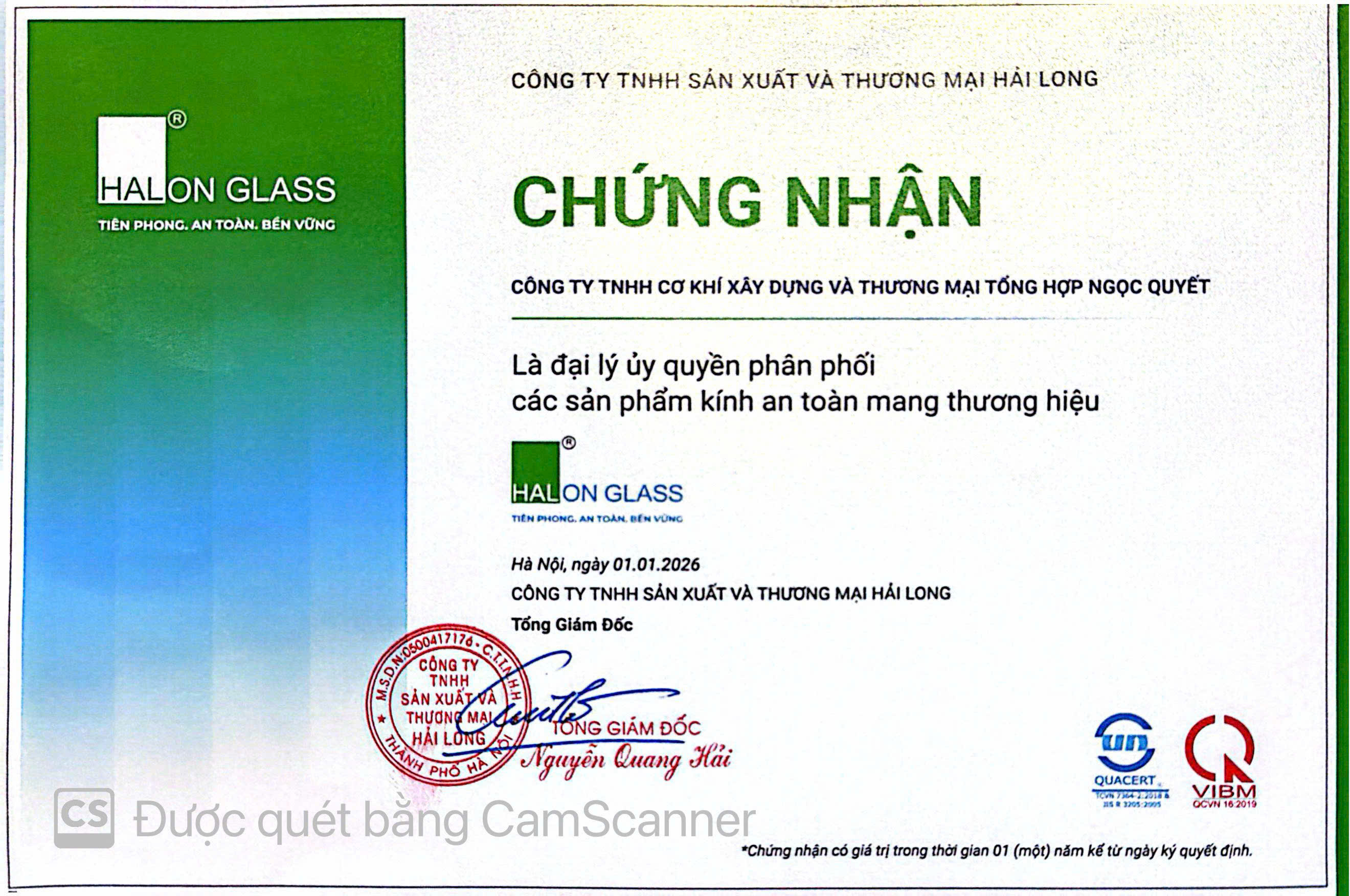
Ngoc Quyet Company is proud to be a pioneer in the field of manufacturing and supplying corner welded aluminum doors, with over a decade of in-depth experience and a team of highly skilled technicians with a deep understanding of modern aluminum and glass technology. We not only provide products but also offer comprehensive solutions for corner welded aluminum doors, optimally meeting the most stringent technical and aesthetic requirements of our customers.
- High-quality products: The aluminum alloy materials used at Ngoc Quyet are directly imported from leading reputable suppliers worldwide such as Japan, Germany, and South Korea, ensuring superior mechanical strength and corrosion resistance. Modern robotic automatic corner welding technology creates sharp, strong welds, enhancing load-bearing capacity and ensuring absolute airtightness for the doors. All accompanying accessories are genuine products from renowned brands such as Roto and Hafele, guaranteeing smooth and durable operation over time.
- Diverse designs and colors: We offer a wide range of welded aluminum doors and windows, from entrance doors and windows to sliding and swing doors, with many modern designs to suit architectural styles from classic to modern. Our high-quality powder coating system offers a rich color palette, including popular colors such as porcelain white, gray, matte black, and natural wood grain, making it easy for customers to choose the perfect match for their space and personal preferences.
- Dedicated consulting services: Ngoc Quyet's technical consulting team is always ready to support customers from site surveys and technical requirements analysis to detailed design drawings, ensuring that the final product not only meets aesthetic requirements but also optimizes performance and safety. We also provide custom-designed corner welded aluminum doors, helping customers obtain the most personalized solution for their project.
- Fast and precise construction: With a professional production and installation process, Ngoc Quyet Company is committed to completing construction on schedule as agreed, while ensuring strict technical standards. Our team of well-trained technicians uses modern measuring and installation equipment, minimizing errors and ensuring that corner welded aluminum doors operate stably, are airtight, waterproof, and provide effective sound insulation.
- Long-term warranty:
- Warranty policies are applied to each product and according to contract terms.
- We are committed to supporting our customers throughout the entire usage process, ensuring that the product consistently maintains optimal quality and performance.
For customers interested in learning more about and purchasing high-quality welded corner aluminum doors, please contact Ngoc Quyet Company immediately for detailed advice and the best price quote. We are always ready to meet all technical and aesthetic requirements, providing durable, safe, and cost-effective welded corner aluminum door solutions for your project.
HOTLINE 0966.321.655
Zalo 0966.321.655
Need a price quote for FANCYDOOR welded corner aluminum doors.
Please provide the window dimensions, number of sashes, glass type, and project location for configuration advice and pricing.
Please provide the window dimensions, number of sashes, glass type, and project location for configuration advice and pricing.