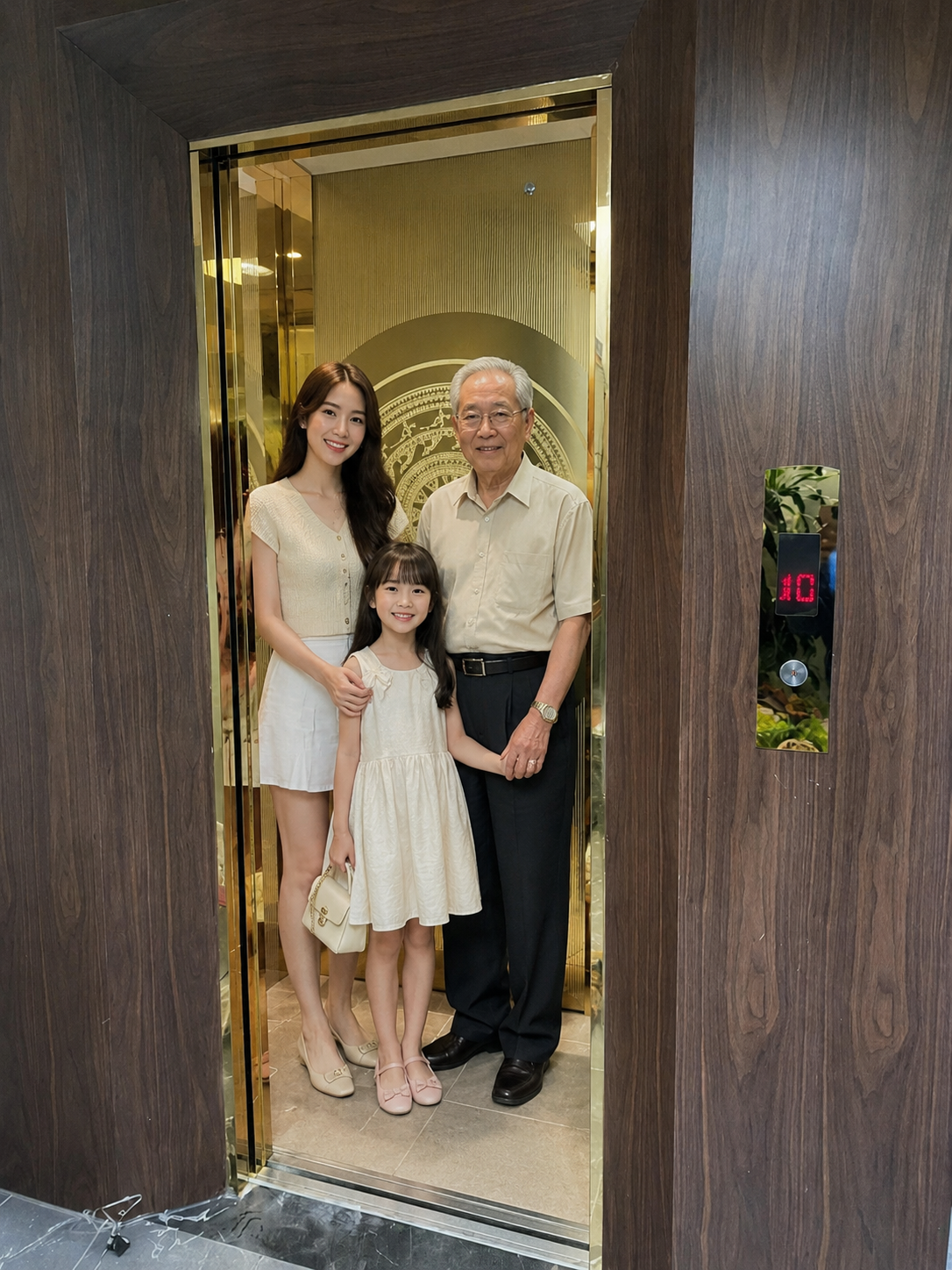
Price quotation for a 1000kg elevator in Hanoi.
Price quotation for a 1000kg elevator in Hanoi.
Factors affecting the price quotation for a 1000kg elevator.
Elevators with a 1000kg load capacity are a popular choice for office buildings, small and medium-sized apartment buildings, and commercial projects in Hanoi. The cost of an elevator depends on many technical factors and materials. First, the type of elevator (hydraulic or cable-driven) directly affects the investment cost. Cable-driven elevators are generally more expensive due to their complex structure and more flexible operation, while hydraulic elevators are suitable for low-rise buildings and have lower maintenance costs.
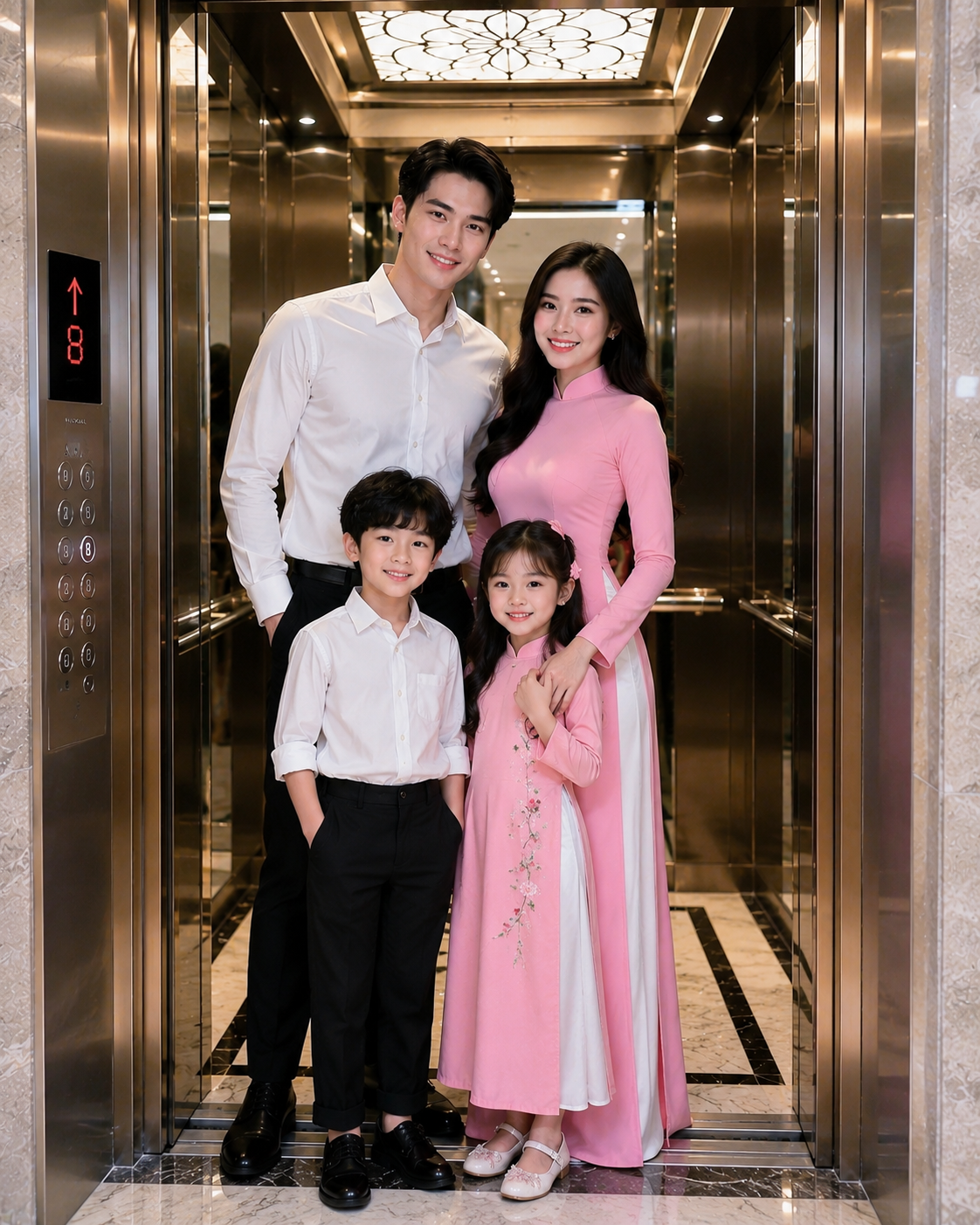
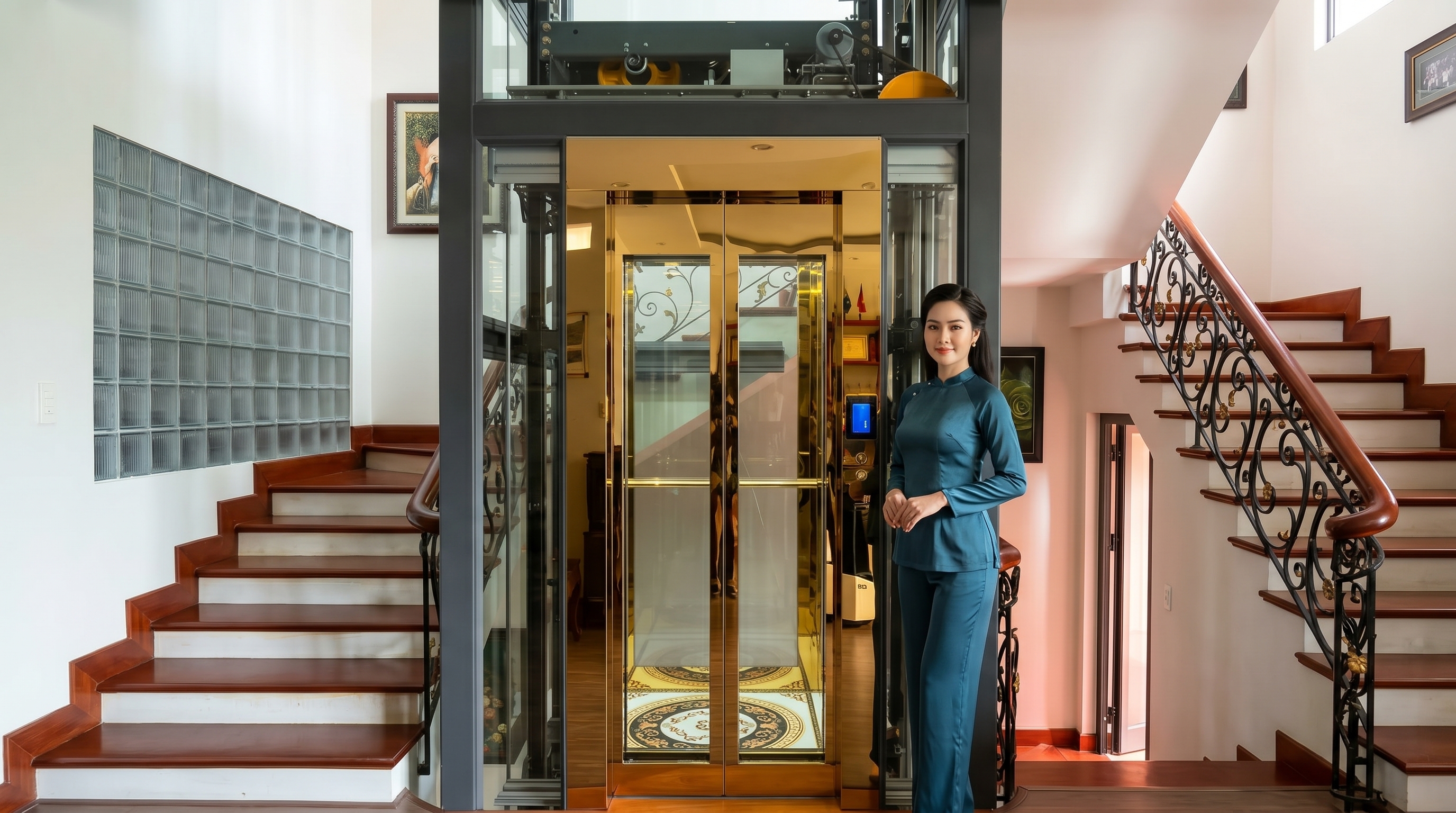
Next, cabin size and interior design are also important factors. A 1000kg elevator cabin typically has standard dimensions of approximately 1.1m x 1.4m; however, if customers request a special design with premium materials such as stainless steel, tempered glass, or natural wood, the cost will increase significantly. In addition, the control system and safety features such as door sensors, automatic rescue systems, and backup power supply also contribute to the increased cost.
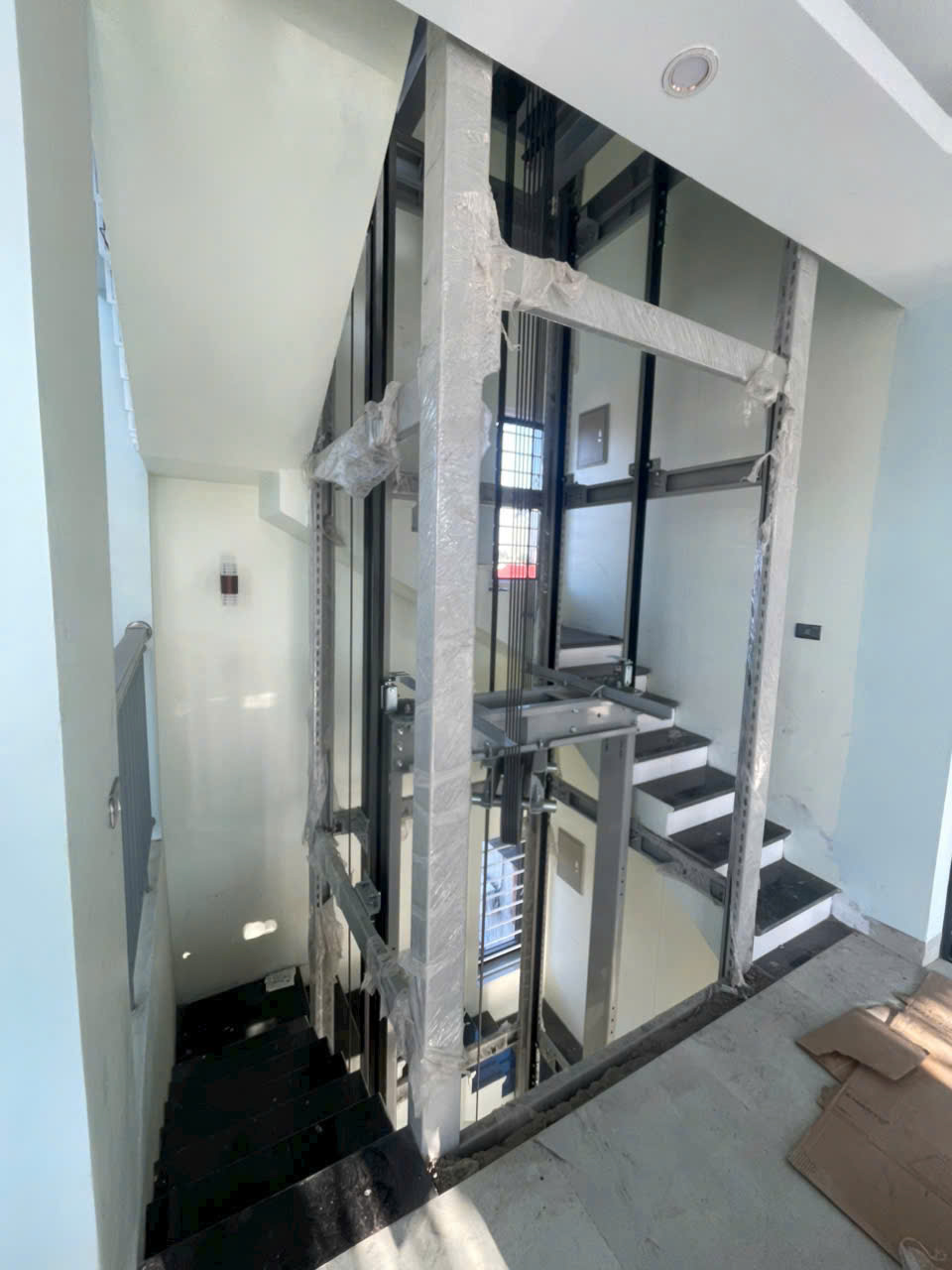
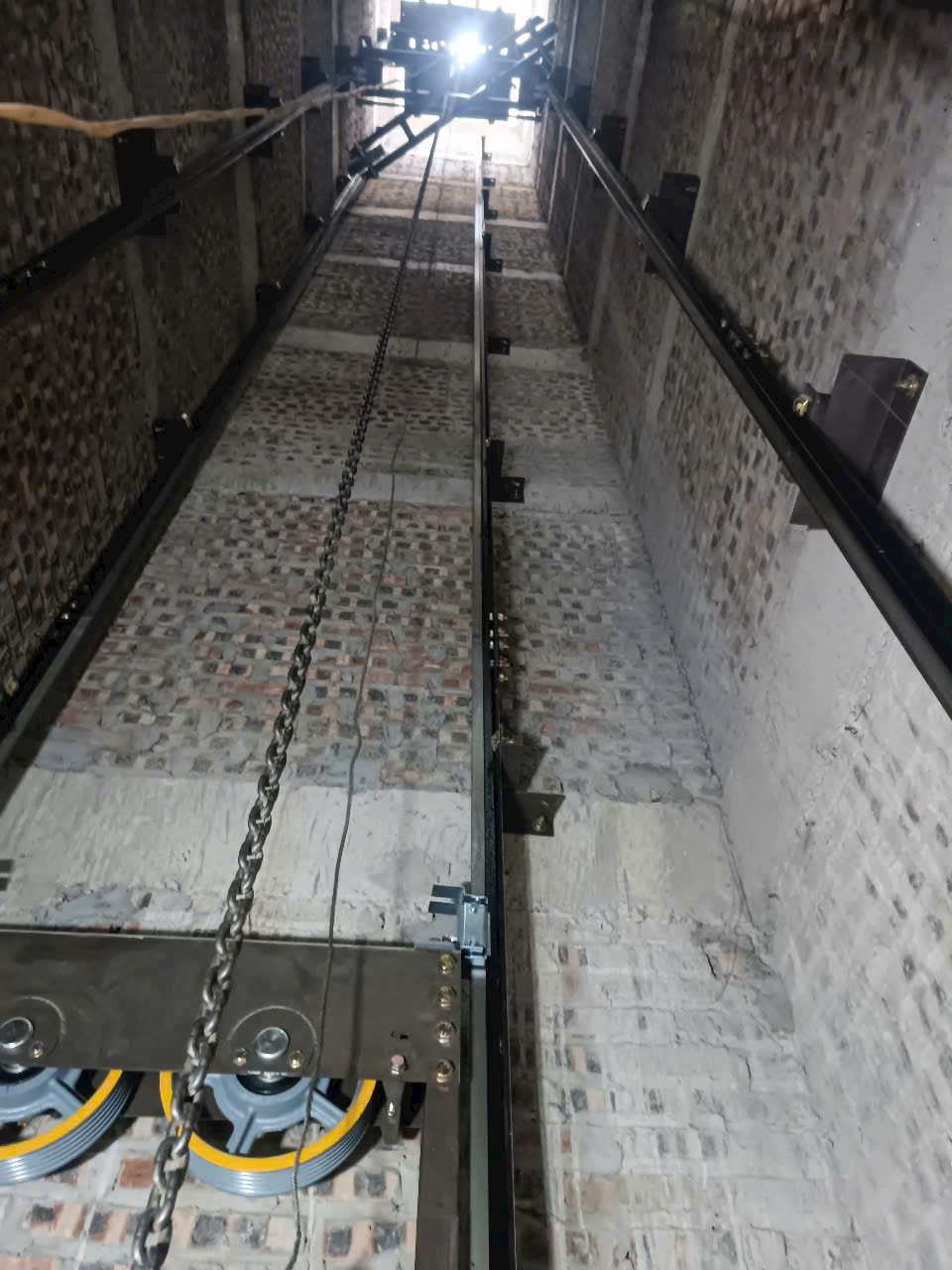
The location of the elevator within the building also affects the price. If the building already has a standard elevator shaft, construction costs will be significantly reduced. Conversely, if a new shaft needs to be built or renovated, the cost will increase due to the need for additional materials and labor. Construction time and requirements for permits and inspections are also factors that cannot be ignored when calculating the price.
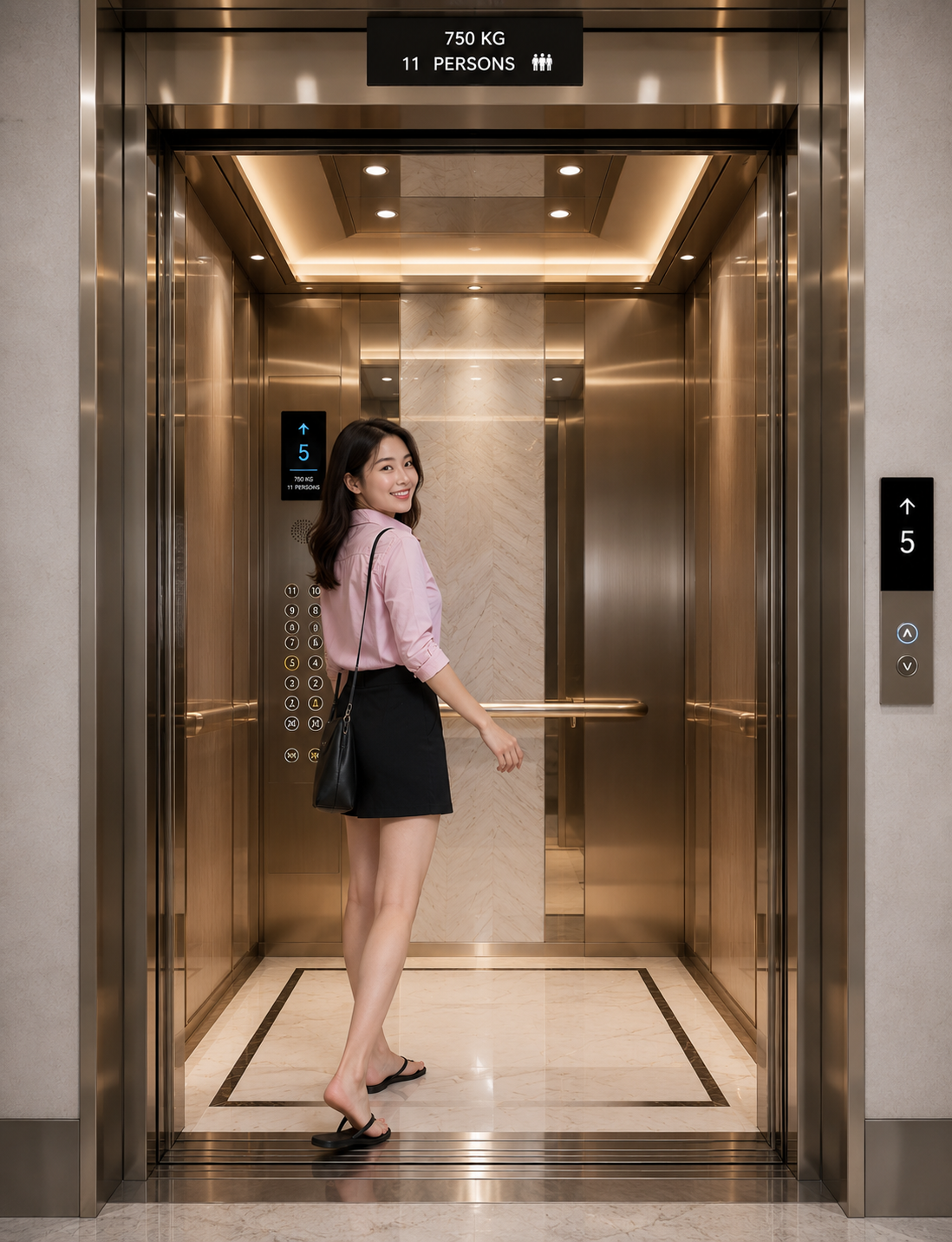
Detailed price quotation for a 1000kg elevator in Hanoi.
The price of a 1000kg elevator in Hanoi varies considerably, depending on the factors mentioned. The current common price range is from 400 million to 700 million VND for a complete elevator system, including:
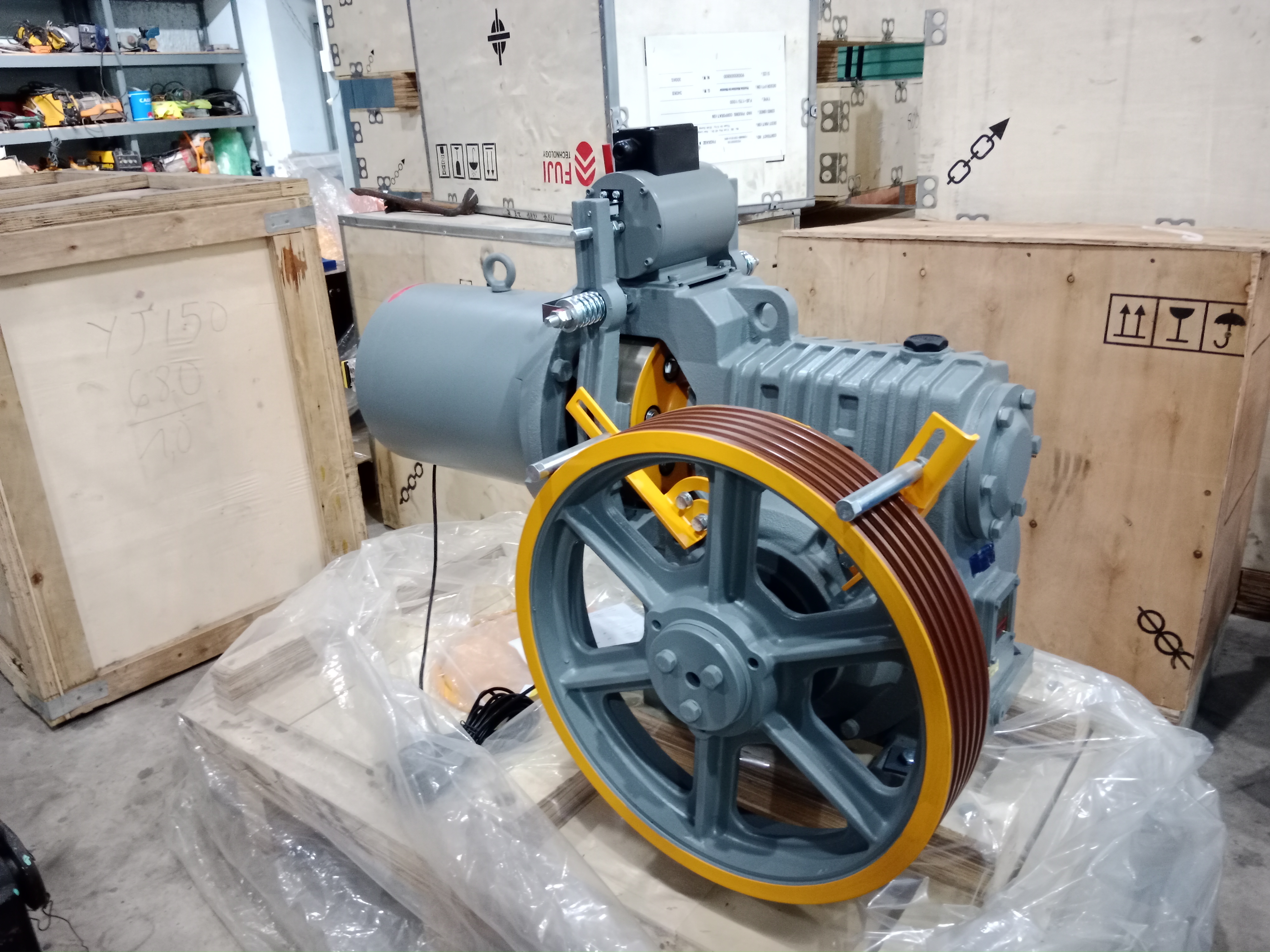
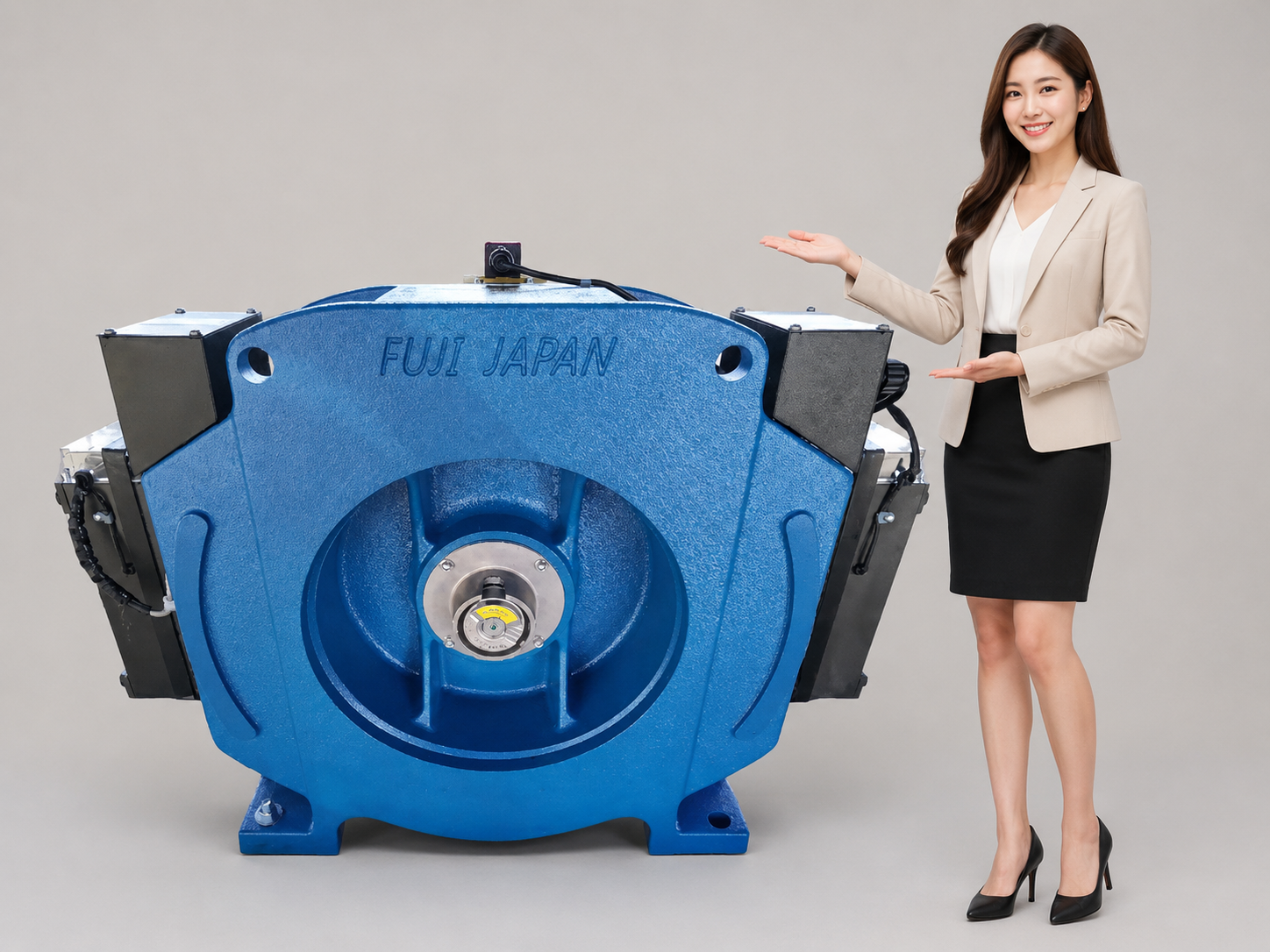
- Mechanical equipment: Cabin, landing doors, cabin doors, cabling system, engine.
- Control system: Microprocessor controller, control panel in the cabin and on each floor.
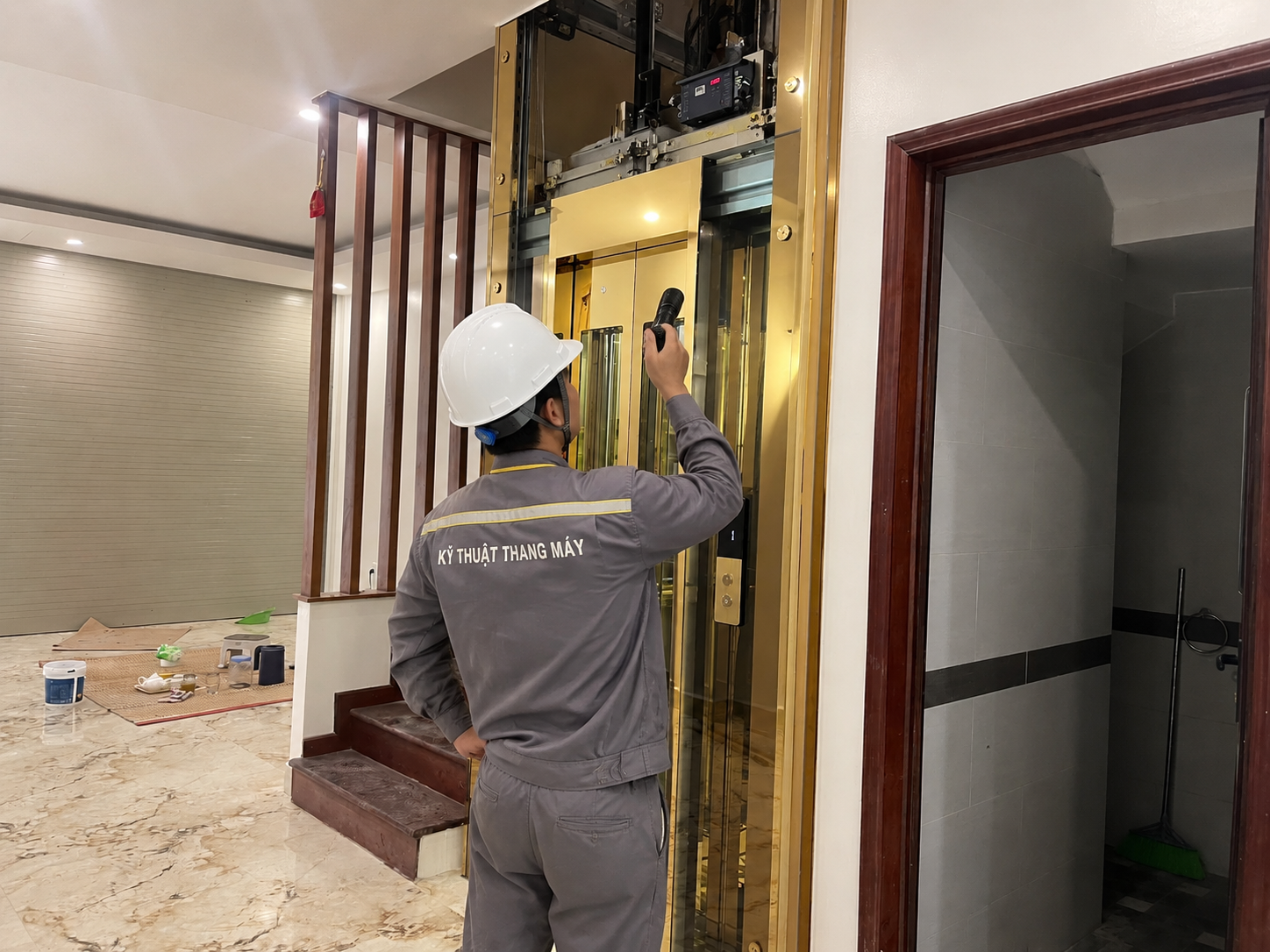
- Construction and installation: Labor, materials for elevator shaft construction (if any), electrical system.
- Maintenance and warranty: Suppliers typically offer a warranty package ranging from 12 to 24 months.
For 1000kg hydraulic elevators, the price is usually about 10-15% lower than cable-driven elevators due to their simpler construction and the absence of a machine room on the roof. However, hydraulic elevators are suitable for buildings under 5 stories and have a slower operating speed.
Elevators imported as complete units from renowned brands such as Mitsubishi, Otis, and Schindler will have higher prices compared to joint venture or domestically produced elevators. However, the quality and durability of imported elevators are generally considered superior, and they also offer more modern safety features and amenities.
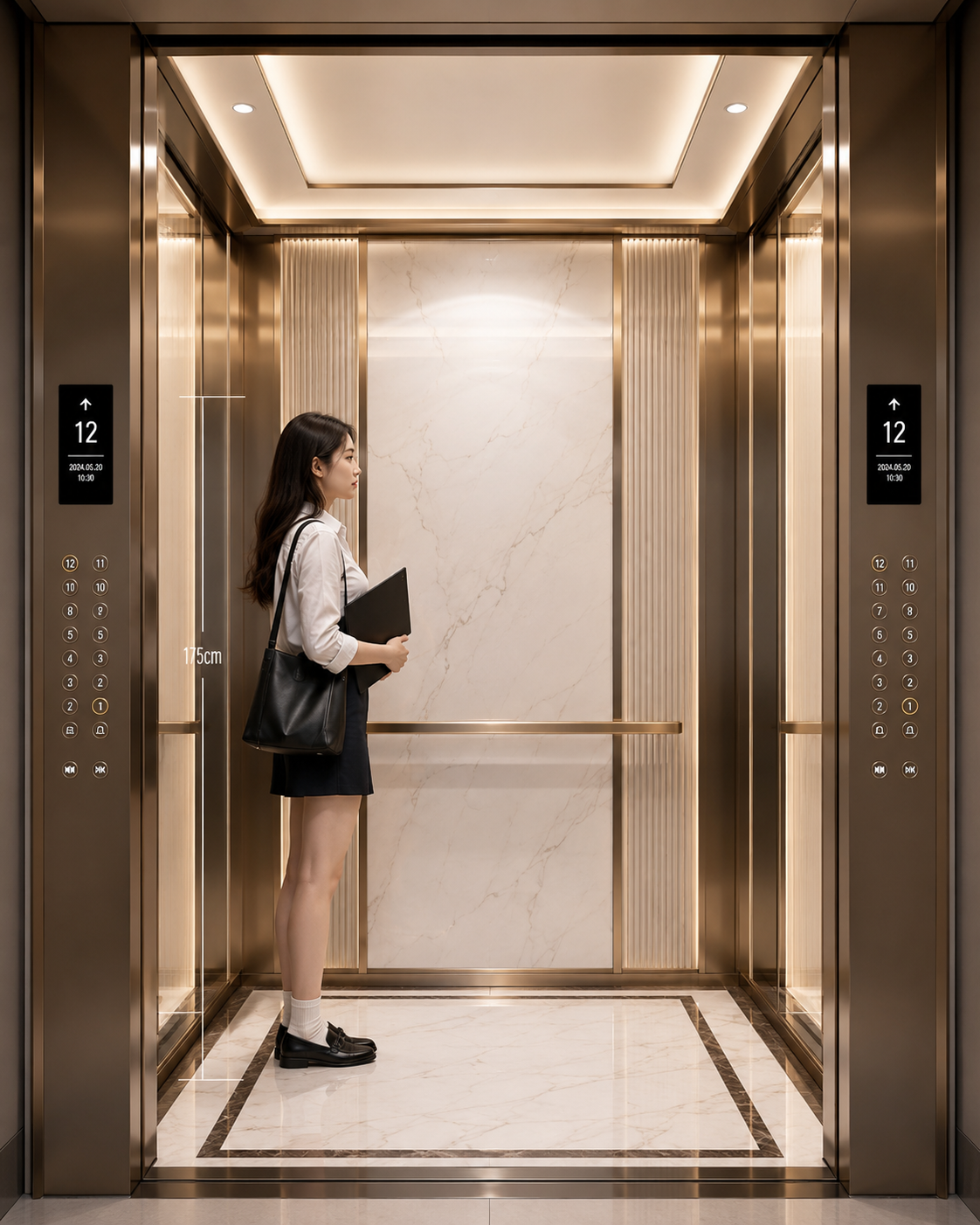
Cost analysis by category
1. Cabin and interior: This section accounts for approximately 30-40% of the total cost. Materials such as rust-resistant 304 stainless steel, tempered glass, LED lighting, ventilation, and air conditioning systems all affect the price.
2. Motor and drive systems: Asynchronous motors or permanent magnet (PM) motors offer higher efficiency but are also more expensive. Cable-driven systems require regular maintenance to ensure safety.
3. Control and Safety Systems: Modern microprocessor-based controllers ensure smooth elevator operation, energy efficiency, and connectivity with building management systems. Safety features such as anti-pinch sensors, electromagnetic brakes, and automatic rescue systems are mandatory according to standards.
4. Construction and finishing: Labor costs in Hanoi typically vary depending on the scale of the project and the construction time. Building a new elevator shaft or renovating an existing one also significantly increases costs.
Things to consider when choosing a 1000kg elevator in Hanoi.
Choosing the right elevator depends not only on price but also on quality, safety, and after-sales service. When receiving a quote, customers should request that the supplier provide complete information on:
- Quality certification: Documents proving that the elevator meets international and Vietnamese standards.
- Warranty and maintenance policy: Warranty period, scope of maintenance, and costs incurred after the warranty period.
- Construction timeline: The elevator installation and completion plan will be adjusted to match the project schedule.
- Previous customer reviews: Refer to the opinions and reviews of customers who have used the product to ensure the supplier's credibility.
Particularly in Hanoi, selecting a contractor with experience and knowledge of construction regulations and elevator installation permits is crucial to avoid legal and technical risks during operation.
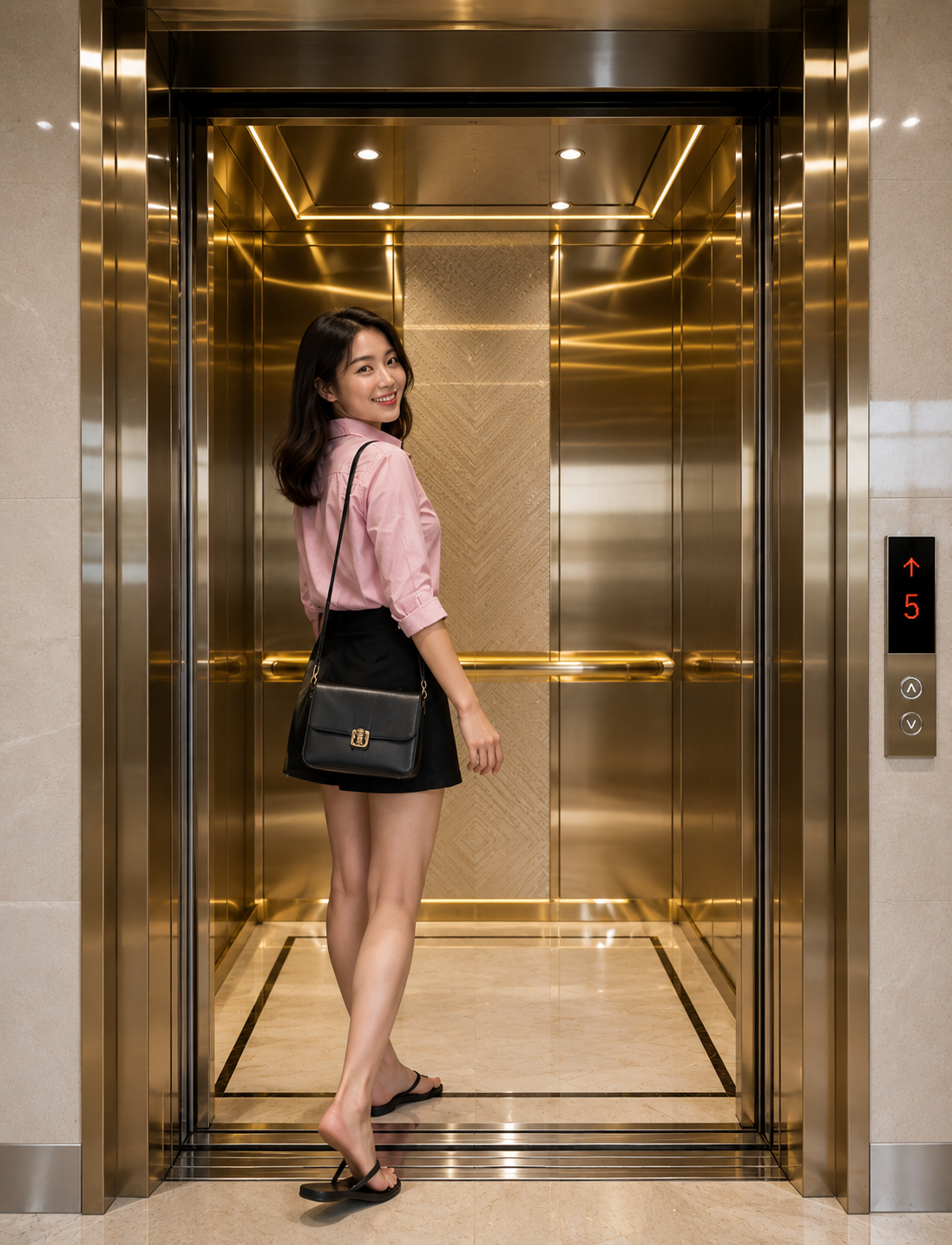
A 1000kg elevator is an important piece of equipment in modern construction projects, contributing to improved space utilization and ensuring user convenience. Proper investment and product selection will bring long-term value to the investor.