Latest Elevator Price List in Hanoi 2026
Home elevator price quotes in Hanoi: Market overview and influencing factors.
Home elevators are becoming increasingly popular in Hanoi, meeting the need for convenient transportation and improving the quality of life for households. Understanding elevator pricing in Hanoi is a crucial step for homeowners to choose a product that fits their budget and technical requirements. The cost of a home elevator depends on many factors such as the type of elevator, the technology used, size, load capacity, and accompanying services like installation and maintenance. The elevator market in Hanoi is currently diverse, with many domestic and international brands, offering a wide range of choices for customers.
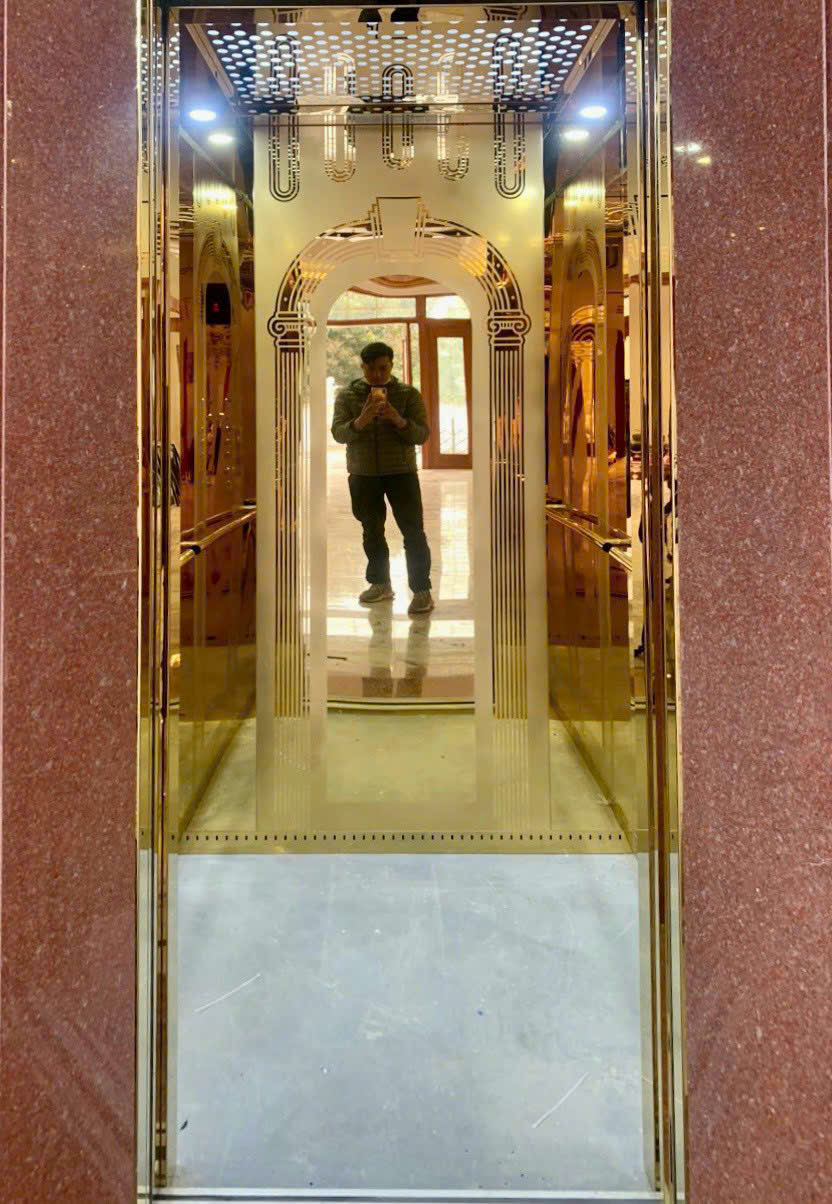
Classification of home elevators and their impact on pricing.
Home elevators are primarily classified based on their operating mechanism and design, including hydraulic elevators, cable-driven elevators, and machine-roomless (MRL) elevators. Each type has distinct characteristics in terms of performance, smoothness, and suitability for different types of buildings. Hydraulic elevators are suitable for low-rise buildings with moderate costs and simple maintenance. Cable-driven elevators are suitable for high-rise buildings, offering faster speeds and greater energy efficiency, but at a higher cost. Meanwhile, MRL elevators are a modern, space-saving solution suitable for buildings with limited space; although they are usually more expensive, they offer superior efficiency and aesthetics.
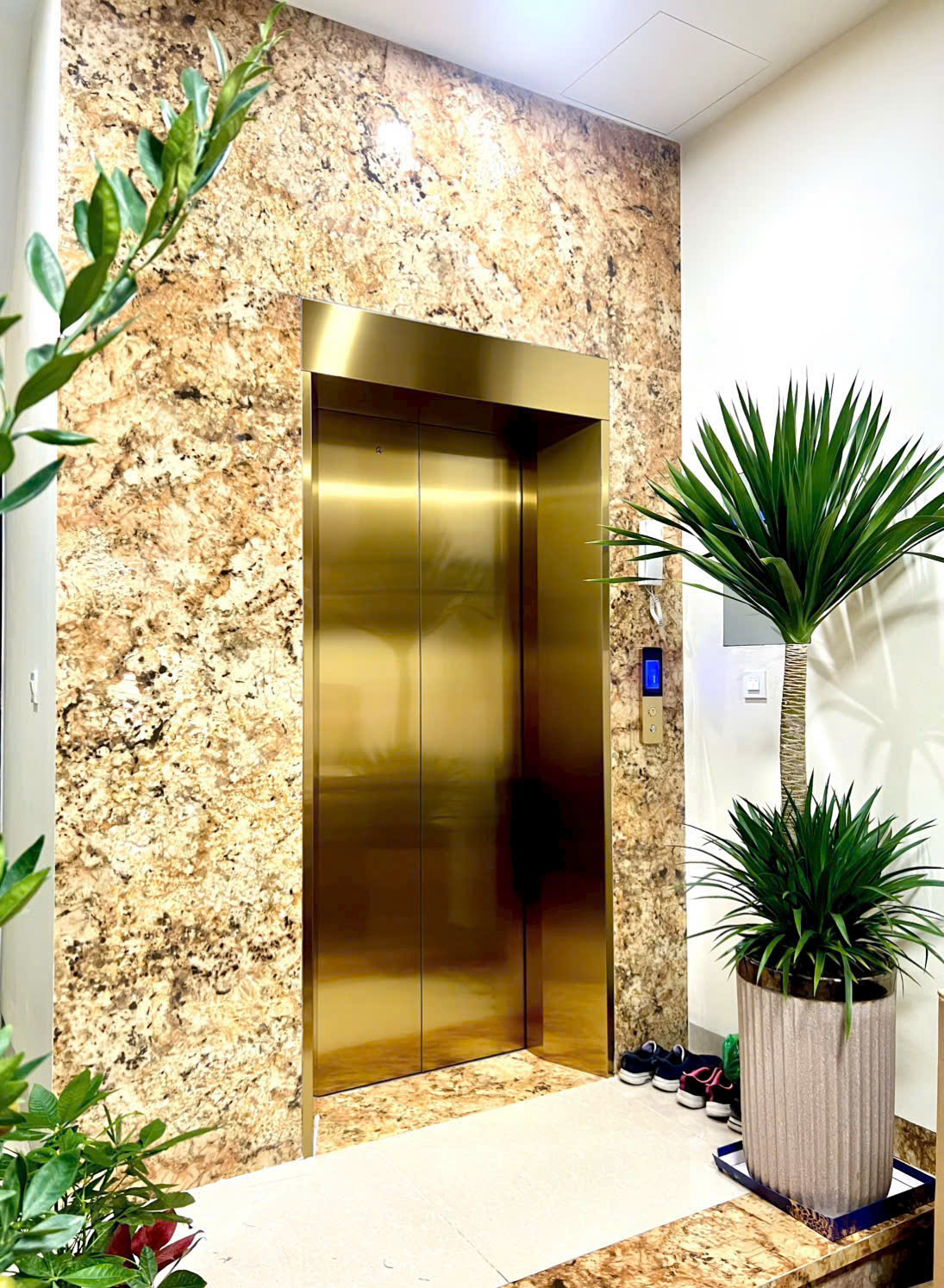
Hydraulic elevator
Hydraulic elevators use a hydraulic piston system to raise and lower the cabin. The advantages of this type of elevator include smooth operation and suitability for buildings of medium to low height, usually under 6 floors. The cost of a hydraulic elevator in Hanoi typically ranges from 250 million to 400 million VND, depending on the load capacity and cabin design. Maintenance costs are also relatively low due to their simple construction.
Cable-driven elevator
Cable-driven elevators use a cable and counterweight system to lift the cabin, suitable for buildings with more than 6 floors. This type of elevator has a faster travel speed and is more energy-efficient than hydraulic elevators. The price of cable-driven elevators in Hanoi is usually higher, ranging from 350 million to 600 million VND, depending on the motor power, number of floors served, and integrated safety features.
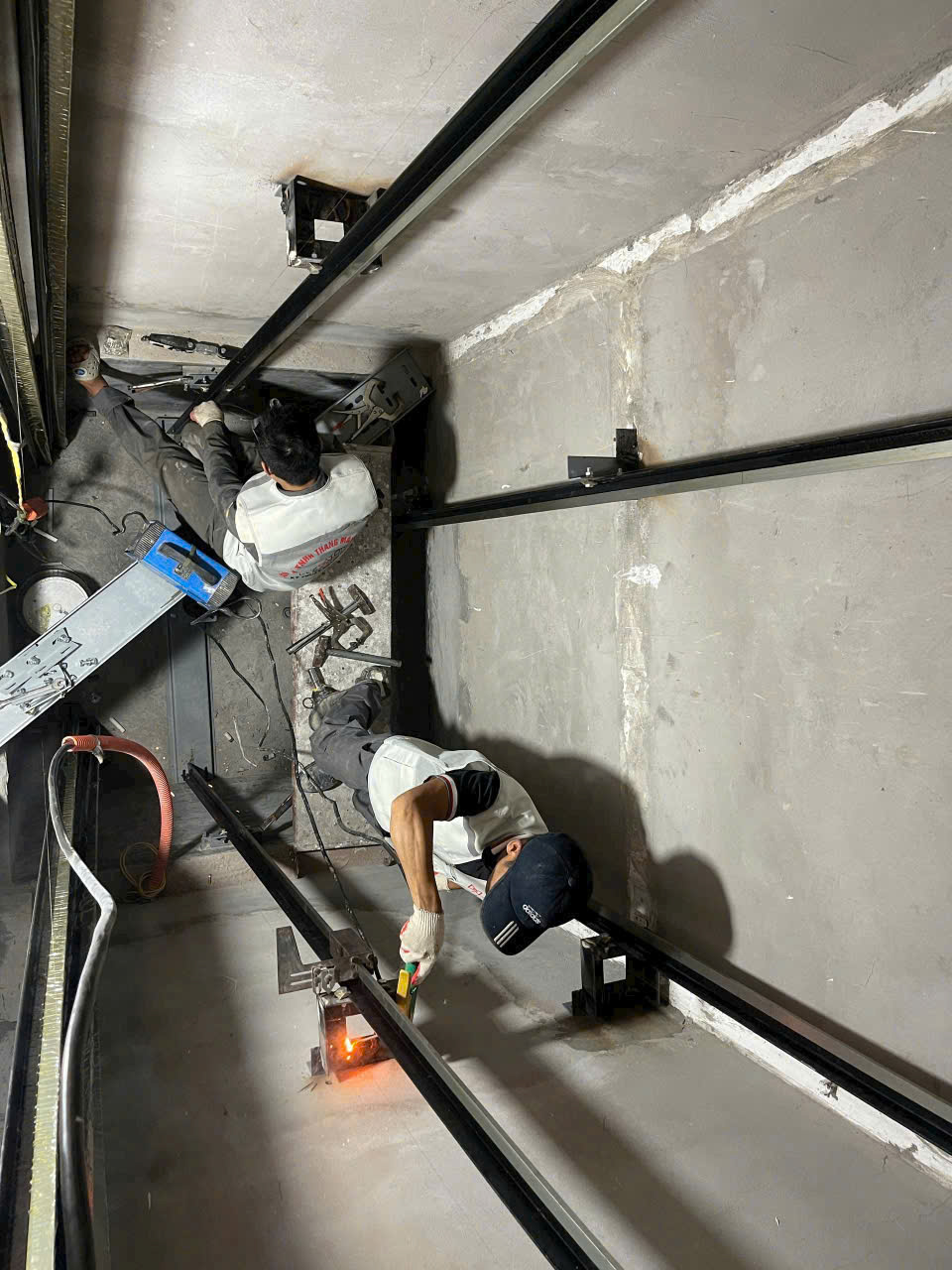
Machine Roomless Elevators (MRLs)
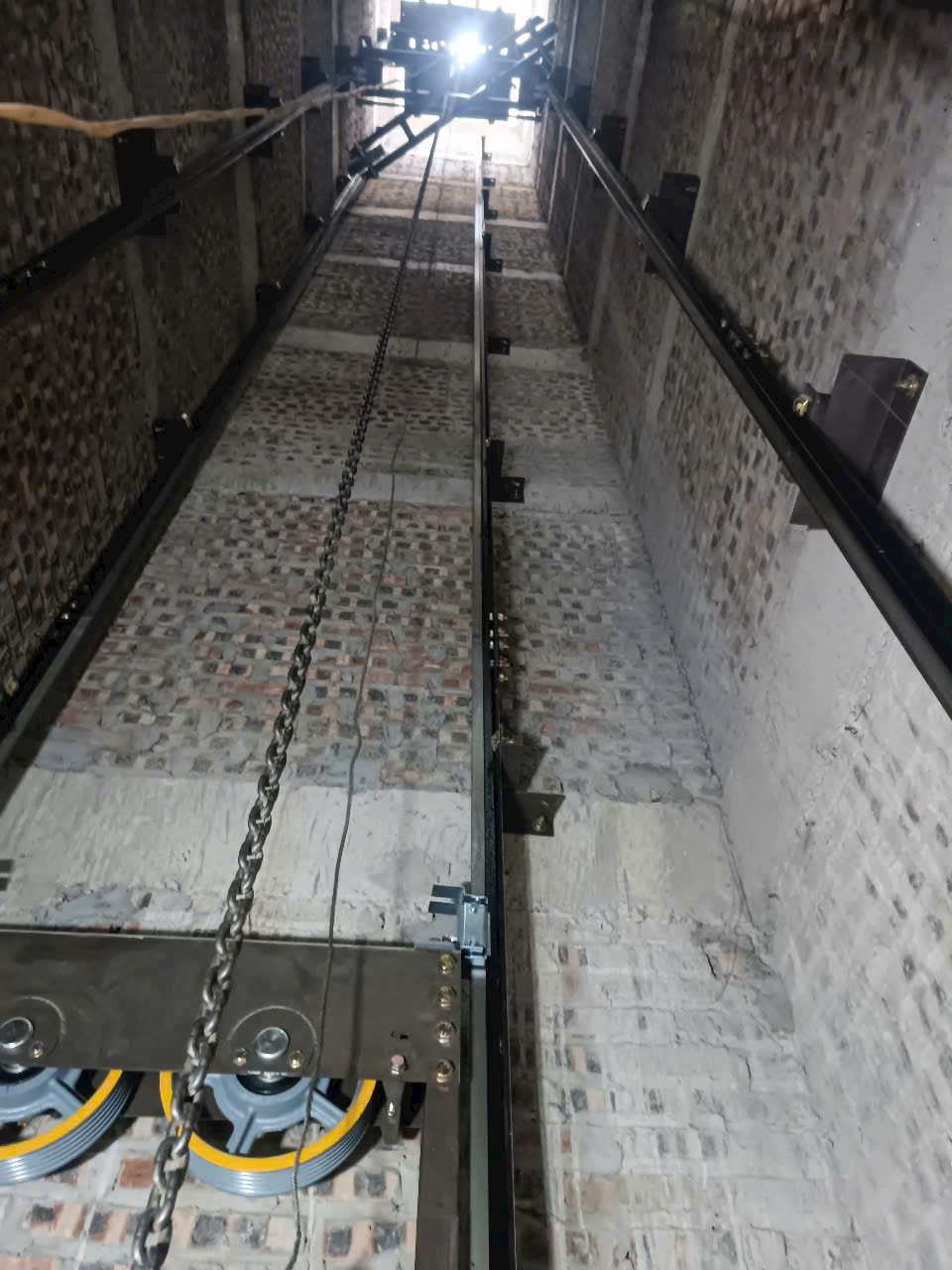
Machine-roomless elevators (MRLs) are a modern, space-saving solution suitable for buildings with limited space. These elevators utilize magnetic or cable traction technology with an optimized design, eliminating the need for a machine room on the top floor. MRL elevators in Hanoi typically cost more than traditional models, ranging from 400 million to 700 million VND, but offer superior performance and aesthetics.
Detailed factors affecting elevator pricing in Hanoi
Elevator costs in Hanoi are influenced by many detailed factors. Cabin size and load capacity determine the necessary materials and motor, directly impacting the price. Cabin materials and design also play a crucial role, with options like stainless steel or tempered glass offering different price points and styles. Modern technology and safety features such as anti-jamming sensors and automatic rescue systems enhance the user experience but also increase costs. Furthermore, installation costs depend on the complexity of the project, while regular maintenance ensures stable and long-lasting elevator operation.
Elevator size and load capacity
Cabin size and load capacity directly determine the cost of elevator production and installation. Home elevators typically have a load capacity of 250kg to 450kg, equivalent to 3-6 users. Larger cabins and higher load capacities require stronger materials, more powerful motors, and more complex safety systems, thus increasing the cost.
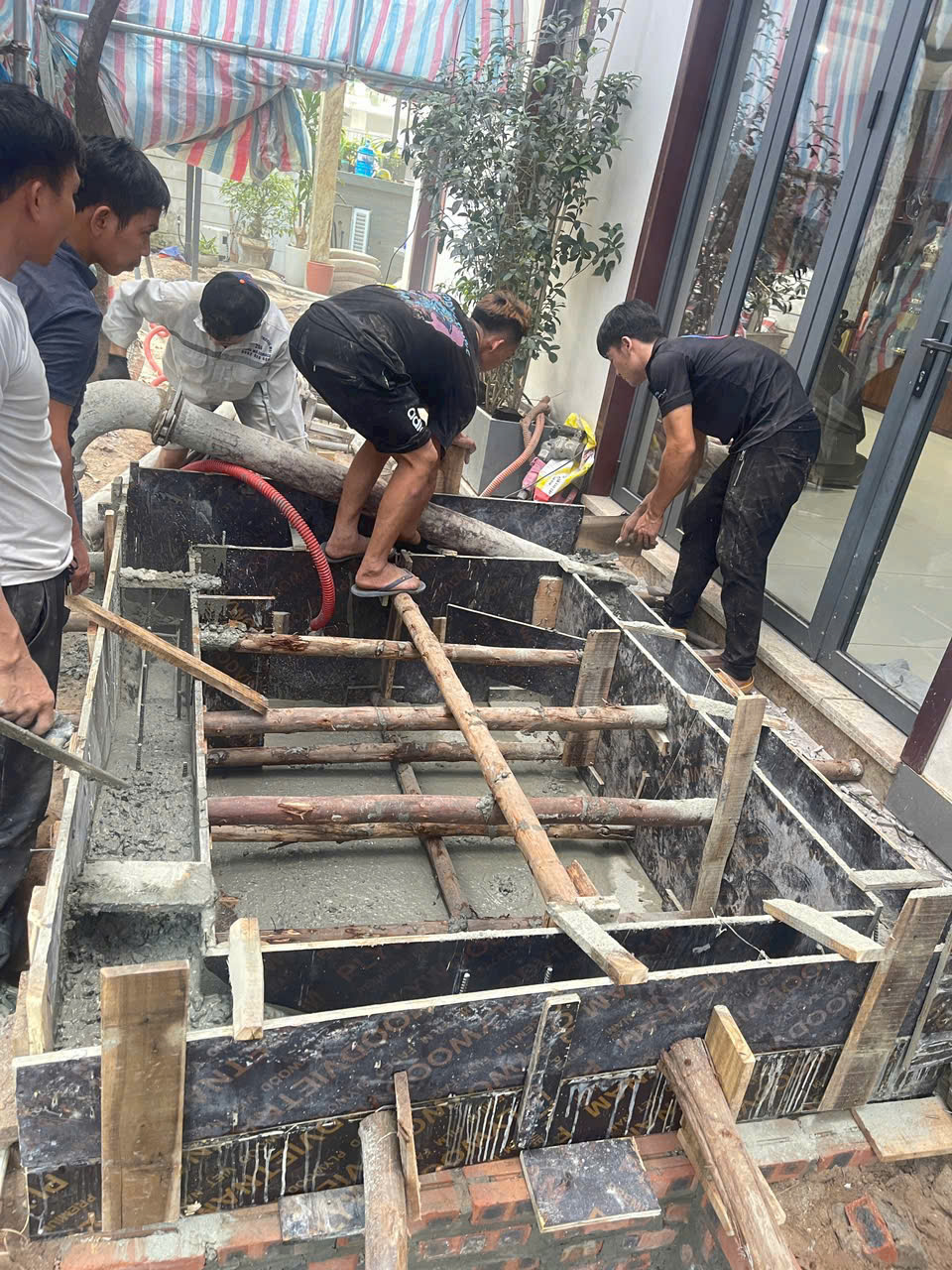
Cabin materials and design
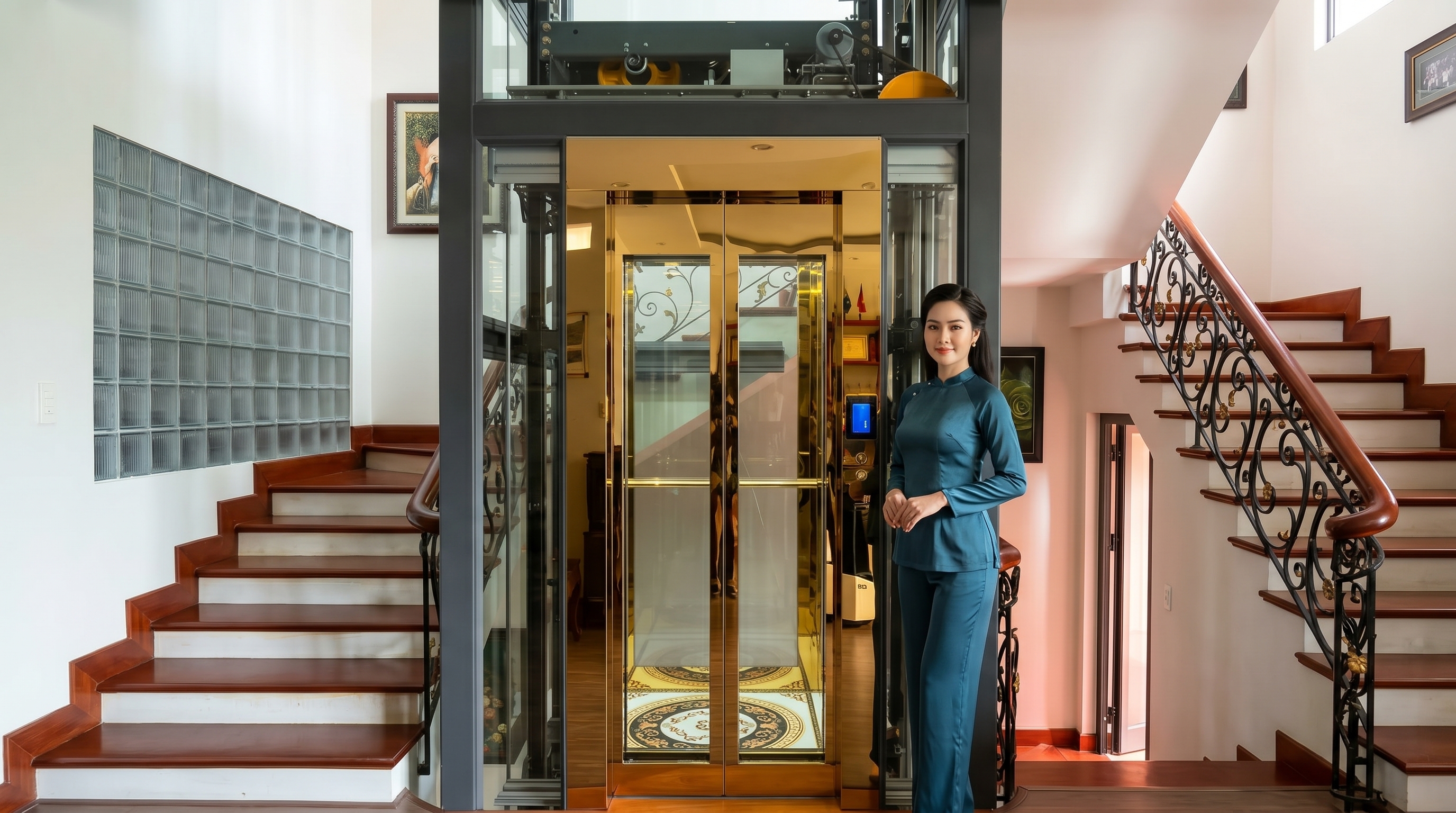
The material of the elevator cabin also significantly affects the price. Common cabin types include stainless steel, tempered glass, or a combination of both. Stainless steel cabins are highly durable and easy to maintain, but can feel cold. Glass cabins offer a modern and luxurious look, but have higher production and installation costs due to stringent technical requirements. Additionally, custom cabin interior design also increases the overall cost.
Technology and safety features
Modern home elevators incorporate many advanced technologies such as microprocessor control systems, anti-jamming sensors, automatic rescue systems in case of power failure, and remote monitoring devices. These features not only enhance the user experience but also ensure absolute safety. However, integrating these technologies will increase the initial investment cost.
Installation and maintenance costs
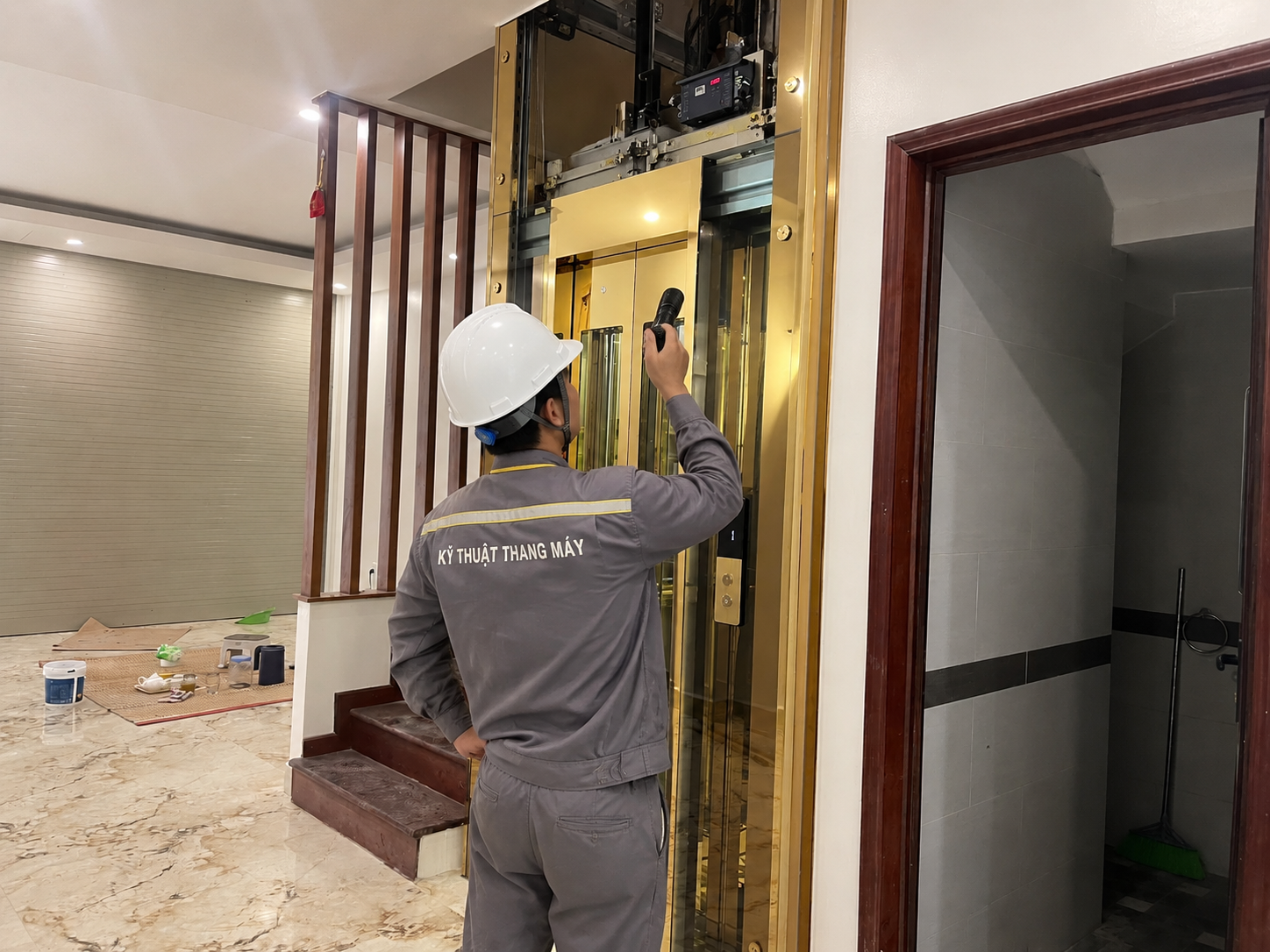
The cost of elevator installation in Hanoi depends on the complexity of the building, the installation location, and the technical requirements. Buildings with complex structures or requiring extensive renovations will be more expensive. In addition, regular maintenance services are also a factor to consider in the total cost of elevator ownership. Reputable suppliers usually offer comprehensive maintenance packages to ensure the elevator operates reliably and safely in the long term.
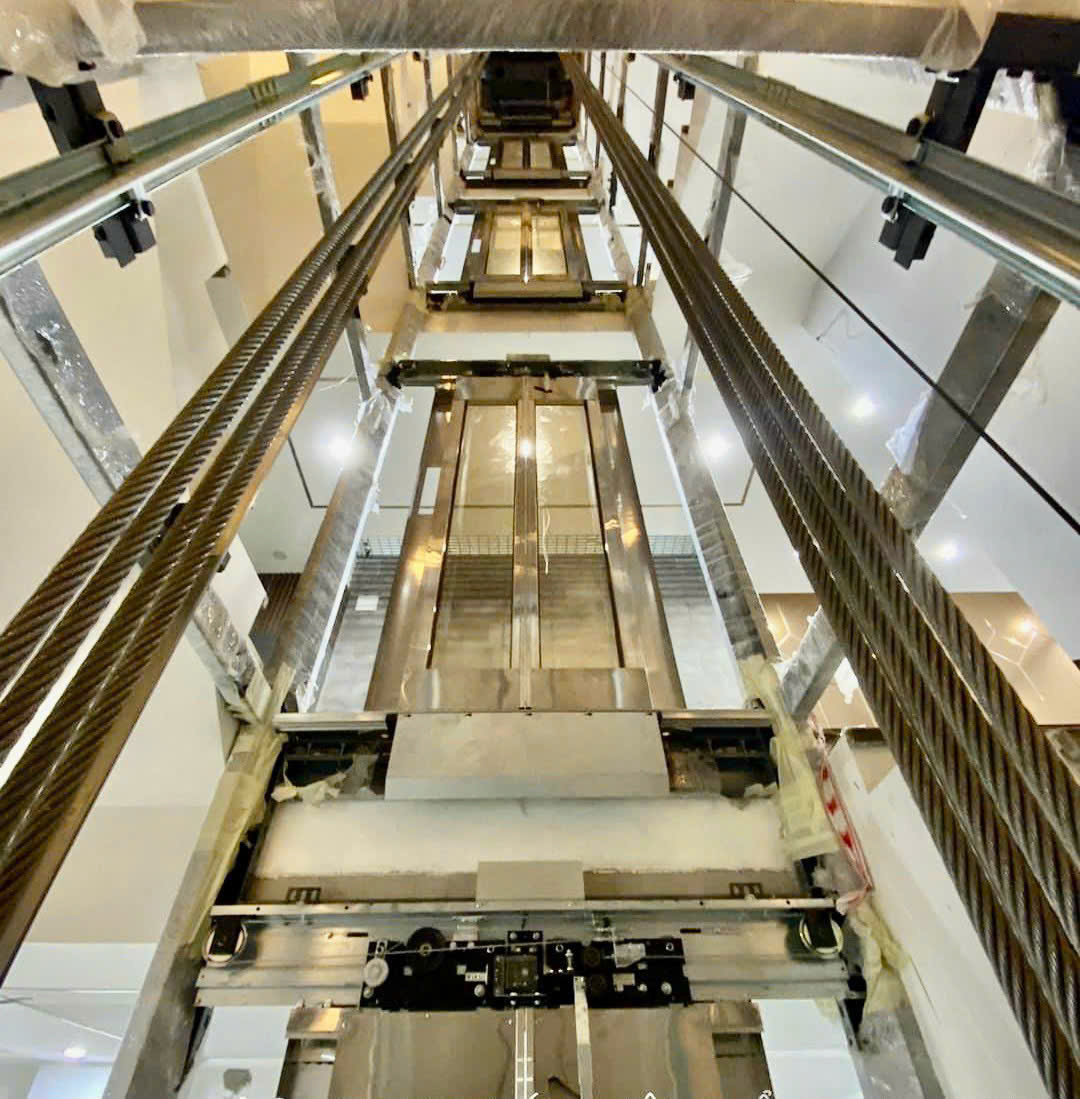
List of factors to consider when requesting elevator quotes in Hanoi.
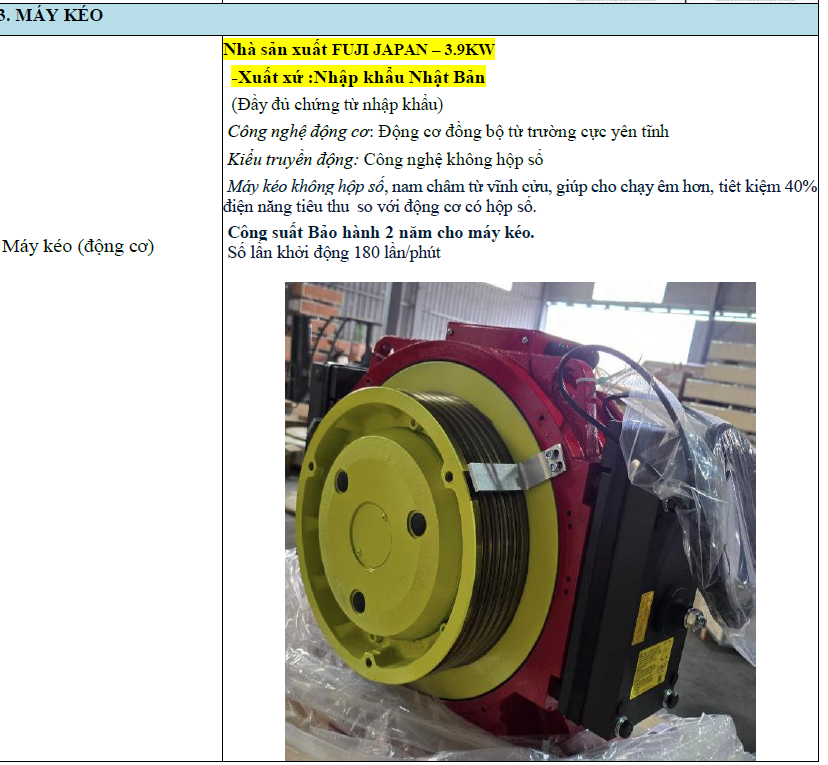
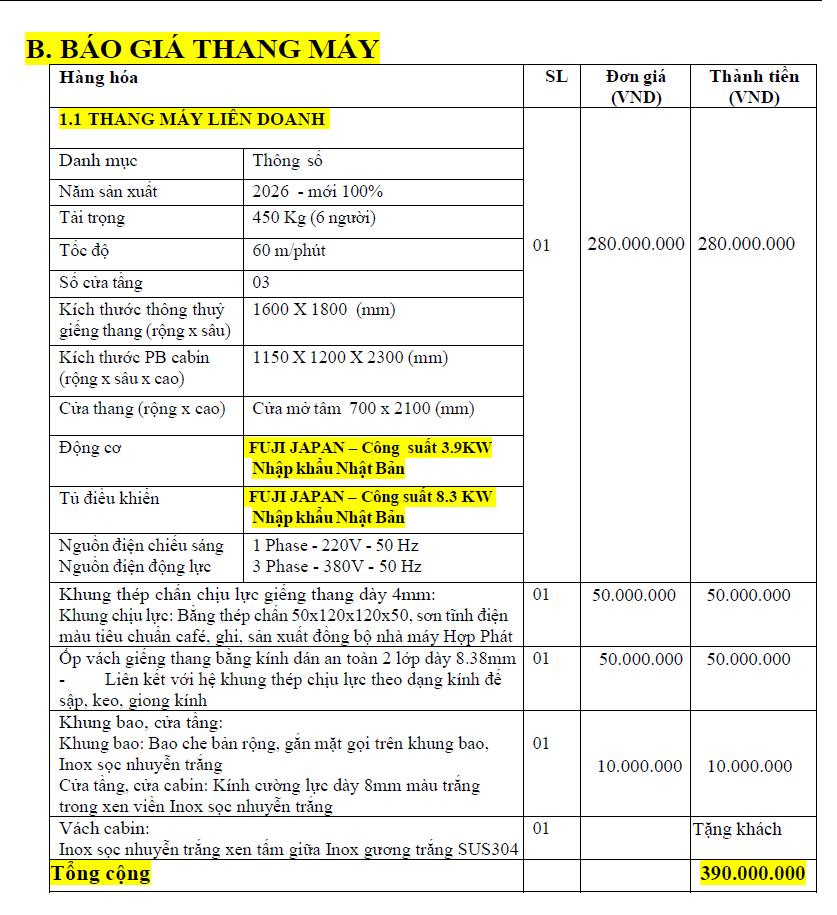
- Elevator type: hydraulic, cable-driven, machine roomless (MRL).
- Cabin load capacity and dimensions: tailored to usage requirements and building area.
- Cabin materials and design: stainless steel, glass, or a combination.
- Integrated technology: control systems, safety, and automated rescue.
- Installation costs: depend on the structure and installation location.
- Maintenance services: frequency and scope of scheduled maintenance.
- Brands and suppliers: reputation, warranty, and after-sales service.