Elevator machine room price quotation in Hanoi
Elevator machine room price quotation in Hanoi
An overview of elevator machine rooms.
Machine room elevators are a traditional type of elevator where the traction system is housed in a separate machine room at the top of the building. This is a common solution for high-rise buildings in Hanoi, especially office buildings, apartment buildings, and hotels. The machine room location helps reduce noise, increase equipment lifespan, and facilitate maintenance and repair. However, the initial investment cost and the space required for the machine room are also factors that need careful consideration when choosing this type of elevator.
Factors affecting the pricing of elevator machine rooms in Hanoi.
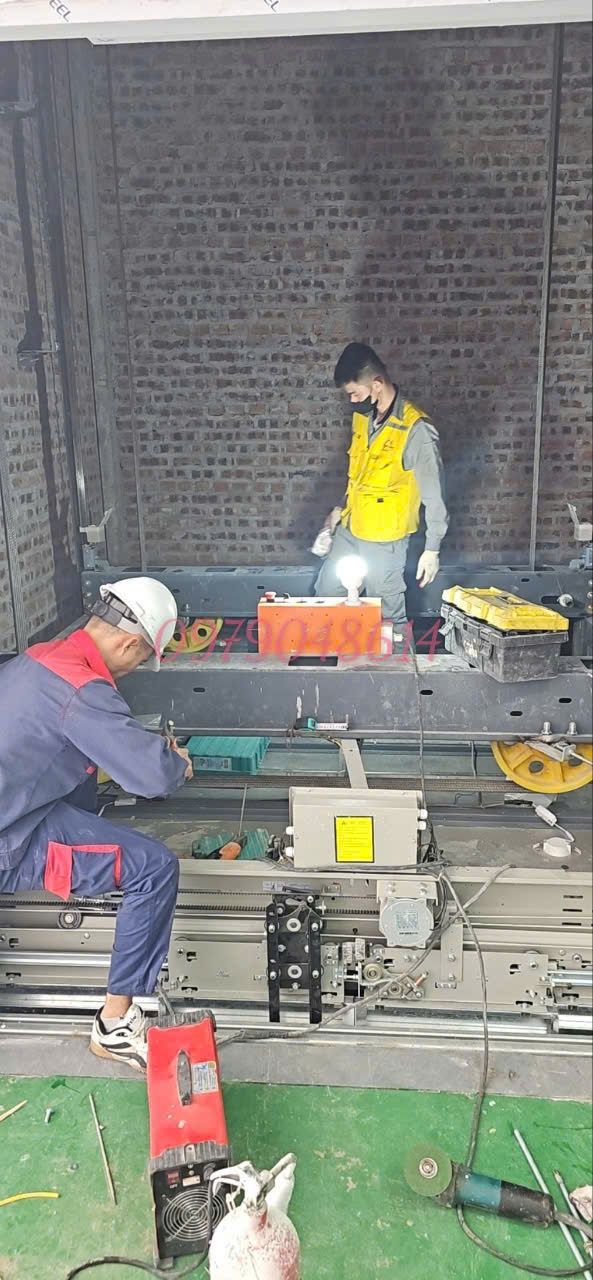
The price of elevator machine rooms in Hanoi is influenced by many technical and design factors. Power and load capacity are important parameters; larger loads require more powerful motors, increasing costs. Floor height and operating speed also have a significant impact, with greater height requiring additional support equipment and higher speeds demanding a more complex system. Furthermore, cabin design and materials used contribute to the price, with high-quality materials and luxurious designs increasing product value. The combination of these factors results in a price quote that suits the needs and actual conditions.
1. Elevator capacity and load
Capacity and load capacity are two important technical parameters that determine the cost of a machine room elevator. Elevators commonly have load capacities ranging from 350kg to 1000kg, equivalent to 4 to 13 people. The larger the load capacity, the more powerful the motor and traction system, leading to higher costs. For example, a 350kg capacity elevator is usually about 20-30% cheaper than a 1000kg one due to different technical requirements and materials.
2. Floor height and operating speed
The building's floor height directly affects the elevator's travel height. Machine room elevators can operate at heights of up to 50 meters or more; however, costs increase with height due to the need for additional traction cables, guide rails, and safety systems. Operating speed is also a crucial factor, typically ranging from 0.6 m/s to 1.75 m/s. Higher speeds mean more powerful motors and more complex control systems, increasing the overall cost.
3. Cabin design and materials used
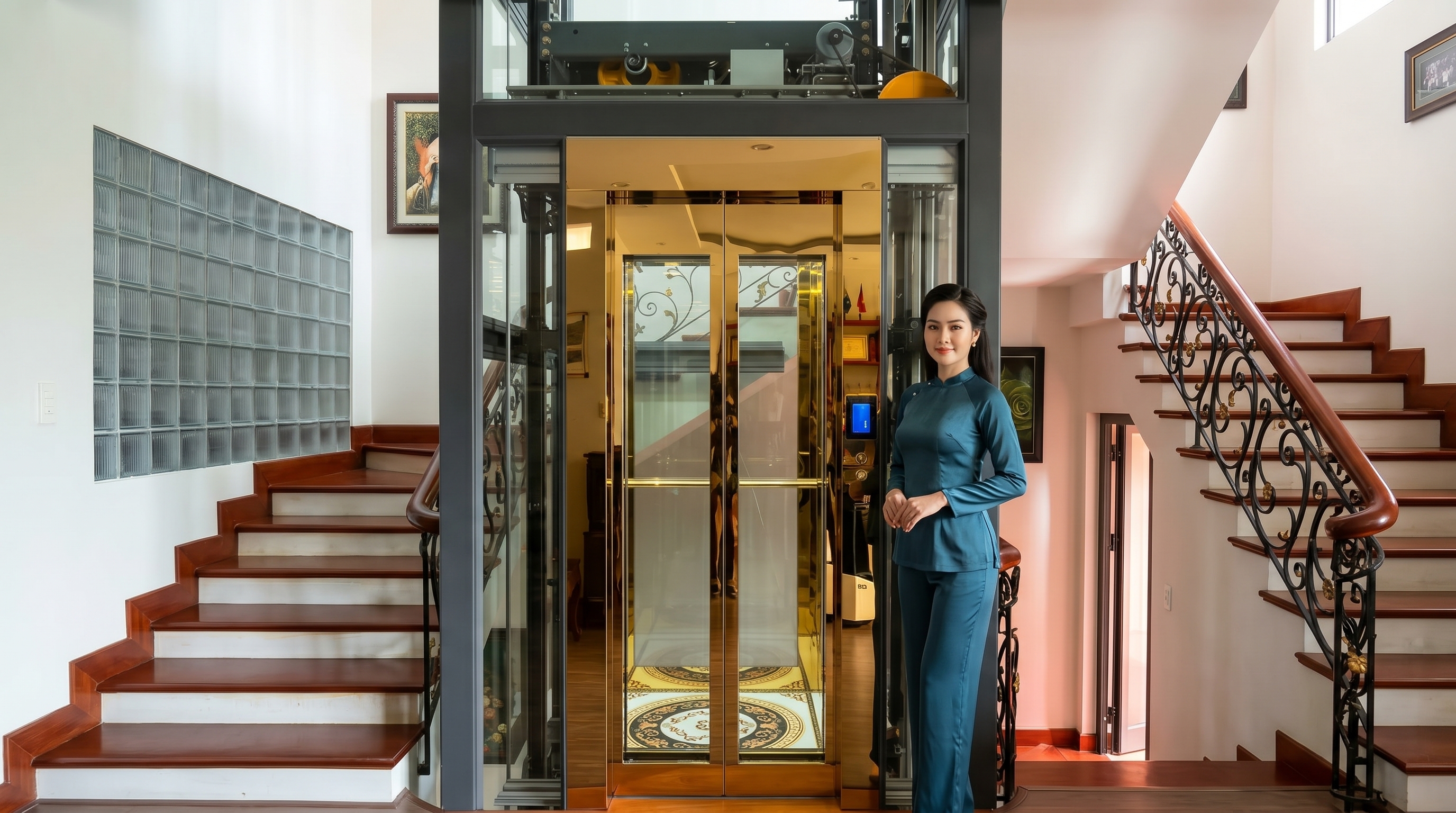
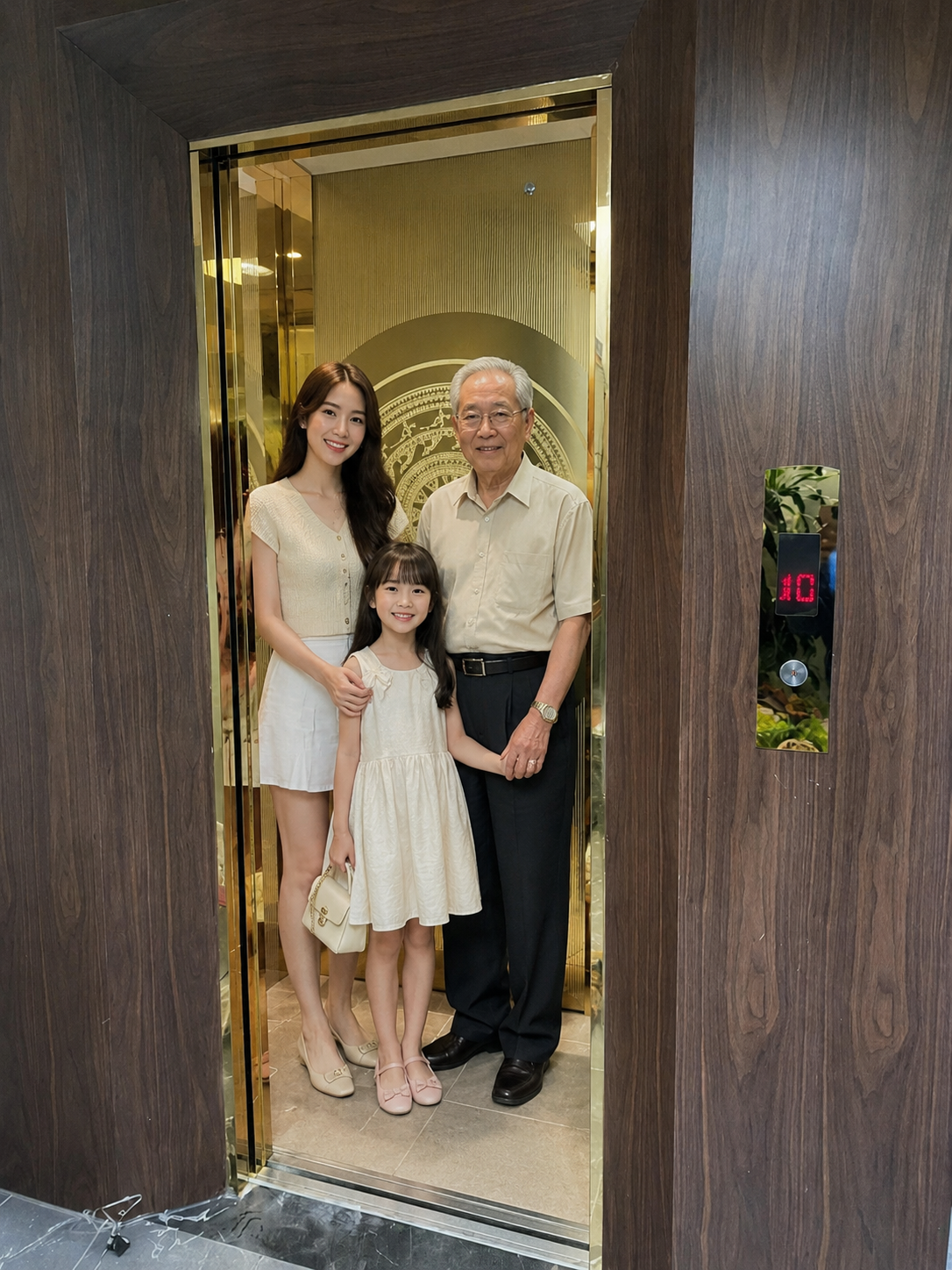
Elevator machine room cabin designs vary in style, size, and finishing materials. Common materials include stainless steel, tempered glass, engineered wood, and powder-coated steel. High-end cabins with luxurious designs, integrated LED lighting, mirrors, and ventilation systems will have a higher price than standard cabins. Additionally, cabin size also affects the cost due to its relationship with materials and frame structure.
Details of the structure and main components that affect the price of elevator machine rooms.
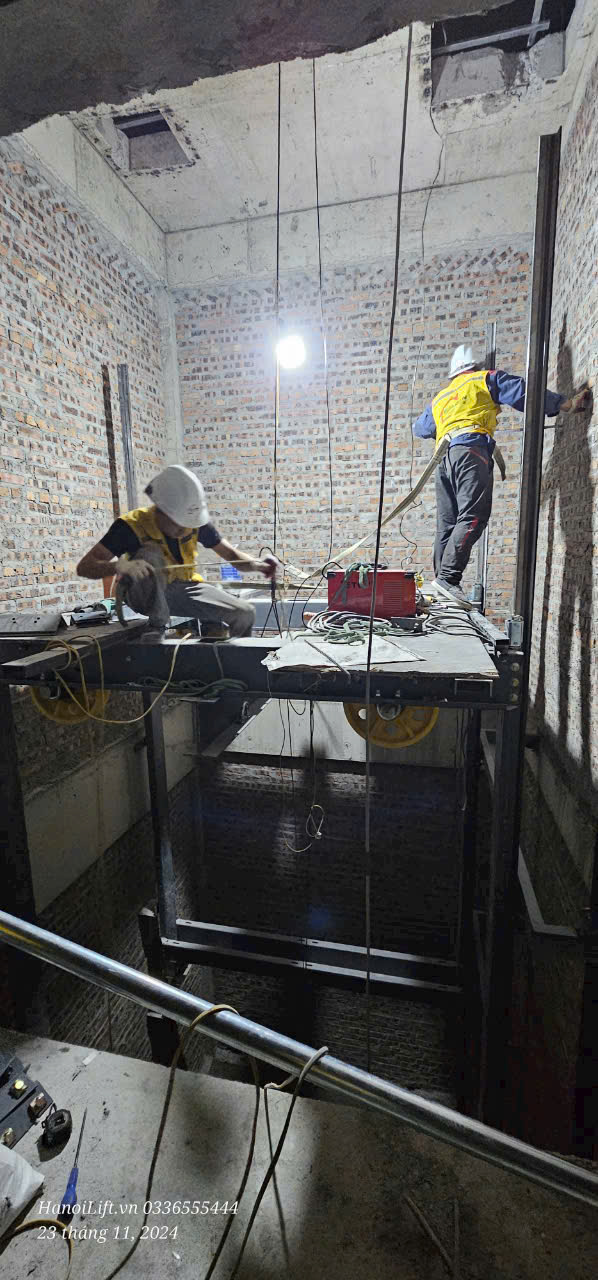
The machine room elevator is composed of many important parts that directly affect the cost and operating efficiency. The traction system is the central control unit for movement, with two main types: geared and gearless traction machines, each with its own advantages and disadvantages in terms of cost, noise level, and energy saving. The control and safety systems include advanced electronic devices and sensors, ensuring accurate operation and user protection, while also enhancing equipment durability. Guide rails and hoisting cables are responsible for keeping the cabin moving stably and safely, with the materials and installation techniques determining the smoothness and durability during use.
1. Traction system (Motor and gearbox)
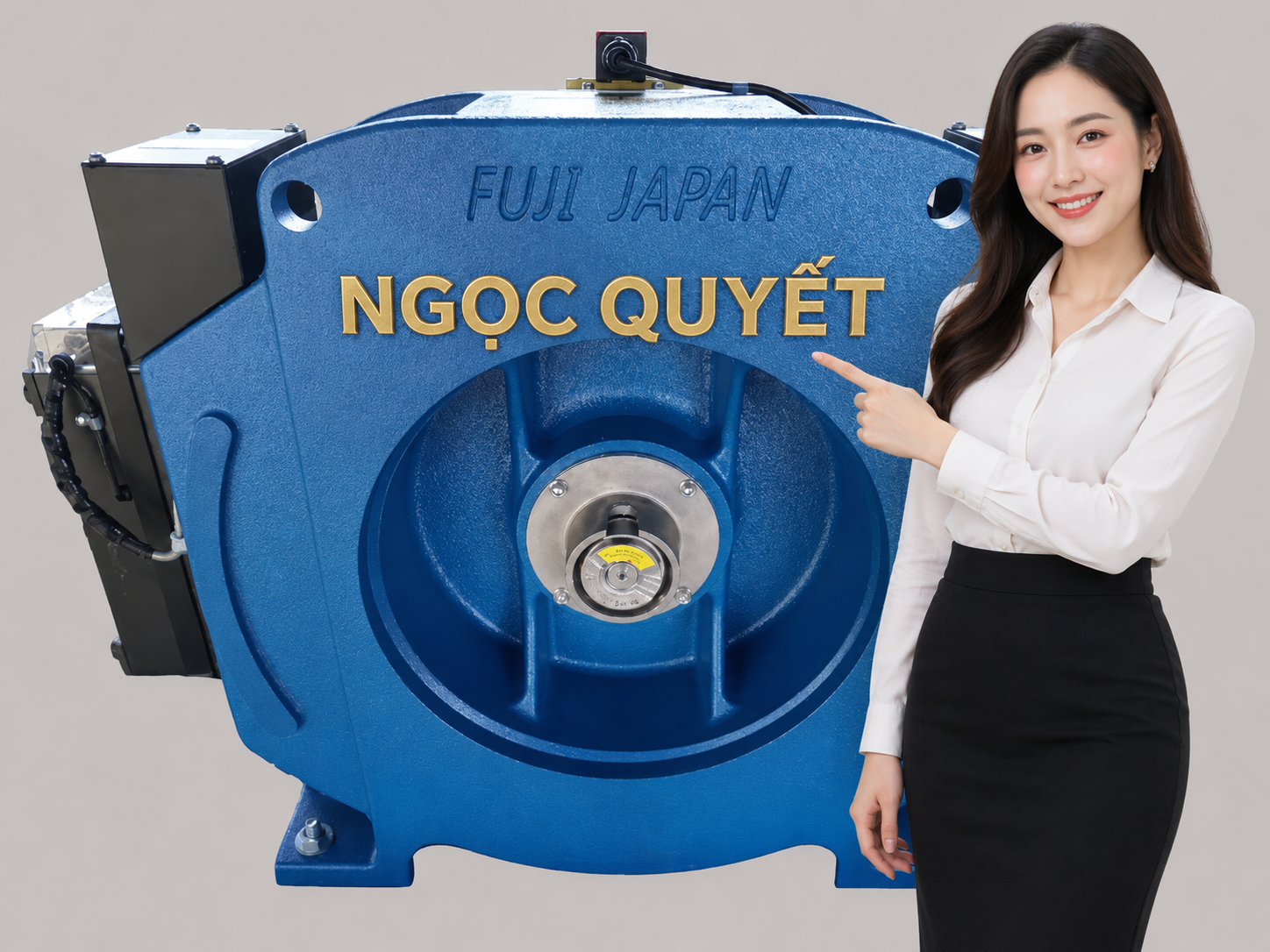
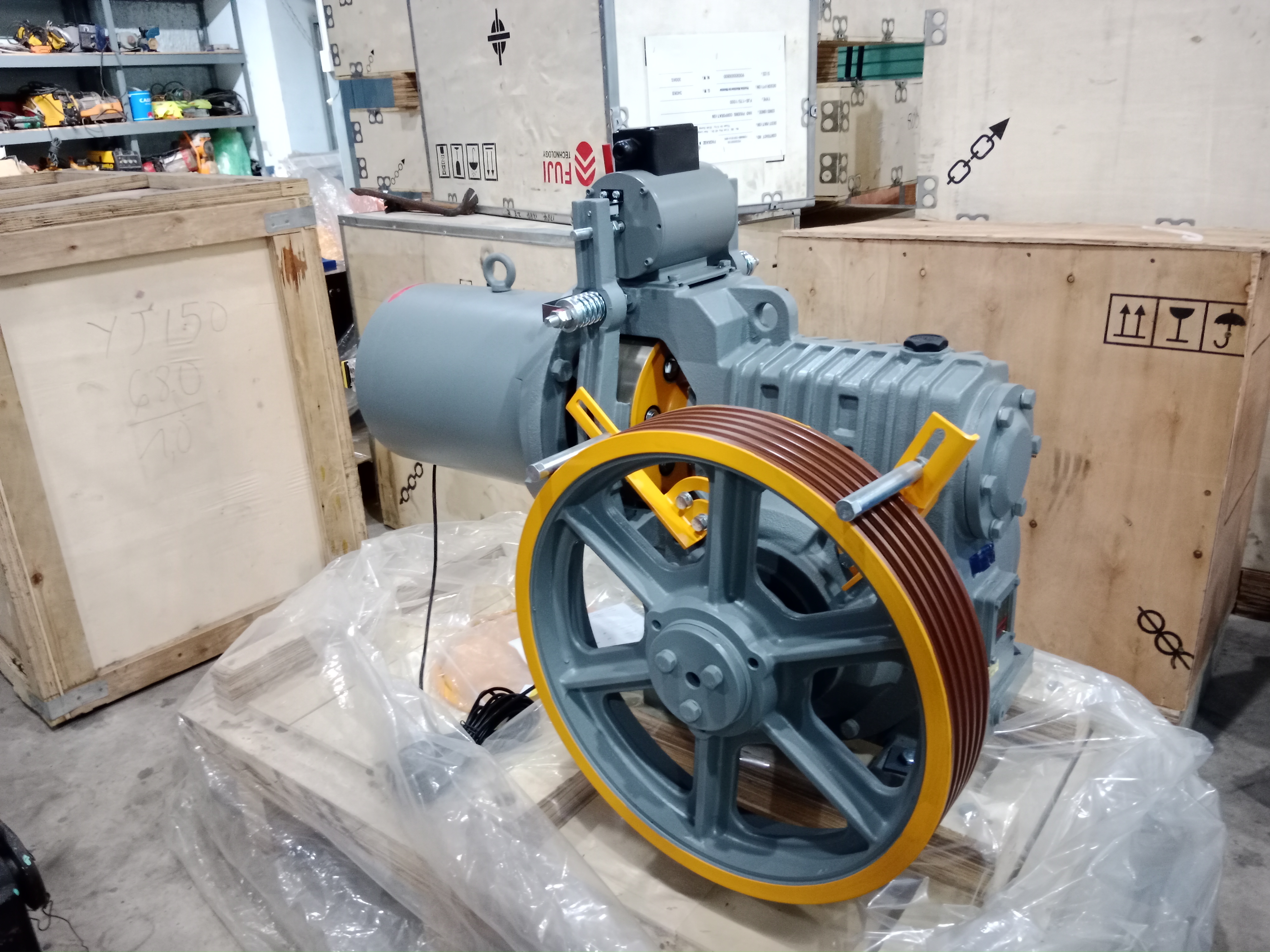
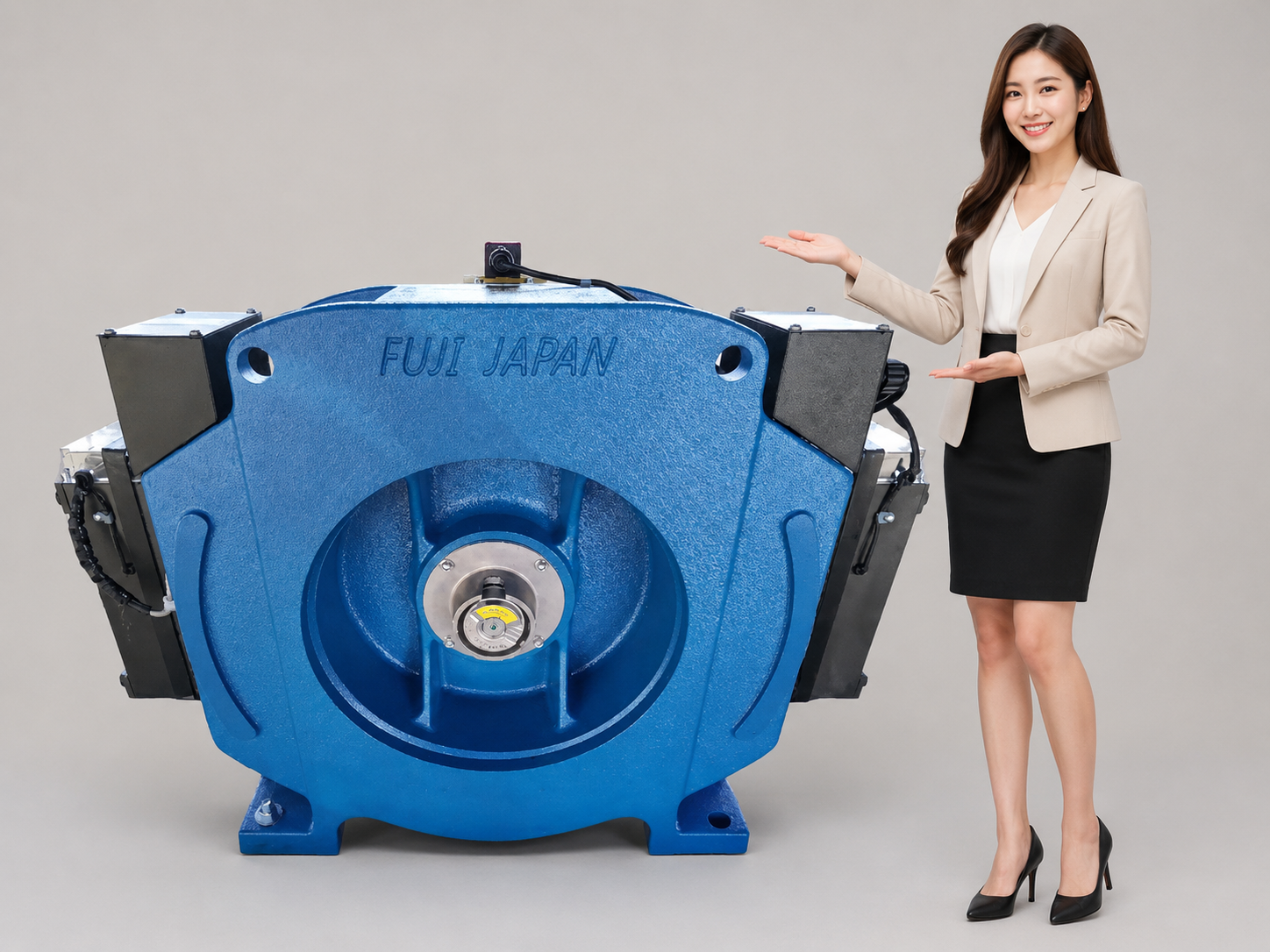
The traction machine is the heart of the elevator machine room , determining the equipment's performance and durability. There are two common types of traction machines: geared traction machines and gearless traction machines (magnetic traction machines). Geared traction machines are generally cheaper but noisier and consume more electricity. Gearless traction machines are more modern, operate smoothly, and are more energy-efficient, but have a higher initial investment cost (15-25%).
2. Controllers and safety systems
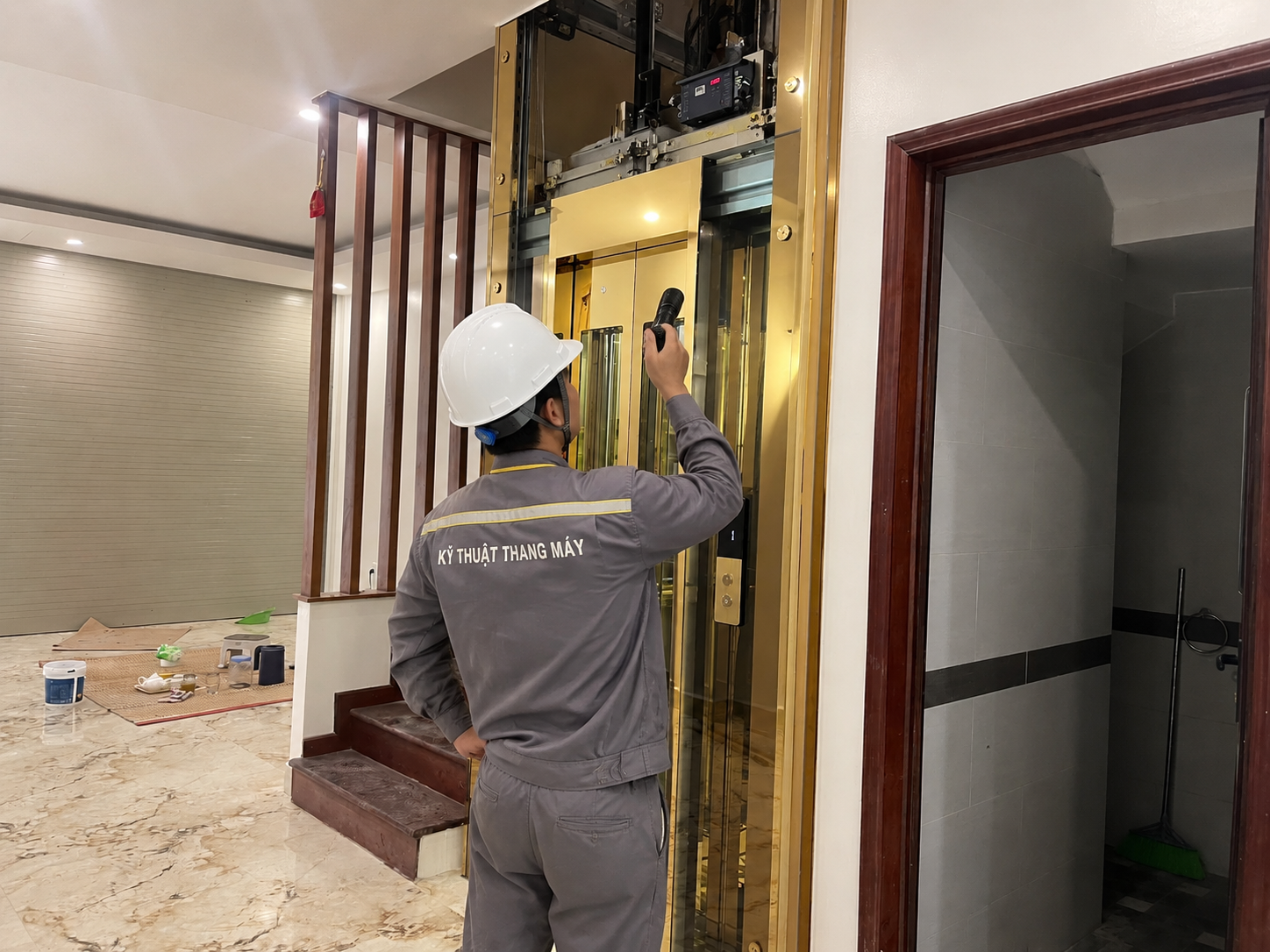
The elevator machine room control system comprises electronic circuit boards, sensors, and operational management software. This system ensures the elevator operates accurately, safely, and efficiently. Safety features such as door sensors, electromagnetic brakes, automatic rescue systems, and speed limiters are mandatory. The use of advanced control technologies such as PLCs or microprocessors increases costs but also enhances reliability and equipment lifespan.
3. Guide rails and hoisting cables
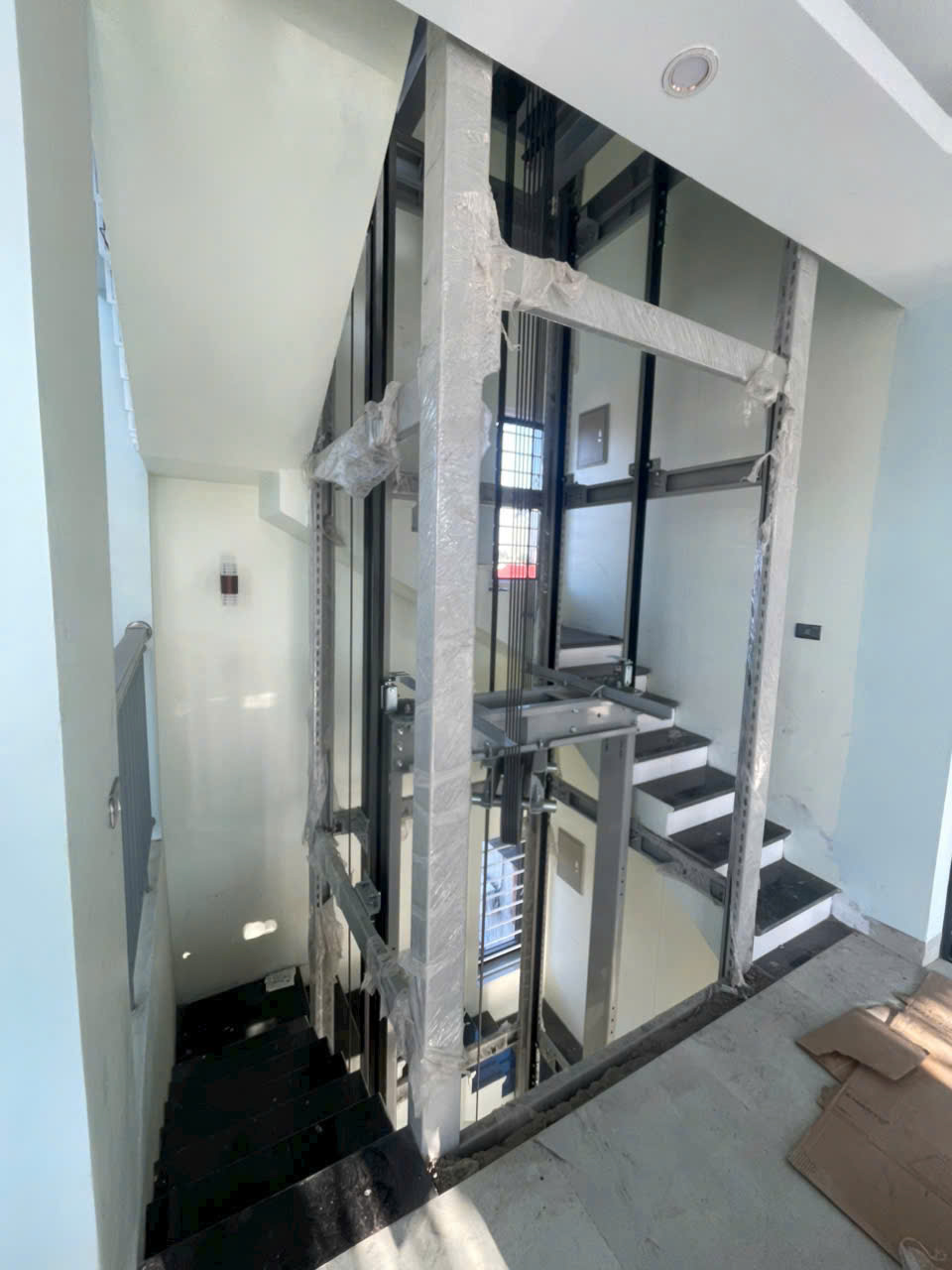
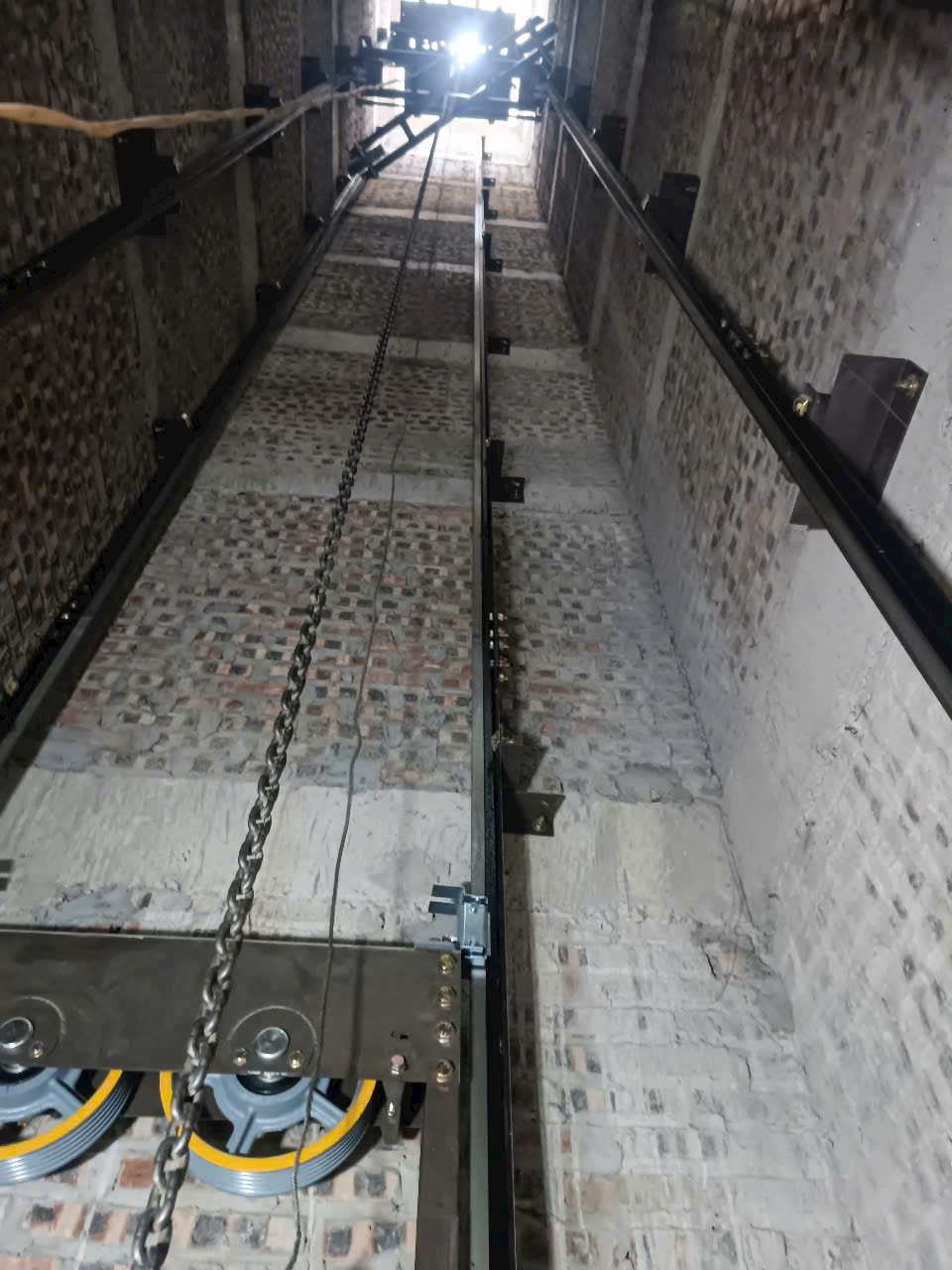
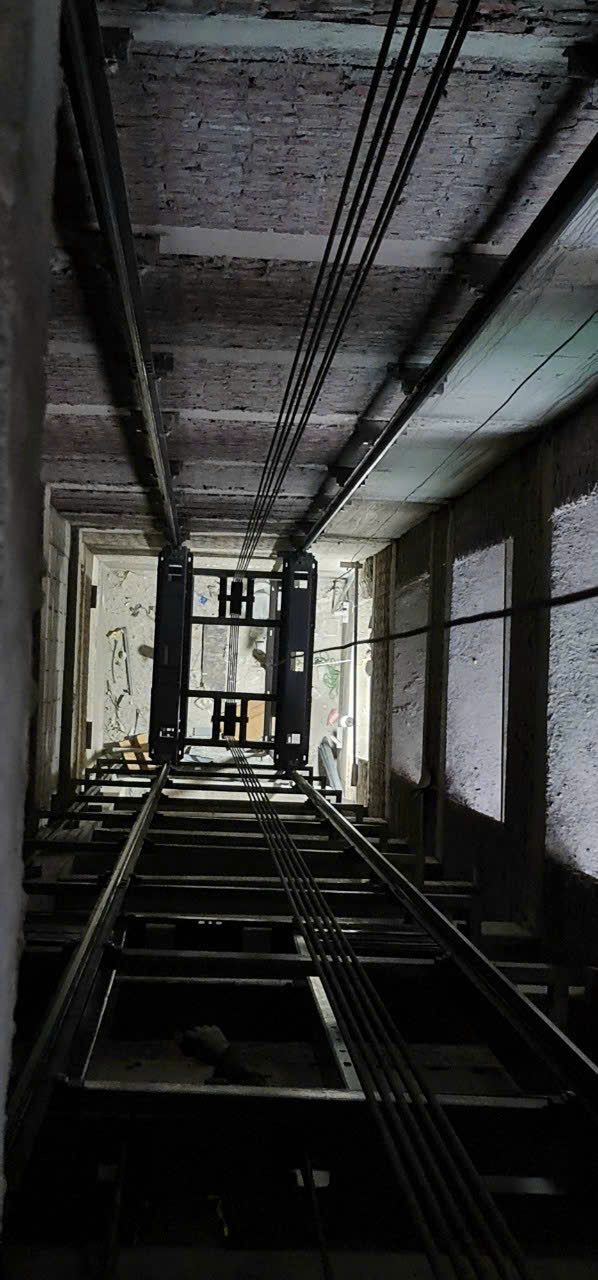
Guide rails ensure stable movement of the elevator cabin and counterweight within the shaft. The quality of the rails and the installation method affect the smoothness and safety of operation. The load-bearing cables, which support the cabin and counterweight, are typically made from high-grade alloy steel with good wear resistance and tensile strength. Selecting the appropriate rails and cables for the load capacity and operating height is a crucial factor in the pricing of elevator machine room systems.
Reference price list for elevator machine rooms in Hanoi.
Below is a price list for common types of machine room elevators in Hanoi; prices may vary depending on technical requirements and supplier:
- Elevator with a load capacity of 350kg (4 people): from 250 million to 350 million VND
- Elevator with a load capacity of 450kg (6 people): from 300 million to 400 million VND
- Elevator with a load capacity of 630kg (8 people): from 400 million to 550 million VND
- Elevator with a load capacity of 1000kg (13 people): from 600 million to 800 million VND
The price includes equipment, installation, and basic warranty costs. However, factors such as special cabin design, premium materials, intelligent control systems, or complex construction requirements will increase the cost. Additionally, the cost of regular maintenance and upgrades should also be factored into the overall investment budget.