Elevator price quotation for joint ventures in Hanoi
Elevator Price List for Joint Ventures in Hanoi: Market Overview
Joint venture elevators in Hanoi are becoming a popular choice for many construction projects, from residential and office buildings to commercial buildings. Unlike fully imported elevators, joint venture elevators are manufactured and assembled in Vietnam using a combination of imported and domestically produced components, optimizing costs while maintaining quality. Pricing for joint venture elevators depends on several factors, including the type of elevator, load capacity, number of floors served, technology used, and the specific technical requirements of each project.

Factors Affecting Elevator Pricing in Joint Ventures
The price of a joint-venture elevator depends on several important factors. First, the type of elevator and its load capacity determine the technical configuration and cost, with larger loads meaning higher costs due to the requirements for the motor and structure. Next, the technology and equipment used also have a significant impact; choosing high-end imported equipment improves durability and safety but increases the price. Finally, the building height and number of floors served require a more complex system, from longer cables to more powerful motors, while also adhering to stricter safety standards, thus increasing the overall investment cost.
Elevator Type and Load Capacity
Joint venture elevators are classified based on their intended use and load capacity. Common types include passenger elevators, freight elevators, home elevators, and hospital elevators. Elevator load capacities typically range from 300kg to 2000kg or more, depending on usage requirements. Higher load capacities result in higher costs due to the need for more robust motors, cables, and frame structures.
Technology and Equipment Used
Joint venture elevator technology in Hanoi is constantly improving with the application of equipment imported from countries with developed elevator industries such as Japan, South Korea, and Germany. Important components include motors, control systems, safety systems, elevator doors, and cabins. Choosing high-end equipment increases costs but simultaneously enhances durability, safety, and user experience.
Building Height and Number of Service Floors
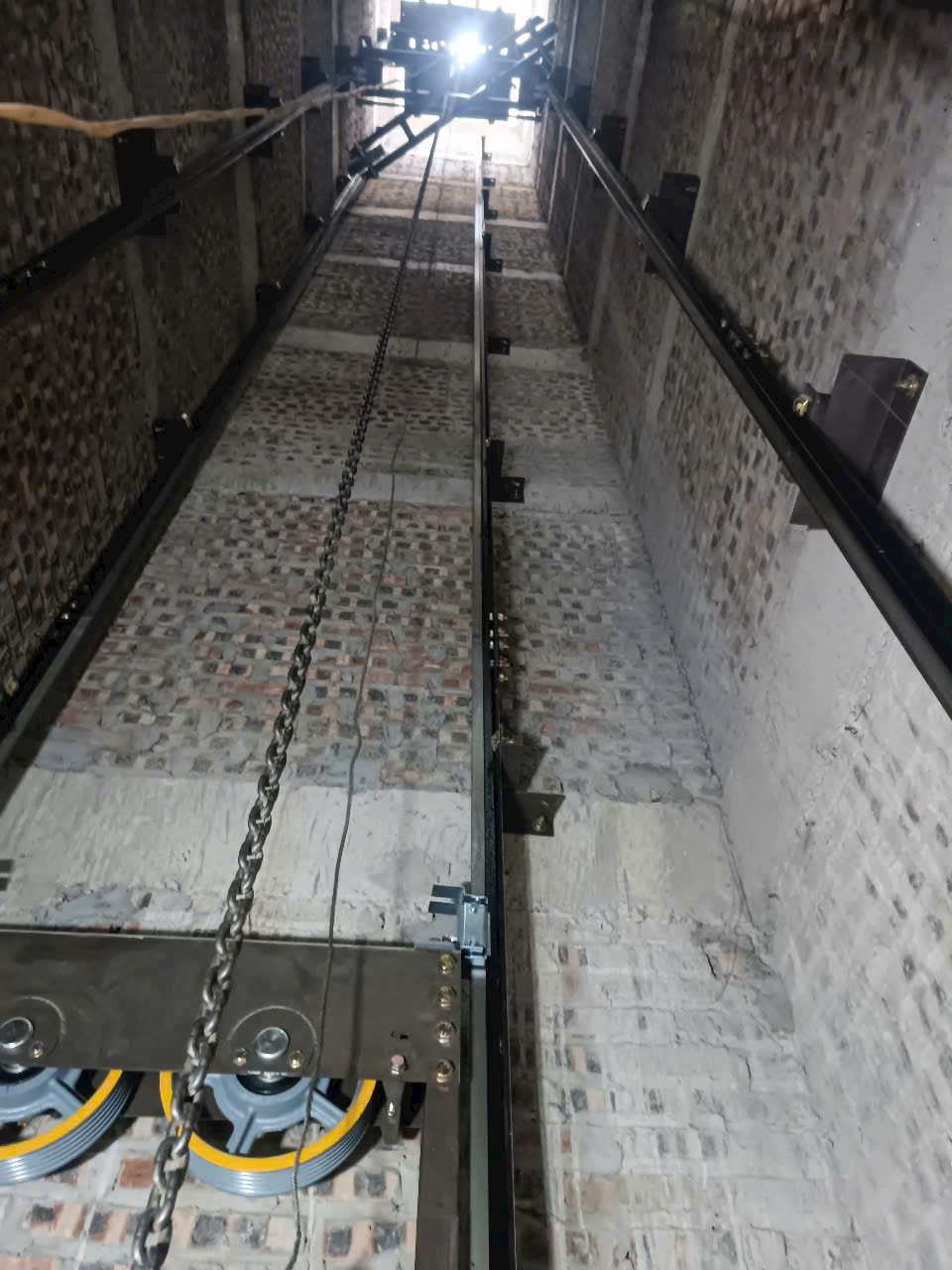
The building height and number of floors served are important factors affecting the pricing of joint venture elevators. Elevators serving many floors will require longer cables, more powerful motors, and a more complex control system to ensure stable operation. In addition, high-rise buildings require stricter safety standards, leading to increased investment costs.
Cost Components in Joint Venture Elevator Quotations
Elevator cost estimates for joint ventures include many important components. A large portion of the cost is concentrated on equipment and materials such as motors, controllers, cabins, doors, and safety systems, ensuring performance and durability. In addition, installation and operating costs also account for a significant proportion, including labor, support equipment, and testing and calibration procedures to ensure stable and safe elevator operation. Finally, maintenance and after-sales costs play a crucial role in maintaining long-term performance, including inspection, cleaning, and replacement of worn components, directly impacting the total cost of elevator ownership.
Equipment and Supplies Costs
The majority of the cost in a joint venture elevator quotation is the cost of equipment and materials. This includes:
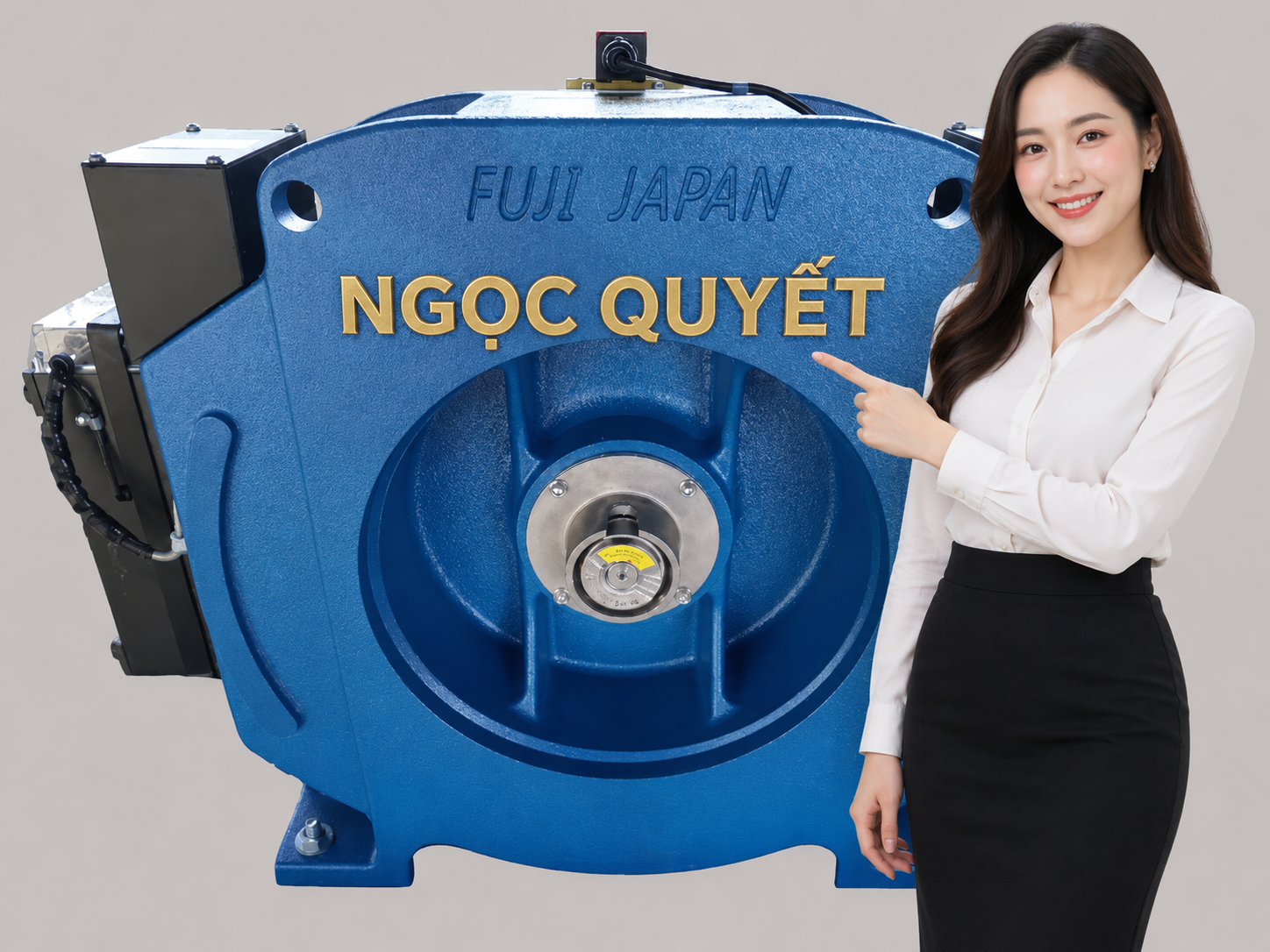
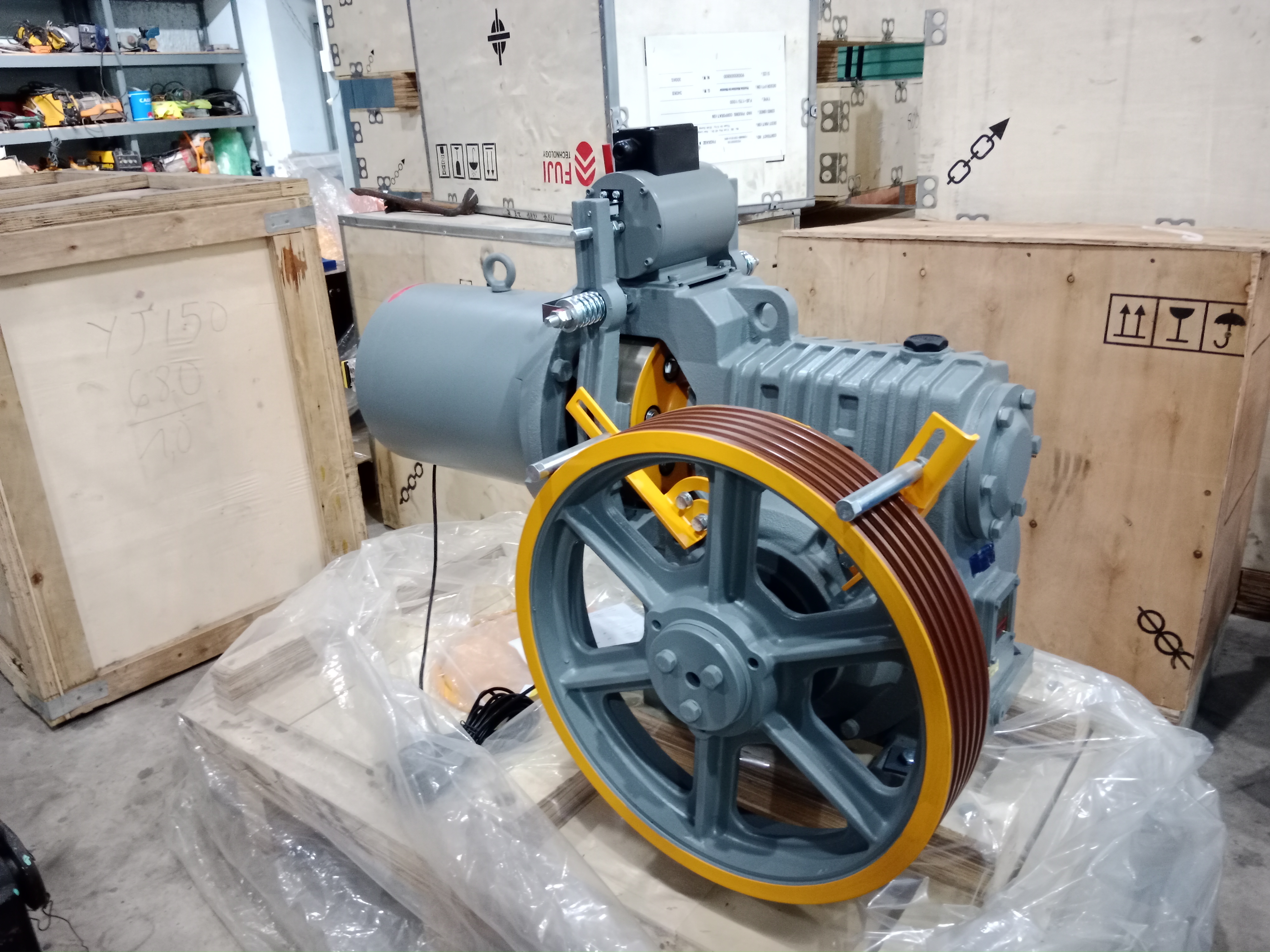
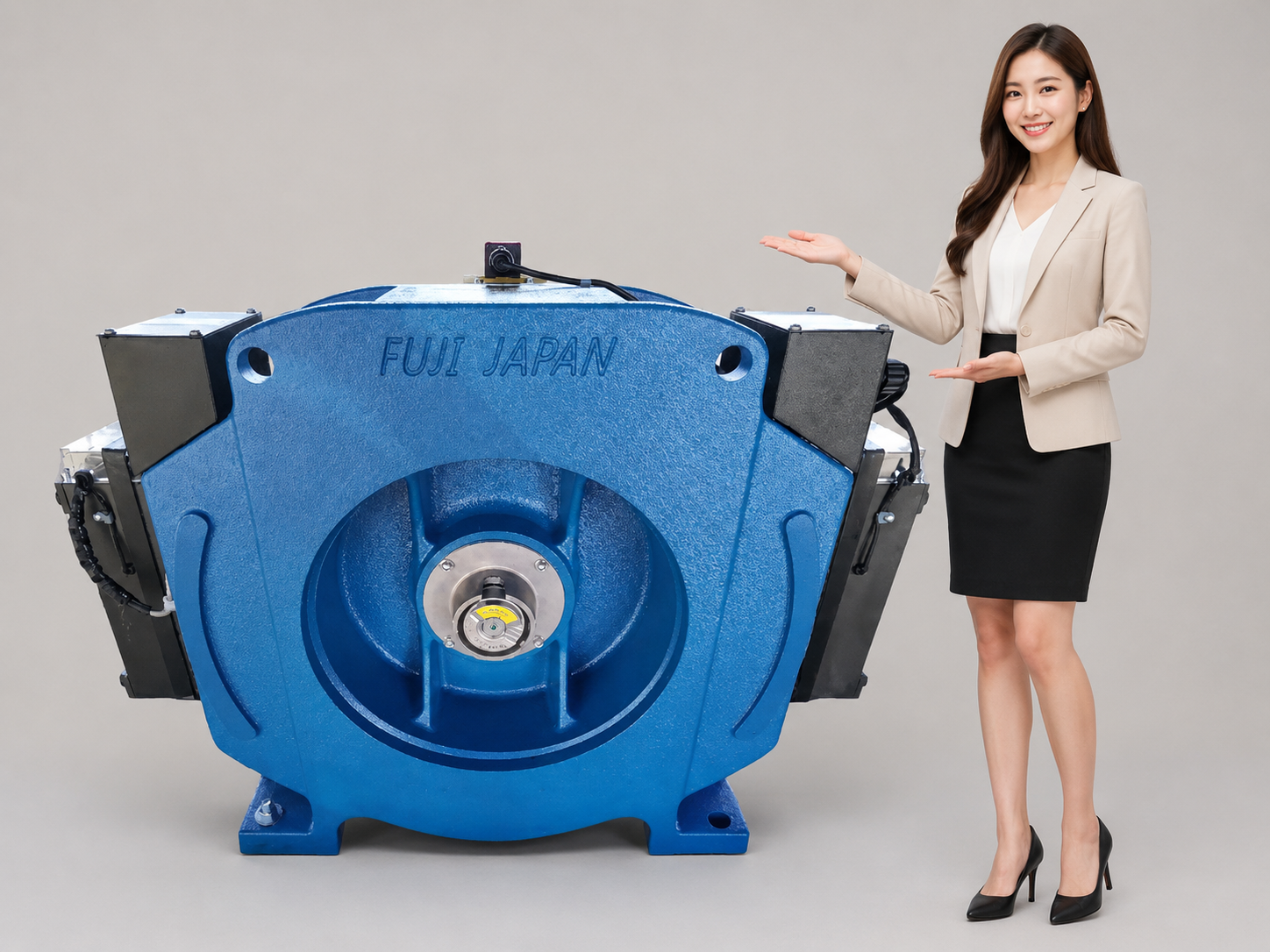
- Motors and drive systems: Asynchronous motors or gearless motors are commonly used, directly affecting performance and durability.
- Controller: The microprocessor controller helps manage elevator operation intelligently, saving energy and increasing safety.
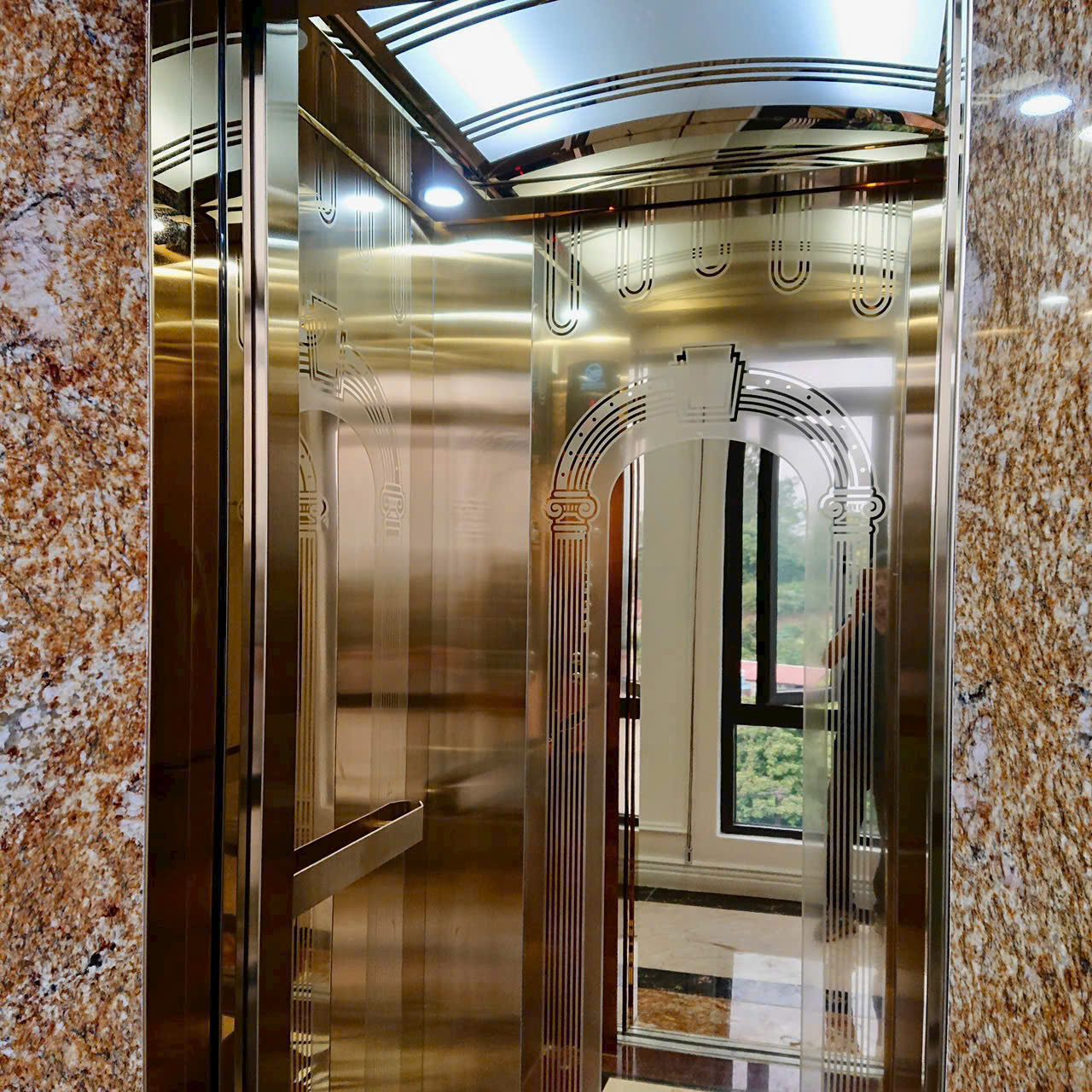
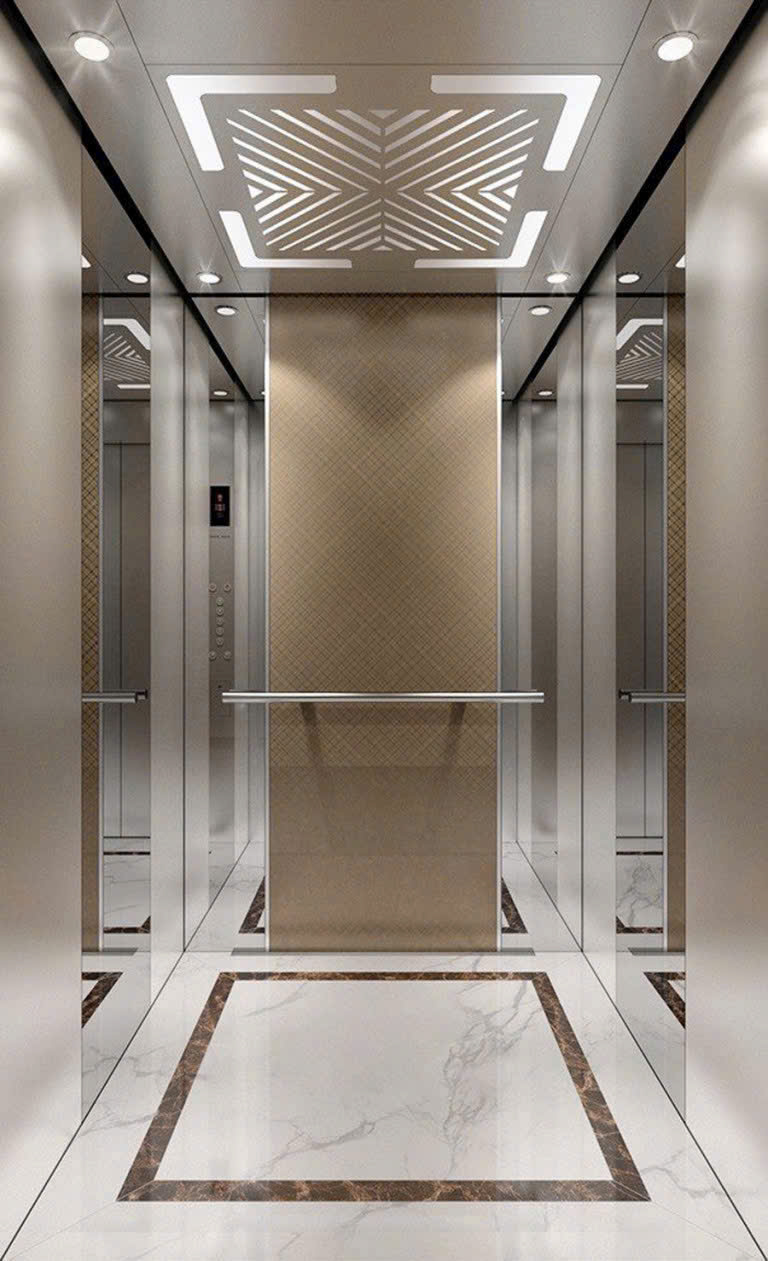
- Elevator cabin and doors: Cabin materials are typically stainless steel or powder-coated steel, with diverse designs to meet aesthetic and functional requirements.
- Safety systems: Including safety brakes, door sensors, automatic rescue systems, and other protective devices.
Installation and Operating Costs
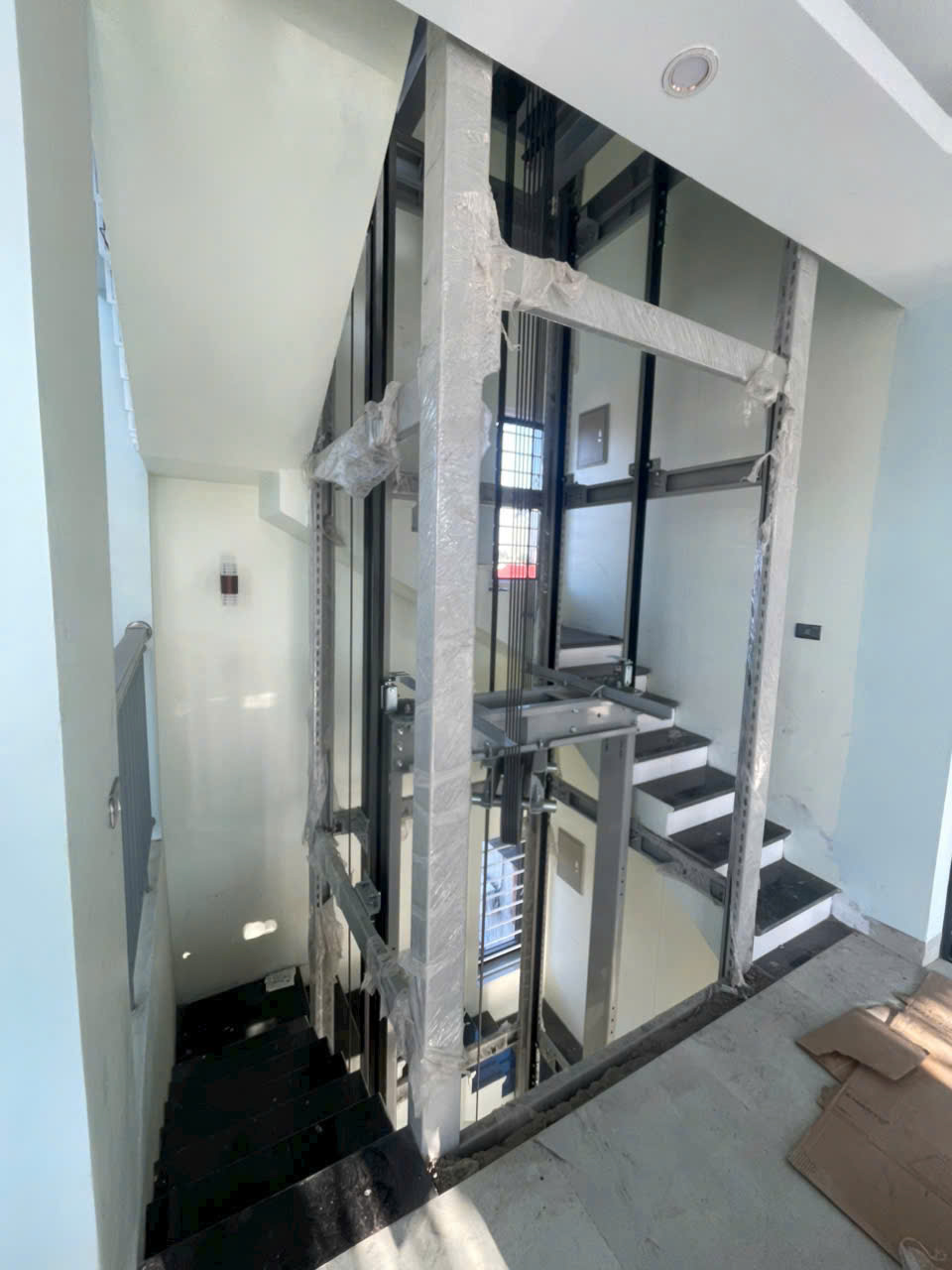
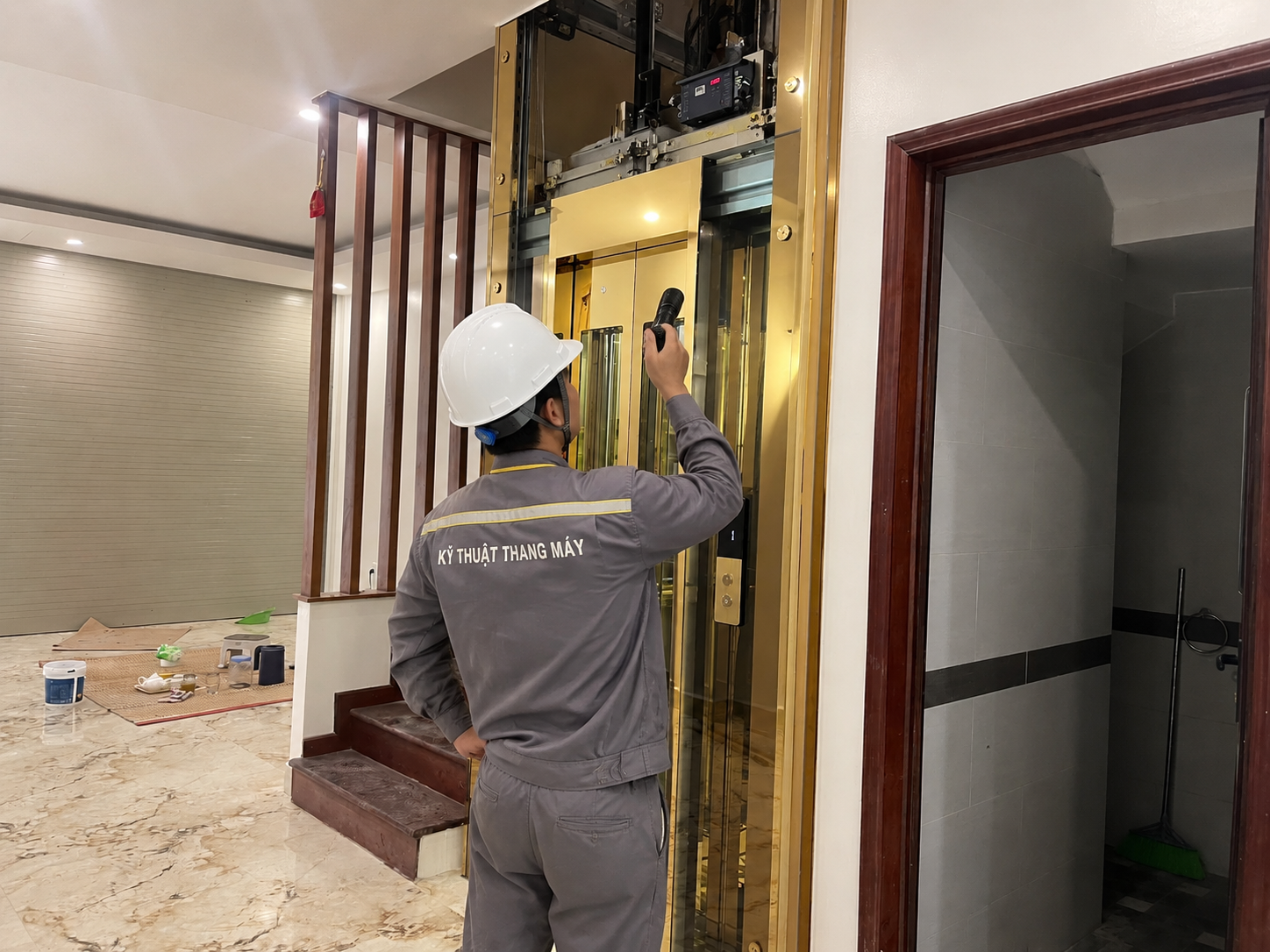
The cost of installing a joint-venture elevator in Hanoi includes labor, construction support equipment, and other incidental expenses during the completion process. Elevator installation requires high technical expertise, ensuring safety standards and stable operation. In addition, initial operating costs such as testing and calibration are also included in the overall price quote.
Maintenance and After-Sales Costs
Joint venture elevators require regular maintenance to maintain performance and safety. Maintenance packages are often offered as part of the package or as separate options, including electrical and mechanical system inspections, cabin cleaning, and replacement of worn components. Maintenance costs also impact the total cost of elevator ownership in the long term.
Refer to the Price List for Joint Venture Elevators in Hanoi
Joint venture elevators in Hanoi have diverse pricing depending on load capacity and specific technical requirements. Reference prices range from approximately 250 million to 700 million VND, corresponding to elevators accommodating 4-5 people to 13 people. Besides load capacity, many other factors significantly affect the final price, including cabin design with high-quality materials, intelligent control systems integrating modern technology, elevator operating speed, and transportation and installation costs depending on location and construction conditions. Carefully considering these factors helps customers choose a solution that suits their budget and needs.
Reference Price List Based on Load Capacity
Below are the reference prices for joint venture elevators in Hanoi; prices may vary depending on technical requirements and the supplier:
- Elevator with a load capacity of 300kg (4-5 people): from 250 million to 350 million VND
- Elevator with a load capacity of 450kg (6 people): from 300 million to 400 million VND
- Elevator with a load capacity of 630kg (8 people): from 350 million to 500 million VND
- Elevator with a load capacity of 1000kg (13 people): from 500 million to 700 million VND
Factors Affecting the Final Price
The price of joint-venture elevators also depends on factors such as:
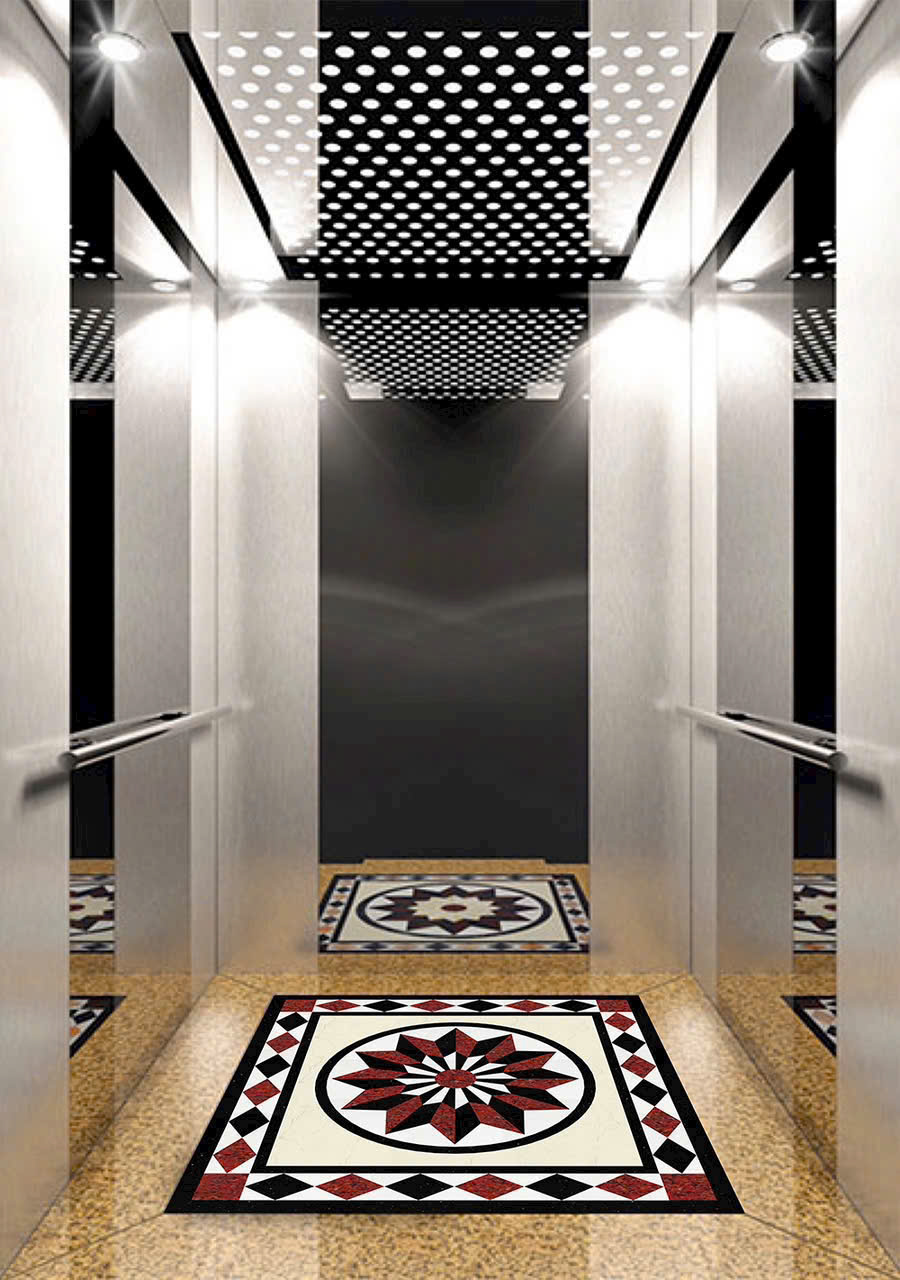
- Cabin design: Cabins with special designs or the use of premium materials will increase the cost.
- Intelligent control system: Integrates IoT technology, touch screen displays, or an automatic elevator call system.
- Speed requirements: High-speed elevators typically cost more due to the use of complex motors and control systems.
- Transportation and installation costs: The location of the project and construction conditions also affect these costs.