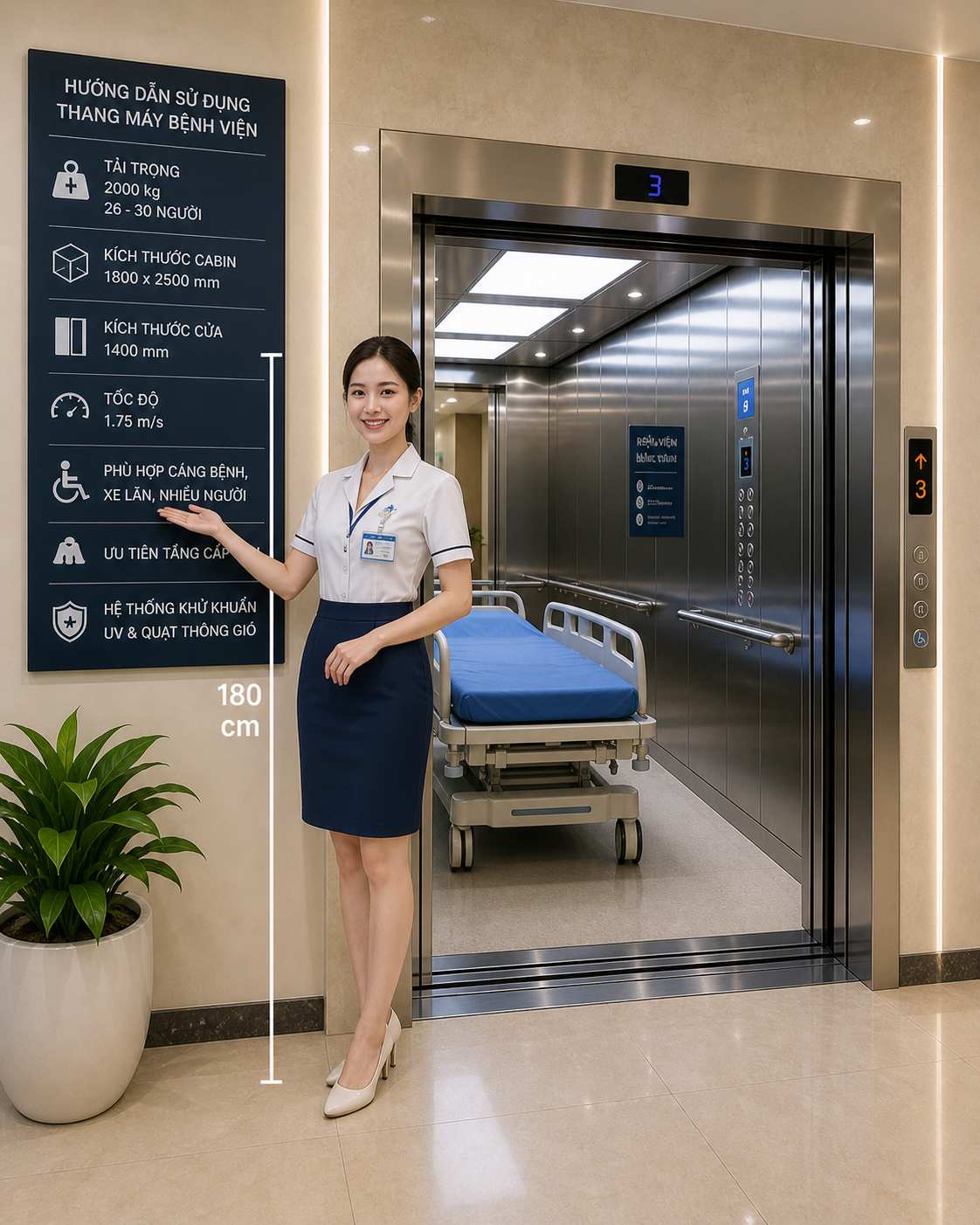
Elevator Price Quote for a 5-Story Building
Overview of 5-story elevators
A 5-story elevator is an optimal vertical transportation solution, specifically designed for medium and small-scale buildings such as residential homes, offices, hotels, and commercial buildings. Choosing the right elevator not only enhances the aesthetic value and functionality of the building but also ensures absolute safety and a smooth user experience.
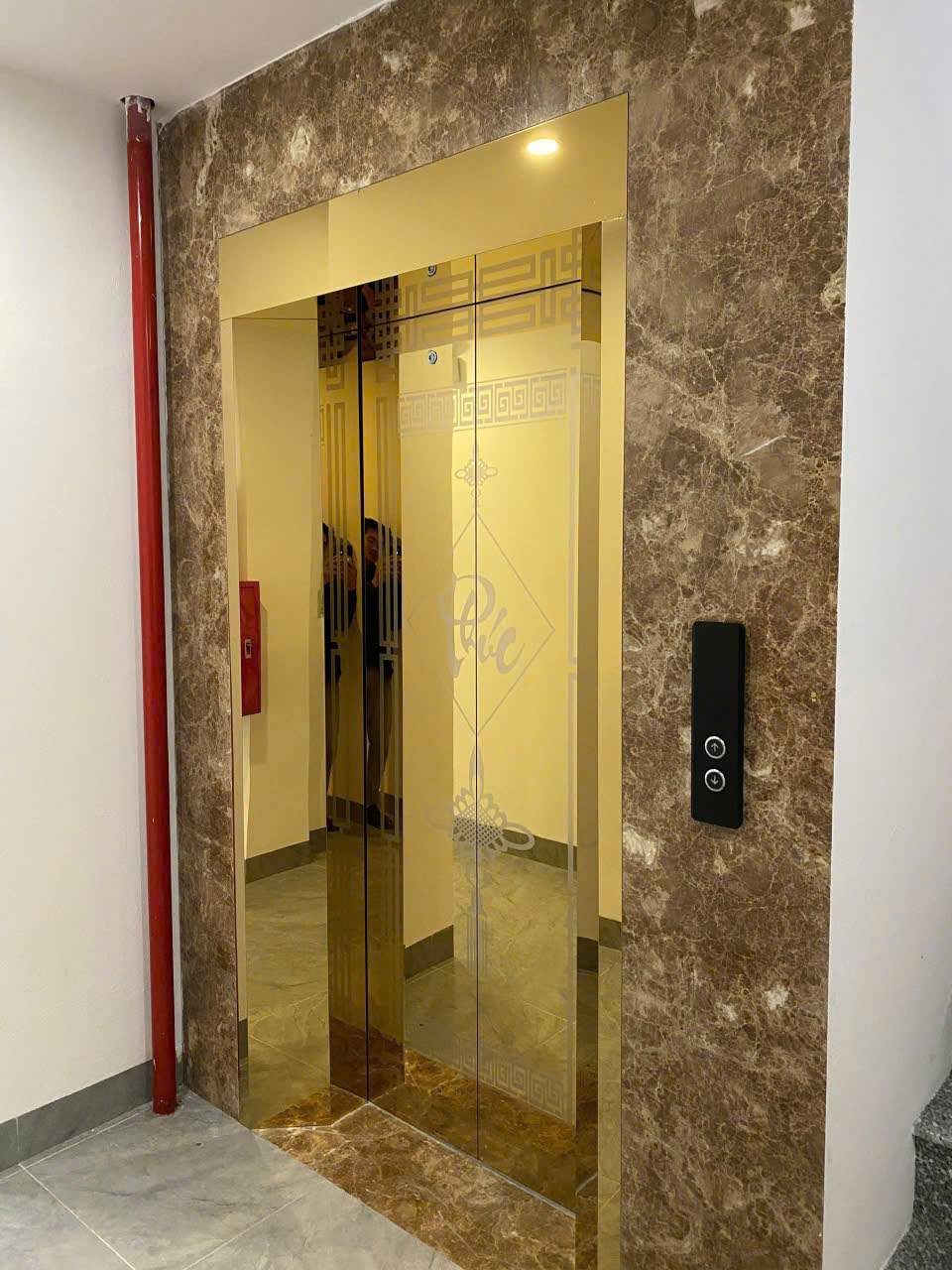
The basic structure of a 5-story elevator includes the following main components:
- Engine and transmission systems: Gearless or geared motors are commonly used, depending on speed and load requirements.
- Elevator cabin: Designed with high-strength materials, such as stainless steel, tempered glass, or composite materials, ensuring both safety and aesthetics.
- Elevator shaft: This is the space that houses the elevator cabin and operating equipment. The dimensions of the elevator shaft need to be precisely calculated to accommodate the size of the cabin and mechanical systems.
- Control system: Includes a control panel in the cabin and buttons on each floor, incorporating microprocessor technology to efficiently coordinate elevator operation.
- Safety systems include safety brakes, overload sensors, door sensors, automatic rescue systems, and other protective devices.
Common types of elevators for 5-story buildings :
- Hydraulic elevators: These use hydraulic pistons to raise and lower the cabin, making them suitable for buildings with low ceiling heights. Their advantages include low investment costs and smooth operation.
- Cable-driven elevators: These use a cable and motor system for operation and are suitable for buildings requiring higher speeds and heavier loads.
- Machine Roomless Elevators (MRLs): These elevators have their motors integrated directly into the elevator shaft, saving space and making them suitable for buildings with limited area.
Motor and control system technology plays a crucial role in the performance and durability of a 5-story elevator. Common technologies currently used include:
- Gearless motors: Help minimize noise, save energy, and increase equipment lifespan.
- Geared motors: These are commonly used for elevators with high load capacities and moderate operating speeds.
- Microprocessor-controlled system: Allows for precise management of operational functions, optimizing movement and ensuring safety.
Cabin materials and design not only affect aesthetics but also impact durability and user comfort. Common material choices include:
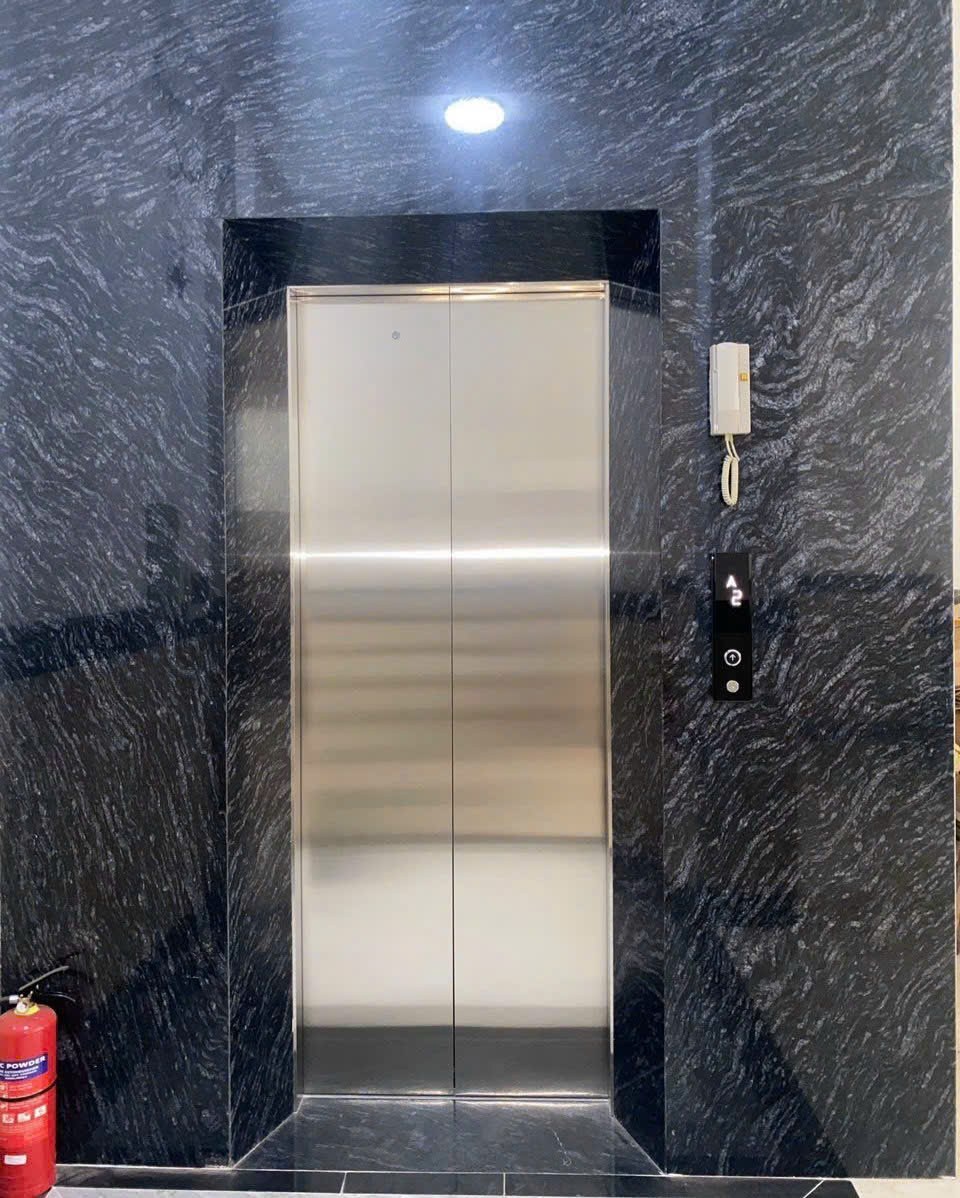
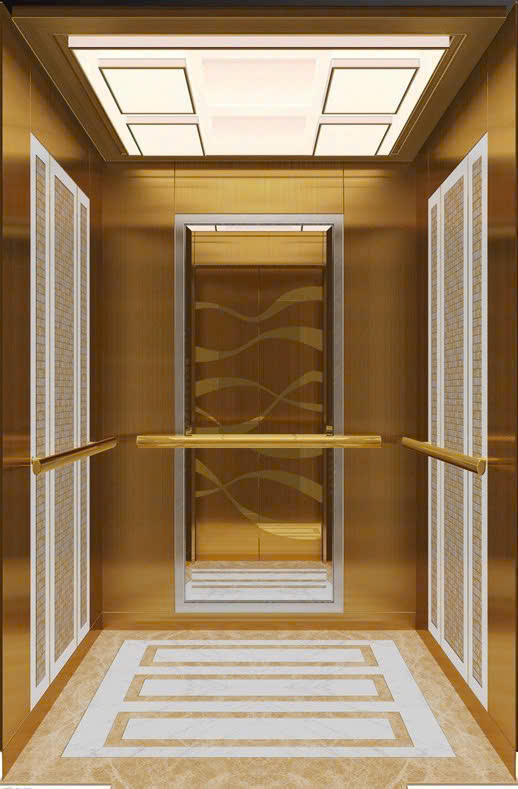
- Stainless steel: Durable, easy to clean, and corrosion-resistant.
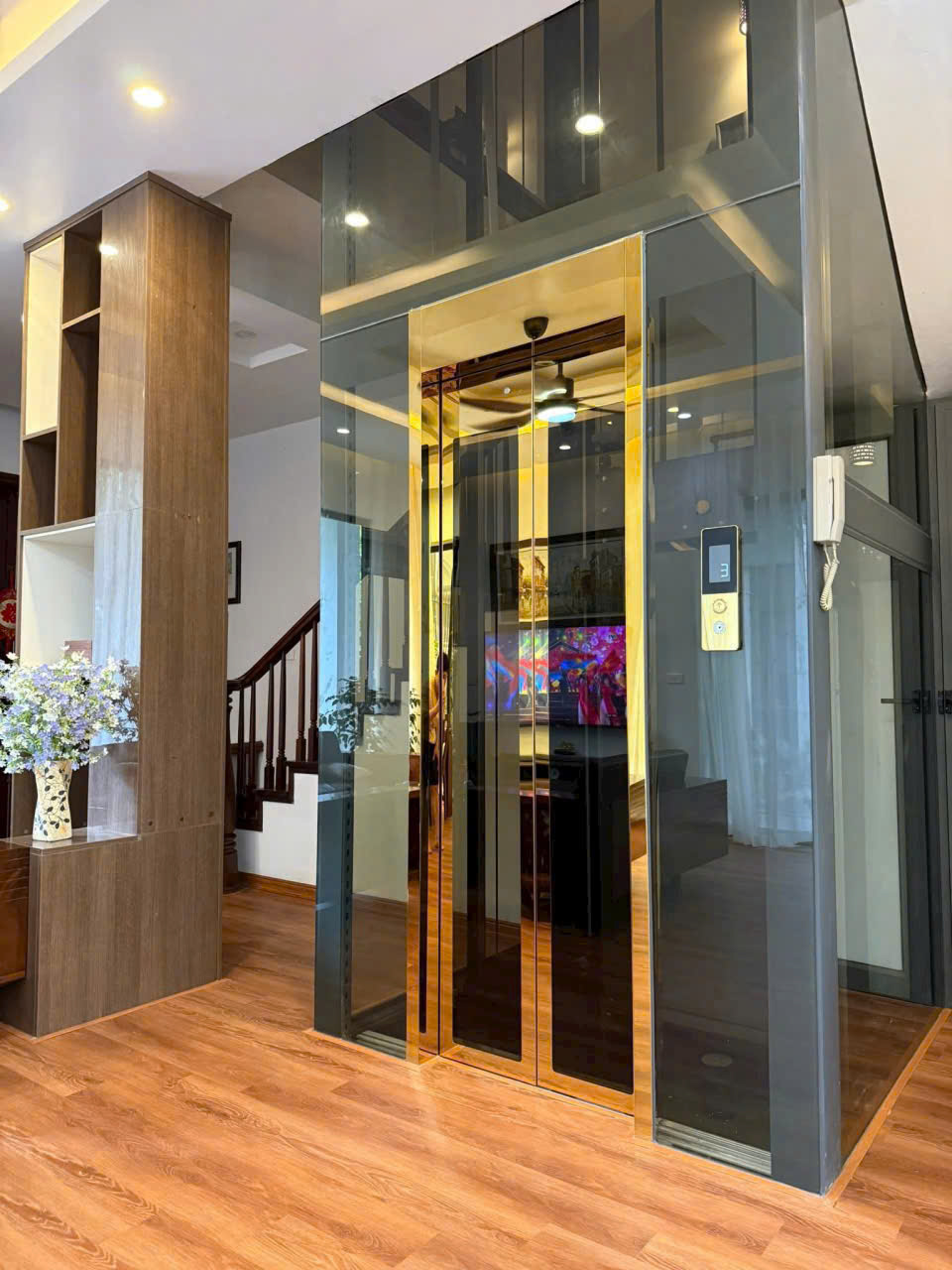
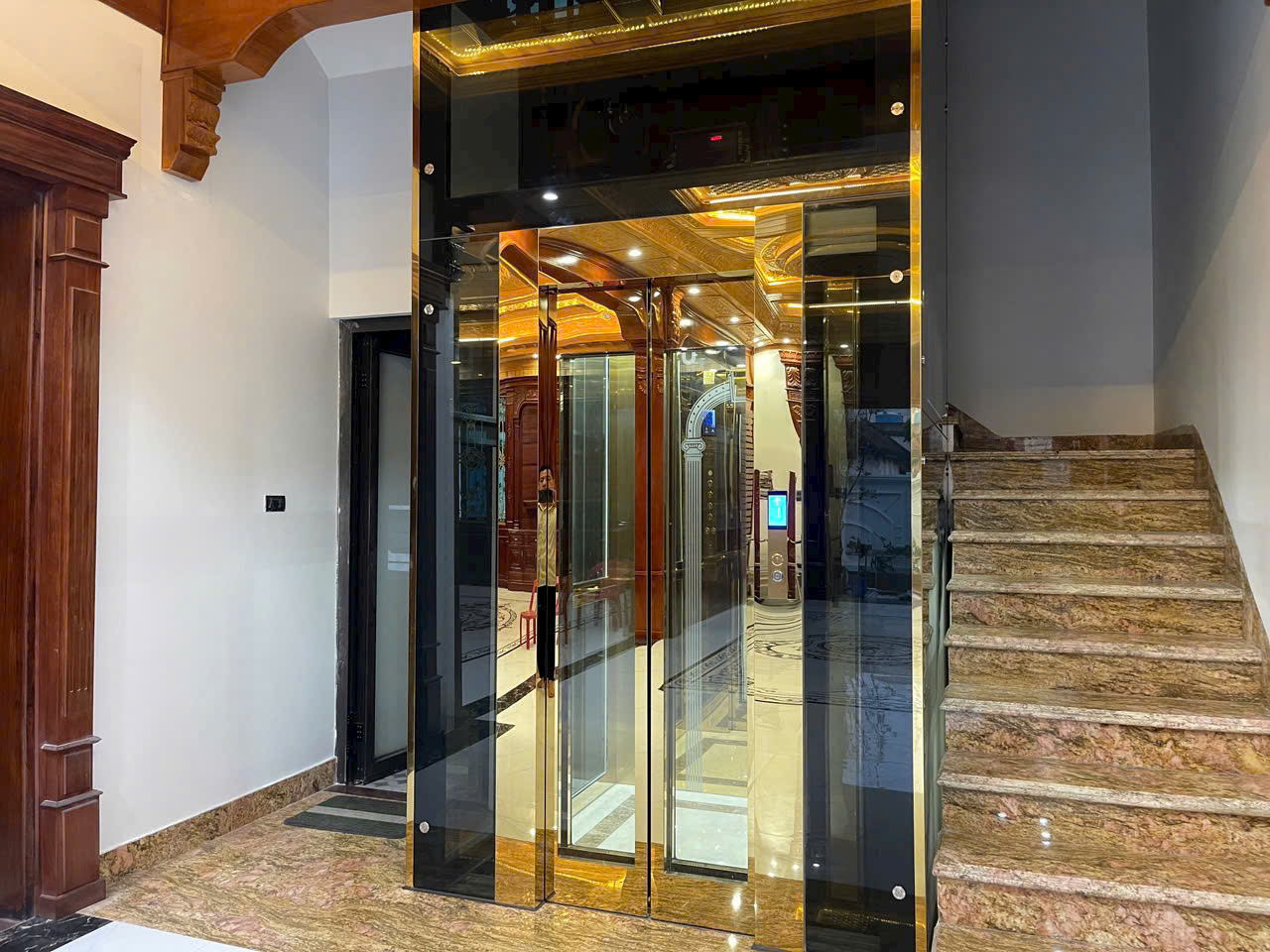
- Tempered glass: Creates a spacious, modern, and luxurious feel.
- Composite materials: Lightweight, available in a wide variety of colors and designs.
The size of the elevator shaft and cabin should be designed to suit the building's area and usage requirements. Some common standard sizes include:
- Cabin width: 900 - 1100 mm
- Cabin depth: 1100 - 1400 mm
- Cabin height: 2100 - 2300 mm
- Elevator shaft dimensions: Matching the cabin size plus space for mechanical and safety systems.
The factors affecting the price quote for a 5-story elevator are diverse, including:
- Elevator type (hydraulic, cable-driven, machine roomless)
- Engine technology and control systems
- Cabin materials and design
- Elevator shaft and cabin dimensions
- Additional features include an automatic rescue system, remote monitoring system, and cabin lighting and ventilation systems.
- Installation and recurring maintenance costs
Safety and technical standards are indispensable factors when choosing a 5-story elevator. Common standards that need to be followed include:
- International standards such as EN 81, ASME A17.1
- Electrical and mechanical safety standards
- Regular inspections and maintenance are carried out according to the manufacturer's and regulatory authority's regulations.
Choosing the right 5-story elevator requires close collaboration between architects, construction engineers, and elevator suppliers to ensure optimal technical, aesthetic, and economic results.
Factors affecting the price quote for a 5-story elevator.
To fully understand the pricing of a 5-story elevator , a detailed and in-depth analysis of the key factors affecting investment costs is necessary:
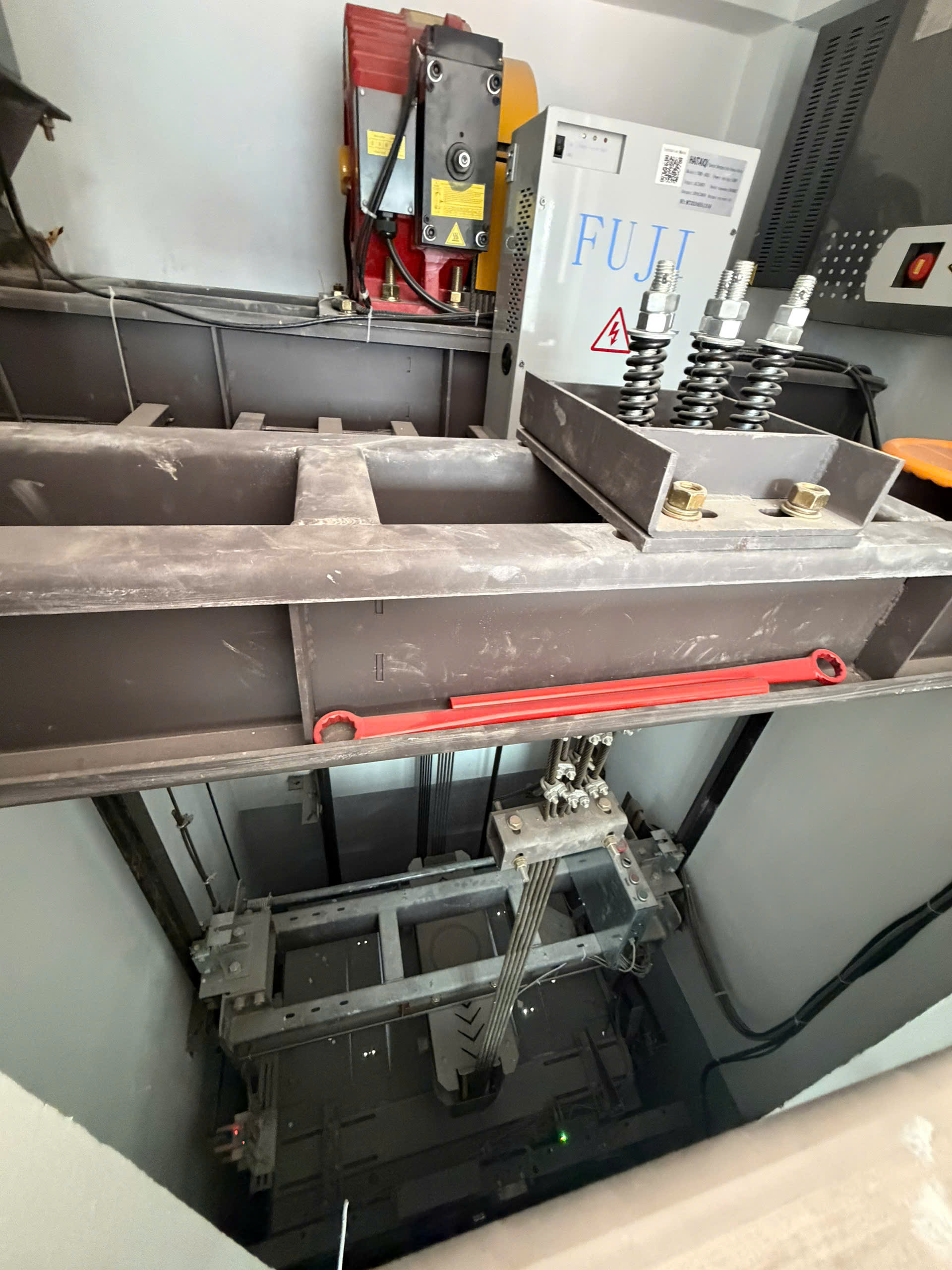
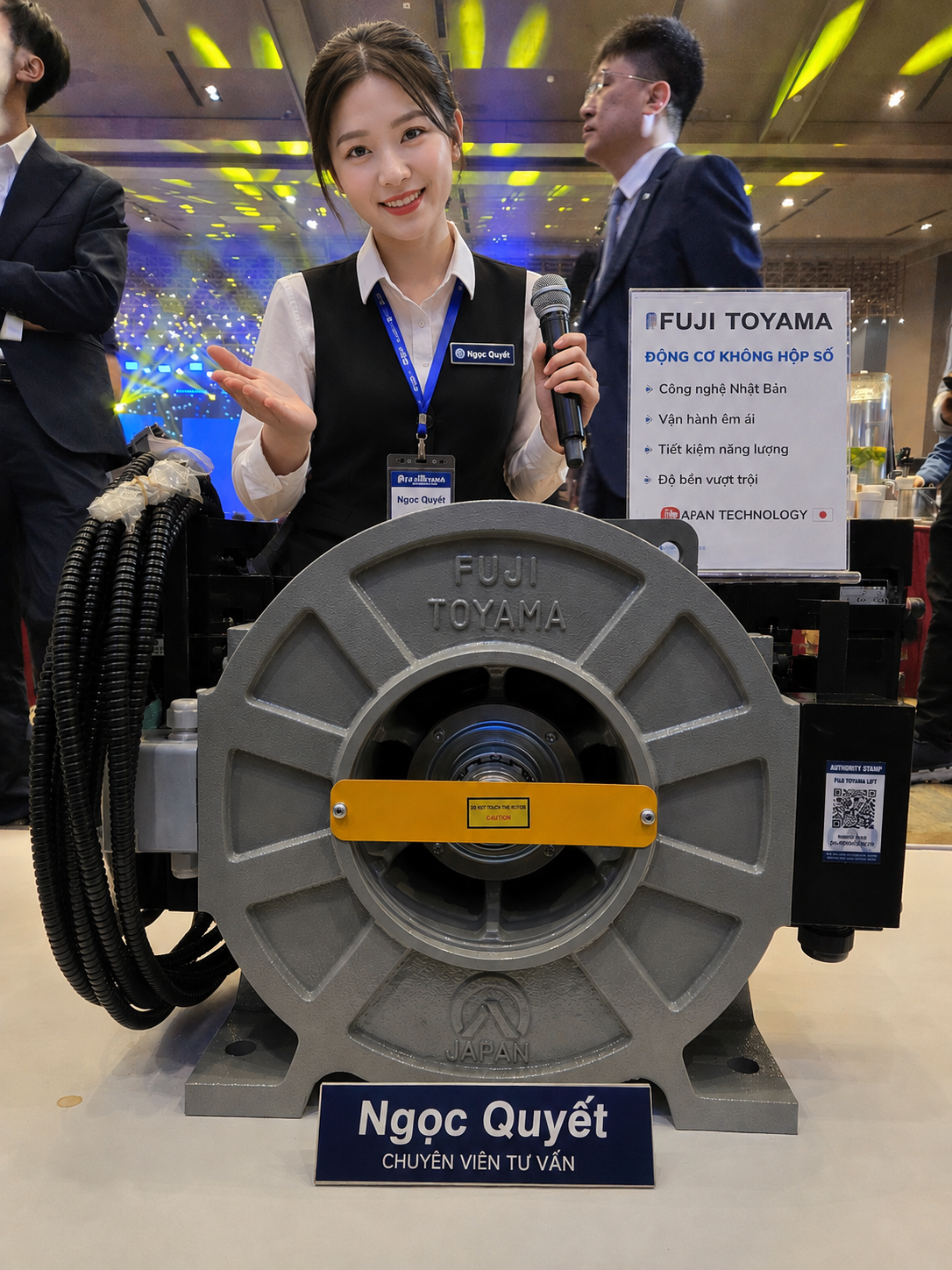
- Motor type: The motor is the most important component determining the operating efficiency and investment cost of an elevator. Common motor types include:
- Traditional geared motors: These are geared motors, commonly used in medium and low-load elevators. Their advantages include lower initial investment costs and ease of maintenance, but they produce more noise and vibration compared to modern motors.
- Gearless Motor: This type of motor does not use a gearbox, which reduces friction and noise, increases operating efficiency, and saves energy. Elevators using gearless motors are usually more expensive due to advanced technology and longer motor lifespan.
- Fuji Synchronous Motors from Japan: These are high-end motors, notable for their smooth operation, optimal energy efficiency, and superior durability. Using Fuji synchronous motors enhances the value of the elevator, however, the initial investment cost is also significantly higher.
- Cabin materials: Elevator cabins not only affect costs but also determine aesthetics and user experience. Common materials include:
- Stainless steel 304 or 201: Stainless steel is the most common material due to its high durability, good corrosion resistance, and ease of cleaning. Stainless steel 304 is more expensive than stainless steel 201 but offers superior quality, making it suitable for high-end projects.
- Colored tempered glass: Using colored tempered glass helps create a spacious, modern, and luxurious cabin. The glass can be coated with colored film or decorated with decals, enhancing aesthetics but also increasing costs.
- Colored films or composite materials: These are more cost-effective options, allowing for a wider variety of colors and patterns; however, their durability and scratch resistance are not as good as stainless steel or glass.
- Size and load capacity: 5-story elevators typically have a load capacity ranging from 350kg to 630kg, equivalent to a capacity of 4 to 8 people. The cabin and shaft dimensions are designed based on this load capacity, directly impacting the cost.
- Small load capacity (350-450kg): Suitable for small civil construction projects, lower cost due to the use of compact motors and materials.
- Medium load capacity (450-630kg): Suitable for office buildings or apartments with higher user density; investment costs increase due to larger cabin size and more powerful engine.
- Elevator shaft design: The elevator shaft is a crucial construction element that significantly impacts the cost of elevator construction and installation.
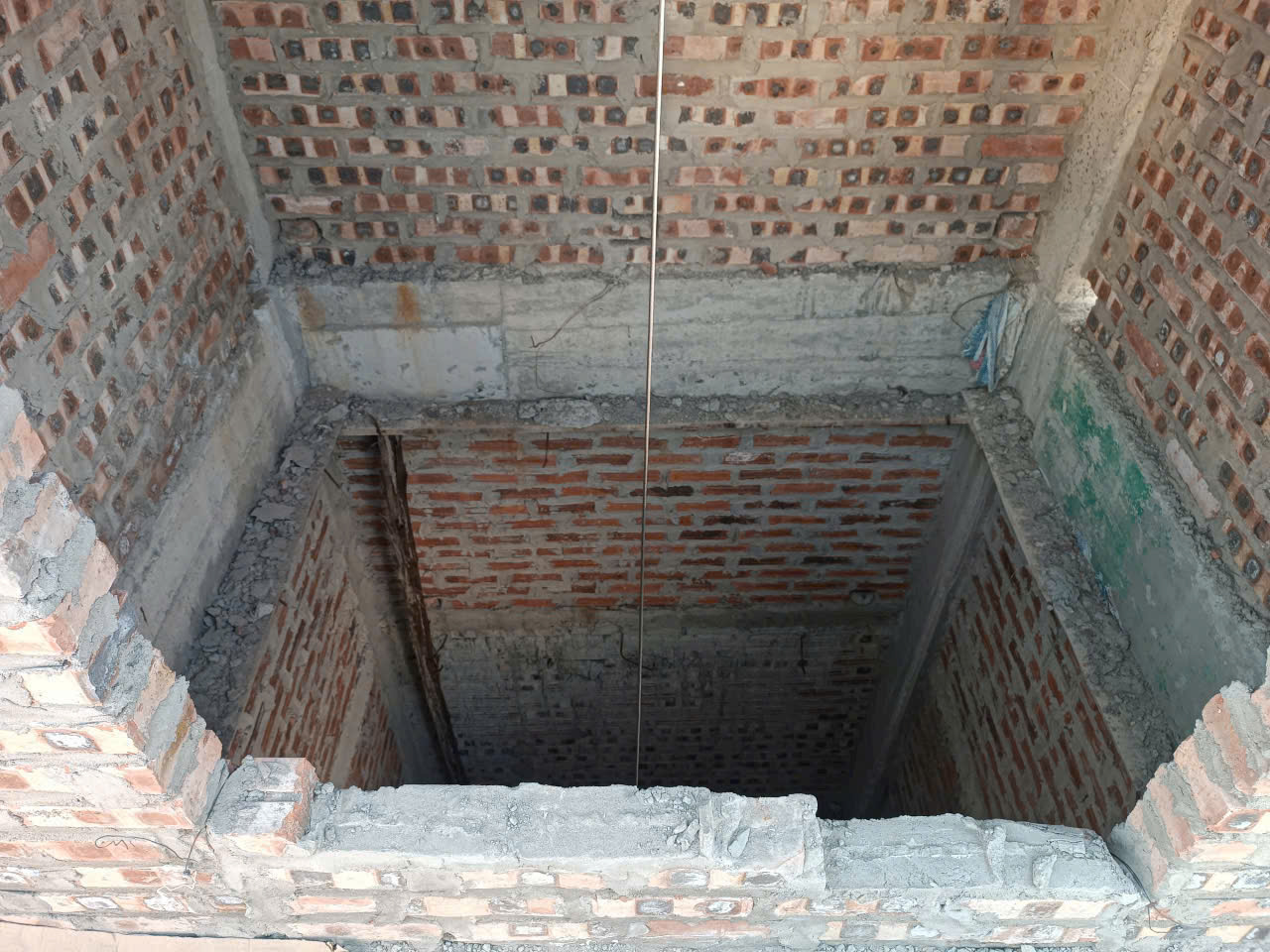
- Elevator shafts constructed with brick walls: This is a traditional option with low material and labor costs, but it takes longer to build and requires precise construction techniques to ensure durability and safety.
- Steel frame elevator shafts: Suitable for modern buildings, quick to construct, lightweight, and easily adjustable in size. However, the cost of materials and fabrication of steel frames is higher than building brick walls.
- Standard vs. Custom Sizes: Standard elevator shafts save costs by utilizing commonly sized elevator components. Meanwhile, custom shafts designed to meet specific requirements increase costs due to the need to order custom components and adjust construction techniques.
- Safety and convenience features: Safety and convenience features not only ensure stable operation but also enhance the user experience and increase the value of the elevator.
- Automatic door systems: Doors that open automatically with safety sensors help prevent accidents and increase convenience. These doors can be horizontal, folding, or sliding depending on the design.
- Automatic Rescue Device (ARD): Helps the elevator operate safely in the event of a power outage, bringing the cabin to the nearest floor so passengers can exit, minimizing risks and increasing reliability.
- Fire and smoke alarm system: Integrates smoke and temperature detection sensors, connected to the building's fire protection system, ensuring maximum safety in case of emergency.
- Lighting and touch control panel: Energy-saving LED lights provide even illumination, making the cabin bright, and the modern, easy-to-use touch control panel can integrate smart features such as voice-activated floor calling or fingerprint recognition.
- Ventilation system: Ensures fresh air inside the cabin, preventing a stuffy feeling when using the elevator for extended periods.
- Additional features include: vibration and noise reduction systems, surveillance cameras, and an audio announcement system, enhancing user experience and safety.
Standard 5-story elevator specifications
Parameter Detail Load 350kg - 630kg Speed 0.6 m/s - 1.0 m/s Number of floors served 5 floors Cabin dimensions (Width x Depth x Height) 1100mm x 1400mm x 2300mm (customizable) Engine type Japanese Fuji gearless synchronous motor Cabin materials 304 stainless steel, colored tempered glass or colored film. Stairwell Build standard brick walls or steel frames. Safety system Mechanical brakes, door sensors, automatic rescue device. Control Touchscreen control panel, LED display
| Parameter | Detail |
|---|---|
| Load | 350kg - 630kg |
| Speed | 0.6 m/s - 1.0 m/s |
| Number of floors served | 5 floors |
| Cabin dimensions (Width x Depth x Height) | 1100mm x 1400mm x 2300mm (customizable) |
| Engine type | Japanese Fuji gearless synchronous motor |
| Cabin materials | 304 stainless steel, colored tempered glass or colored film. |
| Stairwell | Build standard brick walls or steel frames. |
| Safety system | Mechanical brakes, door sensors, automatic rescue device. |
| Control | Touchscreen control panel, LED display |
Detailed analysis of the technical specifications of a standard 5-story elevator:
Load capacity: Load capacities ranging from 350kg to 630kg correspond to the ability to transport 4 to 8 people, suitable for residential buildings, small offices, or facilities with moderate user traffic. Choosing the appropriate load capacity not only ensures safety but also optimizes operational efficiency and saves energy.
Speed: The elevator's travel speed ranges from 0.6 m/s to 1.0 m/s, which is the standard speed for a 5-story elevator, ensuring smooth operation, reduced vibration, and noise. This speed also balances travel time and safety, avoiding discomfort for users.
Number of floors served: The elevator is designed to serve a maximum of 5 floors, suitable for small to medium-sized residential and office buildings. Limiting the number of floors simplifies the control system and reduces installation and maintenance costs.
Cabin size: The standard cabin size of 1100mm x 1400mm x 2300mm provides ample and comfortable space for users and allows for easy arrangement of interior furnishings such as handrails and control panels. This size also meets fire safety and accessibility standards for people with disabilities. Custom cabin sizes offer flexibility in design to suit elevator shaft space and actual usage needs.
Motor Type: Fuji Japanese gearless synchronous motors are the superior choice for modern elevators. Synchronous motors (PM – Permanent Magnet) increase energy efficiency, reduce noise and vibration, and extend equipment lifespan. The absence of a gear reduces mechanical friction, minimizing wear and tear and maintenance. Fuji motors are renowned for their durability and stable operation in a variety of environmental conditions.
Cabin materials: The cabin is made from 304 stainless steel combined with colored or film-coated tempered glass, ensuring not only durability, corrosion resistance, and high strength but also a modern and luxurious aesthetic. 304 stainless steel has good oxidation resistance, making it suitable for high-humidity environments or exposure to mild chemicals. Tempered glass enhances safety, offers good impact resistance, and can be decorated with various colors or heat-insulating and UV-resistant films.
Elevator shaft: The elevator shaft is constructed using standard brick walls or a steel frame, depending on the building design and technical requirements. Brick walls ensure good sound and heat insulation, while a steel frame reduces the building's weight and increases flexibility during construction. The choice of elevator shaft material directly affects the stability, safety, and lifespan of the elevator.
Safety System: The safety system, including mechanical brakes, door sensors, and automatic rescue devices, is essential to ensuring the absolute safety of elevator operation. The mechanical brakes activate in the event of a power failure or excessive speed, bringing the cabin to a complete stop. Door sensors detect obstacles, preventing the doors from closing when a person or object is present, thus avoiding accidents. The automatic rescue device (Auto Rescue Device) moves the cabin to the nearest floor and opens the doors in the event of a power failure, ensuring that people inside are not trapped.
Control: The touch-screen control panel combined with an LED display provides a modern user experience, making it easy to operate and view information. This control technology supports functions such as floor calling, error reporting, operating status display, and can be integrated with remote management systems. Touch controls minimize mechanical damage and enhance the cabin's aesthetics.
Advanced technical points to consider when designing and installing a standard 5-story elevator:
- Damping system: Uses rubber or hydraulic dampers at the bottom of the elevator shaft to reduce the impact when the cabin stops suddenly, increasing structural durability and enhancing safety.
- Ventilation and Lighting System: The design incorporates energy-efficient ventilation fans and LED lighting, ensuring the cabin remains well-ventilated and brightly lit, creating a comfortable experience for users.
- Fire safety standards: Cabin and shaft materials must meet fire safety standards, limiting the spread of smoke and fire in the event of an emergency.
- Backup power system: Install an uninterruptible power supply (UPS) or backup generator to ensure continuous elevator operation in the event of a sudden power outage.
- Accessibility standards: Cabin and control panel design must be suitable for people with disabilities, including control panel height, door dimensions, and cabin travel space.
- Maintenance and Inspection: Develop a regular maintenance plan according to international standards to ensure the elevator always operates stably, safely, and to extend its lifespan.
Price list for a 5-story elevator with a synchronized Fuji Japanese motor.
Elevator type Engine Cabin materials Stairwell Reference price (VNĐ) Standard 5-story elevator Fuji Japan synchronized 304 stainless steel Build a brick wall. 450,000,000 - 480,000,000 Five-story glass elevator Fuji Japan synchronized 8.38mm colored tempered glass Build a brick wall. 520,000,000 - 550,000,000 5-story elevator with color film Fuji Japan synchronized 8.38mm colored window film Build a brick wall. 500,000,000 - 530,000,000 Standard 5-story elevator Fuji Japan synchronized 304 stainless steel Steel frame 470,000,000 - 500,000,000
| Elevator type | Engine | Cabin materials | Stairwell | Reference price (VNĐ) |
|---|---|---|---|---|
| Standard 5-story elevator | Fuji Japan synchronized | 304 stainless steel | Build a brick wall. | 450,000,000 - 480,000,000 |
| Five-story glass elevator | Fuji Japan synchronized | 8.38mm colored tempered glass | Build a brick wall. | 520,000,000 - 550,000,000 |
| 5-story elevator with color film | Fuji Japan synchronized | 8.38mm colored window film | Build a brick wall. | 500,000,000 - 530,000,000 |
| Standard 5-story elevator | Fuji Japan synchronized | 304 stainless steel | Steel frame | 470,000,000 - 500,000,000 |
Detailed analysis of the price list for a 5-story elevator using a synchronized Fuji Japanese motor:
Fuji synchronous motors from Japan are a top choice for home elevators and small buildings due to their high durability, smooth operation, and energy efficiency. Fuji synchronous motors utilize advanced technology to minimize vibration and noise while increasing performance compared to conventional motors.
1. Type of elevator and cabin material:
- Standard elevators with 304 stainless steel cabins: 304 stainless steel is a popular type of stainless steel in the elevator industry due to its corrosion resistance, high durability, and ease of cleaning. 304 stainless steel cabins offer a luxurious appearance, suitable for many architectural styles.
- Colored glass elevators: Using 8.38mm thick colored tempered glass not only ensures safety but also adds an aesthetic touch to the space. Tempered glass has good strength and heat resistance, while also expanding the view and creating a spacious feel inside the cabin.
- Colored film elevators: This is a more cost-effective solution compared to original colored glass, while still maintaining aesthetics thanks to the colored film applied to 8.38mm tempered glass. The colored film allows for design diversification and easy changes when needed.
2. Elevator shaft:
- Brick wall construction: This is a traditional and common method in residential buildings and small structures. Brick elevator shafts have the advantages of low cost, ease of construction, and repair. However, precise construction techniques are essential to avoid cracking and subsidence that could affect elevator operation.
- Steel frame: Suitable for projects requiring rapid construction or with limited space. Steel frames are lighter than brick walls, yet can withstand significant loads and allow for easy adjustment of elevator shaft dimensions. However, material and construction costs are generally higher.
3. Cost and influencing factors:
- Price range: From 450 million to 550 million VND for a 5-story elevator using a synchronized Fuji Japanese motor, reflecting the diversity in cabin materials and elevator shaft construction methods.
- Cabin materials: Stainless steel 304 cabins are generally cheaper than tinted glass cabins due to differences in material and processing costs. Tinted glass cabins require more advanced installation and glass handling techniques, resulting in higher costs.
- Elevator shaft: Using a steel frame instead of brick walls increases costs due to the steel material and the more complex construction technology.
- Installation and maintenance costs: Fuji synchronous motors from Japan reduce long-term maintenance costs due to their durability and high efficiency. However, initial installation costs may be higher due to the technical requirements and the need for synchronized equipment.
4. Important technical specifications to consider when choosing a 5-story elevator:
- Load capacity: Typically, a 5-story home elevator has a load capacity of 350kg to 450kg, suitable for 4-6 people.
- Operating speed: Fuji synchronous motors typically achieve speeds of 0.6 to 1 m/s, ensuring fast and safe movement.
- Control system: Utilizes an advanced microprocessor controller, incorporating safety features such as anti-jamming, electromagnetic brake, and overload sensor.
- Safety standards: Meets international standards such as ISO 25745 for energy efficiency and EN81 for elevator safety.
5. Benefits of using synchronized Fuji Japanese motor elevators:
- Synchronous motors offer significant energy savings compared to traditional asynchronous motors.
- Smooth operation, minimizing noise and vibration, enhancing the user experience.
- Long engine lifespan reduces the frequency of maintenance and repairs, resulting in long-term operating cost savings.
- High synchronization capability with control and safety devices ensures stable operation.
6. Things to consider when choosing and installing a 5-story elevator:
- Carefully analyze usage requirements, load capacity, and installation space to select the appropriate elevator cabin and shaft type.
- Choose a reputable and experienced supplier and installer with synchronized Fuji motors from Japan to ensure quality and timely completion.
- Carefully check the product's safety standards and warranty before signing the contract.
- Ensure accurate elevator shaft design to avoid errors that could affect elevator operation and lifespan.
Details about the Fuji Japanese synchronous motor in the 5-story elevator.
Fuji Japanese synchronous motors are one of the most advanced and optimal solutions for 5-story elevators, especially in projects requiring stable operation, energy efficiency, and superior durability. These motors utilize gearless synchronous technology, eliminating complex mechanical transmission components, thereby minimizing friction, wear, and noise during operation.
Technically, Fuji synchronous motors utilize permanent magnet synchronous motors (PMSM) with a permanent magnet rotor and winding stator structure, allowing for the creation of a rotating magnetic field synchronized with the frequency of the supplied current. This helps the motor maintain a stable and precise speed, without the speed slippage experienced by traditional asynchronous motors.
Key features of the Fuji Japanese synchronous motor in a 5-story elevator include:
- Precise control of cabin speed and position: The integrated motor control system with encoder or resolver sensors monitors the cabin's position and speed with millimeter precision. This ensures the cabin stops at the correct floor, preventing accidental misalignment that could compromise safety and inconvenience for users.
- High energy efficiency: Synchronized technology reduces power loss due to friction and slippage, resulting in energy savings of up to 30% compared to traditional geared motors. Additionally, regenerative drive systems can be integrated, converting braking energy into reusable electricity, further reducing operating costs.
- Smooth operation, reduced vibration: The gearless design eliminates mechanical noise and reduces vibration during operation. Combined with a high-quality cabin suspension and guide rails, the synchronized Fuji motor provides a smooth and comfortable riding experience for users.
- High durability and reliability: The materials used in the rotor and stator are carefully selected, capable of withstanding high temperatures and significant mechanical stress over extended periods. The motor can handle continuous load without a decrease in performance, minimizing breakdowns and recurring maintenance costs.
- Environmentally friendly: In addition to saving energy, Fuji synchronous motors also reduce CO2 emissions thanks to their high energy conversion efficiency and reduced need for fossil fuels. This makes them a suitable choice for green buildings and sustainable construction standards.
Structure and operating principle of Fuji synchronous motors
Fuji synchronous motors consist of the following main components:
- Permanent magnet rotor: Made from high-quality magnetic materials such as NdFeB (Neodymium Iron Boron), the rotor generates a strong and stable magnetic field, helping the motor operate efficiently at synchronous speed.
- Stator windings: The stator windings are wound in a special structure to create a rotating magnetic field when alternating current flows through them, interacting with the rotor's magnetic field to generate torque.
- Inverter controller: Regulates the frequency and voltage supplied to the motor, allowing for precise control of speed and torque, and performs energy regeneration functions when needed.
- Position sensor (Encoder/Resolver): Monitors the position and rotational speed of the rotor, providing feedback data to the controller for precise motor operation adjustment.
The operating principle is based on the synchronization between the rotating magnetic field of the stator and the permanent magnet rotor. When alternating current flows through the stator, it creates a rotating magnetic field with a defined frequency. The rotor rotates at the same speed as this magnetic field, generating stable and precise torque.
Application in 5-story elevators
Fuji synchronous motors are particularly suitable for elevators with a medium number of floors, such as 5 floors, for the following reasons:
- Suitable size and power: The motor is compact, easily installed in the limited space of a 5-story elevator shaft, while providing sufficient power to transport a cabin with a standard load.
- Reduced operating costs: With high energy efficiency and renewable energy capabilities, the motor significantly reduces monthly electricity costs, especially in high-traffic buildings.
- Meeting stringent safety standards: The precise control system and stable operation enable Fuji elevators to meet international safety standards such as ISO 25745 and EN 81-20/50.
- Easy maintenance: The gearless design minimizes the number of mechanical parts requiring maintenance, reducing the time and cost of routine servicing.
Comparing Fuji synchronous motors with other types of motors.
Criteria Fuji synchronous motor (Gearless PMSM) Geared Induction Motor Energy efficiency ~90-95% efficiency, saving up to 30% on electricity. ~75-85%, higher power consumption Noise and vibration levels Very low, operates smoothly. Higher due to gearbox and mechanical friction. Durability and maintenance High durability, low maintenance. The gearbox and mechanical components require regular maintenance. Size and weight Compact and lighter. Larger and heavier due to the gearbox. Speed control capability Accurate, flexible Less accurate
| Criteria | Fuji synchronous motor (Gearless PMSM) | Geared Induction Motor |
|---|---|---|
| Energy efficiency | ~90-95% efficiency, saving up to 30% on electricity. | ~75-85%, higher power consumption |
| Noise and vibration levels | Very low, operates smoothly. | Higher due to gearbox and mechanical friction. |
| Durability and maintenance | High durability, low maintenance. | The gearbox and mechanical components require regular maintenance. |
| Size and weight | Compact and lighter. | Larger and heavier due to the gearbox. |
| Speed control capability | Accurate, flexible | Less accurate |
Technical requirements for installing a Fuji synchronous motor in a 5-story elevator.
- Stable power supply: The motor requires a stable power supply, usually three-phase electricity with appropriate voltage and frequency to ensure optimal performance.
- High-quality inverter control system: The inverter must be compatible with Fuji synchronous motors, capable of precise frequency and voltage regulation, and integrate overload, overvoltage, and phase loss protection functions.
- Precise position sensors: Utilizing high-resolution encoders or resolvers ensures the cabin stops precisely at each floor, preventing shaking or stopping at the wrong floor.
- Suspension system and guide rails: Must be precisely designed and installed to minimize vibration and noise, ensuring smooth elevator operation.
- Environmental conditions: The engine needs to be protected from dust, high humidity, and excessively high or low temperatures to maintain its lifespan and performance.
Materials used for a 5-story elevator cabin and their impact on cost.
The elevator cabin is the most important part of an elevator system, directly interacting with users and significantly impacting the user experience as well as the overall aesthetics of the building. The choice of materials for the cabin not only affects the initial investment cost but also influences durability, maintainability, overall cabin weight, and technical requirements for the motor and traction cable systems.
1. Stainless steel 304
304 stainless steel is the most common type of stainless steel in the elevator industry, particularly suitable for 5-story elevator cabins due to its superior technical characteristics:
- High durability: 304 stainless steel has good strength and resistance to deformation under mechanical impact and heavy loads, ensuring safety for users.
- Corrosion resistance: With a composition of 18% Cr and 8% Ni, 304 stainless steel is resistant to oxidation and corrosion in humid environments, preventing rust and extending the lifespan of the cabin.
- Easy to clean and maintain: The shiny stainless steel surface resists dirt, making cleaning quick and easy, keeping the cabin clean and elegant.
- Aesthetics: Stainless steel surfaces can be finished in various styles such as brushed, mirror-polished, and patterned to create accents, suitable for the modern and luxurious style of high-rise buildings.
Impact on cost: Stainless steel 304 has a medium to high cost, depending on thickness and surface finish. Because elevator cabins made of stainless steel are quite heavy, this increases the requirements for motor power and cable traction systems, thereby increasing the overall cost of the elevator.
2. 8.38mm Colored Tempered Glass
Tempered glass is a popular material in modern elevator cabin design, especially 8.38mm thick colored glass, which offers many benefits:
- High safety: Tempered glass is heat-treated at high temperatures, making it 4-5 times more resistant to impact than ordinary glass, minimizing the risk of breakage and ensuring user safety.
- Versatile aesthetics: Colored glass offers a wide range of shades and patterns, creating striking accents for the cabin and complementing diverse interior design styles, from classic to modern.
- Enhanced natural light: Clear or lightly tinted glass allows the cabin to receive natural light, creating a spacious, airy, and user-friendly feel.
- Easily combined with other materials: Glass can be combined with stainless steel, wood, or composite materials to create unique and luxurious cabin designs.
Impact on cost: Colored tempered glass is more expensive than stainless steel due to its complex manufacturing process and high technical requirements. The glass is also relatively heavy, affecting the cabin's structural design and operating system. Furthermore, glass installation requires high technical expertise to ensure safety and long-term durability.
3. 8.38mm Colored Window Film
Colored window film is an economical alternative to original colored glass, commonly used in 5-story elevator projects to balance cost and aesthetics.
- Lower cost: Compared to original stained glass, colored film is significantly cheaper, reducing investment costs while maintaining aesthetic appeal.
- Easy to replace and maintain: Color film can be quickly replaced when damaged or faded, minimizing long-term maintenance costs.
- Variety of colors and patterns: Color films offer a wide range of color, pattern, and transparency options, providing flexibility in cabin design.
- UV protection: Some types of tinted films offer UV protection, shielding the cabin interior and occupants from the effects of sunlight.
Impact on cost: Tinted window film significantly reduces cabin material costs, and the cabin weight is also lighter compared to using original tinted glass. However, tinted film can reduce the durability and stability of the glass over time, requiring regular maintenance to maintain quality.
The overall impact of cabin materials on elevator systems.
The choice of cabin materials not only affects material costs but also directly impacts the following technical factors:
- Cabin weight: Heavy materials such as 304 stainless steel or tempered glass increase the overall weight of the cabin, leading to the need for a more powerful engine and a higher load-bearing cable system, thus increasing operating and maintenance costs.
- Durability and longevity: High-quality materials increase the lifespan of the cabin, reducing the frequency of repairs and replacements, contributing to long-term cost savings.
- Technical installation requirements: Some materials, such as tempered glass, require specialized installation techniques to ensure safety and high precision, affecting labor costs and construction time.
- Impact on overall design: Cabin materials also influence the architectural and interior design of the building, thereby affecting aesthetic value and user satisfaction.
Comparing the costs and advantages/disadvantages of common cabin materials.
| Material | Advantage | Disadvantages | Impact on cost |
|---|---|---|---|
| 304 stainless steel | High durability, corrosion resistance, easy to clean, and elegant aesthetics. | Heavy weight, high material and operating costs. | Average to high prices, with increased costs for motors and towing cables. |
| 8.38mm colored tempered glass | Safe, diverse aesthetics, increased natural light. | High cost, heavy weight, and requires advanced installation techniques. | High prices, increased installation and maintenance costs. |
| 8.38mm colored window film | Low cost, wide range of colors, easy to replace. | Less durable than the original glass, requires regular maintenance. | Low prices, reduced material and operating costs. |
Elevator shaft design and its impact on the pricing of a 5-story elevator.
The elevator shaft is the most important structural component in an elevator system, serving as the space for the cabin, counterweight, guide rails, and other operating equipment. The design of the shaft directly impacts not only operational efficiency but also significantly affects investment costs, maintenance, and the safety of the entire elevator system, especially in buildings with five floors or more.
1. Common types of elevator shafts and their technical specifications
- Brick-walled elevator shafts: This is a traditional option, using common building materials such as bricks and reinforced concrete to create the elevator shaft frame. The advantages of this type of elevator shaft are low construction costs, readily available materials, simple construction, and convenience for future repairs and maintenance. Brick-walled elevator shafts typically have wall thicknesses of 200mm to 300mm, ensuring relatively good load-bearing capacity and sound insulation.
- Steel frame elevator shaft: This method utilizes a high-strength steel frame combined with panels or lightweight materials to form the elevator shaft. This option is suitable for projects with high technical requirements, needing to save construction space and reduce structural weight. Steel frame elevator shafts offer advantages such as faster construction, flexible design, easy size adjustments, and integration of modern equipment. However, the initial investment cost is higher due to the steel material and more complex construction technology.
2. The impact of elevator shaft design on the cost quotation for a 5-story elevator.
The design of the elevator shaft is one of the major factors determining the total investment cost of an elevator, especially for a 5-story building, where the size and technical requirements of the shaft need to be optimized to ensure operational efficiency and cost savings.
- Material and construction costs: Brick-walled elevator shafts use traditional materials and are significantly cheaper than steel-framed shafts. However, construction time is longer, and repair costs may arise due to issues like wall cracks and water leaks. Conversely, steel-framed elevator shafts, while having a higher initial cost, have a faster construction time, minimize labor costs, and shorten project timelines.
- Technical and safety requirements: Steel-framed elevator shafts offer better load-bearing capacity and reduce vibration during operation, which is especially important for elevators with heavy loads or continuous operation. Brick-walled elevator shafts require careful design to prevent vibration and ensure long-term durability.
- Impact on sound insulation and vibration damping: Brick-walled elevator shafts generally offer better sound insulation due to their thickness and material properties. However, if vibration damping is not properly addressed, it can cause noise and affect the user experience. Steel-framed elevator shafts require the addition of specialized damping and soundproofing materials to ensure smooth operation.
- Space saving and optimization: For 5-story buildings, construction area is often limited. Steel frame elevator shafts reduce the size of the shaft compared to brick walls, thereby increasing usable space for other purposes. This also impacts the overall cost of the project.
3. Technical factors to consider when designing a shaft for a 5-story elevator.
- Elevator shaft dimensions: Sufficient space must be ensured for the cabin, counterweight, guide rails, and operating equipment. Standard dimensions are usually specified according to the load capacity and type of elevator; for example, elevators with a load capacity of 450kg to 630kg typically have shaft dimensions of approximately 1500mm x 1400mm.
- Pit depth: This is the bottom part of the elevator shaft and needs to be deep enough to install the shock absorbers and ensure safety when the cabin descends to its lowest point. Standard pit depths are usually between 1200mm and 1500mm, depending on the elevator type and technical specifications.
- Machine room height (if any): For elevators with a machine room, the machine room height must ensure sufficient space for equipment such as the traction machine, control cabinet, and rescue system. The machine room height is typically between 2200mm and 2500mm.
- Materials and surface treatment: For elevator shafts constructed with brick walls, waterproofing, moisture resistance, and protective coatings are necessary to increase durability. For steel-framed elevator shafts, rust prevention, anti-corrosion coatings, and appropriate soundproofing and vibration-reducing materials are required.
- Ventilation and lighting system: The elevator shaft design must ensure adequate ventilation to prevent heat and moisture buildup, and appropriate lighting should be provided for convenient maintenance and repair.
4. Impact of elevator shaft design on maintenance and operating costs
The design of the elevator shaft not only affects the initial investment cost but also has a long-term impact on the operating and maintenance costs of the elevator. Brick-walled shafts can lead to problems such as wall cracks and water leaks, affecting the internal electrical and mechanical systems. Meanwhile, steel-framed shafts, with their robust structure, are less affected by environmental factors, minimizing maintenance costs and increasing equipment lifespan.
5. Standards and regulations related to elevator shaft design
- Comply with national and international elevator standards such as TCVN 6398:2018 and EN 81-20/50 to ensure safe and efficient operation.
- Ensure that fire safety, ventilation, lighting, and emergency exit requirements are met in the elevator shaft design.
- Close collaboration between architects, structural engineers, and elevator suppliers is essential to optimize elevator shaft design, ensuring it meets both the technical and aesthetic requirements of the building.
The process of installing a 5-story elevator at Ngoc Quyet Company.
Ngoc Quyet Company proudly offers 5-story elevator installation services with high technical standards, ensuring safety and optimal operational efficiency. The installation process is carried out by a team of highly specialized technicians with many years of experience in the elevator field, along with a modern equipment system, meeting all the stringent requirements of the project.
Site survey: This is the first and most important step in the process. The engineering team conducts detailed measurements of the elevator shaft dimensions, inspects the building structure, and assesses influencing factors such as load capacity, power supply, and environmental conditions. A thorough survey helps in advising on the most suitable elevator design to meet usage requirements and ensures technical feasibility. In addition, fire safety, ventilation, and lighting factors are also carefully considered.
Construction planning: Based on the survey results, the technical department will develop a detailed construction plan, including:
- Determine the construction schedule for each item to ensure completion on time.
- Compile a list of necessary supplies and equipment, ensuring quality and compliance with standards.
- Allocate technical personnel with appropriate expertise to each stage.
- Propose optimal technical solutions, including the selection of elevator type (hydraulic elevator, cable-driven elevator), motor power, and intelligent control system.
- Prepare safety measures and risk prevention strategies during the construction process.
Elevator shaft construction: The elevator shaft is a crucial load-bearing structure that directly affects the durability and safety of the elevator. Ngoc Quyet Company constructs or completes elevator shafts according to international technical standards, ensuring:
- Accuracy in dimensions, vertical alignment, and flatness of the elevator shaft.
- The building materials meet standards and have good load-bearing capacity and waterproofing properties.
- Design appropriate ventilation, lighting, and drainage systems.
- Inspect and address any structural weaknesses to prevent shaking or deformation during elevator operation.
Equipment installation: This phase includes installing the main components of the elevator:
- Engine: Install a traction or hydraulic motor with appropriate power, ensuring smooth operation and energy efficiency.
- Cabin: Install elevator cabins made of durable materials, with an aesthetically pleasing design and user-friendly features.
- Cable and pulley system: High-strength cables are installed, ensuring durability and safety during operation.
- Control panel: Features intelligent control system settings, integrated safety functions such as door sensors, emergency stop system, and a user-friendly interface.
- Safety equipment: Install devices such as safety brakes, speed limiters, anti-pinch door sensors, and automatic rescue systems.
Inspection and commissioning: After installation is complete, the elevator undergoes a comprehensive technical and safety inspection.
- Check technical specifications such as speed, load capacity, vibration, and noise.
- Testing safety features, including emergency braking, door sensors, and rescue systems.
- Conduct trial runs under various load conditions to ensure the elevator operates stably and without malfunctions.
- Evaluate and fine-tune the control system to optimize performance and durability.
- Record the inspection results and prepare an acceptance report in accordance with regulations.
Maintenance and Technical Support: Ngoc Quyet Company is committed to providing professional periodic maintenance services to maintain the performance and safety of elevators throughout their lifespan. Services include:
- Inspect, clean, and lubricate mechanical parts.
- Inspect the electrical system, control panel, and safety devices.
- Detect and address technical issues promptly, minimizing downtime.
- Update the driver software as needed to enhance functionality and security.
- We offer advice on upgrading or replacing equipment when needed.
The entire process of installing a 5-story elevator at Ngoc Quyet Company is carried out according to ISO standards and national safety regulations, ensuring a sustainable, safe, and convenient elevator solution for customers.
Reasons to choose Fuji Japanese synchronized motor elevators from Ngoc Quyet Company
Ngoc Quyet Company is proud to be a supplier of 5-story elevators using synchronized Fuji motors from Japan, offering many outstanding advantages and meeting the stringent requirements for quality, performance, and safety in the modern elevator industry.
- Quality Assurance: Fuji Japanese synchronous motors are genuine imports from reputable manufacturers, ensuring strict technical standards for durability, performance, and energy efficiency. Quality control is conducted by experienced technical experts, including testing motor performance, operational stability, load capacity, and low noise levels. The synchronization of the entire motor system and accompanying components minimizes technical errors during use and extends the elevator's lifespan.
- Competitive pricing: Ngoc Quyet Company provides quotations for 5-story elevators at reasonable, transparent costs suitable for various customer segments, from residential to commercial projects. Investment costs are optimized through the selection of standardized components, minimizing long-term maintenance and repair costs. In addition, professional warranty and technical support policies ensure customer peace of mind regarding usage efficiency and cost savings.
- Professional Service: Ngoc Quyet Company's team of technicians and consultants are highly qualified and have a deep understanding of Fuji elevator technology from Japan. Customers receive detailed advice on design, motor selection, cabin, and safety features suitable for their project requirements. Installation is carried out quickly and accurately according to standard procedures, ensuring timely completion and quality. In addition, periodic maintenance and repair services are performed by a professional technical team using modern testing equipment to maintain optimal elevator performance.
- Diverse Options: The company offers a wide variety of elevator cabin designs with diverse materials such as high-grade stainless steel, tempered colored glass, or UV-resistant film, suitable for various architectural styles from modern to classic. Cabin designs are customized to meet specific requirements regarding size, color, patterns, and interior furnishings to create a luxurious, comfortable, and harmonious elevator space that complements the overall building. Additionally, energy-efficient LED lighting and modern ventilation systems are integrated to enhance the user experience.
- Absolute safety: The elevator uses a synchronized Fuji Japanese motor and is equipped with an advanced safety system including:
- The automatic electromagnetic braking system ensures precise and safe elevator stopping in all situations.
- Anti-pinch sensors and an electronic door locking system prevent accidents when elevator doors open and close.
- Anti-speeding devices and damping systems help control operating speed, preventing vibrations and accidents.
- The automatic rescue system in case of power failure ensures passengers are safely evacuated from the elevator.
- Intelligent monitoring and fault alerting via a central controller helps detect technical problems early for timely resolution.
Thanks to the combination of synchronized Fuji motor technology from Japan and the rigorous quality management process at Ngoc Quyet Company, the 5-story elevator not only operates stably but also provides absolute peace of mind for users in all buildings.
Instructions for contacting, consulting, and ordering a 5-story elevator at Ngoc Quyet Company.
Customers who require a quote for a 5-story elevator or detailed advice on products and installation services can contact Ngoc Quyet Company directly through the following channels:
- Phone:
- Email: l
- government:
- Office address: 123 ABC Street, District 1, Ho Chi Minh City
Ngoc Quyet Company's team of consultants is always ready to assist customers in choosing the most suitable 5-story elevator solution, ensuring quality and cost savings. Contact us now to receive a detailed quote and attractive promotional offers!
Things to consider when choosing a 5-story elevator.
When deciding to invest in a 5-story elevator, customers need to consider several important points to ensure efficiency and safety:
- Matching usage needs: Accurately determining the maximum load capacity and the number of regular users is a crucial first step. Five-story elevators typically serve residential buildings or small offices, so choosing the appropriate load capacity (usually between 450kg and 1000kg) helps optimize investment and operating costs.
- Technical standards inspection: Elevators must comply with national safety standards such as TCVN 6398-1998 and international standards such as EN 81-20/50. Ensuring that elevators have full quality certifications and safety inspections helps minimize risks during use.
- Choose a reputable supplier: Prioritize companies with many years of experience in the elevator industry, a professional team of technicians, and comprehensive after-sales service. Genuine products and components imported from reputable brands will ensure the durability and safety of the equipment.
- Regular maintenance: Plan for regular maintenance according to the manufacturer's recommendations and legal regulations. Regular maintenance helps detect technical faults early, maintain operational efficiency, and extend the lifespan of the elevator.
- Design that harmonizes with the architecture: Choose cabin materials such as 304 stainless steel, tempered glass, or composite materials that match the overall style of the building. The cabin design must not only be aesthetically pleasing but also meet standards for fire resistance, scratch resistance, and ease of cleaning.
Safety technology in a 5-story elevator.
Safety is paramount in the design and operation of 5-story elevators. Ngoc Quyet Company equips its elevators with advanced safety technologies such as:
- Automatic mechanical braking system: This is a basic but extremely important safety device that helps the cabin stop immediately when it detects a malfunction such as a power failure or the cabin exceeding the permitted speed. The mechanical brakes are designed for high durability, ensuring stable operation under all conditions.
- Smart door sensors: These use infrared or pressure sensors to detect obstructions when elevator doors close. This technology helps prevent accidents caused by door entrapment, ensuring absolute safety for users, especially children and the elderly.
- Automatic rescue system: In the event of a sudden power outage, the automatic rescue system will safely bring the cabin to the nearest floor, preventing occupants from being trapped for too long. This system operates using a backup power source or integrated battery.
- Fire and Emergency Exit System: The elevators are integrated with the building's fire safety system, including smoke sensors, alarms, and a priority exit floor system in case of emergency. This helps minimize the risk of fire and supports rescue efforts.
- Remote monitoring: IoT technology and a central control system enable real-time monitoring of elevator operating status. This allows technicians to detect abnormalities early, plan maintenance, or quickly address issues, improving reliability and safety.
Comparing the most popular 5-story elevator types on the market.
In today's market, 5-story elevators are classified according to various criteria. Below is a comparison table of popular elevator types:
| Criteria | Cable-driven elevator | Gearless elevators | Hydraulic elevator |
|---|---|---|---|
| Suitable for the number of floors | 5 floors or more | 5 floors or more | Under 5 floors |
| Speed | 0.6 - 1.0 m/s | 0.6 - 1.5 m/s | 0.3 - 0.6 m/s |
| Save electricity | Medium | High | Short |
| Investment costs | Low to medium | Medium to high | Short |
| Noise level | Medium | Short | Short |
| Maintenance | More complex | Simpler | Simple |
Cost-effective solution when choosing a 5-story elevator.
To optimize the investment cost of a 5-story elevator while still ensuring quality and safety, customers can consider the following options:
- Choose Fuji Japanese synchronous motors: Fuji motors are renowned for their high efficiency and superior durability, helping to reduce power consumption and maintenance costs throughout the elevator's lifespan. Although the initial investment cost is higher, the long-term economic benefits are significant.
- Choose the right cabin material: Using 304 stainless steel for standard cabins not only ensures durability and corrosion resistance but also makes cleaning easy and maintains aesthetics for a long time. Alternatively, tinted window film is a cost-effective solution that creates a modern aesthetic while still ensuring durability.
- Optimizing elevator shaft design: Constructing elevator shafts with standard brick walls reduces construction costs compared to more expensive materials like reinforced concrete or steel. Simultaneously, a well-designed elevator shaft minimizes the footprint and maximizes usable space in the building.
- Complete Package Ordering from Ngoc Quyet Company: Choosing a company that provides a complete package from surveying, design, equipment supply to installation and maintenance helps customers save time, avoid unnecessary costs, and ensures technical consistency. Ngoc Quyet Company is committed to competitive pricing, professional support services, and a clear warranty policy.