Elevator price quote for 6 stops in Hanoi.
Elevator price quote for 6 stops in Hanoi.
Overview of the cost of a 6-stop elevator in Hanoi
Six-stop elevators in Hanoi are typically installed in 5-7 story family homes, mixed-use townhouses, mini-hotels, small offices, and renovation projects. The price of a six-stop elevator in Hanoi is influenced by factors such as brand, origin, load capacity, type of traction machine, landing door configuration, cabin finishing materials, shaft conditions, and project timelines. For the same number of stops, the price range can vary from the standard segment of 400-500 million VND to high-end configurations exceeding 800 million VND, not including the cost of rough construction and related electrical and fire safety systems.
In practice, elevator configuration packages are divided into three main groups: joint venture elevators (imported traction and control systems, domestically produced cabins and landing doors), fully imported elevators (Mitsubishi, Fuji, Hitachi, Schindler, Thyssenkrupp, etc.), and highly localized elevators (high domestic content ratio, optimized costs). Each group has its own price range and technical characteristics, suitable for different purposes, operational requirements, and investment budgets.
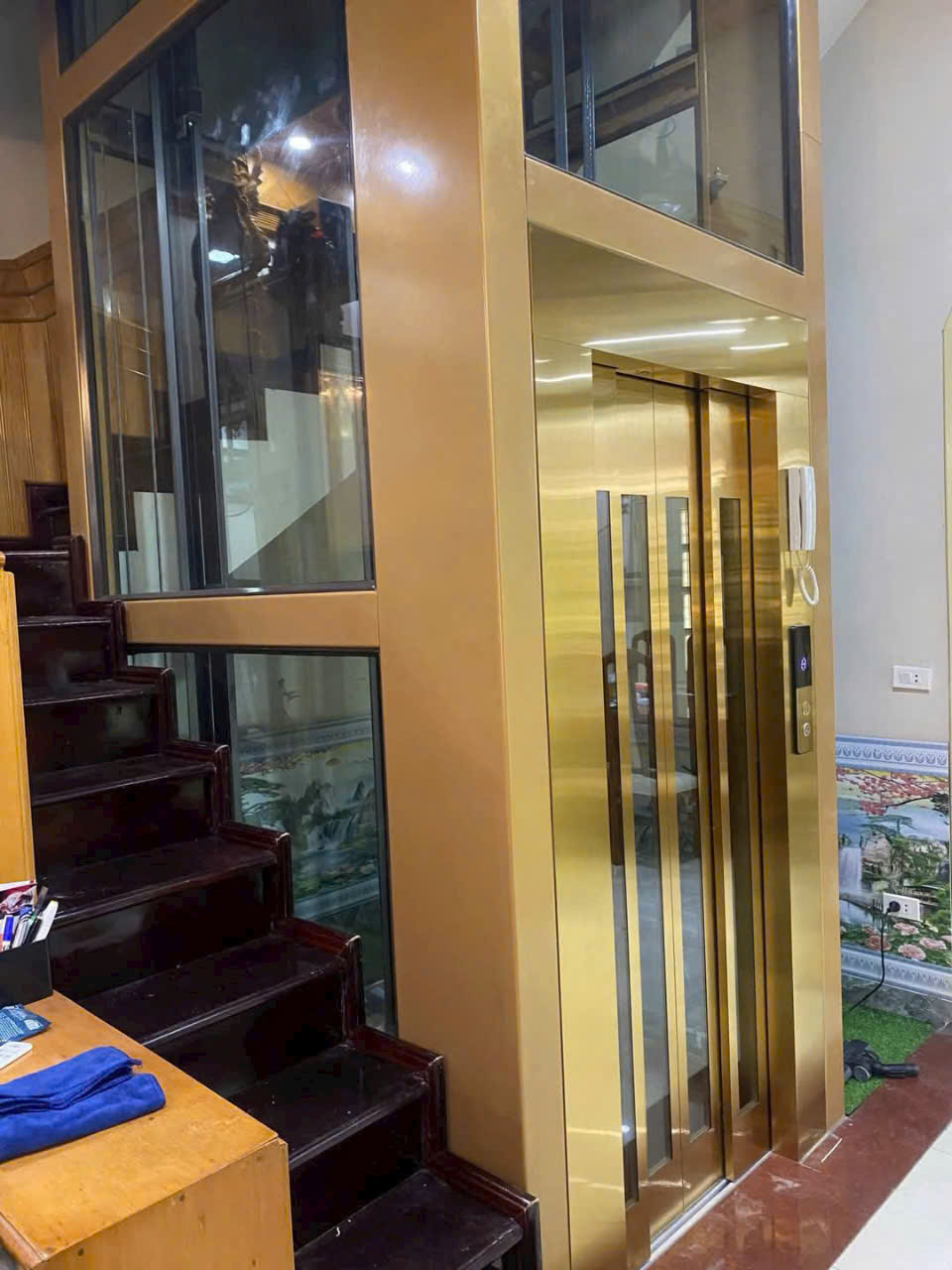
Factors that make up the price quote for a 6-stop elevator.
The price of a 6-stop elevator is determined by several technical and aesthetic factors. First, origin – brand and technical configuration (load capacity, speed, safety standards) – determine the basic cost, clearly differentiating between fully imported elevators and cost-effective joint-venture elevators. Next, the choice of geared or gearless traction machines , whether a machine room or MRL (Multi-Row Rail) system is used, and energy-saving solutions will affect both initial investment and long-term operating costs. Finally, cabin materials, landing door style, interior design investment, and accompanying amenities (LED lighting, handrails, stone flooring, touch-sensitive call panels, etc.) create significant price differences between configurations with the same number of stops.
Origin, brand, and technical specifications
The first factor determining pricing is origin and brand . Imported, fully assembled 6-stop elevators in Hanoi typically cost 30-60% more than joint-venture elevators of the same load capacity, due to component costs, logistics, taxes, and manufacturer's warranty policies. Conversely, joint-venture elevators use imported traction machines, control cabinets, and inverters, but the cabin, mechanical frame, and landing doors are manufactured domestically, optimizing costs while still ensuring safety standards TCVN 6395 and EN81.
In terms of technical configuration, common load capacities for 6-stop elevators are 350kg, 450kg, 550kg, and 630kg. The higher the load capacity, the larger the cabin and counterweight, leading to increased steel, guide rails, traction machine power, and inverter, thus increasing costs. Furthermore, the rated speed (typically 60–90 m/min for residential buildings and 90–105 m/min for commercial buildings) directly impacts the choice of traction machine, automatic rescue system, and mechanical braking system, thereby affecting the overall price.
Tractor type, engine room, and energy-saving solutions
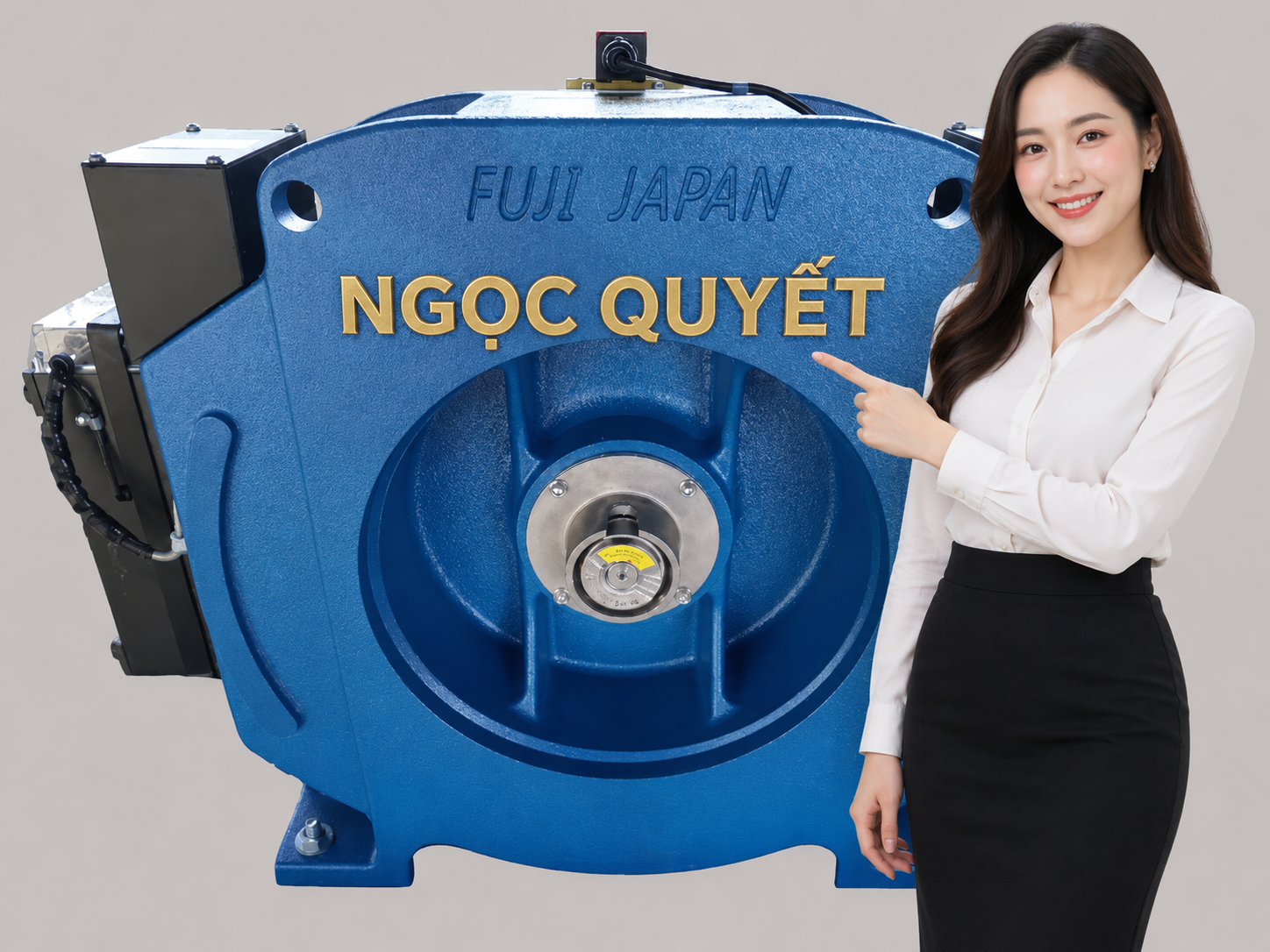
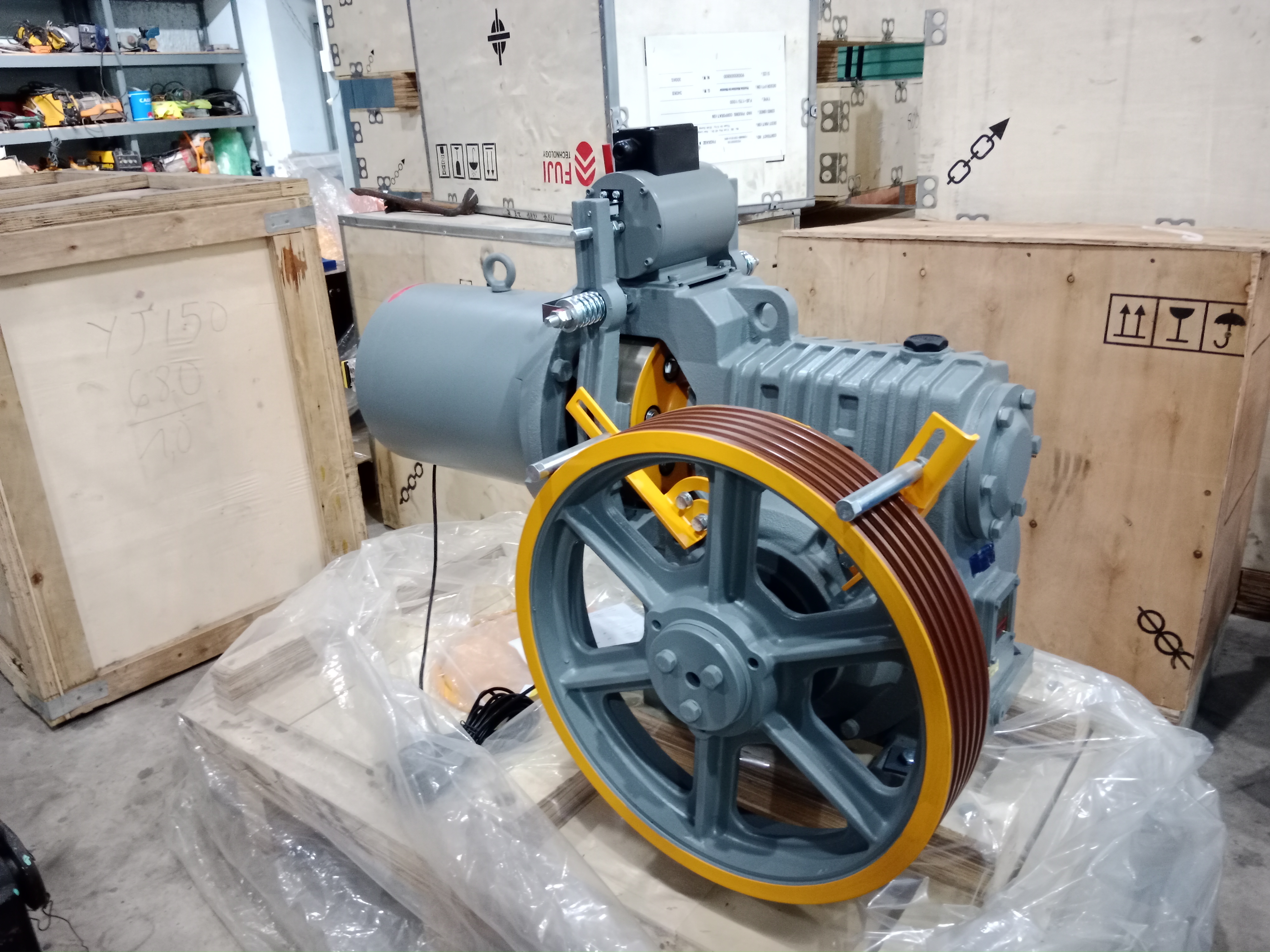
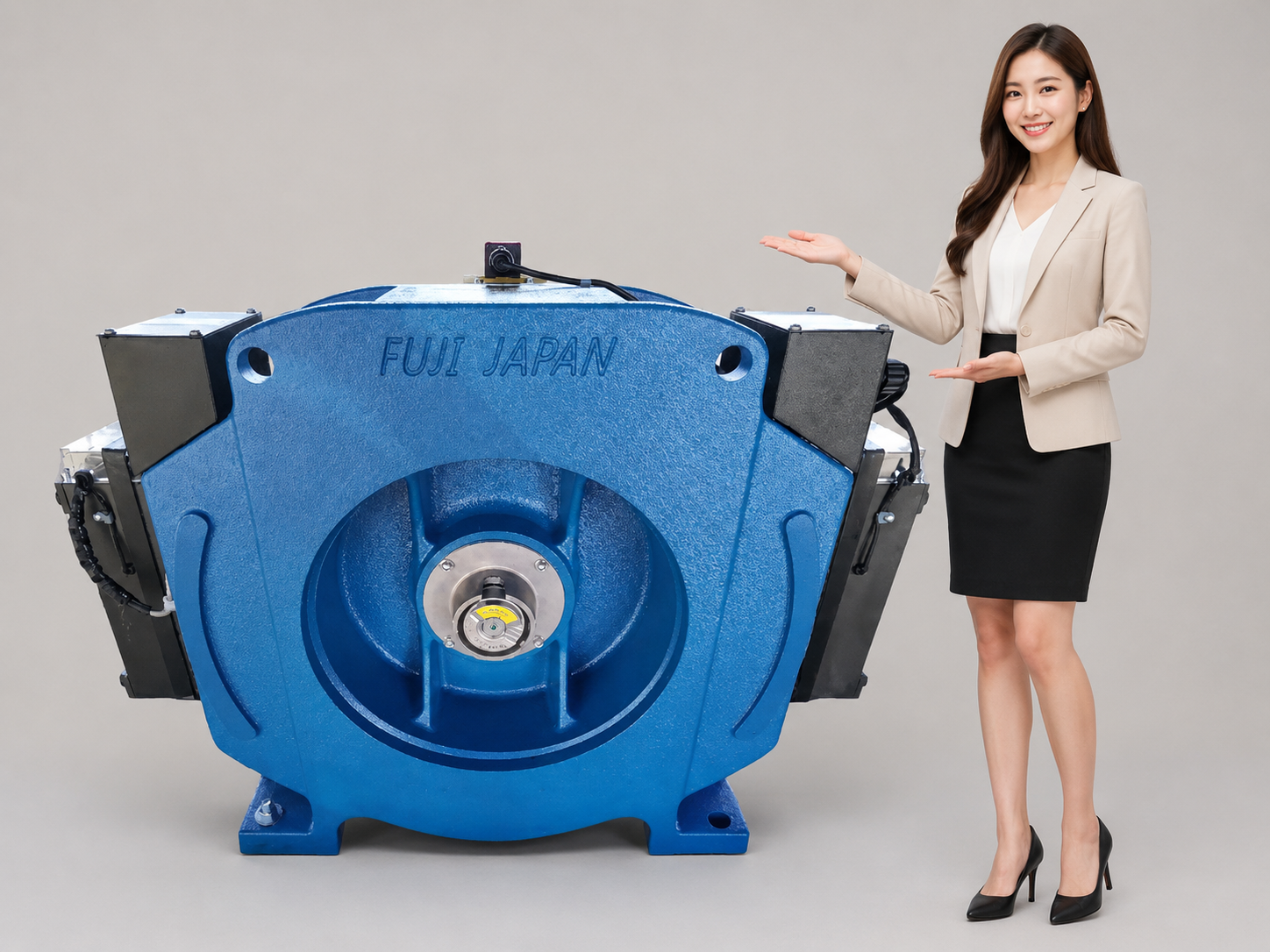
Currently, six-stop elevators in Hanoi mainly use two types of traction machines: geared and gearless . Geared traction machines are generally cheaper and suitable for buildings that don't require high levels of smoothness and energy efficiency, but they are noisier and have more vibration, and the maintenance costs for gear oil are higher. Gearless traction machines use permanent magnet motors, operate smoothly, save 30-40% on electricity, and are suitable for green building trends; however, the initial investment cost is higher.
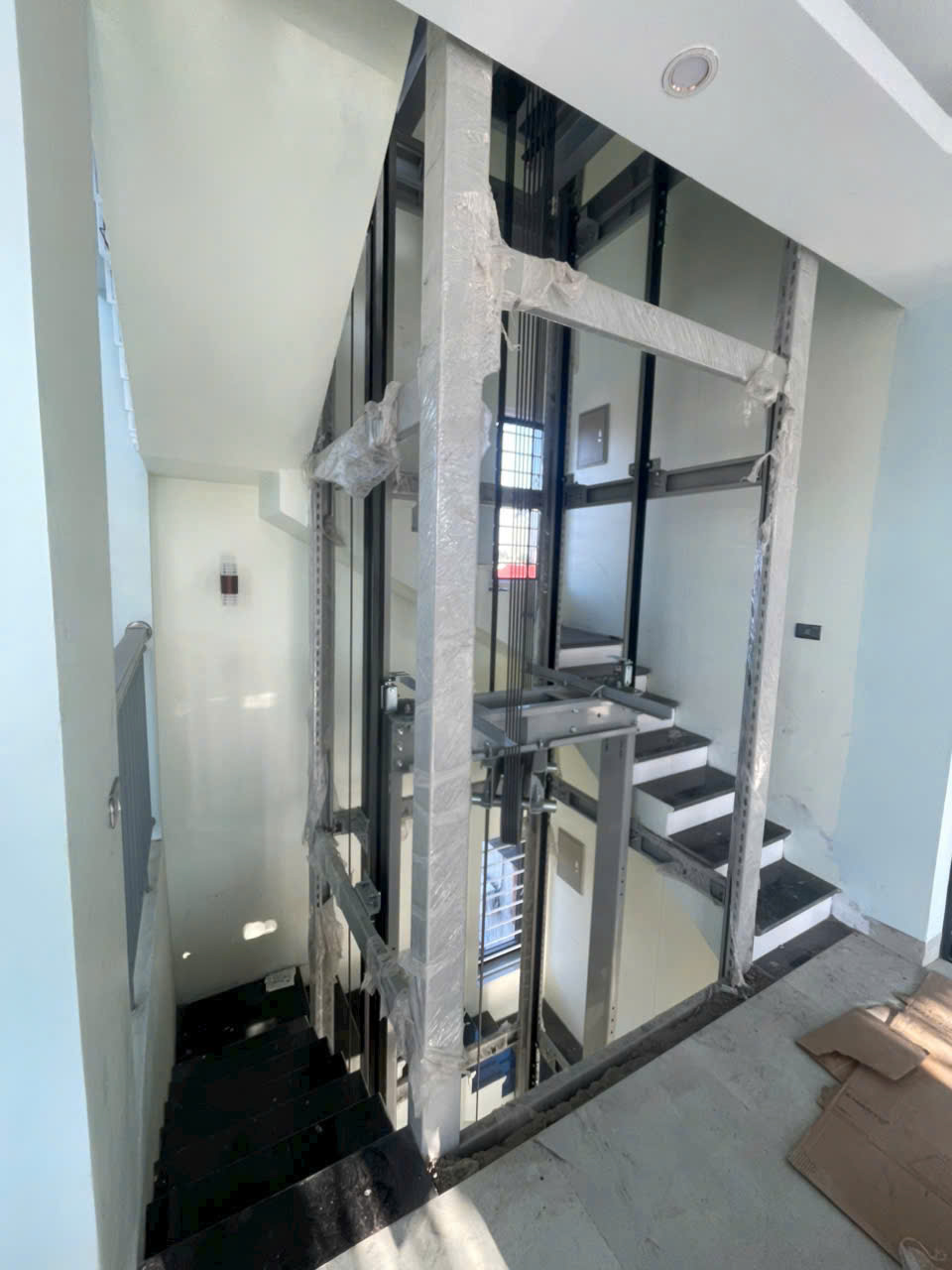
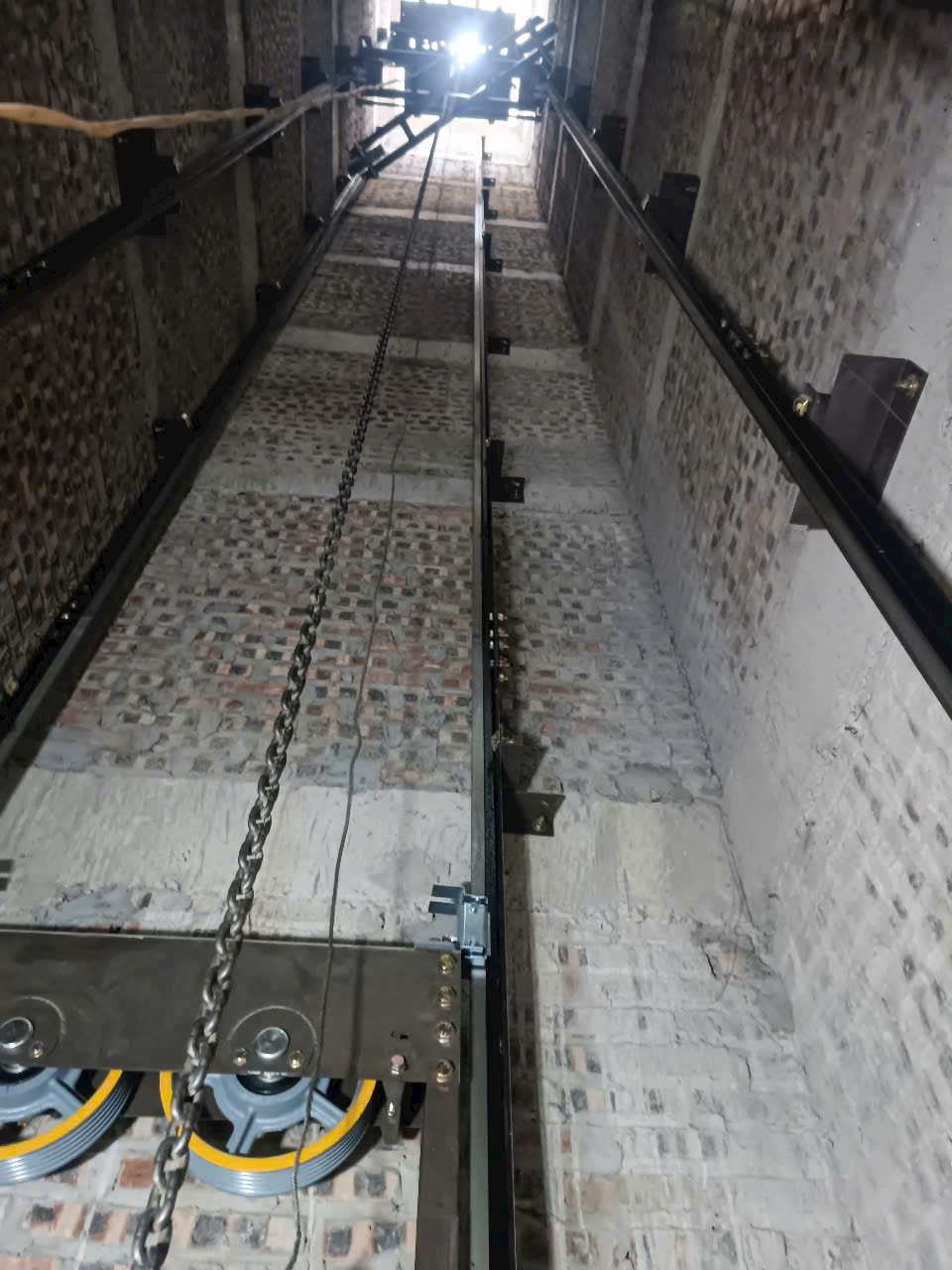
The choice of machine room or machine room-less (MRL) elevator is also a crucial variable in pricing. MRL elevators save overall height, making them suitable for renovated houses and townhouses with limited attic height, but they require precise shaft construction, high-quality rails and anchor bolts, and more complex equipment and installation costs. Many developers in Hanoi prefer gearless MRL configurations for 6-7 story residential buildings to optimize space and roof aesthetics.
Cabin materials, landing doors, and interior design.
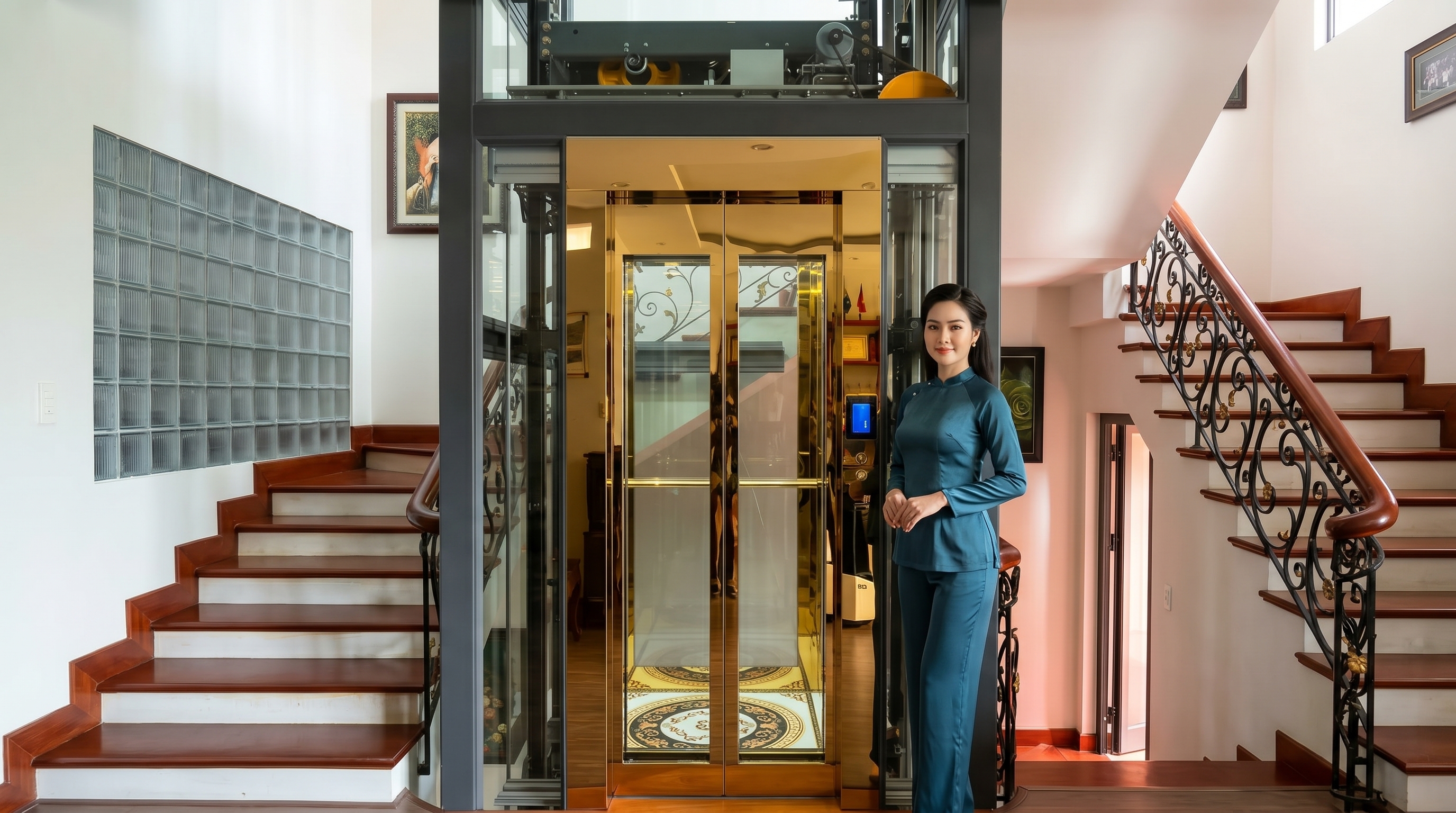
The elevator cabin and landing doors account for a significant portion of the price quote for a 6-stop elevator. Common materials include brushed stainless steel, mirror-finish stainless steel, patterned stainless steel, tempered glass with stainless steel frames, or a combination of wood veneer and laminate. Standard brushed stainless steel cabins are the least expensive, suitable for family homes. Mirror-finish stainless steel, patterned stainless steel, or full-glass cabins are more expensive due to the required fabrication, surface treatment, and accompanying accessories.
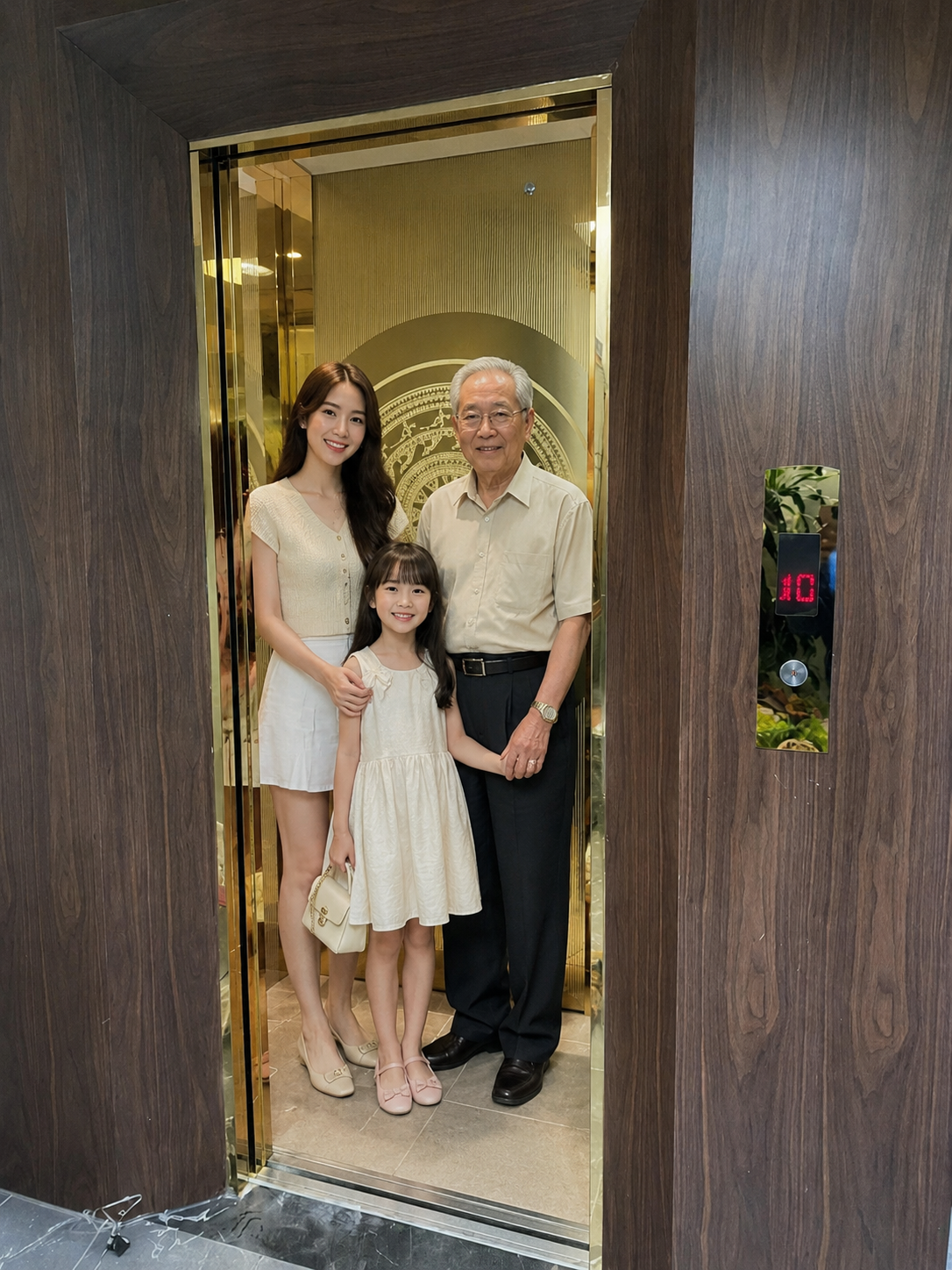
The landing door system can be a center-opening (CO) double-leaf door, asymmetrical (SO) double-leaf door, or a four-leaf folding door. Standard automatic doors with a width of 700–800mm for a load capacity of 350–450kg are less expensive than doors with a width of 900–1000mm for a load capacity of 630kg. Additionally, options such as LED cabin ceilings, stainless steel handrails, full-length mirrors, granite flooring, touch-sensitive landing call panels, and LCD floor display screens all enhance aesthetics and convenience, while adding to the overall cost.
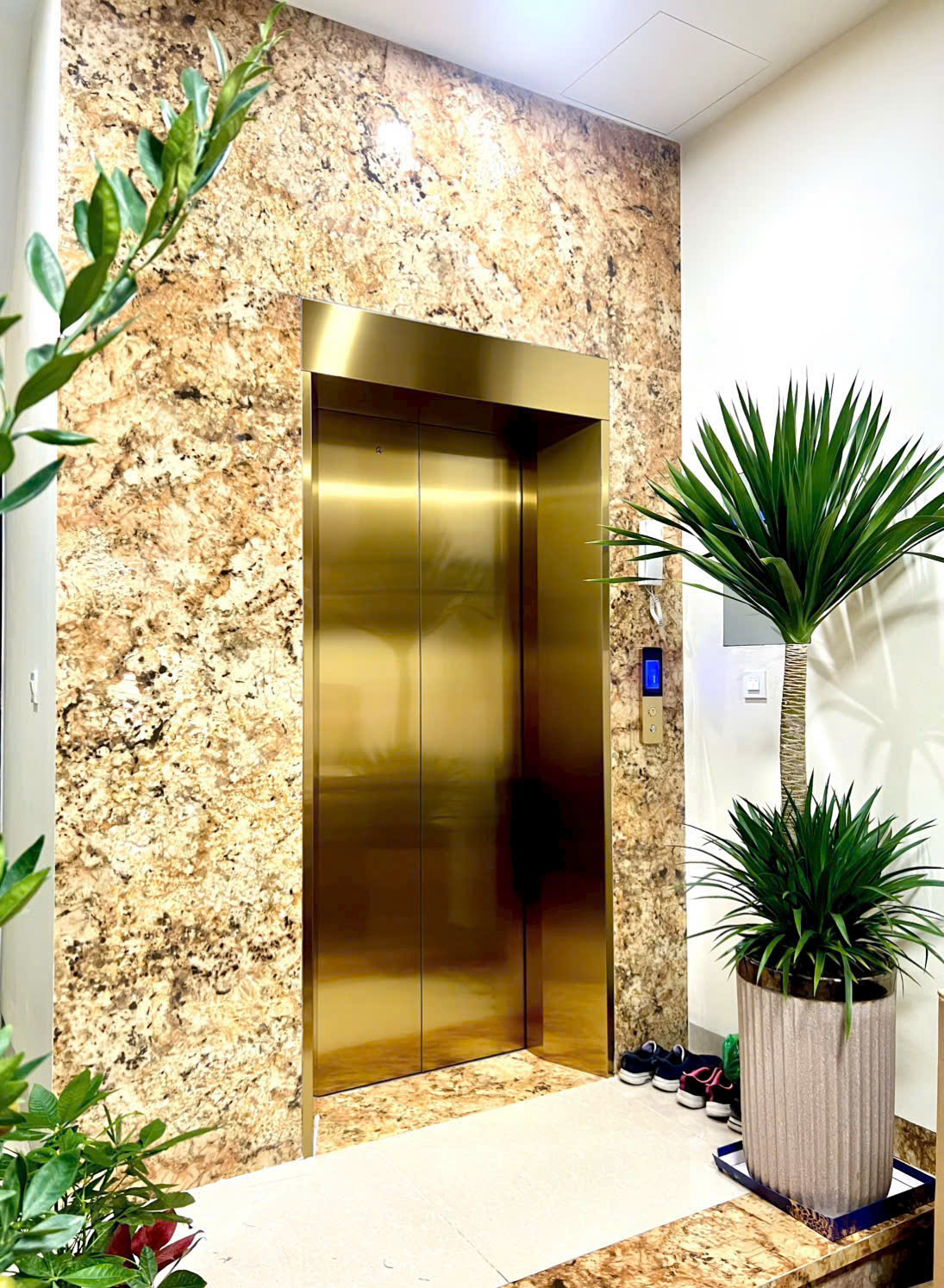
Reference price list for a 6-stop elevator in Hanoi.
The pricing for 6-stop elevators in Hanoi is divided into joint venture, fully imported, and MRL (Medium Recycle Load) configurations without a machine room, with the main differences stemming from load capacity, speed, brand, and cabin/door finishing materials. Under standard shaft conditions, the equipment price usually excludes shaft construction, 3-phase electricity, and fire protection systems, and can increase by 10–25% when dealing with uneven shafts, limited dimensions, or the use of custom-designed cabins and glass doors. Besides the equipment price, the total cost also includes installation, transportation, commissioning, and many auxiliary items such as structural reinforcement, machine room finishing, power supply, grounding, lighting, ventilation, and an integrated fire alarm system.
Price range by segment and load capacity
Assuming standard site conditions and elevator shaft size, the estimated cost for a 6-stop elevator in Hanoi can be as follows (excluding elevator shaft construction, 3-phase electricity, and fire protection):
- Joint venture elevator with a capacity of 350–450kg, 6 stops, and a speed of 60 m/min : approximately 430–520 million VND, featuring a geared traction machine, a brushed stainless steel cabin, powder-coated landing doors, and a basic call panel.
- Joint venture elevators with a capacity of 550–630kg, 6 stops, and a speed of 60–90 m/min : approximately 520–650 million VND, with or without a geared traction machine, stainless steel cabin with mirror finish, stainless steel landing doors, and decorative LED ceiling.
- Imported elevators with a capacity of 450–630kg and 6 stops cost approximately 750–1,100 million VND depending on the brand (Mitsubishi, Fuji, Hitachi, Schindler, etc.), with a speed of 60–105 m/min, matching cabin and landing doors, and standard manufacturer design.
- Gearless MRL elevators with 6 stops for renovated buildings : typically cost 60–120 million VND more than equivalent configurations with a machine room due to technical requirements and specialized equipment.
The prices above are for reference only, applicable under favorable construction conditions, with a standard elevator shaft and no additional structural reinforcement. If the elevator shaft is misaligned, has limited dimensions, or requires a machine-roomless elevator solution with glass doors and a custom-designed cabin , the cost may increase by 10–25% compared to the standard configuration.
Installation, transportation, and project-related costs.
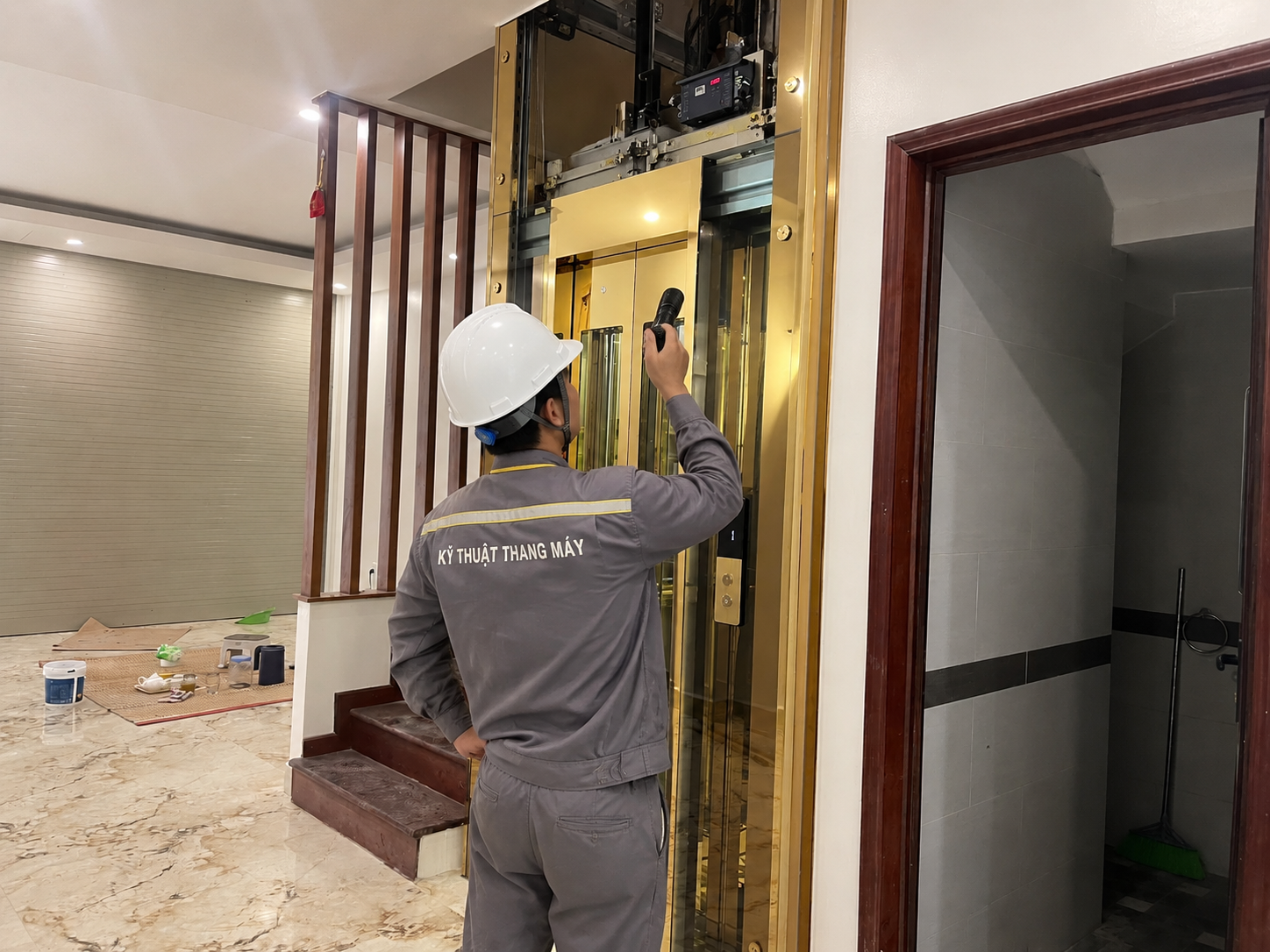
Besides the equipment cost, investors in Hanoi need to consider installation, transportation, and auxiliary costs . For projects within the city, transportation costs are usually included in the quotation, but for projects in suburban areas or hard-to-reach locations, additional crane and loading/unloading costs may apply. The installation cost for a 6-stop elevator includes labor, specialized tools, calibration, testing, safety inspection, and handover.
Common additional costs include: reinforcing machine support beams, landing door beams, building elevator shaft walls, pouring concrete for the machine room floor, installing a 3-phase power supply, grounding system, elevator shaft lighting, ventilation fans, and fire alarm interlocking . These costs are not included in the elevator equipment package but directly impact the total investment. Clearly breaking down each item in the quotation helps homeowners control their budget and avoid unexpected expenses.
Warranty, maintenance and safety standards policies
Warranty, maintenance, and safety standards for a 6-stop elevator should be considered as part of the total cost of ownership. Common warranty periods range from 12–24 months for domestically manufactured elevators and 18–24 months for imported elevators, covering parts and labor, along with scheduled maintenance for comprehensive inspections of critical safety components. After this period, the owner should sign a long-term maintenance contract with a minimum frequency of 6–12 times per year, the cost depending on the elevator type and usage level. Furthermore, the elevator must meet safety standards , undergo regular technical inspections, and have complete legal documentation to facilitate acceptance testing, operational permits, and building insurance.
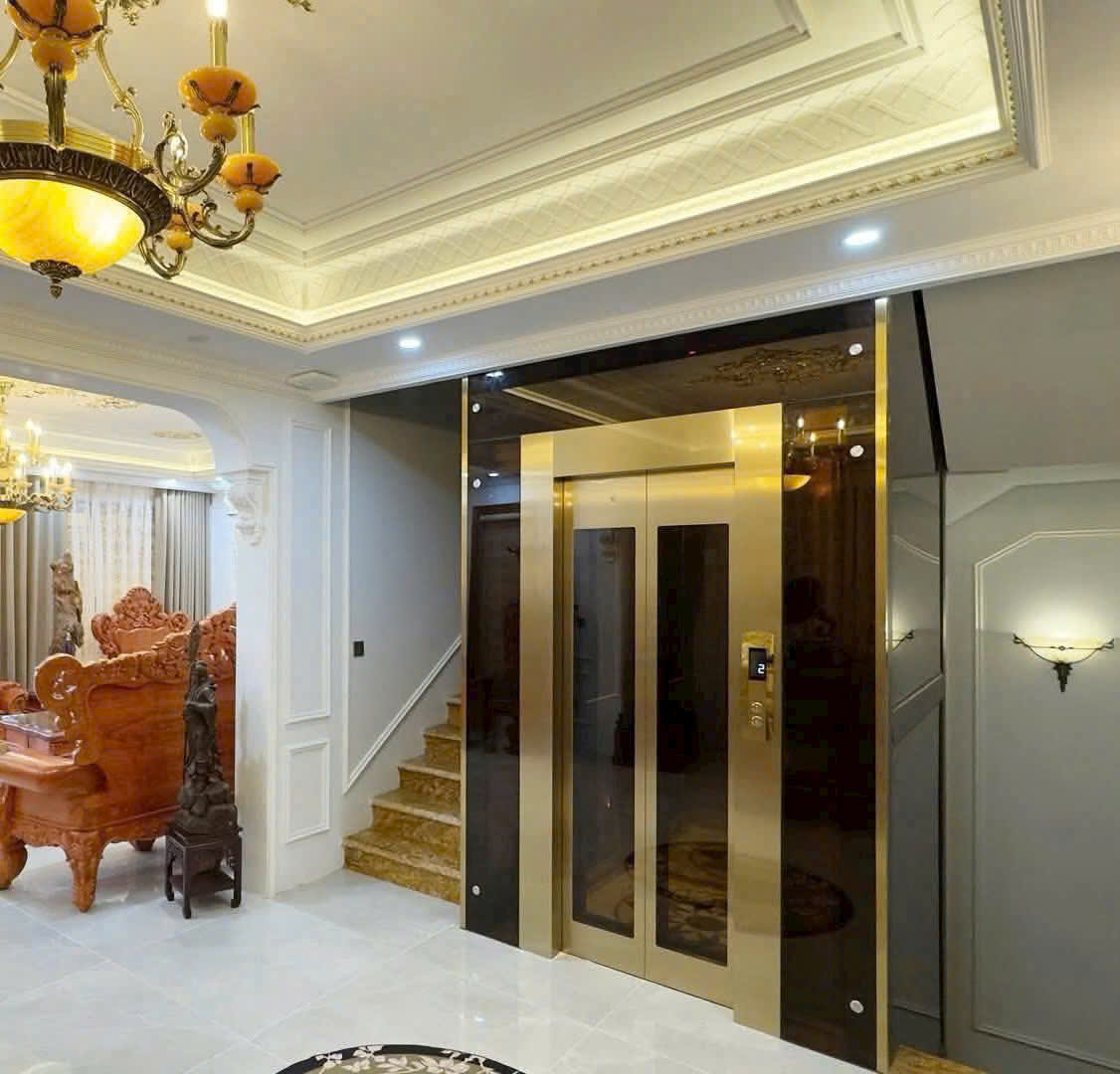
Warranty period, periodic maintenance costs
For 6-stop elevators, warranty and maintenance policies are factors that need to be considered alongside the equipment price. Typically, suppliers in Hanoi offer warranties of 12–24 months for joint-venture elevators and 18–24 months for fully imported elevators, covering both parts and labor. During this period, the supplier will perform monthly or bi-monthly maintenance, checking the mechanical braking system, hoisting cables, door sensors, automatic rescue system, control panel, inverter, and other safety devices.
After the warranty period, the owner needs to sign a long-term maintenance contract with a minimum frequency of 6–12 times/year for a 6-stop elevator. Maintenance costs depend on the type of elevator, number of stops, load capacity, and usage conditions, usually ranging from 6–15 million VND/year for residential elevators and higher for public elevators. Choosing a company with an on-site technical team in Hanoi, readily available spare parts, and a rapid incident response process helps minimize elevator downtime and major repair costs.
Safety standards, inspections, and legal documentation.
Six-stop elevators must comply with safety standards such as TCVN 6395, TCVN 6904, EN81, and regulations on fire safety, grounding, and lightning protection. Before being put into operation, the elevator must undergo a technical safety inspection by an inspection unit licensed by the Ministry of Labour, Invalids and Social Affairs. The cost of the initial inspection and periodic inspections (usually every 1–3 years) should be included in the total operating costs.
The accompanying legal documents include: elevator design drawings, installation drawings, Certificate of Origin (CO), Certificate of Quality (CQ), installation acceptance report, inspection report, operation and maintenance instructions . Choosing a supplier with the capacity to design, construct, and complete all necessary documentation facilitates the project acceptance process, licensing, and project insurance, reducing legal risks during the operation of the 6-stop elevator in Hanoi.