

Elevator price quote for 7 stops
Elevator price quote for 7 stops
A 7-stop elevator is a popular vertical transportation solution in medium and small-sized high-rise buildings, meeting the need for efficient movement between floors. Determining the price of a 7-stop elevator depends not only on the number of stops but also on many technical factors, materials, technology, and specific design requirements. To get a comprehensive view of the price, a detailed analysis of each component and the factors affecting the overall cost is necessary.
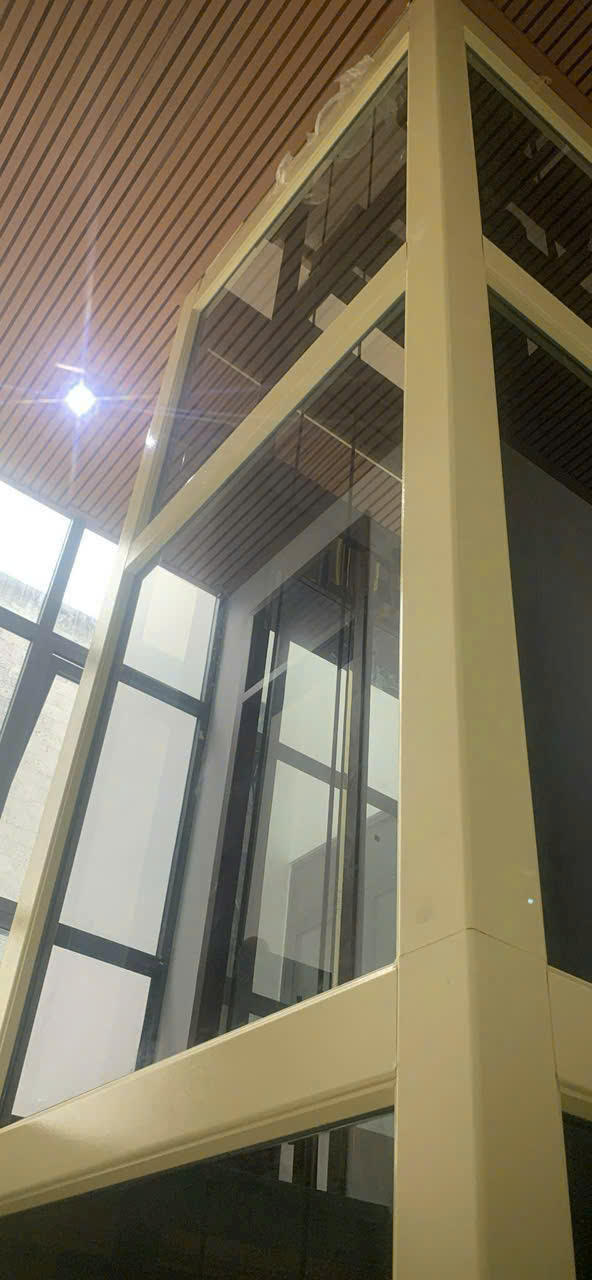
Factors affecting the price quote for a 7-stop elevator.
One of the most important factors influencing the pricing of a 7-stop elevator is the technology used. Elevators can be equipped with traditional cable-driven systems or modern gearless technology, each with different price points and performance levels. Additionally, load capacity, operating speed, and cabin size also play a decisive role in pricing.
The materials used to manufacture the elevator cabin and walls also significantly affect the cost. Common materials include stainless steel, tempered glass, and high-grade composite materials. Each material offers different aesthetics and durability, thus influencing the final price.
Control and safety systems are an integral part of elevator construction. Devices such as microprocessor controllers, anti-jamming sensors, automatic rescue systems, and alarm systems all contribute to increased costs but simultaneously ensure safety and convenience for users.
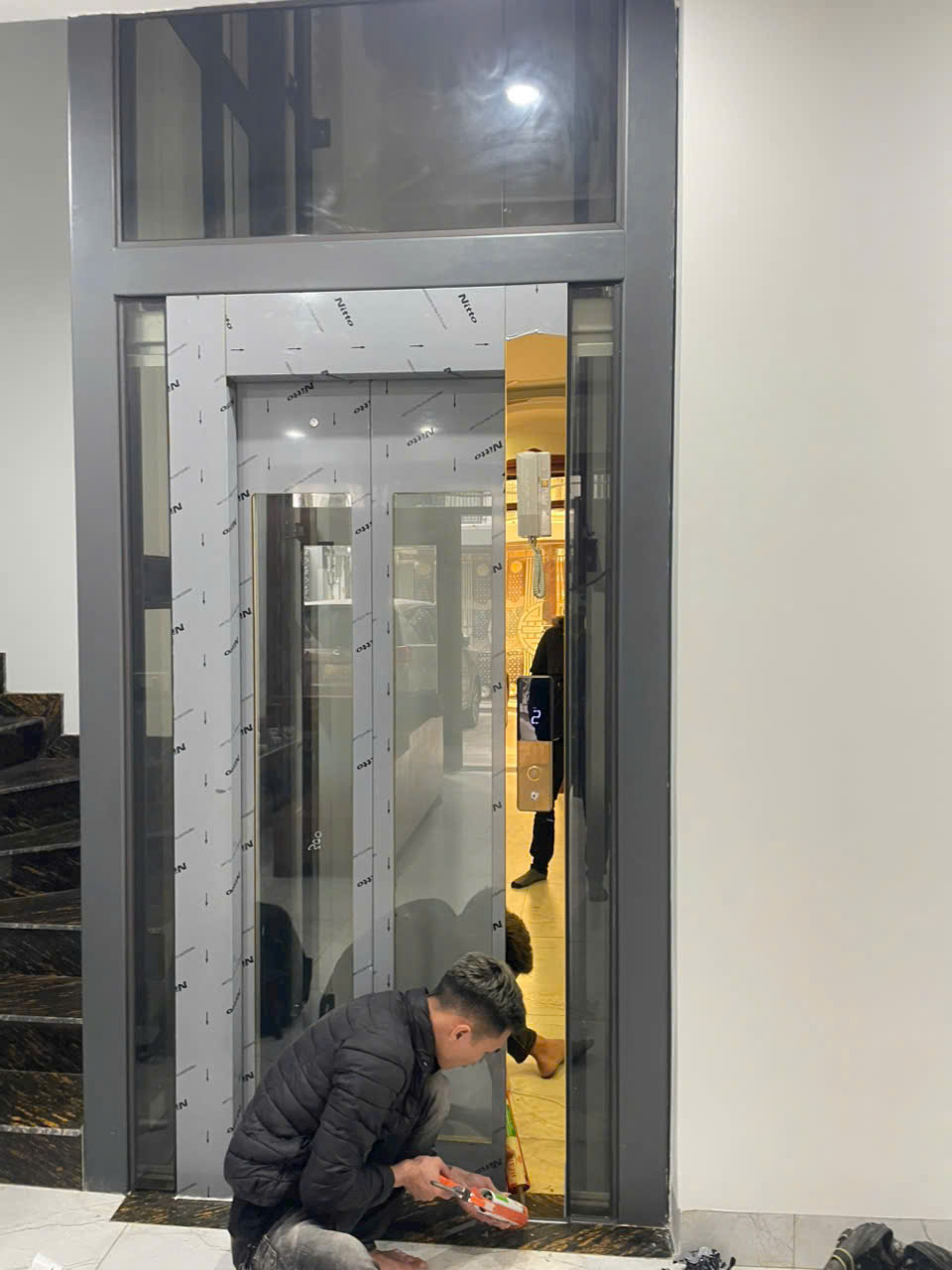
Details of the components in the price quotation for a 7-stop elevator.
The cost of a 7-stop elevator includes several important factors. First, the main components such as the cabin, motor, drive system, and cabling account for a large portion of the total cost, with gearless motors typically being more expensive due to their superior efficiency. Next are the installation and construction costs , including labor, supporting equipment, and necessary auxiliary materials to ensure a smooth construction process and compatibility with the building structure. In addition, regular maintenance and servicing costs are crucial to maintaining the safety and durability of the elevator through annual service contracts. Finally, design and technical consulting costs may increase depending on aesthetic and technical requirements, optimizing space and saving long-term operating costs.
1. Main equipment costs
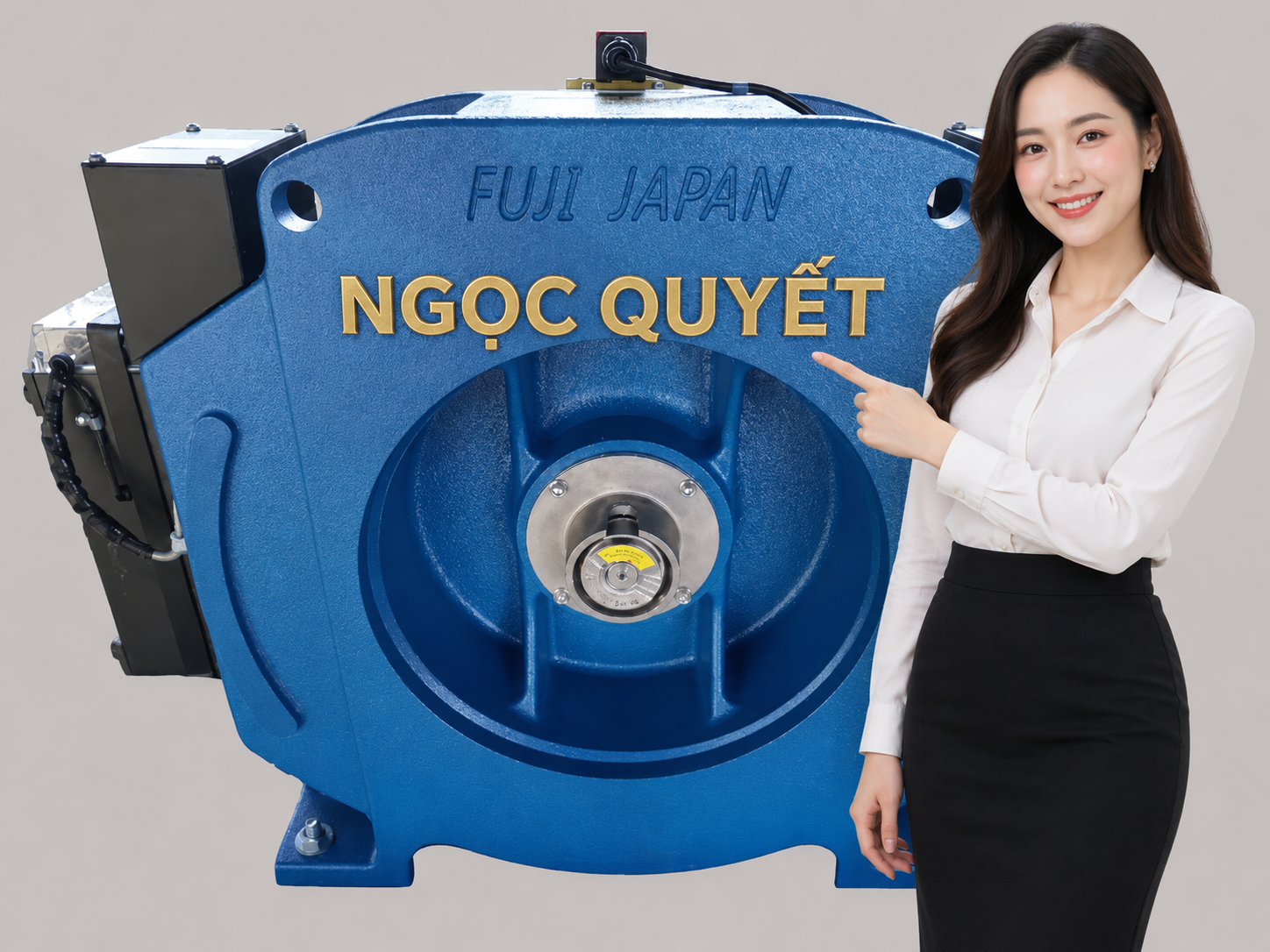
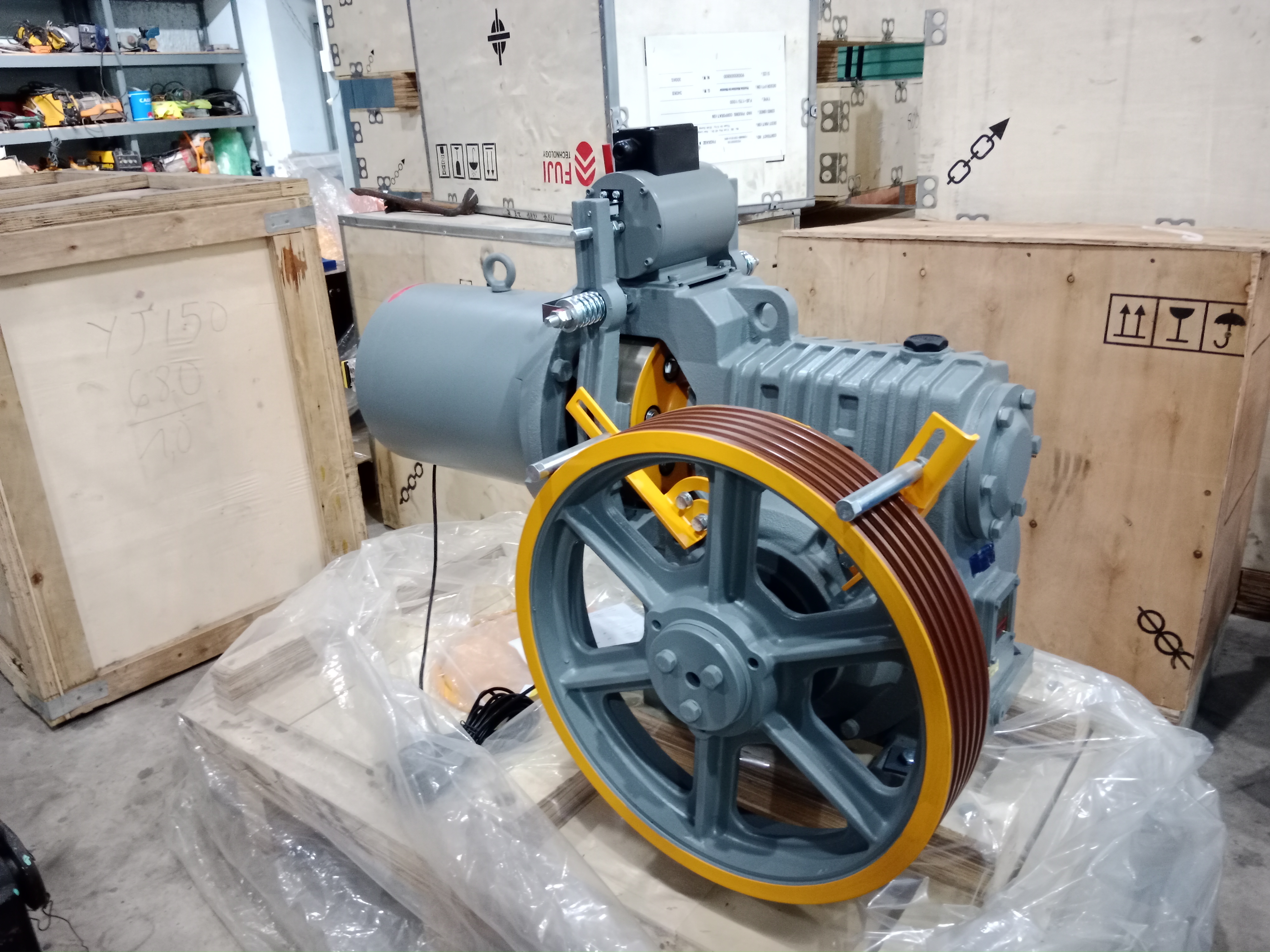
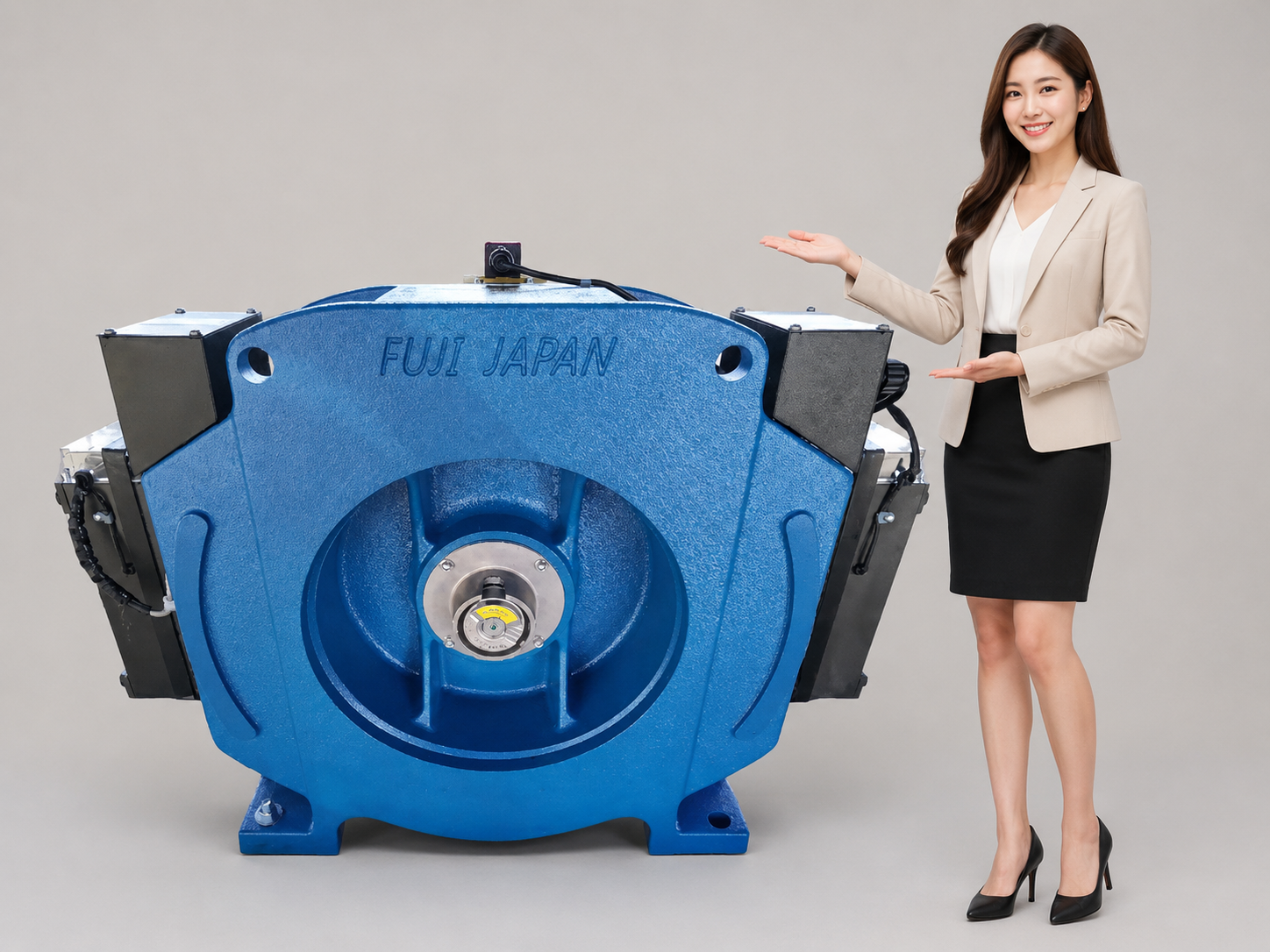
The main components include the cabin, engine, transmission, cable system, and counterweight. This is the largest component of the total cost. Gearless engines are generally more expensive than geared engines due to their smoother operation and greater energy efficiency.
2. Installation and construction costs
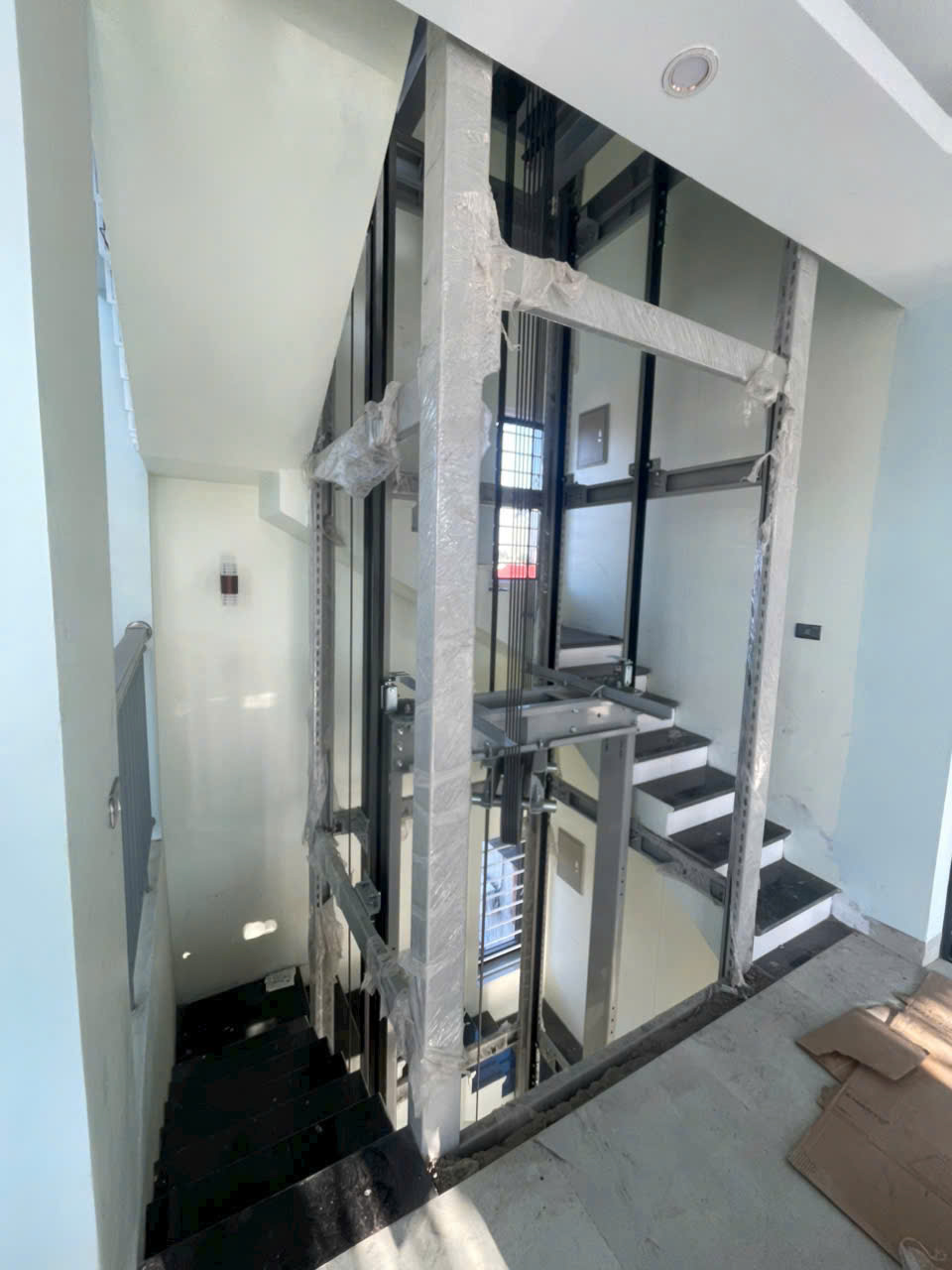
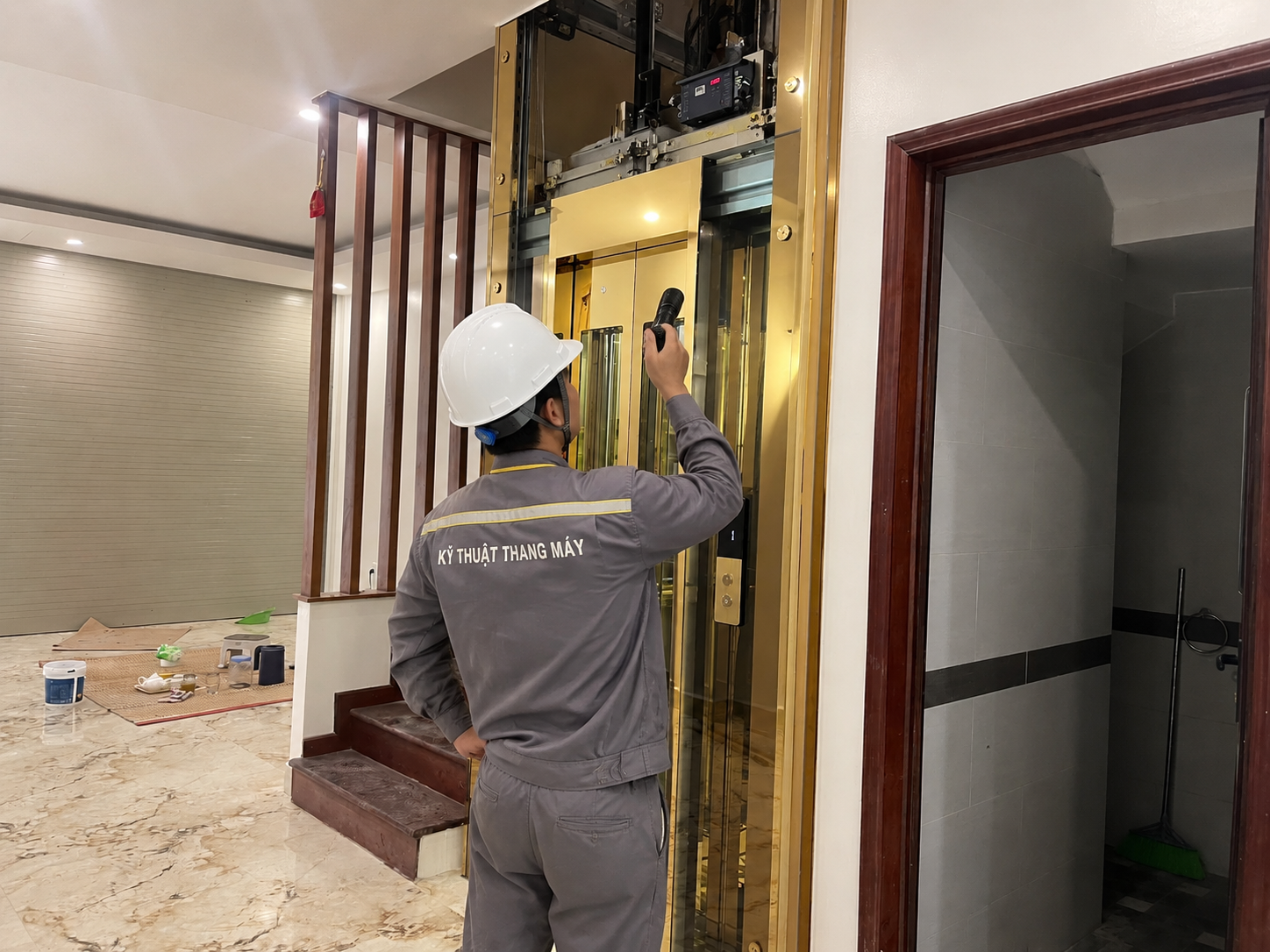
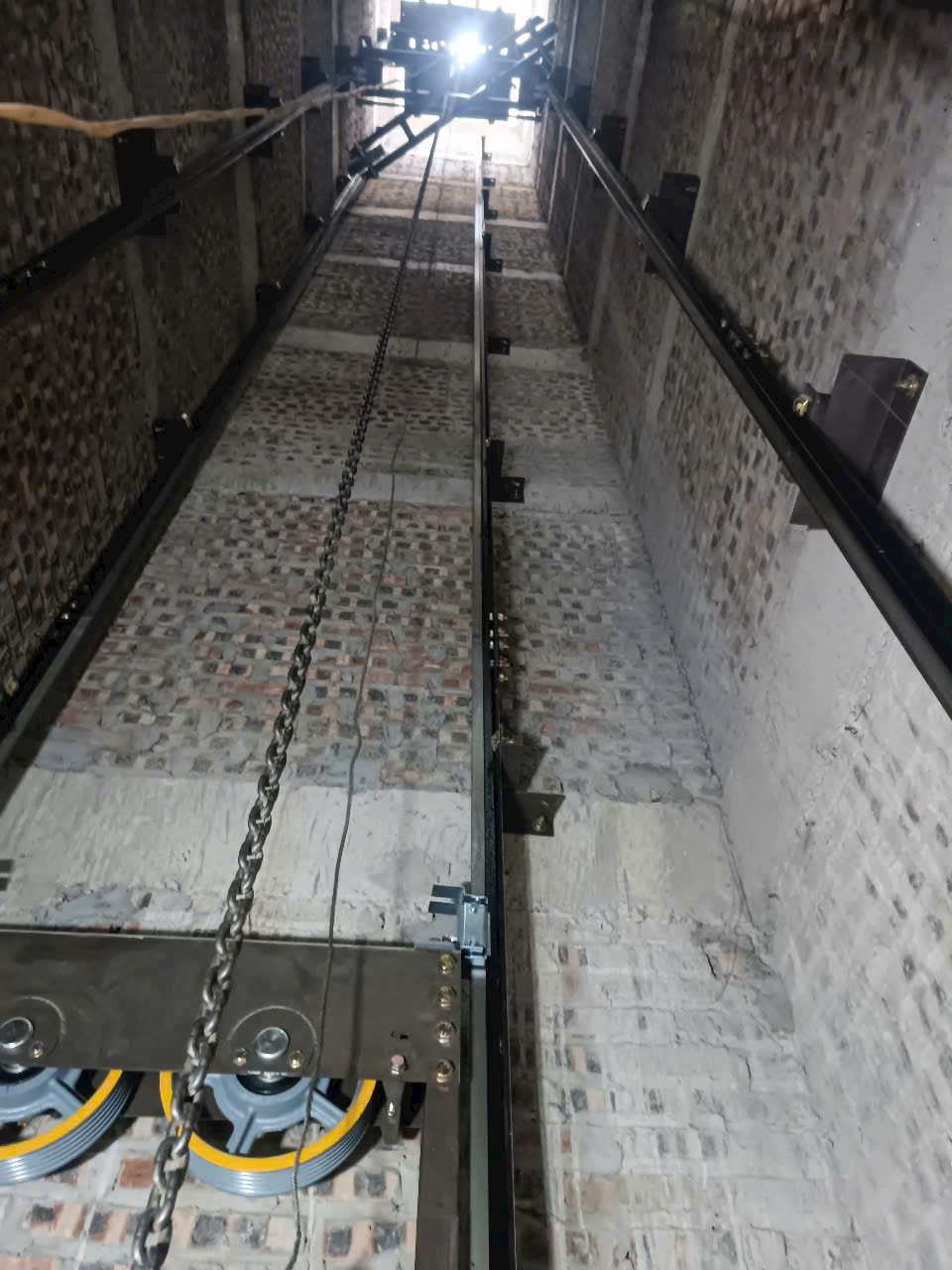
Elevator installation requires advanced technical skills and a construction timeframe that matches the building's structure. This cost includes labor, construction equipment, and auxiliary materials such as guide rails, electrical systems, and cabin lighting.
3. Costs of routine maintenance and servicing
Elevator maintenance is crucial for ensuring safe and reliable operation. This cost is typically covered by an annual service contract, which includes technical inspections, replacement of worn parts, and control software updates.
4. Design and engineering consulting costs
For projects with specific aesthetic or technical requirements, design and consulting costs can increase significantly. Designing in harmony with the building's architecture and optimizing installation space helps save on long-term operating costs.
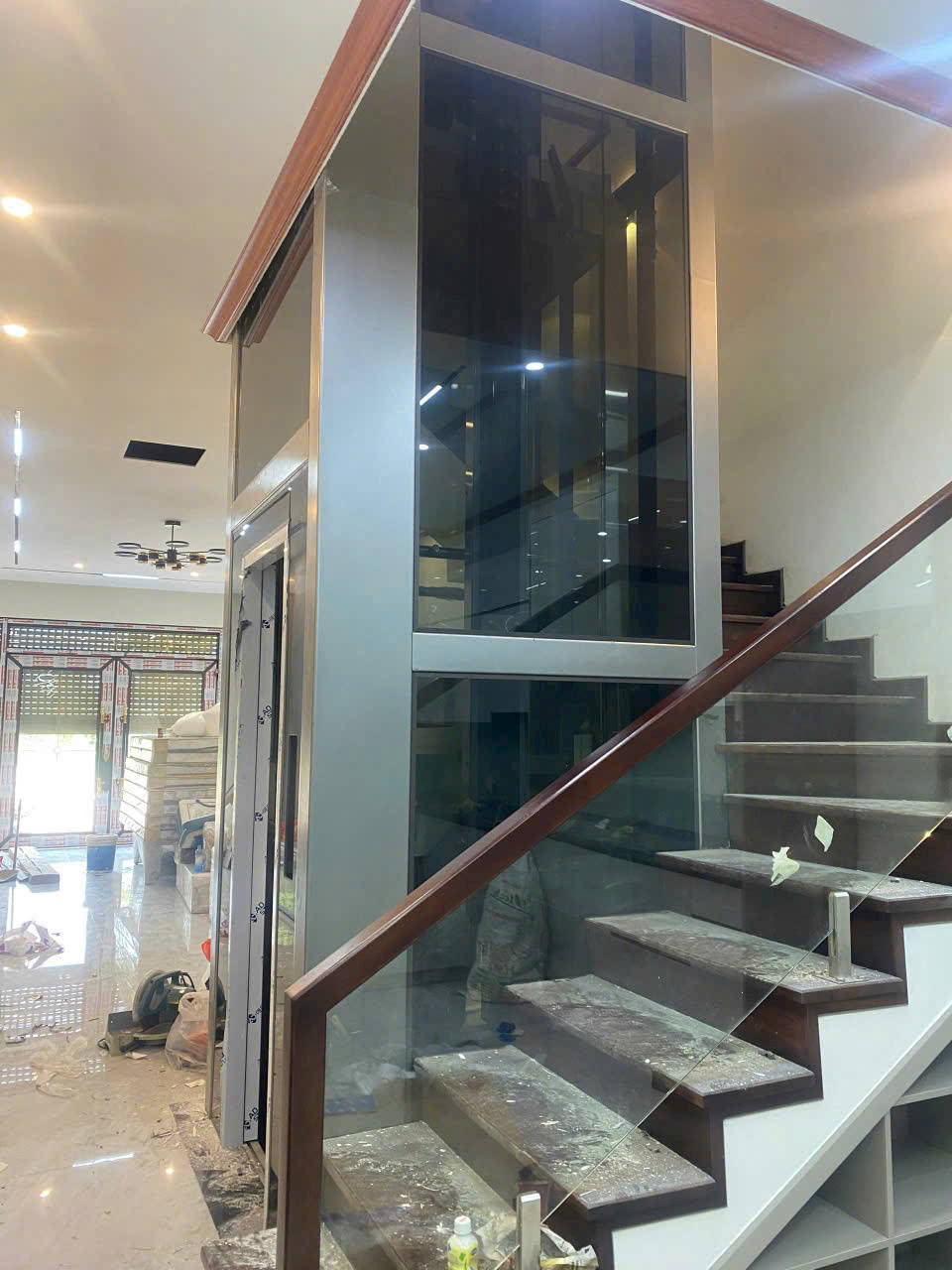
Classification of 7-stop elevators by technology and price range.
Seven-stop elevators can be categorized by drive technology and intended use, allowing customers to choose one that suits their budget and needs.
- Geared cable elevators: This is a traditional type of elevator with lower initial investment costs, suitable for projects with limited budgets.
- Gearless cable-driven elevators: Modern technology, smooth operation, energy efficient, but with higher initial investment costs.
- Hydraulic elevators: Commonly used in low-rise buildings, with moderate installation and maintenance costs; however, they are not common for 7-stop elevators due to height limitations.
- Machine Roomless Elevators (MRLs): Save space, suitable for buildings with limited area, but typically have higher investment costs than traditional elevators.
Estimated current price for a 7-stop elevator.
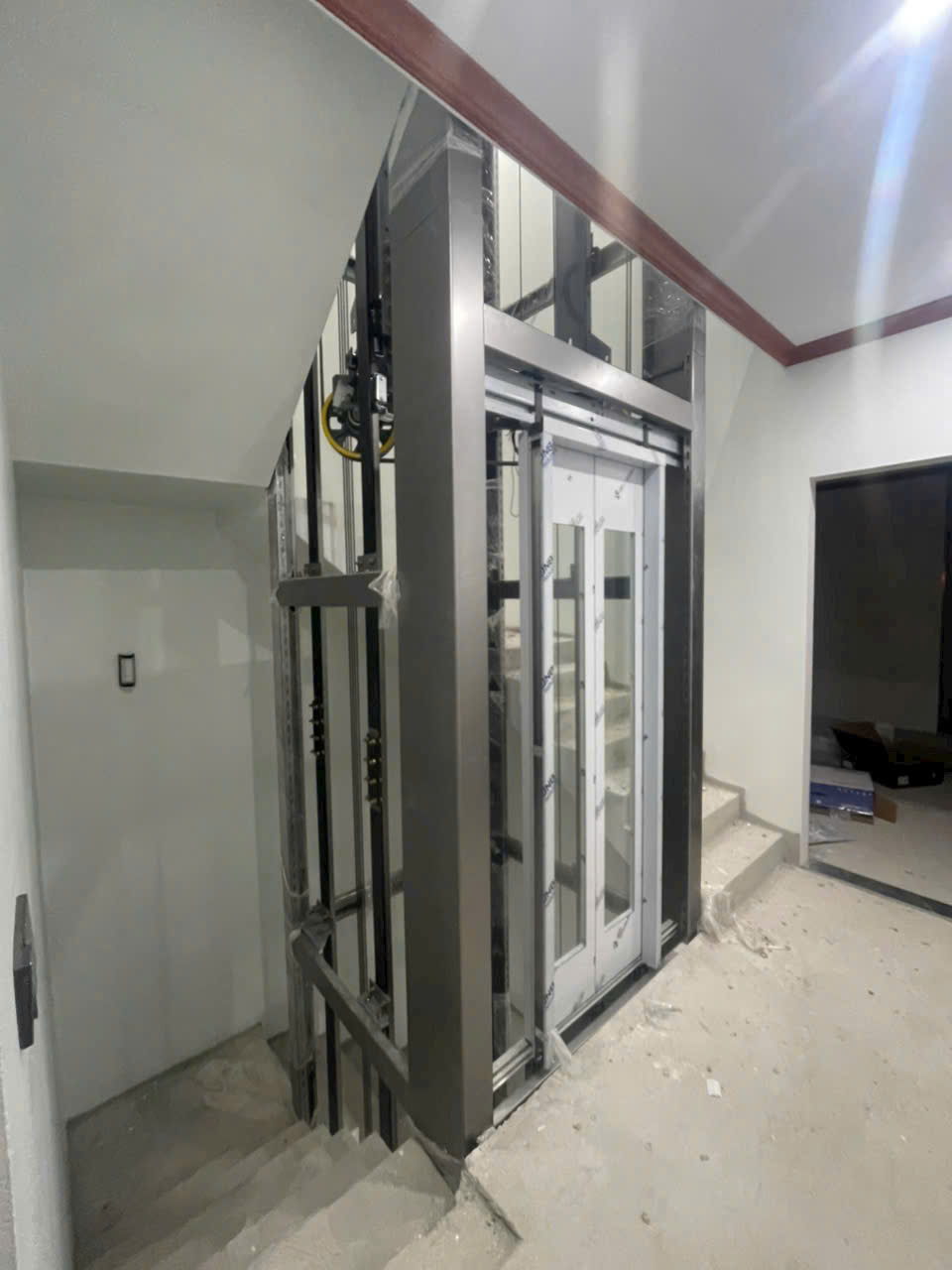
The price of a 7-stop elevator varies widely depending on the factors mentioned. Current market prices can be categorized as follows:
- Geared cable-driven elevators: From 350 million to 600 million VND, depending on load capacity and cabin material.
- Gearless cable-driven elevators: From 600 million to 1 billion VND, suitable for projects requiring high quality and aesthetics.
- Machine Roomless Elevators (MRLs): From 700 million to 1.2 billion VND, advantages include space saving and modern design.
Annual maintenance costs typically account for 5-10% of the elevator's value, including routine inspections and minor repairs. Additionally, unforeseen expenses such as control software upgrades or major component replacements should also be factored into the budget.