

Quotation for hospital elevators in Hanoi
Elevator price quotation for hospitals in Hanoi.
Specific characteristics of hospital elevators and factors influencing pricing.
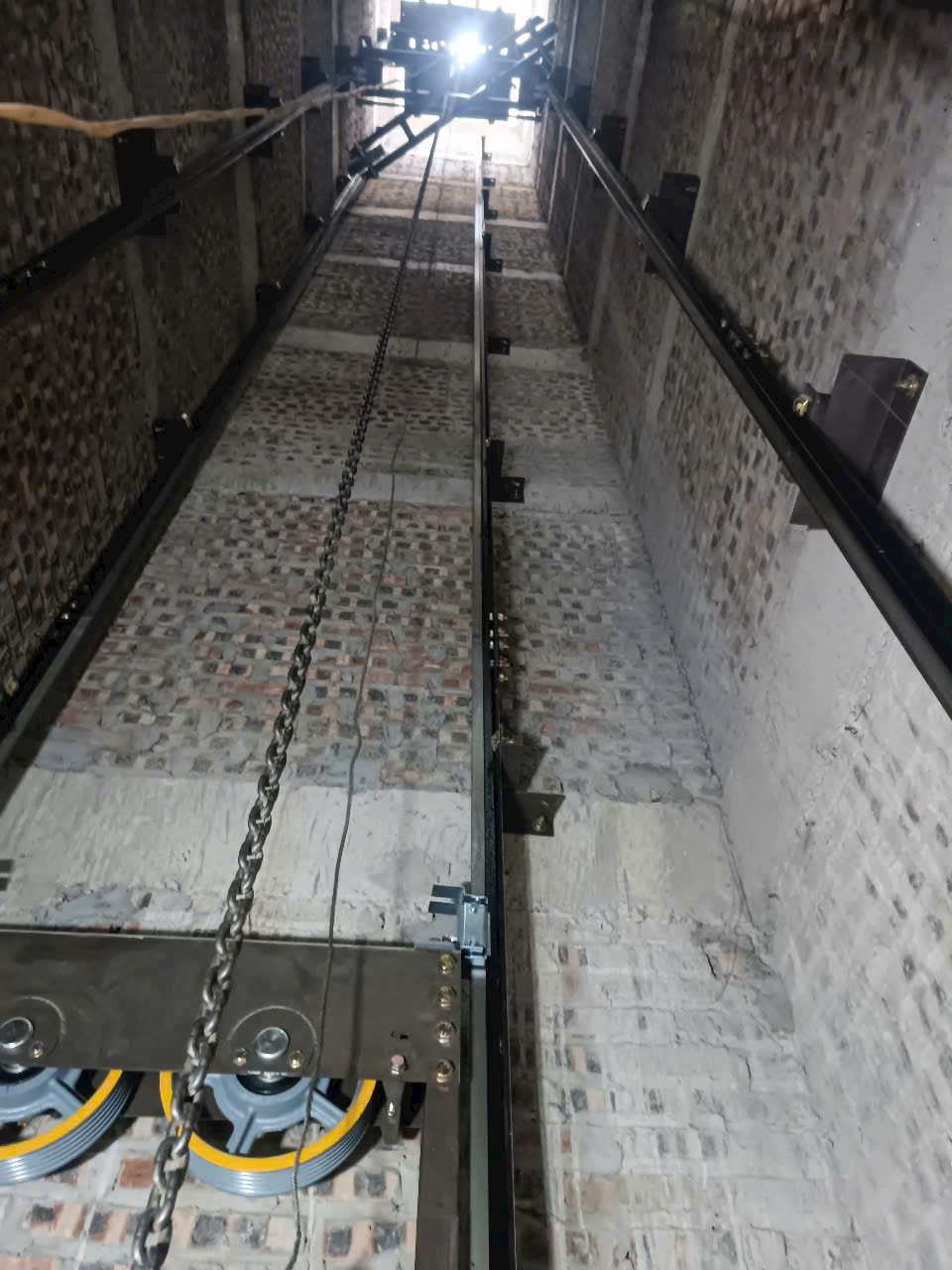
Hospital elevators in Hanoi are a segment with much stricter technical requirements compared to residential or office elevators. The system must simultaneously meet criteria such as transporting patients on stretchers, wheelchairs, and bulky medical equipment; high traffic volume; smooth operation; minimal vibration; and absolute hygiene and safety. Therefore, pricing for hospital elevators in Hanoi is always based on a specific set of standards and cannot be based on standard rates. Factors influencing the price include: load capacity (from 750kg to 2000kg), speed (1.0–2.5 m/s), specialized cabin configuration, cleanroom standards, emergency priority control system, equipment origin (Japan, Europe, South Korea, domestic joint ventures), elevator shaft conditions, and building height. Even minor changes in technical configuration lead to adjustments in equipment, installation, and long-term maintenance costs.
Reference price list for hospital elevators in Hanoi
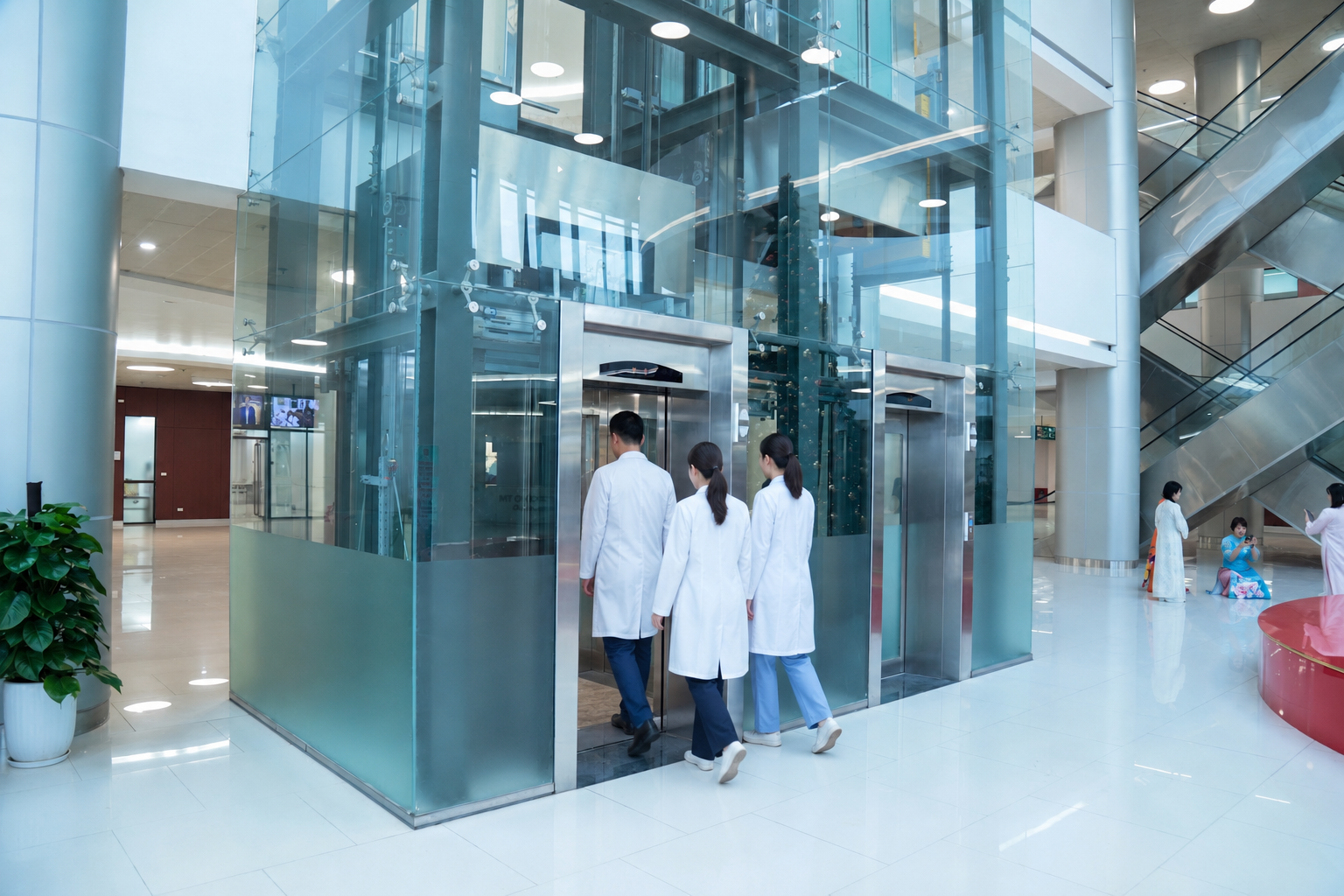
In practice, consulting and implementation units often establish a reference price framework to provide hospitals, clinics, and medical centers in Hanoi with a basis for initial cost estimation. For hospital elevators with a load capacity of 750–1000kg, a speed of 1.0–1.5 m/s, and of joint venture origin, the all-inclusive price (equipment + basic installation) usually ranges from 650–900 million VND for a 6–8 stop facility. For the 1350–1600kg segment, a speed of 1.5–2.0 m/s, and a standard stretcher-pulling cabin, the price can range from 900 million to 1.4 billion VND depending on the door configuration, finishing materials, and brand. For high-load elevators (1800–2000 kg), with speeds of 2.0–2.5 m/s, requiring a group control system, prioritizing emergency response, and manufactured in Japan or Europe, the cost can exceed 1.8–2.5 billion VND per elevator. These figures do not include the cost of constructing the elevator shaft, machine room (if applicable), 3-phase electrical system, machine room air conditioning, rescue equipment room, and other related architectural finishing items.
Common hospital elevator configurations and their impact on costs.
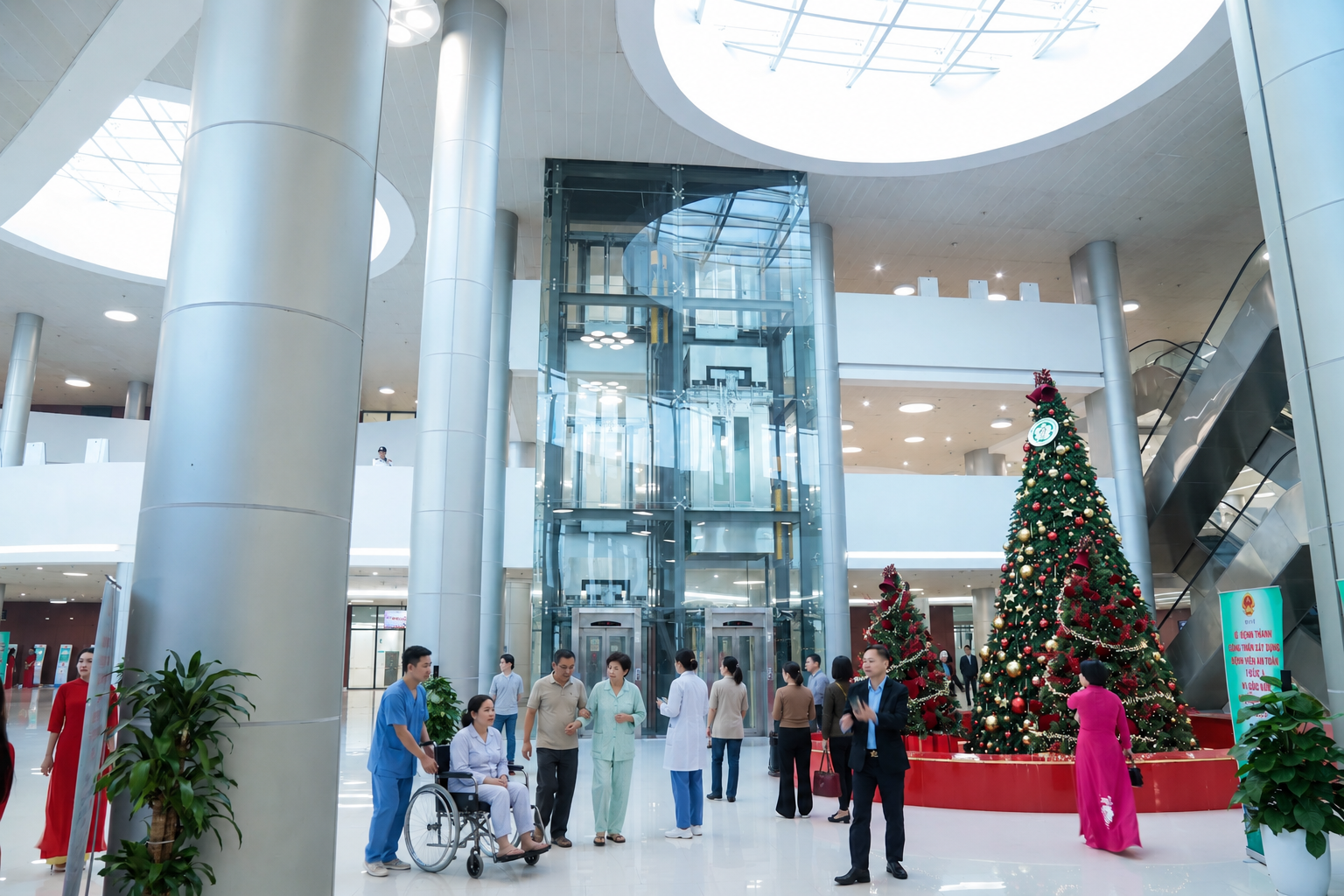
To create an accurate cost estimate, elevator configurations need to be analyzed according to various technical criteria. Each choice regarding load capacity, speed, drive type, door type, cabin material, control system, and safety standards directly impacts both initial investment costs and long-term operating costs. Specialized consulting firms typically propose at least 2–3 configuration options for the same project, helping investors balance their budget, current operational needs, and future expansion potential.
Load capacity, speed, and drive type.
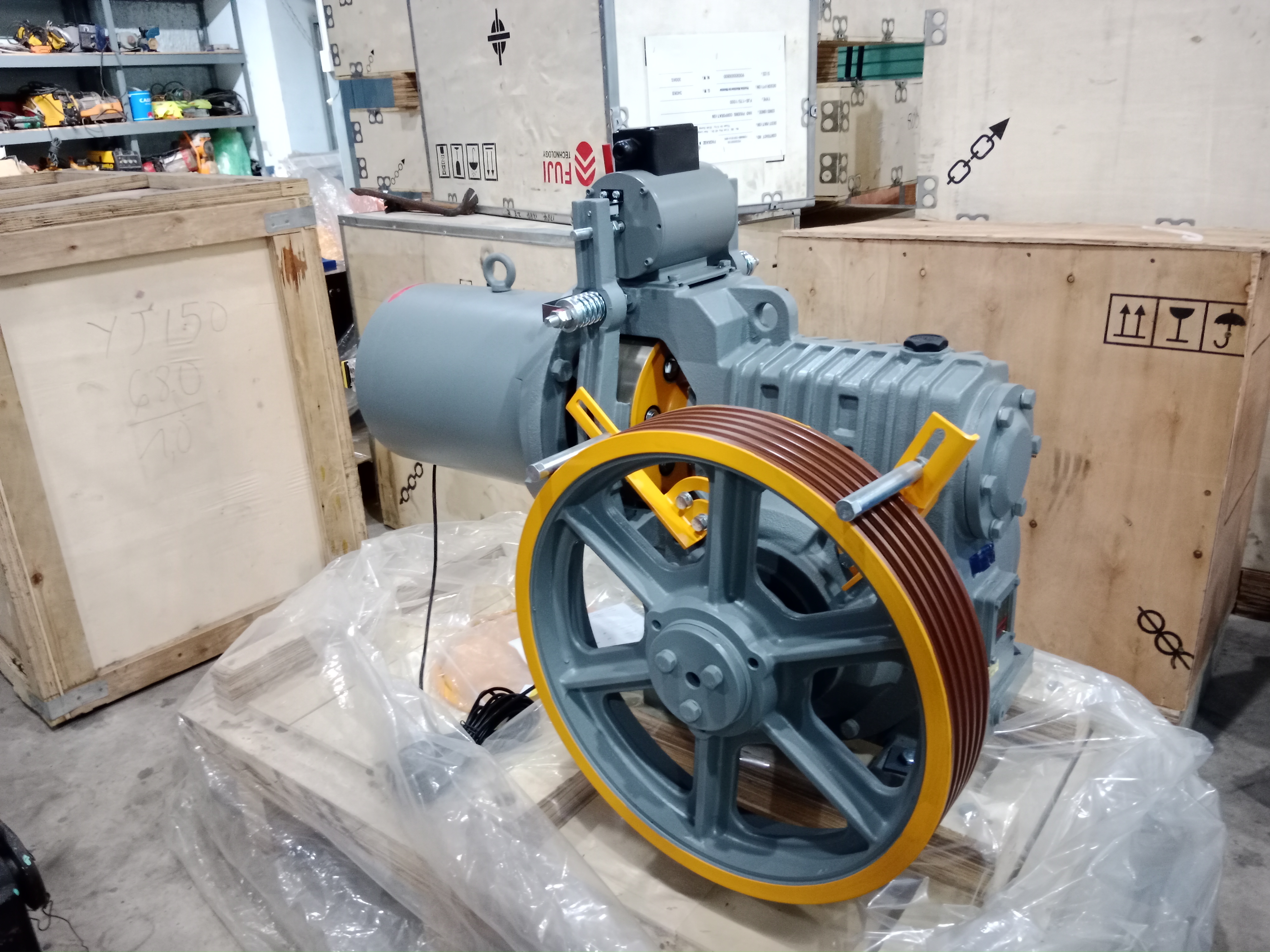
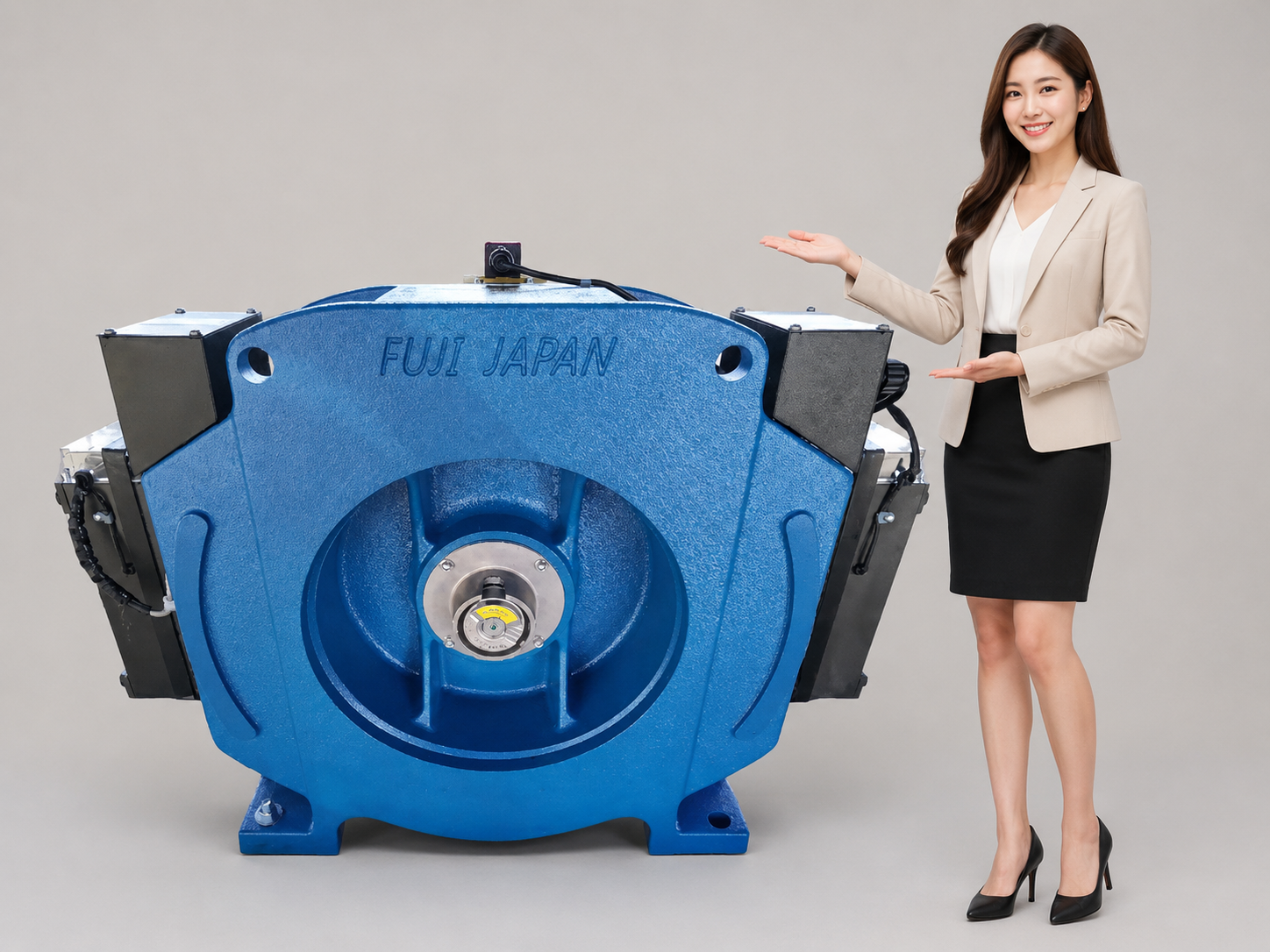
In a hospital environment, load capacity is calculated not only by the number of people but also by considering stretchers, wheelchairs, portable ultrasound machines, infusion pumps, oxygen tanks, and other support equipment. Common load capacities include: 750kg (10–11 people), 1000kg (13–15 people), 1350kg (18–20 people), 1600kg (21–24 people), and 2000kg (26–30 people). The higher the load, the larger the cabin and doors, requiring a higher-powered motor, leading to significantly increased equipment and shaft construction costs. Speeds are typically chosen from 1.0 to 2.5 m/s depending on building height and patient flow. Central hospitals and buildings with more than 10 floors often prioritize speeds of 1.75 m/s or higher to reduce waiting times. In terms of drive type , hospital elevators currently mainly use gearless traction machines combined with VVVF inverters, which provide smooth operation, save electricity, reduce noise, and are suitable for environments requiring quietness. However, the initial investment cost of gearless systems is 15–25% higher than that of traditional geared traction machines.
Landing doors, cabins, and hygiene/sterilization requirements.
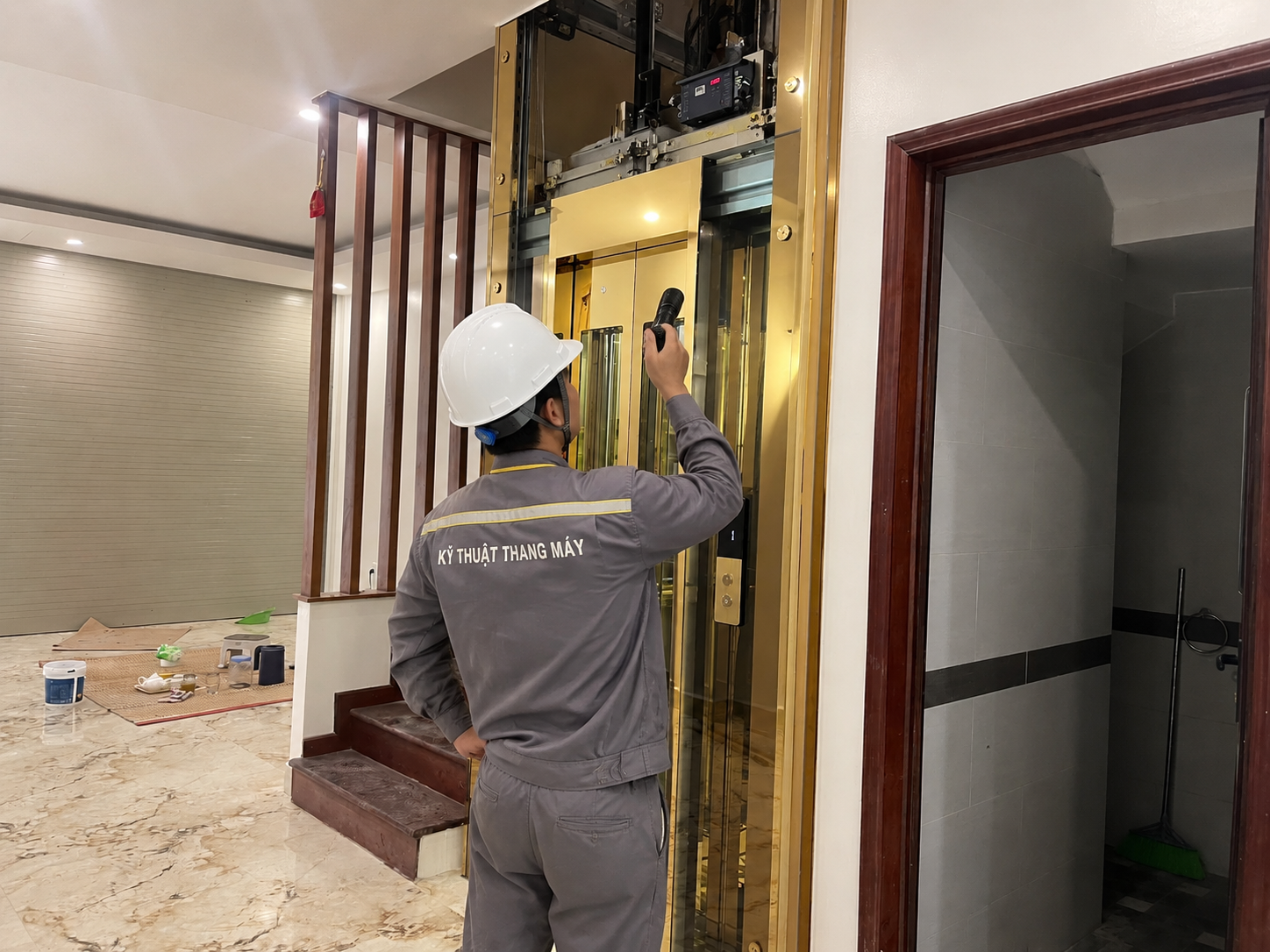
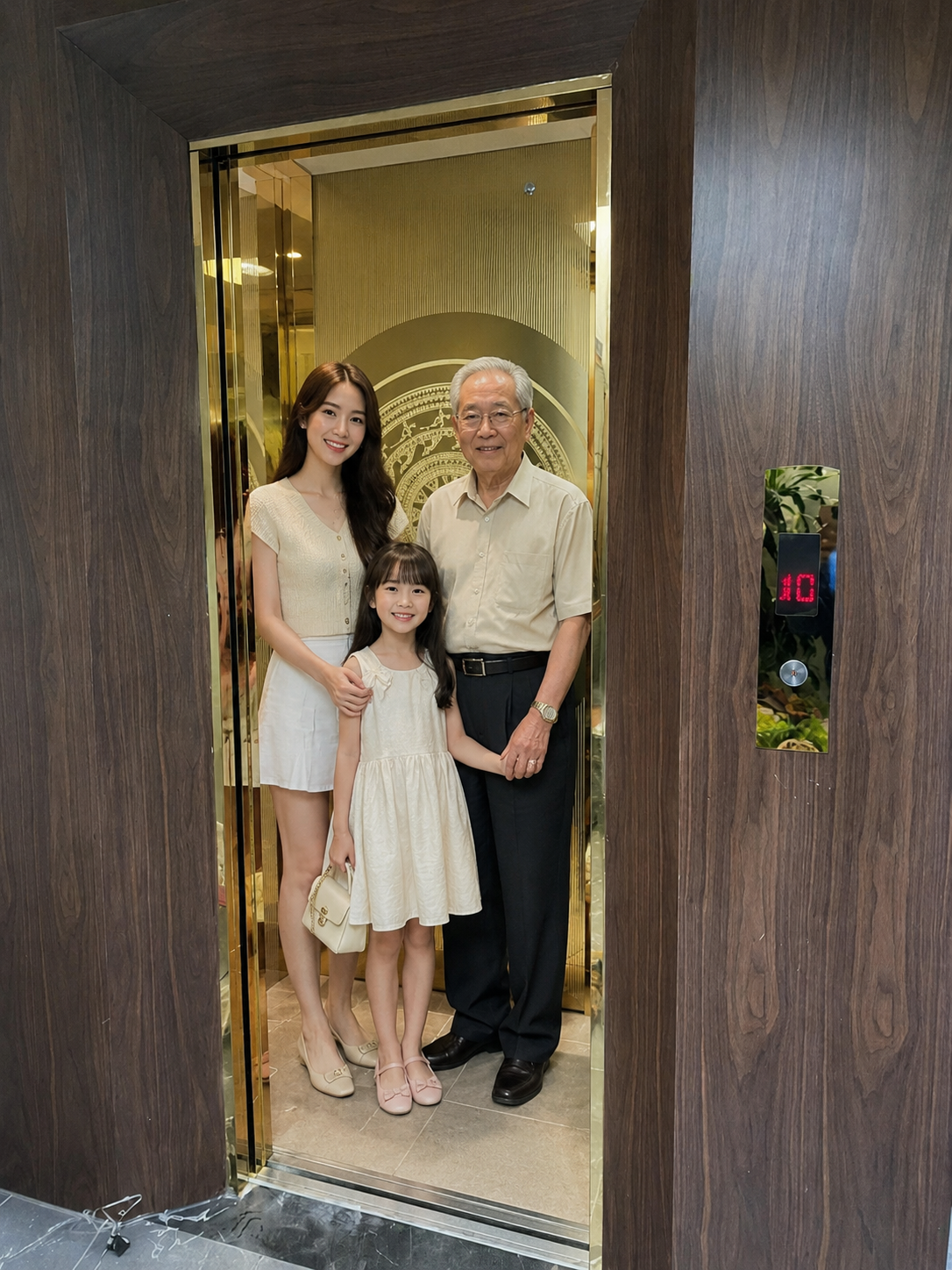
The landing and cabin door systems significantly impact the pricing of hospital elevators in Hanoi. Most medical facilities utilize sliding doors (CO/CO) or four-panel center opening doors to optimize clear opening width and facilitate the movement of stretchers and trolleys. These doors are typically made from 304 or 316 stainless steel with a hairline or mirror finish, combined with airtight seals to minimize dust and bacteria. Hospital elevator cabins require easy-to-clean, antibacterial materials with minimal gaps: 304 stainless steel walls, non-slip granite flooring, flat LED ceilings, rounded handrails, and minimal dead space in the cabin. Some large hospitals require additional air filtration systems, UV sterilization, and cabin pressurization fans, increasing equipment and installation costs. In addition, positioning the control panel at a height suitable for wheelchair users, using Braille buttons, and providing audio cues for the visually impaired are also mandatory standards, affecting the configuration and cost.
Control systems, safety, and industry standards
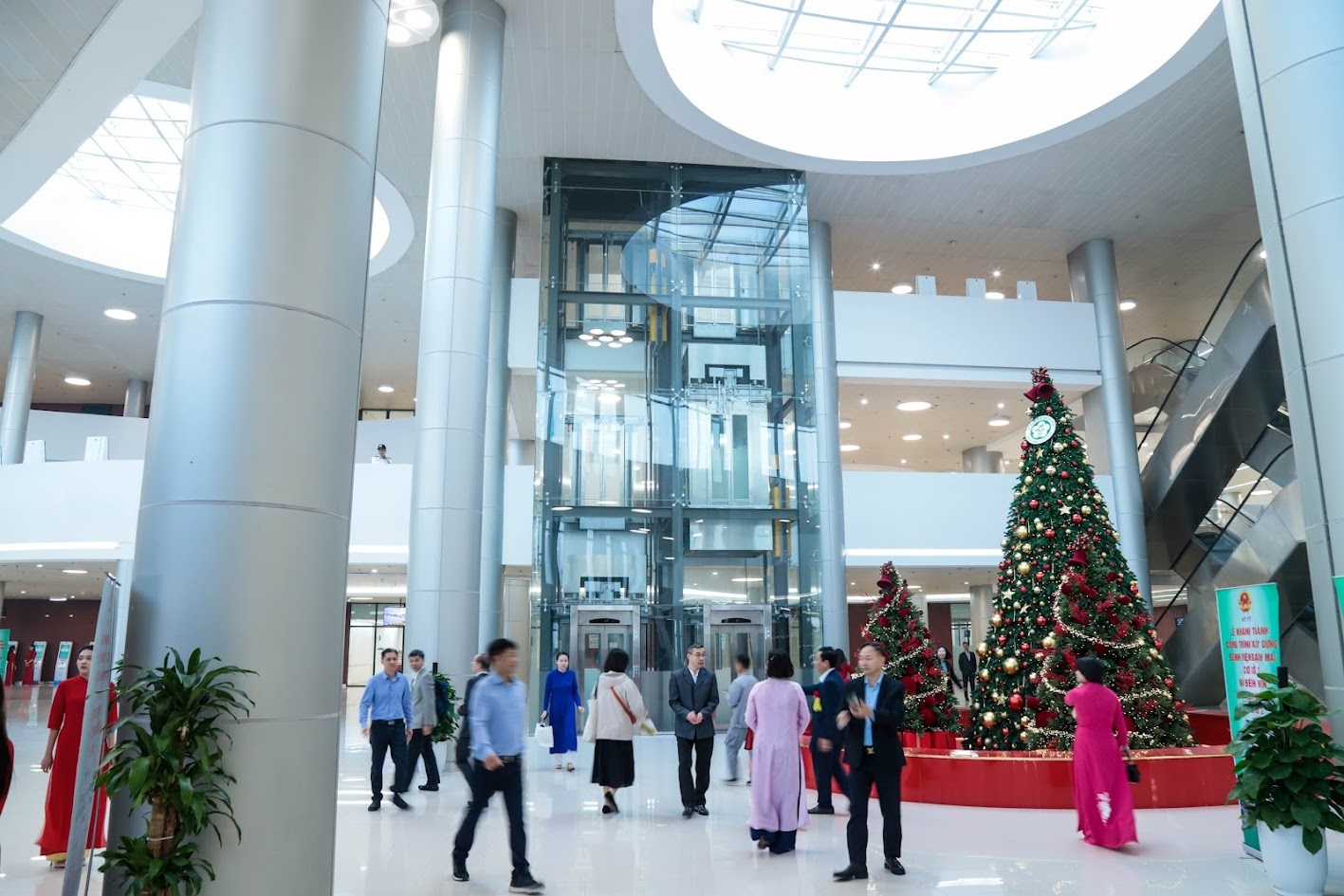
Hospital elevators are not just a means of transportation but also an integral part of the emergency infrastructure system . Therefore, the control system must support specialized functions such as: emergency operation priority mode, priority transport of critically ill patients, independent operation mode for the intensive care unit, connection to the central fire alarm system, and automatic return to the emergency exit floor in case of an emergency. These features require a modern microprocessor controller, specialized programming software, multi-layer safety sensors, and an intercom system to the technical control room. Hospital elevators in Hanoi typically must comply with TCVN 6395, TCVN 7628, EN 81-20/50 , and regulations on fire safety, electrical safety, and radiation safety (for areas near X-ray and CT rooms). Meeting all standards increases initial design, certification, and inspection costs but is a mandatory requirement for operation.
Additional costs and considerations when preparing a budget.
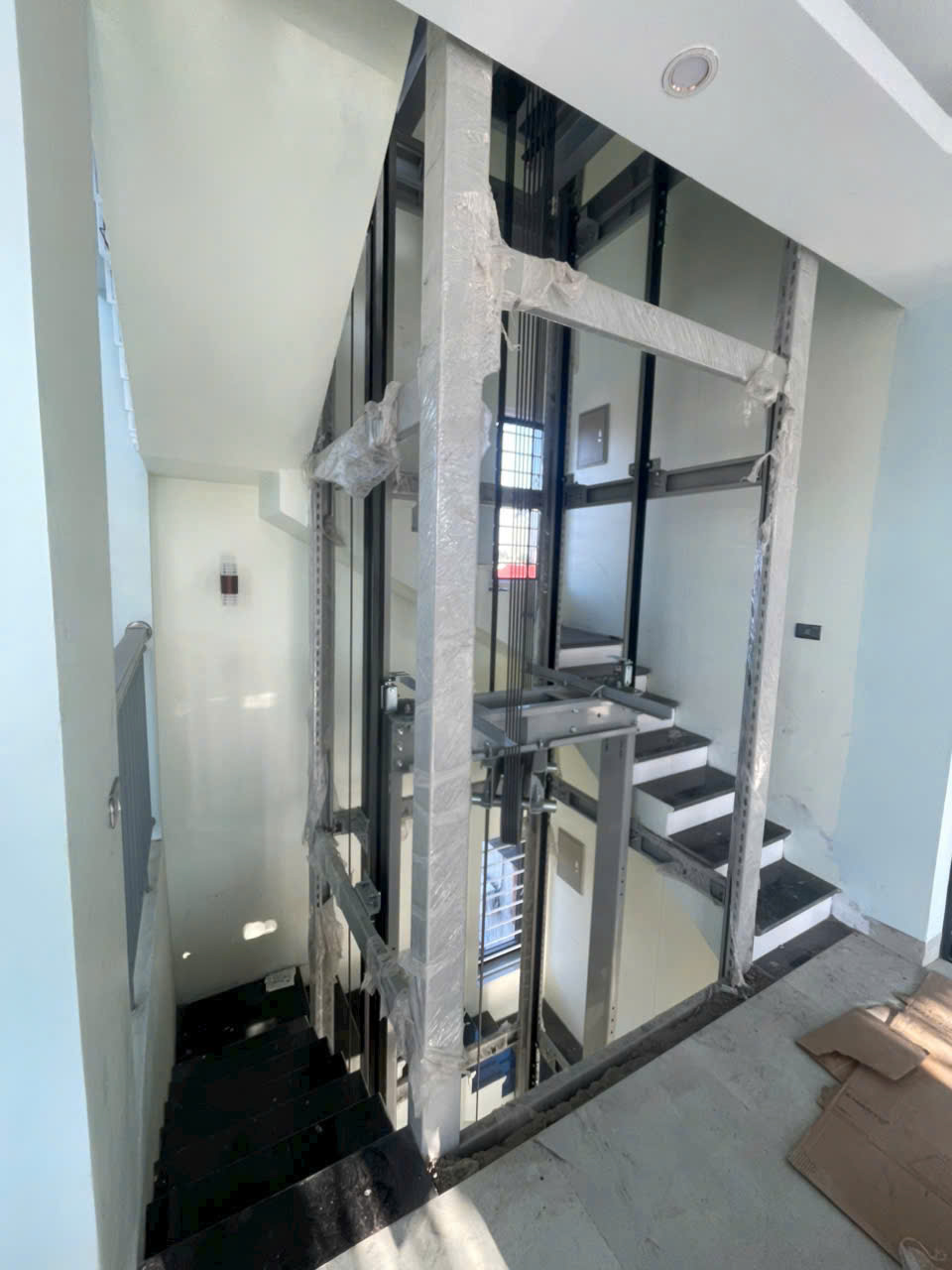
When reviewing elevator price quotes for hospitals in Hanoi , many investors focus only on the equipment price, overlooking additional costs, leading to significant discrepancies between the estimated and actual costs. Besides the elevator unit price, the cost of constructing the elevator shaft, load-bearing beams, machine room or equipment room, structural reinforcement for dynamic loads, a separate 3-phase electrical system, power factor correction cabinet, lightning protection, grounding, machine room air conditioning, and CCTV surveillance systems inside the cabin and at the landing doors must also be clearly stated in the contract. Furthermore, the cost of initial safety inspection, fire safety acceptance testing, operator training, and maintenance during the warranty period should be clearly stated in the contract. In Hanoi, the unit cost of installation labor, the cost of transporting bulky equipment into the inner city, and the cost of dealing with construction and labor safety authorities are often higher than in neighboring provinces, directly impacting the total investment. To optimize the budget, it is advisable to request that suppliers provide a detailed breakdown of each item, clarifying which parts are included in the quotation and which parts the investor will handle themselves, thereby avoiding unforeseen costs.