

Elevator price quotation for factories in Hanoi.
Elevator price quotation for factories in Hanoi.
Elevator price quotation for factories in Hanoi.
Specific characteristics of factory elevators in Hanoi and factors influencing pricing.
Elevators for factories in Hanoi have much stricter technical requirements and safety standards compared to residential elevators. The working environment typically involves heavy loads, continuous operation, dust, humidity, vibrations from machinery, and strict adherence to fire safety and occupational safety regulations. Therefore, elevator pricing for factories in Hanoi is always closely tied to factors such as load capacity, travel distance, speed, door configuration, safety standards, equipment origin, and the level of automation in the production line.
The first factor that significantly impacts costs is the design load capacity . Factory elevators typically range from 1000 kg, 2000 kg, 3000 kg to 5000 kg or more, depending on the type of goods (cartons, pallets, steel coils, machinery, molds, etc.). The larger the load capacity, the greater the requirements for elevator shaft dimensions, steel structure, motor power, cable size, overspeed control system, braking system, and electrical cabinet, leading to correspondingly higher equipment and installation costs.
Next are the lifting height (travel) and the number of stops. Factories in Hanoi typically have 2–6 floors, while some multi-story logistics or warehouse complexes may have up to 10–12 floors. The longer the travel and the more floors, the higher the cost of guide rails, hoisting cables, signal wires, floor call control systems, floor doors, safety sensors, and construction time. This is directly reflected in the price quote through the mechanical and electrical equipment and installation labor costs.
Elevator speed is also a crucial variable. For purely freight elevators, the speed is typically 0.25–0.5 m/s; for freight elevators carrying passengers or serving high-speed production lines, the speed can reach 0.75–1.0 m/s. Higher speeds require more stringent specifications for motors, inverters, control systems, floor stopping accuracy, and the quality of rails and counterweights, increasing initial investment costs but optimizing operational efficiency.
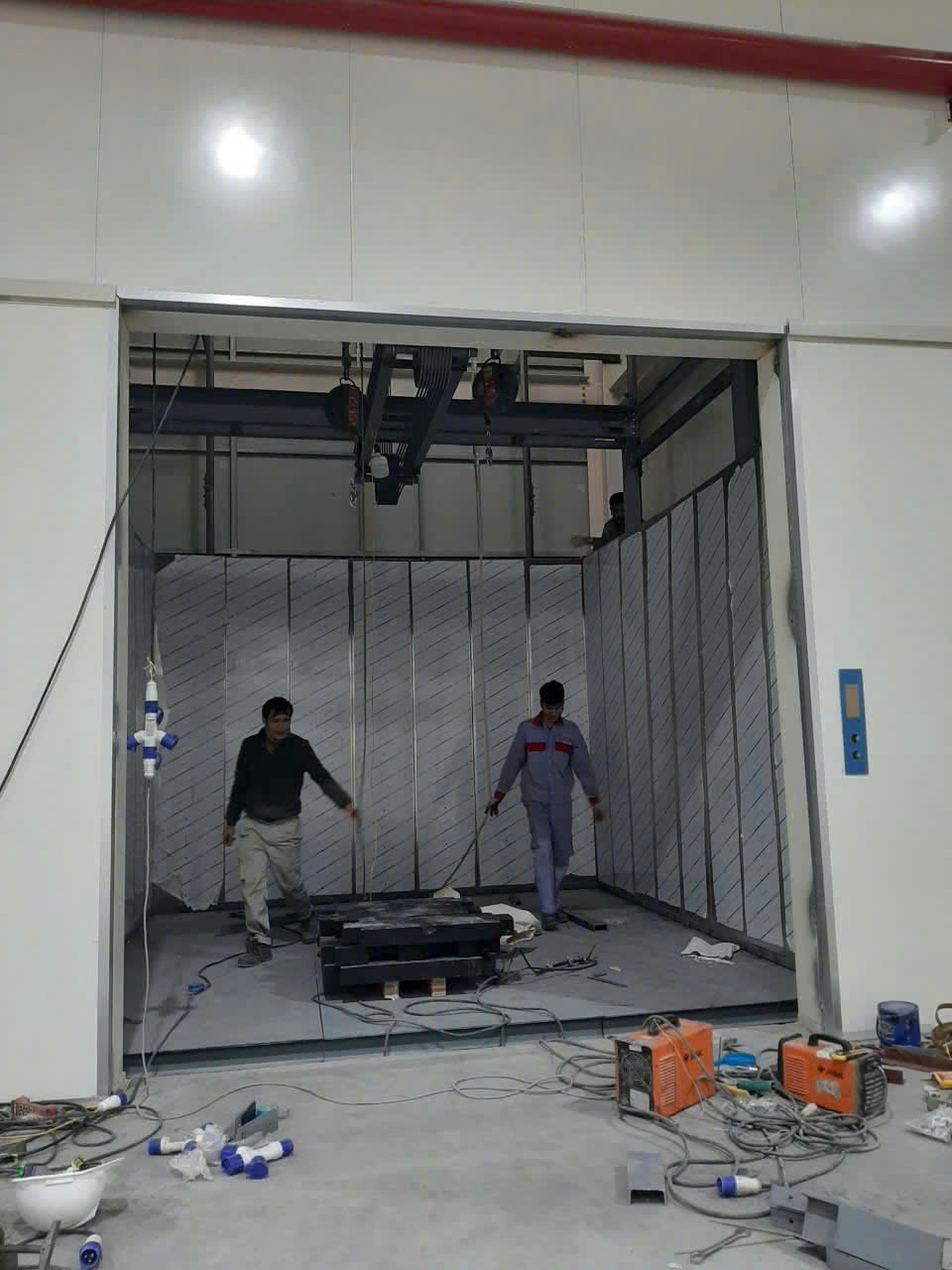
Technical specifications, price segments, and items included in the detailed quotation.
In practice, elevator quotations for factories in Hanoi are usually categorized by technical configuration and equipment segment . In terms of origin, they can be divided into: fully imported elevators, joint venture elevators (imported traction machines and control panels; cabins, doors, and mechanical frames manufactured domestically), and domestically produced elevators with a high localization rate. Each option has its own advantages and disadvantages in terms of cost, delivery time, size customization options, and long-term maintenance costs.
Regarding drive technology , the two main types are cable-driven elevators using geared or gearless traction machines, and hydraulic elevators. In Hanoi factories, cable-driven elevators are dominant due to their durability, continuous operation capability, and ease of integration with central control systems. Hydraulic elevators are suitable for short travel distances, heavy loads, and do not require high speed, but they do require space for a pump room and hydraulic oil treatment according to environmental standards.
A standard EEAT quotation for a factory elevator should clearly show the following items:
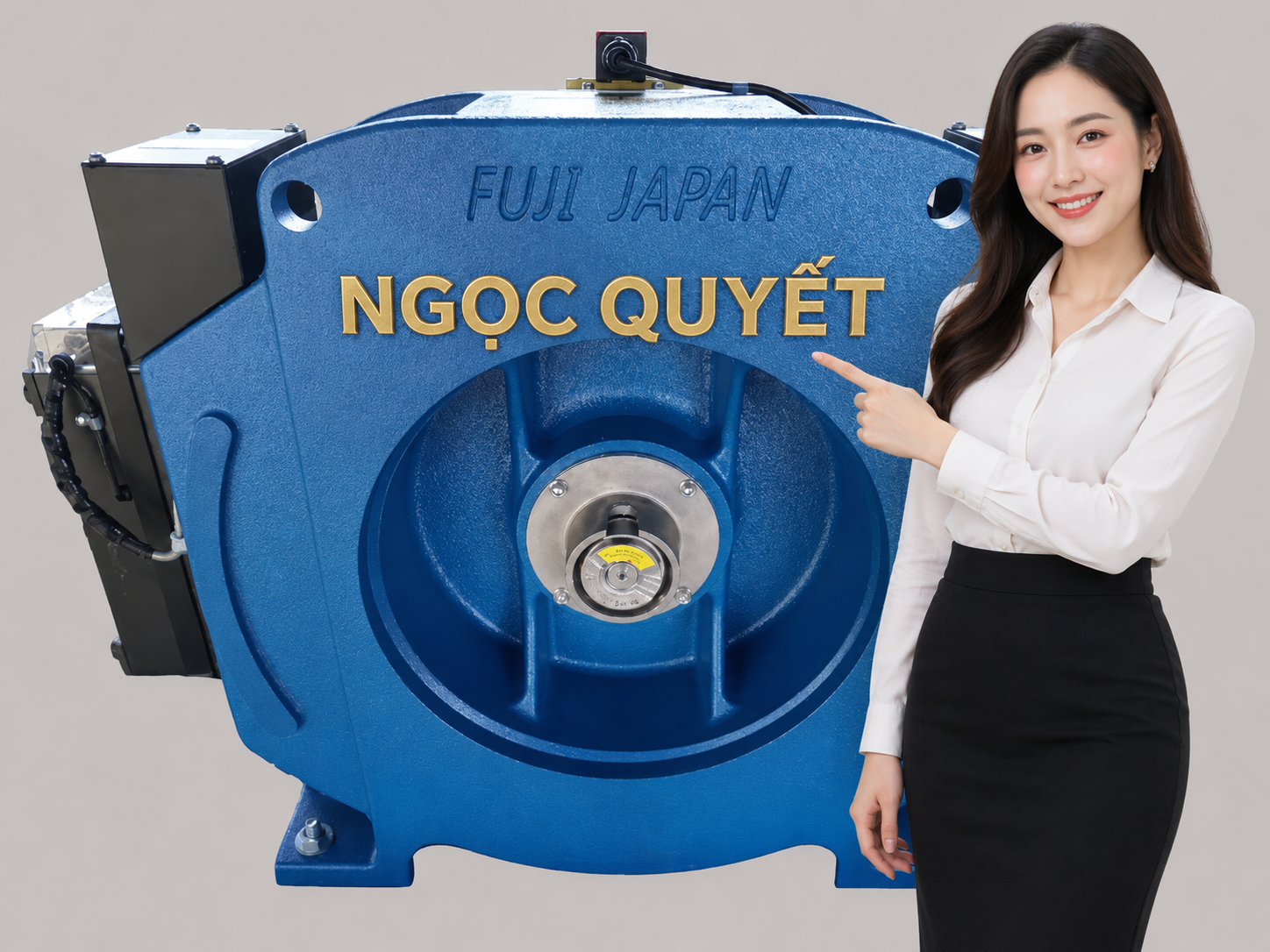
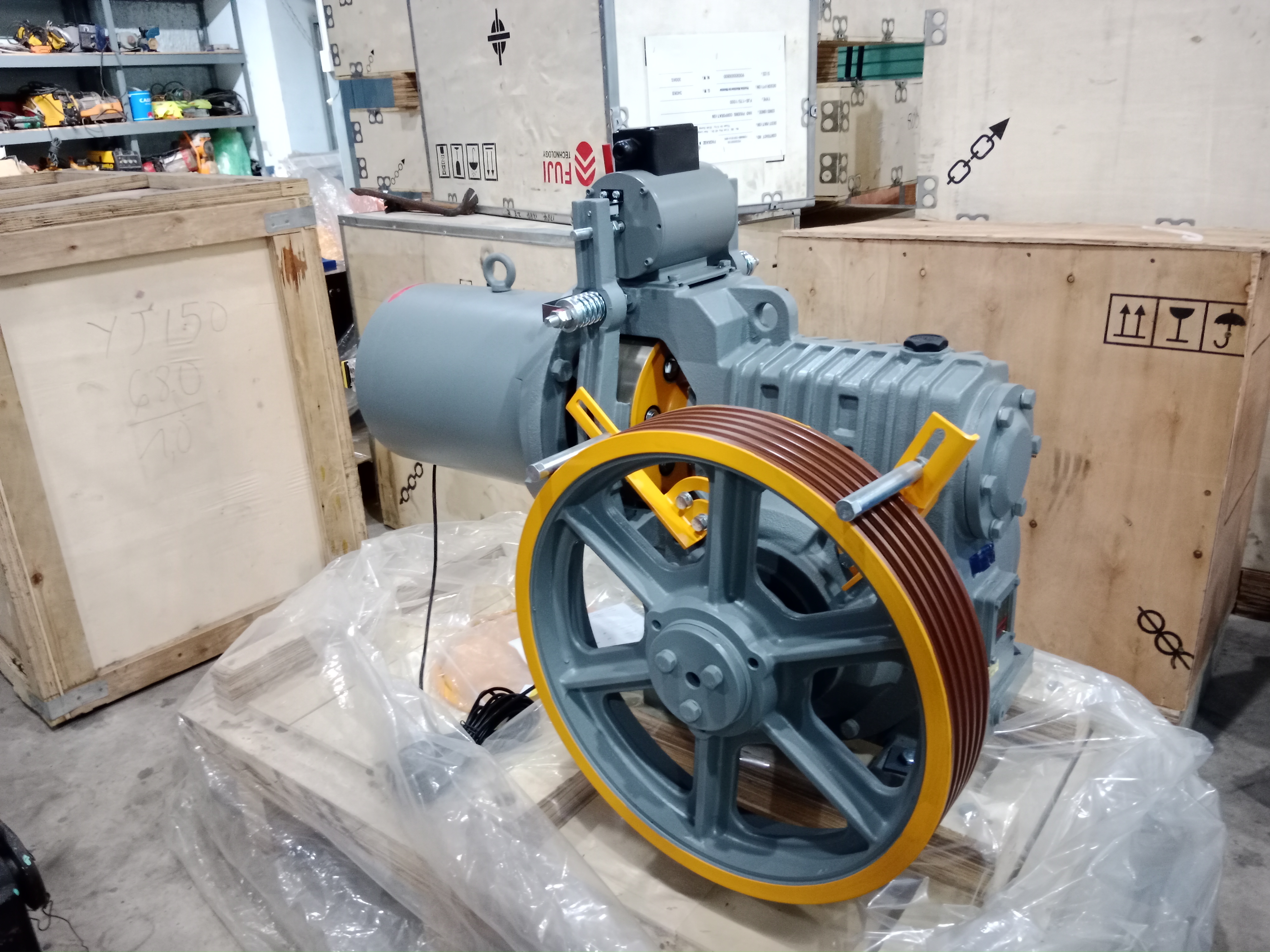
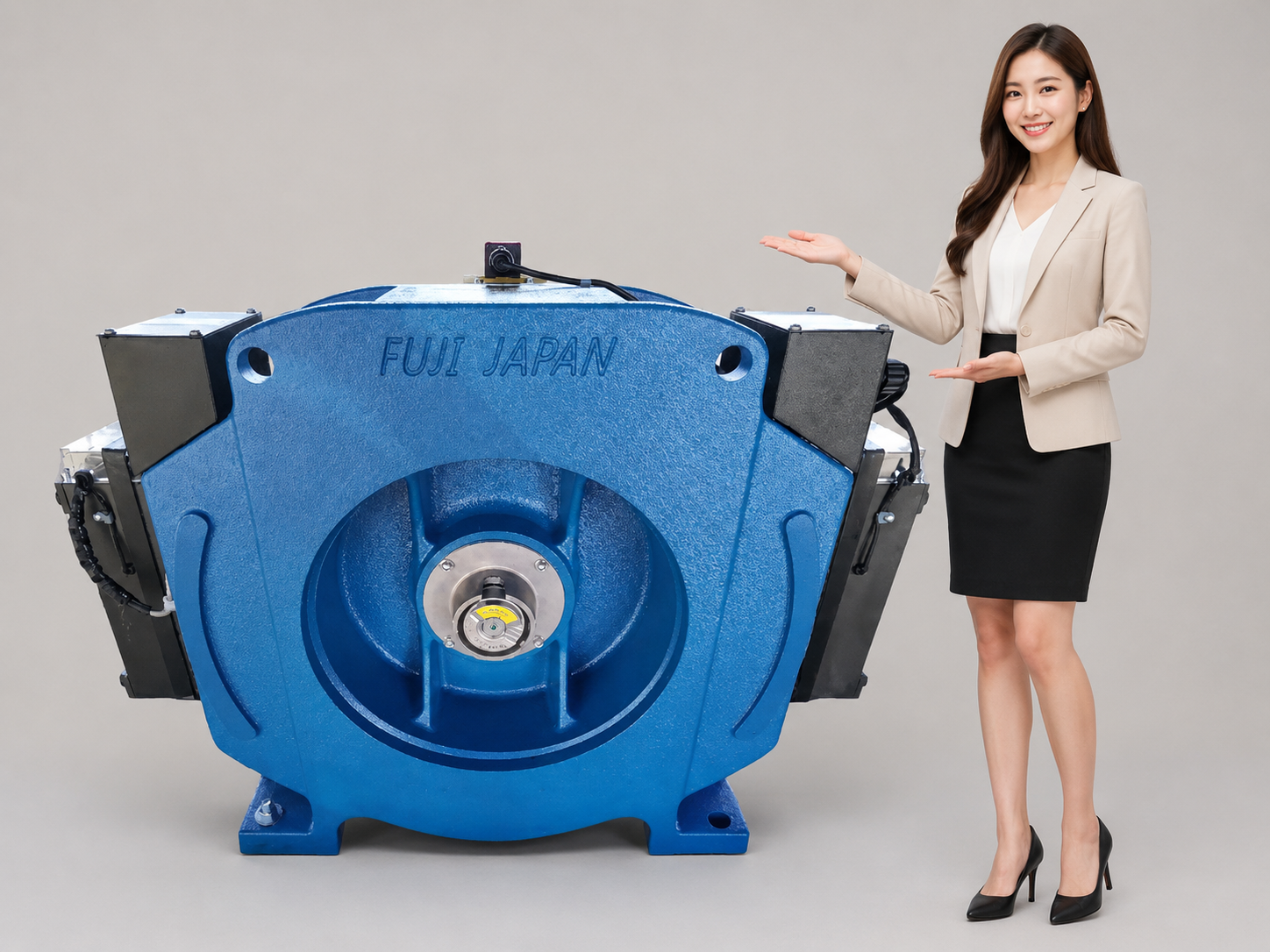
- Main equipment : traction machine, control cabinet, inverter, automatic rescue system, overspeed control system, hoisting cables, guide rails, counterweight, cabin, landing doors, cabin doors, mechanical and electrical safety systems.
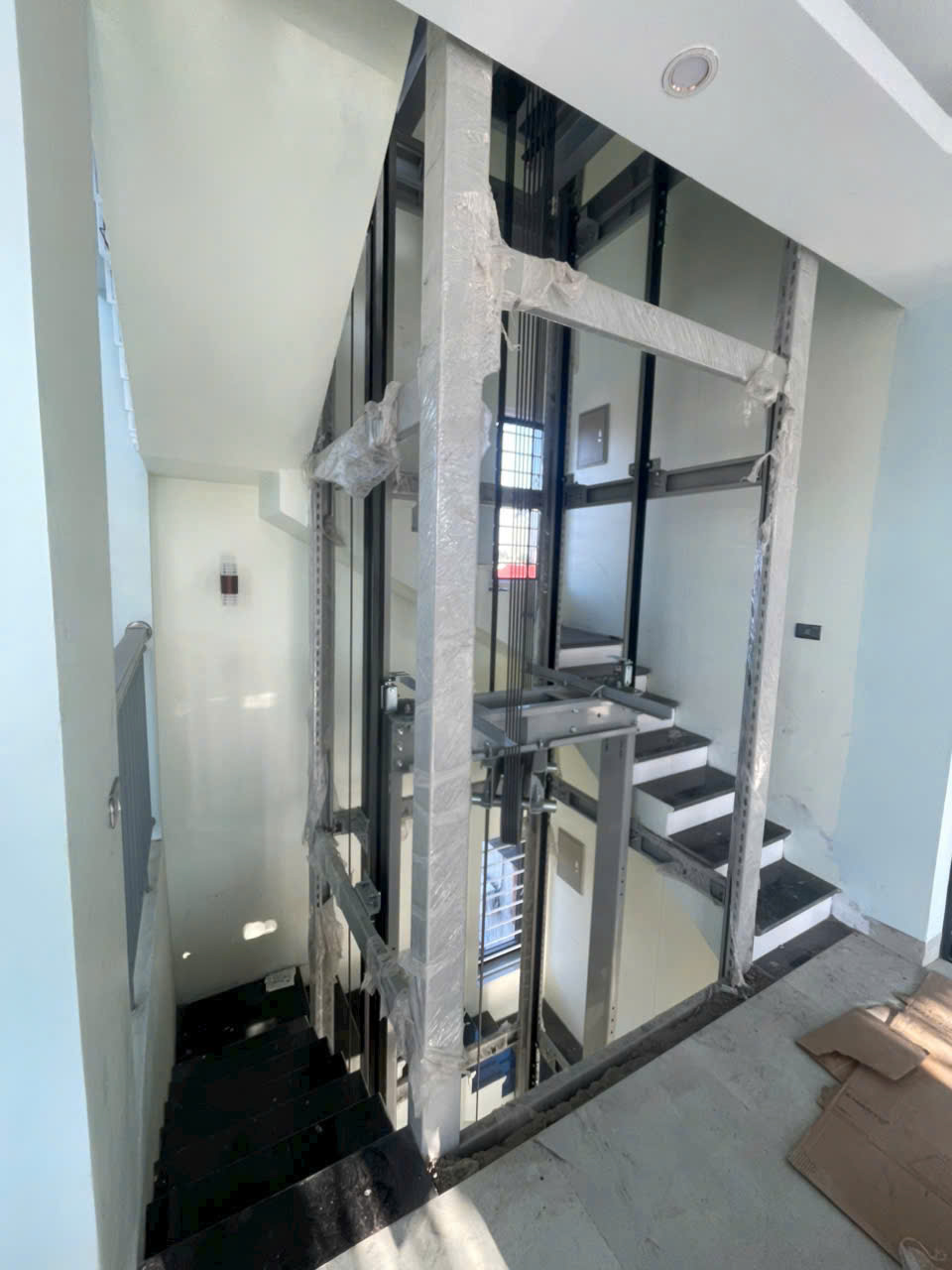
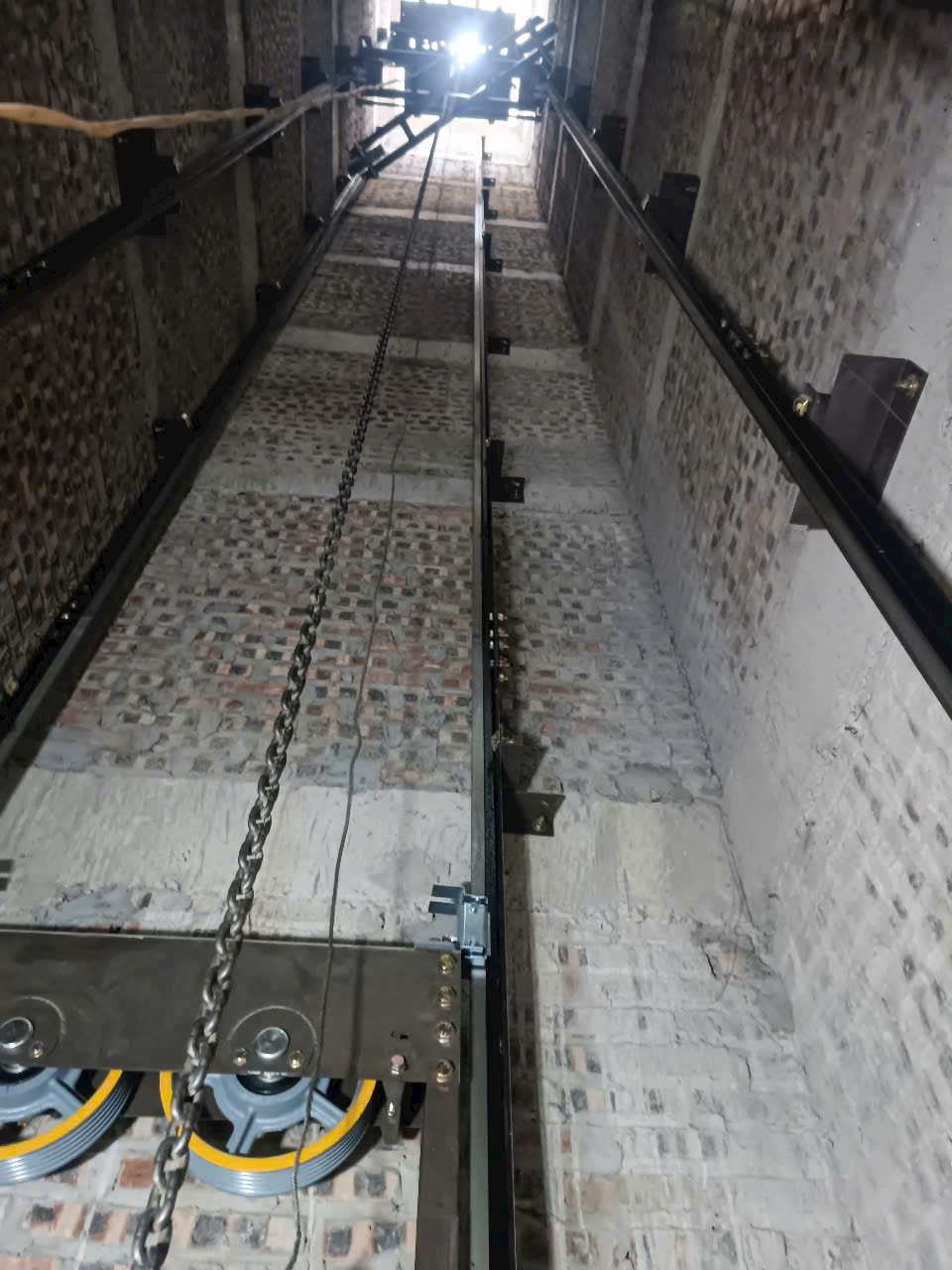
- Auxiliary materials and structure : steel frame for the elevator shaft (if brick walls are not built), machine support beams, machine base, operating platform, railings, electrical materials, signal cables, cable trays, installation accessories.
- Installation costs include : labor, construction equipment, transportation, internal acceptance testing, commissioning, parameter adjustment, and basic operational training for the factory staff.
- Safety inspection costs include : initial inspection services according to current regulations, preparation of technical documentation, load test reports, and issuance of certificates of eligibility for operation.
- Warranty and maintenance : warranty period (usually 12–24 months), frequency of scheduled maintenance, scope of free replacement parts, commitment to response time in case of problems.
Each quotation must detail parameters such as load capacity, speed, cabin interior dimensions, door dimensions, door type (center-opening door, single-sided sliding door, double-sided sliding door), whether an accompanying person is required, and whether the operation mode is automatic or semi-automatic . This not only ensures cost transparency but also serves as a basis for comparison with design drawings, construction permit applications, fire safety plans, and the factory's internal operating procedures.
Reference price range based on load capacity and popular configurations.
For factory buildings in Hanoi, the reference price (excluding elevator shaft construction, VAT, and subject to change) is usually categorized by load capacity as follows:
- Cargo elevators with a capacity of 1000–1500 kg , a speed of 0.25–0.5 m/s, 3–5 stops, and a joint venture configuration are suitable for medium-sized warehouses, garment factories, and component assembly plants; the investment cost is average, and the size can be easily optimized to fit existing floor plans.
- Cargo elevators with a capacity of 2000–3000 kg , a speed of 0.5–0.75 m/s, and 3–8 stops: commonly used in mechanical workshops, mold making facilities, logistics warehouses, and distribution centers; requiring a sturdy elevator shaft and foundation, and a control system that can be integrated with conveyor belts and forklifts.
- Heavy-duty elevators with a capacity of 4000–5000 kg or more , a speed of 0.25–0.5 m/s, and 2–6 stops: used for transporting machinery, large molds, steel coils, and heavy pallets; careful calculation of concentrated load, rail anchoring methods, and safety solutions for loading and unloading with forklifts or hand carts is required.
In the segment of fully imported elevators , costs are usually higher, but in return, you get equipment uniformity, international safety standards, intelligent control systems, remote monitoring capabilities, and complete technical documentation. The joint venture segment allows for cost optimization, shorter delivery times, and flexibility in cabin size to suit the actual factory conditions in Hanoi, which often has many renovation projects and limited space.
Safety standards, legal compliance, and "hidden" costs to consider.
When analyzing elevator price quotes for factories in Hanoi , it is necessary to carefully assess safety standards and accompanying legal requirements. The elevator must meet national technical standards for elevator safety, electrical standards, standards for shock protection, door jamming prevention, power outage rescue systems, alarms, and internal communication. For factories with a high risk of fire and explosion, additional fire protection solutions for landing doors, electrical cables, smoke extraction systems, and emergency operation plans should be considered.
Often overlooked "hidden" costs when comparing quotes include: elevator shaft construction or reinforcement costs, foundation renovation costs, costs for installing a sufficient 3-phase power supply, costs for machine room construction or steel frame for machine support, integration costs with warehouse management systems (WMS), access control systems, and fire protection systems. Without clear consultation, investors can easily misjudge the total investment, leading to significant cost overruns during construction.
To ensure transparency and compliance with EEAT standards, the supplier must have a clear track record , experience in implementing factory projects in Hanoi and the surrounding area, a team of engineers knowledgeable in safety standards, and the ability to coordinate with structural consultants, fire safety consultants, and construction contractors. A site survey, measurements, and analysis of operational processes, cargo flow, and handling equipment (forklifts, pallets, trolleys) are mandatory before finalizing the configuration and providing a quotation.
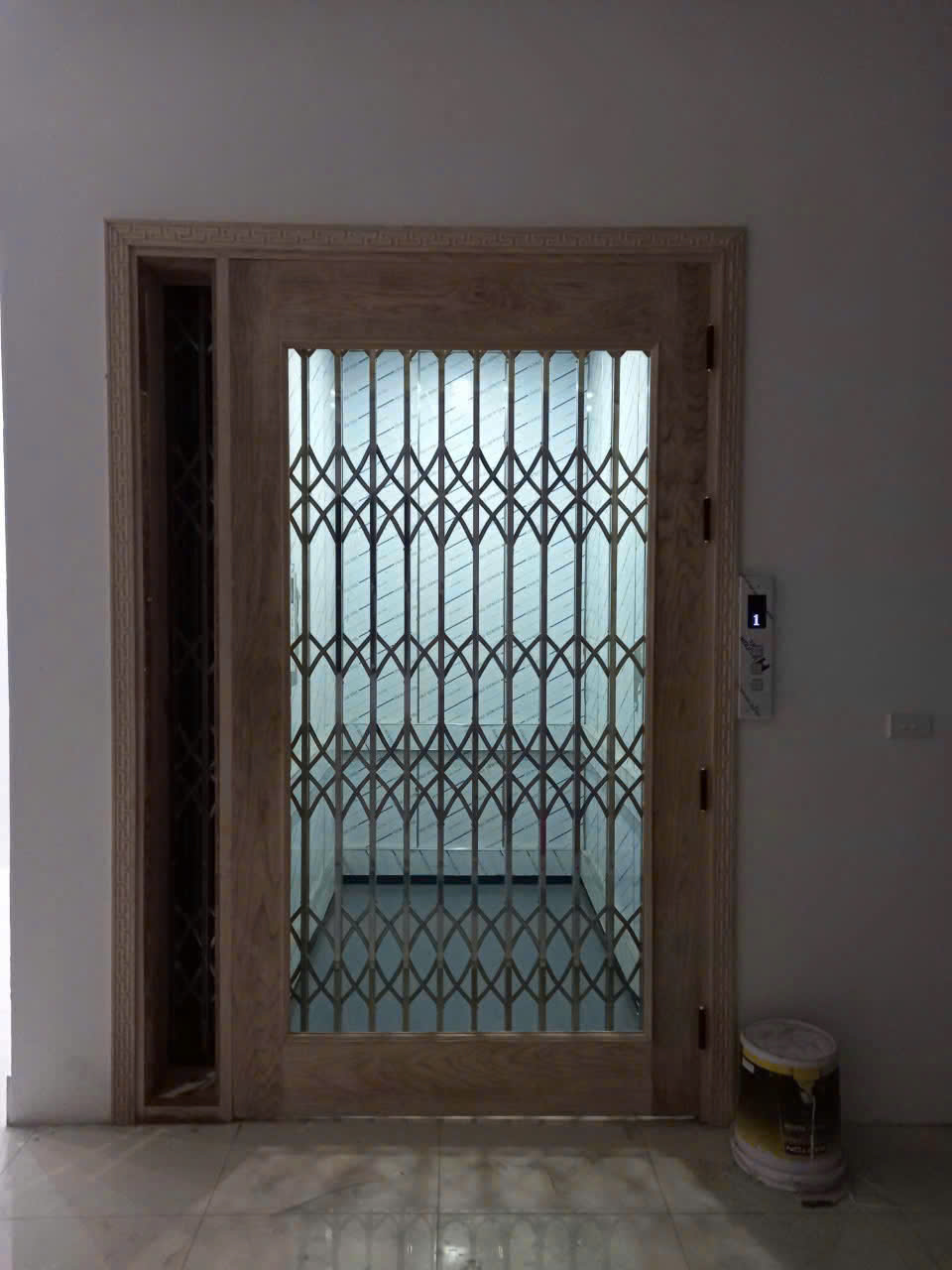
Optimizing investment and operating costs for factory elevators in Hanoi.
To optimize total cost of ownership (TCO) , businesses should not only look at the initial equipment price but also consider operating costs, maintenance, energy consumption, and downtime risks throughout the elevator's lifespan. Choosing high-efficiency motors, quality inverters, and stable control systems helps reduce energy waste, minimize malfunctions, and avoid production line disruptions. The cabin and landing doors should be made of durable, impact-resistant, easy-to-clean materials suitable for the specific goods and handling equipment.
During the design phase, optimizing the elevator shaft size and positioning the elevator appropriately within the goods flow helps reduce waiting times, minimize intersections with pedestrian traffic, and increase safety and operational efficiency. In Hanoi, many factories are renovated from old warehouses, and the existing floor height and structure are limited, so the elevator solution needs to be flexible, potentially using independent steel frames, machine-roomless elevators, or low-travel hydraulic elevators to maximize space utilization.
Businesses should request that suppliers develop technical and financial plans with multiple scenarios: changes in load capacity, speed, number of stops, door configuration, level of automation, to compare investment costs and operational efficiency. Items such as priority floor calling systems, shift-based operation modes, floor locking, and integration with warehouse management systems can be considered at each investment stage, avoiding inflated initial costs while ensuring future upgrade capabilities.
With rising labor and electricity costs in Hanoi, choosing an elevator supplier with professional maintenance services, readily available spare parts, and a fast response time is crucial to minimizing the risk of prolonged downtime. Maintenance contracts should clearly specify inspection frequency, maintenance items, response times in case of malfunctions, replacement parts costs, and renewal conditions. For factories operating 24/7, an enhanced maintenance package with a shorter response time commitment should be considered.
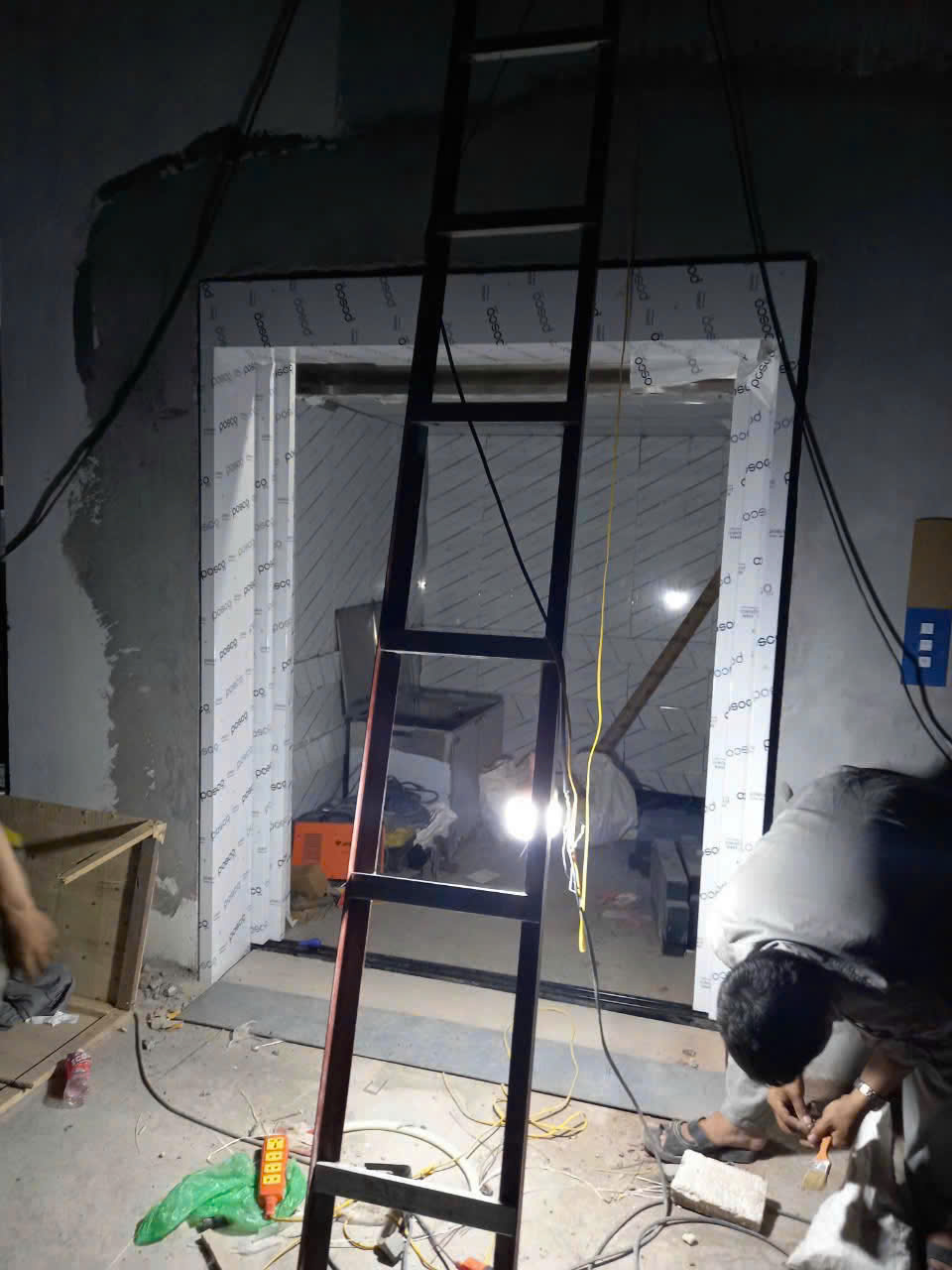
To receive advice on suitable configurations, get detailed quotes for elevators for factories in Hanoi including equipment, installation, inspection, maintenance, and optimize total investment costs, act now! Call a reputable supplier immediately to have your site surveyed, operational needs analyzed, and the most realistic technical and financial solutions developed.