

Latest Price Quote for 3-Story Home Elevators
Introduction to 3-story home elevators
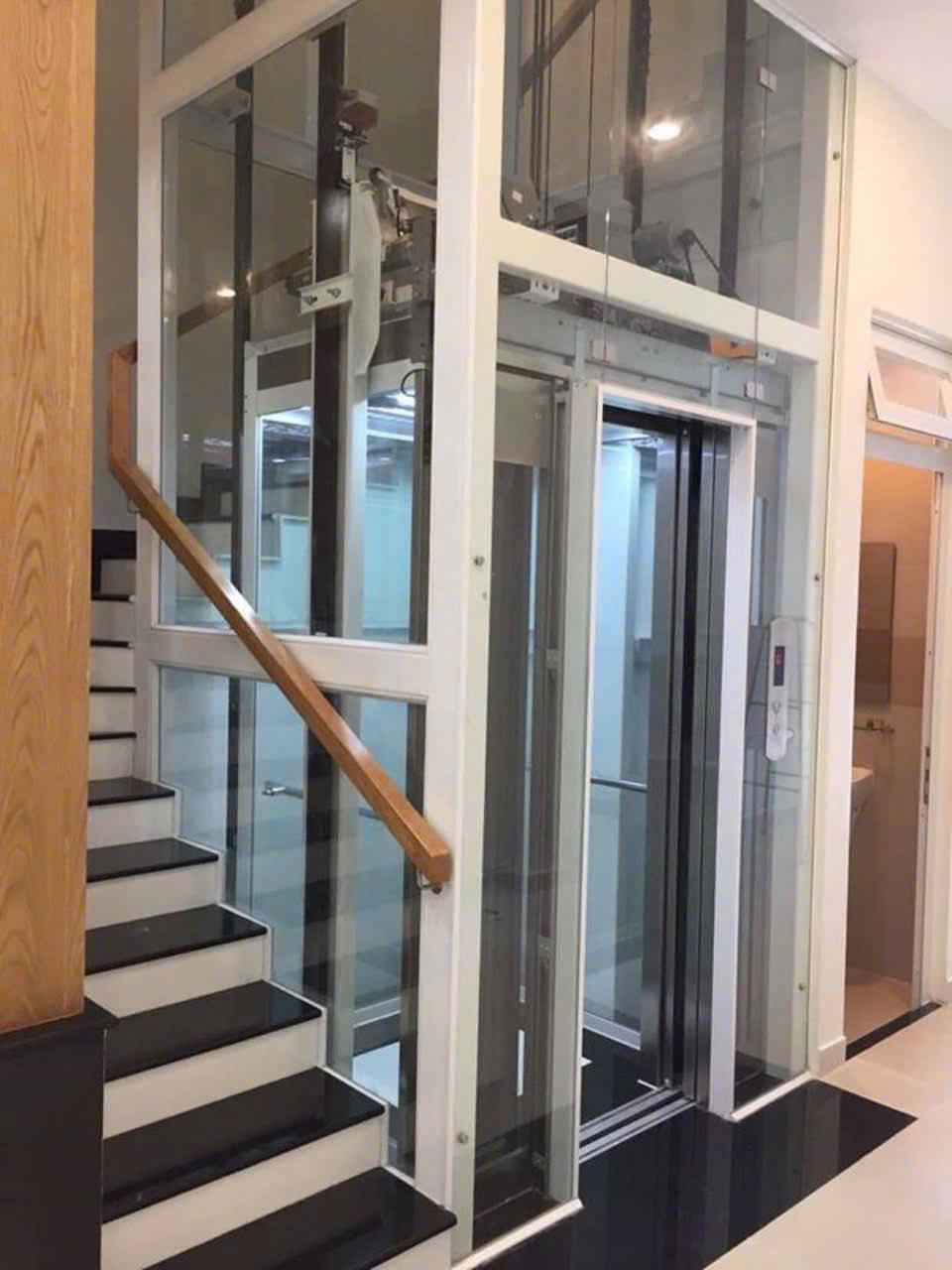
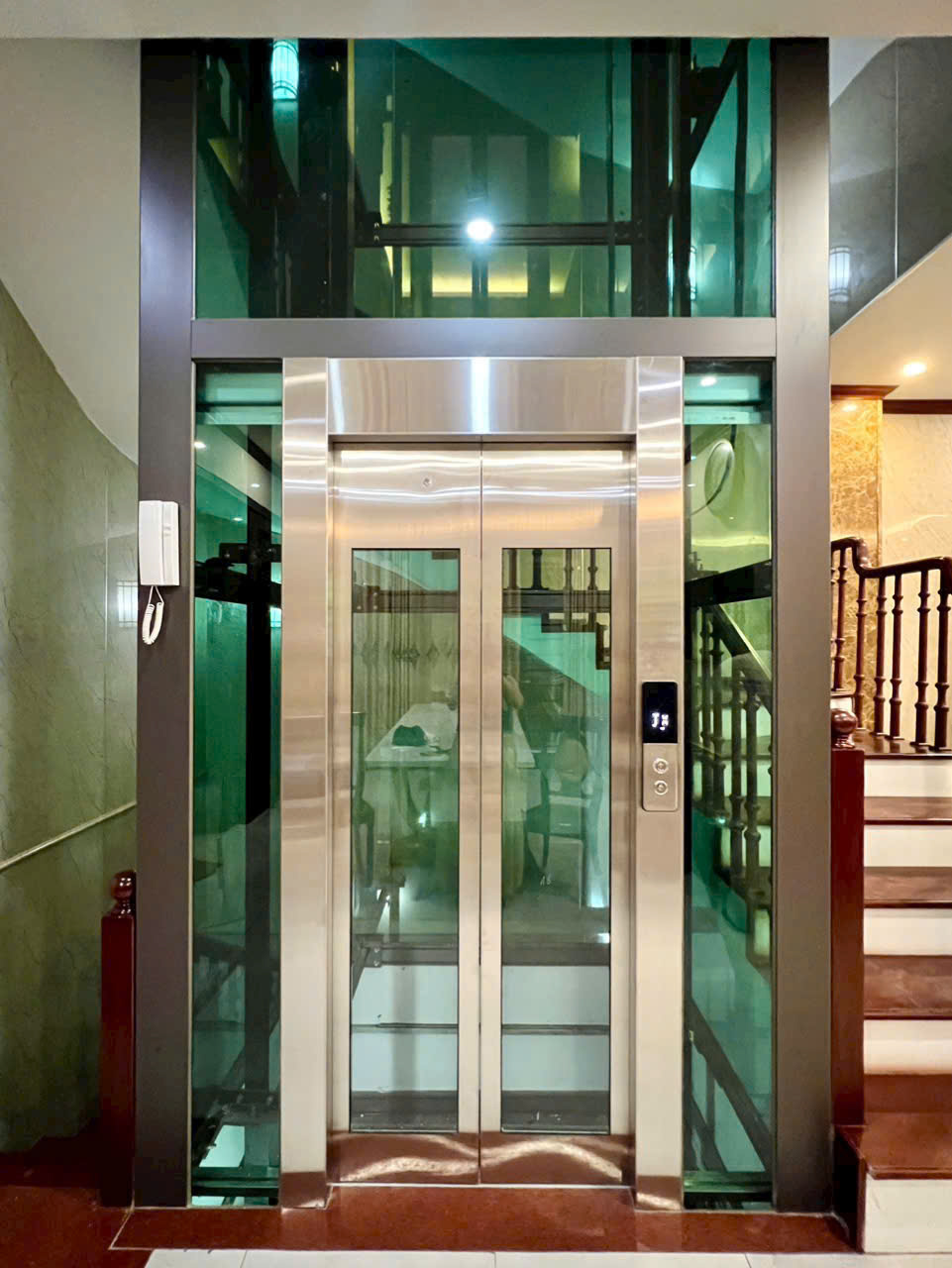
A three-story home elevator is a modern technological solution, specifically designed for residential buildings with three or more floors. It's not only a convenient means of transportation but also enhances the aesthetic value and comfort of the living space. Choosing and installing the right elevator requires a deep understanding of technical factors, operating technology, and strict safety standards.
1. Key technical specifications of a 3-story home elevator
To ensure the efficient and safe operation of elevators, the following technical specifications need to be carefully considered:
- Load capacity: Typically, home elevators have a load capacity of 250kg to 450kg, equivalent to 3-6 people. Determining the appropriate load capacity depends on actual usage needs and cabin size.
- Cabin size: Cabin size directly affects installation space and user comfort. Common sizes range from 900mm x 1100mm to 1100mm x 1400mm, depending on the design and installation location.
- Operating speed: The speed of a home elevator is typically between 0.3 m/s and 0.6 m/s, suitable for indoor movement and ensuring safety and smooth operation.
- Travel height: A 3-story elevator typically has a travel height of approximately 9-12 meters, corresponding to the average height of residential buildings.
- Control system: Utilizes microprocessor control technology to optimize operation, minimize noise, and increase accuracy in floor stopping.
2. Operating and Safety Technology
This 3-story home elevator is equipped with many advanced technologies to ensure absolute safety for users:
- Safety braking system: Automatically activates upon detecting an incident, bringing the cabin to an immediate stop and preventing dangerous accidents.
- Anti-pinch door sensor: Ensures the elevator door does not close when there is an obstruction or a person standing in the doorway, enhancing user safety.
- Automatic rescue system: In the event of a power outage, the elevator will automatically move to the nearest floor and open its doors so that people inside can safely exit.
- Alarm and communication device: Provides the ability to communicate directly with a support center or family members in case of an emergency.
- Load control: A weight sensor system prevents the elevator from operating when the load exceeds the permitted weight limit.
3. Design and aesthetics of a 3-story home elevator
An elevator is not just a means of transportation, but also an architectural highlight in a house. Designing a three-story home elevator requires ensuring harmony with the overall space.
- Cabin materials: Typically made of stainless steel, tempered glass, or high-grade composite materials, offering both durability and a luxurious feel.
- Lighting and interior design: Energy-efficient LED lighting systems, combined with mirrors and decorative details, create a spacious and modern feel.
- Style and color: Diverse, ranging from classic to modern styles, easily customizable to suit your preferences and home design.
- Space-saving: Compact elevator design, suitable for limited space, can be installed in locations such as atriums, stairwells, or corridors.
4. The process of selecting and installing a 3-story home elevator.
To ensure stable and safe elevator operation, the selection and installation process needs to be carried out systematically:
- Survey of the existing structure: Assess the appropriate size, structure, and installation location.
- Choose the type of elevator: Hydraulic elevators, cable-driven elevators, or machine-roomless elevators (MRLs) depending on technical requirements and budget.
- Technical design drawings: Ensure elevator integration into the overall architecture, complying with building and safety standards.
- Choose a reputable supplier: Select a company with experience, professional warranty service, and technical support.
- Construction and installation: Follow the correct technical procedures, and conduct a trial run before handover.
- Regular maintenance: Ensures the elevator is always in good working condition, extends equipment lifespan, and guarantees user safety.
5. Benefits of using a 3-story home elevator
- Saves travel time: Particularly useful for the elderly, young children, or people with mobility limitations.
- Increased property value: Elevators are a major plus in the eyes of investors and potential customers.
- Convenient and modern: Enhancing quality of life, creating a luxurious and convenient living space.
- Safety and stability: Modern technology minimizes risks and ensures continuous operation.
- Space-saving: The compact design is suitable for the limited space of townhouses or villas.
Basic technical specifications of a 3-story home elevator.
To better understand the pricing of a 3-story home elevator, it's necessary to grasp the following important technical specifications:
- Load Capacity: A 3-story home elevator typically has a load capacity ranging from 250kg to 450kg , equivalent to a capacity of 3 to 6 people. Choosing the appropriate load capacity not only ensures safe operation but also optimizes energy efficiency. A load capacity exceeding the needs will waste energy and increase maintenance costs, while a load capacity that is too small may cause overloading, affecting the equipment's lifespan.
- Travel speed: The common speed for a 3-story home elevator is between 0.3 and 0.6 m/s . This speed is designed to balance safety and comfort for users. Low speed reduces vibration and noise, while increasing the durability of the mechanical and electronic systems. For residential buildings, this speed is optimal to ensure smooth operation and avoid causing discomfort to users.
- Cabin size: Standard elevator cabin sizes typically range from 900mm to 1100mm in width and 1100mm to 1400mm in depth. These dimensions are designed based on the elevator shaft area and the actual needs of the household. A spacious cabin not only provides comfort but also facilitates the movement of belongings, especially when transporting bulky items. Furthermore, cabin size directly impacts the elevator shaft size, thereby affecting construction and installation costs.
- Floor height: 3-story home elevators are typically designed to accommodate floor heights between 3m and 3.5m . Standard floor height ensures optimal elevator travel, avoiding operational issues such as cabin collisions or travel limitations. Furthermore, a reasonable floor height helps minimize construction costs for the elevator shaft and related equipment.
- Control System: Modern home elevators utilize advanced microprocessor control technology . This system ensures precise, stable, and energy-efficient operation. The microprocessor manages functions such as accurate floor stopping, speed adjustment, load control, and automatic fault detection. Furthermore, the control system supports safety features such as anti-jamming, overload warning, and automatic emergency stop, enhancing user safety.
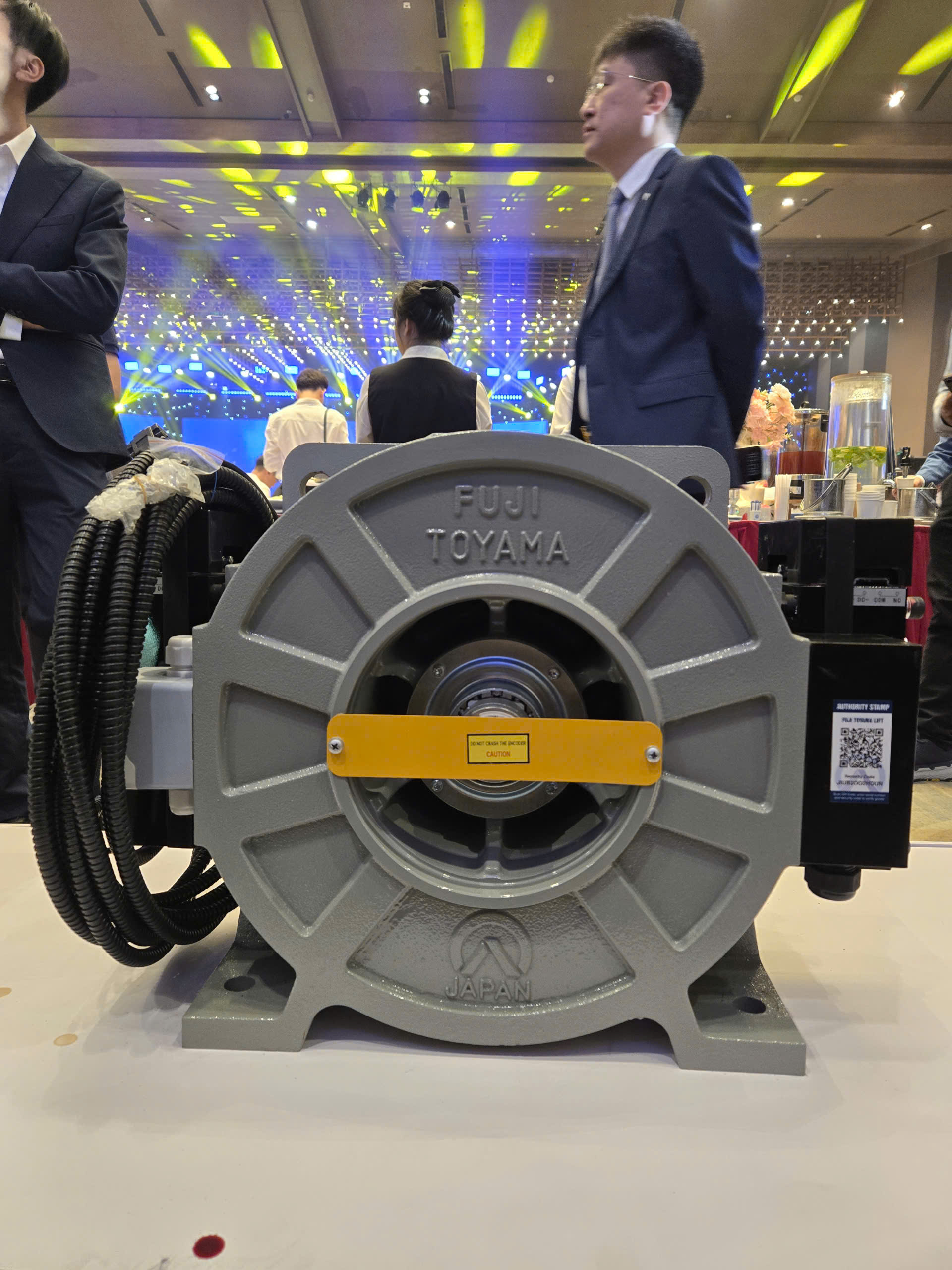
- Motor: Home elevator motors can be gearless or geared , depending on speed requirements, smoothness, and investment costs. Gearless motors are often preferred in high-end home elevators due to their high efficiency, smooth operation, low maintenance, and energy savings. Geared motors, on the other hand, have lower investment costs, making them suitable for projects with limited budgets while still ensuring stable operation. The choice of motor type requires careful consideration based on usage needs, installation conditions, and the family's financial capabilities.
Additional technical details:
- Cable and pulley system: Utilizing high-quality steel cables with high load-bearing capacity and wear resistance, combined with precisely designed pulleys to ensure smooth and safe movement.
- Braking system: Electromagnetic or mechanical brakes are fitted to ensure the elevator stops accurately and safely in the event of a power outage or overload.
- Lighting and ventilation system: The elevator cabin is equipped with energy-saving LED lighting and a ventilation system to create a spacious and comfortable environment for users.
- Cabin finishing materials: Typically use stainless steel, tempered glass, or high-grade composite materials, ensuring both aesthetic appeal and increased durability and ease of cleaning.
- Safety system: Includes door sensors, overload sensors, automatic rescue system, anti-jamming device, and backup power supply to ensure continuous elevator operation in case of power failure.
Factors affecting the price quote for a 3-story home elevator:
- Equipment quality and brand: Genuine imported equipment is usually more expensive but guarantees durability and operational performance.
- Cabin design and size: Larger cabins, those with special designs, or those using premium materials will increase costs.
- Engine and control system type: Gearless engines and modern microprocessor systems have higher investment costs.
- Floor height and elevator shaft structure: Buildings with high floor heights or requiring complex elevator shaft construction will increase construction costs.
- Maintenance and warranty services: Professional service packages, regular maintenance, and prompt technical support also affect the total cost of using an elevator.
Standard dimensions chart for a 3-story home elevator.
Choosing the right elevator size is crucial to ensuring efficient operation and suitability for the building space. Elevator dimensions not only affect transport capacity but also directly impact user experience, safety, and equipment lifespan. For a three-story home elevator, careful consideration of technical specifications is essential to optimize space and meet user needs.
| Size | Width (mm) | Depth (mm) | Load capacity (kg) | Number |
|---|---|---|---|---|
| Compact type | 900 | 1100 | 250 | 3 |
| Standard type | 1000 | 1250 | 320 | 4 |
| Wide type | 1100 | 1400 | 450 | 6 |
Detailed analysis of different elevator sizes:
- Compact type: With a cabin size of 900mm x 1100mm, this type of elevator is suitable for spaces with limited area, often found in small apartments or townhouses. The load capacity is 250kg, equivalent to 3 people, suitable for small families or primarily for the elderly and children. However, this type has limited space for movement, so careful consideration is needed when choosing to avoid feeling cramped and uncomfortable.
- Standard type: The 1000mm x 1250mm size is the most common for 3-story home elevators, meeting the needs of most families with a load capacity of 320kg, equivalent to 4 people. This type balances usable space and operational efficiency, ensuring comfortable movement and the ability to transport small items. It is also the optimal choice in terms of cost and construction space.
- Spacious type: With cabin dimensions up to 1100mm x 1400mm and a load capacity of 450kg, this type of elevator is suitable for large families or those needing to transport large items, such as wheelchairs, strollers, or small furniture. The spacious interior enhances convenience and safety while minimizing the risk of collisions inside the cabin. However, this type of elevator requires a larger shaft area and a higher investment cost.
Technical factors to consider when choosing the size of a 3-story home elevator:
- Shaft area: This is a factor that directly determines the size of the elevator cabin. The shaft needs to be designed precisely according to the cabin size plus technical clearance to ensure smooth and safe operation. Inaccurate measurements can lead to improper installation, affecting the lifespan of the equipment.
- Load capacity and number of users: It is necessary to clearly determine the actual needs of the family to choose the appropriate load capacity. Choosing a load capacity that is too small will cause overloading, affecting the durability of the elevator and user safety. Conversely, choosing a load capacity that is too large will increase costs and require unnecessary elevator shaft space.
- Floor height and travel distance: For a 3-story elevator, the floor height typically ranges from 3m to 4m per floor. The total travel height needs to be calculated to select the appropriate motor, cable, and control system to ensure stable operation and energy efficiency.
- Safety standards: Home elevators must comply with international and domestic safety standards, including safety braking systems, door sensors, automatic rescue devices, and alarm systems. Cabin size also affects the placement of these devices to ensure efficiency and convenience for users.
- Cabin interior design: Cabin size affects the layout of interior features such as armrests, control panel, lighting, and ventilation systems. A spacious cabin will provide greater comfort and make it easier to install assistive devices for people with disabilities or the elderly.
The impact of elevator size on cost and construction:
- Material and installation costs: Larger cabin sizes mean the use of more materials for the cabin walls, elevator doors, and load-bearing frame system. This increases material costs and construction time.
- Maintenance and operating costs: Larger elevators typically consume more electricity due to increased load capacity and cabin weight. Additionally, maintenance costs can be higher due to larger and more complex components.
- Impact on building architecture: The placement of a large elevator shaft can affect the overall design of the house, especially in buildings with limited space. Close coordination between architects and elevator engineers is necessary to ensure harmony and optimize space.
Technical recommendations for designing a 3-story home elevator:
- Conduct a thorough site survey to determine the appropriate elevator shaft dimensions to match the cabin size.
- Prioritize choosing an elevator size that suits your actual needs, avoiding wasted space and costs.
- Ensure compliance with safety standards and technical regulations for home elevators.
- Consult with a professional or a reputable elevator supplier for detailed advice on suitable dimensions, load capacity, and features.
- The cabin is designed with high-quality materials, ensuring durability and aesthetics, while also being easy to maintain and repair.
- Selecting the appropriate control system and motor for the travel distance and load will optimize operational efficiency.
Factors affecting the price quote for a 3-story home elevator.
The price for a 3-story home elevator is not fixed but varies based on many technical factors and the specific requirements of each project. Understanding the components of the cost will help investors create a sound financial plan and choose the most suitable solution. The main factors affecting the price include:
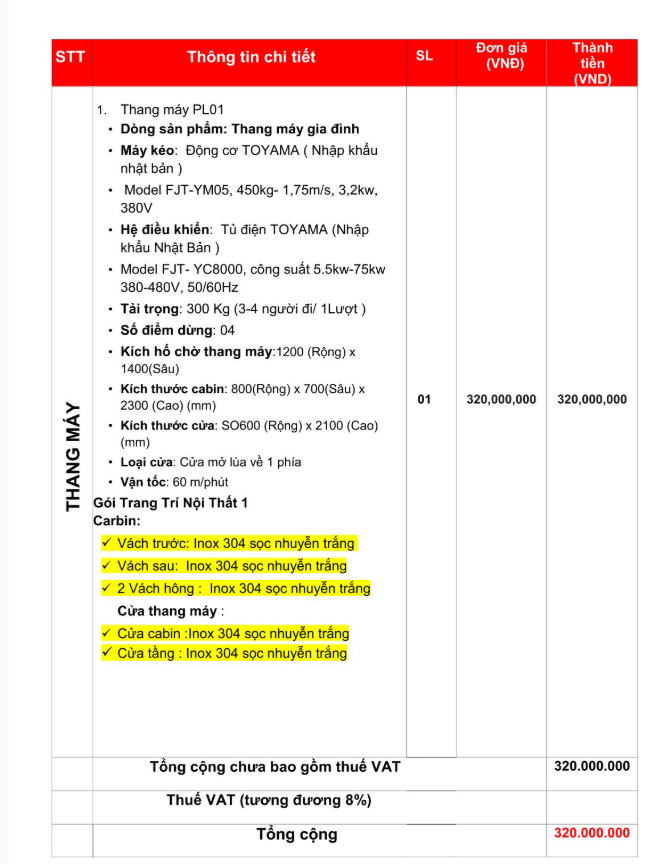
- Motor Type: The motor is the heart of the elevator, determining its operating efficiency and energy consumption. Currently, the two most common types are geared motors and gearless motors. Gearless motors are generally more expensive due to their complex construction and advanced technology, but they offer smoother operation, reduced noise, and significant energy savings. Geared motors are less expensive but tend to be noisier and consume more electricity, making them suitable for projects with limited budgets.
- Cabin size: The size of an elevator cabin is designed based on usage needs and installation space. A larger cabin means more materials are used, from the steel frame and cabin walls to the internal mechanical systems. This increases production, transportation, and installation costs. In addition, cabin size also affects the maximum load capacity, which in turn impacts the type of motor and cable system required. For example, a standard-sized cabin for 4-6 people is usually less expensive than a cabin for 8-10 people or a specially designed cabin for people with disabilities.
- Cabin Materials and Design: The materials used in the cabin not only affect aesthetics but also directly impact the cost. Common materials include 304 stainless steel, 201 stainless steel, tempered glass, natural wood, or high-grade engineered wood. 304 stainless steel is highly durable and corrosion-resistant, but it is more expensive than 201 stainless steel. Tempered glass creates a spacious and modern feel but requires complex processing and installation techniques, increasing costs. Custom cabin designs such as carved patterns, decorative LED lights, sound systems, and mirrors also increase the cost due to additional processing steps and specialized materials.
- Control and Safety Systems: Modern elevators are equipped with numerous control and safety features to ensure stable operation and protect users. The control system can be PLC or microprocessor-based, with a touchscreen interface and multi-functional buttons. Important safety features include an automatic power-off rescue system, anti-pinch door sensors, an integrated fire alarm system, overspeed protection, safety brakes, and a remote monitoring system. Each additional feature increases the initial investment cost but contributes to improved reliability and longevity of the elevator.
- Installation and Maintenance Costs: The elevator's location within the house significantly impacts construction costs. If the installation site has limited space, requires structural demolition, or foundation reinforcement, costs will increase considerably. Additionally, installing elevators in hard-to-reach areas or on high floors increases labor costs and construction time. Regular maintenance is essential, including checking electrical and mechanical systems, cleaning the cabin, and operating components. Professional maintenance packages help extend the elevator's lifespan and minimize the risk of malfunctions; however, this is a cost that should be factored into the overall budget.
Carefully considering the above factors will help investors make appropriate decisions, optimize costs, and ensure long-term efficiency for a 3-story home elevator.
Detailed price list for 3-story home elevators by segment.
Modern three-story home elevators are classified by load capacity and cabin design, directly impacting price and usability. Choosing the right elevator depends not only on the number of floors but also on load capacity, shaft size, and the family's actual needs.
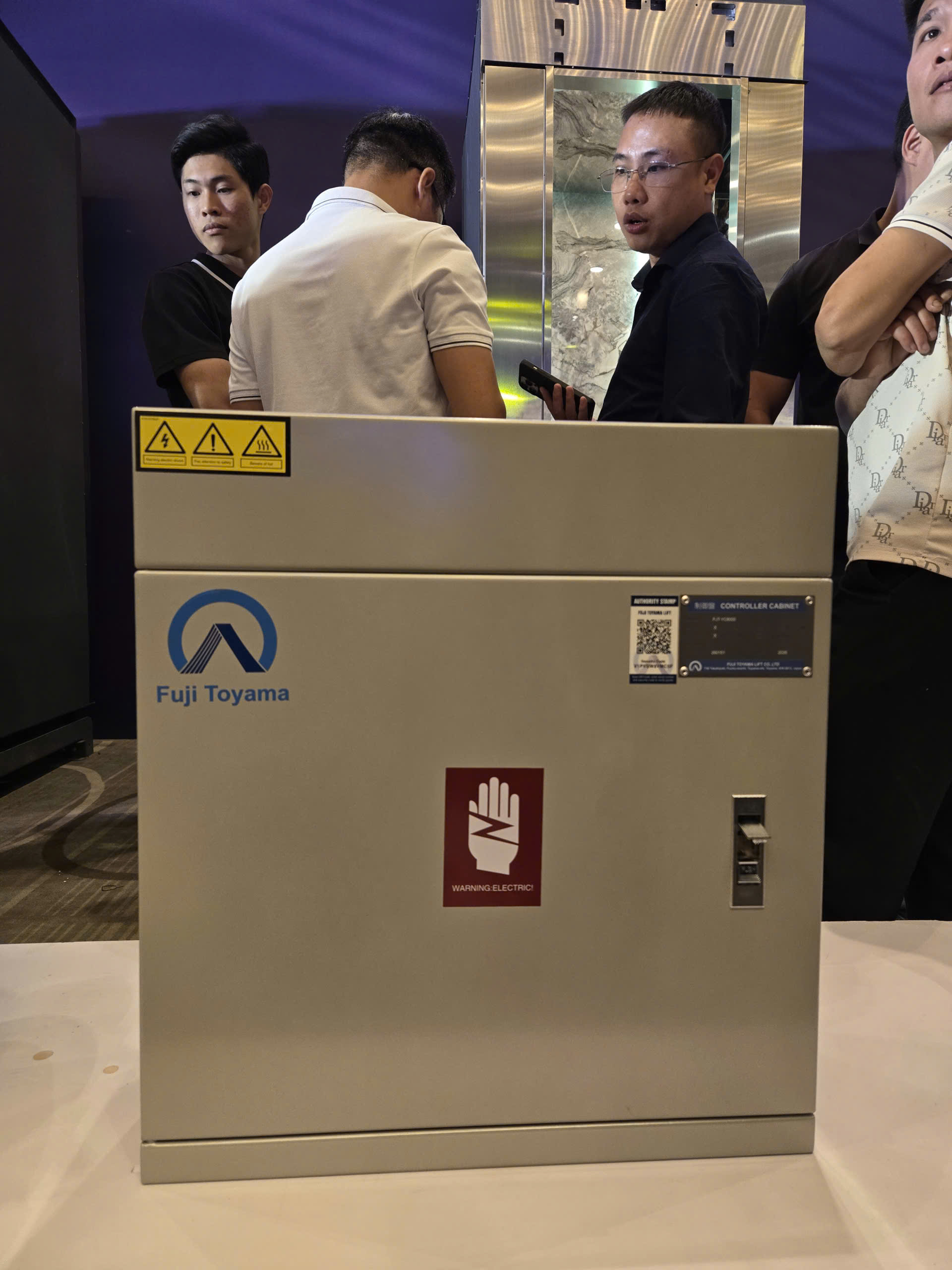
- 250kg capacity elevators (3 people): This is a compact elevator segment, suitable for families with 2-3 members or houses with limited space. The cabin size typically ranges from 0.8m x 1.0m, saving space in the elevator shaft. The price ranges from 250 million to 350 million VND, including basic equipment such as gearless or geared motors, a microprocessor control system, and standard cabin materials such as stainless steel or tempered glass.
- 320kg capacity elevators (4 people): This is the most popular segment for average families with 3-4 members. The cabin is more spacious, usually around 1.0m x 1.2m, allowing for comfortable movement and the ability to carry small items. Prices range from 350 million to 450 million VND, including advanced technologies such as energy-saving control systems, noise reduction, and optional higher-end cabin interiors such as wood paneling and modern LED lighting.
- Elevators with a 450kg (6-person) load capacity: Suitable for large families or those requiring a spacious elevator cabin, typically measuring 1.2m x 1.4m or larger. Prices range from 450 million to 600 million VND, including higher-powered motors, enhanced safety systems such as door sensors and automatic brakes, and potentially integrated smart features like smartphone control and in-cabin touchscreens.
Note: The above price does not include additional costs related to elevator shaft construction, electrical systems, and auxiliary equipment such as automatic rescue systems, ventilation systems, or special interior design requirements.
Cost analysis of installing a 3-story home elevator.
The cost of installing a 3-story home elevator is comprised of several main components, each significantly impacting the total investment cost and the elevator's operational quality:
- Elevator shaft construction costs: This is the most important part of the installation process, directly affecting the structure and safety of the elevator. Construction costs depend on the materials used (reinforced concrete, steel frame, or aluminum frame), the size of the elevator shaft, and the construction conditions at the site. Typically, this cost ranges from 50 million to 100 million VND. For existing buildings, renovating the elevator shaft may incur additional costs due to demolition or structural reinforcement.
- Installation costs: This includes the installation of the cabin, motor, control system, guide rails, and safety devices. This portion typically accounts for 30-40% of the total elevator cost. Choosing a gearless motor saves energy and reduces noise, but it is more expensive than a geared motor. Modern control systems using microprocessors increase accuracy and safety in operation.
- Cabin interior finishing costs: Cabin interiors can be customized to the homeowner's requirements, from polished stainless steel, tempered glass, and natural wood to LED lighting, sound systems, and information display screens. The finishing cost ranges from 20 million to 80 million VND depending on the level of luxury and integrated technology.
- Maintenance and servicing costs: Regular maintenance is crucial for the stable, safe operation and longevity of elevators. Maintenance services typically include inspections of the electrical system, motor, guide rails, cabin doors, and safety equipment. Maintenance costs range from 5 million to 10 million VND per year, depending on the frequency of maintenance and the complexity of the elevator.
Factors affecting the installation and operating costs of a 3-story home elevator:
- Elevator shaft design and dimensions: The larger the elevator shaft, the higher the material and construction costs. Especially in renovation projects, structural adjustments can significantly increase expenses.
- Engine and control system technology: Modern gearless motors save energy and reduce noise, but have higher initial investment costs. Intelligent control systems incorporating safety and convenience features also increase the price.
- Cabin interior materials and design: The selection of premium materials such as 304 stainless steel, scratch-resistant tempered glass, energy-saving LED lighting, and amenities like touchscreens and speakers will increase the overall cost.
- Safety requirements and auxiliary equipment: Automatic rescue systems, door sensors, ventilation systems, and fire and explosion prevention equipment are essential but also increase investment costs.
- Labor costs and construction site location: Construction sites with complex geographical conditions or requiring construction inside existing buildings will increase labor costs and construction time.
To ensure effective investment and long-term operation, customers should choose a reputable supplier with experience in designing, installing, and maintaining home elevators. On-site surveys and thorough consultations will help accurately determine technical requirements, thereby providing appropriate quotes and optimizing costs.
Safety and quality standards for 3-story home elevators.
Safety in home elevators is not only a mandatory requirement but also a crucial factor determining user peace of mind and convenience. For a three-story home elevator, adherence to safety and quality standards is a prerequisite for ensuring stable and durable operation throughout its lifespan.
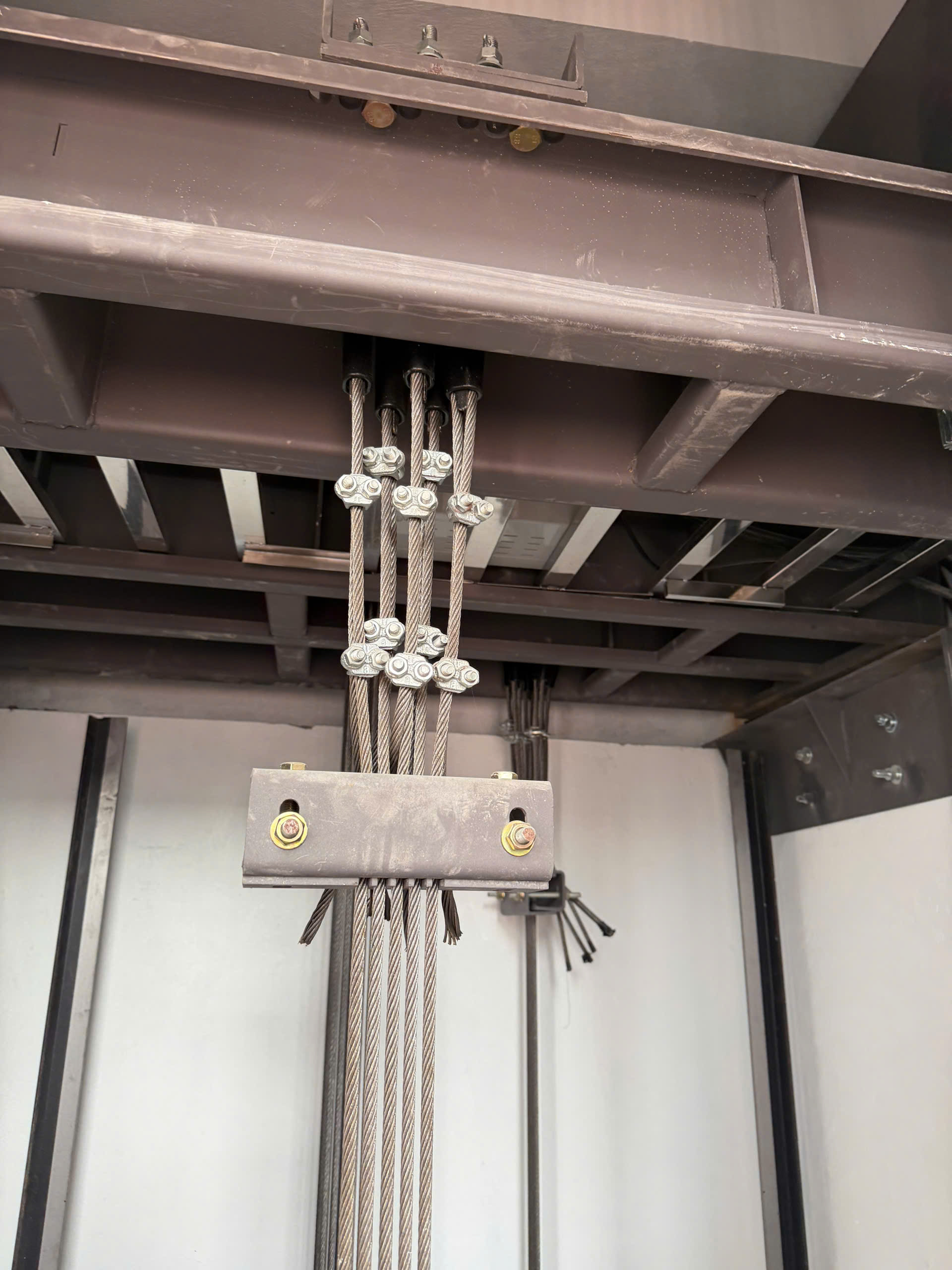
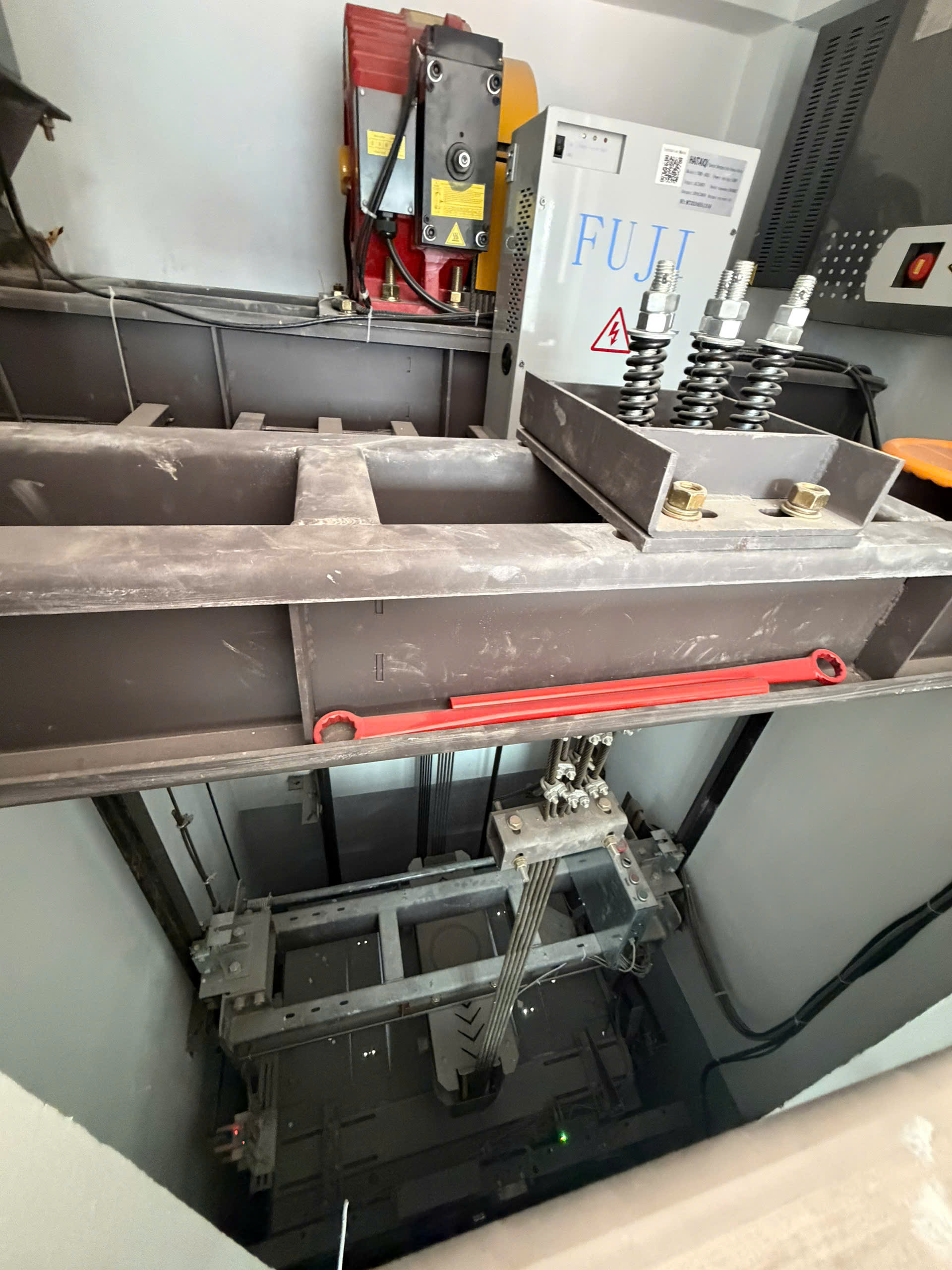
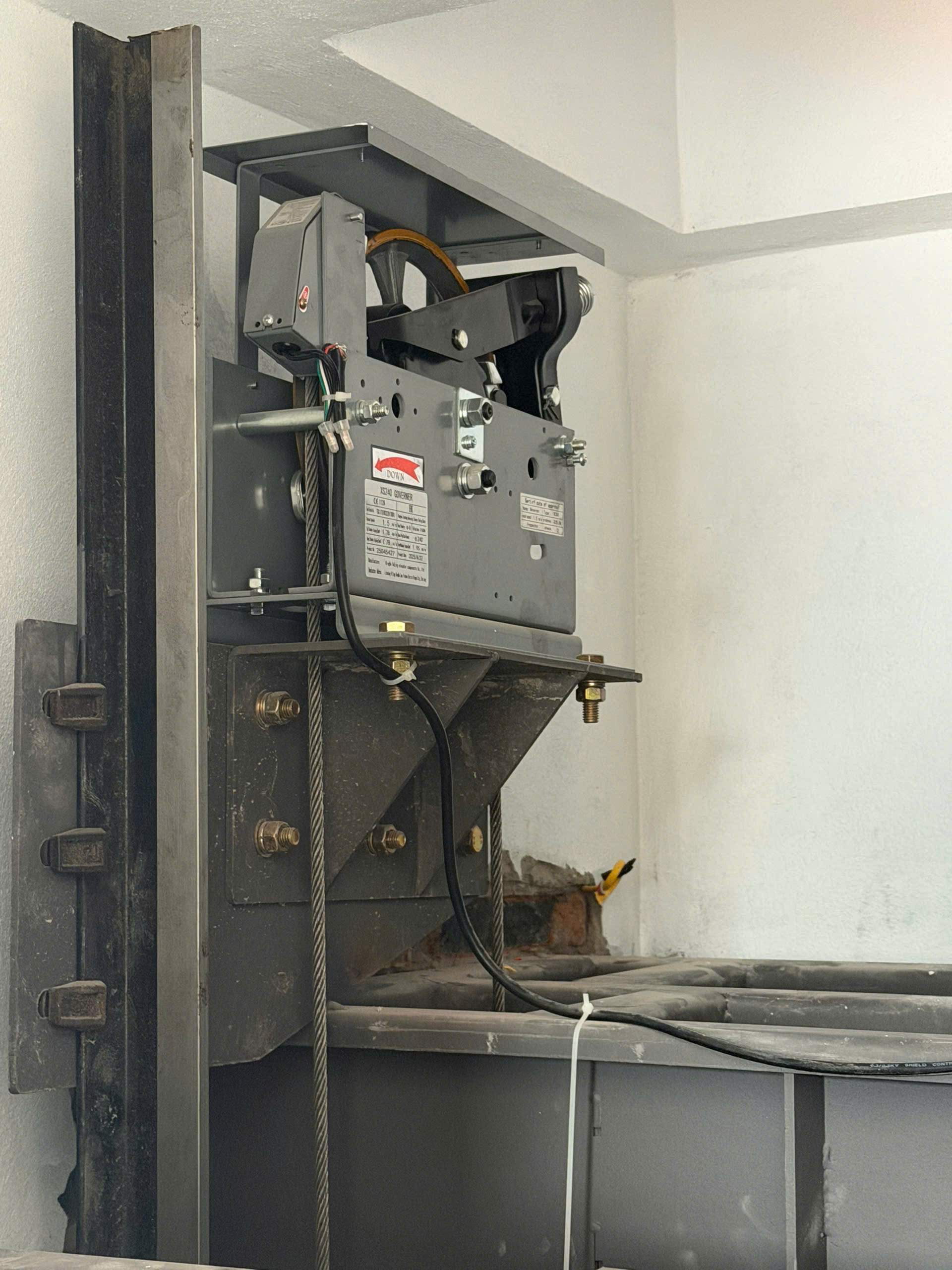
Technical requirements: Home elevators must meet stringent international standards, including:
- ISO 25745 specifies the energy efficiency of elevators, helping to minimize electricity consumption and contribute to environmental protection. This standard requires equipment to be able to save energy through the use of high-efficiency motors, energy regeneration systems, and intelligent standby modes.
- EN 81 is the European elevator safety standard, encompassing regulations for the design, installation, operation, and maintenance of elevators. This standard ensures that elevators have safety devices such as speed limits, safety brakes, door sensors, and accident prevention mechanisms.
Automatic rescue system: This is one of the most important features for home elevators. In the event of a power outage or elevator malfunction, this system will automatically activate, bringing the cabin to the nearest floor and opening the doors so passengers can safely exit. Automatic rescue technology usually uses a backup power source (UPS or battery) to ensure continuous operation in the event of a sudden power failure.
Safety sensors: The 3-story home elevator is equipped with various sensors to ensure safe and efficient operation:
- Door sensors: Detect obstructions or people standing in the elevator doorway, preventing the door from closing if there is a risk of injury.
- Overload sensor: This detects when the elevator cabin weight exceeds the permissible limit, thereby preventing the elevator from operating to avoid damage or accidents.
- Speed and position sensors: Ensure the cabin moves at the correct speed and stops precisely at each floor, avoiding shaking or stopping at the wrong floor.
Cabin materials: The materials used for home elevator cabins must meet requirements for durability, fire safety, and aesthetics. Typically, cabins are made from high-grade stainless steel or aluminum alloy, which are scratch-resistant, corrosion-resistant, and easy to clean. In addition, fire-resistant materials such as fire-retardant panels are incorporated to enhance fire safety.
Regular maintenance: Proper maintenance of home elevators according to technical procedures is crucial for maintaining long-term performance and safety. The maintenance process includes:
- Inspect electrical and mechanical systems to detect early signs of wear or damage.
- Clean critical components such as guide rails, motors, brakes, and sensors.
- Inspect and adjust the control system to ensure all functions are working correctly.
- Replace components as recommended by the manufacturer to avoid unexpected problems.
Modern technology in 3-story home elevators.
Modern home elevators go beyond just transportation; they also incorporate advanced technologies to enhance user experience, optimize performance, and ensure absolute safety.
- Gearless motors: These motors are designed without traditional gears, reducing friction and noise during operation. Gearless motors are highly efficient, energy-saving, and require minimal maintenance. Additionally, they ensure smooth elevator operation, increased equipment lifespan, and reduced vibration during movement.
- Intelligent control system: Utilizing advanced microprocessors, the control system allows for flexible programming of operating modes such as floor priority, energy-saving mode, or scheduled operation. This technology helps reduce waiting times, optimize passenger flow, and enhance user convenience.
- IoT applications: The Internet of Things (IoT) is integrated into elevators to remotely monitor operational status through sensors and network connectivity. The system can provide early warning of technical problems, track component wear and tear, and support predictive maintenance. This helps minimize downtime and unexpected repair costs.
- Disabled-friendly design: Modern home elevators prioritize assisting users with special needs. Features include:
- The buttons feature raised (Braille) lettering and are appropriately sized for easy operation.
- The audio guidance system helps visually impaired people identify the location and status of the elevator.
- The cabin is spacious, with enough room for wheelchairs and mobility aids.
- The lighting system and handrails are strategically placed to enhance safety and convenience.
Guide to choosing the right 3-story home elevator.
To choose a suitable 3-story home elevator, a thorough analysis and evaluation of technical, aesthetic, and financial factors is crucial. Below are the in-depth factors to consider to ensure the elevator not only operates efficiently but also harmonizes with the living space.
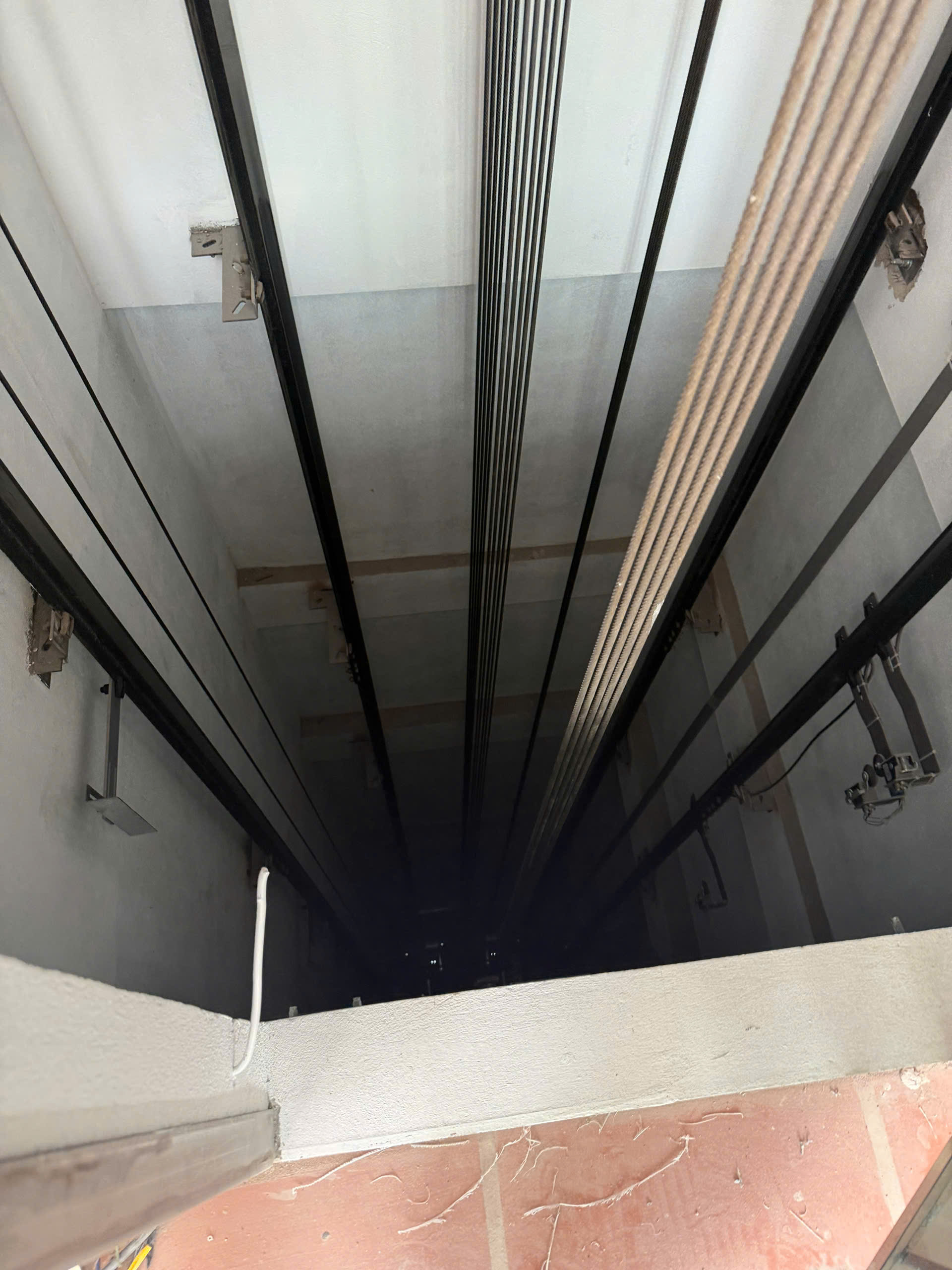
- Elevator shaft area:
Accurately measuring the elevator shaft dimensions is the first and most crucial step. The shaft dimensions include width, depth, and height from the lowest to the highest floor. These parameters determine the appropriate elevator cabin size, motor type, and cable traction system. For a three-story building, the shaft height typically ranges from 9 to 12 meters, depending on the height of each floor. Additionally, technical factors such as wall thickness, the placement of the traction machine (if it's an elevator with a machine room), or space for the hydraulic system (if it's a hydraulic elevator) should be considered. Maximizing the shaft area increases cabin space and enhances user comfort.
- Usage requirements:
Accurately determining the number of regular users and the required load capacity helps in selecting an elevator with the appropriate power and size. A 3-story home elevator typically has a load capacity of 250kg to 450kg, equivalent to 3-6 people. If the family includes elderly people or young children, prioritize elevators with wide doors and spacious cabins for easy and safe movement. Additionally, frequency of use affects the type of motor and control system. For high usage demands, a gearless motor elevator is recommended for smooth operation, energy efficiency, and reduced maintenance.
- Investment budget:
Budget is a determining factor in the type of elevator, the technology used, and the accompanying amenities. Home elevators come in various price segments, from basic models using geared motors to high-end models using gearless motors and intelligent control systems. A balance must be struck between initial investment costs and long-term operating and maintenance costs. In addition, unforeseen expenses such as elevator shaft construction, electrical systems, and installation costs should also be carefully considered to avoid exceeding the budget.
- Interior design:
The elevator cabin design should match the overall architectural style of the house and personal preferences. Materials commonly used for the cabin include stainless steel, tempered glass, engineered wood, or a combination of these materials to create an aesthetically pleasing look. Color, lighting, and control systems should also be carefully selected to create a luxurious, modern, or cozy feel, depending on the design style. Additionally, convenient features such as mirrors, handrails, ventilation, and sound systems contribute to an enhanced user experience.
- Reputable supplier:
Choosing an elevator supplier with years of experience, quality certifications, and professional after-sales service is crucial to ensuring stable and safe elevator operation. Reputable suppliers typically have well-trained technicians, precise installation procedures, and long-term warranty policies. The selection of a supplier should also be based on previous customer reviews and their ability to advise on solutions suitable for each specific project.
Choosing the right type of elevator not only saves costs but also ensures safety and enhances long-term value for your family.
Contact us for a quote and consultation on a 3-story home elevator.
To receive an accurate and suitable quote for a 3-story home elevator , please contact us immediately. Our team of experienced professionals will provide detailed advice on elevator models, technical specifications, design solutions, and the most competitive prices on the market. Don't hesitate to call or send a request for prompt and dedicated support.