Elevator maintenance
Elevator maintenance
The importance of regular elevator maintenance.
Elevator maintenance is a mandatory technical activity to ensure safe operation , reliability , and equipment lifespan . Elevators are complex electromechanical systems, combining precision mechanics, automatic control, electrical and electronic systems, and safety technology. Even a small malfunction, such as a limit switch, door sensor, or mechanical brake, can lead to serious incidents. Therefore, standards such as TCVN 6395, EN 81, and ISO 22559 all require elevators to be maintained, inspected, and documented periodically, with highly trained engineers or technicians responsible.
In high-rise buildings, elevators are the "backbone" of vertical circulation. When elevators stop working due to lack of maintenance, it not only causes inconvenience but also affects building operations, the developer's image, and user experience . Especially in buildings such as hospitals, hotels, and shopping malls, elevator downtime can slow down emergency response, goods transportation, or evacuation in case of an incident. Proper maintenance minimizes downtime , optimizes major repair costs, and maintains stable operating performance throughout the equipment's lifespan.
Key technical aspects in elevator maintenance
Key technical aspects of elevator maintenance focus on three main groups: mechanical, doors, and control/sensor systems. In the mechanical section, technicians need to thoroughly inspect guide rails, hoisting cables, pulleys, and mechanical brakes to minimize vibration, floor slippage, and the risk of cabin entrapment. They also measure and assess wear to determine when necessary replacements are needed. For the landing and cabin doors, the focus is on the drive mechanism, safety sensors, and interlocks , ensuring smooth operation, accurate obstacle detection, and opening only when the cabin is in a safe position. In the electrical/control group, maintaining the control panel, inverter, safety circuits, position sensors, and automatic rescue system ensures stable elevator operation, accurate floor stopping, and safe handling in case of power failure.
Mechanical inspection: rails, cables, pulleys, and braking systems.
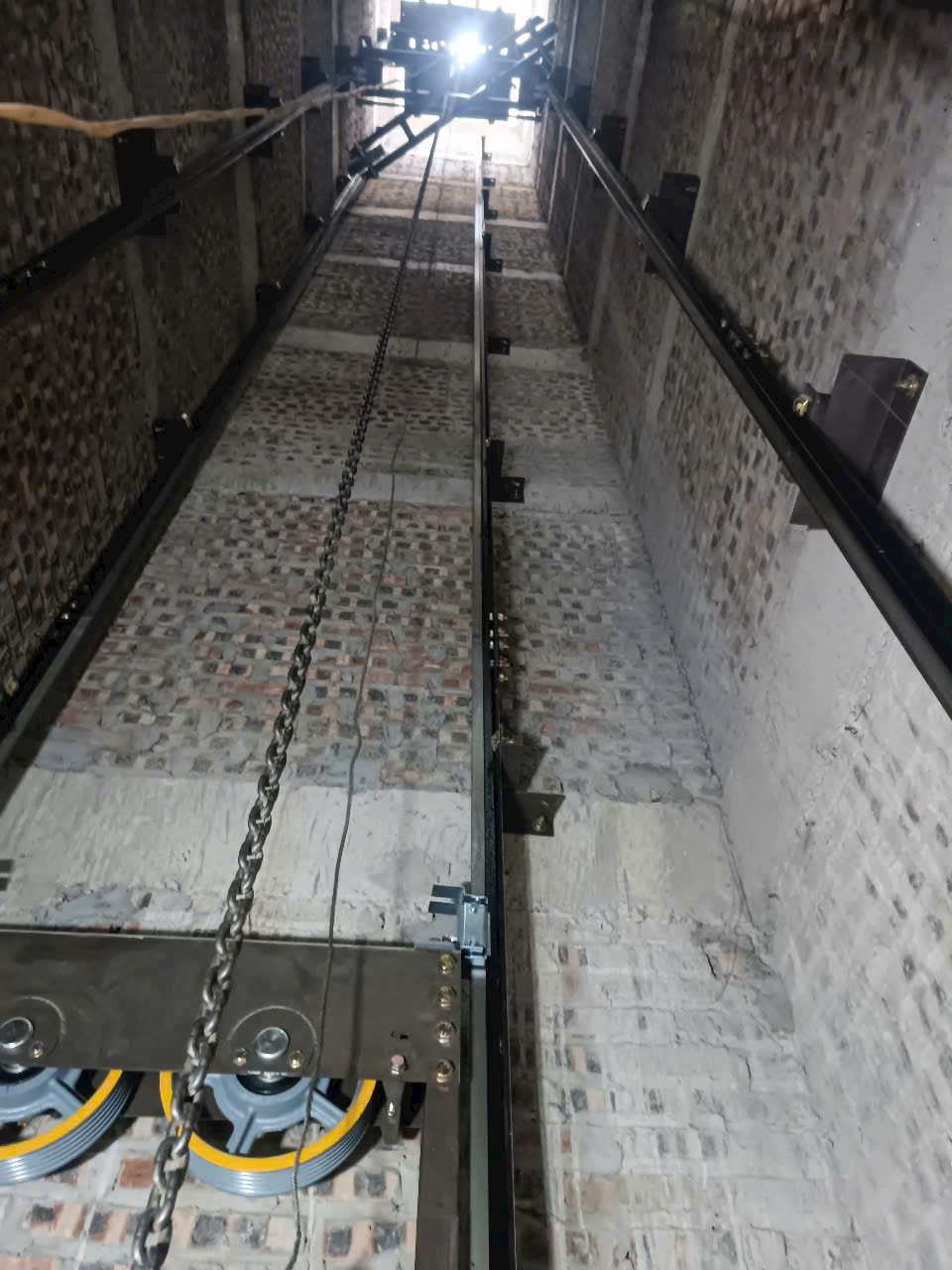
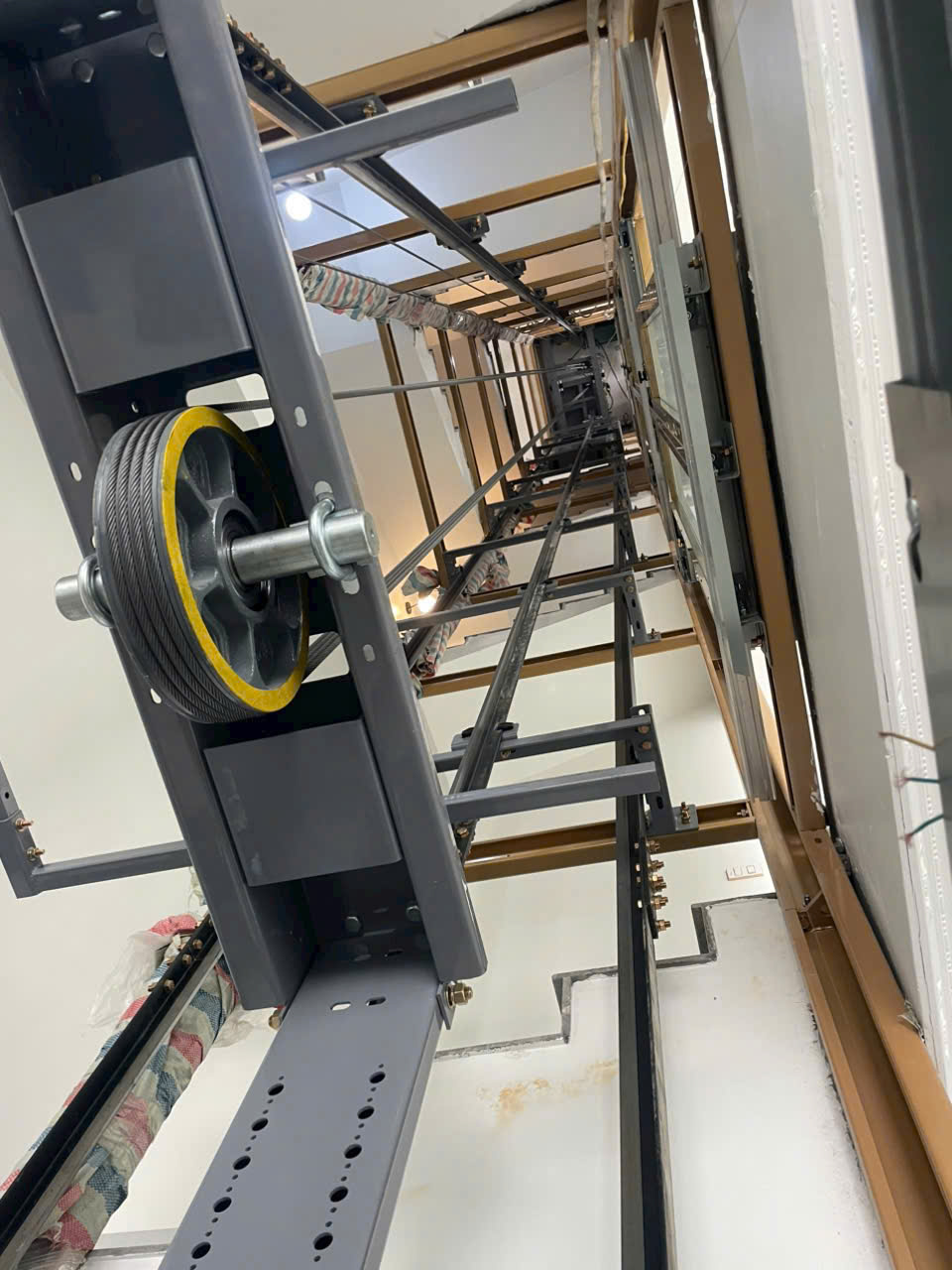
In mechanical maintenance, technicians focus on load-bearing and moving parts. The cabin and counterweight guide rails must be checked for straightness, wear, and the tightness of the support bolts. Dirty, dry, or warped rails will increase friction, causing vibration, noise, and potentially cabin jamming. The load cables (steel cables or PU-coated belts) need to be assessed for diameter, wear, number of broken strands, and grip on the pulleys. According to the manufacturer's recommendations, if the number of broken strands exceeds the permissible limit or the cable is pitted or deformed, it must be replaced simultaneously to ensure safety.
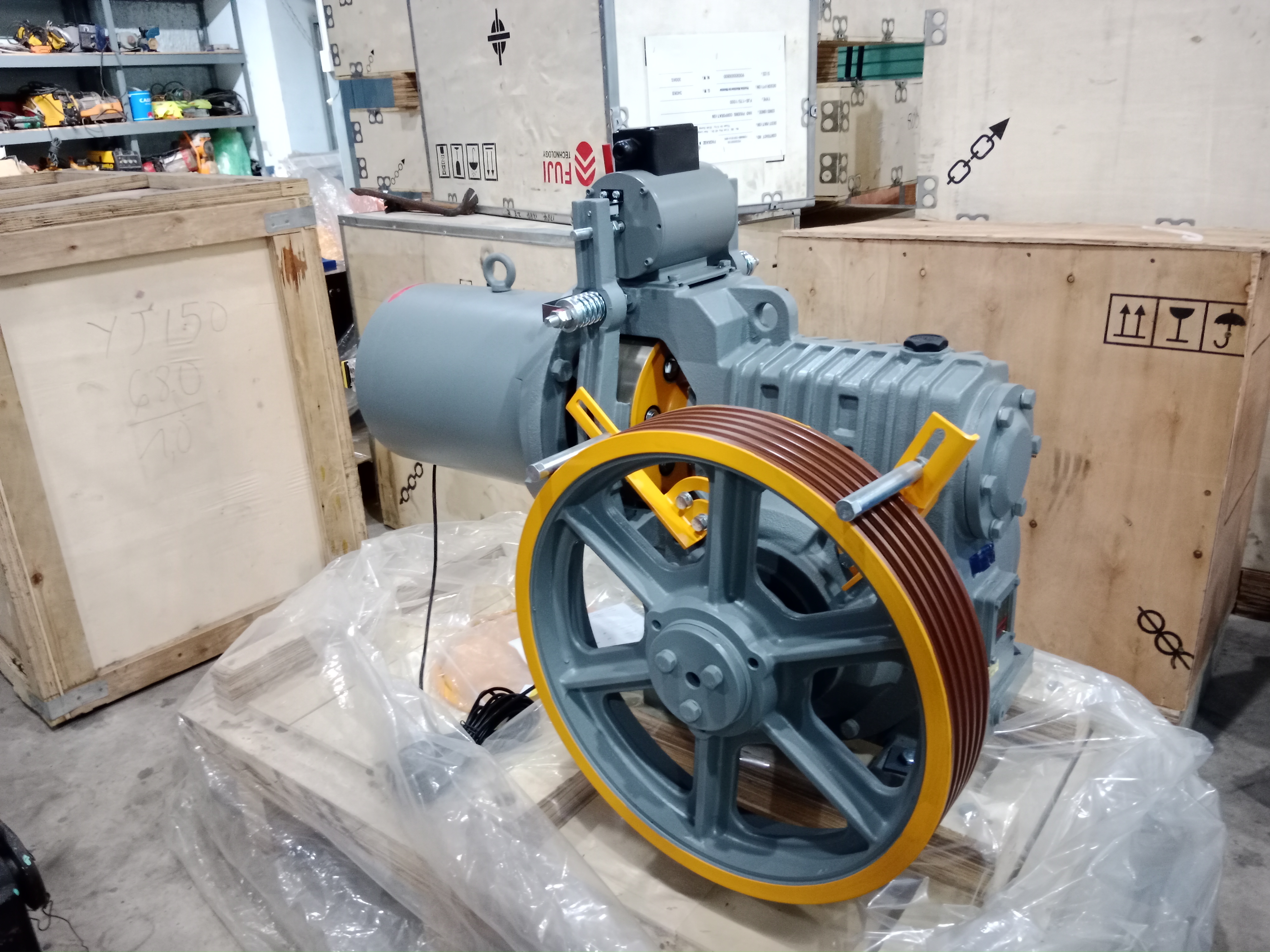
Friction pulleys and steering pulleys are inspected for groove surface, wear, concentricity, and bearing condition. Uneven pulley wear will cause the cable to slip, leading to slippage or emergency stops. The tractor's mechanical braking system is a critical safety component: brake pad clearance, braking force, wear of friction material, and release/lock capability in case of power failure must be checked. Technicians must test the brakes under real-world load conditions, measure the slip distance, and compare it to the permissible limits according to safety standards.
Maintenance of landing doors and cabin doors.
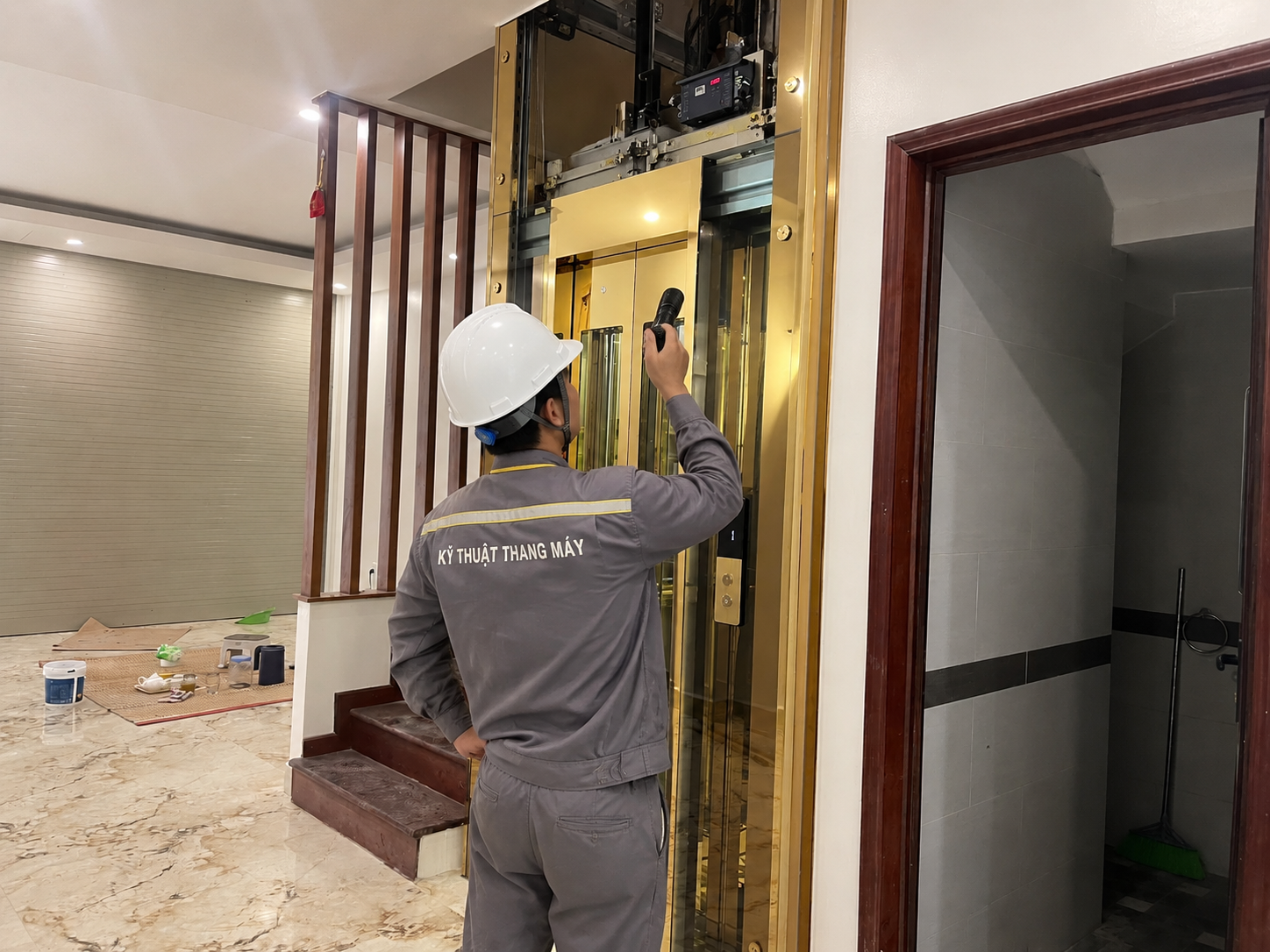
Elevator doors are the point of direct interaction with users and are also the area most prone to malfunctions. Door maintenance includes inspecting the drive mechanism , door suspension wheels, sliding rails, belts, or arms to ensure smooth, jam-free, and collision-free opening and closing. Safety sensors such as photocells, curtain sensors, and door closing force sensors must be tested periodically: when an obstruction is detected, the door must immediately reverse direction or stop. Cleaning dust and dirt, readjusting the position of the photocell, and checking signal wires help reduce errors such as "door not closing" or "elevator not running due to door malfunction."
For landing doors, technicians need to check the landing door locks, safety switches, and interlocking mechanisms with the cabin. The landing locks must ensure they can only be opened when the cabin is stopped at the correct floor and the cabin door is in the permitted position. Screws, hinges, handles, and rubber seals need to be tightened, lubricated, or replaced if they show signs of looseness, wear, or rust. Proper maintenance of the door system not only enhances safety but also reduces noise and vibration, creating a professional operating experience for users.
Control systems, electrical cabinets, and sensors
In electrical and control system maintenance, the focus is on the control panel, inverter, automatic rescue unit (ARD), safety circuits, and floor call system . Technicians need to check the inverter's operating temperature, clean the cooling fan and dust filter, tighten terminal connections, measure voltage and current, and check for stored errors. I/O modules, relays, contactors, and power supplies must be assessed for contact condition, heat, and unusual noises. Updating firmware and adjusting control parameters according to manufacturer recommendations optimizes operation and reduces minor faults.
The position sensors, limit switches, encoders, and speed sensors need to be checked for accuracy, cleaned, and recalibrated if any discrepancies are found. Errors in position measurement can cause the elevator to stop at the wrong floor, open doors at the wrong floor level, and pose a risk of tripping. The safety circuit must be tested by simulating scenarios such as unlocking the floor, activating the limit switch, and interrupting the safety circuit to ensure the elevator stops according to the design logic. Additionally, the automatic rescue system needs to be checked for its ability to switch power sources, its response time, and its ability to return the cabin to the nearest floor in the event of a power outage.
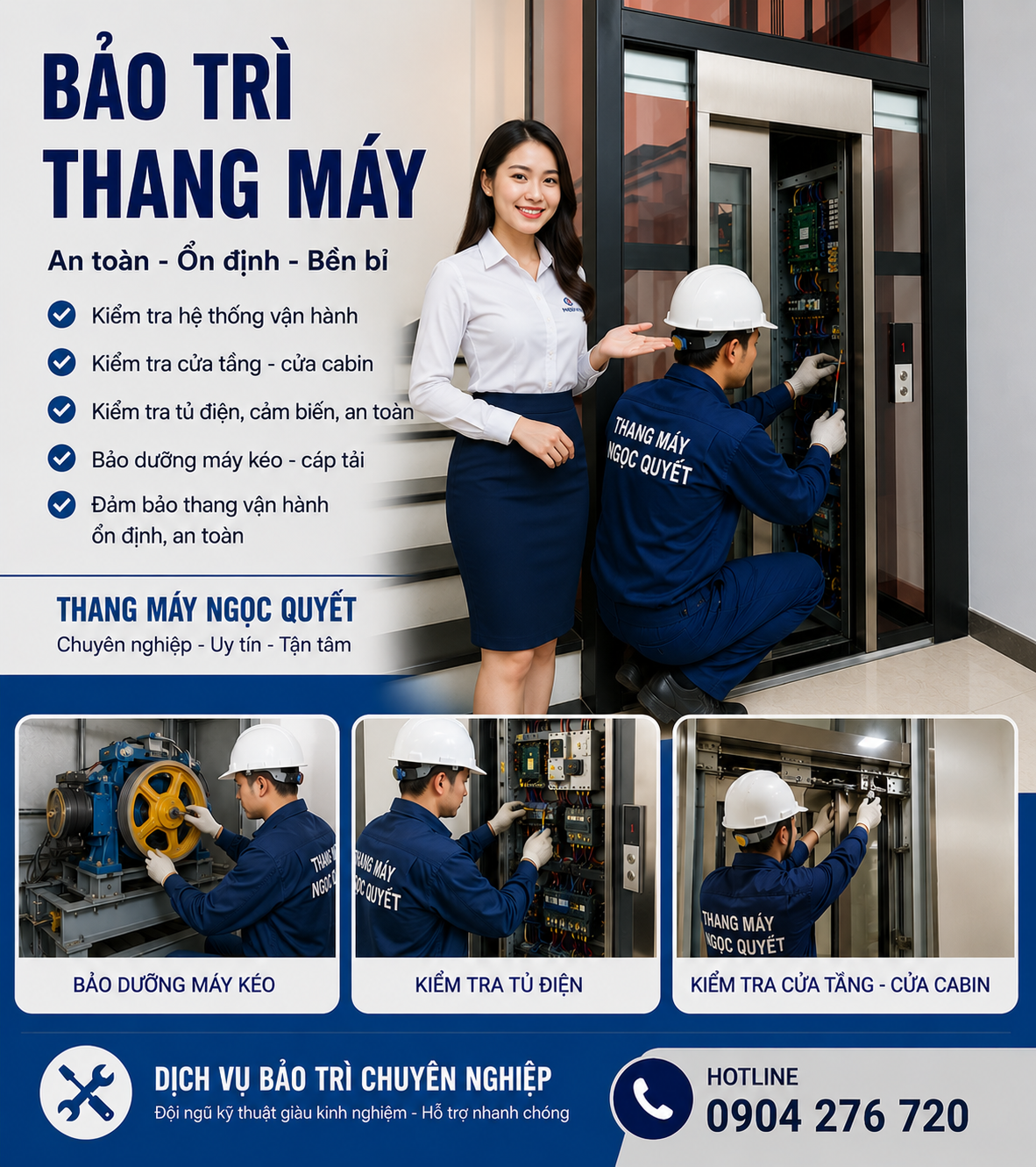
Maintenance cycles and standard procedures as recommended by experts.
Elevator maintenance cycles should be designed flexibly according to usage frequency, environment, and equipment lifespan , combining scheduled maintenance, mid-term and major overhauls, and unscheduled maintenance when abnormalities are detected. Annual planning helps optimize costs, proactively replace worn components, and minimize unplanned downtime, especially for high-traffic systems such as apartment buildings, offices, and shopping malls.
Standard maintenance procedures must strictly adhere to safety regulations, be implemented according to an inspection route from the engine room to the pit, and have a clear checklist for each item. All results must be recorded in the maintenance report, stored together with the operating log and technical records for inspection, fault tracing, and compliance with legal requirements.
Maintenance cycle based on frequency of use
Elevator maintenance cycles depend on usage levels, installation environments, and equipment configurations . For residential elevators in low-rise buildings, maintenance is typically once a month or once every two months. For high-traffic elevators in apartment buildings, offices, and shopping malls, the cycle should be every 2–4 weeks , combined with weekly quick checks by the building's technical department. Items such as cable checks, brakes, safety circuits, landing doors, and rescue systems must be included in the mandatory maintenance schedule for each service.
In addition to scheduled maintenance, emergency maintenance is necessary when abnormal signs appear: strange noises, strong vibrations, inaccurate floor stopping, repeated error messages, burning smell, and high machine room temperature. The investor should develop an annual maintenance plan , categorized into: routine maintenance, mid-term maintenance (every 6–12 months), and major overhaul (after 8–12 years, depending on the elevator model). This plan helps in budgeting, proactively replacing worn parts such as cables, pulleys, brake pads, and signal cables, reducing the risk of prolonged downtime.
Standard maintenance procedures and technical documentation
A standard maintenance procedure must include inspection, adjustment, cleaning, safety testing, and documentation . Before starting work, technicians must follow safety procedures: posting warning signs, disconnecting power using the lock-out/tag-out procedure (if necessary), and using full personal protective equipment. Then, they should inspect from top to bottom: the machine room or traction machine room, the elevator shaft, the cabin roof, the pit, the landing doors, the control panel, and the call panel. Each item must have a detailed checklist to avoid omissions.
Upon completion, the maintenance unit must prepare a maintenance report , clearly stating the measured parameters, replaced components, technical recommendations, and the time for re-inspection. This record should be stored along with the elevator operation logbook , safety inspection report, and manufacturer's technical documentation. Complete documentation provides the inspection agency, the investor, and the maintenance unit with a basis for assessing the equipment's condition, tracing the cause of any incidents, and fulfilling legal requirements regarding occupational safety.
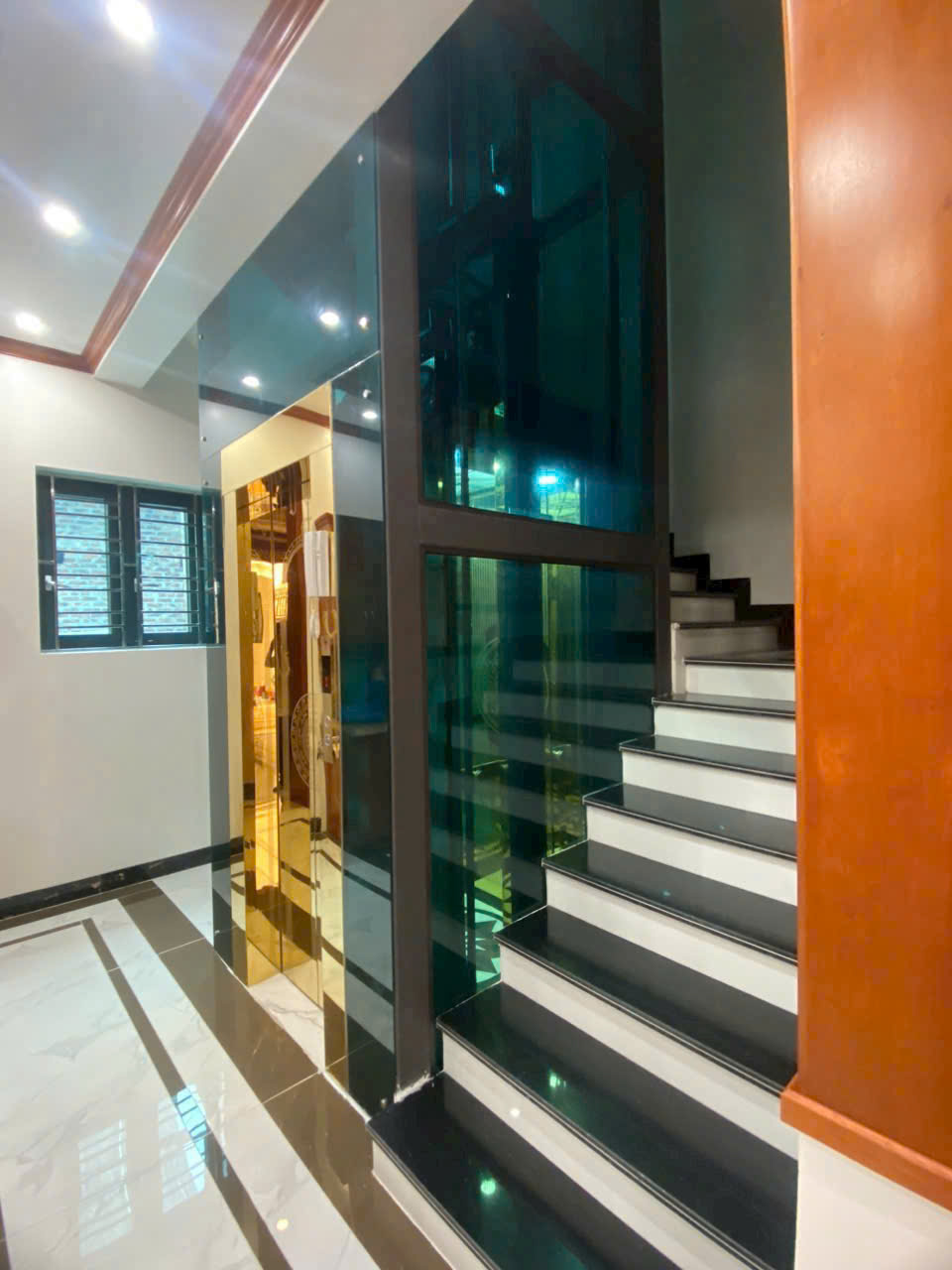
Choosing a maintenance provider and the role of the user.
Selecting an elevator maintenance company requires a clear set of criteria, combining technical and legal capabilities with quality of service . A suitable company should not only meet requirements for certification, genuine parts, standardized procedures, and insurance, but also be able to advise on upgrade solutions, analyze operational data to reduce incidents, and optimize long-term costs. Simultaneously, the role of users is crucial to maintenance effectiveness: adhering to safety guidelines, using the elevator within its load capacity, promptly reporting any abnormalities, and cooperating with management will ensure the elevator system operates stably, safely, and sustainably.
Criteria for evaluating elevator maintenance companies
To ensure quality maintenance, investors need to choose a company with professional competence, legal certifications, and practical experience . Some important criteria include: operating licenses in the elevator industry, a team of engineers and technicians trained by the manufacturer, the ability to supply genuine spare parts , standardized maintenance procedures, a quality management system (ISO 9001), and professional liability insurance. The maintenance contract should clearly specify the maintenance frequency, response time in case of problems, scope of work, list of consumables, and warranty conditions .
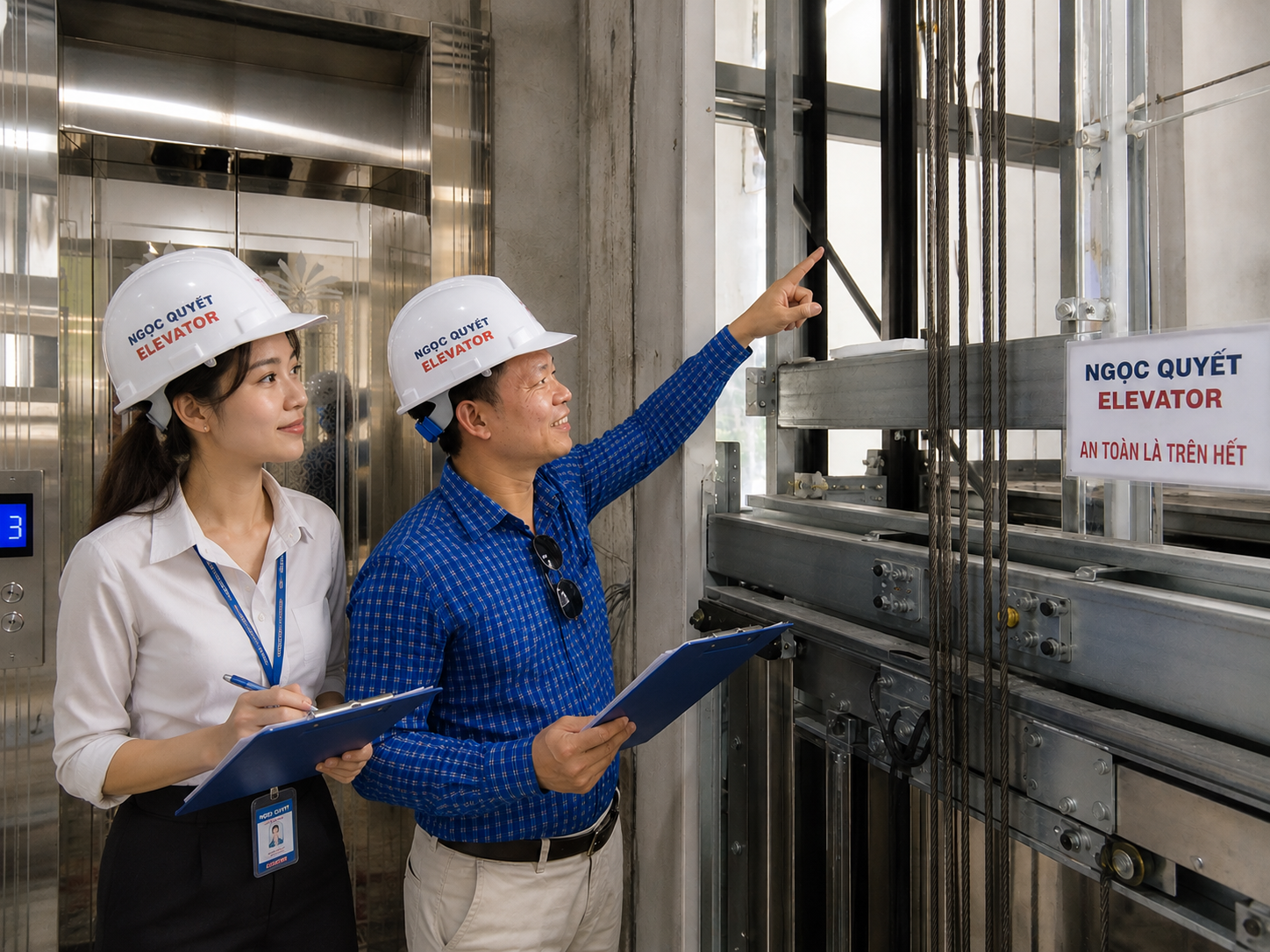
Investors should also prioritize companies with in-depth technical consulting capabilities , the ability to analyze fault data, and propose upgrade solutions such as replacing inverters with energy-saving ones, adding remote monitoring, renovating door systems, or upgrading safety circuits to new standards. Regularly evaluating service quality through maintenance reports, incident statistics, downtime, and resident feedback helps optimize the selection of long-term partners, ensuring elevators always operate safely and reliably.
Users also play a crucial role in maintenance efficiency. Proper load usage, avoiding jamming doors, refraining from opening landing doors without authorization, and preventing water from entering the elevator cabin or shaft help reduce damage and extend equipment lifespan. Building management should disseminate safety instructions , procedures for handling entrapment, and emergency contact numbers, while also coordinating with maintenance units to record and report any unusual occurrences for timely resolution.