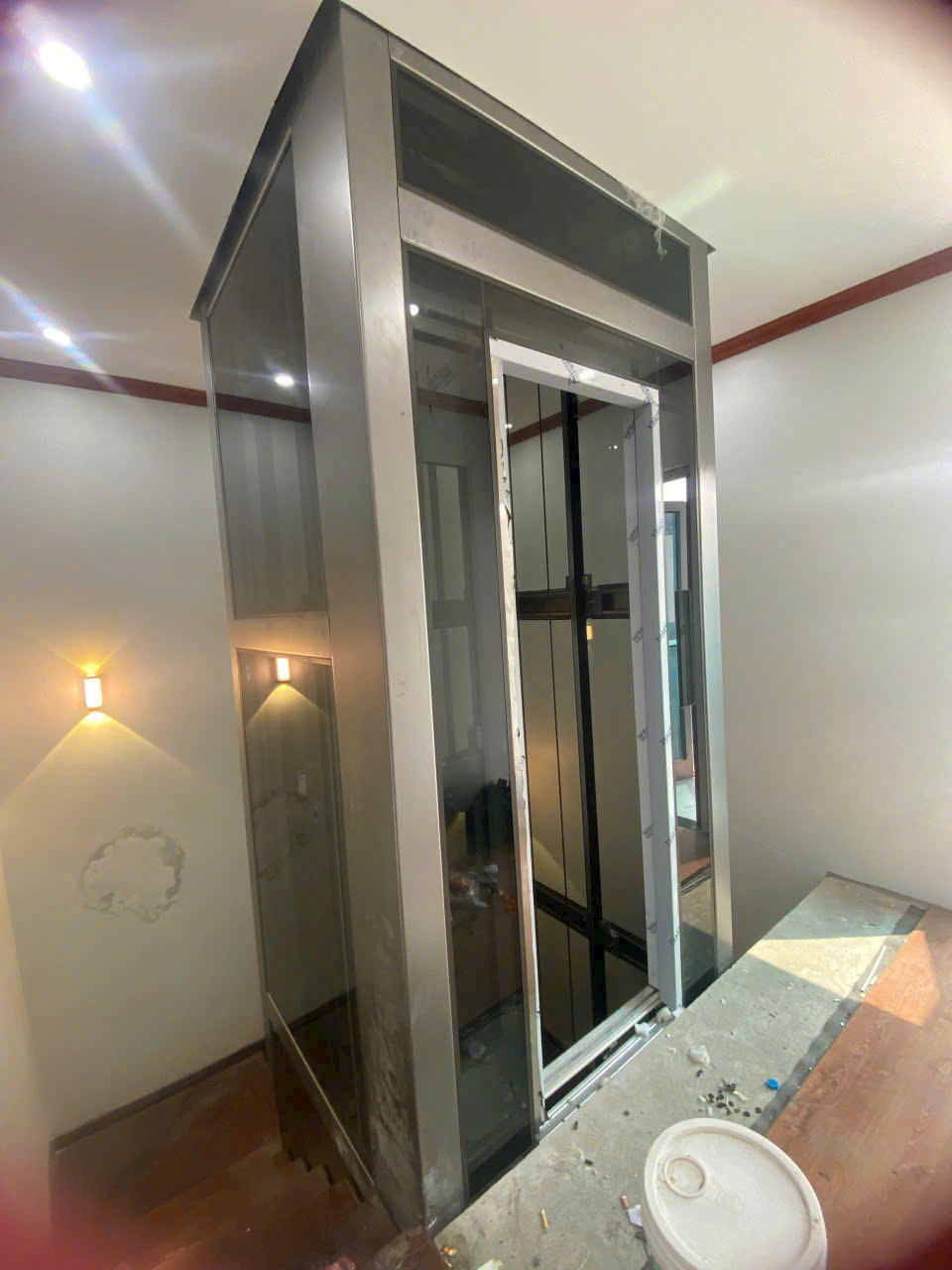
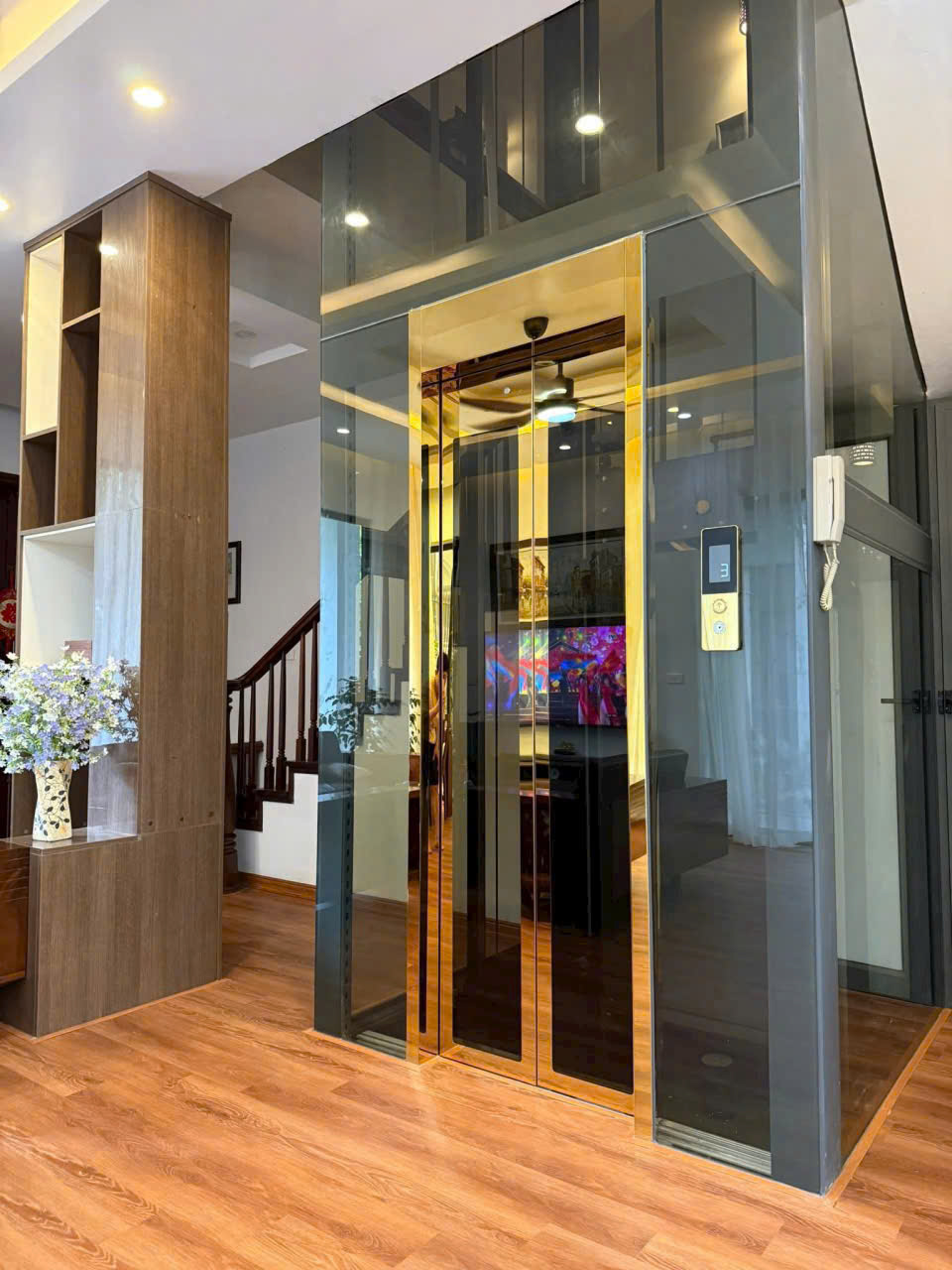
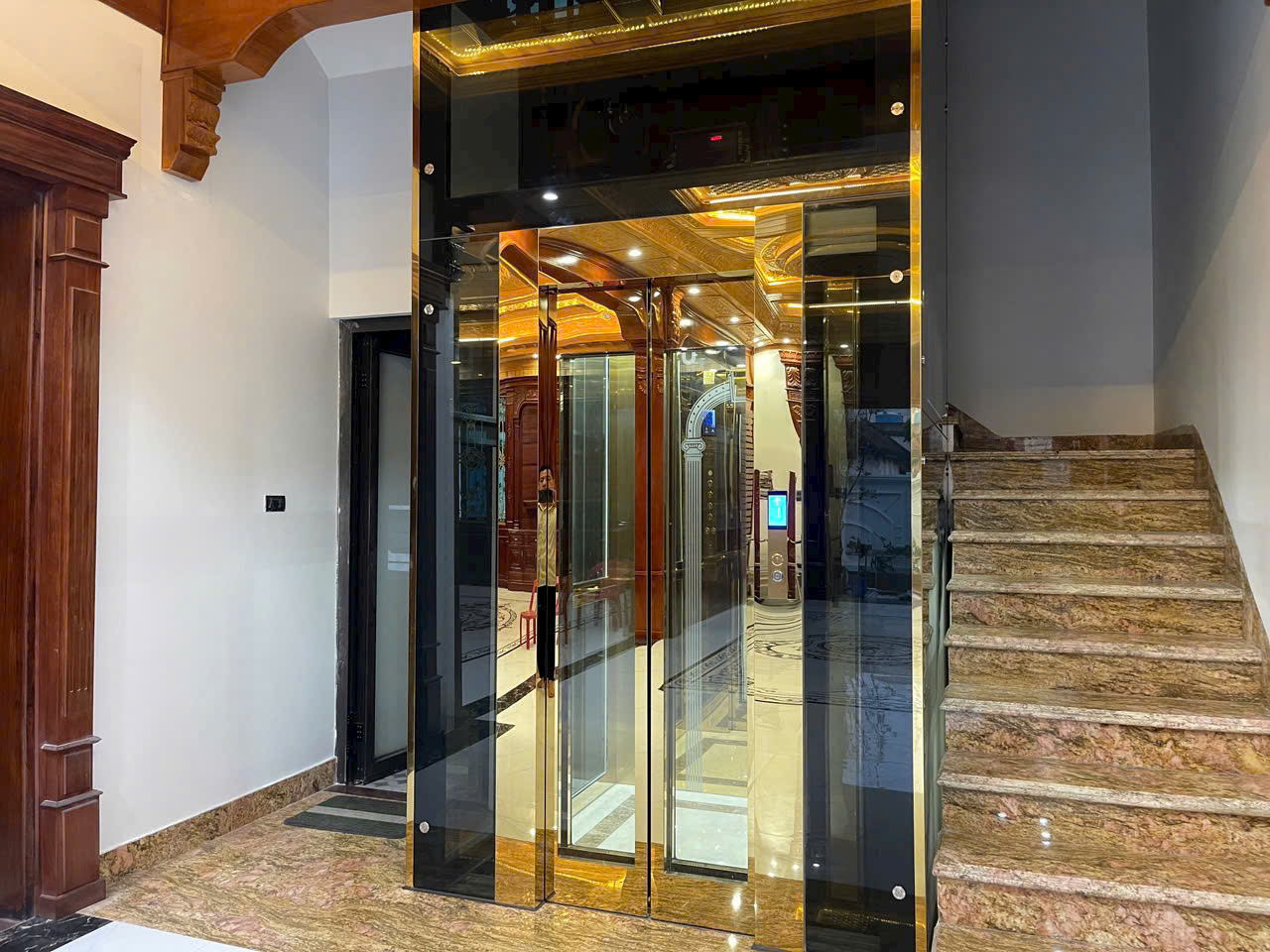
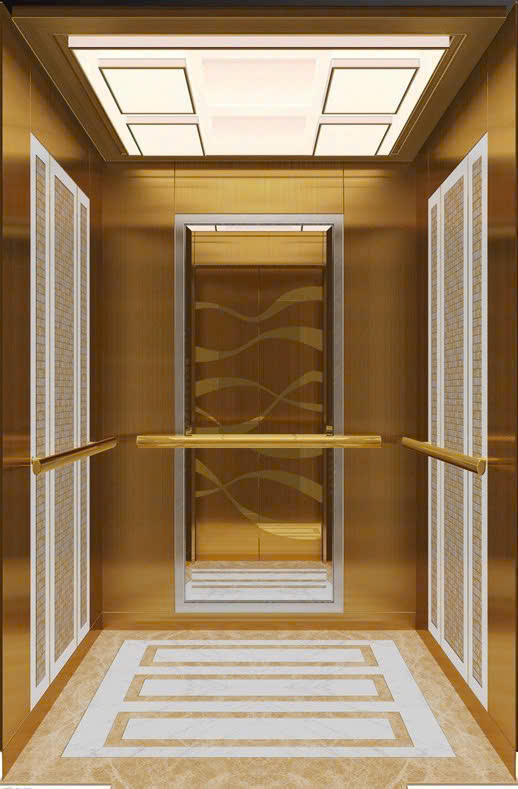
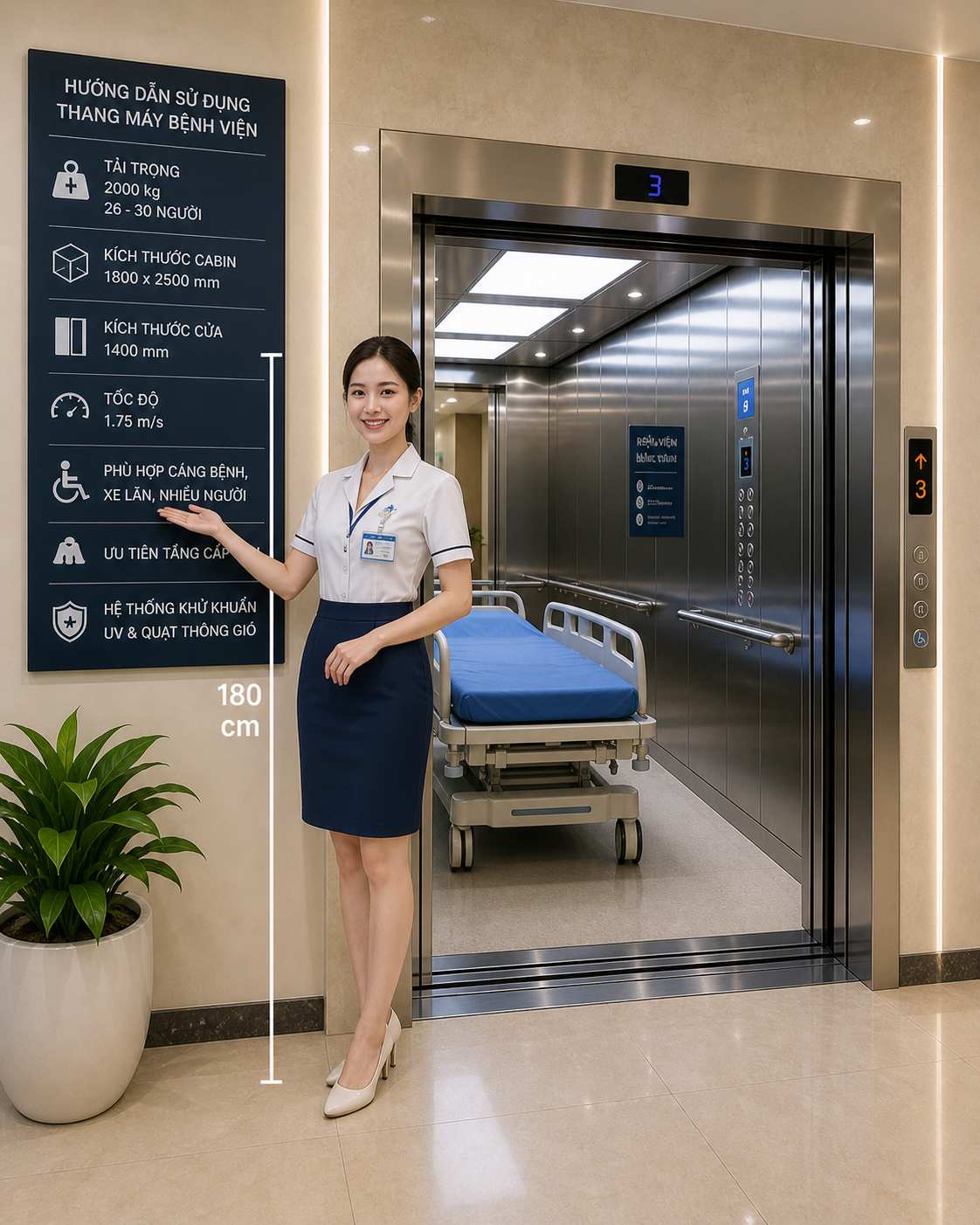
Question for customers: I want to install an elevator.
Question for the customer: "I want to install an elevator."
What should customers prepare before saying, "I want to install an elevator"?
When a customer asks, "I want to install an elevator ," the first thing a technical expert should do is not immediately provide a quote, but rather analyze the usage context, building conditions, and actual needs. This reassures the customer because all advice is based on clear technical data, avoiding the installation of the wrong type of elevator, resulting in additional costs or safety risks. Before conducting a survey, customers should prepare basic information such as: number of floors, expected elevator shaft area, type of house (townhouse, villa, renovated house, new building), number of regular users, and preferences regarding aesthetics, operation, and cost.
From a professional standpoint, every request to install an elevator is associated with a unique engineering problem. An elevator for a three-story house is completely different from one for a seven-story house; elevators for the elderly and children prioritize comfort and safety; while elevators for rental properties prioritize durability and maintenance costs. Thorough analysis from the outset helps determine the correct type of elevator: home elevators, passenger elevators, cargo elevators, hydraulic elevators, machine-roomless elevators, elevators with machine rooms , etc. This ensures customers can be confident that the proposed solution is not only "fitable" but also "correctly installed" and "durable."
Questions experts need to analyze when a customer says, "I want to install an elevator."
To ensure clients feel confident during the installation process, professional consultants will not only answer but also proactively ask a series of questions. Each question has clear technical and legal implications, helping to optimize design, costs, and safety. Key questions include: intended use, site conditions, technical and safety requirements, budget, and long-term operational expectations.
1. Questions about the purpose and frequency of elevator use.
The first set of questions revolves around who the elevator will serve and how it will serve them. Experts typically conduct in-depth analysis of the following aspects:
- Who are the elevators intended for? The elderly, children, people with disabilities, tenants, office workers, or long-term homeowners? Each group will determine the safety configuration, speed, layout of the call panel, handrails, and lighting.
- Daily usage frequency : low number of users, mainly morning and evening, or continuous throughout the day. High frequency requires a powerful motor, a durable control system, and a cabin and landing doors that are resistant to wear and tear, thus influencing the choice of brand and component configuration.
- Is it a primary or secondary elevator? If it's the main elevator in the house, prioritize comfort, aesthetics, and energy efficiency. If it's a secondary elevator (cargo elevator, kitchen elevator), it can be optimized for durability, ease of cleaning, and less decorative requirements.
Carefully analyzing this set of questions helps customers understand that there is no "one-size-fits-all" elevator model, but rather a configuration that suits their lifestyle and usage habits. When they see their needs being listened to and translated into specific technical specifications, customers will feel more confident in their installation decision.
2. Questions about the current condition and structure of the building.
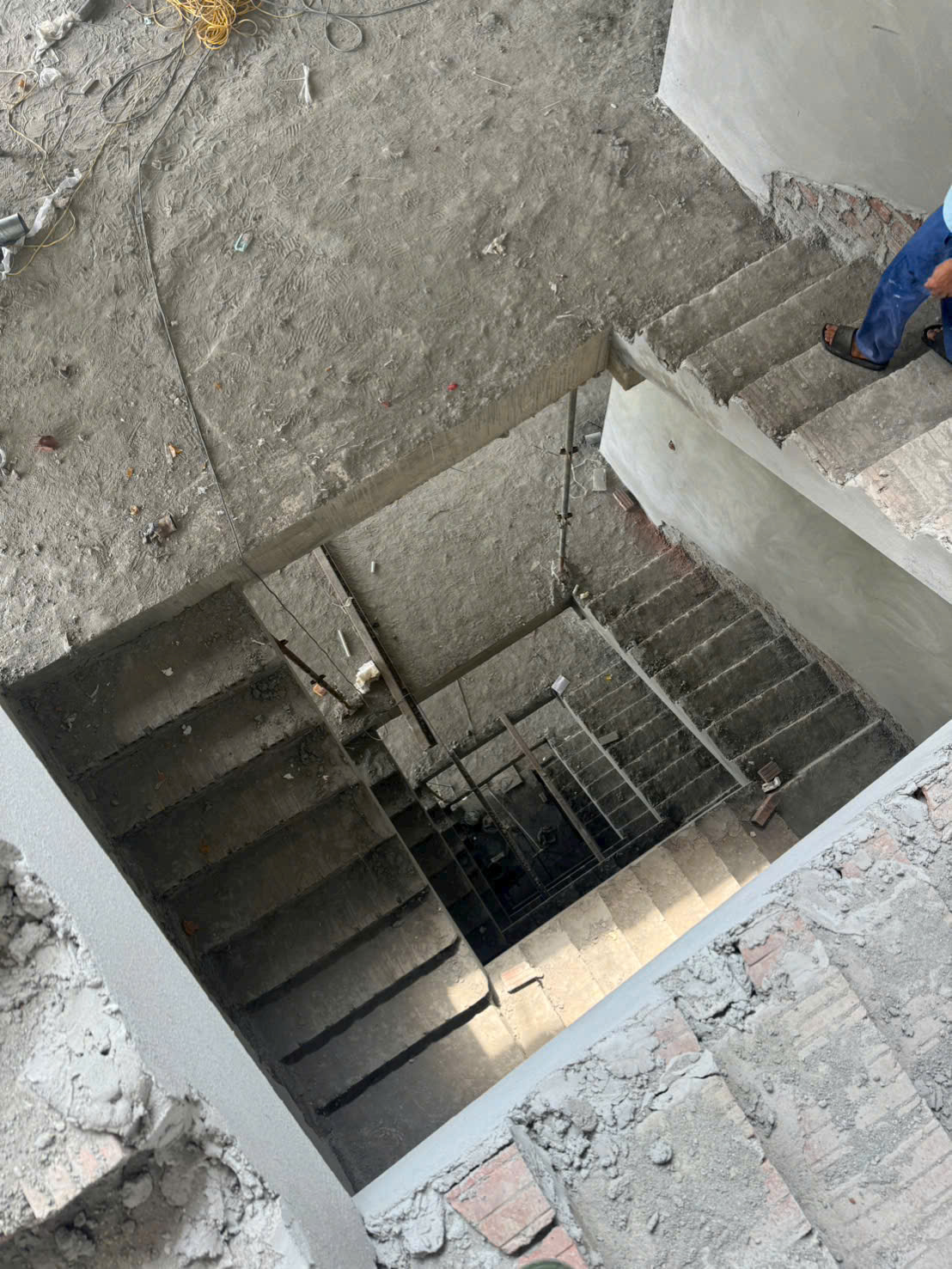
When a client says, " I want to install an elevator in my current home," the expert will focus on assessing the existing structure's capacity to accommodate it. Several key questions are often asked:
- New house or renovation? New houses can have the elevator shaft designed right from the structural drawings, optimizing size and load capacity. Renovations require consideration of beam cutting, floor excavation, foundation reinforcement, vibration damping, and crack prevention.
- What is the expected elevator shaft area? The internal dimensions of the elevator shaft determine the type of elevator, load capacity, and door style. For narrow townhouses, a small-capacity home elevator with center-opening or side-sliding doors may be necessary to maximize space.
- Is the building structure reinforced concrete, steel frame, or load-bearing brick walls? Each type of structure requires different connection methods for guide rails, machine support beams, and elevator shaft frames. Careful analysis helps avoid vibration, noise, or impacts on the building's durability.
- Is there enough space for a machine room, or is a machine-roomless elevator needed? The height of the roof, the possibility of arranging a technical room, and the access to the roof will determine the choice between a traditional machine-room elevator and a machine-roomless elevator using gearless motors.
These questions are not only technical but also form the basis for the consulting firm's responsibility for structural safety. When clients are clearly explained the reasons for surveying, measuring, and checking the drawings, they will be reassured that the elevator installation will not weaken the house, cause wall cracks, foundation subsidence, or detract from the overall aesthetics.
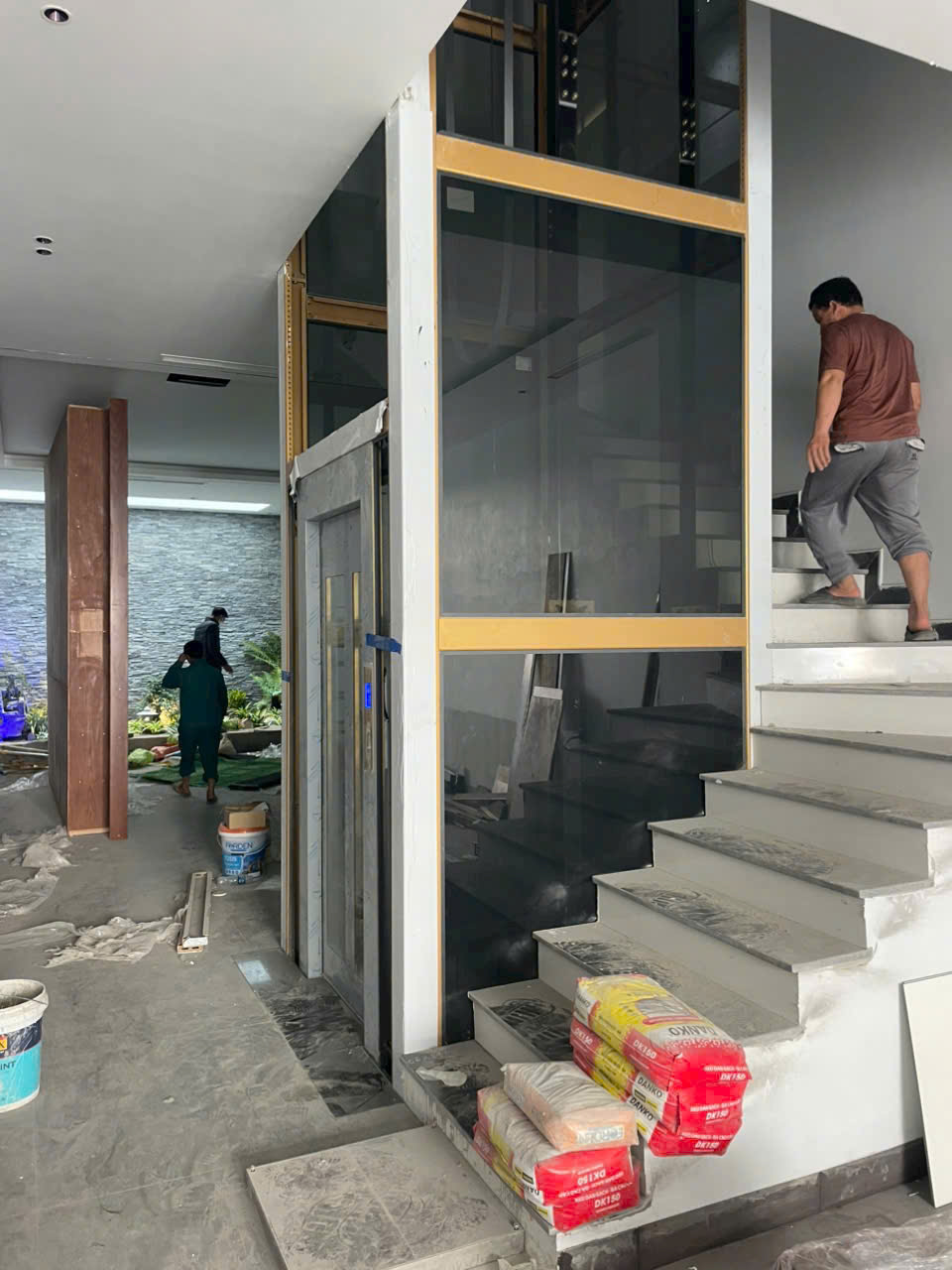
3. Questions regarding safety, operation, and maintenance requirements.
Elevators are vertical transportation devices with stringent safety requirements. When a client expresses a desire to install an elevator, experts need to thoroughly analyze the standards and safety mechanisms so that the client understands and trusts them. Some key points to focus on include:
- What factors do customers prioritize: safety, smooth operation, energy efficiency, or initial investment cost? The answer will guide the choice of technology (geared or gearless tractor, inverter, microprocessor control system), thereby balancing cost and operational quality.
- Safety requirements : Does the elevator comply with standards such as TCVN, EN81, or ISO? Does it have all the necessary equipment such as an overspeed controller, safety brake, limit switch, door sensor, emergency bell, and intercom? Clearly explaining each layer of protection reassures customers that all risks have been taken into account.
- Regular maintenance plan : maintenance frequency, inspection content, troubleshooting procedures, and technical response time. A safe elevator system depends not only on installation but also on its entire operational lifespan; therefore, customers need to clearly understand the after-sales service commitment.
When these questions are answered in clear language while maintaining technical accuracy, customers will perceive the supplier's expertise. Transparency regarding standards, components, and maintenance procedures is fundamental for customers to make proactive and worry-free installation decisions.
Analyzing the psychology behind the question "I want to install an elevator" and how to respond to reassure customers and encourage them to take action.
Behind the statement " I want to install an elevator" is often a combination of convenience needs, health concerns about climbing stairs, a desire to increase the value of the home, and fears about costs, safety, and technical risks. A professional consultant needs to clearly identify these layers of psychology to provide the right answers, helping clients move from a state of indecision to a state of confident action.
Psychologically, customers typically have three main concerns: whether the elevator is safe, whether it's suitable for their home, and whether there are any hidden costs . An effective response isn't a general affirmation, but rather providing concrete evidence: design documents, applicable standards, component lists, maintenance contracts, and images of similar completed projects. When customers see a clear process from survey – design – verification – installation – acceptance – maintenance, they will feel that the decision to install an elevator is a controlled process, not a gamble.
From a technical perspective, a detailed analysis of each customer question, such as "Can it be installed in my small house?", "Can it be used with single-phase electricity?", "What if there's a power outage?", and "Is the elevator noisy?", is an opportunity to demonstrate deep and broad expertise. Each answer should be linked to a specific solution: using a home elevator designed for small shafts, using a backup power supply or automatic rescue system, selecting noise-reducing motors and guide rails, and separating the machine room from bedrooms. When customers see their problems solved with clear technical solutions, they will confidently sign the contract and be willing to cooperate during the construction process.
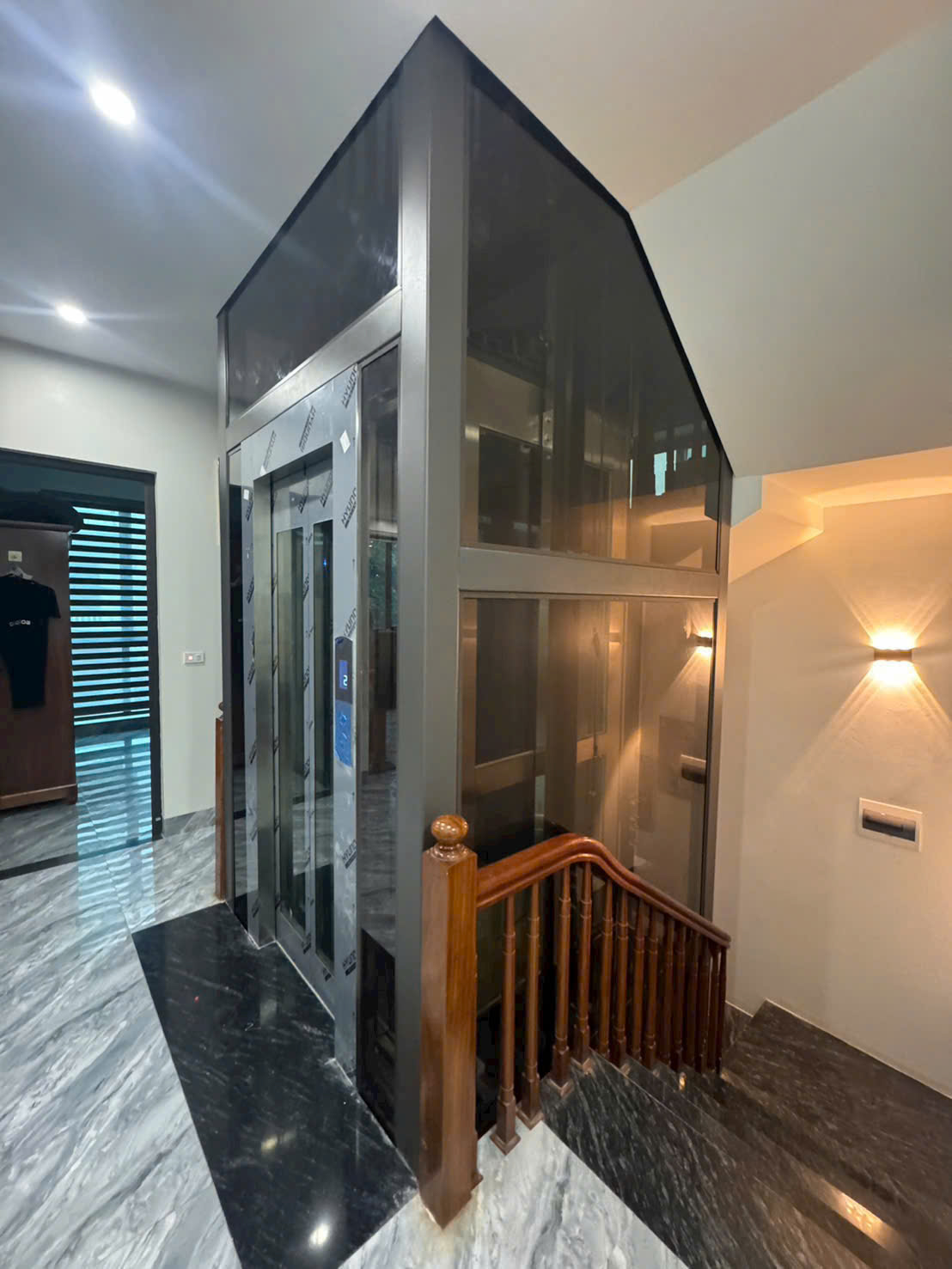
Ultimately, to reassure customers, the supplier needs to transform the entire elevator installation process into a transparent roadmap: consultation – survey – design – detailed quotation – contract signing – manufacturing – installation – inspection – handover – maintenance . Each step should have clear documentation, images, records, and a designated person in charge. When customers understand that their request to have an elevator installed will be met with such a professional process, they will not only feel secure in the present but also confident in the safety and stability of the elevator over many years of use.