Elevator maintenance company
Elevator maintenance company
The role of elevator maintenance companies in building operation.
Elevator maintenance companies play a crucial role in ensuring safe operation , stability , and longevity of elevator equipment in all buildings, from family homes, apartments, and offices to shopping malls, hospitals, and hotels. A professional maintenance unit not only handles elevator malfunctions but also develops preventative maintenance strategies based on operational data, usage frequency, and environmental conditions. This significantly reduces the risk of sudden elevator stops, trapping people, and damage to expensive components, while optimizing operating costs for investors and building management.
In the context of increasingly stringent safety standards, elevator maintenance companies must simultaneously meet multiple requirements: compliance with national technical regulations, updating to new control technologies, understanding the specifics of each elevator brand, and being able to advise on solutions for upgrading existing systems. The team of engineers and technicians needs to be well-trained, professionally certified, possess diverse practical experience, and follow standardized, transparent work procedures. This is the foundation for building long-term trust with customers and minimizing legal risks related to elevator safety.
The core service of an elevator maintenance company.
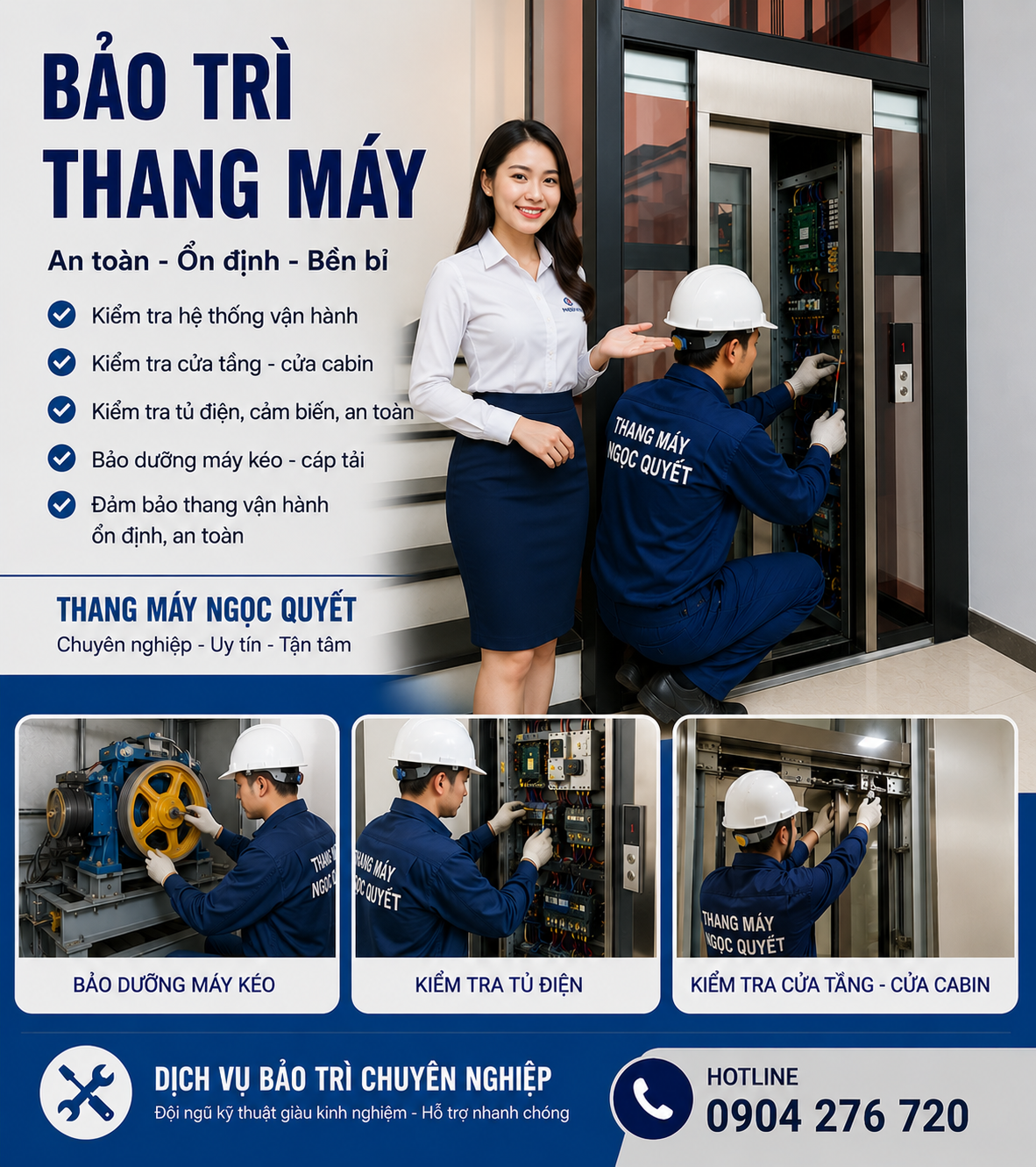
The core services of an elevator maintenance company revolve around two main groups: preventive maintenance and repair/upgrading. In the first group, the company establishes a regular maintenance schedule according to a suitable cycle, comprehensively inspecting the mechanical, electrical, control, and safety systems to detect potential malfunctions early. Simultaneously, preventive maintenance is based on analysis of operational data and technical records specific to each elevator, thereby optimizing component replacement plans, reducing unscheduled downtime, and extending equipment lifespan.
The second service group focuses on emergency repairs, overhauls, and technology upgrades. A 24/7 rapid response team promptly handles malfunctions causing elevator downtime, while overhaul and upgrade packages help older elevators meet new safety standards, operate more smoothly, save energy, and enhance the building's image.
Routine maintenance and preventative maintenance
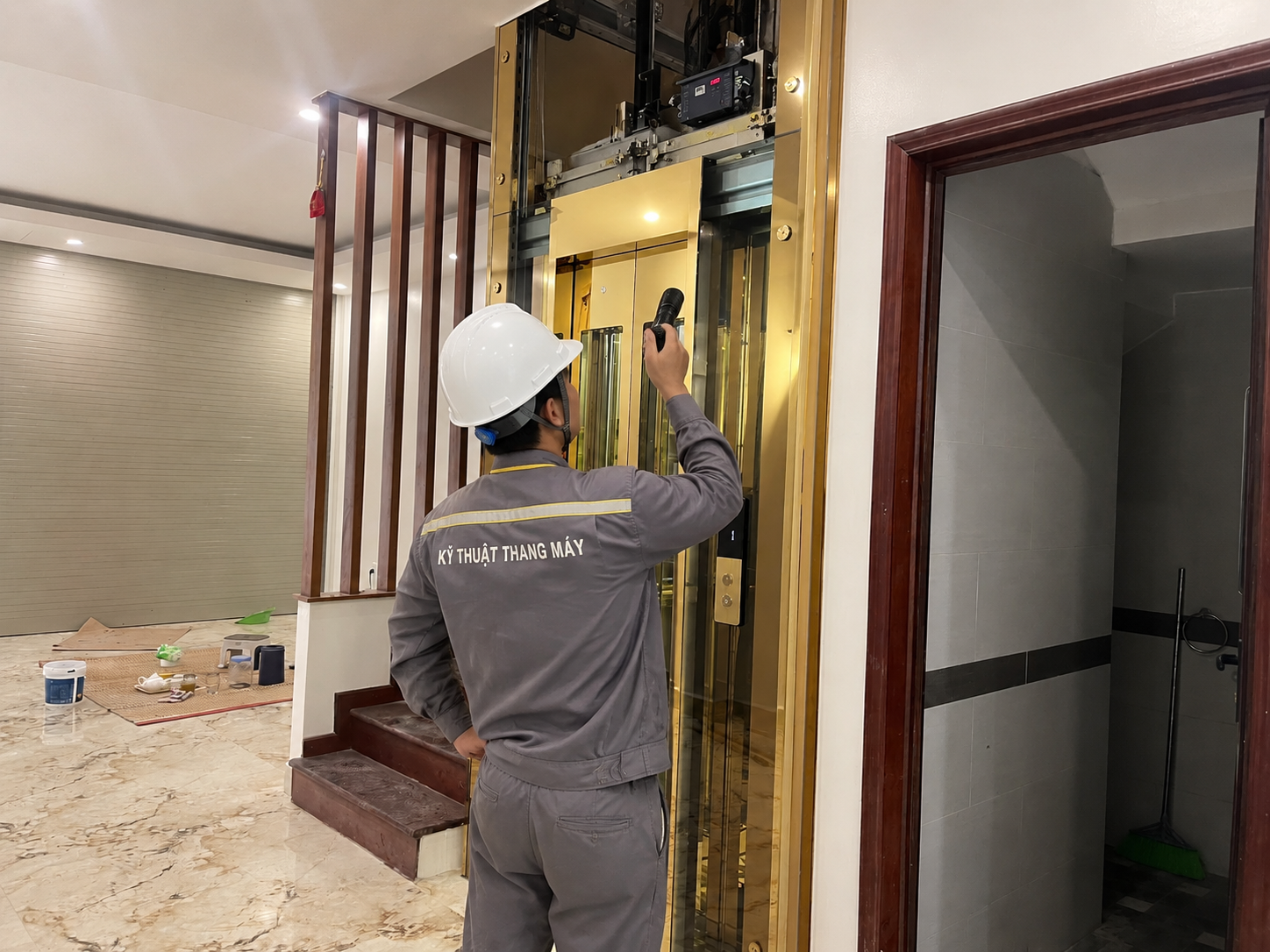
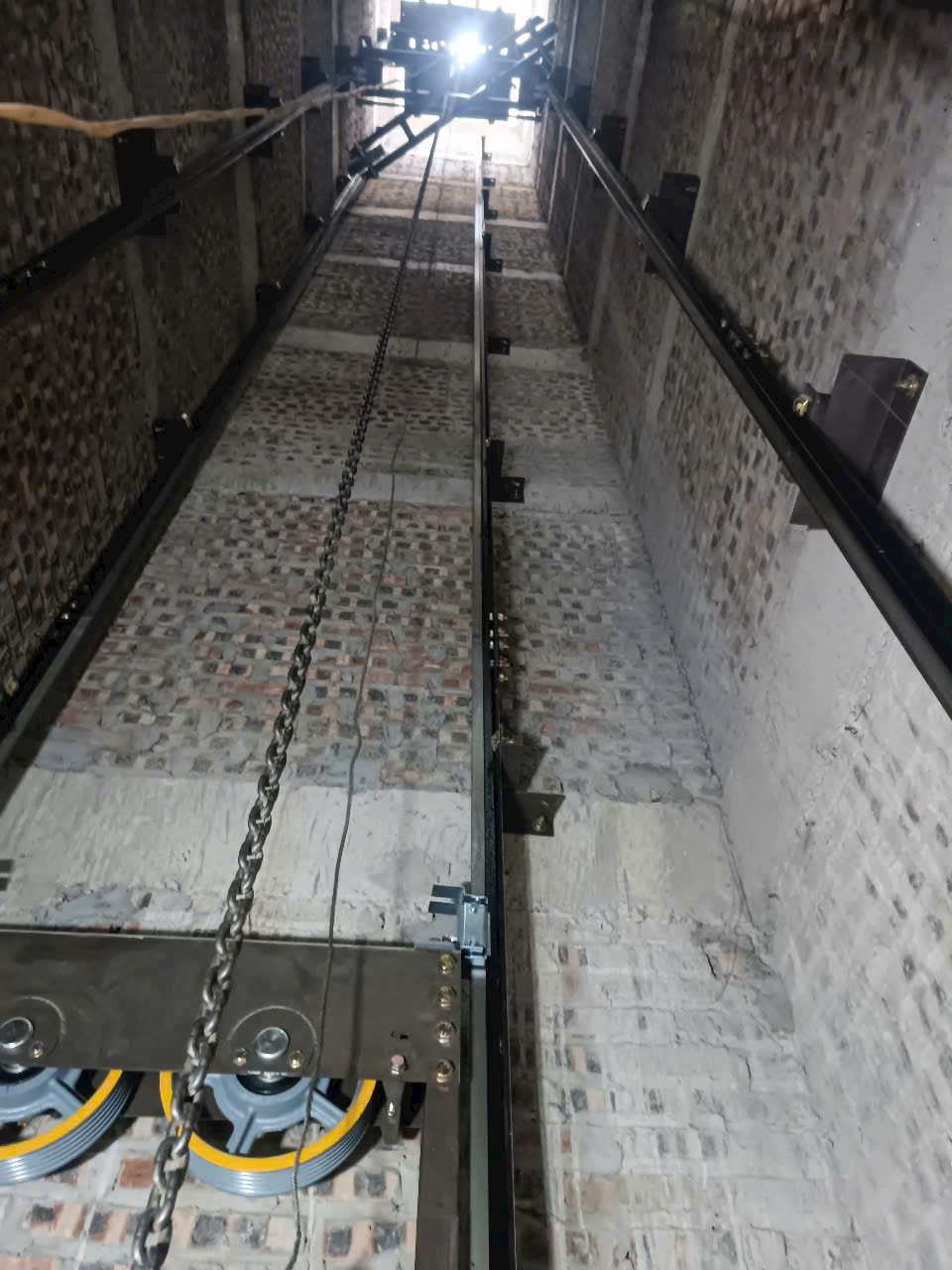
Regular maintenance is a core service of every professional elevator maintenance company. Typically, maintenance schedules are established at once or twice a month , depending on usage frequency and equipment configuration. During each maintenance visit, technicians perform a comprehensive inspection of various components: braking system, hoisting cables, pulleys, speed limiters, door sensors, control system, electrical cabinet, automatic rescue system, lighting, cabin ventilation, as well as checking for smoothness, vibration, and floor stopping accuracy. The goal is to detect early signs of wear, looseness, misalignment, overheating, or oil leaks so that they can be addressed before they become serious problems.
Preventive maintenance goes beyond routine routine maintenance by applying operational data analysis and risk assessment to each piece of equipment. Specialized elevator maintenance companies typically create a unique technical profile for each elevator: number of runs per day, average load, fault history, environmental conditions (humidity, dust, corrosion), and then recommend component replacements according to the manufacturer's recommended cycle. This approach minimizes unplanned downtime and extends the lifespan of critical components such as the traction machine, control panel, guide rails, and landing door system.
Repair, overhaul, and upgrade elevators.
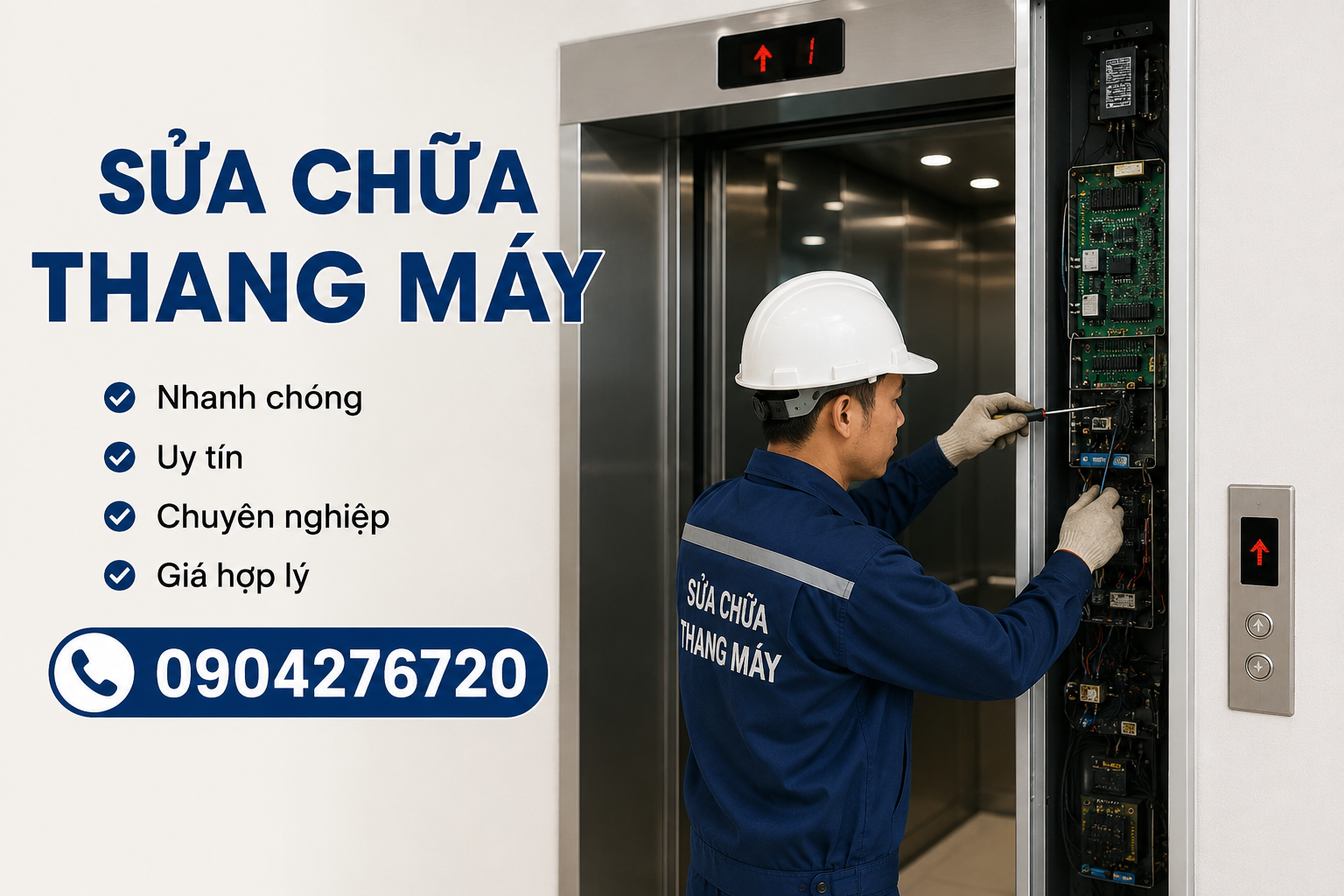
In addition to routine maintenance, elevator maintenance companies also handle emergency repairs , complete overhauls , and technology upgrades . Emergency repairs focus on quickly addressing malfunctions that cause elevator downtime, such as door jams, sensor failures, inverter failures, floor signal loss, and automatic rescue system malfunctions. Response speed is crucial, as every minute an elevator is down in an office building or shopping mall disrupts operations and impacts the user experience. Professional companies typically maintain a 24/7 rapid response team , have a spare parts inventory, and a clear process for receiving, classifying, and coordinating technicians.
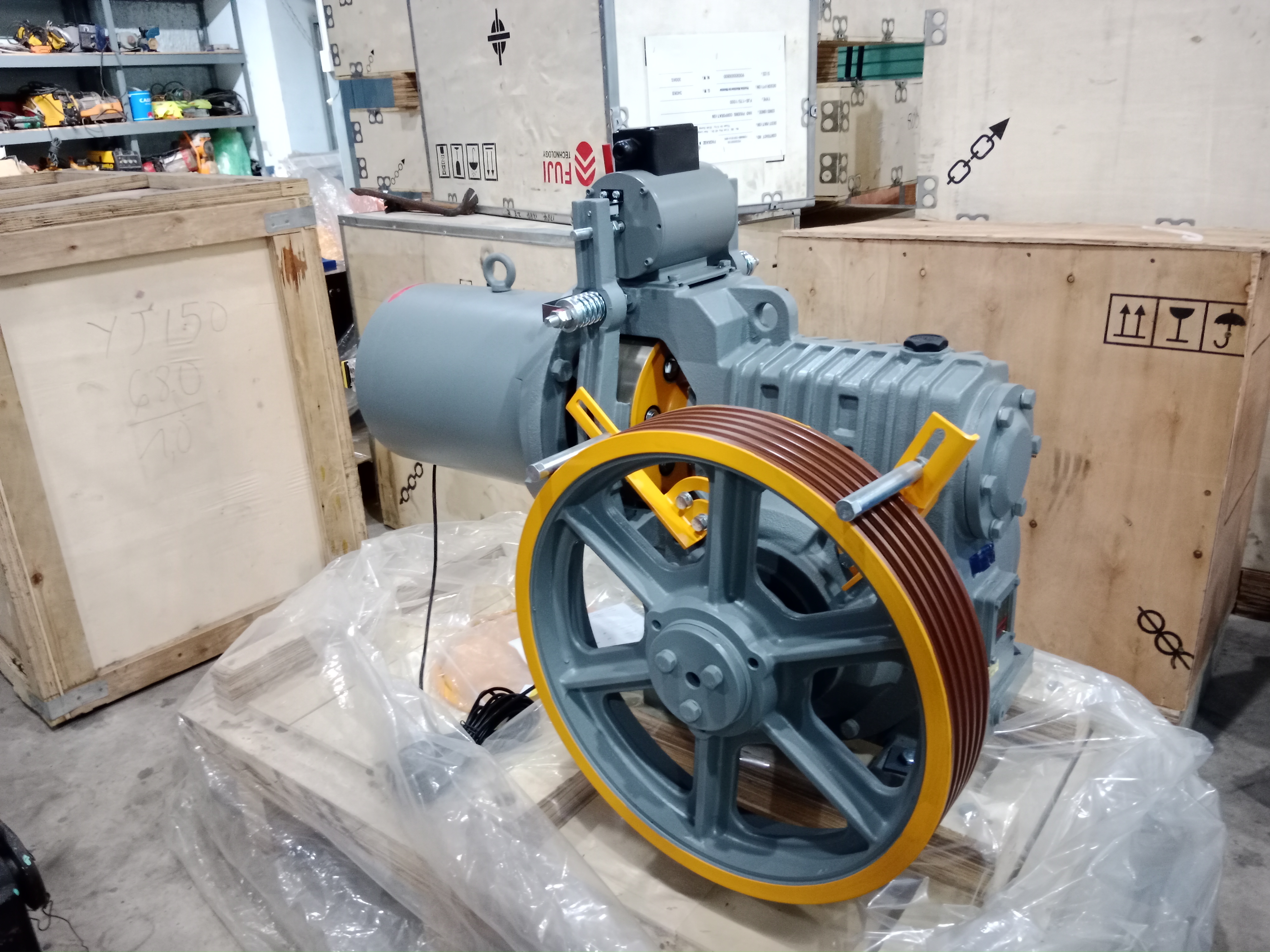
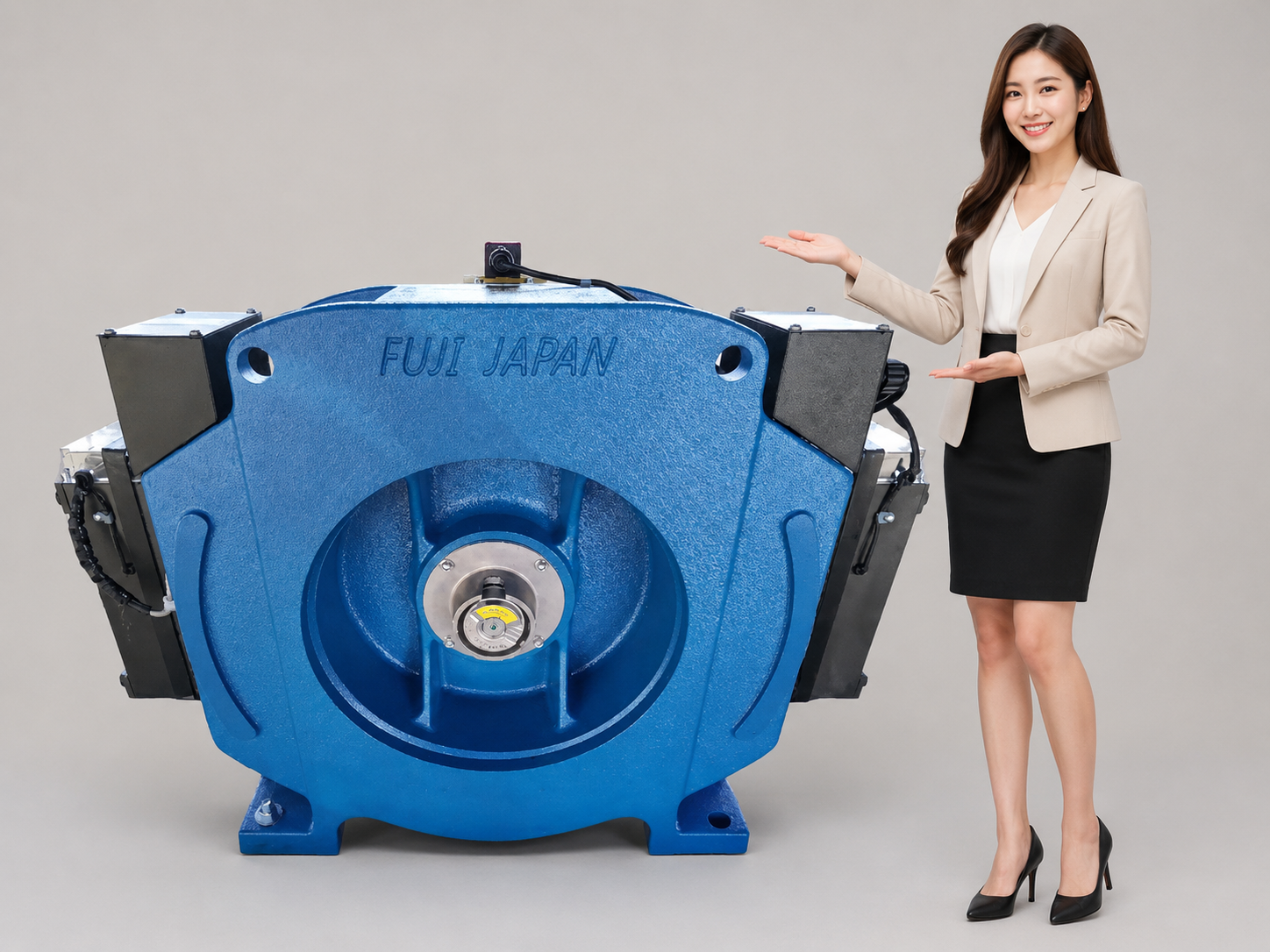
For elevators that have been in operation for 10-15 years, many buildings require overhaul and upgrade services . A competent elevator maintenance company will conduct a comprehensive assessment: mechanical condition, control system, power consumption, and compliance with current safety standards. Based on this assessment, they will offer solutions such as: replacing control cabinets with new microprocessor technology, installing energy-saving inverters, replacing gearless traction machines, upgrading automatic rescue systems, adding multi-beam door sensors, and renovating the cabin interior. These upgrades not only increase safety and smoothness but also help reduce energy costs , improve the building's image, and extend the investment's lifespan.
Criteria for evaluating a professional elevator maintenance company.
A professional elevator maintenance company needs to possess strong technical capabilities, transparent service procedures, and the ability to apply modern technology. Professionally, the company must have all necessary licenses and certifications, a team of experienced engineers across various elevator brands and models, and a standardized technical process system that is regularly updated and supported by continuous internal training programs. In terms of service, the company needs to establish clear work procedures, detailed maintenance records, a clear pricing policy, and a robust risk management mechanism. Furthermore, the application of digital technology, remote monitoring, and data digitization helps improve operational efficiency, predict malfunctions, and optimize costs for customers.
Technical skills, certifications, and experience
Technical expertise is a core factor when choosing an elevator maintenance company. A reputable company should have a business license in the elevator industry , a team of engineers and technicians with occupational safety certificates, professional certifications in electrical, electronics, and mechanical engineering, and practical experience with various types of elevators: passenger elevators, cargo elevators, hospital elevators, panoramic elevators, and residential elevators. Understanding multiple brands such as Mitsubishi, Schindler, Otis, Thyssenkrupp, Fuji, Hitachi, as well as domestic elevator brands, allows the company to flexibly handle many complex situations, especially with systems that have been installed for a long time and lack original documentation.
A specialized elevator maintenance company typically establishes standardized technical procedures for each item: brake inspection procedures, floor door alignment procedures, insulation resistance measurement procedures, hoist cable and pulley inspection procedures, and automatic rescue system testing procedures. These procedures are regularly updated according to manufacturer recommendations, national standards, and practical experience. In addition, professional companies invest in continuous internal training , organizing regular training sessions on new technologies, troubleshooting skills, and safety in working at heights and in confined spaces.
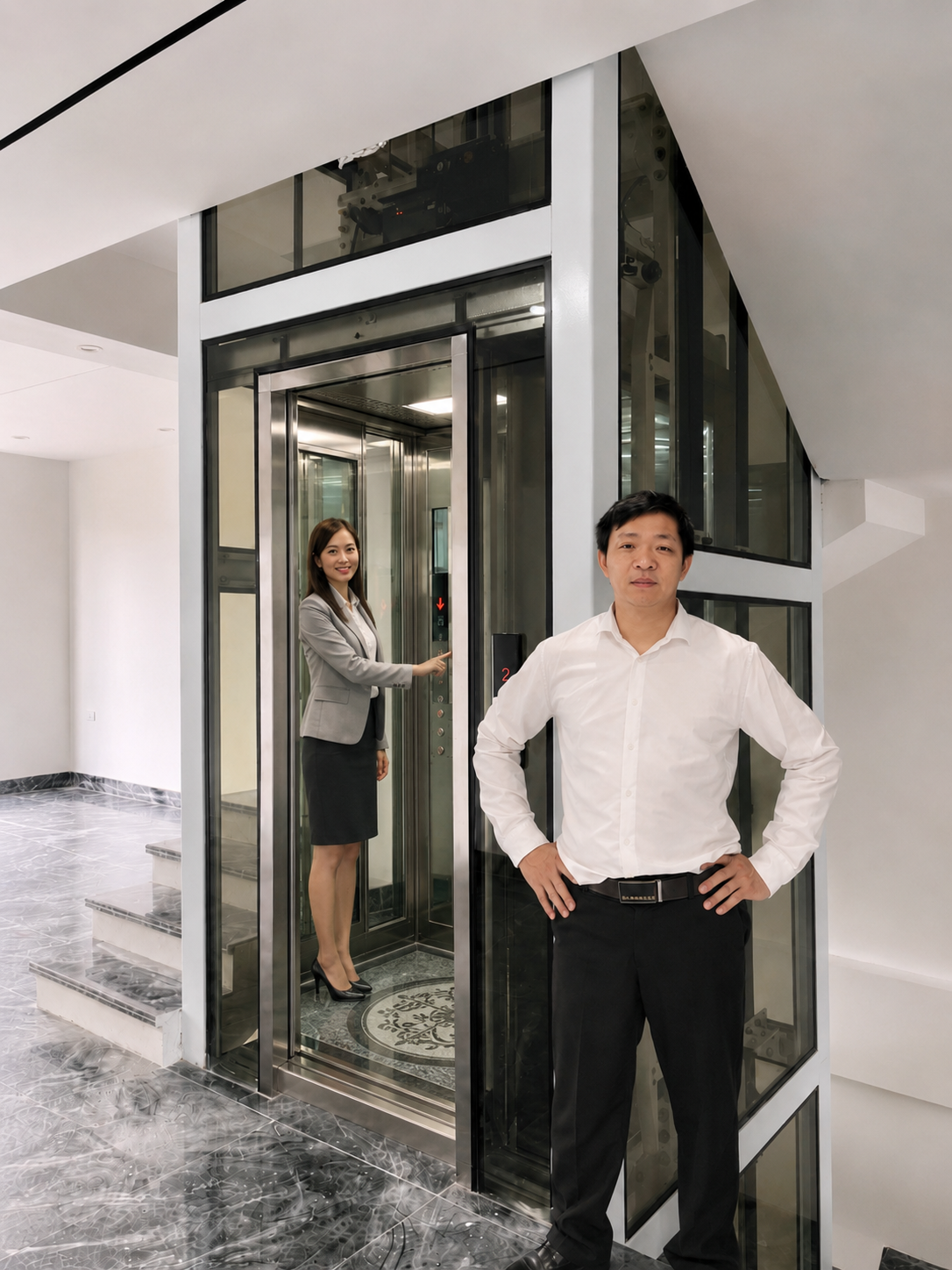
Service processes, transparency, and risk management.
A clear and transparent service process is the foundation for building trust between elevator maintenance companies and their customers. A well-structured process typically includes: initial site survey, risk assessment, detailed maintenance planning, contract signing outlining the scope of work and commitment to a response timeframe, implementation of regular maintenance, post-maintenance reporting, fault statistics, and upgrade recommendations. Each maintenance visit should be documented with a report detailing all items inspected, measurements taken, replaced components, site photos, and signatures from the technician and building representative.
Transparency is also reflected in pricing and parts replacement policies . Reputable elevator maintenance companies always clearly separate labor costs, material costs, and inspection costs, while advising customers on the choice between genuine parts, high-quality OEM parts, or temporary repair solutions in case of budget constraints. Risk management is implemented through professional liability insurance, strict workplace safety procedures, access control to the machine room and elevator shaft, and the maintenance of technical records for periodic inspections and investigations in case of incidents.
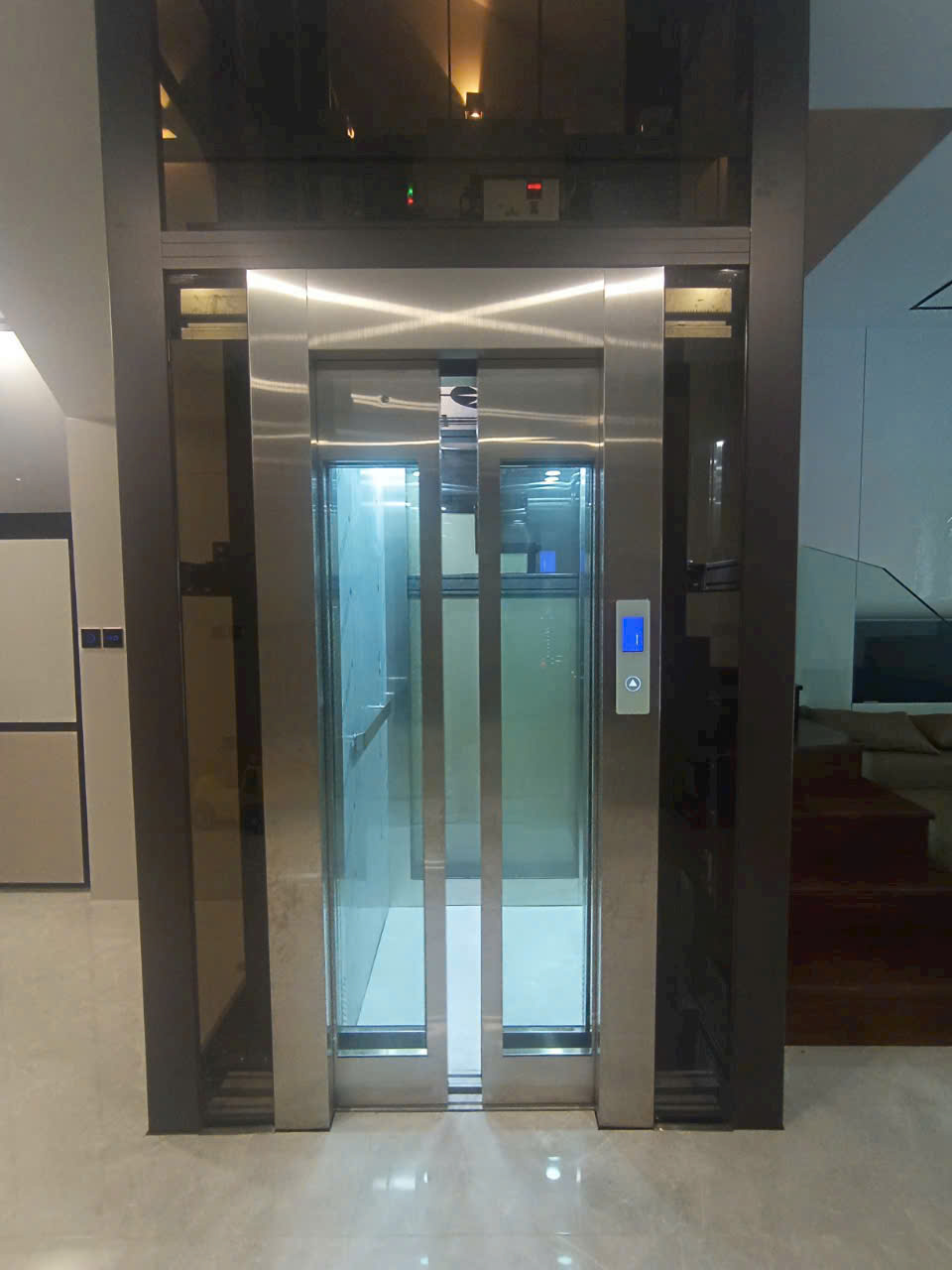
Application of technology in elevator management and maintenance.
The trend towards modernization has led elevator maintenance companies to increasingly apply digital technology to the management and operation of their services. Many companies are implementing remote monitoring systems that allow them to track elevator status in real time: number of runs, malfunctions, machine room temperature, power supply status, thereby proactively coordinating technicians before serious incidents occur. Mobile applications for building management help schedule maintenance, track progress, receive reports and repair history visually, reducing reliance on manual paperwork.
Digitizing maintenance data helps companies build fault databases for each elevator model and operating environment, thereby improving diagnostic processes and shortening processing times. Some advanced companies even apply big data analytics to predict the probability of component failure, optimize inventory, and propose upgrade investment plans for building owners. The combination of traditional technical expertise and modern management technology creates a sustainable competitive advantage for elevator maintenance companies in the long term.