

Elevator repair company
Elevator repair company
The role of elevator repair companies in building operation.
Elevator repair companies play a crucial role in ensuring safe operation , continuity of vertical transport services , and equipment lifespan for high-rise buildings. Elevators are complex electromechanical systems, combining precision mechanics, automatic control, electrical and electronic systems, and safety technology. Only companies with well-trained engineers and technicians who understand TCVN, EN, ISO standards and legal regulations on occupational safety can accurately assess equipment condition, detect potential malfunctions early, and provide optimal repair solutions. Especially in office buildings, shopping malls, hospitals, and hotels, sudden elevator malfunctions not only cause inconvenience but also directly impact brand image and building efficiency.
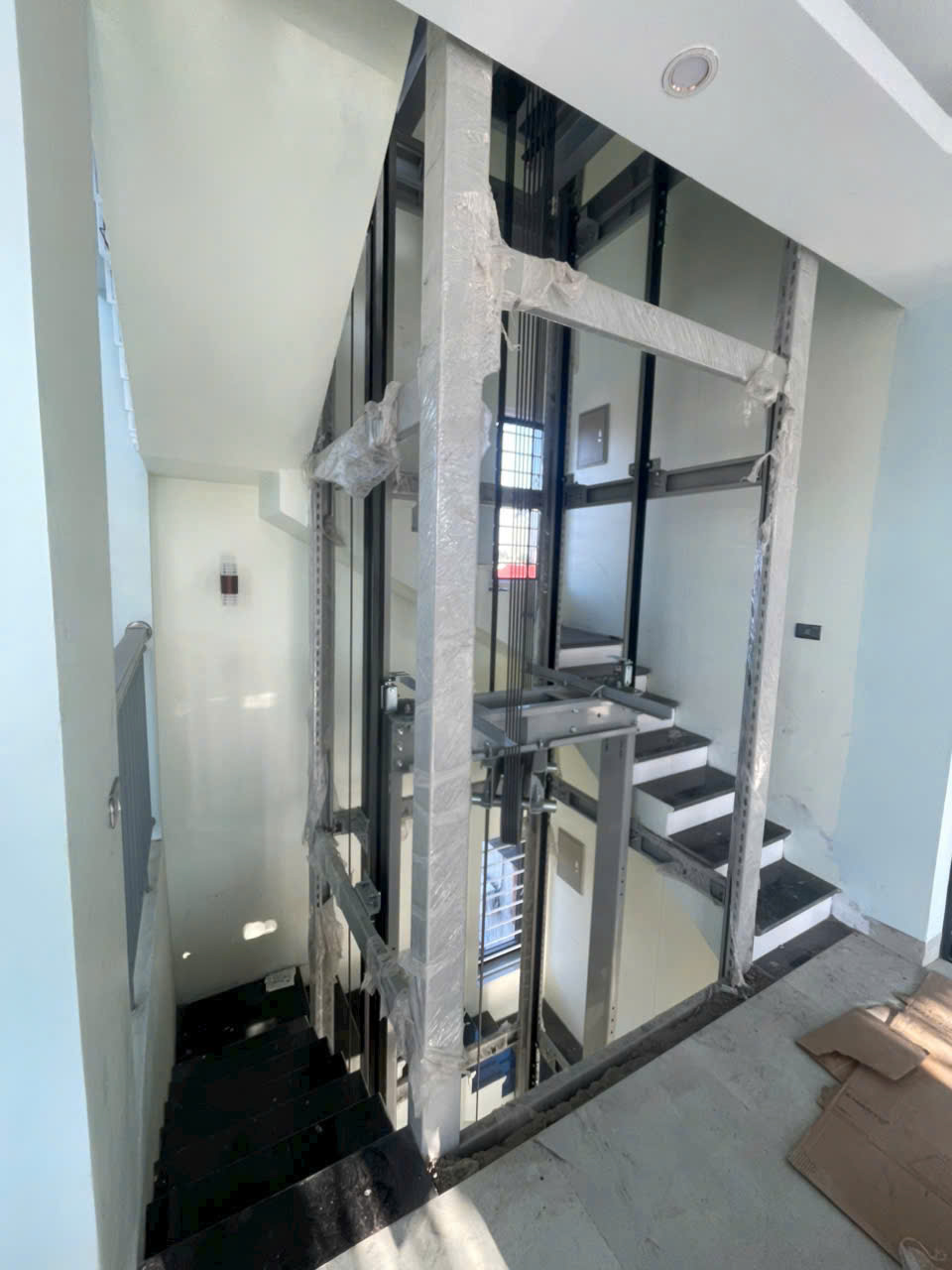
In the context of rapid urbanization and a significant increase in the number of elevators, elevator repair companies not only handle troubleshooting but also provide technical consulting , assess safety risks , develop preventative maintenance plans , and upgrade existing systems. Their extensive expertise is demonstrated through their ability to work with various elevator types: cable-driven elevators with and without machine rooms, hydraulic elevators, freight elevators, hospital elevators, panoramic elevators, car elevators, as well as control systems ranging from older relay-contactor systems to modern inverter-PLC-microprocessor systems.
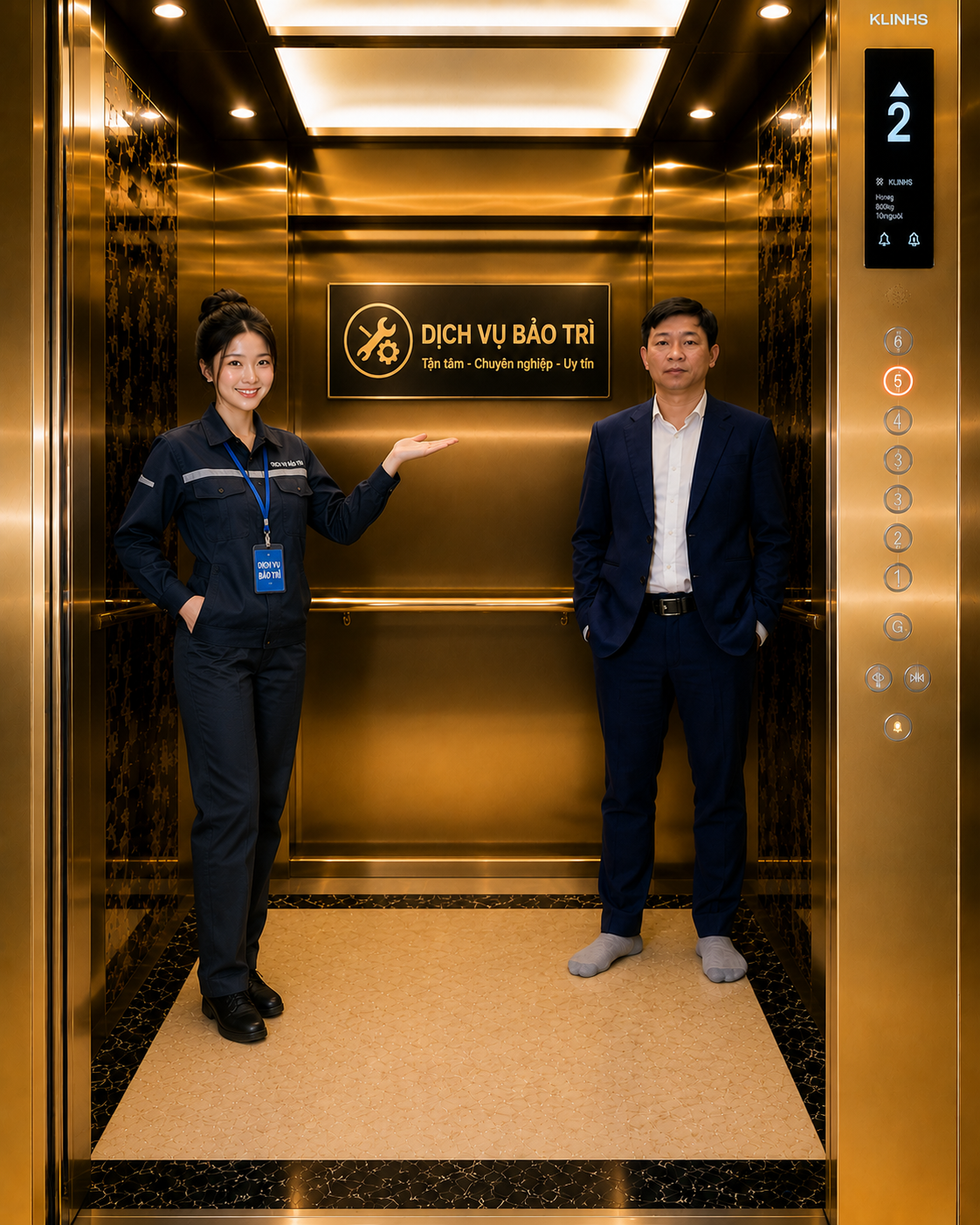
In-depth examination and diagnostic procedures
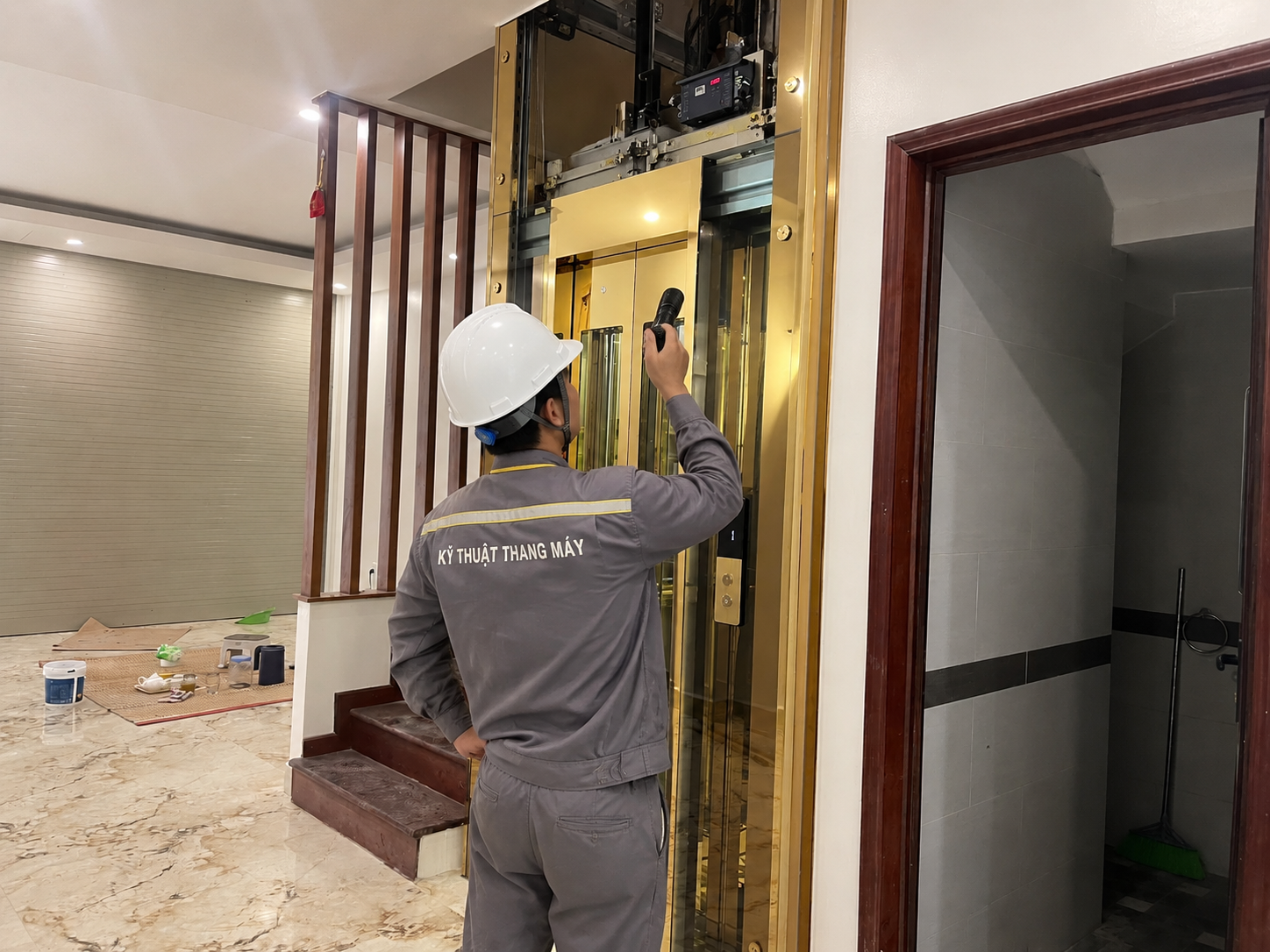
A professional elevator repair company always establishes a systematic inspection and diagnostic process , adhering to safety standards and manufacturer recommendations. This process typically begins with a comprehensive site survey : reviewing technical documentation, maintenance logs, incident history, usage frequency, installation environment, and the owner's actual operating requirements. From this, engineers create a detailed list of items to be inspected, prioritizing components directly related to safety such as brakes, hoisting cables, overspeed control devices, floor door locks, automatic rescue systems, travel limits, and safety circuits.
During the diagnostic phase, technicians use specialized measuring equipment such as multimeters, clamp meters, insulation testers, controller fault code readers, rail alignment devices, cable sag gauges, and elevator shaft endoscopes to accurately assess the condition of each component. Parameters such as motor starting current, brake slip, cabin vibration, floor deviation, door opening and closing times, inverter temperature, grounding quality, and insulation resistance are recorded and compared against permissible limits. Based on this data, the company provides a detailed technical report , classifying faults by severity: serious safety faults, operational impact faults, and wear and tear faults requiring monitoring, and then proposes appropriate repair or replacement solutions.
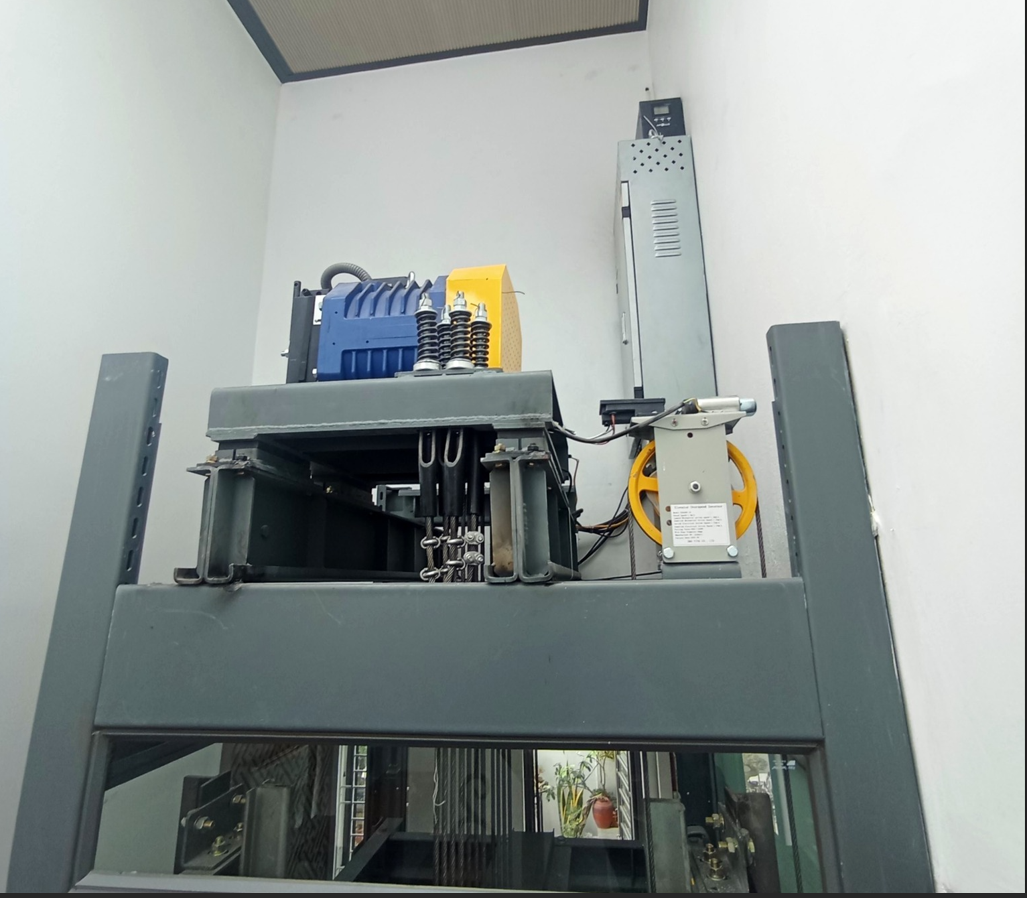
Key inspection items
During each routine inspection or before undertaking major repairs, elevator repair companies typically focus on the following key areas:
- Traction and brake assembly : Check pulley wear, cable tension, brake pad clearance, load-holding capacity during power outages, and any unusual noise or vibration.
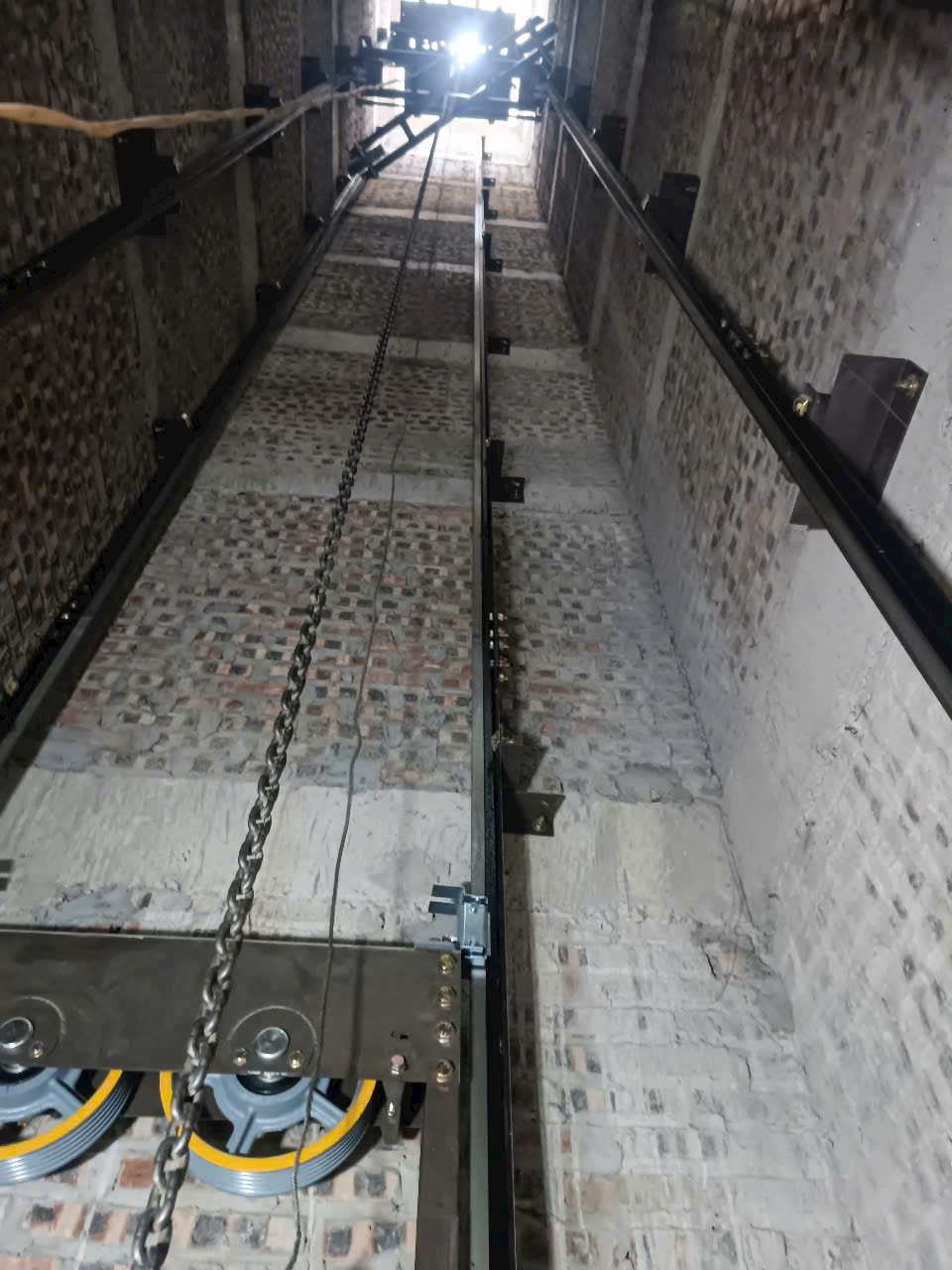
- Cable and compensation systems : assess the number of broken strands, twisting, rust, sag, condition of cable lugs, and directional pulleys.
- Guide rails and dampers : Check for straightness, misalignment, rail surface, lubrication condition, and the functionality of the oil or spring dampers.
- Landing doors and cabin doors : check door locks, safety contacts, door suspension mechanisms, door motors, anti-jamming sensors, and photocell sensitivity.
- Control cabinets and electrical systems : assess the quality of connections, the condition of switching equipment, relays, contactors, inverters, PLCs, UPS backup systems, grounding systems, and lightning protection.
- Safety equipment : overspeed control, safety clamps, limit switches, door switches, pit switches, emergency bell, intercom, emergency lighting.
Elevator repair, maintenance, and upgrade services.
Reputable elevator repair companies typically offer comprehensive service packages , including troubleshooting, routine maintenance, overhaul, and technology upgrades. For repair services, the company must have a 24/7 rapid response team ready to handle situations such as people trapped in the cabin, elevator stopping mid-floor, control signal loss, inverter malfunctions, electrical equipment fires or explosions, and water flooding in the elevator pit. Technicians are trained in safe rescue techniques and coordinate with building management to free passengers, isolate hazardous areas, and restore temporary operation in the shortest possible time.
For routine maintenance , the company establishes a monthly, quarterly, and annual maintenance schedule based on usage frequency and environmental conditions. Maintenance includes cleaning the elevator shaft, machine room, and electrical cabinets; tightening bolts and terminals; lubricating rails, pulleys, and hinges; adjusting landing doors and cabin doors; checking safety circuits; testing the automatic rescue system; and measuring and recording operating parameters. Proper maintenance minimizes unexpected breakdowns, extends component lifespan, and optimizes operating costs for the investor.
Technology upgrades and performance optimization

Besides repairs, many elevator repair companies also specialize in upgrading and modernizing systems . Common upgrade items include:
- Replacing the old control cabinet with a microprocessor -based control cabinet with an integrated inverter helps the elevator operate more smoothly, save electricity, and reduce shock during starting and stopping at each floor.
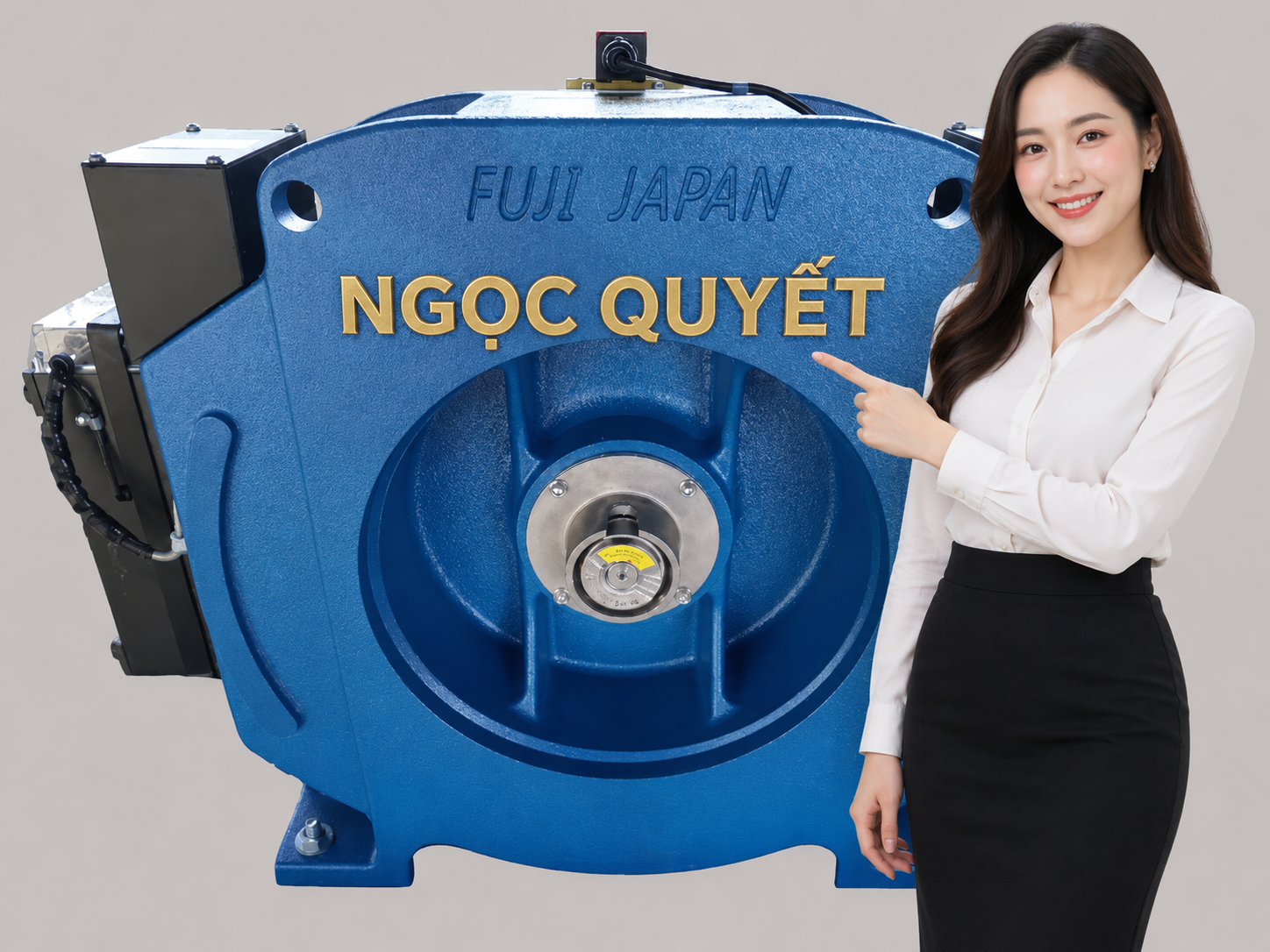
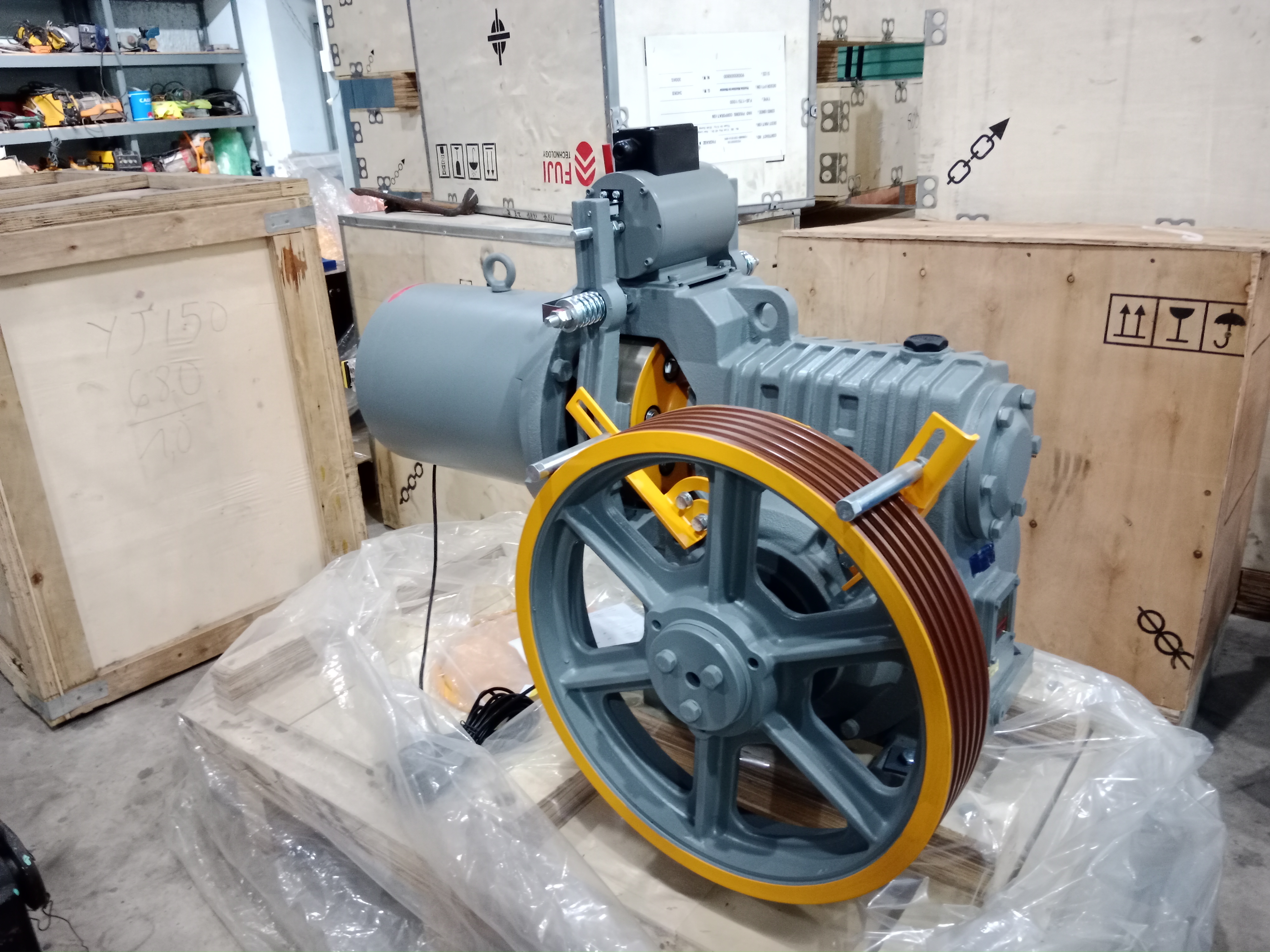
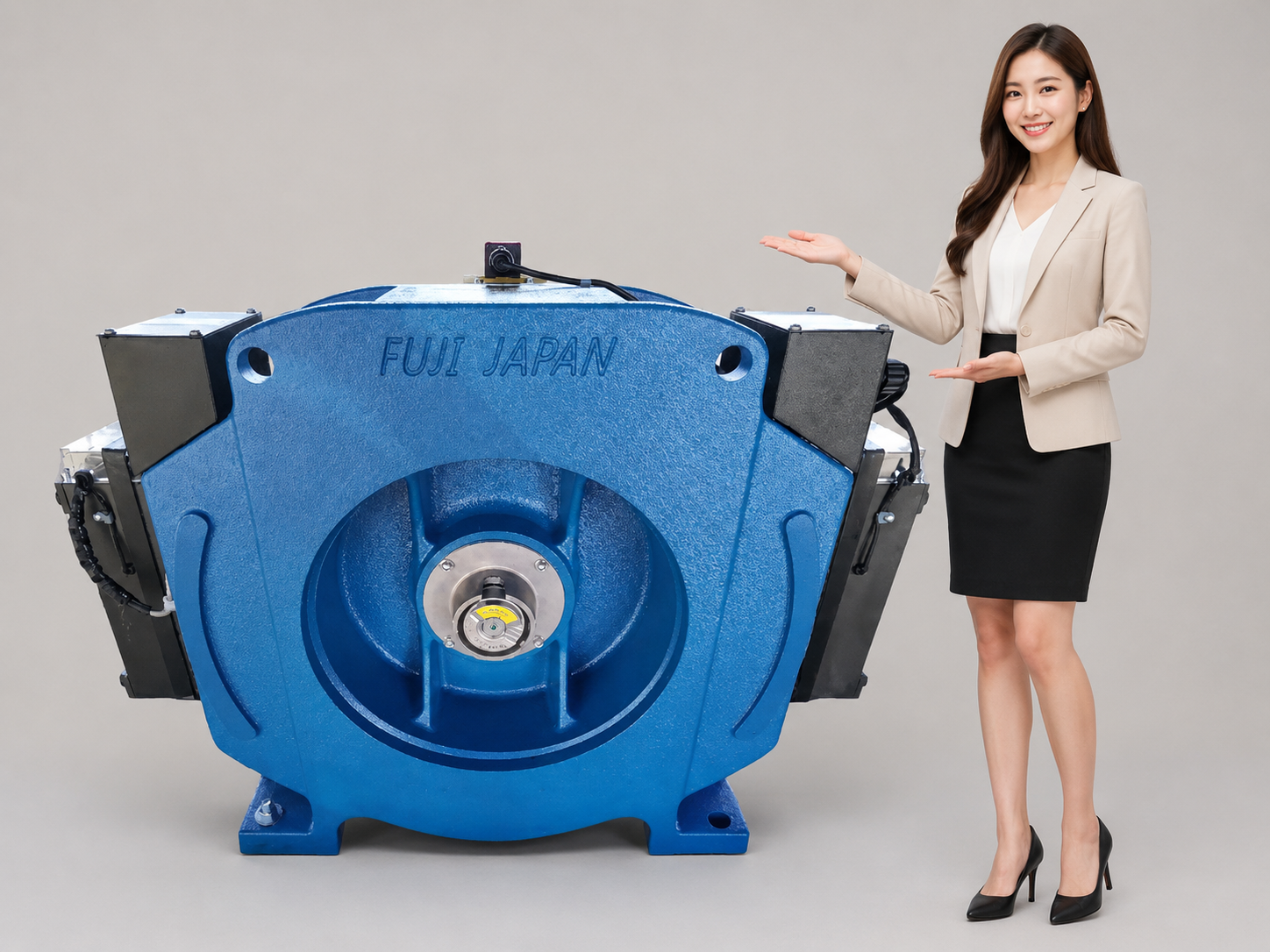
- Replacing geared tractors with gearless tractors using permanent magnets reduces noise, lowers energy consumption, and aligns with green trends.
- Upgrade your door system with a new door motor, multi-point sensors, and infrared photocells to increase safety and reduce door jamming incidents.
- Install a group control and destination control system for buildings with multiple elevators to optimize waiting times and distribute passenger traffic.
- The cabin interior has been upgraded with fire-resistant and scratch-resistant materials, and an LCD screen, camera, and contactless floor call system have been added to enhance the user experience.
Safety, legal and professional competence standards
A certified elevator repair company must strictly adhere to current standards and legal regulations . In Vietnam, standards such as TCVN 6395, TCVN 6904, TCVN 7550, and regulations on technical safety inspection are mandatory for the design, installation, repair, and operation of elevators. Each repair and replacement of safety-related components must be re-inspected by a licensed inspection organization , with a completion report, inspection stamp, and complete documentation. The company needs to establish internal safety procedures and provide technicians with adequate PPE such as safety harnesses, helmets, insulated gloves, and locking devices (LOTO) when working in elevator shafts and machine rooms.
The company's expertise is demonstrated through professional certifications, elevator manufacturer training certificates , experience in implementing numerous large-scale projects, and the ability to handle complex issues such as cabin vibration, unstable floor misalignment, encoder signal interference, CAN/RS485 communication errors, and component compatibility issues when replacing control cabinets from different manufacturers. The engineering team needs to regularly update their knowledge of IoT technology in remote elevator monitoring , operational data analysis for predictive maintenance, and energy-saving solutions such as brake energy regeneration, standby mode optimization, and smart LED lighting.
Criteria for choosing a reputable elevator repair company.
When selecting a partner, developers and building management typically evaluate them based on the following professional and service criteria:
- Licenses, certifications, and professional liability insurance are clear and transparent.
- Our team of technicians has experience with multiple brands and is capable of handling both domestic and imported elevators.
- The work process is standardized , with inspection reports, technical reports, on-site photos, and clear recommendations.
- A large inventory of spare parts , including essential components such as control boards, inverters, door motors, and landing door locks, helps to minimize elevator downtime.
- We are committed to providing timely incident response and 24/7 support, especially for specialized projects such as hospitals, hotels, and high-end apartments.
- The warranty and maintenance policies after repairs are transparent and responsible, accompanied by operating instructions and basic training for building management.