Elevator company for villas
Elevator company for villas
Criteria for selecting an elevator company for a villa.
When choosing an elevator company for a villa , the most important factor is not just the price, but also the technical capabilities, implementation experience, and long-term partnership. Villas often have complex architecture, varying floor heights, many open spaces, high aesthetic requirements, and smooth operation. Therefore, the supplier must have a team of engineers with a deep understanding of advanced civil engineering structures, European safety standards EN 81, EN 115, and Vietnamese regulations such as QCVN 26:2016/BKHCN. A reputable company will proactively survey the site, analyze the load, pit depth, overhead height, machine room location or machine roomless options, and then propose the optimal configuration instead of just selling pre-made product packages.
A company's reputation is also reflected in its track record, the number of villa projects completed, customer feedback, and its ability to provide a complete service package from consultation, design, manufacturing, installation to maintenance. Companies specializing in the villa segment often have a library of detailed drawings for various architectural styles: townhouses, garden villas, resort villas, penthouses, etc., making it easy for architects to integrate elevators from the preliminary design stage. Furthermore, certified companies usually have an ISO 9001 quality management system, clear workplace safety procedures, transparent installation and acceptance logs, ensuring traceability for each important component such as rails, cables, automatic rescue systems, and speed limiters.
Advanced technical solutions for villa elevators.
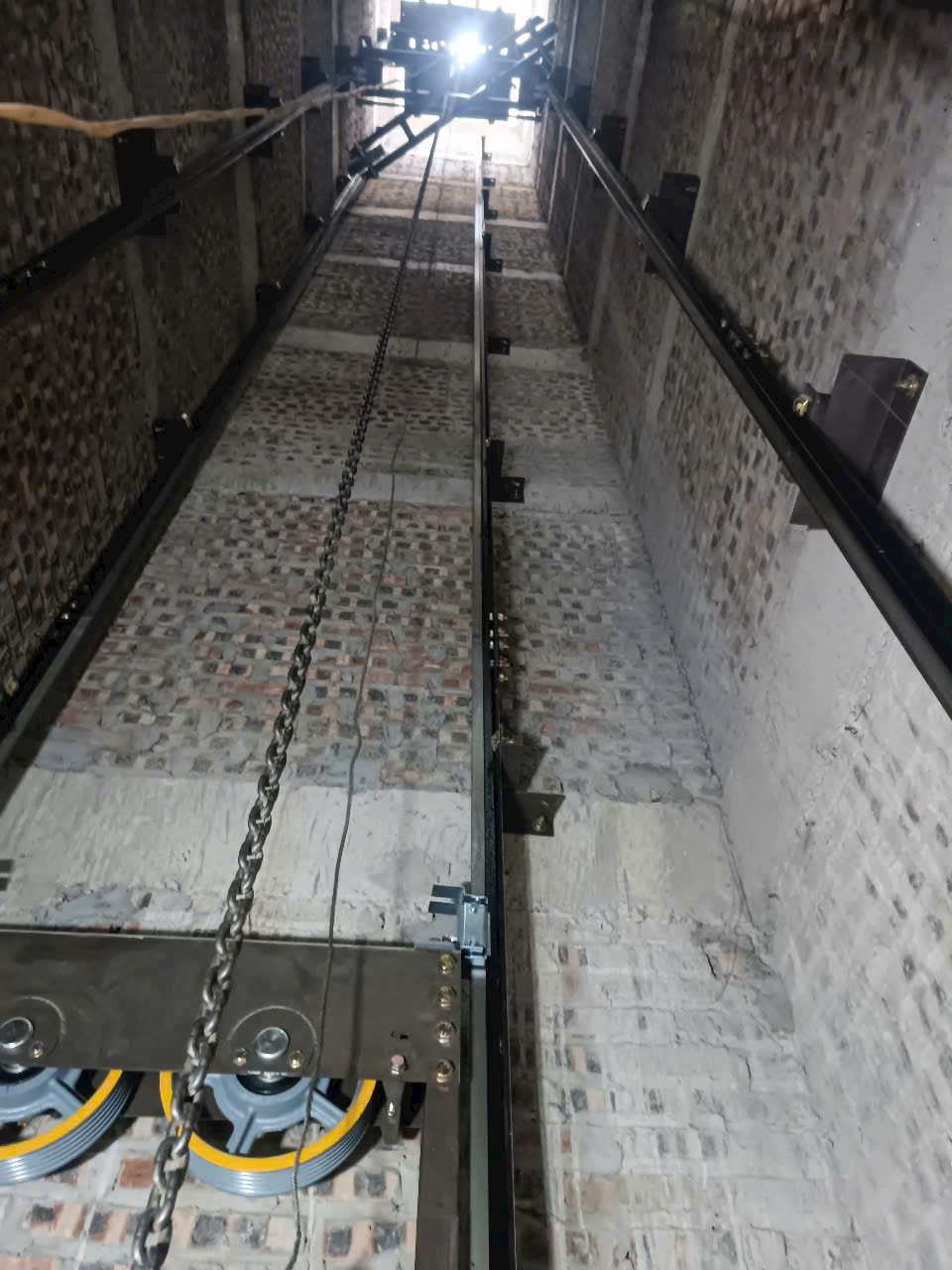
Elevators in villas require more flexible technical solutions compared to those in apartment buildings or commercial spaces. First, load capacities typically range from 250–630 kg (3–8 people), but floor heights, shaft dimensions, and foundation conditions vary considerably. Professional companies will carefully analyze these parameters to choose between traditional machine-room elevators, machine-roomless (MRL) elevators, or hydraulic elevators. Machine-roomless elevators are often preferred for villas due to their space-saving design, ease of architectural modification, and noise reduction, while hydraulic elevators are suitable for renovation projects, low-rise buildings, and limited pit space.
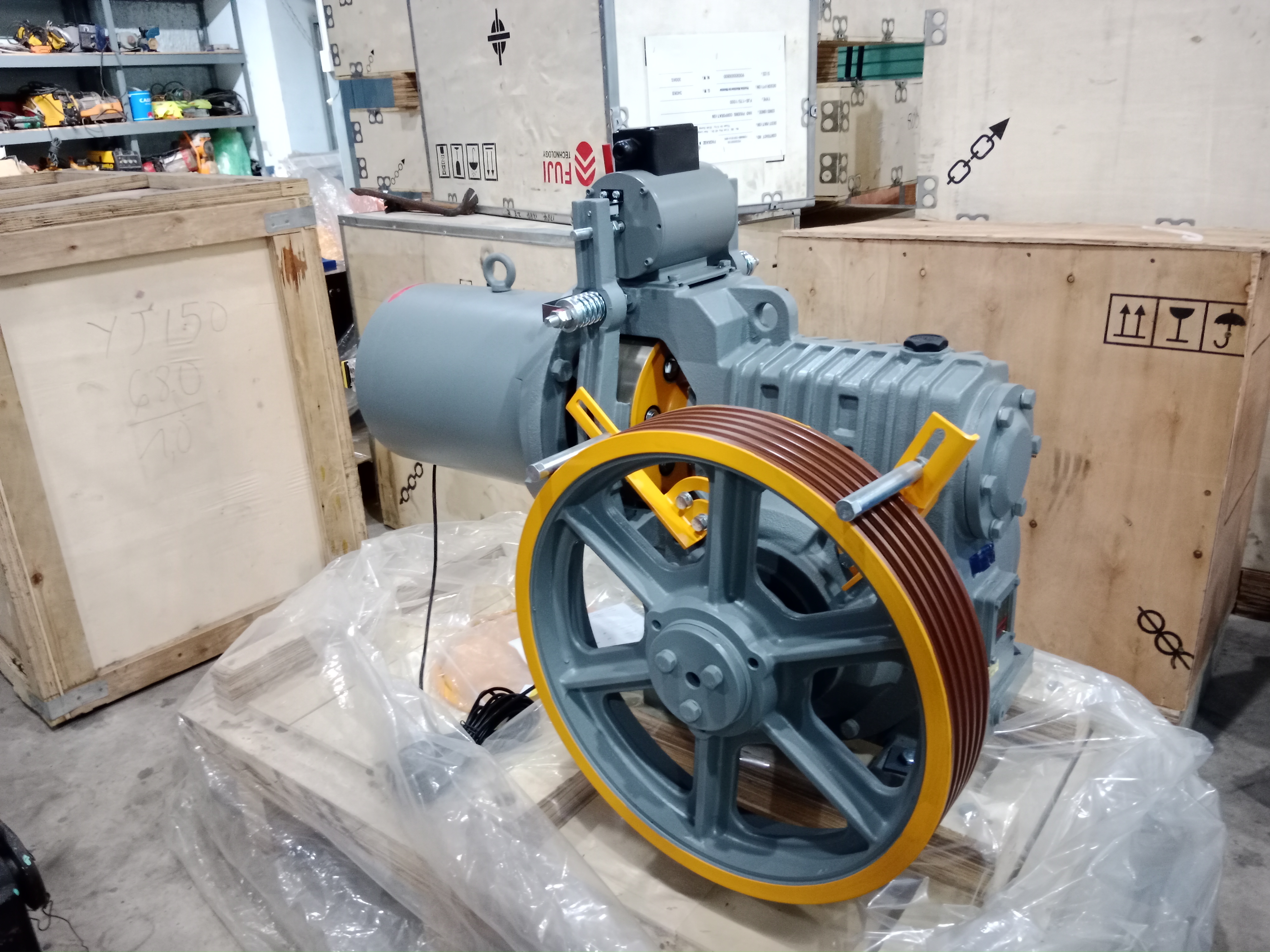
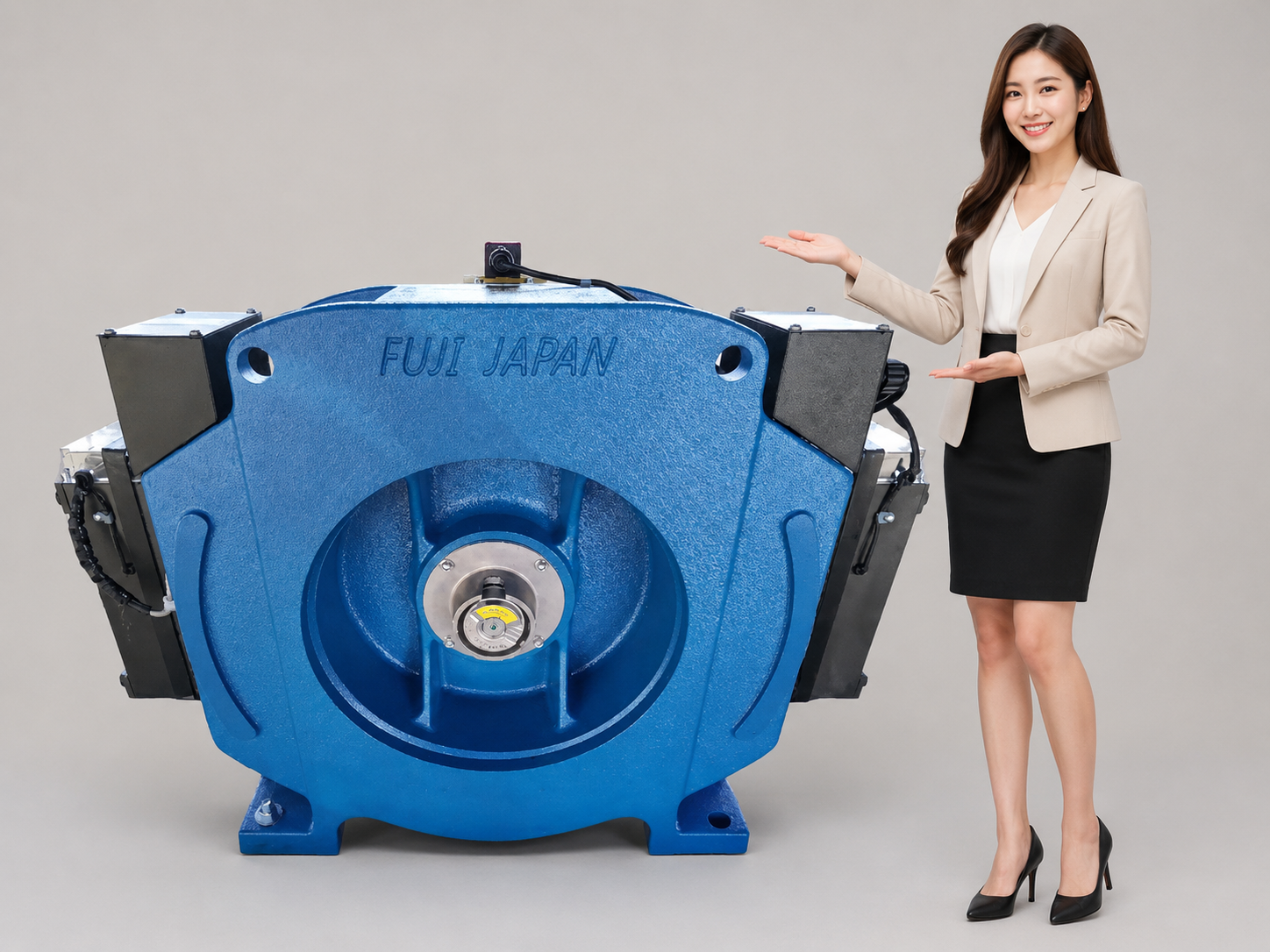
Regarding the drive system, specialized companies often recommend using gearless traction machines combined with VVVF (Variable Frequency Drive) inverters for smooth operation, accurate floor access, and energy efficiency. A dedicated microprocessor or PLC control system for home elevators allows for fine-tuning of acceleration, damping, door opening time, priority modes, and energy-saving modes when not in use. For high-end villas, an automatic rescue system (ARD) is mandatory, ensuring that even in the event of a power outage, the cabin will still move to the nearest floor and open safely. Furthermore, experienced companies will effectively address vibration and noise reduction by optimizing the shaft structure, using rubber damping pads, and arranging soundproof electrical cabinets isolated from living spaces.
Integrating safety and operating standards
The safety system of a villa elevator must fully comply with mandatory equipment such as speed limiters, safety brakes, floor door locks, safety switches, door sensors, overtravel switches, overload switches, and a multi-point infrared sensor anti-jamming system. Professional elevator companies will design the safety scheme according to the "fail-safe" principle, meaning that if any fault occurs in the safety chain, the elevator will stop operating and clearly display the fault. In addition, the integration of an internal communication system, emergency alarm, backup lighting, and ventilation fans ensures user safety in all situations.
For villas with elderly people and young children, experienced companies often advise adding features such as: priority operation mode for primary users, child locks, access control via magnetic cards or passcodes, and in-cabin cameras connected to the home's security system. Some more advanced solutions allow monitoring elevator status via mobile app, receiving alerts when errors occur, and tracking operation times to optimize maintenance schedules. Strict adherence to initial and periodic inspection procedures by state-licensed organizations is mandatory, and the elevator supplier must proactively coordinate and prepare technical documentation, load test reports, and electrical diagrams to ensure the inspection process is quick and accurate.
Aesthetic and personalized design for villas.
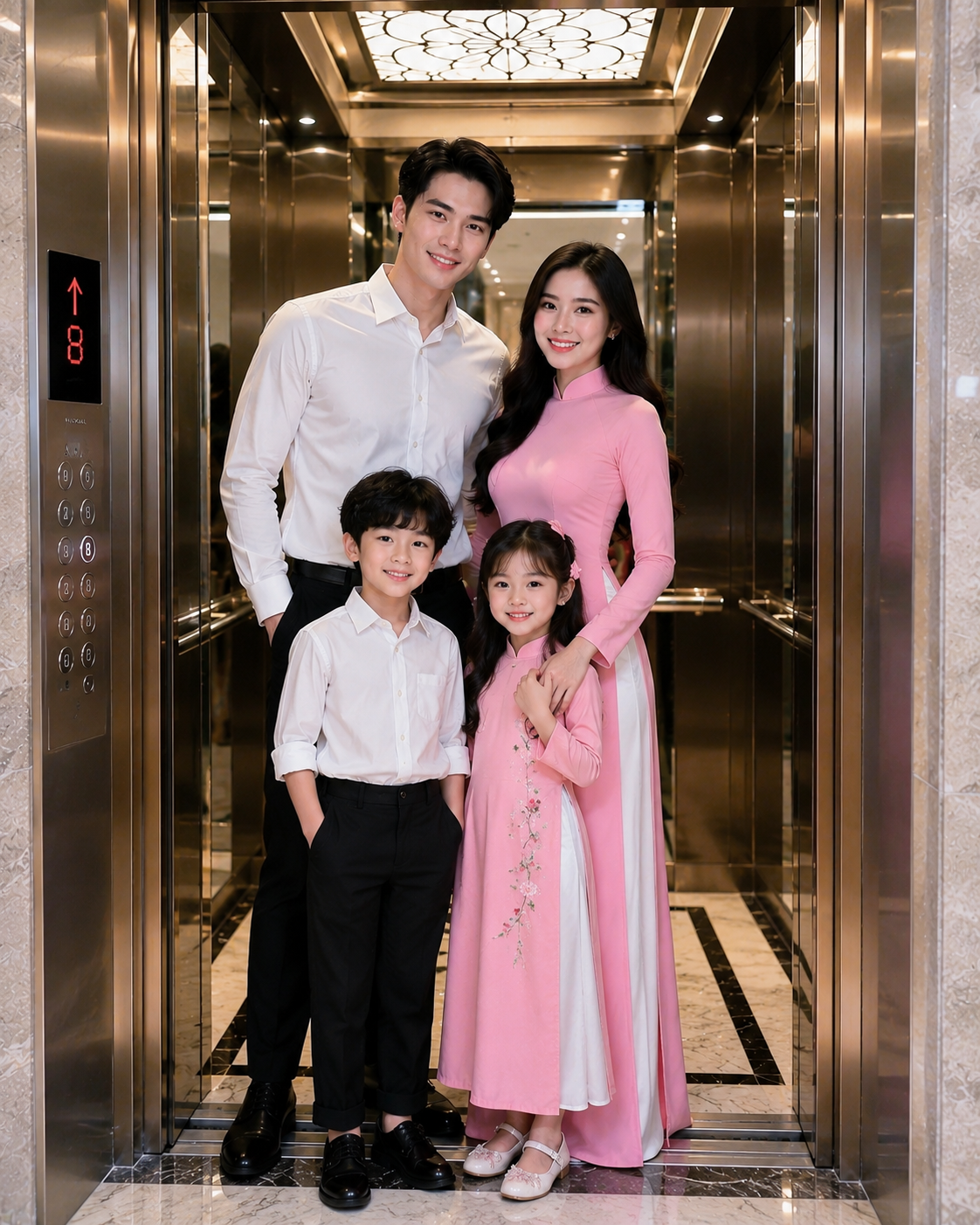
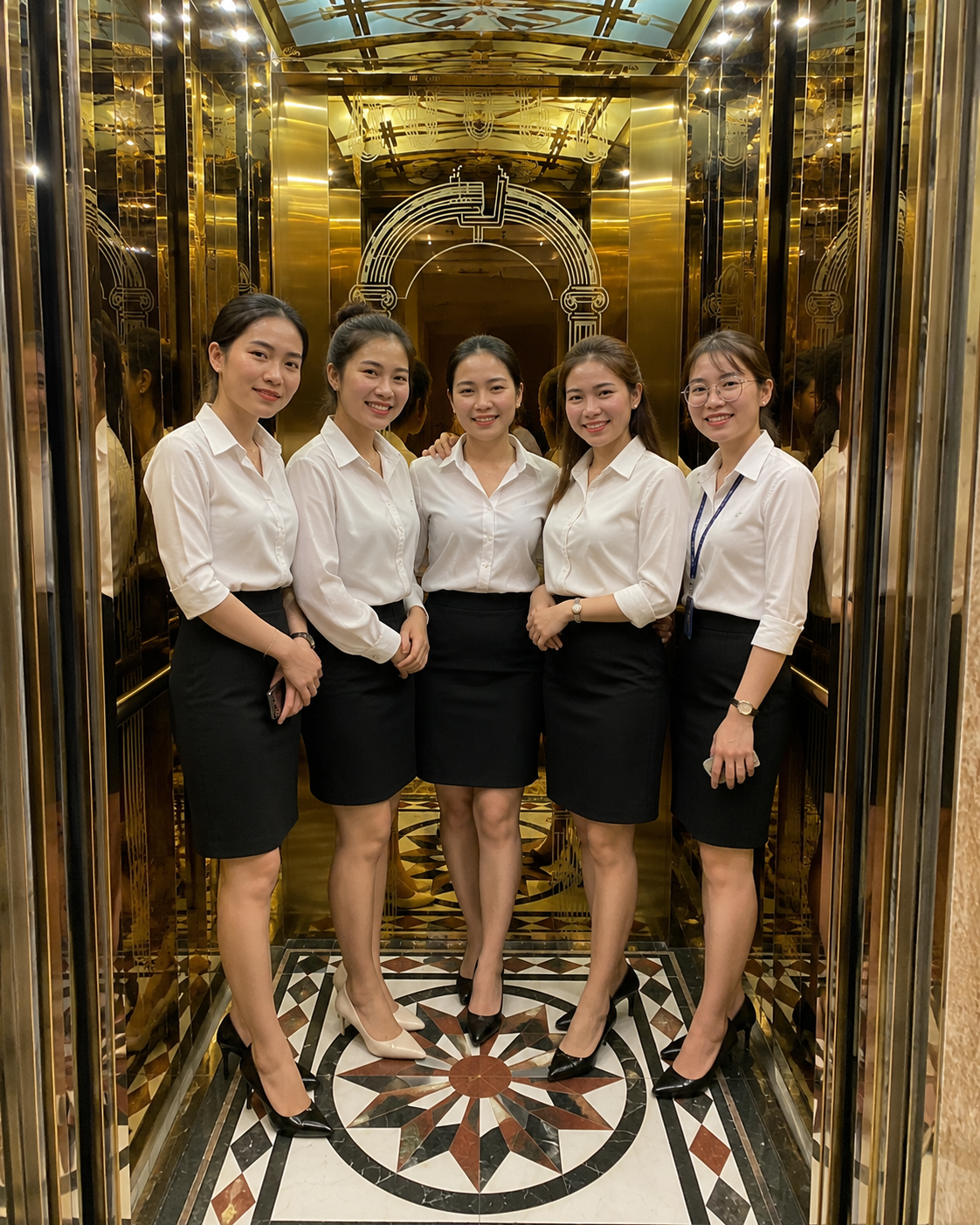
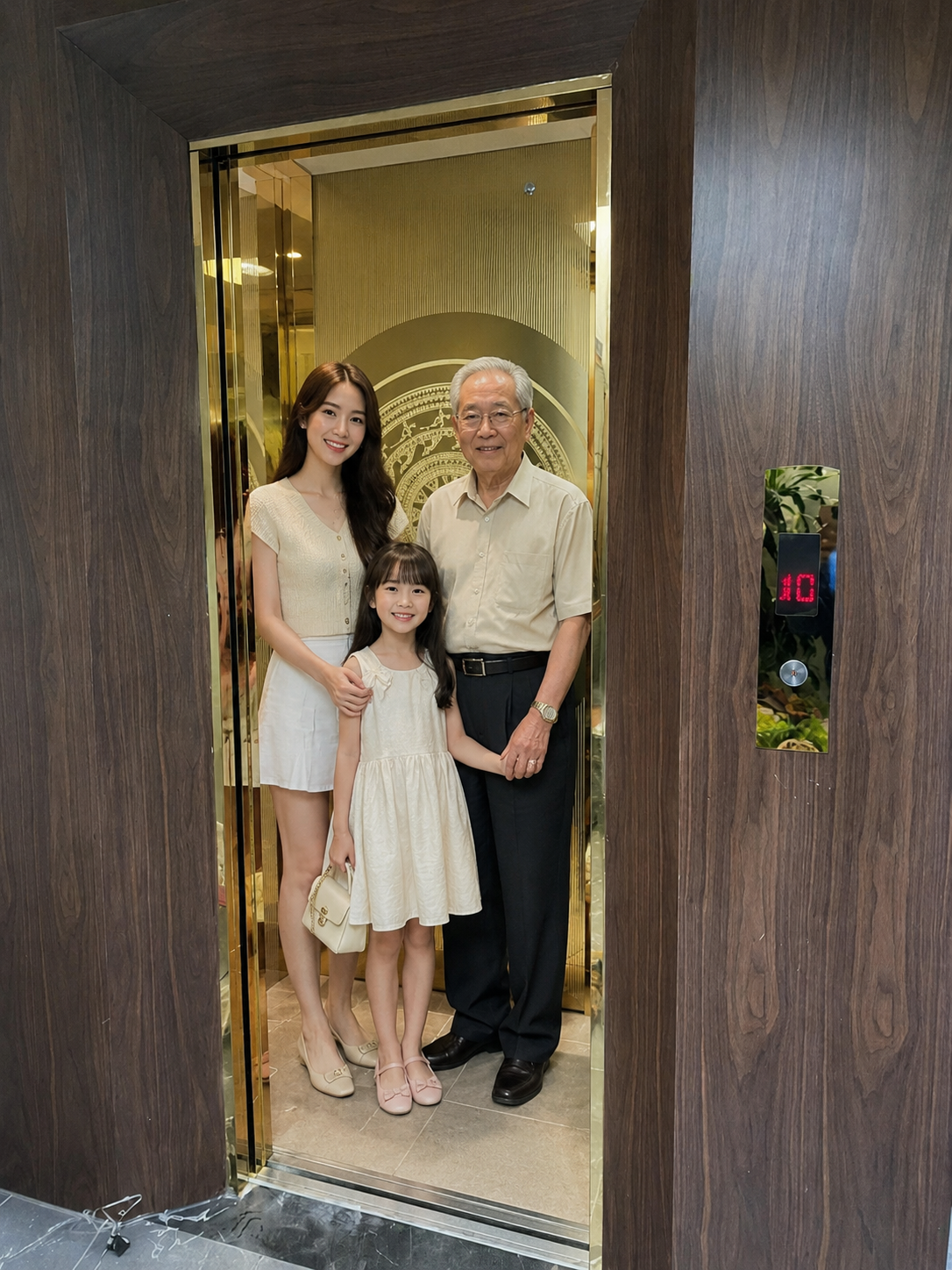
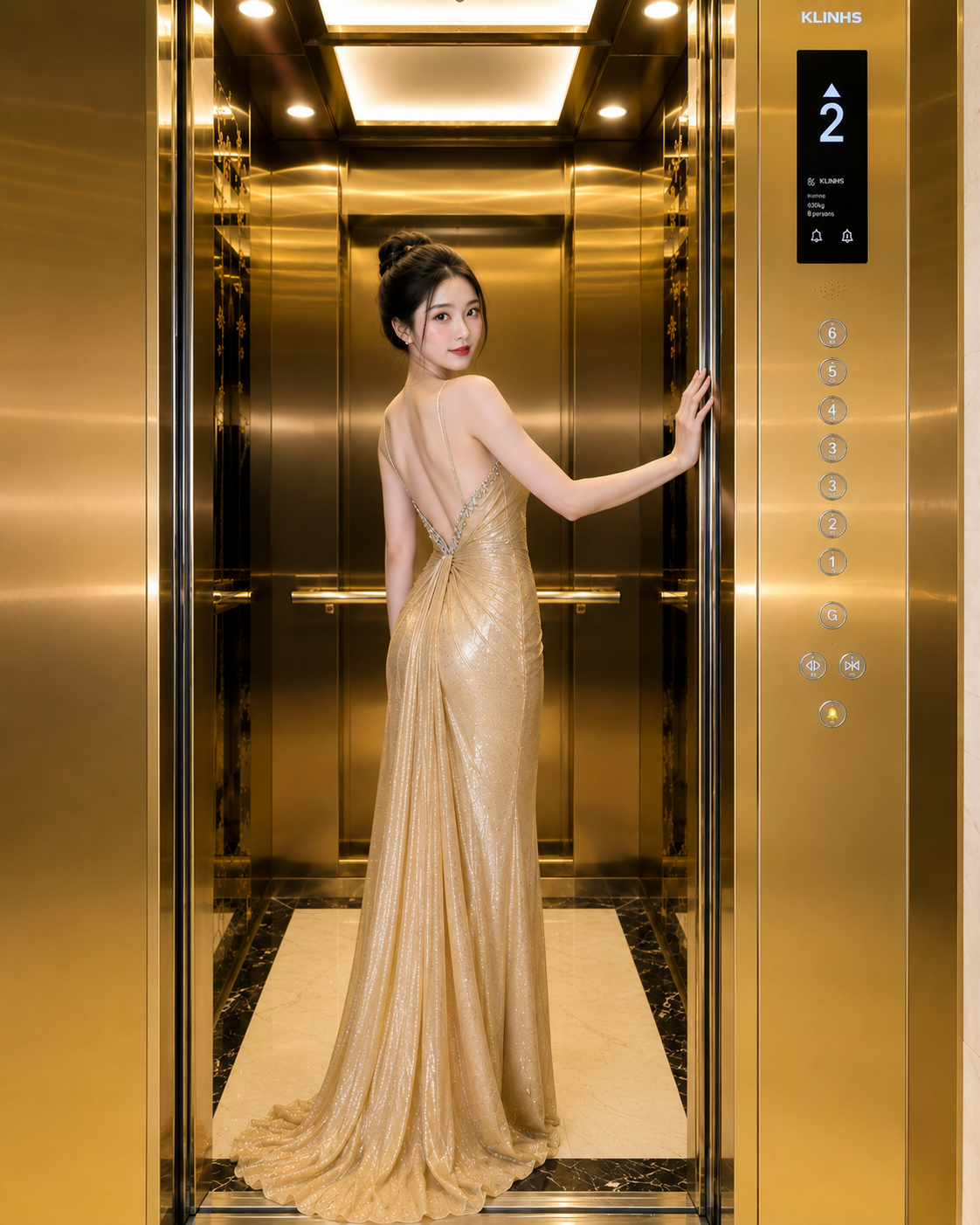
Unlike public elevators, villa elevators are an integral part of the interior, even an architectural highlight. Specialized elevator companies for this segment typically possess a rich collection of materials and cabin designs: mirror-finish stainless steel, patterned stainless steel, clear tempered glass, colored glass, wood veneer, artificial stone, LED cabin ceilings, alloy handrails, and natural stone flooring. Customers can choose from minimalist modern, neoclassical, classic European, or East Asian styles, harmonizing with the overall villa design. Close collaboration between elevator engineers and architects ensures that aesthetic requirements are met while adhering to technical constraints such as door dimensions, cabin height, and beam and column placement.
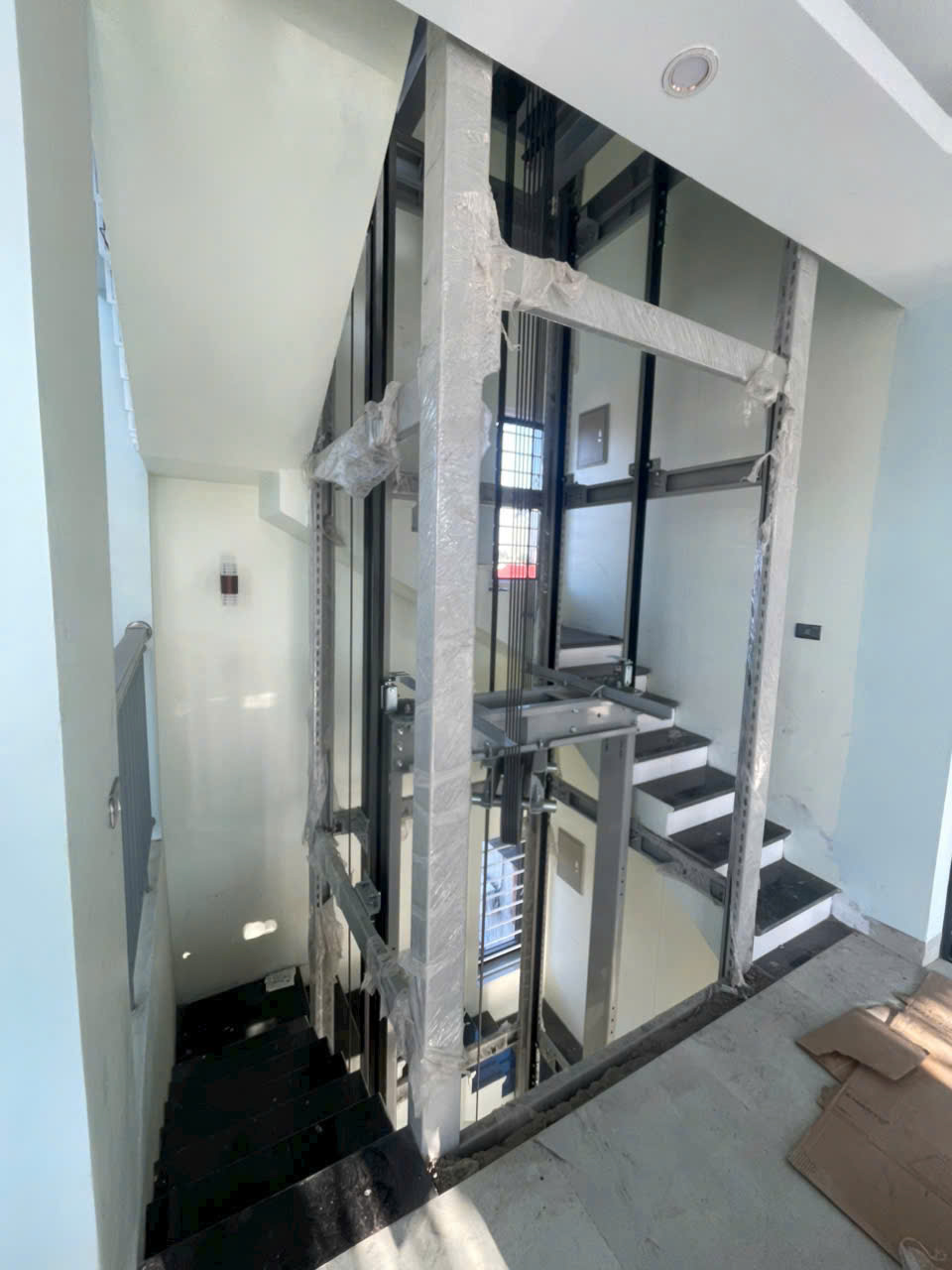
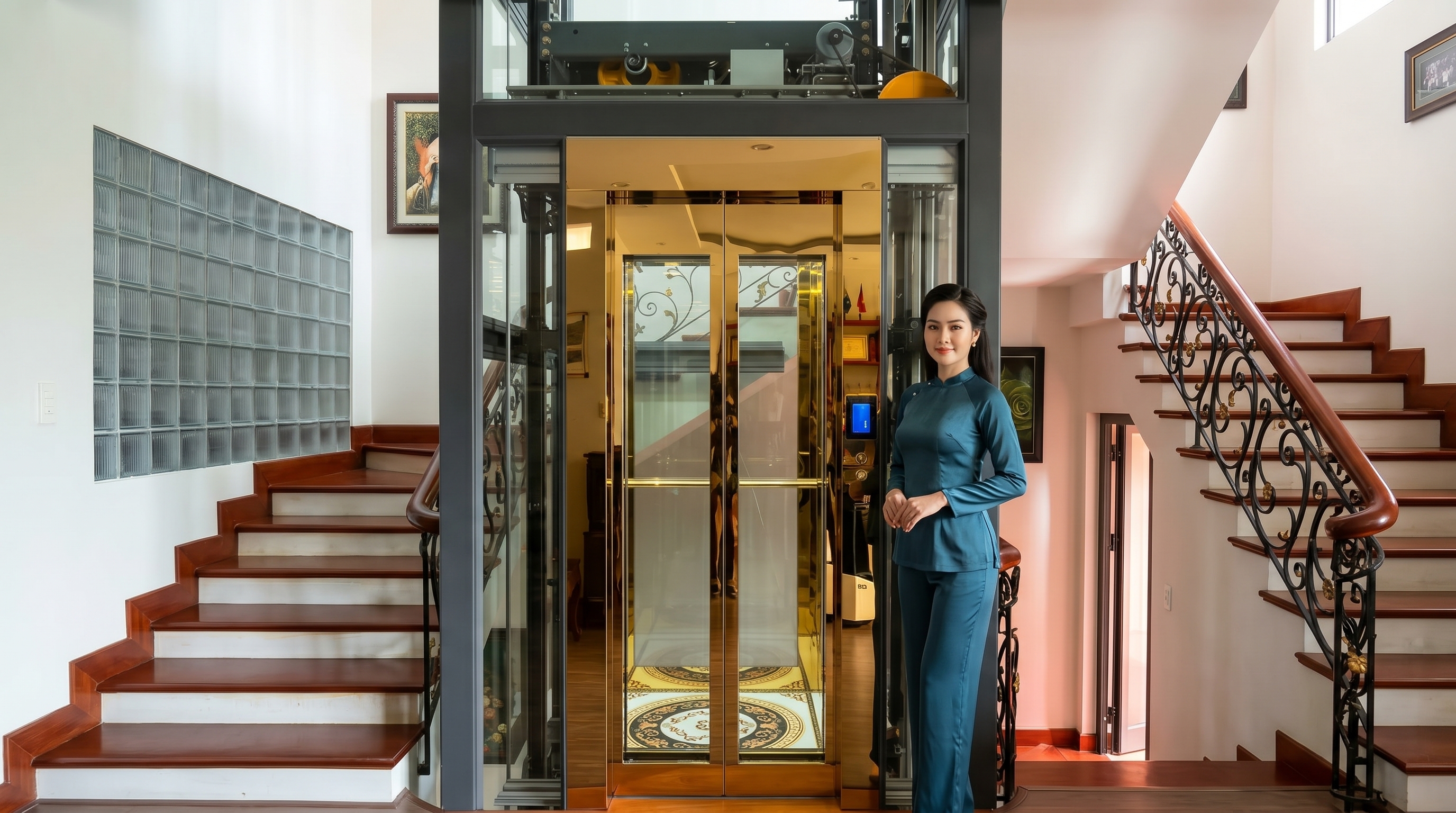
For villas with skylights or open-plan spaces, full-glass elevators are a popular choice for homeowners to take advantage of natural light and create a sense of spaciousness. Experienced companies will carefully calculate the glass thickness, the load-bearing steel or aluminum frame, and the connection method to the main structure to ensure safety and minimize vibration. The lighting system in the cabin and shaft is also designed to be synchronized, using energy-saving LEDs, and can integrate smart controls to change color and intensity throughout the day. The floor call panel and control panel in the cabin are optimized in height, button size, and contrast to support convenient use by the elderly and visually impaired.
List of design items that need to be discussed with the elevator company.
When working with an elevator company for a villa, the homeowner should finalize the following design elements early to avoid unforeseen issues:
- Elevator shaft dimensions : width, depth, door location, door setback, distance to the staircase or opposite wall.
- Structural solutions : brick walls, concrete walls, steel frames, glass shafts; load-bearing capacity of machine floors, rail support beams.
- Option for a machine room or no machine room : roof height, location of electrical cabinets, technical access routes.
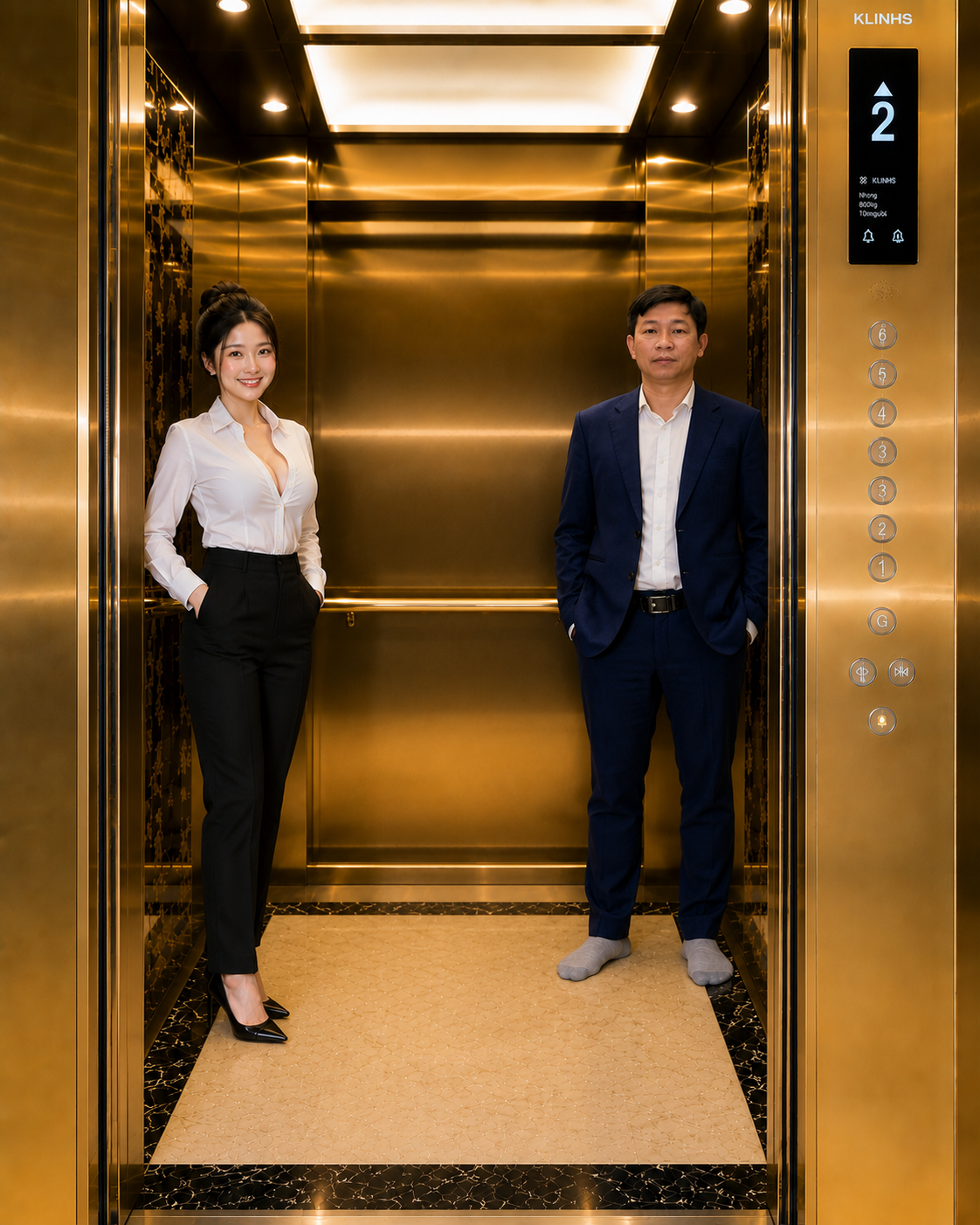
- Cabin interior design : wall, ceiling, floor, handrail, mirror, door style, color scheme, overall style.
- Electrical and control systems : separate power supply, grounding wire, UPS or ARD, communication lines, cameras, smart home connectivity.
Long-term maintenance, warranty, and operation services.
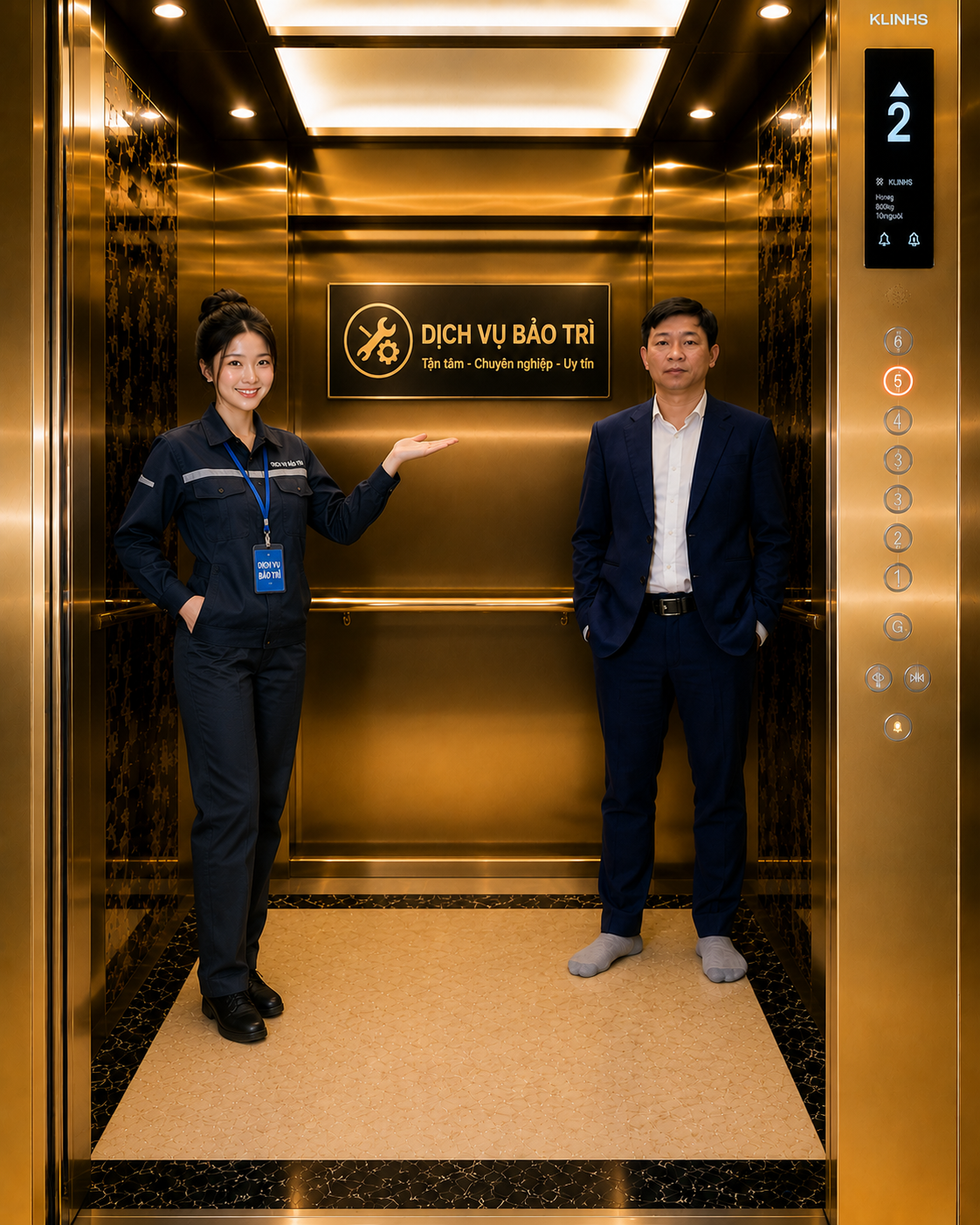
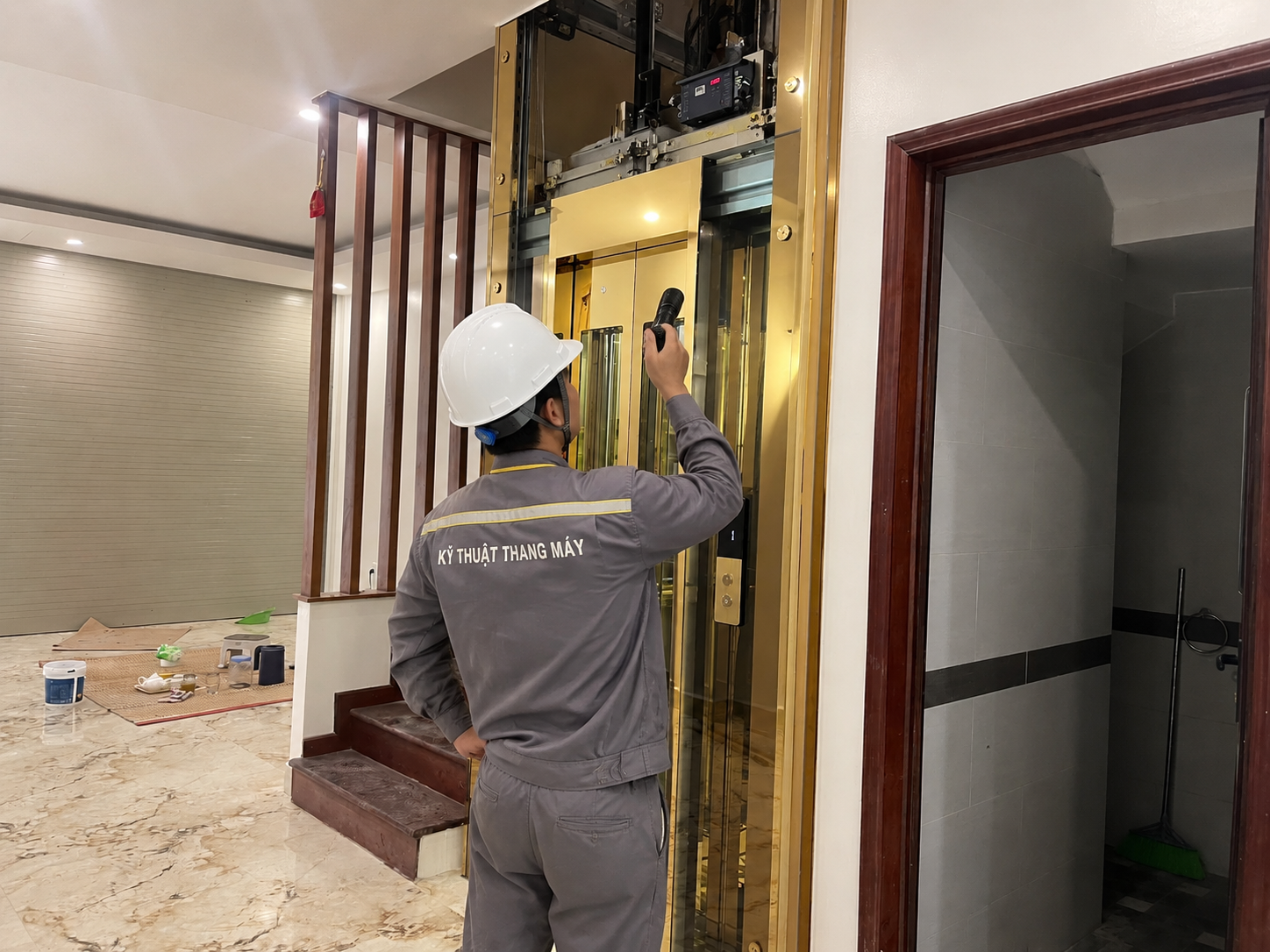
For villa elevators, after-sales service quality is a crucial factor determining the user experience throughout the equipment's lifespan. A reputable elevator company will provide a clear maintenance contract, with a minimum frequency of once a month initially, which can then be adjusted according to actual usage frequency. Technicians must be well-trained, have safety certifications, use all necessary specialized tools, and adhere to inspection procedures for each item: braking system, cables, pulleys, rails, landing doors, sensors, electrical cabinets, rescue systems, lubrication, and cleaning. Maintaining a maintenance log, updating fault codes, and identifying replacement parts allows homeowners to easily monitor the equipment's condition and plan upgrades when needed.
Elevator companies typically offer warranties for villas lasting 18-24 months, covering repairs, replacement of defective parts due to manufacturing faults, and 24/7 technical support. Professional companies also implement predictive maintenance systems based on operational data, helping to detect early signs of abnormalities such as increased motor temperature, unusual vibrations, and prolonged door opening and closing times, allowing for early intervention before problems occur. Furthermore, the company should provide detailed user manuals and direct training for family members on safe usage, handling power outages, sudden stops, and what to avoid, such as overloading, jamming doors, and opening doors on floors without authorization.
To ensure transparency and legal compliance, elevator companies must assist investors in preparing technical documentation, acceptance reports, inspection certificates, and guidance on registration with regulatory authorities if necessary. Choosing a supplier with a genuine spare parts inventory and the ability to supply parts for many years reduces the risk of needing to replace critical components such as control boards, inverters, and traction machines. For villas used for rental or as homestays or resort villas, the elevator company can also advise on priority service packages and commit to a timely response to incidents, helping to ensure uninterrupted business operations.