Home elevator company
Home elevator company
The role of home elevator companies in modern architecture
Today, home elevator companies not only provide vertical transportation equipment but also participate deeply in the architectural design process, optimizing functionality and enhancing property value. In the context of multi-story townhouses, multi-level villas, and the trend towards convenient living, home elevators have become an almost mandatory feature. Professional companies must have a thorough understanding of construction standards, load-bearing structures, electrical and mechanical solutions, as well as interior aesthetics to advise on the optimal solution for each specific floor plan.
From a technical standpoint, a reputable home elevator company needs to be proficient in safety standards such as EN 81, TCVN 6395, fire safety regulations, as well as regulations regarding noise and vibration in residential areas. From a user experience perspective, the company must understand the needs of each customer group: families with elderly people, young children, people with disabilities, or families combining residential and office spaces. The combination of technical expertise and understanding of lifestyles allows the company to provide elevator solutions that are safe, convenient, and harmonize with the overall architectural style.
Product catalog and solutions for home elevators
Our range of home elevator products and solutions includes various technical configurations and design styles to meet diverse needs, architectural conditions, and budgets. Technologically, homeowners can choose between elevators with or without machine rooms , and between cable-driven, hydraulic, or screw-driven systems, each with its own advantages and disadvantages in terms of building height, load capacity, noise level, and operating costs. Simultaneously, the design of the cabin, landing doors, and finishing materials are carefully considered to ensure the elevator harmonizes with the interior, from modern to neoclassical styles. The optimal solution is usually a harmonious combination of technical efficiency, safety, aesthetics, and long-term cost-effectiveness.
Elevators can have a machine room or not.
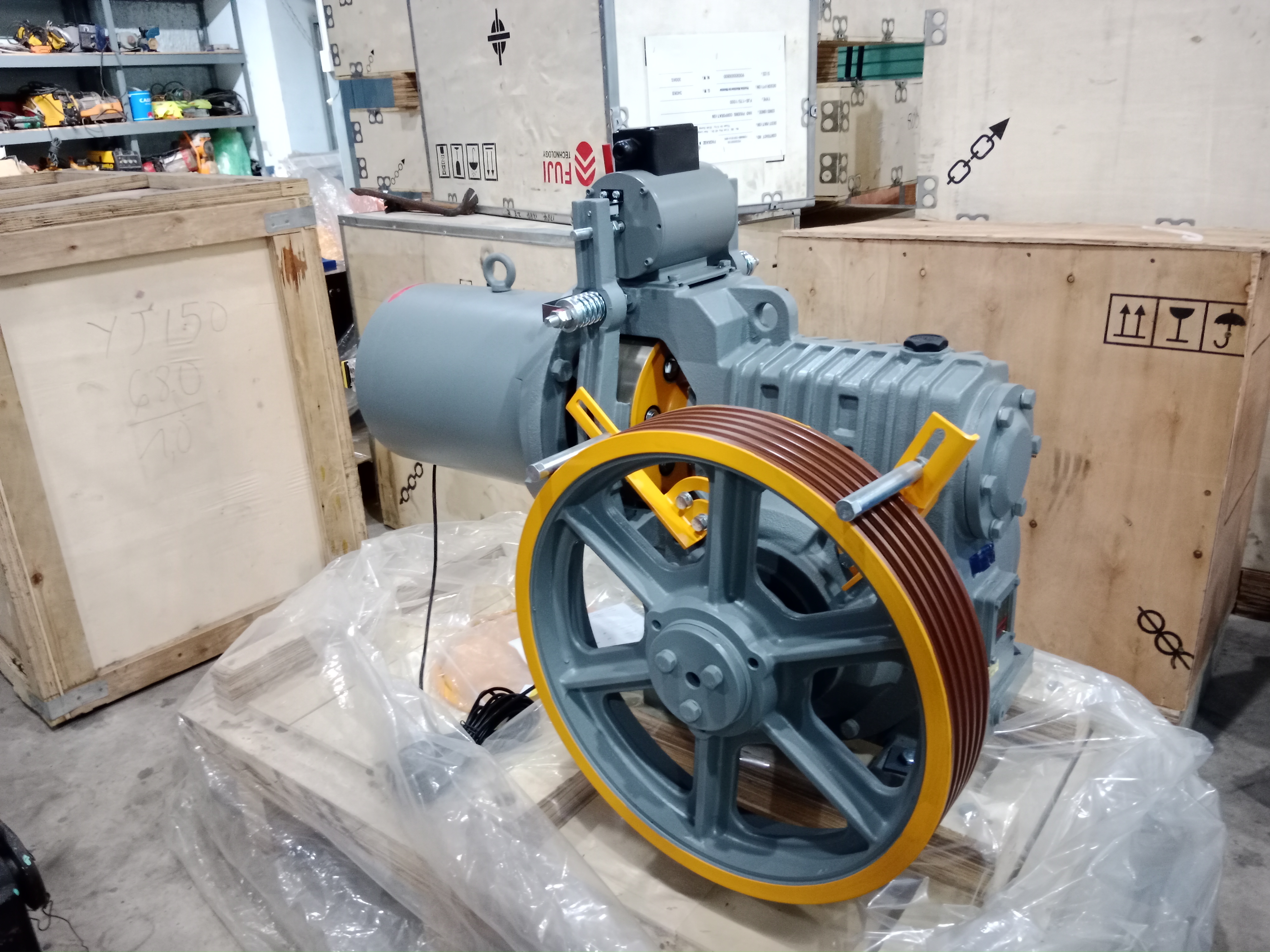
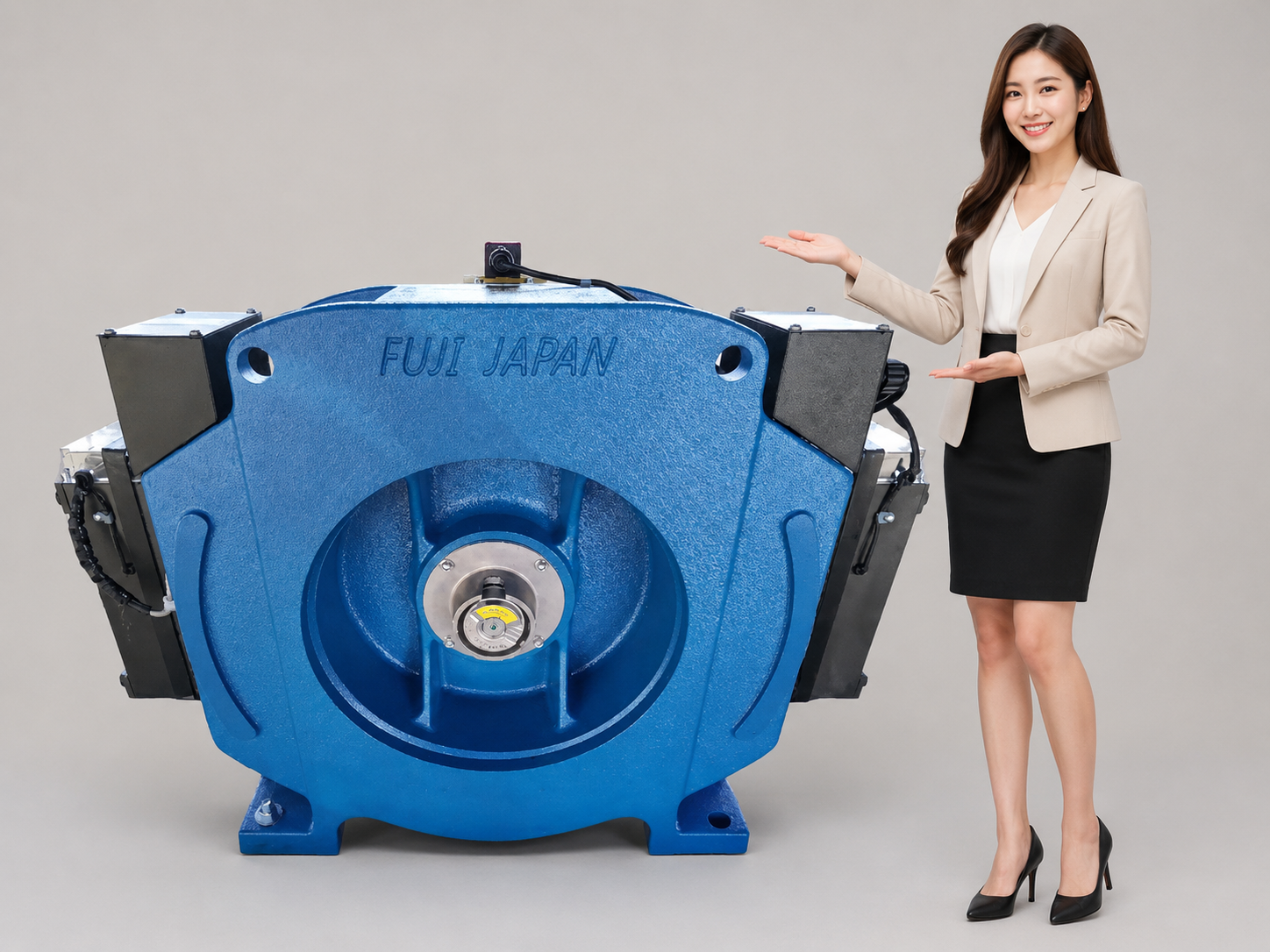
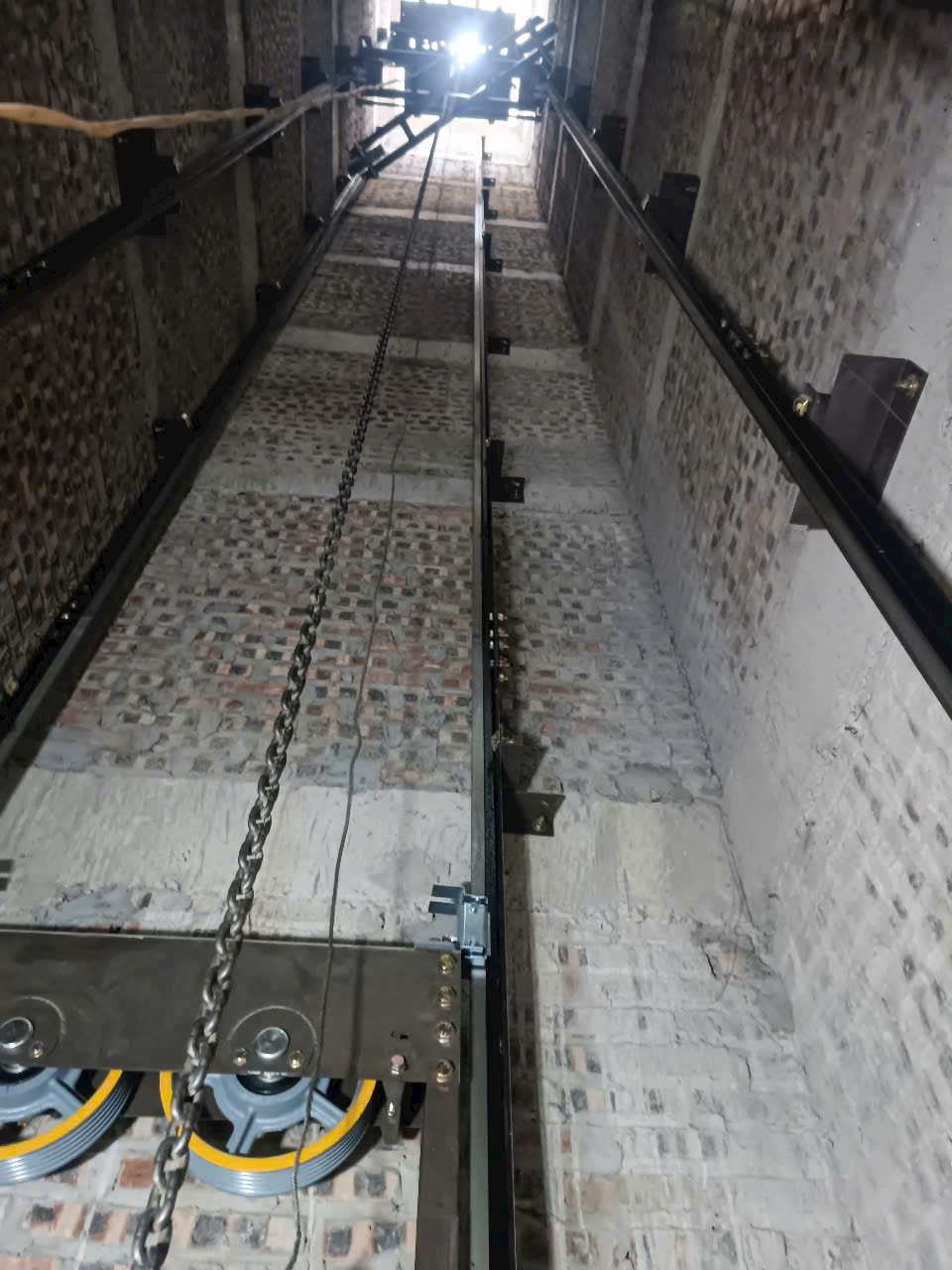
In the home elevator segment, the two most popular product lines are machine-room elevators (MR) and machine-roomless elevators (MRL) . Machine-room elevators use a traction machine located at the top of the elevator shaft, suitable for houses with sufficient roof height. Their advantages include ease of maintenance, lower initial investment costs, and good load capacity. Conversely, machine-roomless elevators use a traction machine located inside the elevator shaft, saving on building height. They are suitable for renovated houses or buildings with overall height restrictions, while also offering a more compact and flexible design for architects.
Professional home elevator companies typically conduct a thorough analysis of floor height, roof structure, technical room location, and maintenance team accessibility before recommending MR or MRL (Medium-Round) elevators. Additionally, factors such as noise levels, desired load capacity, usage frequency, and long-term operating costs are also considered in the comparison. Transparent consultations with specific data on electricity consumption, maintenance costs, and component lifespan help homeowners make decisions that fit their budget and long-term plans.

Hydraulic elevators, cable-driven elevators, and screw elevators.
Besides traditional cable-driven elevators, many home elevator companies also offer hydraulic and screw-driven elevator solutions . Hydraulic elevators use cylinders and hydraulic oil to raise and lower the cabin. Their advantages include not requiring a very deep shaft, making them suitable for renovated homes, but attention must be paid to the oil treatment system and technical requirements for leak prevention. Screw-driven elevators typically have a compact design, do not require a deep pit, operate smoothly, and are suitable for very limited spaces; however, their speed is usually lower and the initial investment cost is higher.
The choice of technology depends on many factors: lifting height, number of stops, floor area, foundation conditions, as well as requirements for smoothness and aesthetics. A specialized company will provide a detailed comparison between technologies, including: maximum load capacity, speed, power consumption, recurring maintenance costs, system lifespan, and future upgrade potential. This allows homeowners to weigh the options between a solution with low initial investment but high operating costs, and a solution with higher investment but greater energy efficiency and less maintenance.
Cabin design, landing doors, and finishing materials.
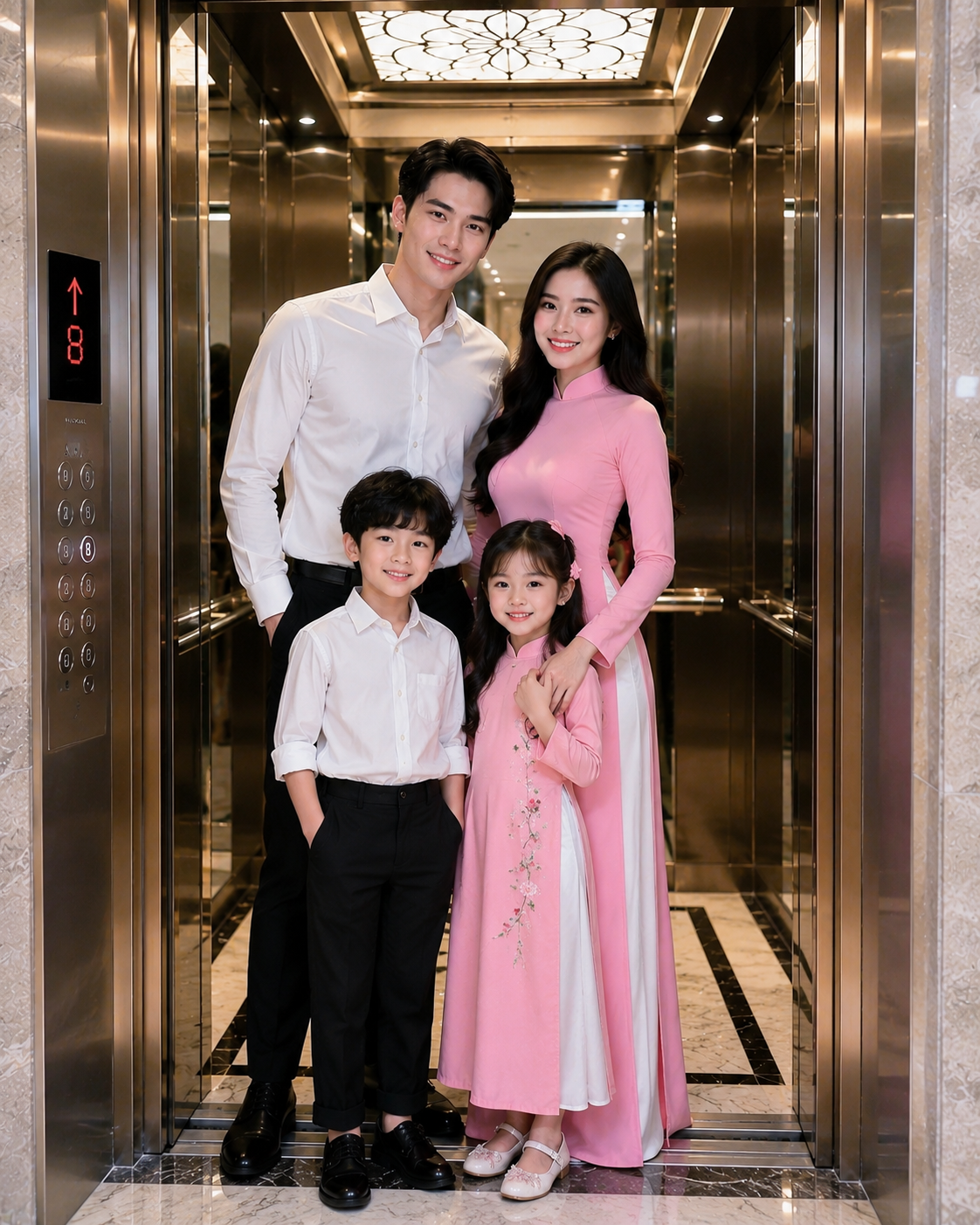
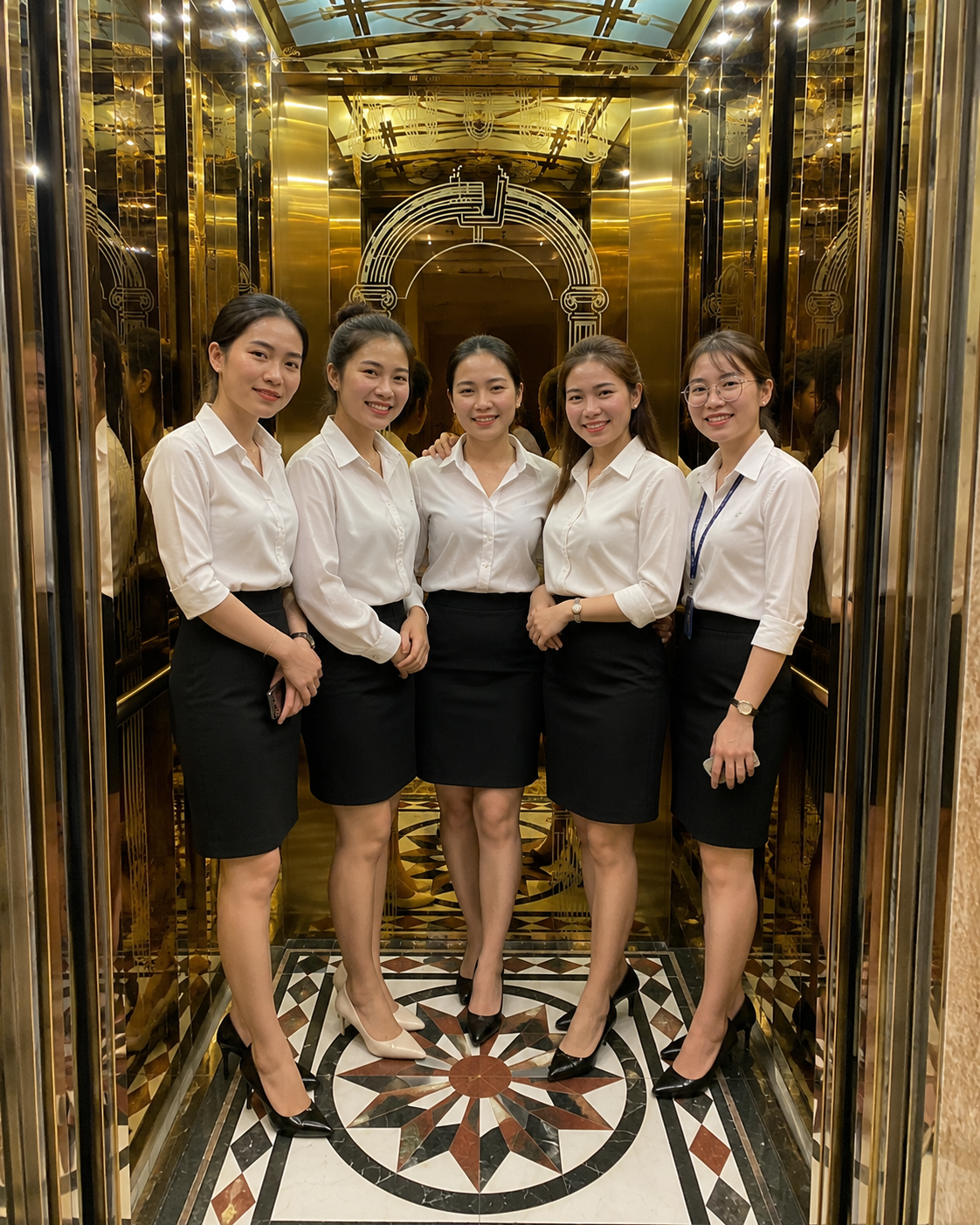
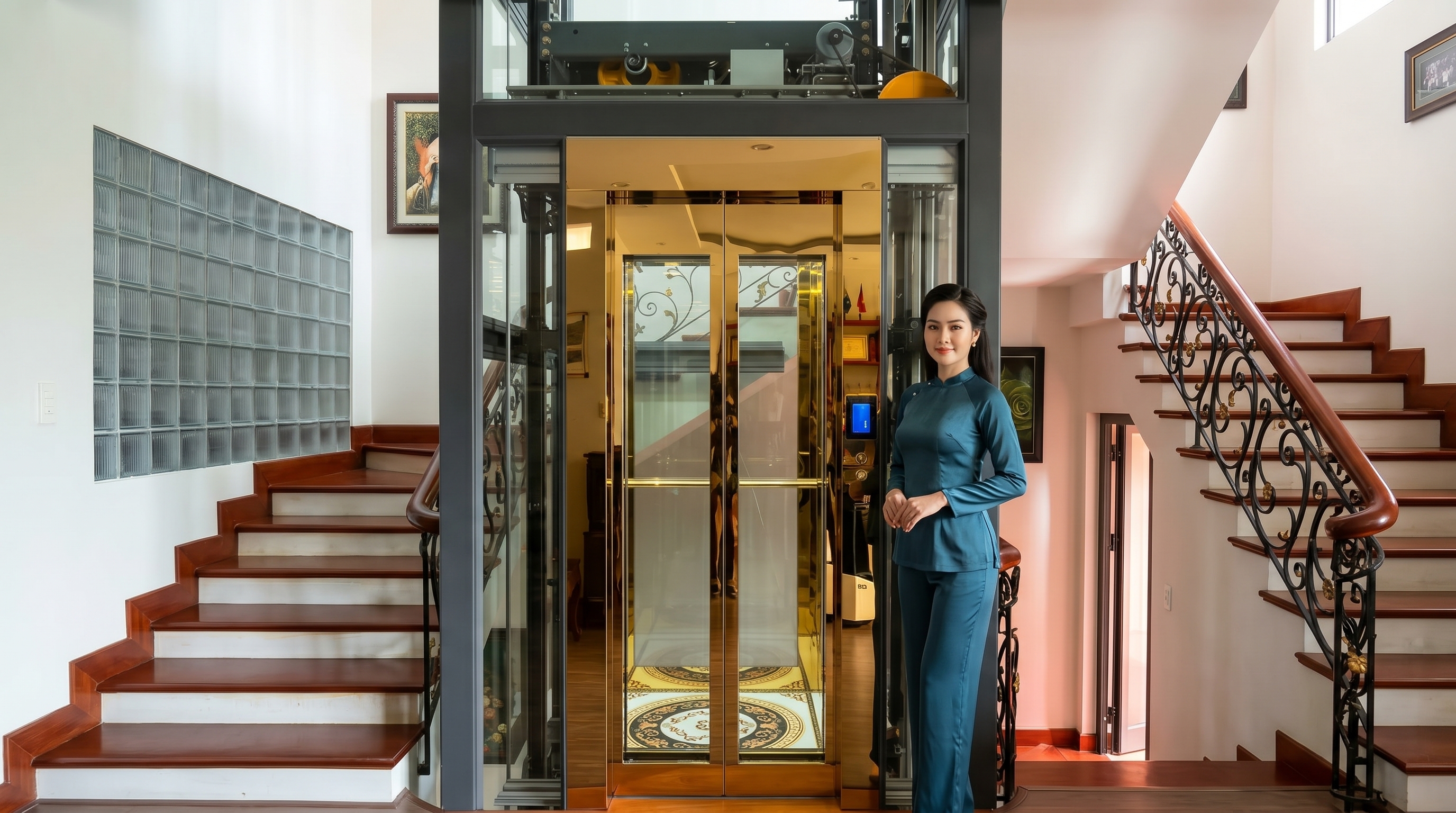
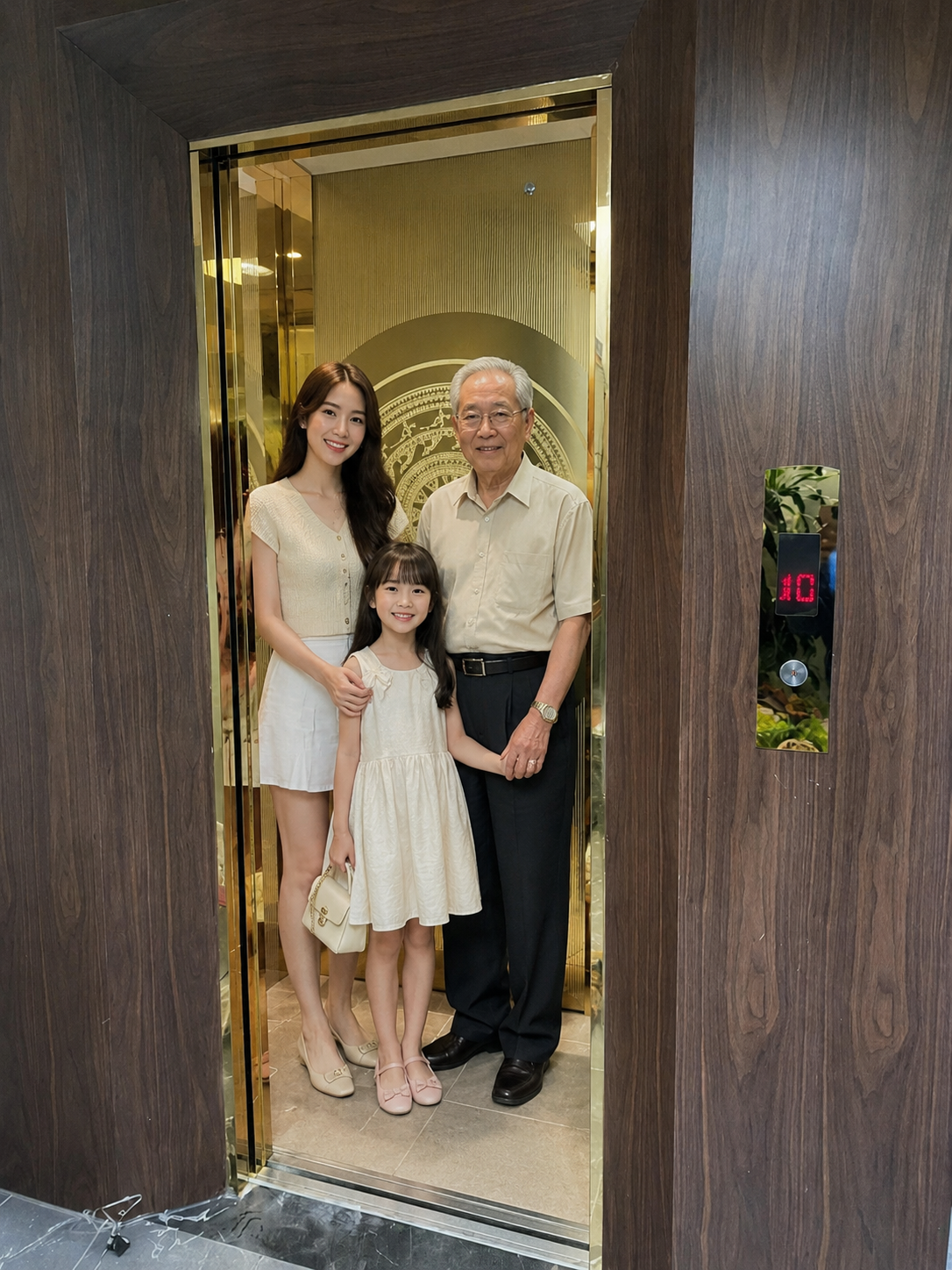
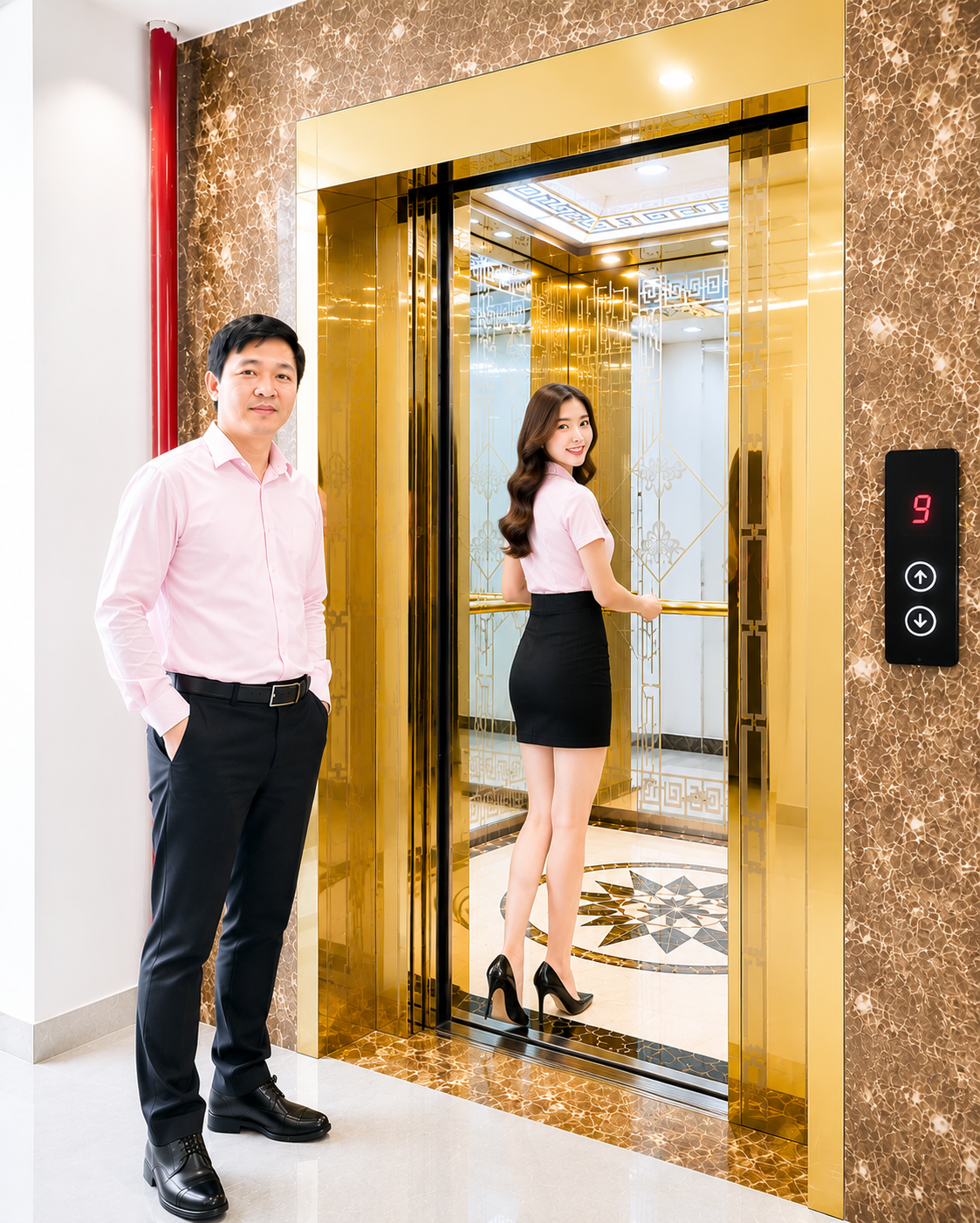
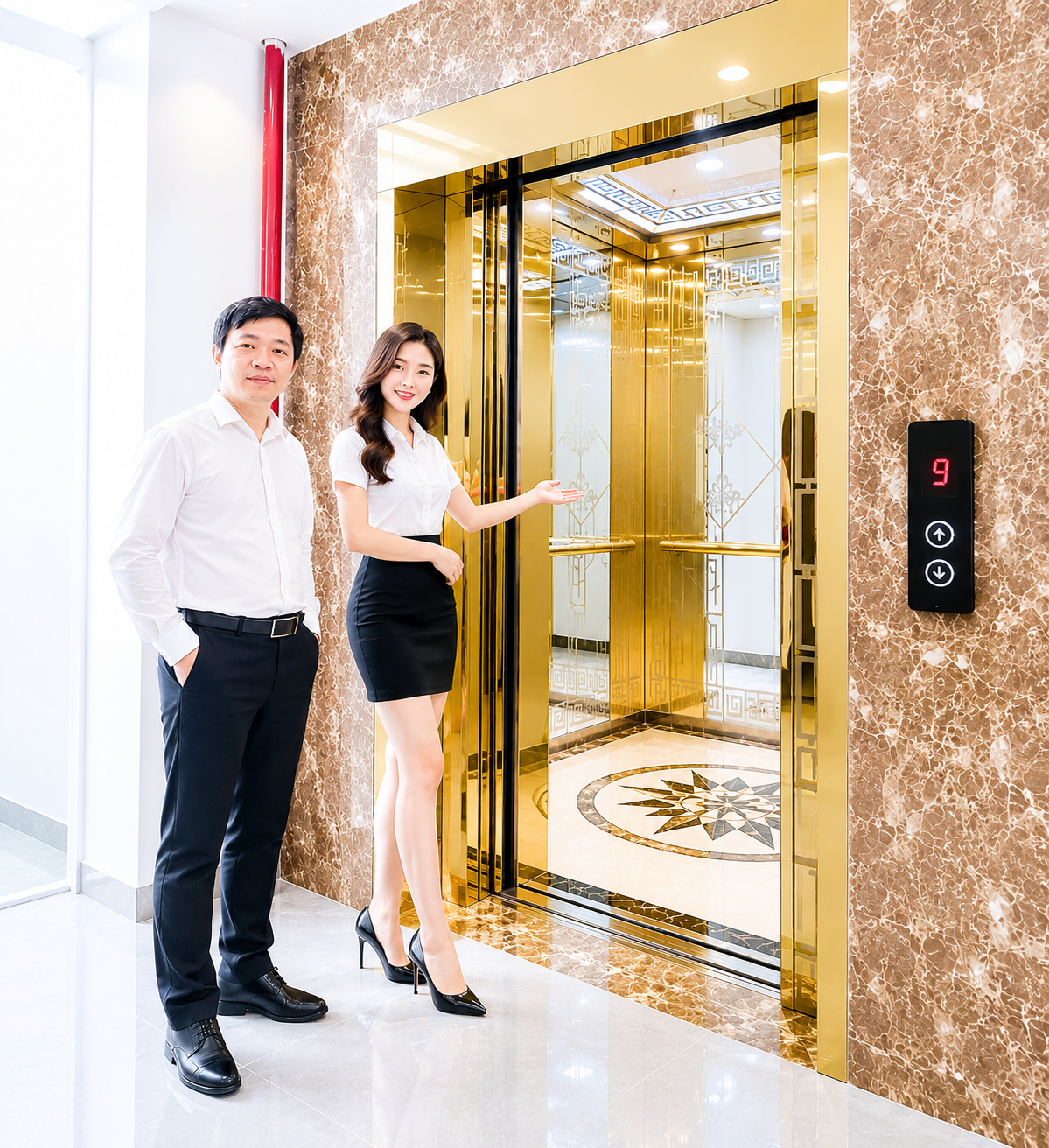
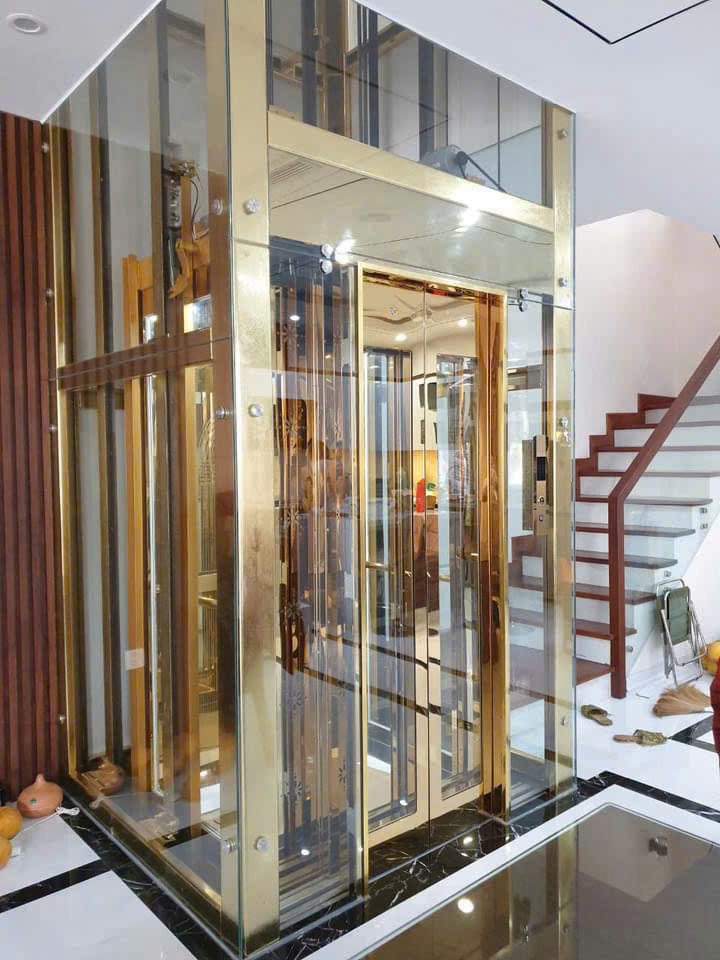
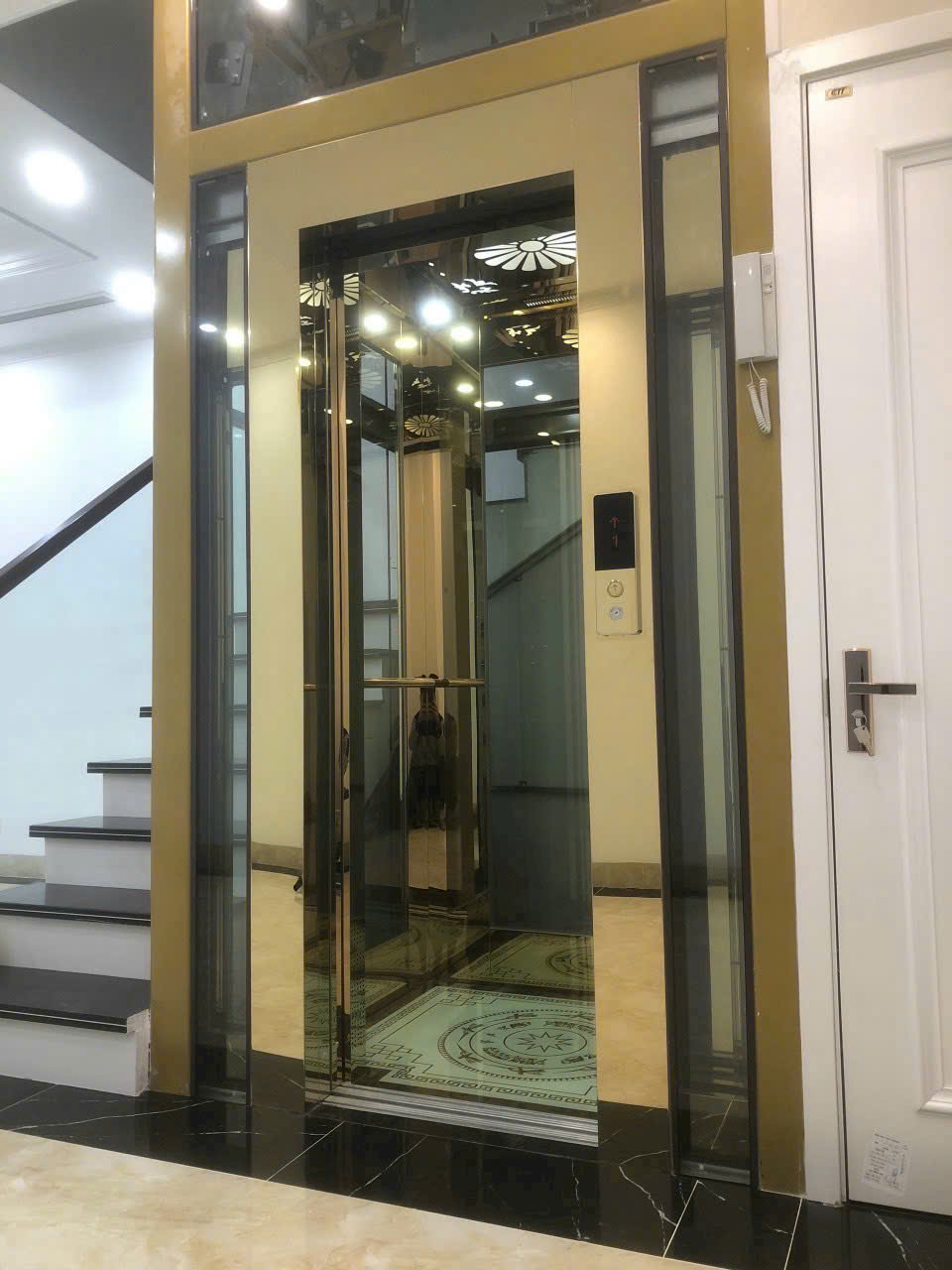
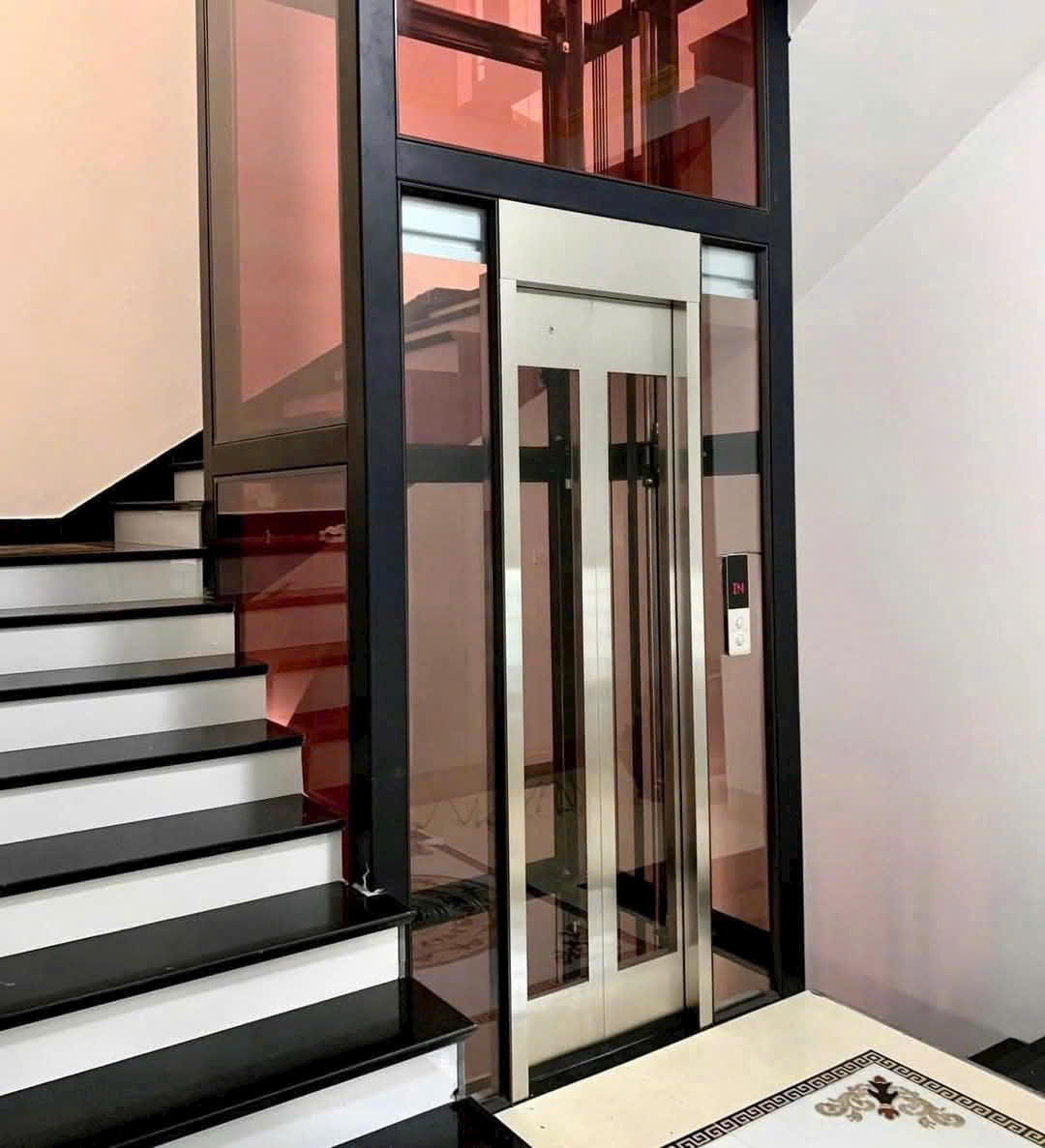
Home elevators are not just technical equipment but also an integral part of the interior design. Professional home elevator companies typically offer a diverse collection of cabin designs : brushed stainless steel, mirror-finish stainless steel, tempered glass, wood veneer, scratch-resistant laminate, or a combination of materials. LED lighting, handrails, cabin ceilings, mirrors, and stone flooring are coordinated in modern, neoclassical, or minimalist styles, making the elevator an aesthetic focal point in the home.
Regarding landing doors, popular options include automatic double-leaf, triple-leaf, or quadruple-leaf folding doors, or manually operated swing doors combined with automatic cabins for extremely limited spaces. A reputable company will provide detailed advice on hinge durability, safety locking mechanisms, anti-jamming sensors, and the ability to match the color of the landing doors with the house's wooden or aluminum-glass doors. Using rust-resistant materials, high-quality powder coating, and standard accessories increases lifespan, reduces maintenance costs, and maintains aesthetic appeal for a long time.
EEAT's standard consultation, design, and installation process.
The EEAT standard consultation, design, and installation process is built around practical experience, technical expertise, and a high level of reliability. Home elevator companies need to demonstrate experience in implementing diverse projects , the ability to analyze existing conditions, and propose optimal solutions for each space. Technical documentation, drawings, applicable standards, and safety recommendations must be clearly presented to facilitate effective collaboration between homeowners, architects, and contractors. During the installation and inspection phases, adherence to standardized procedures, detailed checklists, and certification from independent inspection bodies are fundamental to building long-term credibility and transparency .
On-site survey and in-depth technical consultation.
A home elevator company that adheres to the EEAT (Experience, Expertise, Authoritativeness, Trustworthiness) standard always begins with a detailed site survey. Engineers visit the construction site to measure the elevator shaft dimensions, floor height, inspect the structure of beams, columns, floors, the location of the electrical cabinet, and access routes for equipment transport. Based on the actual data, the company will analyze the appropriate load capacity, number of stops, speed, door type, machine room or control cabinet layout, and assess risks related to structural integrity and safety.
During the consultation phase, the company needs to provide the client with floor plans, cross-sections, pit details, support beams, as well as technical requirements for the construction contractor. Parameters such as internal dimensions, cabin dimensions, landing door dimensions, pit depth, and overhead height (OH) should be clearly shown, along with notes on materials for elevator shaft walls, waterproofing requirements, and vibration damping. Transparent communication, with reference to standards and regulations, helps homeowners and architects understand each party's responsibilities, minimizing errors during construction.
Installation, testing, and commissioning.
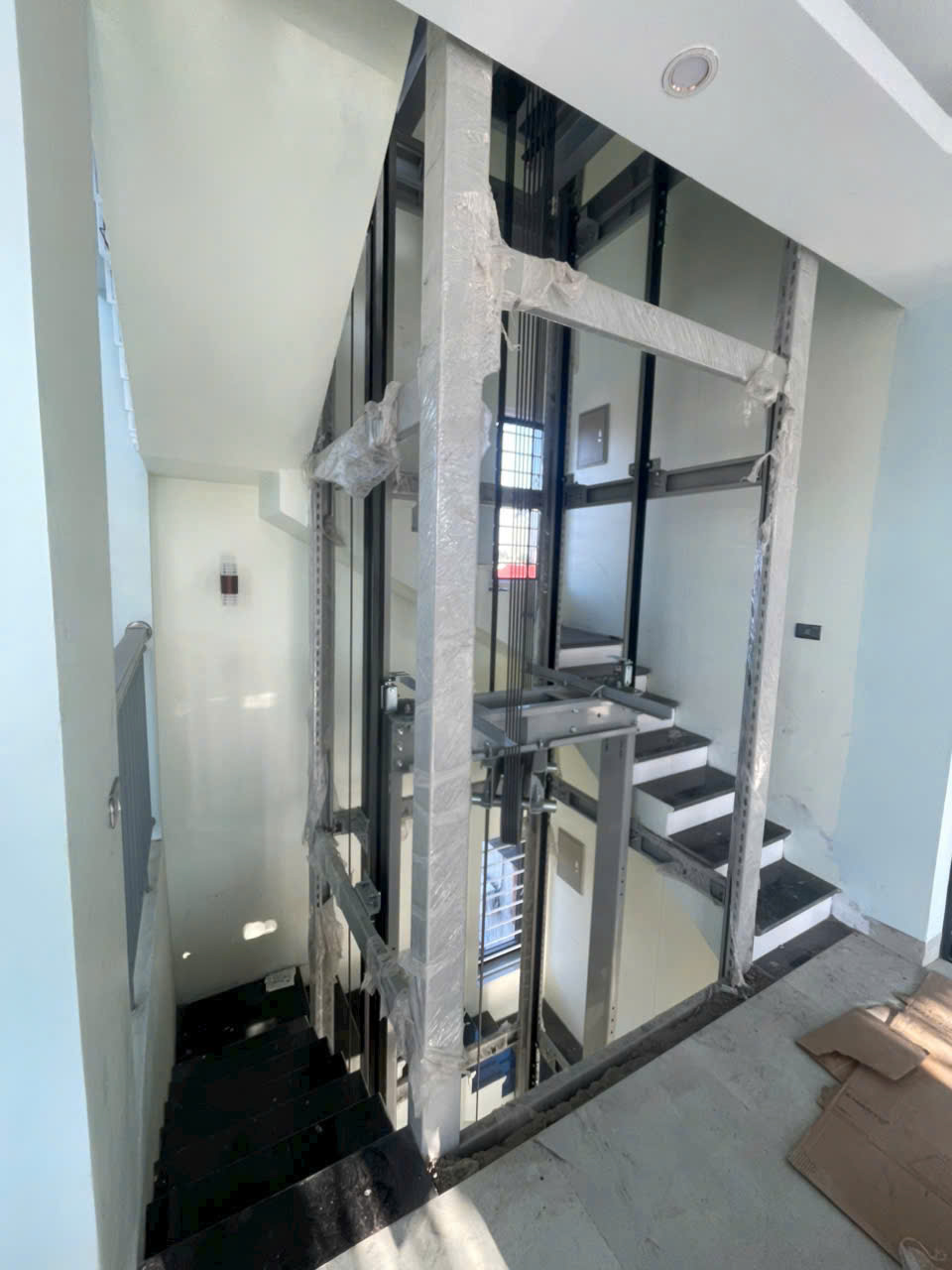
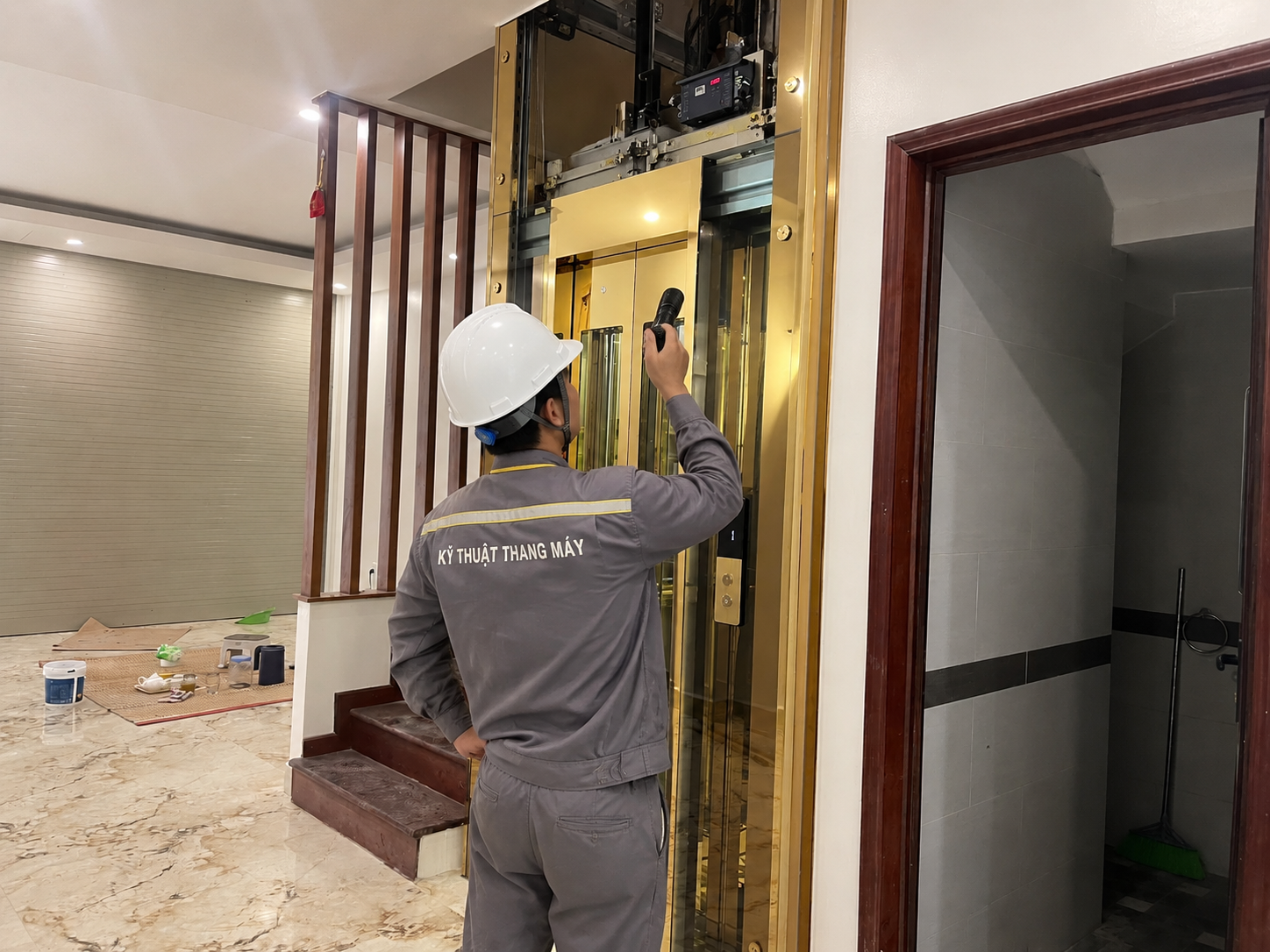
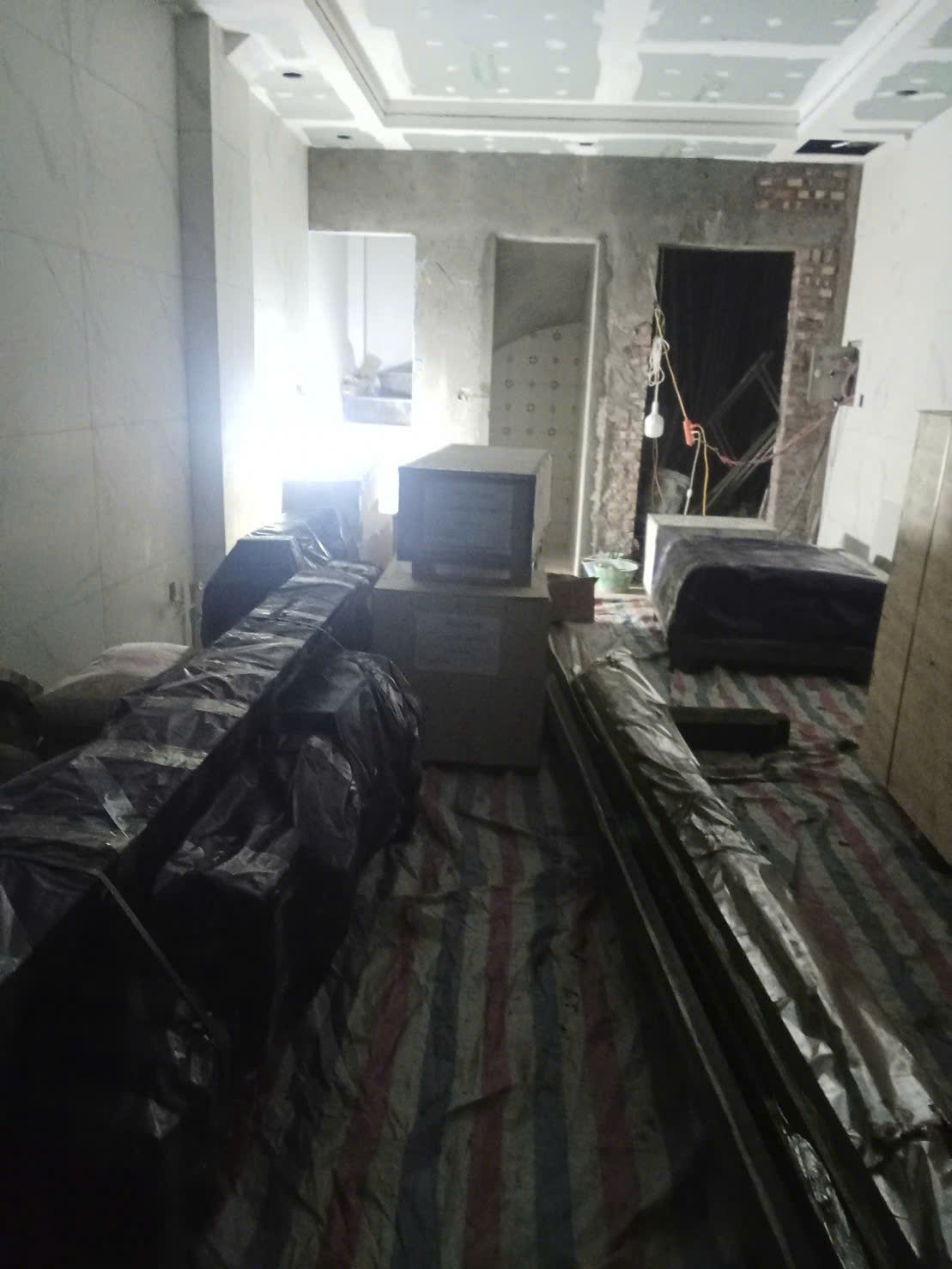
After the construction phase is complete, the home elevator company proceeds with installation according to standardized procedures. The main steps include: installing guide rails, counterweight frame, traction machine, control cabinet, cable pulling, cabin installation, landing doors, safety system, and electrical control system. Each item has a quality control checklist, from the vertical alignment of the rails, cable tension, and door sealing, to the operation of the safety brake, limit switches, door sensors, and automatic rescue devices.
After installation, the elevator must undergo a safety inspection by an authorized organization before being put into use. The company provides complete technical documentation, equipment history, factory certificates, load test reports, and inspection reports. Upon handover, technicians provide detailed instructions to the homeowner on how to use the elevator, procedures for handling power outages, how to contact emergency services, and the schedule for regular maintenance. Training end users, especially the elderly and children, helps minimize risks from improper use and extends the equipment's lifespan.
Elevator maintenance, upgrade, and lifecycle management services.
Our elevator maintenance, upgrade, and lifecycle management services focus on maintaining safety, stability, and cost-effectiveness throughout the elevator's lifespan. Regular maintenance combined with remote monitoring helps detect abnormalities early, reducing the risk of sudden breakdowns and minimizing downtime. Simultaneously, flexible upgrade and modernization packages allow for improved user experience and compliance with new safety standards without requiring a complete system replacement. Data-driven lifecycle management enables proactive component replacement planning, helping homeowners control their long-term budget while ensuring the elevator remains in efficient and durable operation.
Regular maintenance and remote monitoring
Home elevators are devices that operate daily, therefore regular maintenance is crucial to ensuring safety and durability. Professional home elevator companies establish monthly or quarterly maintenance schedules, depending on usage frequency. Maintenance includes checking the braking system, hoisting cables, guide rails, lubrication, door sensors, automatic rescue system, UPS or battery rescue unit, as well as cleaning the electrical cabinet, tightening connections, and measuring voltage and current parameters.
Many companies now utilize remote monitoring technology , allowing them to track elevator status via the internet: number of runs, malfunctions, traction machine temperature, and power supply status. When abnormalities are detected, the system automatically sends alerts to the technical center, enabling engineers to proactively plan inspections and repairs before serious incidents occur. This proactive approach not only enhances safety but also reduces downtime and optimizes operating costs for the owner.
Upgrading, modernizing, and optimizing lifecycle costs.
After a period of use, many families need to upgrade their elevators to meet new safety standards, improve their experience, or change their interior style. Experienced home elevator companies will suggest flexible modernization packages: replacing the inverter controller for smoother operation, adding multi-point door sensors, upgrading the automatic rescue system, replacing the cabin with a new one made of high-quality materials, or changing to energy-efficient LED lighting. These upgrades are often much less expensive than replacing the entire elevator, but provide noticeable improvements in safety and convenience.
Elevator lifecycle management involves monitoring the lifespan of critical components such as hoisting cables, traction machines, brakes, and control systems, thereby proactively planning for replacements before failures occur. Reputable companies typically provide a replacement schedule based on the number of operations and actual usage conditions. This data-driven approach helps homeowners proactively manage their budget, avoid large unexpected costs, and maintain safe and stable elevator operation for many years.