

Affordable elevator company
Affordable elevator company
Criteria for evaluating a company that offers affordable yet high-quality elevators.
A professional , low-cost elevator company competes not only on equipment unit price but also on the total product lifecycle cost. A low initial price coupled with high maintenance, repair, and replacement costs will result in the total cost of ownership far exceeding the initial investment. Therefore, when evaluating, several factors must be considered simultaneously: equipment origin, safety standards, design and construction capabilities, maintenance services, incident response time, and transparency in pricing. A reputable company always provides a detailed breakdown of each item, from the price of the cabin, traction machine, guide rails, control panel, to installation, inspection, and warranty costs.
Technical standards are fundamental in distinguishing between reasonably low prices and low prices that compromise quality. Companies with deep expertise usually strictly adhere to standards such as TCVN 6395, EN 81, ISO 9001 for quality management and ISO 45001 for occupational safety. They are willing to provide technical documentation, factory certificates, design drawings, load calculation explanations, and construction logs. When a company cannot provide these documents, the low price becomes risky as it may involve cutting corners on materials, neglecting safety measures, or using components of unknown origin.
The team of engineers and technicians is a crucial factor in ensuring the long-term stable operation of an elevator. A reliable yet affordable elevator company typically possesses a team with professional certifications and thorough training in electrical and electronic engineering, mechanical engineering, automatic control, and occupational safety. They have a process for surveying the building's current condition, calculating the elevator shaft layout, and selecting the appropriate load capacity, speed, and number of stops to meet actual usage needs. This capability optimizes costs while ensuring efficiency, avoiding situations of installing over-capacity or under-capacity elevators that can cause overload, vibration, and rapid wear and tear.
Optimal technical configuration for low-cost elevators
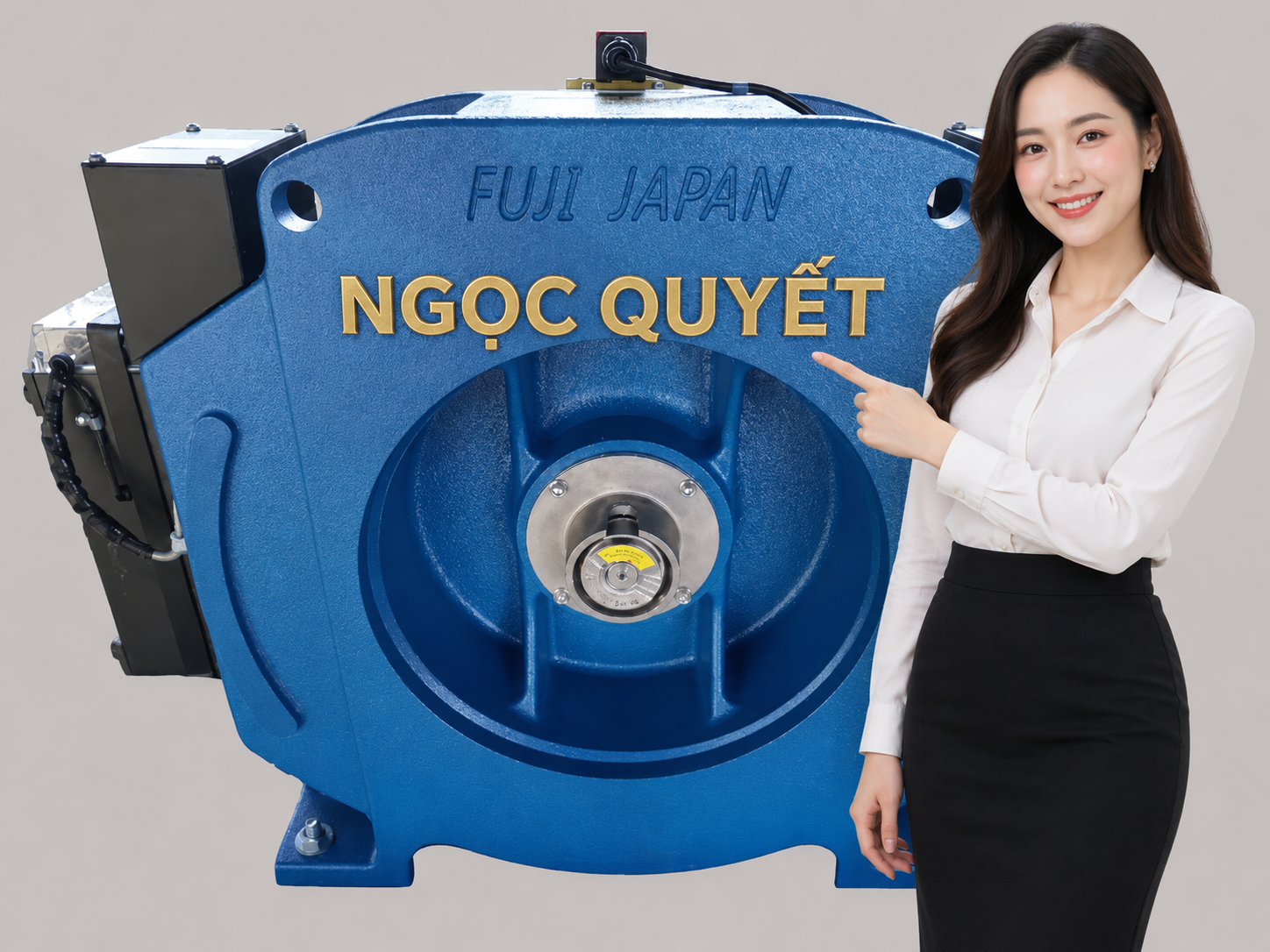
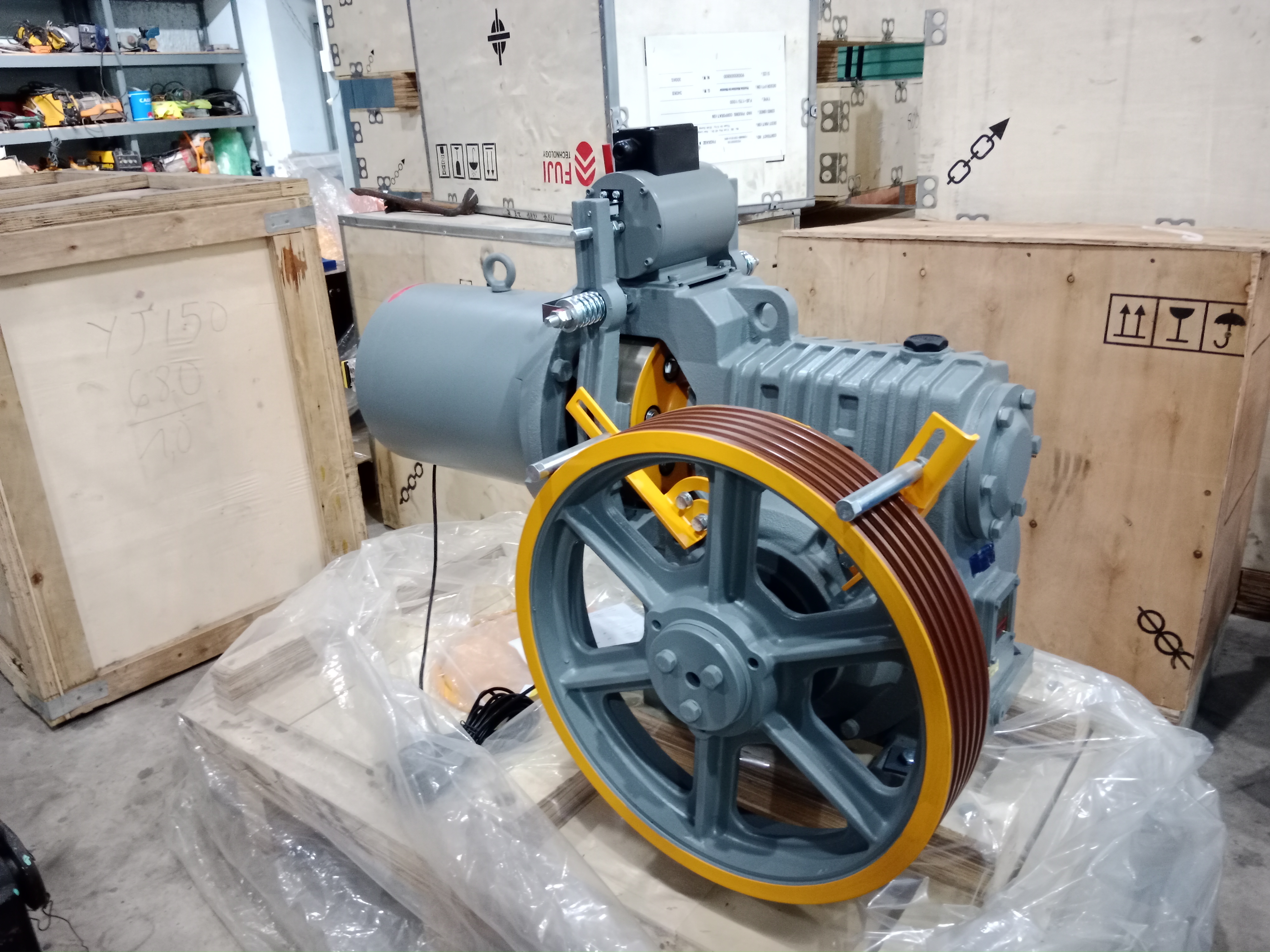
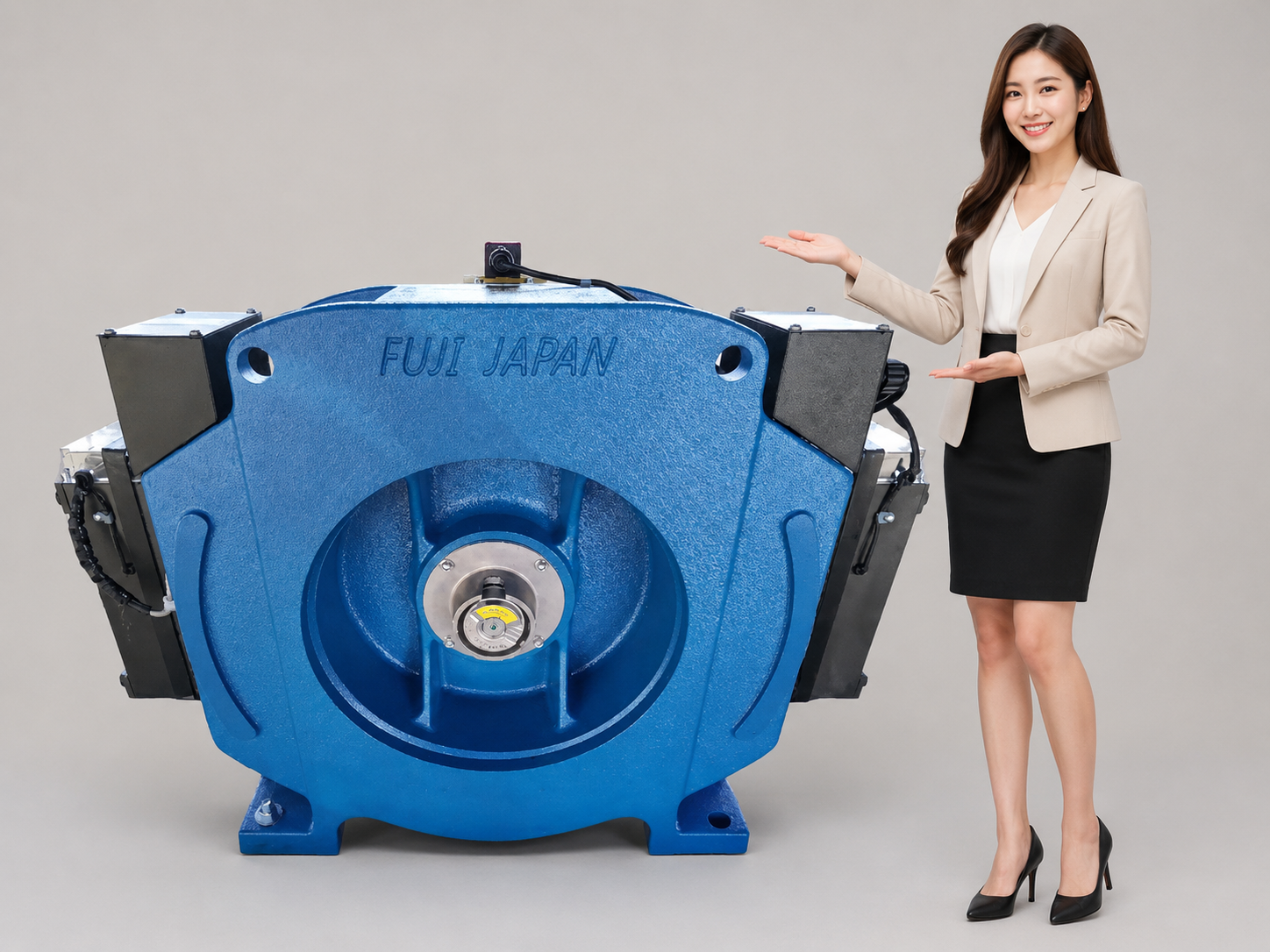
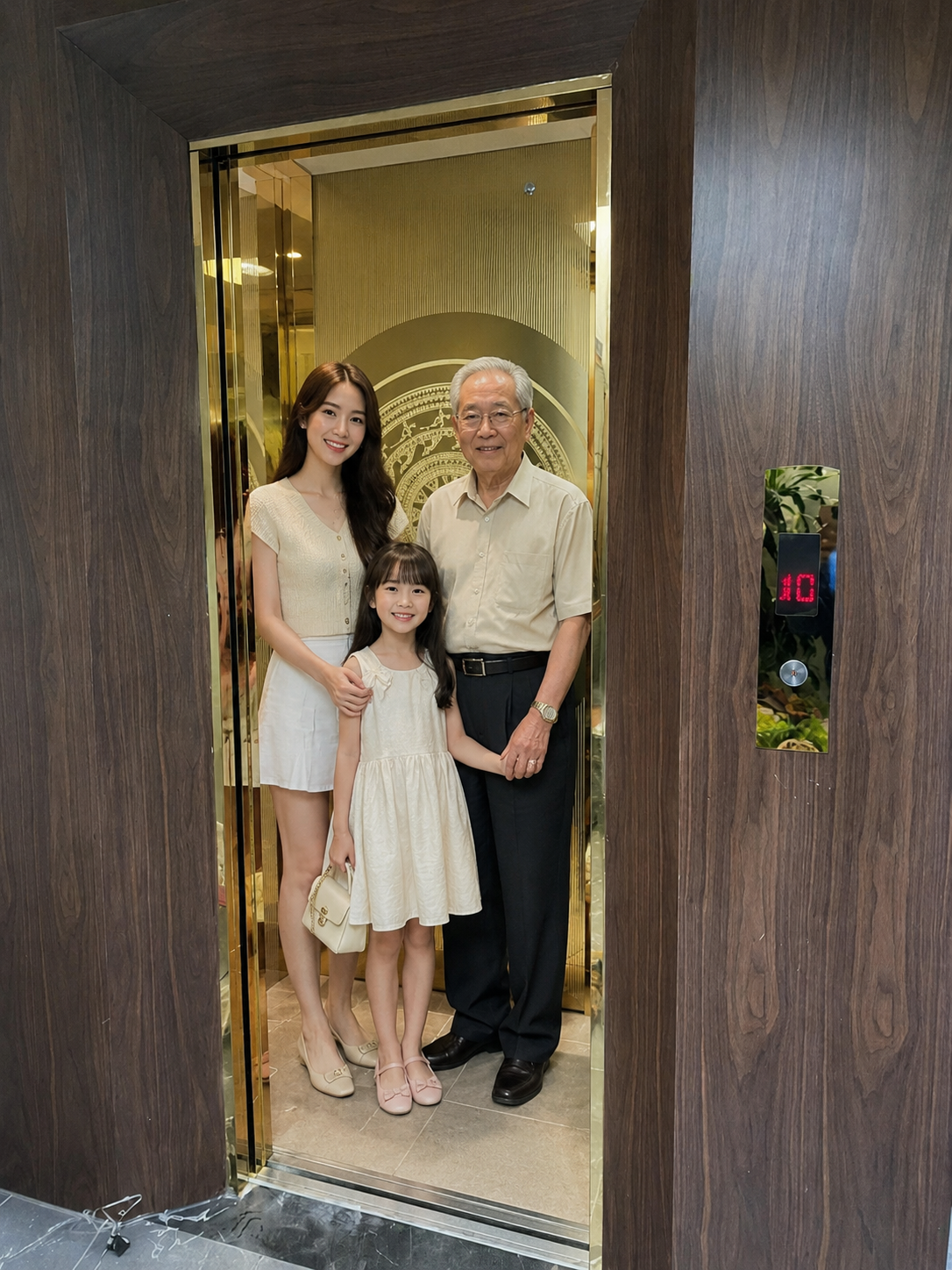
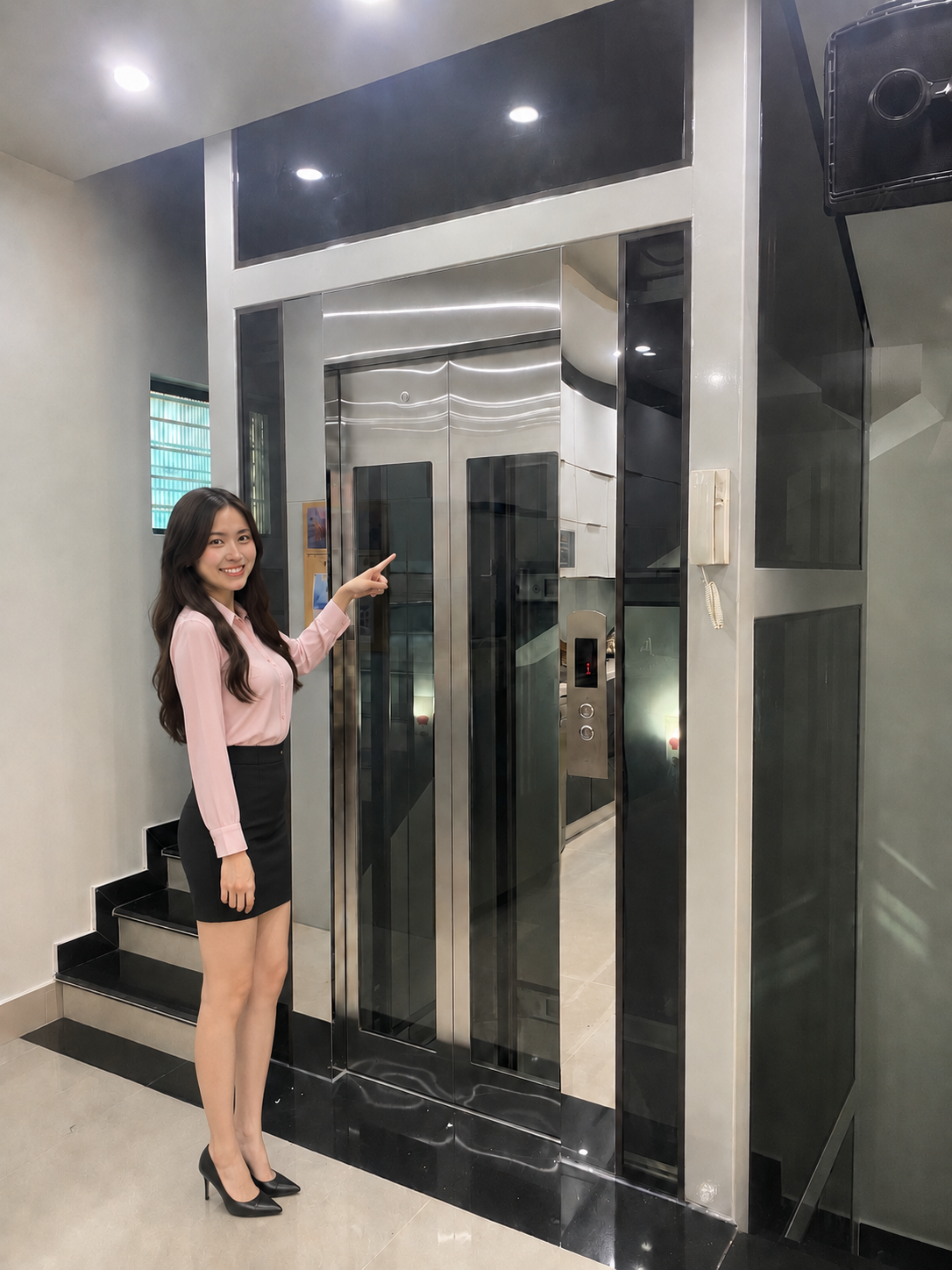
To achieve reasonable costs, specialized companies often advise on optimal technical configurations instead of pursuing unnecessary high-end configurations. For family homes, a common load capacity of 300–450 kg and a speed of 30–60 m/min is sufficient to meet the transportation needs of 4–6 people. Choosing a gearless traction machine combined with an inverter helps save energy, operate smoothly, and reduce maintenance costs compared to traditional geared traction machines. The cabin can use brushed stainless steel or mirror-finish stainless steel combined with tempered glass in some areas to save costs while ensuring aesthetics.
The control system is the "brain" of the elevator, directly affecting its stability and safety. Companies with deep expertise often prioritize control cabinets using components from reputable brands such as Mitsubishi, Fuji, Monarch, Step, etc., with circuit boards optimally designed for the hot and humid climate of Vietnam. Common configurations include: variable speed drives, automatic rescue systems (ARD), door sensors, limit switches, overload sensors, and emergency switches in the cabin. Standardizing the configuration helps reduce replacement costs, shorten repair time, and ensure long-term compatibility.
The list of technical features typically optimized in budget elevator packages includes:
- Cabin and landing doors: choose standard stainless steel materials, limit complex decorative details, and use automatic double-sliding doors to reduce mechanical costs.
- Lighting system: uses energy-saving LED lights with a long lifespan, reducing periodic replacement costs.
- Communication system: integrates a simple but stable intercom or internal telephone system, ensuring communication in case of emergencies.
- Rescue system: an ARD unit using batteries or a UPS, sufficient to bring the cabin to the nearest floor in case of power failure; no high-end configuration beyond the needs is required.
- Interior design: using artificial stone flooring, stainless steel handrails, simple false ceilings, focusing on durability rather than expensive decorative details.
Safety features must not be compromised.
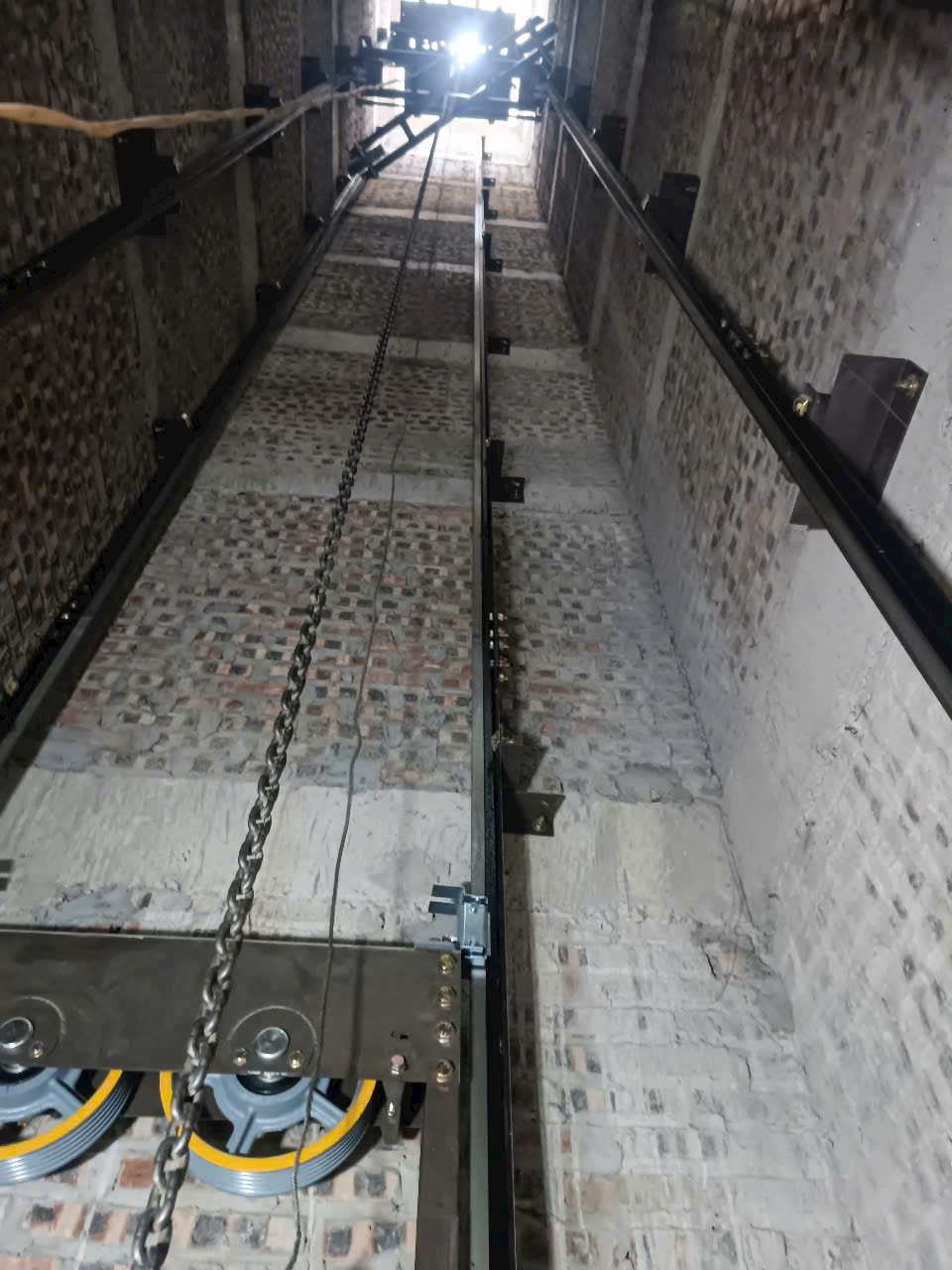
Despite targeting the low-cost segment, professional elevator companies absolutely do not compromise on items directly related to safety. Components such as mechanical brakes , overspeed controllers , safety door switches , pit bottom shock absorbers , and overload sensors must meet standards and undergo regular inspections. The hoisting cable system must have a safety factor many times higher than the nominal load capacity and be imported from manufacturers with clear quality certifications. In addition, the installation process must strictly adhere to the drawings, with acceptance testing at each stage, and static and dynamic load testing before commissioning.
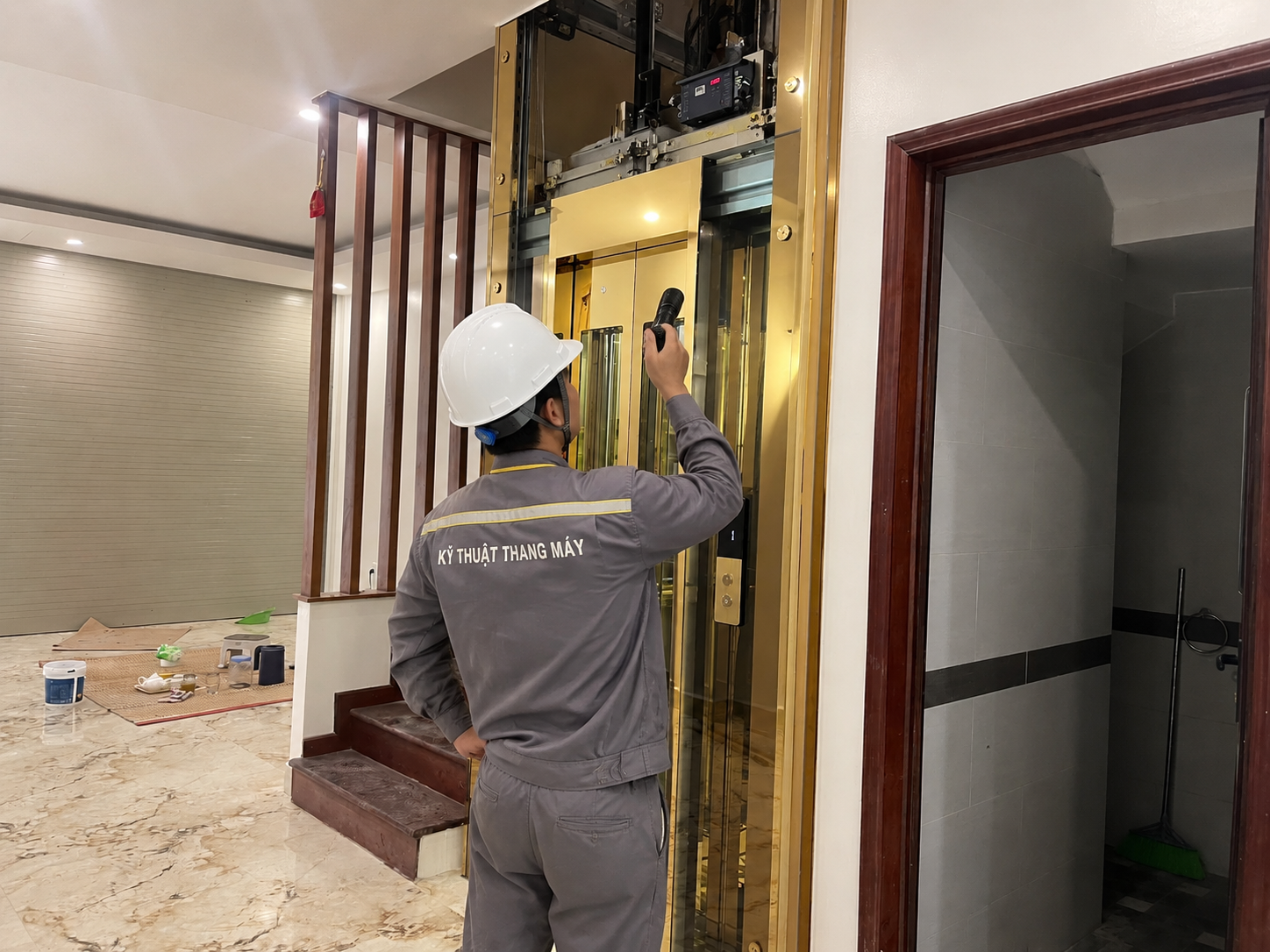
Experienced companies typically establish standardized maintenance procedures, including monthly or quarterly inspections depending on usage frequency. Maintenance encompasses not only cleaning and lubrication but also electrical parameter measurements, brake torque checks, cable wear, floor stopping accuracy, noise levels, and vibration. Thorough record-keeping in the maintenance log helps track operational history, detect early signs of abnormalities, and address them before problems occur. This is a crucial difference between a low-cost but professional company and those that focus solely on installation while neglecting after-sales service.
Optimizing the cost of constructing elevator shafts and pits.
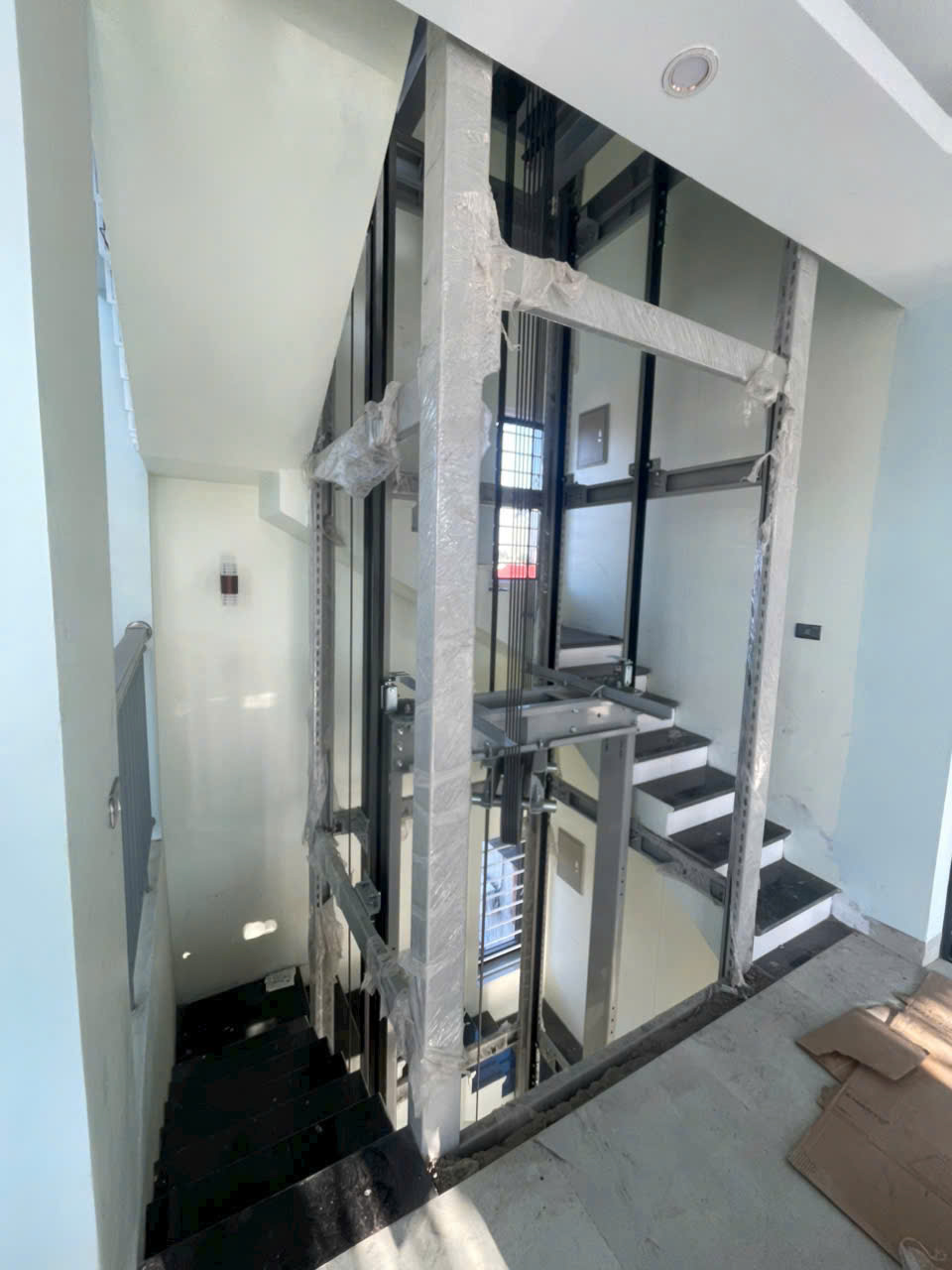
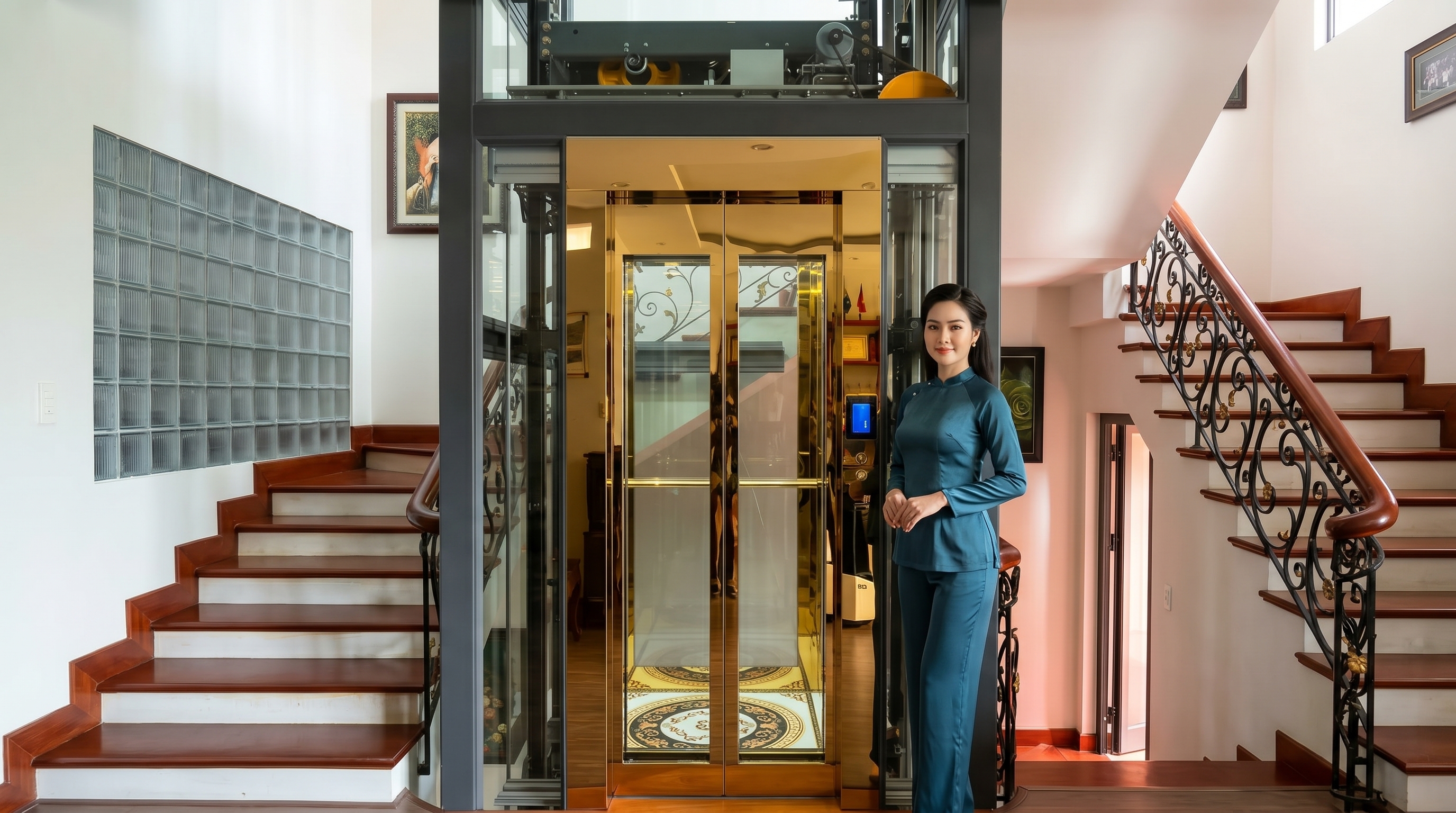
The cost of constructing the elevator shaft, pit, and machine room accounts for a significant portion of the total investment. Specialized, low-cost elevator companies often work closely with architects and construction contractors to optimize shaft dimensions, minimizing demolition and structural reinforcement. For renovated buildings, a machine-roomless elevator solution, using a traction machine located within the shaft, saves space and construction costs. The pit can be designed with a minimum depth as recommended by the manufacturer, combined with a ramp to the ground floor if existing conditions do not allow for deep excavation.
The choice of elevator location directly impacts costs. Locations such as stairwells, atriums, or corners adjacent to load-bearing walls often reduce construction volume and utilize existing structures. Experienced companies will offer multiple layout options, analyzing the advantages and disadvantages of each in terms of technical aspects, aesthetics, and cost, thereby helping investors choose the most optimal solution within their budget.
Warranty, maintenance, and cost transparency policies.
A reliable yet affordable elevator company will always have a clear warranty policy outlining the duration, scope, and applicable conditions. Common warranty periods range from 12 to 24 months, covering repairs, replacement of defective parts due to manufacturing defects, installation, and labor costs. Items subject to natural wear and tear, such as light bulbs and consumables, are usually listed separately to avoid misunderstandings. The contract should clearly state the response time in case of problems, a 24/7 technical hotline number, and the process for receiving and handling customer requests.
Post-warranty maintenance costs are a factor many investors overlook when comparing prices. Some companies offer very low installation prices but compensate with high maintenance contracts, or force customers to rely on proprietary components. Companies with in-depth expertise usually advise from the outset on estimated maintenance costs and appropriate maintenance frequency for the type of building (houses, offices, hotels, hospitals, etc.), while using common, easily replaceable components. This transparency helps investors budget for operating expenses and avoid unexpected costs in the future.
The list of factors demonstrating the transparency and professionalism of a low-cost elevator company includes:
- Detailed quotation: separately itemized costs for equipment, installation, transportation, inspection, taxes, and other anticipated incidental expenses.
- The contract is clear: specifying the payment schedule, acceptance milestones, warranty conditions, and the responsibilities of both parties in case of delays.
- Legal documents: business license for elevator services, inspection certificate, and civil liability insurance (if applicable).
- Company profile: list of completed projects, actual photos, contact information of clients for reference.
- Service process: clearly describes the process of surveying, designing, installing, accepting, warranting, and performing periodic maintenance.
When choosing a cost-effective elevator company, evaluating all factors including technical aspects, safety, service, and lifecycle costs will help investors optimize their budget while ensuring stable, safe, and durable operation for the building for many years.