
Joint venture elevator company
Joint venture elevator company
The concept and operating model of a joint venture elevator company.
Joint venture elevator companies are business models established on the basis of cooperation between domestic and foreign partners, usually large elevator corporations possessing core technology. This model allows for the combination of domestic production, construction, and maintenance capabilities with international technology, safety standards, and management systems , thereby creating elevator products with stable quality, suitable for operating conditions in Vietnam, while still meeting global standards.
In terms of legal structure, joint venture elevator companies typically have clearly agreed-upon capital contribution ratios, along with provisions for technology transfer, technical training, brand usage, and distribution rights. The foreign partner is primarily responsible for design, technical standards, control software, and critical components such as traction machines, control cabinets, and safety systems. The domestic partner handles mechanical manufacturing, cabin interiors, installation, maintenance, and customer service , while optimizing solutions to suit project conditions and Vietnamese regulations.
In the context of rapid urbanization, the demand for elevators in residential buildings, apartments, shopping malls, hospitals, hotels, and factories is increasing sharply. Joint ventures help shorten the time it takes to bring new technology to market. Instead of importing complete units at high costs and with long delivery times, joint venture elevator companies can partially localize production , maintain control over schedules, and still ensure quality thanks to the control system from the parent company.

Technical advantages and safety standards in joint venture elevators.
A key differentiating factor for joint venture elevator companies lies in their technical foundation and the safety standards applied throughout the design and operation phases. Reputable joint ventures typically adhere to international standards such as EN81, EN115, ISO 9001, ISO 14001, and ISO 45001, while also meeting Vietnamese regulations such as QCVN 26:2016/BLDTBXH on occupational safety for electric elevators. This combination ensures that the product is suitable for Vietnam's power grid, climate, and usage habits, while maintaining a safety level comparable to developed markets.
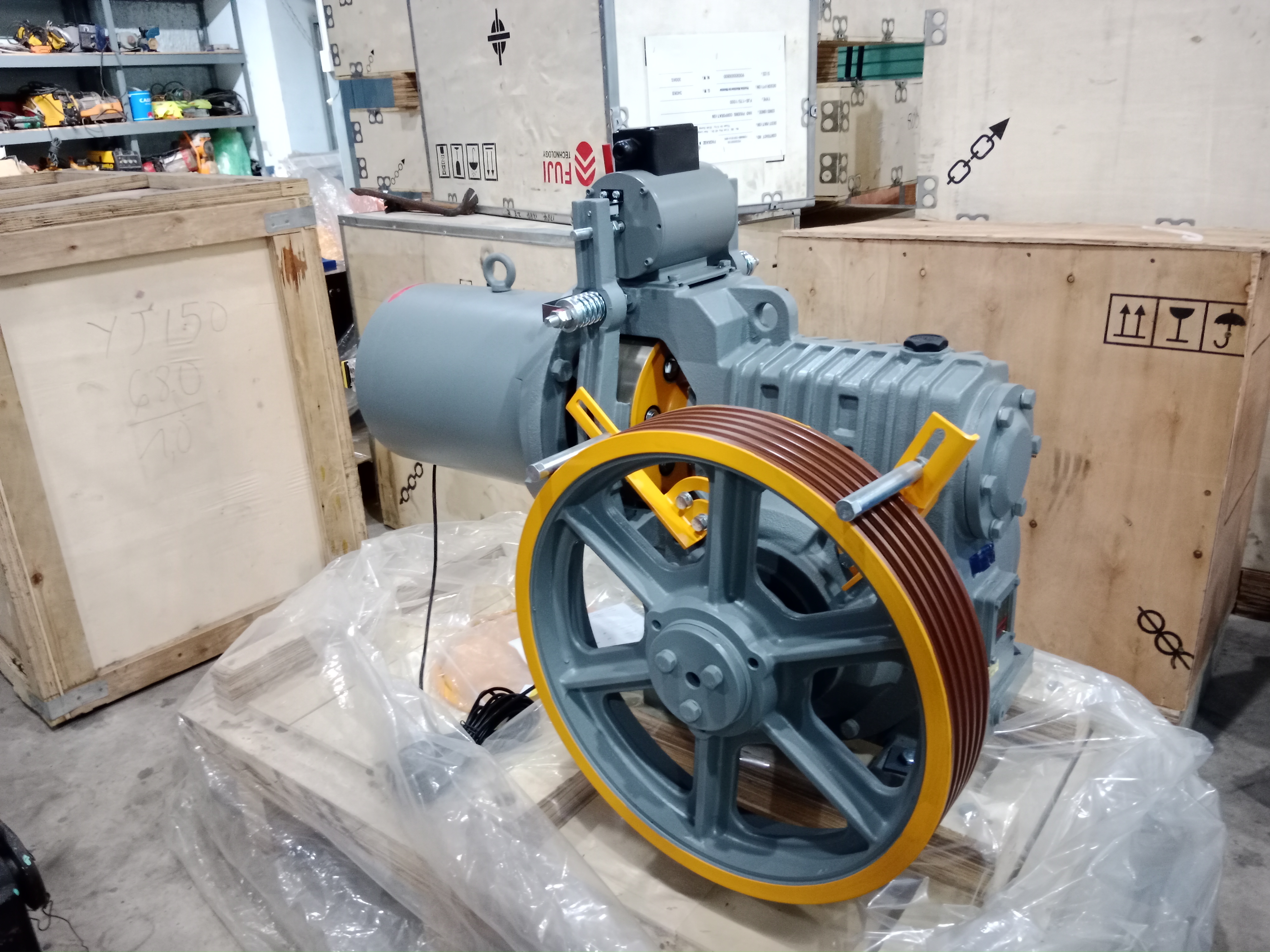
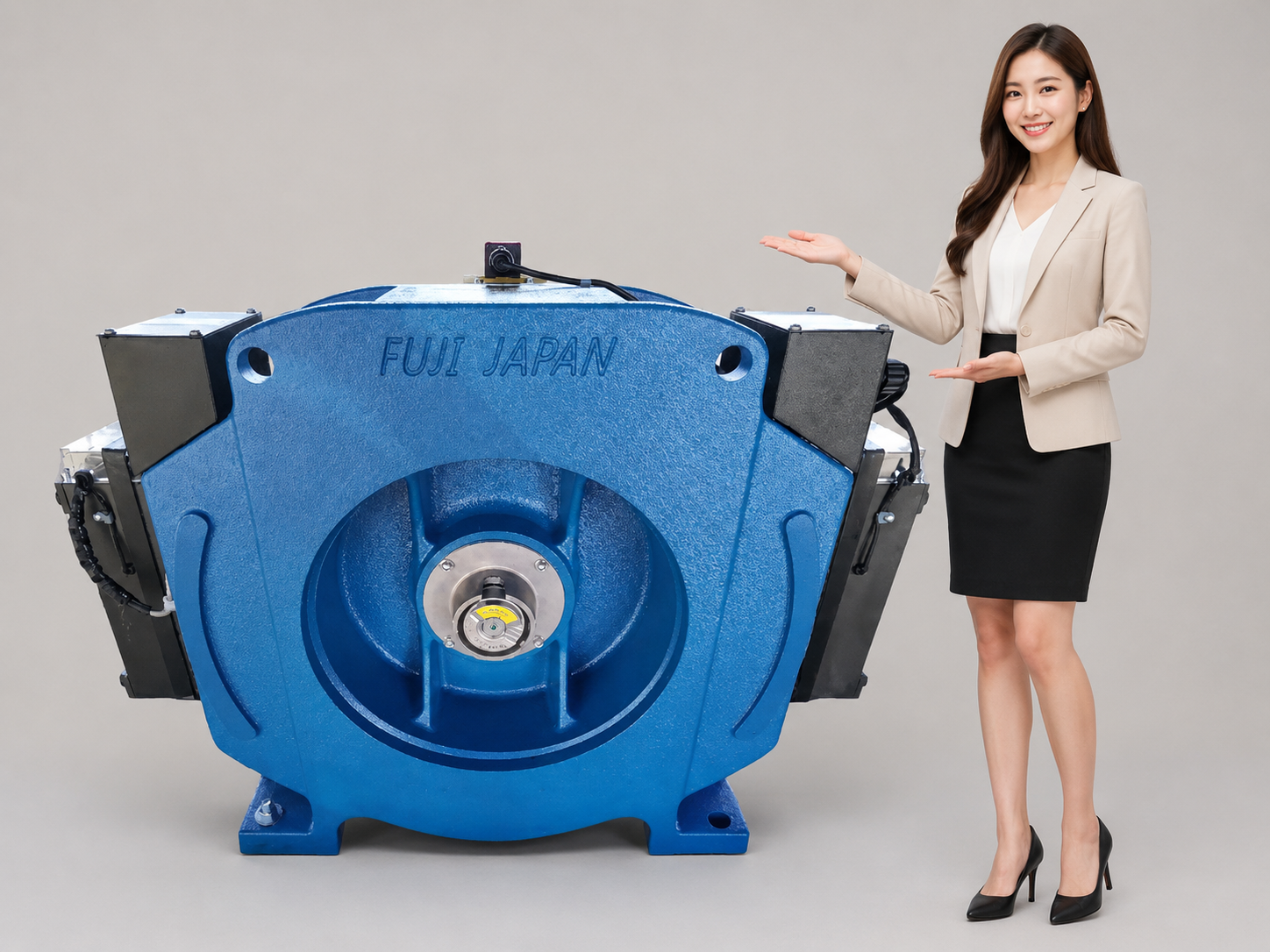
Technically, joint venture elevators typically use gearless traction machines combined with VVVF (Variable Frequency Drive) inverters, resulting in smooth operation, energy efficiency, and reduced vibration during start-up and stop-and-go operations. The microprocessor or PLC control system is programmed with algorithms to optimize traffic flow, which is particularly important for high-rise buildings with high occupancy rates. Many joint ventures implement group control systems, allowing for efficient elevator allocation, reduced waiting times, and prevention of localized overloading.
Active and passive safety features are integrated seamlessly, including: speed limiters, safety brakes, door sensors, automatic rescue systems (ARD), overload monitoring, phase loss/phase imbalance/overcurrent protection, and interlocking floor door locks . Some joint venture elevator companies also implement remote monitoring via the Internet , allowing the technical center to monitor equipment status, record faults, provide early warnings, and plan preventative maintenance. This not only enhances safety but also reduces downtime, optimizing operating costs for the investor.
The design-manufacturing-installation process follows EEAT standards.
To meet the Expertise – Experience – Authoritativeness – Trustworthiness (EEAT) requirements , the joint venture elevator company has developed a project design and implementation process based on technical data, practical experience, and a multi-layered quality control system. The survey phase is conducted by certified mechanical and electrical engineers who understand load capacity standards, speed, shaft dimensions, structural solutions, and rescue plans. From there, technical drawings are created using specialized software and are reviewed by the R&D department or the regional engineering department of the parent company.
In the manufacturing process, key components such as the traction machine, control cabinet, guide rails, and safety systems are typically imported directly from internationally certified factories. Domestic mechanical parts such as the cabin frame, landing doors, and counterweight frame are fabricated on CNC cutting, bending, and welding lines, and powder-coated, ensuring accuracy and durability. Each product batch has a traceability code , quality inspection records, and static and dynamic load test reports.
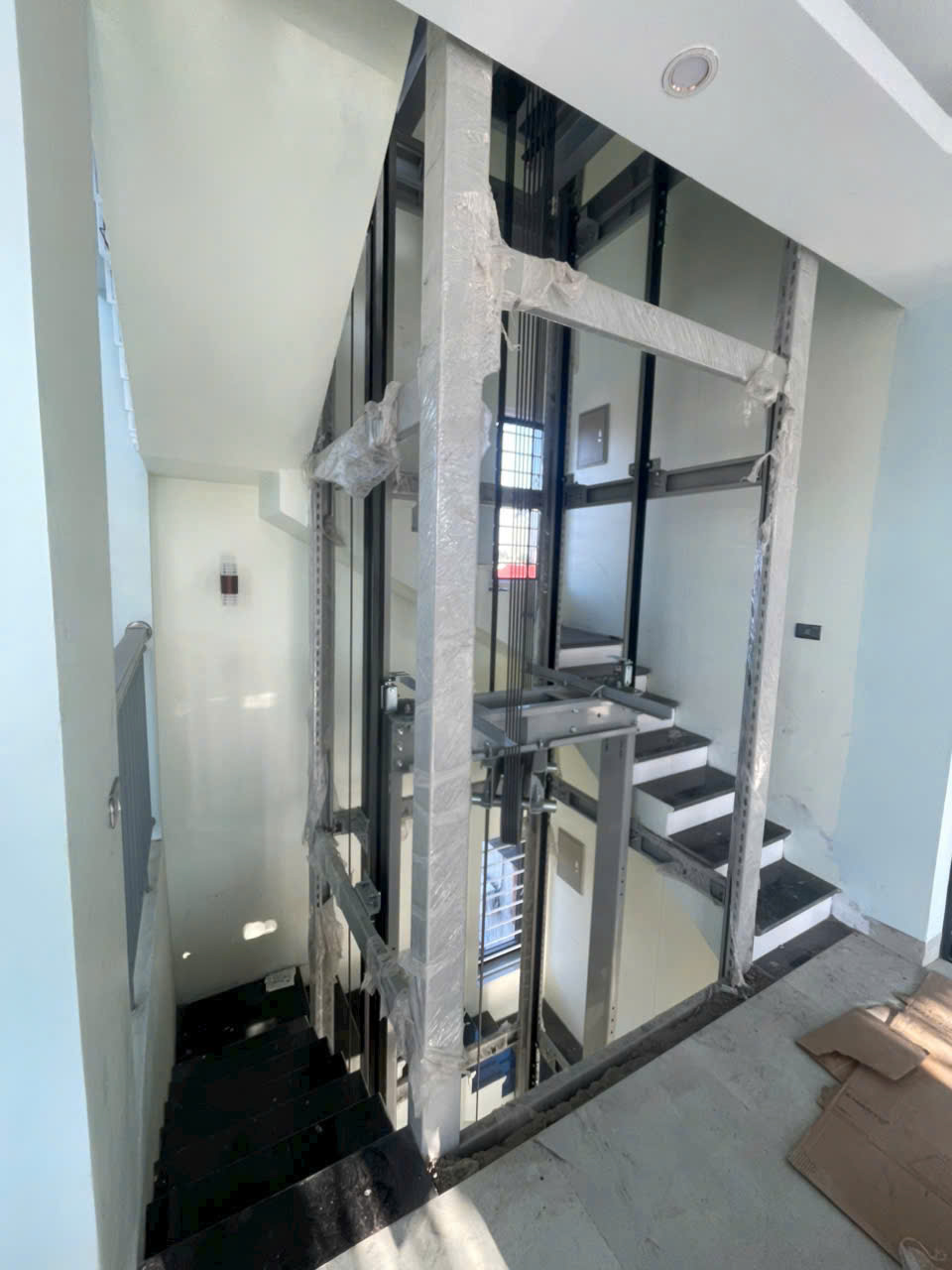
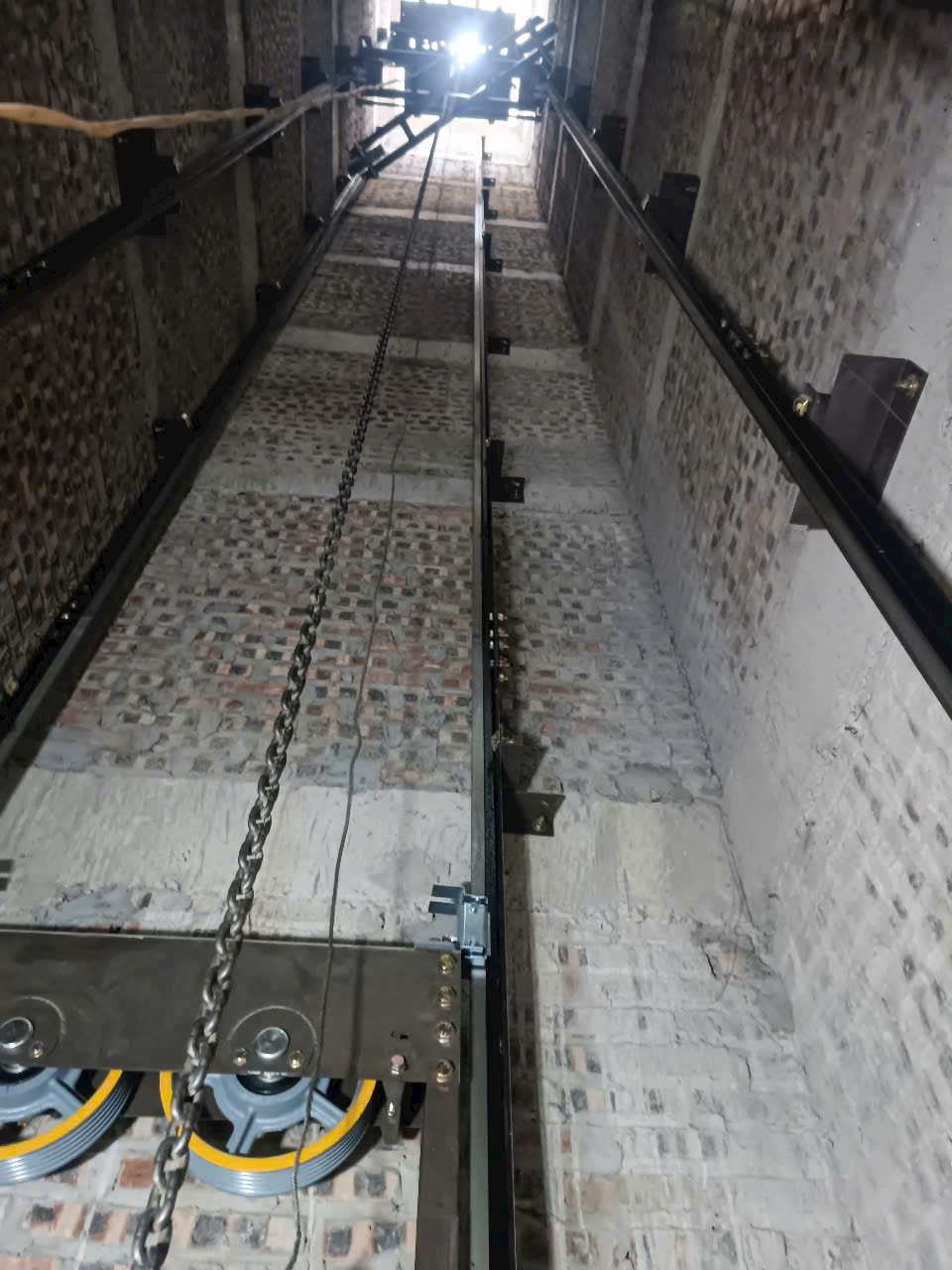
The on-site installation process is carried out according to standardized construction procedures , including: elevator shaft inspection, rail positioning, cabin frame installation, counterweight installation, traction machine installation, cable routing, control panel installation, landing door alignment, and no-load and loaded testing. Each step has an internal acceptance checklist, followed by acceptance by an independent inspection unit licensed by the Ministry of Labour, Invalids and Social Affairs. The archiving of technical documents, construction logs, and inspection reports enhances transparency and traceability when equipment safety needs to be reassessed.
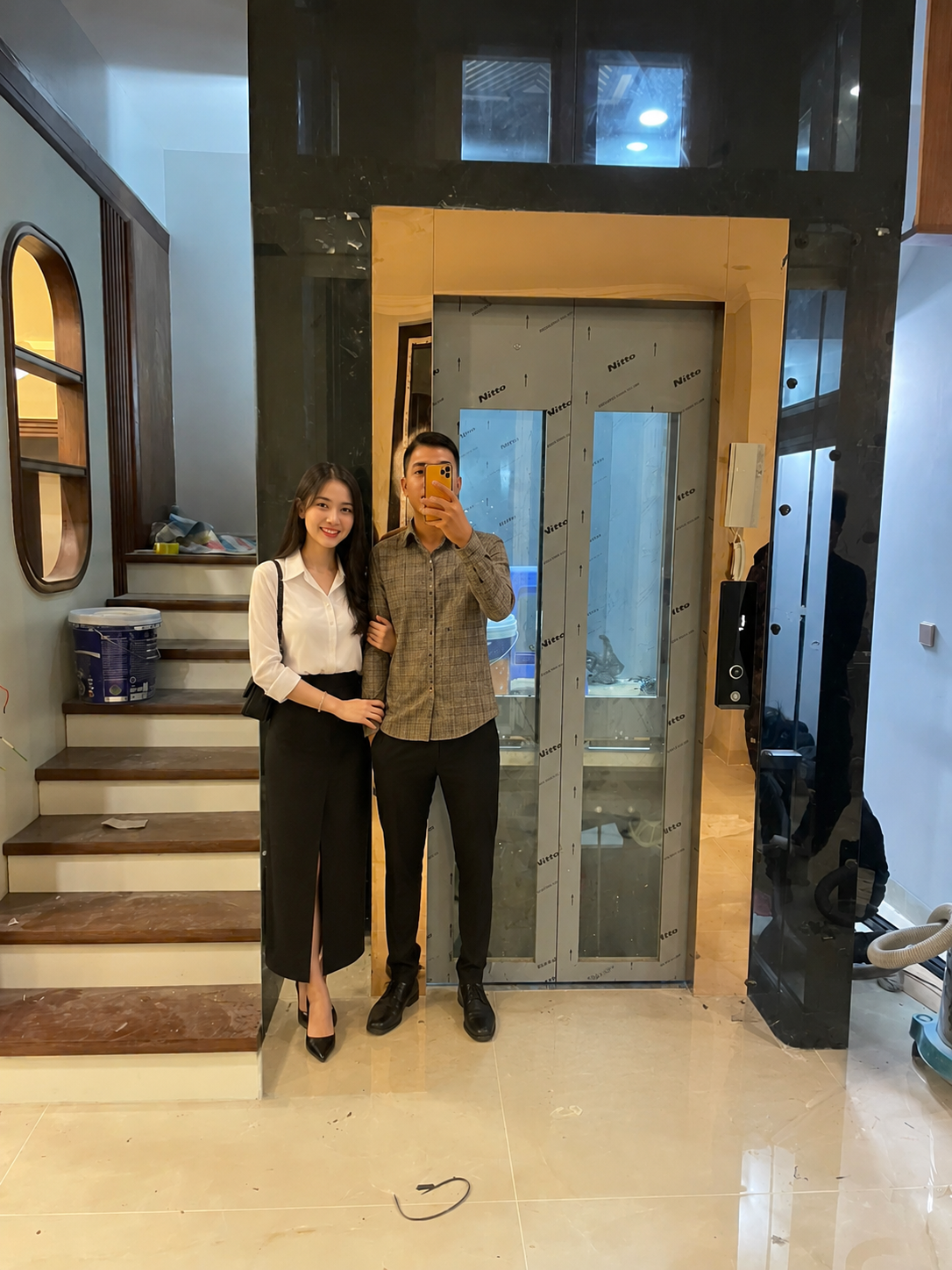
Elevator maintenance, upgrade, and lifecycle management services.
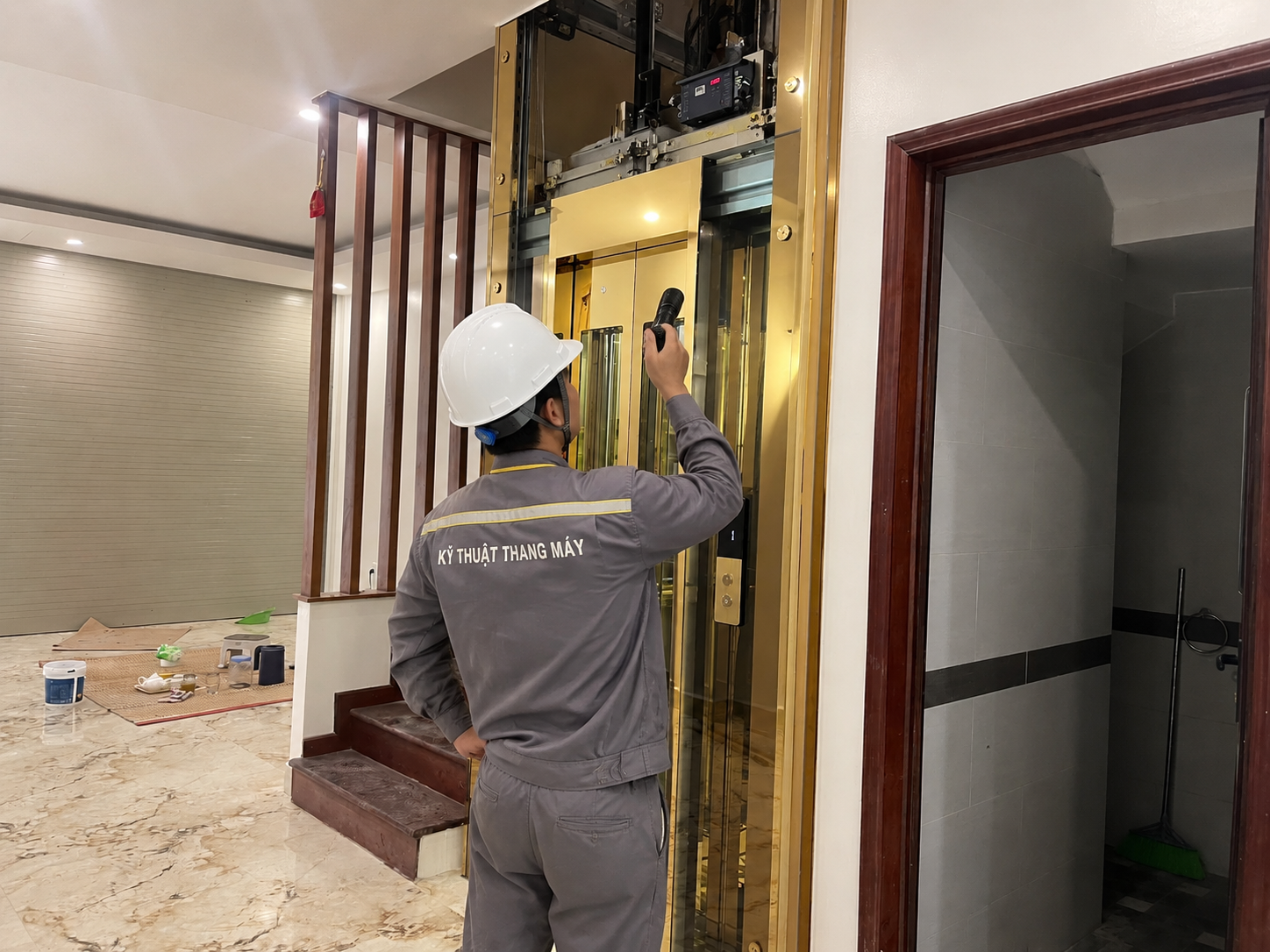
Elevators have a long lifespan, typically 20-30 years, therefore maintenance and upgrade services are key factors demonstrating the capabilities of a joint-venture elevator company. Professional businesses develop periodic maintenance programs based on the number of operations, usage environment, and actual load levels, rather than solely on time. This helps detect abnormal wear and tear early, reducing the risk of sudden breakdowns.
A list of maintenance items typically includes:
- Inspect and adjust the braking system, speed limiter, and safety brake .
- Maintenance of the tractor, pulleys, hoisting cables, guide rails, and shock absorbers .
- Clean and inspect the control cabinet, inverter, wiring system, and grounding .
- Check the door sensors, floor door locks, intercom system, and lighting .
- Test the automatic rescue mode, perform emergency operations, and lower the cabin to the nearest floor .
For buildings that have been in operation for many years, joint venture elevator companies can propose modernization solutions such as replacing old control cabinets with new ones, replacing geared traction machines with gearless ones, upgrading the door system, and adding remote monitoring. This approach helps extend equipment lifespan, improve smoothness, and reduce electricity consumption without replacing the entire elevator system, optimizing investment costs for the building owner.
Criteria for selecting a reputable joint venture elevator company.
When choosing an elevator supplier, investors should evaluate based on multiple criteria instead of just comparing prices. Some important criteria include:
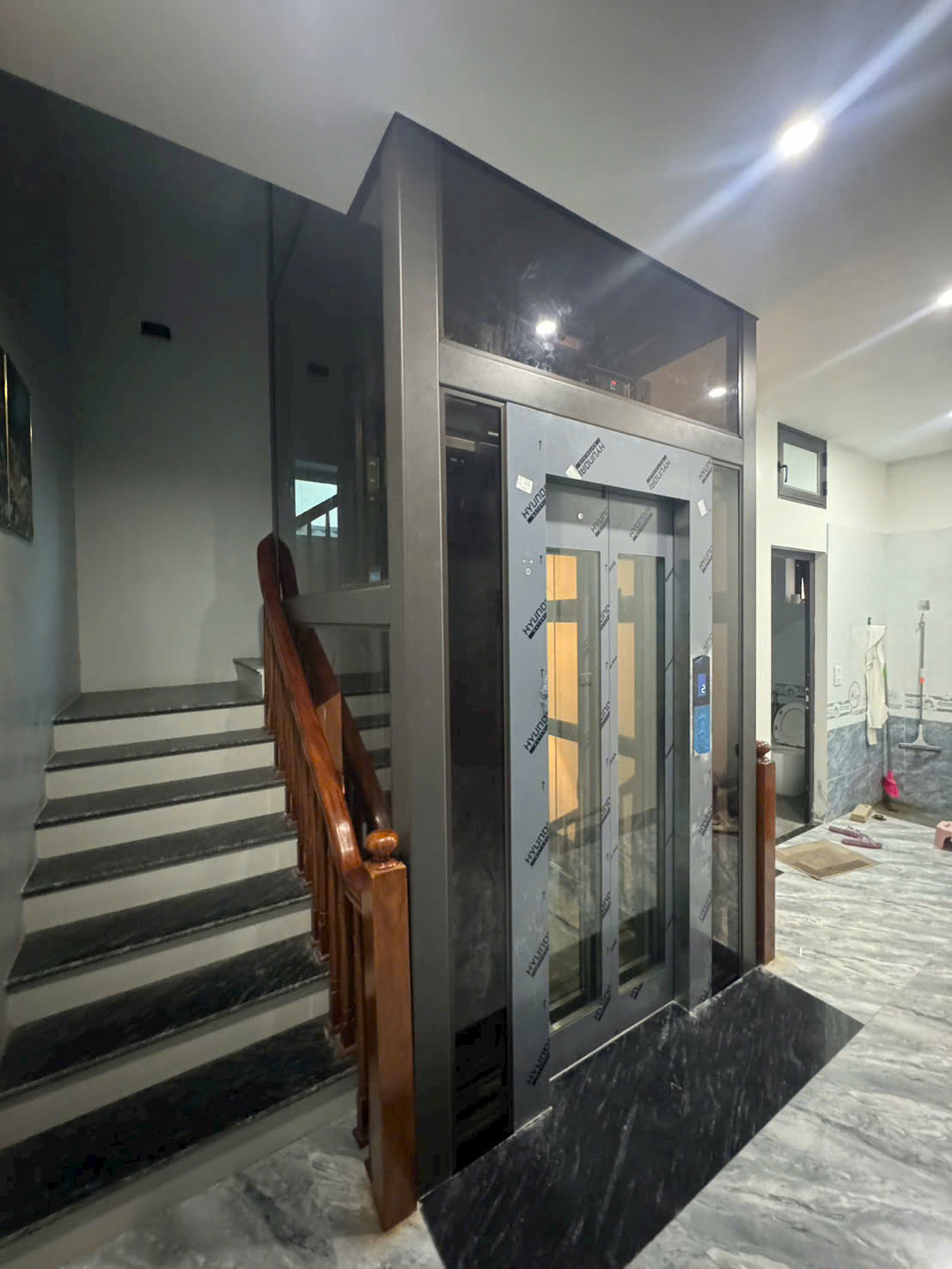
- Brand origin and foreign partners : clarity regarding affiliated corporations, manufacturing plants, and quality certifications.
- Technical capabilities and engineering team : experience in implementing similar projects, professional certifications, ability to advise on optimal solutions.
- After-sales service system : incident response time, number of technicians, spare parts inventory, warranty and maintenance policies.
- Transparent technical documentation : detailed drawings, component catalogs, installation procedures, inspection records, and maintenance logs.
- Customizable solutions : cabin design, door layout, solutions for limited elevator shafts, integration with building management systems.
Carefully evaluating these criteria helps investors select a joint venture elevator company with sufficient expertise and a reliable foundation, ensuring safe, stable, and efficient operation of the equipment throughout its service life.