

Imported elevator company
Imported elevator company
The role of elevator import companies in the modern construction market.
Imported elevator companies play a crucial role in the modern construction ecosystem, especially in high-density urban areas with stringent safety requirements. Beyond simply distributing equipment, these businesses also provide consulting services on vertical transportation solutions, optimizing building traffic flow while ensuring full compliance with international technical standards. With experience in implementing diverse projects ranging from high-rise residential buildings, shopping malls, hotels, hospitals to industrial plants, imported elevator companies become strategic partners for investors, contractors, and design consultants.
In the context of globalization, elevators imported from Japan, South Korea, and Europe are highly regarded for their durability, smooth operation, energy efficiency, and intelligent control systems. Reputable elevator import companies typically possess a team of engineers with in-depth knowledge of each brand and product line, enabling them to propose configurations tailored to the specific characteristics of each building: load capacity, speed, number of stops, shaft conditions, aesthetic requirements, and investment budget. The combination of practical experience and standard knowledge minimizes technical risks and limits the increase in operating costs over the long term.
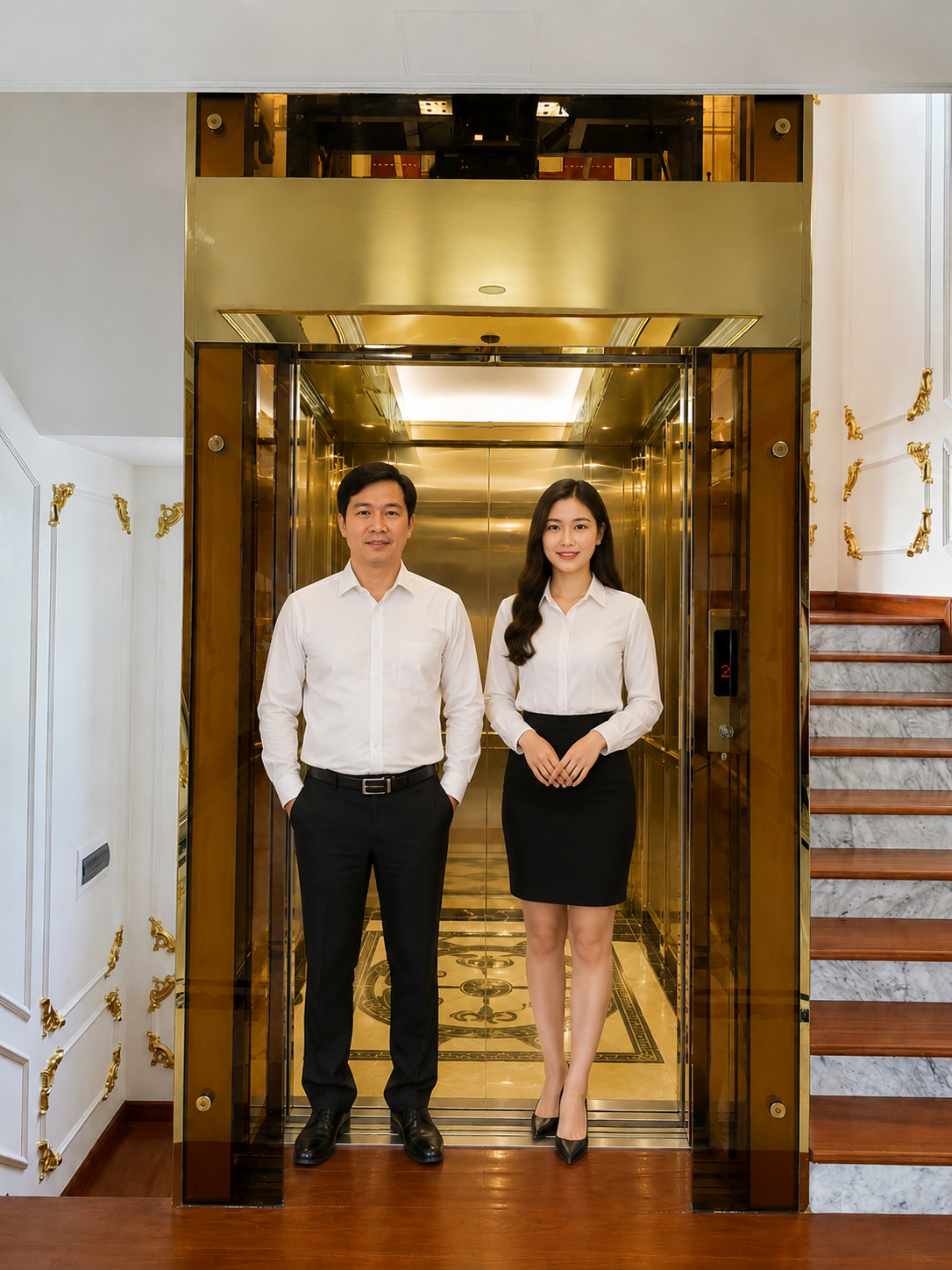
Criteria for evaluating a reputable elevator import company.
Reputable elevator import companies need to clearly demonstrate their legal capacity and compliance with international safety standards through a system of licenses, CO and CQ certificates, quality inspections, and transparent documentation. Close cooperation with independent inspection organizations ensures that each piece of equipment is comprehensively inspected for brakes, sensors, rescue systems, and overload protection before operation, thereby protecting users and reducing legal risks for investors.
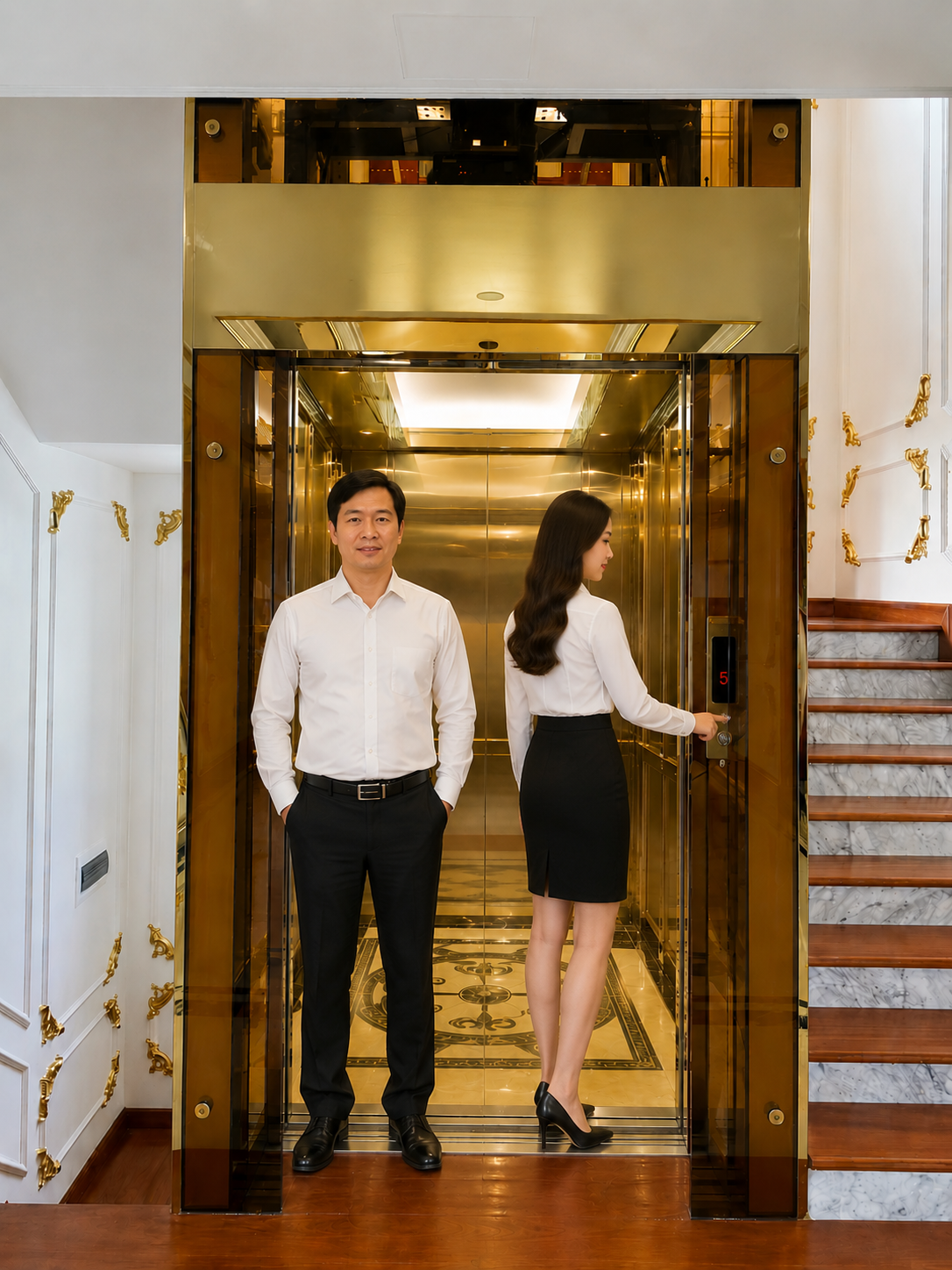
In addition, technical capabilities and project experience are demonstrated through a team of well-trained engineers who are knowledgeable about new technologies, along with standardized implementation processes from surveying, design, installation to acceptance testing, especially in complex projects.
Legal capacity, certifications, and safety standards
A professional elevator import company needs to have all the necessary business licenses, certificates of eligibility for elevator maintenance and installation issued by competent authorities, and a system of certificates related to occupational safety and fire prevention. In addition, the products supplied by the company must have clear origins, CO and CQ certificates, quality inspection certificates, and comply with standards such as EN81, EN115, ISO 9001, ISO 14001, or current national technical regulations. Transparent legal documentation demonstrates the company's commitment to user safety and legal responsibility to the investor.
Another crucial factor is the ability to coordinate with independent inspection units. Reputable elevator import companies proactively work with inspection organizations designated by the Ministry of Labour, Invalids and Social Affairs, ensuring that each elevator undergoes rigorous inspection of its braking system, speed limit, door locks, safety sensors, automatic rescue system, and overload protection devices before being put into use. Adherence to periodic inspection procedures is not only a legal requirement but also a foundation for building customer trust.
Technical capabilities, expert team, and project experience.
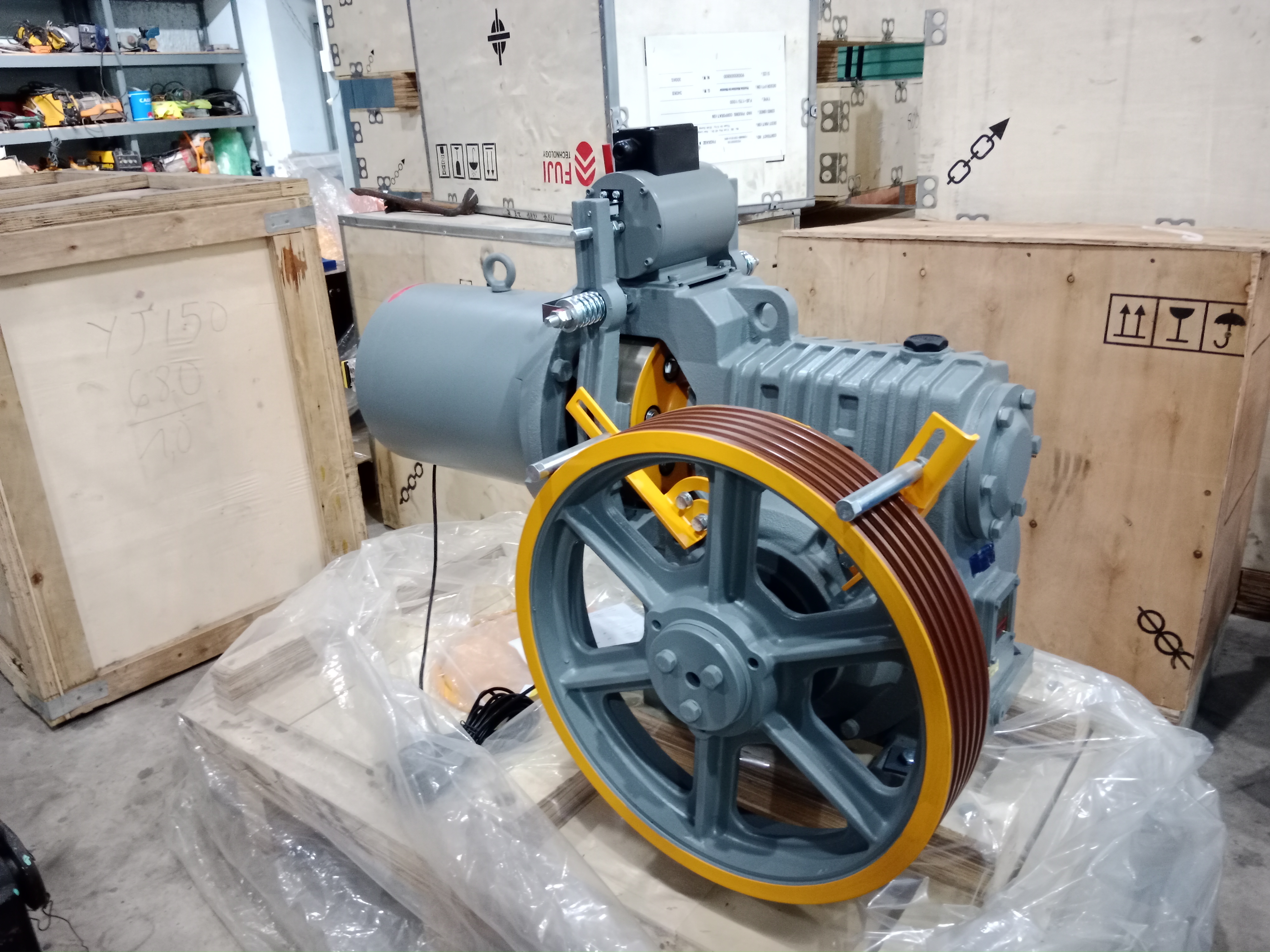
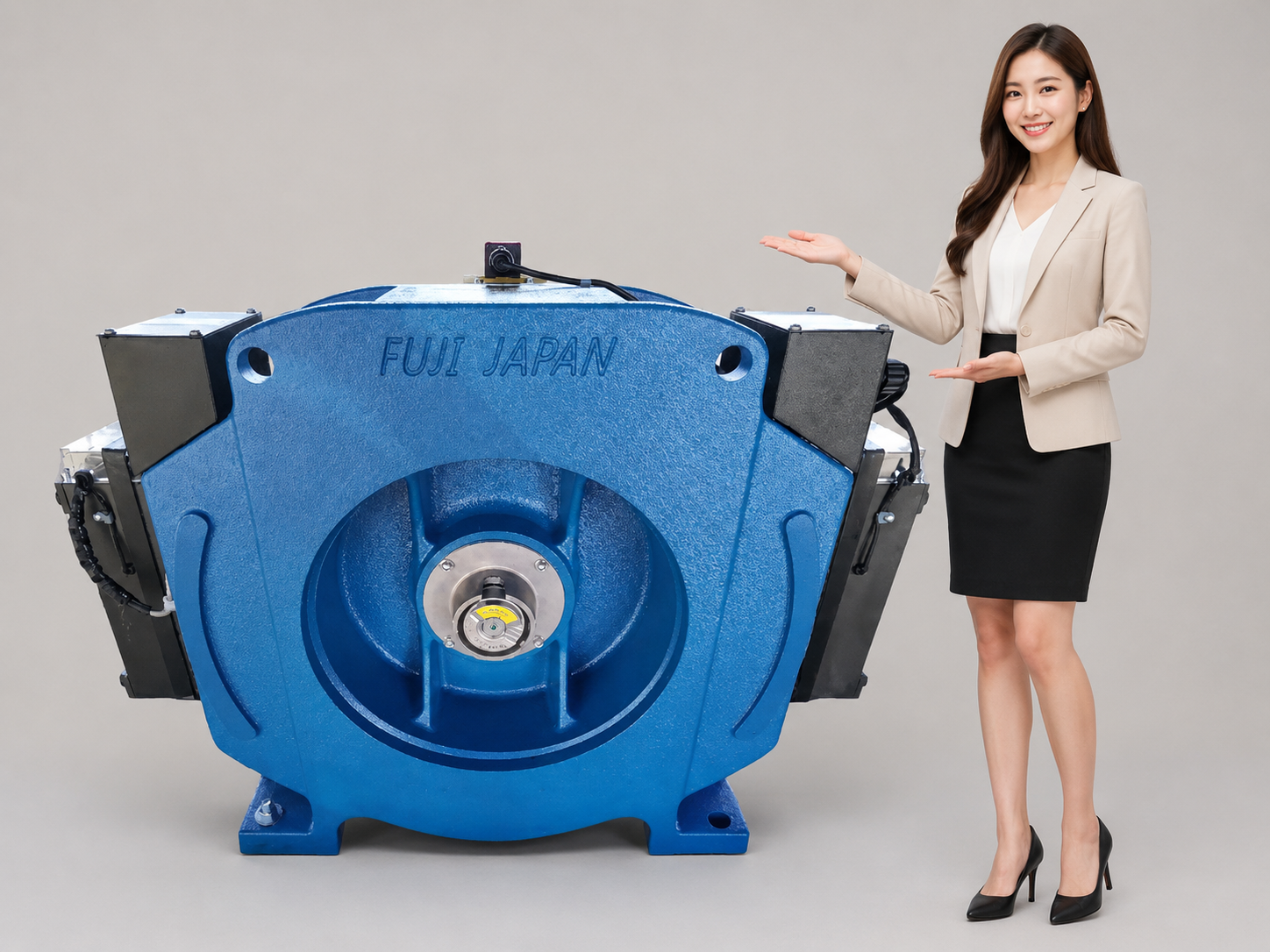
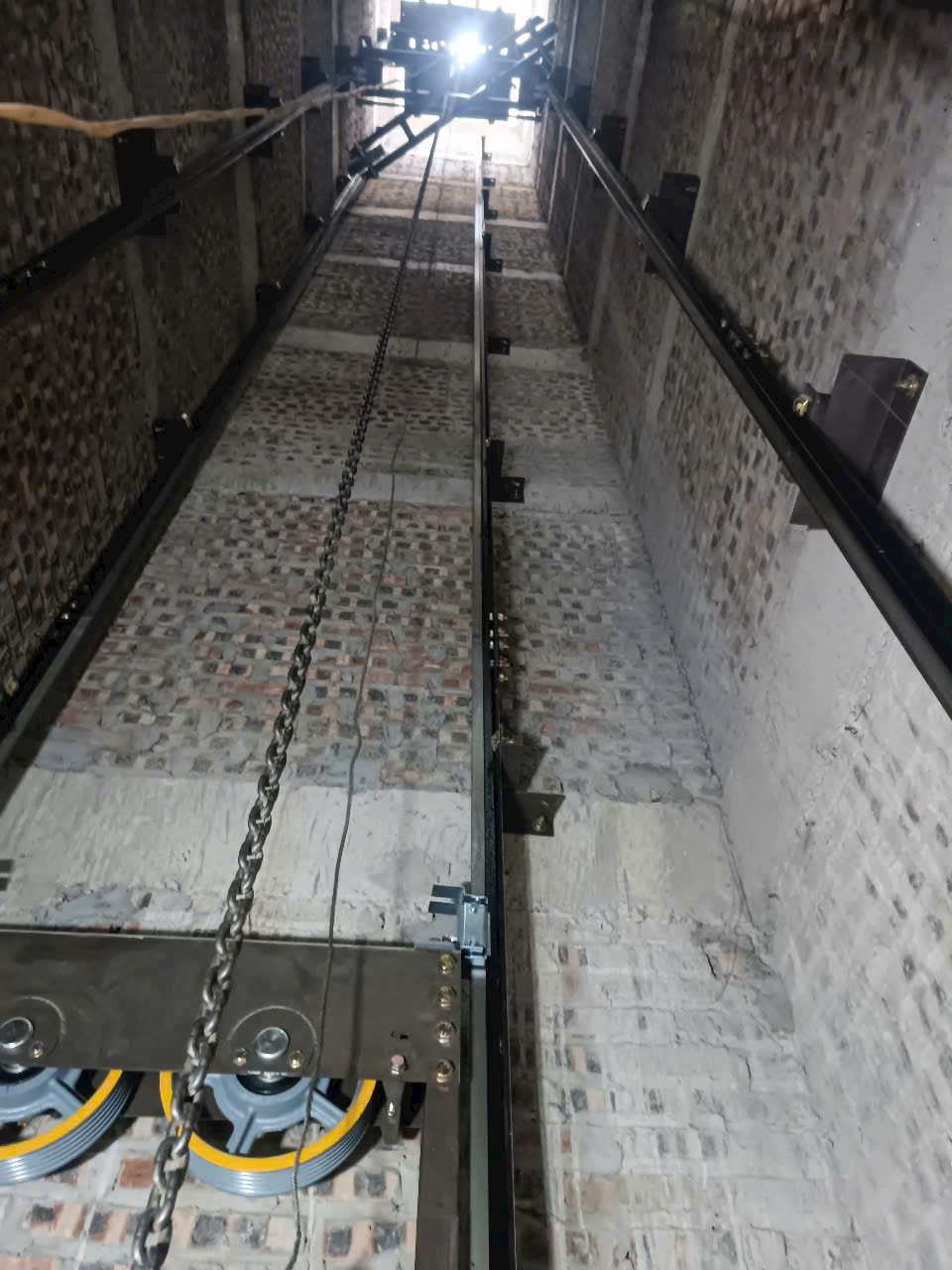
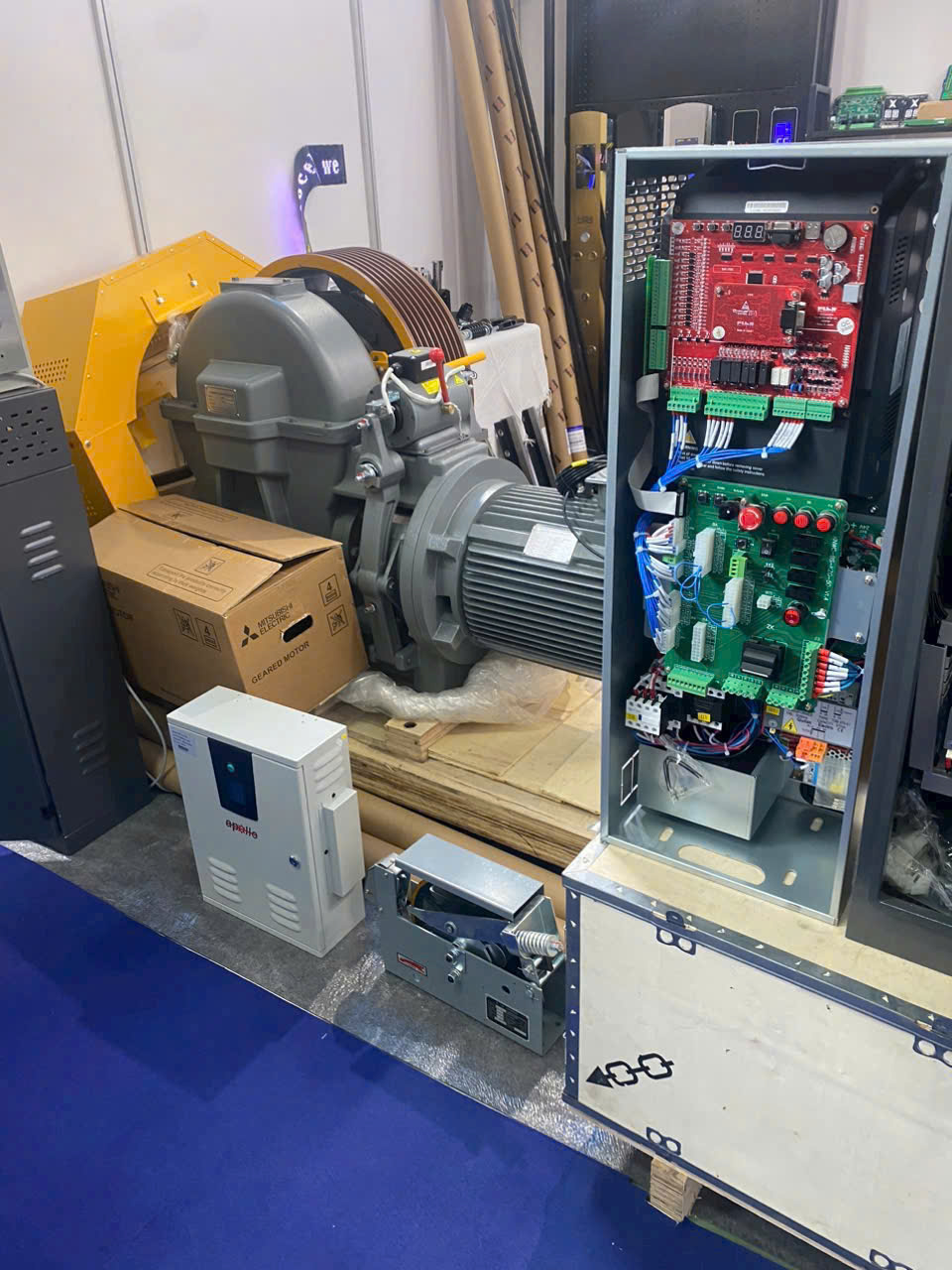
Technical capabilities are demonstrated through the number and skill level of the mechanical, electrical, and automation engineering teams, along with a well-structured internal training system. Specialized elevator import companies typically have regular training programs with manufacturers abroad, continuously updating their knowledge of new technologies such as VVVF variable frequency drive control, group control systems, machine-roomless elevators, gearless motor elevators, and remote monitoring solutions via IoT. The technical team is capable of reading and understanding architectural, structural, and MEP drawings, enabling effective collaboration with design consultants to optimize shaft dimensions and machine room layout.
Project implementation experience is a practical measure of a company's capabilities. Companies that have completed numerous complex projects such as general hospitals, Grade A office buildings, 5-star hotels, and factories requiring heavy cargo handling typically possess a rigorous project management process. Steps such as site surveys, shop drawing preparation, transportation and lifting plans, progress control, and technical acceptance are all standardized. This minimizes technical conflicts on the construction site, reduces waiting times, and ensures timely handover to the investor.
The main product lines of the imported elevator company.
Imported elevator companies typically develop their product portfolios around two main groups: passenger elevators and specialized elevators. In the passenger elevator segment, businesses focus on a diverse range of load capacities and speeds, meeting the needs of buildings from low-rise houses to apartments, offices, and hotels. They also prioritize aesthetically pleasing cabin designs, durable materials, and intelligent control features to optimize traffic flow, security, and user experience. For freight elevators, hospital elevators, and specialized elevators, the focus is on high load capacity , mechanical durability, high safety, continuous operation, and specific requirements such as impact resistance, hygiene control, traffic flow management, and emergency priority mechanisms.
Passenger elevators for residential buildings, apartments, and office buildings.
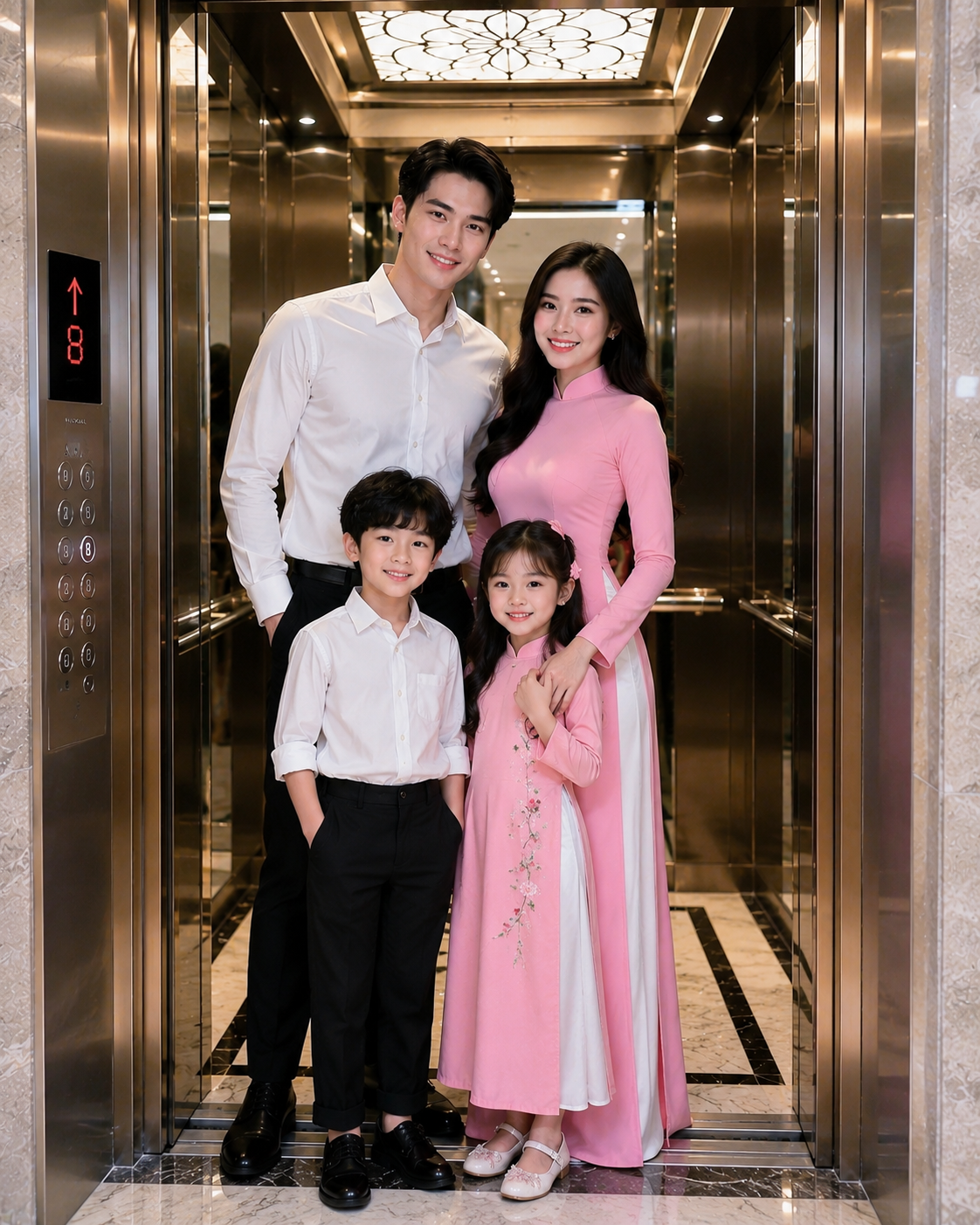
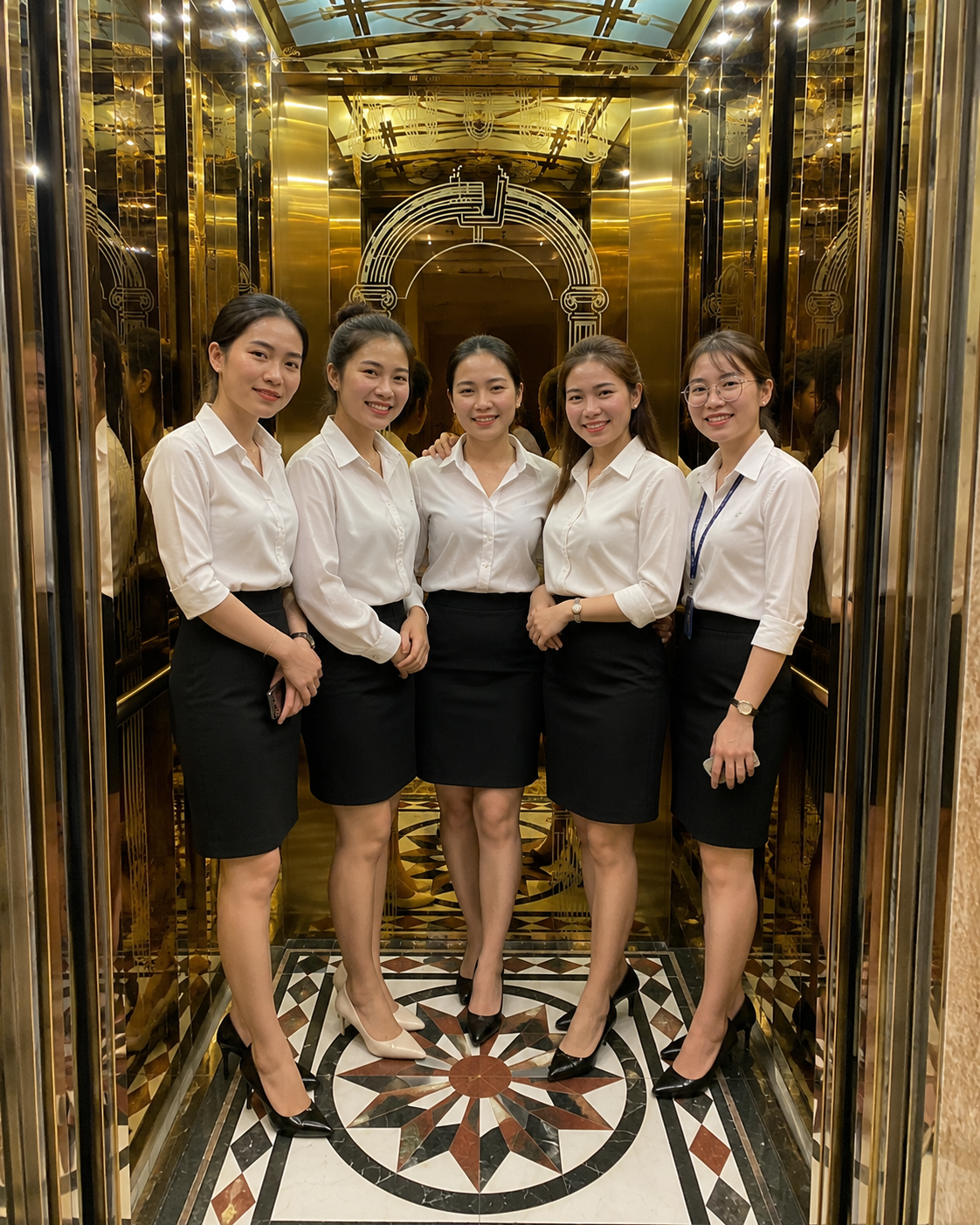
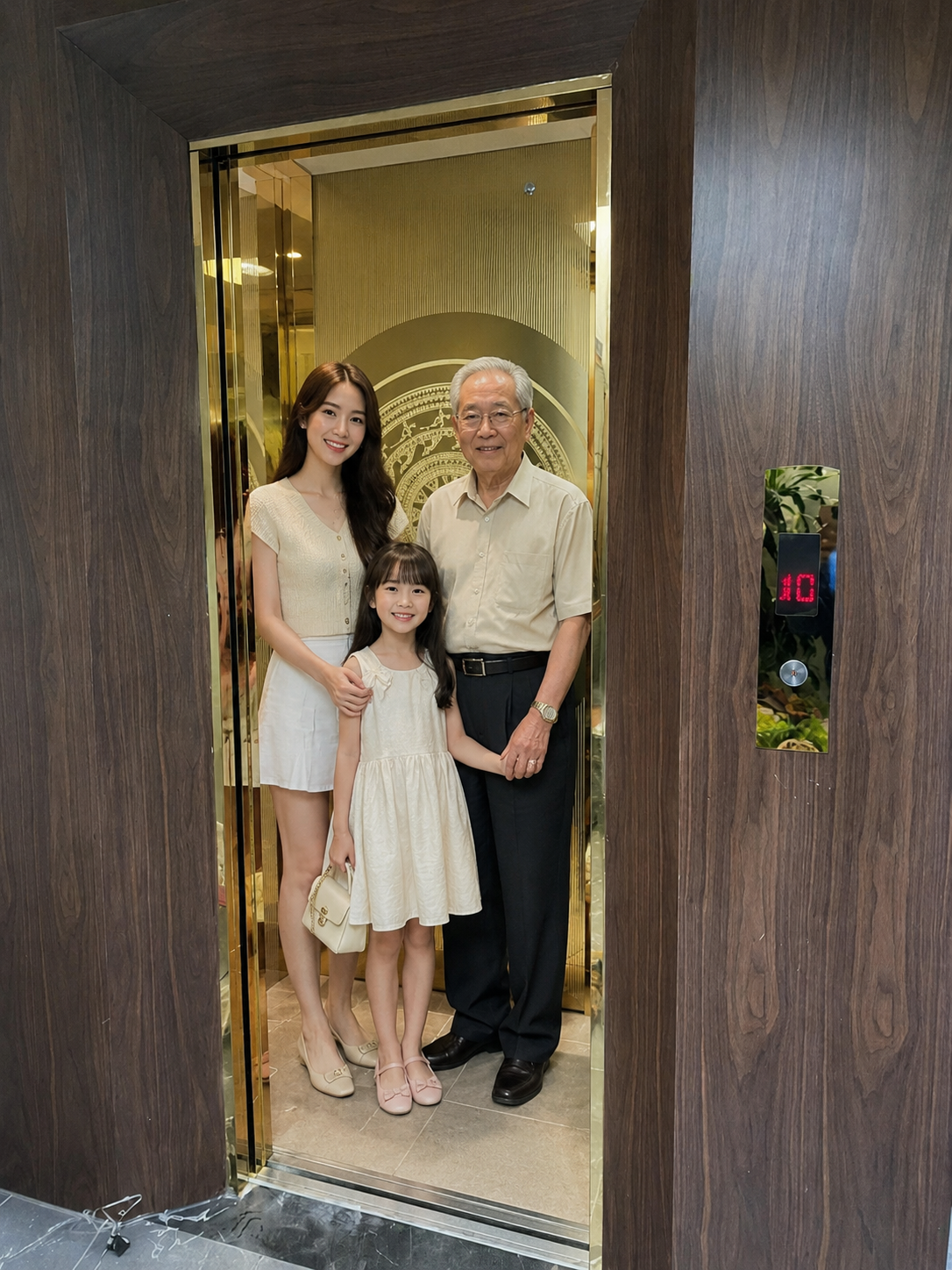
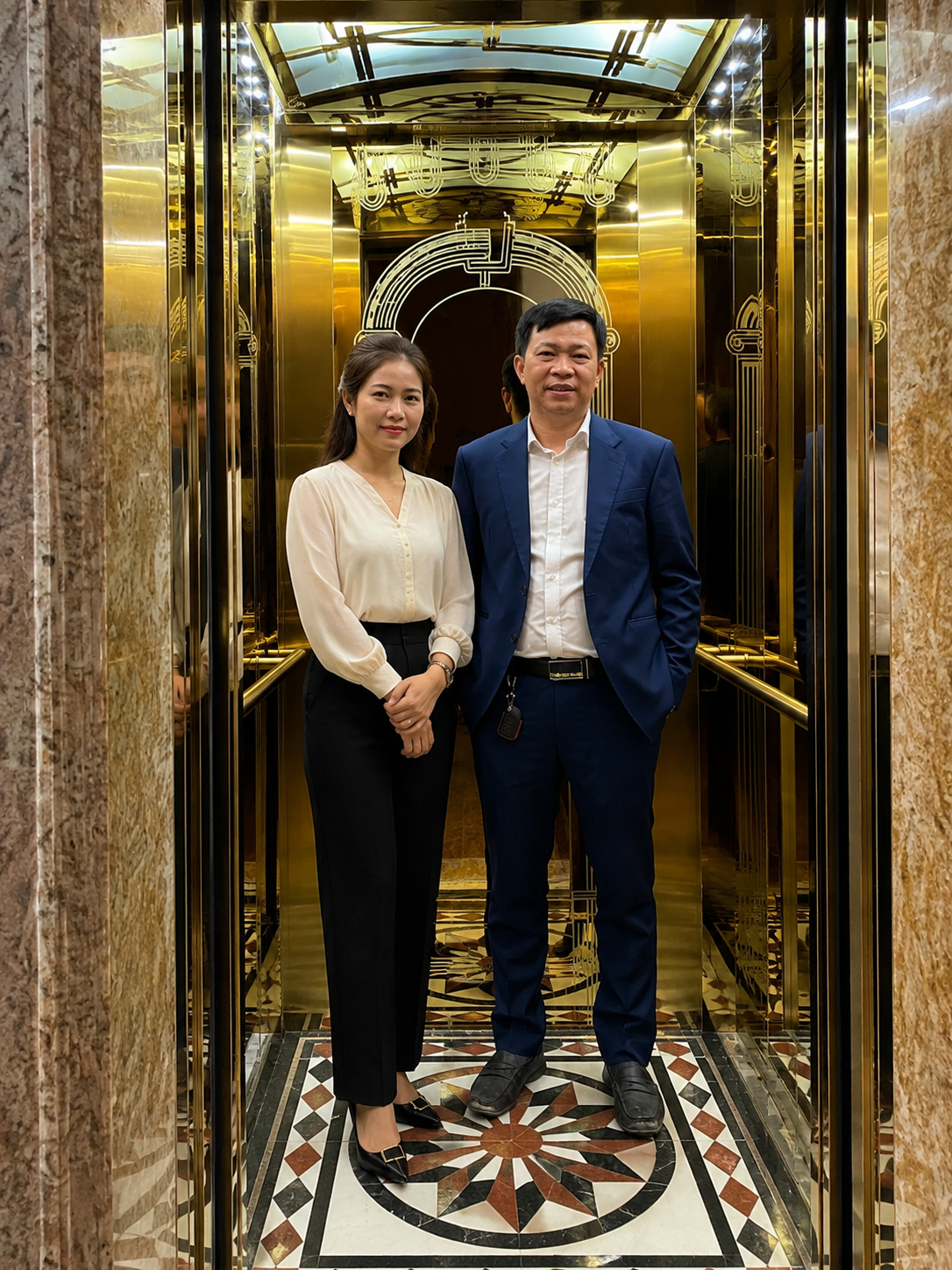
Passenger elevators constitute a significant segment in the product portfolio of imported elevator companies. Popular configurations include load capacities from 320 kg to 1600 kg, speeds from 1 m/s to 3.5 m/s, suitable for family homes, high-rise apartments, office buildings, and hotels. International brands often focus on sophisticated cabin designs, diverse materials such as hairline stainless steel, mirror-finish stainless steel, tempered glass, artificial stone, and energy-efficient LED lighting systems. Features such as group control , smart call systems , VIP floor priority , and access control cards optimize user experience and enhance building security.
.jpg)
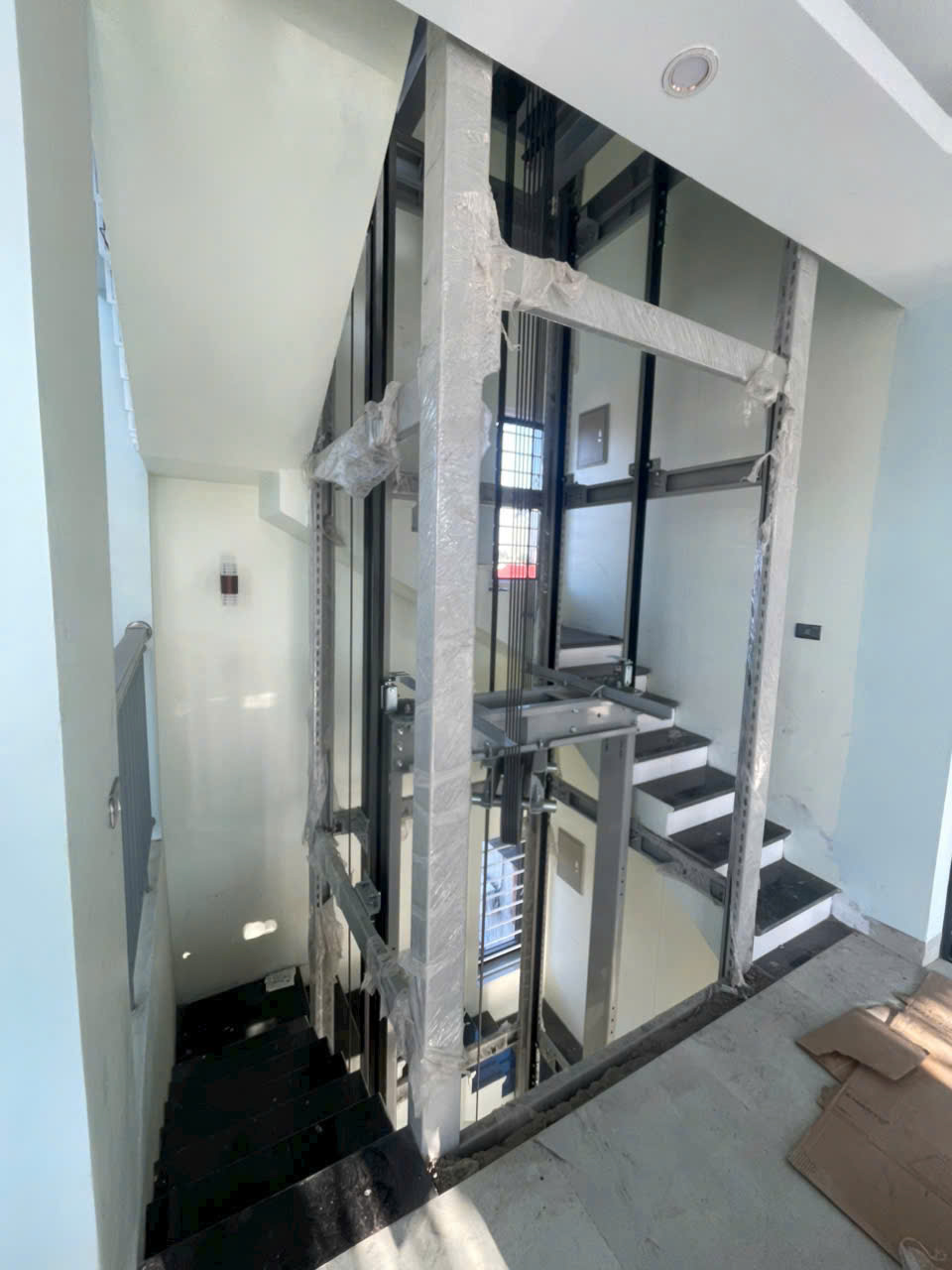
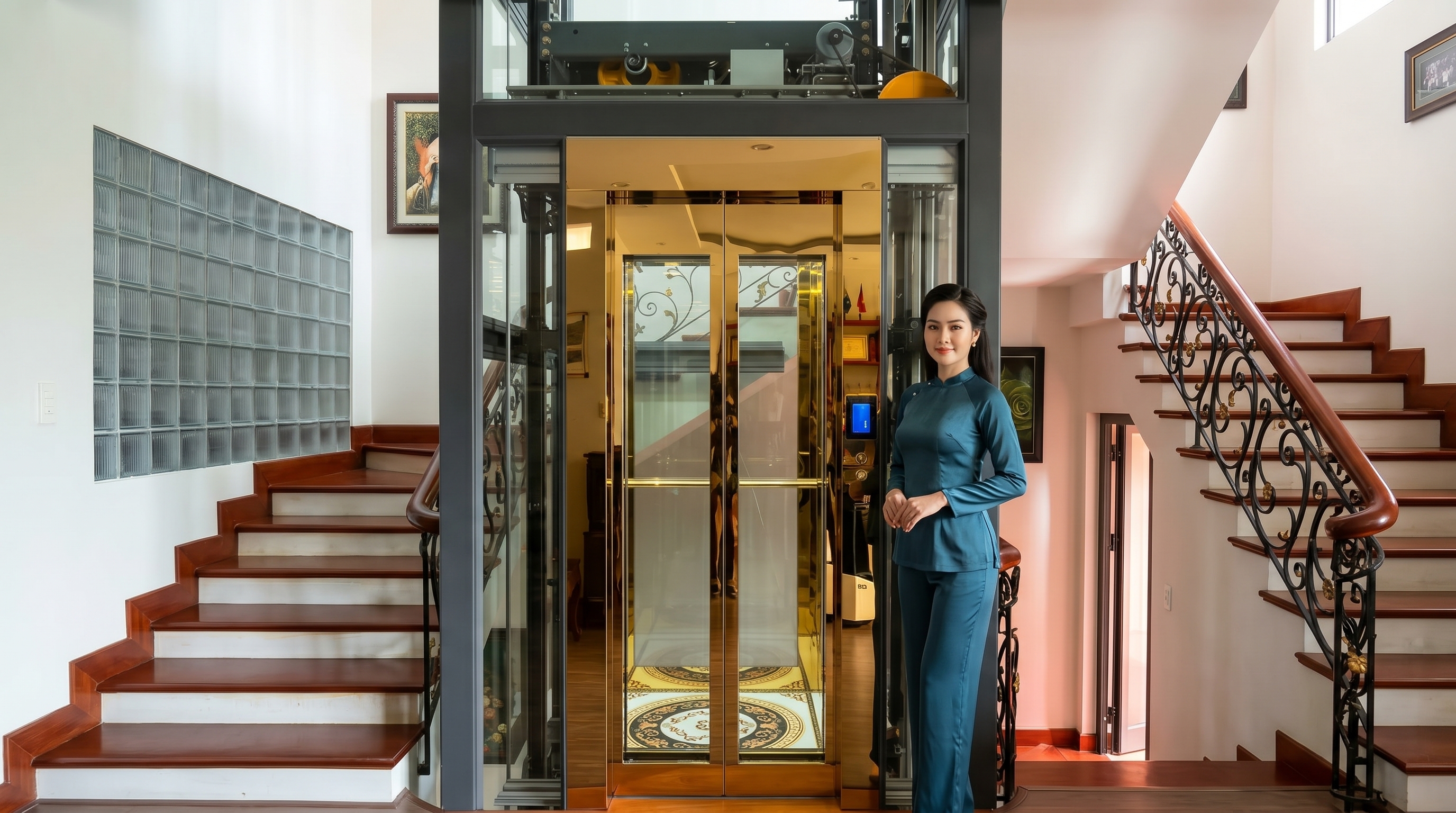
For low-rise residential buildings, imported elevator companies typically offer home elevator solutions using single-phase or three-phase electricity, with or without a machine room, and flexible shaft sizes to suit renovation spaces. These elevator models prioritize smooth operation, energy efficiency, and stable performance even under less-than-ideal power supply conditions. Automatic rescue features in case of power failure , anti-pinch door sensors , and intercom systems are prioritized to ensure the safety of the elderly and children.
Freight elevators , hospital elevators, and specialized elevators.
Besides passenger elevators, the imported elevator company also offers freight elevators with large load capacities, from 1000 kg to over 5000 kg. These elevators feature high-strength cabin floors, impact-resistant cabin walls, and wide-opening doors for easy access by forklifts and pallets. They are commonly used in factories, logistics warehouses, shopping malls, and multi-story parking garages. The control system prioritizes durability, high operating frequency, ease of maintenance, and component replacement. Features such as anti- slip protection , overload protection , and travel limit switches are designed with a higher safety factor compared to conventional passenger elevators.
For hospitals, hospital bed elevators are a specialized segment. The cabins are designed to be long and wide enough to accommodate hospital beds, medical staff, and accompanying equipment, while ensuring smooth operation with minimal vibration to avoid disturbing patients. The cabin surfaces use easy-to-clean, antibacterial materials, and the ventilation and lighting systems meet medical standards. Experienced elevator import companies in this field often provide detailed advice on clean-dirt flow , separation of patient elevators and garbage elevators , and integration of emergency priority systems to shorten transport time in emergency situations.
.jpg)
Technical services, maintenance, and new technology trends.
Technical and maintenance services in the imported elevator industry play a crucial role in ensuring the safety, reliability, and lifespan of the equipment. Because elevators have a lifespan of decades, businesses need to build a comprehensive lifecycle care system, from routine maintenance and preventative servicing to continuous troubleshooting. Using genuine, clearly certified components helps maintain stable operational performance and reduces the risk of sudden elevator breakdowns. Simultaneously, the trend towards smart elevators focuses on energy optimization , remote monitoring via IoT, and predictive maintenance, combined with contactless call solutions, integrated BMS, and access control, creating a modern, safe, and cost-effective experience.
Maintenance, repair, and genuine parts supply services.
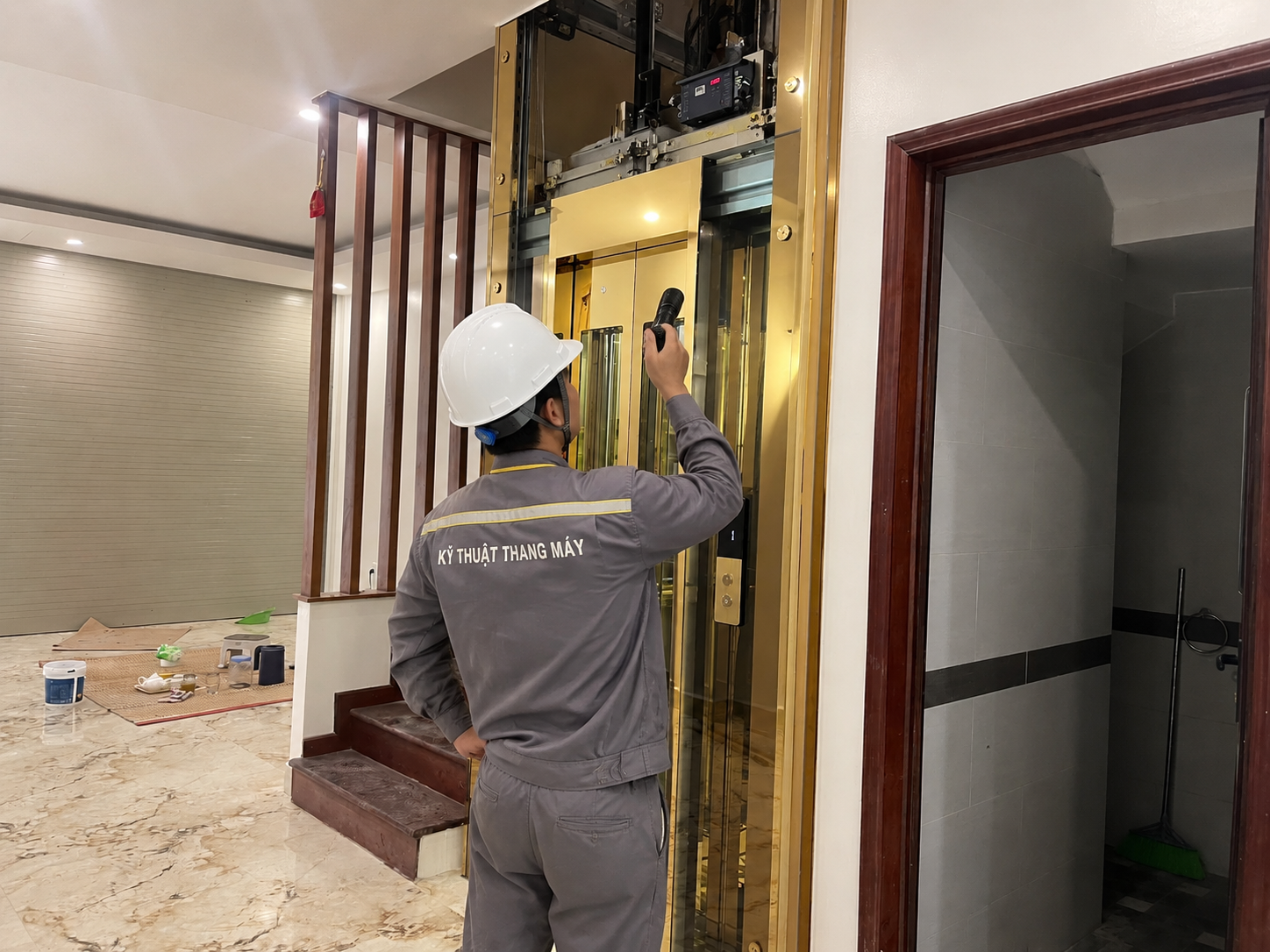
After-sales service is a key differentiating factor for professional imported elevator companies. An elevator contract doesn't just end with installation and handover, but extends throughout the equipment's lifespan, typically 20 to 30 years. Therefore, businesses need to establish a system for regular maintenance , preventative servicing , and 24/7 troubleshooting . Standard maintenance procedures include checking the braking system, hoisting cables, pulleys, speed limiters, control cabinets, door sensors, rescue systems, lubrication, and alignment of all mechanical components. Using genuine, certified parts helps maintain performance and extend the elevator's lifespan.
Reputable elevator import companies typically maintain a detailed inventory of spare parts, including control boards, inverters, door sensors, buttons, cables, brake systems, door rollers, and specialized lubricants. This shortens troubleshooting time and minimizes prolonged elevator downtime, reducing disruptions to building operations. Furthermore, a software-based maintenance management system stores operational history, provides early warnings of potential malfunctions, and allows for proactive replacement planning before serious incidents occur.
Trends in smart and energy-efficient elevators.
The new trend in the imported elevator industry focuses on energy optimization , smart connectivity , and enhanced user experience . Major manufacturers have implemented regenerative drive technology , which allows energy to be recovered when the cabin descends with a load or ascends without a load, feeding it back into the building's power grid and significantly reducing operating costs. New generation inverter control systems optimize acceleration and deceleration curves, reduce vibration and noise, and extend mechanical lifespan.
In terms of connectivity, many imported elevator companies are implementing remote monitoring solutions via IoT platforms, allowing for real-time monitoring of elevator status, recording of errors, and analysis of operational data to predict failures (predictive maintenance). Investors and building management can access statistical reports on usage, peak hours, and error frequency, thereby optimizing operational plans. In addition, contactless elevator calling solutions , integrated with BMS systems , magnetic card connectivity, and smart access control are gradually becoming standard in high-end buildings, affirming the technological leadership role of imported elevator companies with the capacity to research, integrate, and implement solutions in practice.