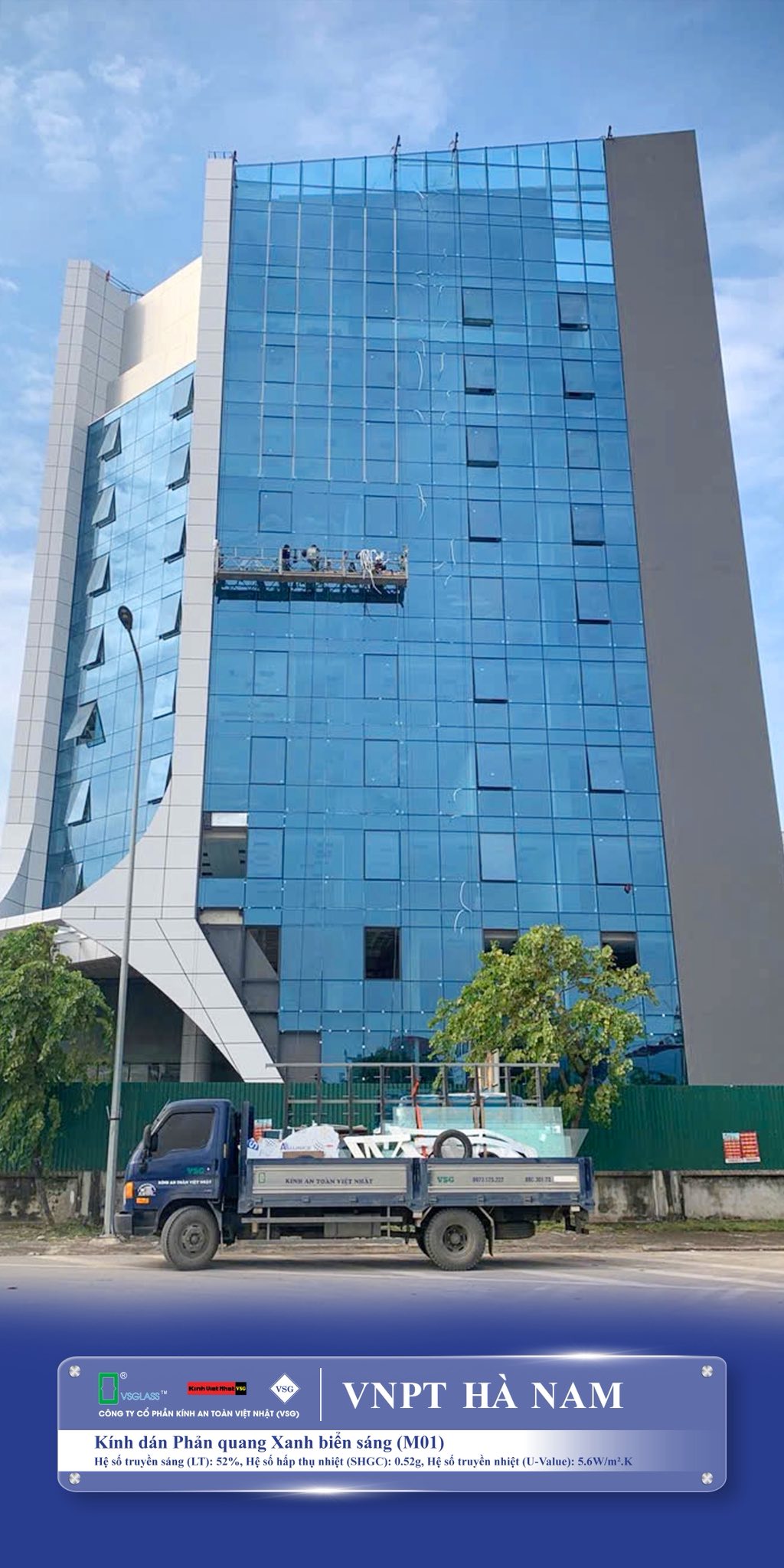


Vietnam Domestic Elevator Company:
Vietnam Domestic Elevator Company: A Reliable Choice for Modern Buildings
Advantages of Vietnamese domestic elevator companies in the current context
Domestic elevator companies in Vietnam are becoming a strategic choice for many investors, contractors, and design consultants due to their flexible response capabilities, understanding of domestic construction standards, and optimized operating costs. Unlike the model of importing complete systems, domestic businesses are more proactive in design, manufacturing, installation, and maintenance, thereby shortening implementation time, reducing dependence on foreign suppliers, and enhancing proactive control over the entire project lifecycle. The development of urban infrastructure, high-rise apartments, hotels, shopping malls, and industrial factories is creating a large demand for integrated, safe, and energy-efficient elevator solutions, providing a foundation for Vietnamese businesses to assert their expertise and brand.
In the context of increasingly stringent safety standards, Vietnamese domestic elevator companies have invested heavily in ISO-compliant quality management systems, applying EN, JIS, and TCVN standards to each aspect of design, manufacturing, and installation. Many companies possess well-trained mechanical, electrical, and automation engineers with experience in implementing hundreds of projects, from low-rise residential buildings to high-rise mixed-use complexes. The combination of practical knowledge of Vietnamese construction and the ability to update international technology enables domestic businesses to provide optimal solutions for each type of project, from passenger elevators and freight elevators to hospital elevators, panoramic elevators, and car elevators.
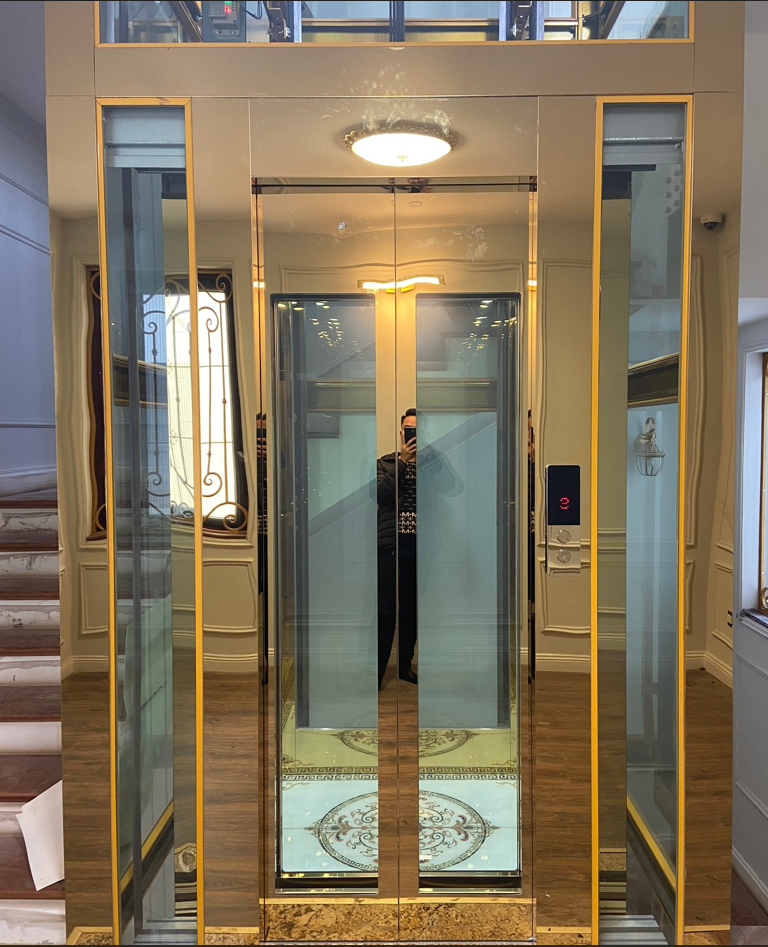
Criteria for evaluating reputable domestic elevator companies in Vietnam.
When choosing a domestic elevator company in Vietnam , investors need to base their decision on a clear set of criteria to ensure safety, durability, and long-term operational efficiency. The first factor is technical capability and project portfolio . Reputable companies usually have a diverse portfolio of projects, transparent technical specifications, load capacity, speed, service height, and reviews from previous clients. Owning a mechanical fabrication workshop, testing laboratory, and an in-house design and R&D team is an indicator of mastery of technology and quality control.
The next criterion is the certification and compliance system . A professional domestic elevator company in Vietnam needs to meet regulations on elevator safety inspections, conformity certification, ISO 9001 certification for quality management, ISO 45001 for occupational safety, and other industry standards. In addition, warranty policies, regular maintenance, incident response times, the ability to supply replacement parts, and a commitment to support throughout the equipment's lifecycle are crucial factors in assessing the sustainability of the business.
In-depth technical and after-sales service
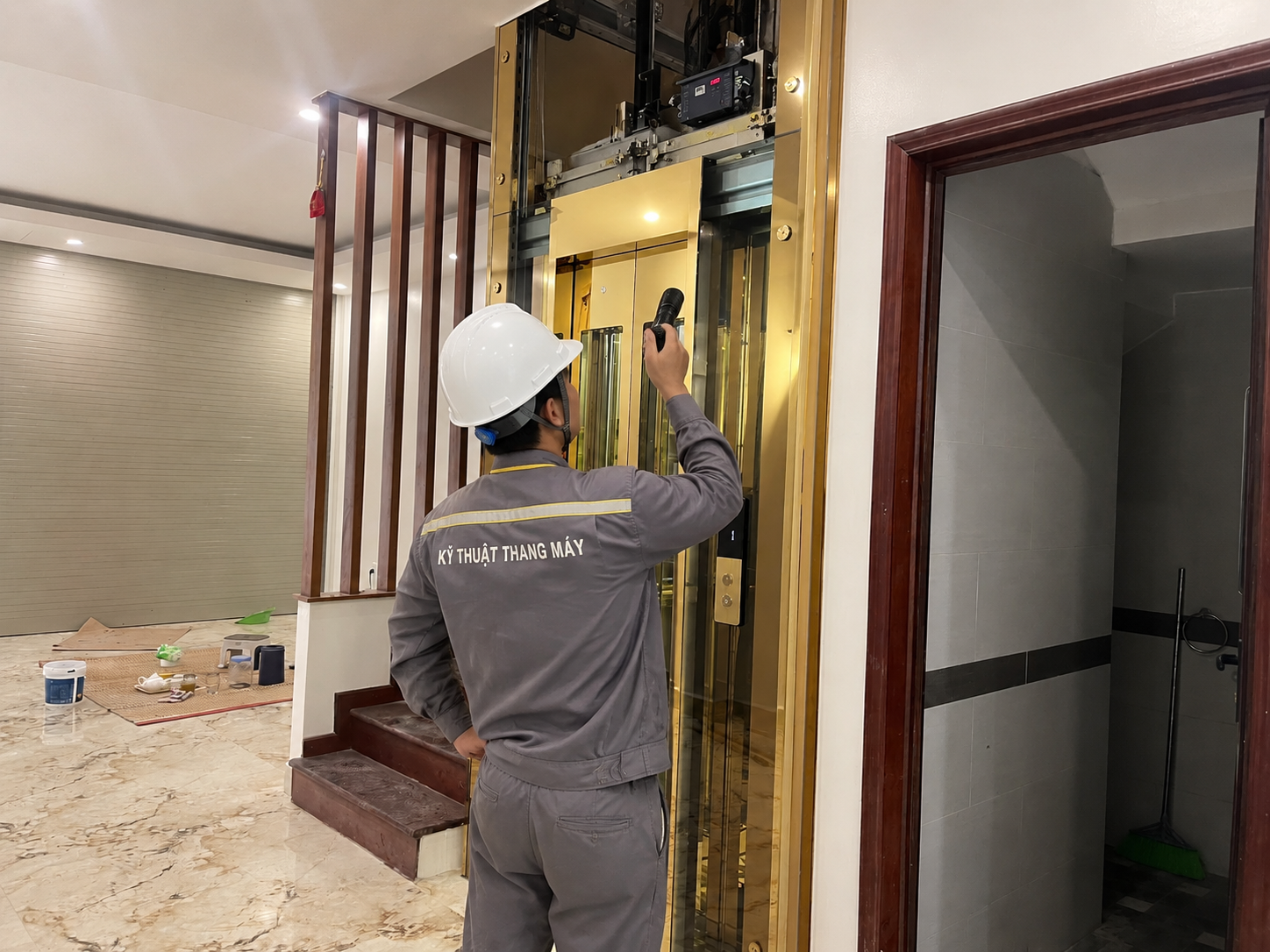
For elevator systems, technical service directly impacts safety and equipment lifespan. Reputable domestic elevator companies in Vietnam typically build a widespread network of technicians across regions, who are well-trained in installation, calibration, safety inspection, and troubleshooting procedures. Standard maintenance procedures include checking the braking system, hoisting cables, speed limiters, door sensors, control cabinets, automatic rescue systems, and other safety equipment. Using genuine, traceable components, along with electronic maintenance logs, allows investors to easily track operating history and proactively plan upgrades or replacements.
Furthermore, after-sales service is also demonstrated through the ability to advise on the renovation and upgrading of old elevators to meet new safety standards, optimize speed, reduce energy consumption, and improve user experience. Many domestic businesses have developed flexible service packages such as comprehensive maintenance, maintenance based on the number of inspections, or integrated maintenance-repair contracts, helping investors optimize operating costs while ensuring service quality.
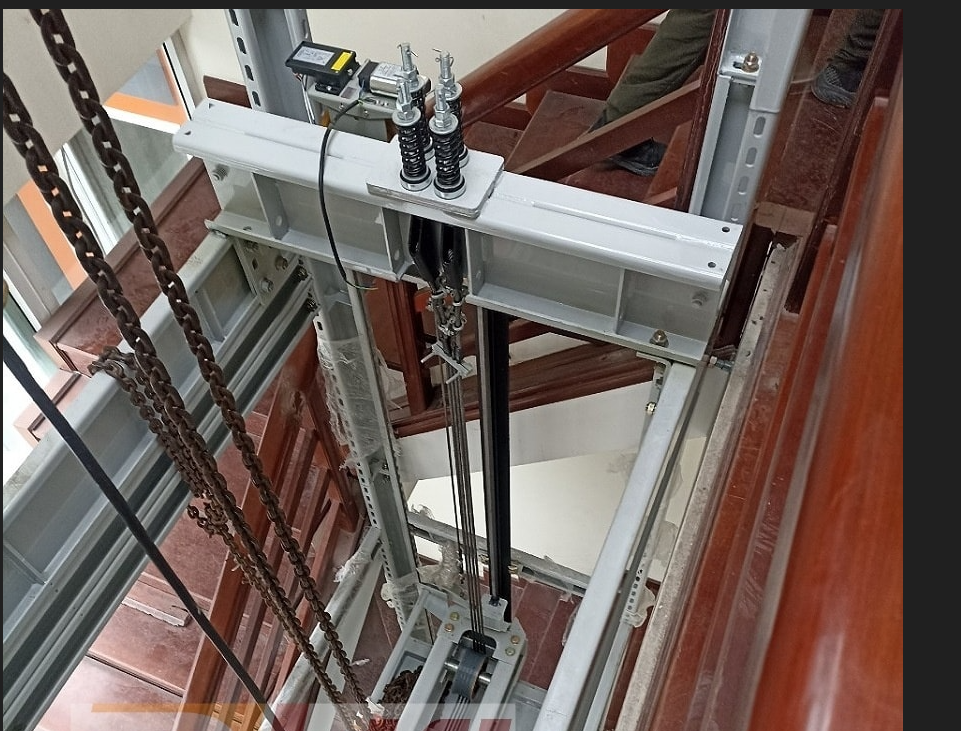
Technology and design solutions from a Vietnamese domestic elevator company.
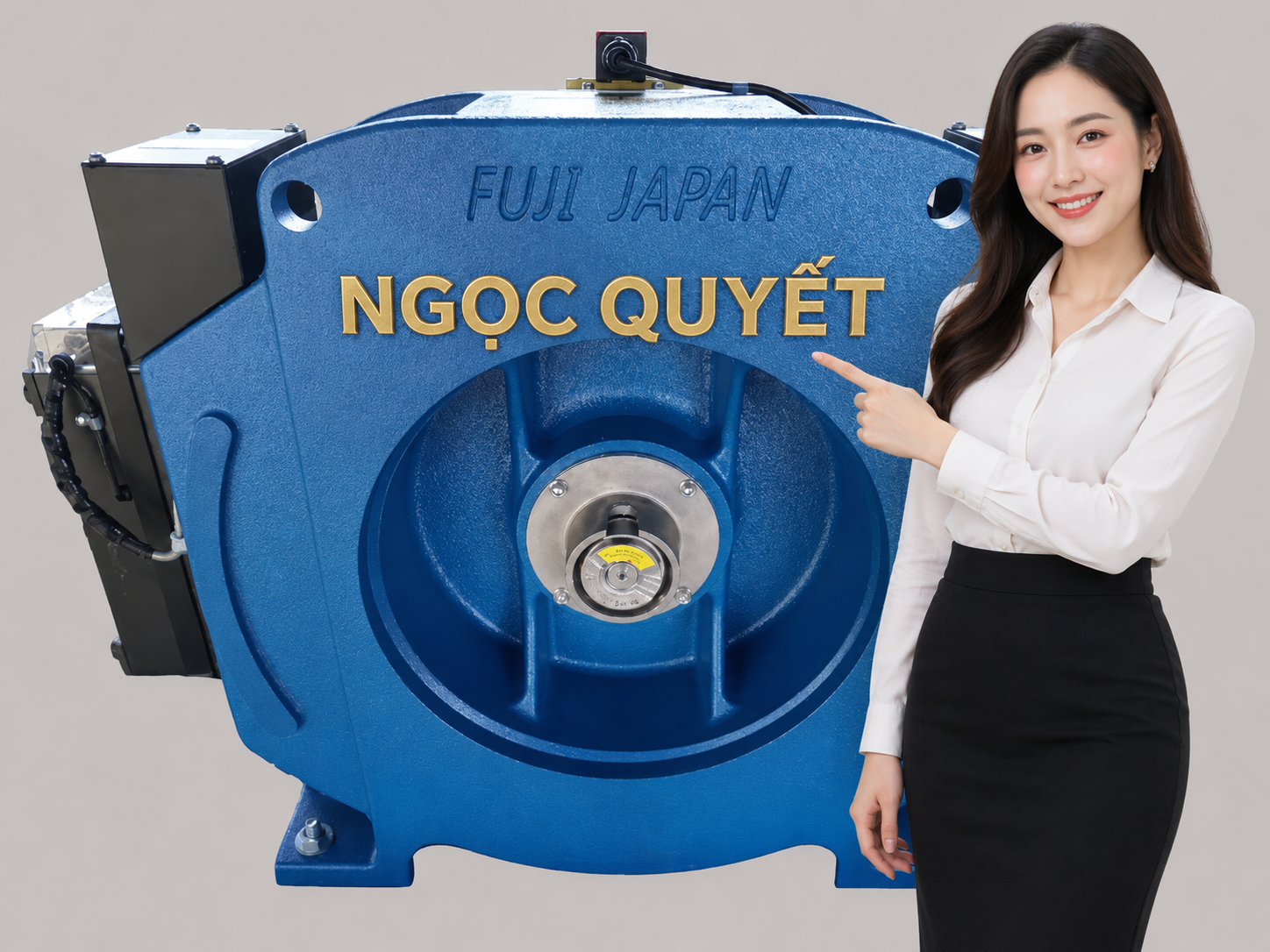
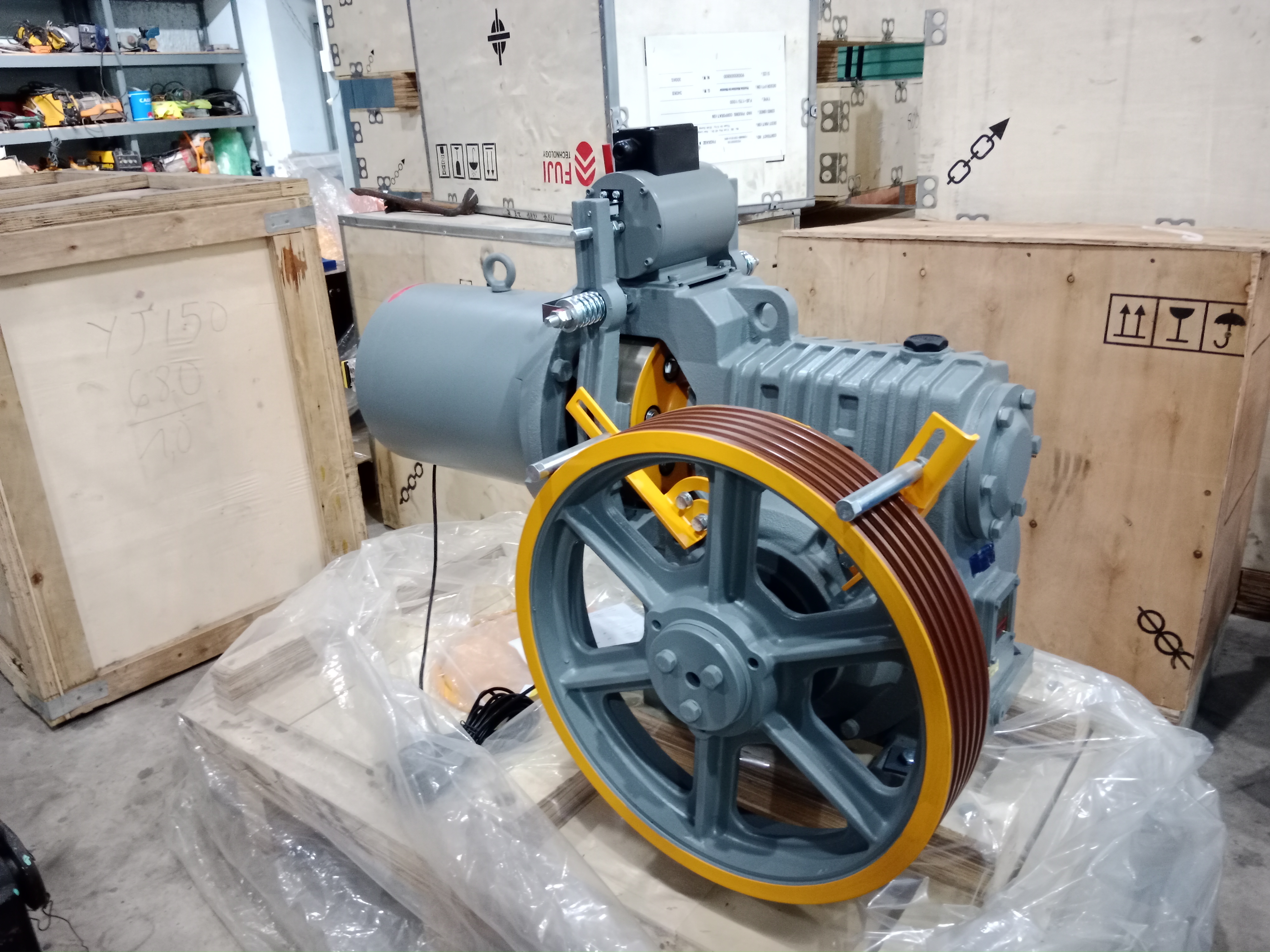
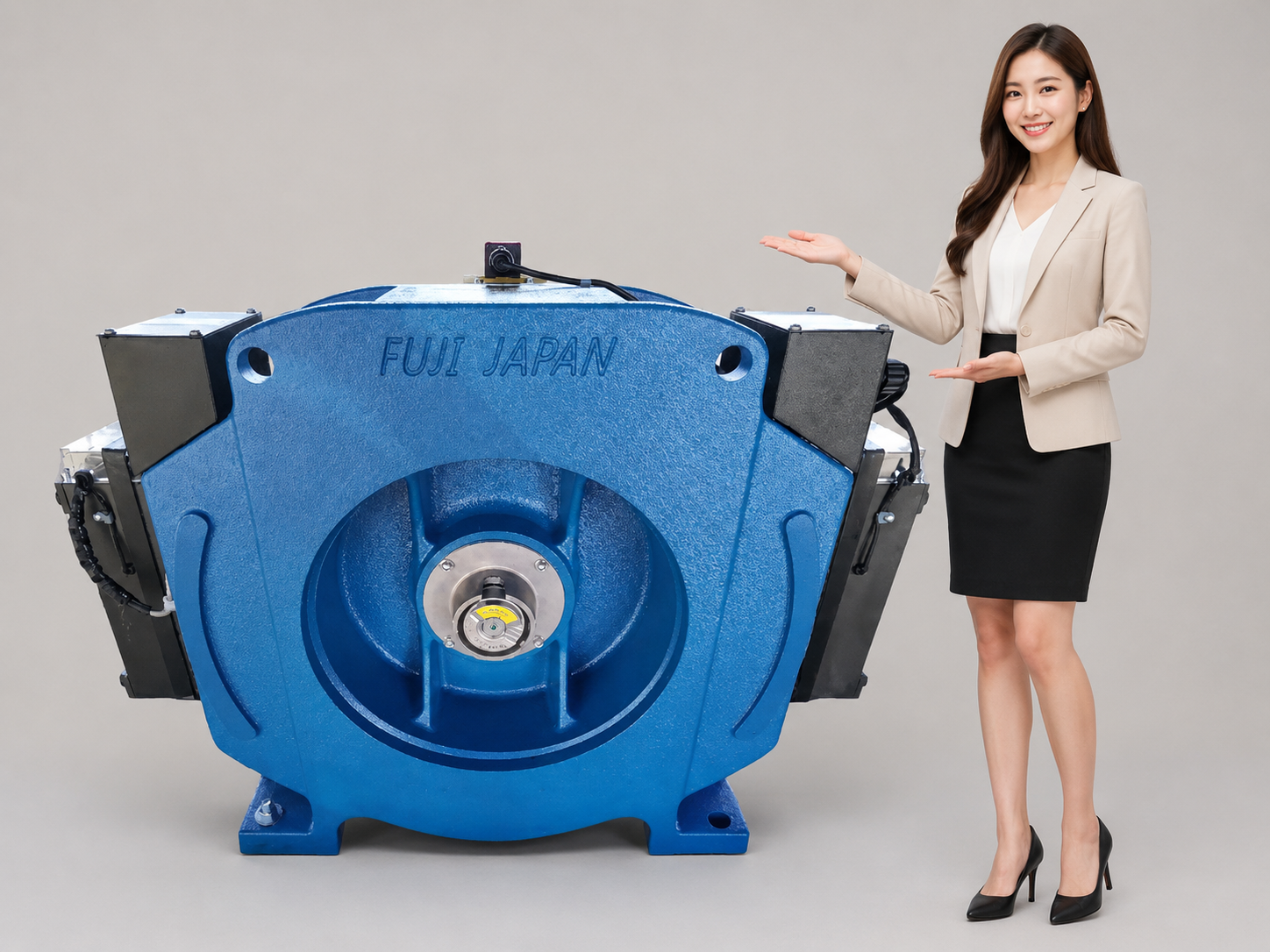
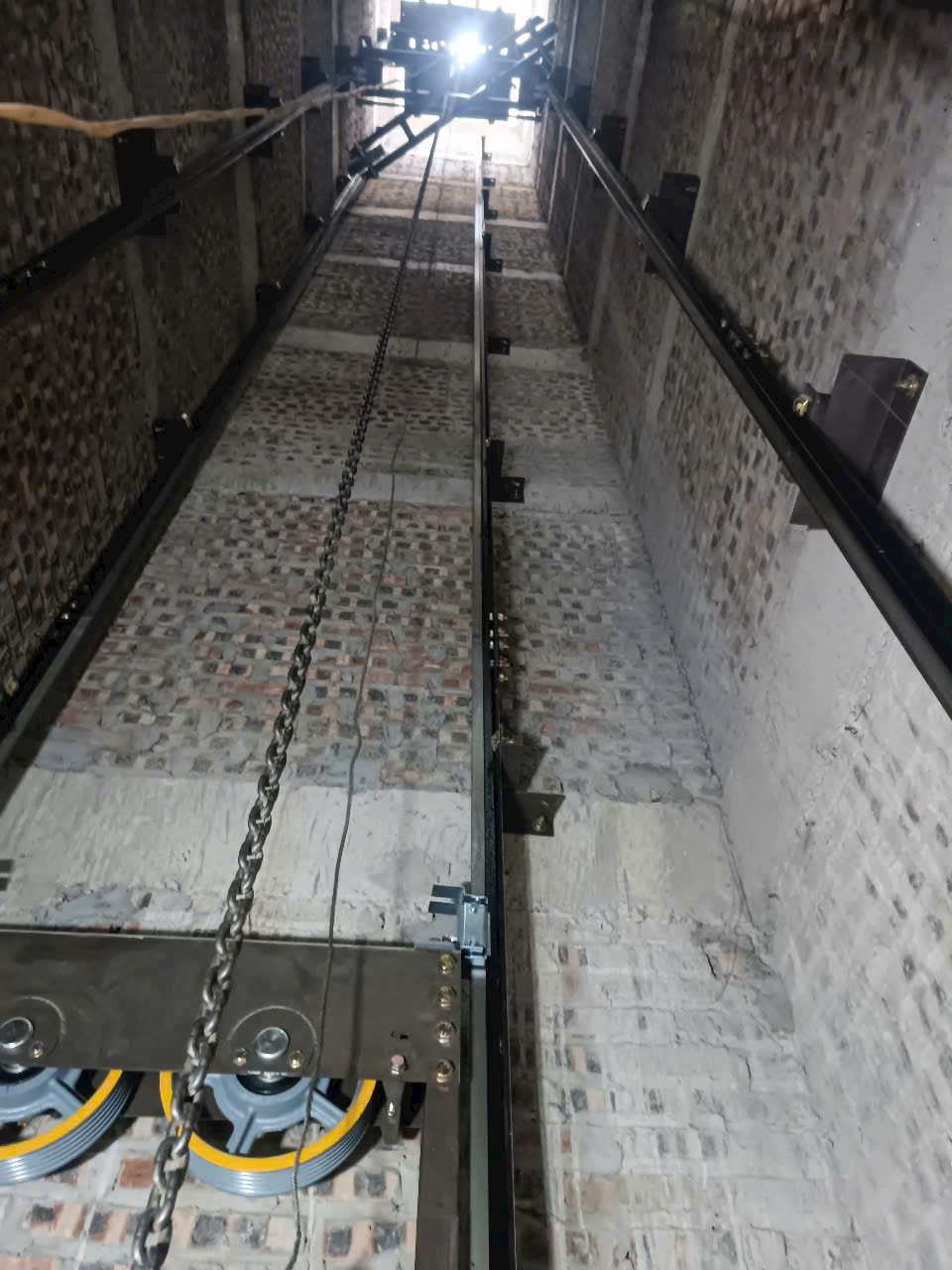
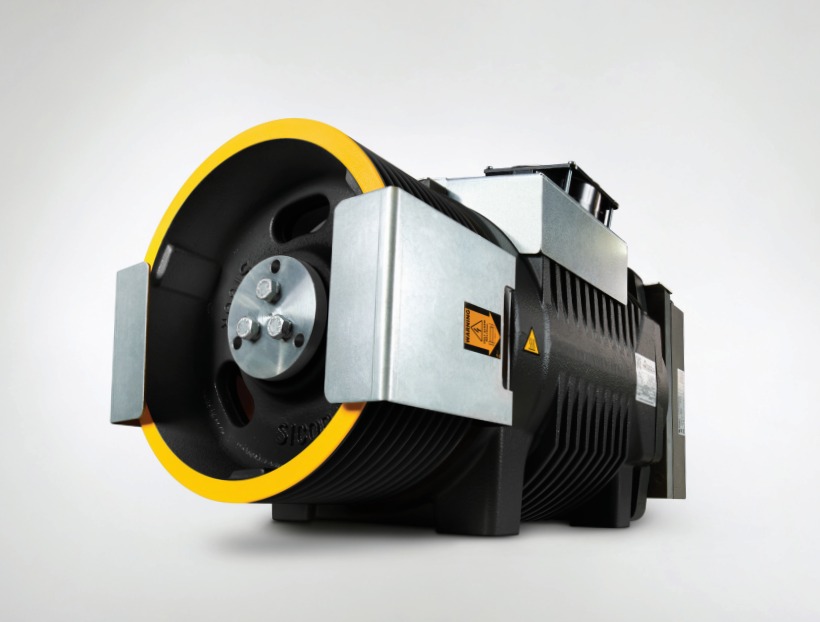
Competition in the industry is driving Vietnamese domestic elevator companies to invest heavily in control technology, materials, and aesthetic design. Many companies are applying microprocessor control systems, VVVF inverters, and group control technology to optimize transport flow, reduce waiting times, and save energy. Machine- roomless elevator solutions , using gearless motors, high-strength steel cables, combined with LED lighting systems and standby modes for electronic equipment, are gradually becoming the standard in modern buildings.
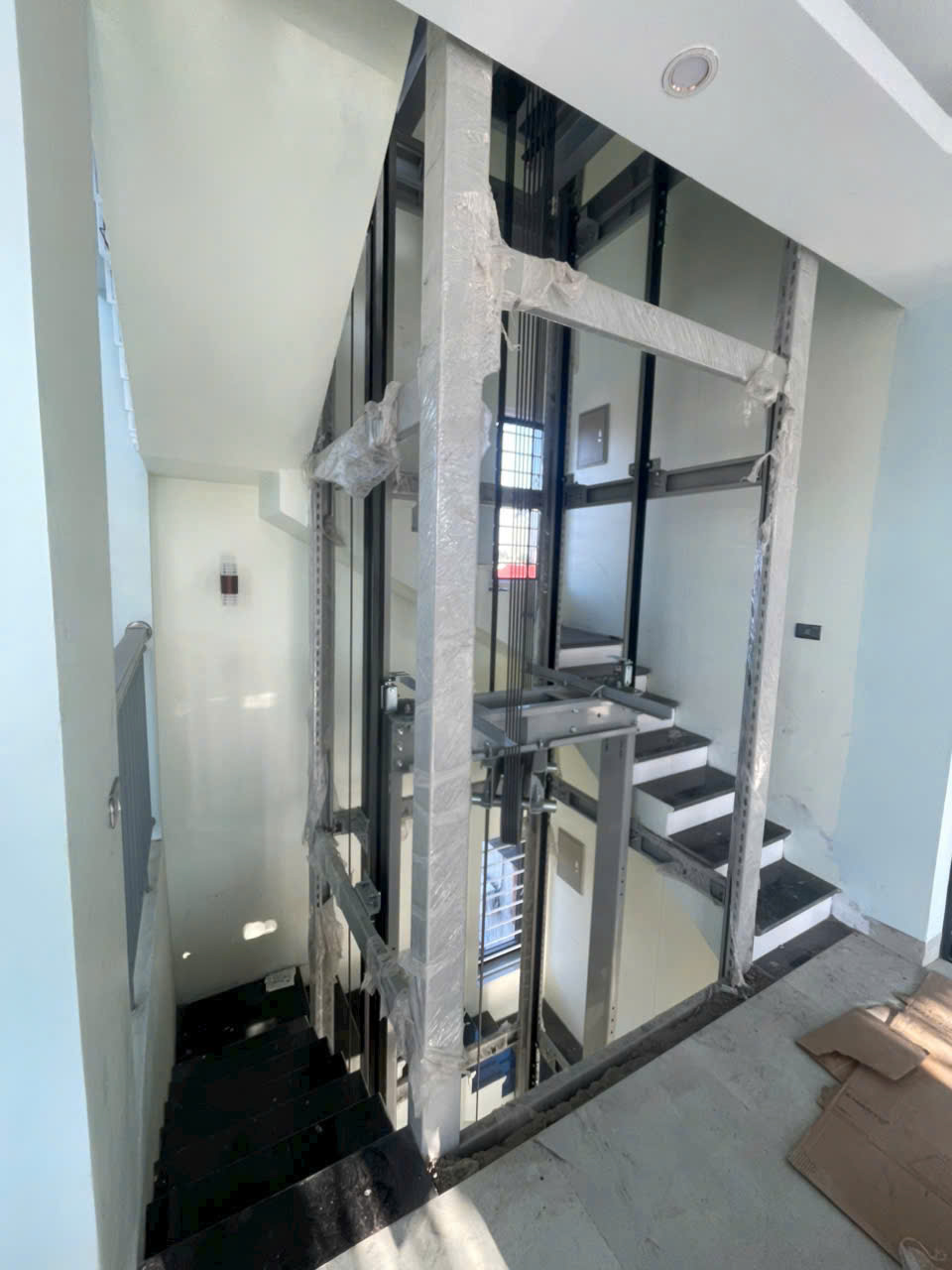
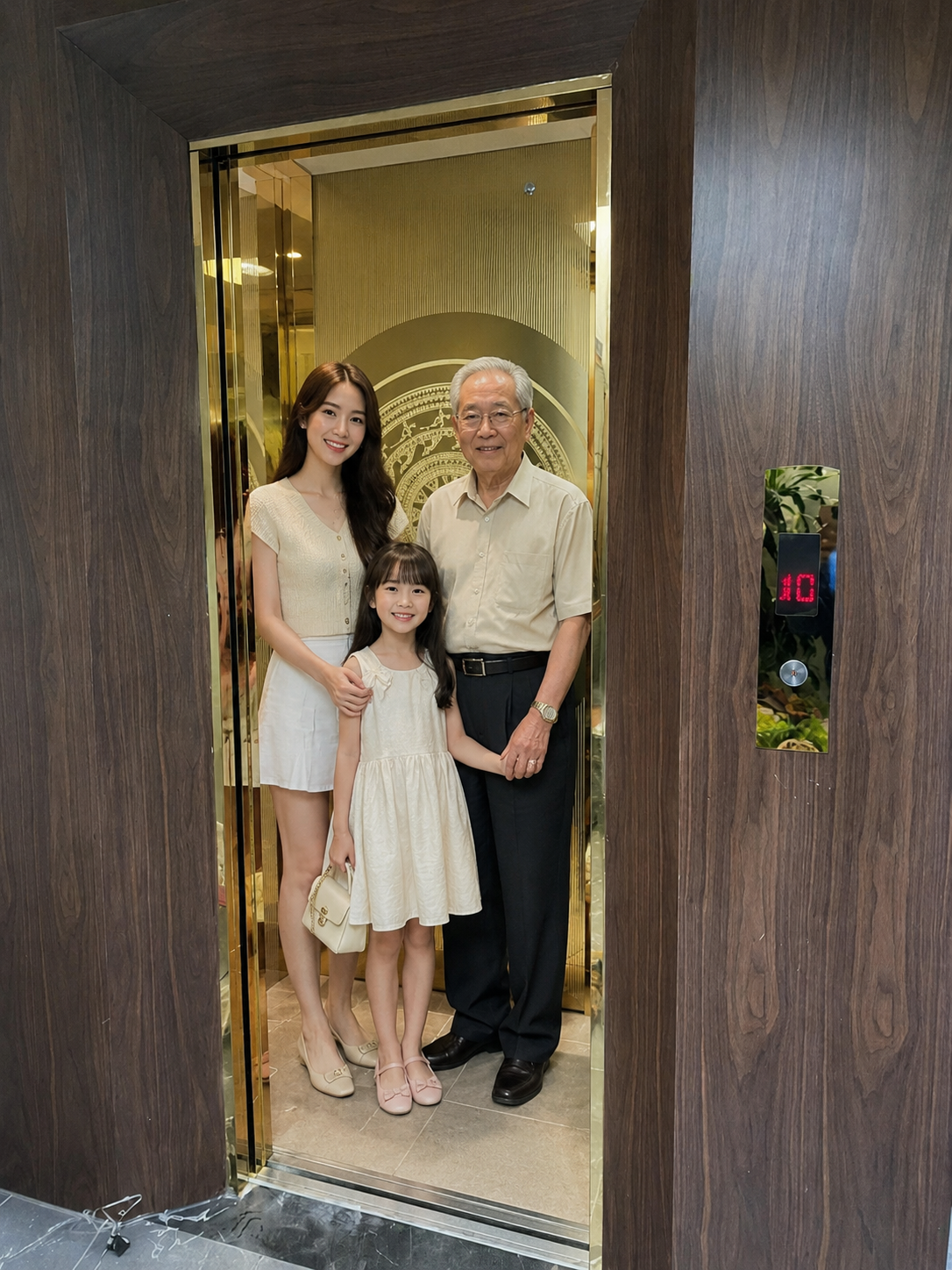
In terms of design, domestic businesses have an advantage in customizing elevator cabins, landing doors, and call panels to match the architectural style and brand identity of each project. Common materials include brushed stainless steel, mirror-finish stainless steel, tempered glass, laminate, fire-resistant engineered wood, combined with handrails, false ceilings, stone flooring, or high-end PVC. Flexible design capabilities optimize shaft dimensions, machine rooms, and pit depth, making them suitable for both new and renovated projects, especially townhouses, villas, mini-hotels, and small to medium-sized office buildings.
A diverse range of products for various types of construction projects.
Domestic elevator companies in Vietnam currently offer a wide range of products, meeting needs from residential to industrial applications. Some typical product lines include:
- Passenger elevators for apartments, offices, hotels, and shopping malls, with load capacities ranging from 320kg to over 1600kg, and speeds from 1m/s to 3m/s depending on building height.
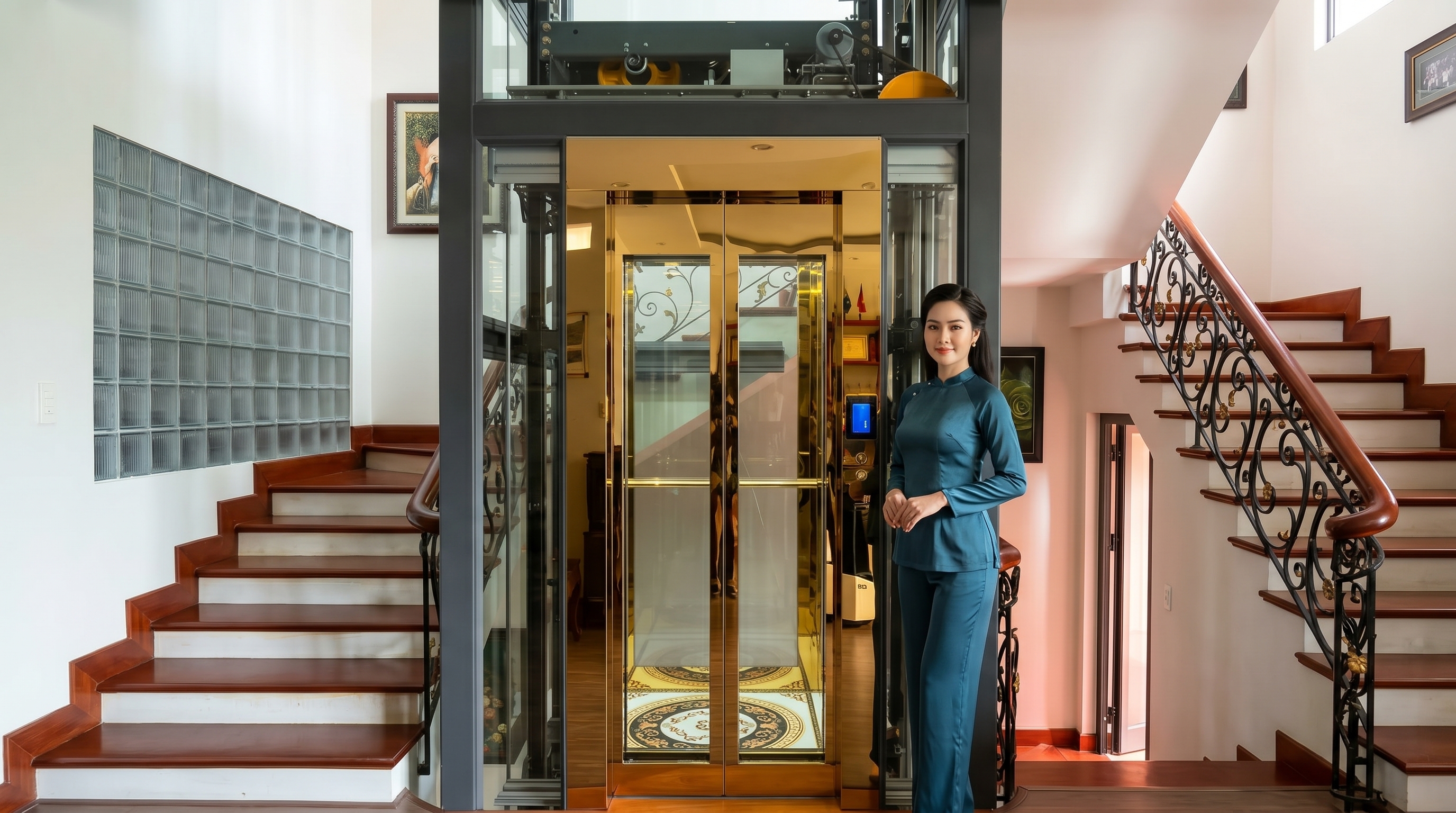
- Home elevators feature a compact, space-saving design, can operate on either single-phase or three-phase power, and incorporate numerous safety features and premium interior options.
- Cargo elevators, food elevators, and hospital elevators are specially designed, focusing on mechanical durability, high load capacity, and stable operation in continuous working environments.
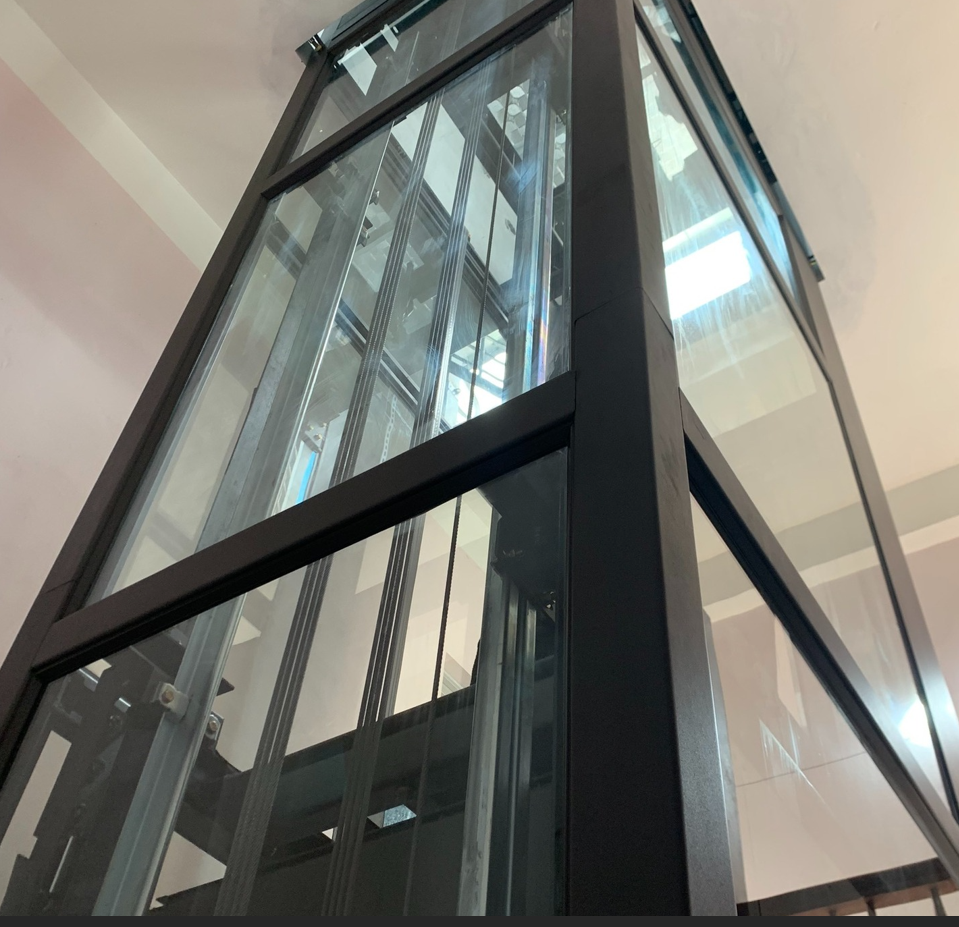
- Observation decks and glass elevators create architectural highlights for shopping malls, hotels, and service buildings, combining transportation functionality with aesthetic value.
This diversity allows investors to choose a solution that suits the scale, function, and budget, while also easily synchronizing elevator systems in complex projects with many different functional blocks.
Economic and operational benefits of choosing a domestic elevator company in Vietnam.
Collaborating with a Vietnamese domestic elevator company offers significant advantages in terms of initial investment costs, operating costs, and optimized construction timelines. By proactively managing design, mechanical fabrication, and assembly, domestic businesses can shorten delivery times, reduce logistics costs, import taxes, and other incidental expenses. This is particularly crucial for projects requiring accelerated handover, or for constructions located far from seaports, where the cost of transporting imported equipment is often very high.
During the operational phase, the biggest advantage comes from the rapid maintenance and repair service . Domestic technical teams can access the site quickly, proactively secure replacement parts, and minimize elevator downtime. Simultaneously, direct communication in Vietnamese and a thorough understanding of local user habits make the consultation, operational guidance, and troubleshooting process more efficient. For long-term projects such as apartment buildings, office buildings, hotels, and industrial parks, this factor is crucial in maintaining service quality and the investor's image.
From a sustainable development perspective, choosing a domestic elevator company in Vietnam also supports the development of the domestic supporting industry, creating jobs for engineers and technical workers, while encouraging businesses to continue investing in research and technological innovation. The growth of Vietnamese elevator brands not only brings direct benefits to individual projects but also contributes to enhancing the competitiveness of the domestic construction and mechanical engineering industries in the regional market.