Elevator company in Hanoi
Elevator company in Hanoi
The elevator company market in Hanoi and criteria for professional evaluation.
Hanoi is one of the earliest and strongest developing elevator markets in the country, home to numerous construction contractors, real estate developers, and high-rise buildings, apartments, hotels, and hospitals. This development has led to a significant demand for elevator companies in Hanoi capable of designing, installing, maintaining, and renovating elevators according to national and international safety standards. When assessing the professionalism of an elevator company, key factors include: technical capabilities, inspection certifications, experience in implementing complex projects, after-sales service systems, the ability to supply genuine parts, and compliance with regulations such as QCVN 02:2011/BCT, TCVN 6395, and TCVN 6904.
A reputable elevator company in Hanoi typically possesses a team of well-trained mechanical, electrical, and automation engineers with practical experience in various types of elevators: passenger elevators, freight elevators, hospital elevators, panoramic elevators, and residential elevators. In addition, the company needs a clear and transparent portfolio of completed projects, a list of equipment suppliers, warranty and maintenance policies, and a 24/7 troubleshooting process. Publicly disclosing this information helps investors assess the company's reliability and ability to meet long-term technical requirements.
The core services of an elevator company in Hanoi.
Elevator companies in Hanoi are not simply equipment installers but also act as consultants for comprehensive vertical transportation solutions for buildings. The service process typically begins with a site survey, analysis of usage needs, calculation of pedestrian traffic, and then proposing the optimal elevator configuration in terms of load capacity, speed, number of stops, and shaft layout. For renovation projects, engineers must carefully assess the existing structure, technical space, and the ability to reinforce beams and floors, thereby selecting a suitable elevator solution such as machine-roomless elevators, hydraulic elevators, or mini elevators for the renovated building.
A portfolio of specialized services typically includes:
- Consulting and designing elevator solutions for family homes, villas, townhouses, mini-apartments, office buildings, hotels, and shopping malls.
- We offer complete elevator supply and installation services with options including: fully imported elevators, joint venture elevators, and domestically manufactured and assembled elevators meeting certified technical standards.
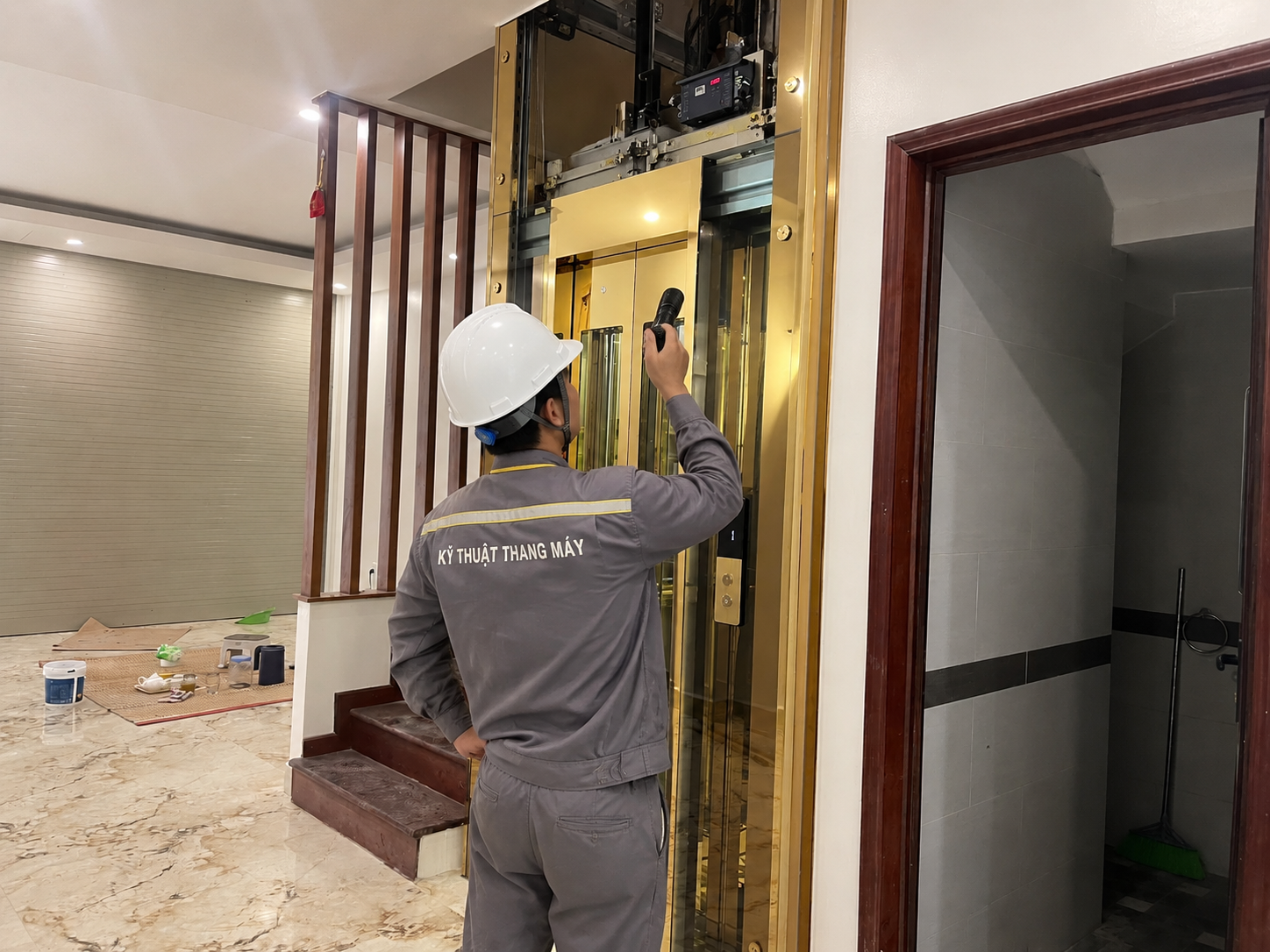
- Annual contracted periodic maintenance services include safety checks, control system adjustments, lubrication and cleaning, and replacement of worn parts.
- Repair, upgrade, and renovate elevators, including replacing control panels, upgrading automatic rescue systems, replacing hoisting cables, replacing traction machines, renovating cabin interiors, and adding energy-saving features.
- Safety inspection and legal support related to acceptance testing, vehicle registration, and operating license requirements as stipulated by state management agencies.
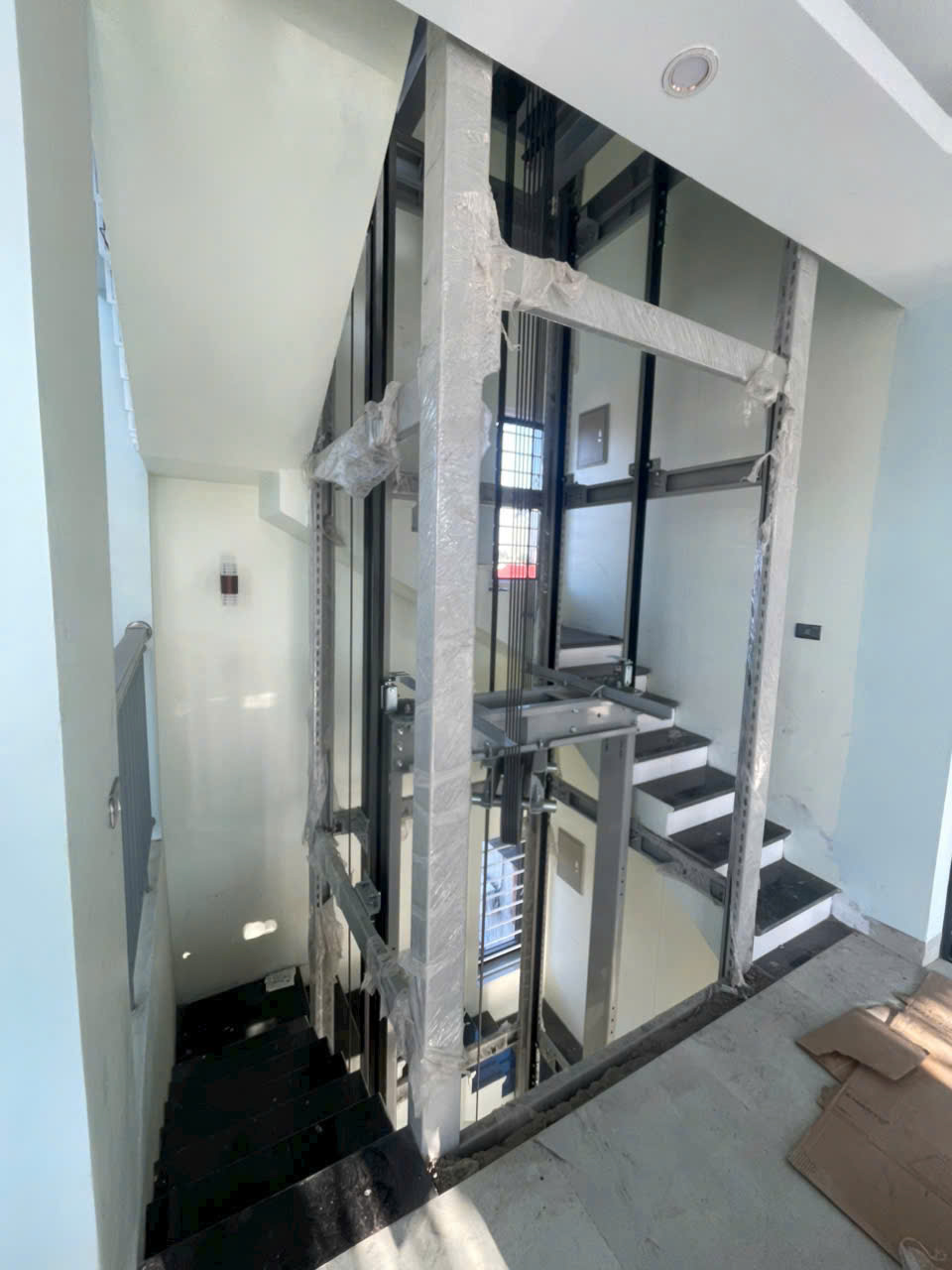
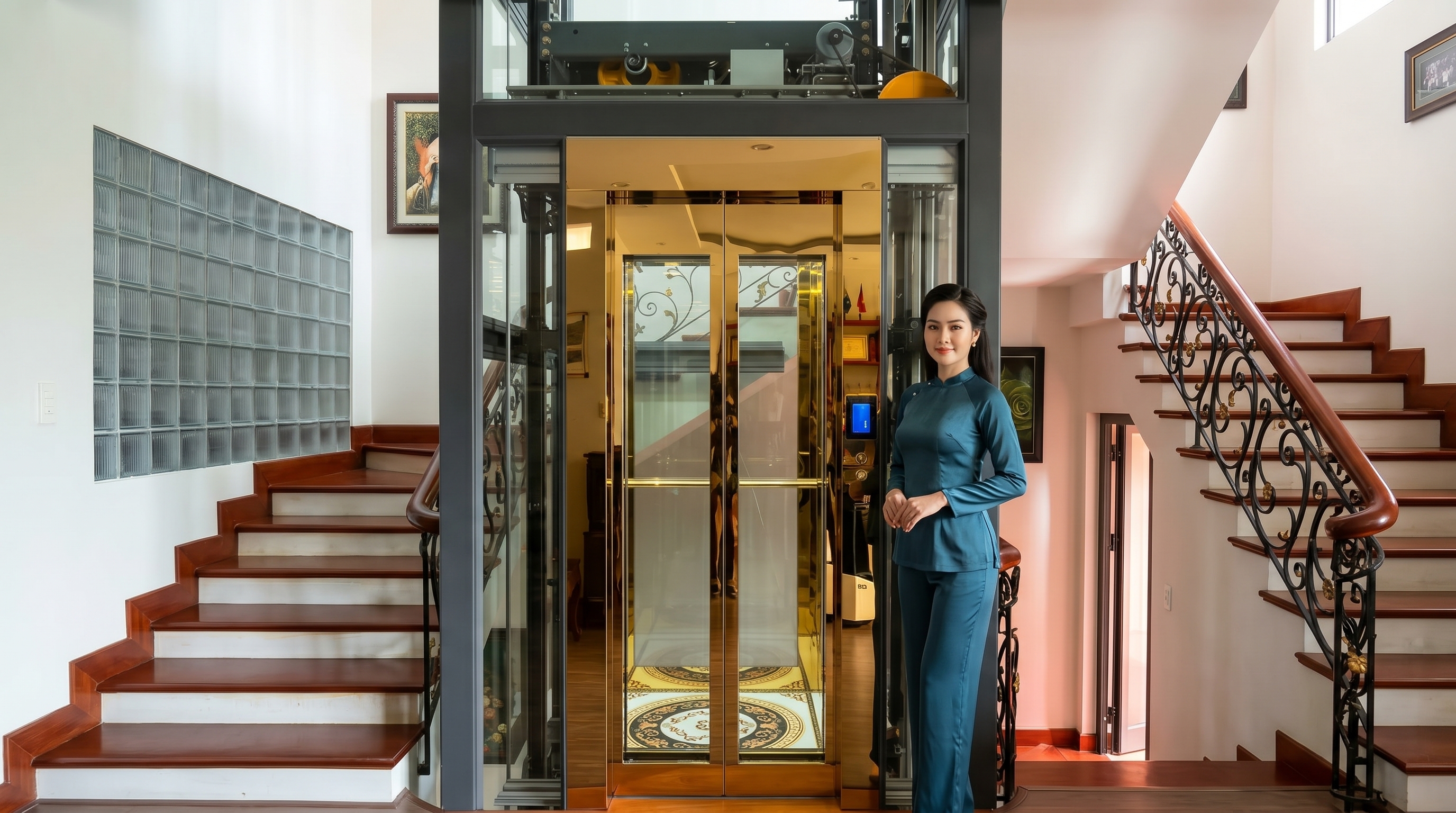
For the residential elevator segment in Hanoi, many companies have developed optimal solutions for narrow townhouses and terraced houses with limited space and low floor heights. These solutions focus on using machine-roomless elevators , gearless motors, flexible single-phase or three-phase power supply, integrated energy-saving technology, and automatic rescue systems in case of power failure. For high-rise buildings, businesses must be able to deploy group elevator systems, high-speed elevators, and intelligent group-controlled elevators, ensuring high transport capacity during peak hours.
Installation and quality control procedures
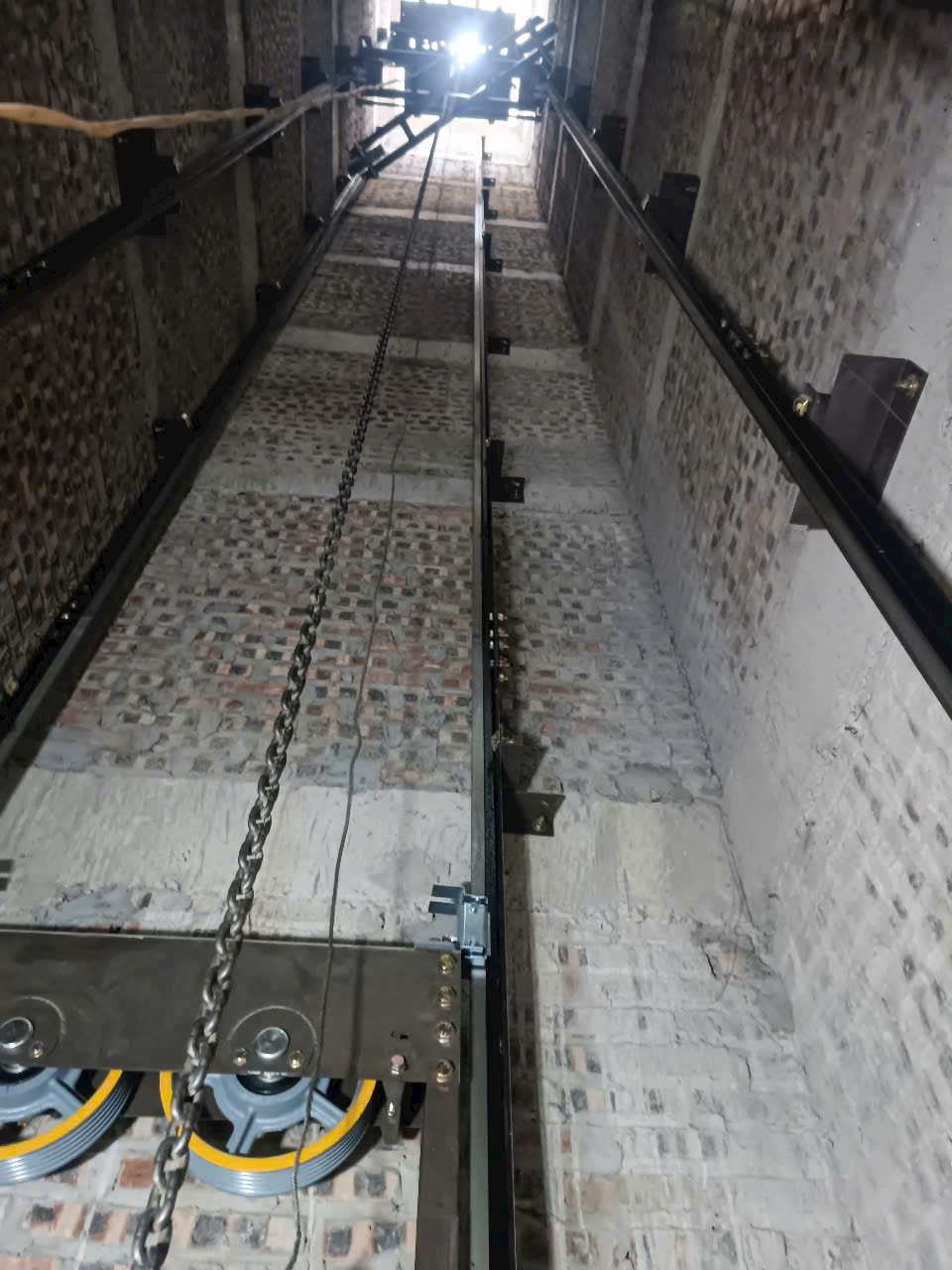
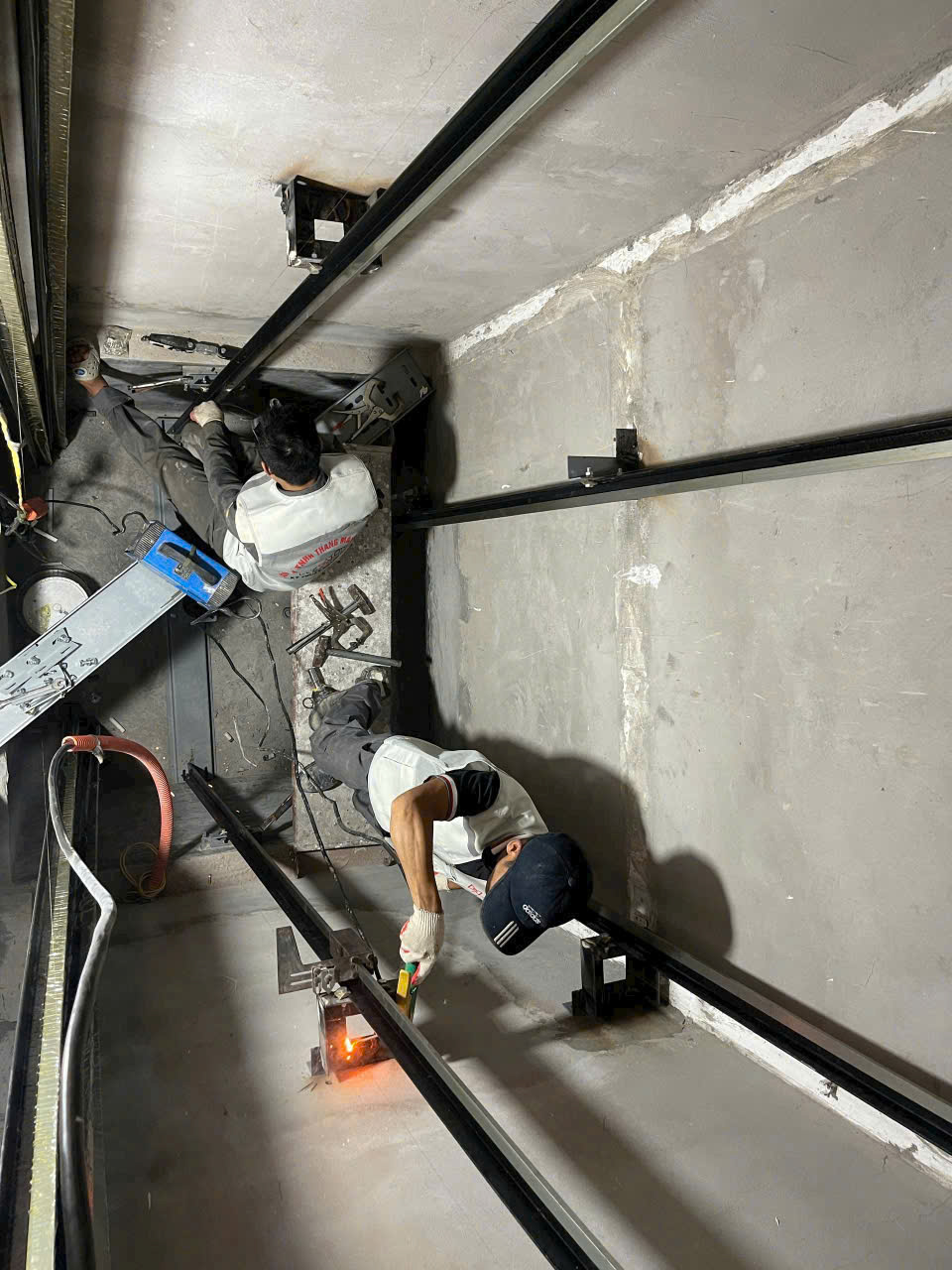
The elevator installation process in Hanoi is typically standardized into the following steps: survey – technical design – manufacturing, equipment import – mechanical installation – electrical installation, programming – commissioning – inspection – handover. At each stage, the elevator company needs to implement an internal quality management system, prepare acceptance reports for each item, and check the accuracy of the elevator shaft dimensions, the vertical alignment of the guide rails, the cabin balance, the cable tension, the functionality of the safety brake system, travel limits, door sensors, and other safety devices. Strict adherence to this process minimizes technical risks and extends the lifespan of the equipment.
During the trial run, engineers will check operating parameters such as smoothness of start-up and stop-down, vibration, noise level, stop-down accuracy, door opening and closing times, travel speed, functionality of the automatic rescue system, intercom system, and emergency alarm. These parameters must be recorded, compared with design standards, and adjusted through control panel programming. After completion, the elevator must undergo a safety inspection by an independent inspection unit designated by the Ministry of Labour, Invalids and Social Affairs before being put into operation.
Safety standards, technology, and development trends of elevator companies in Hanoi.
Safety is a core element in all elevator company operations in Hanoi. Reputable businesses always prioritize using standard components with clear origins, while strictly adhering to national technical regulations. Modern elevator safety systems include: safety brakes, speed limiters, travel limit switches, interlocking floor door locks, anti-jamming sensors, automatic rescue systems, shock absorbers, overload protection, and phase loss/reverse phase/overcurrent protection. Regular inspection of these devices is mandatory to ensure stable elevator operation and minimize the risk of accidents for users.
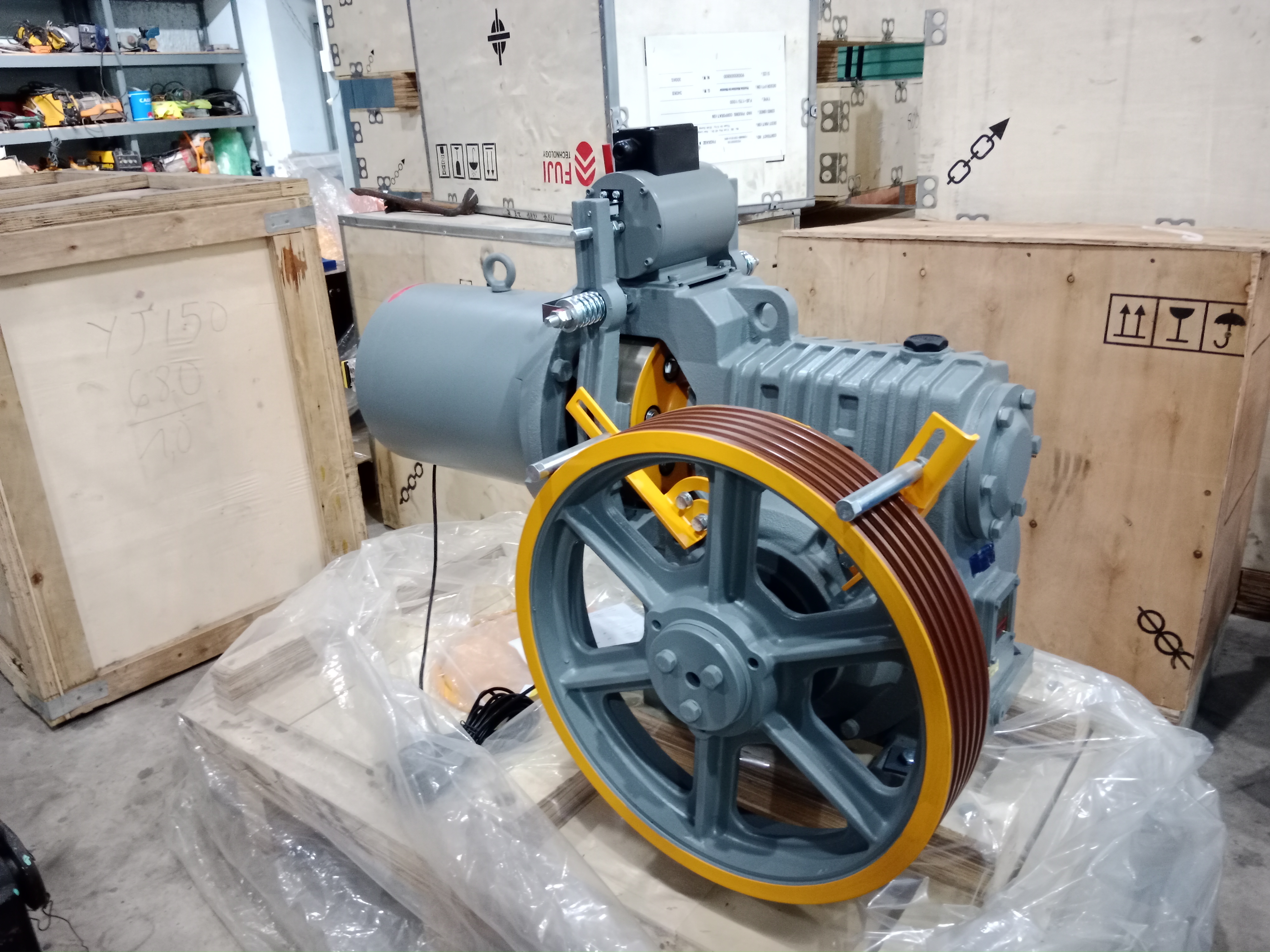
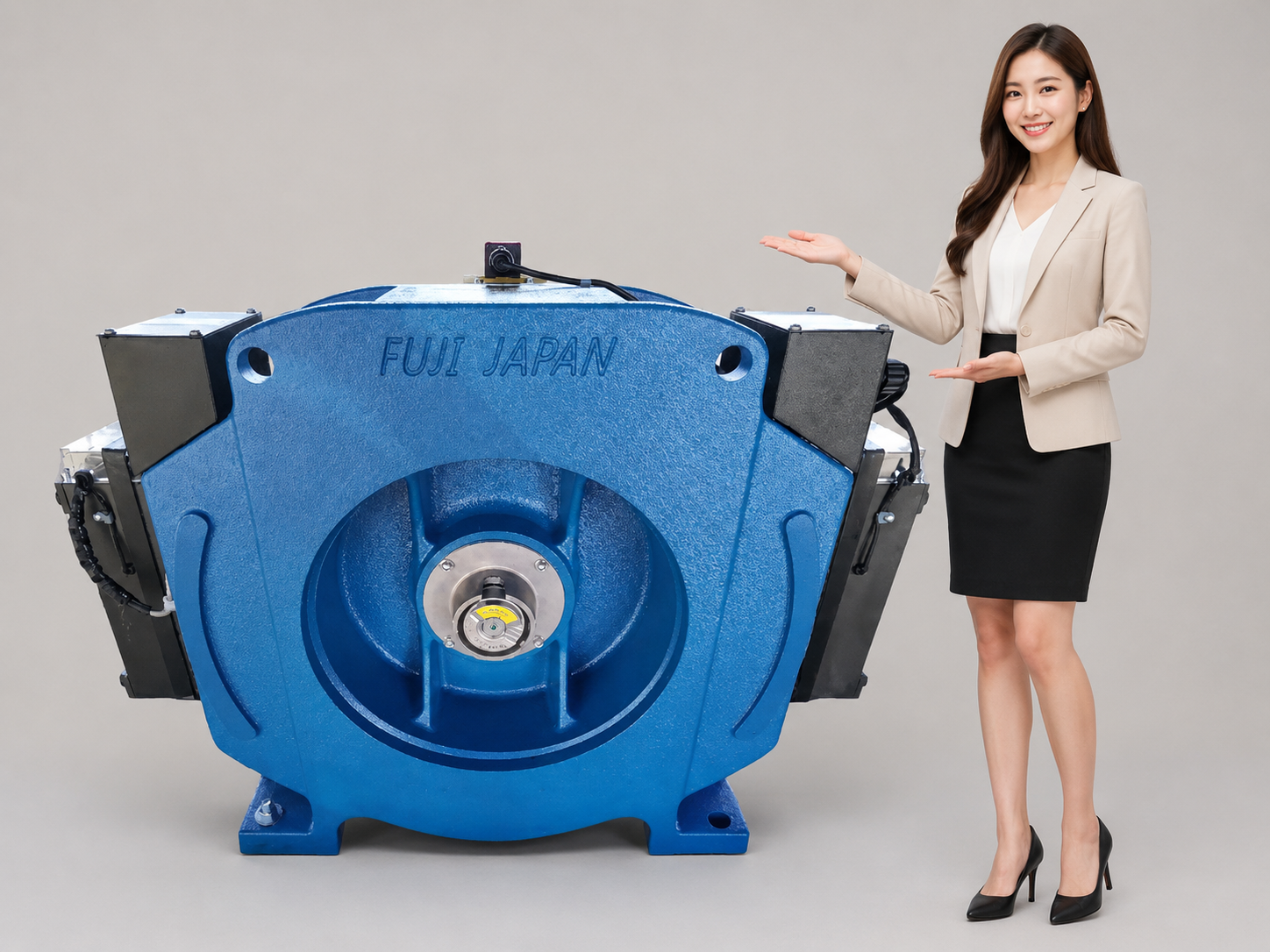
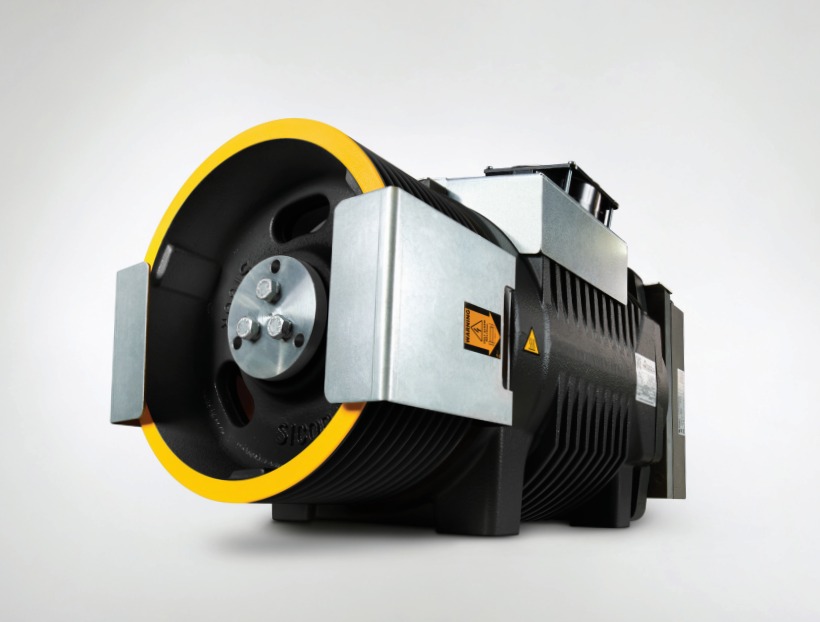
In terms of technology, elevator companies in Hanoi are strongly shifting towards using gearless motors combined with VVVF (Variable Frequency Drive) inverters, resulting in smoother operation, energy savings, and reduced maintenance costs. Microprocessor-based control systems, PLCs, or dedicated controllers allow for flexible programming and integration of multiple operating modes such as floor priority, fire safety mode, cargo transport mode, and energy-saving mode for low-traffic use. Some companies are also developing remote elevator monitoring solutions via the internet, enabling tracking of operating status, fault alerts, and timely technical support.
The trend towards personalization and optimizing the user experience.
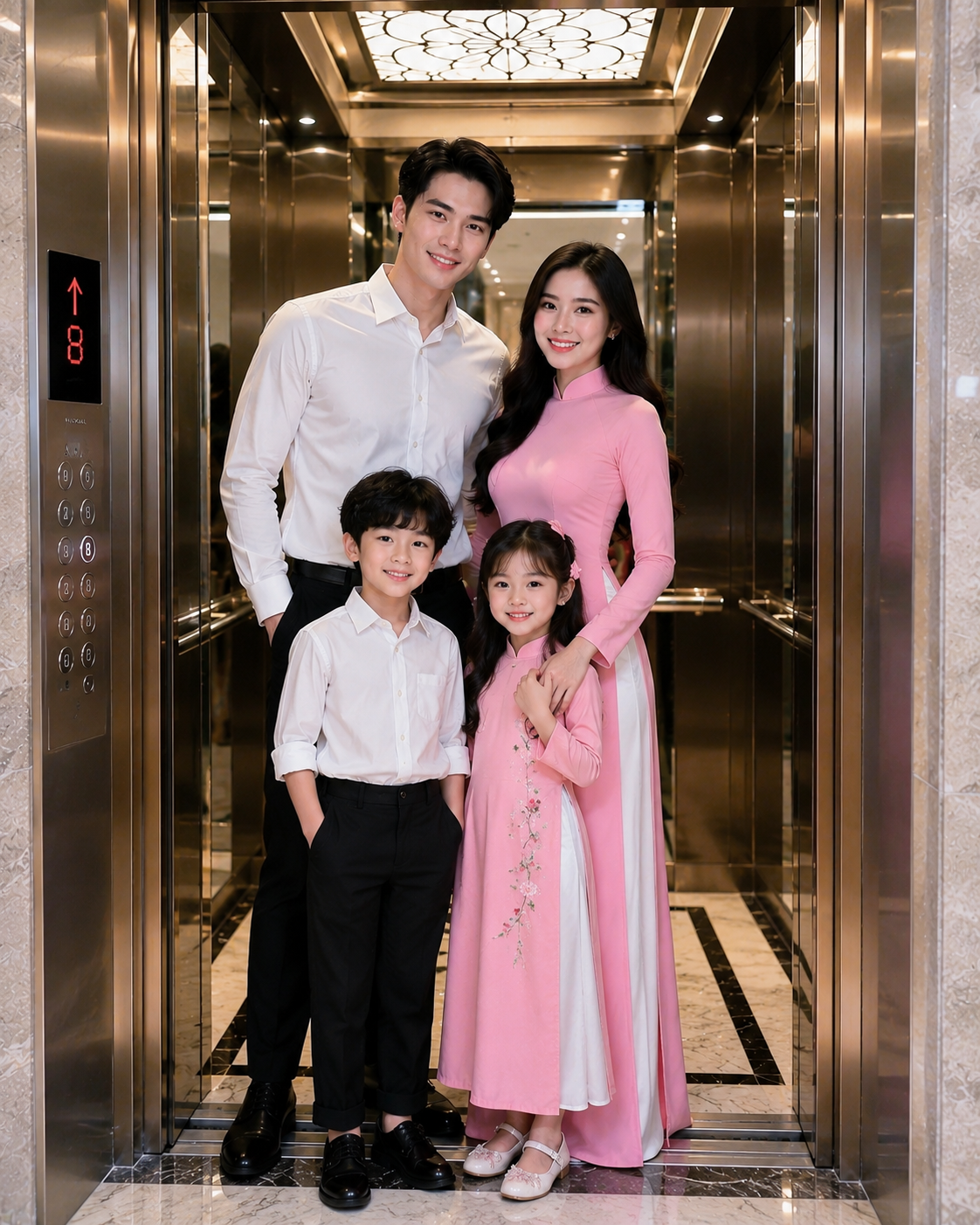
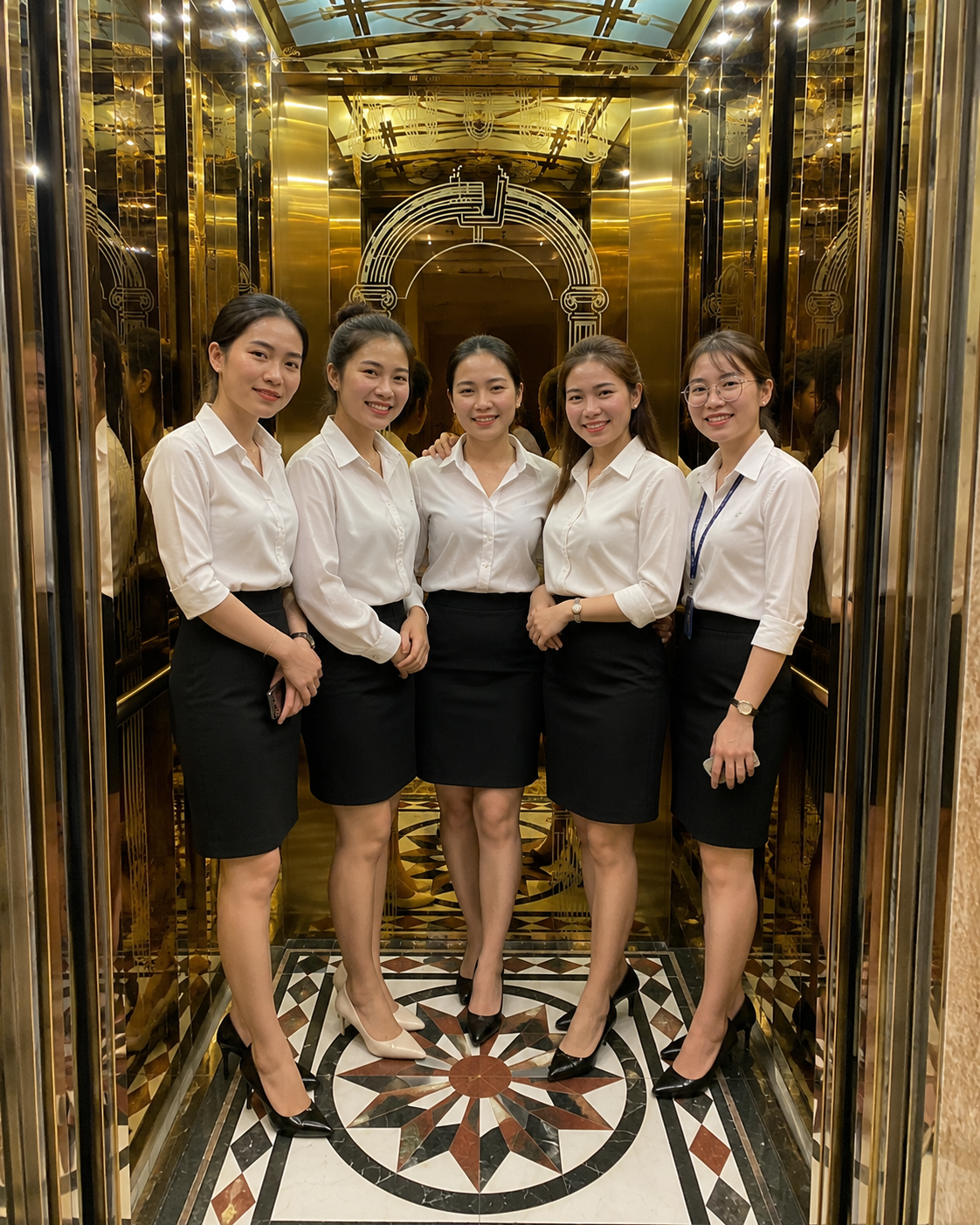
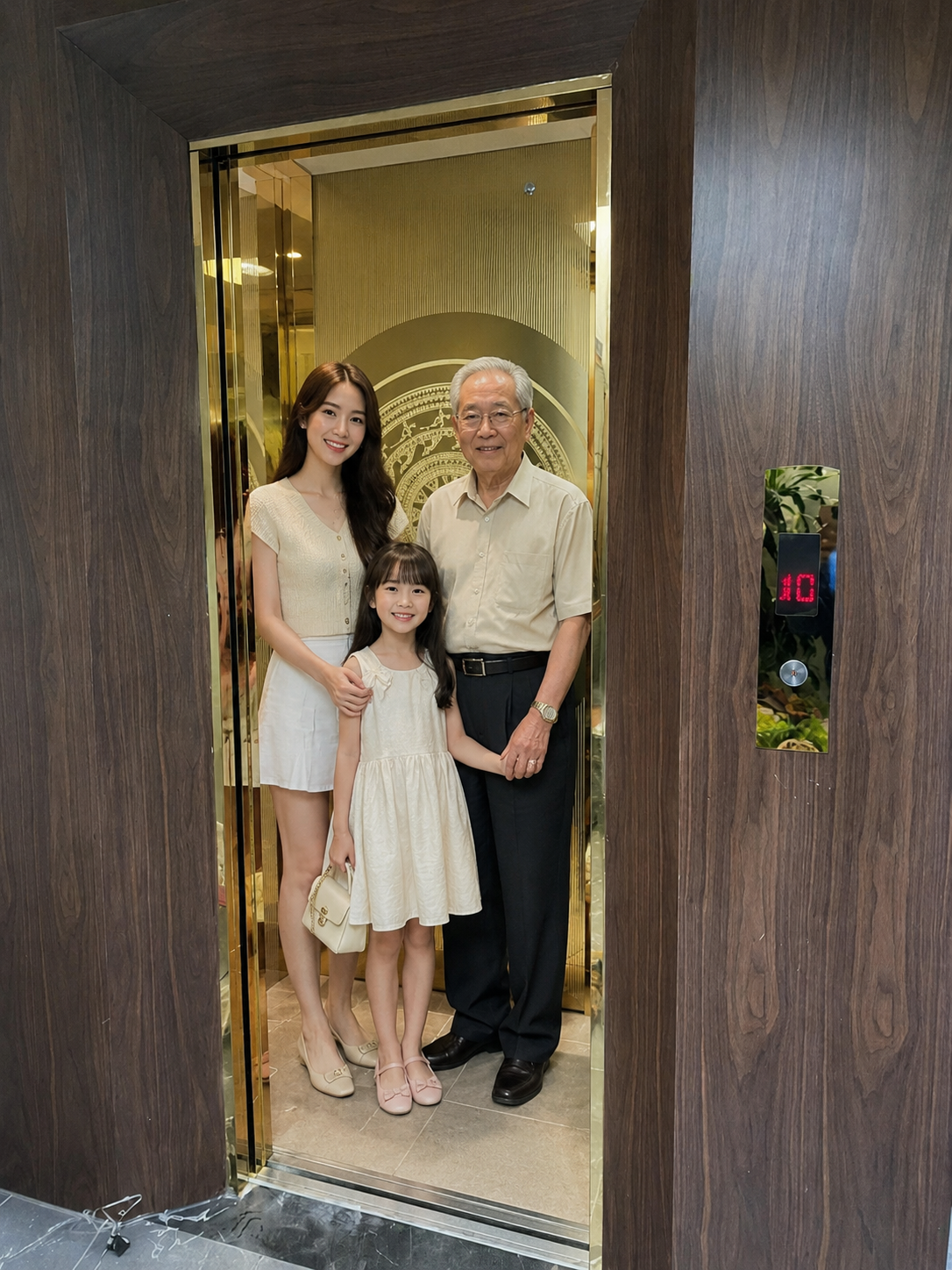
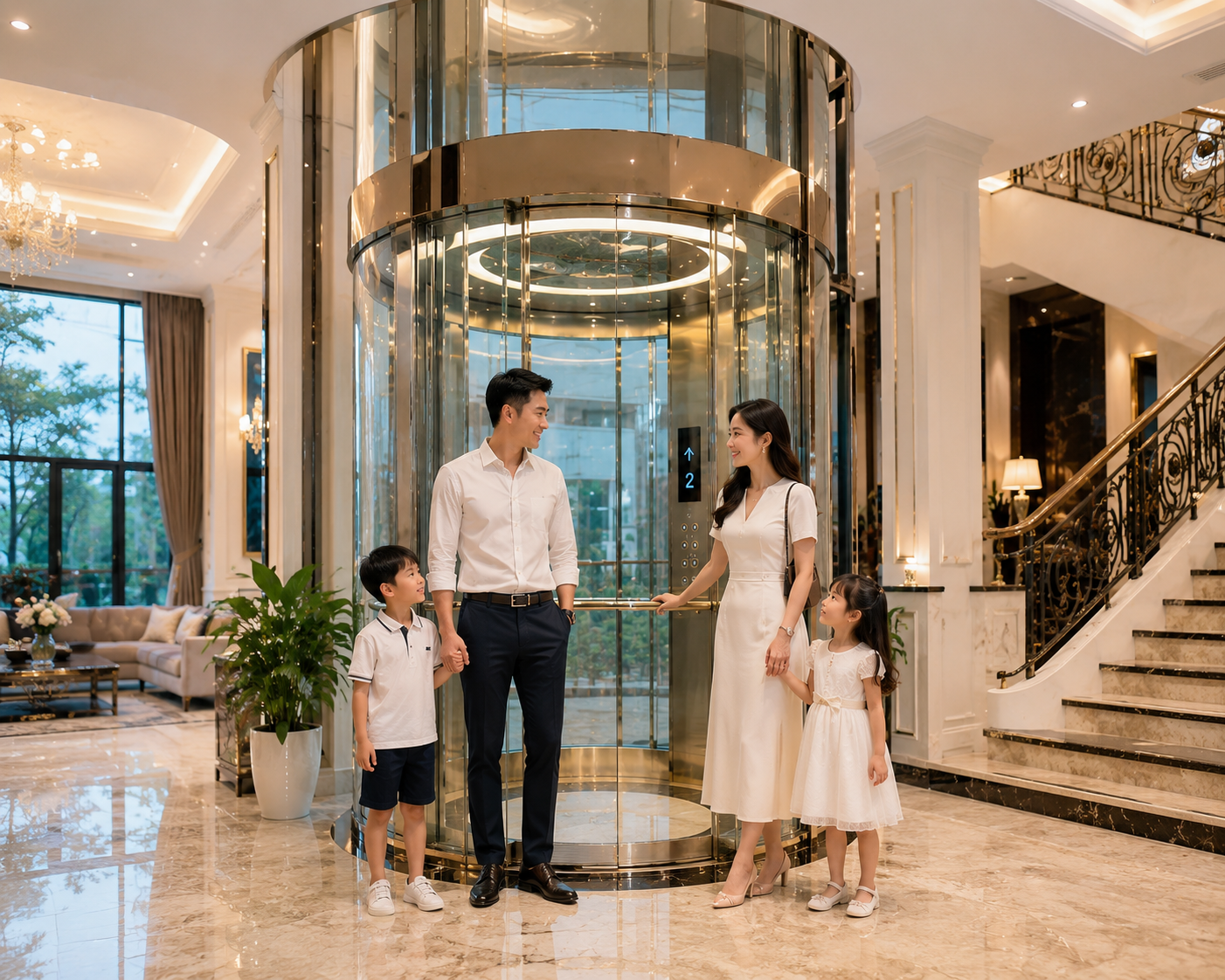
Besides technical aspects, elevator companies in Hanoi are increasingly focusing on aesthetic design and user experience. Cabin interiors are personalized with a wide range of material options such as mirrored stainless steel, patterned stainless steel, tempered glass, engineered wood, stone cladding, combined with LED lighting systems, handrails, decorative ceilings, and touch-sensitive control panels. For home elevators, the trend is towards using full-glass elevators or mini panoramic elevators to create a more open space and enhance the architectural value of the house. These solutions require companies to have the ability to design and fabricate with precision and to coordinate closely with architects and construction contractors.
In the context of rapid urbanization and the demand for energy saving and sustainable development, many elevator companies in Hanoi are researching and implementing solutions such as regenerative braking, using environmentally friendly materials, and optimizing transport flow to reduce waiting times and electricity consumption. Simultaneously, training technical staff, updating to new standards, investing in specialized testing equipment, and establishing transparent service procedures are key factors in enhancing the company's reputation and meeting the increasingly high expectations of individual customers and professional investors.