

Cargo elevator company
Cargo elevator company
The role of cargo elevator companies in the modern logistics chain.
Freight elevator companies play a crucial role in logistics infrastructure and industrial production, undertaking the design, manufacture, installation, and maintenance of specialized elevator systems for transporting goods. Unlike passenger elevators, freight elevators must simultaneously meet requirements for high load capacity, high operating frequency, mechanical durability, operator safety, and integration with automation systems. A specialized company not only provides equipment but also advises on optimizing vertical goods flow, helping to reduce operating costs, shorten loading and unloading times, and increase the efficiency of space utilization in warehouses, factories, shopping malls, or multi-story parking lots.
In the context of urbanization and the trend of constructing high-rise buildings, the demand for cargo elevators is increasingly diverse: from heavy industrial cargo elevators , food and pharmaceutical elevators , car lifts , to mini cargo elevators for small and medium-sized warehouses. A reputable cargo elevator company must be able to customize solutions for each industry: garment manufacturing, 3PL logistics, cold storage, mechanical manufacturing, wood processing, supermarkets, hotels, hospitals, etc. Each field requires different technical standards, materials, hygiene and safety procedures, forcing the supplier to possess a team of engineers and experts knowledgeable in both domestic and international standards.
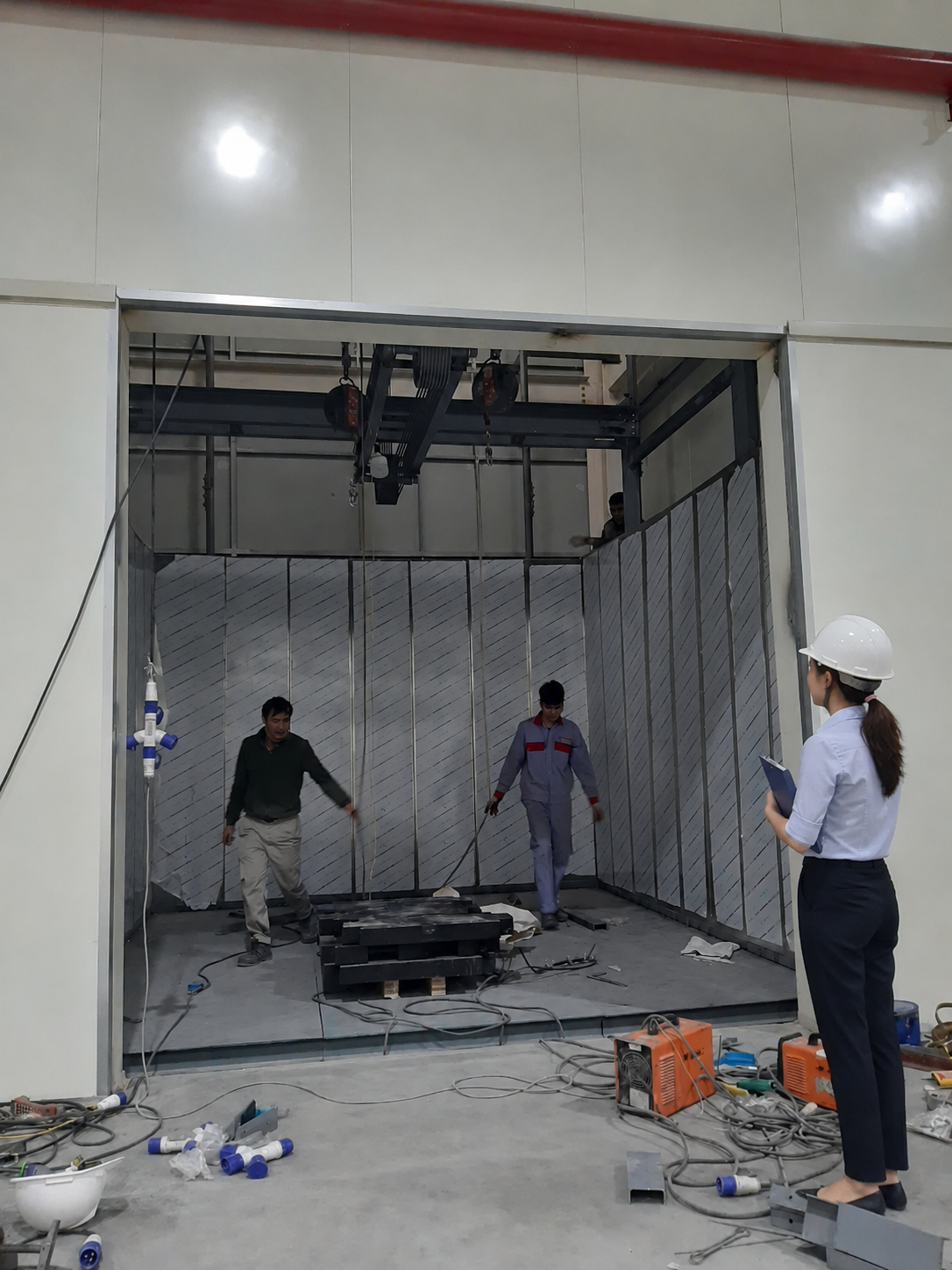
Technical and safety standards in the design of cargo elevators.
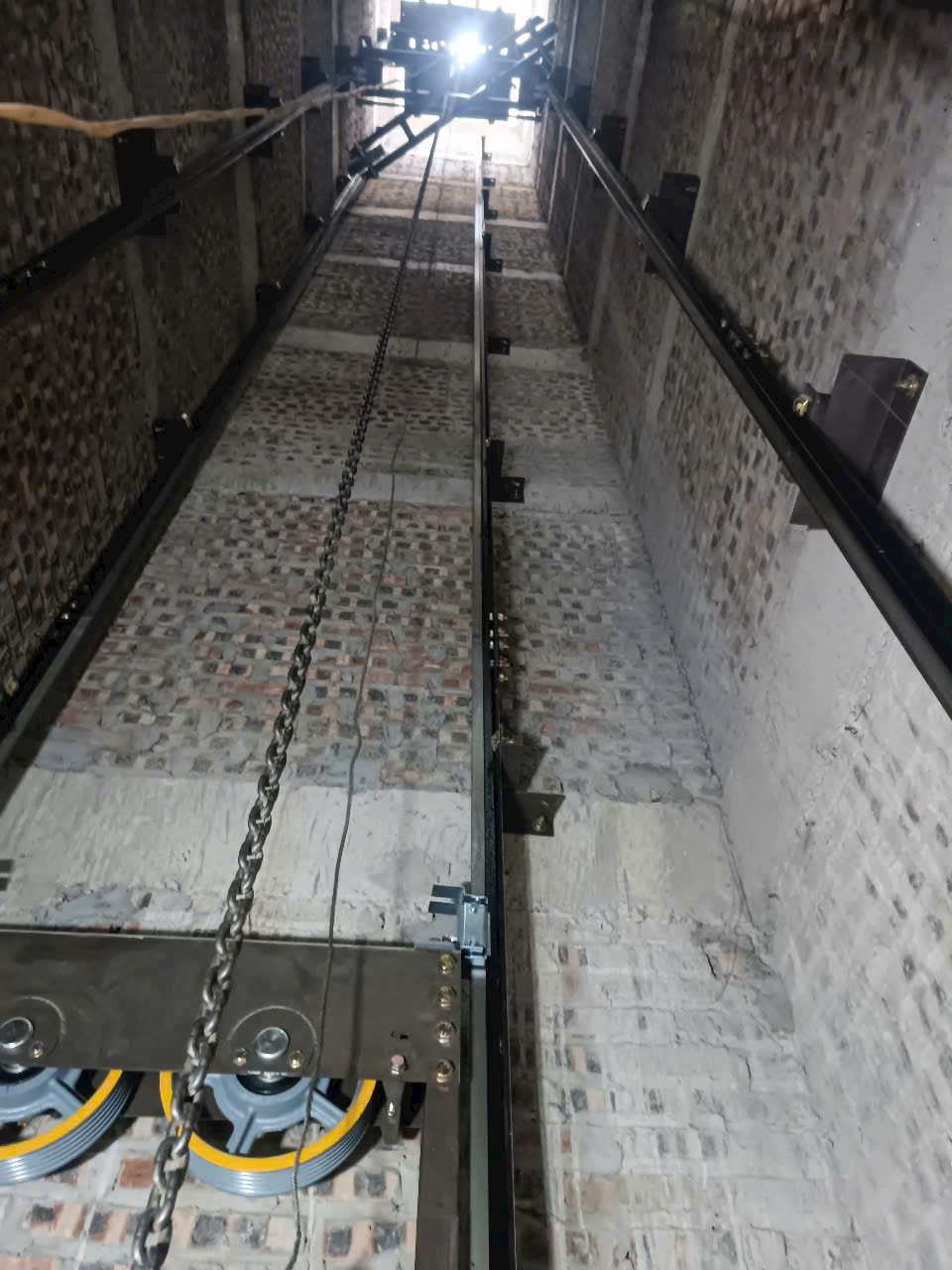
Professional freight elevator design begins with an analysis of the nominal load , cabin dimensions , travel speed , operating cycle , and environmental conditions . With loads ranging from a few hundred kilograms to tens of tons, freight elevator companies must accurately calculate the steel structure, guide rails, counterweights, hoisting cables, or hydraulic cylinders, ensuring safety factors according to standards such as EN 81, ISO 8100, or national technical regulations. The choice between cable-driven, hydraulic, or screw-driven systems depends on the lifting height, shaft space, smoothness requirements, investment costs, and maintenance.
Safety is always a top priority, with features such as overspeed control , safety brakes , limit switches , overload sensors , interlocking door locks , automatic rescue systems , and UPS power backup in case of power failure. Cargo elevator cabins are typically reinforced with thick steel plates, stiffening ribs, anti-slip flooring, protective railings, and appropriate lighting and ventilation systems. For special environments such as cold storage, chemical plants, and areas with fire and explosion risks, cargo elevator companies must use corrosion-resistant materials, explosion-proof electrical equipment, heat-resistant cables and accessories, and design integrated escape and fire safety solutions.
Common freight elevator configurations
Professional cargo elevator companies typically offer various configurations to meet diverse needs. Some typical configurations include: goods-passenger lifts for warehouses and supermarkets; purely cargo lifts (excluding people ); car lifts for smart parking lots; food lifts (dumbwaiters ) for restaurants, hotels, and industrial kitchens ; and outdoor hydraulic lifts for factories and logistics warehouses. Each configuration requires different designs for landing doors, cabin doors, control systems, and safety solutions, such as sliding doors, manual doors, high-speed roller doors, or EI60-EI90 fire-resistant doors.
For renovation projects, where elevator shaft space is limited, freight elevator companies must implement solutions such as machine-roomless elevators , elevators using offset counterweights , or shallow-pit hydraulic elevators to maximize available height and area. Surveying the existing structure and assessing the load-bearing capacity of floors, beams, and columns is a mandatory step before proposing a solution. Experienced companies often use 3D simulations and specialized software for structural calculations, thereby minimizing risks during construction and long-term operation.
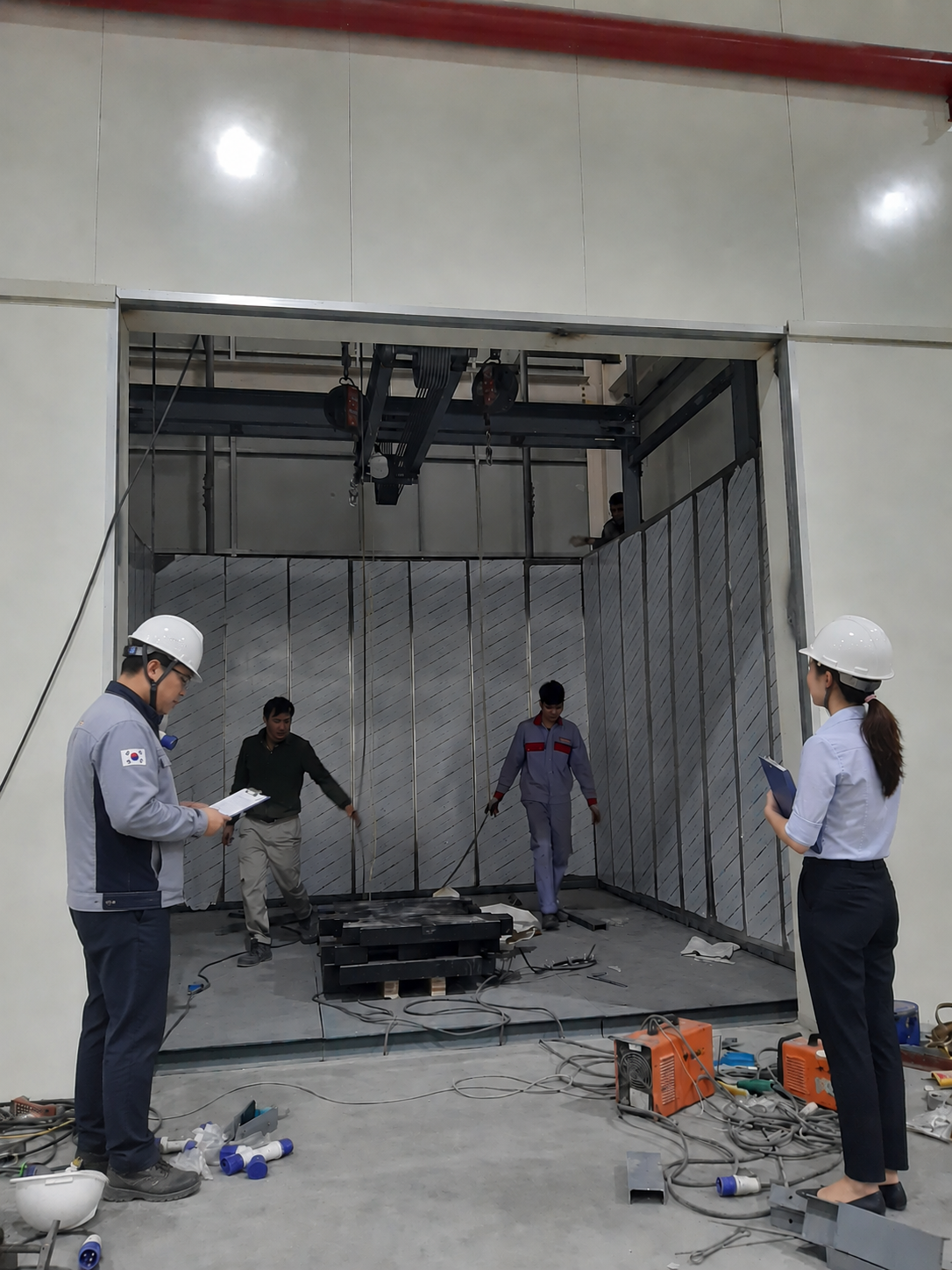
Comprehensive service package from a professional cargo elevator company.
A professional freight elevator company goes beyond simply selling equipment; it provides a complete service package from consultation, design, manufacturing, installation, to maintenance and upgrades. The technical consultation phase includes analyzing current operational processes, hourly cargo flow, pallet types, forklift usage, floor height, warehouse layout, and movement flow. Based on this analysis, the supplier proposes the number of elevators, load capacity, speed, placement, and connection options to conveyor belts, WMS, or ERP systems, helping customers optimize the overall system rather than just a single piece of equipment.
In the manufacturing and installation process, reputable freight elevator companies apply a quality management process according to ISO 9001, strictly controlling the origin of materials, steel certifications, cables, motors, control cabinets, and safety equipment. The construction technical team must be thoroughly trained in occupational safety, working at height, welding, electrical connection, and lifting equipment inspection. After installation, the freight elevator undergoes no-load and loaded testing, rescue mode testing, fault simulation, vibration and noise measurements, and control parameter adjustments to achieve optimal performance. Complete completion documents, operating manuals, electrical diagrams, and maintenance schedules are handed over to the investor.
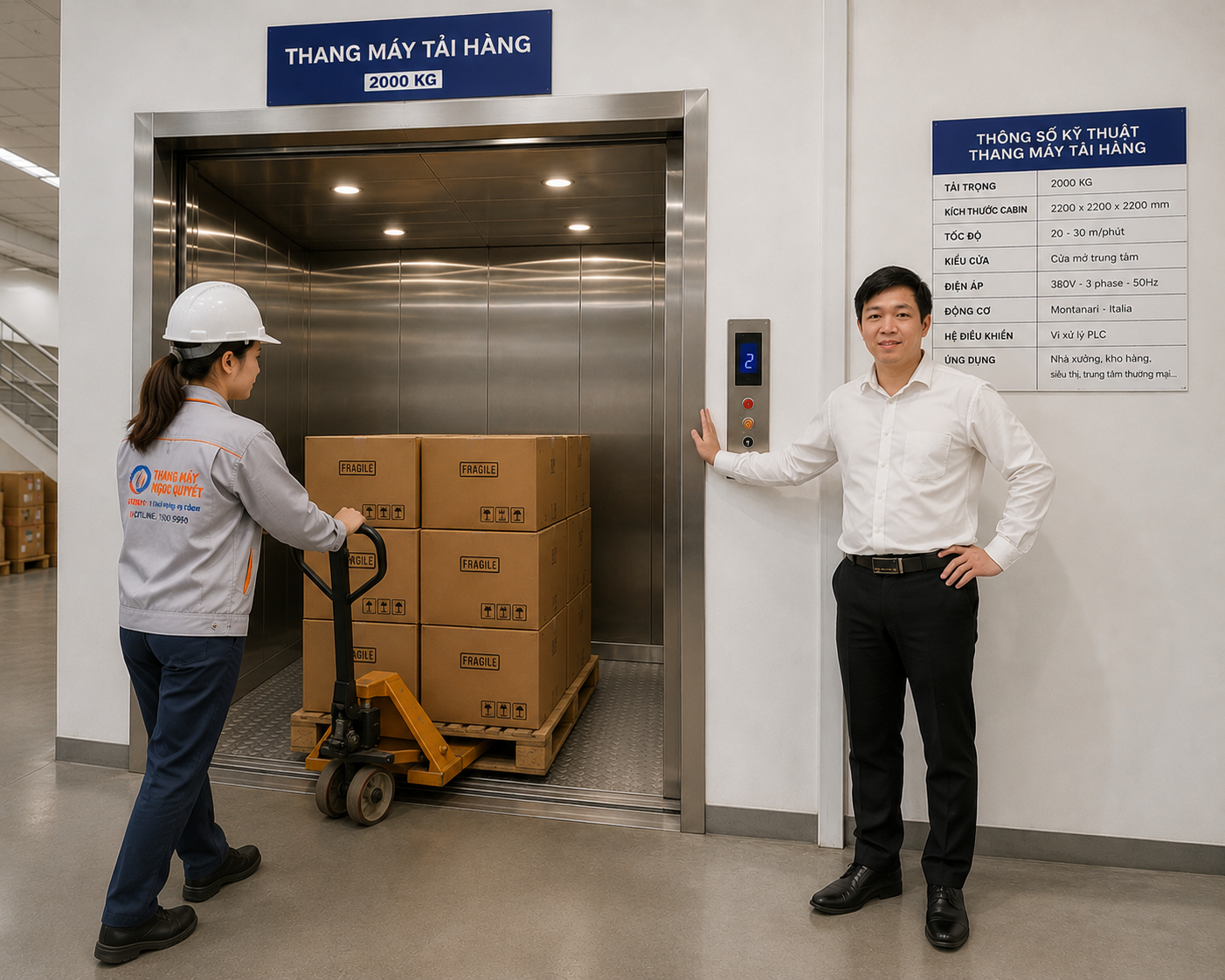
Maintenance, upgrades, and optimization of operating costs.
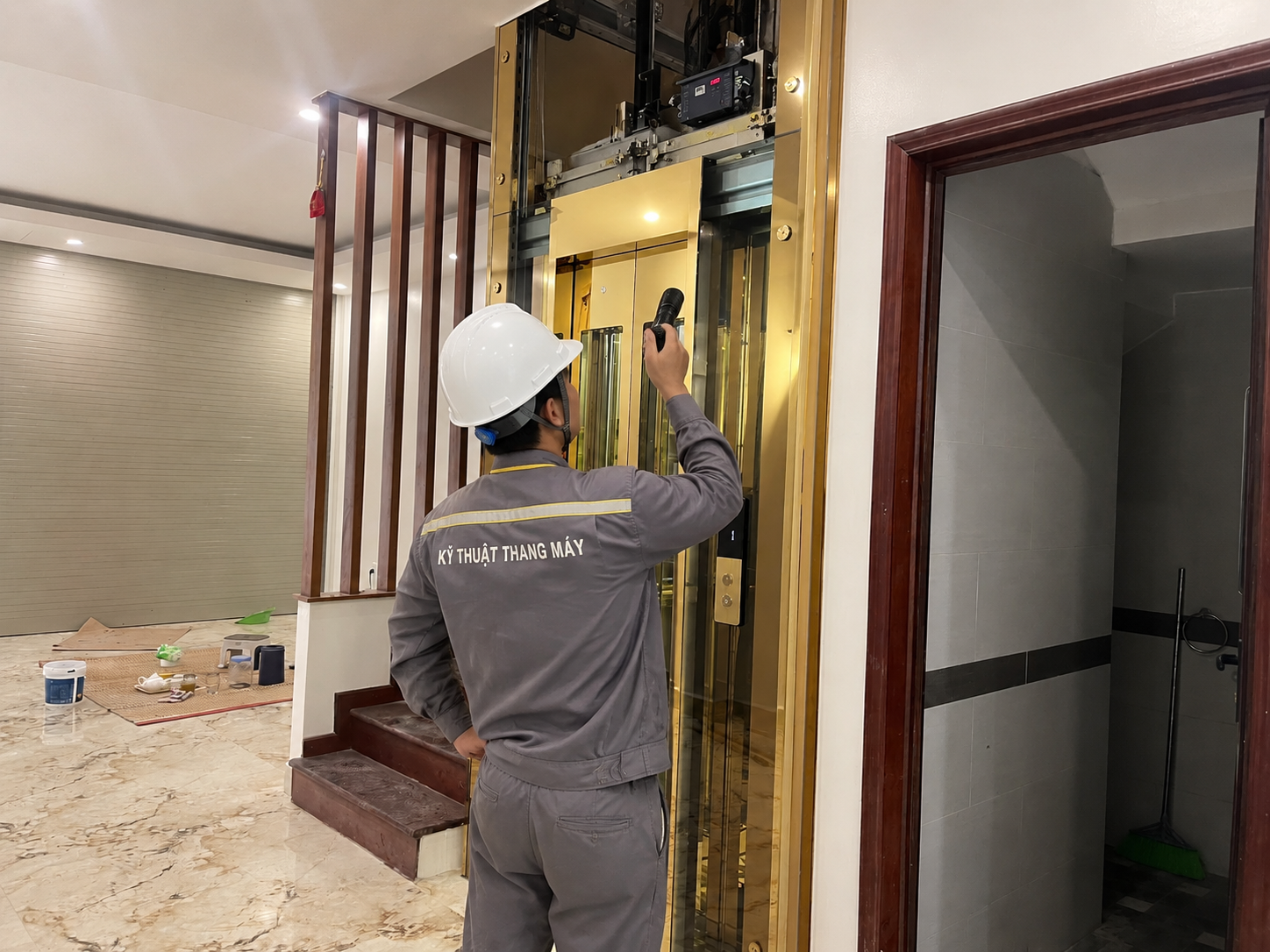
Cargo elevators operate at high frequency and carry heavy loads, so preventative and condition-based maintenance strategies are crucial to minimizing downtime and extending equipment lifespan. Professional cargo elevator companies develop regular maintenance schedules based on the number of runs, operating hours, environmental conditions, and the system's importance in the production line. Regular maintenance includes: checking cable wear, aligning rails, lubricating pulleys, checking brakes, testing sensors, measuring motor current, cleaning the electrical cabinet, updating control software, and assessing floor deviation.
Besides maintenance, the need for upgrading and modernizing cargo elevators is increasing as many older buildings require improvements in performance and safety without the desire for a complete replacement. Common solutions include: replacing control cabinets with energy-efficient inverter systems, installing overload sensors, adding remote monitoring systems, changing landing doors to safer types, and modifying cabins to accommodate new pallet sizes. As a result, businesses can reduce electricity costs, minimize malfunctions, and increase cargo handling speed while still utilizing much of the existing structure and mechanical components.
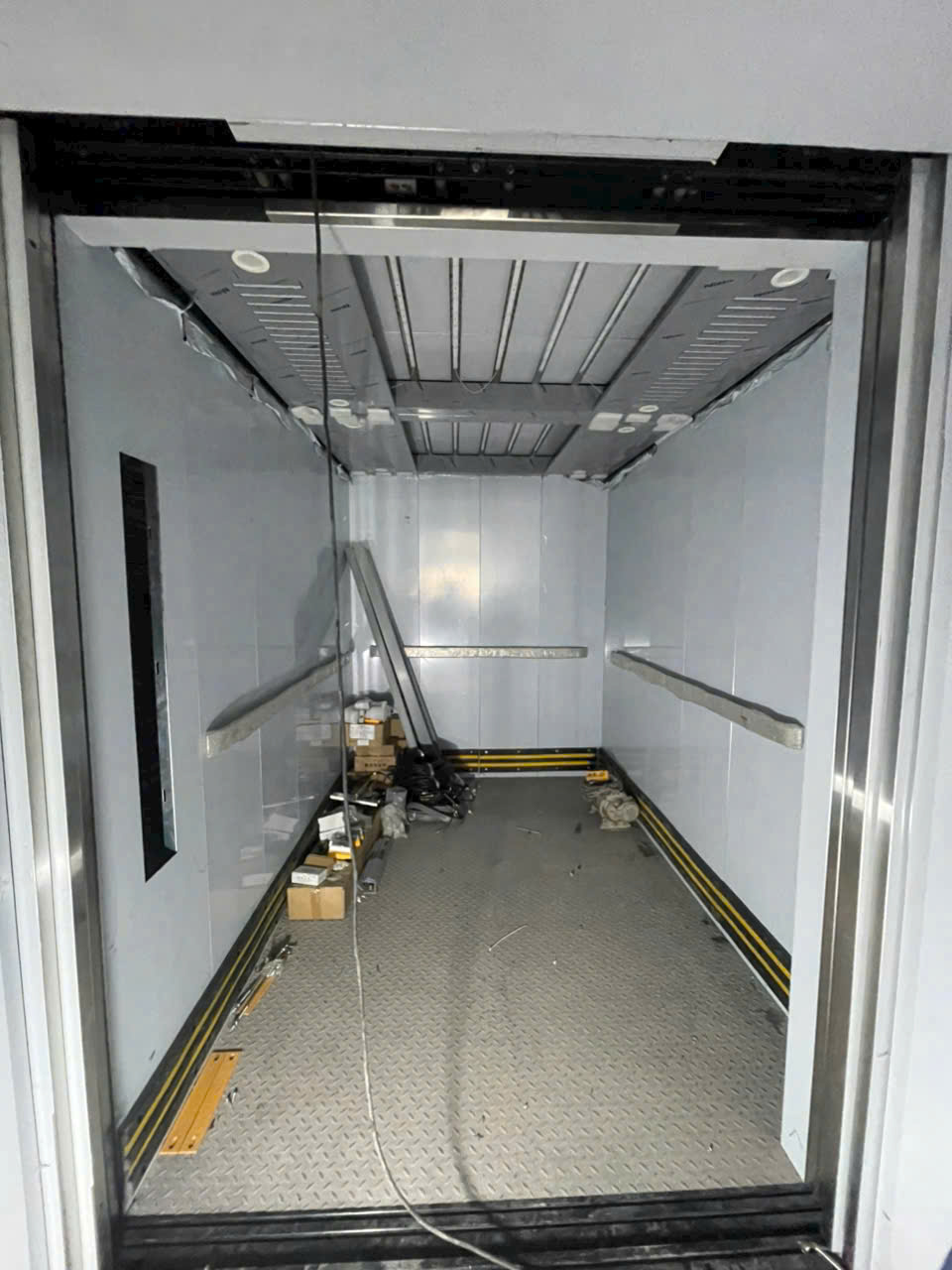
Criteria for choosing a reliable cargo elevator company.
When selecting a partner, businesses should evaluate cargo elevator companies based on several professional criteria: design and calculation capabilities , experience in similar industries , quality management systems , engineering and technical staff , domestic component supply capabilities , response time in case of incidents, and long-term warranty and maintenance policies . Reviewing completed projects, checking inspection certificates and operating licenses, and directly communicating with the technical department will provide a more accurate assessment than relying solely on price quotes.
In the context of digital transformation, many freight elevator companies have implemented remote monitoring via IoT , allowing them to track elevator status, number of runs, malfunctions, motor temperature, power supply voltage, etc., in real time. This data supports intelligent maintenance planning, predicts failures before they occur, and minimizes unexpected downtime. Businesses using services from such technologically capable providers often achieve a double benefit: higher operational safety and lower equipment lifecycle costs.