

Passenger elevator company
Passenger elevator company
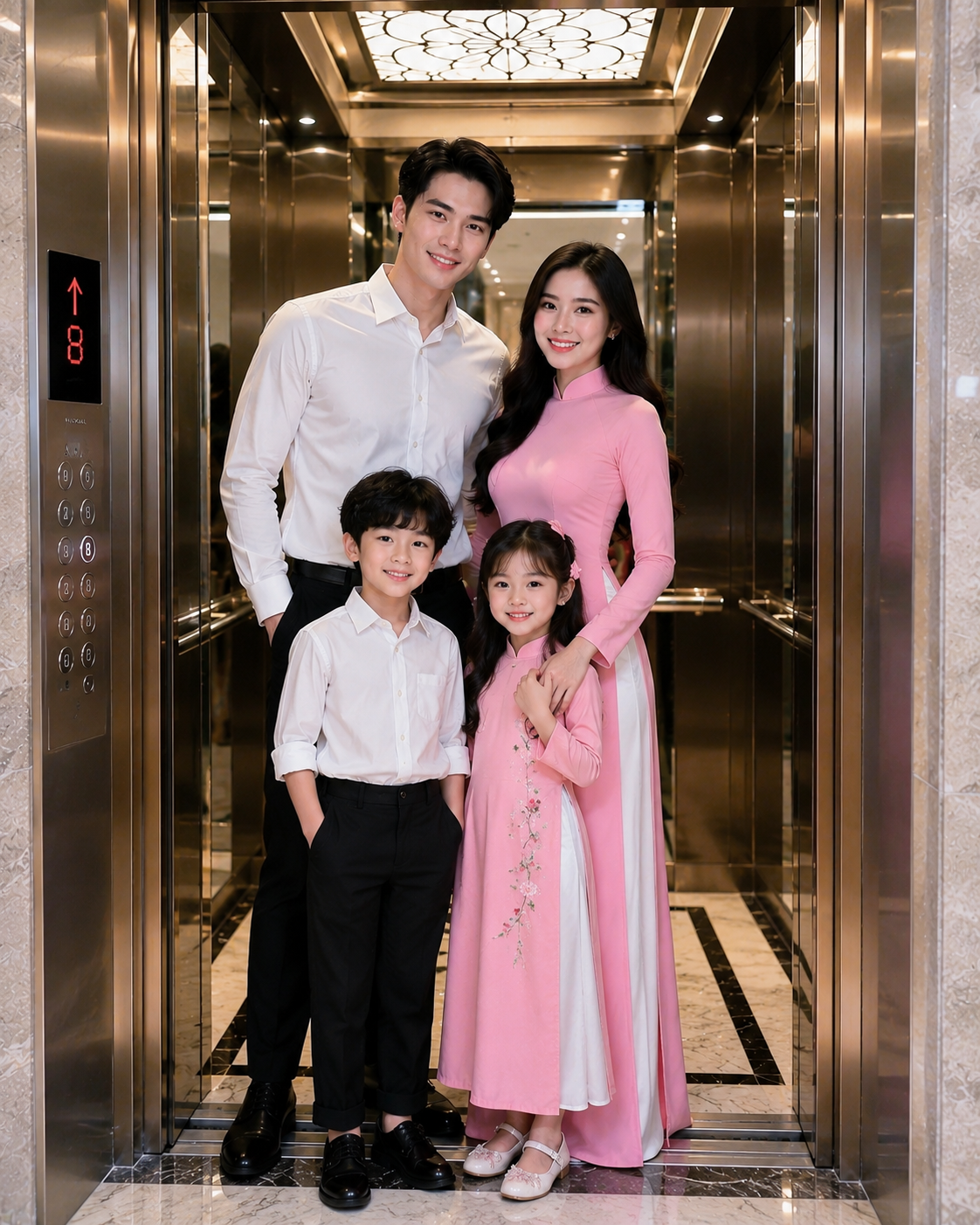
The role of passenger elevator companies in modern buildings.
Elevator companies play a central role in the modern construction ecosystem, especially in high-rise buildings, shopping malls, hospitals, and luxury apartments. Beyond simply providing vertical transportation equipment, elevator businesses are deeply involved in consulting on vertical transportation solutions, optimizing traffic flow, reducing waiting times, and ensuring strict compliance with national and international safety standards. A highly competent company will work closely with architects, structural engineers, MEP (mechanical, electrical, and plumbing) engineers, and general contractors to integrate elevator systems from the initial design stage, avoiding technical space conflicts and optimizing investment and long-term operating costs.
In the context of rapid urbanization, the demand for high-speed passenger elevators , energy-efficient elevators , and intelligent control solutions is increasing. Reputable elevator companies not only provide standard products but also develop customized configurations to suit the specific needs of each building: elevators for 5-star hotels require smooth operation and luxurious interior design; elevators for hospitals need priority transport, disinfection, and 24/7 operation; and elevators for apartment buildings require high durability and reasonable maintenance costs. The ability to meet diverse usage scenarios is a crucial measure of a company's expertise in the industry.
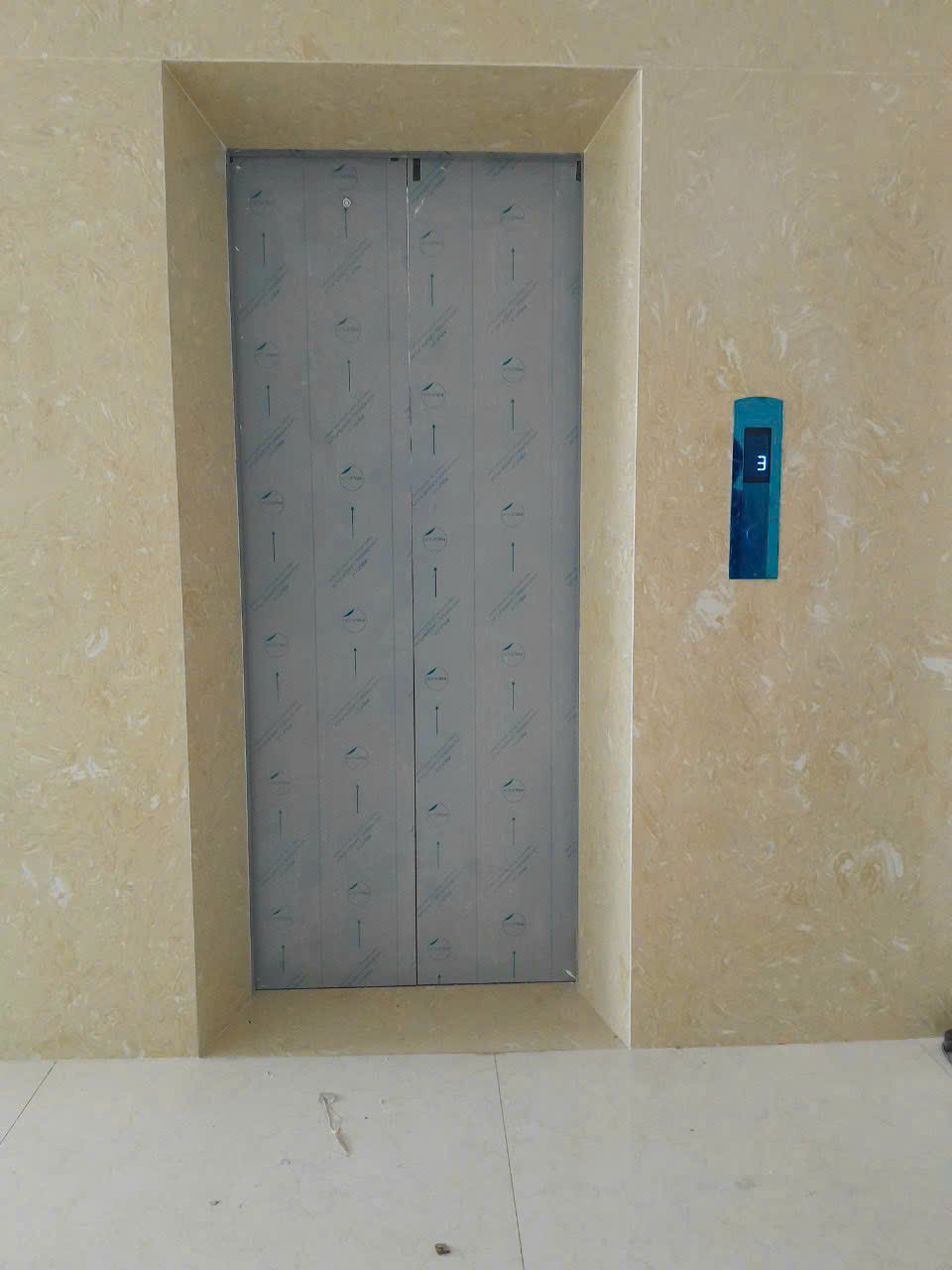
Technical and safety standards in the design of passenger elevators.
A professional passenger elevator company always prioritizes safety throughout the entire product lifecycle, from design, manufacturing, installation to maintenance. Modern elevator systems must comply with standards such as EN 81, ISO 25745, TCVN 6395, and relevant fire safety regulations. During the design phase, elevator engineers calculate the rated load, speed, travel distance, cabin dimensions, shaft dimensions, forces acting on the building structure, and select the configuration of the traction machine, control panel, mechanical braking system, speed limiter, shock absorber, and automatic rescue system. Each component is inspected, tested, and certified by independent assessment organizations.
In terms of operational safety, modern passenger elevators incorporate multiple layers of protection: interlocking floor door locks , optical door sensors , travel limits , speed monitoring , overload protection , phase loss and phase imbalance protection , and an automatic rescue system (ARD) in case of power failure. Control algorithms are programmed to prioritize stopping at the nearest safe floor, open the doors when conditions permit, and send warning signals to the monitoring center. Companies with specialized expertise often develop rigorous internal inspection procedures that exceed legal requirements, combining electronic maintenance logs and fault data analysis to predict failures and intervene early, minimizing risks for users.
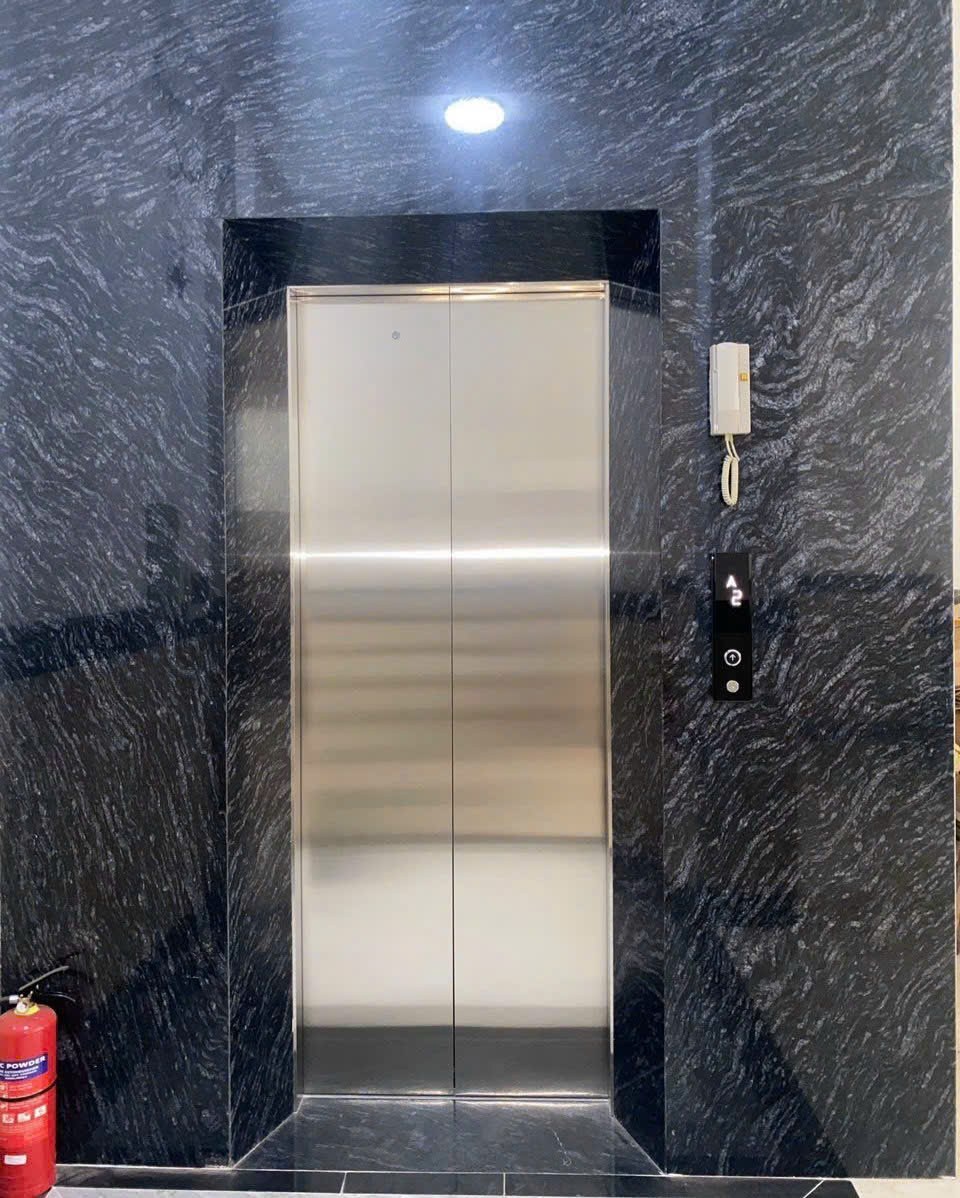
Passenger flow control and optimization technology
In high-rise buildings, the most important challenge for passenger elevator companies is optimizing traffic flow and reducing waiting times . Group control systems use algorithms to allocate cabins based on real-time data: elevator position, direction of travel, number of floor requests, and traffic patterns during peak and off-peak hours. More advanced solutions employ Destination Control Systems (DCS) , allowing passengers to select their desired floor before entering the cabin; the system groups people traveling in the same direction, reducing the number of stops, shortening travel time, and increasing transport capacity.
Market leaders are also integrating IoT and big data analytics into their control systems. Sensors mounted on traction machines, cables, landing doors, brakes, inverters, etc., continuously send data to a cloud platform. Machine learning algorithms analyze temperature trends, vibration, current, and door opening/closing cycles to detect anomalies. From this, engineers can plan predictive maintenance and replace components before sudden elevator shutdowns occur. This approach not only enhances reliability but also optimizes operating costs for investors.
The consultation, design, and installation process of the passenger elevator company.
A well-structured work process clearly demonstrates the professionalism of a passenger elevator company. The first stage is surveying and consulting on solutions : engineers analyze architectural, structural, and MEP drawings, assess user traffic according to the building's function, and then propose the number of elevators, load capacity, speed, shaft layout, machine room or no machine room option, as well as rescue solutions in case of fire or explosion. In renovation projects, measuring the existing condition of the elevator shaft, checking the load-bearing capacity of the structure, and evaluating the existing electrical and ventilation systems are mandatory steps to avoid risks during construction.
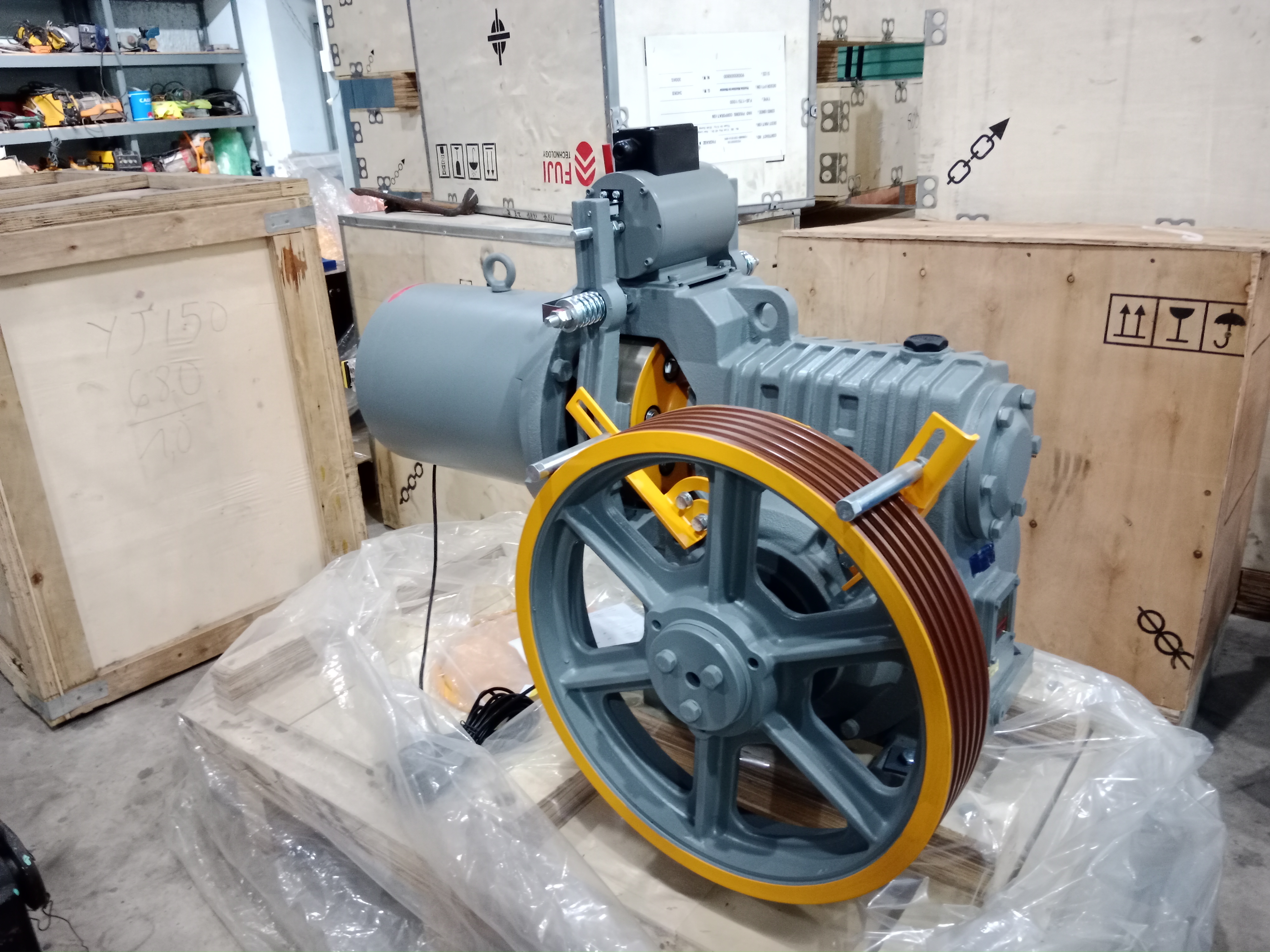
Next comes the detailed engineering design and equipment manufacturing and supply phase . Reputable companies use specialized software to simulate cabin movement, calculate dynamic loads, perform collision checks, and create detailed shop drawings for each item: cabin frame, counterweight, guide rails, machine base, machine room floor, landing doors, and pit. Equipment can be manufactured in domestic factories according to international standards or imported as a complete unit from major brands. Each shipment has a factory certificate, certificate of origin, and material quality certificate, ensuring traceability throughout the entire supply chain.
.jpg)
Construction, installation, and safety inspection.
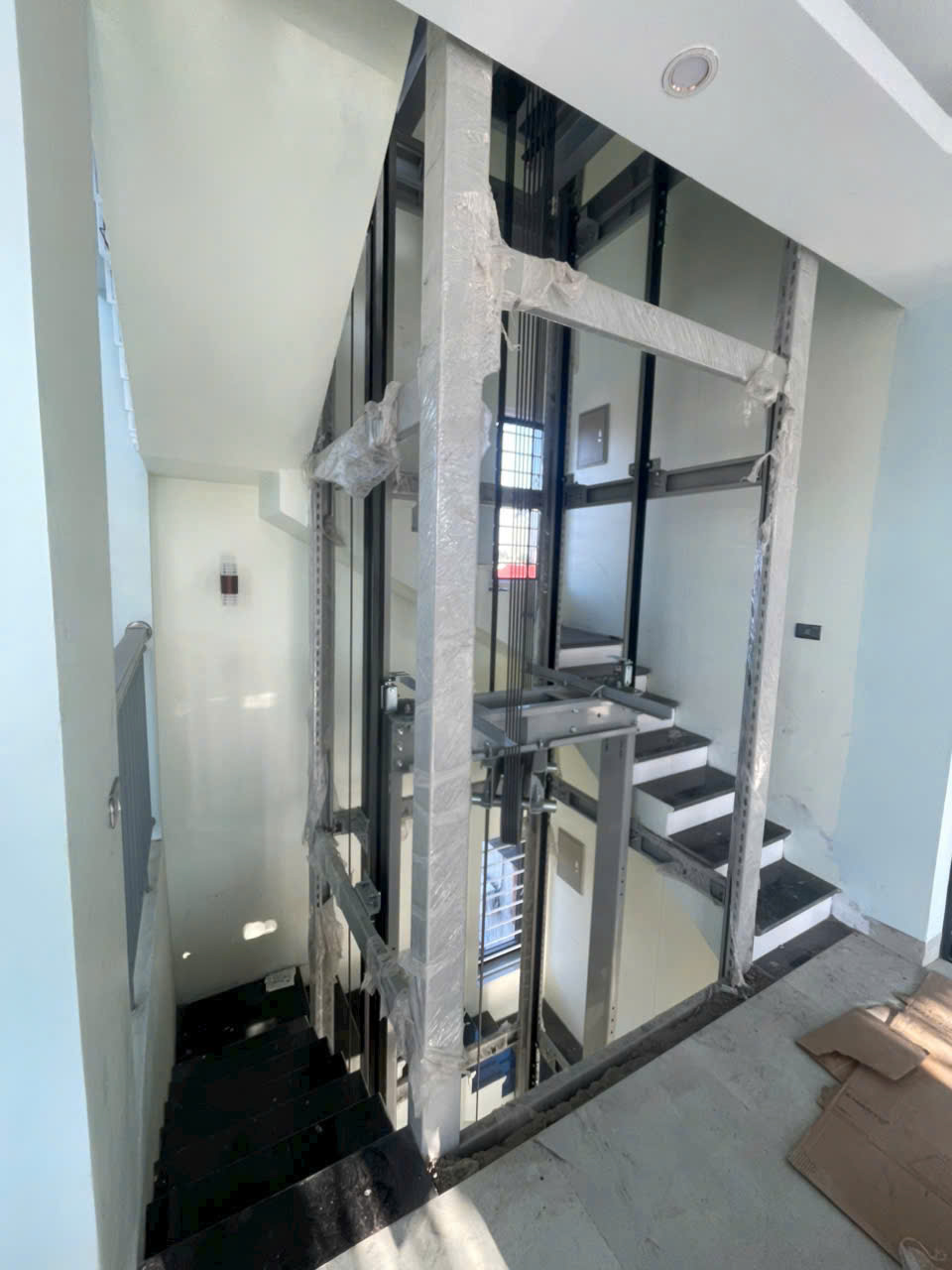
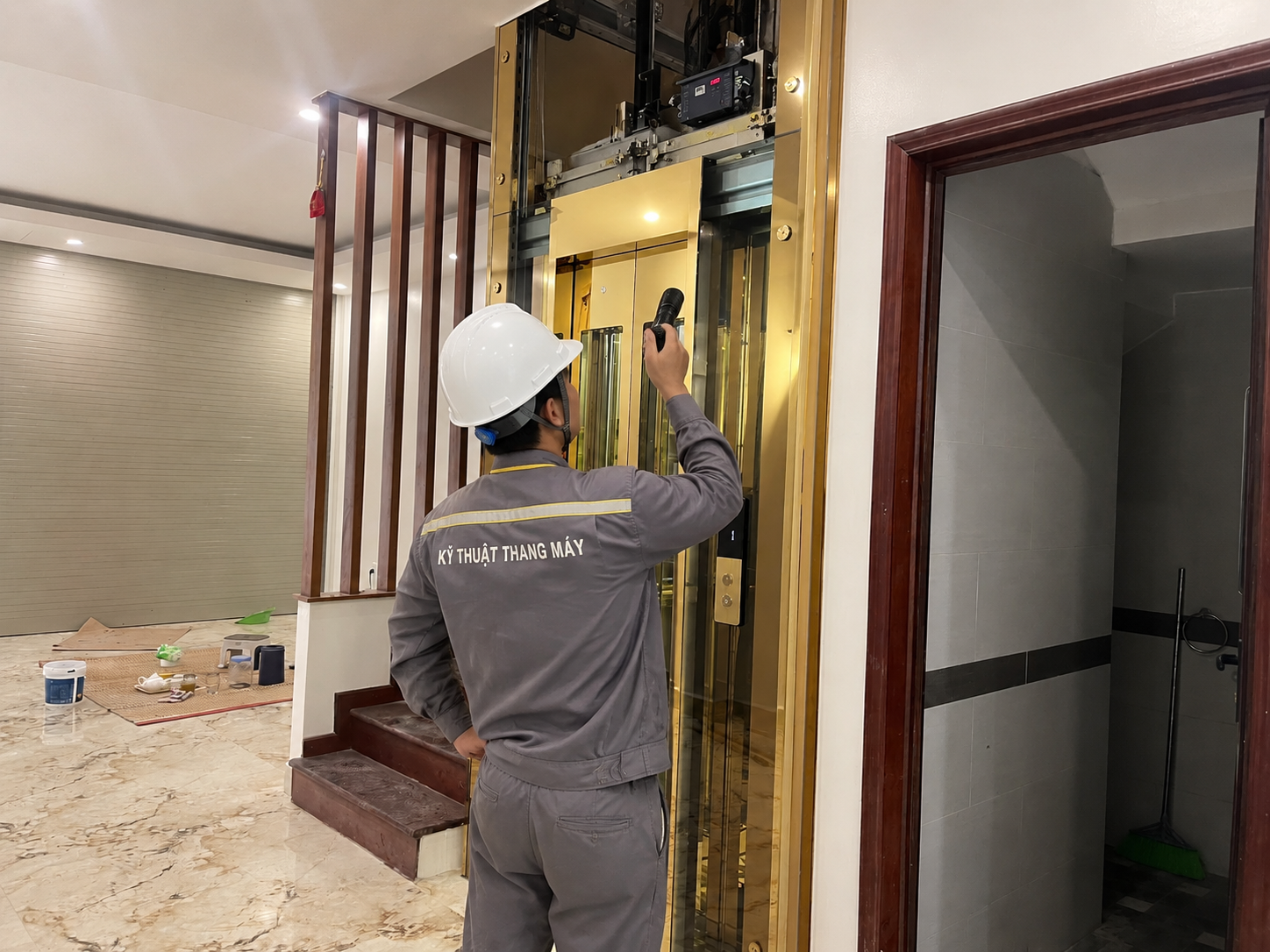
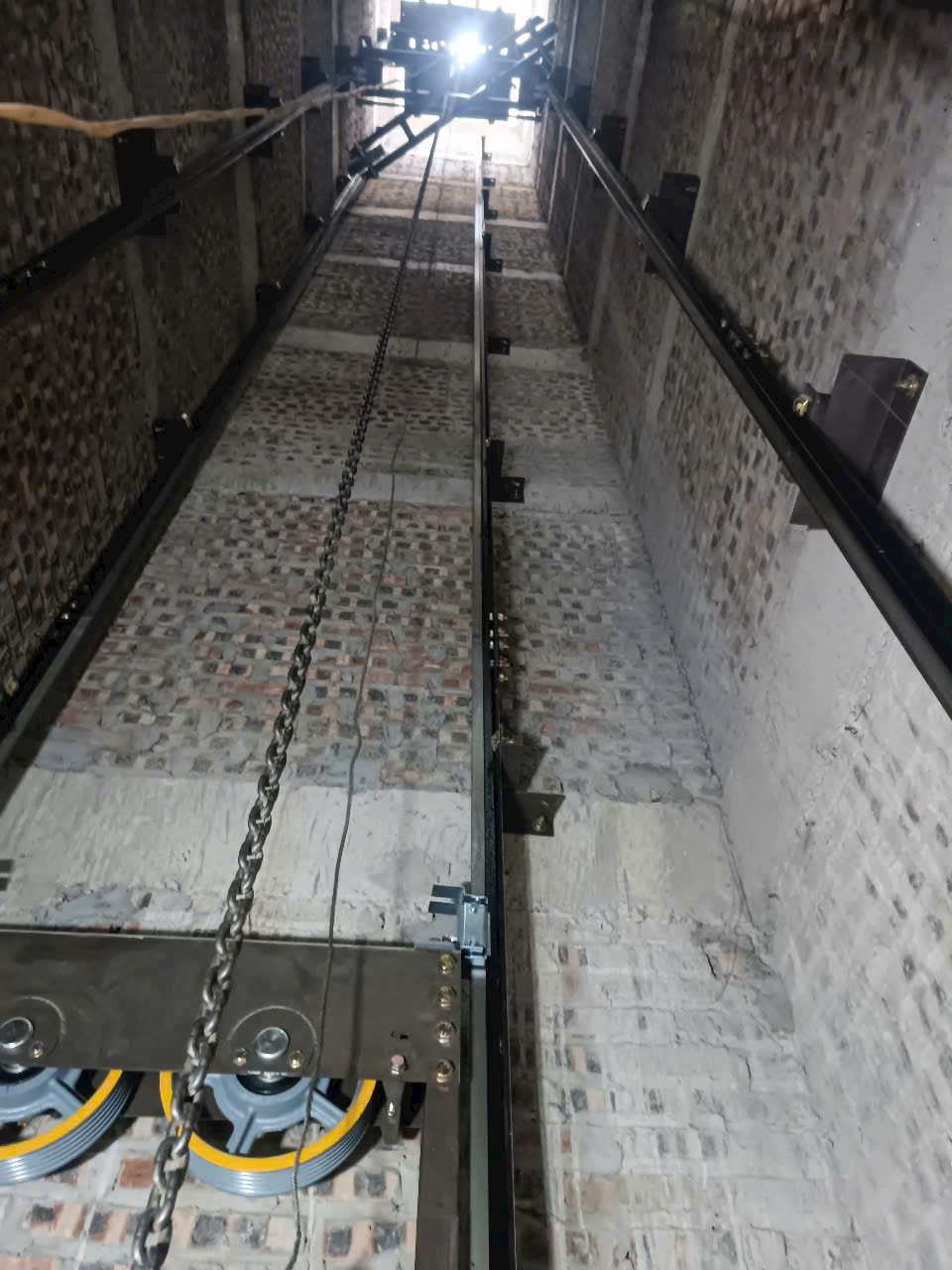
During the construction phase, the passenger elevator company deploys a team of well-trained technicians with occupational safety and professional certifications. The installation steps include: erecting guide rails, installing the cabin frame and counterweight, installing the traction machine, tensioning the cables, installing the landing doors, wiring the control system, installing the electrical cabinet, adjusting the cabin, checking the travel range, and conducting load tests. Each stage is documented with an internal acceptance report, including images and measurement data. Adhering to standard installation procedures ensures mechanical accuracy, reduces vibration and noise, and extends the equipment's lifespan.
After installation is complete, the elevator must undergo safety inspection by a state-designated inspection organization. This process includes static load testing, dynamic load testing, inspection of the mechanical braking system, speed limiter, overspeed protection device, electrical system, rescue system, fire and smoke alarm system in the cabin, and emergency communication system. Only when all criteria are met will the elevator be issued an inspection certificate and allowed to be put into use. The elevator company is responsible for providing technical documentation, installation logs, and material certificates to support the inspection process and for archiving during periodic re-inspections.
.jpg)
Maintenance, upgrade, and lifecycle management services for passenger elevators.
For passenger elevators, regular maintenance is crucial to safety and equipment longevity. Professional companies develop maintenance plans on a monthly, quarterly, and annual basis, based on the number of operations and environmental conditions. Maintenance includes: cleaning and lubricating the rails, inspecting the hoist cables and pulleys, measuring cable tension, inspecting the traction machine and inverter, adjusting the landing doors, checking safety sensors, testing the automatic rescue system, and updating the control software if necessary. Each maintenance is recorded in an electronic log , allowing the investor to track the intervention history and assess the quality of service.
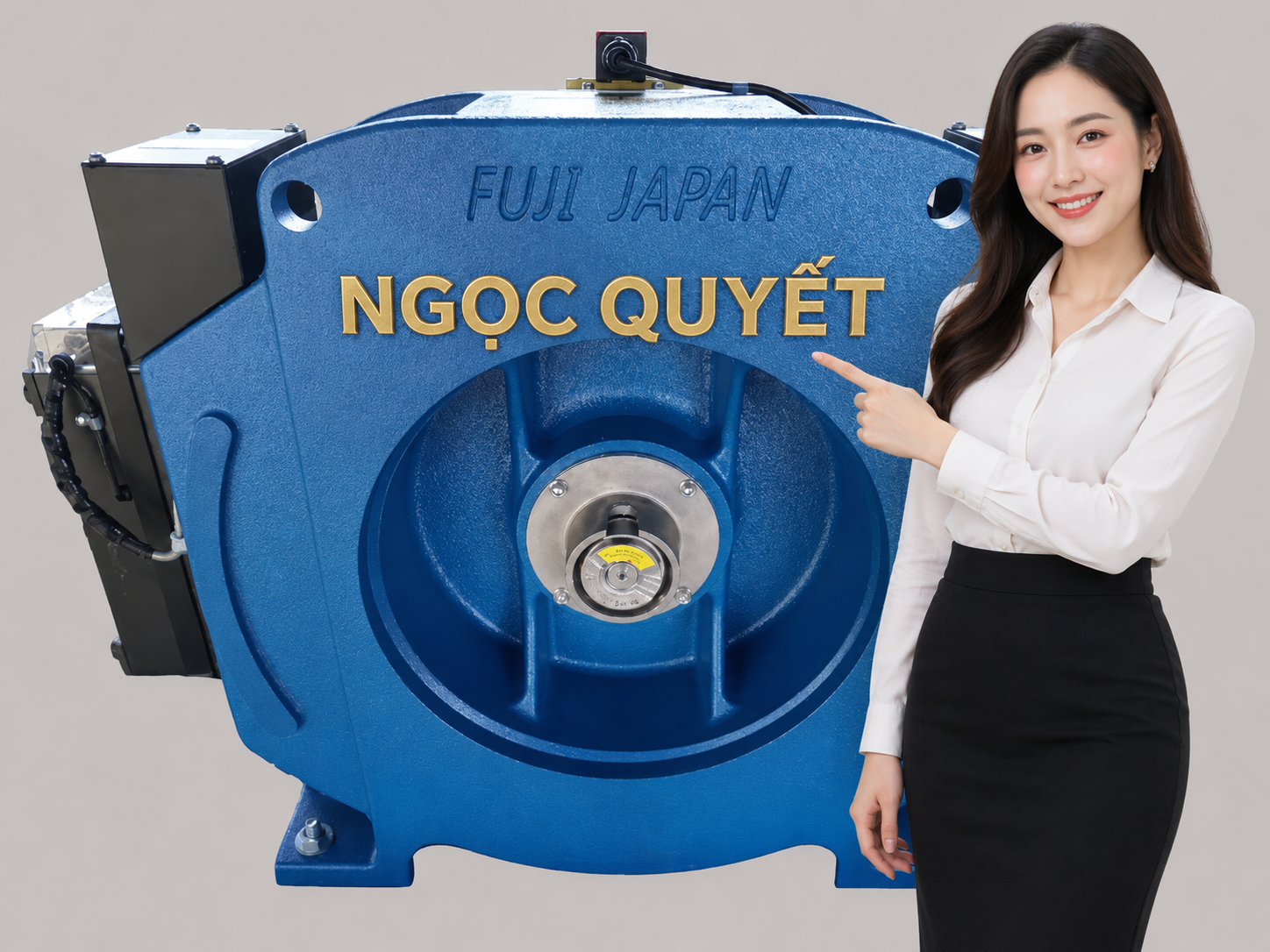
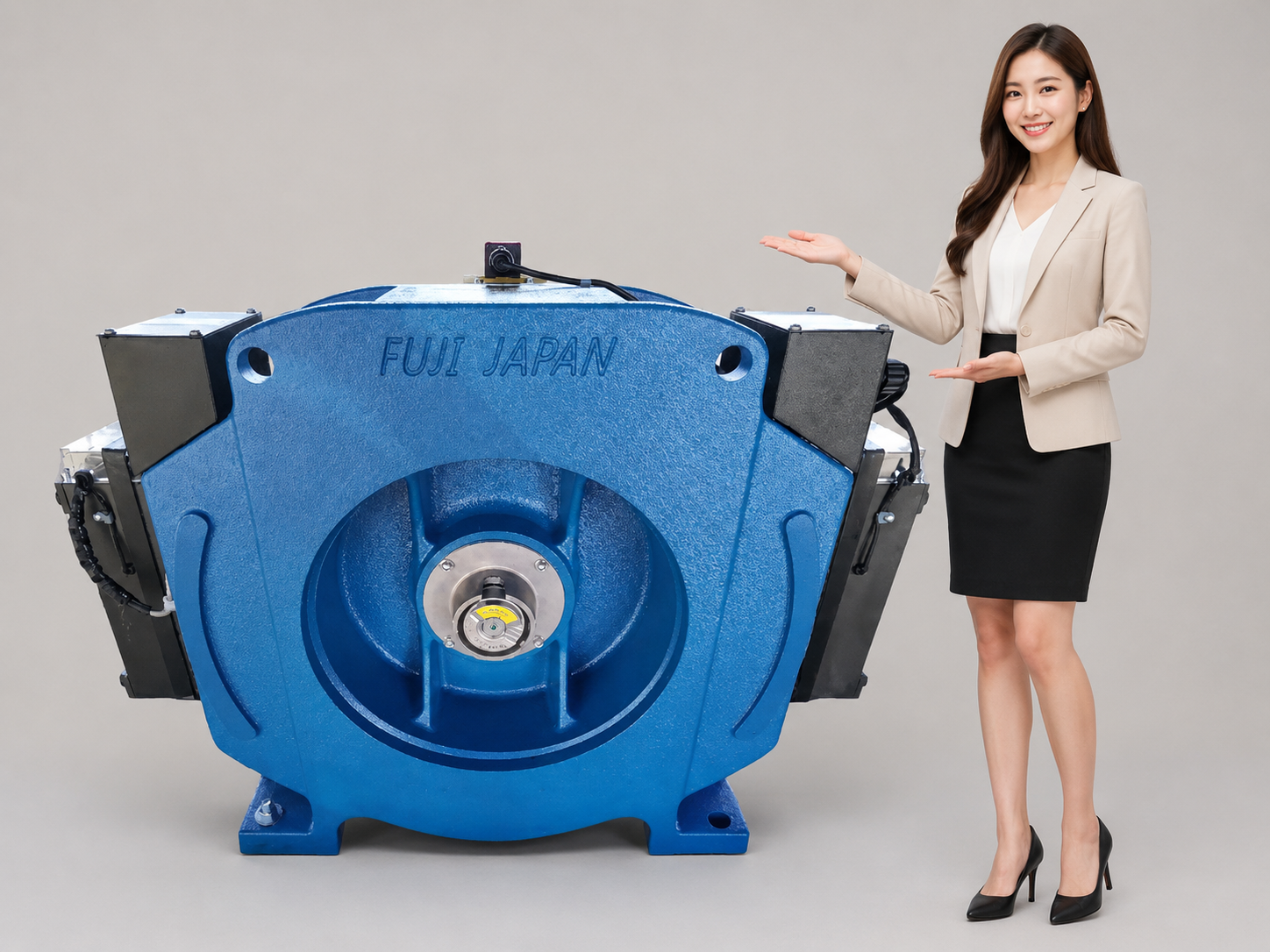
Besides maintenance, the need for modernizing passenger elevators is increasingly common, especially in buildings that have been in operation for over 15-20 years. A company with specialized expertise will conduct a comprehensive assessment of the current condition: the level of mechanical wear and tear, energy efficiency, compliance with current safety standards, and user experience. Based on this, engineers will propose flexible upgrade packages: replacing control cabinets and inverters to optimize operation; replacing gearless traction machines to reduce power consumption and noise; adding automatic rescue systems , remote monitoring systems , and multimedia displays ; and renovating the cabin interior, handrails, ceiling, floor, and LED lighting to enhance aesthetics. This lifecycle management approach helps investors extend the operating life, reduce new investment costs, and ensure elevators always meet updated safety standards.
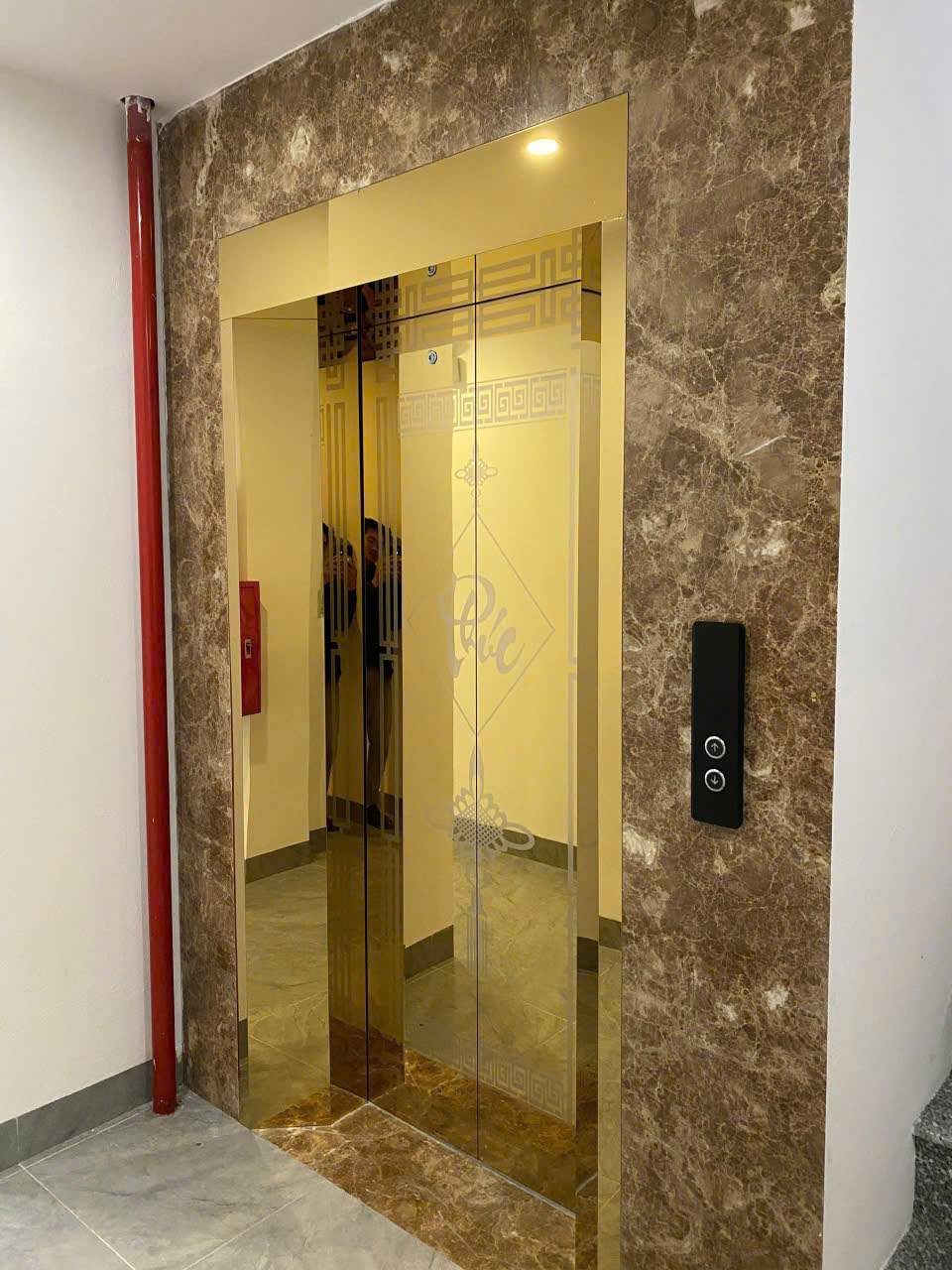
Criteria for choosing a reputable passenger elevator company.
When selecting a partner, investors should evaluate passenger elevator companies based on several core criteria: proven technical capabilities through similar projects; a well-trained team of engineers and technicians ; a quality management system compliant with ISO 9001 and ISO 45001; the ability to supply genuine parts in the long term; 24/7 maintenance capability with quick response times; and transparency in pricing and contracts . Consulting independent experts, checking legal documents, operating licenses, inspection certificates, and conducting on-site surveys of completed projects are crucial steps to minimize risks throughout the project lifecycle.