
Elevator company in Ho Chi Minh City
Elevator companies in Ho Chi Minh City
The elevator company market in Ho Chi Minh City and professional evaluation criteria.
Ho Chi Minh City has a high density of office buildings, apartments, shopping malls, hospitals, and factories, so the demand for elevator companies in HCMC is always very high. This market is not only vibrant in terms of the number of suppliers but also highly competitive in terms of technical quality, after-sales service, and the ability to provide comprehensive solutions. When evaluating a professional elevator company, important criteria include: design and consulting capabilities, the ability to construct and install according to standards, a proactive maintenance system, a team of well-trained engineers, and the level of compliance with national and international safety standards.
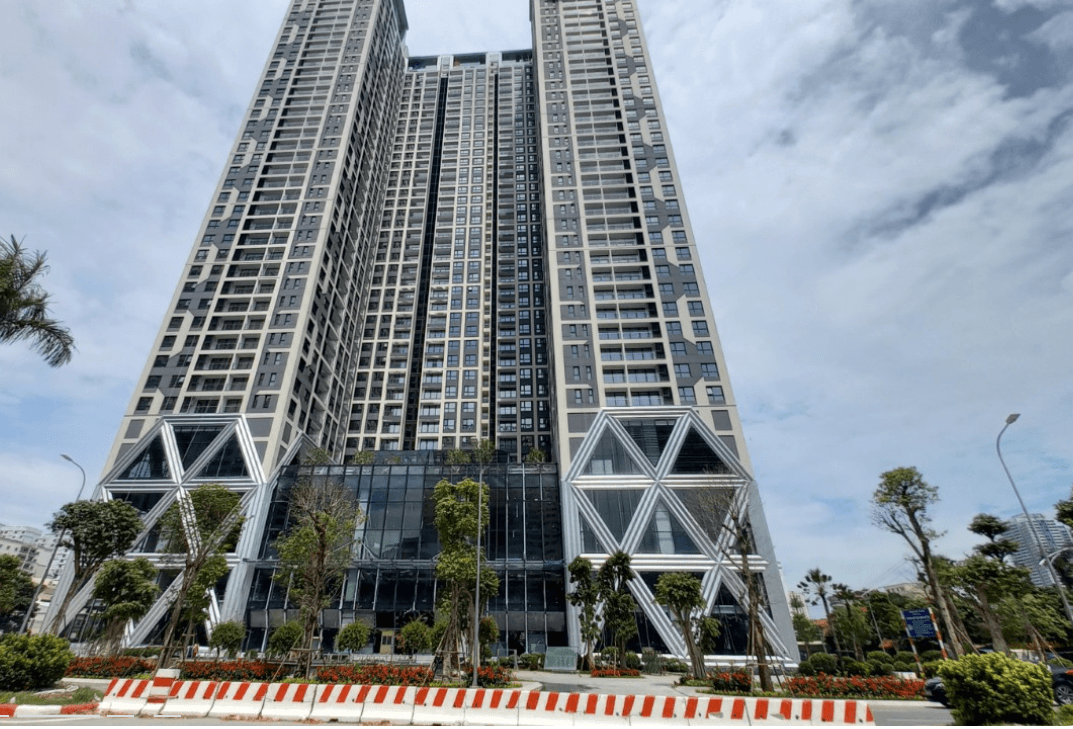
Ho Chi Minh City is characterized by limited land and high population density, leading to a trend of vertical construction. This requires elevator companies to have experience in handling a diverse range of building types: from renovating townhouses to install home elevators, to Class A office buildings, 4-5 star hotels, or factories in industrial zones. A company with deep expertise usually possesses a rich project portfolio, capable of customizing solutions according to building height, user traffic, elevator shaft conditions, as well as the architectural and interior design requirements of the investor.
To meet the increasing demands, many elevator companies in Ho Chi Minh City have shifted from a model of simply "selling equipment" to a model of "consulting on comprehensive vertical transportation solutions." This is demonstrated by their involvement from the architectural design stage, coordinating with structural and MEP units to optimize elevator shaft dimensions, machine room location, power supply, ventilation, rescue systems, and integration with building management systems (BMS). This early involvement helps reduce unforeseen costs, minimize technical conflicts, and ensure long-term operational efficiency for investors.
Services, technology, and technical processes of elevator companies in Ho Chi Minh City.
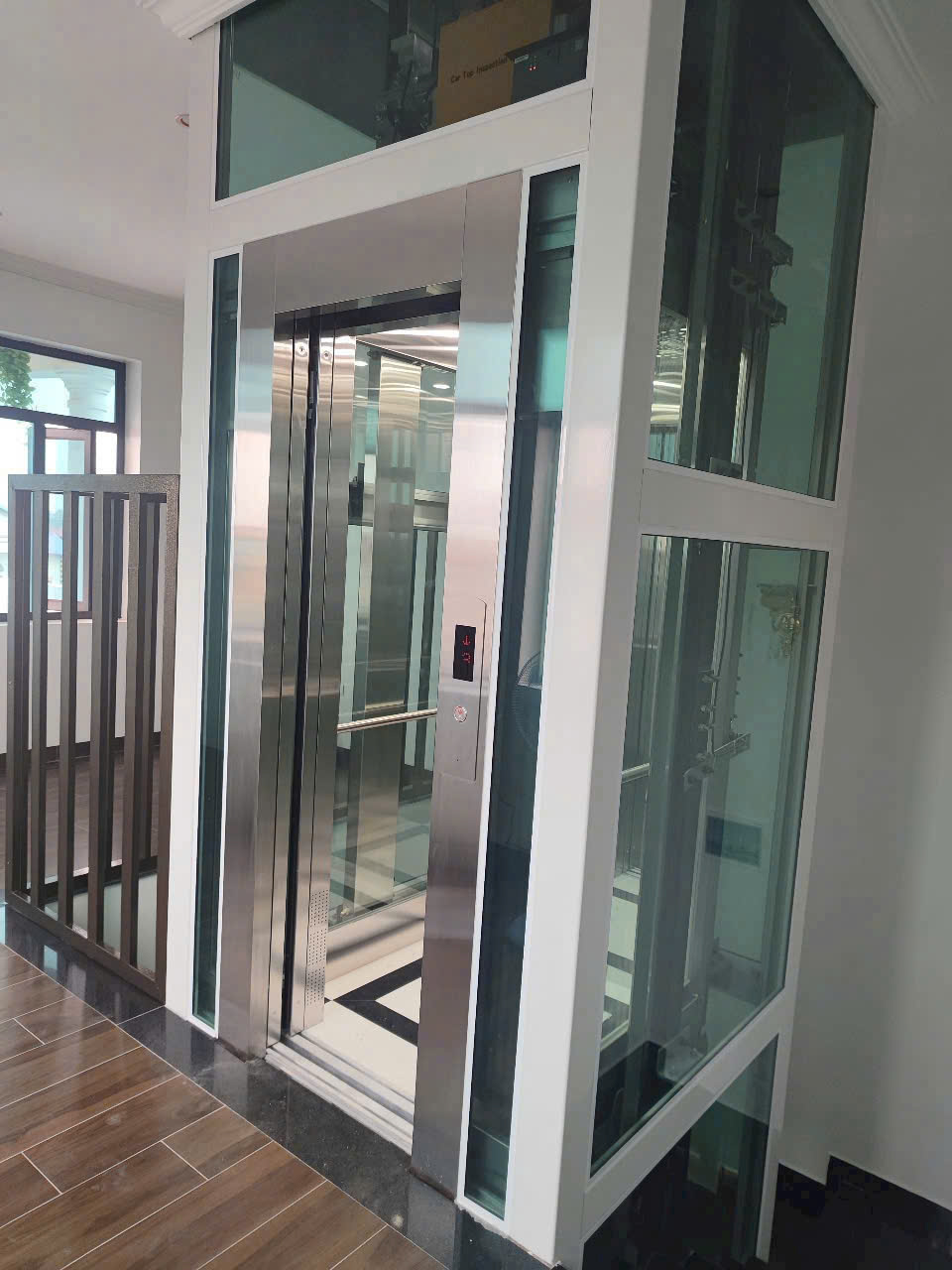
A reputable elevator company in Ho Chi Minh City typically provides a comprehensive service ecosystem, going beyond just installation. Core services include: elevator solution consulting and design , equipment supply and installation, routine maintenance and servicing, repair and upgrading, renovation of old elevators, safety inspections, and operational training support for building management. Each stage has standardized technical procedures, clear documentation, electronic maintenance logs, and an internal quality management system.
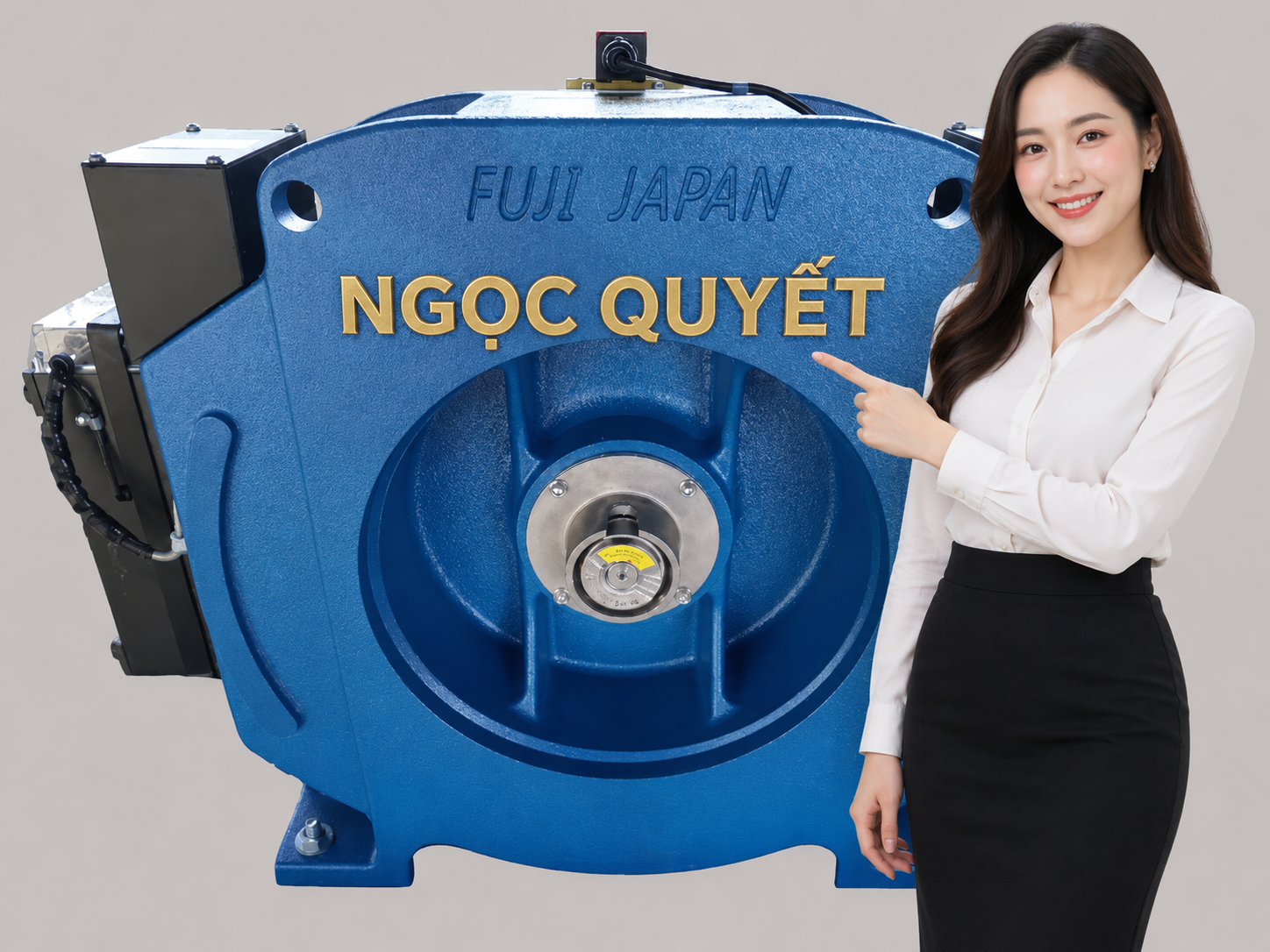
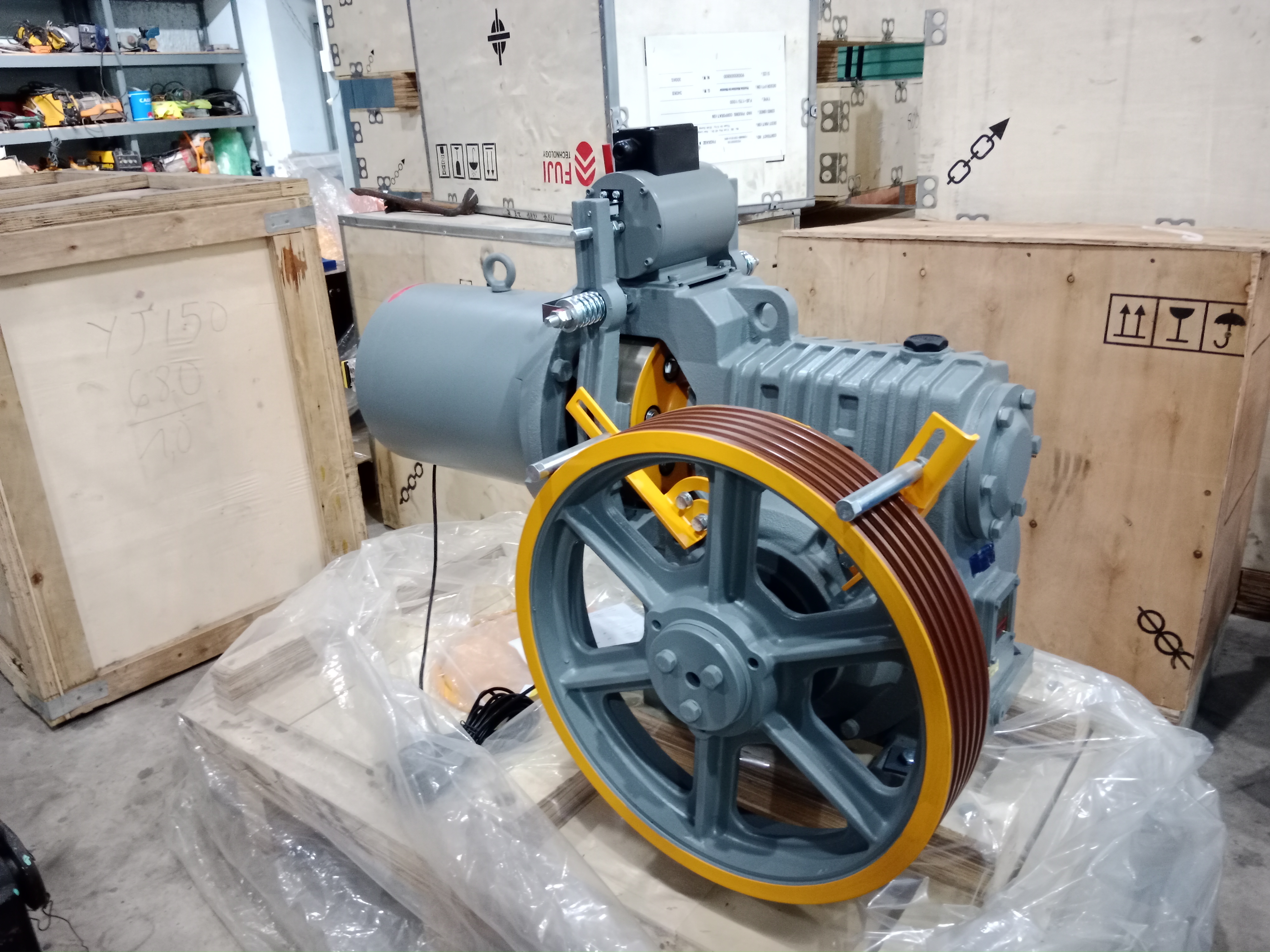
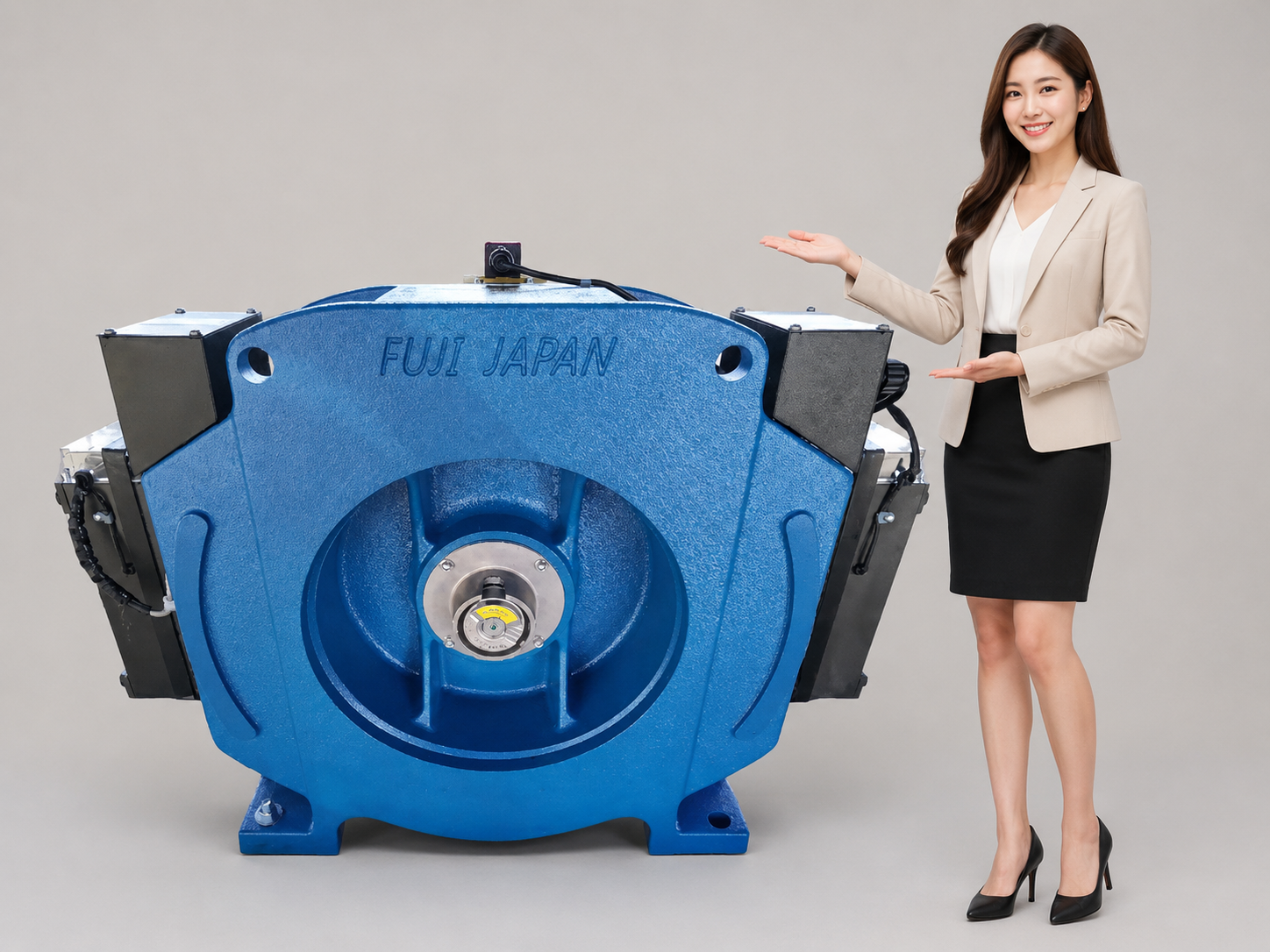
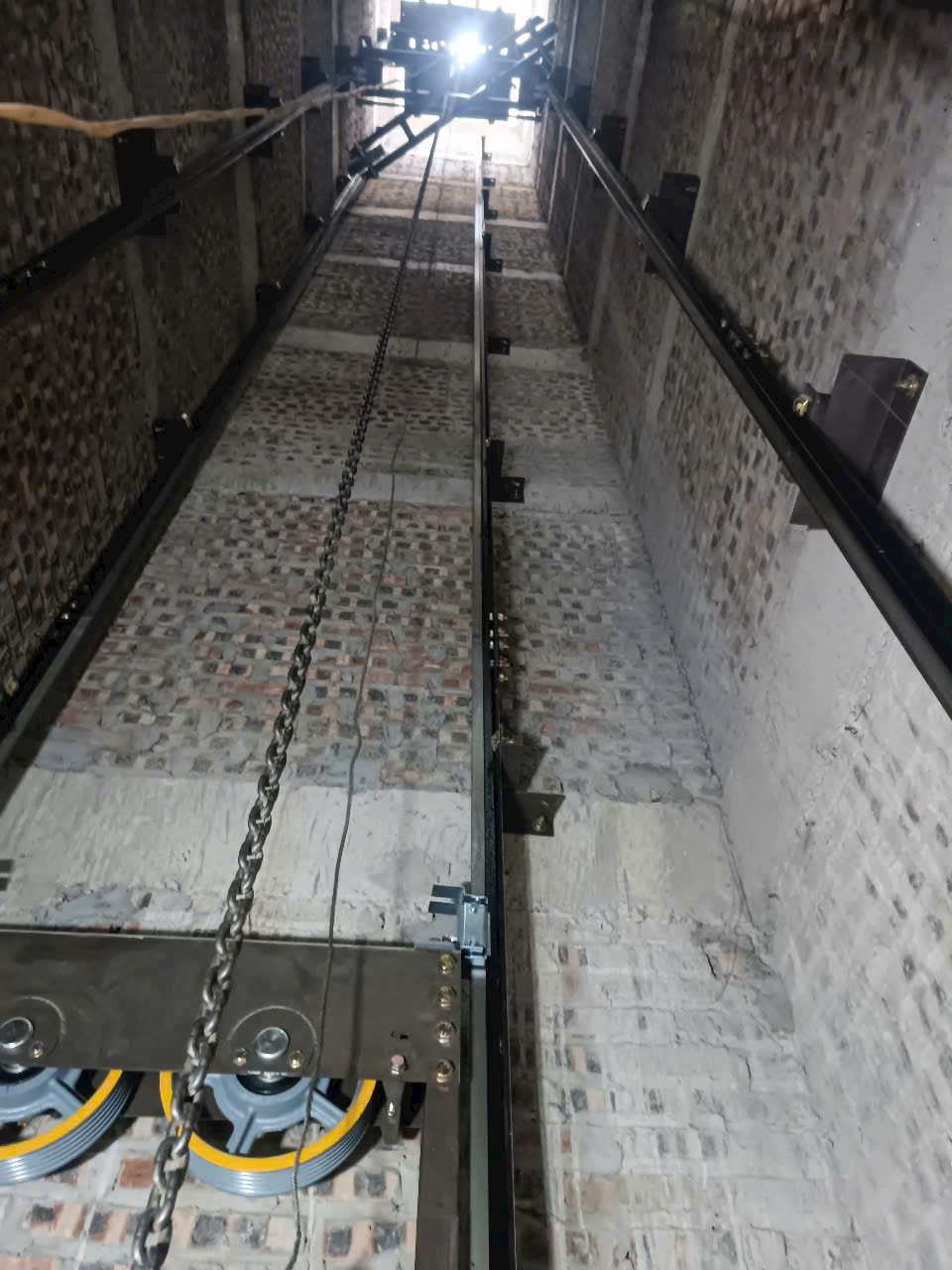
In terms of technology, a prominent trend in Ho Chi Minh City is the use of machine-roomless elevators (MRLs) , elevators using gearless motors, integrated energy-saving inverters, and intelligent microprocessor control systems. These solutions help reduce construction area, optimize roof height, while saving energy and operating more smoothly. Many companies also implement remote monitoring technology , allowing elevator status monitoring via the Internet, providing early warning of technical faults, supporting quick troubleshooting, and reducing elevator downtime.
The elevator installation process in Ho Chi Minh City is typically standardized into the following steps: site survey, technical consultation, detailed design drawings, equipment manufacturing and import, mechanical and electrical installation, commissioning and adjustment, safety inspection, and handover for operation. At each step, professional companies have acceptance forms, inspection reports, photographic documentation, and specific technical instructions. In particular, the commissioning and inspection phases are always conducted according to current TCVN standards, combined with EN81 or JIS standards depending on the technology's origin.
List of specialized services commonly offered by elevator companies in Ho Chi Minh City.
Units with specialized expertise often develop a wider range of specialized services to meet the diverse needs of the market. Some typical service groups include:
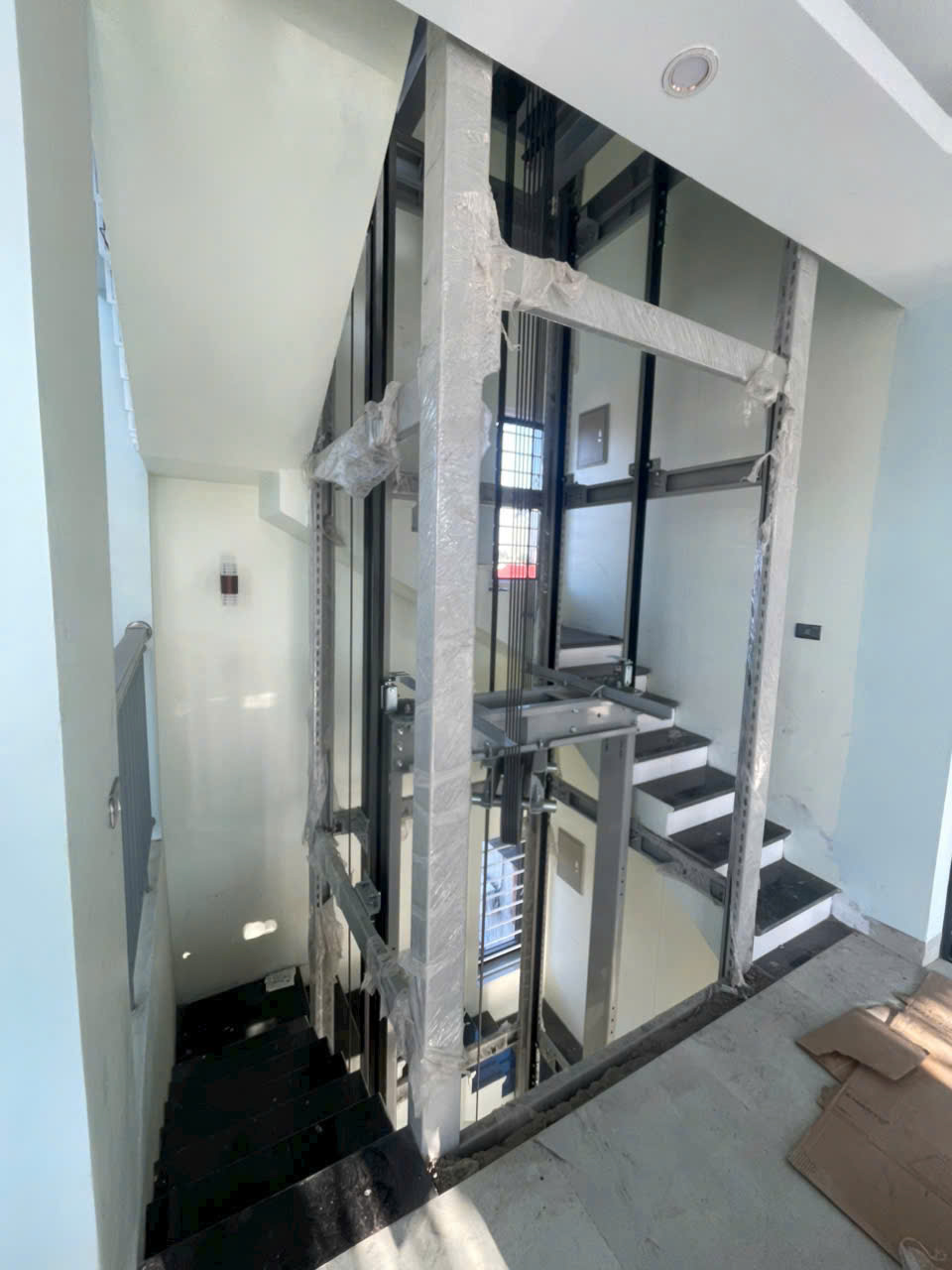
- Elevator design for renovated buildings : addressing issues such as small shafts, insufficient pit depth, limited overhead height, and the need to avoid impacting the existing structure.
- Hospital bed elevator solution : meets hospital standards, cabin size suitable for stretchers, operates smoothly, stops precisely at each floor, and uses antibacterial materials.
- Industrial freight elevators : capable of handling heavy loads, impact-resistant cabin floors, specially designed landing doors, and control systems prioritizing durability and safety.
- Upgrading and modernizing old elevators : replacing control panels, motors, door systems, floor call panels, adding safety equipment, and optimizing energy consumption.
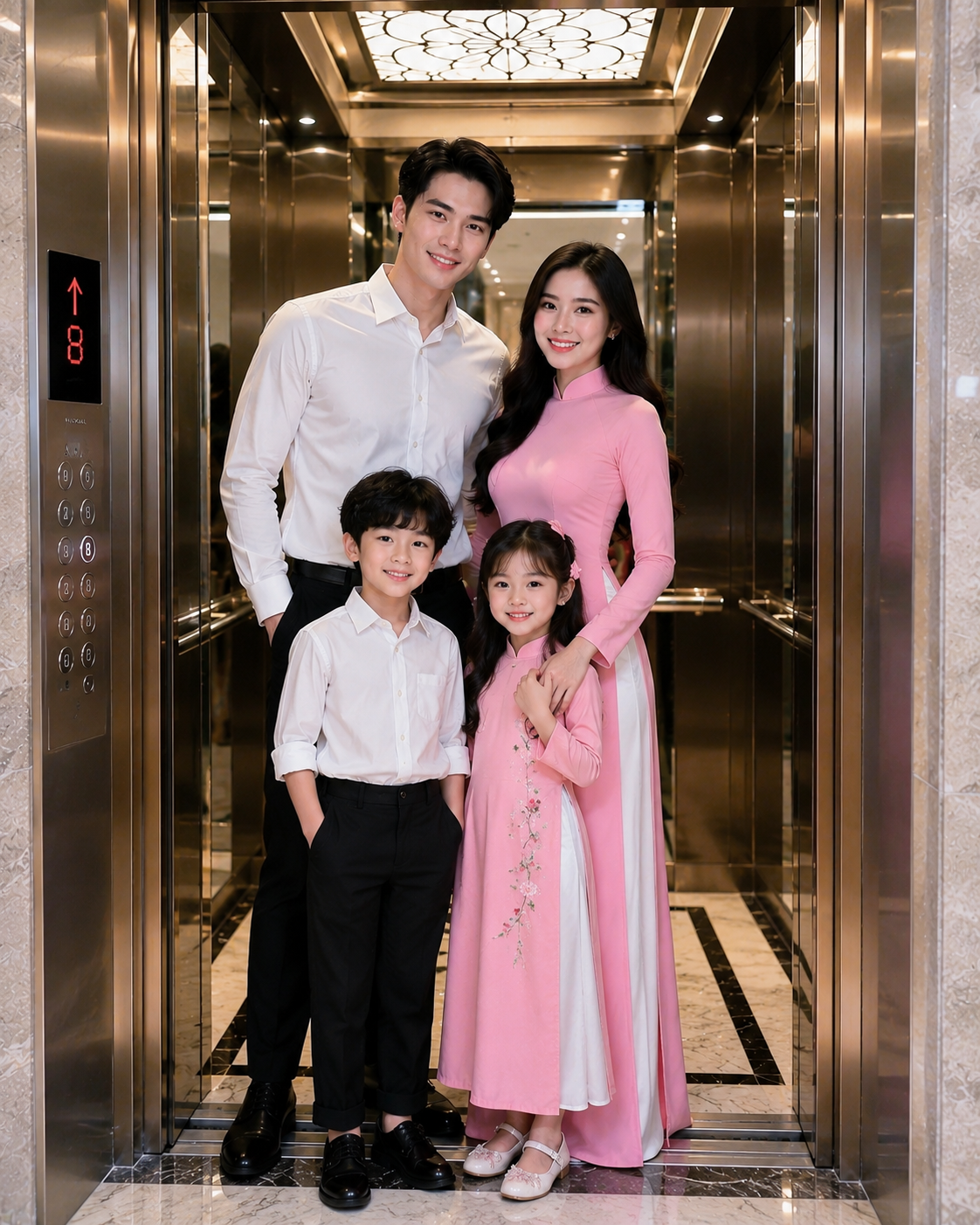
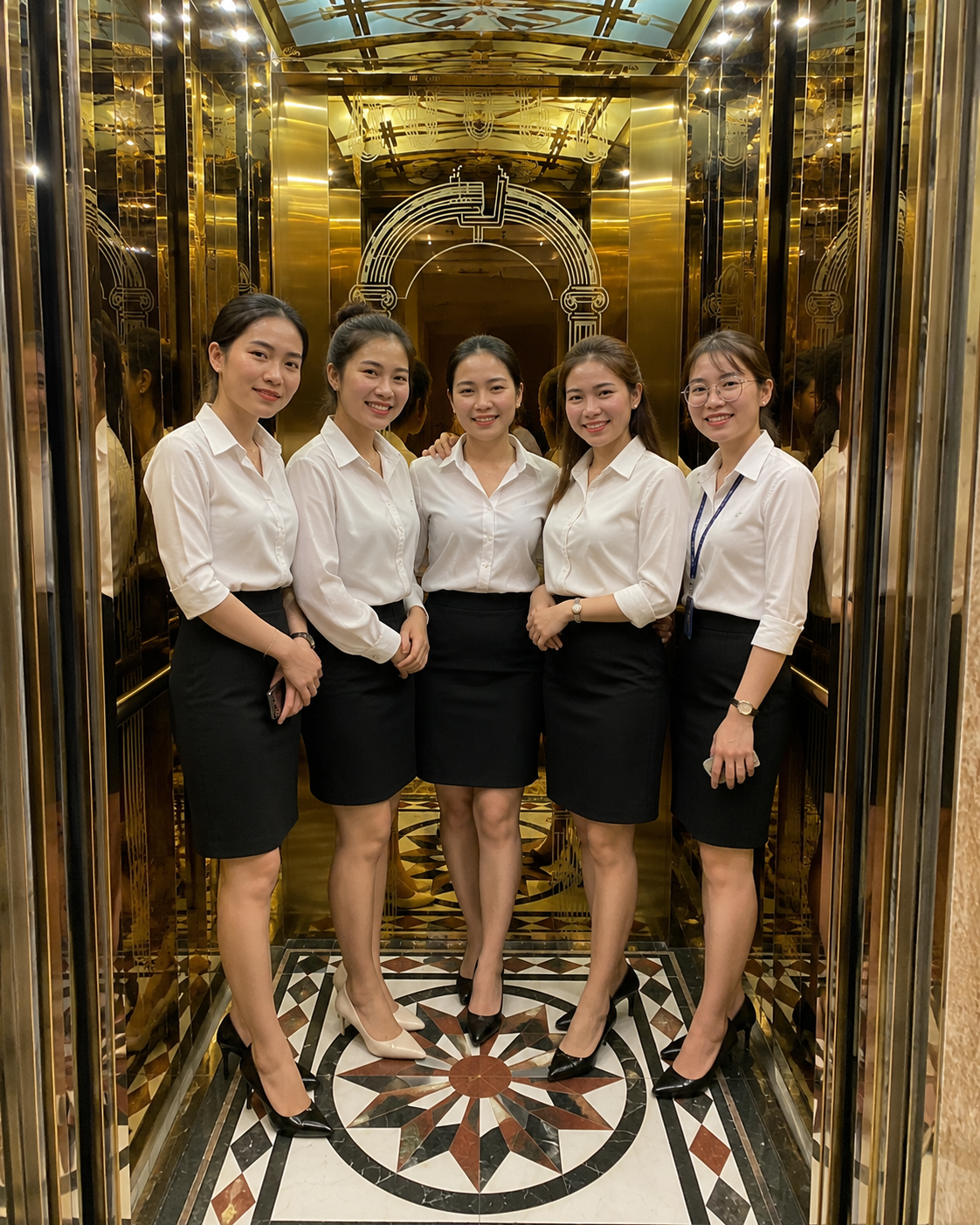
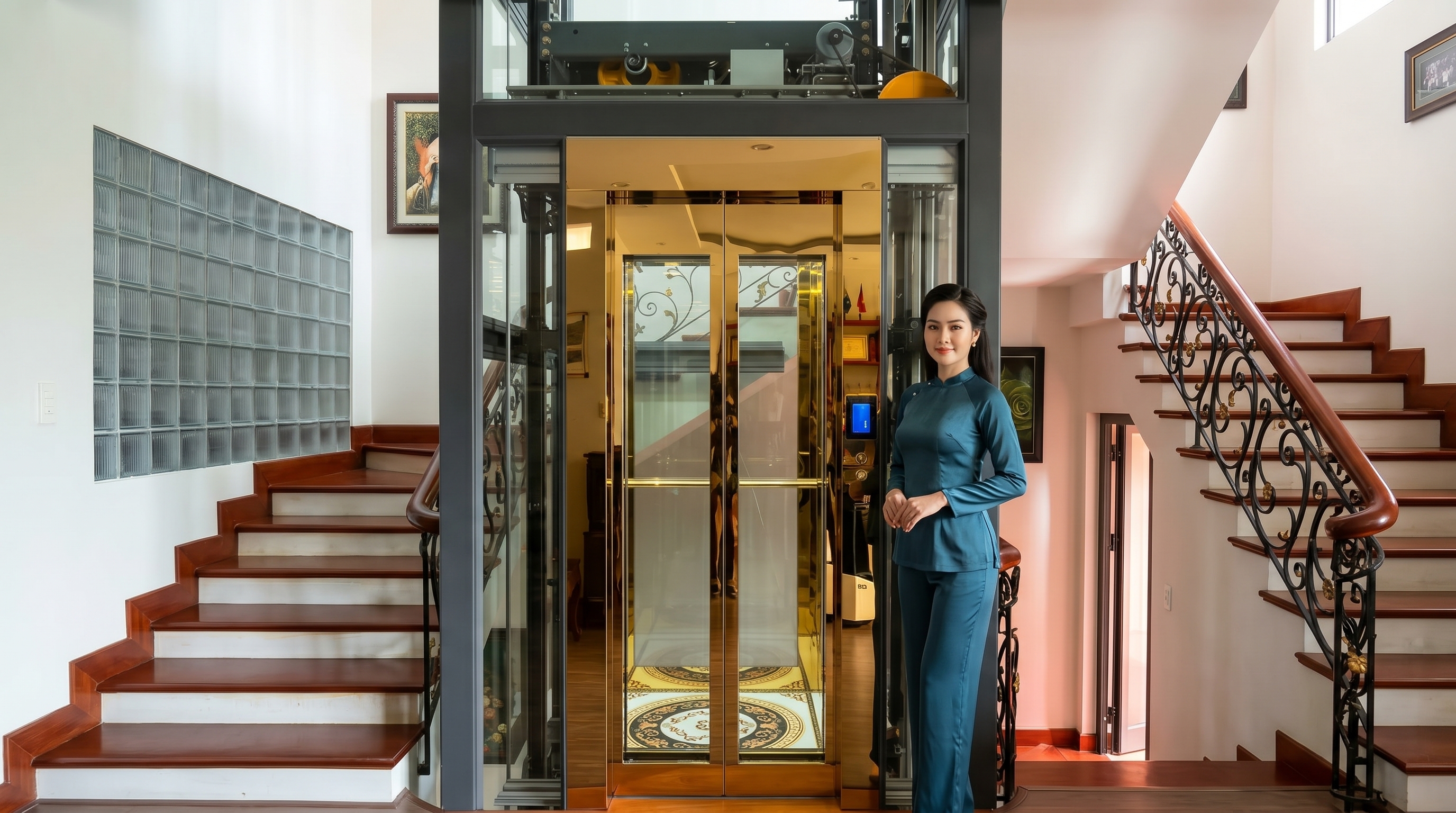
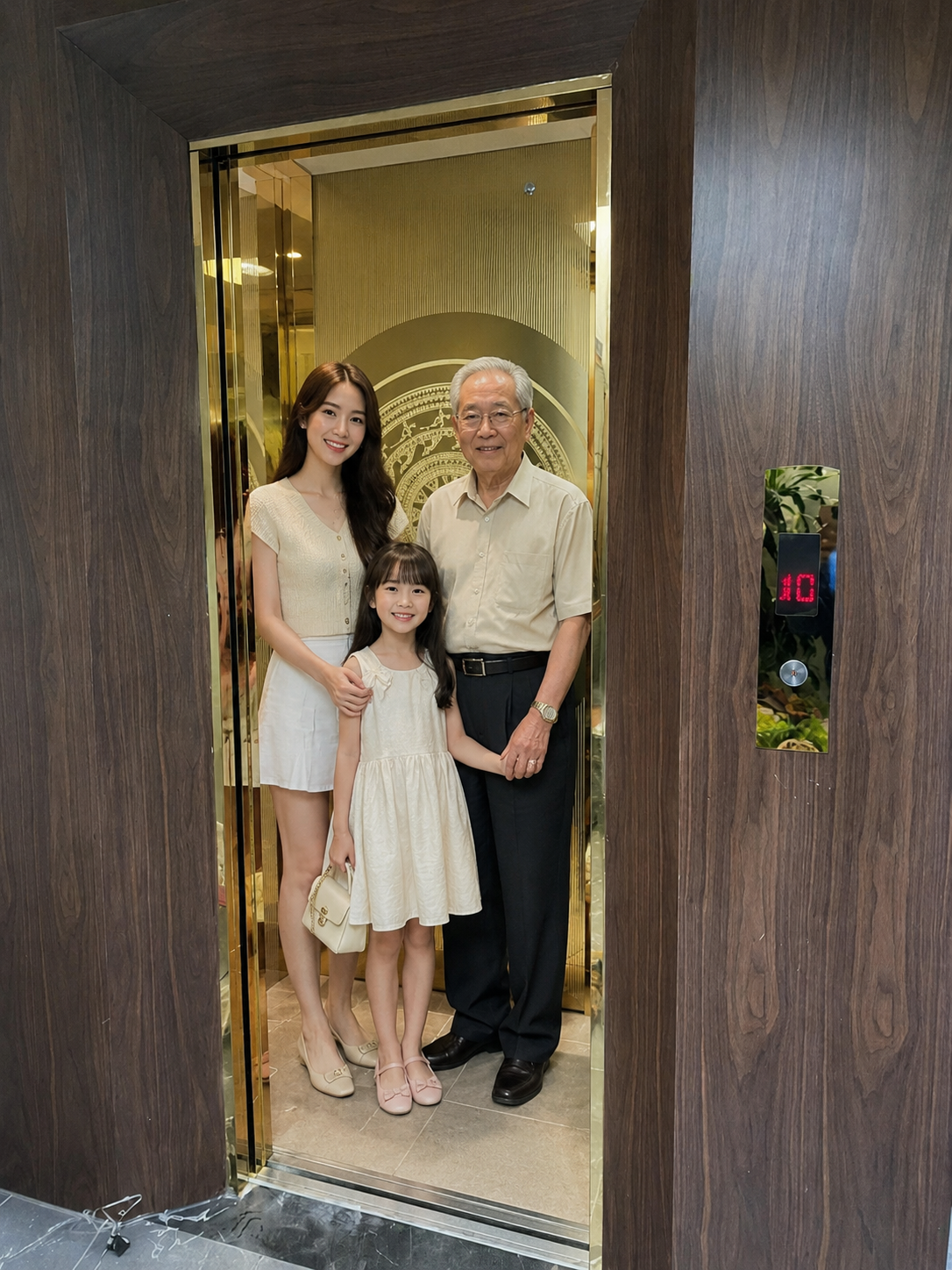
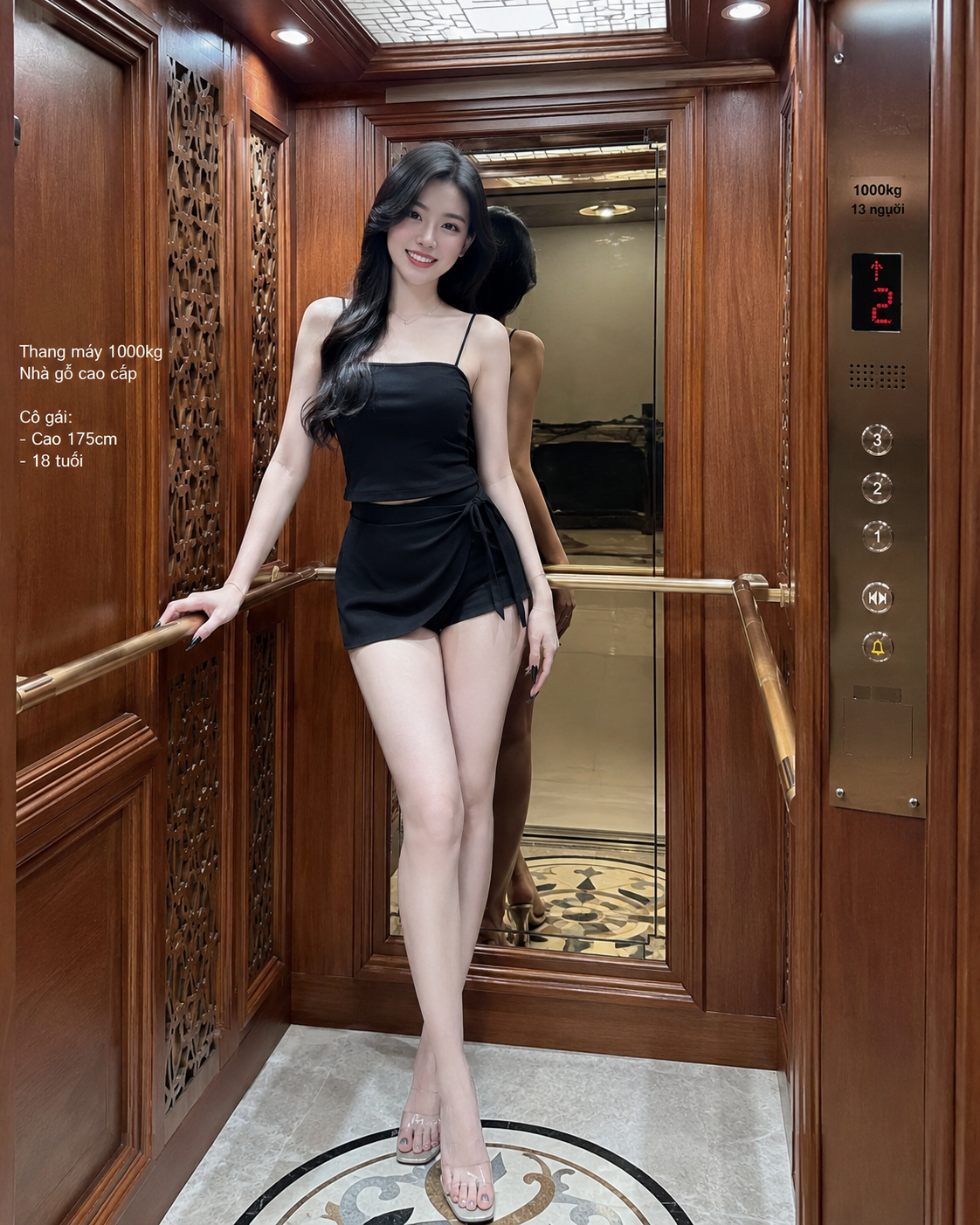
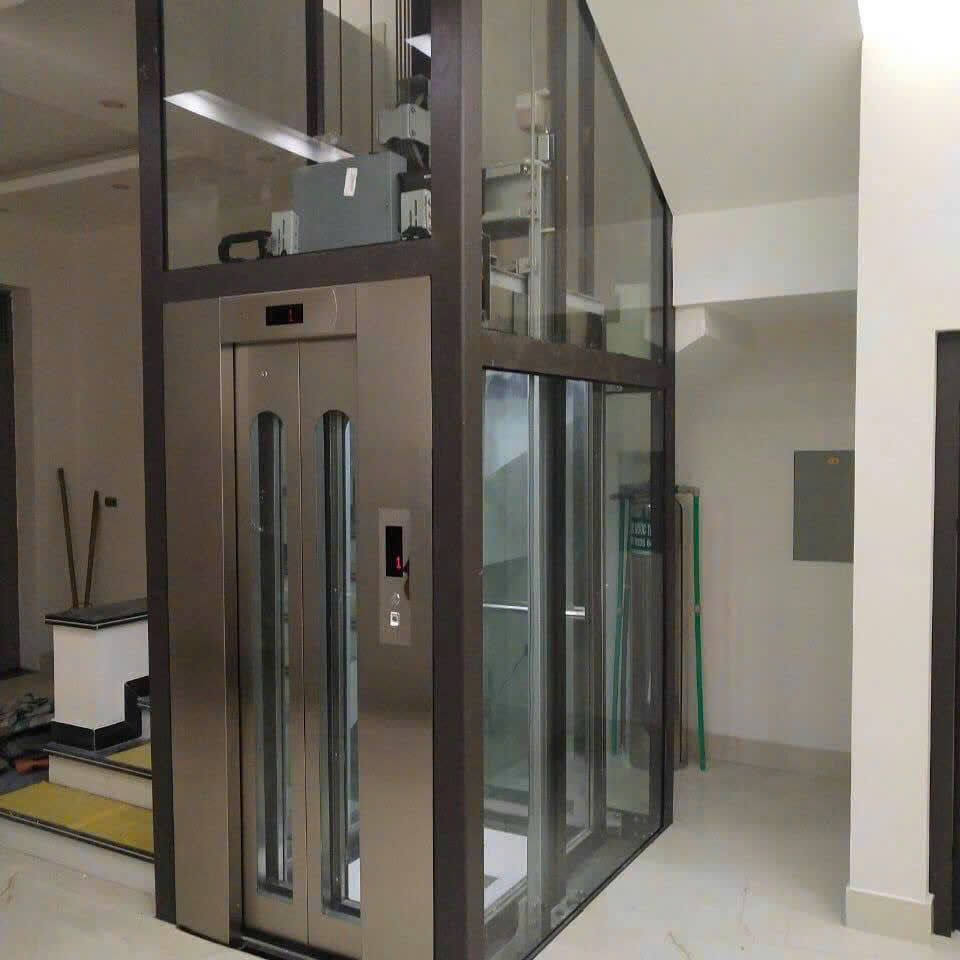
- High-end home elevators : focusing on interior design, glass materials, patterned stainless steel, decorative lighting systems, integrated smart home features, and remote control.
In addition to technical services, elevator companies in Ho Chi Minh City also focus on legal and safety aspects. Handover documents typically include: certificates of origin and quality (CO, CQ), as-built drawings, operating manuals, rescue procedures, maintenance contracts, safety inspection reports, and training manuals for the building's technical staff. Standardizing these documents not only demonstrates professionalism but also serves as a crucial basis for investors to work with government agencies, insurance companies, and independent inspection organizations.
Safety standards, maintenance, and experience in choosing an elevator company in Ho Chi Minh City.
Safety is a core factor when evaluating any elevator company in Ho Chi Minh City . A standard elevator system must fully comply with safety equipment requirements such as: overspeed control, safety brake, limit switches, floor door locks, automatic rescue system (ARD), emergency lighting, alarm bells, intercom, and door sensors. In addition, the design of the elevator shaft, machine room, grounding system, lightning protection, ventilation, and lighting must also meet technical regulations to minimize risks during operation.
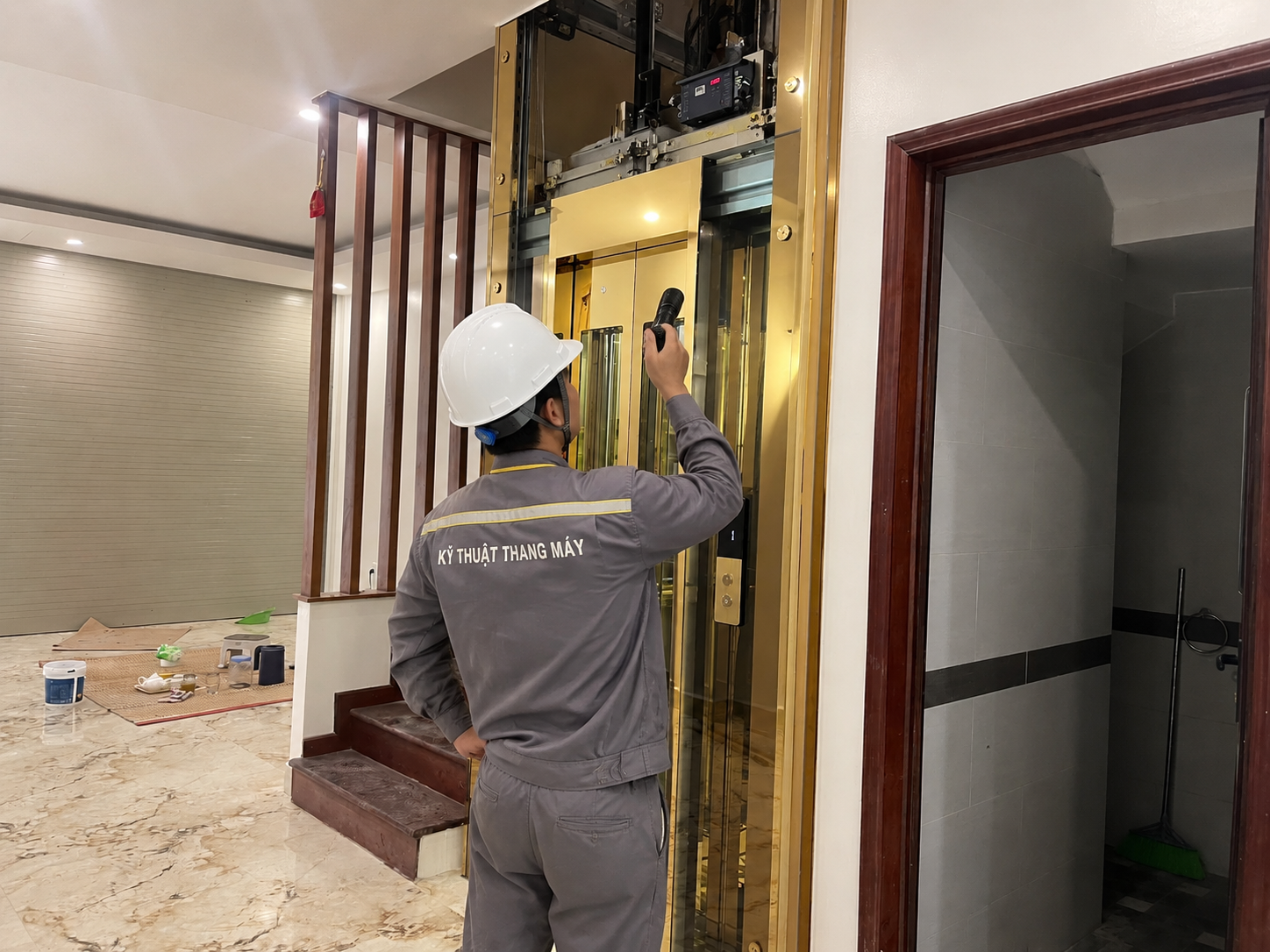
Regular elevator maintenance is mandatory to maintain safety and equipment lifespan. In Ho Chi Minh City, the common maintenance cycle is 1-2 times per month, depending on usage frequency and building type. A standard maintenance procedure includes: checking the braking system, hoisting cables, pulleys, guide rails, shock absorbers, landing doors - cabin doors, control system, safety sensors, lubrication condition, and cleaning the elevator shaft. Each maintenance visit must be documented, recording parameters, recommending replacement parts, and scheduling the next appointment, allowing the investor to monitor the equipment's condition over time.
Key factors to consider when choosing an elevator company in Ho Chi Minh City.
When choosing an elevator supplier, investors should consider many factors comprehensively, rather than just comparing prices. Some important criteria include:
- Technical capabilities and certifications : engineering team, manufacturer's training certificates, operating license, ISO quality management system, inspection records.
- Experience with similar projects : number of completed projects in the same segment (apartments, hotels, factories, townhouses), feedback from previous clients.
- Warranty and maintenance policy : warranty period, scope of parts, commitment to response time in case of malfunction, spare parts inventory capacity.
- Transparency regarding equipment origin : clear information about the manufacturer, assembly location, applicable standards, and long-term spare parts supply capabilities.
- Optimal solution consulting capabilities : We don't just sell pre-made models; we can analyze traffic flow, height, and usage requirements to propose the most suitable configuration.
In the context of rapid urbanization in Ho Chi Minh City, the role of elevator companies is increasingly linked to the operational quality of the entire building. A company with in-depth expertise not only helps the building meet safety standards and optimize investment and operating costs, but also contributes to enhancing the user's travel experience through speed, smoothness, aesthetics, and the ability to integrate smart technology. Choosing the right partner from the outset helps investors minimize technical risks, reduce future repair costs, and ensure sustainable operational value for the building.