Full-service elevator company
Full-service elevator company
The concept of turnkey elevator companies and their role in modern buildings.
A turnkey elevator company provides a complete range of elevator services, from solution consulting, engineering design, equipment selection, construction and installation, safety inspection, periodic maintenance, to upgrades and renovations throughout the building's lifespan. This turnkey model helps investors, contractors, and building management optimize costs, shorten timelines, and ensure consistency between architecture, structure, mechanical and electrical systems, and vertical transport systems. In the context of rapid urbanization and increasing density of high-rise buildings, the role of a professional elevator partner with comprehensive capabilities becomes crucial to ensuring safety, stable operation, and a smooth travel experience for users.
Unlike companies that only sell equipment or only handle installation, turnkey elevator companies are responsible from the concept stage to operation, including coordination with architects, structural engineers, MEP specialists, and building management companies. This requires a team of engineers with expertise in multiple fields: mechanical engineering, electrical and electronic engineering, automatic control, fire safety, building standards, and elevator regulations. This comprehensive capability is the foundation for providing optimal solutions, minimizing technical conflicts, and reducing risks during construction and operation.
The process for deploying a complete elevator service package according to technical standards.
The process of deploying a complete elevator service package according to technical standards is organized into a logical sequence of steps, ensuring synchronization from survey to operation. In the initial stage, the supplier focuses on analyzing the characteristics of the building, usage needs, and technical constraints to develop an optimal solution in terms of functionality, safety, and cost. National and international standards are considered mandatory reference frameworks, helping to ensure the design drawings and equipment configurations achieve high reliability. Subsequently, the supply, installation, and inspection processes are strictly controlled, focusing on component quality , construction procedures, and comprehensive safety testing before handover, to ensure the system operates stably, sustainably, and in compliance with the law.
Survey, consultation, and solution design phase
In the initial stage, the elevator installation company conducts a site survey or studies the building's basic design documents. Key parameters analyzed include: building function, passenger traffic, height, number of floors, elevator shaft space, foundation conditions, power supply, fire safety requirements, and accessibility standards for people with disabilities. Based on this analysis, experts propose a suitable elevator configuration: load capacity, speed, number of elevators, layout options, traction machine type, control system, landing door type, and energy-saving solutions . Detailed design drawings are prepared in compliance with standards such as TCVN 6395, TCVN 6904, EN 81, ISO 4190, and current legal regulations.
During the consultation process, the turnkey provider also analyzes the lifecycle cost (WC) instead of focusing solely on the initial purchase price. Factors such as electricity consumption, maintenance costs, component lifespan, technological upgrade potential, and spare parts availability are quantified to give the investor a comprehensive overview. This helps avoid choosing a solution that is cheaper in the short term but more expensive in the long run, while also ensuring the sustainability of the project.
Supply of equipment, installation and safety inspection.
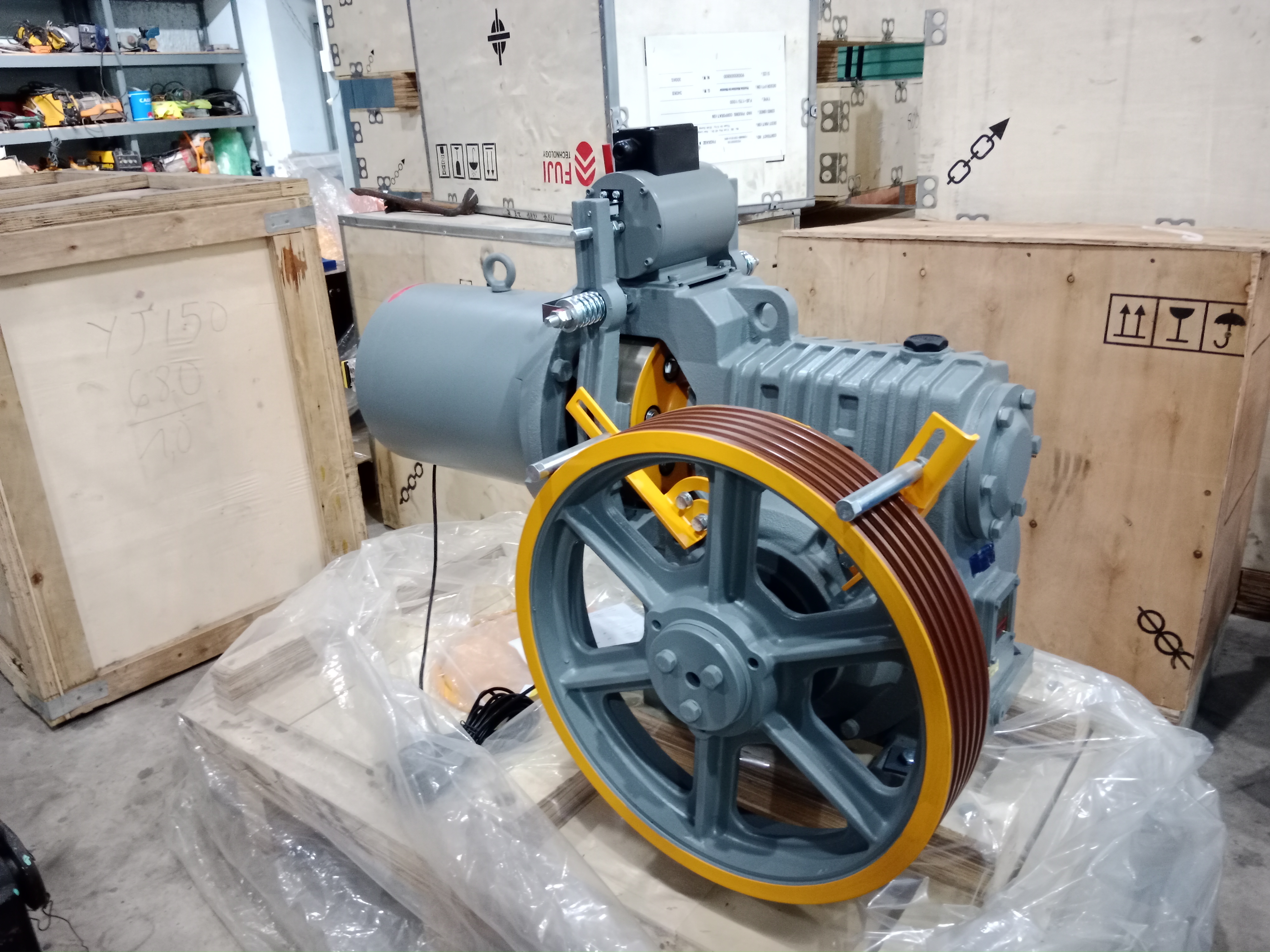
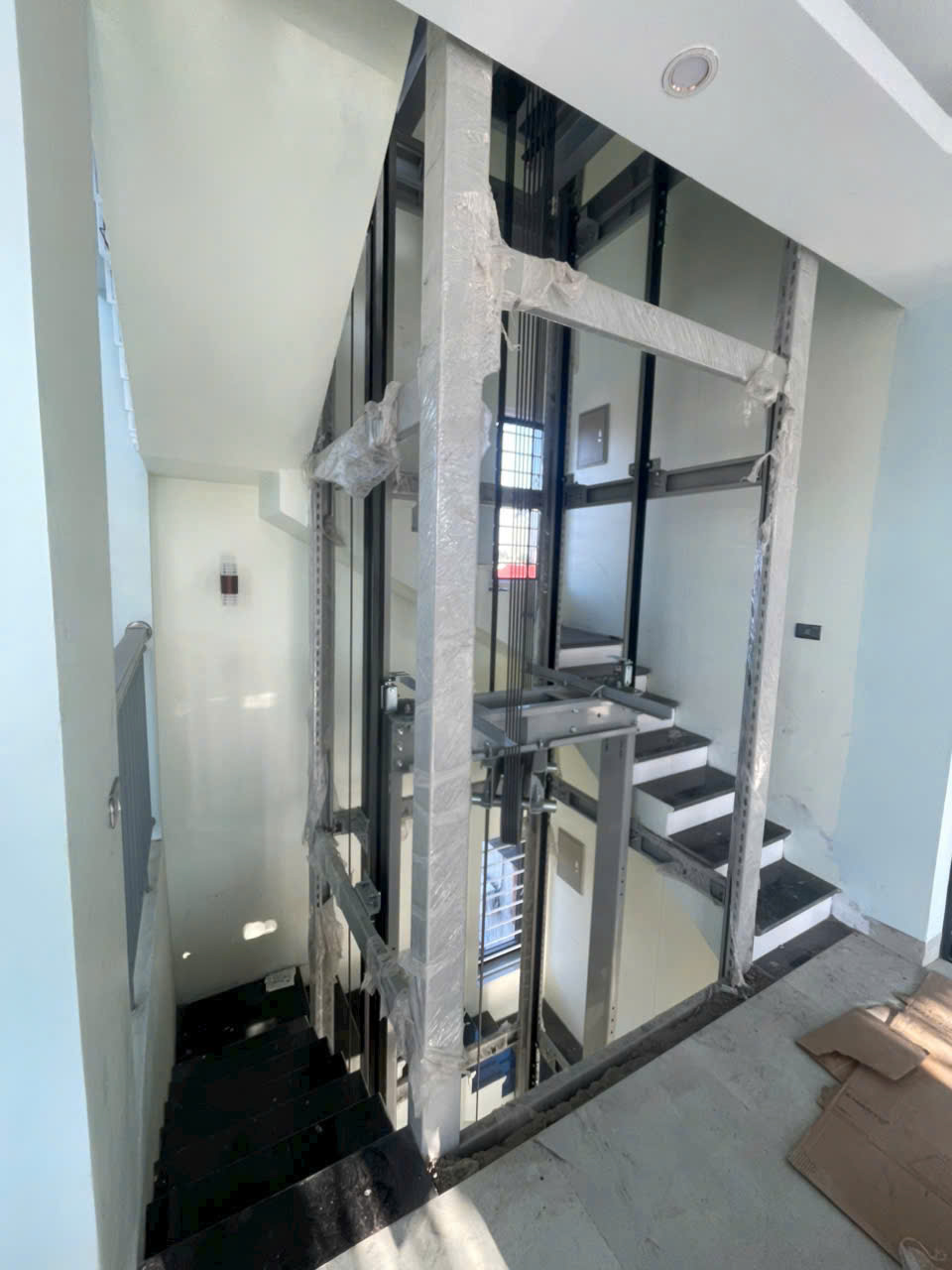
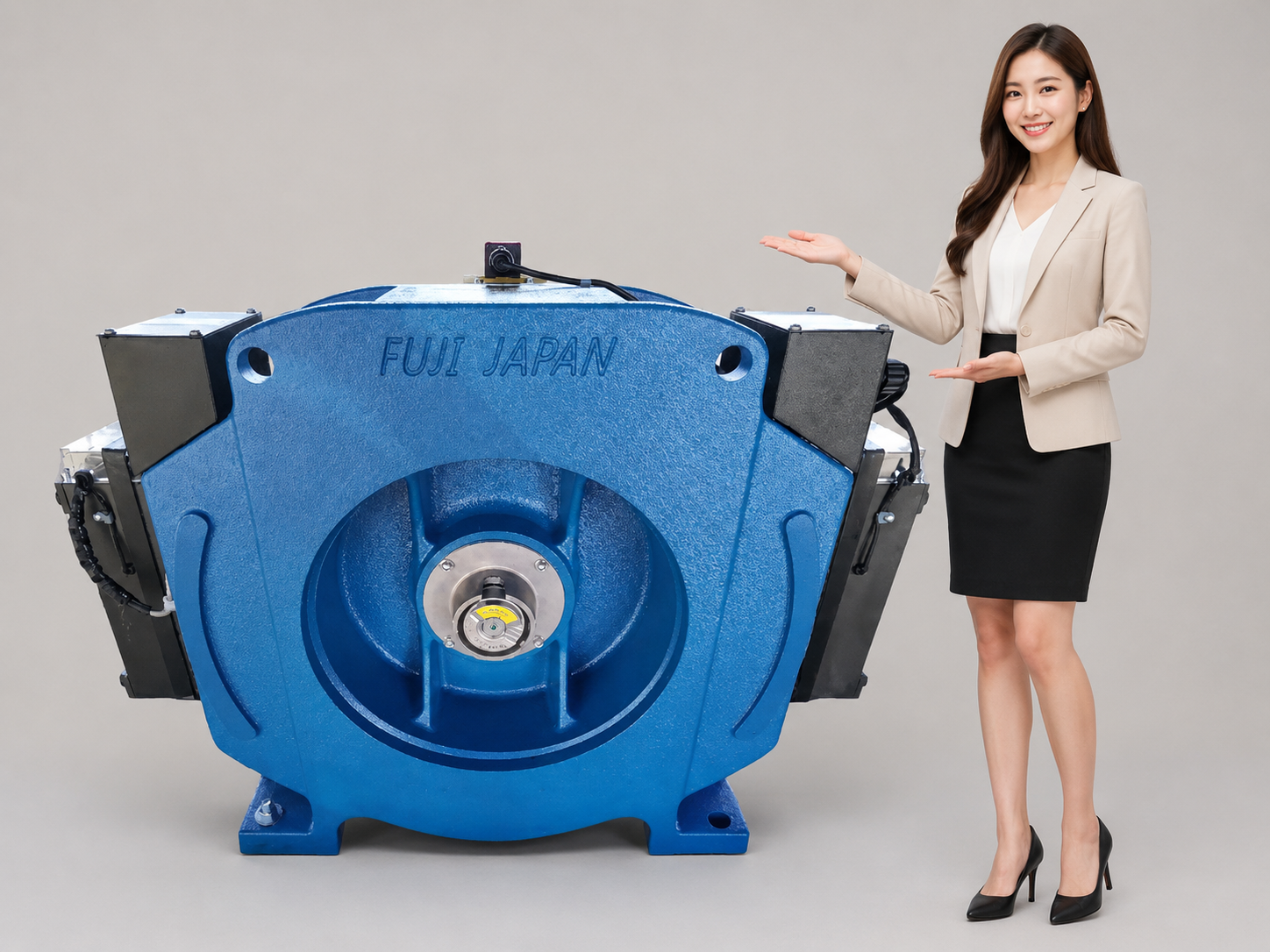
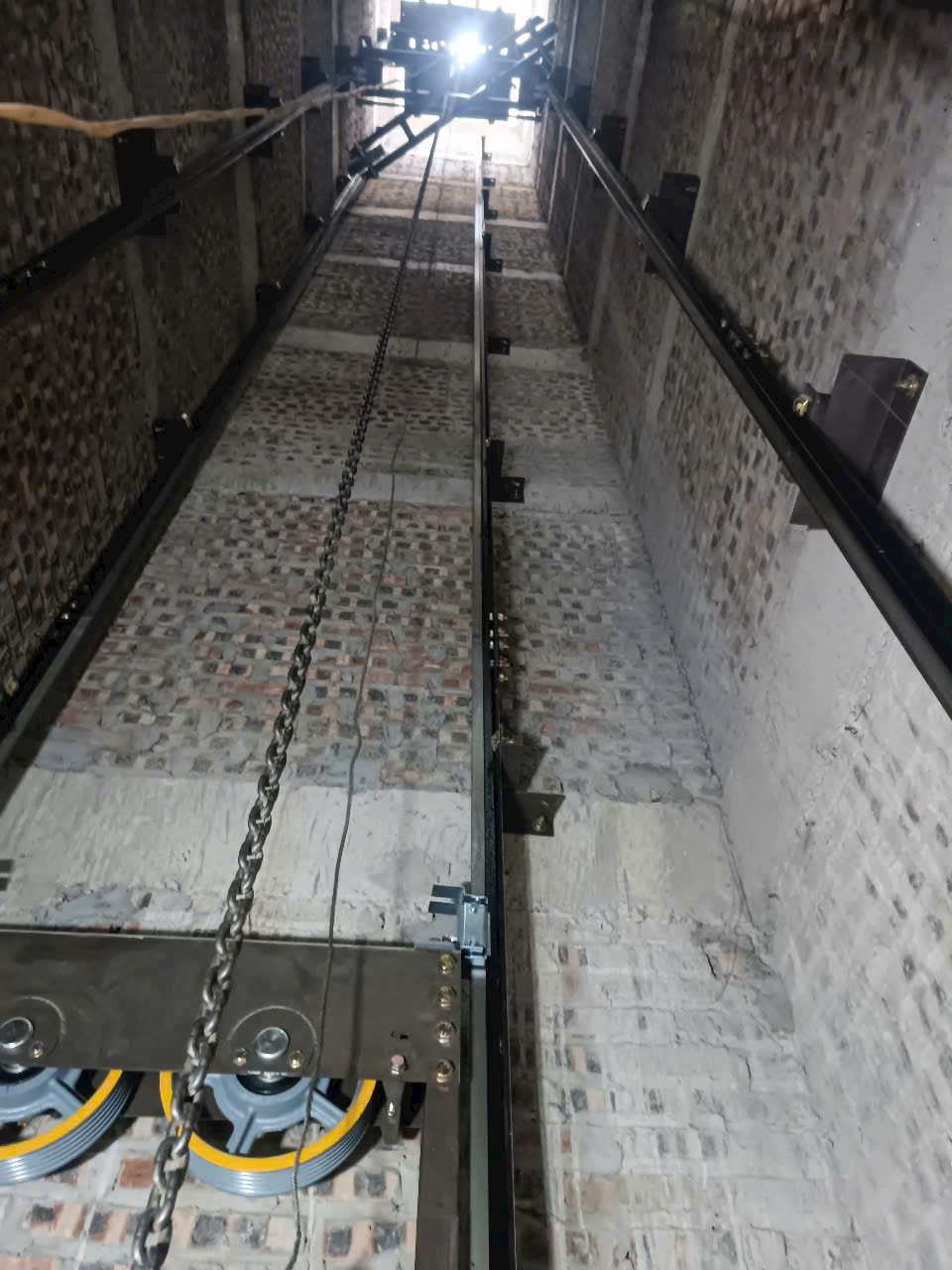
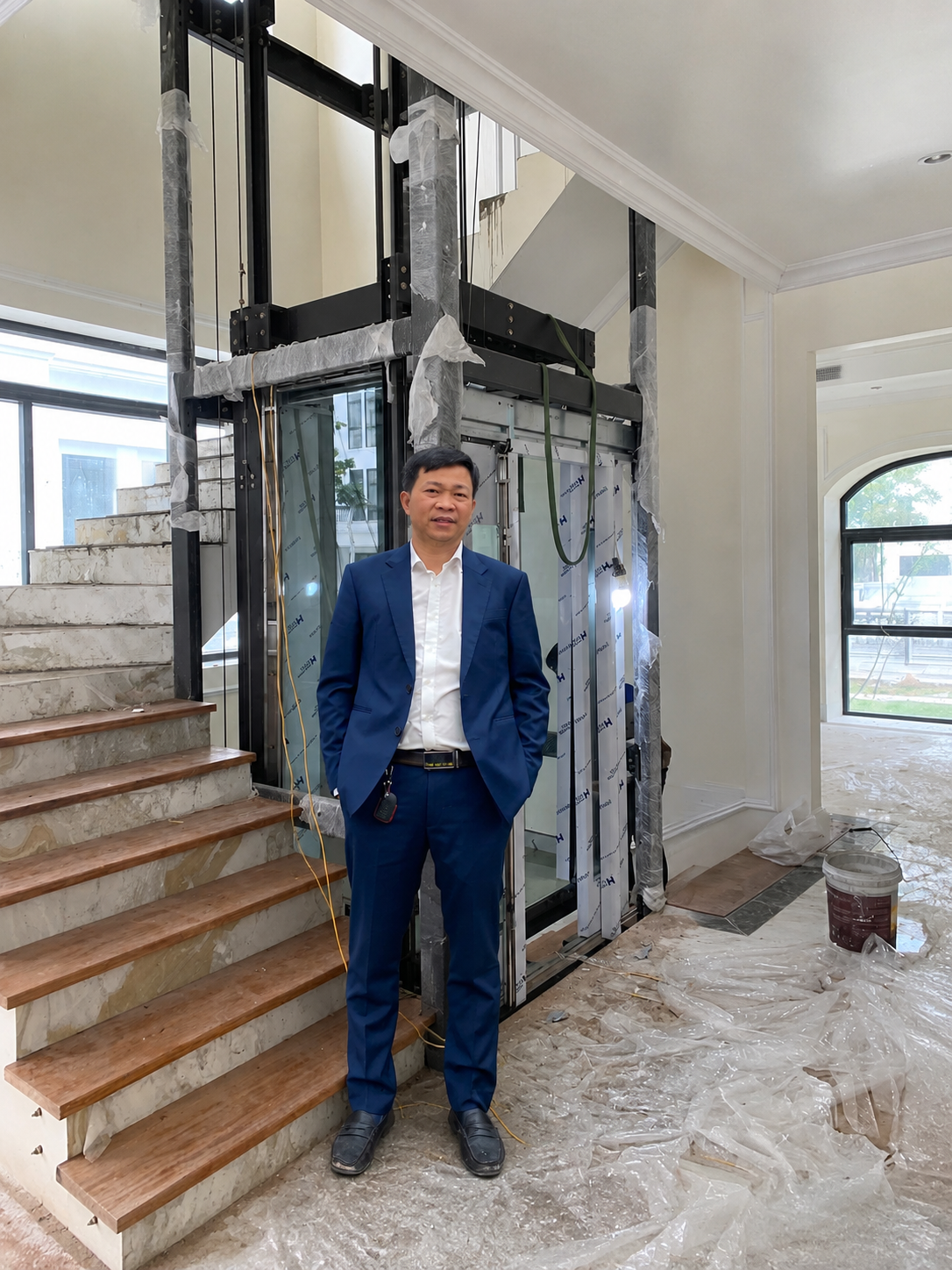
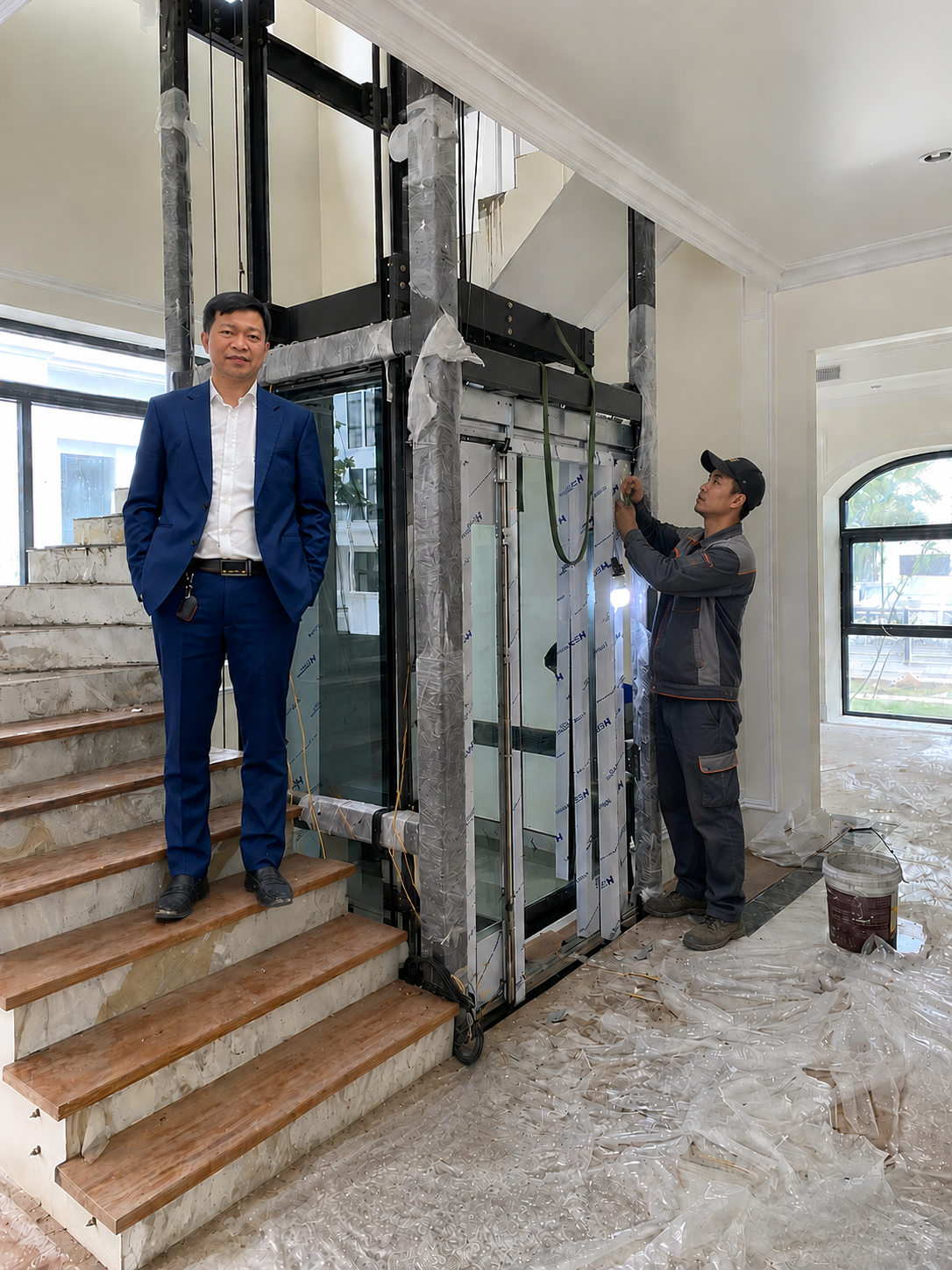
After agreeing on the plan, the turnkey elevator company proceeds with manufacturing or ordering equipment from internationally certified factories with clear Certificates of Origin (CO) and Certificates of Quality (CQ). Key components such as the traction machine, control cabinet, guide rails, cabin, landing doors, safety systems, hoisting cables, and automatic rescue systems undergo quality checks according to internal procedures. The technical team then implements the installation according to the approved shop drawings, strictly adhering to occupational safety procedures, regulations for high-rise construction, and coordination requirements with other contractors.
Upon completion of installation, the elevator system undergoes internal testing, calibration, and acceptance before being inspected by an independent inspection unit licensed by the Ministry of Labour, Invalids and Social Affairs. The inspection process comprehensively assesses all aspects: safety equipment, braking system, speed limit, floor door locks, rescue system, grounding, insulation, fire and smoke detection equipment, and emergency communication system . Only when all requirements are met and a certificate of inspection is issued is the elevator permitted to be officially put into operation, ensuring full compliance with legal regulations on occupational safety and building safety.
Maintenance, operation, and upgrade services in a comprehensive package model.
The comprehensive maintenance, operation, and upgrade service focuses on maintaining safety, stability, and optimizing the elevator's lifecycle costs. Due to its continuous operation, the system utilizes scheduled maintenance combined with remote monitoring to detect abnormalities early, manage risks, and minimize downtime. Operational data is analyzed to shift from reactive to predictive maintenance, enabling proactive component replacement and budget planning. Furthermore, the service includes a comprehensive assessment of the current condition, proposing integrated modernization solutions , ensuring the elevator meets safety standards, energy efficiency, and the building's new traffic demands.
Routine maintenance, condition monitoring, and risk management.
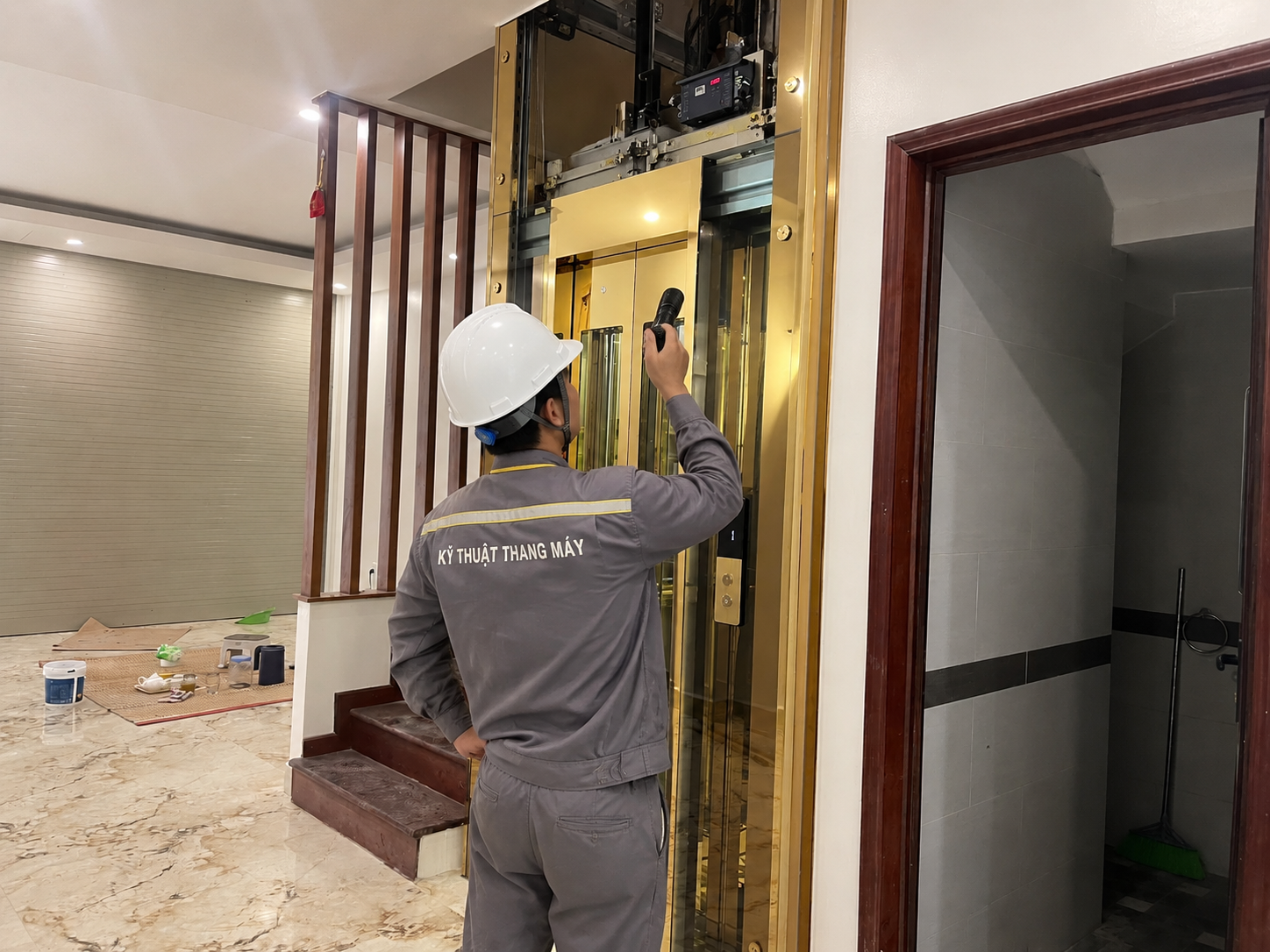
Elevators are continuously operating equipment with high frequency, therefore regular maintenance is a core element of our comprehensive service package. Professional companies develop periodic maintenance plans based on the number of operations, working environment, and equipment configuration. Regularly performed tasks include: inspection, cleaning, and lubrication of the traction machine; brake adjustment; inspection of hoist cables, pulleys, and guide rails; inspection of door sensors and floor door locks; insulation resistance measurement; inspection of the automatic rescue system, UPS, or battery rescue unit; and software updates for the control system if necessary.
For high-traffic buildings such as shopping malls, hospitals, and office buildings, elevator companies often implement remote monitoring solutions via IoT or SCADA systems. Operational data, faults, and downtime are recorded and analyzed to predict failures and proactively replace components before serious incidents occur. This predictive maintenance approach reduces downtime, improves reliability, and optimizes operating costs for building owners.
Elevator upgrades, renovations, and performance optimization.
After prolonged use, many elevator systems experience mechanical wear and tear, technological obsolescence, increased energy consumption, and failure to meet the building's evolving traffic demands. A comprehensive elevator company can assess the current situation and propose suitable modernization solutions : replacing control cabinets with new-generation microprocessor-based systems, installing VVVF inverters for the traction machine and landing doors, adding group control systems, renovating cabin interiors, upgrading LED lighting, adding display screens, smart call systems, or integrating access control.
The upgrade process is designed to minimize downtime for the building. The work is divided into phases, with a staggered operation plan for the elevators to ensure smooth traffic flow for residents and customers. Simultaneously, all changes must be carefully calculated in terms of load capacity, speed, elevator shaft load-bearing capacity, power supply system, and current safety standards, avoiding localized upgrades that could disrupt the system's balance.
Criteria for selecting a turnkey elevator company that meets EEAT standards.
A company providing complete elevator installation services that meets EEAT standards needs to combine practical experience, in-depth expertise, and a well-structured technical process. Their portfolio must clearly demonstrate the number and scale of projects, especially complex ones; a team of certified, formally trained engineers; and a quality and safety management system that meets international standards. Furthermore, transparency and safety must be reflected in contracts, quotations, equipment origin, CO/CQ certificates, and inspection reports. Professional after-sales service, 24/7 technical support, readily available spare parts, and regular maintenance reports are key factors in building long-term trust.
Expertise, experience, and technical capabilities
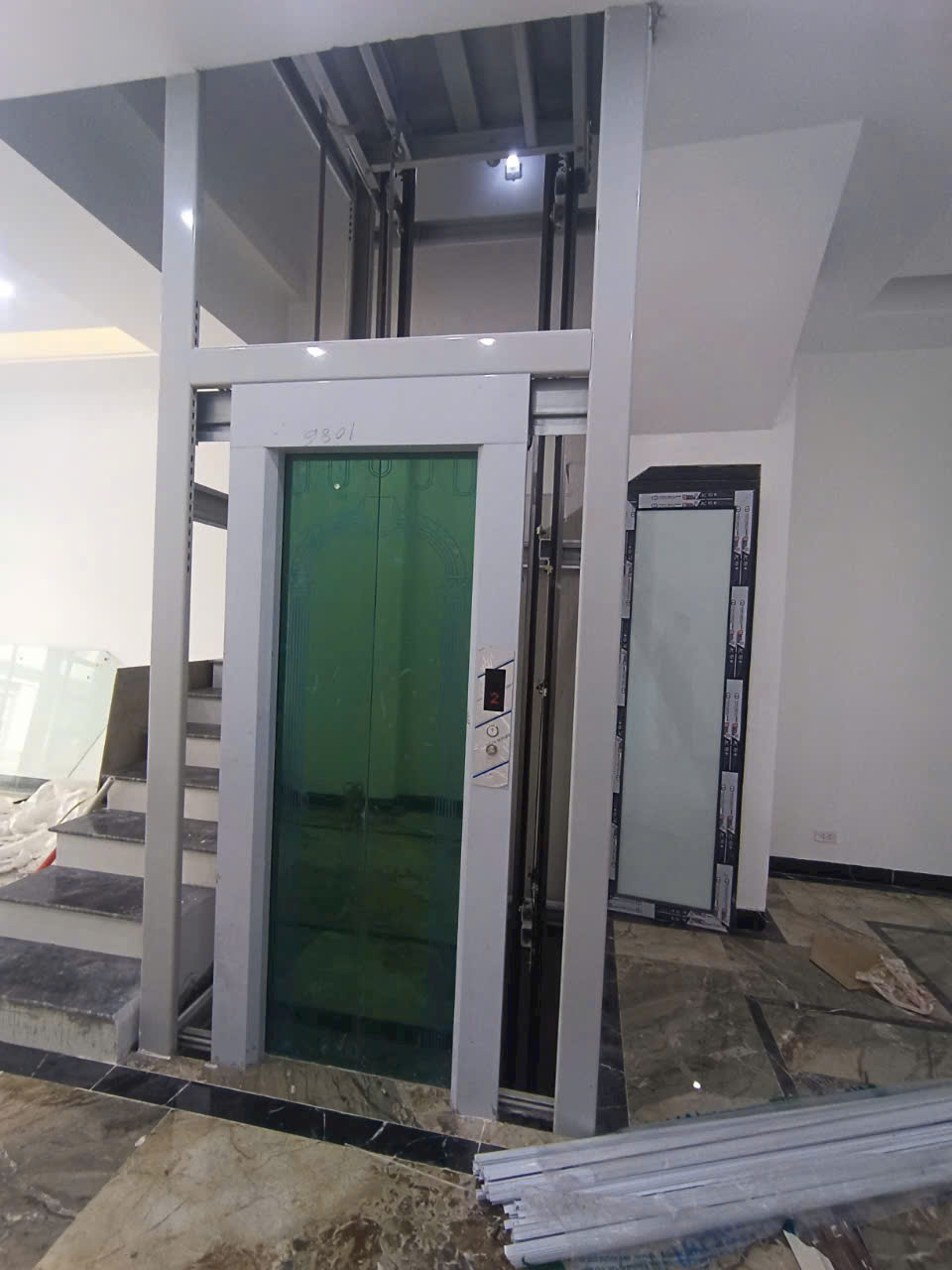
To evaluate a turnkey elevator company according to EEAT (Experience – Expertise – Authoritativeness – Trustworthiness) standards, one must first consider its practical experience and professional capabilities. Important criteria include: the number and scale of projects implemented, especially complex projects such as hospitals, high-rise hotels, and shopping malls; a team of certified engineers trained by reputable manufacturers; a quality management system compliant with ISO 9001 and a safety management system compliant with ISO 45001; and the ability to independently design, create blueprints, and perform technical calculations without relying entirely on foreign suppliers.
Professional credibility is also demonstrated through a company's participation in industry associations, regular updating of new standards, internal training, and knowledge sharing with partners and investors. Companies with transparent profiles, clear technical documentation, detailed user manuals, and complete maintenance logs are generally highly regarded for their professionalism and reliability. This forms the foundation for building long-term partnerships with investors and building management companies.
Transparency, safety, and after-sales service.
Besides technical capabilities, transparency and safety are crucial indicators of a reliable turnkey elevator company. Contracts should clearly state the scope of supply, equipment origin, applicable standards, timelines, warranty conditions, commitment to troubleshooting timelines, and post-warranty maintenance costs. Detailed quotations, clearly distinguishing between genuine and aftermarket parts, and complete documentation including Certificates of Origin (CO), Certificates of Quality (CQ), and inspection reports are essential for protecting the investor's rights.
Regarding after-sales service, a professional company typically maintains a 24/7 technical support team , a spare parts inventory, a clear request processing procedure, and a fast response time, especially for critical projects such as hospitals and high-rise apartment buildings. Regular reporting on elevator condition, technical recommendations, and component replacement plans based on lifespan enable building management to proactively manage operations. The combination of deep expertise, practical experience, market reputation, and transparency in all stages forms the foundation for a comprehensive elevator company to meet the increasingly demanding requirements of modern projects.