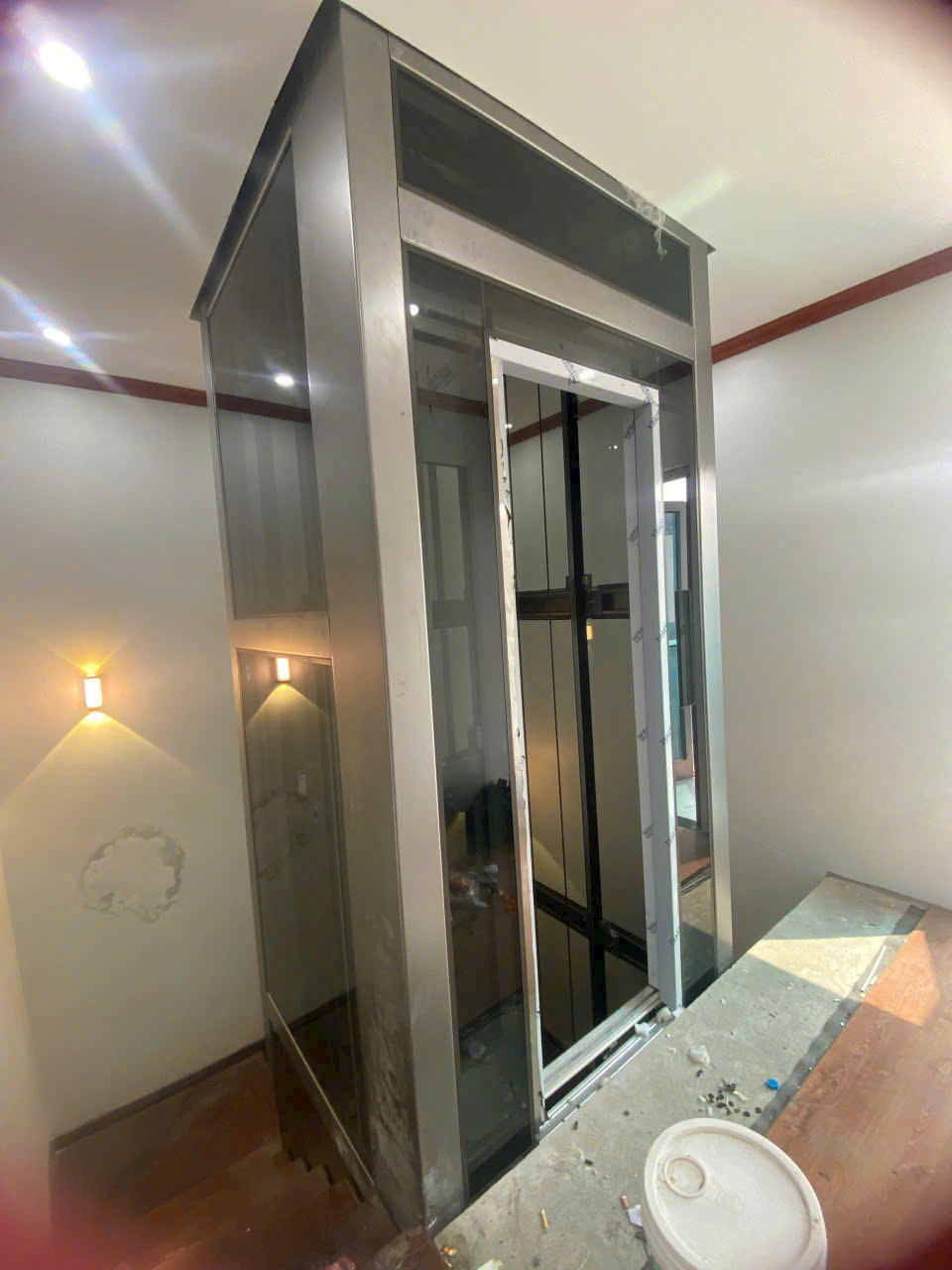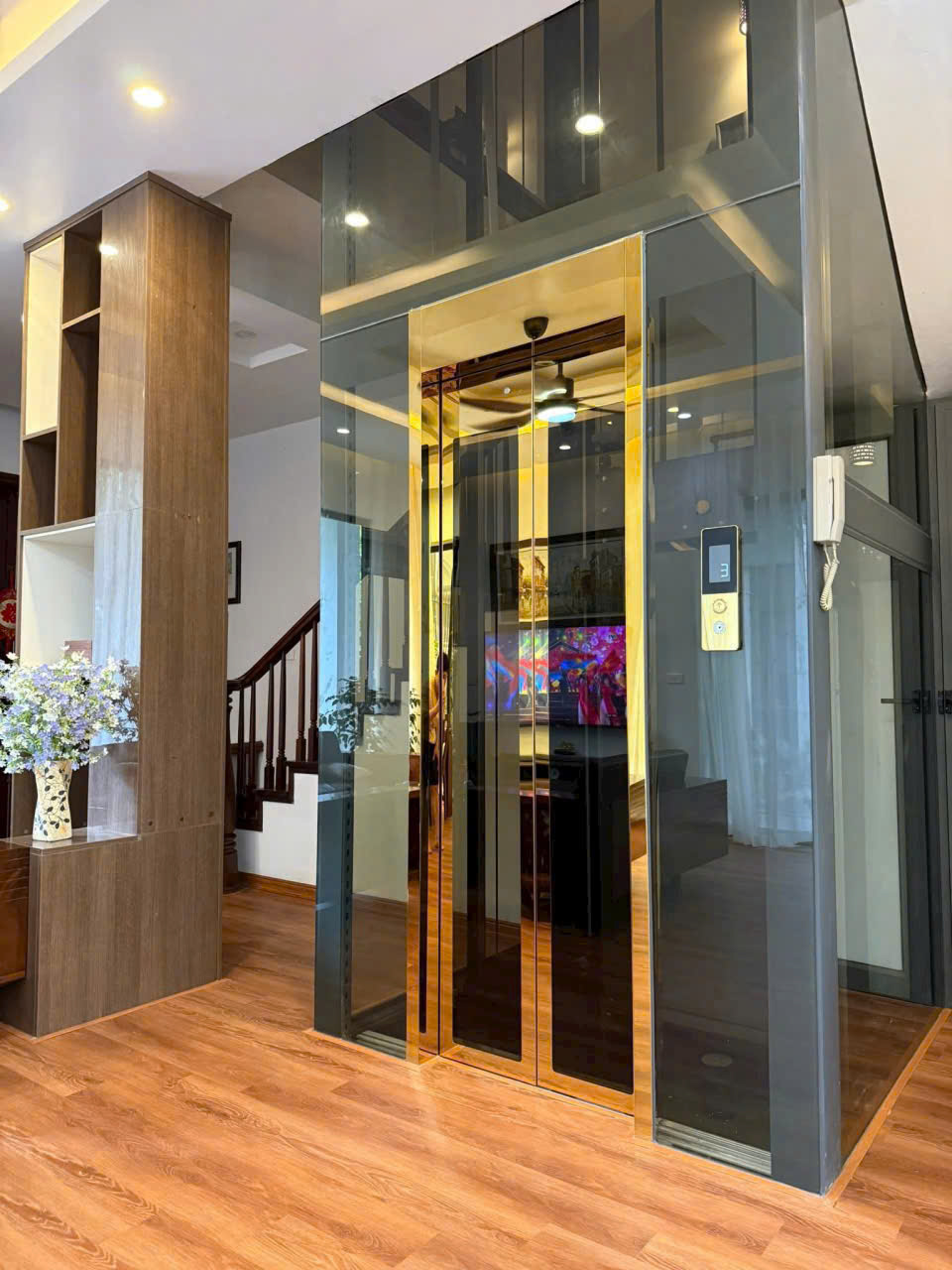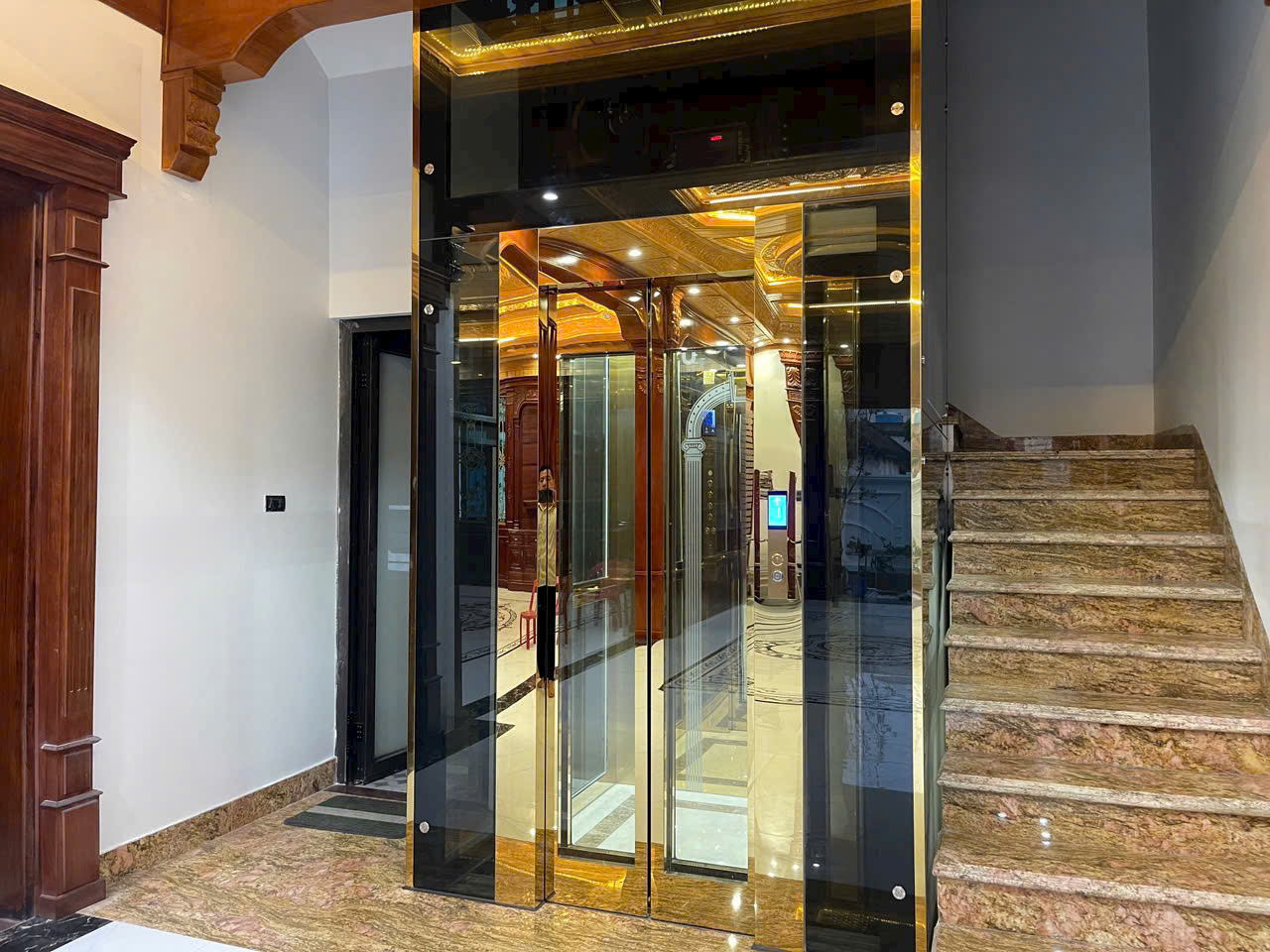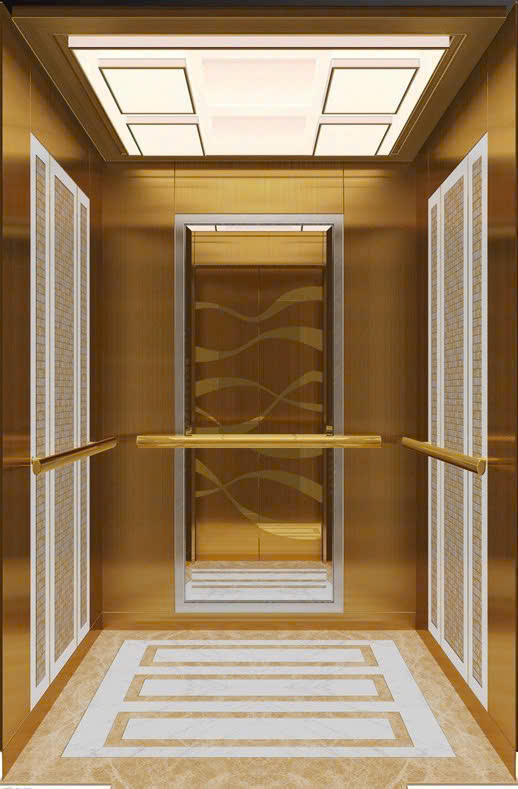


Leading and Reputable Elevator Installation Company in Ha Nam
Technical standards and construction procedures for elevators in Ha Nam.
Elevator installation companies in Ha Nam must strictly adhere to international and Vietnamese technical standards to ensure absolute safety for users and improve equipment performance. Proper application of these standards not only minimizes risks during use but also ensures the sustainability and energy efficiency of the building.
Key technical specifications include:
- TCVN 6395:2018 – This is a national standard specifying safety requirements for the design, installation, operation, and maintenance of elevators. This standard includes regulations on mechanical structure, electrical systems, safety equipment such as brakes, door sensors, and automatic rescue systems, ensuring stable and safe elevator operation for users.
- ISO 25745 – This international standard focuses on the energy efficiency of elevators, including methods for measuring and evaluating energy consumption during operation. Applying this standard helps reduce operating costs and contributes to environmental protection through the use of energy-saving technologies such as asynchronous motors and energy regeneration systems.
- The EN 81-20/50 standard is a European standard that specifies detailed requirements for the design and installation of elevators, including requirements for cabin dimensions, door systems, ventilation, lighting, and enhanced safety measures to protect users in all emergency situations.
The elevator installation process in Ha Nam is carried out according to the following specialized steps:
- Site survey: This is the first and most important step, including accurately measuring the elevator shaft dimensions, assessing the building's load-bearing structure, determining the elevator installation location, and identifying the load capacity and intended use (passenger, cargo, or home elevator). A thorough survey ensures a suitable design and avoids errors during construction.
- Engineering Design: Based on the survey results, the design engineer will select the type of elevator suitable for the intended use and building conditions. The design includes detailed drawings of the cabin dimensions, guide rail system, counterweight, door system, as well as electrical circuit diagrams and control systems. The design must ensure compliance with the stated technical standards and optimize operational efficiency.
- Elevator shaft preparation: Constructing the elevator shaft to the correct dimensions and technical standards is a crucial step in ensuring the safety and durability of the elevator. The shaft must be built solidly, waterproof, and have a suitable drainage and ventilation system. The flatness and verticality of the shaft must be thoroughly checked to avoid affecting the installation of guide rails and the operation of the elevator.
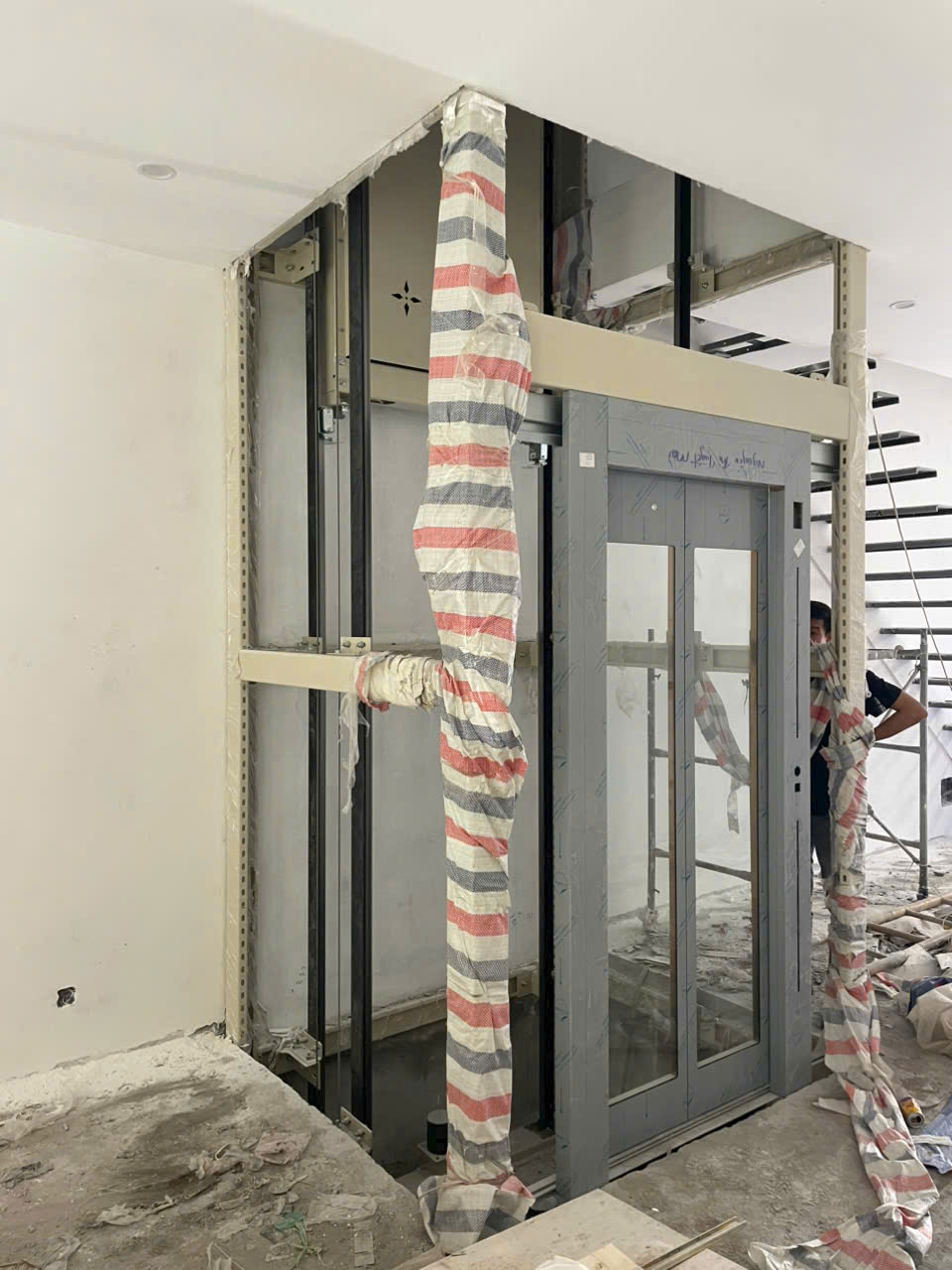
- Mechanical equipment installation: This stage includes the installation of guide rails, cabin, counterweight, and door system. Installation must be highly precise, using specialized equipment to align the guide rails so that the cabin moves smoothly without vibration. The door system needs to be installed with a safe opening and closing mechanism, anti-jamming sensors, and a tight seal when closed.
- Electrical and control system installation: The control cabinet, motor, inverter, safety sensors, and other electronic devices are installed and connected according to the design diagram. Modern control systems typically use PLC or microprocessor technology to manage elevator operation, ensuring functions such as accurate floor stopping, speed adjustment, fault detection, and automatic activation of safety devices.
- Inspection and commissioning: After installation is complete, the elevator must undergo a comprehensive inspection of its mechanical, electrical, and control systems. These tests include load testing, brake testing, door sensor testing, and emergency situation testing such as power outages and activation of the automatic rescue system. The commissioning process ensures that the elevator operates stably, safely, and according to the designed specifications.
- Handover and Maintenance: Once the elevator meets acceptance requirements, the construction company will hand it over to the investor along with user and maintenance manuals. Regular maintenance is crucial to maintaining the elevator's performance and safety, including checking the mechanical and electrical systems, cleaning the guide rails, lubricating, and inspecting and replacing worn-out parts.
In particular, during the elevator construction process in Ha Nam , the units need to coordinate closely with relevant parties such as the investor, construction contractor, and management agency to ensure the progress and quality of the project.
Advanced technical factors in elevator construction:
- Application of IoT and automation technology: Integrating smart sensors and remote monitoring systems helps track elevator operating status, detect technical faults early, and provide timely warnings, enhancing safety and minimizing downtime.
- High-quality materials and equipment selection: Utilizing high-strength steel alloy guide rails, fire-resistant and corrosion-resistant cabin materials, and energy-efficient motor systems increases lifespan and reduces maintenance costs.
- Training of specialized personnel: The team of construction and maintenance technicians needs to be properly trained, certified, and have practical experience to ensure construction is carried out according to procedures and to promptly handle any arising problems.
Key elevator specifications
To choose the right elevator, you need to understand the following basic technical specifications:
| Parameter | Meaning | Universal value |
|---|---|---|
| Load capacity (kg) | Maximum load capacity of the elevator | 300 - 2000 kg |
| Speed (m/s) | Cabin speed | 0.6 - 2.5 m/s |
| Cabin dimensions (mm) | Dimensions: width x depth x height | 900 x 1100 x 2200 |
| Journey (m) | Elevator travel height | 3 - 50 m |
| Engine type | Cable-driven motor or gearless motor | Gearless engine |
| Control system | Controller type and technology | Microprocessor, PLC, inverter controller |
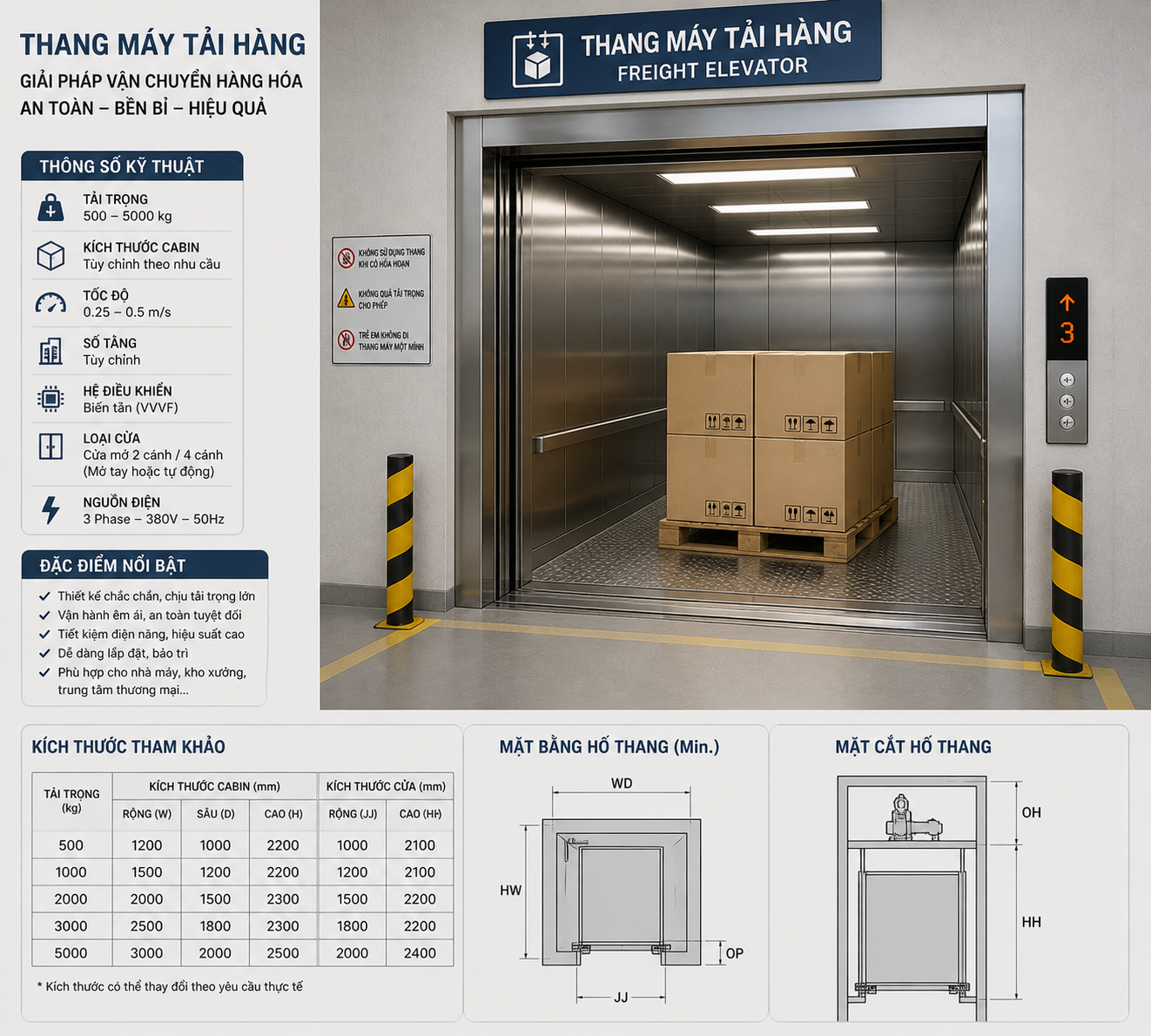
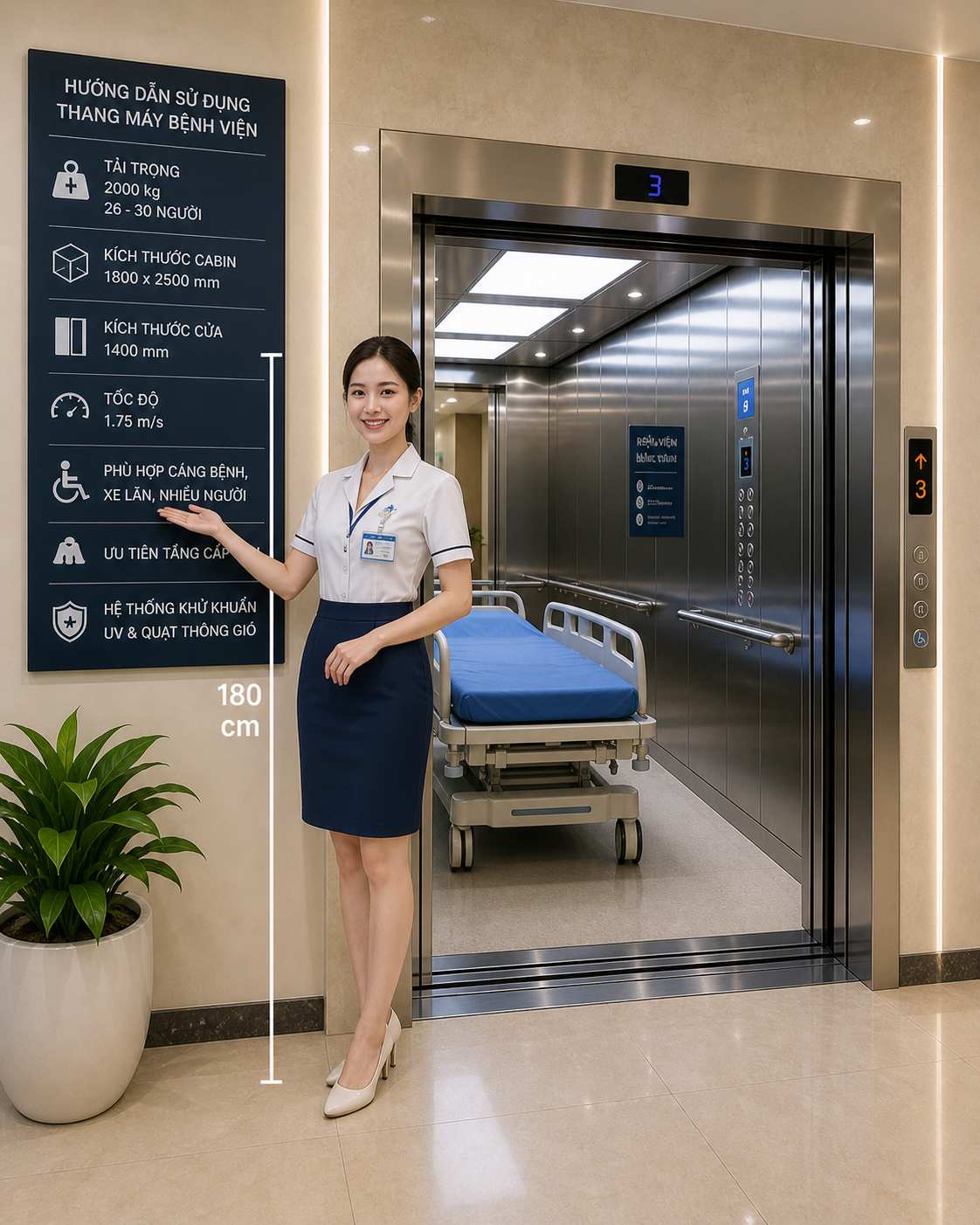
Load capacity (kg) is one of the most important parameters when selecting an elevator, reflecting the maximum load the cabin can safely carry. Load capacity is usually determined based on the average number of users and the type of goods being transported. For example, residential elevators typically have a load capacity of 300 to 630 kg, equivalent to 4-8 people, while commercial or industrial elevators can handle up to 2000 kg or more. Choosing the appropriate load capacity helps avoid overloading, reduces the risk of malfunctions, and ensures equipment longevity.
Speed (m/s) represents the velocity of the elevator cabin, directly impacting user experience and operational efficiency. Common speeds range from 0.6 to 2.5 m/s for residential and commercial elevators. For high-rise buildings or large shopping malls, elevators can achieve higher speeds, from 3 to 10 m/s or more, to reduce waiting and travel time. However, higher speeds also require more complex control systems and damping mechanisms to ensure safety and comfort.
Cabin dimensions (mm) are a crucial factor determining the usable space inside the elevator, affecting the number of people or goods that can be transported simultaneously. Standard dimensions are typically 900 x 1100 x 2200 mm (width x depth x height), suitable for small residential elevators. For commercial or freight elevators, cabin dimensions can be significantly larger, for example 1600 x 1400 x 2300 mm or more, to meet diverse transportation needs. Cabin design should also consider factors such as the entrance door, lighting system, handrails, and finishing materials to optimize the user experience.
The travel distance (m) is the maximum height an elevator can travel, usually determined based on the number of floors in a building. Common travel distances for small residential and commercial buildings range from 3 to 50 meters, equivalent to approximately 10 floors. For high-rise or super-high-rise buildings, the travel distance can reach hundreds of meters, requiring special motor and cable systems, as well as technical solutions such as intermediate floor elevators or high-speed elevators. Accurately determining the travel distance helps optimize engineering design and investment costs.
The type of motor is a key factor determining the performance and durability of an elevator. Currently, the two most common types of motors are:
- Geared cable-driven motors: These use a gearbox for power transmission and are suitable for elevators with short travel distances and moderate load capacities. Advantages include low investment costs and ease of maintenance, but they produce more noise and vibration.
- Gearless motors: These motors are directly attached to the cable drum and are suitable for high-speed and long-travel elevators. Advantages include quiet operation, energy efficiency, and low maintenance; however, the initial investment cost is higher.
Choosing the right type of motor depends on the technical requirements, budget, and intended use of the project.
The control system is the brain of the elevator, ensuring accurate, safe, and efficient operation. Modern control technologies include:
- Microprocessors enable fast signal processing and precise control of functions such as floor calling, door opening and closing, and load balancing.
- PLC (Programmable Logic Controller): Used in complex systems, it offers flexible programming capabilities, easy upgrading, and integration with building management systems.
- Variable Frequency Drive (VFD): allows for flexible motor speed control, reduces energy consumption, and extends equipment lifespan.
Modern control systems also integrate safety features such as door jamming prevention, overload protection, automatic rescue systems, and remote monitoring, contributing to an enhanced user experience and minimizing operational risks.
Popular elevator brands in the Vietnamese market
The Vietnamese elevator market is currently witnessing fierce competition among major brands, each offering advanced technologies and optimal solutions to meet diverse customer needs, from small residential projects to complex high-rise buildings. The choice of elevator depends not only on brand but also on technology, operational efficiency, safety, and maintenance capabilities. Below is an in-depth analysis of the most popular elevator brands frequently chosen by elevator installation companies in Ha Nam.
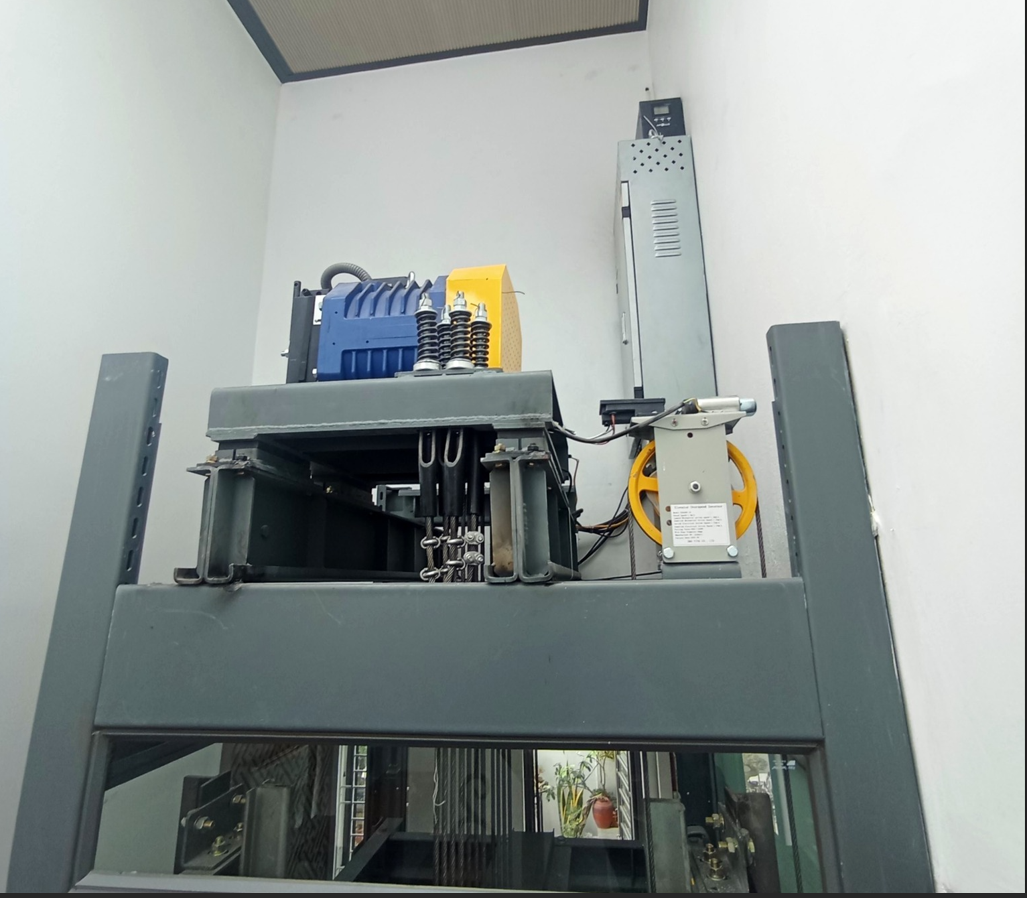
Mitsubishi elevators
Mitsubishi is a leading elevator brand in Japan, renowned for its advanced technology and exceptional durability. Mitsubishi products are designed to optimize operational performance and energy efficiency, suitable for a wide range of buildings from individual homes to high-rise office buildings.
- Gearless Traction Machine: This is an advanced motor technology that reduces friction and mechanical wear, resulting in smoother operation, reduced noise, and significant energy savings compared to traditional geared motors. This motor also allows elevators to operate stably at high speeds, making it suitable for high-rise buildings.
- Microprocessor Control System: Mitsubishi utilizes a state-of-the-art microprocessor control system that allows for precise management of elevator operations such as speed adjustment, floor stopping, load balancing, and safety signal processing. This system also integrates self-diagnostic functions, minimizing maintenance time and enhancing reliability.
- Diverse and flexible design: Mitsubishi offers a variety of cabin models with premium materials such as stainless steel, tempered glass, wood veneer, along with color and LED lighting options, meeting diverse aesthetic requirements and architectural styles. Furthermore, cabin sizes are designed to suit limited spaces or projects requiring high load capacities.
- Strict safety standards: Mitsubishi elevator products comply with international safety standards such as ISO 25745 for energy efficiency and EN 81 for elevator safety, ensuring maximum protection for users in all situations.
Fuji Elevators
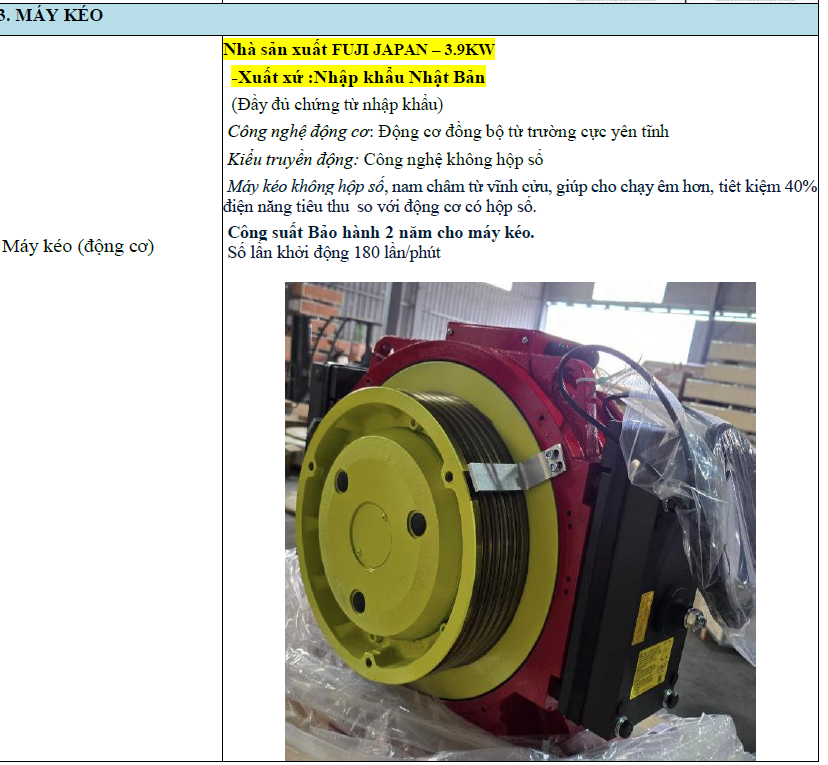
Fuji is a renowned Japanese elevator brand known for its stable operation, elegant design, and energy-saving technology. Fuji focuses on developing environmentally friendly elevator solutions and enhancing the user experience.
- Inverter Technology: Fuji applies advanced inverter technology to flexibly adjust motor speed, reduce power consumption, and minimize vibration and noise during operation. This technology also ensures smooth elevator start-up and stop, increasing equipment lifespan.
- Multi-layered safety system: Fuji integrates multiple layers of protection such as automatic door sensors, emergency braking system, overload sensor, and automatic power outage rescue system. These features are rigorously tested to ensure absolute safety for users.
- Modern and highly customizable cabin design: Fuji elevator cabins are designed with a wide range of premium materials such as fingerprint-resistant stainless steel, tempered glass in various colors, and energy-saving LED lighting systems. In addition, Fuji offers customizable cabin sizes and styles to suit different architectural styles and usage needs.
- Stable operation and easy maintenance: Fuji focuses on developing simple control systems and drive mechanisms, minimizing technical problems and facilitating routine maintenance, thereby increasing the lifespan and reliability of the elevator.
Otis Elevators
Otis is a global American elevator brand with a long history and many advanced technologies applied to its products. Otis stands out with its smart elevator solutions, diverse models, and high customizability, suitable for all types of buildings from residential to commercial and high-rise buildings.
- Gearless and Cable-Drivering Motors: Otis offers both traditional geared motors and modern gearless motors, depending on technical requirements and project characteristics. Gearless motors reduce noise and energy consumption, while geared motors are suitable for projects requiring high load capacities and high operating speeds.
- Intelligent control systems (Gen2 and SkyRise technologies): Otis develops advanced control systems such as Gen2, which uses oil-free steel belts to reduce friction and maintenance, and SkyRise, designed for skyscrapers, offering optimal high-speed operation and safety. These control systems also integrate algorithms to optimize elevator travel, reduce downtime, and increase operational efficiency.
- Diverse designs and sizes: Otis offers a wide selection of cabin styles, materials, and sizes to suit projects with specific requirements. The cabins are designed in a modern, luxurious style, while also integrating convenient features such as information display screens, sound systems, and LED lighting.
- Comprehensive maintenance and technical support solutions: Otis provides professional maintenance services with a remote monitoring system, enabling early detection of problems and optimizing maintenance schedules. This minimizes downtime and ensures elevators are always in optimal operating condition.
Criteria for selecting an elevator installation company in Ha Nam
To ensure quality and safety during elevator installation, choosing an elevator contractor in Ha Nam should not only be based on price but also on carefully considering professional and technical criteria. Below is a detailed analysis of the important criteria to help customers make the most accurate and suitable decision.
- Experience and reputation:
Experience in elevator construction is a key factor determining the quality of the project. Companies with many years of experience in the elevator industry have accumulated practical knowledge and are able to handle unforeseen situations during construction. Furthermore, a reputation built on successful projects and positive feedback from previous clients is clear evidence of a company's capabilities.
Customers should research information about completed projects, reviews from partners and previous users to ensure that the construction company is capable of meeting technical requirements and project deadlines.
- Technical expertise:
The team of engineers and technicians is a direct determining factor in the quality of elevator construction. The construction company needs a team that is well-trained and holds professional certifications as required by the Ministry of Construction and other relevant authorities. This ensures that personnel have sufficient knowledge of elevator design, installation, operation, and maintenance.
In addition, technicians need to be regularly updated on new technologies and current elevator safety standards such as TCVN 6397:2018 and EN 81-20/50 to ensure proper installation and minimize risks during use.
- Modern equipment:
The use of advanced construction machinery and equipment contributes to improved efficiency and quality of construction projects. Equipment such as concrete drills, lifting equipment, and precision measuring devices help to make construction faster, more accurate, and safer.
The construction company needs to invest in a modern and integrated equipment system to ensure that the construction progress is not interrupted, while minimizing technical errors during elevator installation.
- Warranty and maintenance policy:
Elevators are essential transportation equipment that requires regular maintenance to ensure safety and stable operation. Reputable contractors will commit to long-term warranties and provide professional maintenance services with a team of highly qualified technicians who can respond quickly to any problems.
A clear and transparent warranty policy gives customers peace of mind while minimizing costs arising from unexpected malfunctions or technical problems.
- Reasonable prices:
The cost of elevator installation needs to be quoted transparently, detailing each item so that customers can easily compare and choose. A reputable construction company will provide a clear price list, with no hidden costs during the construction process.
Reasonable pricing doesn't mean choosing the cheapest option; instead, you must consider the balance between quality, service, and cost to ensure long-term investment efficiency.
Additional factors to consider when choosing an elevator installation company in Ha Nam.
- Compliance with legal regulations: The construction unit must have all necessary operating licenses, labor safety certificates, and related legal documents to ensure construction is carried out according to procedures and to avoid legal risks.
- Consulting and design capabilities: A company capable of advising on elevator solutions that are suitable for the building, optimize space utilization, and meet customer transportation needs will deliver higher efficiency.
- Post-installation technical support: Fast and professional technical support services after installation completion help customers operate the elevator with peace of mind and promptly address any arising issues.
- Evaluation from actual projects: Consulting with clients who have used the service, reviewing completed projects in Ha Nam to assess the company's actual construction capabilities.
Technical and safety standards in elevator construction.
Elevator installation companies must strictly adhere to technical and safety standards to ensure stable and safe elevator operation for users.
- Vietnamese Standard TCVN 6397:2018 on elevators and escalators specifies the technical requirements for design, installation, operation, and maintenance.
- The European standard EN 81-20/50 focuses on the latest safety requirements for passenger and freight elevators.
- Regulations on occupational safety in construction work ensure the safety of workers and people in the surrounding area of the construction site.
Adherence to these standards not only helps ensure safety but also enhances the lifespan and operational efficiency of elevators.
Energy-saving and environmentally friendly elevator installation solutions
In the context of sustainable development and the increasing demand for energy efficiency in construction, elevator installation companies in Ha Nam have been applying many advanced technologies to minimize electricity consumption and negative impacts on the environment. The selection and implementation of these solutions not only helps reduce operating costs but also contributes to protecting natural resources, while simultaneously improving service quality and user experience.
- Gearless motors: These motors are designed with a simple structure, without using a mechanical transmission gearbox, which reduces friction and energy loss during operation. Gearless motors typically use permanent magnets and variable frequency drive (VFD) technology, allowing for flexible speed adjustment, smooth operation, and significant energy savings compared to traditional geared motors. In addition, this design minimizes noise and vibration, enhancing user comfort and reducing noise pollution within the building.
- Energy recovery system: Modern elevators are equipped with a regenerative drive system, which converts the kinetic energy generated when the elevator descends or reduces load into electrical energy. This energy is fed back into the power grid or used for other equipment in the building, significantly reducing electricity consumption from external sources. This technology is particularly effective in high-rise buildings with high elevator traffic, where energy reuse can save up to 30-40% of electricity consumption compared to traditional systems.
- Environmentally friendly materials: The choice of materials for elevator cabins and doors significantly impacts the sustainability of the building. Recyclable or highly reusable materials such as recycled stainless steel, recycled aluminum, eco-friendly tempered glass, and bio-composite materials are preferred. These materials not only reduce construction waste but also decrease carbon emissions during production and transportation. Furthermore, eco-friendly materials are often highly durable, corrosion-resistant, and easy to maintain, extending the elevator's lifespan.
- LED Lighting System: Lighting is one of the major energy consumers in elevators, especially in high-density buildings. Replacing traditional lighting systems with LEDs saves up to 80% on electricity consumption, while also increasing the lifespan of lighting equipment from 25,000 to 50,000 hours, reducing the frequency of replacement and maintenance. LEDs also have the advantage of low heat emission, reducing the load on the cabin's air conditioning system, contributing to overall energy savings.
Other supplementary technologies are also applied to improve energy efficiency and environmental friendliness in elevator construction:
- Smart Control System: Uses algorithms to optimize elevator travel schedules, reducing waiting times and unnecessary stops, thereby reducing energy consumption. This system can also automatically adjust speed and load capacity to suit actual needs.
- Motion and light sensor technology: Automatically turns on/off the lights and ventilation fans in the cabin when someone is using it, preventing wasted energy when the elevator is not in operation or unoccupied.
- Thermal and noise insulation system: Using effective insulation materials and a noise-reducing cabin design helps to reduce the load on the air conditioning system and create a quiet, energy-efficient operating environment.
- Optimized space and weight design: Reducing the weight of the cabin and related components helps reduce traction and power consumption during operation.
The seamless integration of these solutions during elevator construction not only meets modern technical and environmental standards but also creates long-term added value for construction projects. Construction companies in Ha Nam have been actively researching and applying new technologies to improve energy efficiency, reduce greenhouse gas emissions, and contribute to building a greener and cleaner living environment.
Elevator maintenance and repair services in Ha Nam
Regular maintenance and timely repairs are crucial for ensuring stable and safe elevator operation and extending equipment lifespan. Especially in environments with continuous operation such as high-rise buildings, shopping malls, or apartment complexes, maintaining elevator performance not only minimizes accident risks but also optimizes long-term operating costs.
The professional elevator installation company in Ha Nam provides comprehensive maintenance services with the following in-depth technical content:
- Inspect the electrical and mechanical systems:
- Detailed evaluation of the technical specifications of the controller, electronic circuit board, sensors, and traction motor.
- Check the stability of the power supply, ensuring there are no voltage drops, short circuits, or signal interference affecting operation.
- Measure and adjust mechanical components such as cables, pulleys, and shock absorbers, ensuring there are no signs of excessive wear or deformation.
- Use specialized measuring equipment to check the accuracy of the braking system, ensuring safe stopping ability in all situations.
- Clean and lubricate the guide rails and wheels:
- Remove dirt, old grease, and other contaminants from the guide rails and wheels to minimize friction and noise during operation.
- Use specialized lubricants with the appropriate viscosity that do not attract dust or damage metal parts.
- Inspect the wear and alignment of the guide rails to ensure smooth wheel rolling, minimizing vibration and uneven wear.
- Check the safety system:
- Evaluate the operation of the door sensors to ensure that the elevator doors open and close accurately and safely, preventing people or objects from getting trapped.
- Inspect the safety braking system, including mechanical and electromagnetic brakes, to ensure it can provide an emergency stop in the event of an accident.
- Inspect the automatic emergency rescue equipment (UPS, power outage rescue system) to ensure the elevator can operate or open its doors safely in case of an emergency.
- Inspect the fire alarm system, bells, and intercom system inside the elevator cabin.
- Replace the damaged component:
- Analyze and accurately identify components that are degraded or no longer meet technical standards.
- We use genuine, certified components that are fully compatible with existing elevator systems.
- Quick replacement ensures that elevator operation is not interrupted for longer than necessary.
- Inspect the entire system after replacement to ensure complete compatibility and safety.
- Detailed elevator condition report:
- Prepare a detailed technical report on the operational status, any detected malfunctions, and the measures taken.
- Provide recommendations on the next maintenance plan, and suggest upgrades or equipment replacements if necessary.
- Provide customers with basic user and maintenance manuals to raise awareness and encourage regular self-inspections.
- Providing technical support and answering questions related to elevator operation and maintenance.
The team of technicians at Ngoc Quyet Company in Ha Nam are well-trained, have many years of experience in the elevator field, and constantly update themselves with the latest technologies to provide high-quality maintenance and repair services.
We are committed to using state-of-the-art testing equipment, international standard maintenance procedures, and applying strict safety standards to ensure your elevators operate reliably, efficiently, and in an environmentally friendly manner.
Contact Ngoc Quyet Company today for detailed consultation and a quote for elevator installation in Ha Nam. Our team of consultants and technicians are always ready to assist you in owning a high-quality, absolutely safe elevator system that meets all your project requirements.