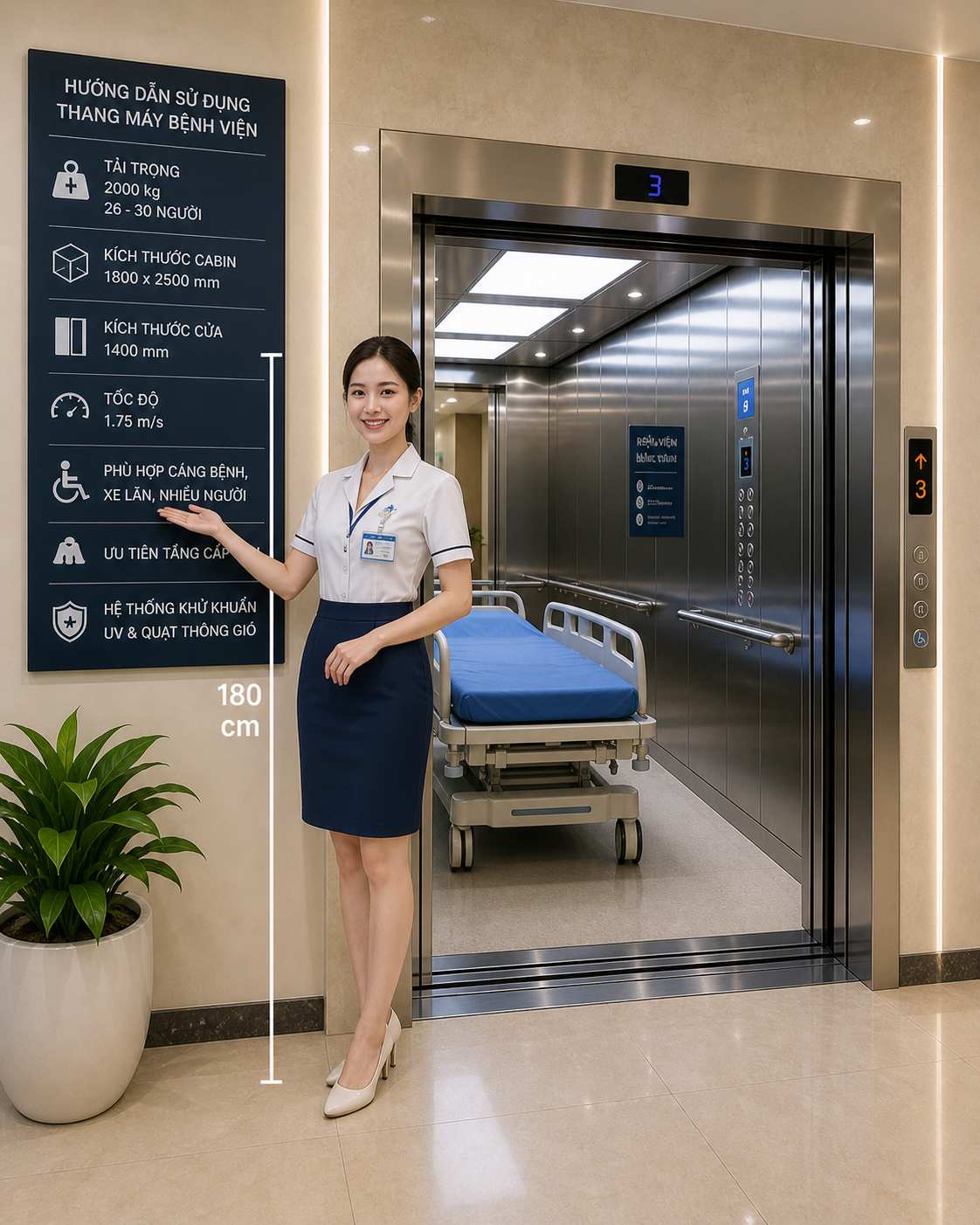
Elevator motor:
Elevator motors: Overview and their role in elevator systems.
The elevator motor is a core component that determines the operational efficiency and durability of an elevator system. It is primarily responsible for moving the elevator cabin up and down between floors, ensuring safety and convenience for users. With the continuous development of technology, elevator motors are constantly being improved in terms of design, performance, and energy efficiency, meeting stringent safety and environmental standards.
Based on their operating principles and construction, elevator motors can be classified into two main groups: geared traction motors and gearless traction motors. Each type has its own advantages and applications depending on the technical requirements and scale of the project.
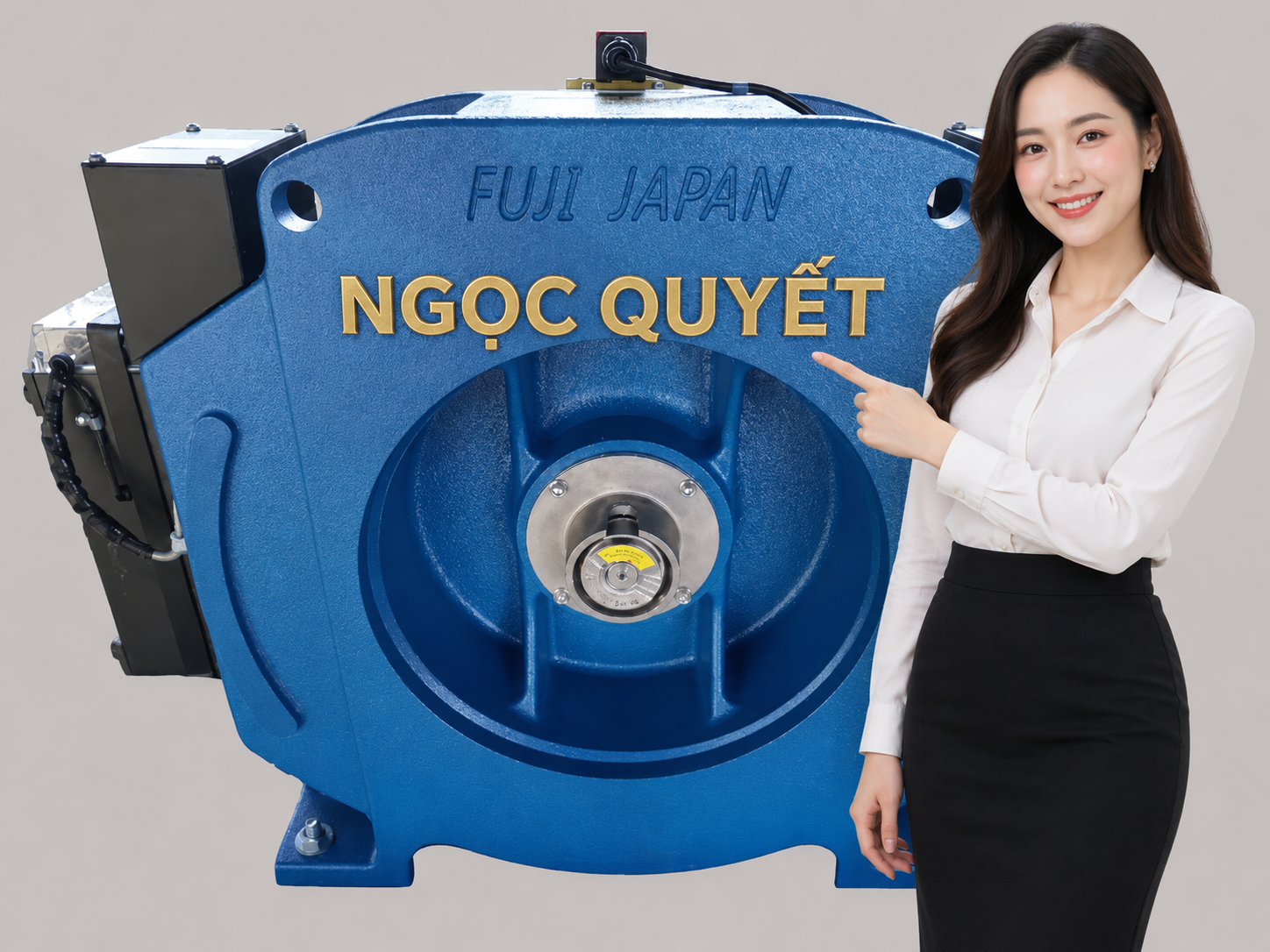
Classification and technical specifications of elevator motors
Elevator motors are primarily classified based on their construction and operating principles, including geared and gearless traction motors, as well as synchronous and asynchronous motors. Geared motors use a gear train to increase torque but are noisier and wear out faster, making them suitable for low to medium-sized buildings. Conversely, gearless motors connect directly to the cable drum, improving efficiency, reducing noise, and being more environmentally friendly, often used for high-rise or heavy-duty elevators. Additionally, synchronous motors offer stable rotational speed, suitable for high-precision requirements, while asynchronous motors are popular due to their simple construction and low cost.
1. Geared Traction Motor
Traction motors with gearboxes use a gear transmission system to increase torque and decrease the motor's rotational speed, thereby smoothly pulling the elevator cabin. This type of motor is commonly used in medium to low-height buildings where load capacity and speed requirements are not excessively high.
The main advantages of engines with gearboxes are lower initial investment costs and ease of maintenance and repair. However, due to the gearbox component, these engines tend to be noisier and wear out faster than gearless engines.
2. Gearless Traction Motor
Gearless tractor engines are designed with the motor shaft directly connected to the cable drum, completely eliminating the gearbox component. This minimizes mechanical losses, increases transmission efficiency, and reduces operating noise.
This type of motor is commonly used in high-rise buildings, high-speed elevators, or heavy-duty elevators. Gearless motors have a longer lifespan, are more energy-efficient, and are more environmentally friendly than geared motors.
3. Asynchronous and synchronous elevator motors
Elevator motors are also classified according to their electromagnetic operating principle, including synchronous and asynchronous motors. Synchronous motors have a stable rotational speed, suitable for elevator systems requiring high precision. Meanwhile, asynchronous motors are more common due to their simple construction, low cost, and ease of maintenance.
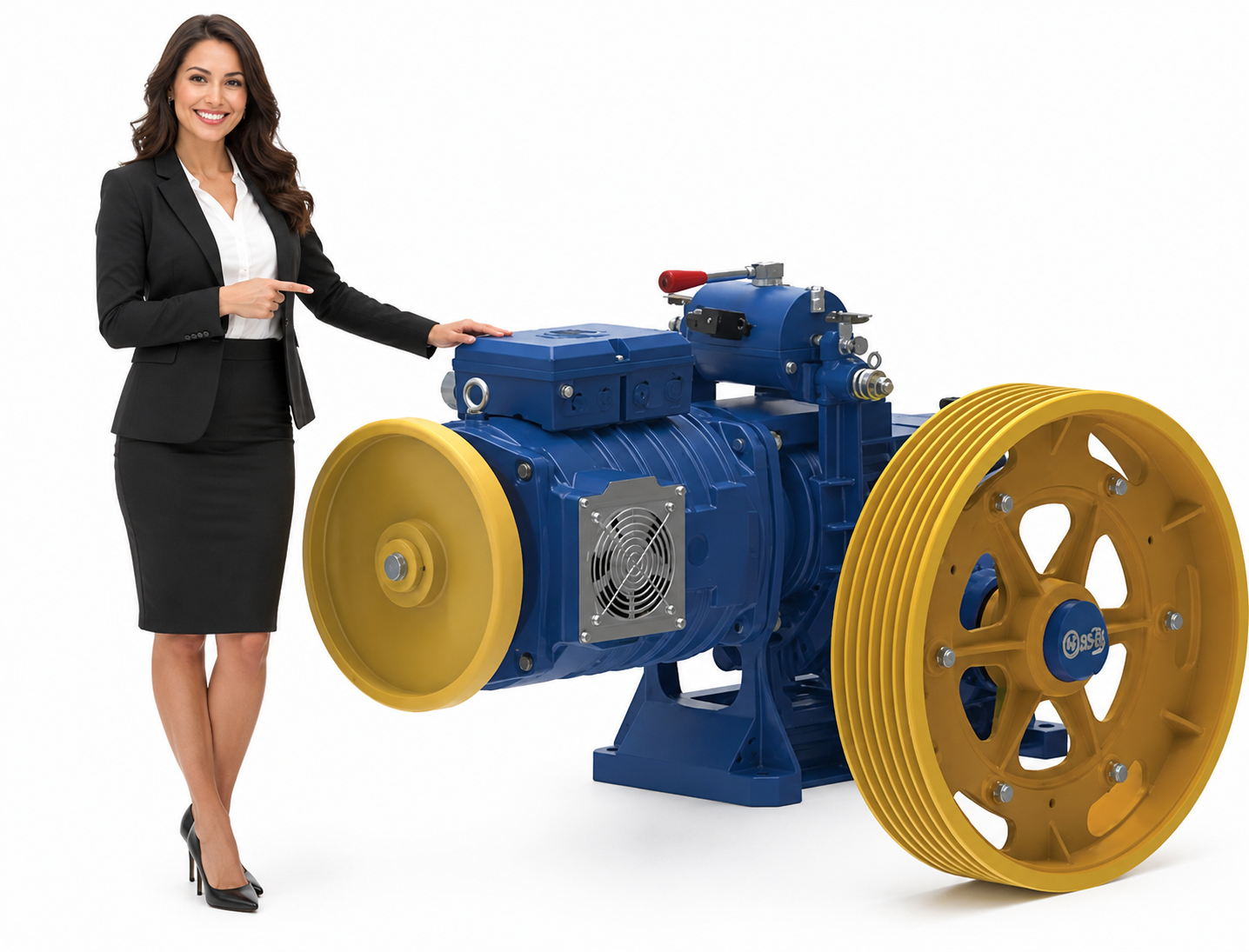
Typical technical specifications table for elevator motors
Parameter The engine has a gearbox. Gearless engine Power (kW) 5.5 - 22 7.5 - 45 Speed (m/s) 1.0 - 2.5 1.0 - 10.0 Voltage (V) 380V/3 phase 380V/3 phase Engine type Asynchronous motor Synchronous or asynchronous motors Weight (kg) 150 - 300 200 - 500 Noise level (dB) 50 - 60 40 - 50
| Parameter | The engine has a gearbox. | Gearless engine |
|---|---|---|
| Power (kW) | 5.5 - 22 | 7.5 - 45 |
| Speed (m/s) | 1.0 - 2.5 | 1.0 - 10.0 |
| Voltage (V) | 380V/3 phase | 380V/3 phase |
| Engine type | Asynchronous motor | Synchronous or asynchronous motors |
| Weight (kg) | 150 - 300 | 200 - 500 |
| Noise level (dB) | 50 - 60 | 40 - 50 |
The table above shows the basic technical specifications of the two most common types of elevator motors currently available. Choosing the right motor depends on several factors such as elevator load capacity, operating speed, installation space, and noise requirements.
Reputable elevator motor manufacturers and installation consulting services.
Currently, the market offers many well-known elevator motor manufacturers with advanced technology and rigorously tested product quality. Some leading brands include:
- Siemens: Siemens elevator motors are distinguished by their high performance, exceptional durability, and integrated energy-saving technology.
- Mitsubishi: Offers a wide range of elevator motors in terms of power and speed, suitable for various types of buildings from low-rise to high-rise.
- Otis: A long-established brand offering modern elevator motor solutions, ensuring safety and smooth operation.
- Kone: Kone elevator motors are optimally designed for high-rise buildings, focusing on minimizing noise and energy consumption.
- Toshiba: Toshiba motors offer stable operation, making them suitable for high-speed elevators and heavy loads.
To ensure you choose the most suitable elevator motor for your needs and building conditions, you should contact professional elevator equipment suppliers and consultants. Technical advice will help determine the exact type of motor, power, speed, and technical specifications, while also supporting efficient installation and maintenance.
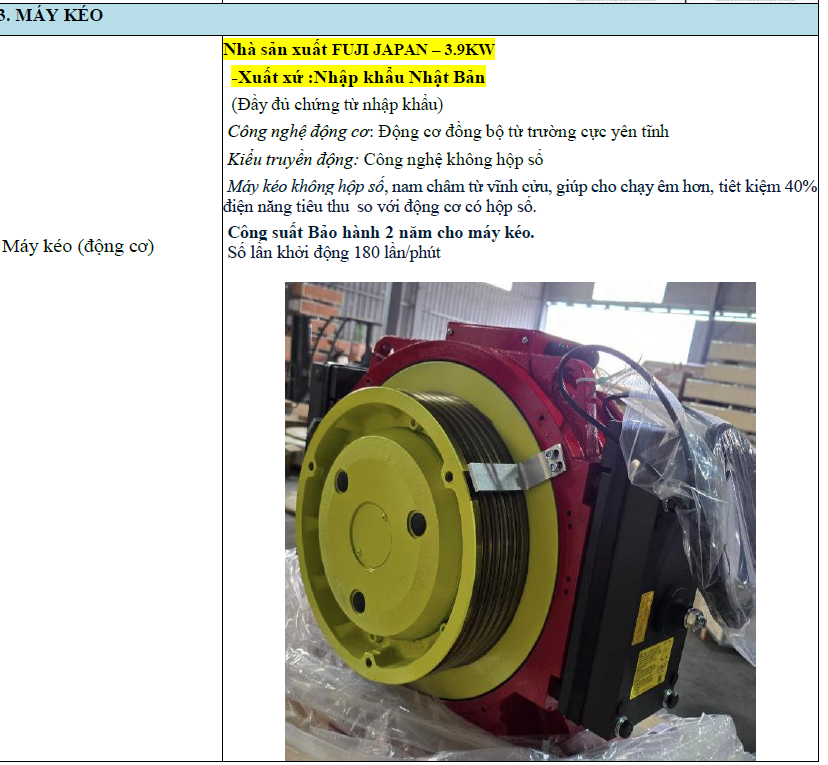
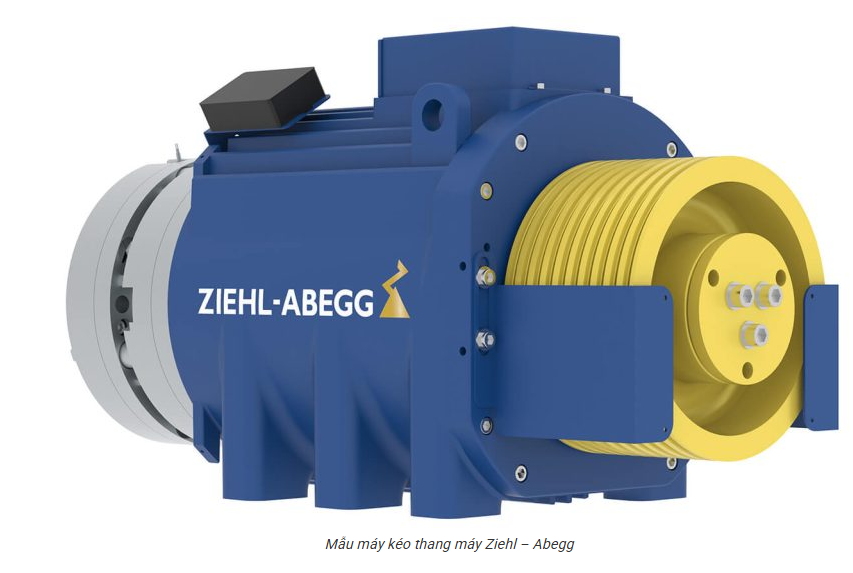
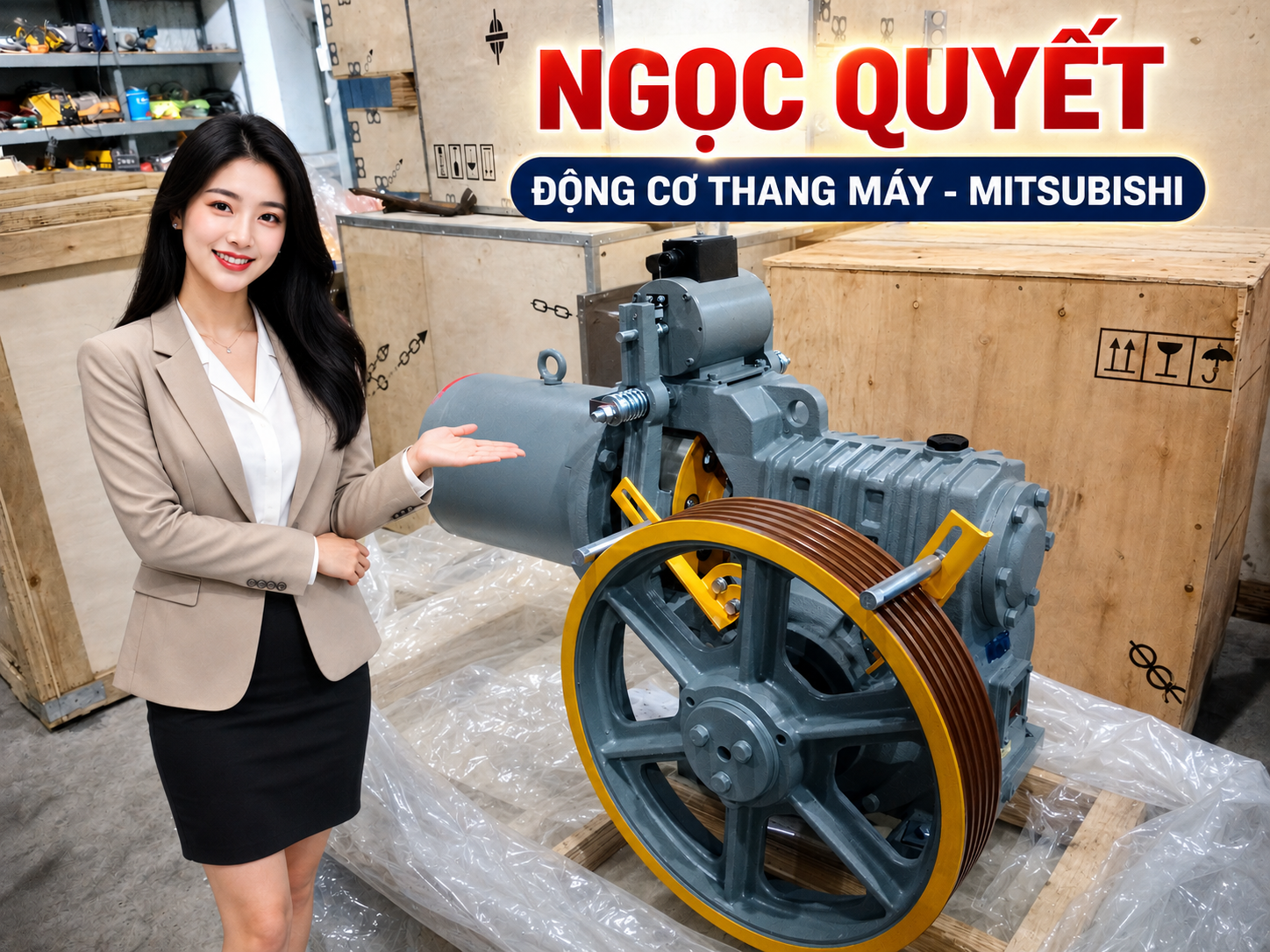
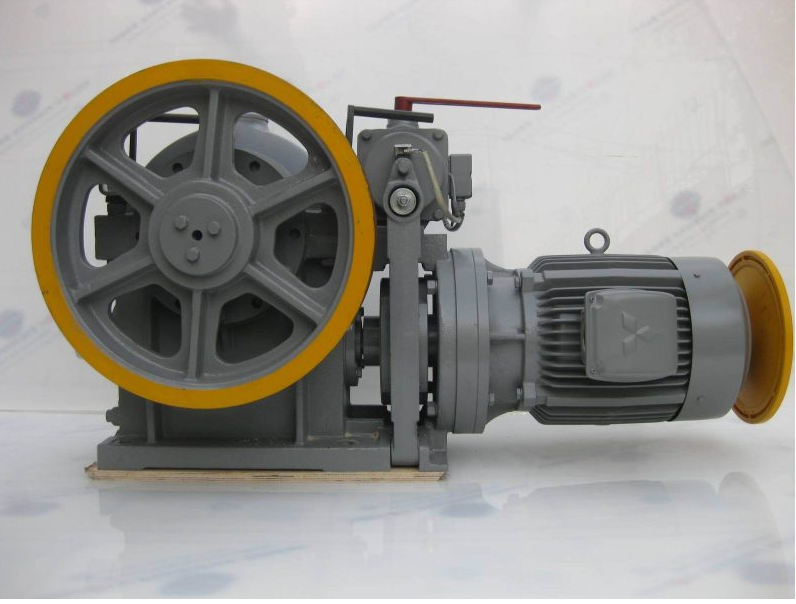
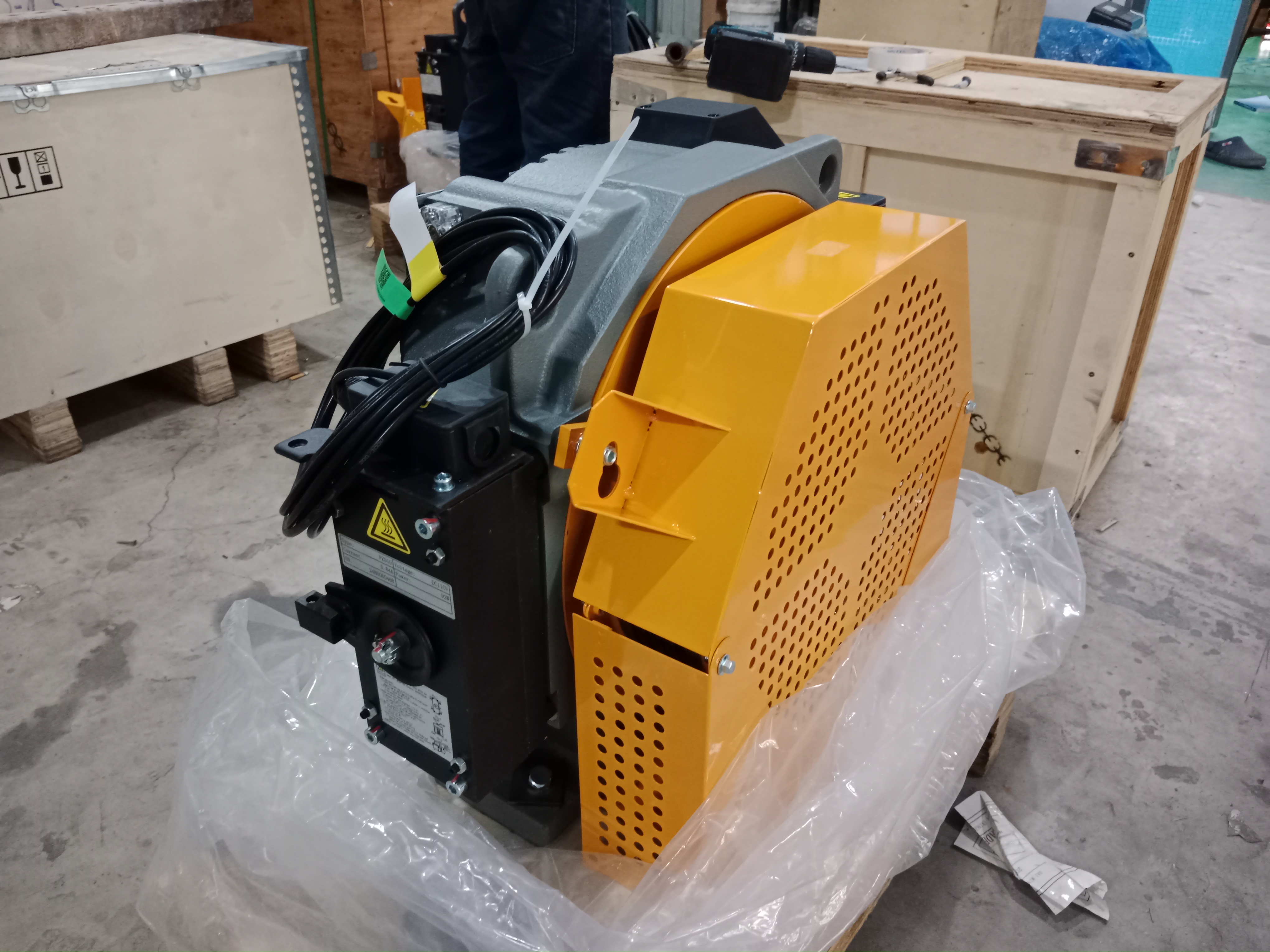
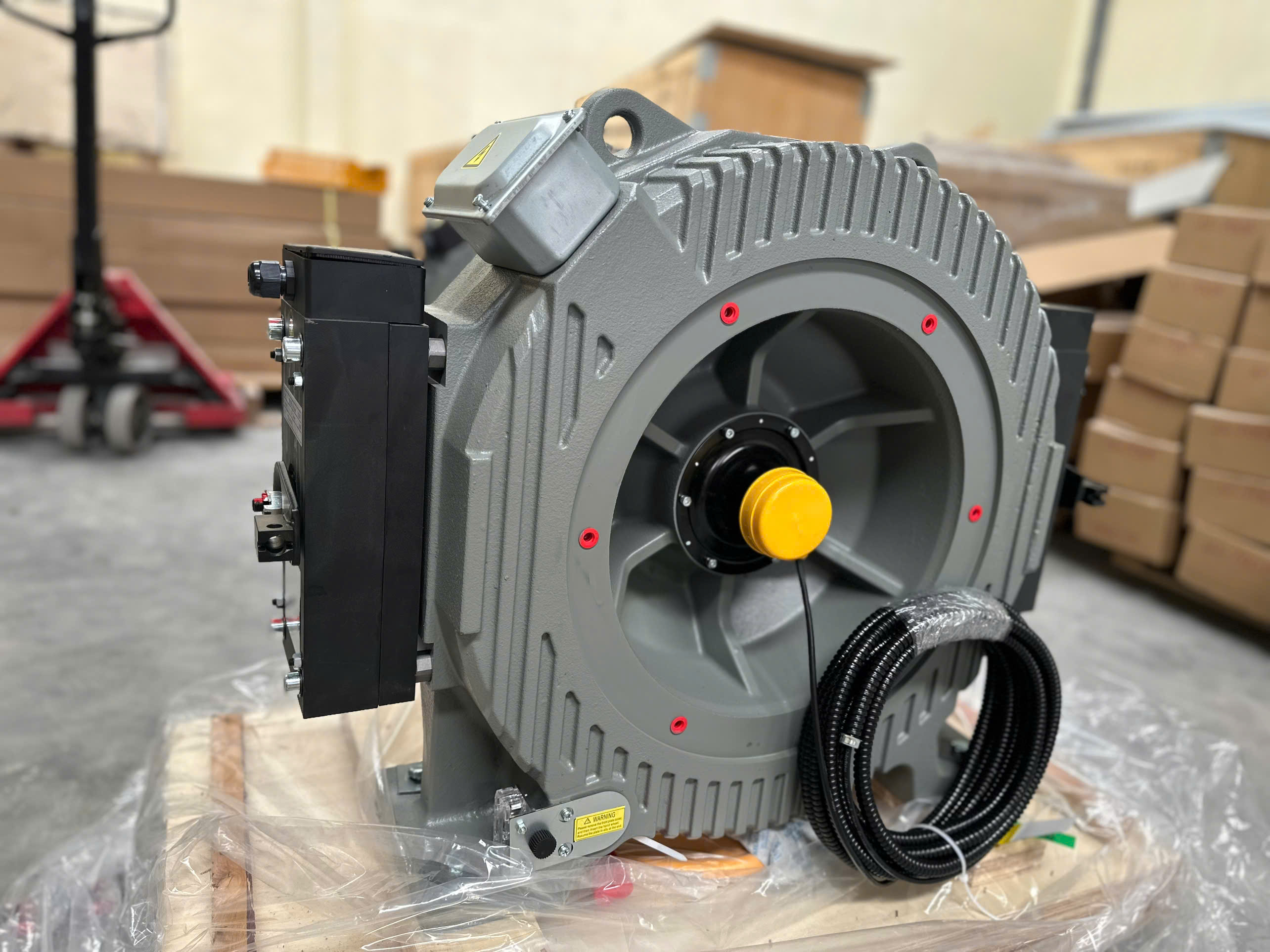
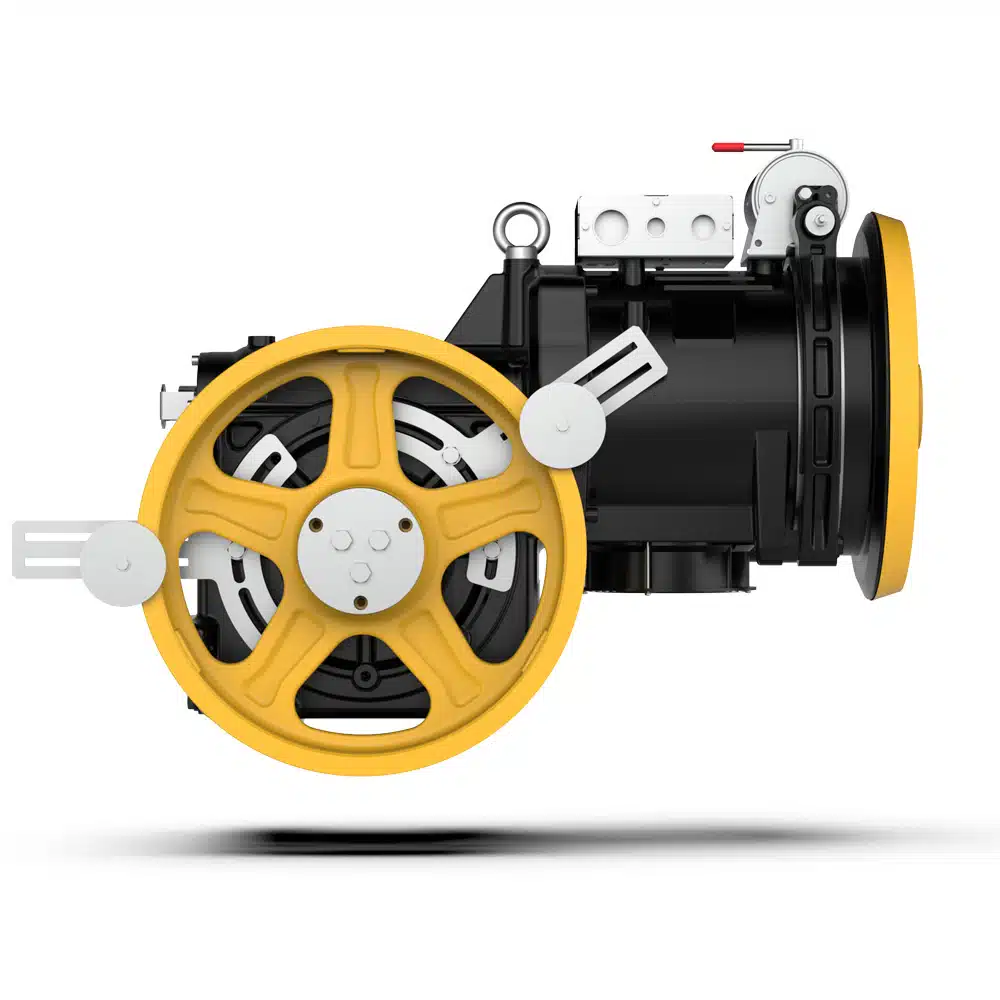
Customers requiring consultation on elevator motor installation are kindly requested to contact reputable suppliers directly for expert support and detailed pricing.
Elevator motors: Overview and their role in elevator systems.
The elevator motor is the central and most important component in an elevator system, playing a decisive role in the operational efficiency, durability, and safety of the entire equipment. Essentially, the elevator motor converts electrical energy into mechanical energy, creating the pulling force that allows the elevator cabin to move up and down between floors accurately, smoothly, and stably.
The motor not only affects the speed of the elevator cabin but also directly impacts energy efficiency, noise reduction, and vibration damping during operation. A properly designed and selected elevator motor will enhance user experience, minimize maintenance costs, and extend the system's lifespan.
Structure and operating principle of elevator motors
Elevator motors typically consist of the following main components:
- Stator : The stationary part containing the electromagnetic coils that create the rotating magnetic field.
- Rotor : The rotating part, attached to the drive shaft that pulls the cabin.
- Braking system : Ensures the cabin comes to a safe stop when necessary.
- Speed controller : Adjusts the motor's rotational speed to move the cabin as required.
The operating principle of an elevator motor is based on the phenomenon of electromagnetic induction. When an electric current flows through the stator windings, it creates a rotating magnetic field, causing the rotor attached to the pulley system that pulls the elevator cabin to rotate. Depending on the type of motor, different control methods can be used to control speed and torque.
Common types of elevator motors
Currently, the types of elevator motors widely used include:
- AC Induction Motor : This is a traditional type of motor that uses alternating current to create a rotating magnetic field. Its advantages include simple construction, low cost, and ease of maintenance. However, asynchronous motors generally have lower efficiency and are noisier than more modern motors.
- Permanent Magnet Synchronous Motor (PMSM) : Utilizes permanent magnets on the rotor, increasing efficiency and reducing energy losses. PMSM motors offer precise speed control, smooth operation, and greater energy savings compared to asynchronous motors.
- Variable Frequency Drive (VFD) asynchronous motors : Combining an asynchronous motor with a frequency converter allows for adjustment of the supply frequency and voltage, thereby providing flexible motor speed control. This solution helps reduce energy consumption and minimize shock during elevator start-up or stop-up.
- Linear Motor : This type of motor does not use a rotating shaft but generates traction force directly in a linear direction. Linear motors are commonly used in high-tech elevators, offering very high speeds and smooth operation.
Criteria for selecting elevator motors
Selecting the appropriate motor for an elevator system requires consideration of several technical and operating environmental factors, including:
- Cabin load: The engine must have sufficient power and torque to pull the cabin along with its maximum design load.
- Travel speed: Depending on the type of elevator (passenger elevator, freight elevator, home elevator), the required speed varies, from a few meters per second to over 10 m/s for high-rise elevators.
- Energy efficiency: The motor needs to be able to save energy, reduce heat loss, and operate stably over a long period of time.
- Noise and vibration: The motor must operate smoothly, minimizing noise and vibration to ensure user comfort.
- Installation environment: Factors such as temperature, humidity, installation space, and maintenance requirements also influence the selection of the appropriate motor type.
- Investment and maintenance costs: Consider the balance between initial costs and operating and maintenance costs to optimize the total cost of ownership (TCO).
Advanced technology in modern elevator motors
Modern elevator motors incorporate many advanced technologies to enhance performance and user experience:
- Variable Frequency Drive (VFD) technology: Allows for flexible motor speed control, reduces shock during starting and stopping, and significantly saves energy.
- Vector control and torque control: Allow for precise control of speed and traction, resulting in smooth and stable operation.
- Brushless DC motors (BLDC): Reduce friction, increase lifespan and efficiency, and reduce noise.
- Energy recovery system: Some modern elevator motors are capable of recovering energy when the cabin descends or brakes, converting it into reusable electrical energy.
- Intelligent monitoring and diagnosis: Integrated sensors and intelligent control systems help monitor engine condition, predict maintenance needs, and detect faults early.
The impact of engines on safety and user experience.
Elevator motors are not just the operating components; they are also a crucial element in ensuring passenger safety. Some important points include:
- Safety braking: The engine is equipped with a mechanical or electronic braking system to keep the cabin securely stationary when stopping at a floor or in an emergency.
- Speed control: The motor must maintain a stable speed, avoiding sudden acceleration or deceleration that could compromise safety or cause discomfort to the user.
- Reduced vibration and noise: The quiet operation of the motor minimizes fatigue and stress for passengers, especially in high-rise buildings or residential areas.
- Durability and reliability: High-quality motors with a robust design minimize malfunctions, ensuring continuous and stable elevator operation.
Common types of elevator motors on the market
Elevators are an indispensable piece of equipment in modern buildings, and elevator motors play a central role in operating this system. Choosing the right motor type not only affects performance but also directly impacts the lifespan, energy consumption, and maintenance costs of the elevator. Below is an in-depth analysis of common elevator motor types, providing a better understanding of their structure, operating principles, advantages and disadvantages, and practical applications.
- Asynchronous (AC) motors:
An asynchronous motor, also known as an induction motor, is a type of motor that uses alternating current (AC) to generate a rotating magnetic field. An AC motor consists of a stator with wound coils and a squirrel-cage or wound rotor. When alternating current flows through the stator, a rotating magnetic field is generated, and electromagnetic induction creates a current in the rotor, causing it to rotate in response to the magnetic field.
Advantage:
- Simple in design, durable, and easy to mass-produce.
- Low initial investment costs, suitable for projects with limited budgets.
- Easy to maintain and repair due to its traditional and common design.
Disadvantages:
- Its large size means it takes up a lot of installation space in the elevator machine room.
- The energy conversion efficiency is lower compared to modern motors, resulting in higher power consumption.
- It is difficult to control the speed precisely, causing vibrations and noise during operation.
Applications: AC motors are commonly used in small to medium-load elevators with low to medium speeds, especially in residential buildings or structures where high performance and quiet operation are not required.
- Permanent magnet (PM) synchronous motors:
PM synchronous motors use permanent magnets mounted on the rotor to generate a magnetic field, instead of supplying power to the rotor windings like traditional AC motors. This eliminates power losses due to rotor current, improving operating efficiency.
Structure and operating principle:
- The stator contains coils that create a rotating magnetic field.
- The rotor is fitted with strong permanent magnets, creating a fixed magnetic field.
- The rotor rotates synchronously with the rotating magnetic field of the stator, ensuring stable and precise speed.
Advantage:
- High efficiency and significant energy savings compared to AC motors.
- Its compact size and light weight reduce installation space and the load on the building structure.
- Smooth operation, reduced vibration and noise, enhancing the user experience.
- Precise speed control is possible thanks to advanced inverter control technology.
Disadvantages:
- The initial investment cost is higher compared to traditional AC motors.
- Maintenance and repair require higher technical expertise due to the complex structure and the use of special magnetic materials.
Applications: PM motors are preferred for use in high-end elevators, high-speed elevators, and buildings requiring energy efficiency and quiet operation, such as hotels, shopping malls, and Class A office buildings.
- Gearless engines:
Gearless motors are motors that directly drive the elevator's traction cables without the need for an intermediate gearbox. This design reduces friction, wear, and mechanical losses, thereby improving the system's efficiency and lifespan.
Structure:
- Large rotors, typically permanent magnet synchronous motors or induction motors with large diameters, are necessary to generate sufficient torque.
- The stator windings create a rotating magnetic field that directly affects the rotor.
- There are no mechanical gearbox components, minimizing moving parts and maintenance.
Advantage:
- High transmission efficiency and reduced energy loss due to the absence of a gearbox.
- Operates smoothly, reducing noise and vibration.
- Engine and system lifespan is extended due to reduced friction and mechanical wear.
- Suitable for high-speed elevators and heavy loads, meeting the requirements for fast and safe transportation.
Disadvantages:
- The initial investment cost is high due to the large engine design and advanced technology.
- Large engine sizes require a suitable engine room space.
- Requires specialized maintenance techniques and a highly qualified team of technicians.
Applications: Gearless motors are commonly used in high-rise buildings, large shopping malls, airports, hospitals, and other structures requiring high-speed, high-load elevators and continuous operation.
- Geared engines:
The motor has a gearbox that uses a mechanical transmission to reduce the motor's rotational speed and increase the torque transmitted to the elevator cable drum. The gearbox is usually a planetary or bevel gear type, which helps adjust the speed and traction force to suit operating requirements.
Structure:
- Electric motors (usually AC motors) produce rotational motion.
- The gearbox reduces speed and increases torque.
- The drive shaft connects to the cable drum that pulls the elevator.
Advantage:
- The initial investment cost is lower compared to gearless motors.
- The engine is more compact in size compared to a gearless engine of the same power.
- Speed and torque can be easily adjusted through the gearbox design.
Disadvantages:
- The gearbox is a mechanical component prone to wear and tear, requiring regular maintenance and replacement.
- Lower transmission efficiency is achieved due to mechanical losses in the gearbox.
- Operation may generate more noise and vibration compared to gearless motors.
Applications: Geared motors are suitable for medium-load, low-to-medium speed elevators, commonly found in residential buildings, small offices, and projects requiring more economical investment and maintenance costs.
Key technical specifications of elevator motors
Elevator motors are a core component that determines the performance and durability of an elevator system. Understanding the technical specifications is crucial not only for selecting the right motor for the load capacity and operating speed but also for optimizing operating and maintenance costs. The following technical specifications are analyzed in depth to provide a comprehensive overview of the technical characteristics of elevator motors.
| Parameter | Value | Meaning |
|---|---|---|
| Power (kW) | 5.5 | Rated power indicates the motor's ability to generate mechanical work per unit of time. The higher the power, the more capable the motor is of pulling heavy loads and maintaining a stable operating speed. In elevators, the power must be selected appropriately for the cabin load and travel speed to avoid overloading or unnecessary energy waste. |
| Voltage (V) | 380 | The power supply voltage for the motor is typically three-phase 380V, ensuring sufficient and stable power for continuous operation. This voltage also influences the design of the stator and rotor windings and determines compatibility with the building's electrical system. |
| Rated current (A) | 12.5 | Rated current is the value of current consumed when the motor operates at its rated power. This is an important parameter for designing electrical protection systems and selecting appropriate circuit breakers and fuses to prevent overload and ensure the safety of the electrical system. |
| Speed (rpm) | 1400 | The motor's rotational speed (RPM) directly affects the elevator's travel speed. This speed must be synchronized with the drive system (gears, pulleys) to ensure smooth, vibration-free operation and meet the required travel time between floors. |
| Engine type | Asynchronous motor | Asynchronous motors (or induction motors) are a common type of motor in elevators due to their simple design, high durability, and low maintenance costs. Their operating principle is based on electromagnetic induction; they don't require carbon brushes, thus minimizing mechanical wear and increasing equipment lifespan. |
| Efficiency (%) | 88 | The higher the efficiency of converting electrical energy into mechanical energy in a motor, the more energy is saved and the less heat is generated during operation. An efficiency of 88% is quite high, indicating that the motor operates efficiently, minimizing energy loss and contributing to environmental protection. |
| Weight (kg) | 120 | The weight of the motor affects the design of the frame, support structure, and installation system. A heavier motor requires a more robust load-bearing structure, which in turn affects the overall weight of the elevator system, impacting transportation and installation costs. |
Detailed analysis of technical specifications:
- Motor power: A 5.5 kW motor is typically suitable for elevators with a medium load capacity of 450kg to 630kg, equivalent to 6-8 people. When selecting the power, calculations should be based on the maximum load, safety factor, and desired speed to ensure the motor is not overloaded during operation.
- Voltage and current: The motor uses a 380V three-phase voltage, providing a stable current and minimizing power loss. The rated current of 12.5A indicates the maximum power consumption when the motor is operating at full capacity, thus helping to design a suitable electrical system and select the correct protective equipment.
- Rotation speed: A speed of 1400 rpm is common for asynchronous elevator motors, ensuring smooth operation and reduced vibration. This speed, combined with a gear or pulley drive system, determines the cabin speed, typically ranging from 0.63 m/s to 1.75 m/s depending on the elevator type.
- Motor type: Asynchronous motors have the advantage of simple construction, low failure rate, and easy maintenance. However, to achieve high efficiency, a variable frequency drive (VFD) is needed to regulate the frequency and voltage supply, allowing for precise control of speed and torque, while reducing energy consumption.
- Efficiency: An efficiency of 88% indicates that the motor is capable of converting most electrical energy into mechanical energy, minimizing heat loss. High efficiency helps reduce electricity costs throughout its lifespan and reduces the heat load on the cooling system.
- Weight: A weight of 120 kg is the average for a 5.5 kW motor, making installation and maintenance convenient. This weight also influences the structural design of the elevator frame and suspension system to ensure safety and stability during operation.
Additional technical factors to consider when selecting an elevator motor:
- Starting torque: The engine needs sufficient torque to start the vehicle carrying the cabin load and overcome the friction in the drivetrain.
- Protection Rating (IP): Motors need an appropriate protection rating to withstand dust, water, and other environmental factors that affect their lifespan and performance.
- Noise level: Elevator motors need to operate smoothly and quietly to ensure user comfort.
- Cooling capability: An efficient cooling system helps maintain a stable operating temperature, preventing overheating that could damage the engine.
- Controllability: The motor needs to be compatible with modern control systems such as inverters and PLC controllers to optimize performance and operational safety.
Reputable elevator motor manufacturers
In today's market, elevator motor manufacturers compete not only on quality but also on advanced technology to meet stringent requirements for performance, safety, and energy efficiency. Below is an in-depth analysis of leading elevator motor brands, focusing on the technology, technical specifications, and practical applications of each manufacturer.
- Siemens: Siemens is one of the world's leading elevator motor manufacturers, renowned for its gearless traction machines and high-efficiency Permanent Magnet (PM) motors. Siemens' gearless motors utilize permanent magnets to minimize energy loss and increase operational efficiency, while also reducing noise and vibration. This technology is particularly suitable for high-rise buildings and high-speed elevators. Furthermore, Siemens integrates intelligent control systems such as variable frequency drives (VFDs) to optimize speed and torque, minimize mechanical wear, and extend motor lifespan.
- Mitsubishi Electric: Mitsubishi Electric offers a wide range of elevator motors, from geared traction machines to gearless motors, meeting the needs of both residential and high-capacity elevators in commercial and industrial buildings. Mitsubishi motors are distinguished by their smooth operation thanks to advanced variable frequency drive (VFD) technology and vibration damping systems. The company also develops permanent magnet motor solutions that increase energy efficiency by up to 30% compared to traditional motors. Furthermore, Mitsubishi Electric focuses on integrating intelligent sensors to monitor motor operation, thereby predicting and preventing malfunctions, enhancing reliability and safety.
- Otis: Otis is a long-established and reputable brand in the elevator industry, known for its advanced elevator motor solutions, with a particular focus on durability and safety. Otis motors are typically designed with robust structures, using high-temperature and wear-resistant materials, suitable for harsh operating environments. Otis' gearless motor technology, combined with electromagnetic braking systems and safety sensors, ensures stable operation and minimizes risks. Otis also develops intelligent control systems that optimize operation based on load and usage frequency, thereby saving energy and reducing maintenance costs.
- Kone: Kone is renowned for its energy-efficient and quiet-operating elevator motors, ideal for modern high-rise buildings and green building projects. Kone's gearless motors utilize advanced permanent magnet technology and inverters to significantly reduce power consumption while minimizing noise and vibration during operation. Kone also develops lightweight and compact motor solutions, optimizing technical space within buildings. Kone's intelligent control system incorporates algorithms to optimize elevator travel, reducing waiting times and increasing user efficiency.
- Toshiba: Toshiba provides high-quality elevator motors with advanced inverter control technology, optimizing performance and saving energy. Toshiba motors are typically designed with a modular structure, making maintenance and upgrades easy. Toshiba's inverter technology allows for flexible motor speed adjustment, suitable for various elevator types from light-duty to heavy-duty elevators. In addition, Toshiba integrates automatic monitoring and diagnostic systems, enabling early detection of abnormalities during operation, thereby enhancing safety and minimizing downtime.
Key technical elements in elevator motors:
- Motor type: Geared and gearless motors are the two most common types. Gearless motors are often preferred for high-speed elevators and high-rise buildings due to their high efficiency and low maintenance.
- Permanent magnet (PM) technology: Helps increase efficiency, reduce energy consumption, and decrease motor size.
- Variable Frequency Drive (VFD): Allows for flexible speed and torque adjustment, reduces shock during start-up and stop-start, and increases equipment lifespan.
- Monitoring and diagnostic systems: Help detect faults early, minimize maintenance time, and increase safety.
- Energy saving: Modern motors incorporate regenerative drives that recover energy as the elevator descends, reducing operating costs.
Practical applications and engine selection:
- For high-rise buildings and high-speed elevators , gearless motors with permanent magnet technology and variable frequency control are the preferred choice due to their high efficiency and smooth operation.
- Heavy-duty elevators or those in industrial environments may use geared motors to ensure high torque and durability.
- Green buildings and eco-friendly structures prioritize the use of energy-efficient engines, renewable energy sources, and reduced noise emissions.
- The choice of manufacturer also depends on after-sales service, availability of replacement parts, and local technical support.
Application and installation consultation for elevator motors.
Selecting and installing an elevator motor is not simply a matter of choosing a device with the appropriate power; it also requires a deep understanding of its technical characteristics, operating environment, and stringent safety requirements. The elevator motor is the heart of the system, directly determining performance, durability, and user experience. Therefore, this process needs to be carried out by experienced professionals knowledgeable in motor technology, control systems, and current technical standards.
1. The importance of choosing the right elevator motor
Elevator motors must meet the following requirements:
- Appropriate power and torque: The motor needs to have sufficient power to pull the maximum load of the elevator cabin, while also ensuring enough torque for smooth starting and operation, avoiding jerking or shaking.
- High energy efficiency: Using high-efficiency motors helps reduce electricity consumption, lower operating costs, and contribute to environmental protection.
- Precise control capability: The motor must be compatible with the variable frequency drive (VFD) system for flexible speed adjustment, ensuring smooth operation, reduced mechanical wear, and increased equipment lifespan.
- Durability and load capacity: The motor needs to be designed to operate continuously in environments with varying loads, and to withstand temperature, humidity, and vibration conditions within the building.
2. Common types of elevator motors and their applications
- Induction motors: These are traditional motors with a simple structure and low cost, commonly used for small and medium-sized elevators. However, this type of motor has lower efficiency compared to permanent magnet motors and usually requires a gearbox.
- Permanent Magnet Synchronous Motor (PMSM): This motor offers high efficiency, compact size, light weight, and precise control. PMSM motors are commonly used in high-end elevators, high-speed elevators, and buildings requiring optimal energy savings.
- Gearless Motor: This type of motor integrates directly with the cable drum, minimizing mechanical wear, reducing noise, and increasing operational efficiency. Gearless motors are suitable for heavy-duty elevators and high-speed elevators.
3. Control and System Integration Technology
The application of variable frequency drive (VFD) technology in elevator motor systems helps to:
- Flexible speed adjustment: This helps the elevator operate smoothly, reducing vibrations and noise during starting, stopping, and moving.
- Energy saving: Inverters help adjust motor power to match the actual load, avoiding wasted energy.
- Motor protection: Integrated overload, overheating, and phase loss protection functions help extend the lifespan of the motor and system.
- Integrated safety system: The control system can connect with sensors and safety devices such as electromagnetic brakes, overspeed sensors, and door sensors to ensure absolutely safe operation.
4. Elevator motor consultation and installation process
The process of consulting and installing elevator motors should follow these steps:
- Construction site survey: Assessing the load, travel height, frequency of use, environmental conditions, and specific technical requirements of the structure.
- Selecting the appropriate motor: Based on the survey results, choose the motor type, power rating, control system, and accompanying accessories.
- System design: Prepare technical drawings, wiring diagrams, and layout plans for motor and related equipment installation.
- Installation and calibration: Perform installation according to technical standards, inspect and calibrate the control system, and conduct operational testing to ensure safety and efficiency.
- Maintenance and servicing: Develop a regular maintenance plan, inspect mechanical and electronic components, and replace worn parts to maintain engine performance and durability.
5. Safety standards and regulations for elevator motor installation
Elevator motors and related systems must comply with international and national standards such as:
- EN 81 standard: Regulations for elevator safety, including technical requirements for motors, control systems and safety devices.
- ISO 25745 standard: Evaluating the energy performance of elevators, helping to select energy-efficient motors.
- Regulations from the Ministry of Construction and local authorities: Ensure that the installation and operation of elevators comply with construction standards and occupational safety regulations.
6. Benefits of using high-quality elevator motors and professional consulting services.
- Extending the lifespan of elevator systems: Stable motor operation, reduced mechanical wear, and fewer technical problems.
- Energy saving: Using high-efficiency motors combined with inverter technology helps reduce electricity costs.
- Noise and vibration reduction: Enhances user experience, suitable for office buildings, hotels, and hospitals.
- Meeting safety standards: Ensuring safe operation and minimizing the risk of accidents and incidents.
- Professional technical support and maintenance: Receive advice on selecting the right motor, assistance with proper installation procedures, and regular maintenance services to maintain operational efficiency.
Customers who require consultation on selecting and installing elevator motors suitable for their projects are kindly requested to contact professional companies for detailed technical support, pricing, and maintenance services.