

Elevator prices
Elevator prices
The core factors that make up the price of an elevator.
Elevator pricing is not simply the final quoted price, but a combination of many technical components, service costs, and legal factors. Essentially, the investment cost of an elevator system comprises three main groups: equipment cost , installation and construction costs , and long-term operation and maintenance costs . Equipment cost typically accounts for 60-70% of the initial investment, with the remainder covering installation labor, shaft renovation, 3-phase electrical systems, machine rooms or control panels, safety inspections, and interior cabin finishing. In detail, each factor such as load capacity, speed, number of stops, brand, origin, safety standards, and interior customization directly impacts the price. Understanding this cost structure helps investors accurately assess quotes, avoiding comparisons based solely on the final figure while overlooking differences in technical configuration and after-sales service quality.
In practice, consultants often recommend clearly separating each item in the quotation for easier control. For example, an elevator with the same load capacity of 450 kg will have significantly different prices depending on its speed (1.0 m/s, 1.5 m/s, or 1.75 m/s) due to different requirements for the motor, inverter, mechanical braking system, and safety standards. Similarly, an elevator with 5 stops will differ from one with 10 stops in terms of cable length, guide rails, signal cables, number of landing doors, installation costs, and construction time. By breaking down the costs in detail, the investor can identify which parts of the cost are reasonable and which are additional costs arising from specific project requirements such as high floor height, limited pit space, low machine room, or the requirement for a fully glass cabin design.
The impact of elevator type and technical configuration on price.
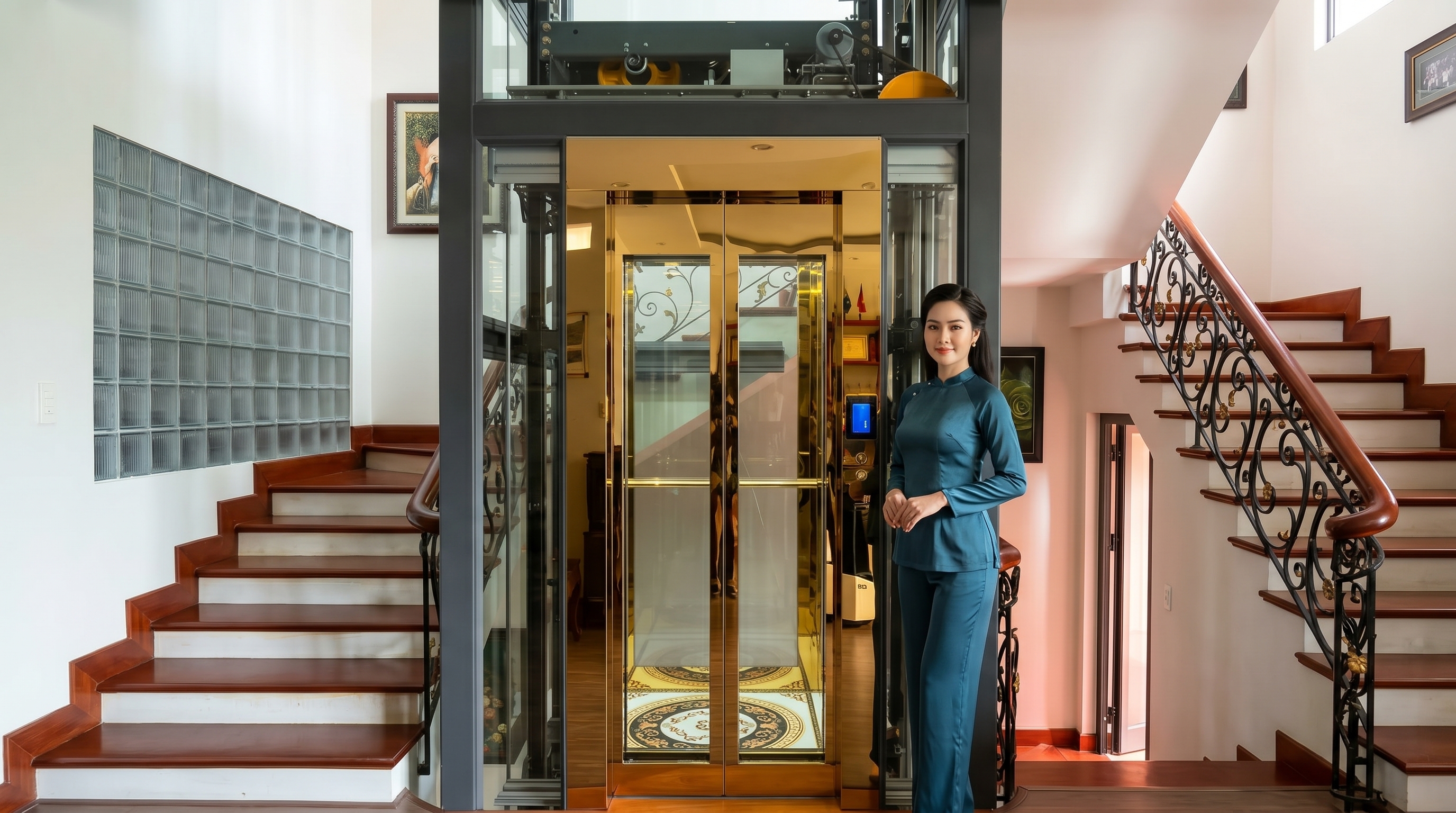
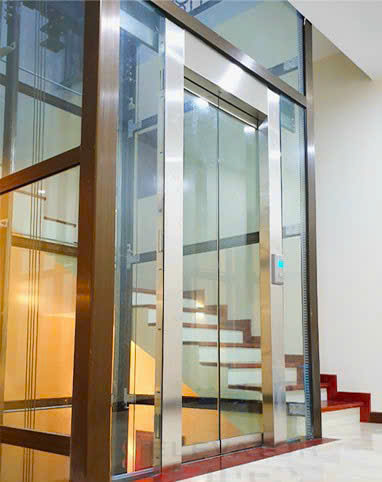
The type of elevator is the first variable affecting the price. Home elevators with a load capacity of 300–450 kg and a speed of 0.3–1.0 m/s are generally significantly cheaper than apartment or office elevators with a load capacity of 750–1600 kg and a speed of 1.5–2.5 m/s. Hospital elevators, requiring large cabin sizes, suitable depth for stretchers, smooth operation, precise floor stopping, and strict hygiene standards, always have a higher price than regular passenger elevators of the same load capacity. In addition, cargo elevators, food elevators, panoramic elevators, car elevators, etc., all have unique configurations, leading to different design, fabrication, and installation costs. Each type of elevator is bound by standards such as EN 81, ISO 4190, TCVN 6395, and TCVN 7628, making price comparisons based solely on load capacity inaccurate.
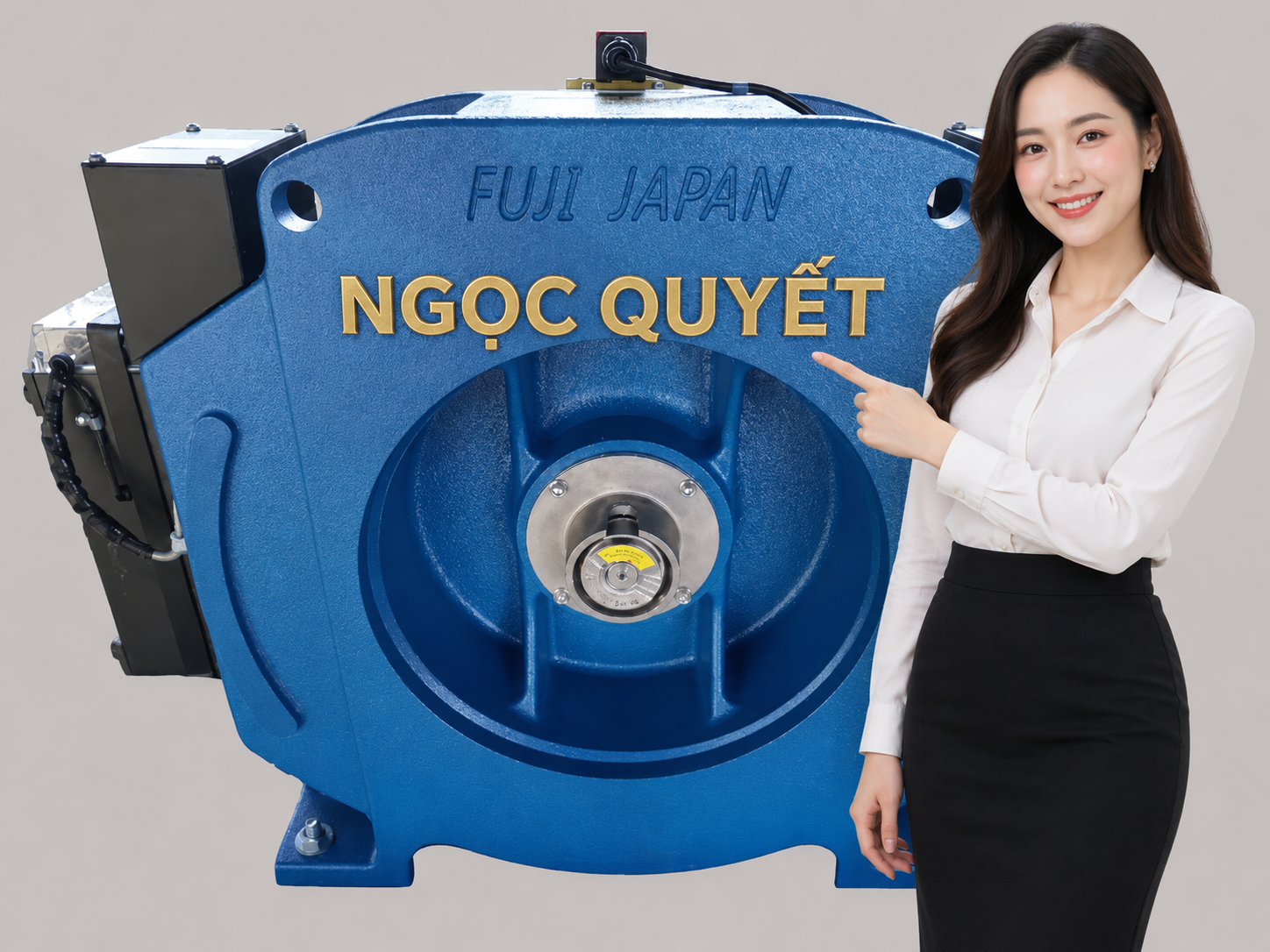
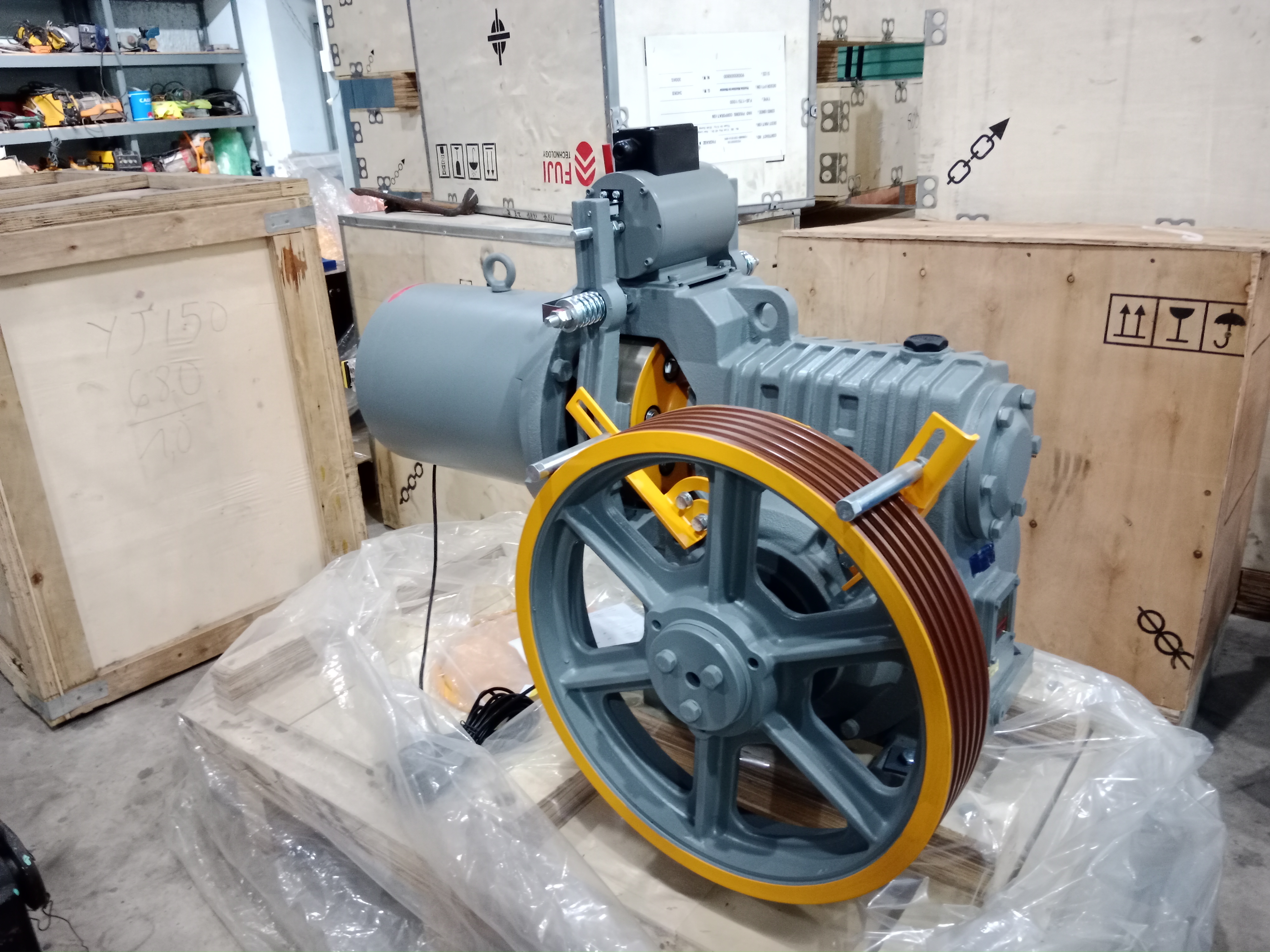
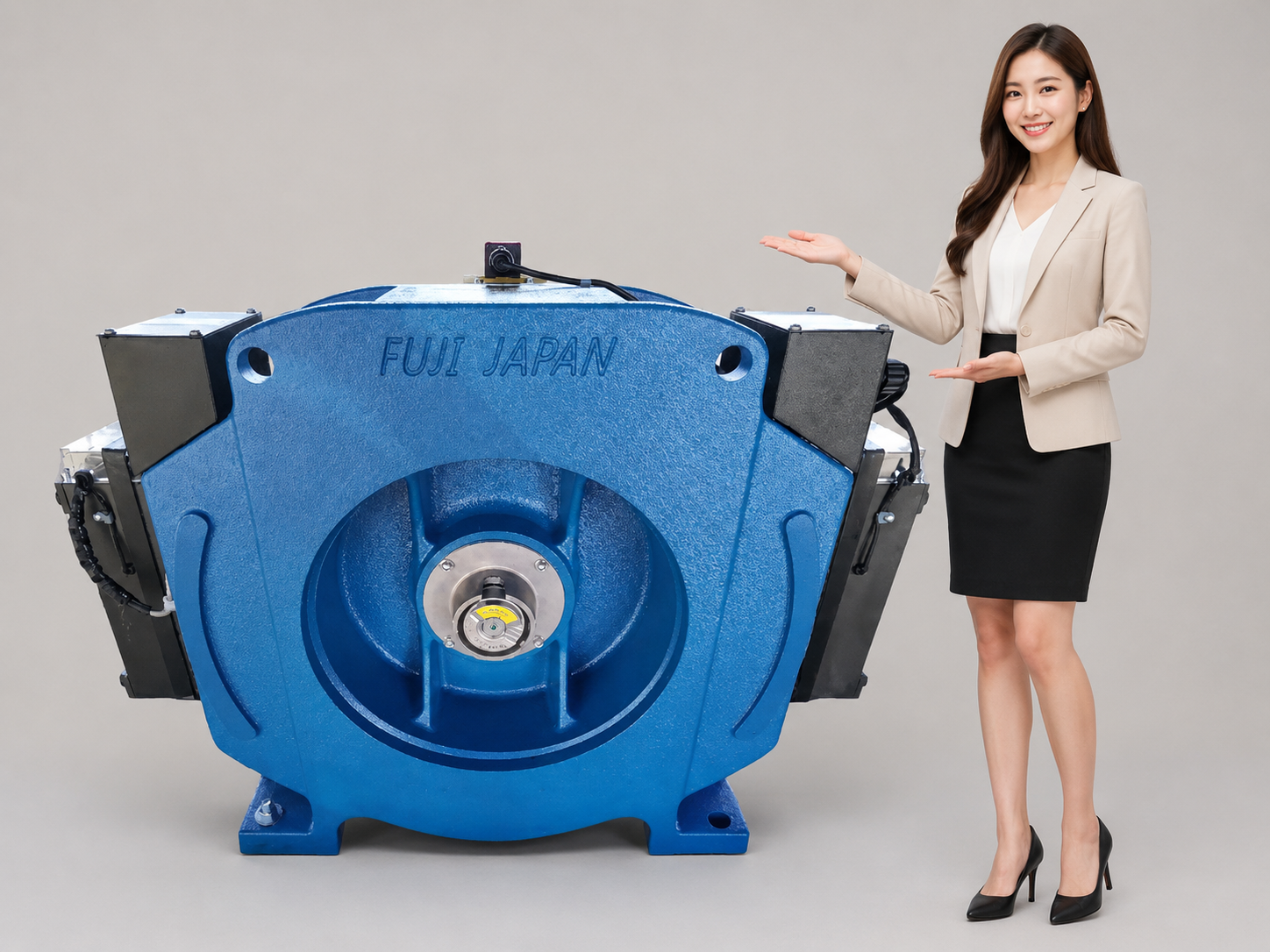
Detailed technical specifications are also a determining factor. Several parameters directly affect the price, including: nominal load capacity , travel speed , number of stops , traction machine type (geared, gearless, hydraulic) , machine room type (with machine room, without machine room) , and door type (center-opening, offset opening, two opposing doors) . For example, machine-roomless elevators (MRLs) use gearless traction machines, requiring different shaft and support beam structures. Equipment and installation costs are usually higher than traditional machine-room elevators, but they save construction space and optimize architecture. Hydraulic elevators, despite their low speed, have the advantage of a smaller pit depth, making them suitable for townhouse renovations. However, the cost of pumps, cylinders, hydraulic oil, and separate maintenance requirements result in a different overall lifecycle cost compared to cable-driven elevators.
Brand, origin, and safety standards
Brand and origin are two variables that often create the largest price differences. Elevators imported as complete units from major manufacturers such as Mitsubishi, Otis, Schindler, Kone, Thyssenkrupp, etc., are significantly more expensive than joint venture or domestic elevators using imported components. This difference stems not only from production costs, logistics, and import taxes, but also from the service ecosystem, stability, equipment lifespan, and software-hardware synchronization capabilities. In the residential elevator segment, many domestic companies use traction machines, inverters, and PLC controllers from Japan, Italy, and Germany, combined with domestically manufactured cabins and mechanical frames, optimizing costs while still ensuring safety standards if the design and installation process is followed correctly.
Safety standards are a mandatory foundation in all pricing configurations. Systems such as safety brakes , overspeed controllers , limit switches , door sensors , automatic rescue systems (ARD) , dampers , and anti-jamming devices are all essential components that cannot be omitted. Elevators certified according to EN 81-20/50, ISO 9001, ISO 14001, and OHSAS 18001 typically have higher design, inspection, and manufacturing costs, but this results in proven safety and reliability. When comparing quotes, checking the safety equipment list, component origin, and accompanying certifications is just as important as looking at the total price.
Installation, construction, and common incidental costs.
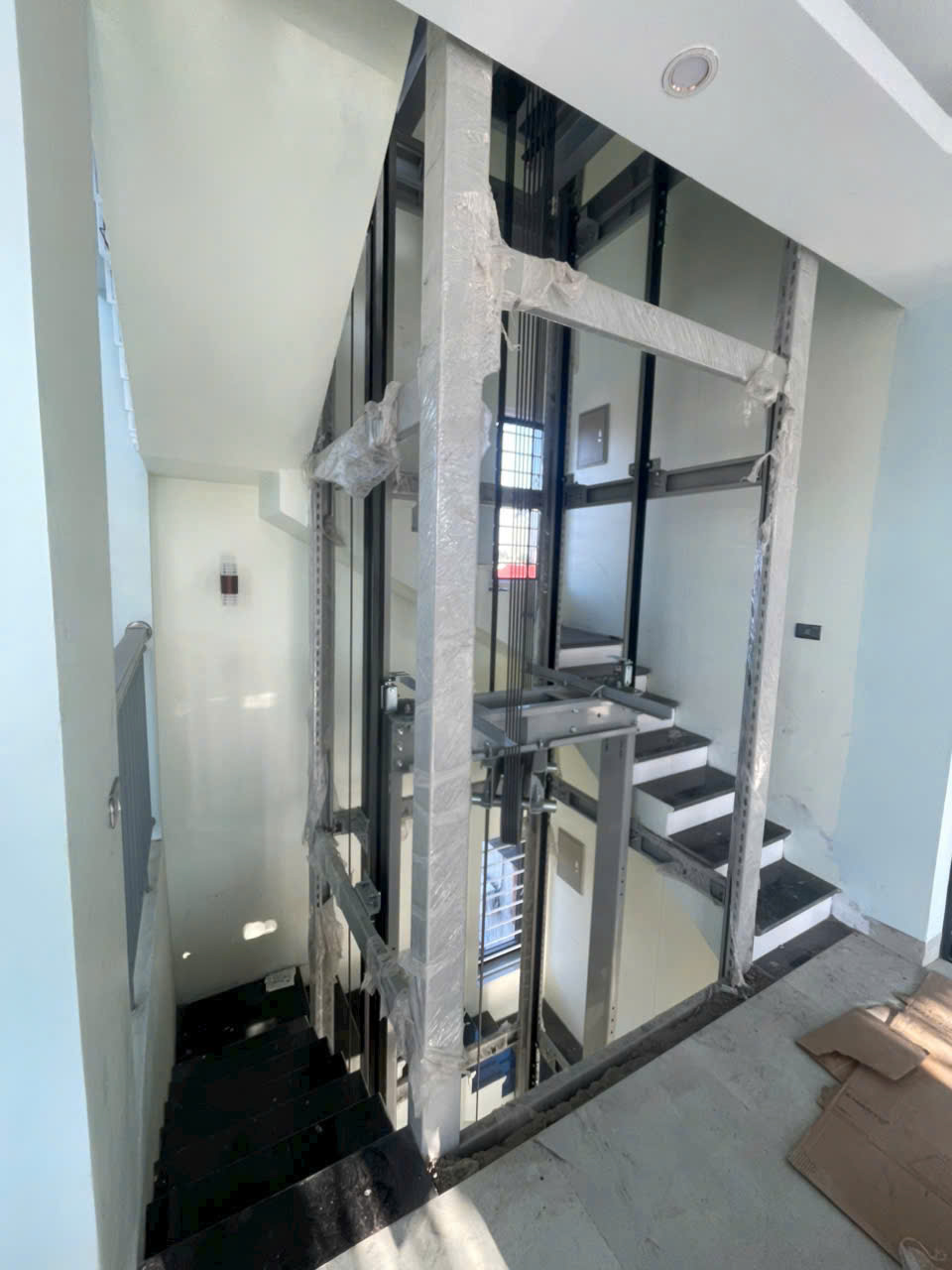
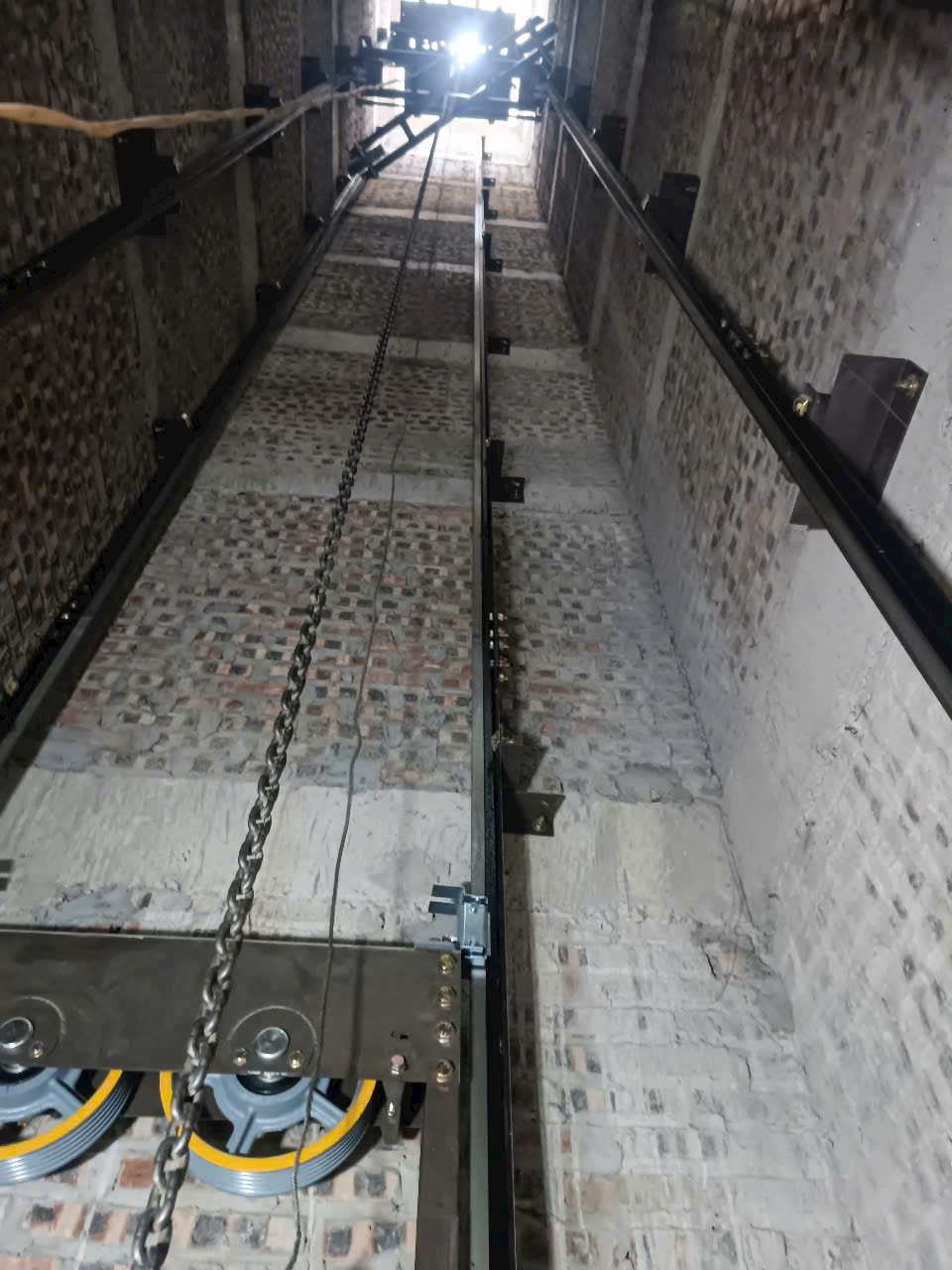
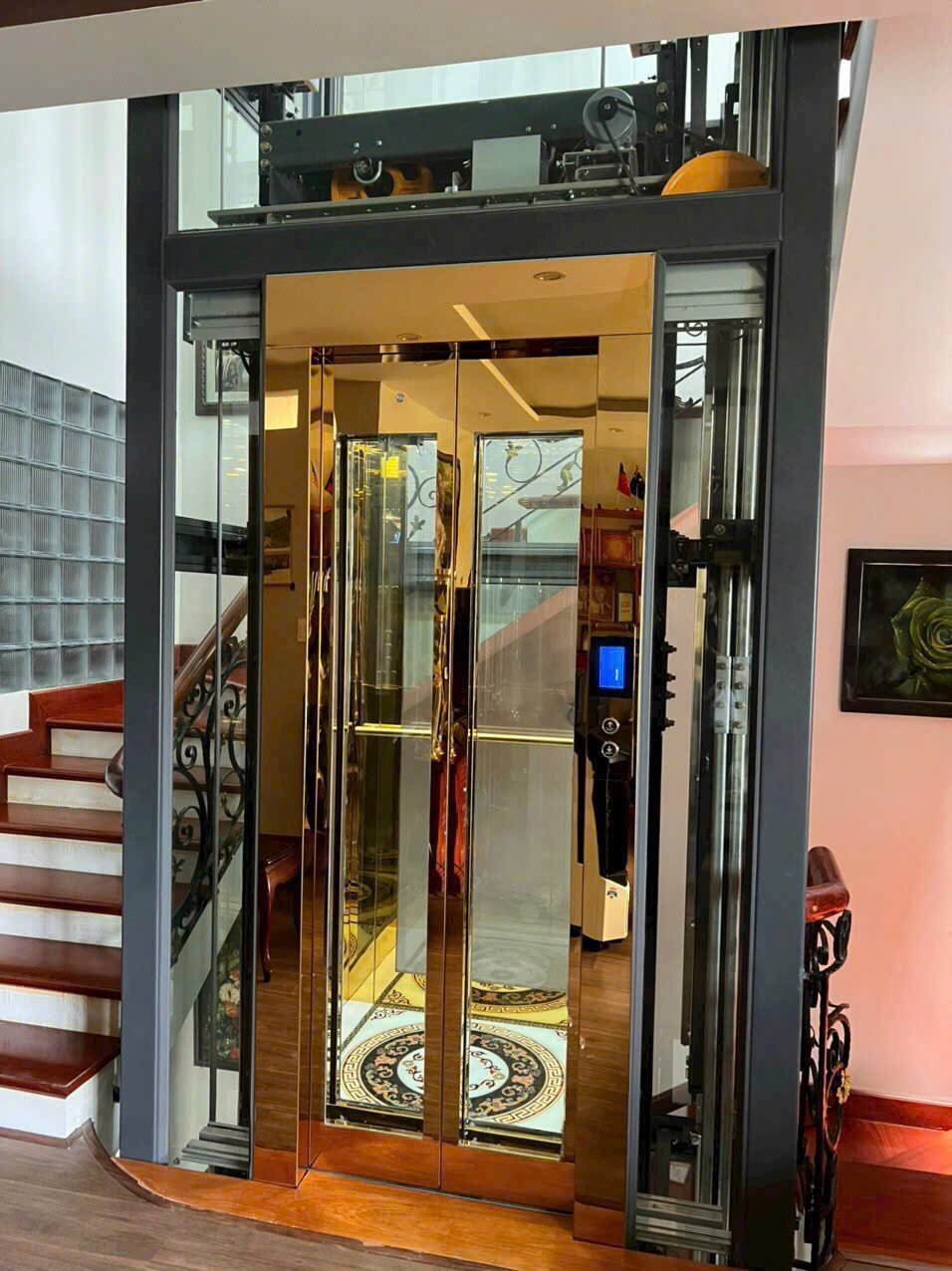
Besides the equipment cost, related installation and construction costs often account for a significant proportion, especially in renovation projects. The elevator shaft needs to be constructed to the correct dimensions, vertical alignment, flatness, and load-bearing capacity according to the supplier's shop drawings. Items such as excavating the pit, reinforcing the machine support beams, building perimeter walls, constructing the machine room or positioning the control cabinet, installing 3-phase power, grounding systems, lighting, and ventilation all incur separate costs. For renovated townhouses, breaking up floors, reinforcing beams, dealing with old structures, relocating staircases, and adjusting the architecture often significantly increase the total construction costs related to the elevator compared to a new building.
During the installation phase, labor costs depend on the complexity of the project, the number of stops, site conditions, and the required schedule. High-rise buildings, cramped spaces, the lack of temporary elevators, or the requirement for nighttime construction to avoid disrupting building operations will increase costs. In addition, expenses such as initial safety inspection fees , conformity certification fees , fire safety acceptance fees related to the elevator shaft , and construction insurance costs must also be included in the total investment. Many investors only look at the equipment prices and overlook these expenses, leading to a significant discrepancy between the initial estimate and the actual cost upon completion.
Operating, maintenance, and equipment lifecycle costs
Elevator pricing should be viewed from a life cycle cost perspective , rather than focusing solely on the initial purchase cost. Over 15–25 years of operation, elevators incur various expenses: electricity consumption, routine maintenance, replacement of worn components (cables, pulleys, contactors, relays, door sensors, lighting, fans, UPS, ARD batteries), periodic inspections, control software upgrades, and cabin interior renovations as they deteriorate. Elevators using gearless traction machines, energy-saving inverters, LED lighting, and energy regeneration systems can significantly reduce electricity costs, especially in high-traffic buildings. However, the initial investment cost for energy-efficient configurations is often higher, requiring a return on investment analysis based on actual usage frequency.
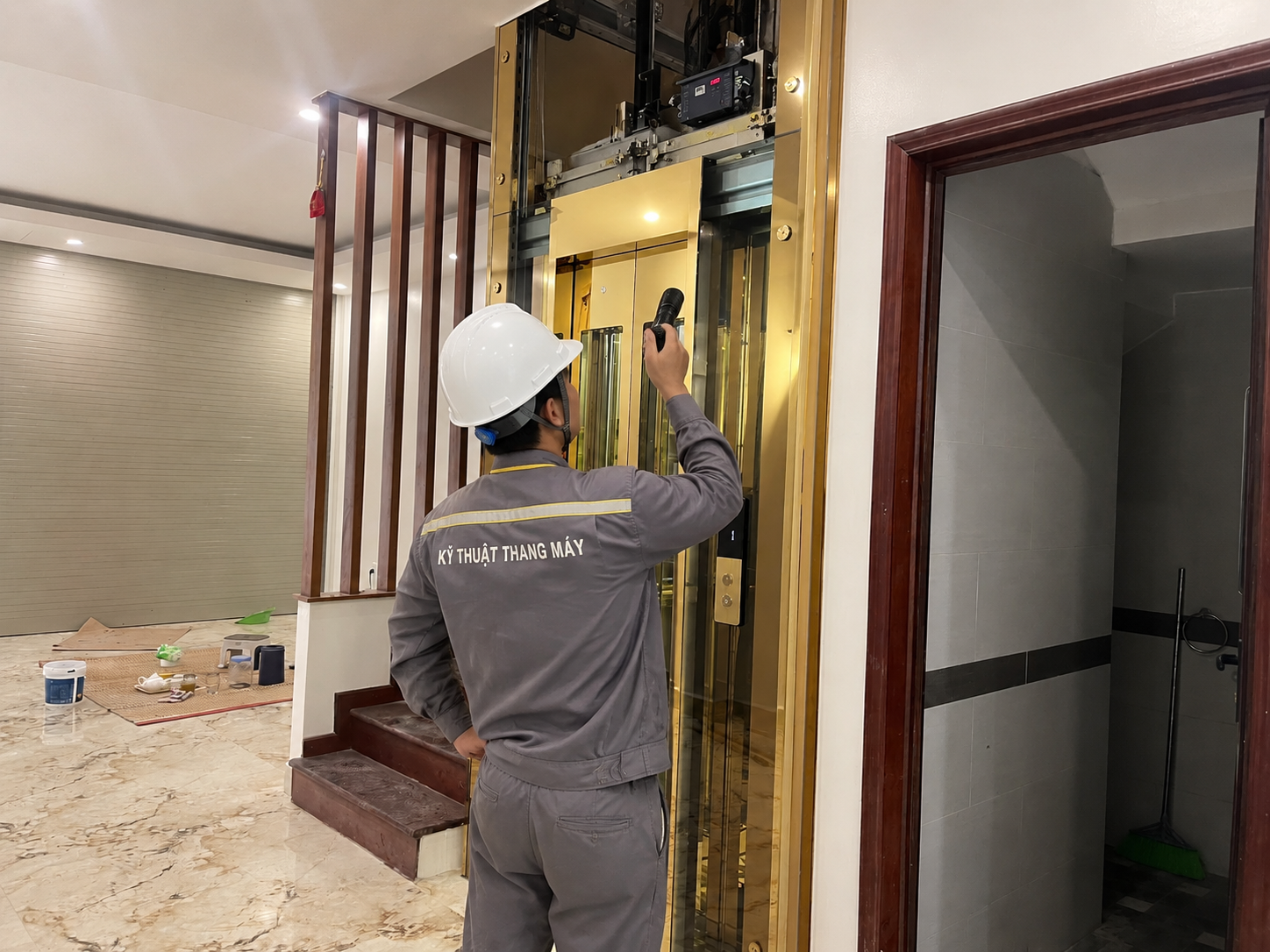
Maintenance contracts directly impact the operating costs and reliability of elevators. Basic maintenance packages typically include monthly routine inspections, cleaning, lubrication, adjustments, and troubleshooting; replacement parts are charged separately. Extended maintenance packages may include partial or complete replacement of wear and tear components, 24/7 on-site service, and a guaranteed response time of 60–90 minutes for incidents. The price of a maintenance package depends on the type of elevator, the number of elevators, usage volume, and the complexity of the control system (group control, smart floor calling, access cards, BMS integration). When evaluating total costs, choosing a supplier with maintenance capabilities, readily available parts, and a well-trained technical team often yields better long-term economic benefits than choosing based solely on a low initial purchase price.
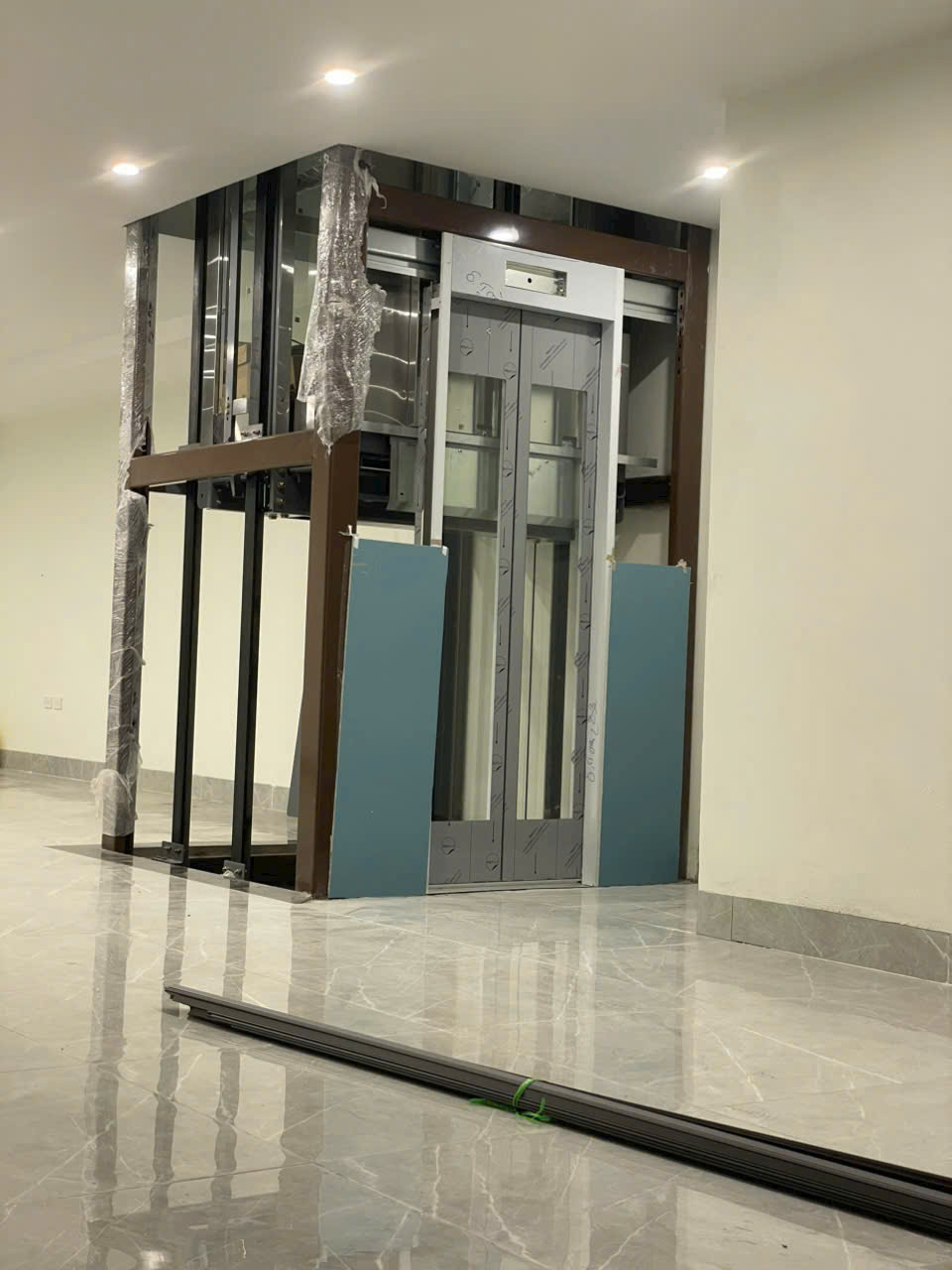
Strategies for optimizing elevator pricing based on usage needs.
To optimize elevator costs , it's essential to start by accurately identifying usage needs and prioritizing factors such as safety, durability, aesthetics, speed, brand, investment cost, and operating cost. For family homes with 4-8 floors, a load capacity of 300-450 kg and a speed of 0.5-1.0 m/s are usually reasonable choices, avoiding unnecessary high-speed configurations. Optimizing shaft dimensions and choosing between machine-roomless or machine-room-equipped options based on actual architectural conditions helps reduce renovation costs. In many cases, using joint-venture elevators with genuine components and clear warranties and maintenance offers a better cost-effectiveness ratio compared to fully imported elevators that exceed actual needs.
In the public building, office, hotel, and hospital sectors, cost optimization strategies need to be linked to traffic flow and user experience. Calculating the number of elevators, load capacity, speed, group control methods, service zoning, integration of access cards, and smart call systems can help reduce waiting times and increase transport efficiency without necessarily increasing the load capacity of each elevator excessively. Priorities for cost optimization include: selecting the right elevator type according to function , optimizing technical configurations instead of cutting safety equipment , comparing price quotes for similar configurations , evaluating maintenance capabilities and lifecycle costs , and developing long-term maintenance and upgrade plans . This approach helps investors control costs while ensuring safety, reliability, and sustainable value throughout the elevator's lifespan.