

Latest Elevator Prices for 5-Story Construction Sites - 2026
Elevator costs for a 5-story building: Overview and influencing factors.
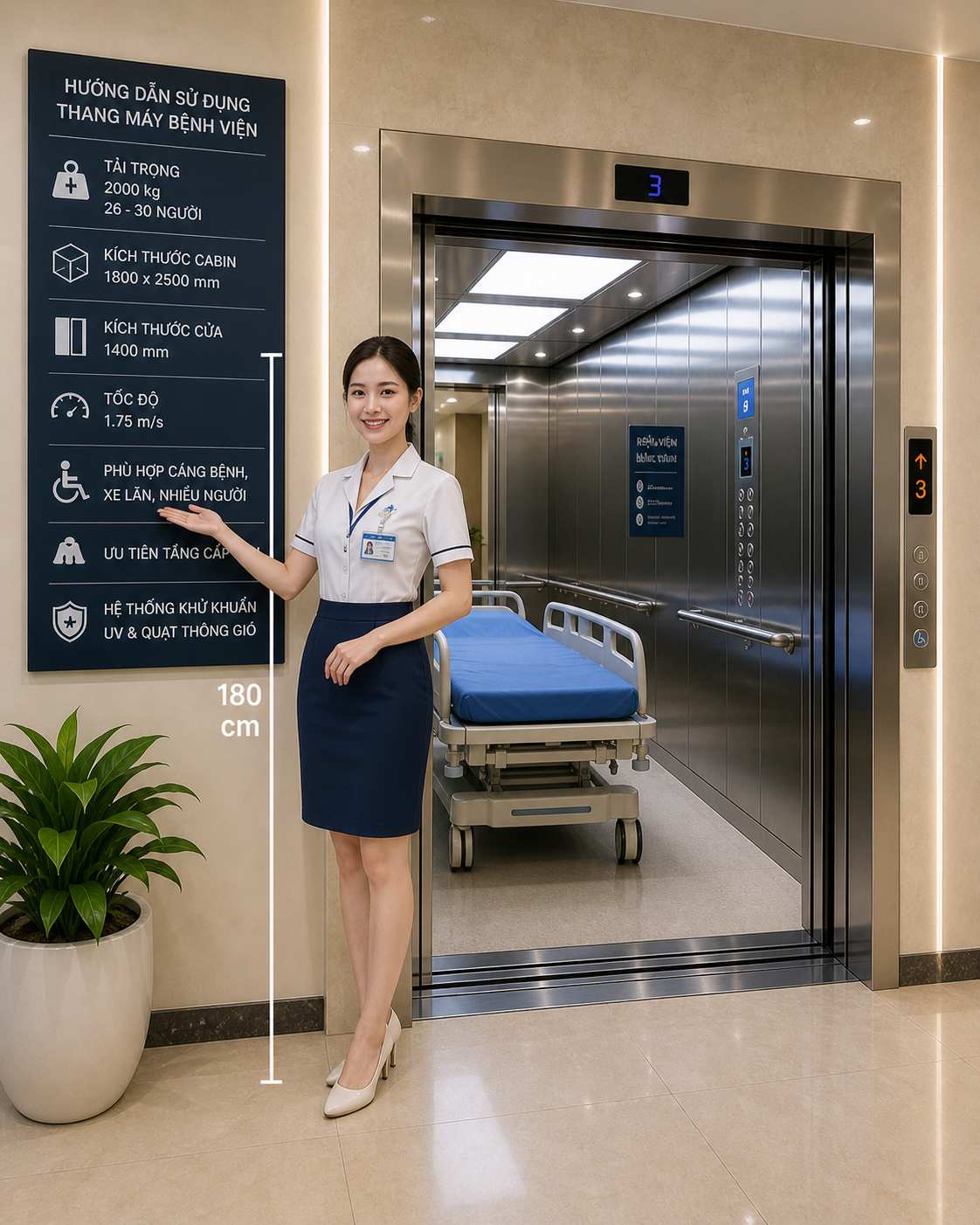
A 5-story shaft elevator is a popular choice in residential, office, and small commercial buildings. Determining the price of a 5-story shaft elevator depends not only on the number of floors but also on various technical factors and materials. To optimize costs and ensure operational efficiency, investors need to understand the components, technical specifications, and factors affecting the product's price.
Structure and technical specifications of a 5-story shaft elevator.
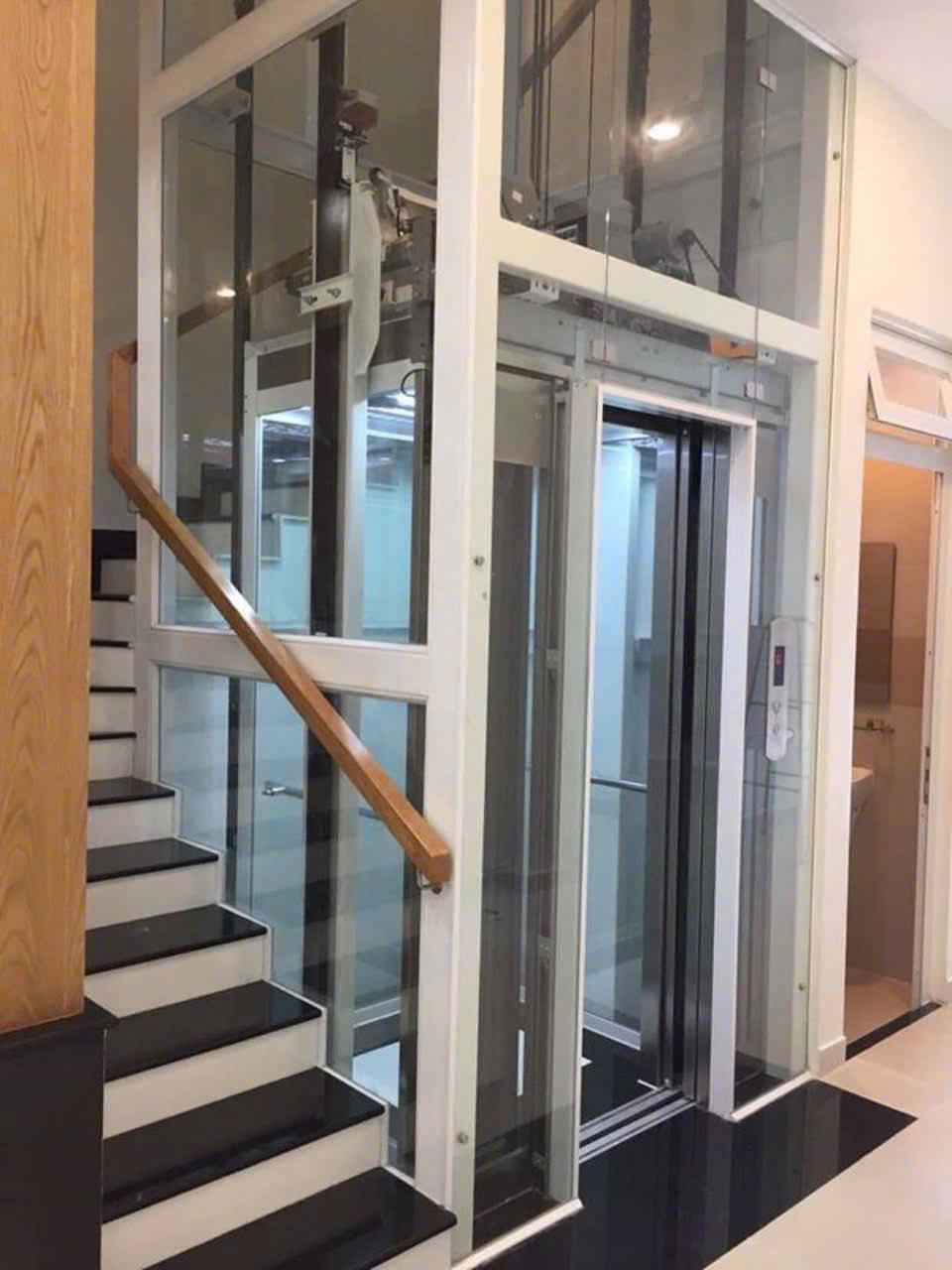
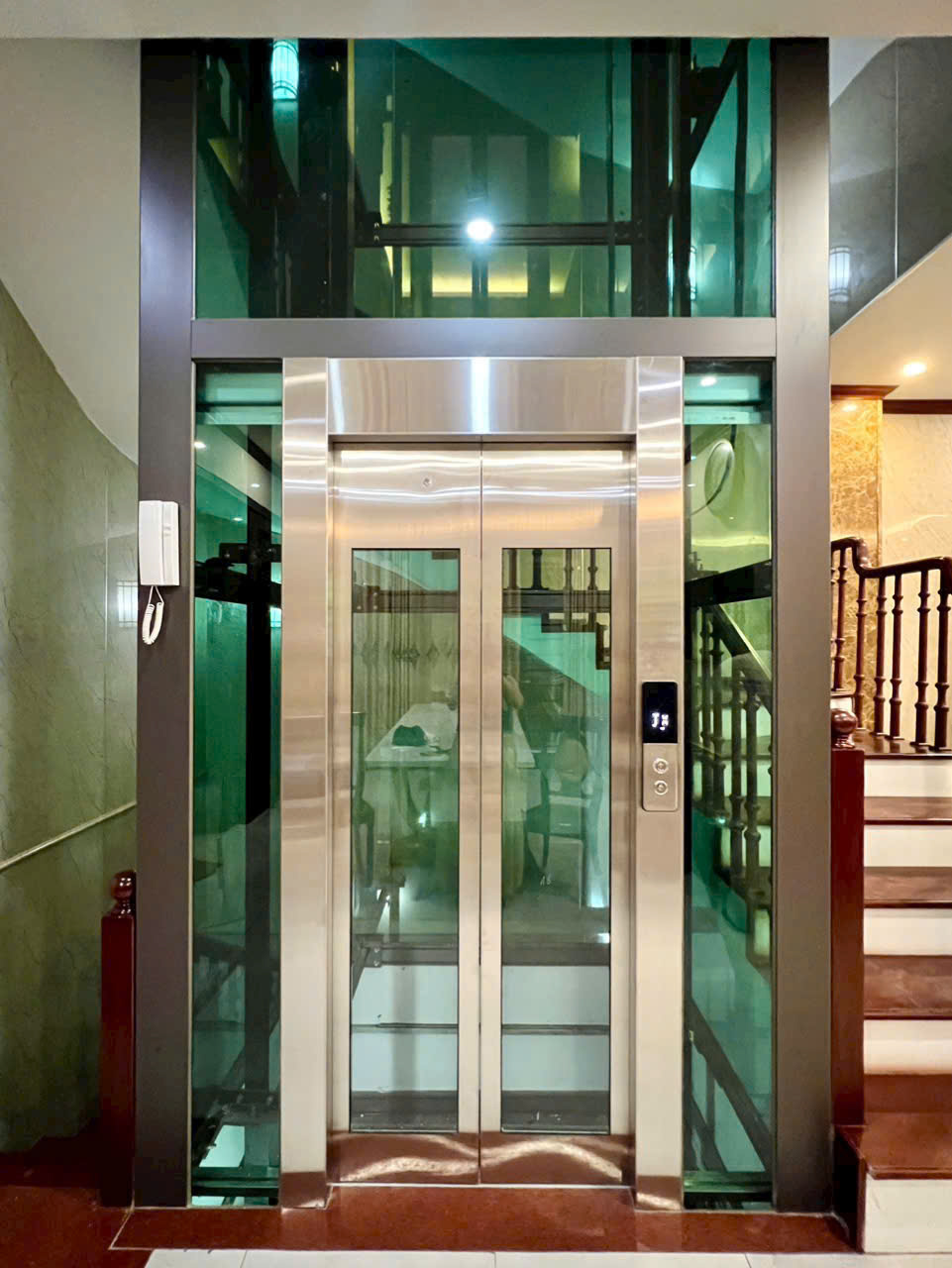
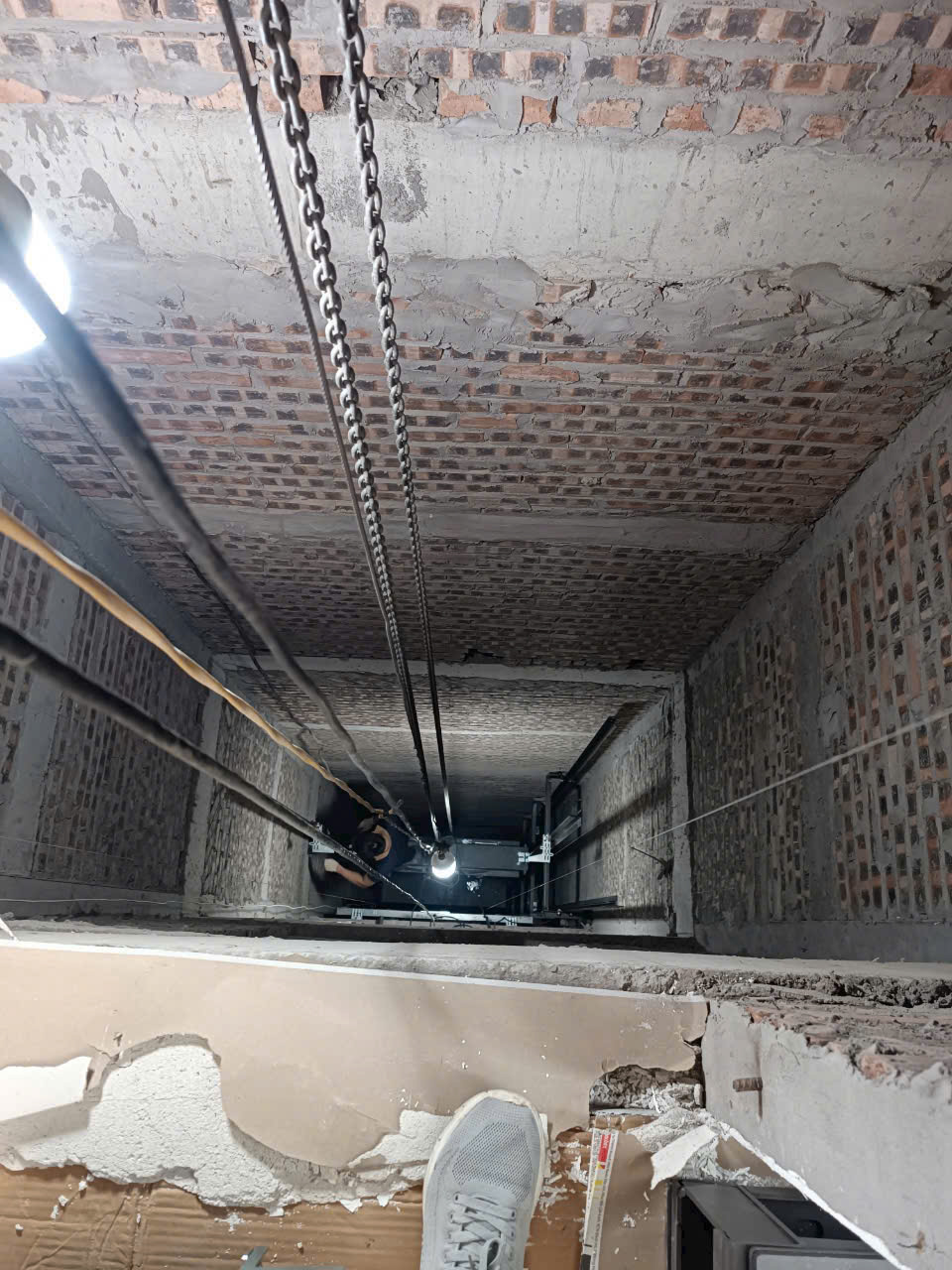
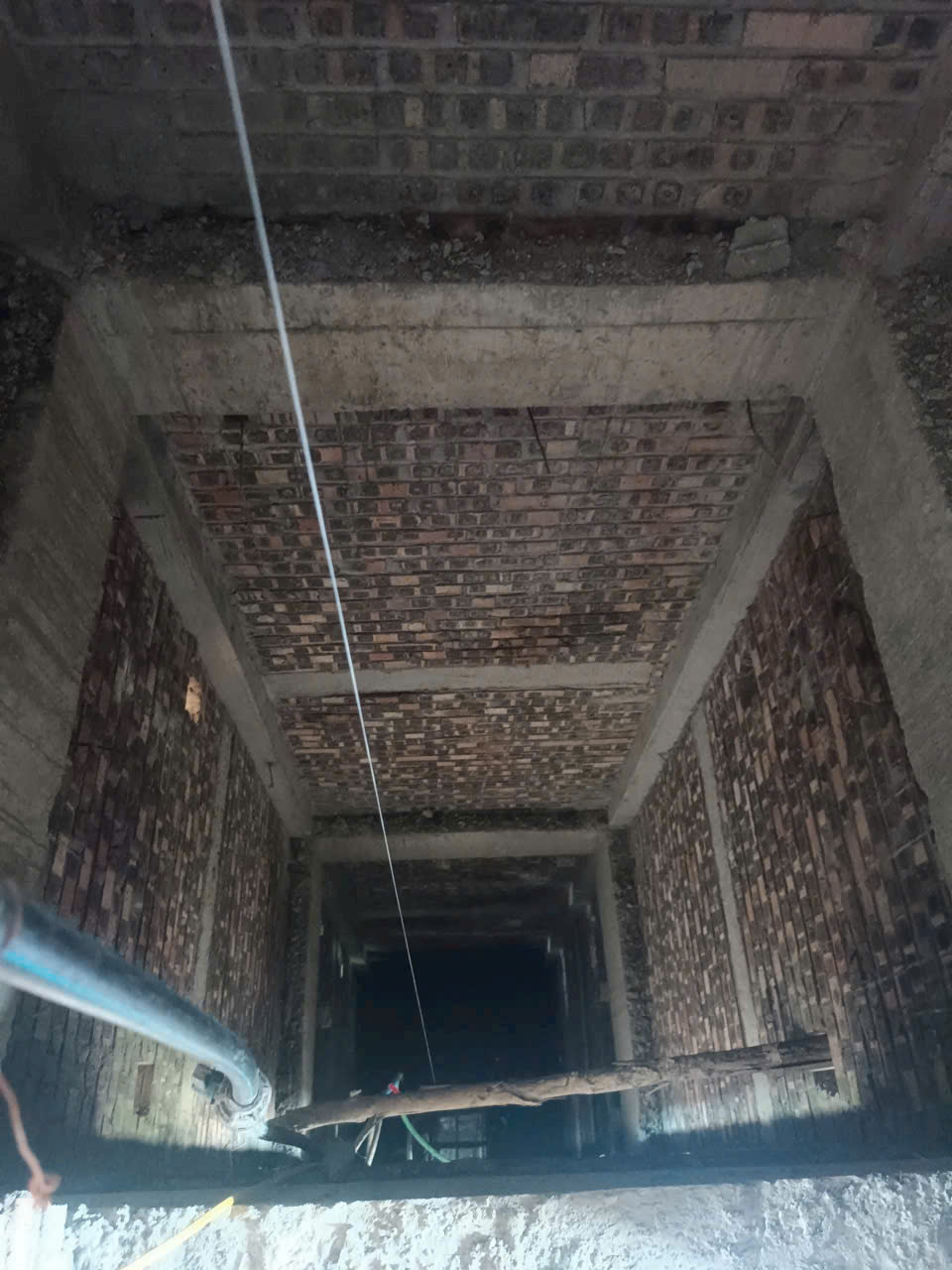
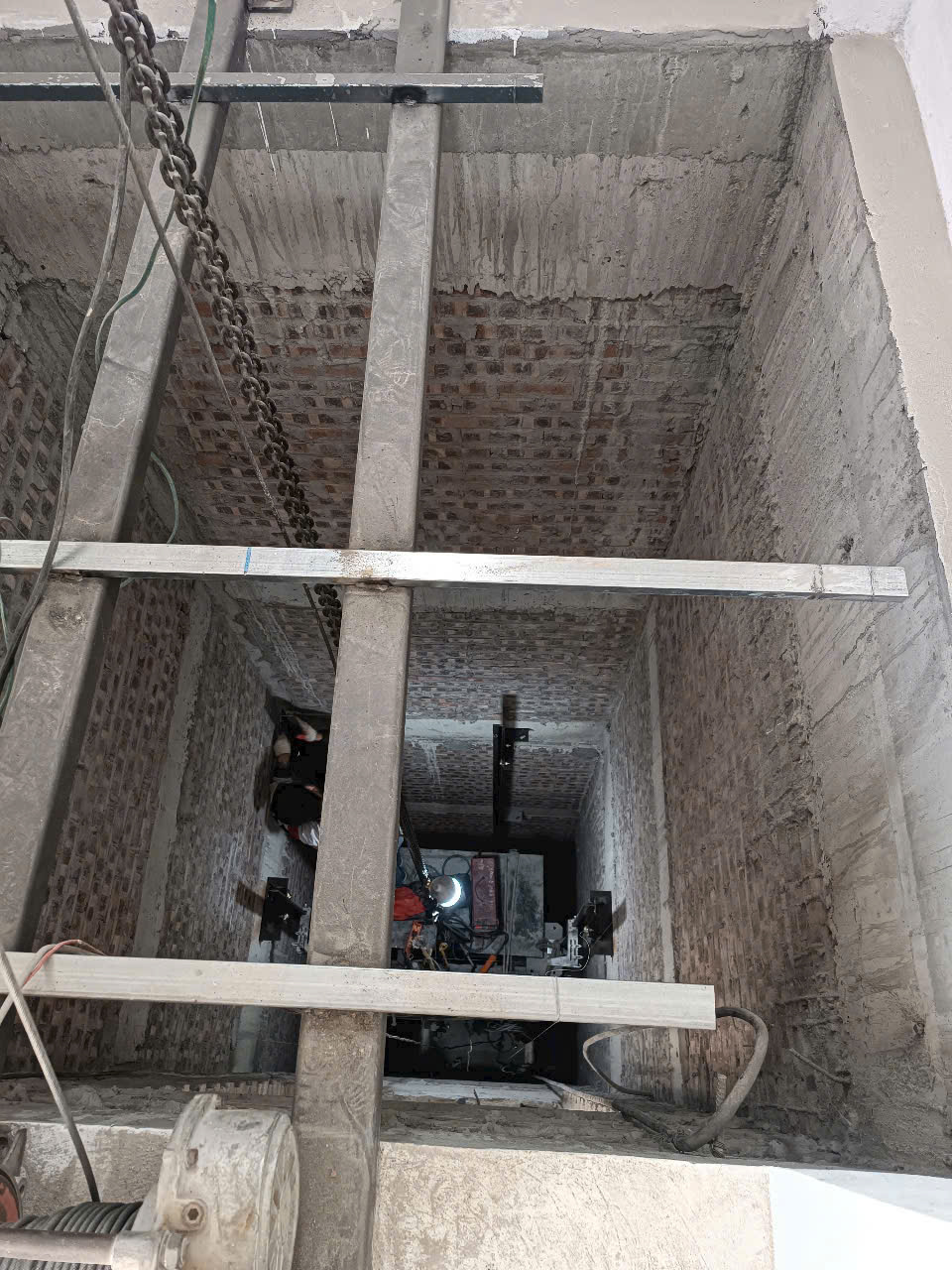
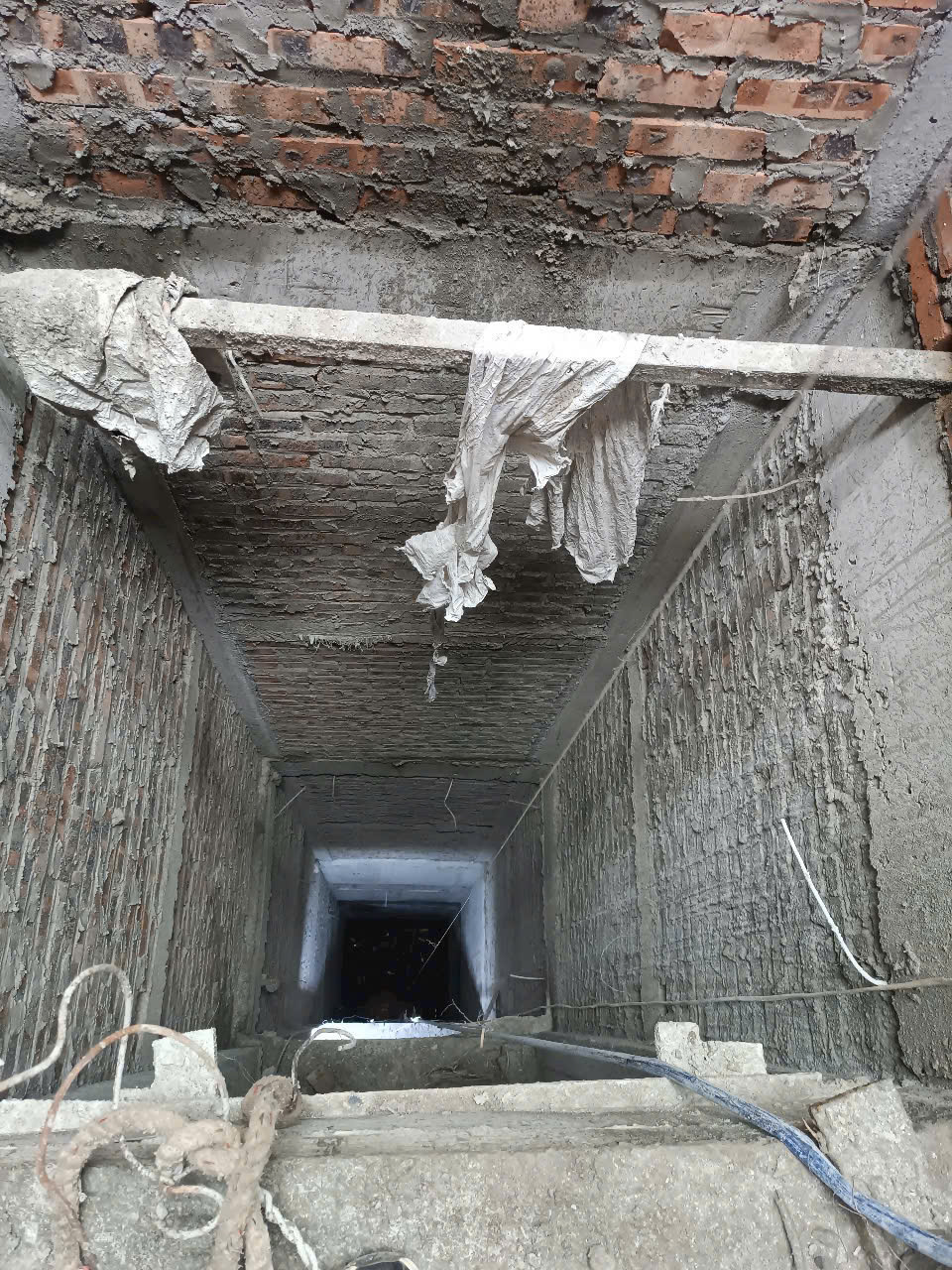
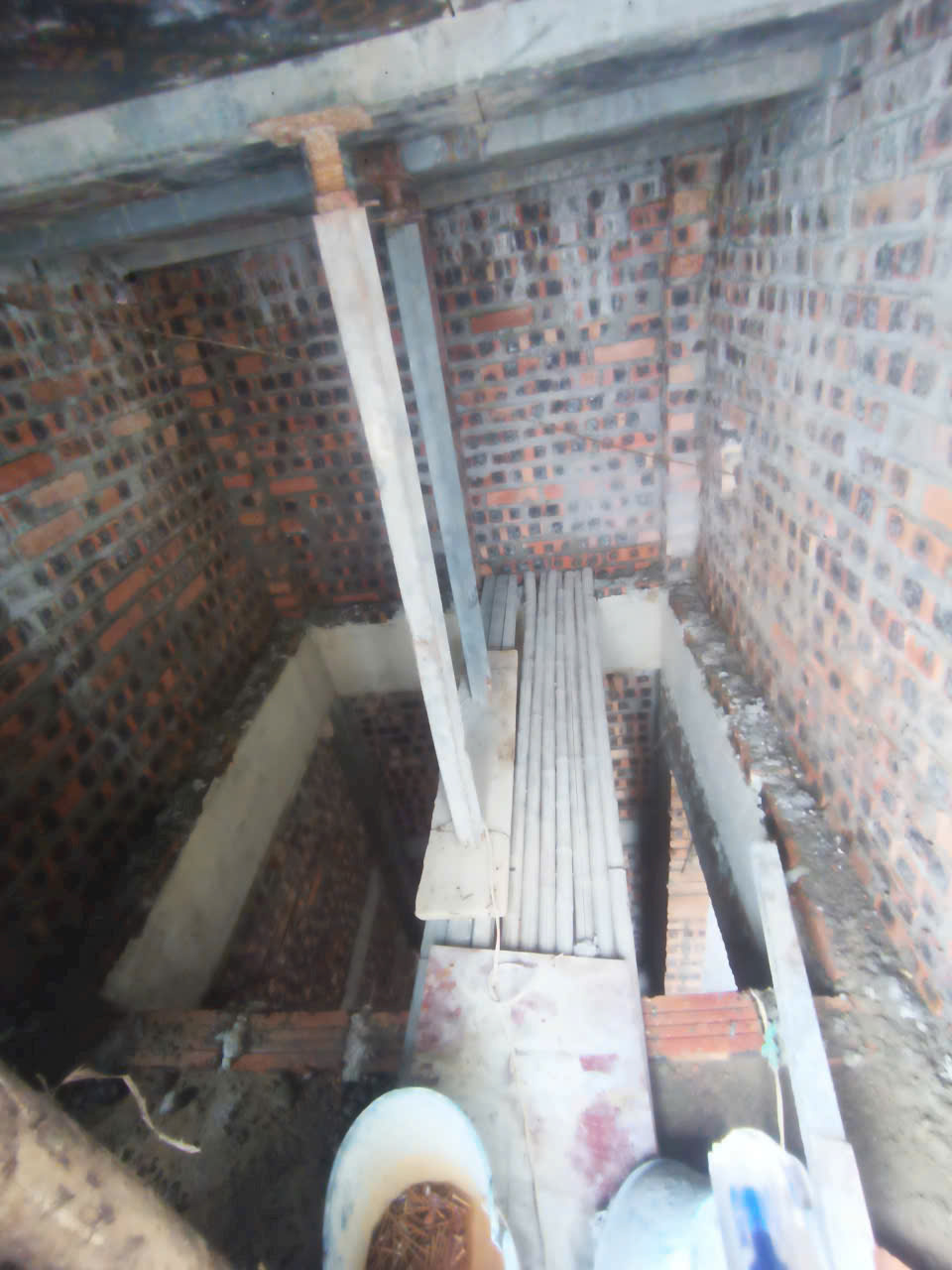
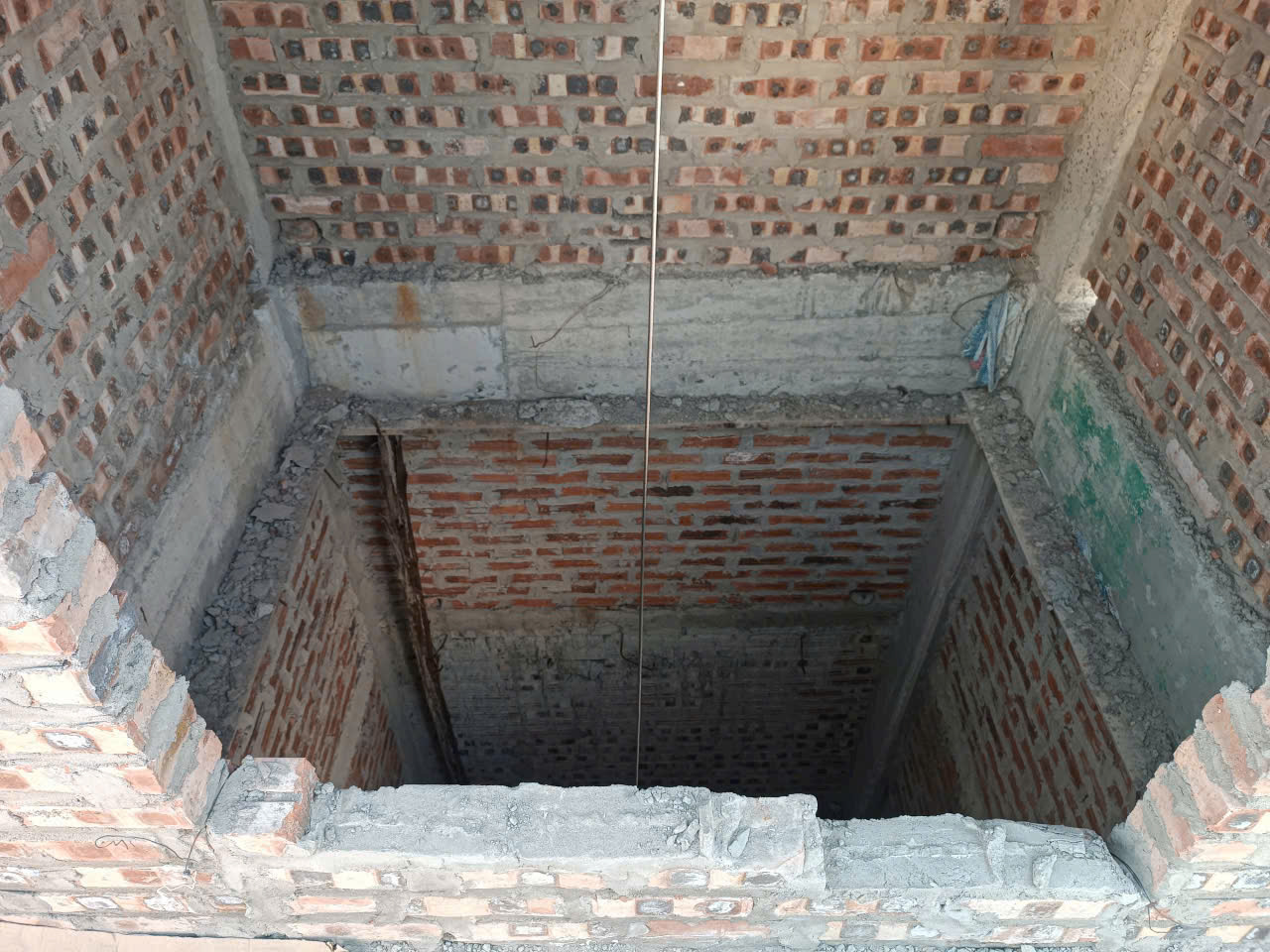
A shaft elevator is a type of elevator designed with a shaft constructed of reinforced concrete or brick, without using a prefabricated steel frame. For a 5-story building, the shaft height typically ranges from 15 to 18 meters, depending on the height of each floor and the architectural design.
.jpg)
The main components of a shaft elevator include:
- Elevator shaft: This is the fixed, load-bearing structure supporting the entire elevator system. The shaft must ensure precise dimensions, vertical alignment, and structural integrity to prevent shaking during operation.
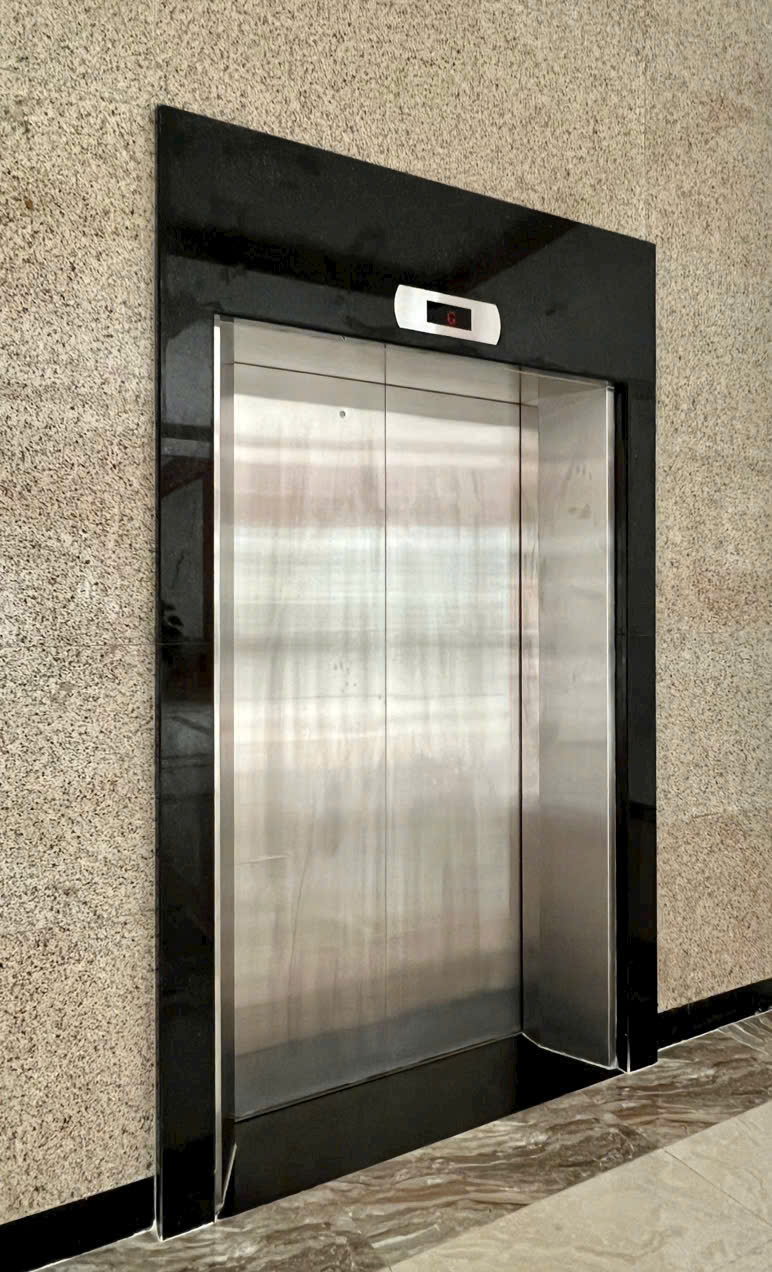
- Elevator cabin: Usually made of stainless steel, it can be designed in a variety of sizes and styles to suit different needs.
- Cable and counterweight system: Ensures load balance and smooth, safe operation.
- Tractor (motor): This can be a geared or gearless tractor, directly affecting performance and investment costs.
- Control panel and electrical system: Includes the central control unit, safety sensors, buttons, and cabin lighting system.
Factors affecting the price of a 5-story shaft elevator
The cost of a 5-story shaft elevator is influenced by many technical and material factors, specifically:
- Tractor type: Gearless tractors are generally more expensive due to their better operating efficiency, energy savings, and lower maintenance. Geared tractors, on the other hand, are less expensive but may produce more noise and vibration.
- Load capacity and cabin size: Elevators with higher load capacities (e.g., 450kg, 630kg, 1000kg) will have higher prices due to the use of stronger materials and larger cable and counterweight systems. Cabin size also affects the amount of material used and manufacturing costs.
- Cabin finishing materials: High-grade stainless steel, tempered glass, or other special decorative materials will increase the cost compared to cabins using basic materials.
- Control systems and technology: Intelligent, energy-efficient control systems with features such as anti-jamming doors and automatic power outage recovery will increase the cost.
- Construction costs of elevator shafts: Reinforced concrete elevator shafts are more expensive than steel frame elevator shafts due to the more complex construction requirements and longer completion time.
- Installation and transportation costs: The location of the construction site, construction conditions, and distance for transporting equipment also affect the total cost.
- Brand and origin of equipment: Elevators imported from well-known brands are usually more expensive but guarantee better quality and warranty service.
Detailed analysis of cost components
1. Equipment costs: This is a significant portion of the total cost, including the tractor, cabin, cabling system, counterweight, control panel, and safety equipment. For example, a gearless tractor can account for 30-40% of the total equipment cost.
2. Elevator shaft construction costs: Depending on the materials and construction techniques, this cost can account for approximately 20-25% of the total cost. Elevator shaft construction requires advanced techniques to ensure accuracy and operational safety.
3. Installation costs: These include labor, construction equipment, and construction time. This cost typically accounts for 10-15% of the total cost and may increase if construction conditions are difficult.
4. Maintenance and operating costs: Although not included in the initial investment cost, this is an important factor to consider when choosing suitable equipment, helping to minimize long-term costs.
Example of a price list for a 5-story underground elevator.
Elevator type Load capacity (kg) Tractor Reference price (million VND) Standard home elevator 450 Tractors with gearboxes 350 - 450 Luxury home elevators 630 Gearless tractor 500 - 650 Small commercial elevators 1000 Gearless tractor 700 - 900
| Elevator type | Load capacity (kg) | Tractor | Reference price (million VND) |
|---|---|---|---|
| Standard home elevator | 450 | Tractors with gearboxes | 350 - 450 |
| Luxury home elevators | 630 | Gearless tractor | 500 - 650 |
| Small commercial elevators | 1000 | Gearless tractor | 700 - 900 |
Technical considerations when choosing an elevator for a 5-story building shaft.
- Accurately measure the elevator shaft dimensions: Ensure the elevator shaft is constructed to the correct technical standards to avoid future repair and adjustment costs.
- Choose the appropriate load capacity: Avoid selecting a load capacity that is too large, leading to wasted costs, or too small, affecting usage needs.
- Choose a tractor suitable for the frequency of use: For projects with high usage frequency, a gearless tractor is the optimal choice.
- Safety and comfort are ensured: Equipped with safety features such as door sensors, an automatic rescue system, a fire alarm system, and cabin ventilation.
- Consult with experts and suppliers: For optimal cost-effectiveness and technical solutions, it's advisable to work directly with reputable elevator suppliers.
Basic technical specifications of a 5-story shaft elevator.
A 5-story shaft elevator is an efficient transportation solution for residential buildings, small offices, or medium-sized commercial buildings. Choosing the right specifications not only ensures safe operation but also optimizes space, saving on construction and maintenance costs. Below is a detailed analysis of the basic technical specifications of a 5-story shaft elevator:
- Load Capacity: Typically, a 5-story shaft elevator has a load capacity ranging from 350kg to 630kg , equivalent to a capacity of 4 to 8 people. The appropriate load capacity depends on actual usage needs and the density of people in the building. A higher load capacity requires a larger cabin size and motor power, as well as a more robust shaft structure to ensure safety.
- Speed: An elevator operating speed of 0.6 m/s to 1.0 m/s is suitable for a 5-story building. This speed ensures fast transport while maintaining smoothness, reducing vibration and noise. For residential buildings, a speed below 1 m/s is the optimal choice to balance efficiency and investment costs.
- Cabin size: Cabin sizes typically range from 900mm x 1100mm to 1100mm x 1400mm . These dimensions are designed based on load capacity and the number of users, and must also fit the size of the elevator shaft. Larger cabins provide a more spacious and comfortable feel but also increase shaft construction costs and energy consumption.
- Travel distance: The travel distance of a 5-story shaft elevator is typically between 15m and 18m , depending on the height of each floor and the total number of floors in the building. This travel distance directly affects the design of the traction cable system, control unit, and safety braking system. For short travel distances like 5 floors, the control system is usually simpler and easier to maintain.
- Motor: Elevators can use geared or gearless traction motors. Motor power typically ranges from 2.2kW to 5.5kW . Gearless motors are often preferred due to their high efficiency, energy savings, and reduced noise, while their compact size saves machine room space. Geared motors are generally less expensive but require more maintenance.
- Voltage: Commonly used voltages are 220V or 380V , depending on the building's electrical system and installation requirements. 220V is typically used for small, residential buildings, while 380V is suitable for buildings with industrial electrical systems or requiring higher power.
The influence of technical specifications on the design of the elevator shaft and associated systems:
- Elevator shaft design: The size of the elevator cabin and the load determine the size of the elevator shaft. The shaft must be wide enough to accommodate the cabin, guide system, traction cables, and other safety equipment. In addition, the depth of the pit (the bottom part of the elevator shaft) also needs to be accurately calculated to ensure safety when the cabin stops at the lowest floor.
- Shaft dimensions: The shaft must comply with technical standards regarding dimensions, construction materials, and construction accuracy to ensure stable and safe elevator operation. Proper shaft construction also helps minimize noise and vibration during elevator operation.
- Electrical Cabinet: The elevator control cabinet must be designed to match the motor power and control system. The cabinet is usually located in the machine room or a convenient location for easy maintenance and repair. Overload and overvoltage protection devices, as well as an automatic rescue system, are also integrated into the cabinet.
- Traction cables: Traction cables must be highly durable, capable of withstanding the load and pulling force throughout operation. Selecting the appropriate traction cable for the load and travel distance ensures the safety and longevity of the elevator.
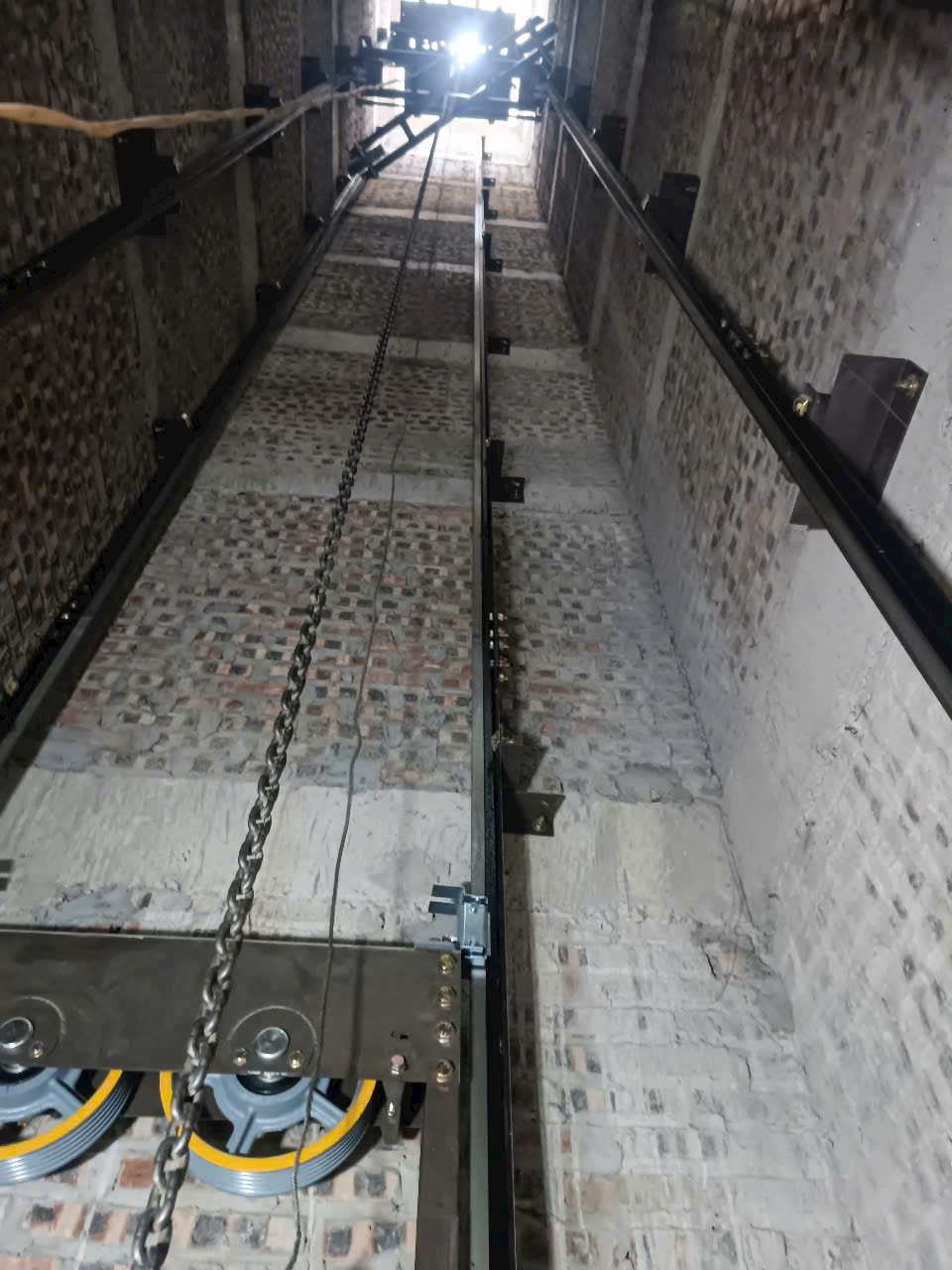
- Guide system: The cabin and counterweight guide system must be precisely designed to reduce friction, ensuring smooth and stable cabin movement. This system includes guide rails, rollers, and related components, securely installed in the elevator shaft.
Additional technical factors to consider:
- Safety braking system: Designed to automatically activate in the event of an accident or power failure, ensuring the cabin does not freefall.
- Automatic rescue system: Helps the cabin move to the nearest floor and open the doors in the event of a power outage, ensuring the safety of users.
- Ventilation and lighting system: Elevator cabins need a suitable ventilation and lighting system to create a comfortable experience for users.
- Cabin materials: High-grade stainless steel or inox is commonly used to enhance durability and aesthetics.
- Safety standards: Shaft elevators must comply with national and international safety standards, such as TCVN, EN81, or ASME.
Traction motor and its impact on the price of a 5-story shaft elevator.
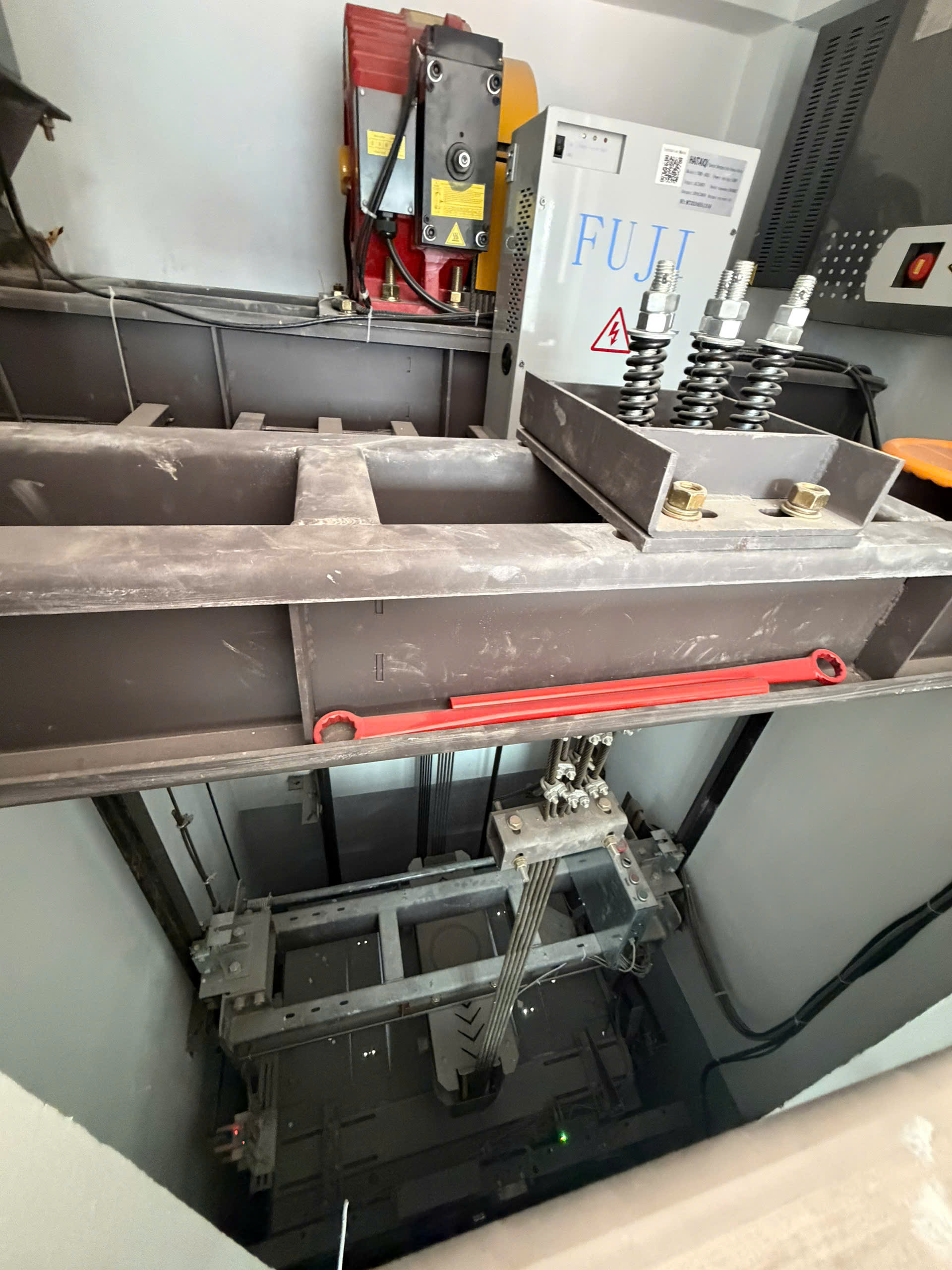
The traction motor is a central component in an elevator system, playing a crucial role in determining the operating efficiency, durability, maintenance costs, and energy consumption of the equipment. Choosing the right motor not only directly affects the user experience but also significantly impacts the total initial investment cost and long-term operating costs of a 5-story shaft elevator.
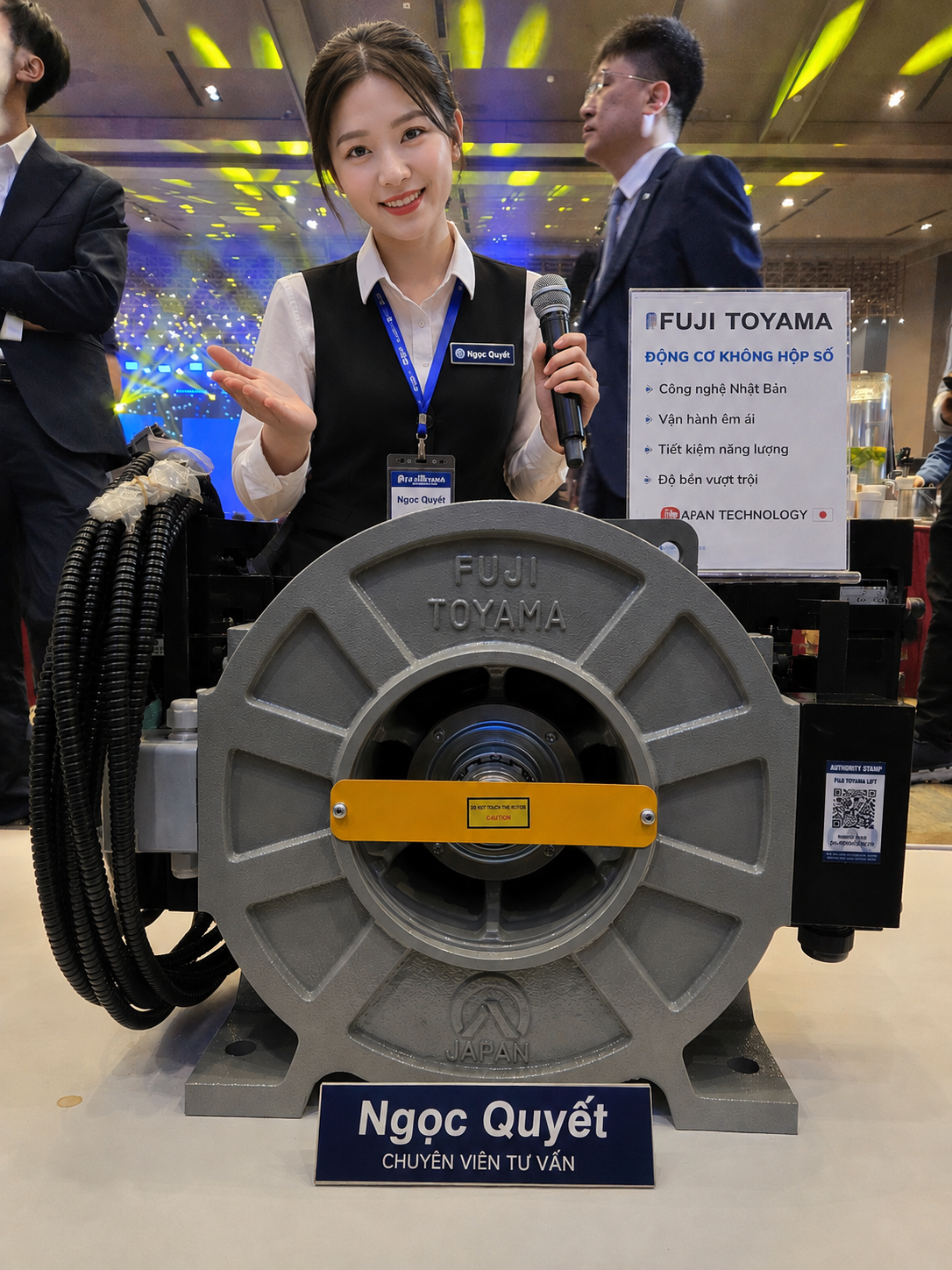
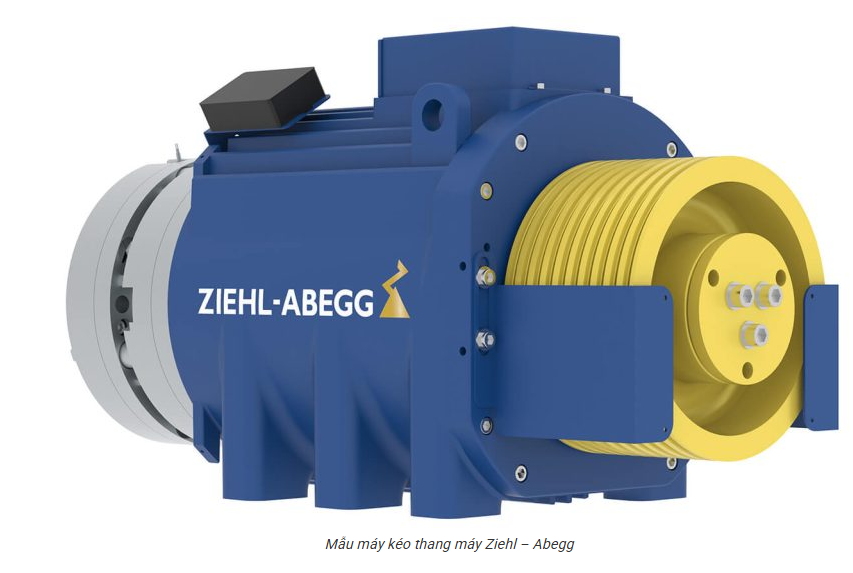
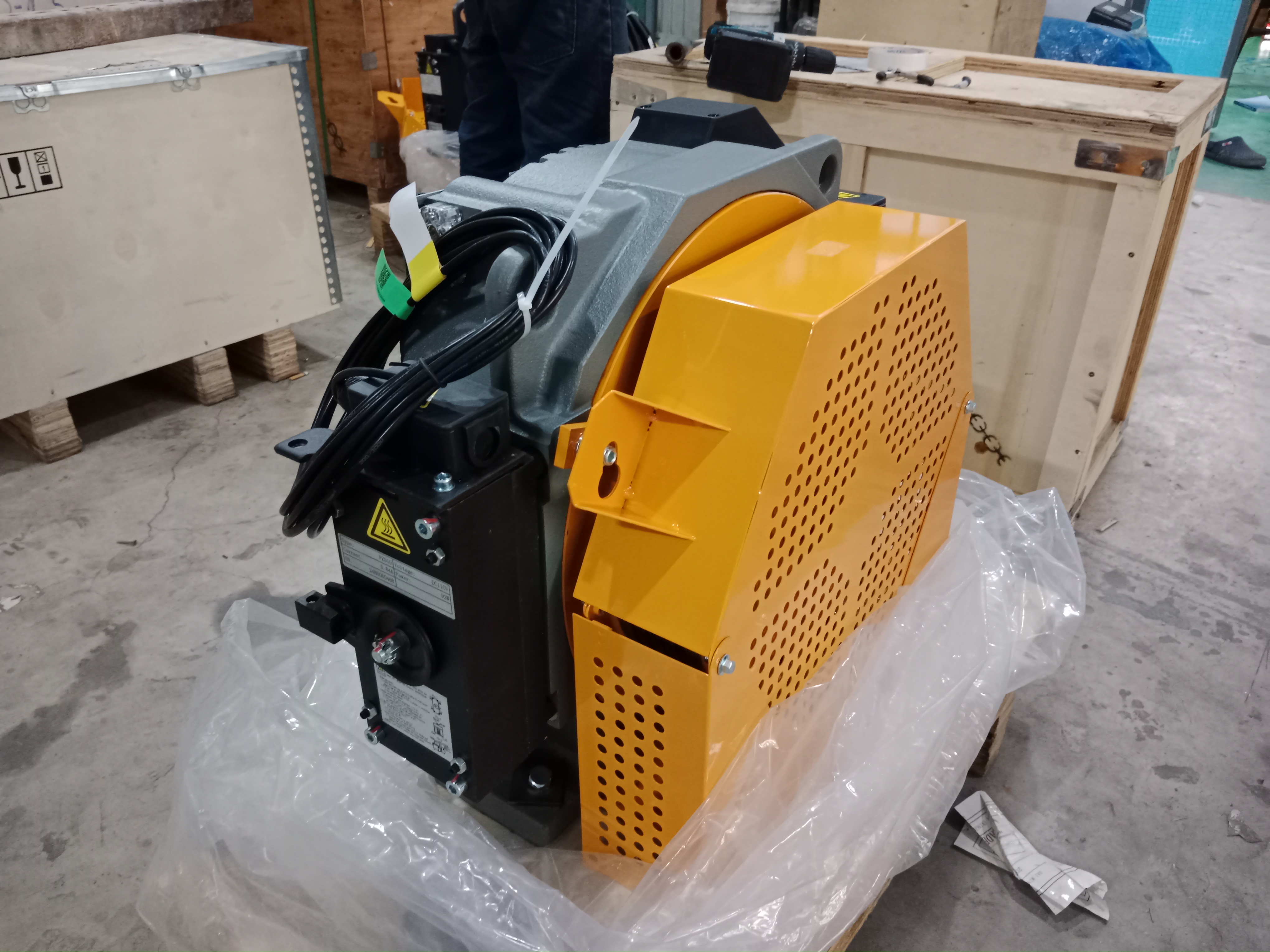
Tractors with gearboxes
Geared traction machines are a type of traditional motor that uses a gearbox to reduce the motor's rotational speed, thereby generating the appropriate traction force to operate the elevator. The structure of this type of machine includes:
- Electric motor : Usually an induction or synchronous motor, with a power output of 3.0kW to 5.5kW, suitable for elevators with a load capacity greater than 450kg.
- Gearbox : Helps reduce the motor's rotational speed and increase torque to pull heavy loads.
- Electromagnetic brake : Ensures safety when the elevator stops or in emergency situations.
Advantages of tractors with gearboxes:
- The initial investment cost is lower compared to gearless tractors.
- Easy to replace and repair due to its simple mechanical structure.
- Suitable for structures requiring high load capacity and continuous operation.
Disadvantages include:
- Noise is generated during operation due to friction within the gearbox.
- Lower transmission efficiency leads to higher power consumption.
- Regular maintenance and oil changes are necessary for the gearbox to ensure its longevity.
Therefore, geared traction machines are often chosen for high-load elevators, where initial investment costs are prioritized over long-term operating costs.
Gearless tractor
Gearless traction machines are a modern type of motor where the motor is directly connected to the cable drum without the need for an intermediate gearbox. These motors are typically permanent magnet synchronous motors or asynchronous motors with power ratings from 2.2kW to 4.0kW, suitable for small to medium-sized elevators (under 450kg).
- Permanent magnet synchronous motors : Allow for smooth operation, energy efficiency, and a compact size.
- Variable Frequency Drive (VFD) system : Allows for flexible motor speed adjustment, reducing shock during elevator start-up and stop-start.
- Electromagnetic brakes : Provide the same level of safety as tractors with gearboxes.
Advantages of gearless tractors:
- Operates extremely smoothly, minimizing noise and vibration.
- High transmission efficiency, resulting in significant energy savings compared to tractors with gearboxes.
- Maintenance costs are minimized due to the absence of gearboxes and complex mechanical parts.
- Its compact size saves space in the machine room or allows for the use of machine-roomless elevators.
Disadvantages include:
- The initial investment cost is higher due to advanced technology and premium materials.
- Installation and maintenance require higher technical expertise and a team of highly specialized technicians.
Gearless traction machines are often preferred in high-end buildings and elevators serving customers with high demands for smooth operation and energy efficiency.
Impact on the price of elevators in a 5-story building.
The cost of a 5-story shaft elevator is directly influenced by the type of traction motor selected, specifically:
- Engine type: Gearless tractors are 20% to 40% more expensive than geared tractors due to the technology and materials used.
- Engine power: Higher power means using a larger engine with more premium materials, increasing the cost.
- Manufacturer brand: Well-known brands like Otis, Schindler, and Mitsubishi often have higher prices due to their quality, after-sales service, and reliability.
- Installation and maintenance costs: While gearless tractors have a high initial investment cost, they save on long-term operating and maintenance costs.
For example, a 5-story shaft elevator using a geared traction machine with a 450kg load capacity might cost around 50-70 million VND less than a gearless traction machine with the same load capacity. However, considering the total cost of ownership over 10 years, a gearless traction machine can save significantly on electricity and maintenance costs.
Choosing the right motor requires careful consideration of initial investment costs, operational requirements, load capacity, and the intended use of the elevator. Additionally, factors such as machine room space, noise requirements, and energy efficiency standards also play a crucial role in the final decision.
Elevator accessories affect the price.
The price of a 5-story shaft elevator also depends on the following main components:
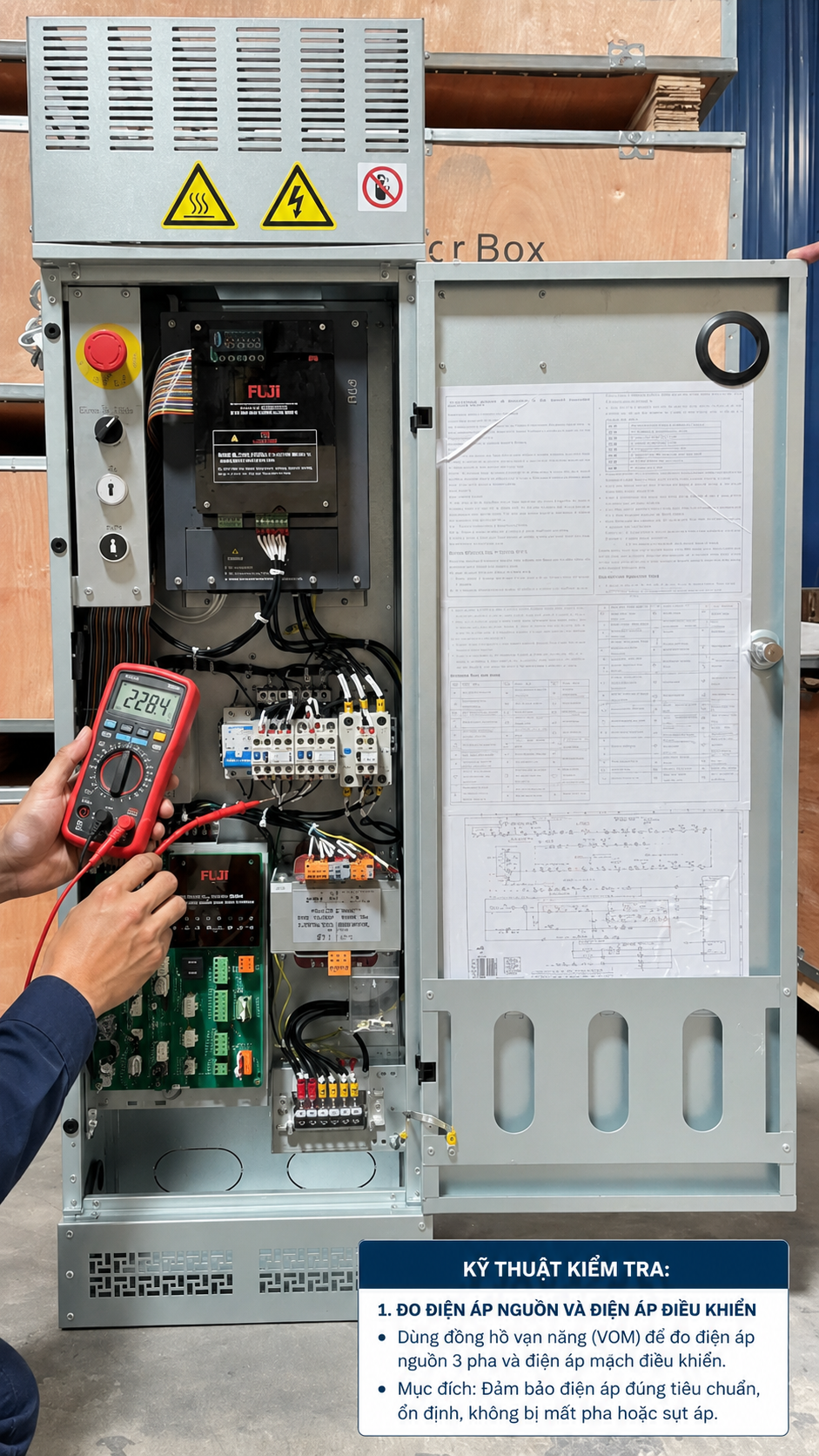
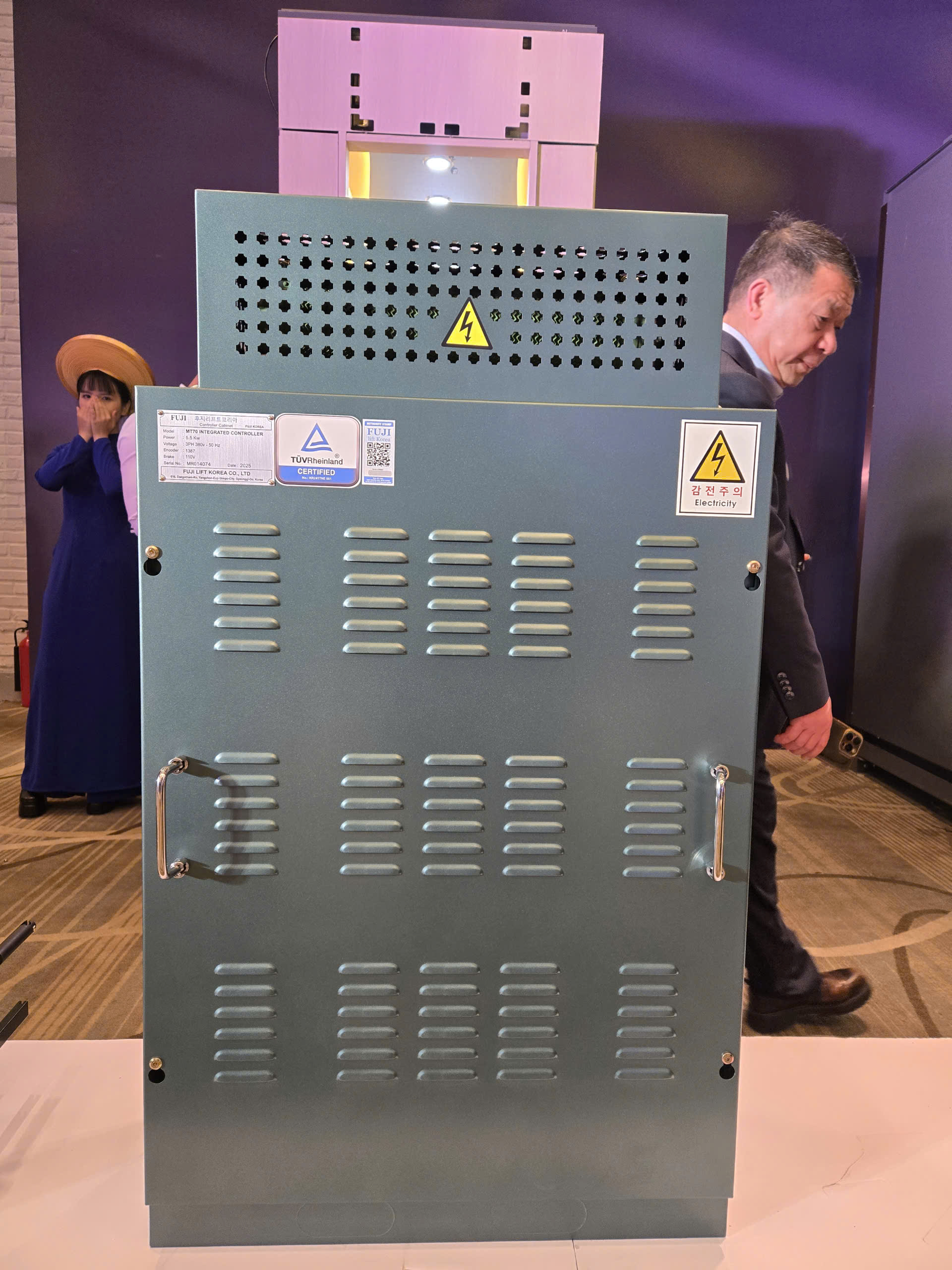
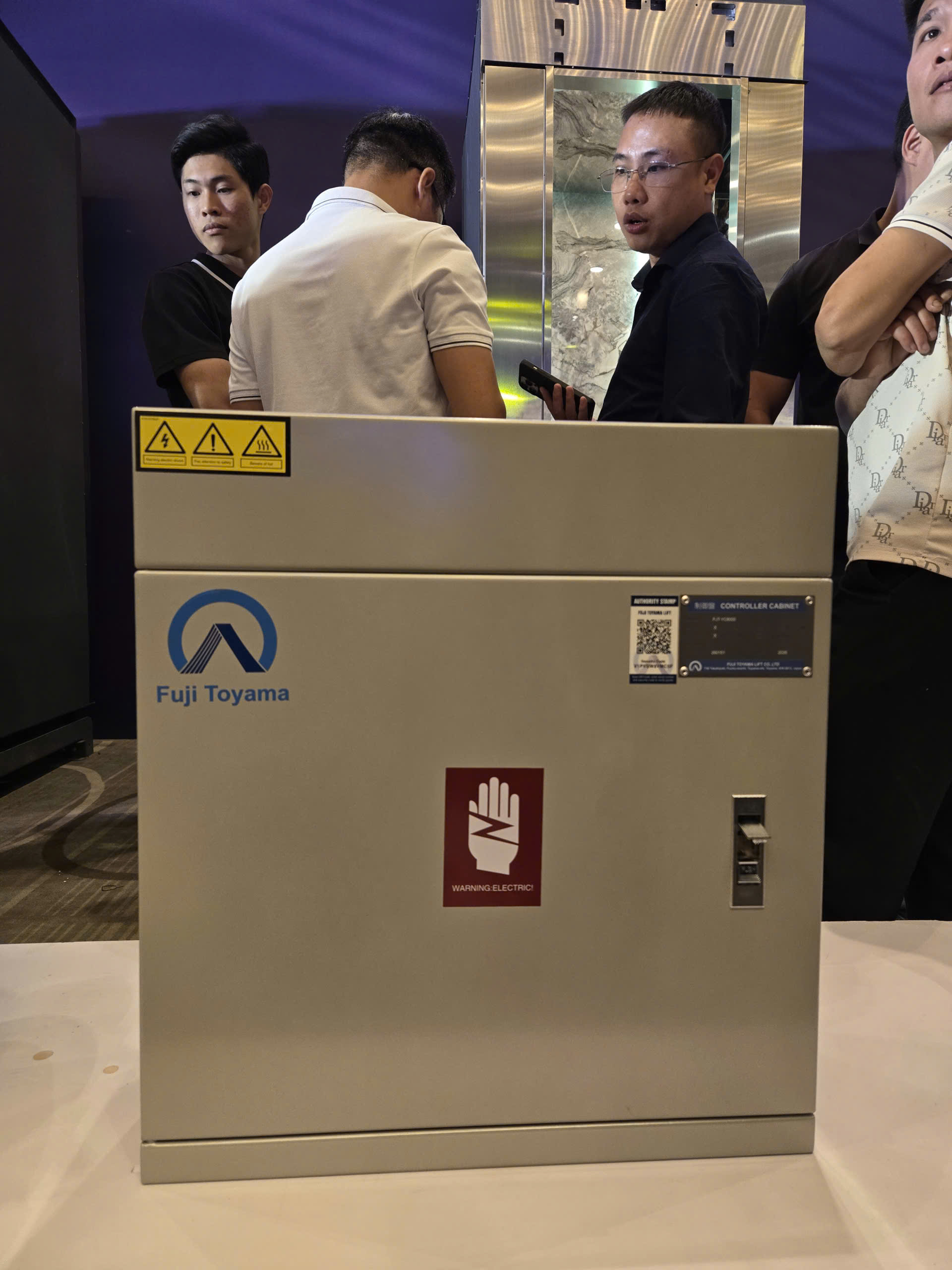
- Control Panel: The control panel is the central control unit of the elevator system, playing a crucial role in safe and stable operation. Currently, there are two common types of control panels: traditional control panels and PLC (Programmable Logic Controller) control panels. Traditional control panels use basic relays and circuits, are low-cost but have limitations in control capabilities and maintenance. Meanwhile, PLC control panels use pre-programmed controllers, allowing for precise management of operating parameters such as speed, cabin position, and safety modes. The application of PLC control panels minimizes malfunctions, increases equipment lifespan, and enhances user experience; however, the cost of this type of panel is significantly higher due to the advanced technology and components.
- Traction Cable: The traction cable is a crucial component ensuring the safe and stable lifting and lowering of the elevator cabin. Traction cables are typically made from high-strength steel with a multi-strand twisted structure, increasing durability and load-bearing capacity. The number of strands and cable diameter directly affect the load-bearing capacity and durability of the system. Furthermore, the brand and origin of the traction cable determine the price; reputable brands usually offer products with higher durability, better wear resistance, and rust resistance. Choosing the right traction cable for the load capacity and frequency of use is key to ensuring safe operation and reducing long-term maintenance costs.
- Guide wires: Guide wires help the elevator cabin move precisely within the shaft, reducing vibration and noise during operation. They support the cabin in maintaining its position on the guide rails, ensuring stability and smooth movement. Guide wires are typically made from high-strength alloy steel with excellent wear resistance and load-bearing capacity. Using high-quality guide wires minimizes vibration, noise, and wear on the guide rails, thus extending the lifespan of the entire elevator system.
- Pulleys: Pulleys are the components that drive the traction cable, transmitting power from the motor to the cable to raise and lower the elevator cabin. The material and size of the pulley are designed based on the load and operating speed of the elevator. Pulleys are usually made from alloy steel or cast iron, offering high strength and good wear resistance. The size of the pulley affects friction and transmission efficiency; therefore, choosing the right pulley optimizes operational efficiency and minimizes cable wear. Additionally, pulleys are equipped with high-quality bearings to reduce friction and noise during operation.
Each accessory has a different price, directly affecting the total investment cost of a 5-story shaft elevator. Choosing the right accessories should not only be based on price but also on quality, durability, and compatibility with the overall system to ensure efficient operation and long-term safety.
Reference price list for 5-story shaft elevators with stainless steel doors.
A 5-story shaft elevator with a stainless steel cabin is a popular choice in residential and small office buildings, meeting the needs for convenient, safe, and aesthetically pleasing transportation. Choosing the right elevator depends not only on load capacity but also on the type of motor, operating speed, cabin size, and other technical factors. The price list below provides standard technical specifications and reference prices to assist in the selection process and cost estimation.
| Load capacity (kg) | Engine type | Speed (m/s) | Cabin dimensions (mm) | Reference price (million VND) |
|---|---|---|---|---|
| 350 | Gearless tractor | 0.6 | 900 x 1100 | 280 - 320 |
| 450 | Tractors with gearboxes | 0.6 | 1000 x 1200 | 260 - 300 |
| 630 | Tractors with gearboxes | 1.0 | 1100 x 1400 | 320 - 380 |
Detailed analysis of factors affecting the price of a 5-story shaft elevator with stainless steel doors:
Load capacity: Elevator load capacity is usually calculated based on the number of users and intended use. A 350kg capacity elevator is suitable for 4-5 people, ideal for apartments or small offices. 450kg and 630kg capacities are suitable for higher demands, serving 6-8 people or transporting light goods.
Motor Type: The motor is a crucial component determining the performance and durability of an elevator. Gearless traction motors are generally preferred for low to medium-speed elevators, offering smooth operation, energy efficiency, and low maintenance. Geared traction motors are less expensive but noisier and require more frequent maintenance. Choosing the right motor type requires careful consideration of both initial investment costs and long-term operating costs.
Operating speed: The common elevator speed for a 5-story elevator is usually between 0.6 and 1.0 m/s. A speed of 0.6 m/s meets the needs of low-rise buildings, ensuring safety and saving energy. A speed of 1.0 m/s is suitable for buildings with higher usage density, reducing waiting and travel time.
Cabin size: Cabin size directly affects usable space and transport capacity. Compact cabins such as 900 x 1100 mm are suitable for limited elevator shaft space, while larger sizes such as 1100 x 1400 mm create a more spacious and comfortable feeling for users and can carry more goods.
Cabin finishing materials: Stainless steel doors not only provide a luxurious and modern appearance but also offer high durability, corrosion resistance, and easy cleaning. Common types of stainless steel include 304 and 201, with 304 offering better rust resistance, making it suitable for humid environments or those with high aesthetic requirements.
Elevator shaft construction costs: The price of an elevator does not include the cost of constructing the elevator shaft, which is a crucial component significantly impacting the total investment cost. The shaft needs to be precisely designed in terms of dimensions, load-bearing capacity, and technical safety. Construction costs depend on the materials used, the complexity of the project, and the actual construction conditions.
Other incidental expenses:
- Installation and commissioning costs: This includes technical labor, support equipment, and safety checks before the elevator is put into service.
- Regular maintenance costs: To ensure stable, safe operation and extend the lifespan of the elevator, a professional maintenance plan is necessary.
- Costs for upgrading or adding amenities: Intelligent control system, display screen, automatic rescue system, energy-saving LED lighting, cabin ventilation system, etc.
- Licensing and inspection costs: Elevators must undergo safety inspections before use, and these costs should also be factored into the overall budget.
Note: The quoted price may vary depending on the supplier, elevator brand, warranty policy, and other market factors. The selection of an elevator should be based on a site survey and expert technical consultation to ensure it meets your usage requirements and investment budget.
The influence of the manufacturer and warranty policy on elevator prices.
The cost of an elevator reflects not only the cost of materials and installation but is also strongly influenced by the manufacturer's brand and accompanying warranty policy. Reputable elevator brands such as Mitsubishi, Fuji, Otis, and Schindler stand out not only for the quality of their products but also for their professional after-sales service systems, contributing to increased usability and durability of the equipment.
1. The influence of brand on quality and price
Elevators from major manufacturers typically use genuine imported components, which undergo rigorous testing for technical and safety standards. The technology applied in these products is usually more advanced, including:
- Intelligent control system: Utilizes advanced microprocessors to optimize operation, reduce energy consumption, and increase movement accuracy.
- Brushless DC motors (BLDC): Help reduce noise, increase efficiency, and extend motor lifespan compared to traditional motors.
- Multi-layered safety system: Including door sensors, safety brakes, anti-jamming system, and automatic rescue device, ensuring absolute safety for users.
These technical factors increase production costs and product prices, but at the same time enhance the user experience and minimize operational risks.
2. Warranty and After-Sales Service Policy
Warranty policy is one of the important factors determining the price of an elevator. Reputable manufacturers usually provide:
- Long warranty period: From 12 to 24 months, and even longer for extended maintenance contracts. This gives customers peace of mind regarding product quality throughout its lifespan.
- Professional scheduled maintenance service: Our team of well-trained, certified, and experienced technicians will perform regular inspections and maintenance to detect technical faults early, minimize malfunctions, and extend the lifespan of your elevator.
- Genuine replacement parts: Using replacement parts from the manufacturer ensures perfect compatibility, maintaining the performance and safety of the elevator. This avoids risks caused by low-quality parts, such as rapid failure and compromised operational safety.
A good warranty and after-sales service policy not only helps minimize repair costs but also contributes to maintaining the value of the equipment over time, which is clearly reflected in the initial price of the elevator.
3. Impact on the price of elevator shafts in 5-story buildings
For construction projects involving elevator shafts in 5-story buildings, choosing the right manufacturer is a key factor affecting both initial investment costs and long-term operating costs. Specifically:
- Initial investment cost: Elevators from major manufacturers are typically more expensive due to the use of advanced technology and high-quality components. However, this price comes with a guarantee of performance and durability.
- Operating and maintenance costs: Professional maintenance services and genuine spare parts minimize unexpected breakdowns and repair costs, thereby saving operating costs throughout the elevator's lifespan.
- Stability and safety: Products from reputable manufacturers are rigorously designed and tested, ensuring stable operation and minimizing the risk of accidents and technical malfunctions, which is especially important for elevators serving multiple floors, such as 5 floors.
4. Technical factors and accompanying services affect the price.
- Energy-saving technology: Major companies often integrate renewable energy technology or intelligent control systems to reduce electricity consumption. Although the initial investment cost is higher, it provides long-term economic benefits.
- Cabin design and materials: Using high-quality materials such as stainless steel, tempered glass, or composite materials enhances aesthetics and durability, while also impacting the product's price.
- Automatic rescue system: Some manufacturers offer automatic rescue systems in case of power outages or malfunctions, ensuring user safety and increasing the value of the equipment.
- Training and technical support: Reputable manufacturers typically provide operational and maintenance training programs for customers, helping to improve efficiency and minimize risks from improper operation.
5. Compare the costs and benefits of choosing an elevator brand.
Although elevators from major manufacturers are more expensive, customers will receive many benefits in terms of the overall cost of ownership (TCO):
- Minimize repair costs and the use of non-genuine replacement parts.
- Increase equipment lifespan through regular maintenance and quality components.
- Ensuring safe operation and minimizing accident risks.
- Fast and professional technical support in case of problems.
Conversely, choosing lesser-known elevator brands or cheaper products may save on initial investment costs, but it carries many risks regarding quality, safety, and high operating costs in the long run.
Costs of elevator shaft construction and related technical factors.
Constructing the elevator shaft is one of the most crucial steps in the elevator installation process, directly impacting the operational efficiency, durability, and safety of the entire system. Proper shaft design and construction not only ensures stability but also optimizes costs in the long term. Below is a detailed analysis of the technical factors and costs involved in elevator shaft construction.
- Building materials:
Reinforced concrete is commonly used in elevator shaft construction due to its high load-bearing capacity, superior durability, and resistance to environmental impacts. The thickness of the concrete and the ratio of reinforcement must be carefully calculated based on the cabin load, counterweight weight, and dynamic forces generated during operation.
The quality of concrete (e.g., concrete grade B20 or higher) and the type of steel used (ribbed steel bars, steel coils) must comply with Vietnamese construction standards (TCVN) or international standards such as ASTM to ensure long-term durability and safety.
In addition, the use of waterproofing and anti-corrosion additives also contributes to extending the lifespan of elevator shafts, especially in environments with high humidity or areas with groundwater.
- Elevator shaft dimensions:
The elevator shaft dimensions must be precisely designed based on the size of the elevator cabin, counterweight system, and operating equipment such as the traction machine, control panel, cable system, and pulleys. Dimensional discrepancies can lead to installation difficulties, increased repair costs, or even compromise operational safety.
Typically, elevator shaft dimensions are calculated based on technical standards such as TCVN 6391:2018 on elevators, which includes:
- Elevator shaft width: Must be greater than the cabin width plus a safety clearance on both sides (usually 100-150 mm on each side).
- Shaft depth: Must be sufficient to accommodate the cabin, counterweight, and guide equipment.
- Elevator shaft height: A safe distance must be maintained above the elevator cabin and below the elevator shaft to provide protection in case of an accident.
Designing the elevator shaft dimensions appropriately helps minimize excess construction materials, save costs, and ensure smooth operation.
- Guidance system:
Guide rails are a crucial component that helps the elevator cabin and counterweight move stably, minimizing vibration and noise. The rails must be installed straight, parallel, and securely fixed to the elevator shaft.
The rail material is usually high-strength, wear-resistant alloy steel. The size and number of rails depend on the load capacity and operating speed of the elevator.
The installation process requires the use of precise measuring equipment such as lasers to ensure the vertical alignment and spacing between the rails, avoiding friction or misalignment when the cabin moves.
- Vibration damping and soundproofing system:
To enhance user experience and minimize noise and vibration impacts from the elevator, vibration damping and soundproofing systems are integrated into the elevator shaft. Technical solutions include:
- Use rubber pads or elastic materials placed under the cabin and counterweight to absorb vibrations.
- Install sound insulation on the elevator shaft walls using materials such as fiberglass wool, soft rubber, or specialized soundproofing panels.
- The elevator shaft is designed with a reasonable distance between the cabin and the shaft walls to reduce friction and noise.
Investing in vibration damping and soundproofing systems not only helps reduce noise transmission to the surrounding environment but also protects electronic and mechanical equipment from the effects of long-term vibration.
Elevator shaft construction costs: This cost typically accounts for 15-25% of the total project value for a 5-story elevator shaft, depending on factors such as:
- Scale and size of the elevator shaft: Larger or more complex shaft designs will require more materials and labor.
- Quality of materials used: High-quality concrete, reinforcing steel, and vibration damping and soundproofing accessories will increase costs.
- Construction site: Areas with complex or difficult-to-access geological conditions will increase transportation and construction costs.
- Special technical requirements: High safety standards, advanced vibration damping and soundproofing systems also increase costs.
To optimize elevator shaft construction costs, close coordination between the designer, construction contractor, and elevator supplier is essential from the initial project stages. Selecting appropriate materials, designing precise dimensions, and applying modern construction technology will help minimize waste and ensure the quality of the project.
Detailed analysis of the components that make up the cost of a 5-story underground elevator.
To better understand the cost of a 5-story shaft elevator, a detailed analysis of each component is necessary to accurately assess the factors affecting cost and product quality.
1. Elevator cabin
The elevator cabin is the space that houses people and goods, and it is also the part that most clearly demonstrates the aesthetics and convenience of the elevator. The choice of materials and cabin design directly affects the cost as well as the user experience.
- Materials used in its construction:
- Stainless steel 304 or 201: Stainless steel 304 has high corrosion and oxidation resistance, making it suitable for humid or chemical environments. Stainless steel 201 is cheaper but has lower durability and rust resistance.
- Powder-coated steel: Commonly used in cabin designs requiring a wide range of colors and good scratch resistance, but requires regular maintenance to prevent rust.
- Tempered glass: Often used for observation cabins or cabins with modern designs, creating a spacious and luxurious feel. Tempered glass is highly durable and strong, but it is more expensive than metal materials.
- Size and design: Standard cabin dimensions for a 5-story elevator typically range from 1100mm x 1400mm to 1600mm x 1600mm, depending on load capacity and intended use. Cabin design can be rectangular, square, or rounded, affecting manufacturing costs and materials used.
- Surface finishing: Finishing methods such as mirror polishing, sandblasting, powder coating, or decorative film application also increase the cost of the cabin. The higher the level of sophistication and aesthetic requirements, the greater the cost.
2. Door system
Elevator door systems not only ensure safety but also contribute to enhancing user experience and overall aesthetics.
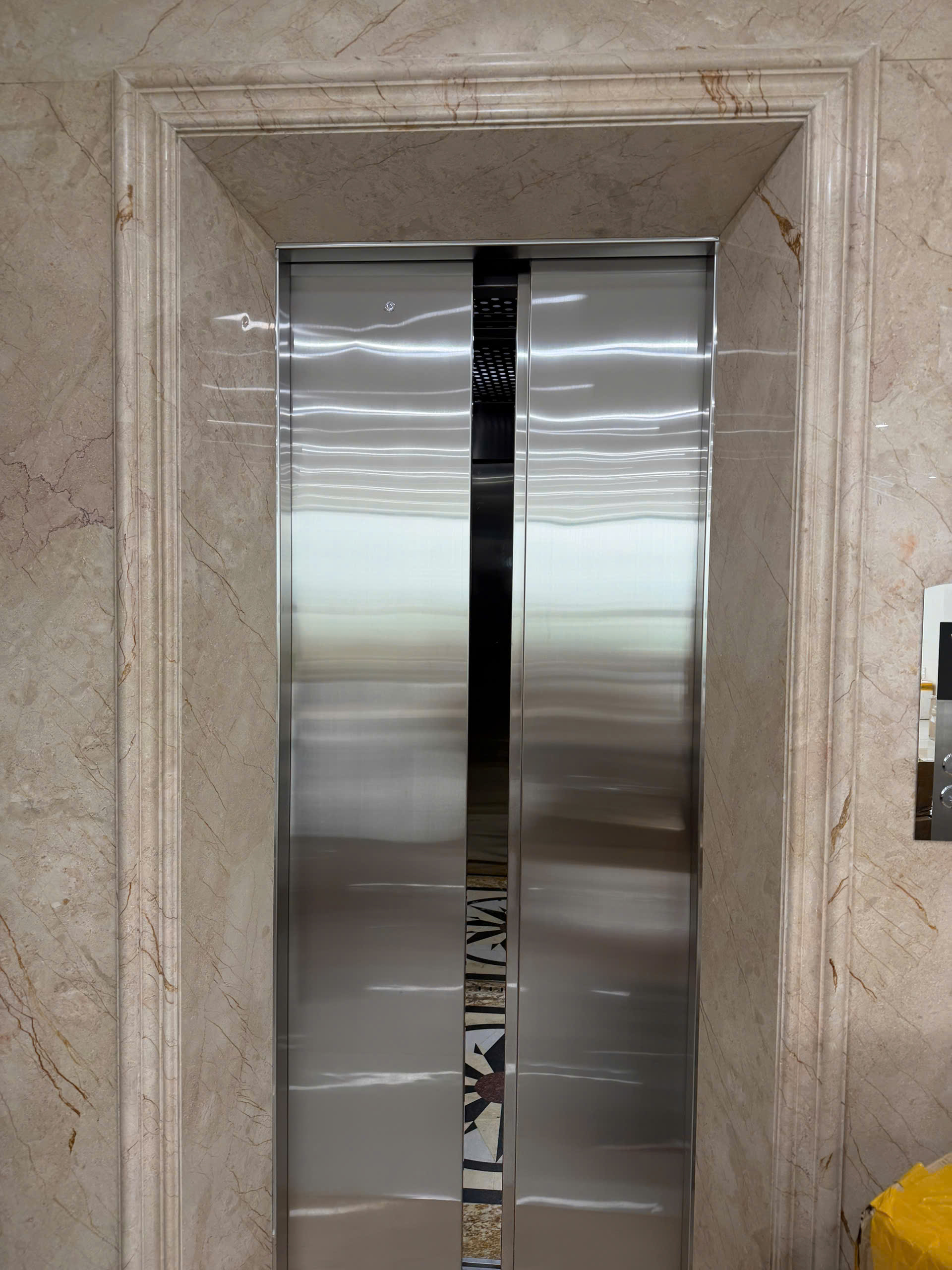
- Door type:
- Automatic doors: Equipped with electric motors and safety sensors, these doors open and close smoothly, precisely, and safely. This type of door is suitable for modern buildings with high traffic.
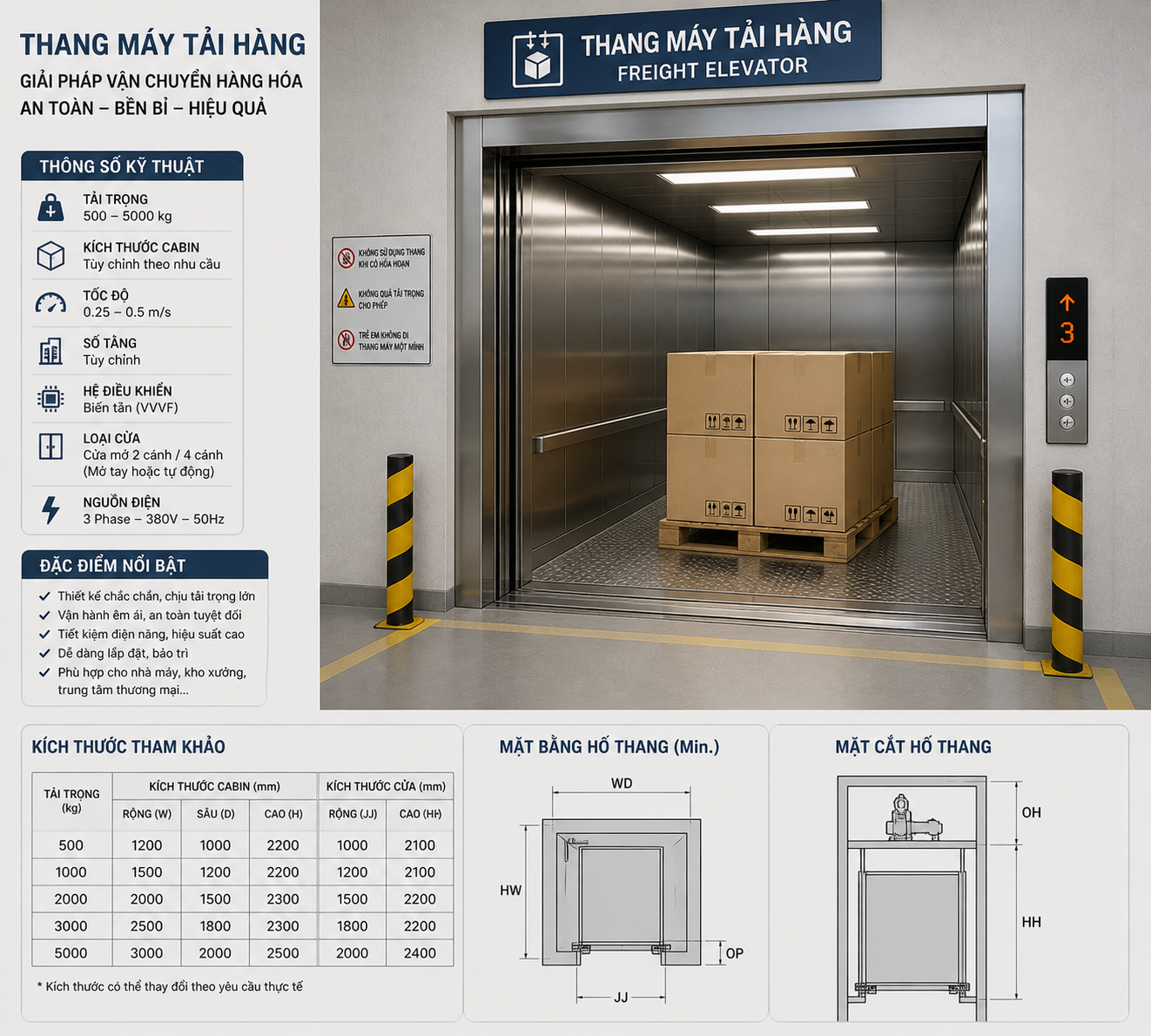
- Manual doors: Often used for freight elevators or buildings with limited budgets. Manual doors are inexpensive but not as convenient or secure as automatic doors.
- Door materials:
- Stainless steel: Durable, easy to clean, suitable for industrial or domestic environments.
- Tempered glass: Creates a sense of spaciousness and modernity, often used for observation cabin doors or elevators in office buildings and shopping malls.
- Integrated technology: Modern automatic door systems incorporate anti-pinch sensors, safety sensors for door closing, and electronic controls to minimize malfunctions and increase equipment lifespan. This increases the cost but ensures stable and safe operation.
3. Control system and electrical cabinet
The control system and electrical cabinet are the central processing units for signals and coordination of elevator operation, determining stability, safety, and operational efficiency.
- Control panel:
- Traditional type: Uses separate components, basic circuitry, low cost but limited in functionality and accuracy.
- Microprocessor control panels: These integrate modern technology, offering fast processing capabilities, precise control of functions, and reduced vibration and noise during operation. While more expensive, they provide longer-lasting efficiency and greater safety.
- Control software: Algorithms for optimizing travel, managing load, and predictive maintenance help improve operational efficiency and minimize failures.
- Protective devices: Including overload, overvoltage, and undervoltage protection relays, ensuring absolute safety for users and equipment.
4. Cable and pulley
The traction cables and pulleys are crucial mechanical components that ensure the safe and stable transmission and transport of the elevator cabin.
- Towing cable:
- Material: Usually made from high-strength alloy steel, offering high load-bearing capacity and good wear resistance.
- Cable diameter and number: This depends on the load capacity and height of the elevator. For example, a 5-story elevator typically uses 4 to 6 cables with a diameter of 8mm to 10mm.
- Quality standards: Towing cables must meet international standards for safety and durability such as ISO, EN, or TCVN.
- Buli:
- Function: Guides and drives the traction cable, ensuring smooth and precise movement.
- Materials: Typically made from alloy steel or cast aluminum, with high-quality bearings to reduce friction and noise.
- Design: Pulleys can be single or double, depending on the traction system design and elevator load capacity.
5. Tractor engine
The traction motor is the most important component in an elevator system, determining the operational capability, speed, load capacity, and durability of the entire device.
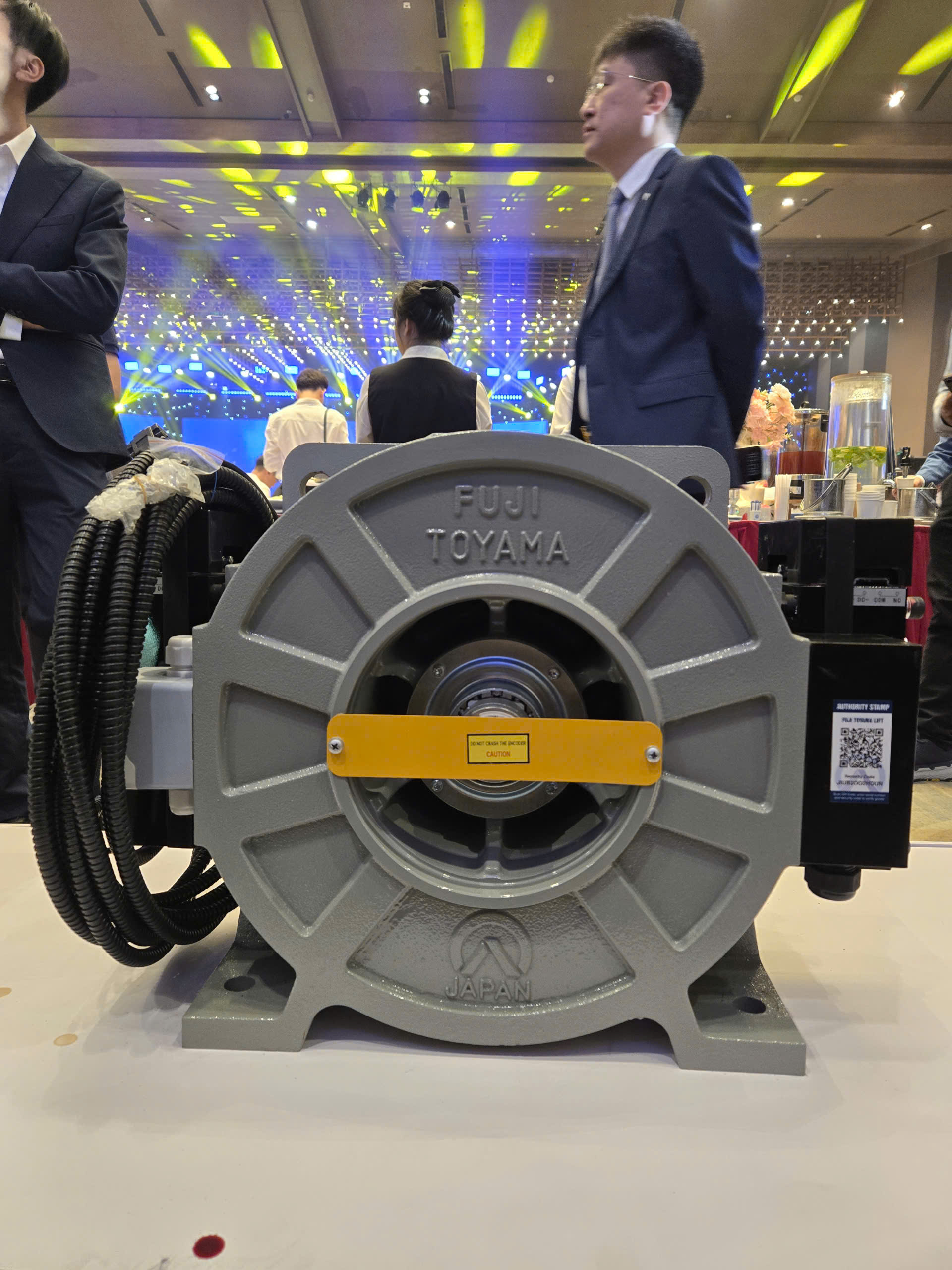
- Engine type:
- Gearless motors: Advantages include quiet operation, energy efficiency, and compact size, making them suitable for small to medium-sized elevators. They are more expensive but have lower maintenance costs.
- Geared motors: Often used for high-load elevators, they have lower initial investment costs but produce more noise and vibration, and require regular maintenance.
- Power and load capacity: The motor must be selected to match the elevator's load capacity (typically 450kg to 1000kg for a 5-story elevator) and operating speed (typically 0.6 m/s to 1.0 m/s).
- Performance and energy efficiency: Modern motors incorporate variable frequency drive (VFD) technology, enabling flexible speed control, reduced power consumption, and increased equipment lifespan.
- Quality and brand: Engines from reputable brands like Mitsubishi, Fuji, Otis, and Schindler are usually more expensive but guarantee durability, performance, and good after-sales service.
Factors affecting the maintenance and operating costs of a 5-story elevator.
The maintenance and operating costs of a 5-story shaft elevator are a crucial factor determining investment efficiency and equipment longevity. Understanding these influencing factors will help investors and managers optimize their budgets while ensuring stable and safe elevator operation throughout its lifespan. Below is an in-depth analysis of the main factors impacting these costs:
- Engine type:
The motor is the heart of the elevator, directly affecting its performance and energy consumption. Currently, the two most common types of motors are geared motors and gearless motors.
Gearless motors utilize permanent magnet technology to reduce mechanical friction, thereby significantly reducing power consumption compared to geared motors. Additionally, gearless motors offer the advantages of quieter operation, less vibration, reduced wear on mechanical parts, and consequently lower recurring and unexpected maintenance costs.
Conversely, while motors with gearboxes have lower initial investment costs, they consume more electricity and require regular gearbox maintenance, including oil changes and gear inspections, leading to increased operating costs over time.
- Component quality:
The quality of components directly affects the durability and performance of elevators. Using genuine components that meet international standards will help minimize technical problems, thereby reducing the frequency of repairs and component replacements.
Key components include:
- Control system: The central controller is responsible for processing signals and coordinating the elevator's operation. A high-quality controller helps reduce software errors and increase operational accuracy.
- Braking system: Safe brakes must be made from materials with good wear resistance, ensuring precise and safe stopping ability in all situations.
- Load and signal cables: High-quality cables offer good tensile strength, abrasion resistance, and signal interference protection, ensuring stable operation.
- Safety equipment, including door sensors, limit switches, automatic rescue systems, etc., should be selected from reputable suppliers to ensure reliability.
Investing in high-quality components may increase initial costs, but it will significantly reduce maintenance, repair, and replacement costs in the long run.
- Maintenance schedule:
Regular maintenance is crucial for early detection of damage, preventing serious incidents, and maintaining optimal elevator performance. Maintenance packages typically include:
- Inspect and lubricate mechanical parts such as wheels, guide rails, and screw shafts.
- Inspect the electrical system, including contacts, fuses, sensors, and controllers.
- Measure and test technical parameters such as speed, load capacity, and vibration to ensure the elevator operates within safe limits.
- Clean and maintain the components to prevent dirt and grime from reducing performance or causing damage.
Strict adherence to the scheduled maintenance plan not only extends equipment lifespan but also minimizes unexpected repair costs, avoiding operational disruptions that could affect users and building operations.
- Training of operating staff:
Elevator operators play a crucial role in ensuring the equipment is used correctly and safely. Proper training helps employees master operating procedures, handle basic malfunctions, and recognize abnormal signs.
The benefits of employee training include:
- Minimize operational errors caused by incorrect handling, thereby reducing equipment damage.
- Enhance the ability to respond quickly to incidents, minimizing downtime.
- Ensure compliance with safety regulations to protect users and equipment.
- Support the maintenance process by providing accurate information about the elevator's condition.
Training should be conducted regularly and updated according to the latest technical standards to improve operational and maintenance efficiency.
Consultation and quotation process for a 5-story shaft elevator.
To determine the most accurate and optimal price for a 5-story shaft elevator , a systematic and detailed consultation process is necessary, ensuring that all technical requirements and customer needs are fully met. Below is an in-depth analysis of each step in the consultation and pricing process for a 5-story shaft elevator:
- Site survey: This is the first and most important step in the entire process. Engineers and technicians will accurately measure the dimensions of the elevator shaft, including width, depth, and floor height, as well as check the verticality and stability of the shaft. In addition, it is necessary to assess surrounding environmental factors such as foundation conditions, the load-bearing capacity of the building structure, electrical systems, and fire safety requirements. A thorough survey helps determine technical limitations and construction conditions, thereby proposing the most suitable solution.
- Choosing the right elevator type: Based on the survey results and usage requirements, experts will advise on the most suitable elevator type. Factors to consider include:
- Load capacity: Elevators designed for 5 floors typically have a load capacity of 350kg to 630kg, corresponding to 4-8 users. Choosing the appropriate load capacity helps optimize costs and operational efficiency.
- Speed: The typical elevator speed for a 5-story building ranges from 0.6 to 1.0 m/s, ensuring fast and safe travel times.
- Motor type: You can choose between a traditional cable-driven motor or a modern gearless motor, which saves energy and reduces noise.
- Cabin materials: Elevator cabins can be made from stainless steel, tempered glass, or composite materials, depending on the design style and customer budget.
- Additional features such as intelligent control systems, safety sensors, automatic rescue systems, and other amenities should also be considered to enhance the user experience.
- Cost analysis: This step involves compiling and evaluating all costs associated with installing a 5-story shaft elevator, including:
- Equipment costs: This includes the price of the elevator, motor, control system, cabin, landing doors, and accompanying accessories.
- Elevator shaft construction costs: Calculate the cost of construction materials, labor, structural reinforcement of the elevator shaft, and electrical and lighting systems.
- Installation costs: This includes assembly, calibration, technical inspection, and commissioning.
- Operating and maintenance costs: Estimated costs for routine maintenance, repairs, and replacement of components during use.
- Additional costs: Contingency funds for unforeseen events such as design changes, technical adjustments, or additional customer requirements.
- Preparing the quotation: After completing the survey and cost analysis, the supplier will prepare a detailed, transparent, and clear quotation. The quotation usually includes:
- Detailed breakdown of costs for each construction phase.
- Estimated time for each stage of the process.
- The warranty terms cover equipment and after-sales service, including scheduled maintenance and free repairs during the warranty period.
- Technical support and consulting policy after elevator delivery.
- Payment terms and commitments regarding quality and delivery schedule.
- Customer support: Throughout the consultation process and after the quotation, our technical and sales teams are always ready to assist customers.
- Providing detailed technical advice, explaining technical terms, and outlining technical solutions.
- We answer all questions related to elevator design, installation, operation, and maintenance.
- We adjust design plans and quotations to meet the specific requirements of our clients, ensuring they fit within their budget and intended use.
- We provide support with legal procedures and building permits related to elevator installation.
- Providing advice on selecting energy-saving and environmentally friendly solutions.
Please contact reputable elevator suppliers directly for detailed advice and the most suitable price quote for your project.
Things to consider when choosing a shaft elevator for a 5-story building to optimize costs.
To optimize the investment cost of a 5-story building shaft elevator, the selection and design must be done scientifically, based on technical criteria and practical needs. Below is a detailed and in-depth analysis of the important factors that help investors save costs while ensuring the operational efficiency and durability of the elevator.
- Choose the appropriate load:
Determining the elevator load capacity should be based on the average number of users and the specific purpose of use (e.g., residential, office, or commercial). Common load capacities for 5-story elevators typically range from 350kg to 630kg. Choosing an excessively large load capacity not only increases initial costs due to the need for larger motors, cables, and cabin frames, but also increases operating costs due to higher energy consumption. Conversely, choosing a load capacity that is too small will overload the equipment, reduce its lifespan, and negatively impact the user experience. Therefore, a thorough assessment of actual needs is necessary, along with a provision for a reasonable load capacity, usually around 10-20% of the expected maximum demand.
- Choose the right engine:
The motor is a crucial component that determines the performance and operating costs of an elevator. For a 5-story building, a gearless motor is the optimal choice due to its advantages:
- High energy efficiency, resulting in significant energy savings compared to motors with gearboxes.
- Smooth operation, reduced noise and vibration, enhancing the user experience.
- Maintenance costs are low due to the simple design and few moving parts.
- Its compact size helps save technical space in the elevator shaft.
However, it is necessary to choose a motor with a power rating suitable for the load capacity and elevator speed to avoid waste. For example, an elevator with a load capacity of 450kg typically uses a motor of around 3.0 kW, while a 630kg elevator may require a motor of 4.0 kW or more.
- Cabin materials:
Elevator cabins not only affect aesthetics but also impact maintenance costs and durability. Stainless steel cabins with hinged doors are a popular choice because:
- High durability: stainless steel is corrosion-resistant and can withstand humid environments or mild chemicals.
- Easy to clean and maintain: the stainless steel surface is shiny and resistant to dirt.
- Reasonable cost: Compared to high-end materials like tempered glass or natural wood, stainless steel door panels are reasonably priced, fitting within investment budgets.
- Diverse aesthetics: various stainless steel patterns and colors can be chosen to match the building's design style.
For projects requiring a higher aesthetic appeal, stainless steel can be combined with glass or composite materials to enhance elegance, but careful consideration of costs and maintenance is necessary.
- Reputable supplier:
Choosing an experienced and reputable elevator supplier is crucial to ensuring equipment quality and after-sales service. Selection criteria include:
- Construction experience: The supplier has completed many similar projects and is capable of advising on solutions suitable for a 5-story building.
- Product quality: uses genuine components, meeting international standards for safety and performance.
- Maintenance and warranty services: We have a team of professional technicians who provide quick support in case of problems, helping to minimize downtime and repair costs.
- Competitive pricing: We provide transparent quotations with no hidden costs during installation and operation.
Choosing the right supplier helps investors avoid quality risks and optimize long-term costs.
- Designing the elevator shaft according to technical standards:
The elevator shaft is a load-bearing structure that directly affects the installation and operation of the elevator. A technically sound elevator shaft design helps to:
- Ensure the dimensions are compatible with the chosen elevator type to avoid costly repairs and adjustments later.
- Minimize technical errors such as misalignment and vibration during operation.
- Optimizing space utilization helps increase the usable area on each floor.
- Ensuring structural safety, effective waterproofing, and fire resistance.
- This facilitates future maintenance and upgrades.
Key technical specifications to consider include the elevator shaft dimensions (width, depth), the height of the top floor, the location of the traction machine and machine room (if any), and the ventilation and lighting system for the elevator shaft.
Carefully considering these factors will help investors find an effective and cost-efficient elevator solution.