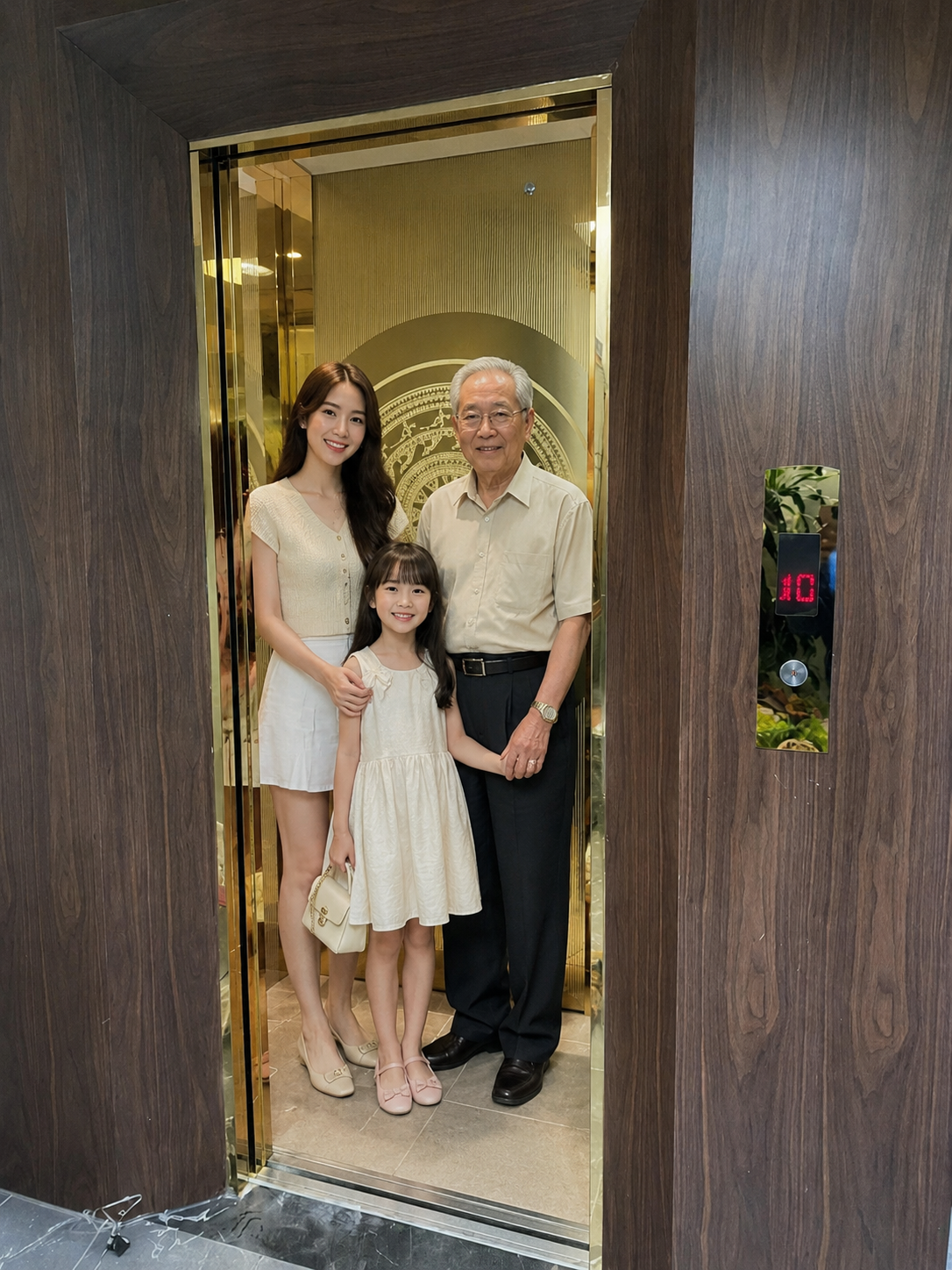
Glass cage elevator prices
Glass Elevator Pricing: An Overview of Structure and Influencing Factors
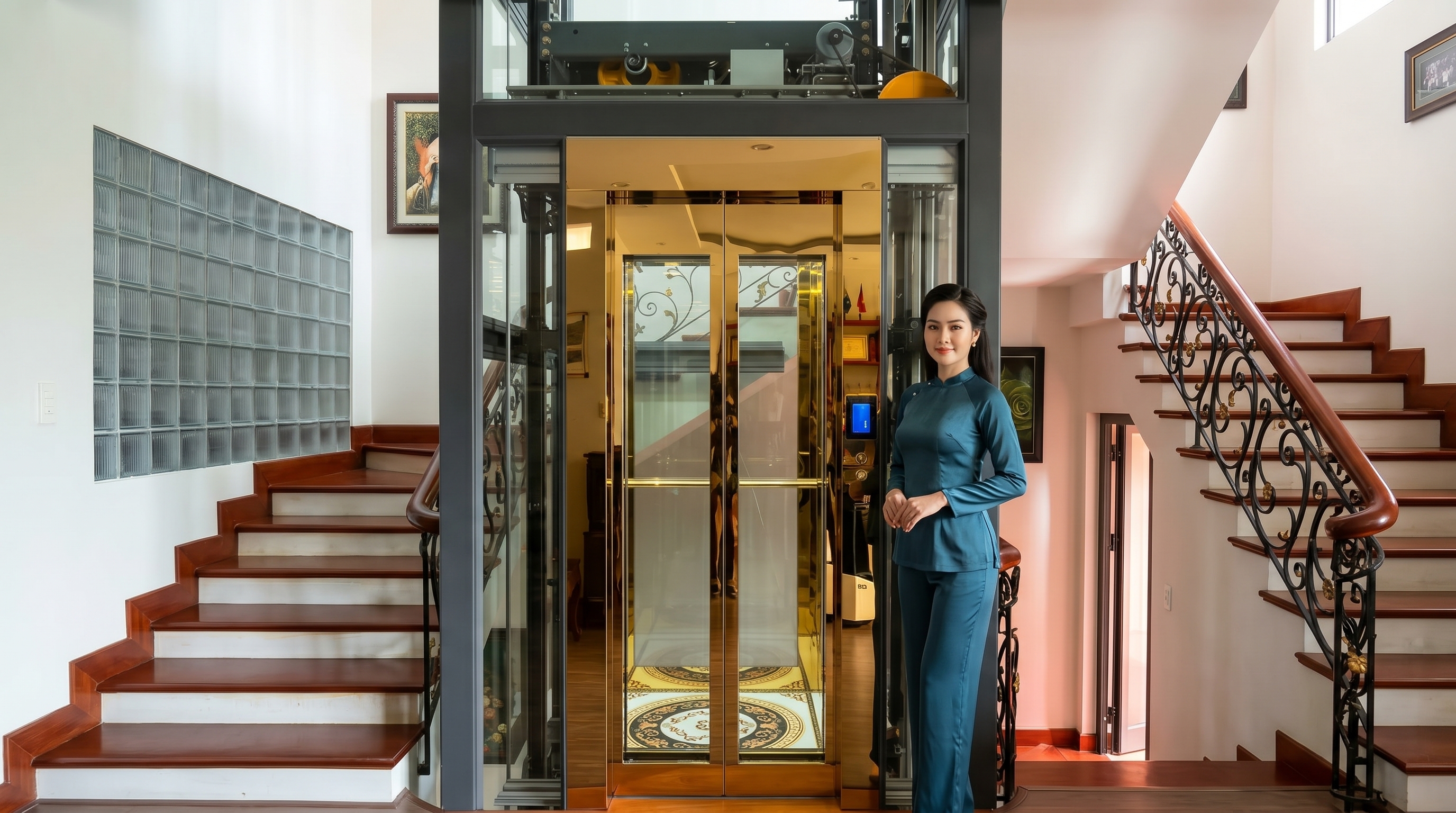
Glass-enclosed elevators are one of the most popular types of elevators in modern architecture due to their high aesthetic appeal and ability to create an open space, allowing users to observe the outside while traveling. The price of a glass-enclosed elevator depends on many technical factors and materials, with the steel frame and the glass cladding on the outside being the two most important components determining the investment cost.
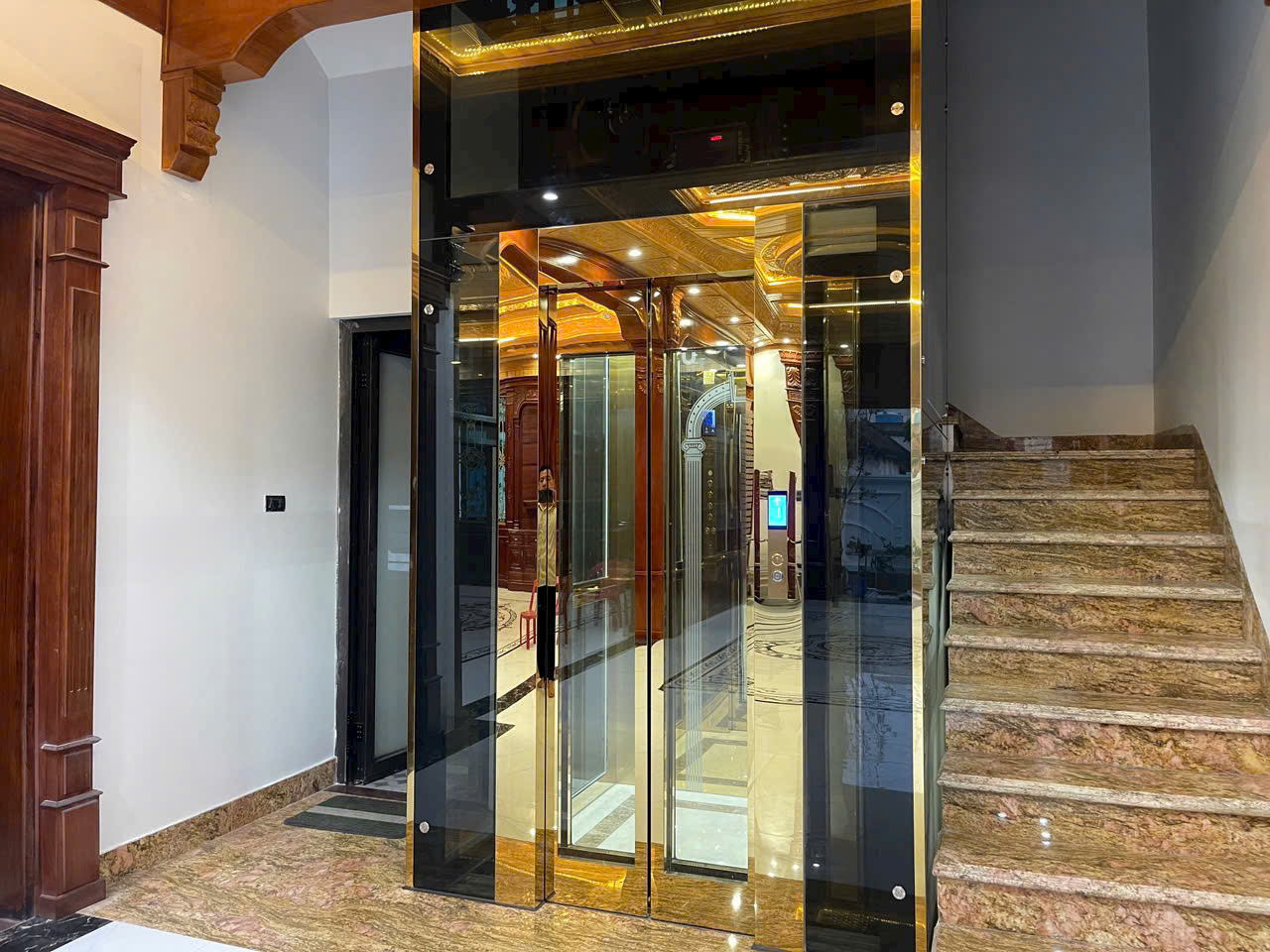
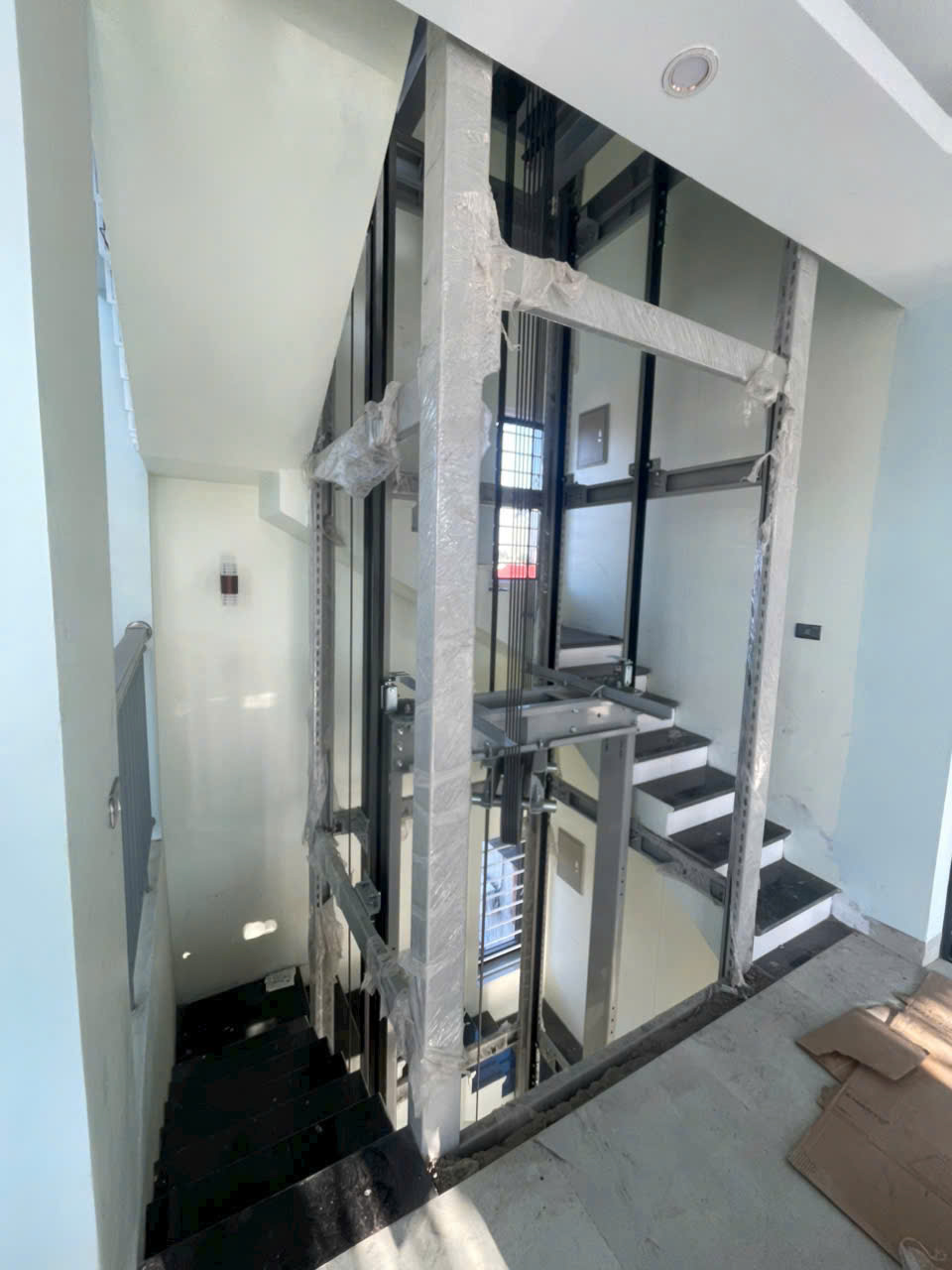
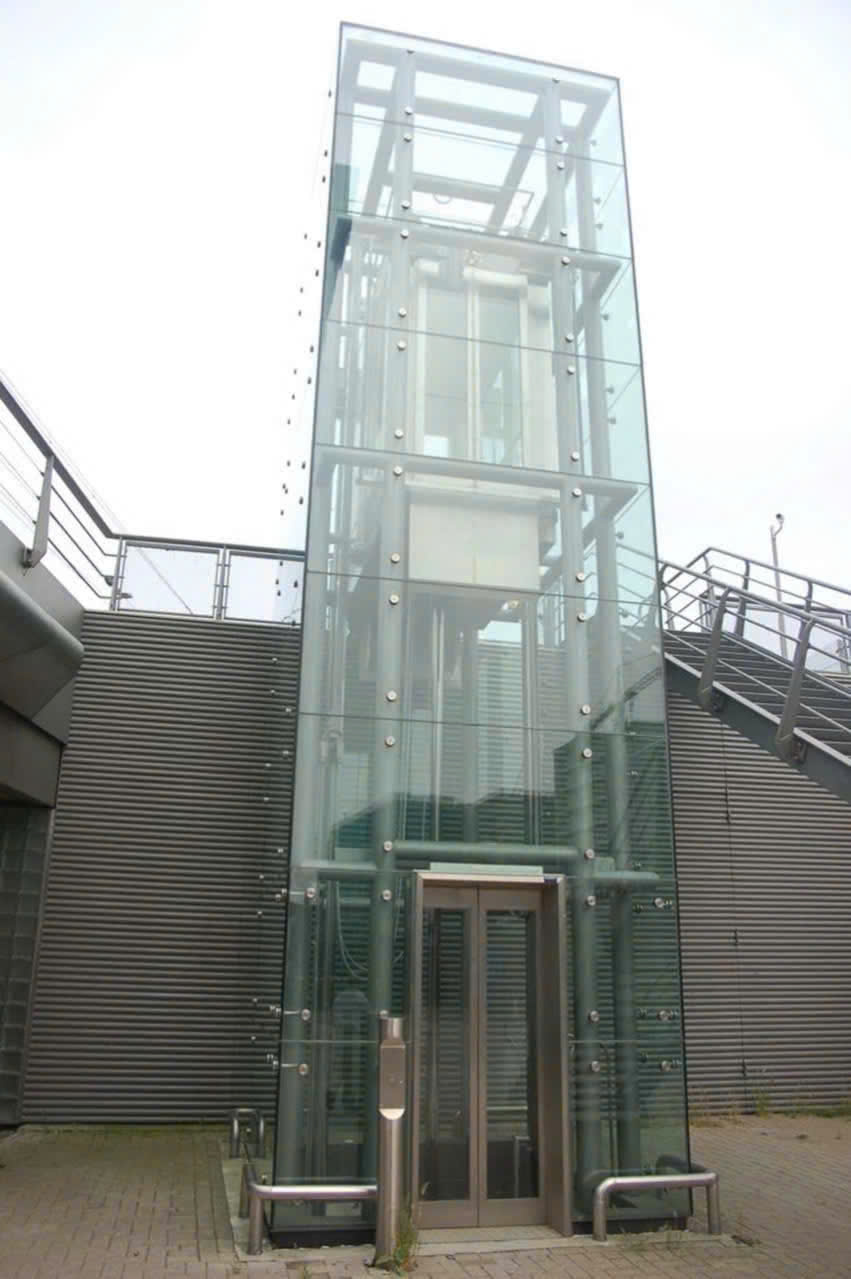
The steel frame of a glass-enclosed elevator is typically constructed from high-strength steel, offering corrosion resistance and the ability to withstand heavy loads. The use of a steel frame not only ensures safety but also provides structural stability to the entire elevator. Furthermore, the glass cladding on the exterior of the steel frame enhances aesthetics and protects it from environmental factors such as rain, wind, and dust.
Detailed Analysis of Components and Their Impact on Cost
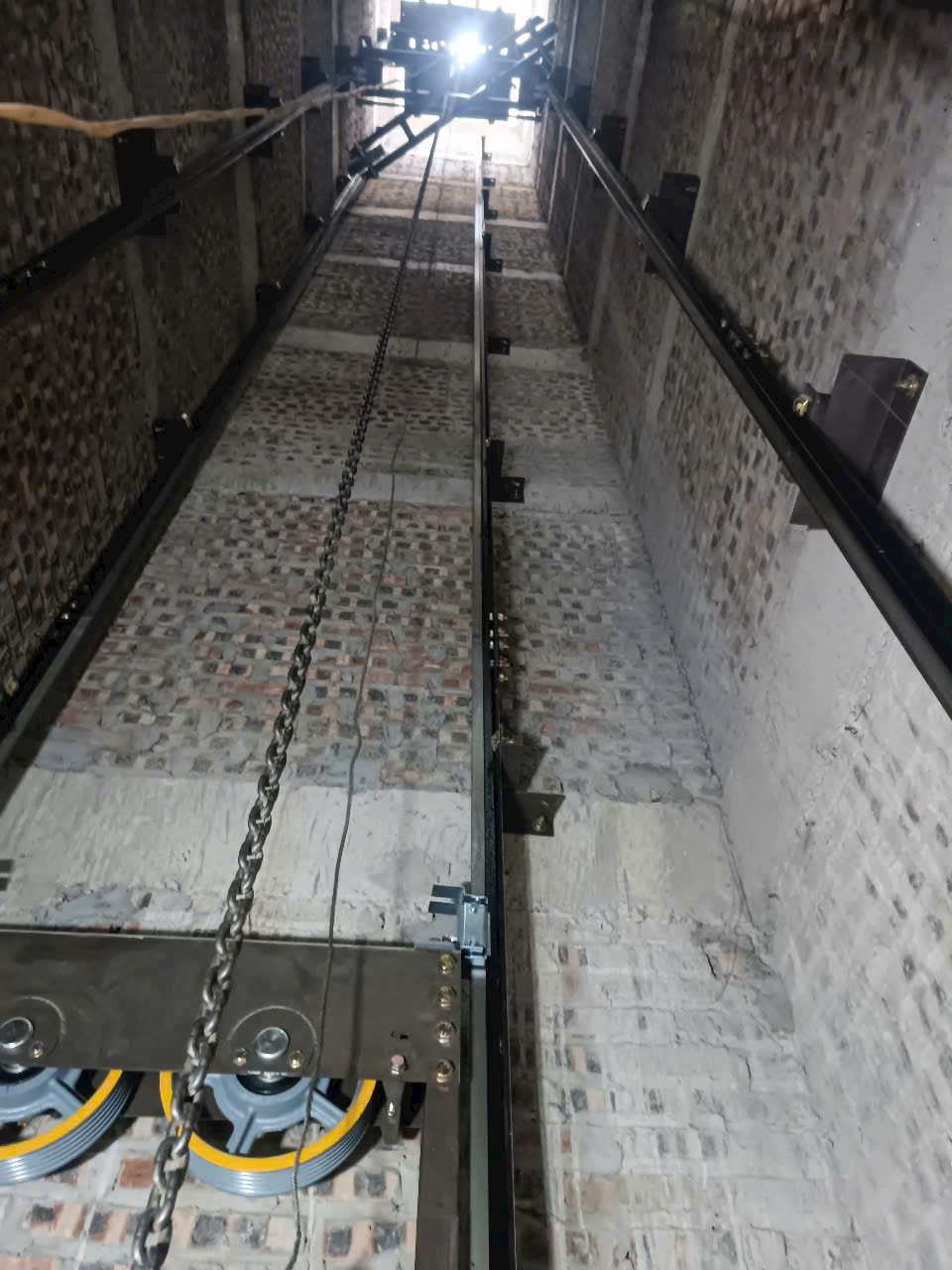
Glass-enclosed elevators are primarily constructed from a steel frame and glass cladding, each component playing a crucial role and significantly impacting the cost. The steel frame is the main load-bearing component, using high-grade alloy or carbon steel with a rigorous manufacturing process including cutting, welding, and surface treatment to ensure durability and resistance to oxidation. The cost of the steel frame accounts for a large proportion of the total price due to its size and complex design.
Glass cladding not only provides protection but also enhances aesthetics, using types of glass such as tempered glass, laminated safety glass, or reflective glass. Installation techniques require high precision, combining specialized adhesives and rust-resistant stainless steel fittings to increase durability. The cost of the glass accounts for approximately 20-30% of the total cost, depending on the type and thickness of the glass.
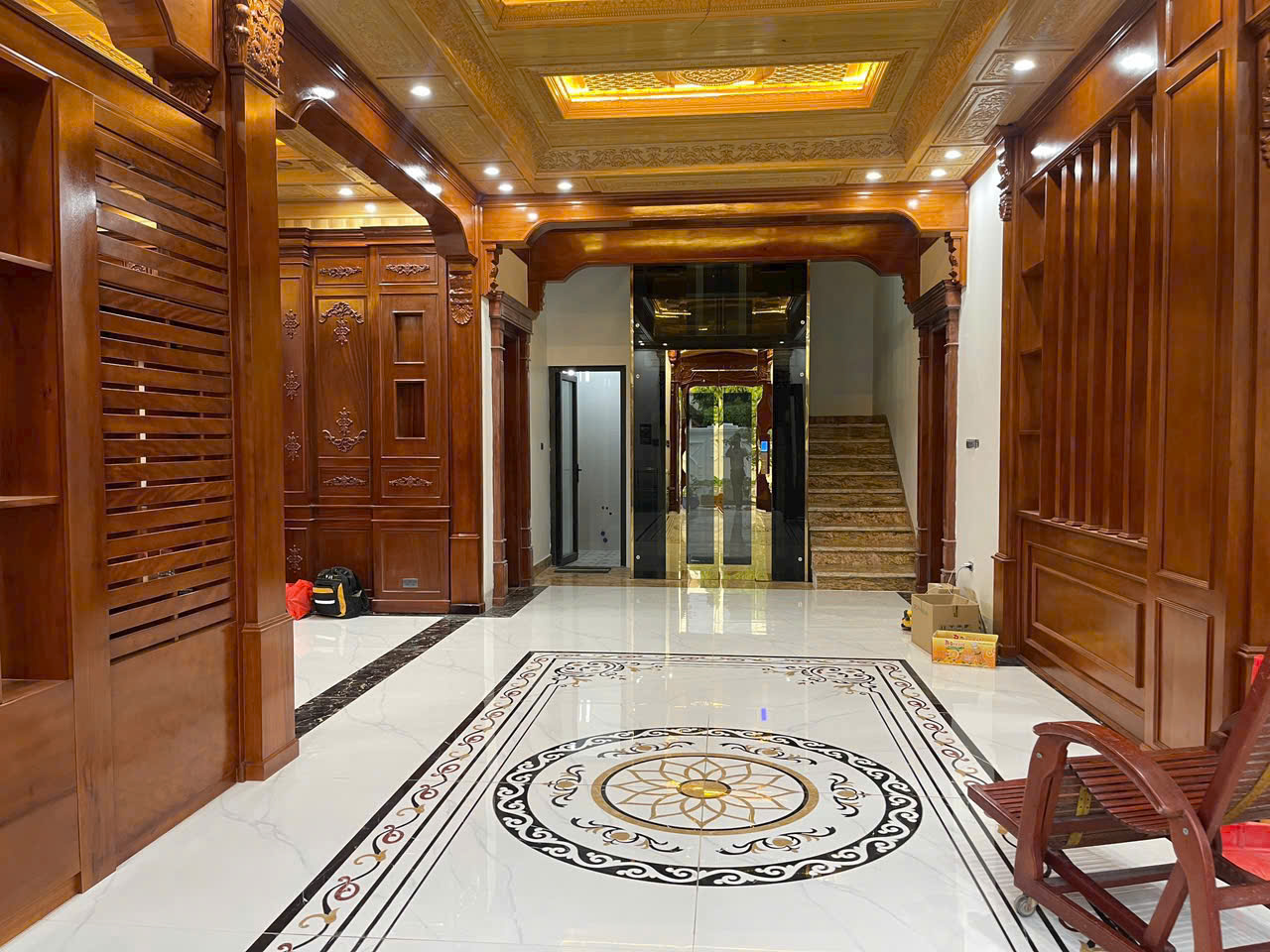
Steel Frames: Quality and Manufacturing Process
The steel frame is the main load-bearing component of a glass-enclosed elevator, therefore the quality of the steel and the manufacturing process directly affect the cost. The steel used is typically high-grade alloy or carbon steel, offering excellent oxidation resistance and strength. The steel frame fabrication process includes cutting, welding, surface treatment, and anti-rust coating; each step requires advanced techniques and modern machinery.
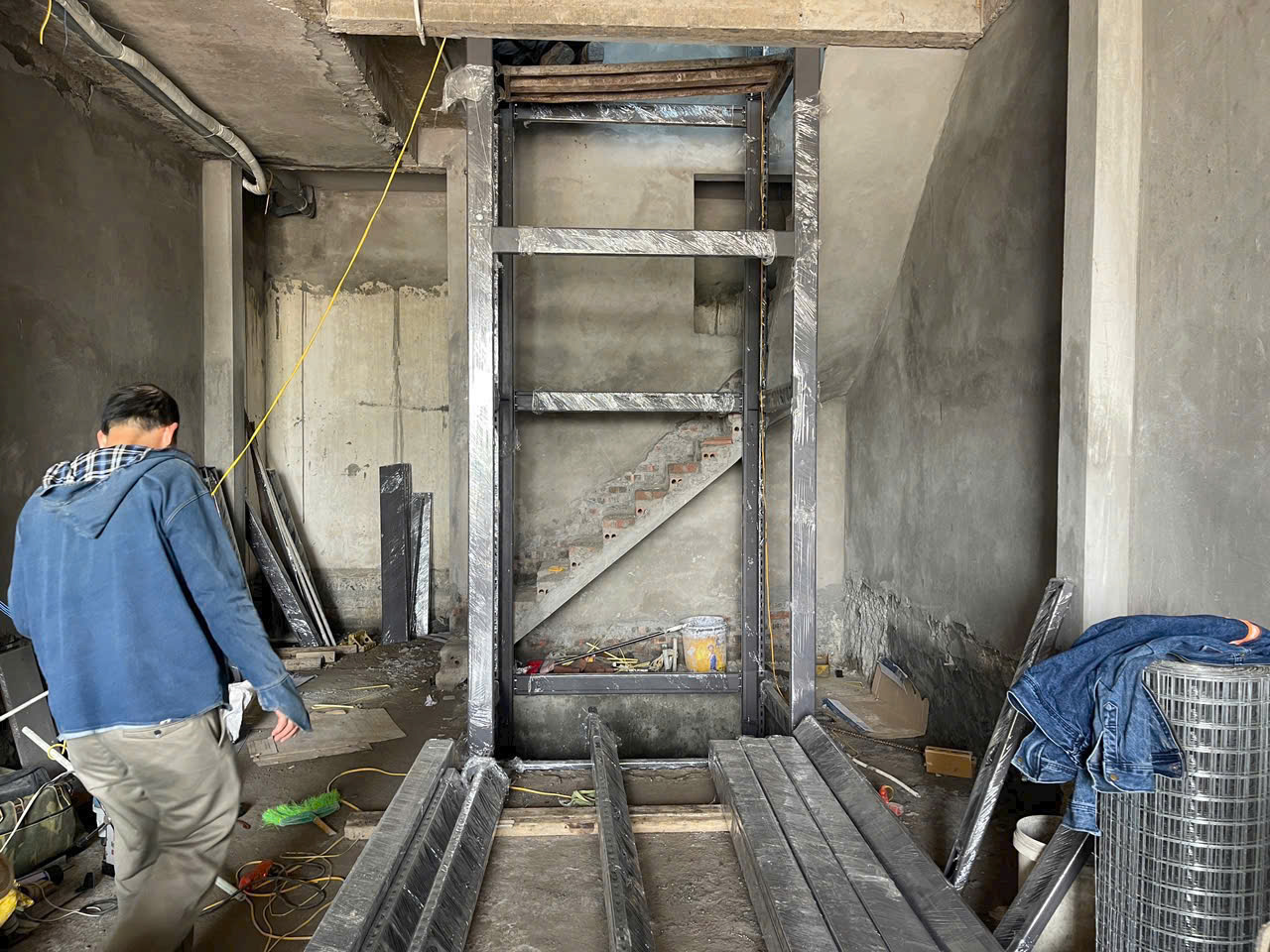
The cost of the steel frame typically accounts for about 40-50% of the total value of a glass-enclosed elevator. In addition, the size and design of the steel frame also affect the price; larger frames or more complex designs will increase production and installation costs.
Steel-Framed Glass Cladding: Glass Types and Installation Techniques
Glass cladding on the exterior of the steel frame not only provides protection but also adds a luxurious look to the elevator. Commonly used types of glass include tempered glass, laminated safety glass, or reflective glass, each with different characteristics and costs.
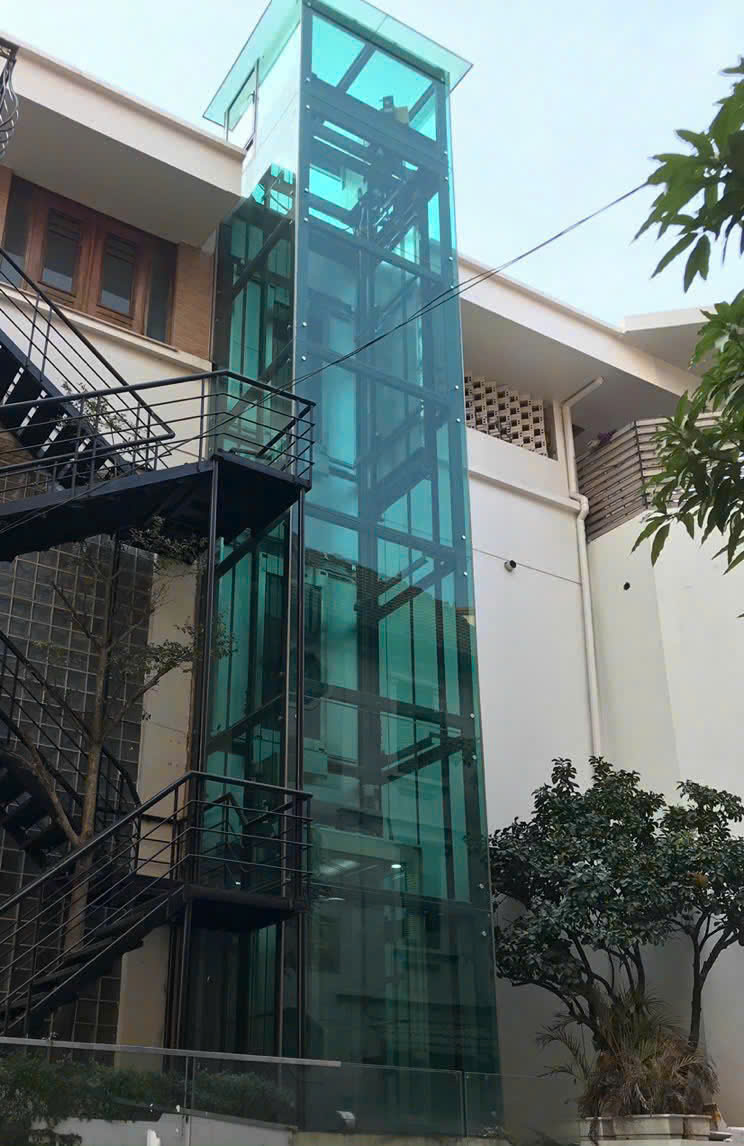
Glass installation techniques are also crucial, requiring high precision and safety to ensure the glass does not crack or break during use. The use of specialized adhesives and rust-resistant stainless steel fittings enhances the durability and aesthetics of the glass cladding.
The cost of glass accounts for approximately 20-30% of the total cost of a glass-enclosed elevator, depending on the type and thickness of glass chosen.
Other Factors Affecting the Price of Glass Elevators
The price of glass-enclosed elevators is influenced by many important factors beyond the basic materials. Size and design play a crucial role; larger elevators or those with more complex designs will increase costs due to the need for more materials and higher construction techniques. The electromechanical system and control technology also contribute significantly to the price. Components such as motors, controllers, safety sensors, along with modern technologies like intelligent control and energy-saving systems, not only increase costs but also enhance user convenience and safety. Careful consideration is needed when selecting these elements to ensure economic efficiency and quality of use.
Elevator Design and Dimensions
The size of a glass-enclosed elevator is one of the important factors affecting the cost. Larger elevators require more materials, thus increasing the cost of the steel frame and glass. In addition, the elevator design also determines the complexity of construction and installation; for example, elevators with many angles or unusual shapes will require more advanced fabrication techniques.
Electromechanical Systems and Control Technology
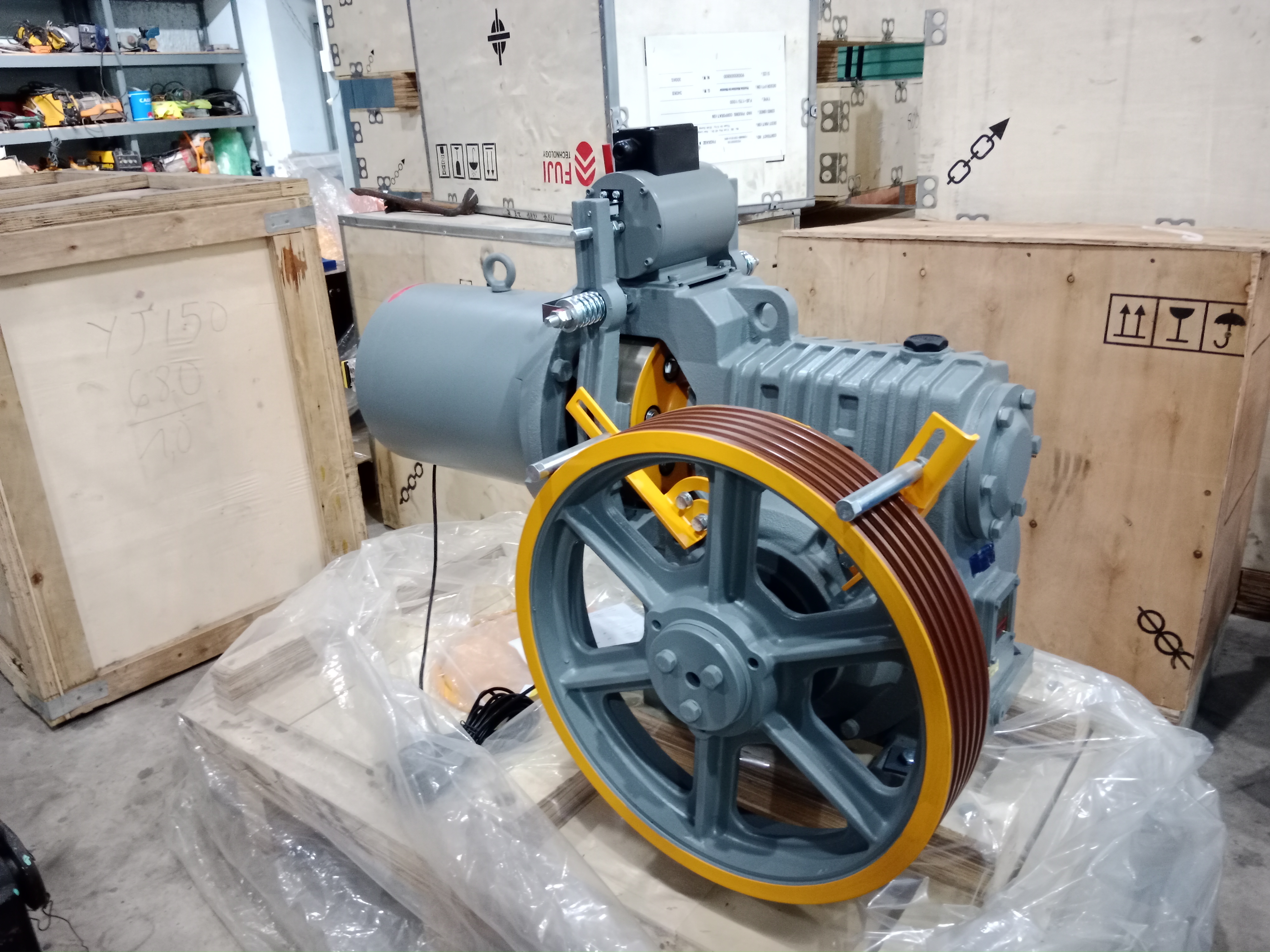
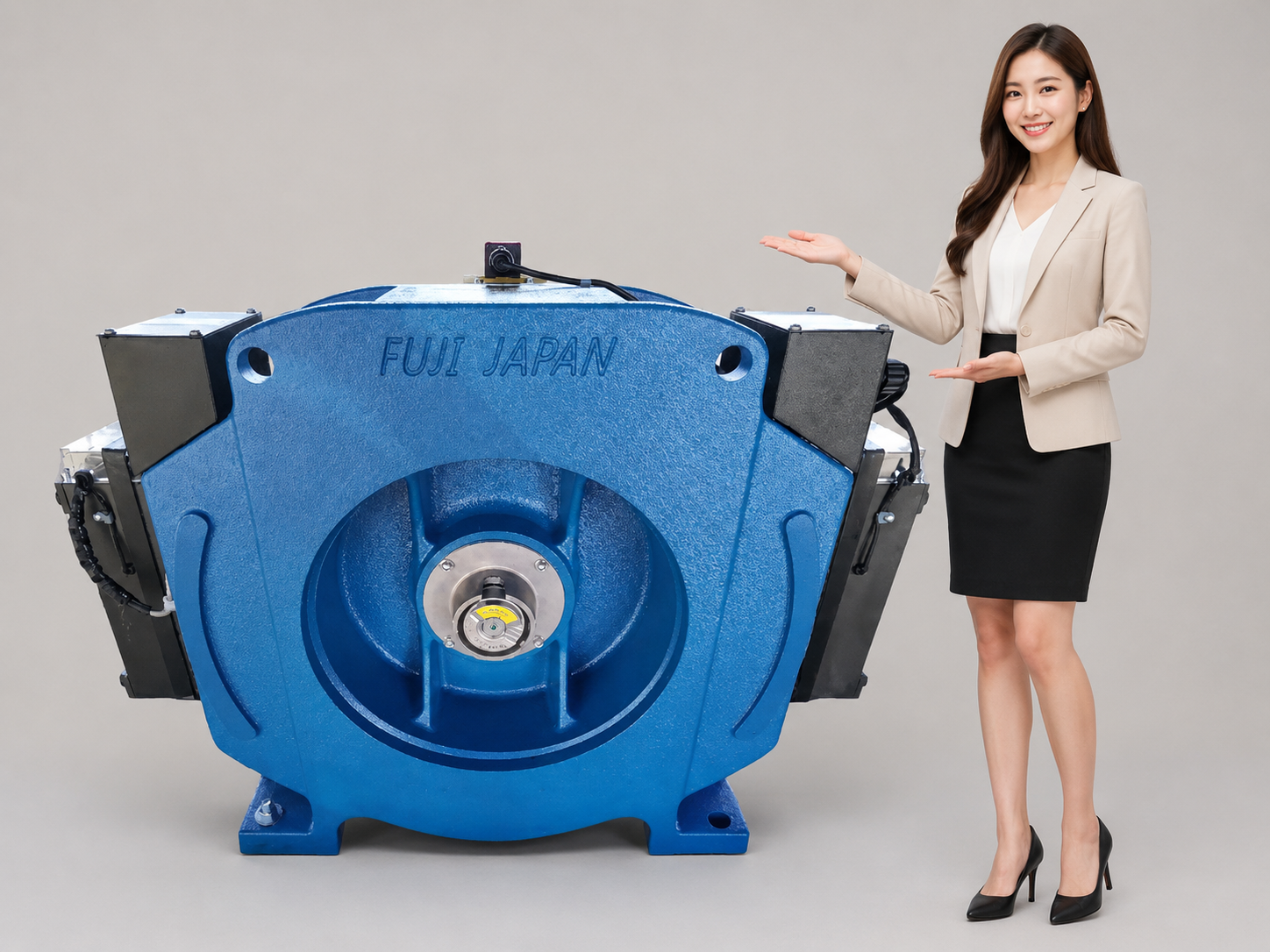
The cost of a glass-enclosed elevator includes not only the frame and glass but also the electromechanical system and control technology. Components such as motors, controllers, safety sensors, lighting, and ventilation systems all affect the total cost. Modern technologies such as intelligent control, energy saving features, or anti-jamming systems will increase the price but simultaneously enhance the user experience and safety.
Estimated Cost of Glass Elevator and Suitable Options
To get an overview of the price of glass-enclosed elevators, you can refer to the average price based on the following factors:
- Steel frame: from 150 million to 300 million VND depending on size and steel quality.
- Steel-framed glass cladding: from 80 million to 150 million VND, depending on the type of glass and installation technique.
- Electromechanical and control systems: from 100 million to 250 million VND, depending on the technology and brand of equipment.
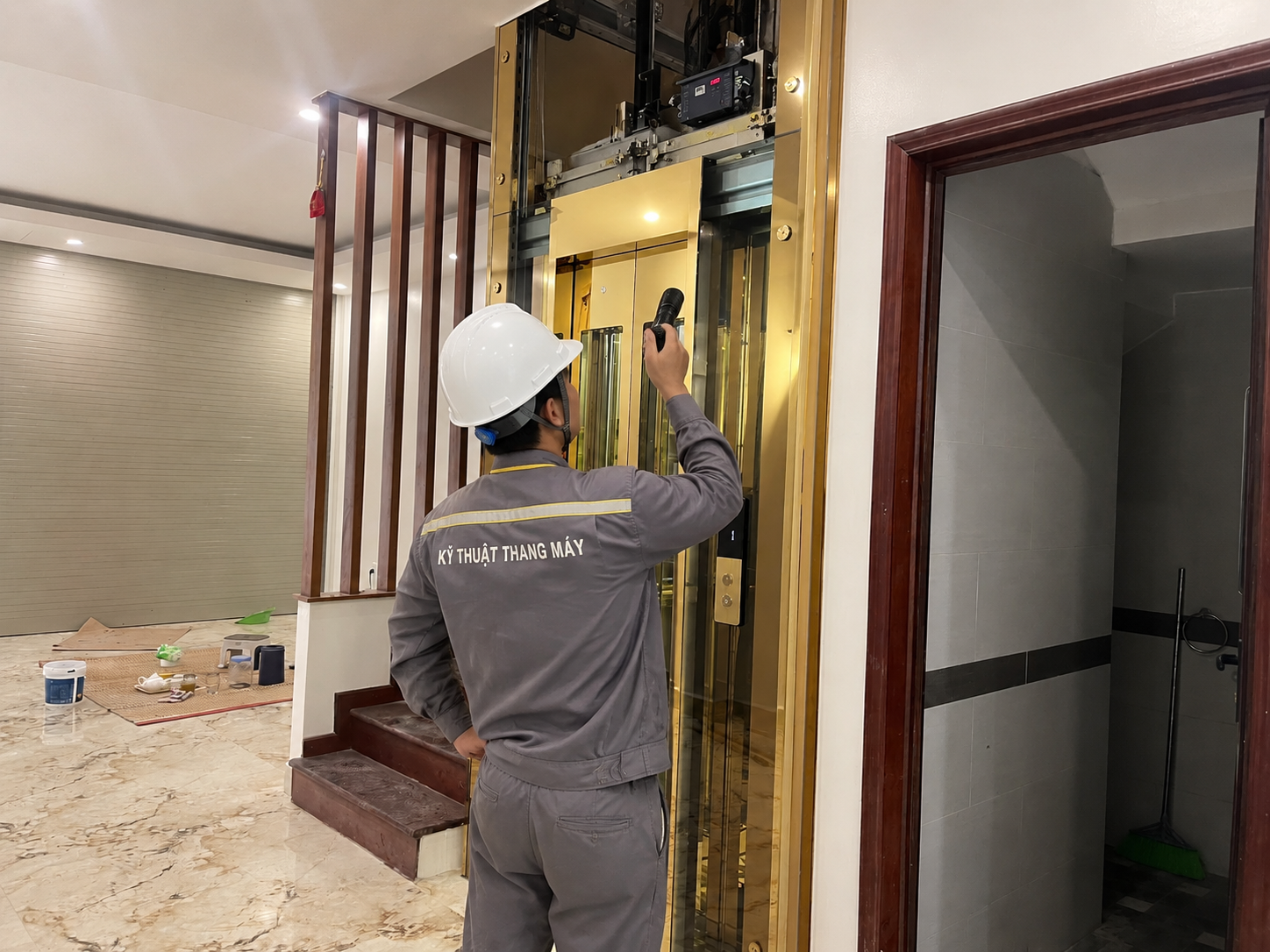
- Installation and finishing costs: from 50 million to 100 million VND, including labor and auxiliary materials.
The total cost of a glass-enclosed elevator typically ranges from 380 million to 800 million VND for a standard elevator. However, this price can vary depending on design requirements, materials used, and additional features.
Choosing a reputable supplier with experience in the field of glass elevators is also a crucial factor in optimizing costs and ensuring product quality. In addition, attention should be paid to maintenance and warranty services to maintain the performance and durability of the elevator during use.