

Elegant, Safe, and Durable Elevator Glass Installation Solutions
The process of installing elevator cabin glass is technically sound, safe, and aesthetically pleasing.
Overview of elevator glass installation in modern buildings
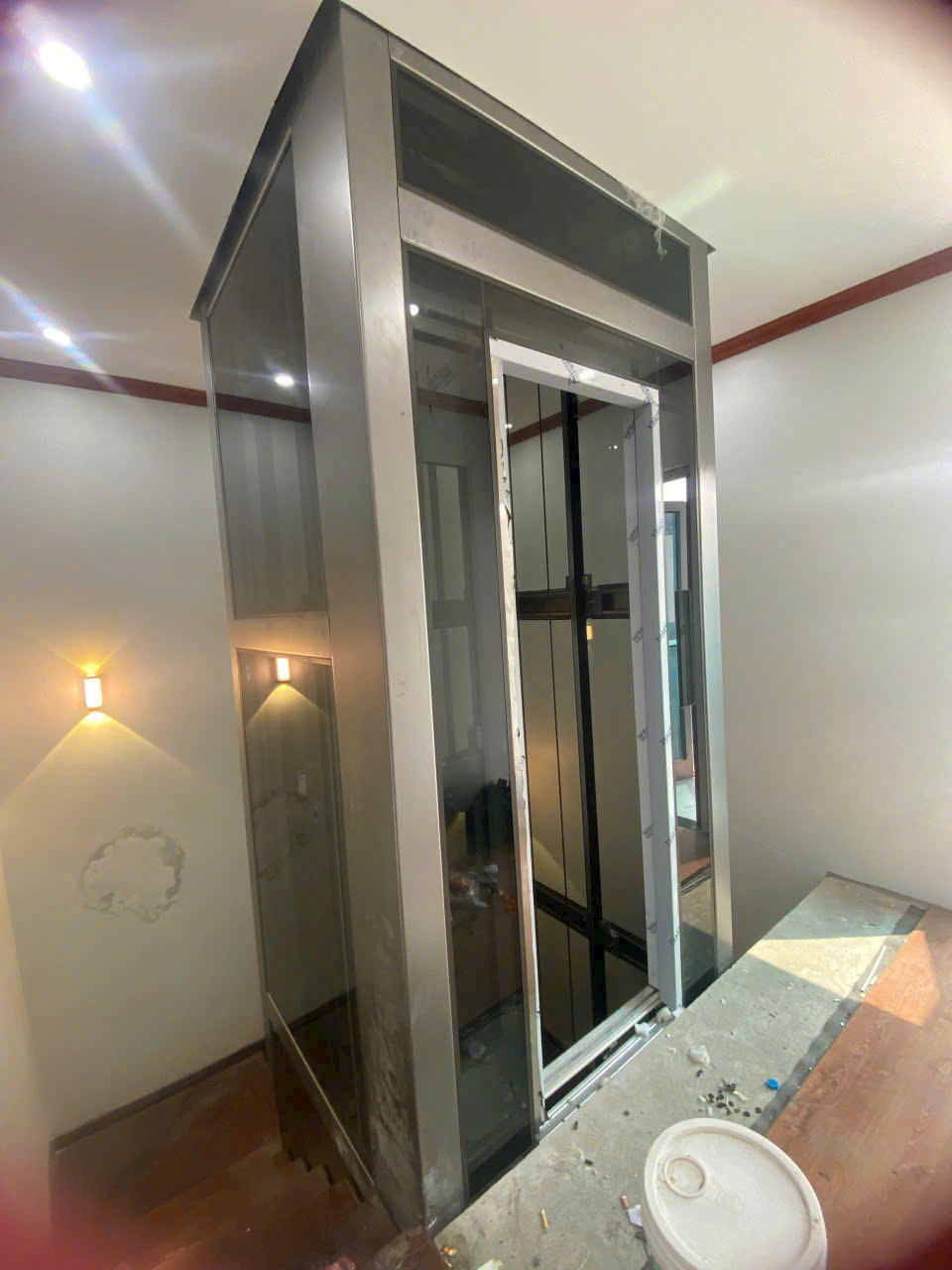
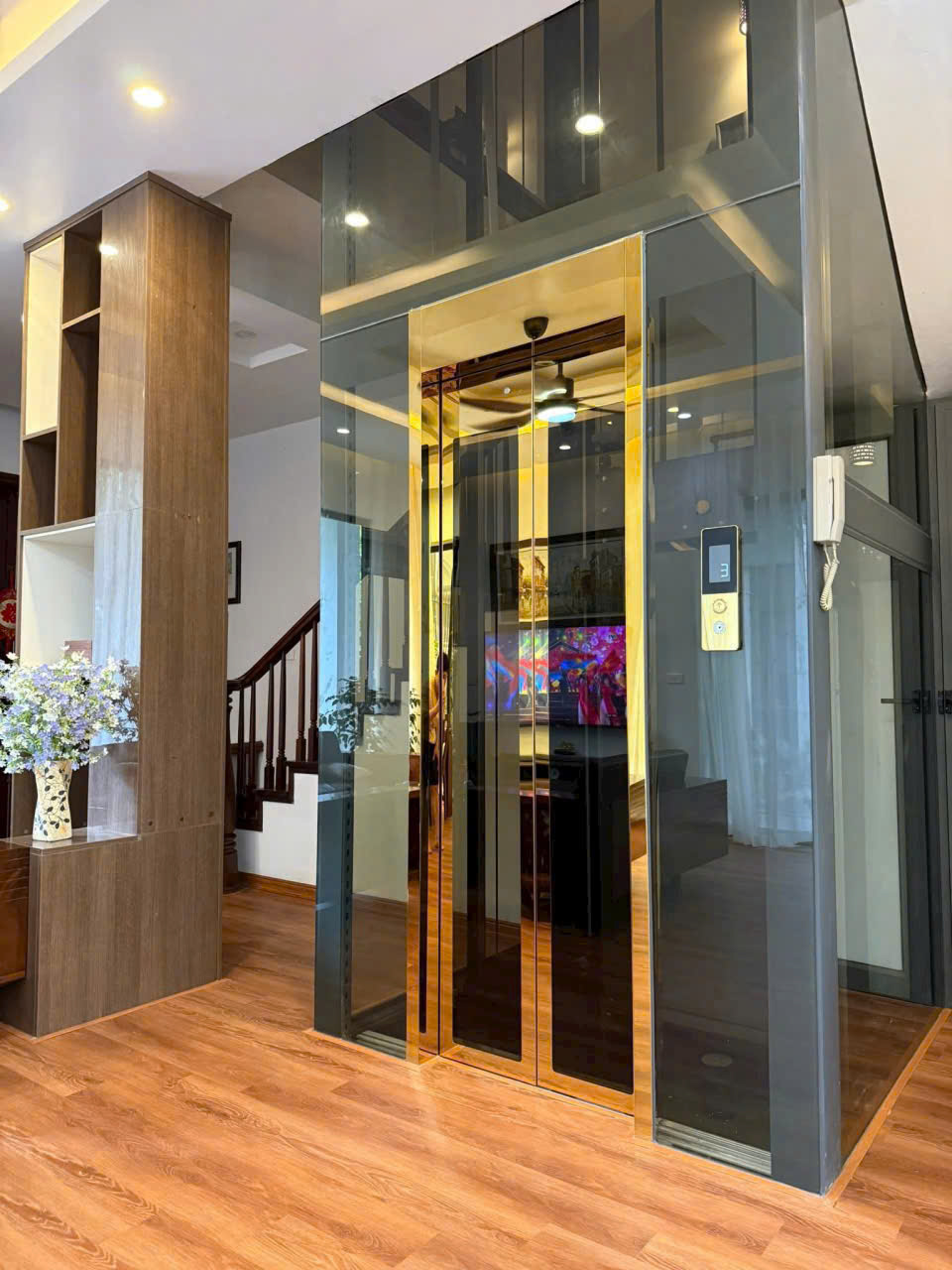
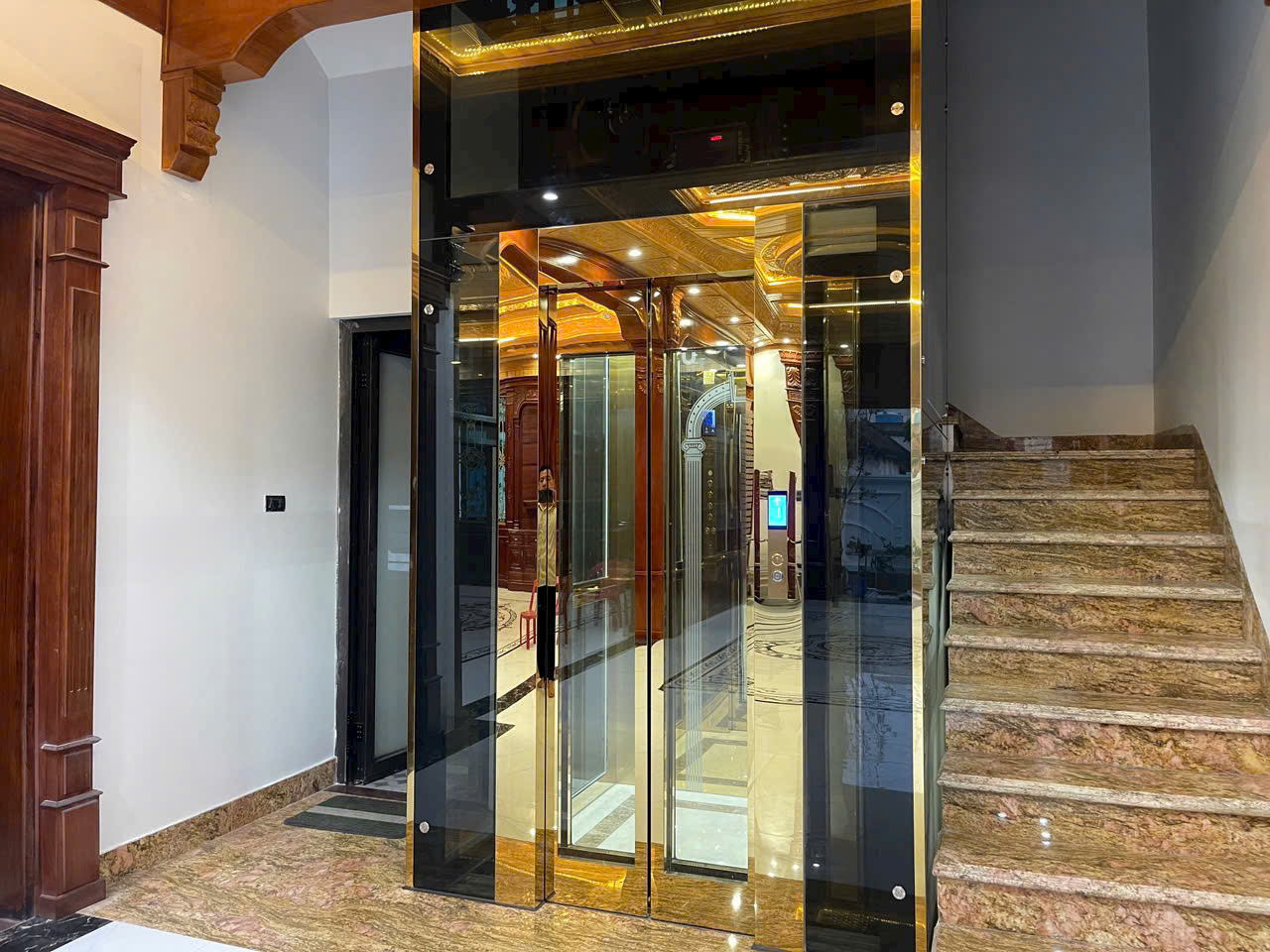
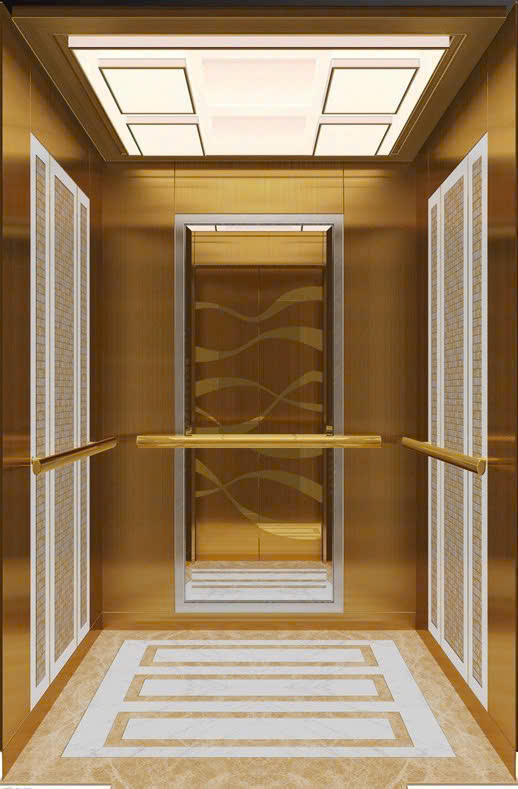
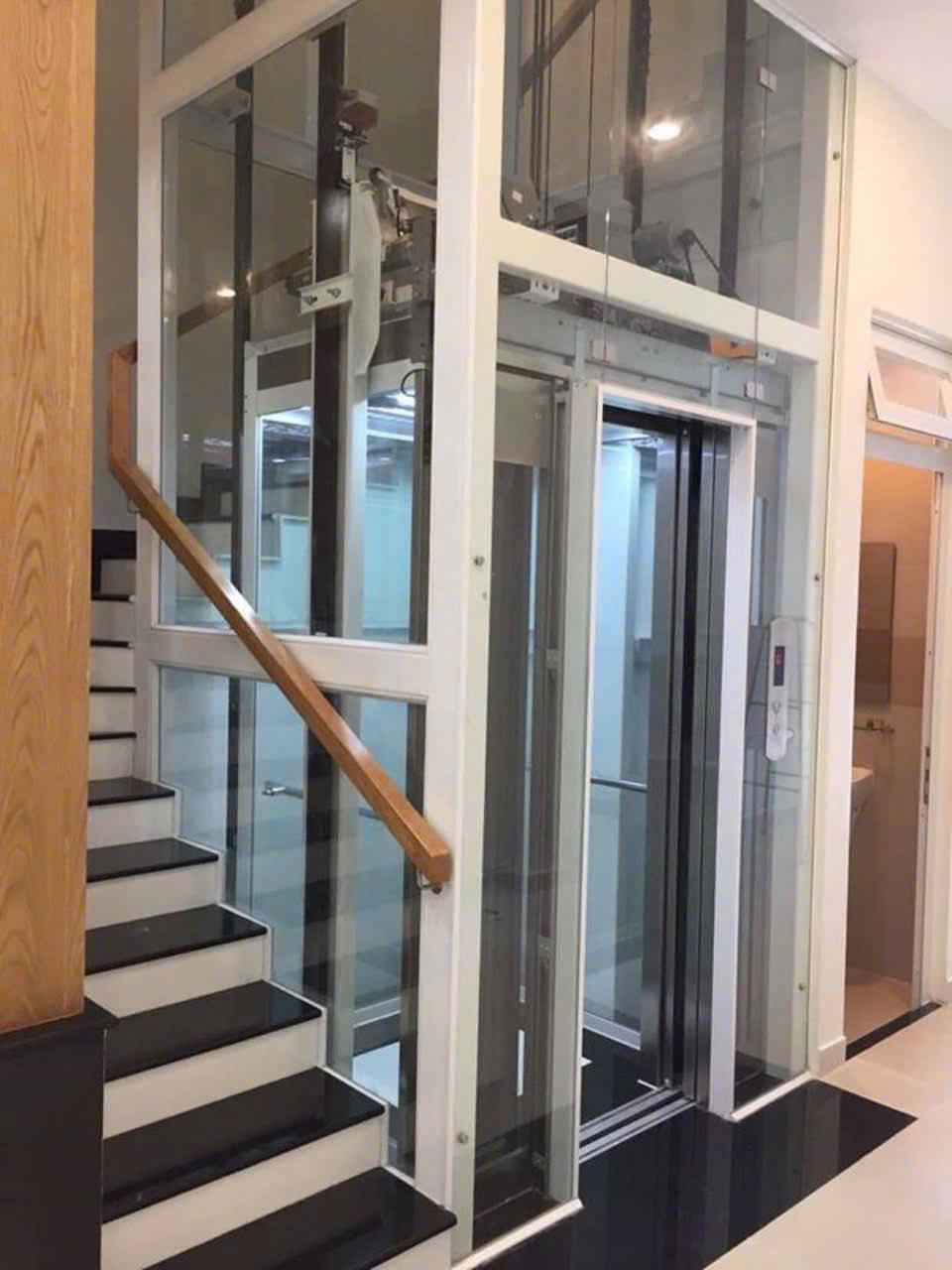
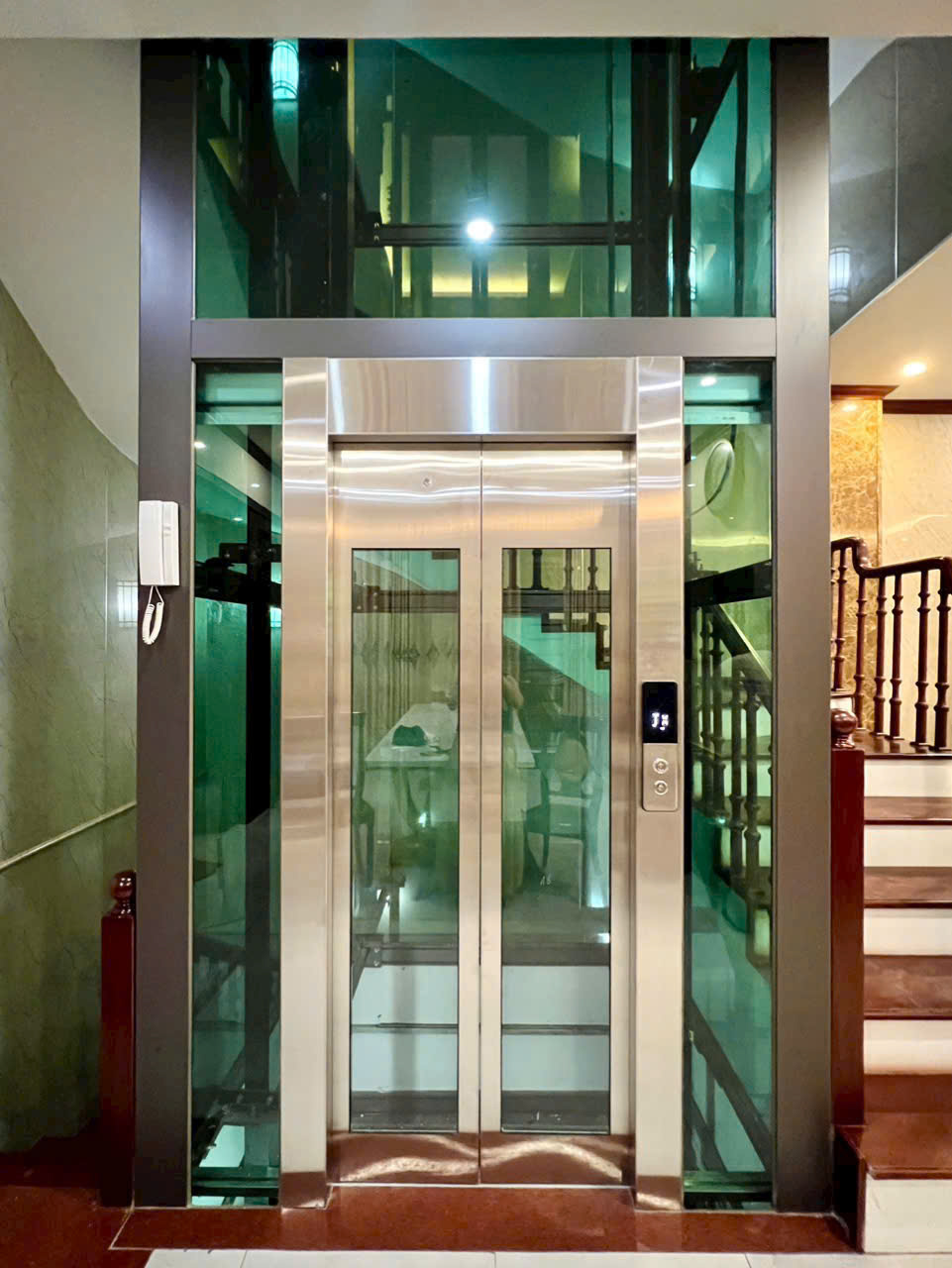
Installing glass elevators is a crucial aspect that directly impacts the safety, durability, and aesthetics of the elevator system, especially in townhouses, villas, hotels, and shopping malls. Glass cabins and elevator shafts create a spacious and airy environment, maximize natural light, and add a touch of high-end architectural elegance. To meet standards, the construction process must strictly adhere to technical specifications, fire safety standards, and regulations regarding load capacity and vibration.
In reality, installing elevator cabin glass is not simply a matter of attaching the glass to the frame, but a series of steps: surveying, designing, calculating the structure, selecting the type of glass and accessories, construction and installation, and inspection and acceptance. Each step has specific technical parameters such as glass thickness, type of glass (tempered glass, laminated safety glass, double-glazed glass), method of connection to the steel or concrete frame, vibration damping, noise reduction, and waterproofing. A construction company with in-depth expertise will help optimize costs while ensuring long-term safety for users.
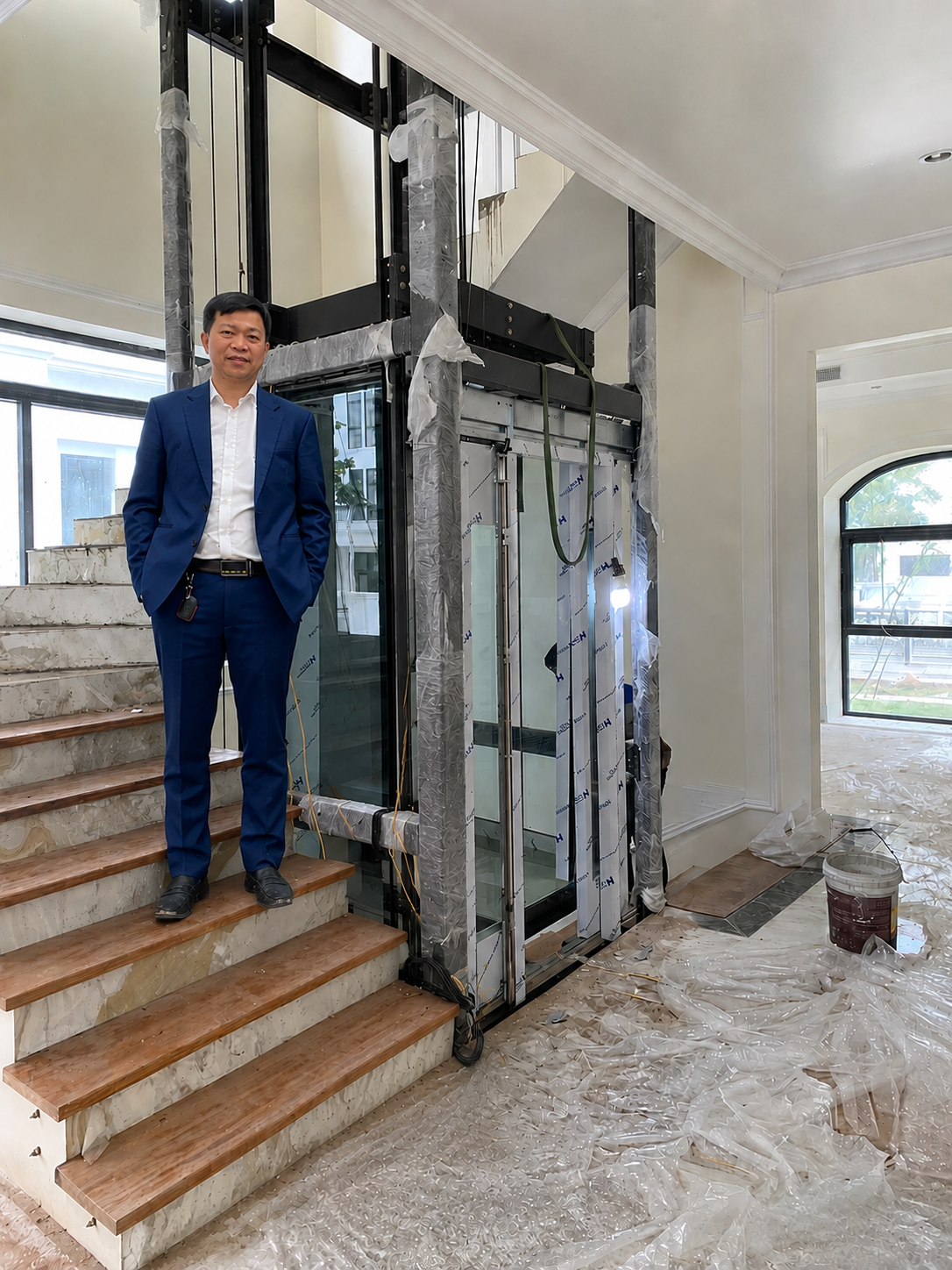
Technical standards for installing elevator cabin glass.
To install elevator glass that meets standards, it is necessary to simultaneously comply with standards for mechanical engineering, building glass, and elevator operational safety. The glass cabin and elevator shaft must withstand wind loads, vibrations during operation, accidental impacts, and temperature variations. Choosing the wrong type of glass or improper installation techniques can lead to cracking, misalignment, endangering users and reducing the lifespan of the equipment.
Structurally, glass elevator cabins typically use a steel or stainless steel frame as the load-bearing structure, with the glass serving only as a covering and providing visibility. However, in many projects, the glass elevator shaft is partially integrated into the structural system, so engineers must carefully calculate the thickness, dimensions of the panels, the position of the supports, and the expansion gaps. The connections between the glass and the frame must use specialized fittings with certifications for load-bearing capacity, corrosion resistance, and suitability for humid environments and continuous vibration.
Requirements regarding glass type and thickness.
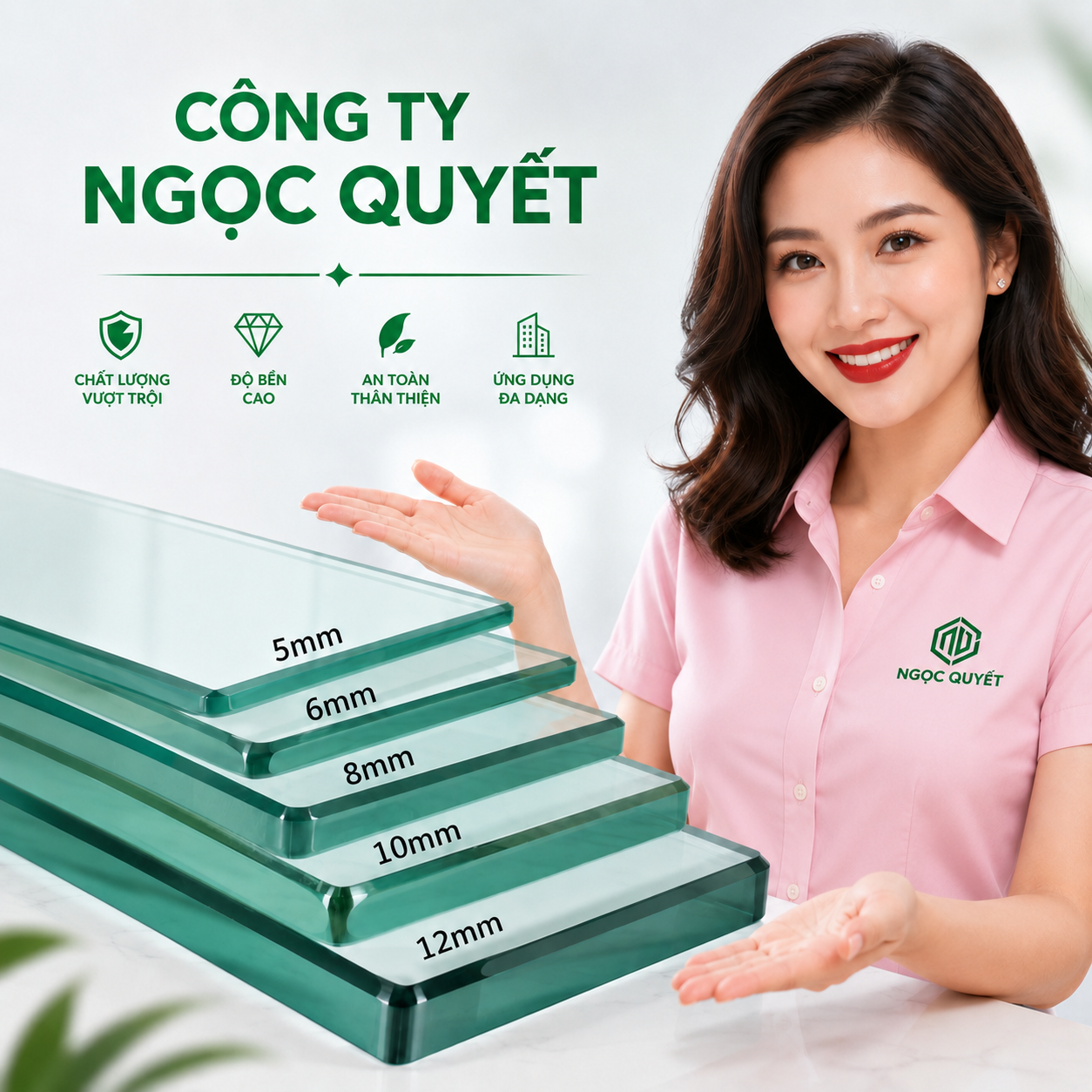
When designing and installing elevator cabin glass , the type and thickness of the glass are crucial factors determining safety. Typically, the following configurations are used:
- 10–12mm thick tempered glass is used for indoor elevator cabins, which are less susceptible to wind impact and have low impact load capacity.
- Double-layered laminated safety glass (5+5mm, 6+6mm, or 8+8mm) is used for outdoor elevator shafts and areas with a risk of impact, requiring shatter resistance in case of breakage.
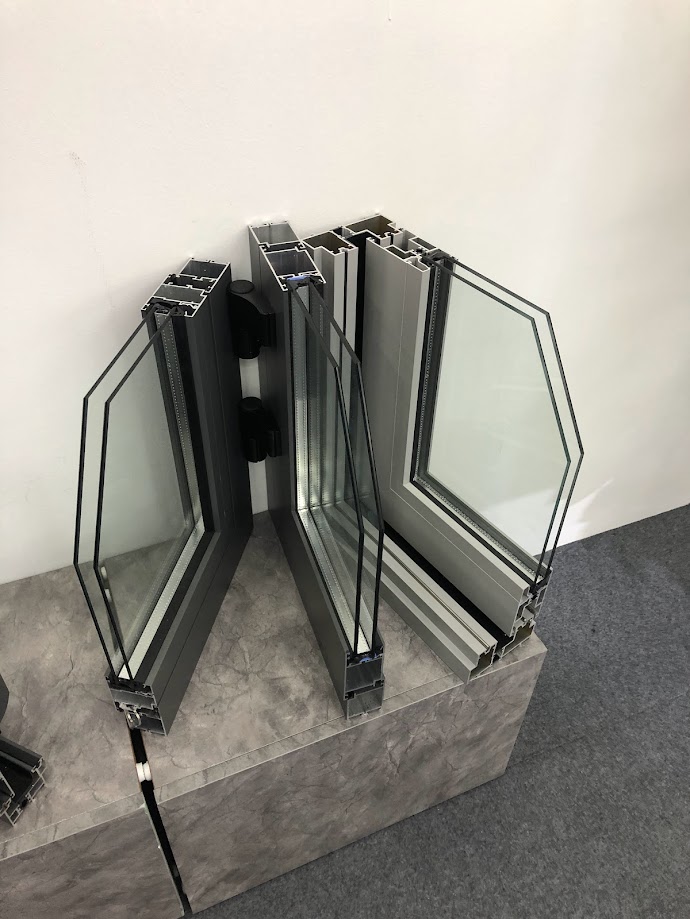
- Insulated double-glazed windows (tempered glass or laminated glass combination) are used for large glass facades requiring good thermal and sound insulation, and to reduce condensation.
The glass thickness must be calculated based on the floor height, the distance between supports, the design wind load, and the safety requirements of each building. Glass used for elevators must be of high quality, certified, with a flat surface, free from warping, air bubbles, and impurities that reduce its load-bearing capacity.
SOUNDPROOF DOUBLE-LAYER GLASS
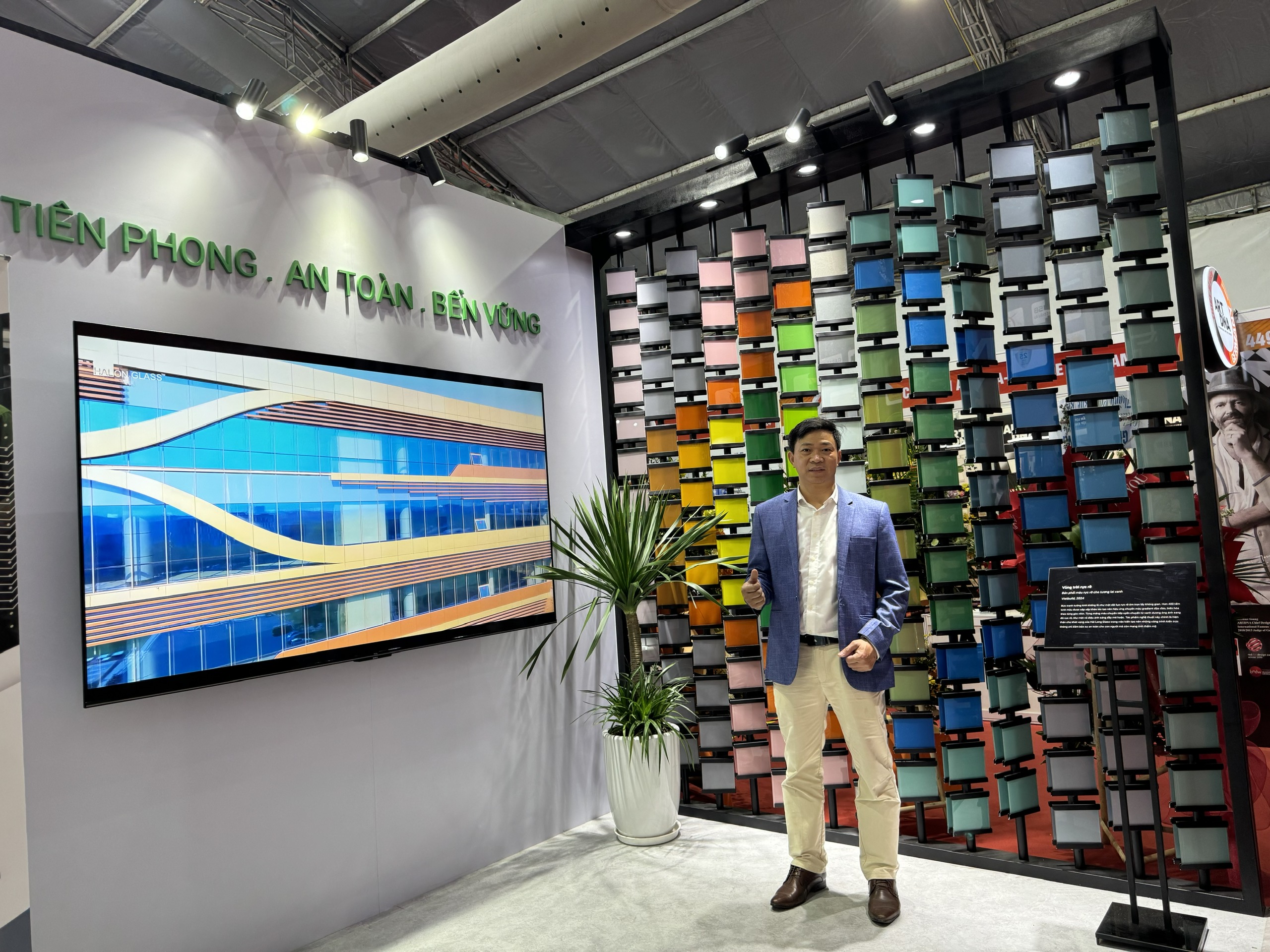
Painted glass
Safety, vibration, and noise reduction standards.
During elevator glass installation , controlling vibration and noise is a key indicator of the contractor's expertise. The elevator cabin and shaft are sources of significant vibration: cabin movement, traction machine operation, and guide rail friction. If not properly managed, the glass can produce noise and rattle, causing discomfort to users and loosening the connections over time.
Commonly applied technical solutions include:
- Use EPDM rubber gaskets or specialized silicone gaskets at the glass-frame contact points to absorb vibrations and avoid rigid contact.
- Properly positioned expansion gaps allow the glass to expand and contract with temperature changes without jamming or cracking at the edges.
- Use high-quality, neutral silicone sealant with good elasticity and stable adhesion in environments with continuous vibration.
- The glass support frame is designed to be sturdy, with appropriate spacing between the supports, preventing the glass from sagging or vibrating during elevator operation.
Detailed step-by-step process for installing elevator cabin glass.
The professional elevator cabin glass installation process always begins with a site survey, followed by technical design, frame fabrication, glass placement, on-site installation, and final acceptance. Each step has clear forms, drawings, and inspection criteria, allowing customers to easily monitor and be confident in the quality of construction.
Surveying, measurement, and engineering design
The survey phase is fundamental to ensuring the entire elevator glass installation process is carried out accurately. Engineers will visit the construction site directly to:
- Measure the dimensions of the elevator shaft, cabin, floor door location, floor height, setback, and technical space.
- Inspect the existing structure: steel frame, concrete beams, floor slabs, perimeter walls, and the load-bearing capacity of anchor points.
- Assess environmental conditions: indoor or outdoor, sun exposure, wind direction, humidity, proximity to the sea or industrial area.
- Discuss with the investor about aesthetic requirements, glass color, transparency level, sound insulation, and thermal insulation capabilities.
Based on the survey data, the design department creates detailed drawings: floor plans, elevations, sections, frame structure drawings, support locations, glass connection diagrams, and accessory lists. These drawings serve as the basis for frame fabrication, ensuring the correct glass dimensions, minimizing on-site cutting and adjustments, and contributing to faster progress and higher accuracy.
Fabricate the frame, prepare the glass and accessories.
After finalizing the design, the construction team proceeds with fabricating the frame and installing the glass according to the agreed-upon dimensions. The frame typically uses galvanized steel box sections, powder-coated steel, or 304 stainless steel, depending on aesthetic requirements and the intended environment. Welds and joints are inspected for strength and flatness, then treated with anti-rust coating and finished with paint.
The glass was custom-made at the factory with the following requirements:
- Cut to the correct size, with tolerances within acceptable limits to ensure accurate assembly.
- Safe grinding and beveling of edges prevents sharp points that could cause danger during transportation and installation.
- I apply a strong or secure adhesive according to the design specifications.
- Drill holes and cut out (if necessary) for hinges, handles, and accessories before tempering the glass.
Accessories such as spiders, glass clamps, mounting plates, expansion screws, gaskets, and silicone sealant must have a clear origin, quality certification, and be suitable for the load capacity and working conditions of the elevator system.
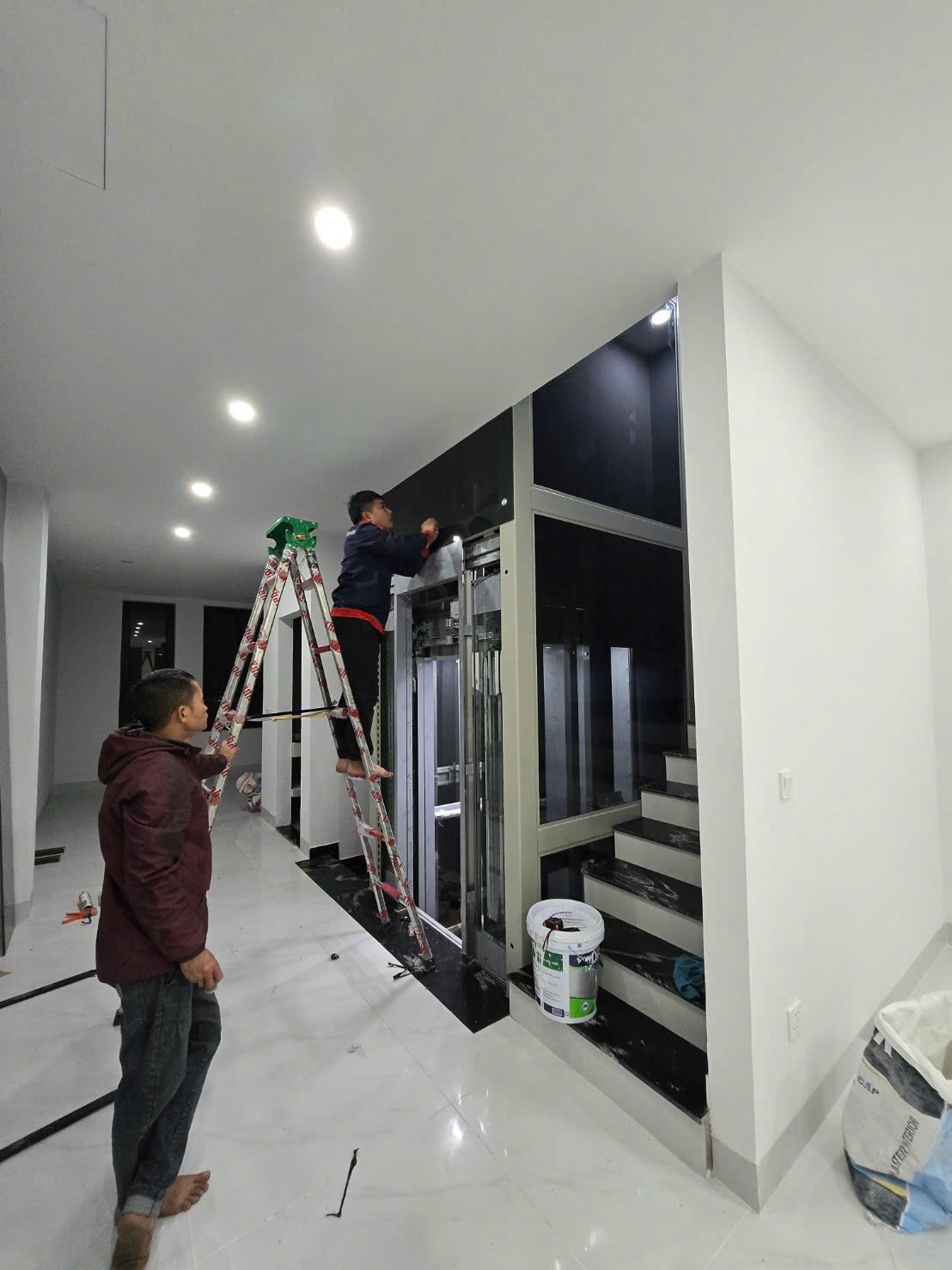
Installation of elevator glass at the construction site.
The installation phase of elevator cabin glass at the construction site requires a team of highly skilled workers who strictly adhere to workplace safety procedures. The basic construction sequence includes:
- Install and align the steel or stainless steel frame according to the drawings, checking for vertical alignment, perpendicularity, and surface flatness.
- Secure the frame to the building structure using base plates and expansion bolts, ensuring sufficient anchoring force without affecting the main load-bearing structure.
- Install gaskets and rubber seals at the glass-frame contact points to reduce vibration, noise, and direct impact.
- Transport the glass to the installation location using specialized lifting equipment, minimizing collisions and scratches.
- Place the glass in the frame, align the gap evenly, and tighten the fittings to the recommended torque, avoiding overtightening which could crack the glass.
- Apply neutral silicone sealant to joints for waterproofing, dustproofing, and aesthetic surface finishing.
Inspection, acceptance testing, and maintenance after elevator glass installation.
After the elevator glass installation is complete , inspection and acceptance testing are mandatory steps to ensure the system operates safely and stably in the long term. The construction company, in coordination with the investor and the elevator supplier, conducts a comprehensive inspection covering everything from structure and aesthetics to actual operational capabilities.
Technical inspection and trial operation
The technical inspection items include:
- The sturdiness of the frame, base plates, anchor bolts, and glass connecting accessories.
- The flatness and vertical alignment of the glass surfaces, the gaps between the glass panels, and the gaps between the glass and the frame.
- Glass surface condition: no cracks, no chipped edges, no deep scratches, no internal air bubbles.
- The tightness of the gaskets and silicone sealant, and the waterproofing ability at the joints.
During elevator trial operation, technicians observe vibrations, noise, and glass stability as the cabin moves at various speeds and load conditions. If any unusual noises or vibrations are detected, the supports, seals, and accessories must be adjusted immediately to ensure absolute safety.
Regular maintenance and usage instructions
To ensure the elevator glass system remains durable, aesthetically pleasing, and safe, regular maintenance should be performed alongside elevator maintenance. Maintenance work includes:
- Clean the glass surface with a specialized cleaning solution, avoiding corrosive chemicals and hard materials that could cause scratches.
- Inspect and tighten all bolts, screws, and connecting accessories after a period of operation.
- Assess the condition of gaskets and silicone sealant, and replace them if there are signs of aging, peeling, or cracking.
- Observe for any cracks or chips (if present) and address them promptly to prevent them from spreading and causing safety hazards.
When using the glass, avoid strong impacts to the surface, do not attempt to disassemble accessories, and do not drill or cut into the tempered glass. Any technical interventions related to the glass system and support frame must be carried out by a professional unit, with measures in place to ensure the safety of people and property throughout the operation.