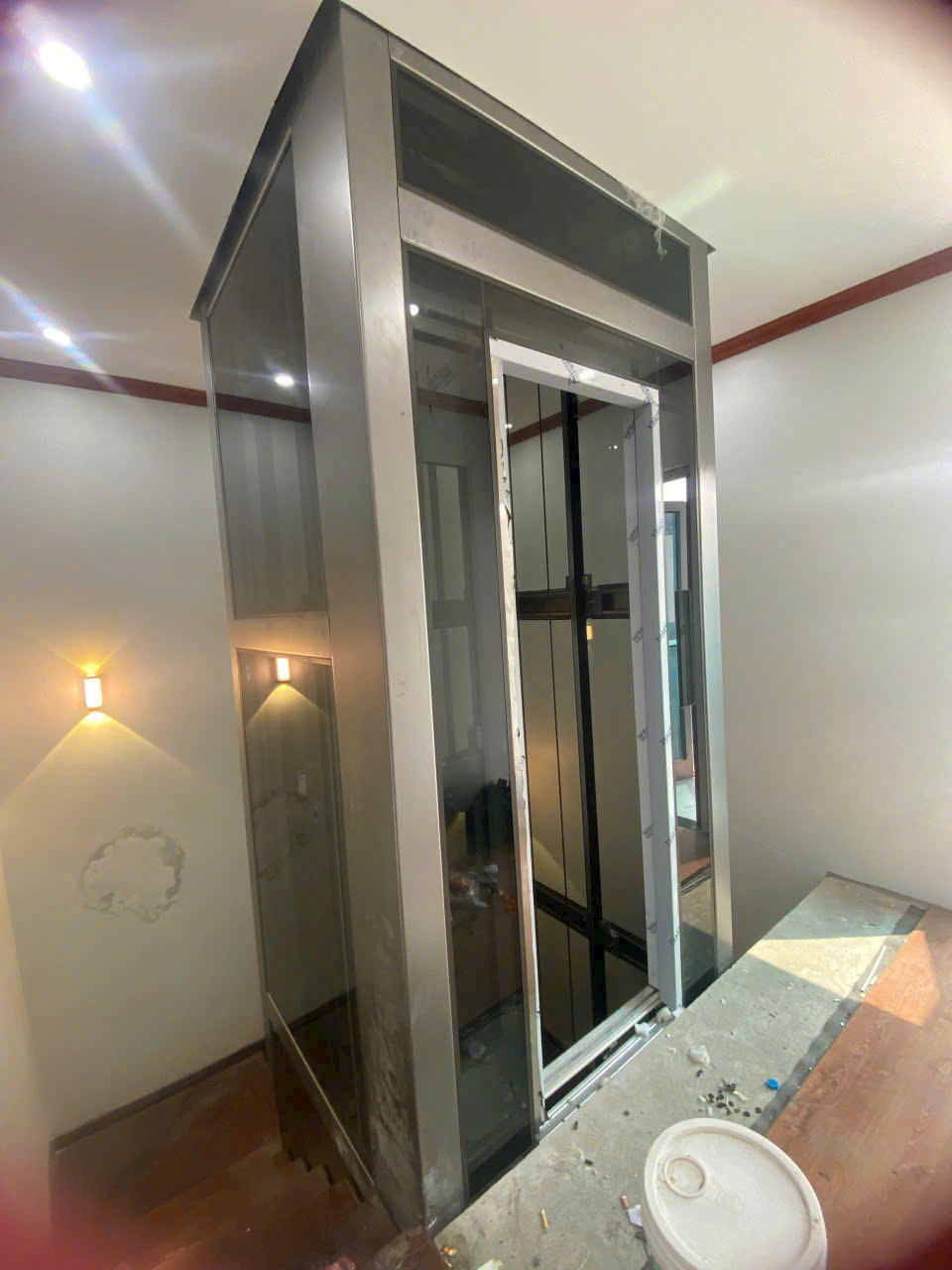
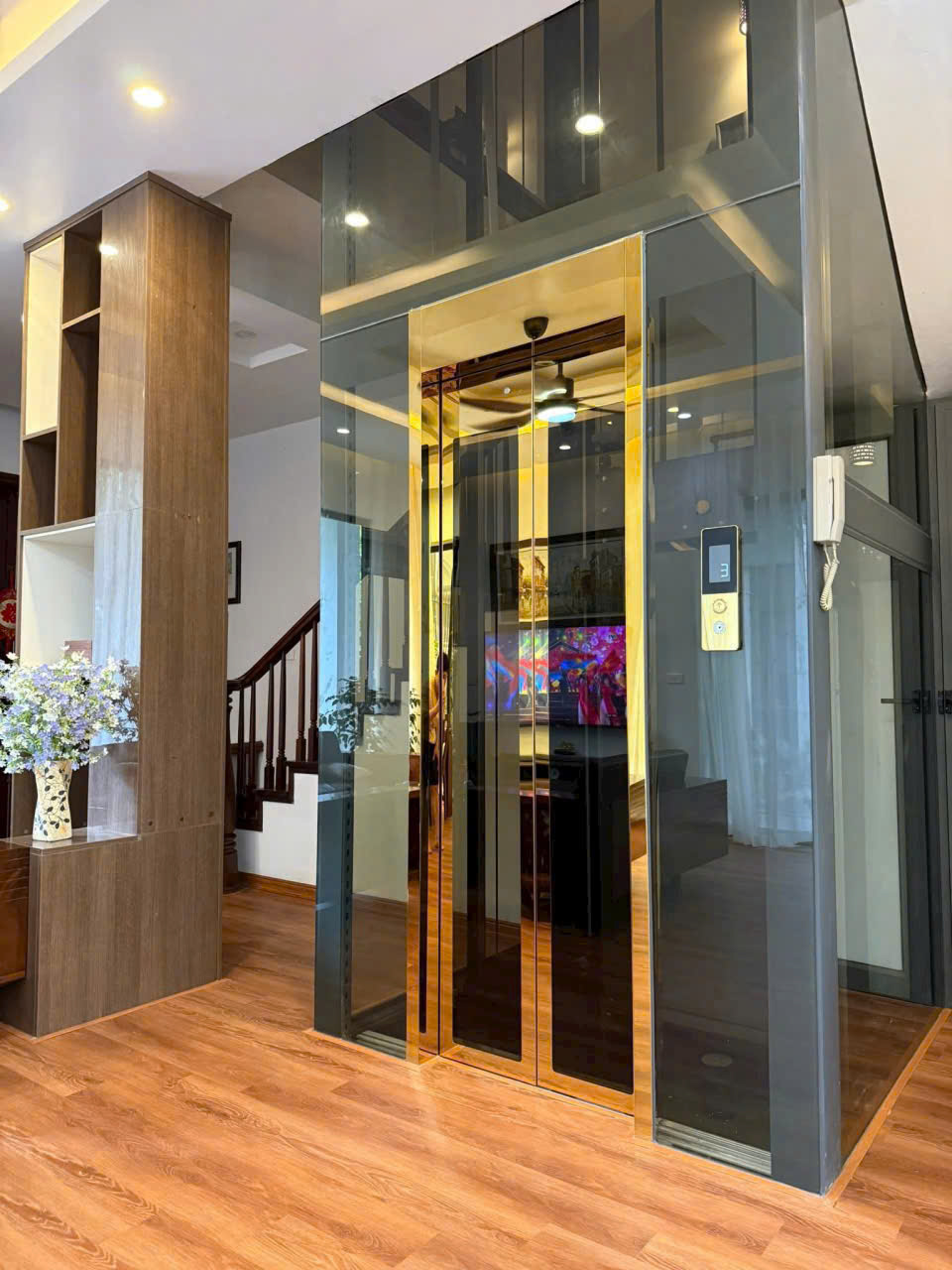
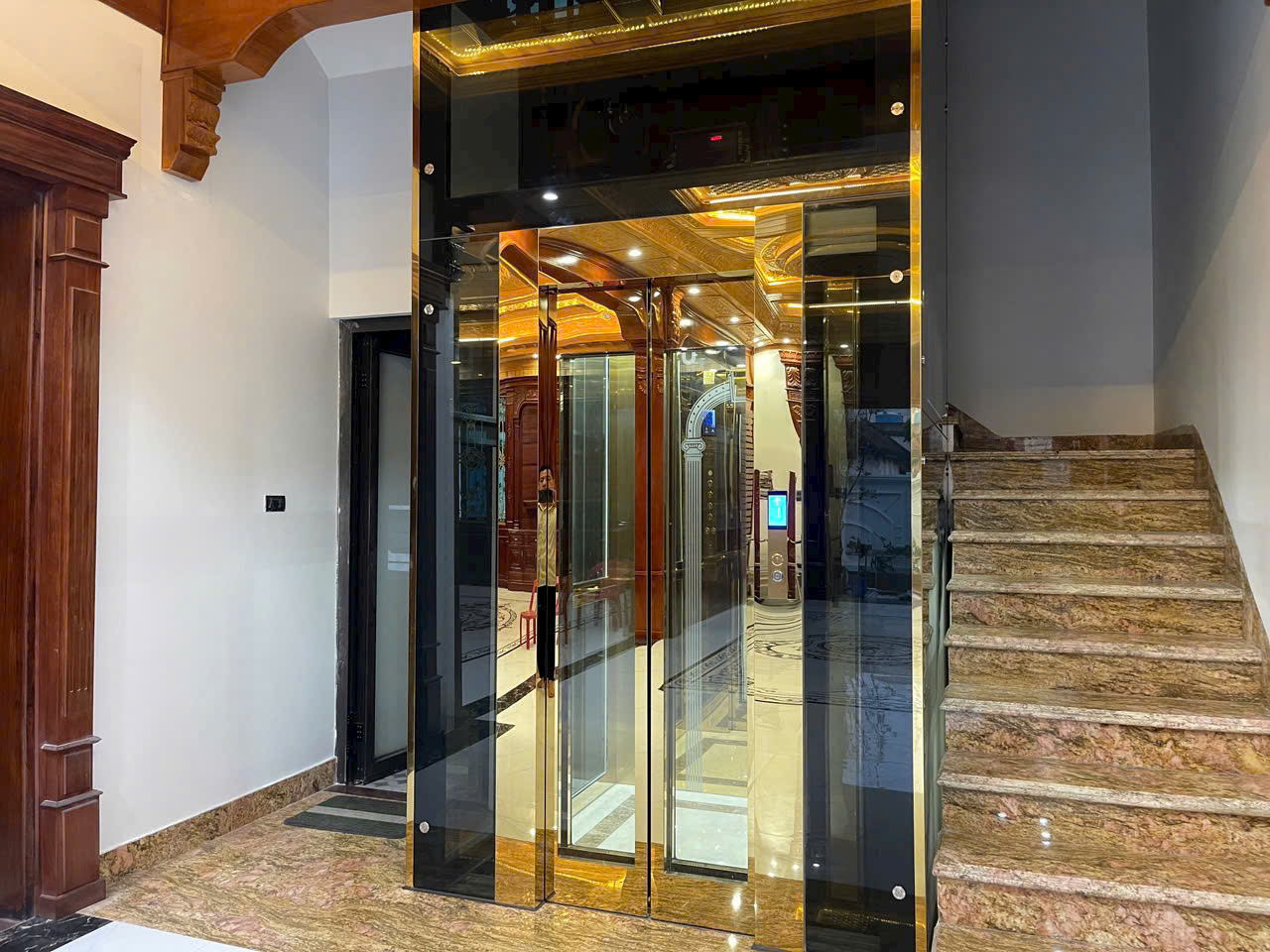
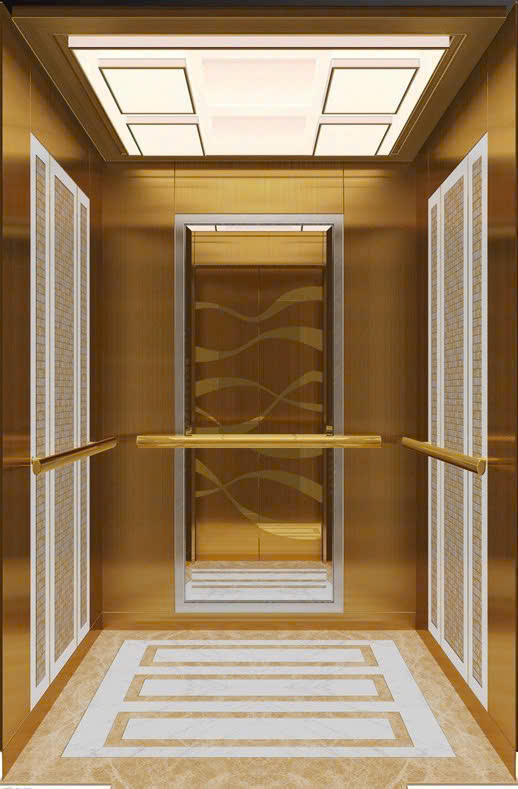
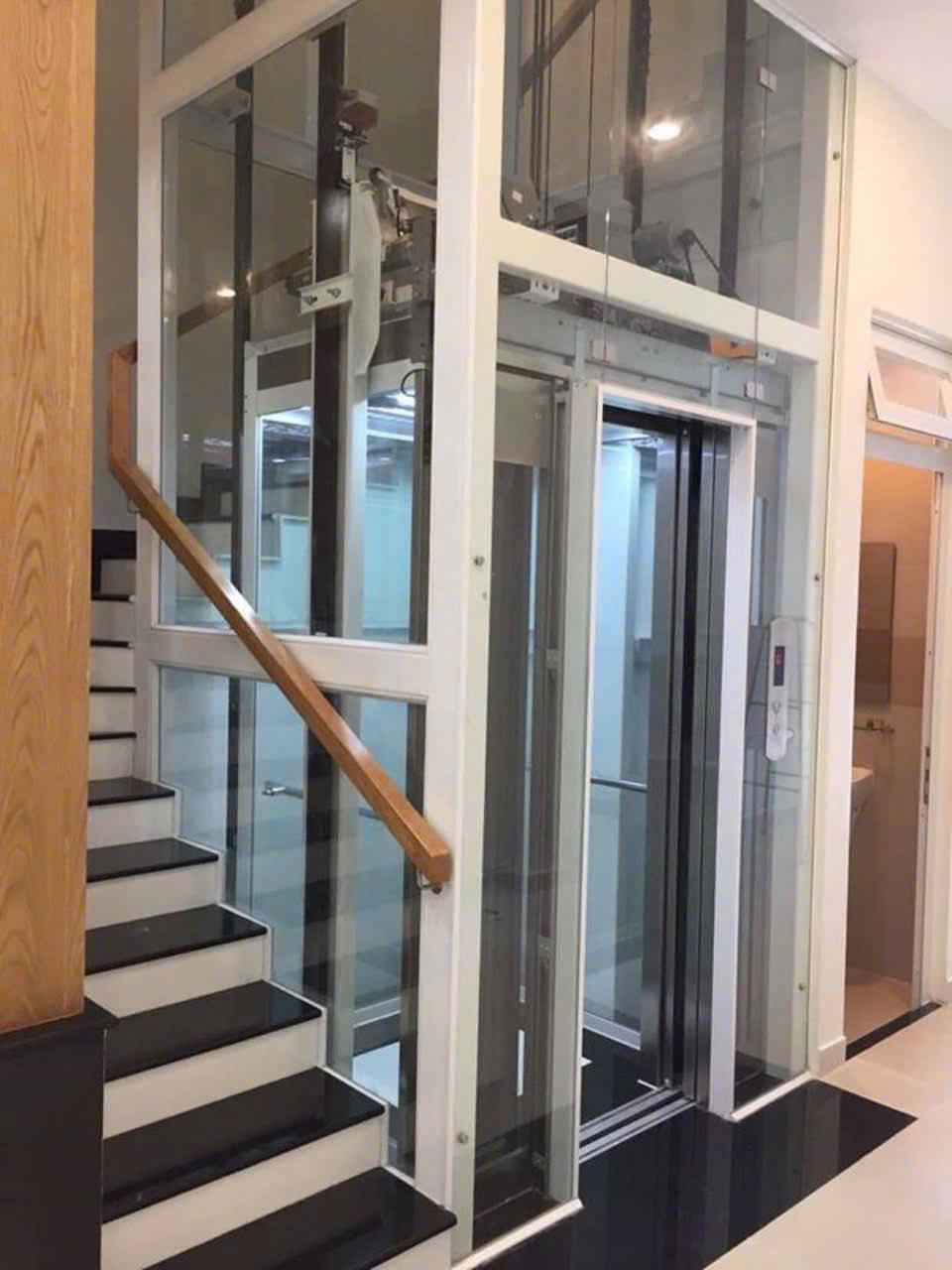
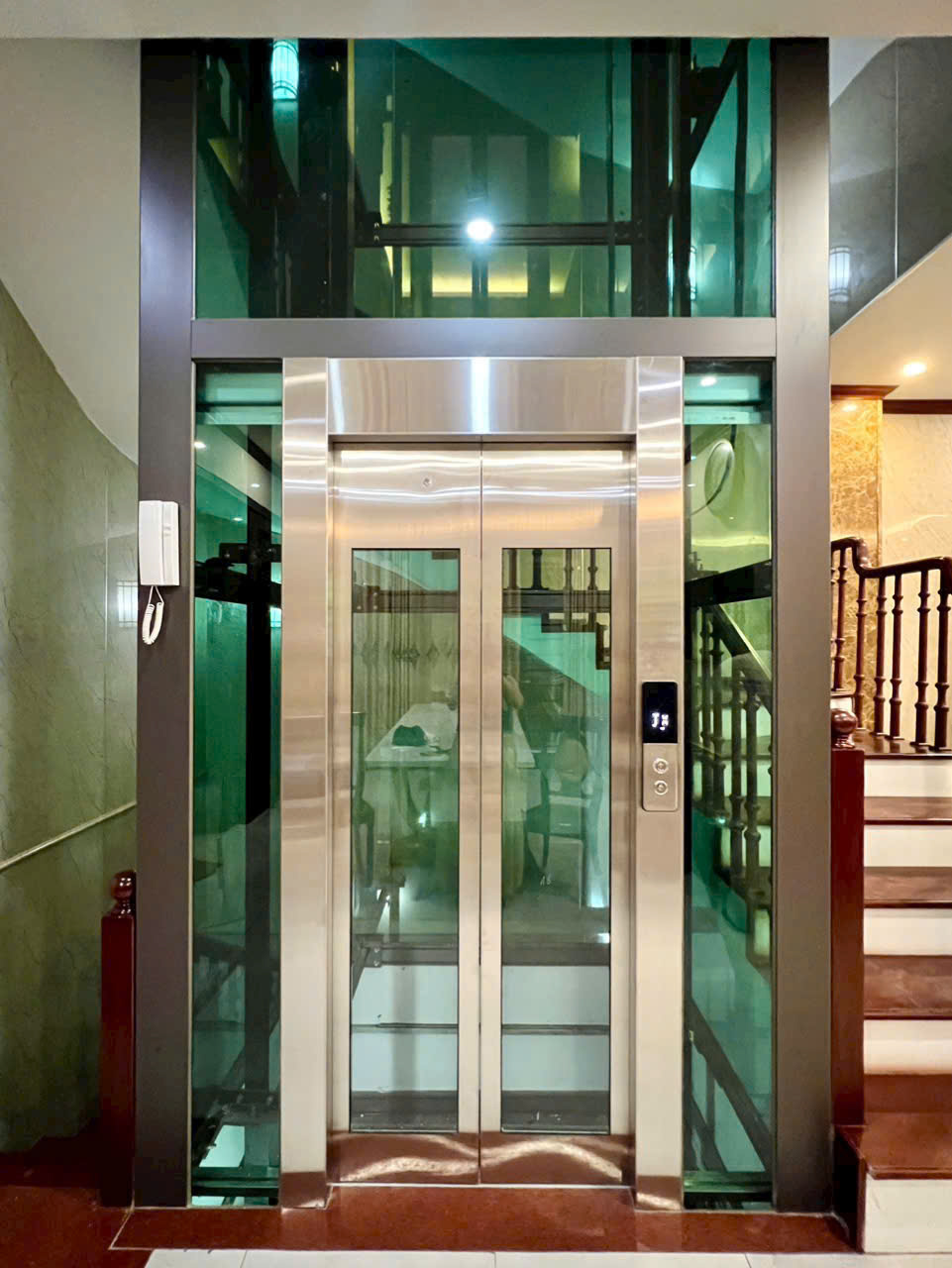
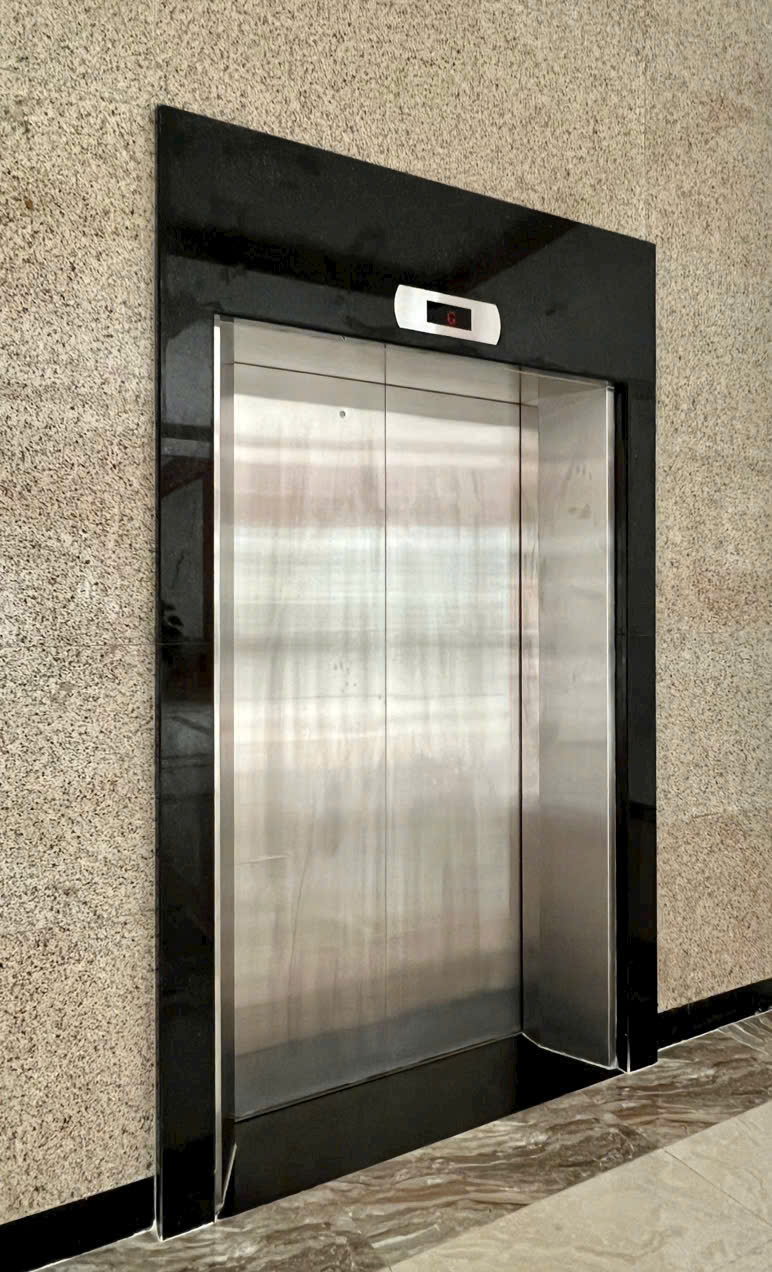
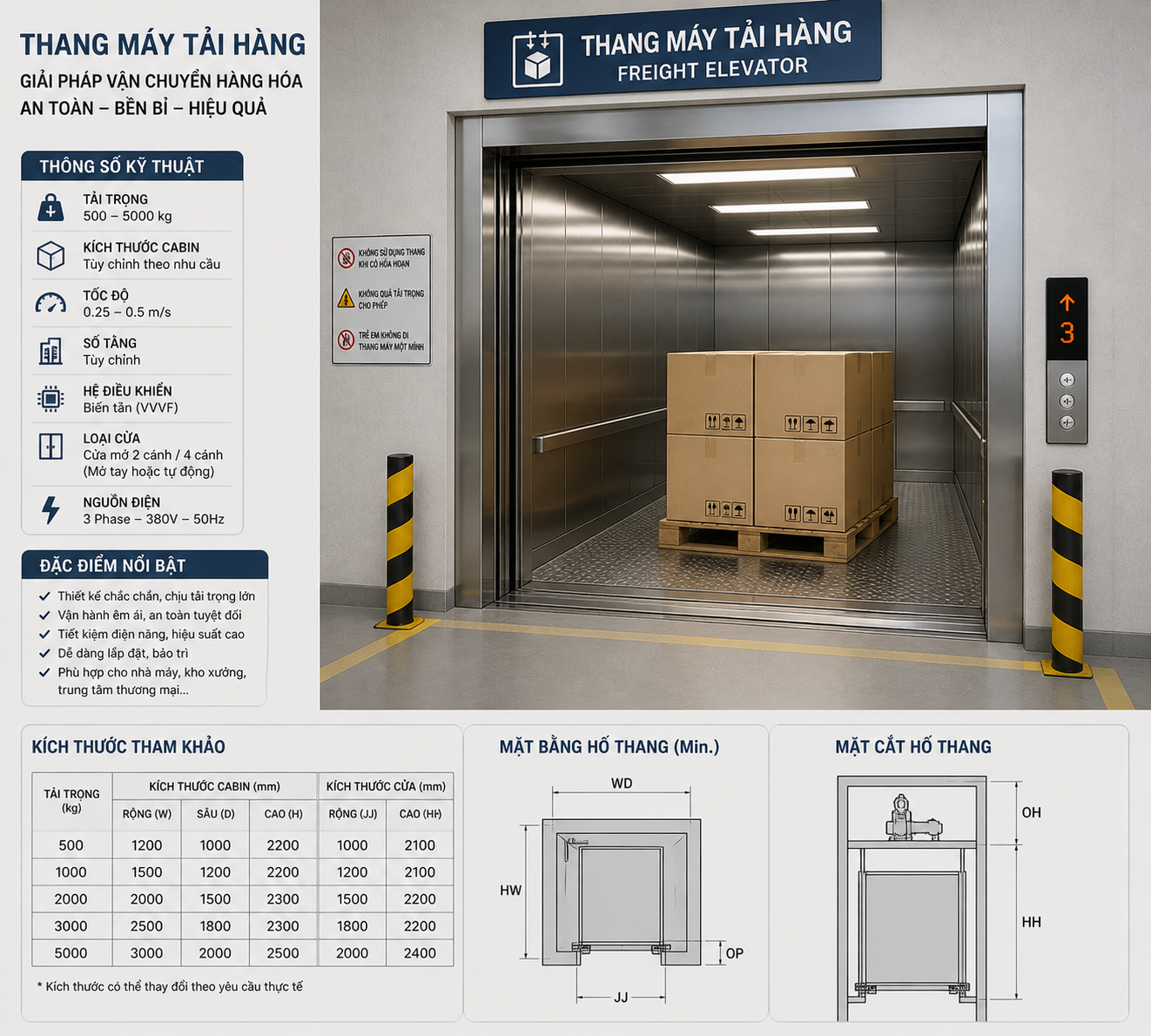
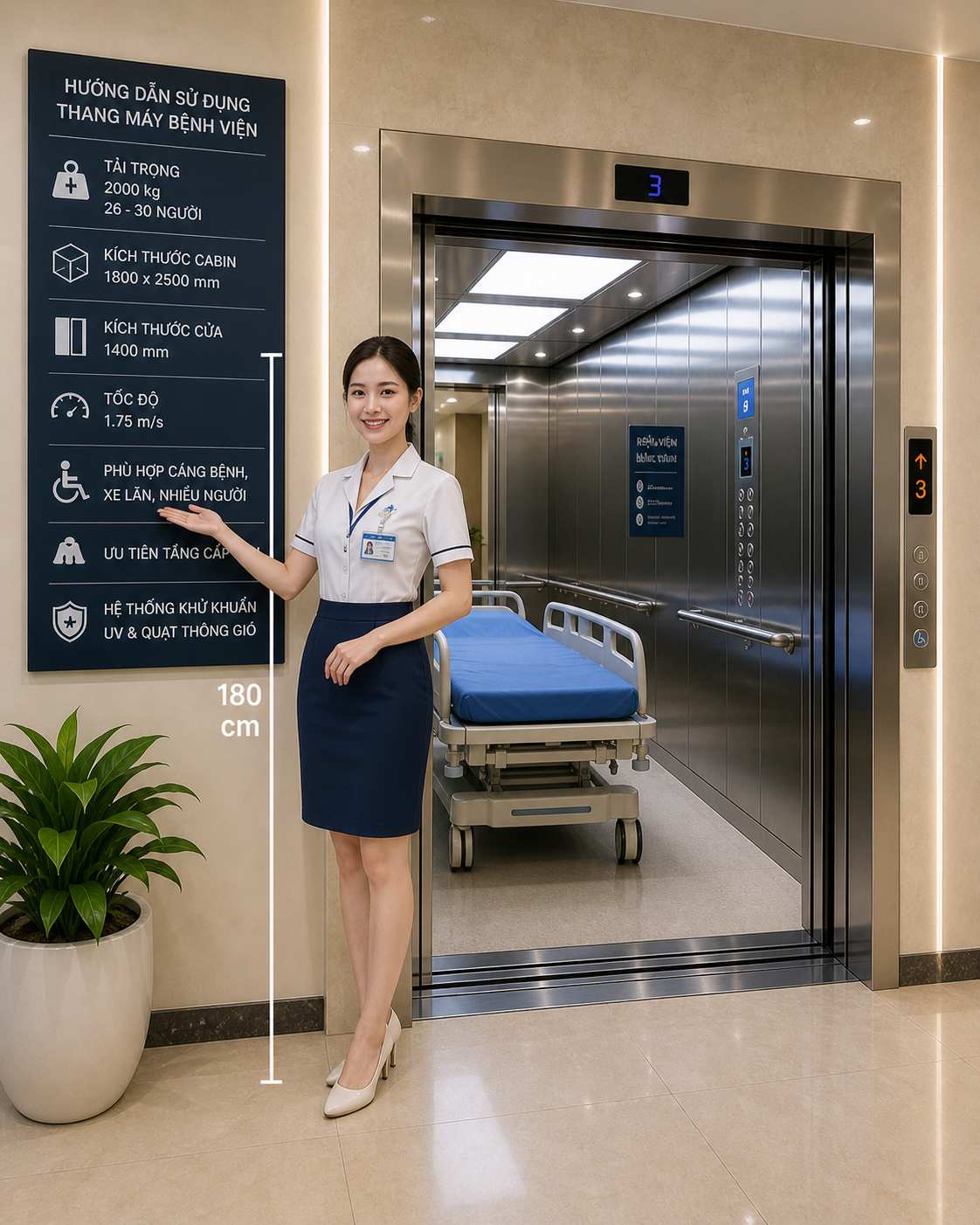
Accurate and Safe Elevator Installation Techniques
An overview of elevator installation techniques.
Elevators are indispensable equipment in modern construction, especially in high-rise buildings, shopping malls, and apartment complexes. Elevator installation requires precision, high expertise, and strict adherence to safety standards. Installing an elevator not only improves transportation efficiency but also ensures absolute safety for users. This process involves many complex technical steps, from site survey and design to mechanical and electronic installation, inspection, and trial operation.
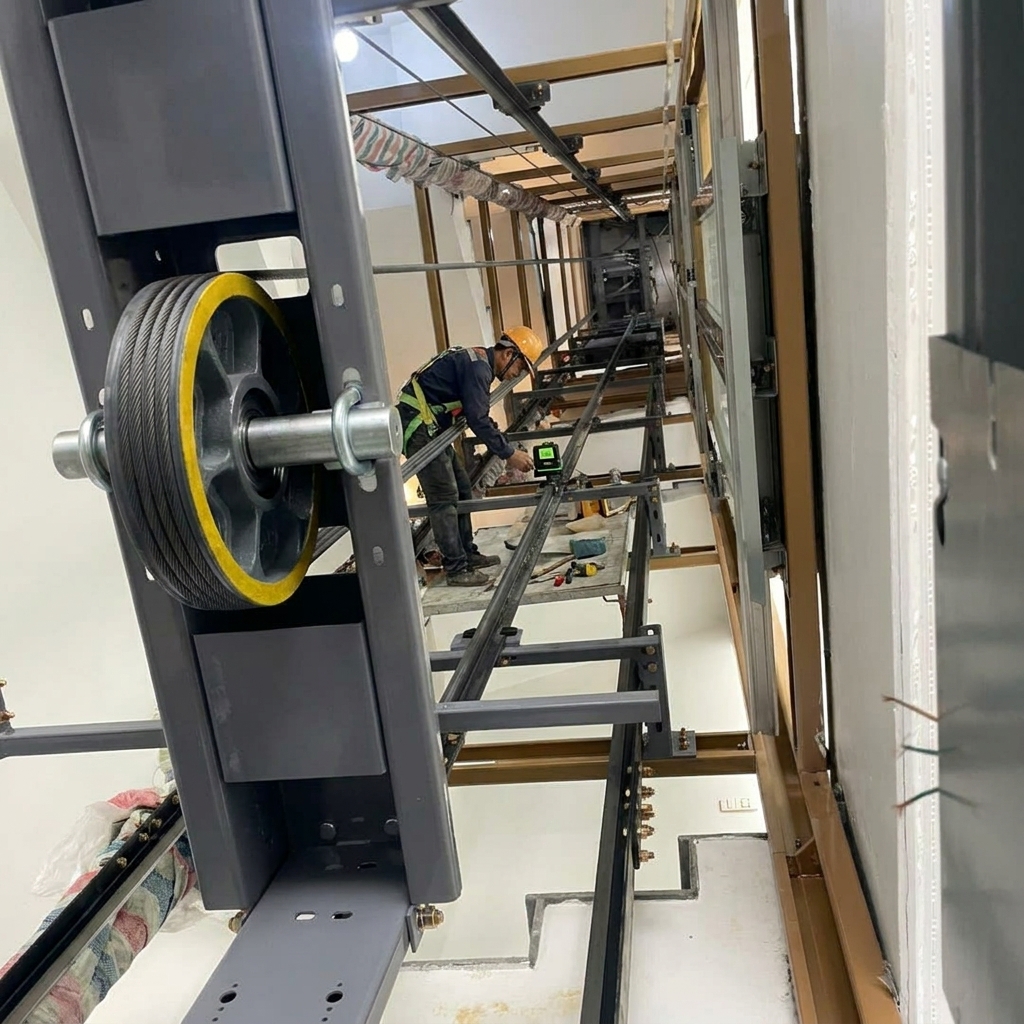
1. Site survey and technical requirements analysis
Before installation, a site survey is the first and most crucial step. Engineers need to assess the elevator shaft dimensions, building structure, traction machine location, electrical system, and surrounding environmental factors. This helps determine appropriate technical parameters such as load capacity, operating speed, elevator type (passenger elevator, freight elevator, hospital elevator, etc.), and other special requirements such as fire resistance, vibration resistance, or energy efficiency.
2. Engineering design and equipment selection
Based on the survey results, the design engineer will create detailed drawings for the elevator system, including:
- The elevator shaft and cabin are designed to meet the required dimensions and load capacity.
- Choose a tractor (with or without a gearbox) based on the desired speed and performance.
- Select an electronic control system, including a central controller, safety sensors, and an intercom system.
- Design of cable systems, pulleys, safety brakes, and other mechanical devices.
Equipment selection must ensure compliance with international standards such as EN 81, TCVN, or ASME, while also being suitable for actual operating conditions.
3. Mechanical installation
The mechanical installation process includes the following main steps:
- Guide rail installation: The guide rails are securely fixed to the elevator shaft to ensure stable, vibration-free movement of the cabin and counterweight.
- Cabin and counterweight installation: The elevator cabin and counterweight are installed on guide rails, ensuring balance and smooth operation.
- Installation of the traction machine and cable system: The traction machine is placed in the designed position, and the load cables are tensioned to the correct torque to ensure safe and efficient power transmission.
- Installation of a safe braking system: Mechanical brakes are thoroughly inspected to ensure the cabin can stop in any emergency situation.
4. Installation of electrical and control systems
The electrical and control systems are crucial components determining the safety and operational efficiency of an elevator. The steps involved include:
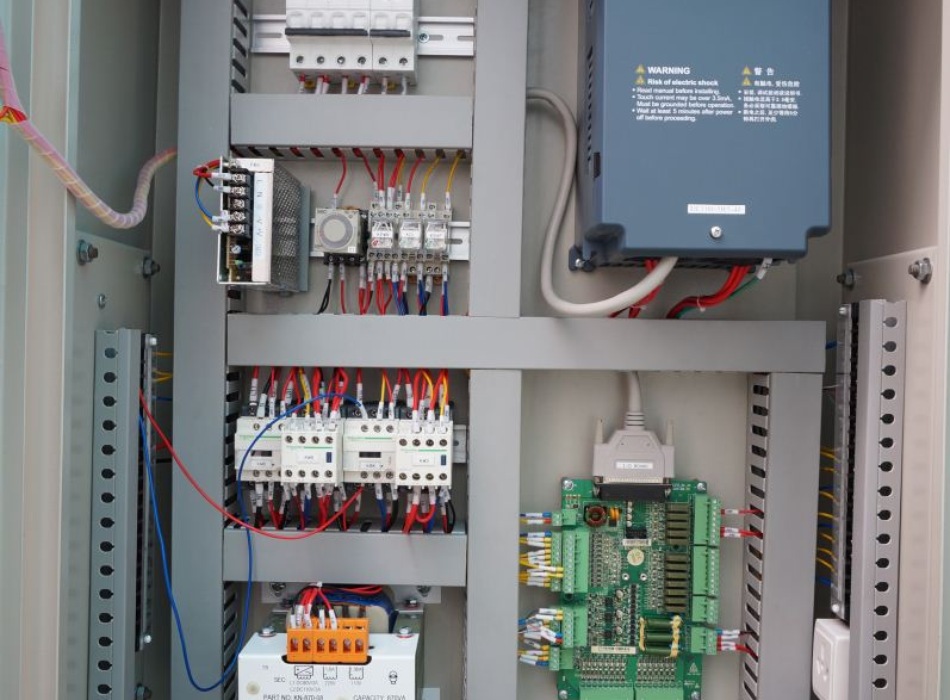
- Run the electrical wiring and connect safety sensors such as door sensors, overload sensors, and speed sensors.
- Install a central control unit (PLC or dedicated microprocessor) to manage all elevator operations.
- Install control software and program operating modes such as floor calling, floor stopping, and automatic rescue mode.
- Check the internal communication system between the cabin and the control room.
5. Inspection and trial operation
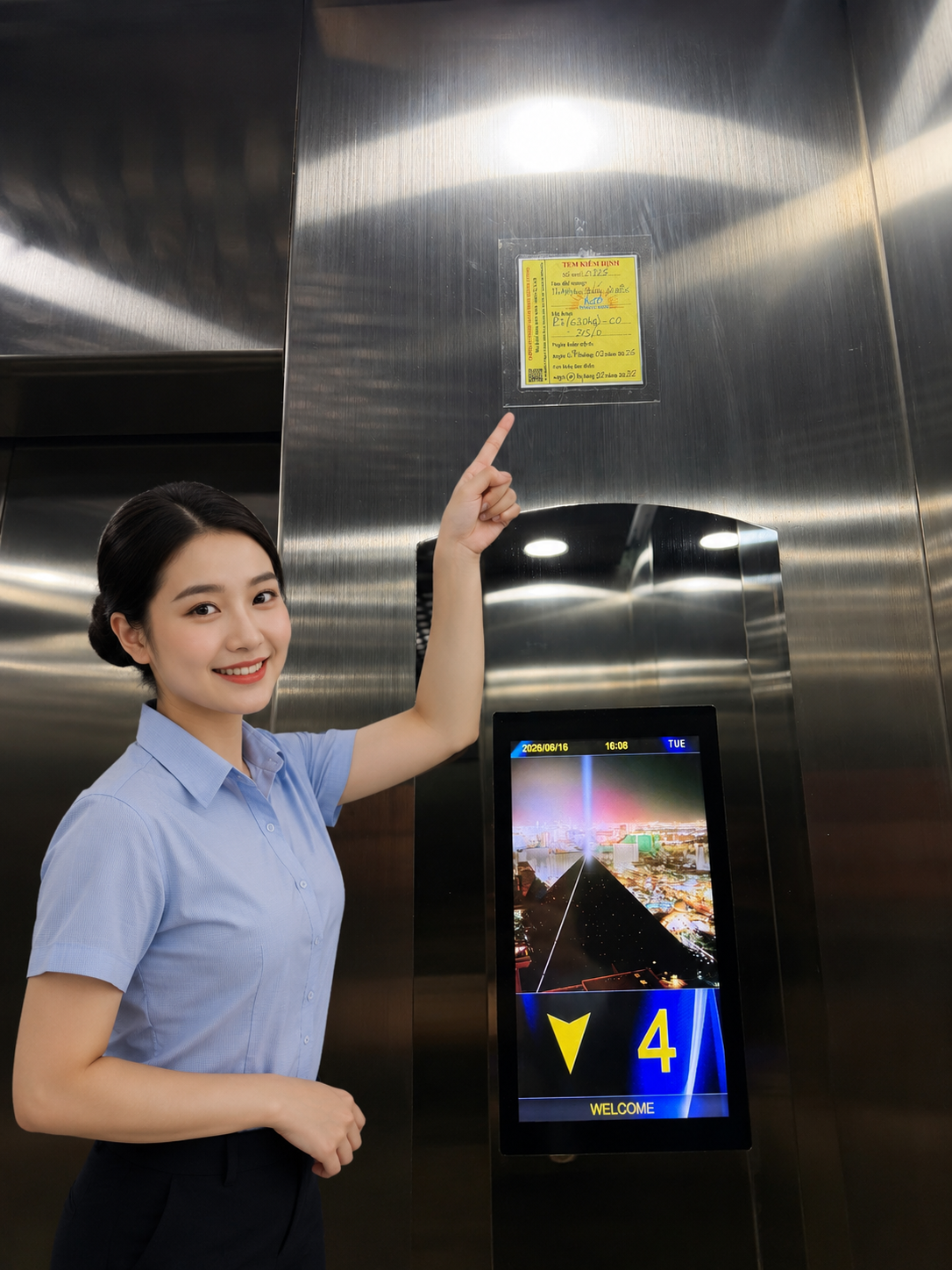
After installation is complete, the elevator must undergo a rigorous inspection process to ensure it meets safety and technical standards. The inspection steps include:
- Check the maximum load capacity, operating speed, and stability of the cabin and counterweight.
- Inspect the braking system, safety sensors, and electronic equipment.
- Conduct continuous operational testing to detect and resolve problems.
- Assess the levels of noise, vibration, and other factors affecting users.
The trial operation process typically lasts from a few days to several weeks, depending on the size and type of elevator.
6. Regular maintenance and servicing
Elevator installation techniques go beyond simply completing the installation; they also include regular maintenance and servicing to ensure the elevator operates reliably and safely. Regular maintenance tasks include:
- Inspect and lubricate mechanical parts such as guide rails, traction machines, and brakes.
- Inspect the electrical system and replace any damaged or worn components.
- Inspect and calibrate the control system, and update the software if necessary.
- Conduct a comprehensive assessment of the elevator's condition and prepare periodic technical reports.
Elevator installation is a field that requires close coordination between many disciplines such as mechanical engineering, electronics, automation, and occupational safety. Adhering to proper procedures and technical standards not only improves efficiency but also protects the lives and property of users.
Technical procedures for installing passenger elevators
The technical process of installing a passenger elevator involves several crucial steps to ensure the safety, efficiency, and durability of the system. First, a detailed survey and design are based on technical specifications and environmental conditions to optimize space and operation. Next, the elevator shaft is prepared and the mechanical frame is installed with high precision to ensure stability. The motor and hoisting cables are carefully selected and installed to ensure performance and safety. The elevator cabin and doors are robustly designed and incorporate safety sensors. An electronic control system manages all operations, ensuring smooth and energy-efficient operation. Finally, the elevator must undergo rigorous inspection and testing before being put into service.
Step 1: Survey and design the elevator system.
Site survey is the first and most important step in elevator installation . Engineers will conduct detailed measurements of the elevator shaft dimensions, floor height, floor door width, and parameters related to the required load capacity. In addition, environmental factors such as humidity, temperature, and construction conditions must be assessed to select appropriate materials and equipment. The survey process also includes checking the building's load-bearing structure to ensure the elevator shaft and related components can withstand the load.
The elevator system design is based on survey data, including:
- Detailed drawings of the steel or reinforced concrete frame structure of the elevator shaft.
- The guide rail system design ensures high accuracy, reduced friction, and noise.
- Choose a motor that matches the load and operating speed, typically an asynchronous motor or a permanent magnet (PM) motor.
- The cabin design incorporates durable, soundproof, and heat-insulating materials, along with a comfortable interior layout.
- The control panel and user interface are user-friendly, and integrate safety and rescue features.
Precise design not only optimizes space utilization but also ensures smooth elevator operation, energy efficiency, and compliance with international safety standards such as EN 81 or TCVN.
Step 2: Prepare the elevator shaft and install the mechanical frame.
The elevator shaft must be constructed securely and to the correct dimensions according to the technical design drawings. This process includes:
- Inspect and prepare the elevator shaft surface, ensuring it is flat and free of obstructions or defects.
- Install waterproofing and insulation systems if necessary, especially for outdoor structures or areas with high humidity.
- The mechanical frame installation includes guide rails, the cabin frame, and load-bearing components such as pulleys and shock absorbers.
- The guide rails are measured and aligned with millimeter precision to ensure smooth, vibration-free cabin movement and minimize noise.
- Using high-quality alloy steel materials and applying TIG or MIG welding techniques ensures a strong and durable joint that will last over time.
The installation of the mechanical frame requires experienced technicians and strict adherence to technical standards to ensure the durability and safety of the entire elevator system.
Step 3: Install the motor and cable system.
Elevator motors are a crucial component that determines performance and operational stability. Common types of motors currently available include:
- Asynchronous (AC) motors: Advantages include simple structure, low cost, and ease of maintenance.
- Permanent magnet (PM) motors: Offer high efficiency, energy saving, quiet operation, and precise speed control.
The technician will install the engine at the designated location in the engine room or the machine roomless system (MRL). The installation process includes:
- Connect the motor to the drive pulley system and drive cable.
- Inspect and adjust the tension of the load cable to ensure balance and prevent cable slippage.
- Use load-bearing cables with a plastic-coated steel core or stainless steel core, meeting ISO or TCVN standards for tensile strength and abrasion resistance.
- Inspect the safety braking system, ensuring the engine can bring the cabin to a precise and safe stop in all situations.
The installation and alignment of the motor and cable systems must be carried out by a team of professional technicians, using specialized measuring equipment to ensure absolute accuracy.
Step 4: Install the elevator cabin and door system.
Elevator cabins are constructed from stainless steel or aluminum alloy, offering high strength and corrosion resistance. The cabin installation process includes:
- Place the cabin onto the guide rails and connect it to the installed hoisting cable system.
- Check the balance and stability of the cabin while it is moving on the rails.
- Install cabin doors and landing doors with automatic opening and closing mechanisms.
- Equipped with safety sensors such as optical sensors and force sensors to detect obstacles and prevent accidents when the door closes.
- Check the airtightness of the door to ensure sound insulation, thermal insulation, and protection against dust and dirt.
- Elevator door design must comply with safety standard EN 81-20/50, ensuring smooth operation and high durability.
Installing door systems requires high precision, ensuring there are no large gaps and that they operate in sync with the control system to enhance user safety.
Step 5: Install the control and electronics system.
The elevator control system is the central processing and coordination unit for all elevator operations. Its main components include:
- The central processing unit (PLC or dedicated microcontroller) handles signal processing and controls the motors, doors, and sensors.
- The control board integrates communication modules, position sensors, floor call buttons, and a status display screen.
- Position sensors use magnetic or optical sensing technology to accurately determine the position of the elevator cabin within the elevator shaft.
- The control software is optimally programmed to ensure the elevator operates accurately, safely, energy-efficiently, and with minimal downtime.
- An integrated automatic rescue and emergency alarm system is designed to assist users in the event of an incident.
Technicians will connect the electronic devices to the motor and door systems, check the signals, and adjust the software to ensure synchronized and stable operation.
Step 6: Verification and operational testing
After installation is complete, the elevator must undergo a rigorous inspection process in accordance with regulations of the Ministry of Construction and international standards such as EN 81 and ISO 25745. The inspection items include:
- Check the actual load to ensure the elevator can withstand the design load plus a safety factor.
- Measure the operating speed, ensuring it meets specifications and does not cause vibration.
- Inspect safety systems such as mechanical brakes, speed limiters, door sensors, and emergency response systems.
- Evaluate control signals, ensuring accurate and rapid responses from buttons and sensors.
- Continuous operational testing over multiple cycles is conducted to detect potential technical faults.
The inspection and testing process is carried out by authorized organizations, ensuring that the elevator meets safety standards before being put into official use.
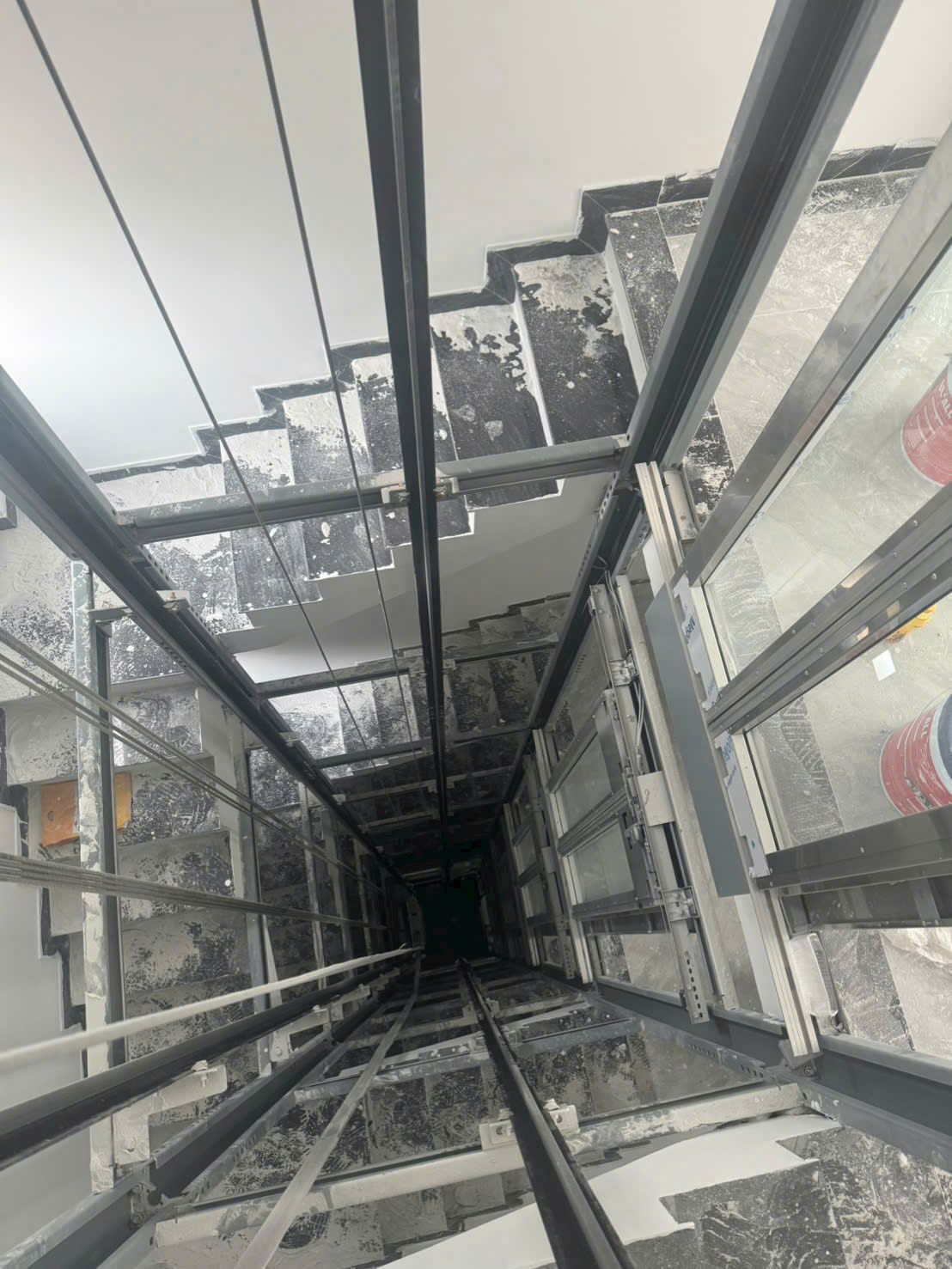
Key technical factors in elevator installation
Elevator installation requires a close combination of selecting high-quality materials and appropriate equipment to ensure performance and operational safety. Simultaneously, workplace safety during construction must be a top priority, requiring the provision of adequate personal protective equipment, the use of specialized support equipment, and strict adherence to work procedures. Furthermore, the application of modern technologies such as intelligent control systems, IoT sensors, virtual reality simulation, and smart maintenance management optimizes efficiency, enhances reliability, and ensures long-term safe operation of the elevator system.
Choose appropriate materials and equipment.
The selection of high-quality materials and equipment plays a crucial role in elevator installation engineering , directly impacting the performance, durability, and operational safety of the system. Key materials typically include:
- Load-bearing steel: Steel used in elevator frames, guide rails, and load-bearing components must have high strength, corrosion resistance, and the ability to withstand dynamic loads. Alloy steel or high-grade carbon steel are often preferred to ensure long-term stability and safety.
- Hoisting cables: Hoisting cables are the most important component in the lifting and lowering of elevator cabins. The cables must be made of high-tensile steel, have a tightly twisted structure, and be tested according to international standards such as ISO or EN. Choosing the right cable for the load and operating speed will minimize the risk of cable breakage and increase service life.
- Motor: Elevator motors are typically asynchronous or permanent magnet (PM) motors, offering high efficiency and precise control. The motor must be selected based on its power rating to match the elevator's load, speed, and operating frequency.
- Electronic and control systems: The central controller (PLC or dedicated microprocessor) needs to be capable of fast and stable signal processing and integrate safety functions such as door jamming prevention, overload protection, and emergency stop. Sensors and terminals must also meet quality standards to ensure high accuracy and reliability.
Using genuine parts from reputable manufacturers not only increases the lifespan of elevators but also minimizes technical problems during operation, while ensuring compliance with international safety standards such as EN 81 or TCVN.
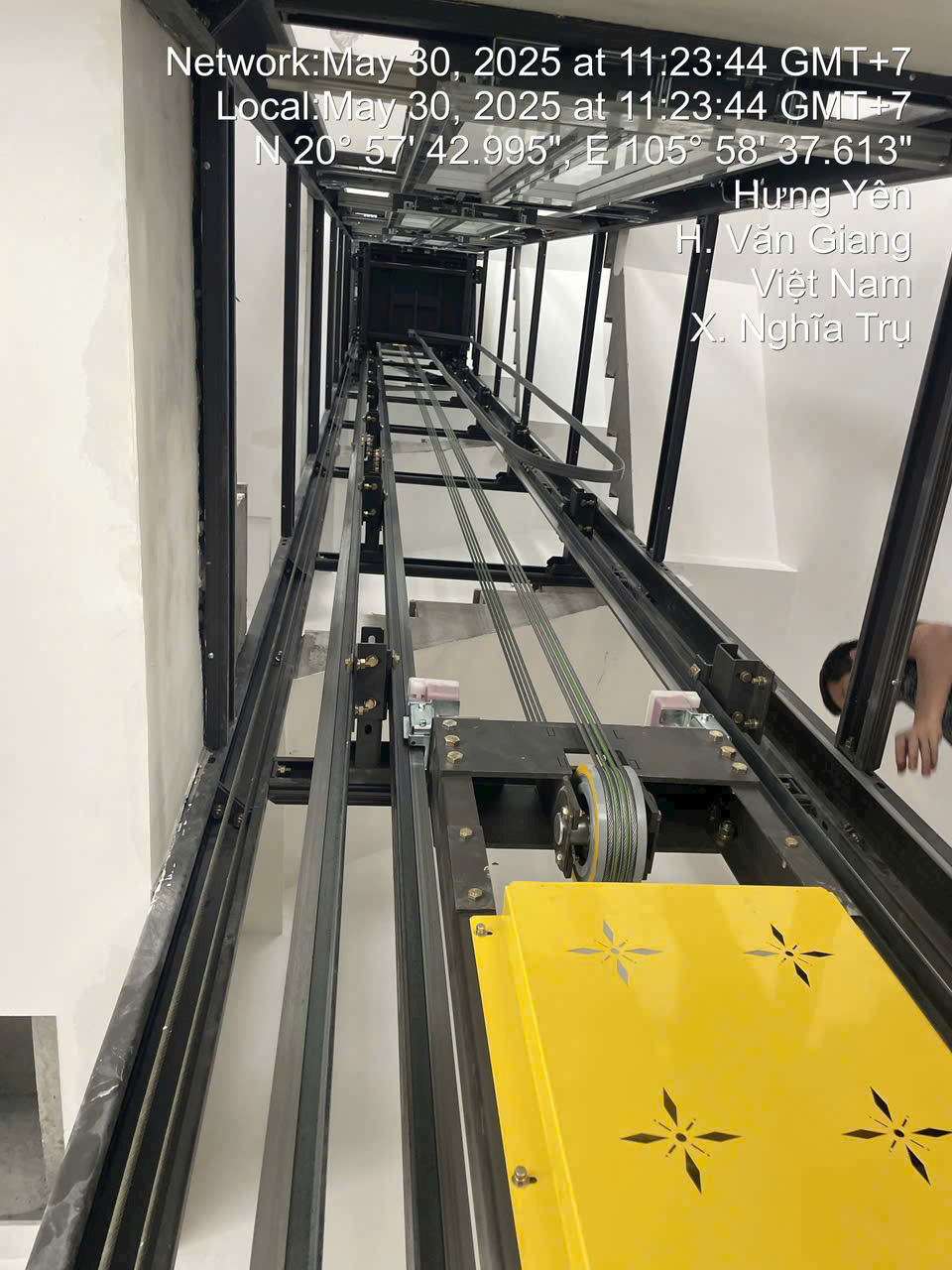
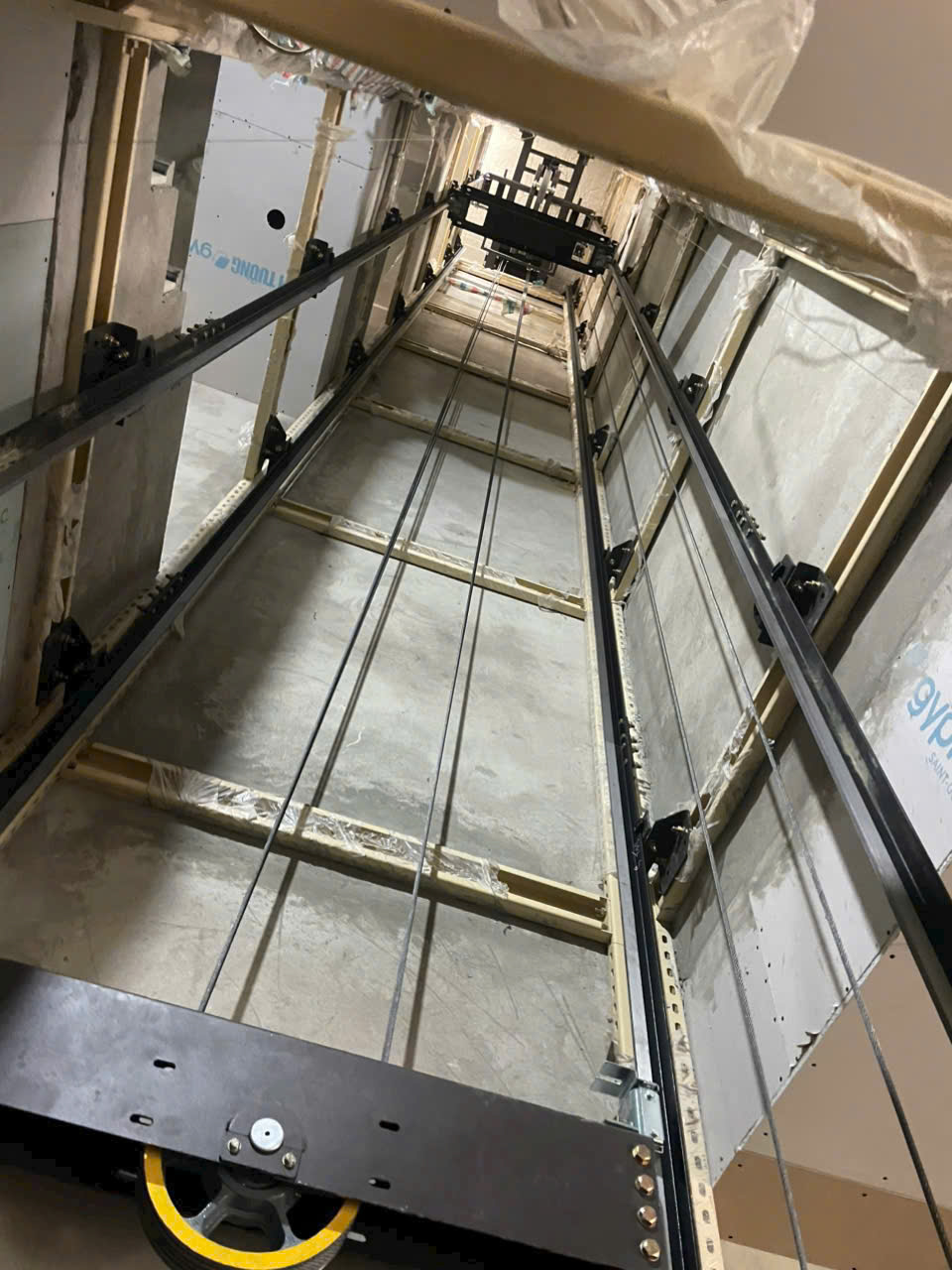
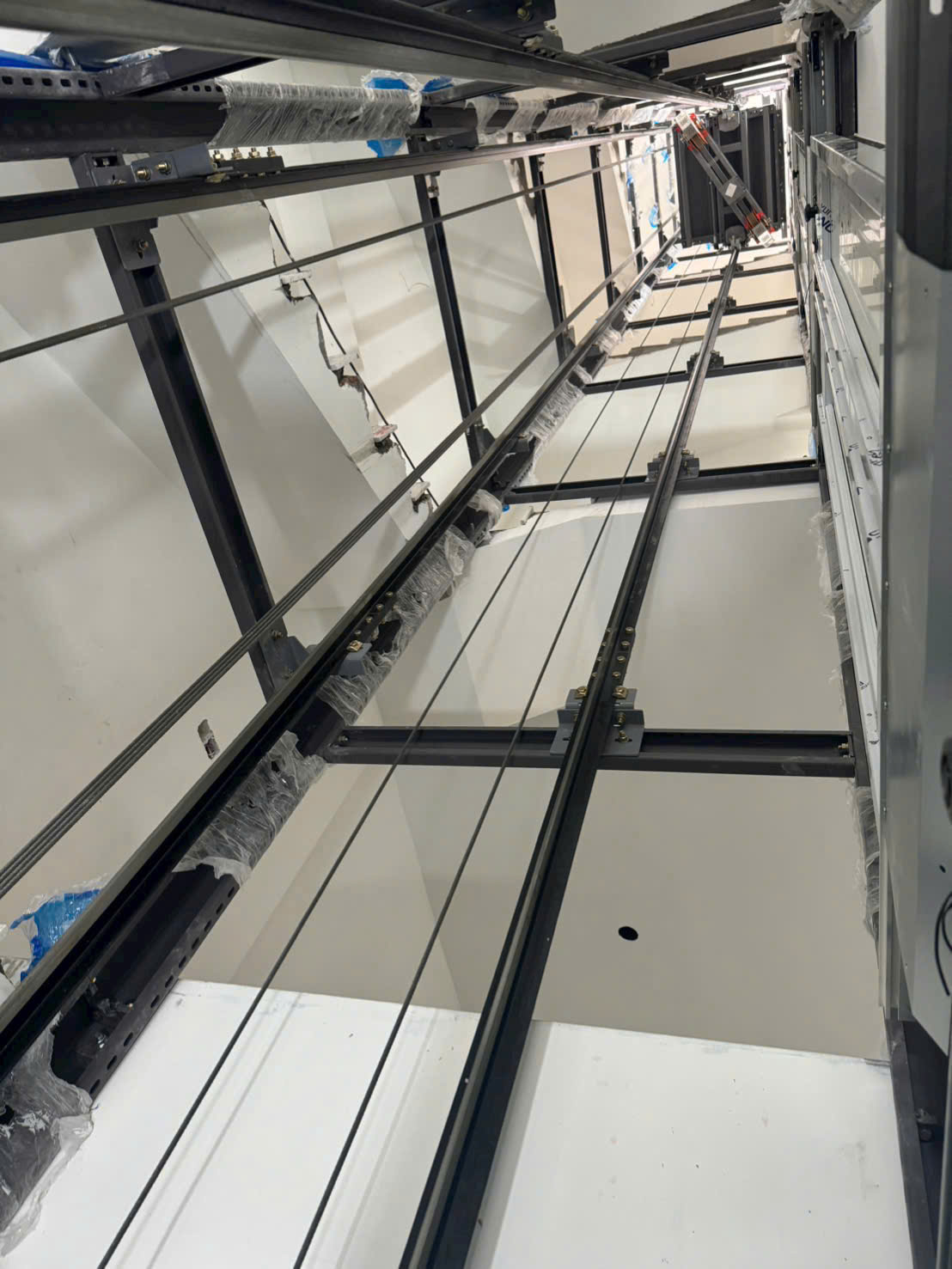
Ensure workplace safety during the installation process.
Elevator installation is a complex process with many potential safety risks due to the nature of the work at height, the use of lifting equipment, and high-voltage electrical systems. To ensure absolute safety, technicians and workers must strictly adhere to the following measures:
- Personal protective equipment (PPE): This includes a safety helmet, safety harness, insulated gloves, non-slip safety shoes, and safety glasses. Full use of PPE helps minimize the risk of injury from impacts, electric shocks, or falls.
- Use specialized support equipment: Equipment such as scaffolding, lifting platforms, anchoring systems, and fall protection devices must be thoroughly inspected before use. The installation and operation of this equipment must be carried out by qualified and properly trained personnel.
- Regular inspection of tools and equipment: Hand tools, support machinery, and electrical equipment must be regularly maintained and inspected to detect early signs of damage or technical malfunctions, preventing accidents during construction.
- In-depth training on workplace safety: Organizing regular training courses on safe work procedures, emergency response, first aid, and fire prevention helps to improve the awareness and skills of the technical staff.
- Establish a standardized workflow: Each installation stage requires a detailed and clear procedure, including pre-construction safety checks, continuous monitoring during work, and post-completion evaluation.
Strict adherence to safety measures not only protects the health and lives of workers but also ensures construction progress, avoiding incidents that could cause disruptions or financial losses.
Applying modern technology in installation.
In the context of rapidly developing technology, the application of modern solutions to elevator installation techniques has become an inevitable trend to improve the efficiency and safety of the system. Some prominent technologies include:
- Intelligent control system: Utilizing a central controller integrated with artificial intelligence (AI) and optimization algorithms, it flexibly manages elevator operation, minimizes energy consumption, and improves the user experience.
- IoT sensors and remote monitoring: Sensors installed on elevators can collect operational data such as speed, load, motor temperature, and hoist cable status. This data is transmitted to a control center via the internet, allowing for real-time monitoring of elevator status and early detection of abnormalities.
- Automatic fault detection and response system: Upon detecting a fault or potential malfunction, the system can automatically activate safety measures such as stopping the elevator, triggering an alarm, and sending alerts to the technical team for timely handling, minimizing risks for users.
- Application of simulation and virtual reality (VR) technology: Before construction, technicians can use 3D simulation or VR software to review the design, installation plan, and predict technical issues, thereby optimizing the construction process and minimizing errors.
- Integrating smart maintenance management systems: IoT technology also supports the creation of maintenance schedules based on real-time data, helping to detect and address potential malfunctions before they become serious problems, thereby increasing the lifespan and reliability of elevators.
The application of modern technologies not only helps improve the quality and safety of elevators but also facilitates future operation, maintenance, and upgrades, contributing to the development of a smart and sustainable vertical transportation system.
List of standard technical steps for installing a passenger elevator.
- Site Survey and System Design: The site survey is the first and most crucial step in installing a passenger elevator. Engineers need to accurately measure the elevator shaft dimensions, floor height, machine placement, and related factors such as expected load capacity, user traffic, and surrounding environmental conditions. Based on the collected data, the elevator system design will be developed, including detailed technical drawings, selection of motor type (traction motor, hydraulic motor), hoisting cable system, cabin, and appropriate control equipment. The design must ensure compliance with international safety standards such as EN 81 or TCVN, while optimizing space and operational efficiency.
- Preparing the elevator shaft and installing the mechanical frame: The elevator shaft is the foundation and space containing the entire elevator system; therefore, the shaft preparation must be precise and thorough. This includes excavating the shaft to the design dimensions, concrete treatment, waterproofing, and reinforcing the shaft walls. Afterward, the mechanical frame is installed to provide support for the elevator equipment. This frame is usually made of high-strength steel, fabricated and assembled according to strict technical standards to ensure stability and safety during operation. The frame must be aligned perfectly vertically to prevent vibration or cabin misalignment during operation.
- Motor and Cable System Installation: The motor is the heart of the elevator, and can be a traction motor or a hydraulic motor depending on the type of elevator and usage requirements. Motor installation requires highly skilled technicians to ensure the motor is securely fixed and properly connected to the electrical system and control unit. The cable system consists of high-strength steel cables, suspended and tensioned to ensure safe and smooth cabin transport. Thorough checks of cable tension and durability, as well as related components such as pulleys and cable drums, are necessary to prevent operational failures.
- Elevator Cabin and Door System Installation: The elevator cabin is constructed from durable, fire-resistant, and soundproof materials to ensure user safety and comfort. The installation process includes placing the cabin into the elevator shaft, securing it to the guide rail system, and connecting it to the hoisting cable system. The elevator door system, comprising the cabin door and floor doors, is equipped with automatic opening and closing mechanisms, safety sensors, and electronic locks to prevent accidents. Door alignment must ensure a tight seal, smooth operation, and synchronization with the control system to prevent jamming or opening when the elevator is not at the corresponding floor.
- Installation of Control and Electronic Systems: The elevator control system includes a central microprocessor, electronic circuit boards, sensors, buttons, and a display screen. Installing this system requires technicians to have a thorough understanding of the operating principles and circuit structure to accurately connect the devices. The control system is responsible for managing the entire elevator operation process, such as floor calling, door opening and closing, speed adjustment, and handling safety signals. In addition, the system integrates maintenance functions, fault warnings, and connection to a remote monitoring system. Programming and adjusting the control software must be done carefully to ensure stable and absolutely safe elevator operation.
- Inspection and Operational Testing: After installation is complete, the elevator must undergo a rigorous inspection process by competent authorities. The inspection includes evaluating the quality of installation, load testing, and checking safety equipment such as brakes, sensors, rescue systems, and electrical systems. Operational testing is conducted under various conditions to ensure the elevator operates stably, without vibration or noise, and meets speed and safety standards. Any faults detected during testing must be thoroughly rectified before the elevator is put into official use.
- Elevator Handover and User Training: The final step in the installation process is handing over the elevator to the investor or user. Technicians will provide complete technical documentation, user manuals, maintenance instructions, and safety regulations for elevator operation. They will also provide direct instruction to users on elevator operation, emergency procedures, and routine maintenance. The handover must ensure users understand safe operating procedures to avoid unwanted incidents during use.
Elevator handover and operation procedures after installation.
After the elevator installation process is complete, quality inspection is an essential step to ensure that the equipment fully meets safety and technical standards as stipulated by law, as well as international standards such as EN 81, ASME A17.1, or TCVN. The inspection process includes checking mechanical and electronic elements, safety systems, and load testing to confirm that the elevator operates stably under all operating conditions.
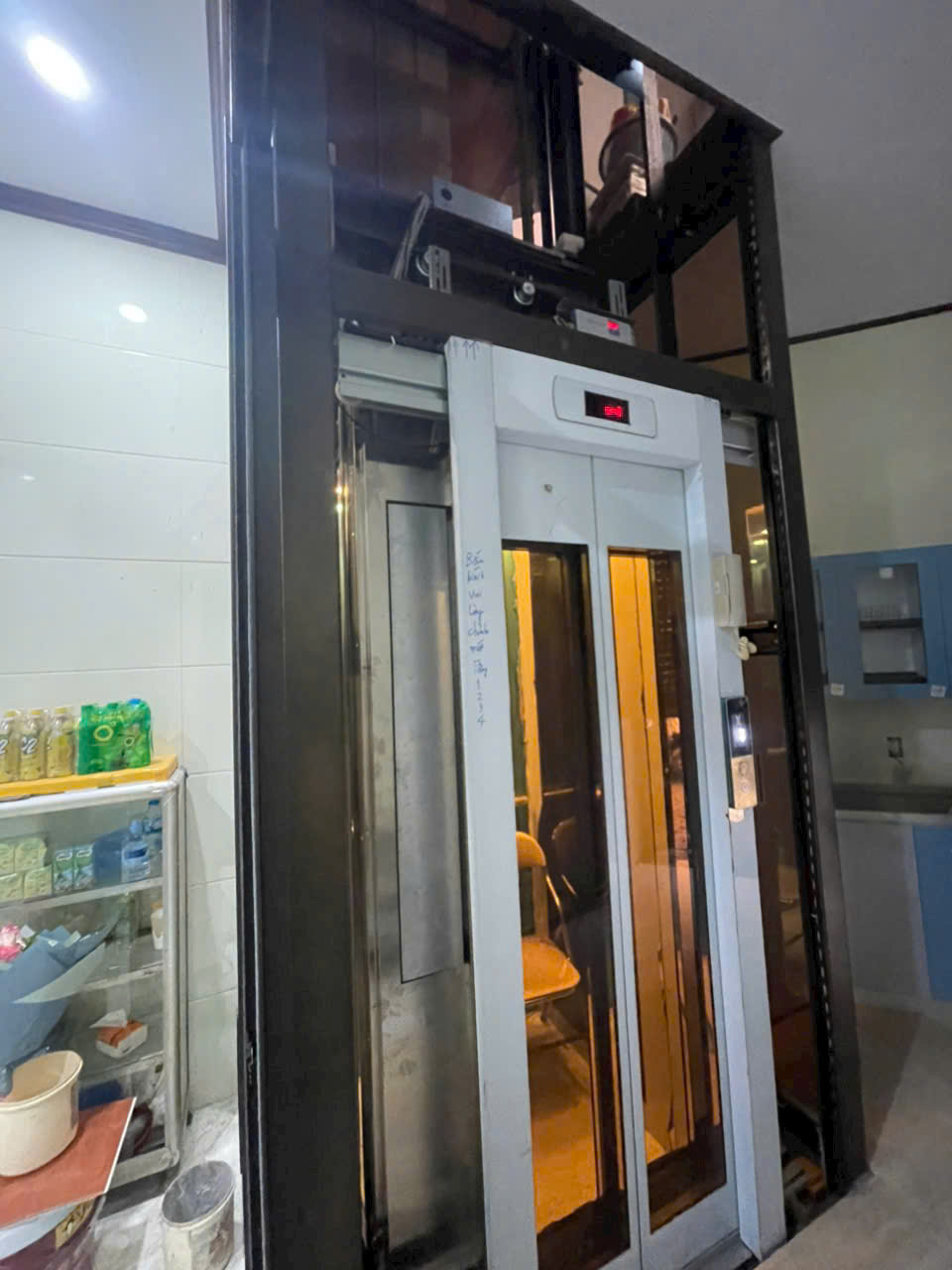
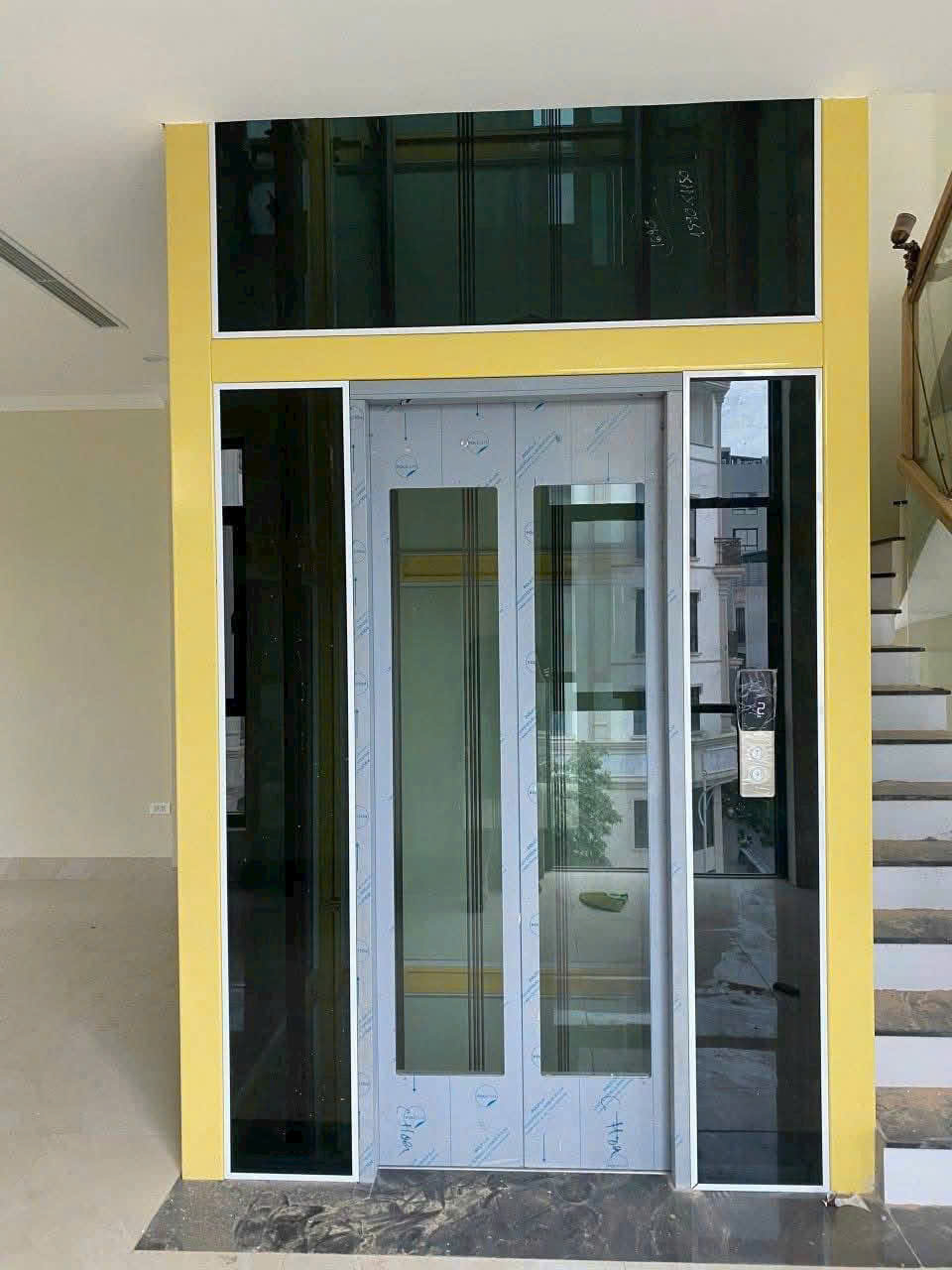
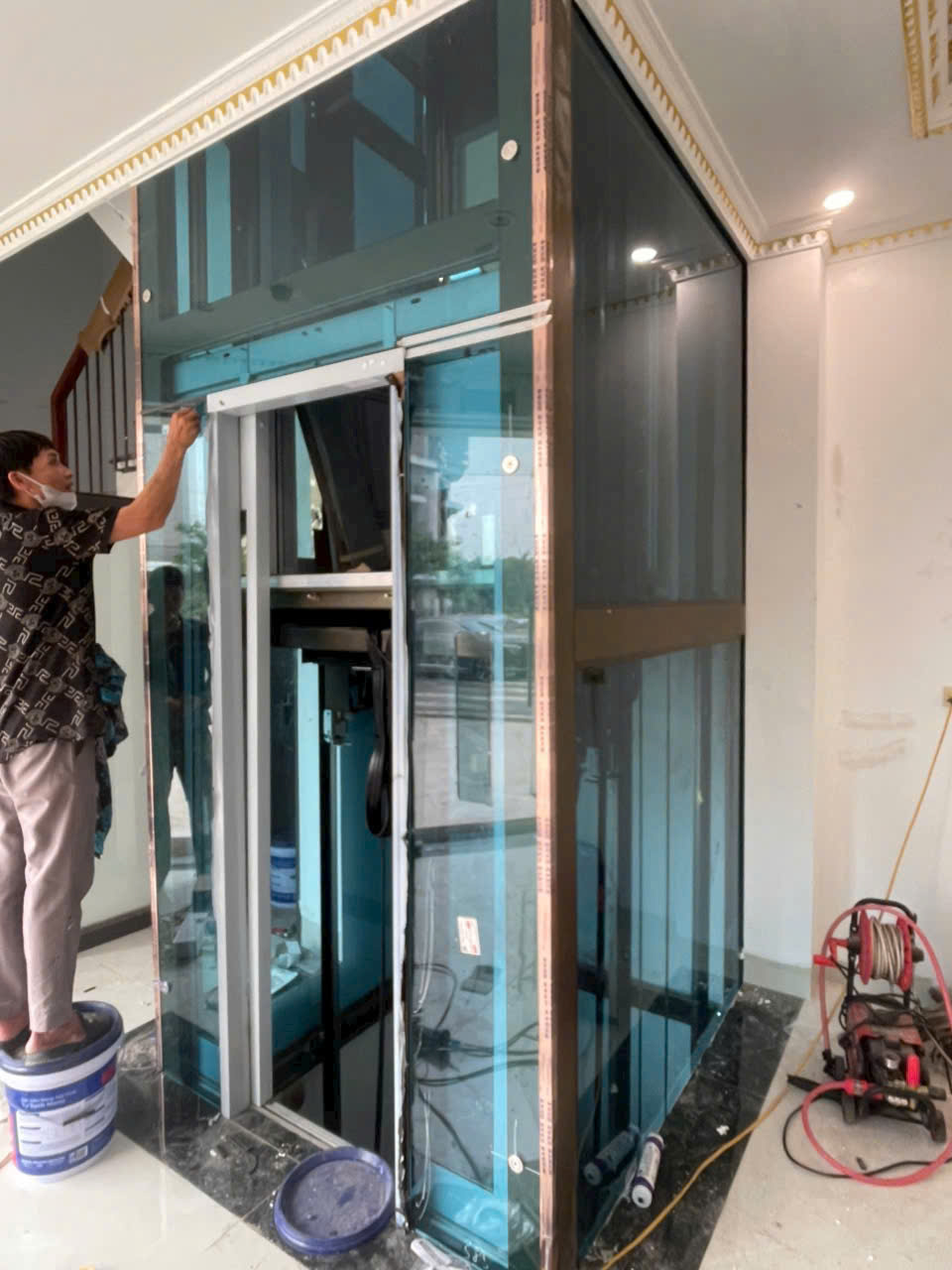
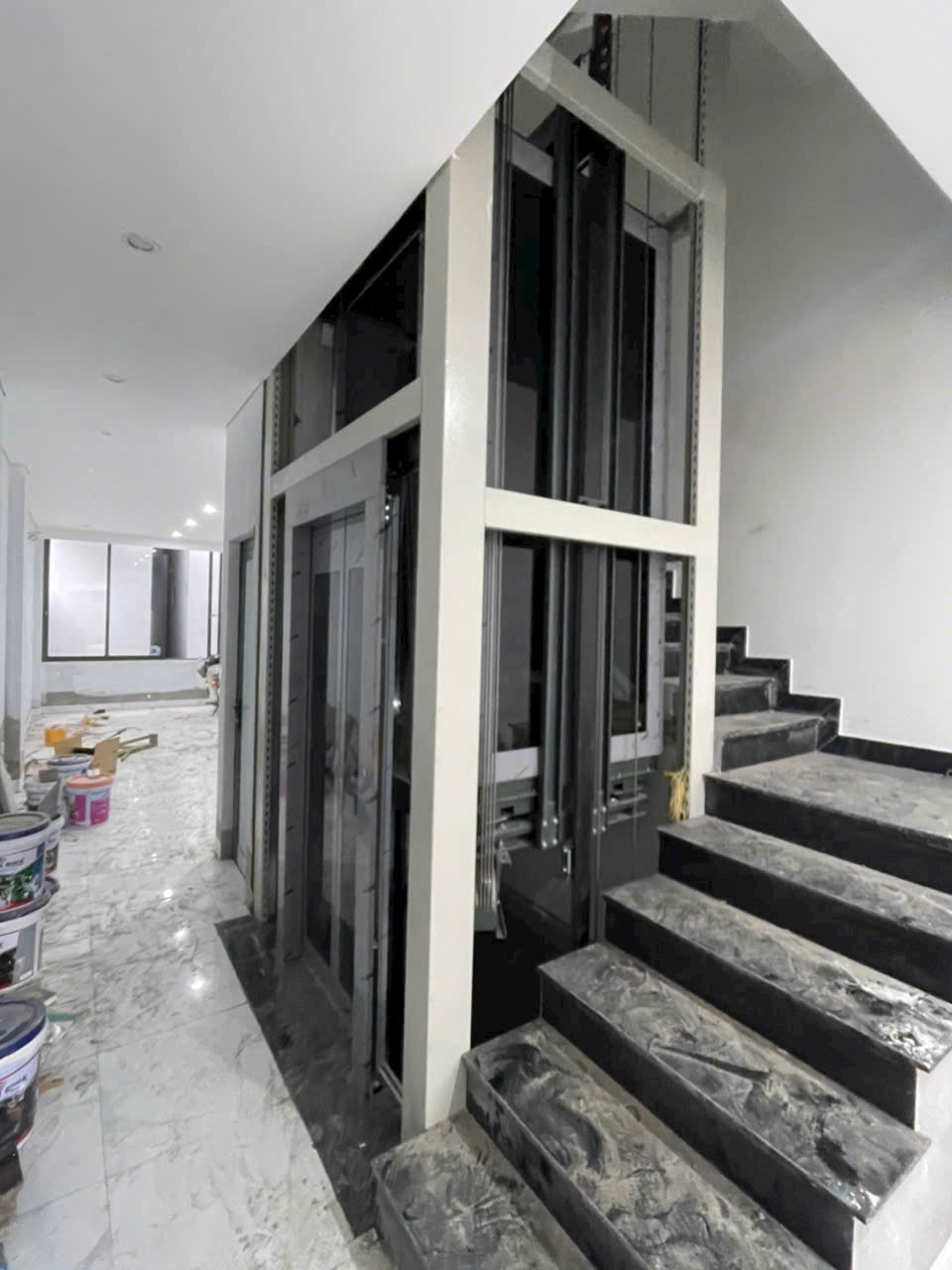
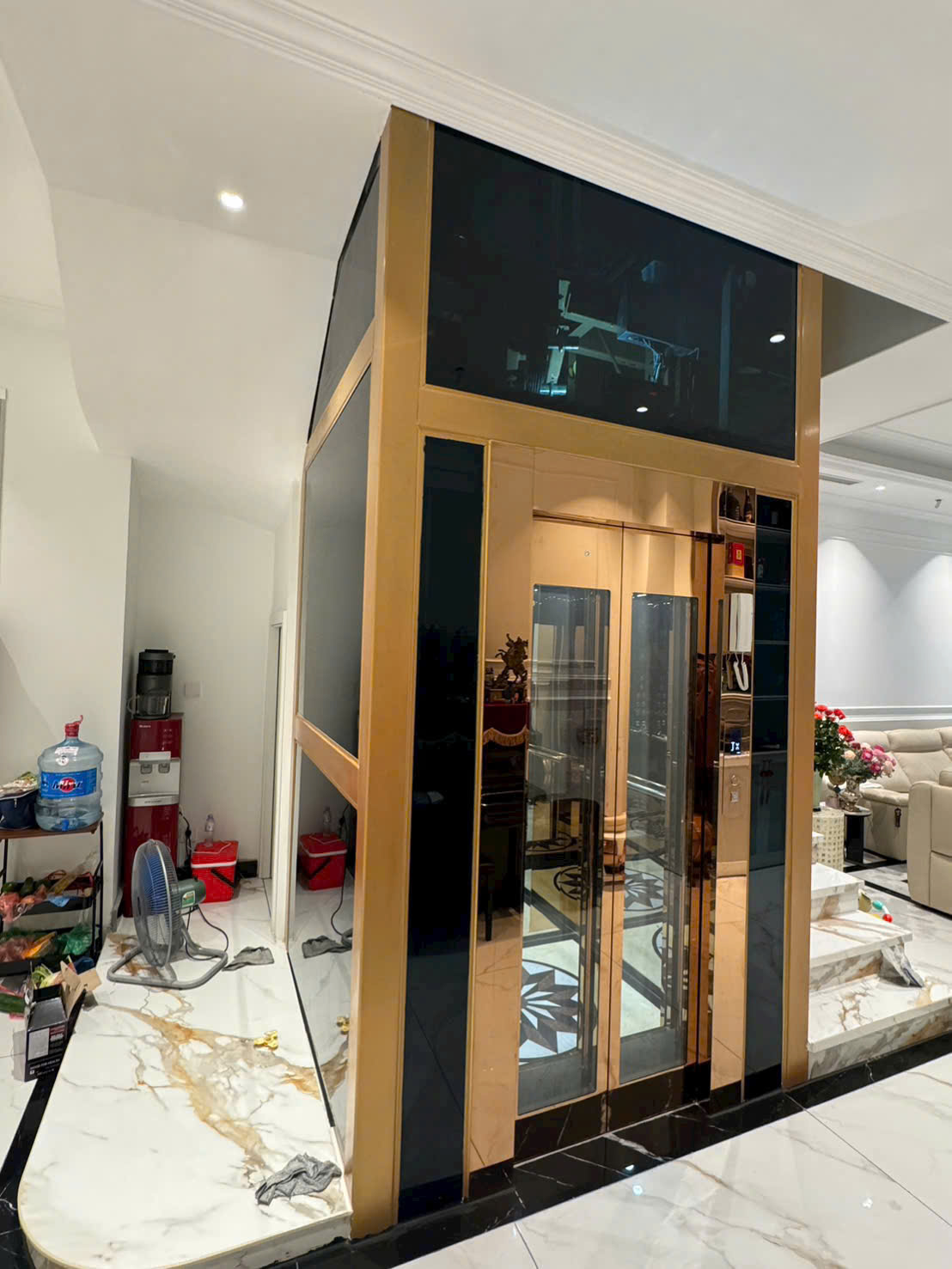
The handover of elevators to the investor or operating management unit is carried out after a valid acceptance report and inspection certificate have been obtained. The handover documents must be complete and detailed, including:
- The user manual provides detailed instructions on elevator operation, safety warnings, and basic troubleshooting procedures.
- Technical documentation : design drawings, electrical circuit diagrams, technical specifications of main components such as motor, controller, braking system, and load cables.
- Maintenance and servicing records : scheduled maintenance, inspection procedures, and component replacements as recommended by the manufacturer.
- Inspection certificate : a certificate confirming that the elevator has been inspected and meets safety standards.
Highly skilled technicians will conduct training for operating staff.
- Instructions on how to use the control panel and buttons in the cabin.
- Procedures for rescuing and providing first aid to someone trapped in an elevator.
- A quick guide to troubleshooting common problems and contacting the maintenance team.
During operation, elevators require regular maintenance according to proper technical procedures to ensure stable and safe operation and extend the equipment's lifespan. In-depth maintenance tasks include:
- Electrical system inspection : measure voltage and current, check contacts, relays, PLC controllers or microprocessors, ensuring there are no short circuits or damaged electronic components.
- Lubricate mechanical parts : apply oil and grease to bearings, gears, and guide rails to reduce friction and wear, prevent noise, and increase operational efficiency.
- Inspect the hoisting cables and suspension system : assess the condition of the hoisting cables for wear, stretch, hooks, and connecting parts, ensuring there are no signs of breakage, rust, or mechanical damage.
- Software update for elevator control : Upgrading the firmware or elevator management software to improve performance, add new features, or patch security vulnerabilities.
- Safety system inspection : testing safety devices such as emergency brakes, door sensors, speed limiters, and automatic rescue systems.
Maintenance should be carried out by certified and experienced technicians, while adhering to occupational safety and environmental protection regulations. Maintenance schedules are typically divided into levels:
- Daily maintenance: quick checks of basic functions, cleaning of the cabin and easily accessible parts.
- Monthly routine maintenance: detailed inspection of electrical, mechanical, and safety systems.
- Annual intensive maintenance: disassembly, inspection, and replacement of worn components, and a complete system re-test.
Strict adherence to maintenance procedures not only minimizes incidents and avoids operational disruptions but also enhances the user experience through smooth, safe, and reliable operation. Simultaneously, investors and management units need to maintain complete maintenance records, documenting incidents and corrective actions to facilitate periodic inspections, assessments, and future system upgrades.
Contact us to order professional elevator installation services.
To ensure your elevator is installed correctly, safely, and efficiently, choosing a reputable and professional service provider is crucial. We offer elevator installation services with a team of experienced engineers, modern equipment, and international standard work processes, meeting all stringent technical and safety requirements in the elevator industry.
Highly qualified engineering team: Our engineers are all well-trained, certified professionals with many years of practical experience in installing and maintaining elevators for residential, commercial, and industrial buildings. They have a deep understanding of safety standards such as TCVN 6397-1:2018, EN 81-20/50, and relevant elevator regulations.
Modern equipment and advanced technology: We utilize digital measuring and testing equipment, automated installation support machinery, and advanced PLC control technology to ensure every detail of the elevator is installed with absolute precision. The application of new technology minimizes errors, increases durability, and enhances elevator operational efficiency.
International standard work process: Our elevator installation process strictly adheres to the following steps:
- Site survey: Technical assessment, measurement of elevator shaft dimensions, and inspection of the building structure to select the appropriate elevator type.
- Technical planning: Designing detailed drawings, selecting materials and equipment, and determining the optimal construction method.
- Prepare materials and equipment: Check the quality of components, ensure their origin is clear, and that they meet technical standards.
- Construction and installation: Follow the correct technical procedures, ensuring workplace safety and adherence to the construction schedule.
- Inspection, calibration, and acceptance: Load testing, safety system checks, and operational calibration to ensure the elevator operates stably and safely.
- Handover and user training: Providing customers with technical documentation, operating instructions, and periodic maintenance guidelines.
Free consultation and detailed quotation: We are always ready to provide technical advice and help you choose the right elevator to suit your needs and budget. Our quotations are transparent and itemized, allowing customers to easily track and control costs.
Commitment to quality and safety: Every elevator installation project is closely monitored by us from preparation to final acceptance. We guarantee:
- Fully compliant with national and international safety standards.
- Ensures smooth operation, energy efficiency, and long lifespan.
- Prompt maintenance and repair support after handover.
- Ensure liability insurance and workplace safety are in place throughout the construction process.
Contact information for ordering professional elevator installation services:
We are committed to providing the most optimal, safe, and cost-effective elevator installation solutions for all types of projects, from individual homes to complex high-rise buildings.