

Elevator repair
Elevator repair
Technical overview of elevator systems
An elevator is a complex electromechanical system, combining precision mechanics, automatic control, power electronics, and multi-level safety systems. A standard elevator system includes the main components: the elevator car (cab) , counterweight , traction machine , control panel , guide rails, hoisting cables , floor sensors , landing doors/cabin doors , and a network of safety devices such as governors, overspeed controllers, limit switches, shock absorbers, and landing door locks. A thorough understanding of this structure is fundamental to implementing a scientific elevator maintenance process, minimizing risks, and optimizing operating costs.
In principle, elevators operate based on the balance between the elevator car and the counterweight , which is pulled by a traction machine via a system of steel cables or special belts. The control panel uses a variable frequency drive (VFD) , PLC , or specialized controller to coordinate movement, ensuring smooth and precise acceleration, deceleration, and floor stopping. Any repair intervention must be based on understanding the electrical diagrams , mechanical drawings , manufacturer's specifications, and safety standards such as EN 81 , TCVN 6395 , and TCVN 6396 .
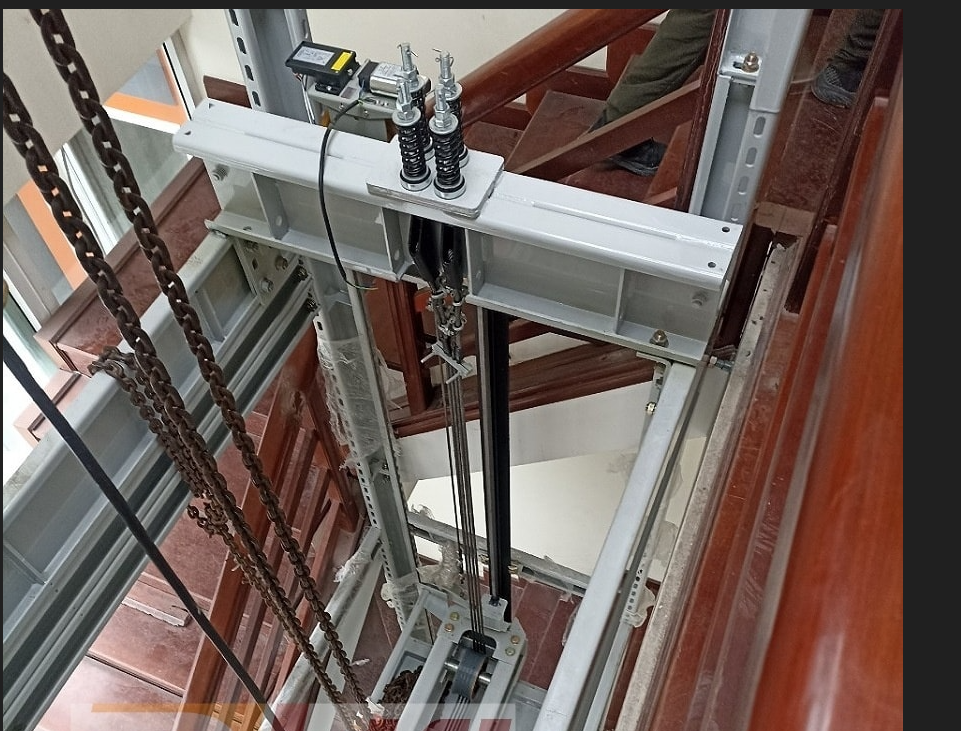
Professional elevator diagnostic and repair procedures
In reality, elevator repair is not just about replacing faulty components, but a process of diagnosis – root cause analysis – solution proposal – verification testing . Technicians need to combine field experience , operational data , error codes displayed on the control panel, and measurement results from specialized equipment to make accurate decisions, avoiding unnecessary and costly replacements that pose potential safety risks.
Steps for diagnosing elevator malfunctions
The in-depth diagnostic process typically includes the following basic steps, each requiring detailed technical log documentation:
- 1. Incident reporting: Record specific symptoms from users or building management: sudden elevator stops, shaking, jammed doors, error messages, loss of floor call signals, unusual noises, burning smell, or slower-than-normal operation.
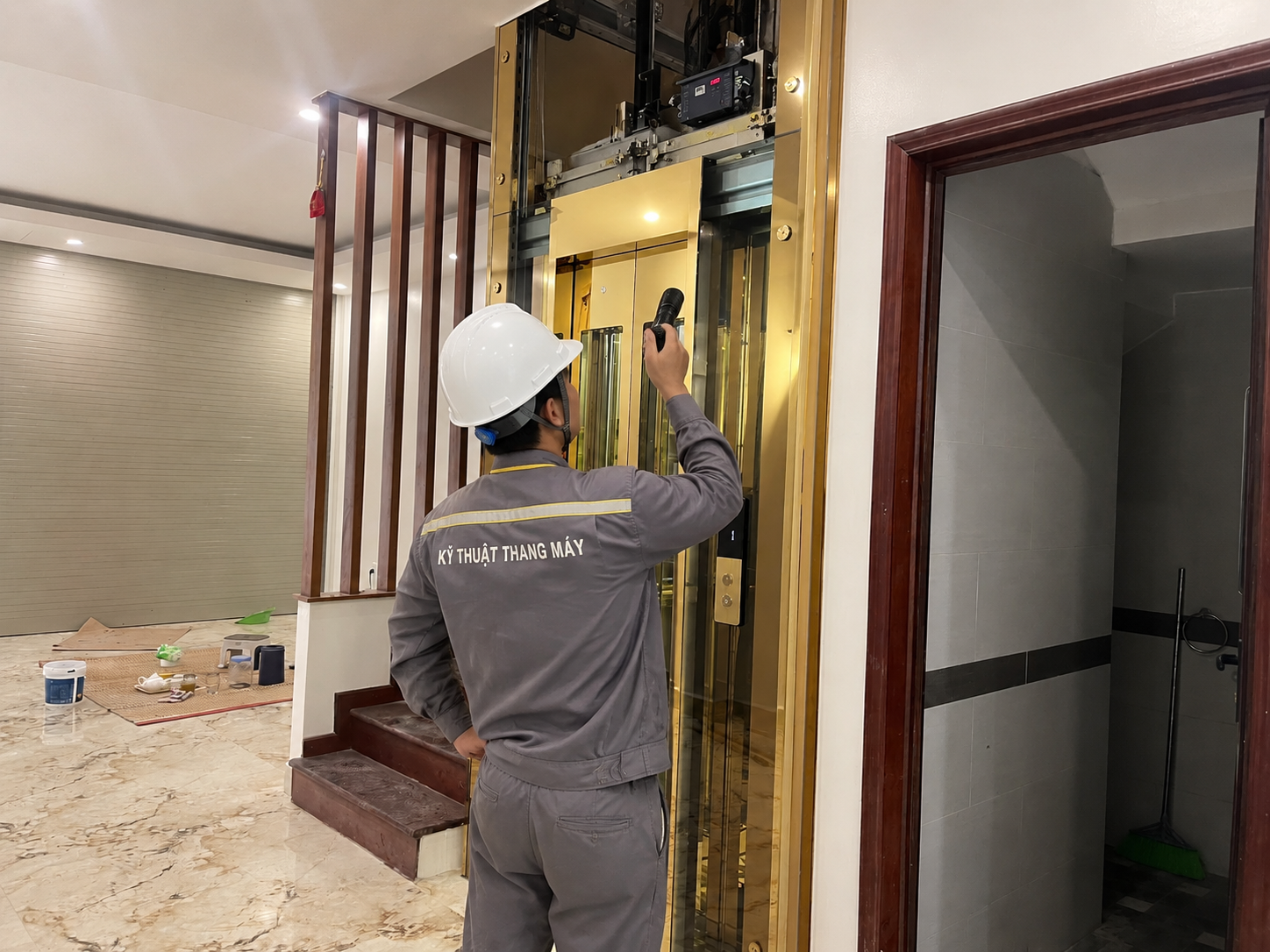
- 2. Initial safety check: Disconnect the power supply according to the lockout/tagout procedure, check the condition of the mechanical brakes , hoisting cables , counterweight , landing doors , and ensure that no passengers are trapped in the cabin before proceeding with further technical operations.
- 3. Read error codes and event logs: Use the HMI screen, keypad, or specialized software to retrieve error codes and event logs , thereby pinpointing the fault area: power, control, sensors, door drive, or power supply.
- 4. Electrical and electronic testing: Use a multimeter , megger , clamp meter , and oscilloscope (when necessary) to check the power supply voltage, motor insulation, encoder signals, signals from the floor sensor, door switches, safety relays, and brake control circuits.
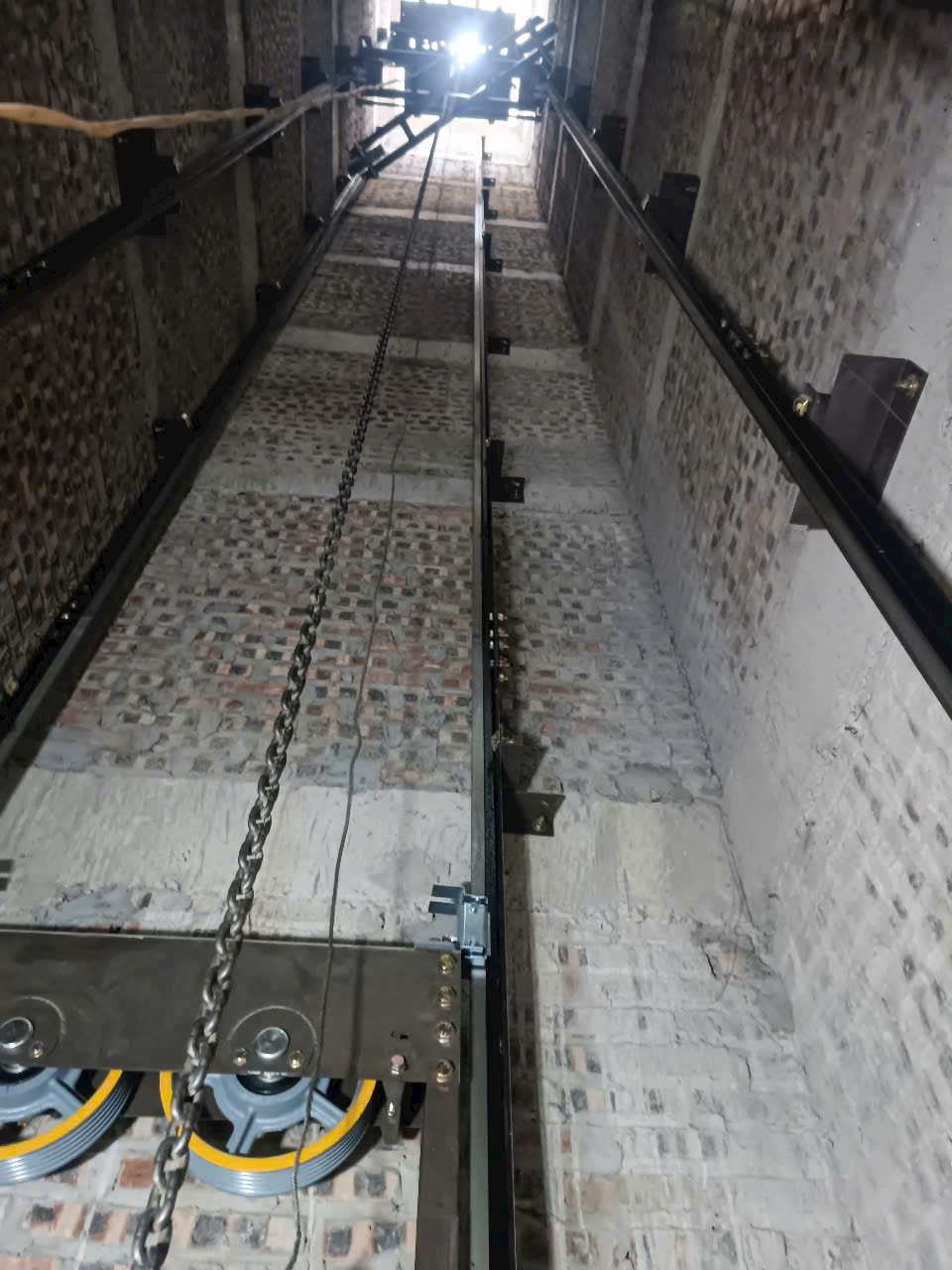
- 5. Mechanical and transmission inspection: Observe and measure pulley wear , cable sag , bearing play , rail straightness , door tightness , shock absorber condition , speed limiter condition , and assess the necessary level of intervention.
- 6. Root Cause Analysis: Beyond simply identifying the faulty component, technicians need to trace the underlying cause: prolonged overload, poor maintenance, humid environment, voltage fluctuations, unsuitable design, or initial installation errors.
- 7. Proposed repair and replacement plan: Develop a detailed technical plan, listing the components that need replacing, the elevator downtime, safety measures, estimated costs, and advise on the possibility of upgrading (modernization) if the system has exceeded its lifespan.
Common elevator repair items
Each group of elevator components has its own specific types of malfunctions, requiring specialized skills and tools. Some common repair items include:
- Repairing landing doors and cabin doors: Troubleshooting issues such as doors not opening/closing fully , jamming , doors slamming shut , and photocell error messages . Work may include adjusting door tracks, replacing rollers , belts , door motors , control boards , or safety sensors .
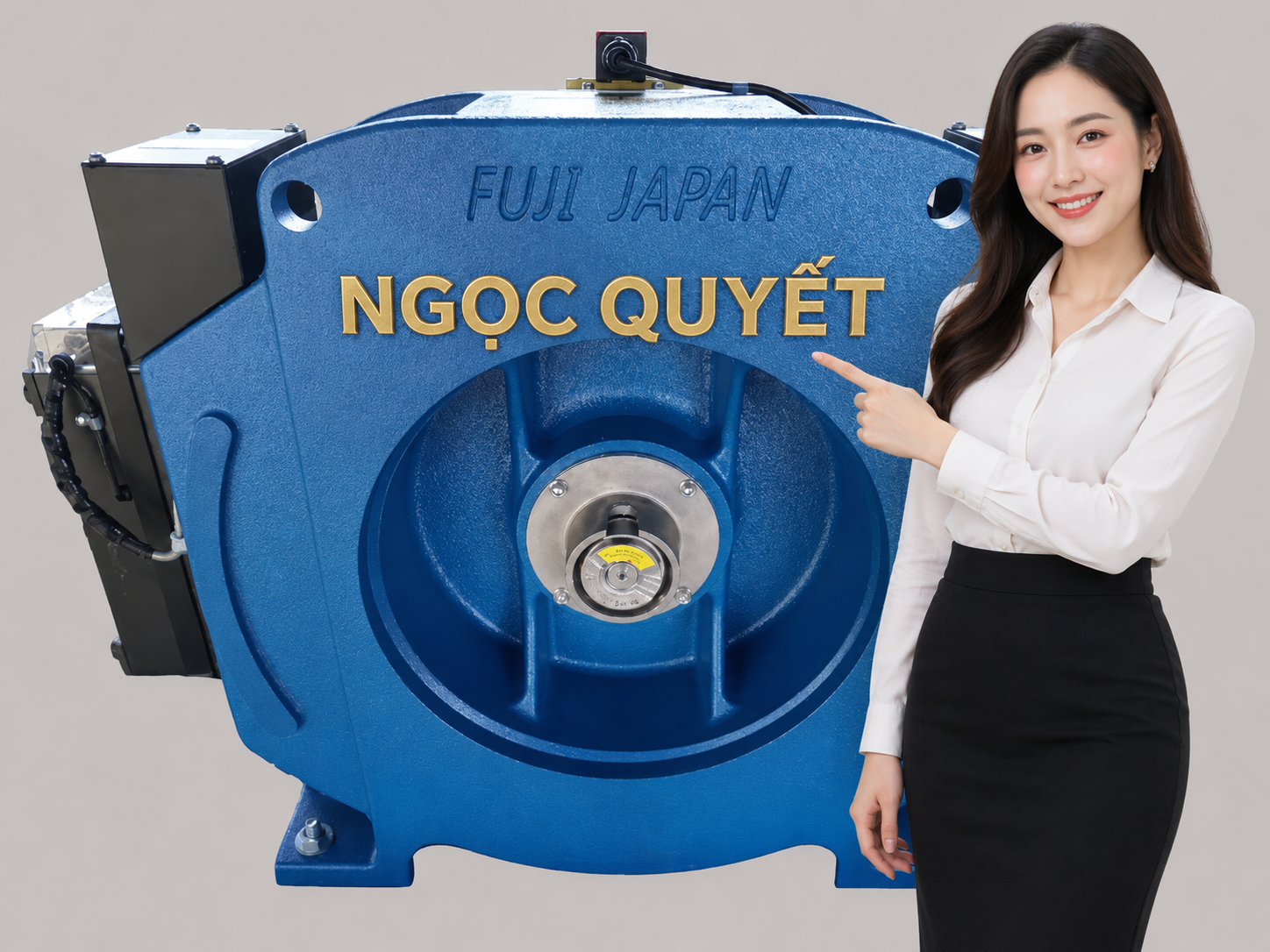
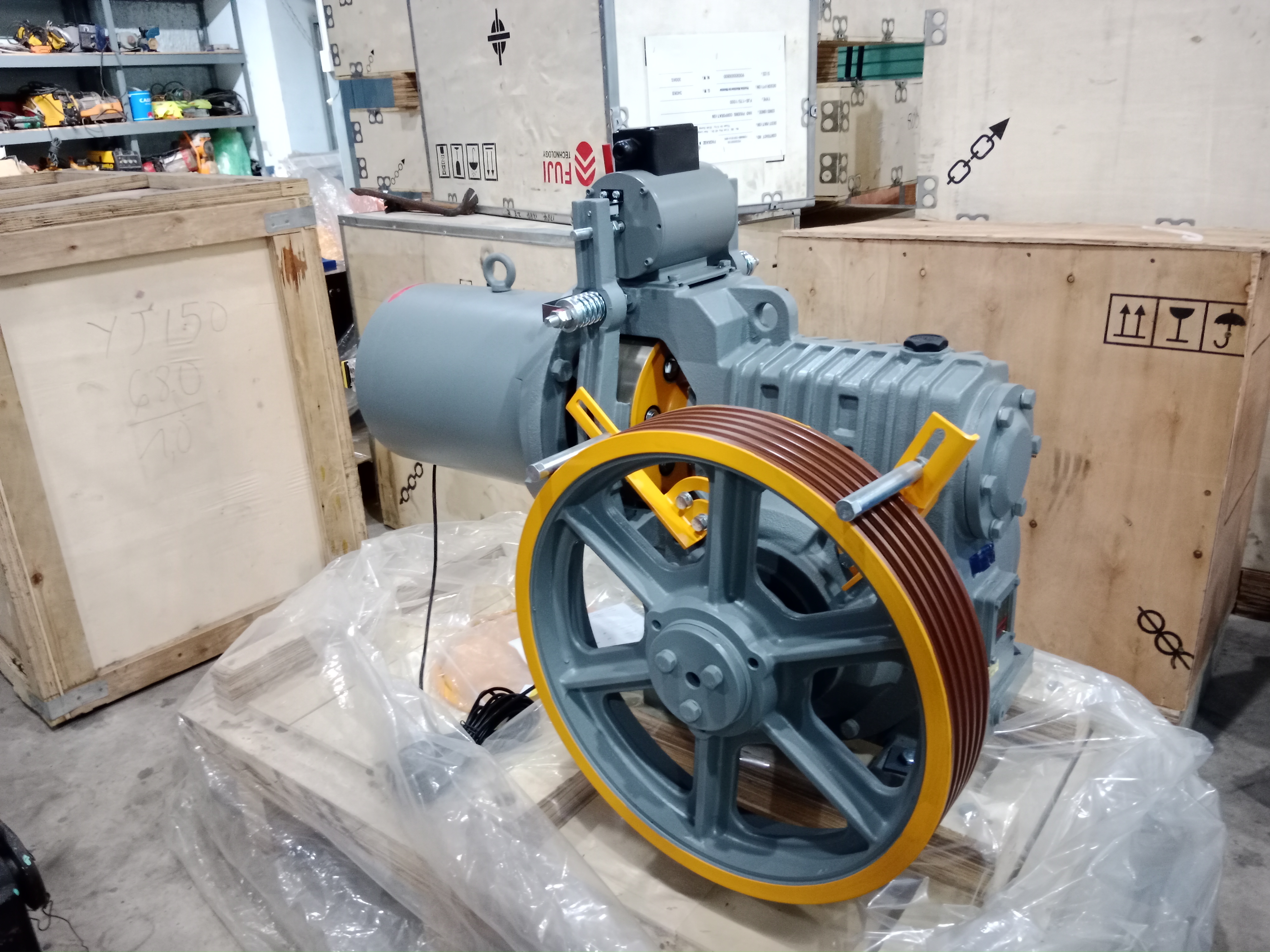
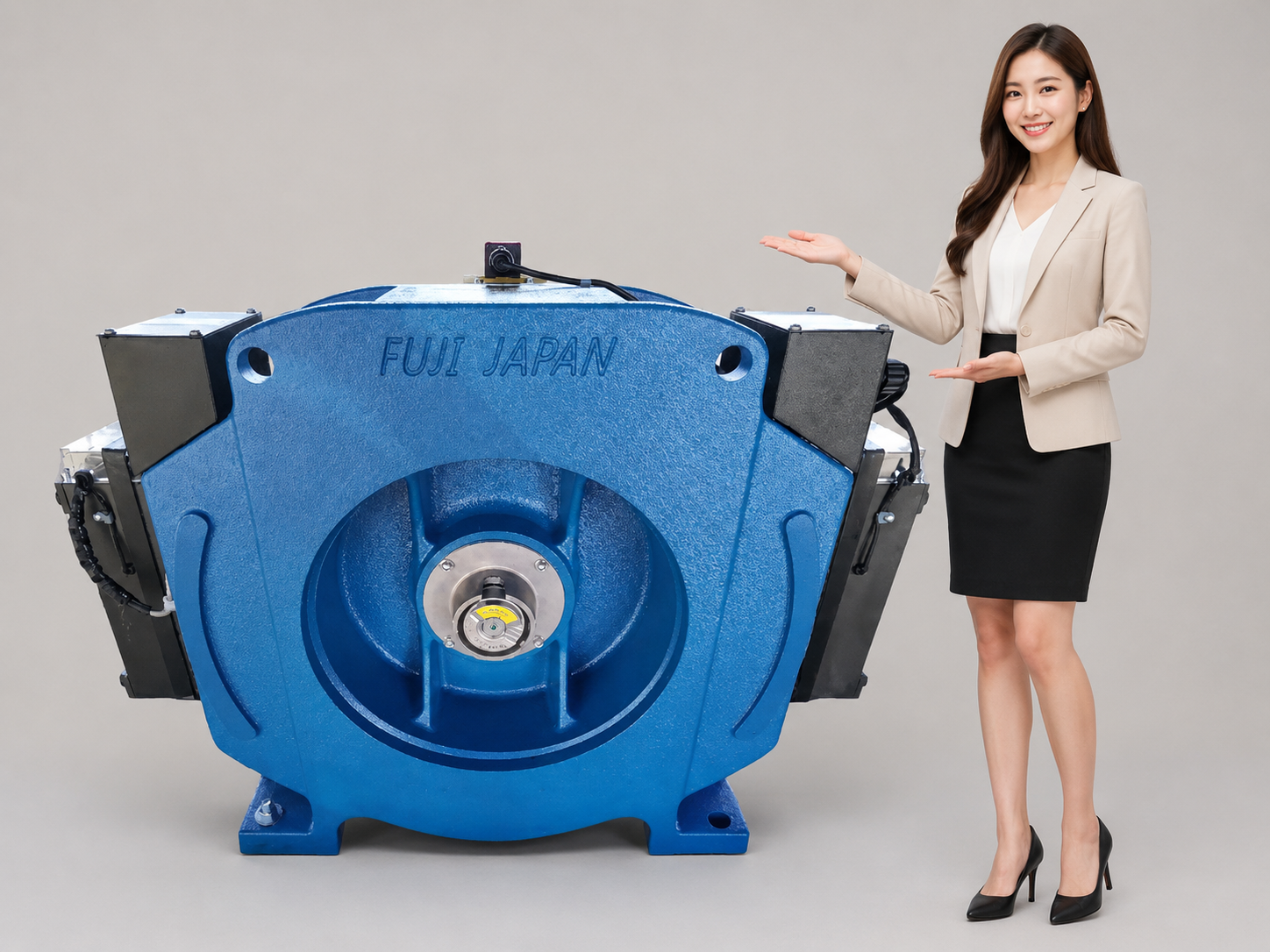
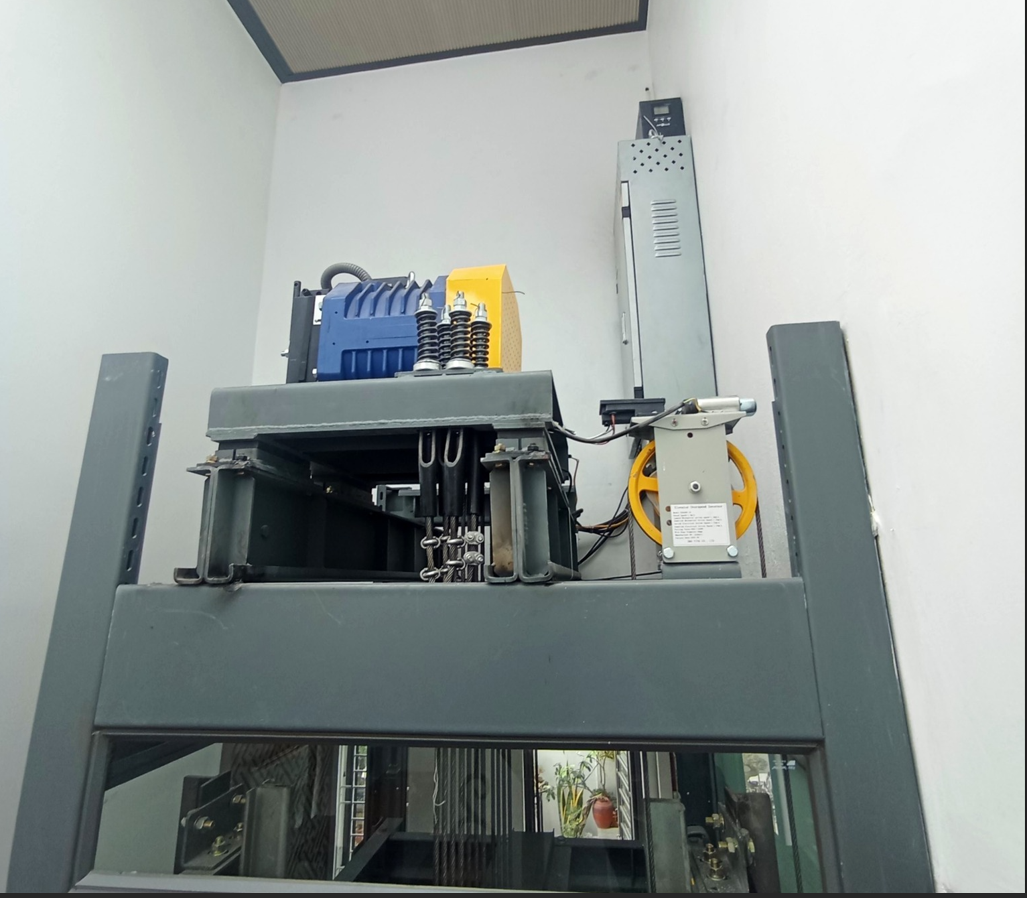
- Tractor and motor repair: Inspect bearings , mechanical brakes , friction pulleys , stator core , rotor , address vibration and noise , cable slippage , motor overheating , and electrical leakage . For gearless tractors, pay attention to the encoder , temperature sensor , and inverter compatibility.
- Repairing control cabinets and inverters: Replacing IGBTs , DC link capacitors , switching power supplies , relays , contactors , CPU boards , I/O modules ; troubleshooting phase loss , overcurrent , overvoltage , encoder errors , and communication errors . This requires power electronics skills and a deep understanding of control algorithms.
- Repair of sensor and safety systems: Inspect and replace floor sensors , door sensors , limit switches , cabin roof safety switches , speed limiters , cable tension switches , ensuring safety circuits are always in a fail-safe state according to standards.
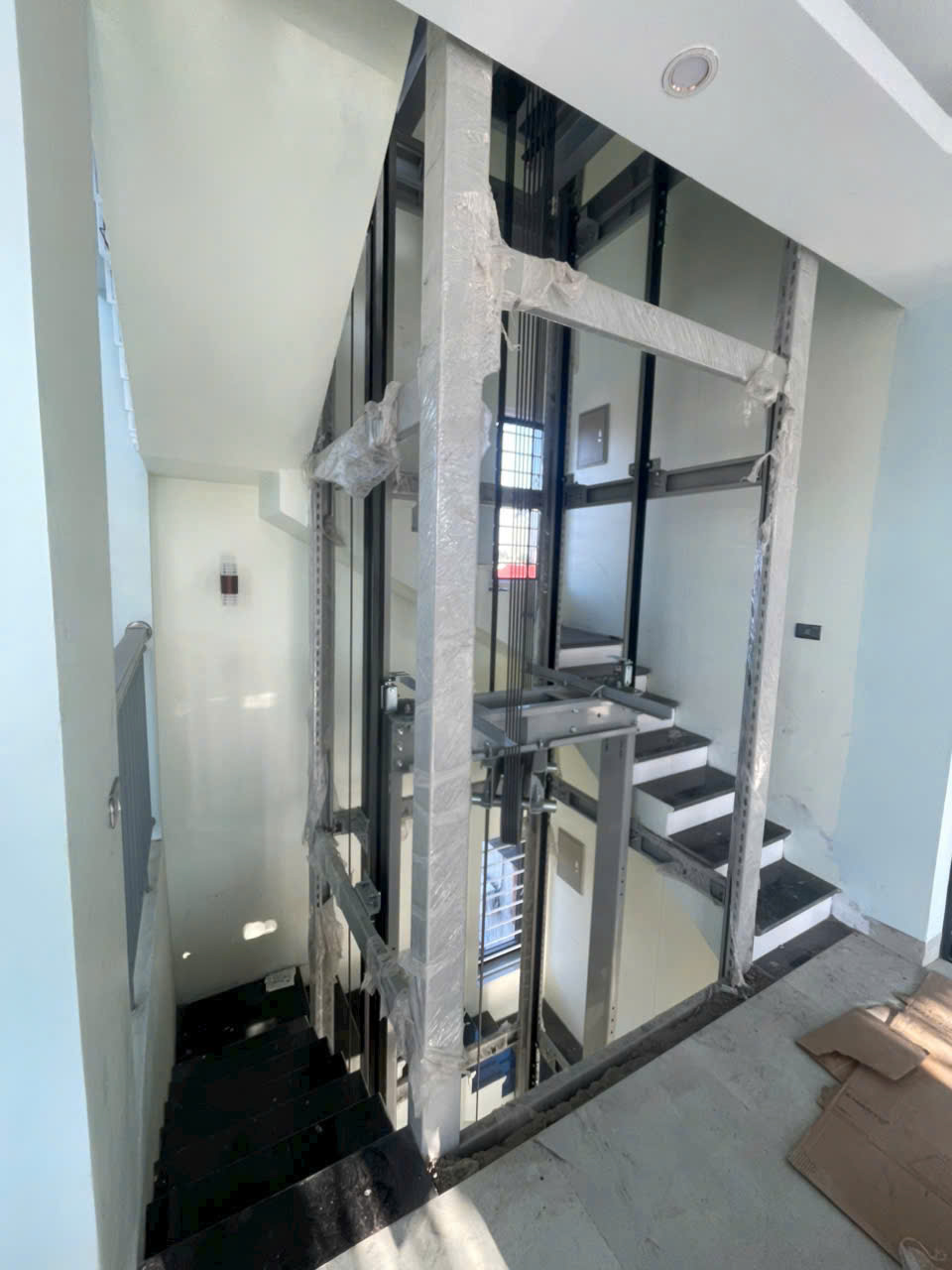
- Mechanical and structural repairs: Aligning guide rails , replacing guide rollers or wheels , addressing cabin vibration and noise when running over rail joints , reinforcing the cabin frame , inspecting welds , anchor bolts , and engine base .
Safety standards, preventive maintenance, and system upgrades.
In the field of elevator repair , adherence to safety standards and the implementation of preventive maintenance are crucial for reducing failure frequency, extending equipment lifespan, and protecting users. Elevators are high-risk vertical transportation vehicles, so all repair activities must be controlled by standard procedures , acceptance forms , and fully documented technical records .
Safety requirements during the repair process.
When carrying out repairs, the technical team must strictly adhere to the following safety principles:
- Disconnect power and use safety interlocks: Perform lockout/tagout , hang warning signs, cut off the main power and cabin lighting when necessary, and recheck with measuring equipment to ensure there is no remaining dangerous voltage.
- Use personal protective equipment (PPE): Wear a safety helmet , safety harness , insulated shoes , insulated gloves , and safety glasses , especially when working on the cabin roof, in elevator shafts, or in confined machine rooms.
- Adhere to procedures for working at heights and in confined spaces: Ensure there are at least two people working in elevator shafts, maintain communication at all times, monitor for falling tools, and have an emergency rescue plan in place.
- Controlled trial operation: After repairs, operate the elevator in inspection mode at a slow speed, checking each safety function before switching to normal mode for passenger use.
Preventive maintenance and modernization upgrades
.jpg)
To minimize the need for unscheduled repairs, building management units should develop a routine maintenance plan based on usage frequency, equipment lifespan, and manufacturer recommendations. An effective maintenance program typically includes:
- Monthly inspection: Clean the electrical cabinet, check contacts, tighten terminals, lubricate friction points, check door operation, test basic safety devices, measure for abnormal noise and vibration.
- Quarterly and annual inspections: Measure insulation resistance , check cable wear , rail alignment , brake adjustment , speed limiter and shock absorber inspection , and conduct an overall assessment of the mechanical and electrical condition.
- Digital record keeping: Detailed records of each maintenance, repair, and component replacement, updated operating time , number of starts , and number of floor stops , thereby analyzing failure trends and proactively planning replacements .
- Modernization: For elevators that have been in operation for 15-20 years, consider replacing the control panel , inverter , gearless traction machine , door system , optical safety sensors , and automatic rescue system (ARD) . This will enhance safety, save energy, and improve the user experience.
Choosing an elevator repair company should be based on criteria such as technical competence , professional certifications , experience with various elevator types (machine room elevators, machine roomless elevators, hydraulic elevators, passenger elevators, freight elevators, hospital elevators) , and the ability to supply genuine parts and provide 24/7 service . The combination of in-depth expertise, adherence to standards, and a systematic maintenance process is key to ensuring the stable, safe, and sustainable operation of the elevator system throughout its lifespan.