Hospital Elevators
Specifications of hospital elevators
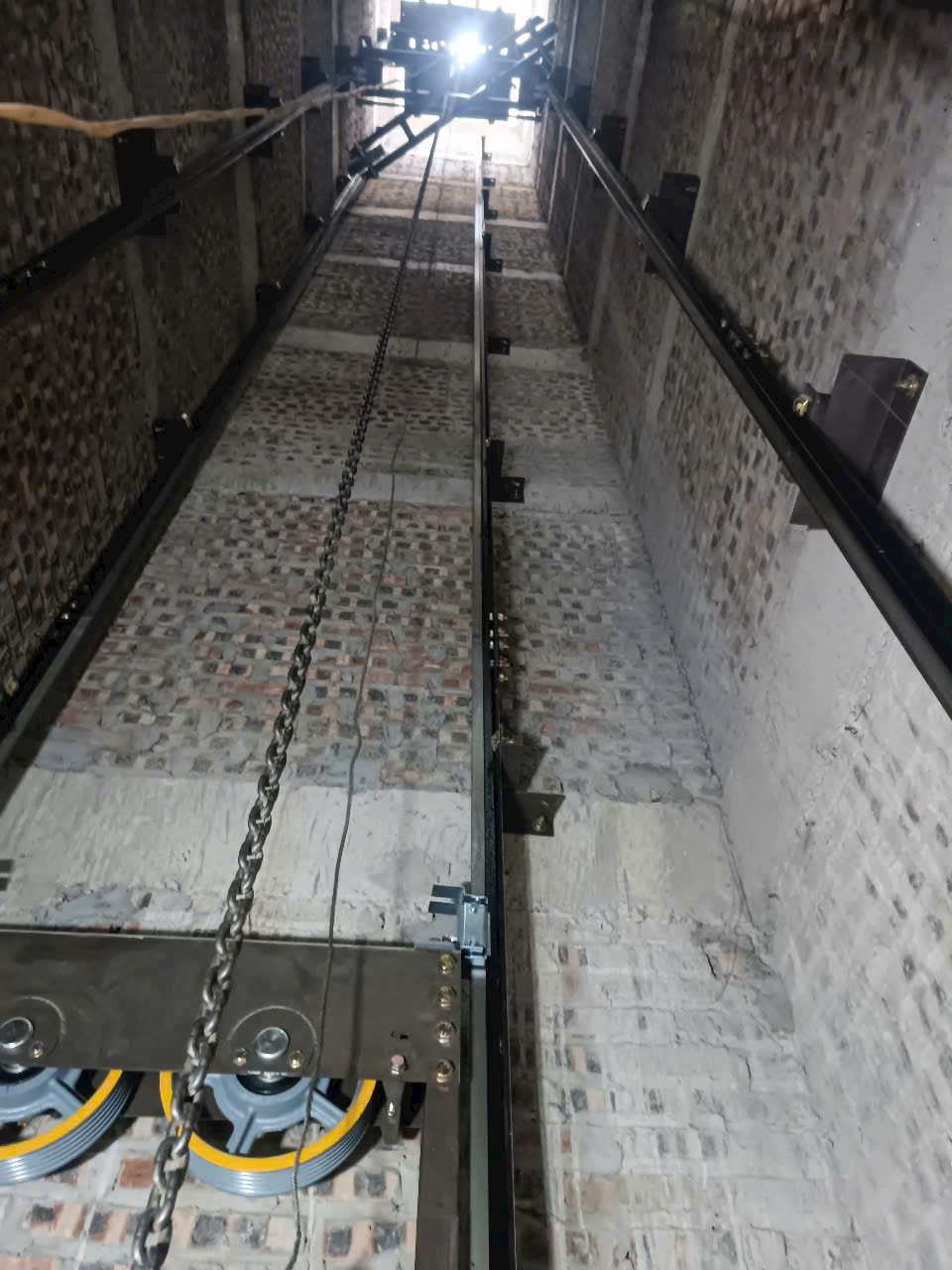
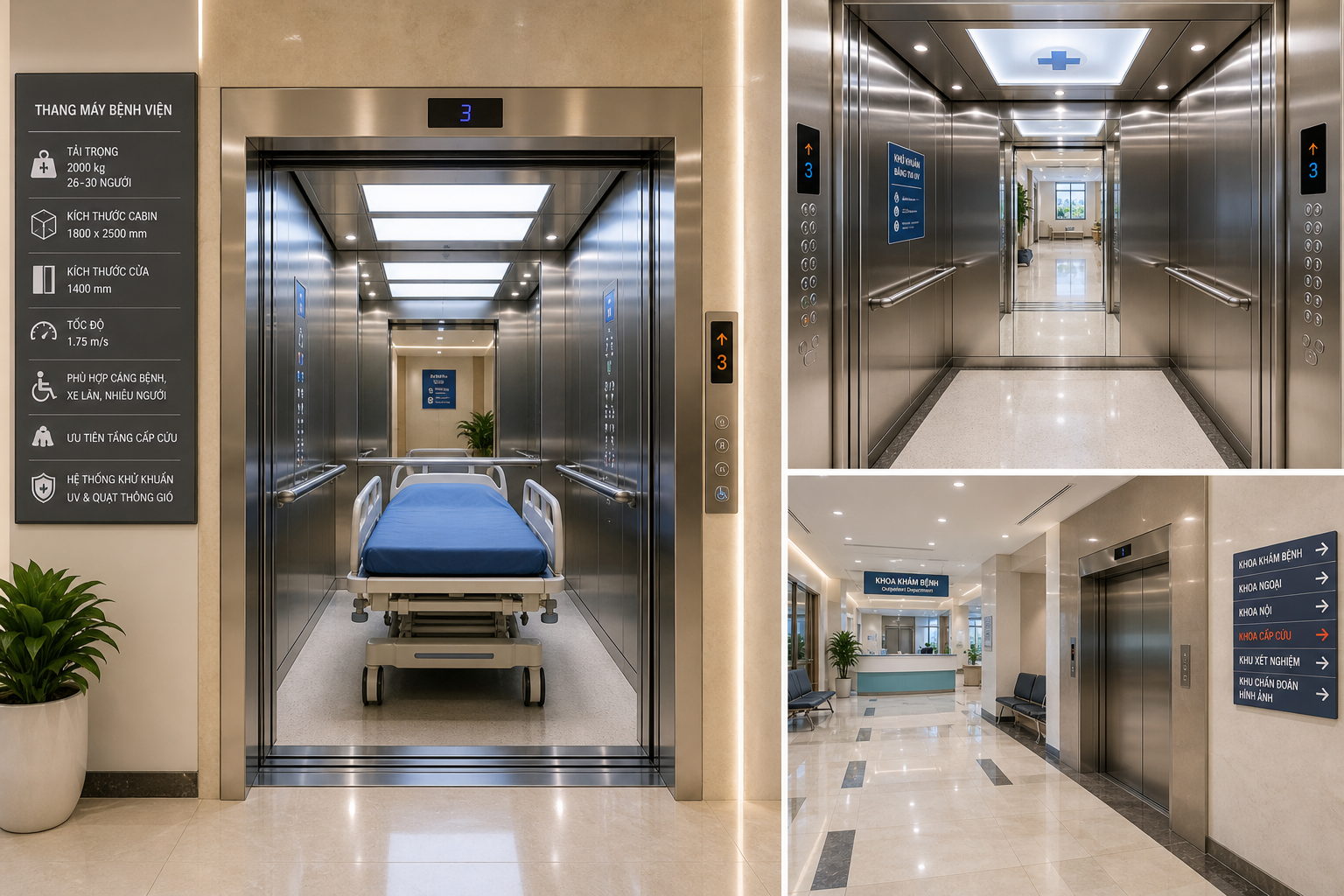
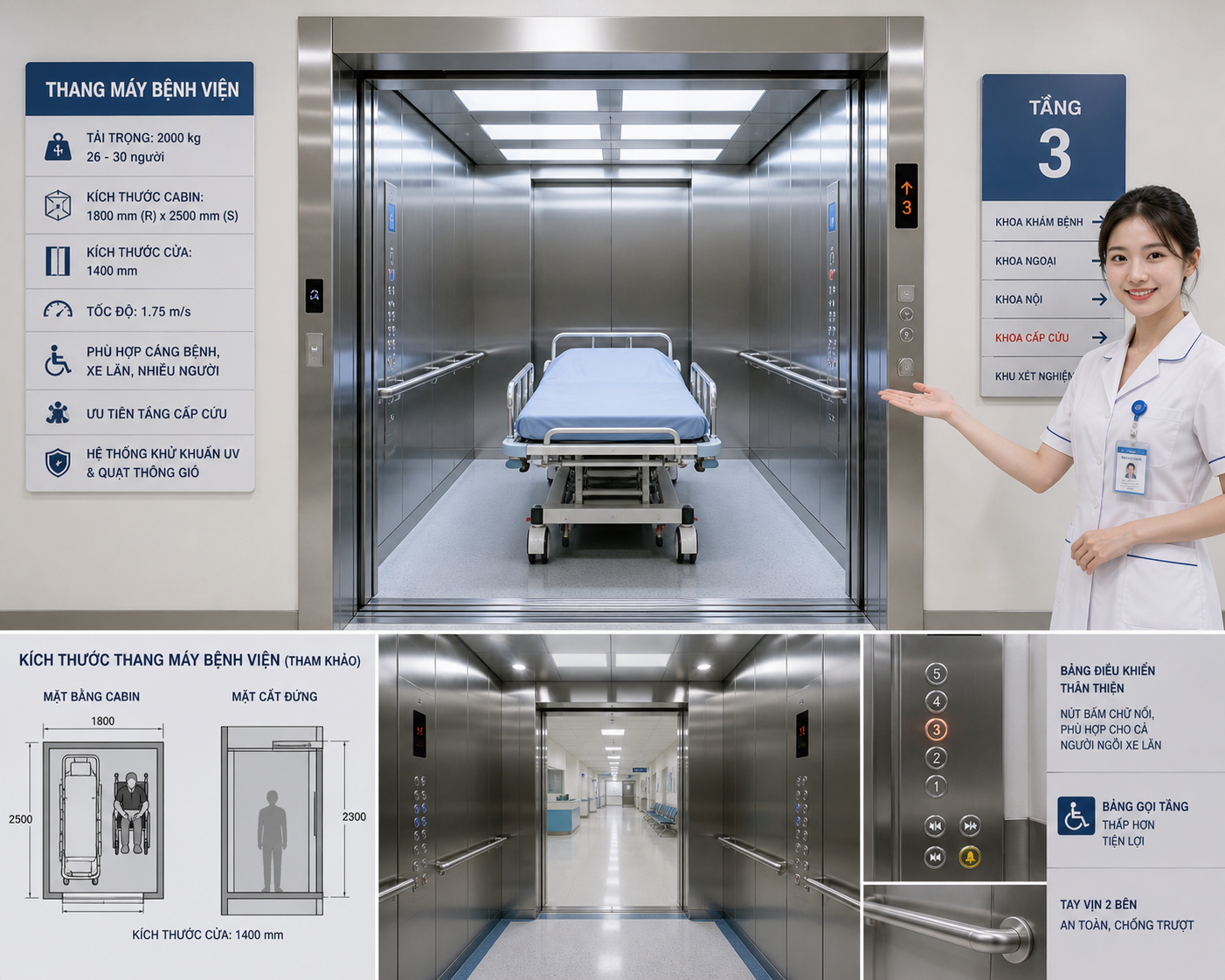
Hospital elevators are specially designed to meet the stringent requirements for transporting patients, medical equipment, and staff within a hospital environment. Unlike conventional residential elevators, hospital elevators require spacious cabins to accommodate stretchers, hospital beds, and other support equipment. Typically, hospital elevator cabin sizes range from 2.0m x 1.5m to 3.0m x 2.0m, ensuring sufficient space for safe and convenient movement.
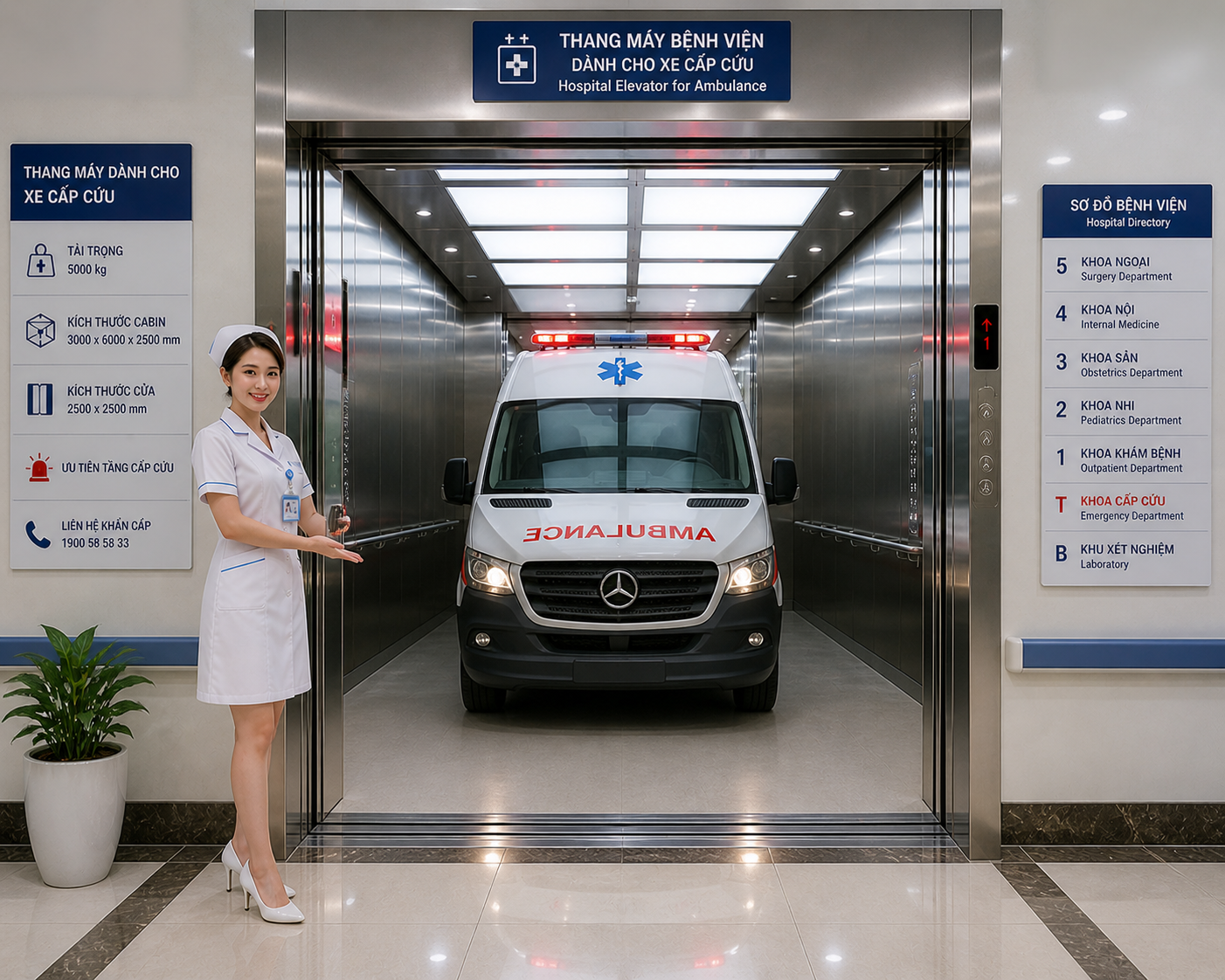
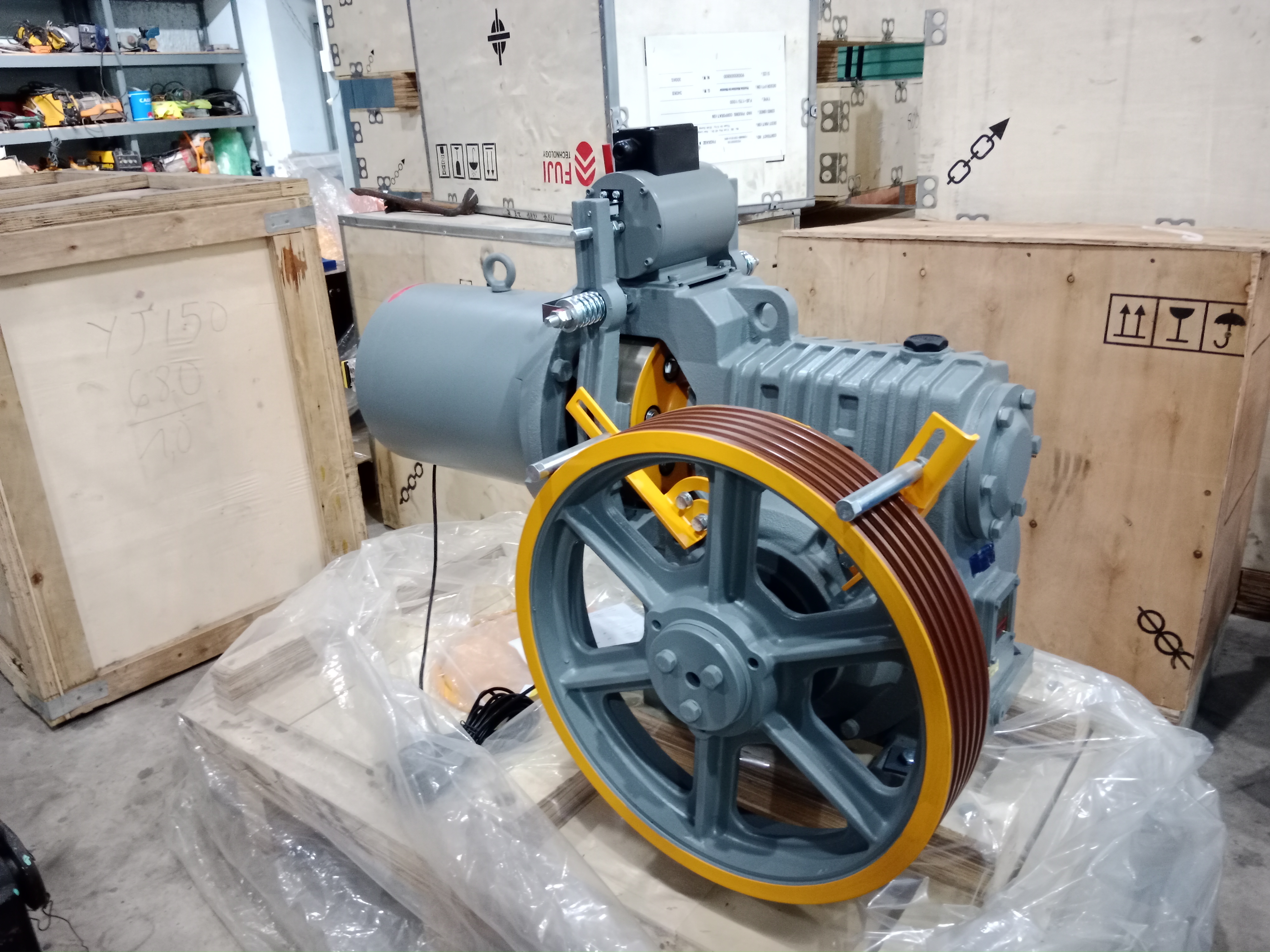
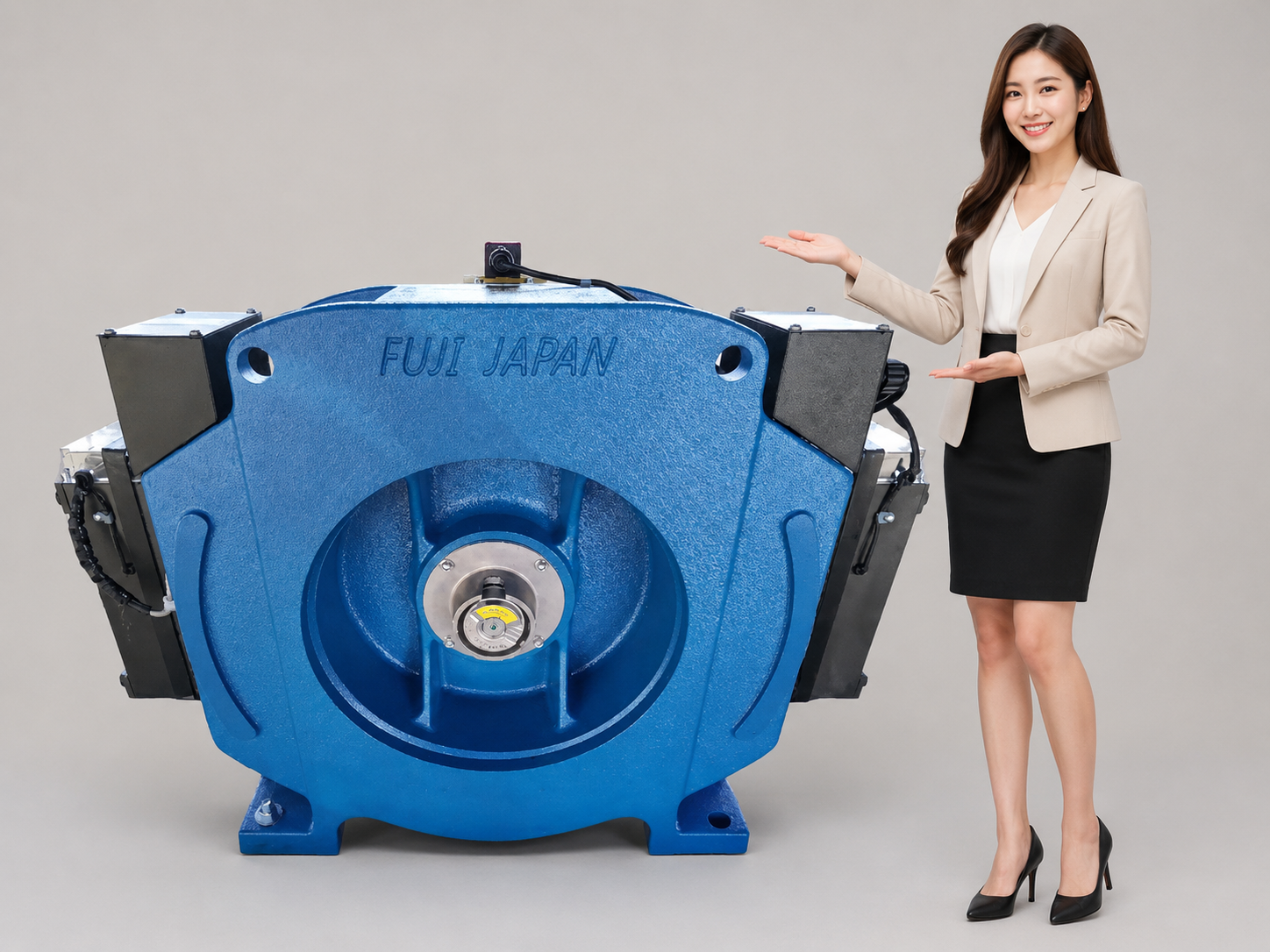
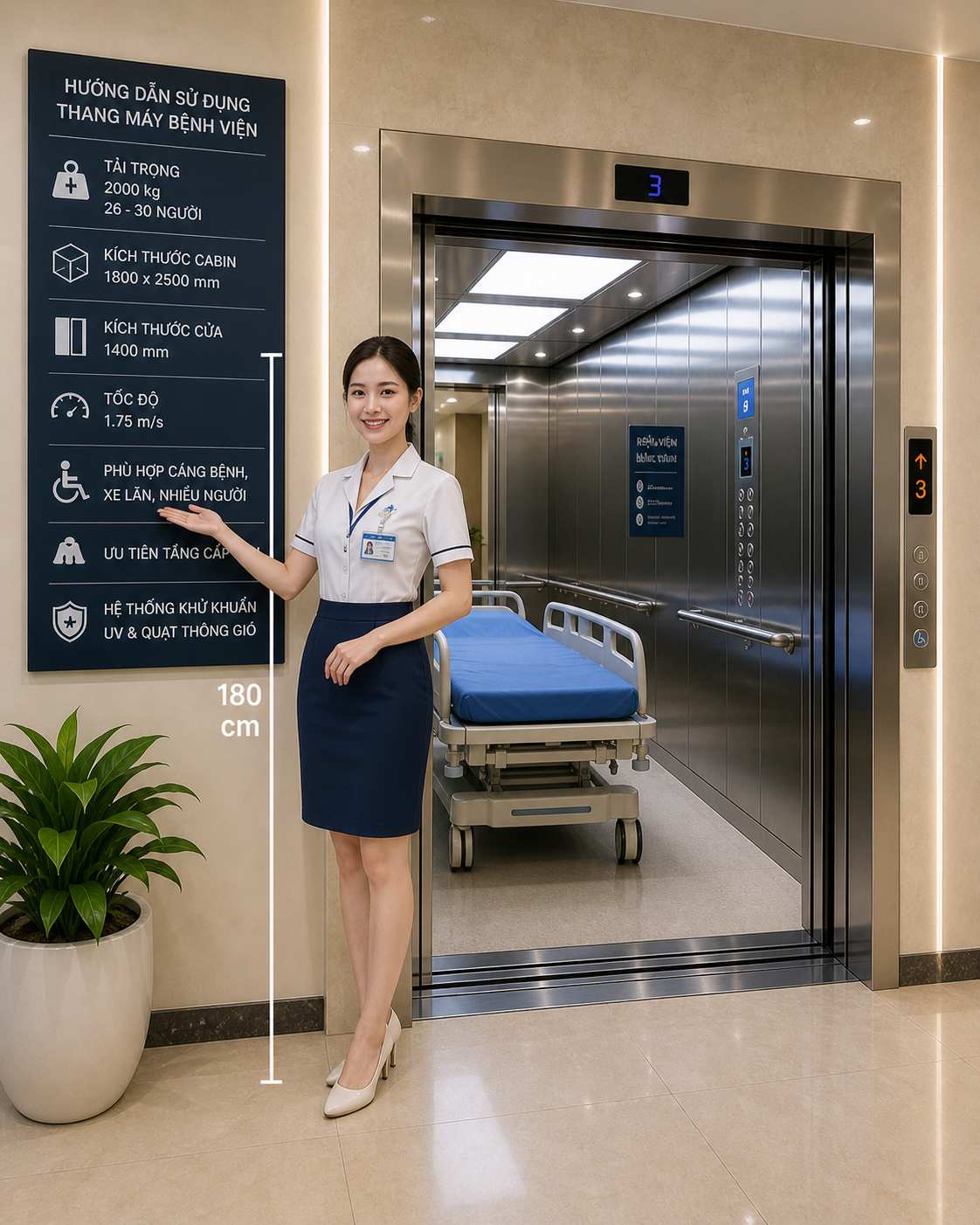
In terms of load capacity, hospital elevators typically have a load capacity of 1000kg to 2500kg, equivalent to transporting 13 to 33 people or a patient stretcher along with medical staff. The motor system uses advanced technology such as gearless motors, which ensure smooth operation, energy efficiency, and reduced noise – crucial in a hospital environment requiring quietness.
The elevator door system is also specially designed with wide-opening doors, usually automatic double or four-door systems, allowing for quick and easy entry and exit, avoiding obstruction when transporting emergency patients. In addition, hospital elevators are equipped with LED lighting inside the cabin and touch-screen control panels, making them easy to operate in emergency situations.
Safety and hygiene standards in hospital elevators.
Safety is paramount in the design and operation of hospital elevators. International safety standards such as EN 81-70, EN 81-72, and Vietnamese standards TCVN are strictly applied to ensure stable and absolutely safe elevator operation. Hospital elevators must have an automatic rescue system, fire alarm, emergency communication system, and anti-jamming door sensors to prevent dangerous incidents.
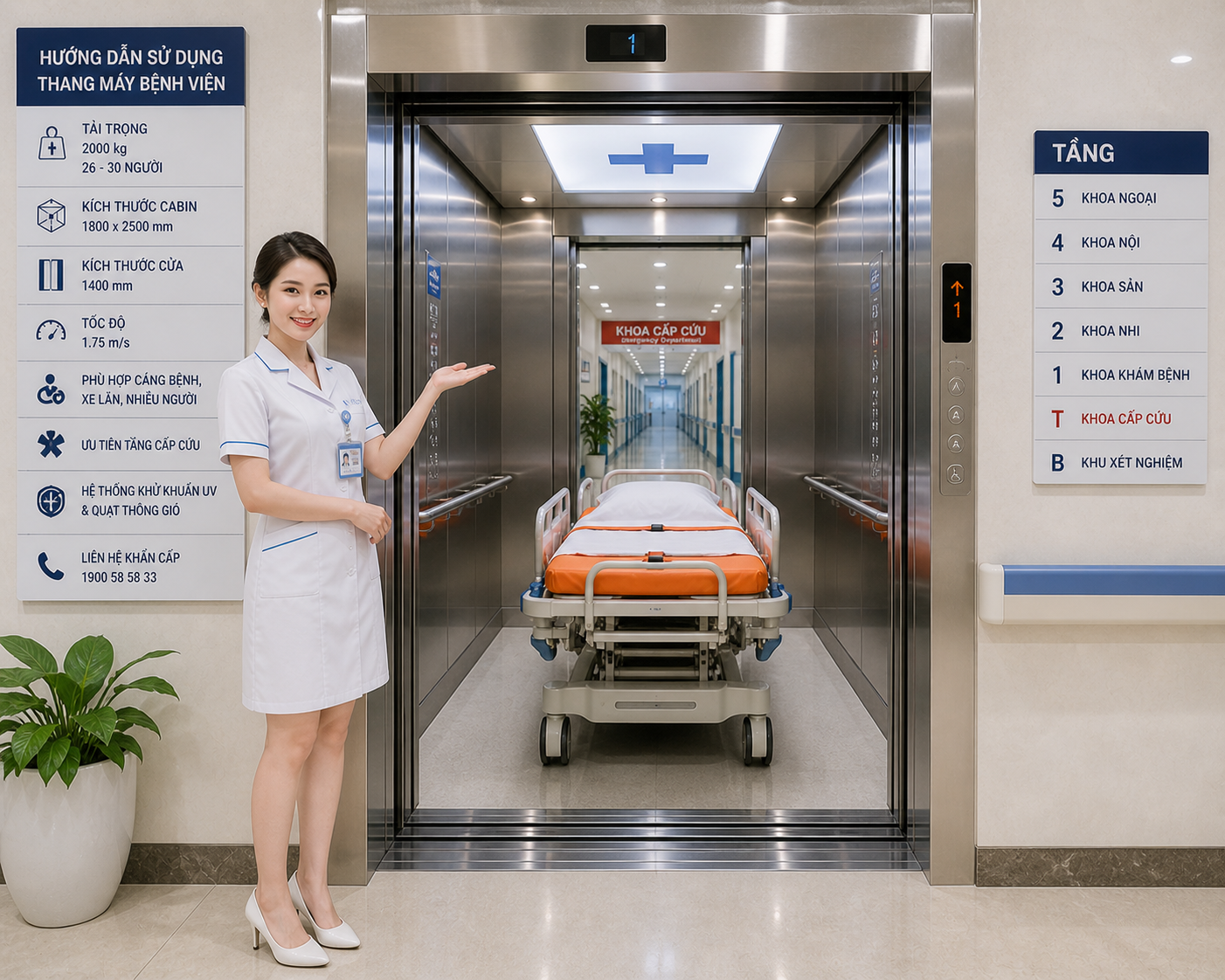
In terms of hygiene, hospital elevators need to be cleaned and disinfected regularly to prevent the spread of bacteria and viruses. Materials used in the cabin are typically stainless steel or other easy-to-clean, antibacterial materials. Ventilation and air filtration systems are also integrated to ensure a clean and safe environment inside the elevator for patients, especially those with weakened immune systems.
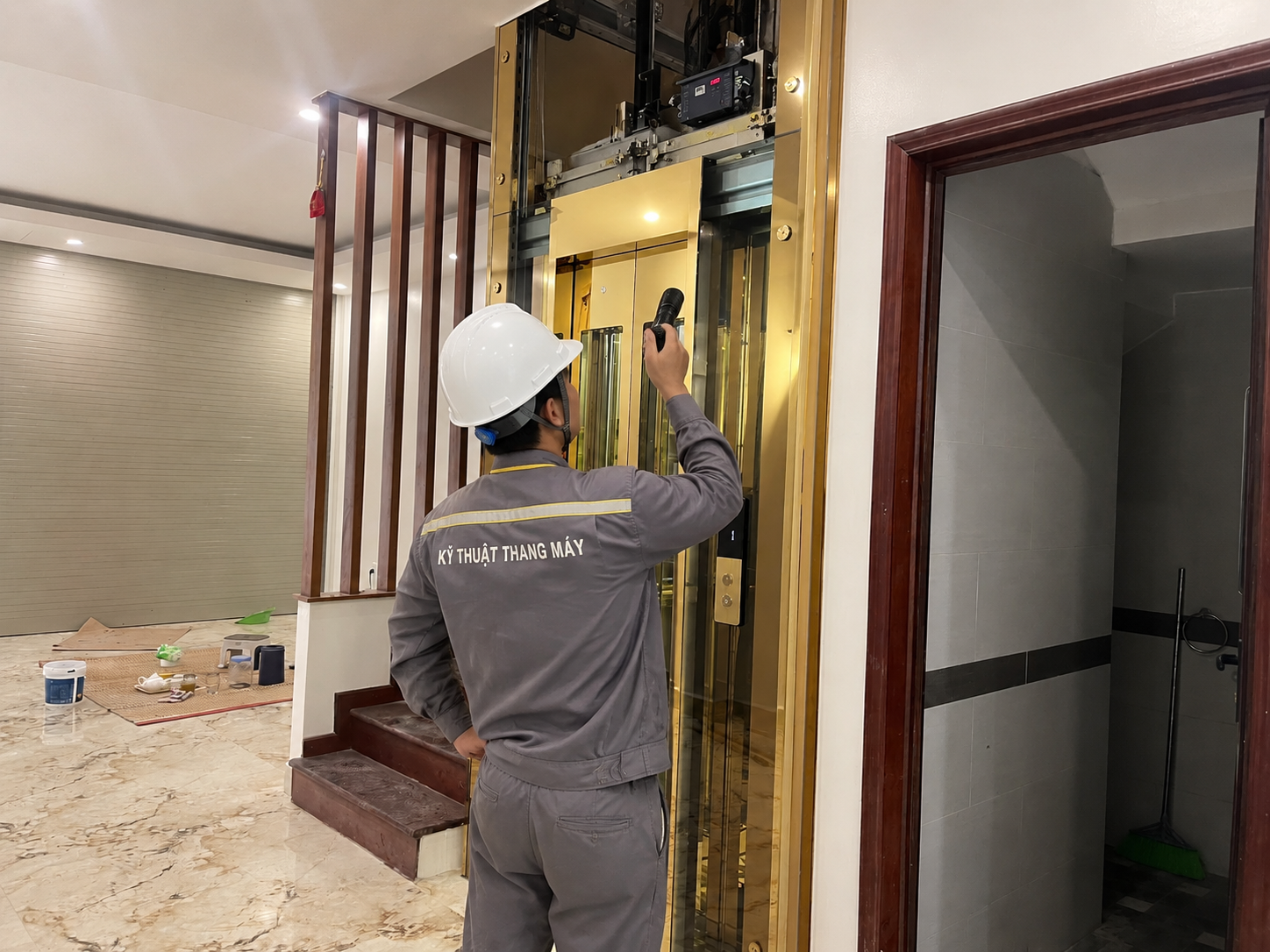
Regular maintenance also plays a crucial role in maintaining safety and hygiene standards. Professional technicians will inspect electrical systems, mechanical components, safety brakes, and other supporting equipment to detect and rectify technical faults promptly, preventing operational disruptions and user hazards.
Modern technology applied in hospital elevators.
Modern hospital elevators incorporate many advanced technologies to enhance operational efficiency and user experience. One notable technology is the intelligent control system, which allows elevators to prioritize service for floors with emergency needs or for transporting medical equipment. This system uses optimized algorithms to reduce waiting and travel times, contributing to faster response to emergency situations.
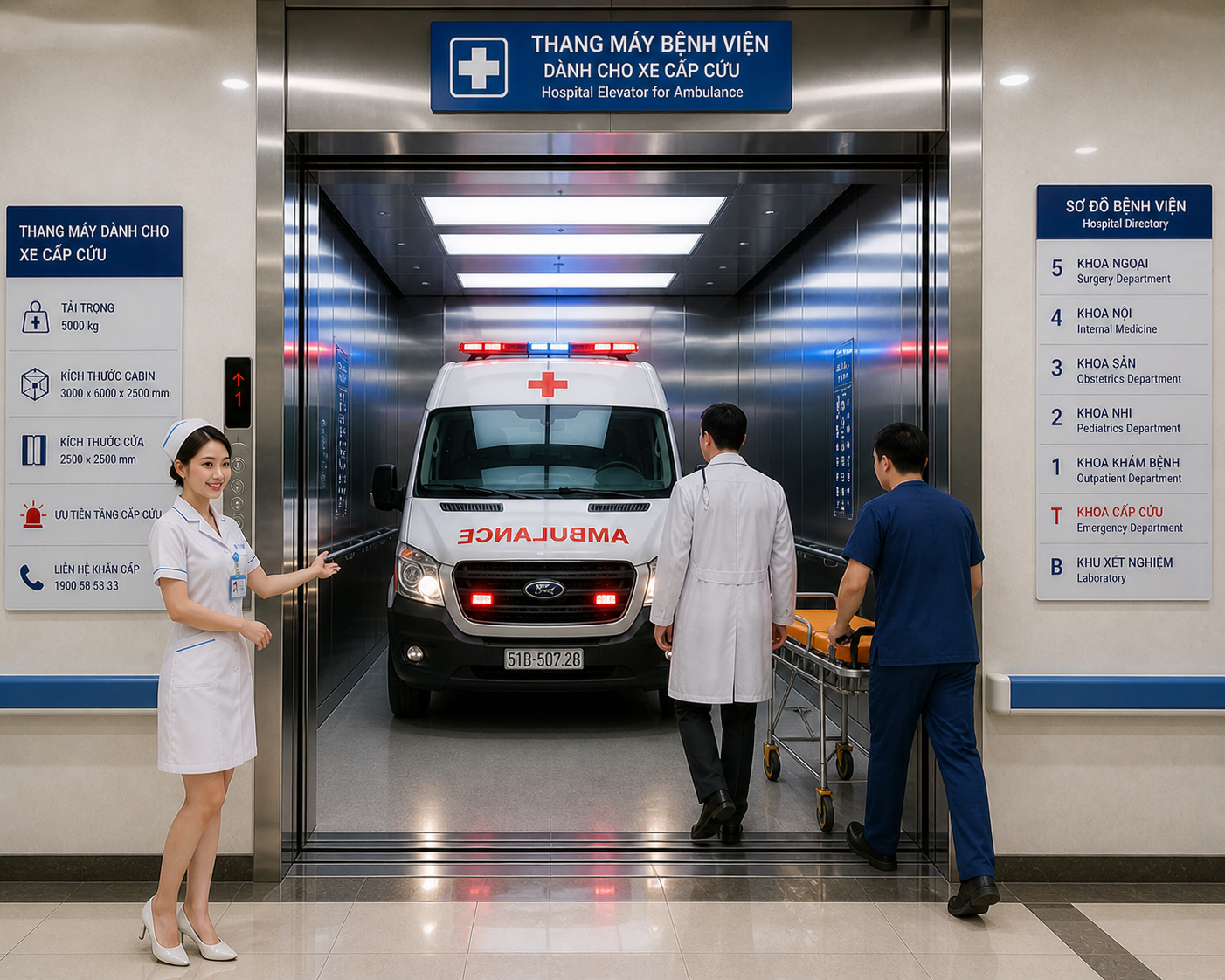
Sensor and recognition technology is also widely applied, enabling elevators to automatically identify the type of transport vehicle inside the cabin (stretcher, wheelchair, hospital bed) to adjust speed and operating mode accordingly. In addition, a remote monitoring system via the internet allows hospital management to track elevator operation status, detect malfunctions, and coordinate maintenance quickly.
Hospital elevators are also equipped with automatic lighting systems and waterproof, dustproof touch control panels, suitable for the medical environment. Some high-end elevator models even integrate screens displaying medical information, usage instructions, and safety warnings, assisting medical staff and patients during transportation.
Installation and maintenance procedures for hospital elevators.
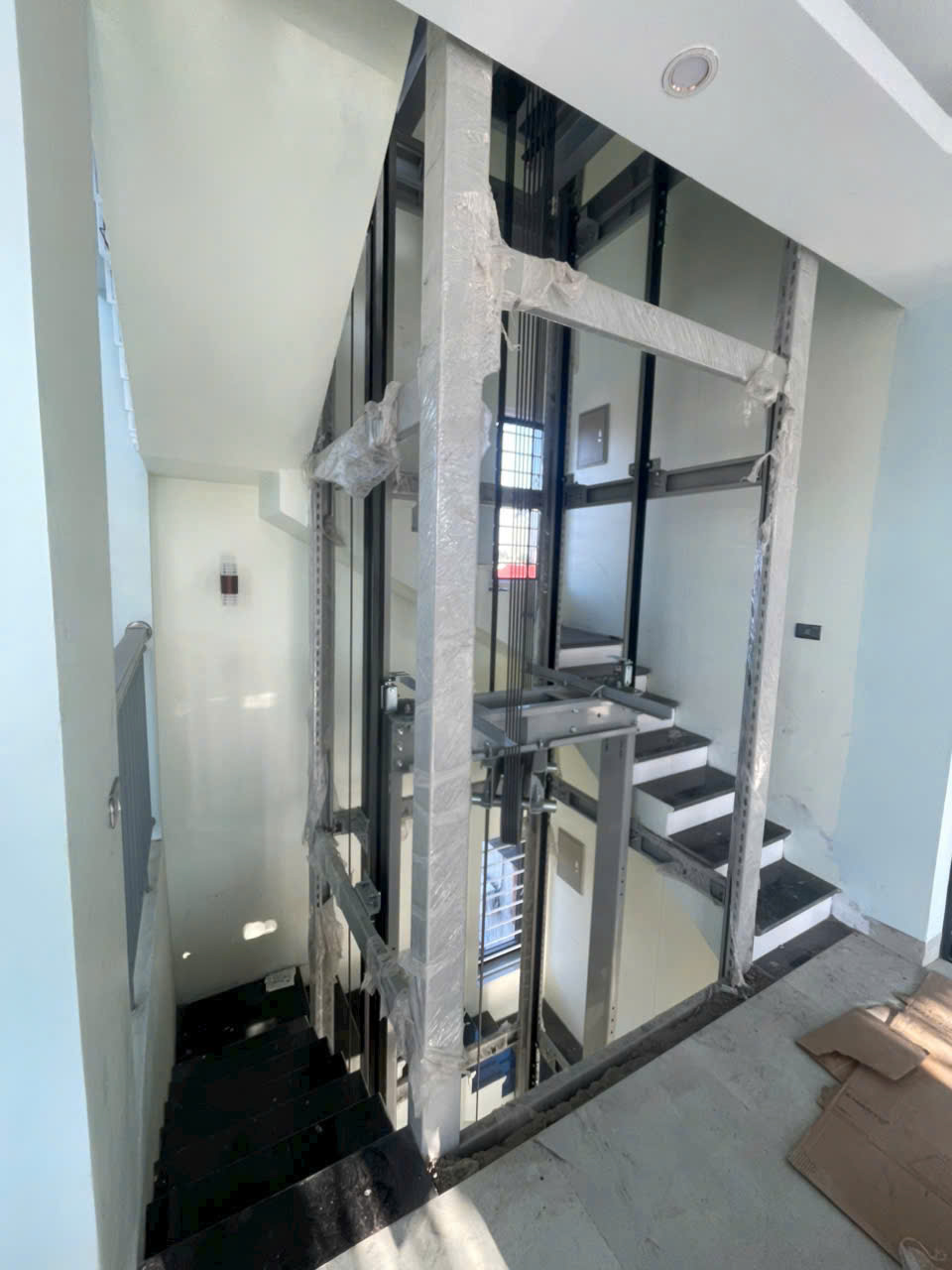
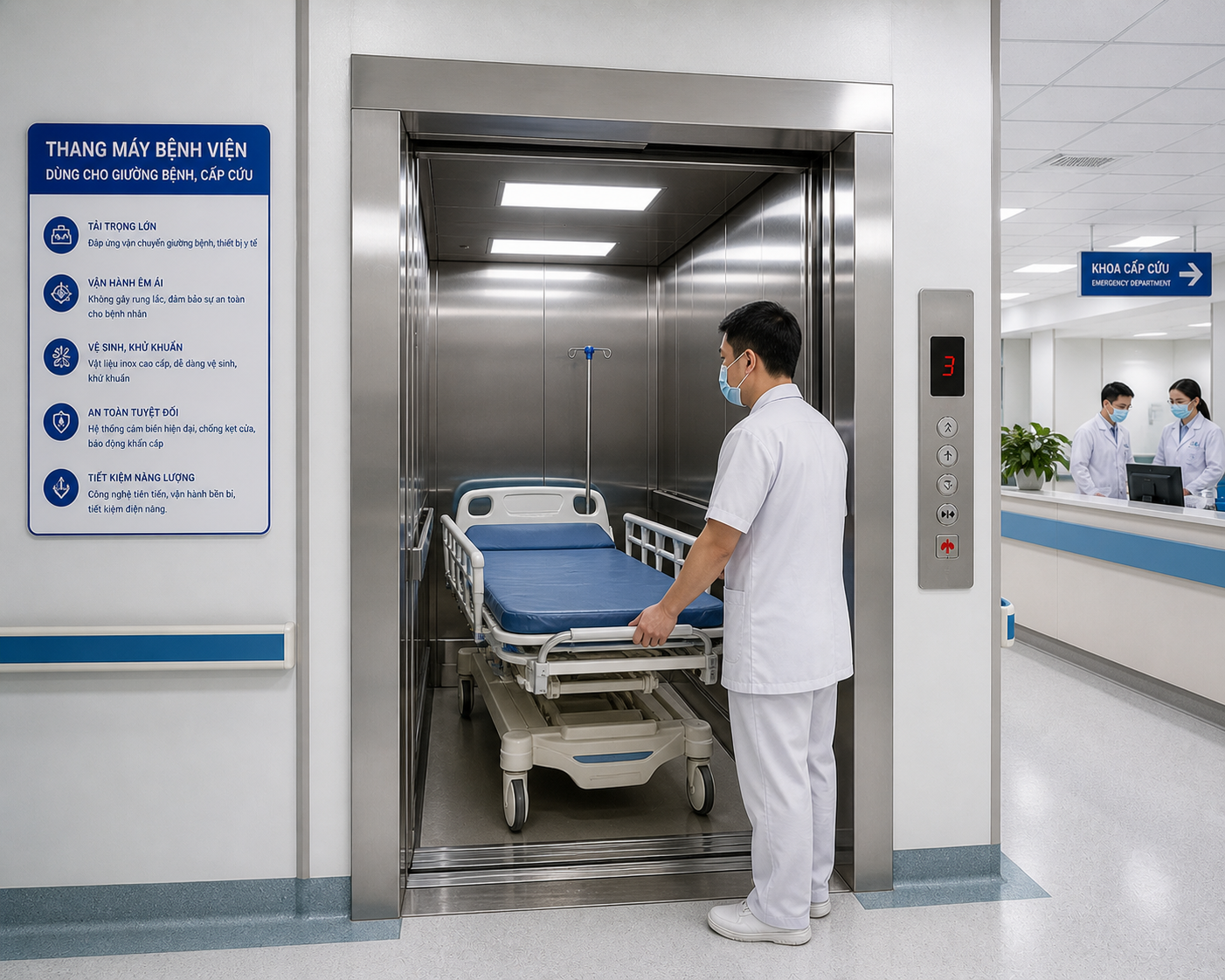
The installation process for hospital elevators requires close coordination between design, construction, and hospital management to ensure the elevators meet technical requirements and safety standards. Before installation, a thorough survey of the location, elevator shaft dimensions, electrical system, and building structure is necessary to select the most suitable elevator type.
During installation, technicians must strictly adhere to the steps from installing the frame, motor system, cabin, and elevator doors to checking the control and safety systems. Operational testing with actual load is conducted to ensure the elevator operates stably and safely before being put into official use.
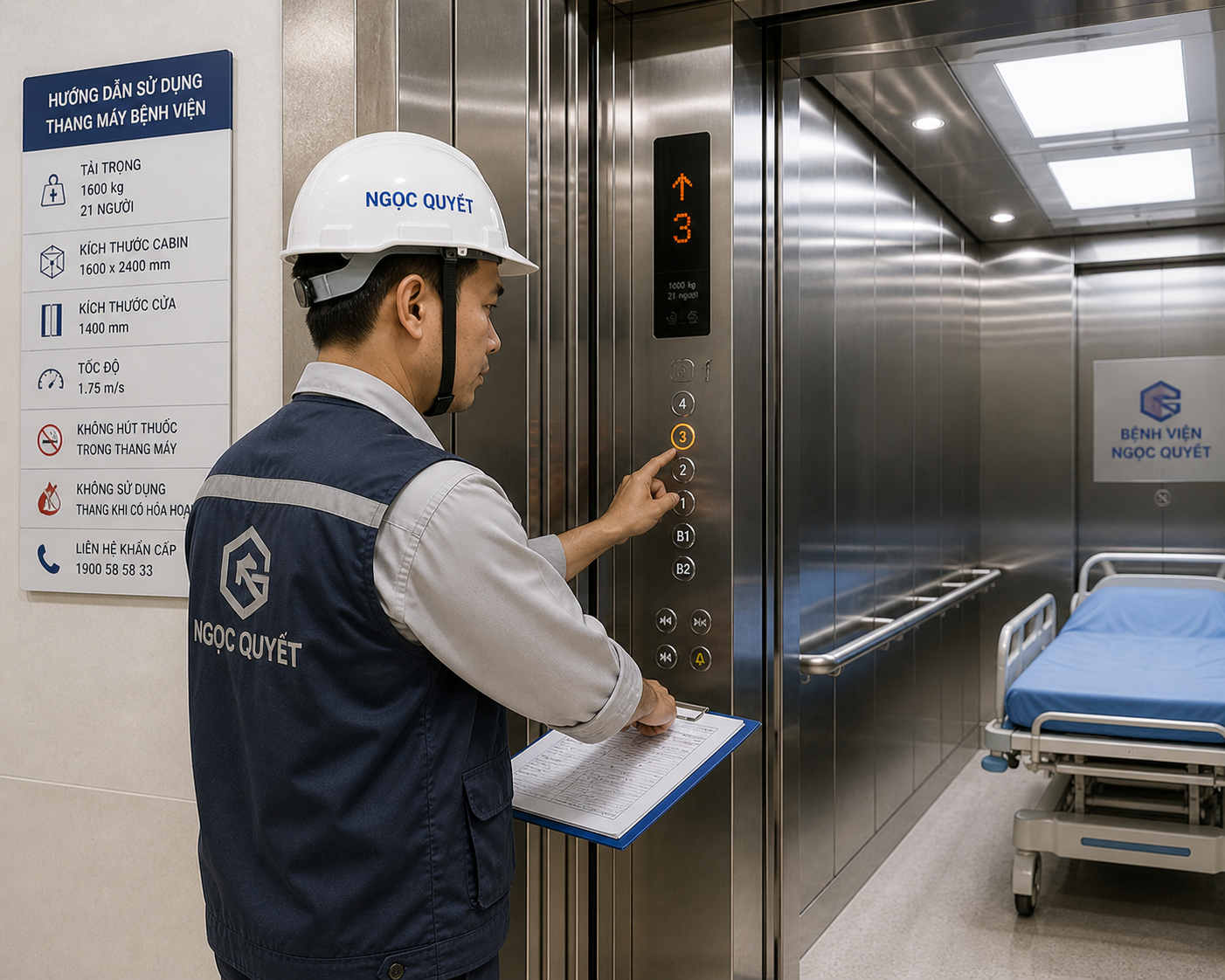
Hospital elevator maintenance is essential to maintain the performance and durability of the equipment. Regular maintenance schedules include checking the electrical system, lubricating mechanical parts, inspecting safety brakes, cleaning the cabin and door system. In addition, updating control software and upgrading technological equipment are also performed periodically to ensure the elevators always operate at optimal efficiency.
Particularly in a hospital environment, maintenance needs to be carried out quickly, minimizing downtime to avoid impacting medical examinations, treatment, and patient transport. Professional maintenance service providers typically have a team of technicians on call 24/7 to promptly handle any incidents that may arise.
Hospital elevators: The optimal transportation solution in healthcare environments.
Hospital elevators play a crucial role in ensuring fast, safe, and efficient transportation between floors in healthcare facilities. Unlike conventional residential elevators, hospital elevators are specially designed to meet stringent requirements for hygiene, load capacity, speed, and the ability to transport patients and medical equipment. Choosing and installing the right hospital elevator not only improves the patient experience but also provides maximum support for medical staff in emergency care and treatment.
Specifications and design standards for hospital elevators
Hospital elevators must comply with international standards and strict regulations regarding safety and hygiene. Some notable technical characteristics include:
- High load capacity: Hospital elevators typically have a load capacity of 1000kg to 2500kg, sufficient to carry patient stretchers, medical equipment, and medical staff.
- Spacious cabin dimensions: The cabin is designed to be wider than a standard elevator, typically with a minimum width of 1600mm and a depth of 2100mm to easily accommodate stretchers and wheelchairs.
- Easy-to-clean materials: The cabin interior uses rust-resistant stainless steel with a smooth, polished surface that is easy to wipe clean, ensuring high hygiene standards in a hospital environment.
- Priority control system: Hospital elevators are equipped with a priority control system for emergency cases, helping to minimize waiting times.
- Automated rescue system: Ensures the safety of patients and staff in the event of power outages or technical malfunctions.
- Low noise: The engine and operating system are designed to minimize noise, creating the quiet environment necessary in a hospital setting.
Safety and hygiene standards in hospital elevators.
Hospital elevators must meet safety standards such as ISO 25745 for energy efficiency and EN 81-70 for accessibility for people with disabilities. In addition, hygiene standards are also crucial, including:
- Antibacterial: Utilizes antibacterial materials and a design that minimizes gaps to prevent the accumulation of dirt and bacteria.
- Ventilation system: Ensures that the air in the cabin is always circulated and filtered, reducing the risk of cross-contamination.
- Easy to clean: The cabin surfaces and buttons are designed for easy wiping and regular disinfection.
Benefits of using dedicated hospital elevators
Equipping hospitals with dedicated elevators offers many practical benefits for both hospitals and patients:
- Increased transport speed: Helps move patients, medical staff, and equipment quickly between floors, especially in emergency situations.
- Minimizing risks: Specialized design helps protect patients from injuries caused by unsafe movement.
- Space-saving: Hospital elevators are optimally designed to fit into the limited space of medical buildings.
- Enhancing the user experience: Spacious cabins and user-friendly controls contribute to greater comfort for both patients and healthcare staff.
- Compliance with legal regulations: Ensuring the hospital operates in accordance with safety and hygiene standards.
Diverse applications of hospital elevators in healthcare systems.
Hospital elevators are not only used for transporting patients but also for various other purposes such as:
- Transporting medical equipment: Large, sensitive equipment such as X-ray machines and ultrasound machines are safely moved between examination rooms and treatment areas.
- Drug and supply delivery: The elevator system facilitates the rapid transportation of medications and medical supplies, minimizing waiting times.
- Mobilizing healthcare staff: Helping doctors and nurses move quickly between work areas.
- Support for transporting stretchers and wheelchairs: The spacious cabin design and large opening doors make it easy to load stretchers and wheelchairs inside.
Guide to choosing the right hospital elevator
To choose the right hospital elevator, the following factors should be considered:
- Assess usage requirements: Determine the number of patients, equipment to be transported, and the frequency of elevator use.
- Choose the load capacity and cabin size: Match it to the types of stretchers, wheelchairs, and medical equipment commonly used in hospitals.
- Ensure safety and hygiene standards: Choose products that are certified and comply with international standards.
- Choose a reputable supplier: Prioritize brands with experience in the hospital elevator industry, good maintenance support, and excellent after-sales service.
- Assess investment and operating costs: Consider installation, maintenance, and energy consumption costs to ensure long-term economic efficiency.
Contact us now for professional advice on hospital elevators.
Choosing the right hospital elevator is a crucial step in improving healthcare service quality and ensuring patient safety. Don't hesitate to contact hospital elevator experts for detailed advice, optimal solution design, and in-depth technical support. Act today to improve your hospital's transportation system!