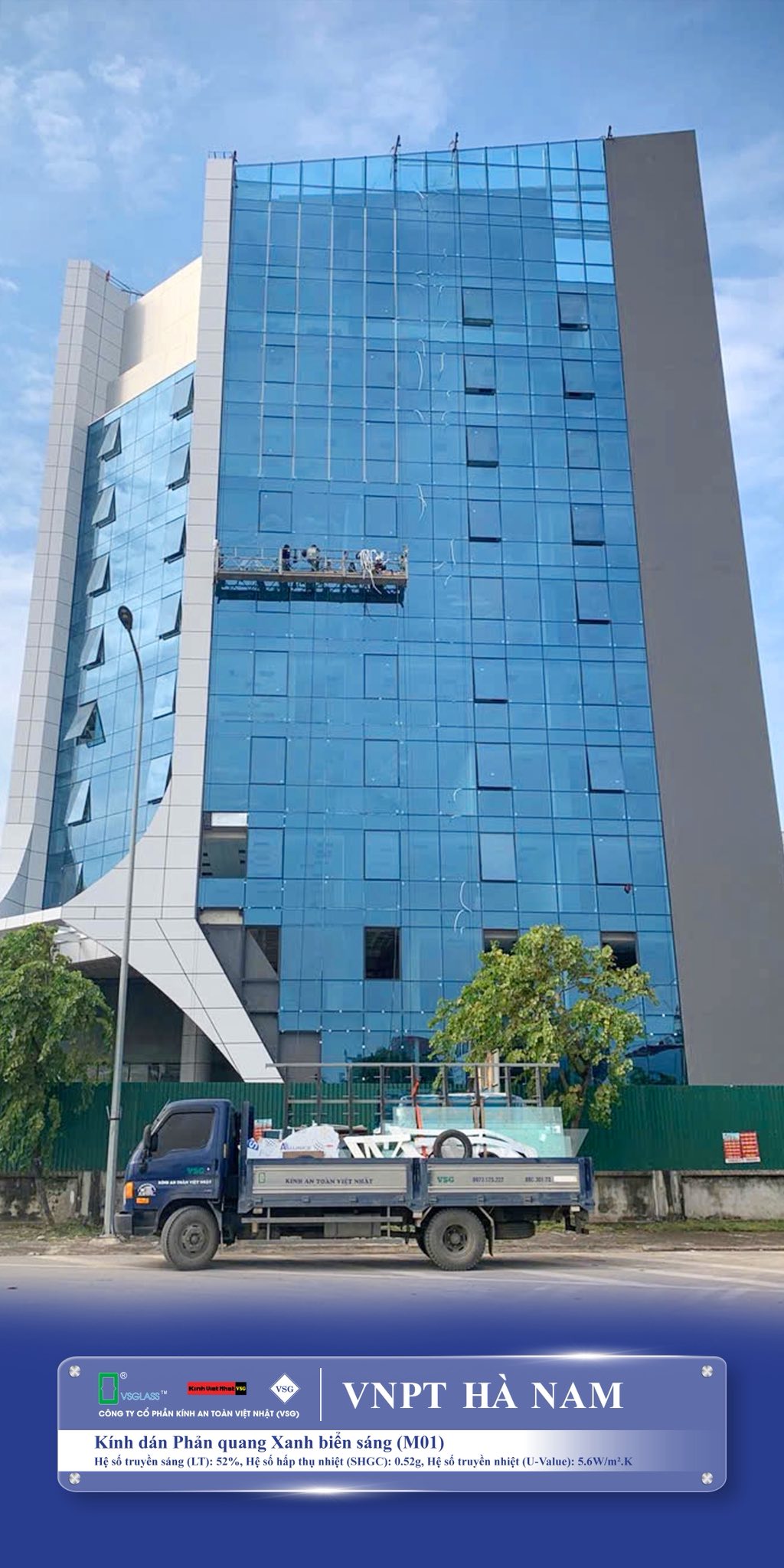


Villa elevator
Villa elevator
The concept of villa elevators and core criteria
Villa elevators are a type of elevator specifically designed for high-end residential buildings, typically 2-7 stories high, focusing on three key elements: technical safety, optimized architectural space, and a smooth operating experience. Unlike commercial elevators, villa elevators prioritize personalization, operate at low to medium frequency, have a small load capacity, but demand high standards in aesthetics, noise and vibration levels, and integration with smart home systems.
When evaluating an elevator solution for a villa, core criteria include: drive technology (with or without a machine room, hydraulic or screw type), load capacity and cabin size , travel speed , safety level and applicable standards , power consumption , noise and vibration levels , and interior customization options . Homeowners should consider all these factors simultaneously, rather than focusing solely on price or brand.
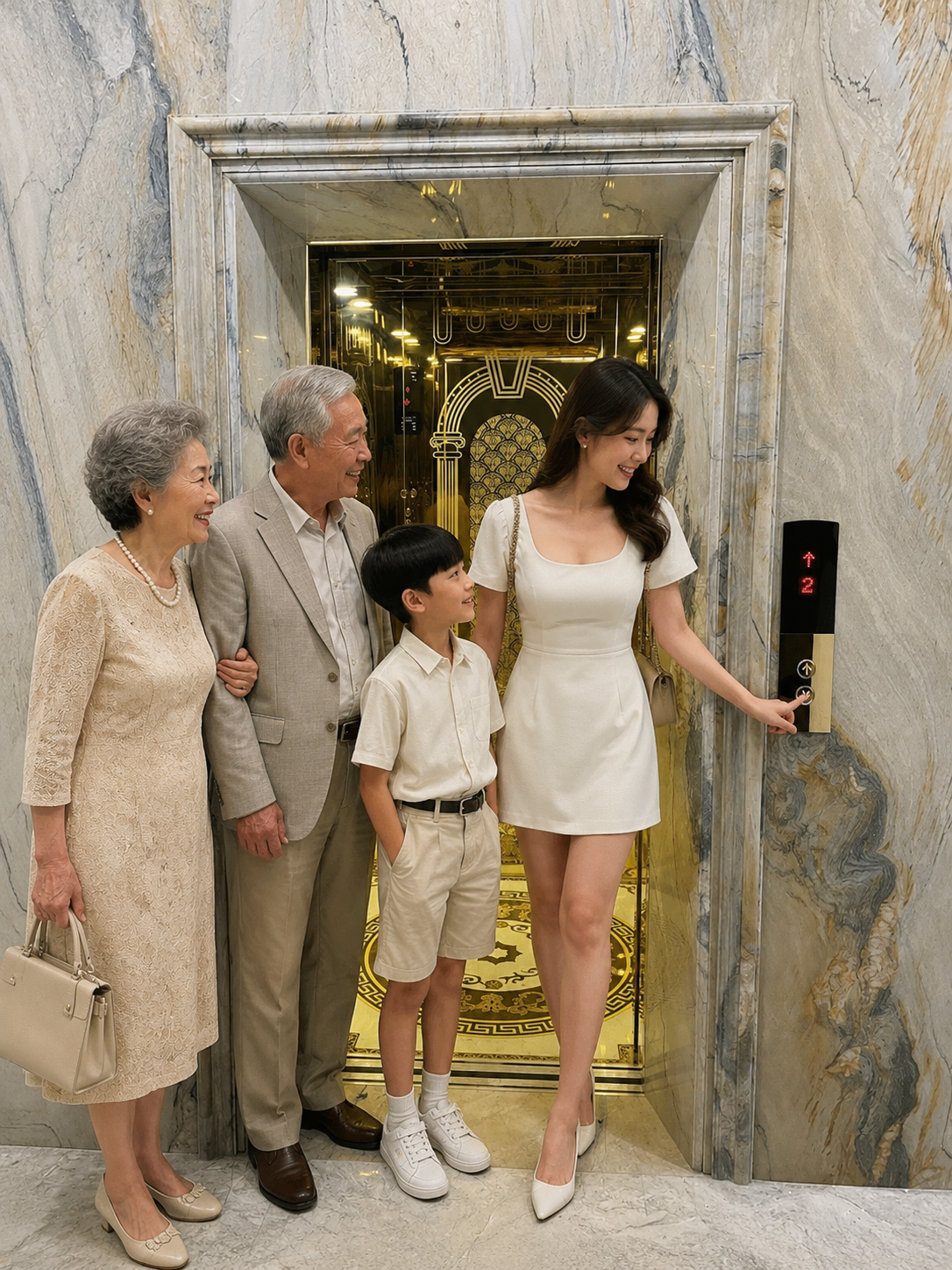
Popular villa elevator technologies
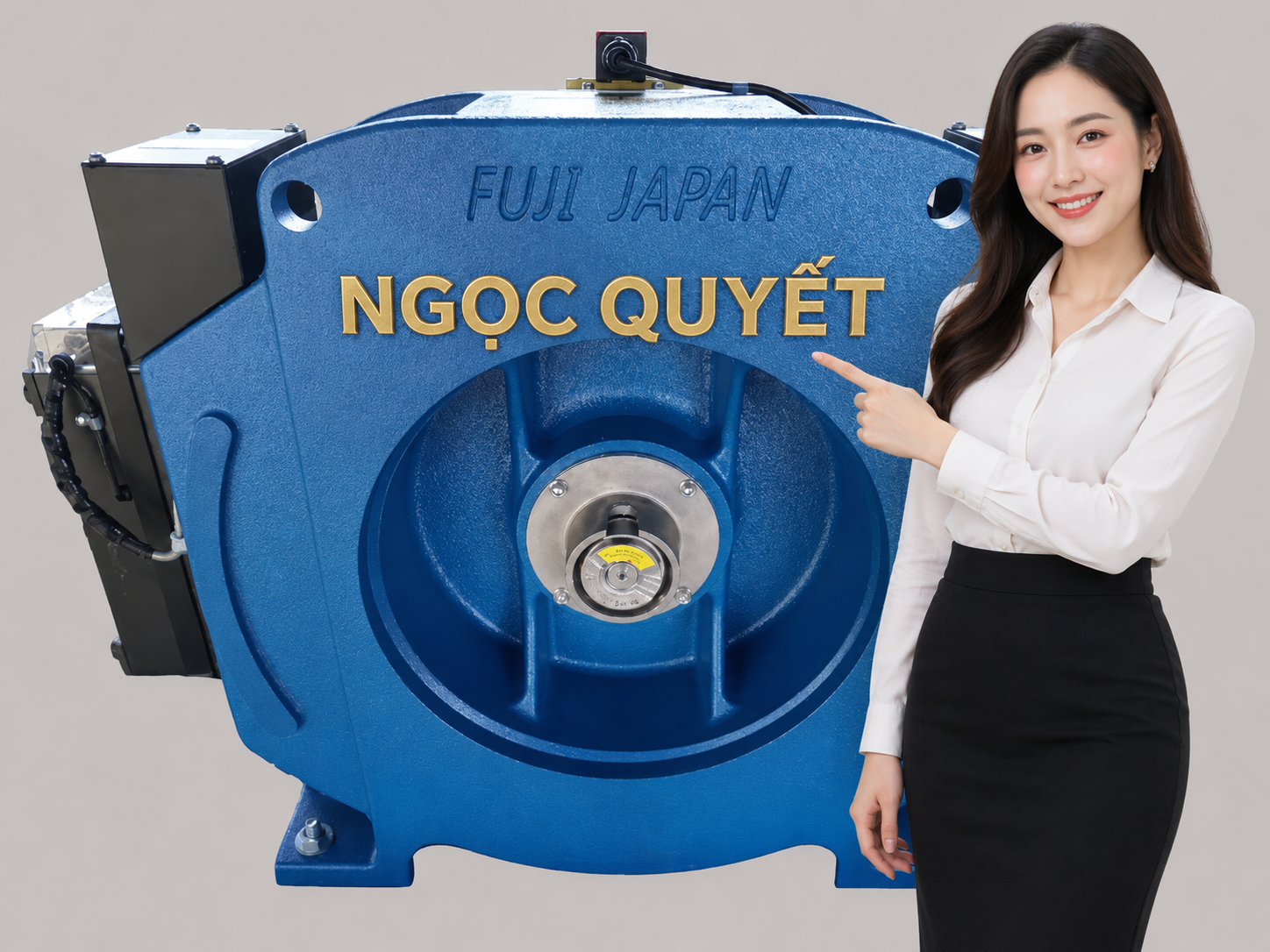
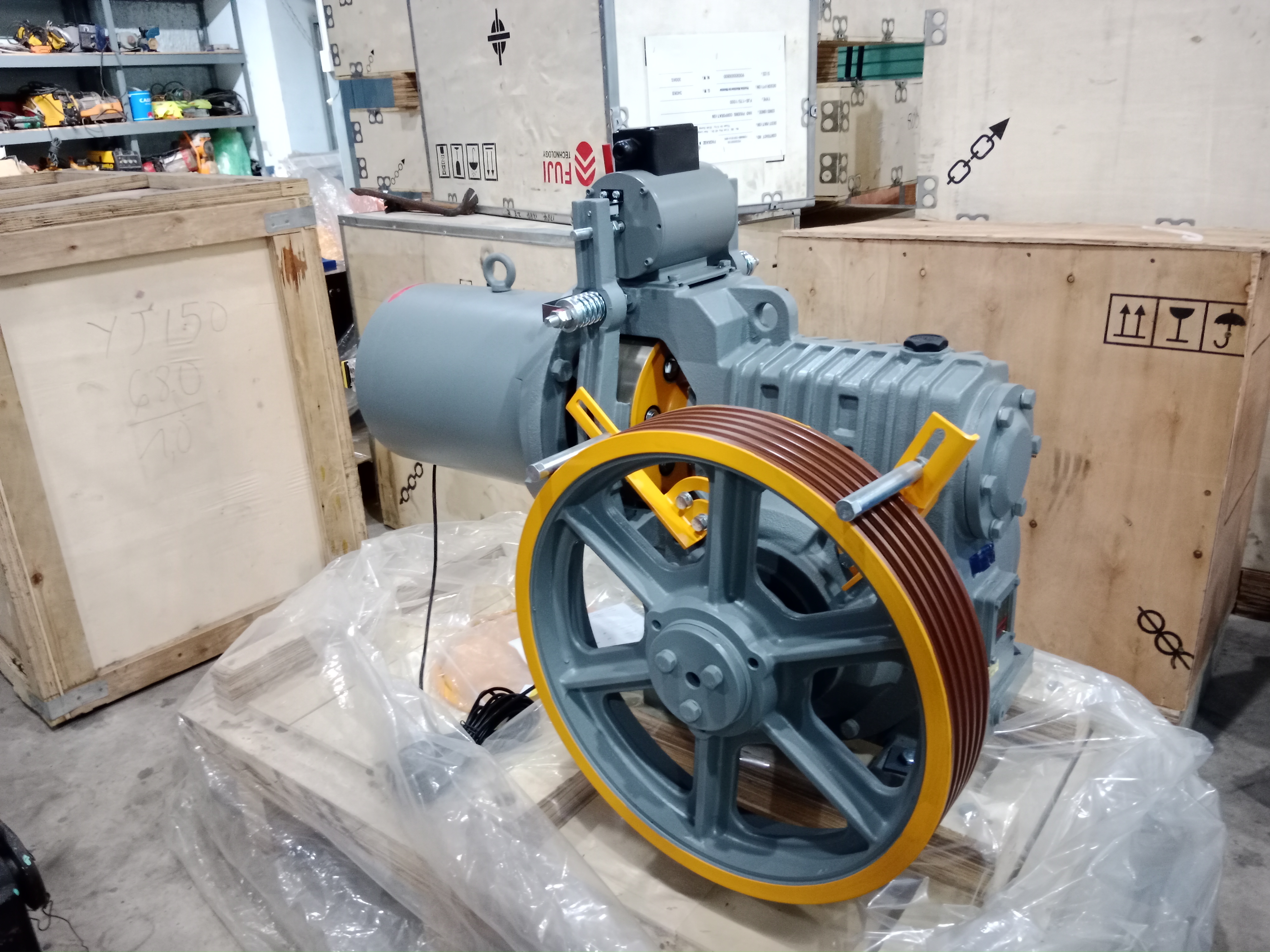
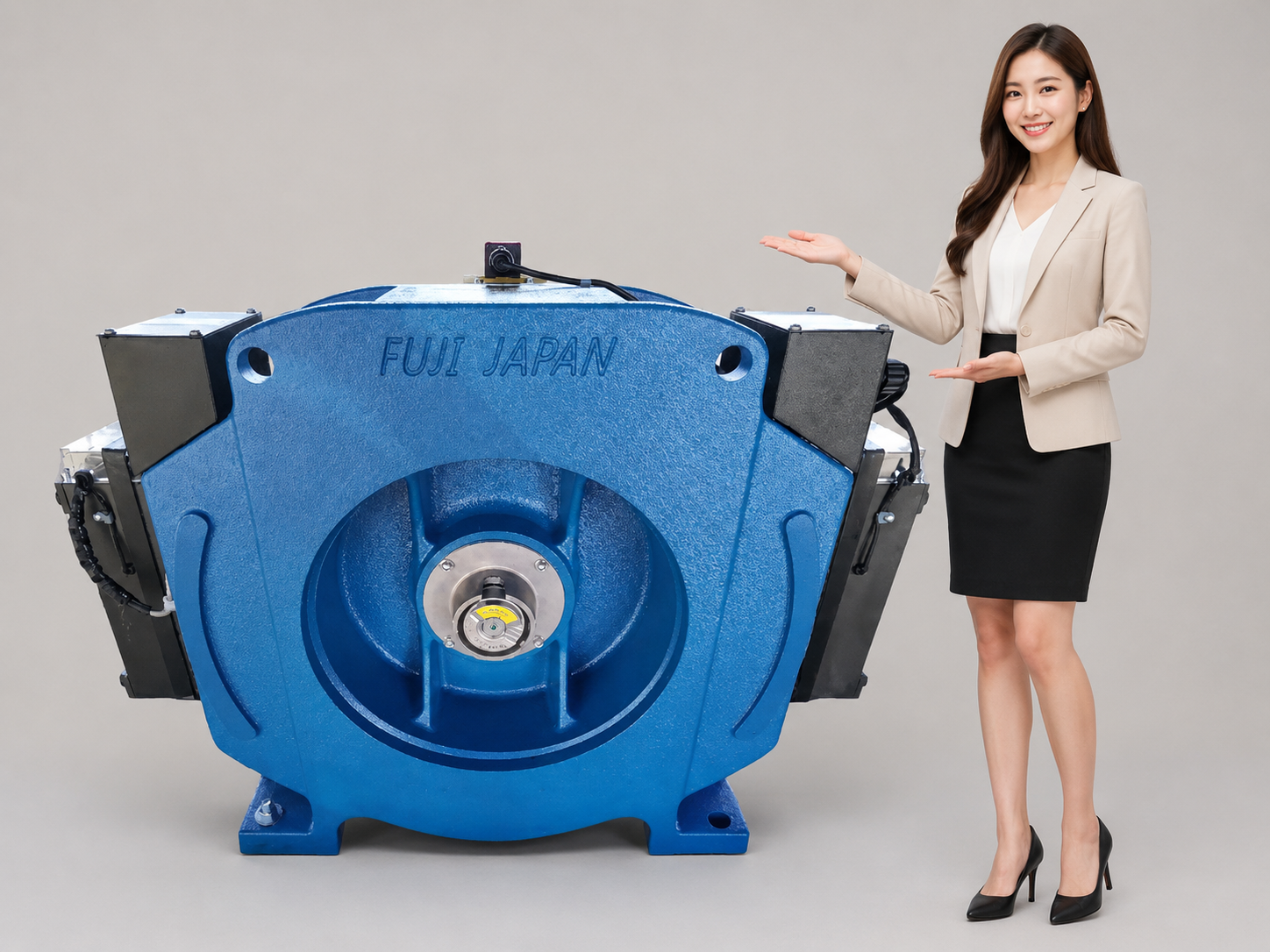
Popular villa elevator technologies fall into three main groups, each suited to different architectural conditions and usage needs. Cable-driven elevators, with and without machine rooms, are well-suited for newly built or renovated villas, balancing performance, smoothness, and space optimization. Thanks to the application of gearless traction machines and frequency converters, the system operates stably and saves electricity. In addition, hydraulic and screw-driven elevators offer flexible options for low-rise buildings, those with weak foundations, or height restrictions, prioritizing smoothness, mechanical safety, and the ability to be installed in various complex site conditions.
Cable-driven elevators are available with and without machine rooms.
The most common type of elevator today is the cable-driven elevator, which uses a traction machine and counterweight. For villas, the two most common configurations are with a machine room (MR – Machine Room) and without a machine room (MRL – Machine Room Less). Elevators with a machine room require a technical room at the top of the shaft to house the traction machine and electrical cabinet. Their advantages include ease of maintenance, good heat dissipation, and suitability for buildings with large roof areas. Conversely, elevators without a machine room integrate the traction machine into the shaft, saving shaft height and minimizing structural intervention in the roof. This is ideal for renovated villas or townhouses with height limitations.
Technically, modern villa cable elevators typically use gearless traction machines combined with VVVF (Variable Voltage Variable Frequency Drive) inverters, allowing for smooth speed control, reducing jerking during start-up and stop-up, and saving energy compared to traditional geared traction machines. Typical speeds range from 0.3–1.0 m/s, sufficient to meet the needs of indoor movement while ensuring a smooth ride, preventing dizziness for the elderly or young children.
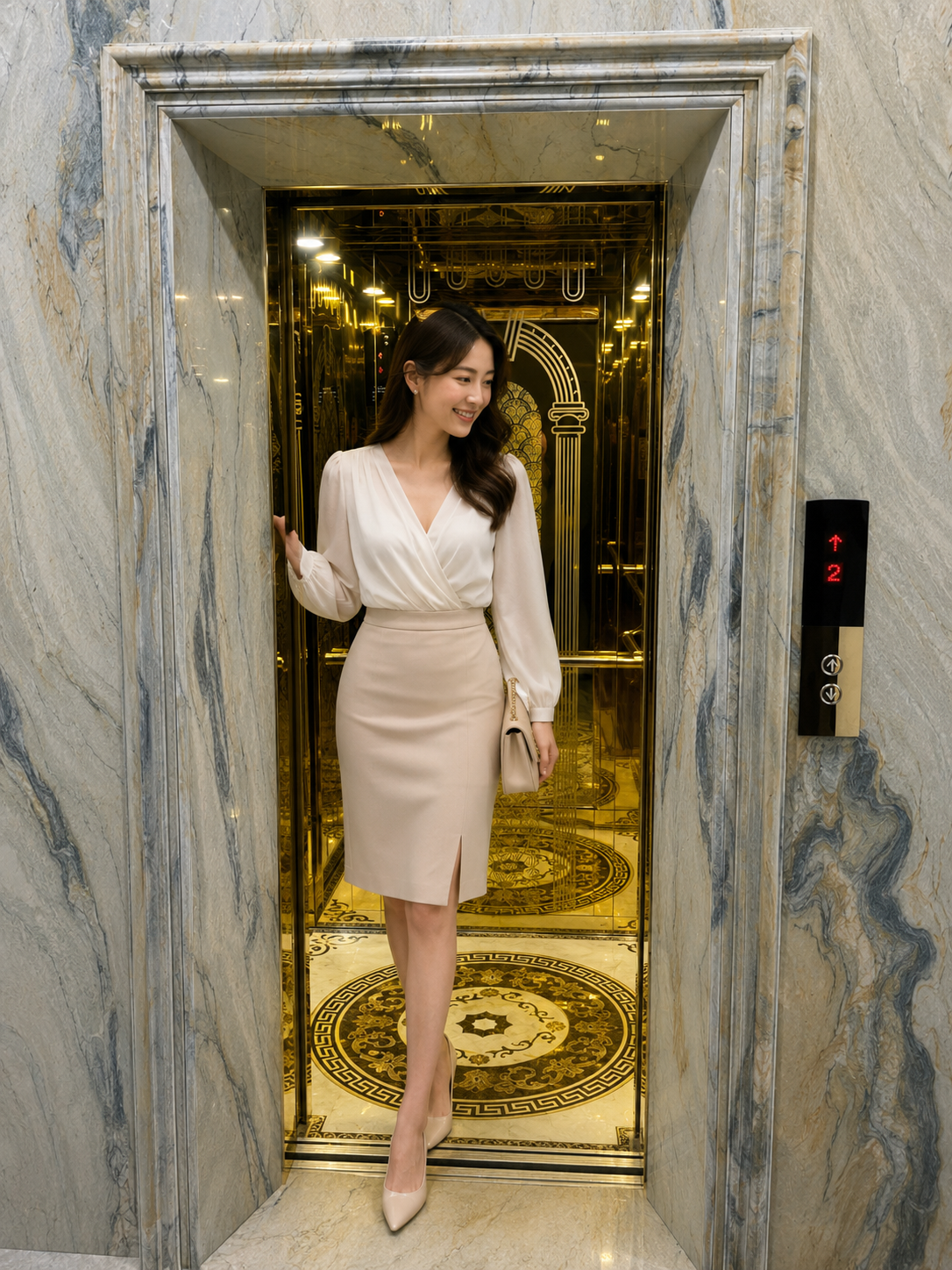
Hydraulic elevators and screw-driven elevators for villas.
Hydraulic elevators use cylinders and hydraulic oil to lift the cabin, usually without counterweights, making them suitable for buildings with limited height (2–4 floors) and small to medium loads. A notable advantage is that they do not require a large shaft height, allowing for the placement of the pump and control panel in a technical room next to the elevator shaft, and offering flexibility for renovated villas. However, attention must be paid to oil temperature, the risk of leaks, and the need for regular hydraulic system maintenance, as well as strict adherence to environmental regulations when disposing of waste oil.
Screw-drive elevators are a specialized solution for residential buildings, using a screw and guide nut to move the cabin. They don't require a deep pit or a separate machine room. This system is particularly suitable for villas with difficult-to-excavate foundations or buildings on weak soil. Speeds are typically lower than cable-driven elevators, around 0.15–0.3 m/s, but offer a simpler structure, flexible installation, and high mechanical safety thanks to the self-locking mechanism of the screw. The disadvantages include potentially higher noise levels without proper soundproofing, and higher investment costs per meter of travel compared to traditional solutions.
Architectural design, dimensions, and space optimization.
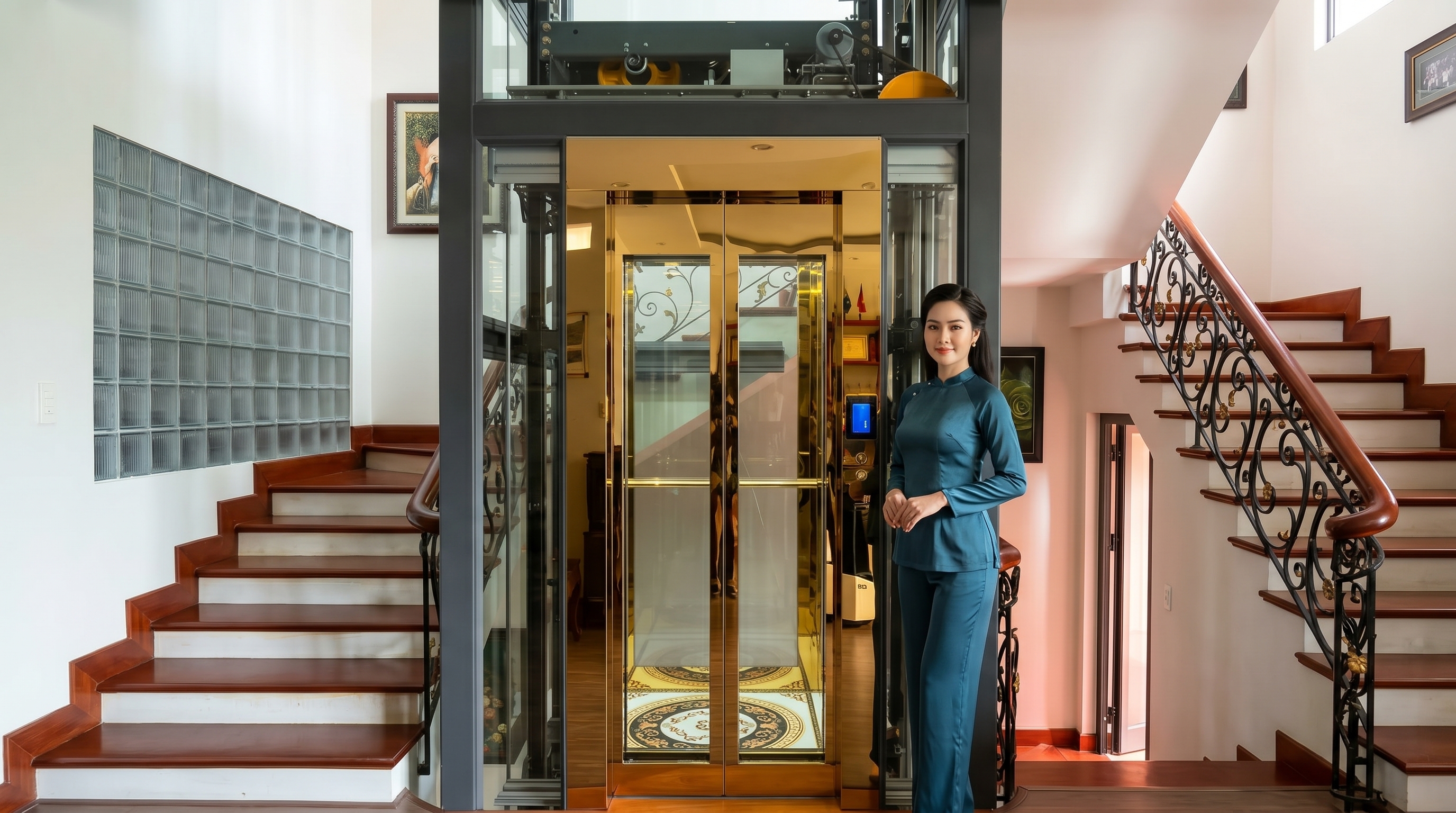
The architectural design of a villa elevator needs to ensure a harmonious balance between functionality, safety, and overall aesthetics. The elevator shaft, pit, and shaft height must be calculated in conjunction with the structure, avoiding conflicts with beams, floors, and technical systems. The choice of elevator shaft materials, internal dimensions, and the option of including or not including a machine room directly affect the usable space on each floor. Furthermore, the load capacity, cabin size, and door width must meet the needs of daily life and furniture transportation, while also ensuring accessibility for people with disabilities . The placement options—in the stairwell core, against the side wall, or as an outdoor tower—need careful consideration of cost, lighting, ventilation, and privacy.
Elevator shaft, pit, and shaft top height
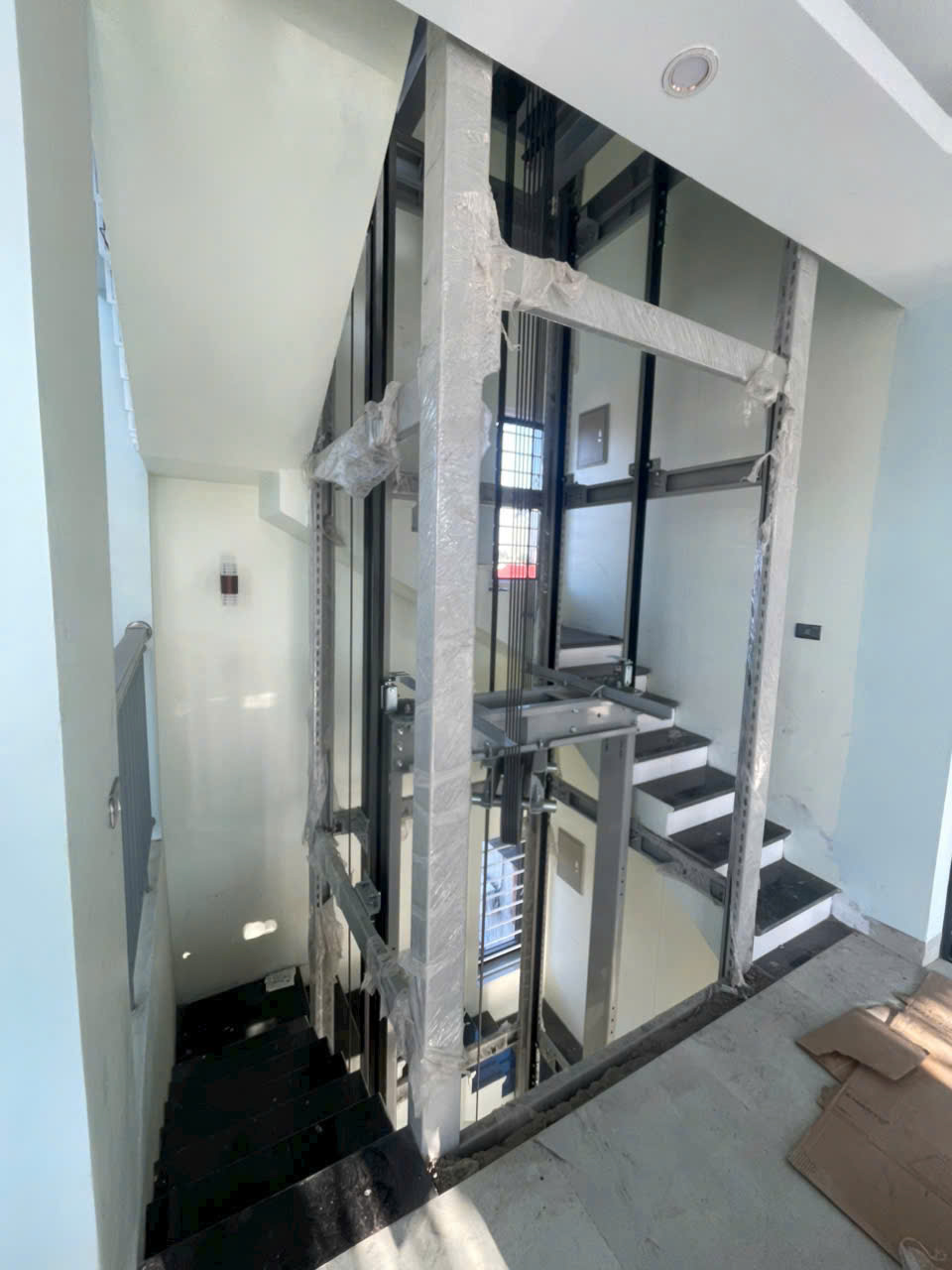
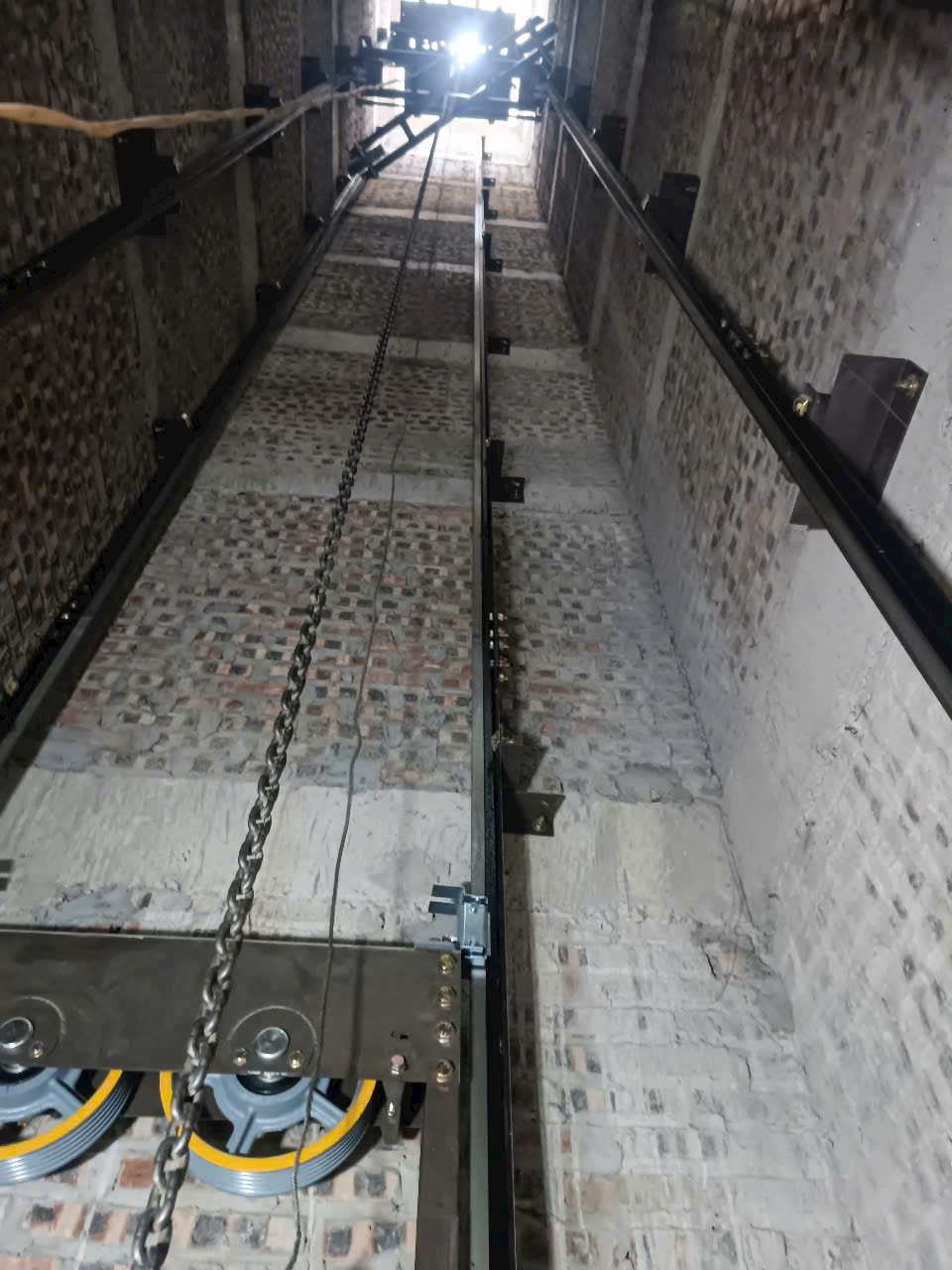
In villas, elevator shafts can be constructed using reinforced concrete, brick walls, or a steel-glass frame structure to create an architectural focal point. The choice of materials depends on the design load, the location of the elevator (in the interior of the house or on the facade), and the overall interior style. Common elevator shaft dimensions for villas range from 1300 x 1300 mm to 1600 x 1600 mm, allowing for a cabin accommodating 2–6 people.
The pit is the space below the lowest floor level, used to house shock absorbers, sensors, and a safe space for technicians. With cable-driven elevators, the pit typically requires 600–1200 mm, while hydraulic or screw-driven elevators can reduce this to 100–200 mm, or even a pitless solution with a ramp if standards permit. The overhead height (OH) for villas is usually 3200–3800 mm, but with optimized machine-roomless elevators, it can be reduced to around 2800–3000 mm, making it easier to integrate into houses with limited floor height.
Load capacity, cabin dimensions, and layout options within the villa.
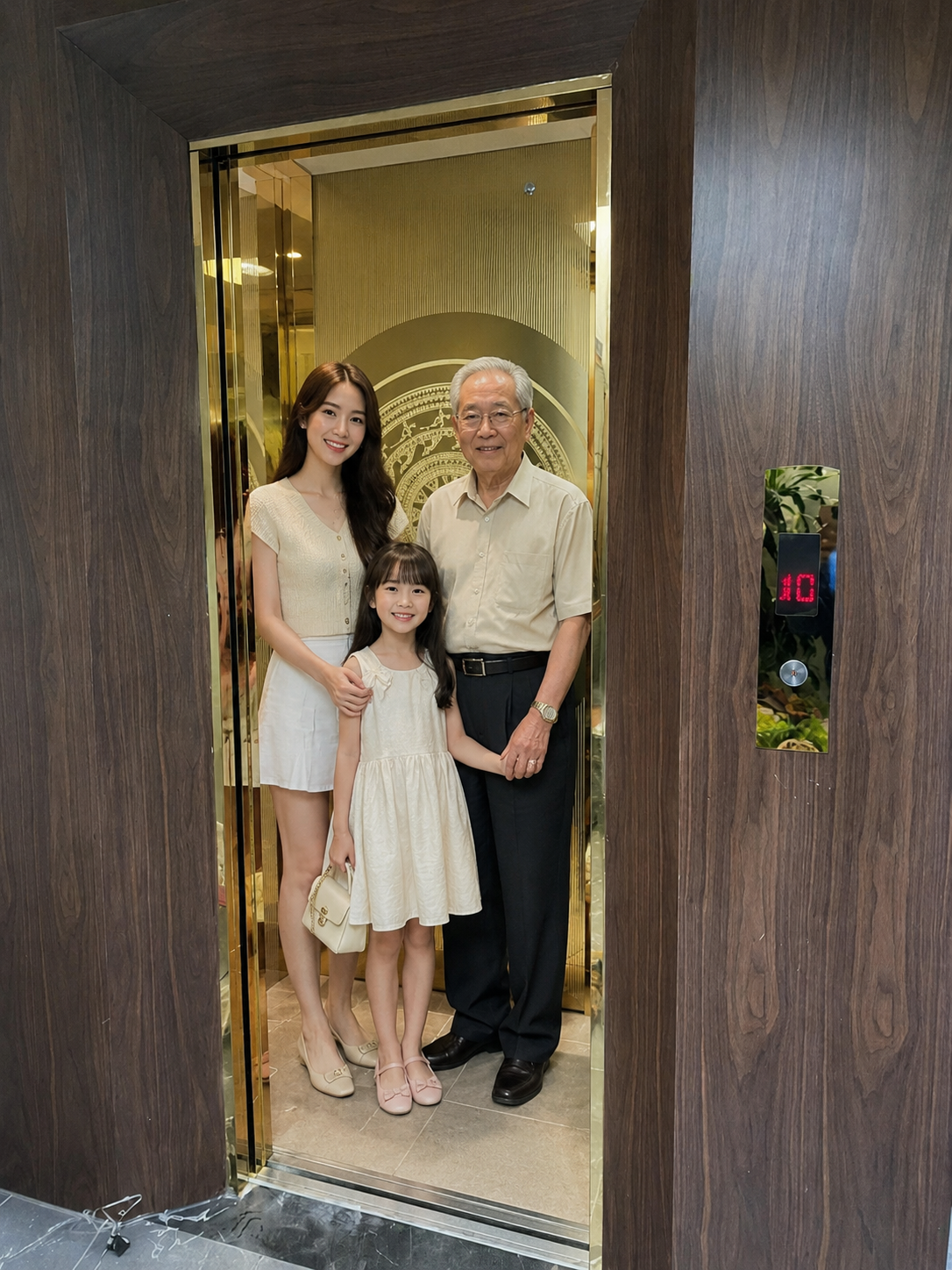
Common elevator load capacities for villas range from 250 kg, 320 kg, 450 kg to 630 kg . A capacity of 320–450 kg is usually sufficient for families of 4–6 people, allowing for the transport of wheelchairs, folding hospital beds, or medium-sized furniture. Typical cabin dimensions are approximately 900 x 1100 mm, 1000 x 1200 mm, or 1100 x 1400 mm, depending on the shaft area and usage requirements. When designing, accessibility for people with disabilities should be considered , with a minimum door width of 700–800 mm, and handrails, mirrors, and control panels at appropriate heights.
In terms of placement, there are three common options for villa elevators: within the stairwell , against the interior wall, or as an outdoor elevator tower connecting to the balcony or loggia. Each option has its own advantages and disadvantages in terms of structure, natural lighting, ventilation, and exterior finishing costs. Close collaboration between architects, structural engineers, and elevator companies from the initial design stage helps optimize shaft size, avoiding the need for demolition and reinforcement later.
Safety, technical standards, and intelligent operation.
The safety system, technical standards, and intelligent operation in villa elevators aim to protect users, optimize the experience, and enhance equipment durability. Mechanisms such as speed limiters, safety brakes, door switches, ARDs, overload sensors, and intercoms create a multi-layered defense system, especially important for families with young children and the elderly. Simultaneously, integration with smart home ecosystems, remote monitoring, access control, and voice control make the elevator more flexible and safer to operate. Finally, energy optimization, noise control, and vibration reduction are key factors in ensuring the elevator blends seamlessly into high-end living spaces.
Mandatory safety systems in villa elevators.
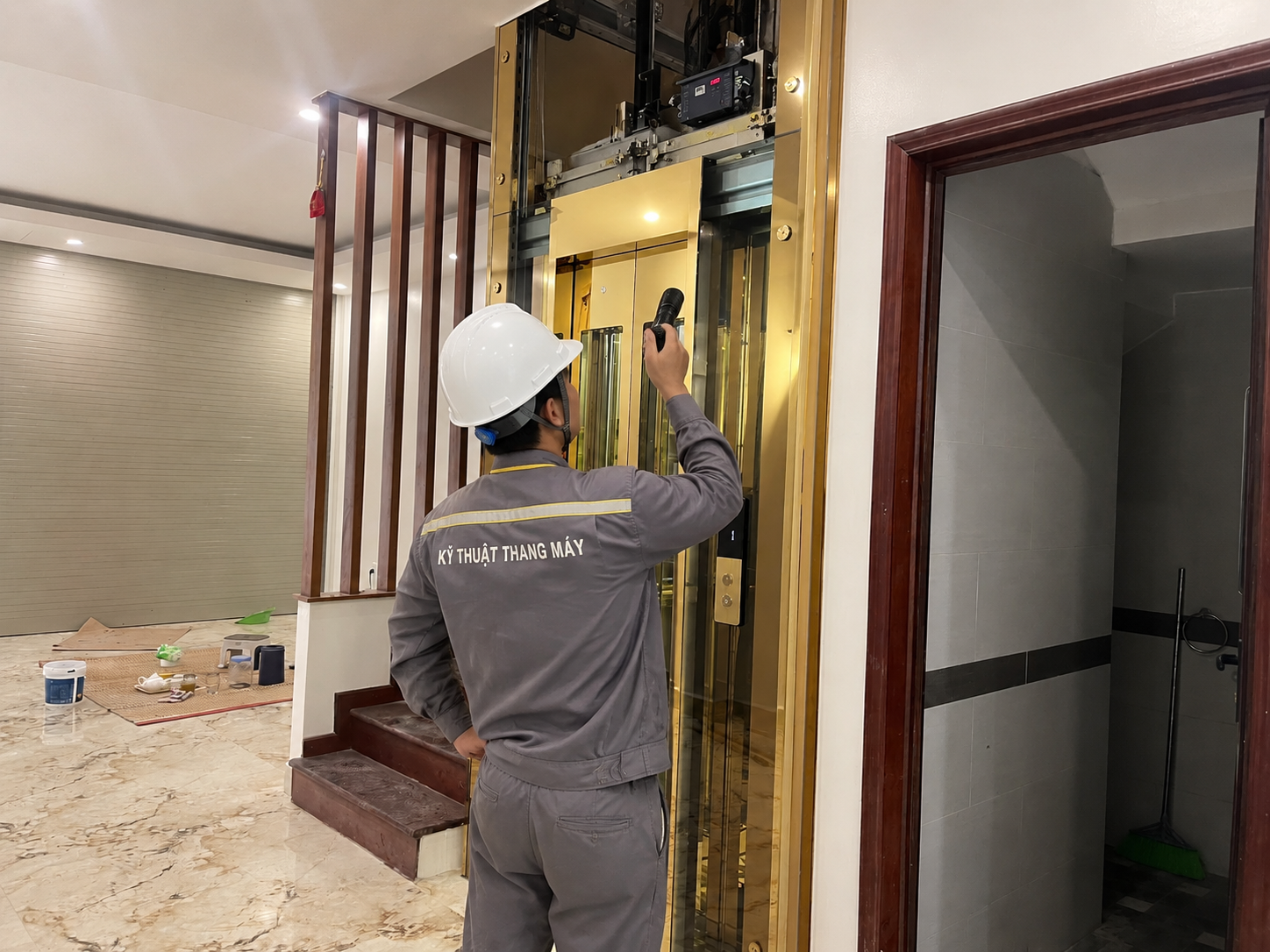
Despite serving a family setting, villa elevators must still comply with all the safety requirements of public elevators. Key components include: speed limiters and safety brakes to prevent free fall; floor and cabin door switches to ensure the elevator only operates when the doors are closed; an automatic rescue system (ARD) to bring the cabin to the nearest floor in case of power failure; overload sensors to warn and prevent operation when exceeding the permitted load; and an intercom system or telephone in the cabin for calling for assistance when needed.
For families with young children and elderly people, priority should be given to features such as full-height curtain sensors to detect obstructions, priority operation modes for specific users, child locks on the control panel, and remote monitoring via the Internet. Regular safety inspections by authorized agencies, combined with professional maintenance as recommended by the manufacturer, are prerequisites for maintaining long-term reliability.
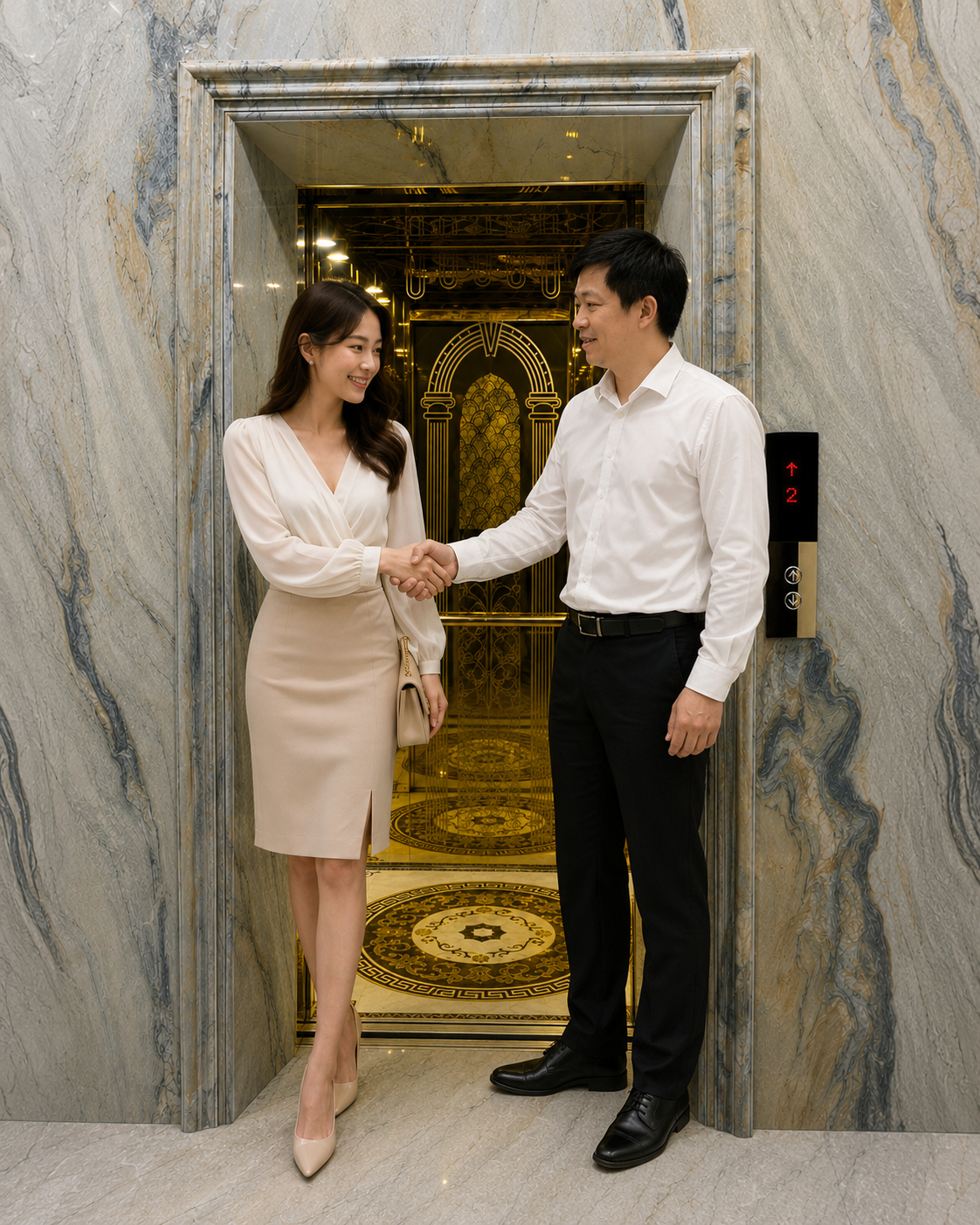
Smart home integration, energy optimization, and acoustics.
A new trend in villa elevator design is integration with the smart home ecosystem . The elevator can connect to a central control system to: call the elevator from a mobile app, grant user access, record operating history, and send instant fault alerts to maintenance personnel. Some high-end solutions even allow voice control , fingerprint recognition, or card access for enhanced security.
In terms of energy efficiency, modern villa elevators typically utilize high-performance motors , LED cabin lighting, automatic shut-off of lights and fans when not in use, and even energy regeneration systems for high-capacity elevators. Noise and vibration levels are controlled through guide rail design, anti-vibration rubber pads, and precise cable and counterweight alignment. In the tranquil environment of a villa, achieving low noise levels in the cabin and in adjacent bedrooms is a crucial criterion that should be considered from the engineering design and equipment selection stages.