Luxury elevators
Luxury elevators
The concept of luxury elevators and criteria for identification.
High-end elevators are not just vertical transportation devices; they are integrated engineering systems combining precision mechanics, electrical and electronic systems, automation, and luxurious interior design. In this segment, evaluation criteria extend beyond load capacity or speed to include factors such as smoothness, precise floor stopping, active and passive safety levels, intelligent connectivity, and aesthetic harmony with the building's architecture. A high-end elevator typically meets stringent technical standards, user experience, and operational durability over a 20-30 year lifespan.
Key identifying criteria include: advanced drive technology (gearless traction machines, permanent magnet synchronous motors), microprocessor-based control systems with optimized flow algorithms, multi-layered safety systems (door sensors, speed limiters, safety brakes, load monitoring), premium cabin materials (hairline stainless steel, tempered glass, wood veneer, artificial stone), along with the ability to integrate BMS (Building Management System) and IoT platforms for remote monitoring and predictive maintenance.
The core engineering and technology structure in high-end elevators.
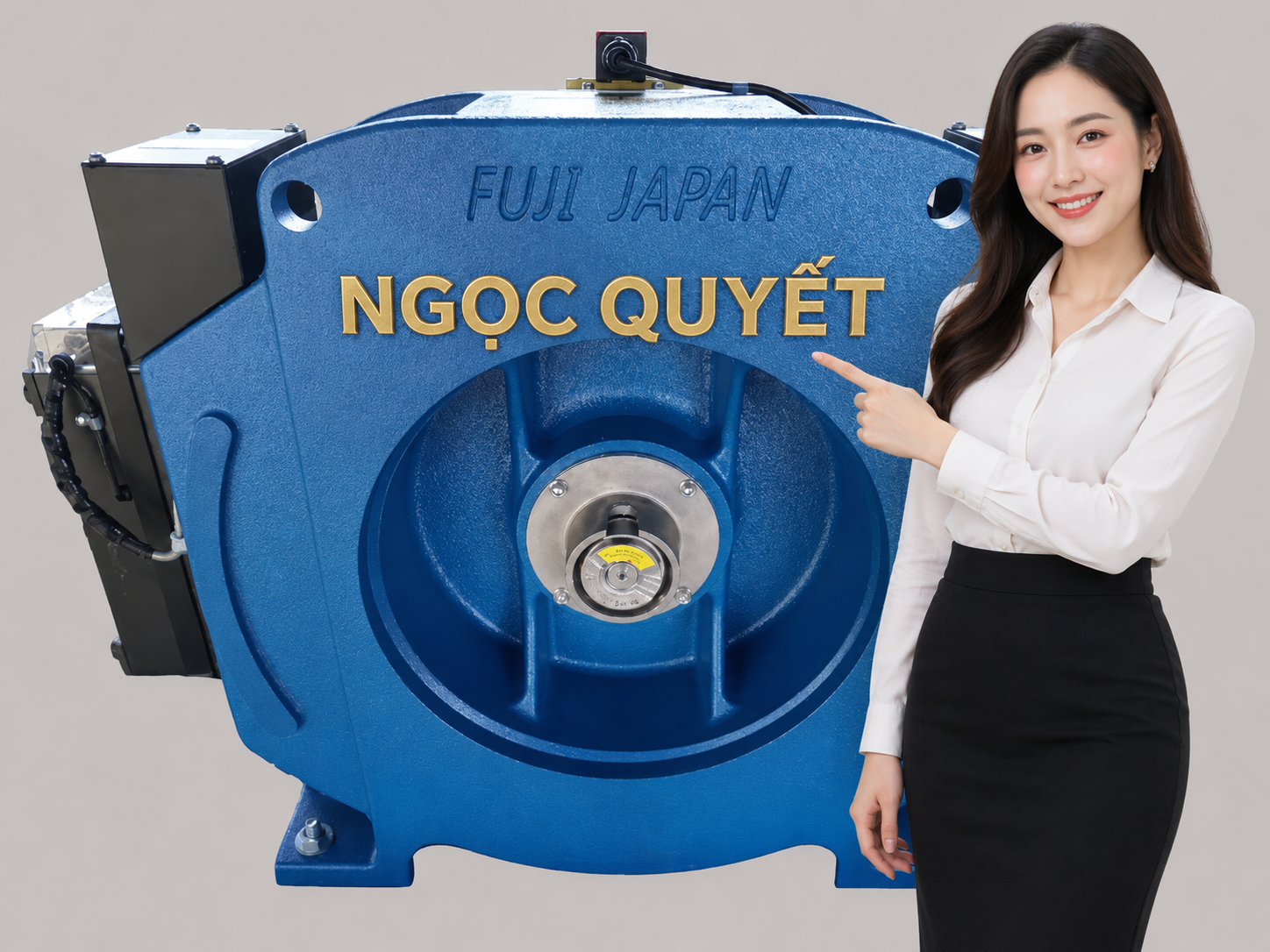
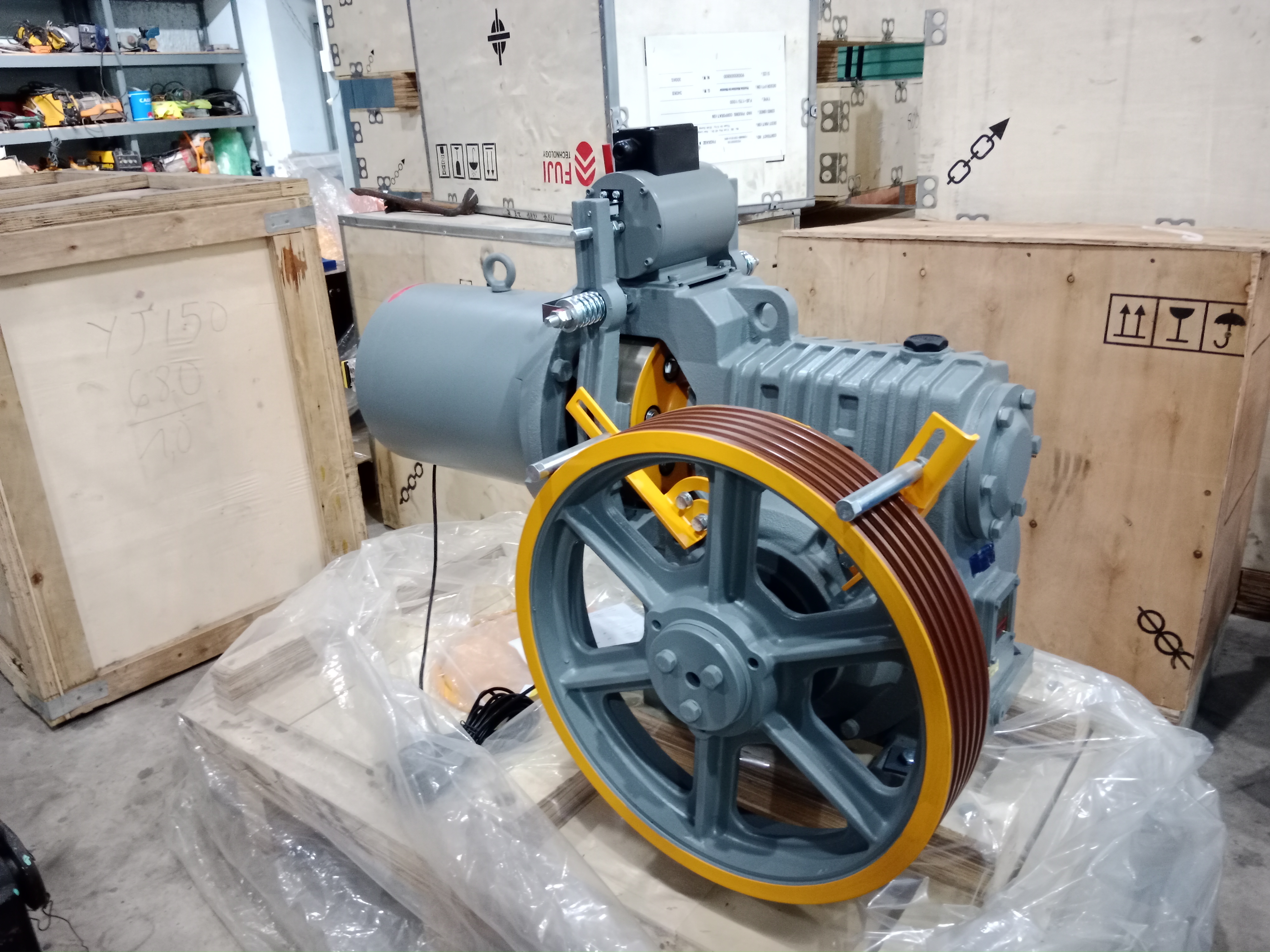
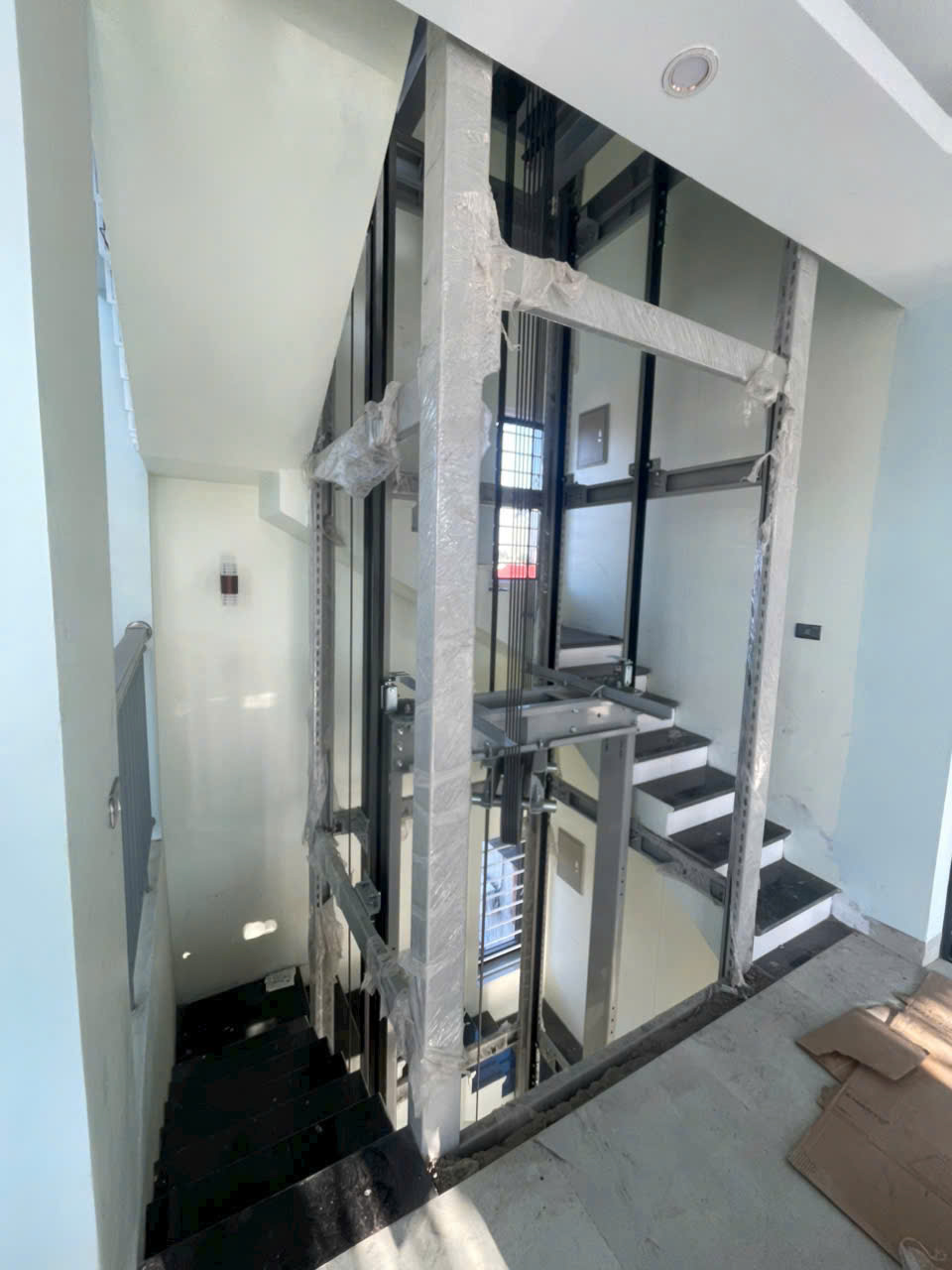
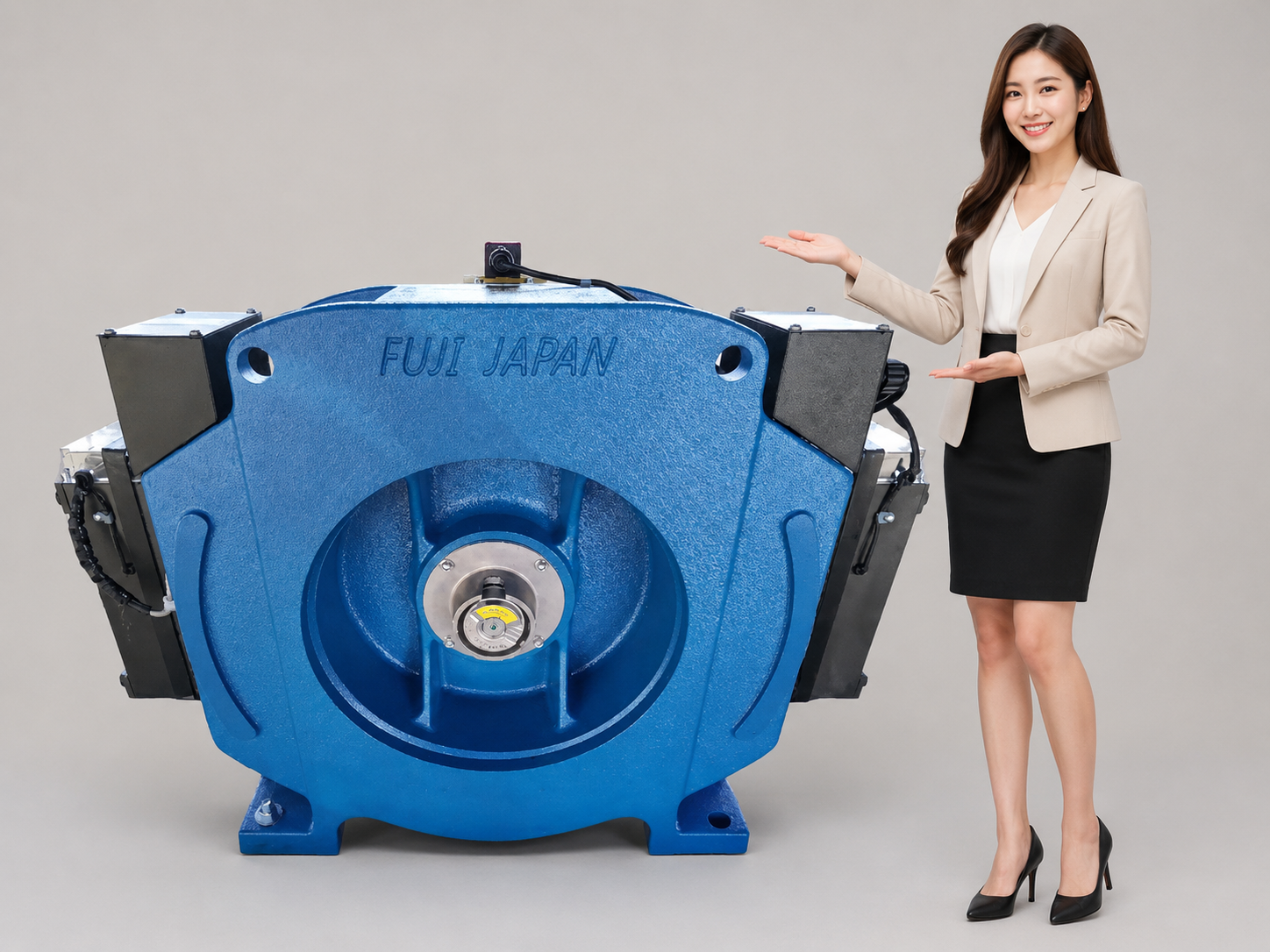
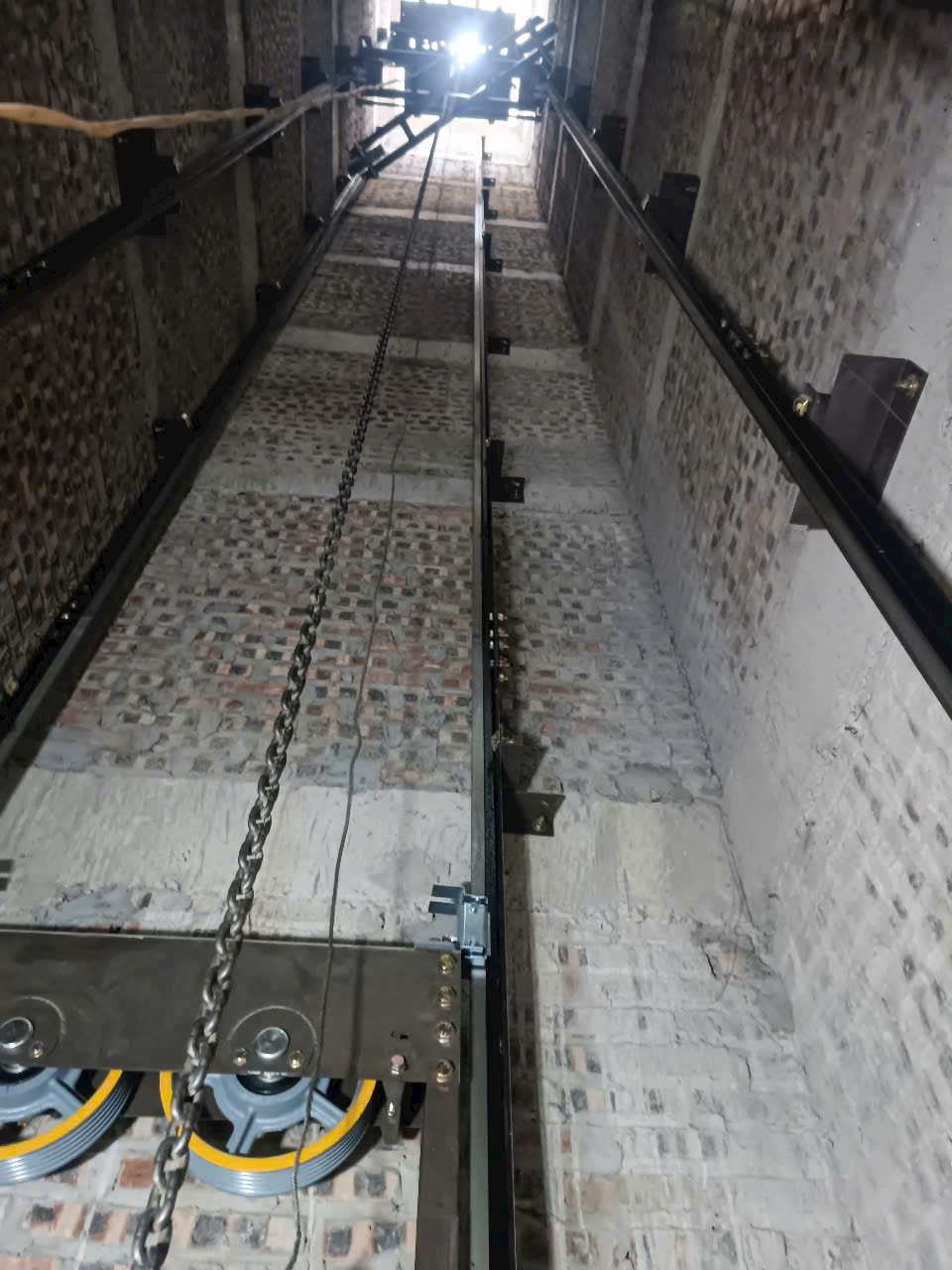
Structurally, a high-end elevator system comprises the following main components: traction machine, control panel, cabin, counterweight, guide rails, landing doors – cabin doors, safety system, and signaling/control system. The difference lies in the use of high-precision components, tight assembly tolerances, and rigorous dynamic balancing and calibration procedures. Gearless traction machines combined with vector speed control allow for smooth operation, reduced vibration, energy savings, and noise reduction, which is especially important in luxury hotels and apartments.
Hệ điều khiển trung tâm thường sử dụng PLC công nghiệp hoặc bo mạch chuyên dụng với vi xử lý tốc độ cao, hỗ trợ nhiều chế độ vận hành: ưu tiên tầng, gọi nhóm, phân bổ thang theo lưu lượng, chế độ cứu hộ tự động khi mất điện. Các thuật toán điều độ hiện đại như Destination Control System (hệ thống điều khiển theo điểm đến) giúp giảm thời gian chờ, tối ưu số lượt dừng, đặc biệt hiệu quả trong tòa nhà văn phòng có mật độ sử dụng cao. Ngoài ra, việc tích hợp cảm biến gia tốc, cảm biến tải trọng, cảm biến cửa quang đa điểm giúp hệ thống phản hồi nhanh, hạn chế sự cố kẹt cửa, quá tải hoặc dừng tầng lệch.
.jpg)
Hệ thống an toàn đa lớp và tiêu chuẩn kỹ thuật
Thang máy cao cấp phải tuân thủ các tiêu chuẩn an toàn quốc tế như EN 81-20/50, ISO 8100 hoặc các quy chuẩn quốc gia tương đương. Hệ thống an toàn được thiết kế theo nguyên tắc đa lớp – dự phòng, nghĩa là khi một lớp bảo vệ gặp trục trặc, lớp khác sẽ tự động can thiệp để duy trì trạng thái an toàn. Các thành phần cốt lõi gồm: bộ giới hạn tốc độ, phanh bảo hiểm, công tắc cửa an toàn, khóa cửa tầng cơ – điện, cảm biến vượt hành trình, bộ giảm chấn ở đáy hố thang, cùng mạch an toàn liên động chạy xuyên suốt hệ thống.
Trong phân khúc cao cấp, nhiều nhà sản xuất bổ sung thêm các tính năng như giám sát phanh bằng cảm biến hành trình, kiểm soát trượt cáp, hệ thống cứu hộ tự động ARD với bộ lưu điện hoặc UPS công suất lớn, cho phép đưa cabin về tầng gần nhất và mở cửa an toàn khi mất điện lưới. Một số giải pháp tiên tiến còn tích hợp black box ghi lại dữ liệu vận hành, sự kiện lỗi, giúp kỹ sư phân tích nguyên nhân sự cố và tối ưu chiến lược bảo trì.
Truyền động, tiết kiệm năng lượng và vận hành êm
Yếu tố vận hành êm và tiết kiệm năng lượng là hai trụ cột trong thiết kế thang máy cao cấp. Động cơ đồng bộ nam châm vĩnh cửu kết hợp với biến tần tái sinh năng lượng cho phép thu hồi năng lượng phanh và trả lại lưới điện, giảm đáng kể chi phí vận hành trong các tòa nhà có lưu lượng sử dụng lớn. Bên cạnh đó, việc tối ưu hóa đường đặc tính gia tốc – giảm tốc, sử dụng công nghệ điều khiển vector giúp cabin khởi động và dừng lại mượt mà, hạn chế cảm giác “giật” hay “chòng chành” cho hành khách.
Để đạt được độ êm cao, nhà sản xuất chú trọng đến chất lượng ray dẫn hướng, con trượt, hệ thống treo cabin và đối trọng. Ray được gia công chính xác, lắp đặt bằng thiết bị cân chỉnh laser, đảm bảo độ thẳng đứng và độ phẳng trong giới hạn rất nhỏ. Cabin được cách âm, cách rung bằng các đệm cao su kỹ thuật, vật liệu hấp thụ âm, giúp giảm truyền rung từ kết cấu giếng thang vào không gian bên trong. Tất cả những yếu tố này tạo nên trải nghiệm di chuyển gần như “không trọng lực”, đặc trưng của thang máy cao cấp.
Interior design, user experience, and smart trends.
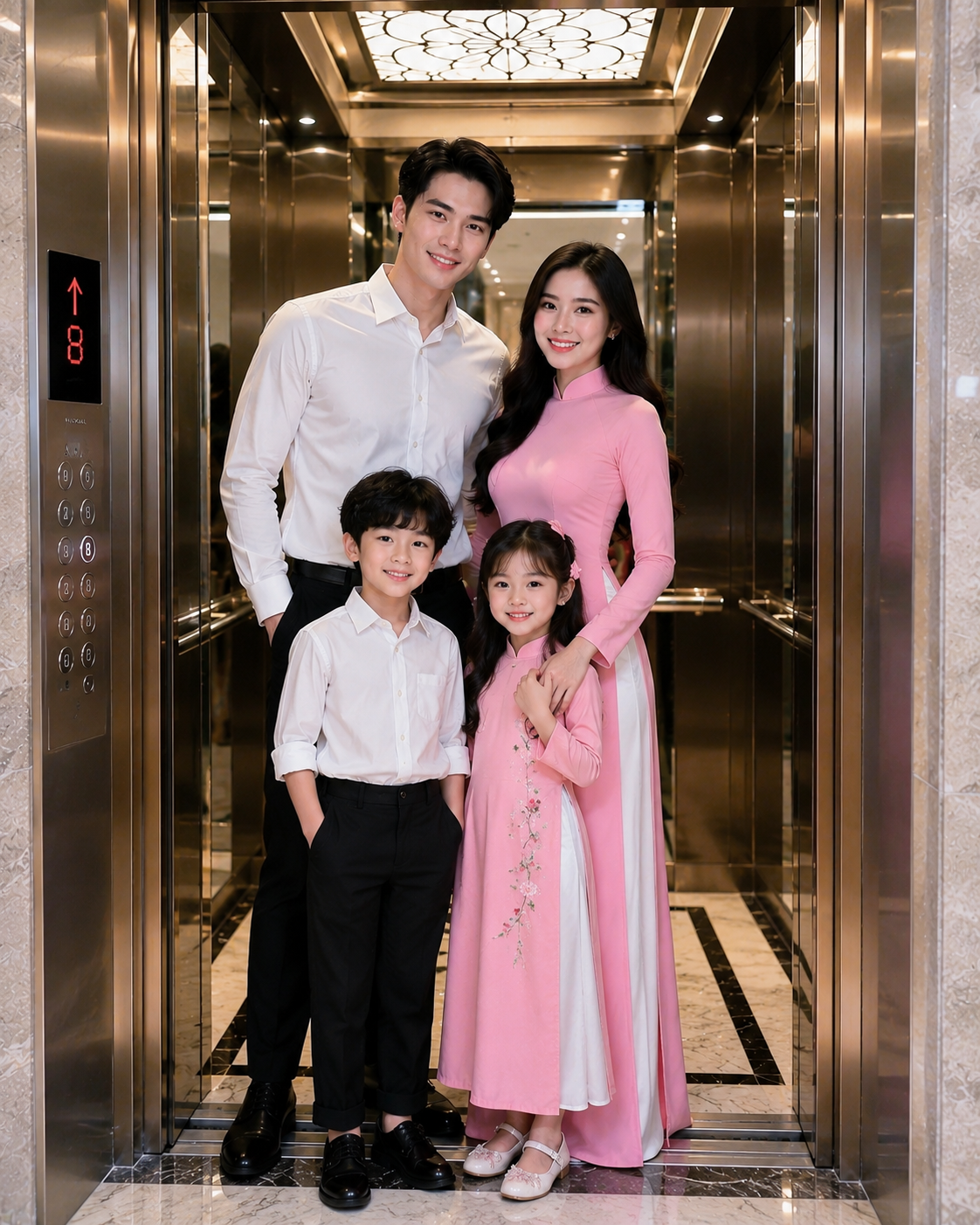
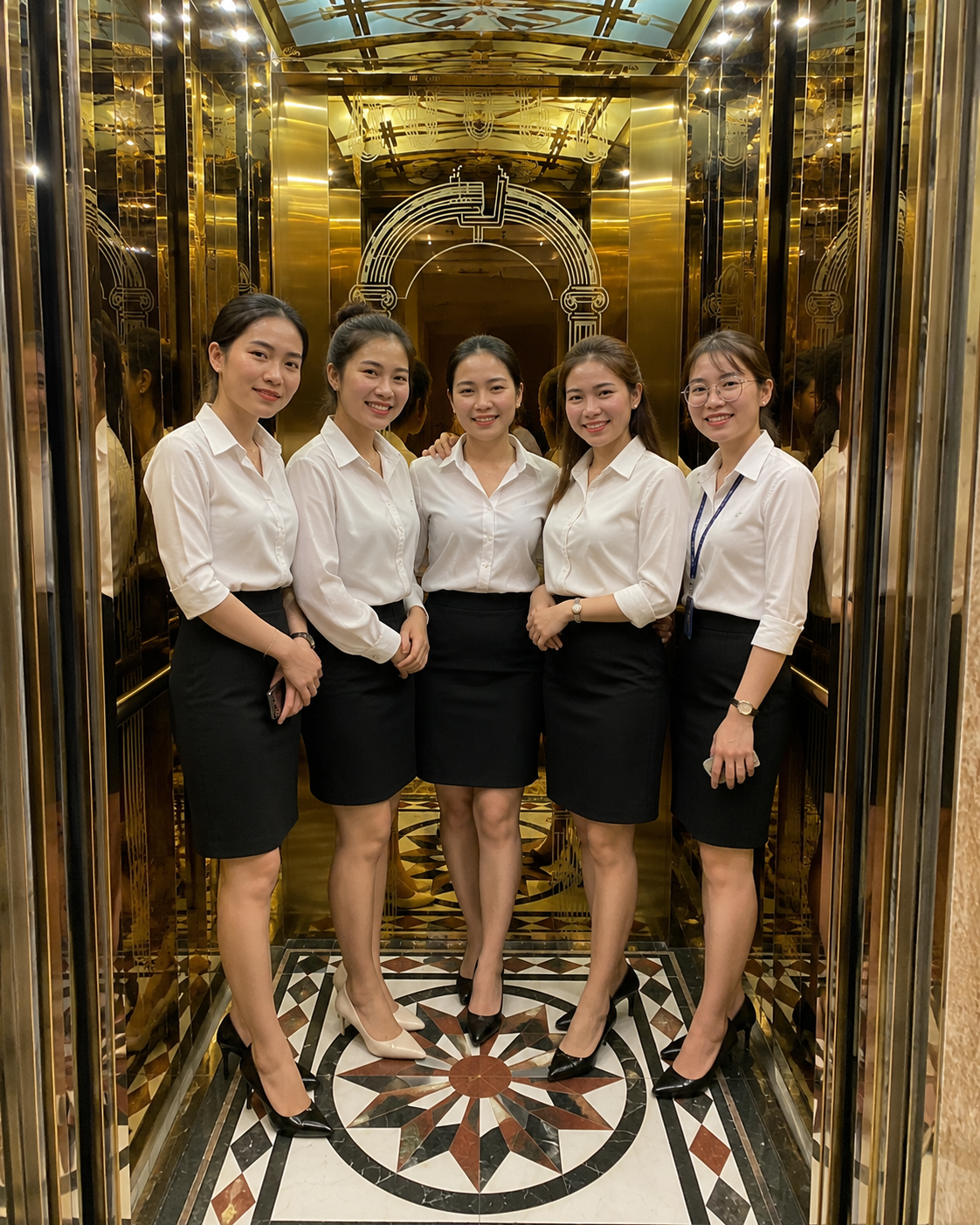
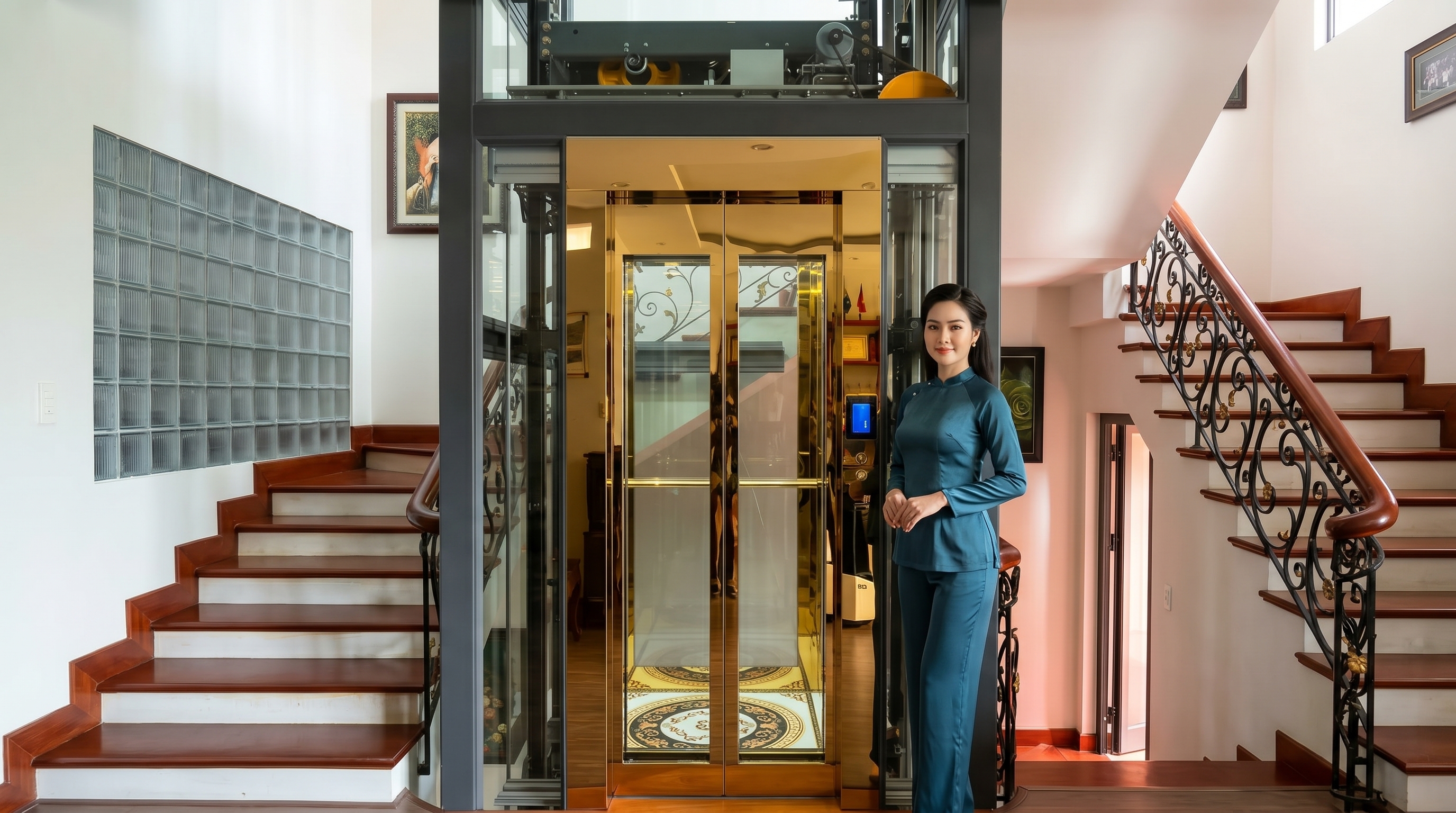
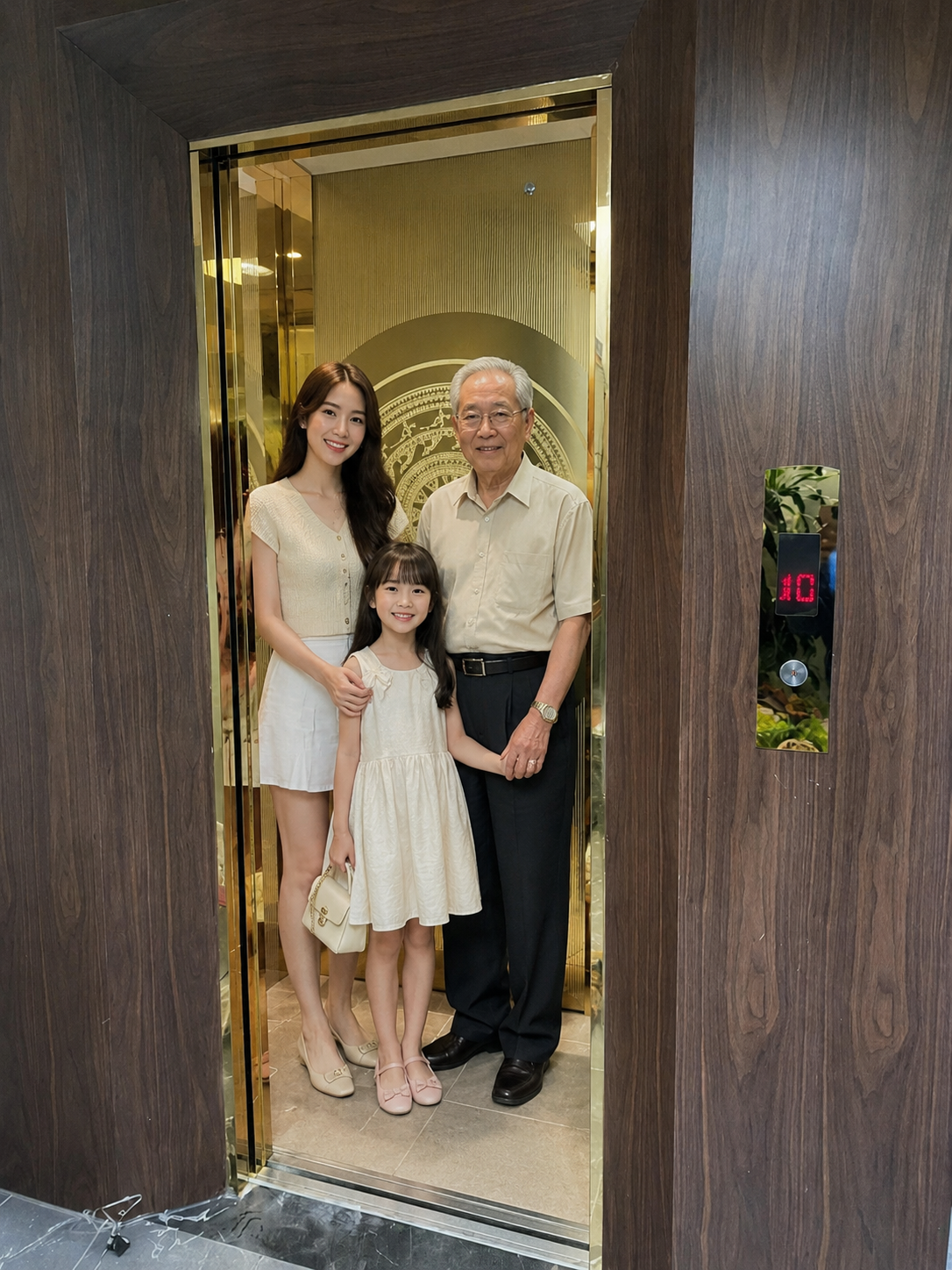
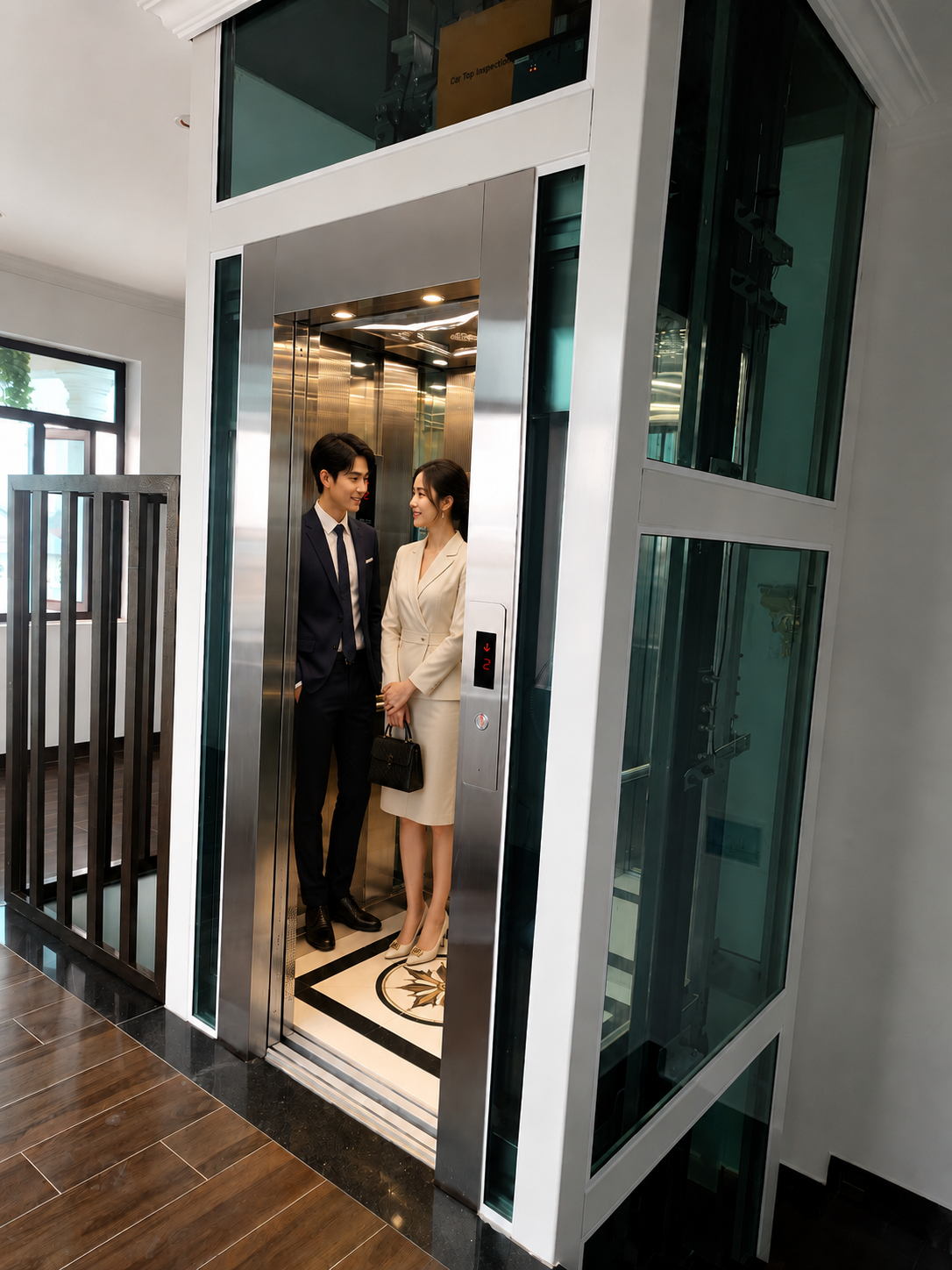
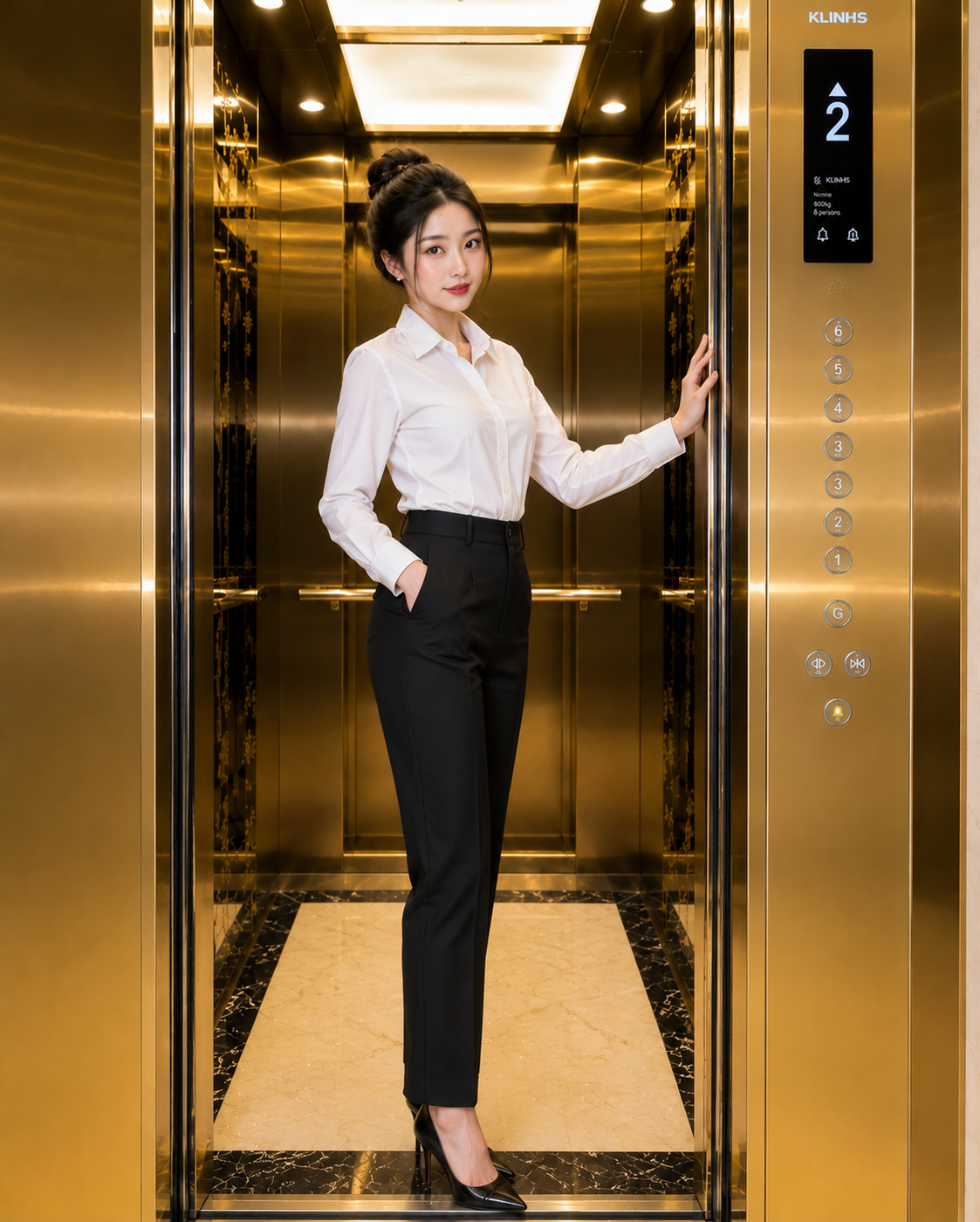
From an architectural and interior design perspective, high-end elevators are part of the overall design language. The cabins typically utilize premium materials such as mirror-finish stainless steel, rose gold stainless steel, panoramic tempered glass, natural wood or veneer, combined with indirect LED lighting, 3D suspended ceilings, alloy or wood handrails, and high-quality natural or artificial stone flooring. Every detail is designed to harmonize with the building's style: minimalist modern, neoclassical, or luxury boutique.
The user experience is enhanced through details such as touch-screen control panels , multi-information LCD displays, multilingual voice announcement systems, clearly tactile buttons, and installation heights suitable for people with disabilities and children. In many projects, clients request personalized cabins with brand logos, distinctive patterns, or integrated background sound systems, creating a sense of privacy and luxury for passengers.
Integrating IoT, BMS, and smart features.
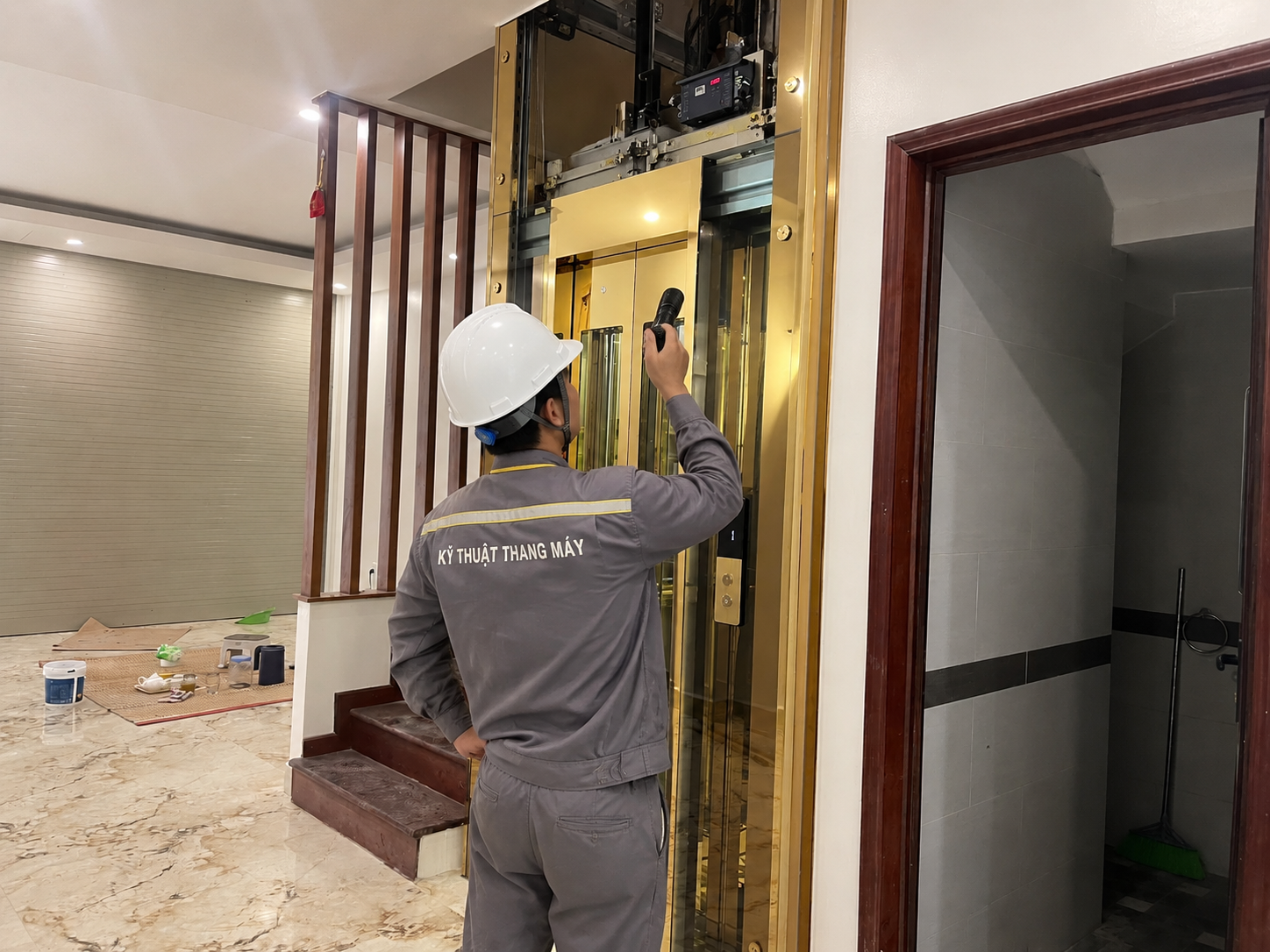
Smart elevators are becoming the new standard in the high-end segment. The system, connected to an IoT platform, allows for real-time monitoring of parameters such as the number of trips, motor temperature, current, door status, malfunctions, and floor stop times. Data is analyzed using machine learning algorithms to predict failures , schedule proactive maintenance, and minimize unplanned downtime.
Integration with a Building Management System (BMS) synchronizes elevators with other systems such as access control, fire protection, security cameras, and air conditioning/ventilation. Features like calling elevators via magnetic cards, QR codes, mobile applications, and floor-based access control enhance security and optimize traffic flow. In the post-pandemic era, many contactless control solutions (contactless touch buttons, smartphone-based elevator calling, facial recognition) are also widely adopted in high-end elevator models.
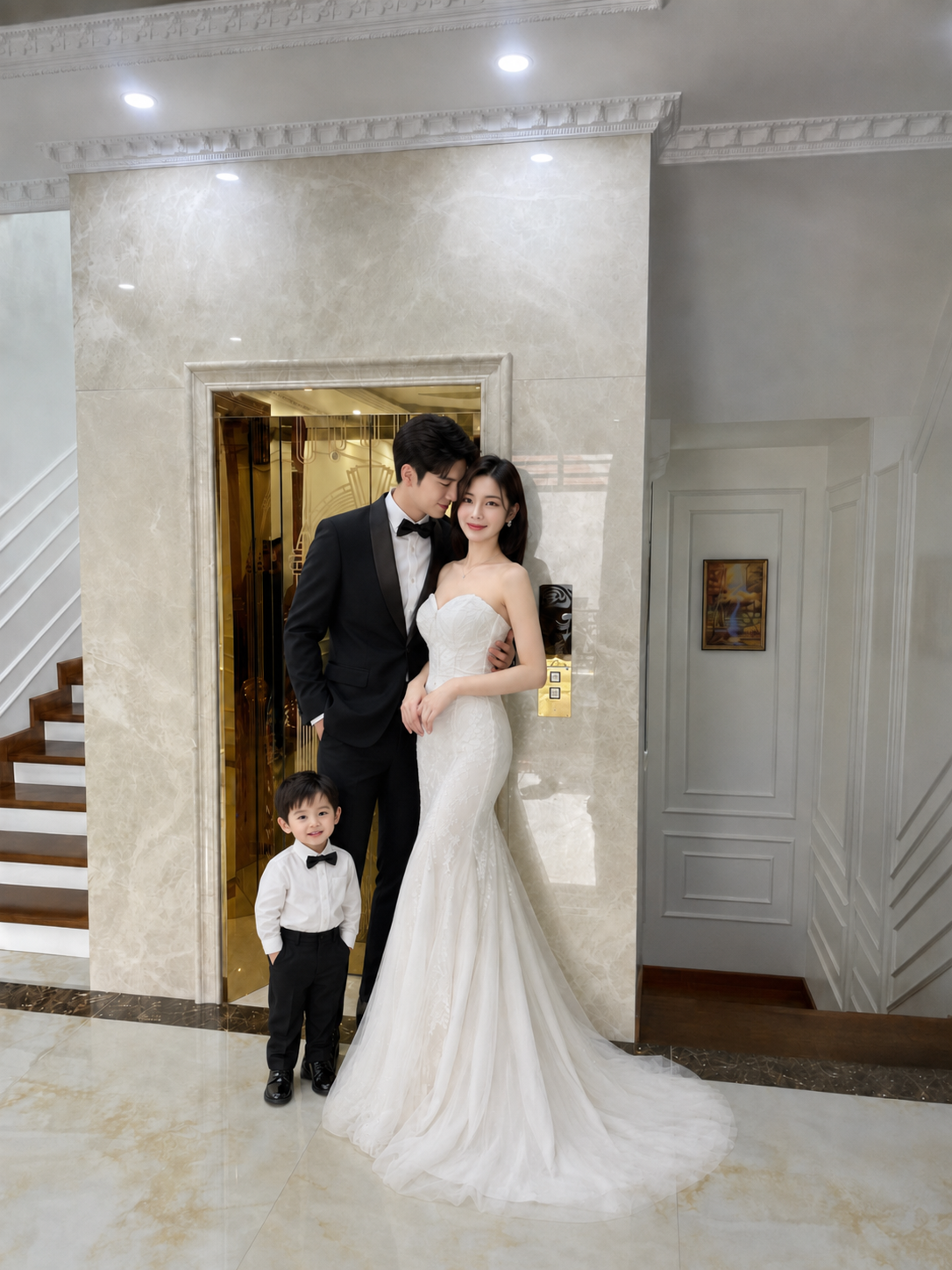
For professionals and investors, choosing a high-end elevator system is not just about brand; a comprehensive assessment of factors such as technological foundation, system integration capabilities, after-sales service quality, the technical expertise of the installation and maintenance company, and suitability to the building's market segment is crucial. A properly designed and implemented elevator system will become a reliable "vertical transportation backbone," contributing to the enhancement of property value and user experience throughout the building's lifespan.