

Apartment building elevators
Apartment building elevators
The role of elevators in the operation of modern apartment buildings.
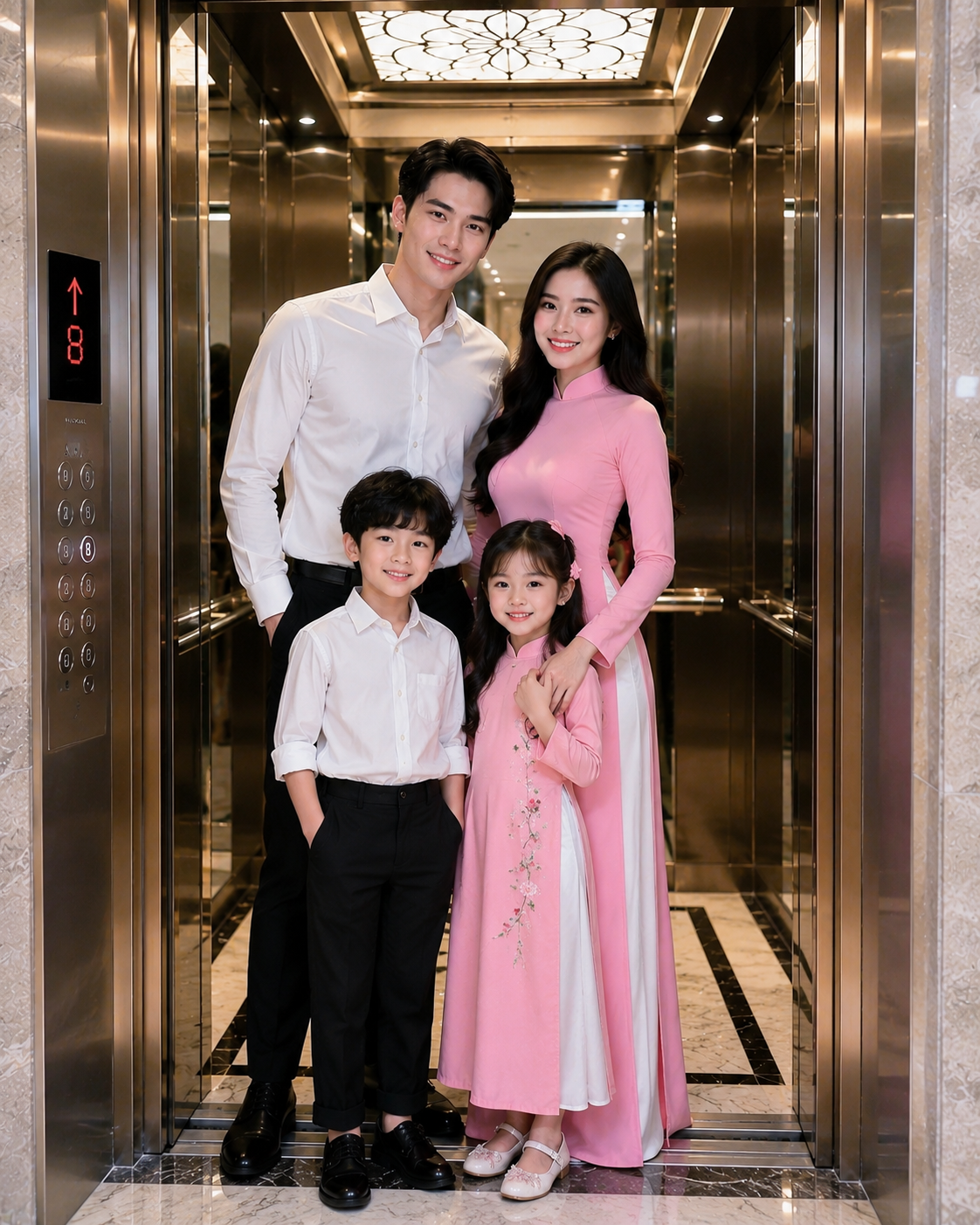
Apartment building elevators are not just a means of vertical transportation; they are also a crucial infrastructure component that determines the living experience, property value, and safety level of the building. In buildings with 9 floors or more, elevator systems are almost mandatory according to construction standards, ensuring accessibility for residents, people with disabilities, the elderly, and facilitating goods transportation and rescue operations. A well-designed and operated elevator system reduces waiting times, minimizes congestion in the lobby, optimizes vertical traffic flow, and reduces pressure on the stairwell system, especially during peak morning and evening hours.
From an economic perspective, elevator density and operational quality are key concerns for investors, management companies, and homebuyers. A high-rise apartment building with an inadequate number of elevators will lead to overcrowding, resident complaints, and damage to the developer's reputation. Conversely, a well-planned elevator layout, the use of intelligent control technology, and standardized maintenance increase operational value, reduce long-term operating costs, and enhance resident satisfaction.
Structure and operating principle of apartment building elevators
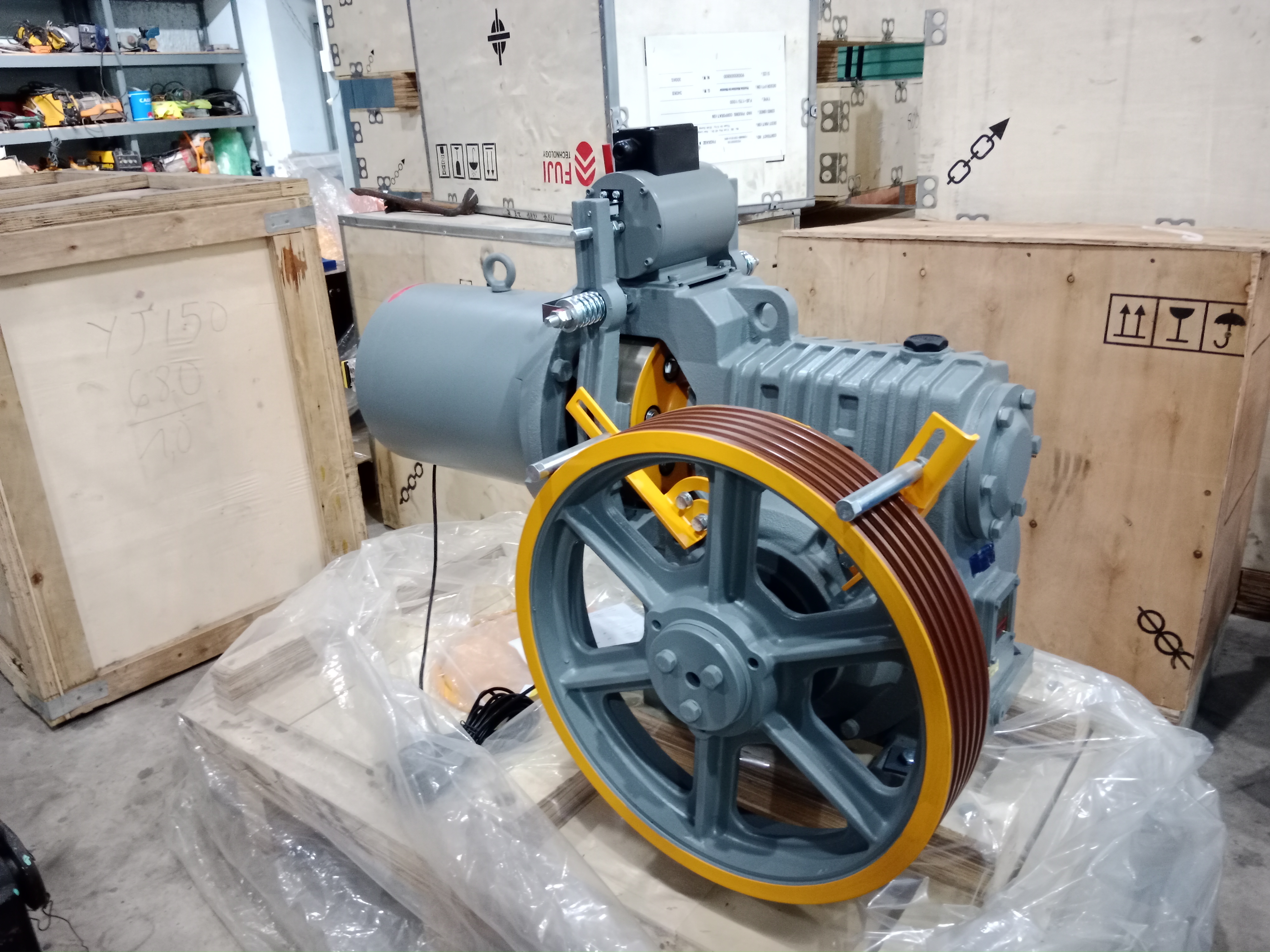
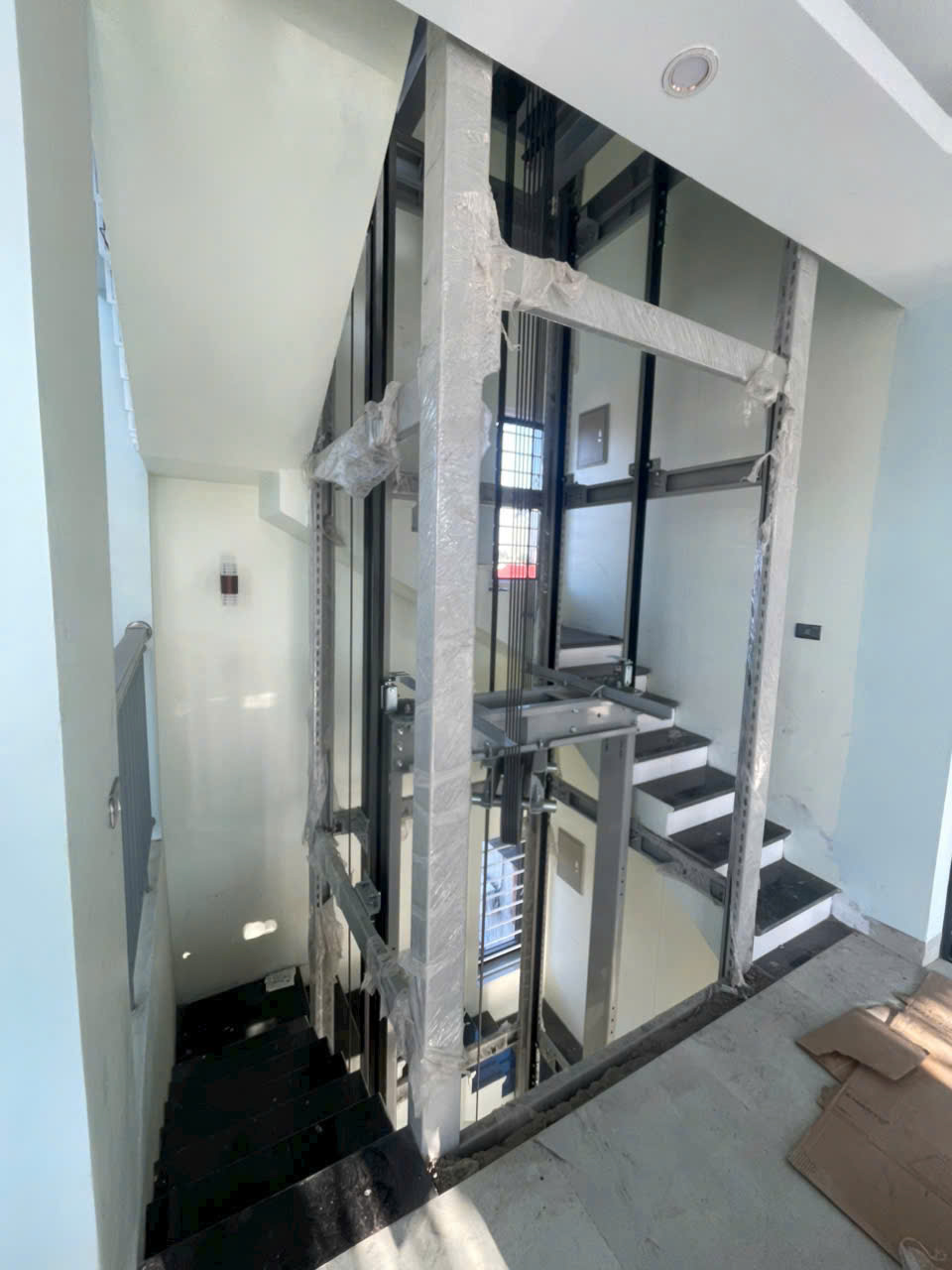
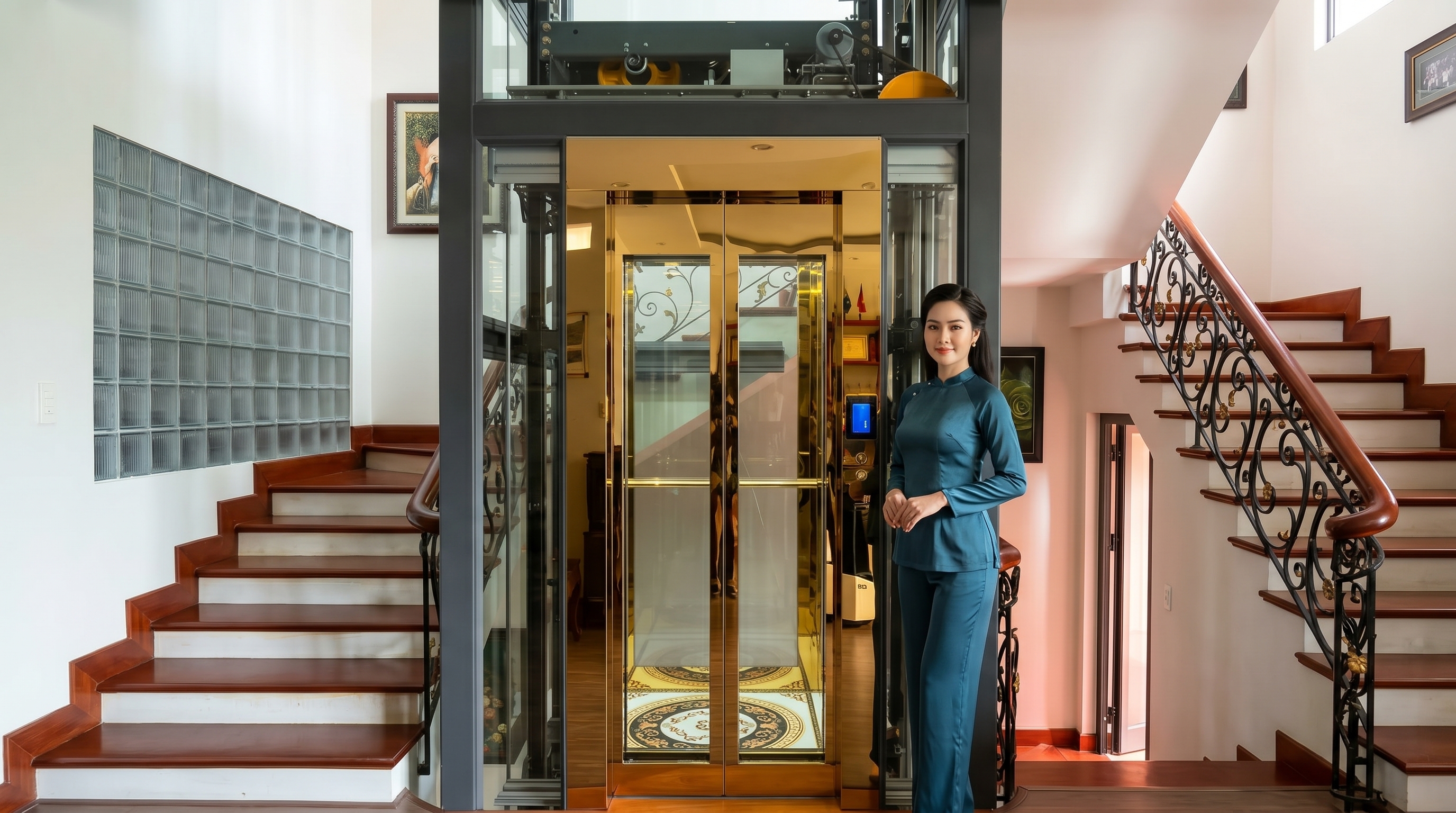
Modern apartment building elevators mainly fall into two categories: cable-driven elevators (traction elevators) and hydraulic elevators . Cable-driven elevators are dominant in high-rise buildings due to their ability to achieve high speeds, long travel distances, and better energy efficiency. A typical elevator system includes basic components: a machine room or traction unit, a shaft, a cabin, a counterweight, guide rails, landing doors, cabin doors, a control system, a safety system, and monitoring sensors.
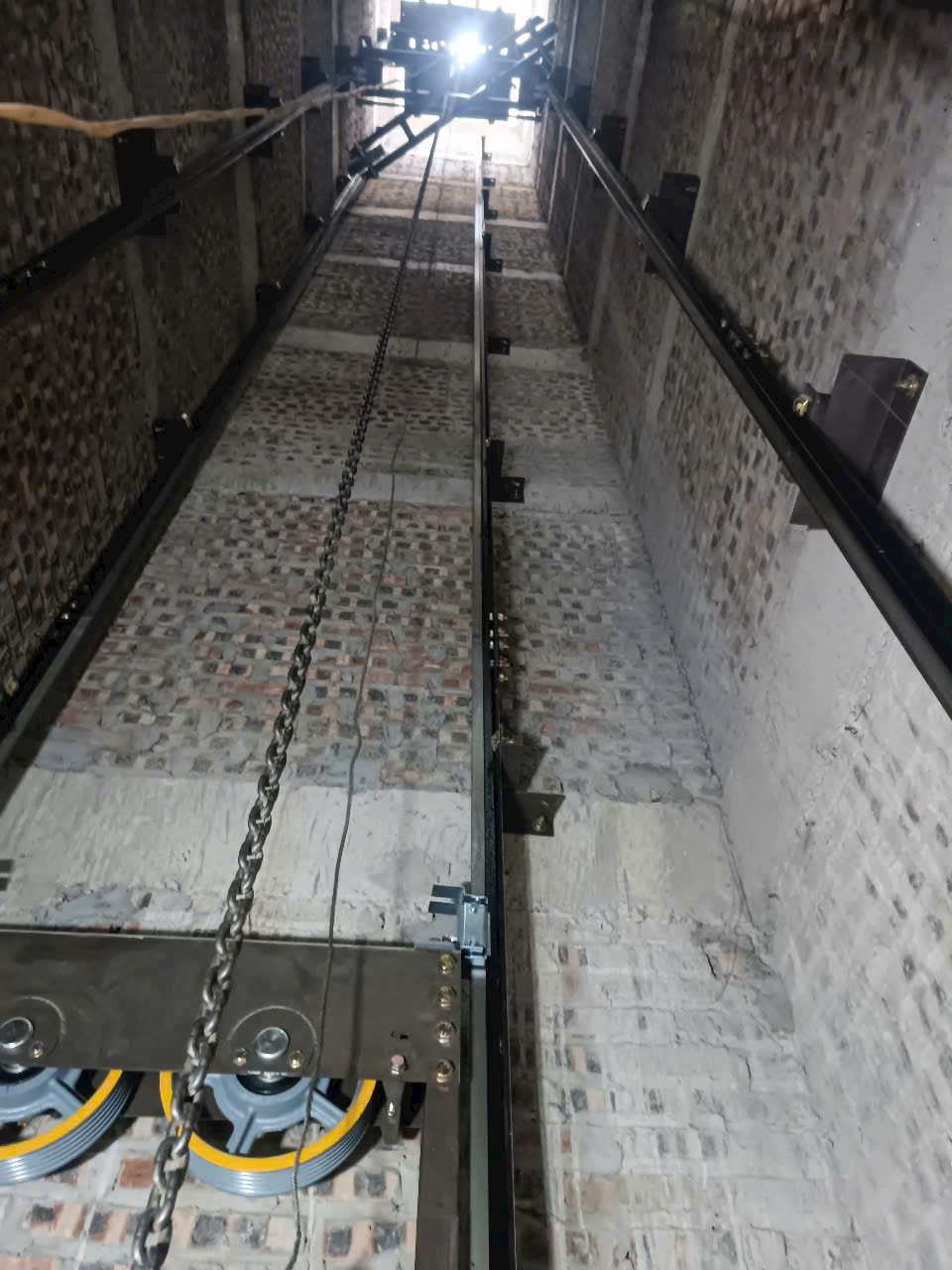
In principle, cable-driven elevators use an electric motor to rotate a pulley, moving the steel cable connecting the cabin and counterweight. The counterweight has a mass approximately equal to the cabin's mass plus 40–50% of the rated load, reducing motor power, saving electricity, and stabilizing movement. The cabin and counterweight slide on a fixed guide rail system within the elevator shaft, ensuring vertical movement and minimizing vibration. The central controller receives floor call signals, processes the elevator allocation algorithm, and controls speed, acceleration, braking, and door opening/closing.
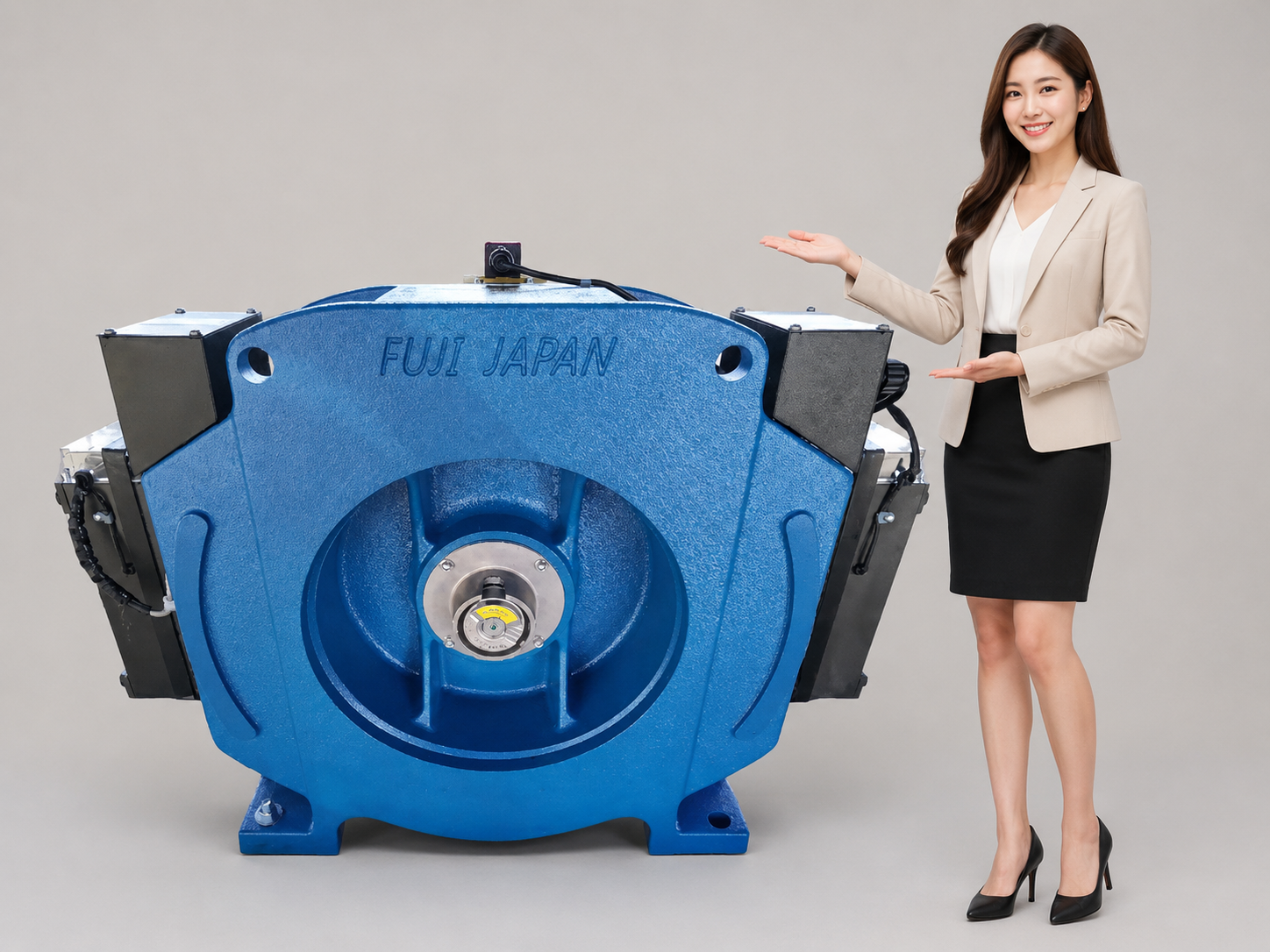
In high-rise apartment buildings, the common trend is to use gearless traction machines combined with VVVF (Variable Frequency Drive) inverters to control motor speed, resulting in smoother, more energy-efficient, and quieter elevator operation. Many projects adopt machine-roomless elevators (MRLs) , where the traction machine is placed directly in the elevator shaft, saving construction space and offering greater flexibility in architectural design. Modern control systems also integrate load sensors , door sensors , overspeed sensors , speed limiters , cabin fall protection systems , and interlocking safety circuits, ensuring the elevator stops operating in case of abnormalities.
Key technical specifications in design
When designing elevators for apartment buildings , core technical parameters need to be calculated based on the number of apartments, population density, building height, and national standards. Some important parameters include: rated load capacity (kg or people) , nominal speed (m/s) , cabin dimensions , door dimensions , lift travel , number of stops , operating cycle , and maximum acceptable waiting time . Standards such as TCVN 6395, TCVN 6396, and national technical regulations for high-rise residential buildings serve as the basis for engineers to select the appropriate configuration.
For apartment buildings, common load capacities range from 630 kg (8 people) to 1600 kg (21 people) , with speeds from 1.0 m/s to 2.5 m/s depending on building height. The cabin needs to be spacious enough to accommodate strollers, wheelchairs, household goods, and ensure a minimum door width for people with disabilities. Additionally, the handling capacity – the percentage of residents who can be transported within a 5-minute period – is a crucial indicator for evaluating the efficiency of the elevator system during peak hours.
Safety, operation, and maintenance standards for apartment building elevators.
Elevators are equipment with stringent safety requirements, therefore they must comply with standards, regulations, and legal provisions regarding inspection, operation, and maintenance. Before being put into use, apartment building elevators must undergo a safety technical inspection by a licensed organization, be affixed with an inspection sticker, and have complete technical documentation. The periodic inspection cycle is usually 1–3 years depending on the type of elevator and current regulations. Any modifications, structural changes, or changes to the control system must be re-evaluated for safety.
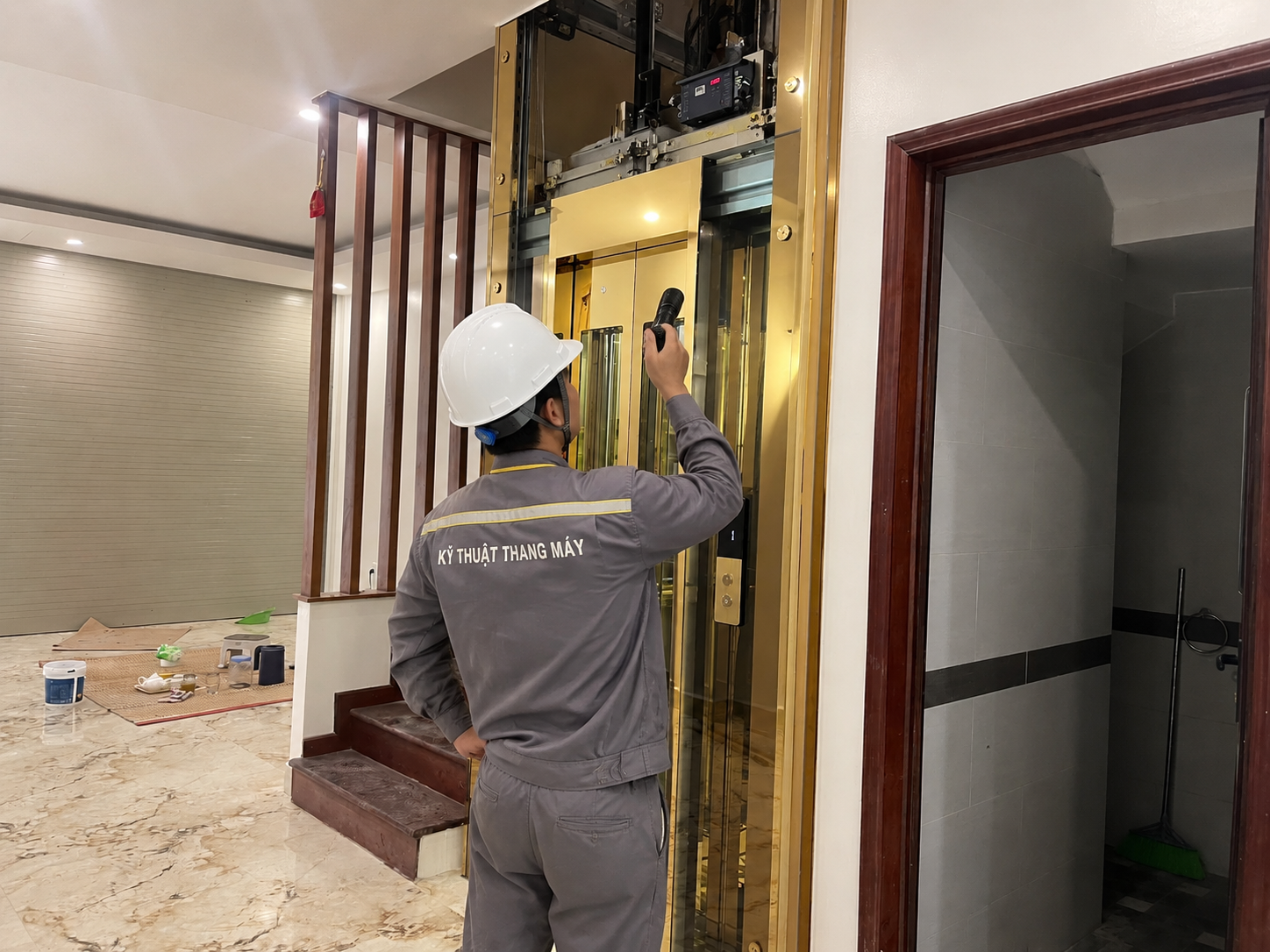
In operation, the building management unit needs to establish standard operating procedures (SOPs) , including: regulations for elevator use, procedures for handling incidents of people being trapped, procedures for cutting off power in case of fire, and procedures for daily inspections and recording operating logs. Technical staff must be trained in elevator structure, identifying abnormal signs (unusual noises, vibrations, floor misalignment, unstable door opening and closing), and coordinating with professional maintenance units. The internal communication system in the cabin (intercom) must always be operational and connected to the 24/7 on-call department.
Key scheduled maintenance items
Maintenance of apartment building elevators should be carried out under a service contract with a qualified company, using genuine or equivalent parts, and adhering to the manufacturer's recommendations. Regular maintenance items typically include:
- Inspect and adjust the braking system , speed limiter , and cabin roll cage to ensure emergency stopping capability.
- Inspect the load cables , pulleys , and guide rails ; lubricate them and assess wear and cable tension; replace them if they exceed permissible limits.
- Inspect the landing doors , cabin doors , door sensors , and landing door locks to ensure the safety interlock mechanism is functioning correctly and the elevator does not operate until the doors are fully closed.
- Inspect the control cabinet , inverter , electrical equipment , grounding , clean the cabinet, tighten terminals, measure insulation resistance, and update the software if necessary.
- Inspect the elevator shaft , pit , drainage system, lighting, and service ladder to ensure there are no obstructions, standing water, or leaks that could pose a safety hazard.
Regular maintenance not only extends equipment lifespan but also reduces the risk of serious malfunctions, optimizing long-term operating costs. For apartment buildings that have been in operation for 15-20 years, a comprehensive assessment is needed to consider upgrading and modernizing the system, replacing control units, traction machines, floor doors, and call panels to meet modern safety and convenience standards.
Trends in technology and smart management for apartment building elevators.
The development of digital technology and IoT is changing the way apartment building elevators are managed and operated. Many new systems integrate remote monitoring , allowing manufacturers or maintenance units to track equipment status in real time, record errors, analyze operational data, and predict failures (predictive maintenance). This helps reduce elevator downtime, optimize maintenance schedules, and improve reliability. Smart sensors record the number of door openings and closings, the number of trips, average load, and motor temperature, thereby providing early warnings before a problem occurs.
In high-end projects, group control systems incorporate traffic optimization algorithms to allocate cabins by destination, reducing waiting times and stops. Some destination control solutions allow users to select floors directly in the lobby, and the system assigns the appropriate cabin, preventing stops at multiple consecutive floors. Additionally, elevators can be integrated with access control systems using magnetic cards, PIN codes, facial recognition, or mobile applications, limiting access by floor and enhancing resident security.
Energy saving trends are also emphasized with the use of high-efficiency motors , LED lighting in the cabin , a standby mode when not in use, and regenerative drive systems that return excess energy to the grid when the elevator operates under favorable load conditions. For green buildings, selecting elevators with energy efficiency certification, combined with architectural design that optimizes vertical traffic flow, is part of a strategy to reduce emissions and long-term operating costs.