Apartment Elevators in Ha Nam
Introduction to apartment building elevators
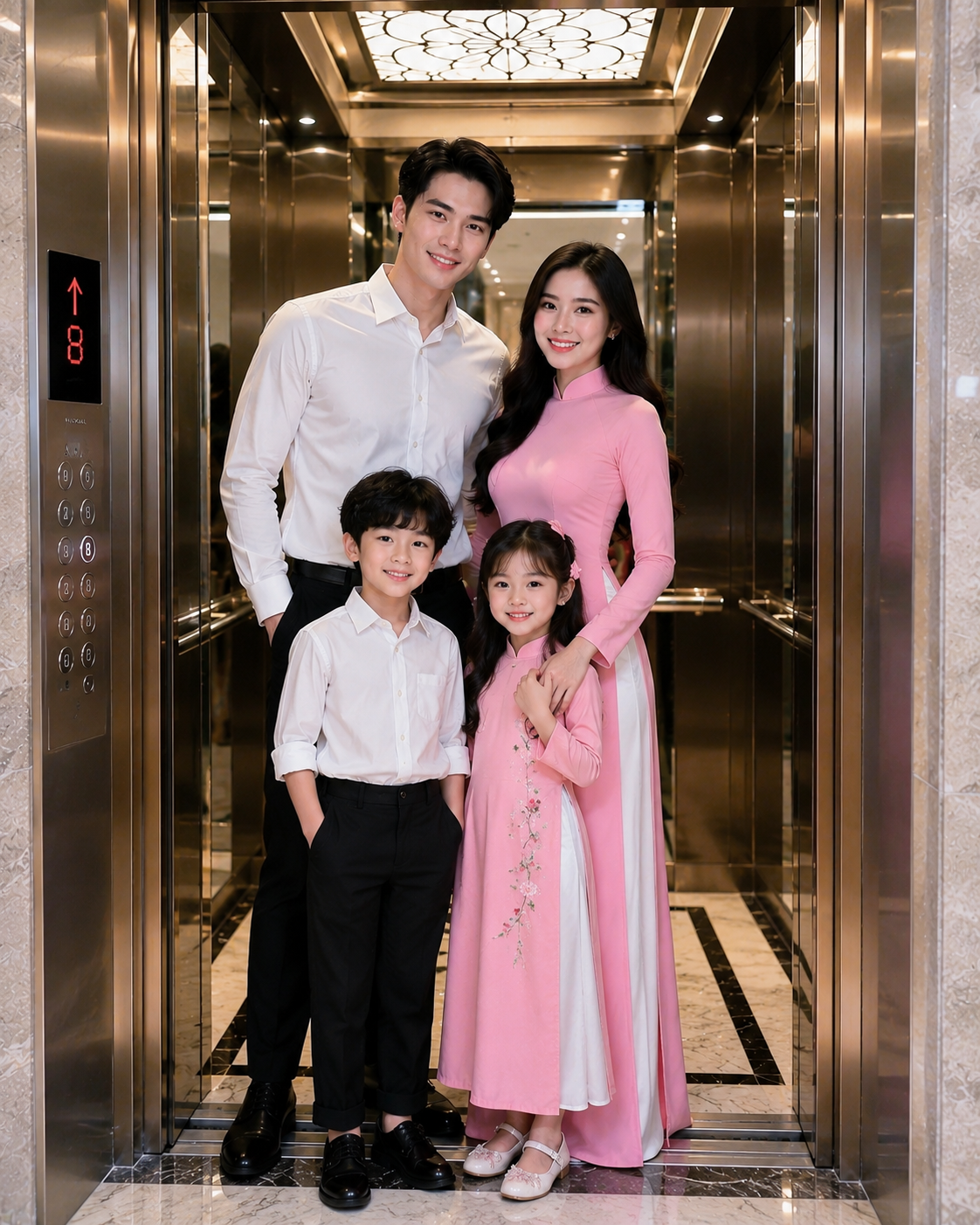
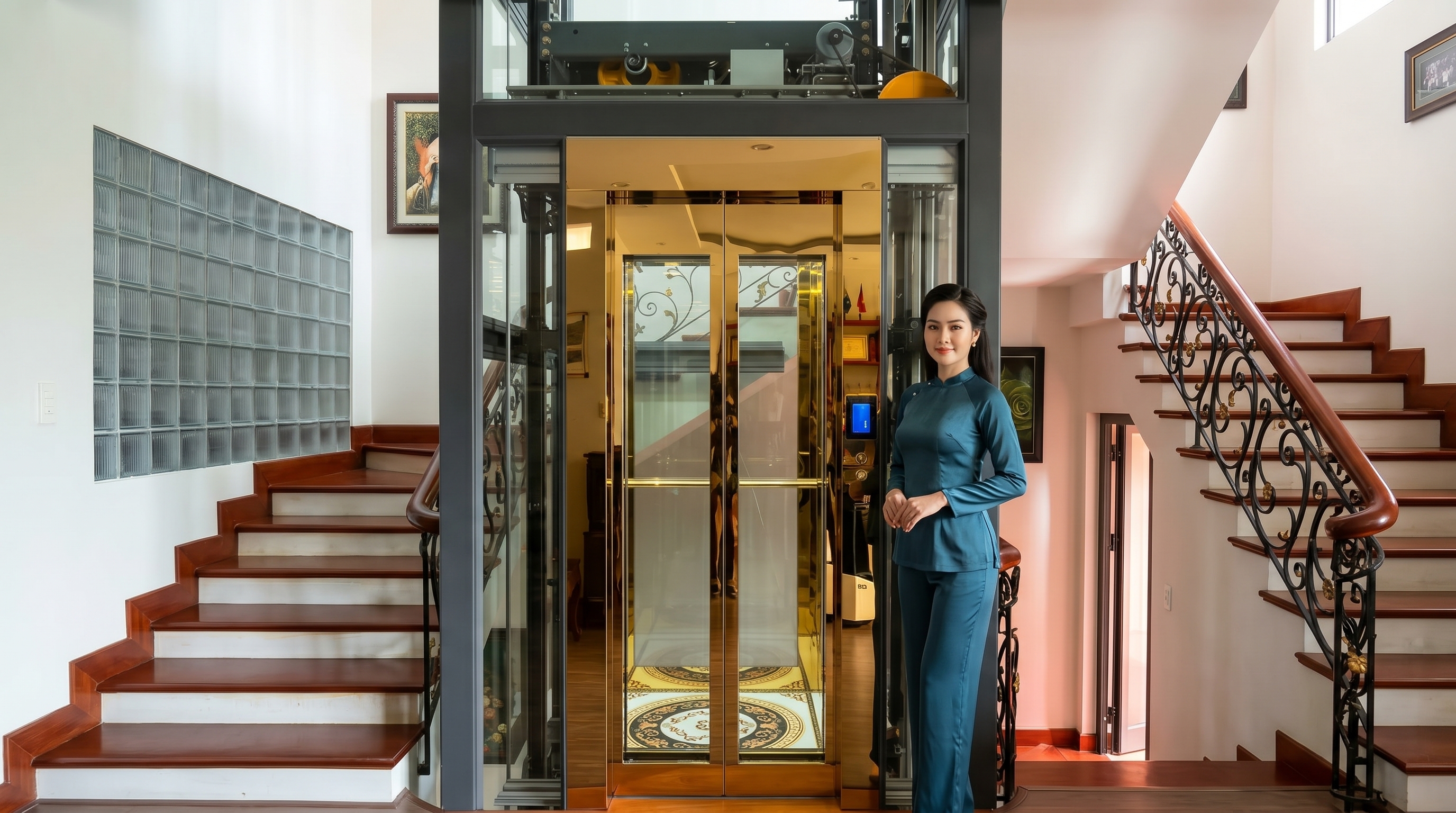
Apartment building elevators in Ha Nam play a vital role in ensuring convenience and safety for residents living in high-rise buildings. With rapid urbanization and population growth in this area, equipping buildings with modern, efficient, and durable elevators has become a mandatory requirement for investors and building managers.
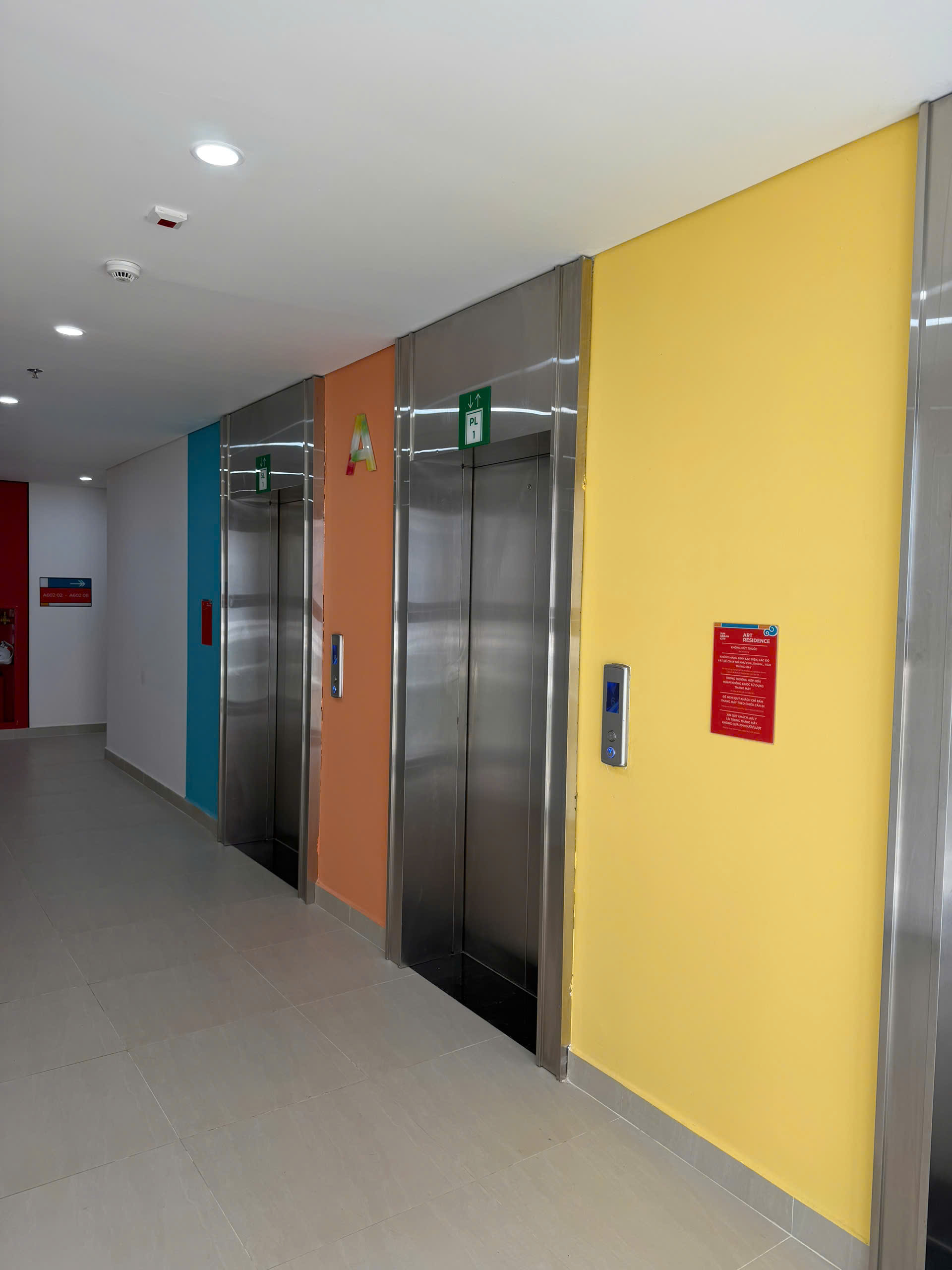
Elevators in apartment buildings are not simply a means of transportation; they are also a crucial factor determining the quality of life, resident satisfaction, and property value. Especially in high-rise apartment complexes, elevators significantly reduce travel time and improve accessibility for the elderly, children, and people with disabilities.
Common types of elevators in Ha Nam
- Hydraulic elevators: Suitable for buildings of moderate height (under 6 floors), operate smoothly, have low maintenance costs, but have a relatively low travel speed.
- Cable-driven elevators: Suitable for high-rise buildings, offering high speed, large load capacity, and a wide variety of models and designs.
- Machine Roomless Elevators (MRLs): A space-saving solution suitable for buildings with limited space for a machine room on the roof.
Technical and safety standards for apartment building elevators in Ha Nam.
To ensure stable and absolutely safe operation, apartment building elevators in Ha Nam must comply with strict technical standards:
- Safety standards: The equipment must be fitted with a mechanical braking system, door sensors, an automatic rescue system, a fire alarm system, and an emergency communication system.
- Operating standards: The engine and control system must ensure smooth operation, minimizing vibration and noise.
- Energy efficiency standards: Utilizing inverter technology, LED lighting, and energy regeneration systems helps minimize electricity consumption.
Modern technology applied in apartment building elevators.
To meet the growing demand for performance and user experience, elevator manufacturers in Ha Nam have adopted many advanced technologies:
- Intelligent control system: Allows for remote management and monitoring, optimizes operating schedules, and reduces waiting times.
- Multi-point safety sensors: Detect obstacles, automatically stop the elevator in case of an emergency, and protect users.
- User-friendly interface: Touch screen, audio guidance system, multi-language support.
- Environmentally friendly materials: Using recycled materials, reducing emissions during production and operation.
Benefits of using elevators in apartment buildings in Ha Nam
- Increased property value: Buildings with modern elevators are generally valued higher in the market, attracting customers and investors.
- Convenience for residents: Facilitates quick movement between floors, especially important for the elderly, children, and people with disabilities.
- Save time and effort: Minimize travel fatigue, improve efficiency in daily life and work.
- Safety and stability: The elevator system is regularly maintained, ensuring continuous and absolutely safe operation.
- Energy saving: Energy-saving technologies help reduce operating costs and protect the environment.
Elevator installation and maintenance procedures for apartment buildings in Ha Nam.
Elevator installation requires close coordination among all stakeholders and adherence to strict procedures:
- Survey and design: Assess the existing condition of the building and select the type of elevator that suits the needs and technical conditions.
- Installation: Follow technical standards, ensuring workplace safety and construction quality.
- Inspection and acceptance: Elevators must undergo a thorough inspection before being put into service to ensure they meet safety standards.
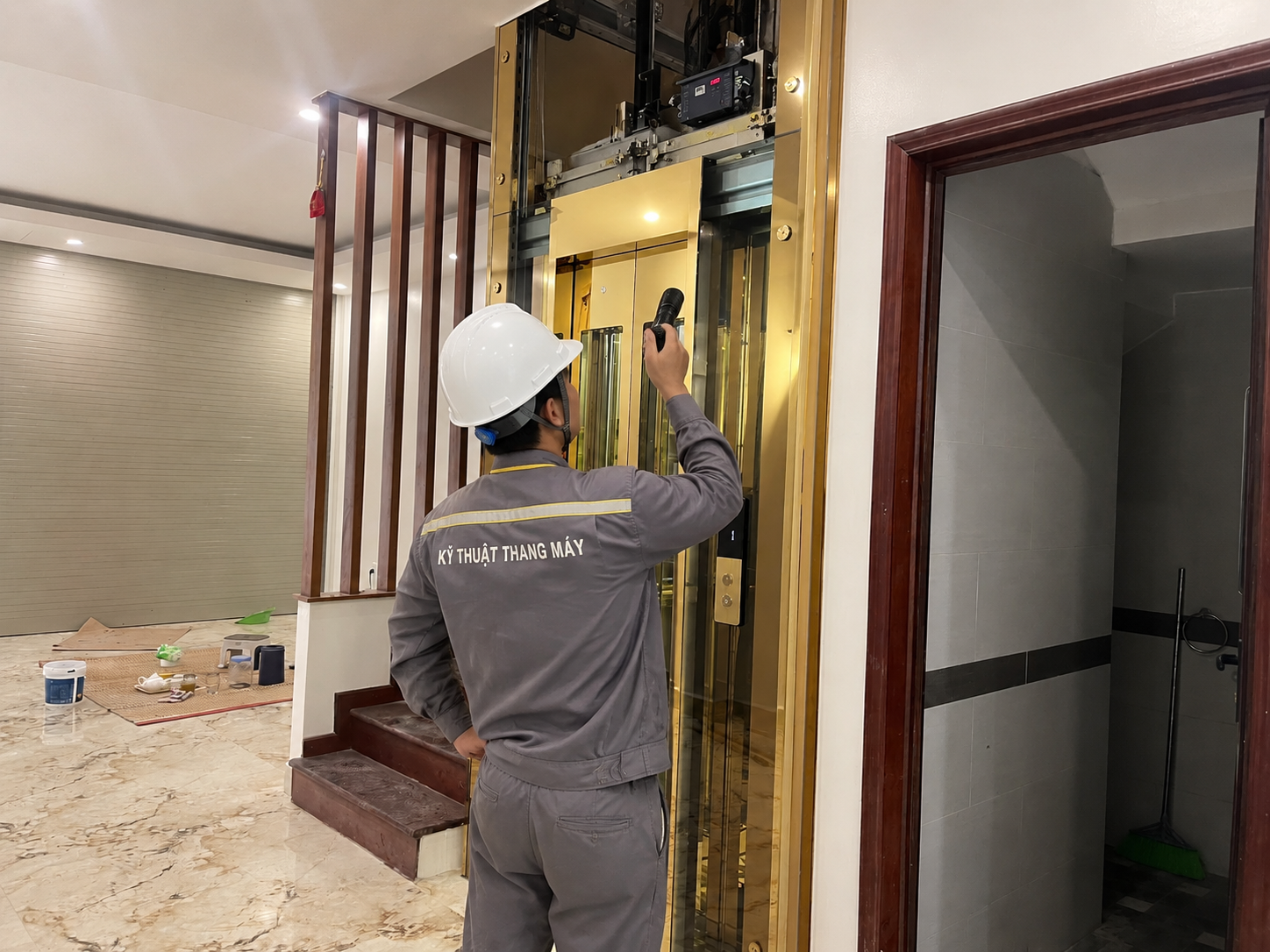
- Regular maintenance: Conduct scheduled inspections and maintenance to detect and rectify problems promptly, maintaining operational efficiency.
Challenges and solutions in developing apartment building elevators in Ha Nam.
Despite the increasing demand for elevators, several challenges remain that need to be addressed:
- Space limitations: Older buildings or those with small floor areas often have difficulty accommodating machine rooms and elevator shafts.
- High initial investment costs: Requires a large amount of capital, impacting the financial capacity of the investor.
- Safety and maintenance requirements: A professional technical team and a rigorous management system are necessary.
The solutions implemented include the use of machine-roomless elevators (MRLs), the application of energy-saving technologies, the establishment of a professional maintenance system, and enhanced training for technical personnel.
Standard specifications for apartment building elevators in Ha Nam.
To ensure optimal performance and absolute safety in residential environments, apartment building elevators in Ha Nam are designed based on strict technical standards, meeting requirements for load capacity, speed, dimensions, control systems, safety, and energy efficiency. Selecting and designing the right elevator not only enhances the user experience but also plays a crucial role in maintaining the durability and stability of the equipment throughout its operation.
- Load Capacity: Apartment building elevators typically have a load capacity ranging from 450kg to 1600kg , equivalent to a capacity of 6 to 21 people. Determining the appropriate load capacity is based on the population density and elevator usage in the building. The load capacity is designed according to ISO 4190 or TCVN 6390 standards, ensuring the load-bearing capacity and mechanical durability of the cabin and cable traction system. Furthermore, the load capacity directly affects the cabin size and motor power, therefore careful consideration is necessary during the design phase.
- Speed: The travel speed of apartment building elevators ranges from 0.6 m/s to 1.75 m/s , depending on the building height and usage demand. Low speeds (approximately 0.6 - 1.0 m/s) are typically used in low-rise buildings (under 10 floors), minimizing vibration and increasing user safety. Taller buildings, on the other hand, utilize higher speeds to shorten travel time and are equipped with damping and load balancing systems to ensure smooth operation. Speed is also controlled by an intelligent control system to prevent sudden acceleration or deceleration that could compromise safety.
- Cabin size: Elevator cabins are designed in various sizes to suit architectural spaces and usage needs. Common sizes range from 1100mm x 1400mm to 2100mm x 1600mm . These dimensions are calculated based on standards for minimum area per user, while also ensuring sufficient space for people with disabilities or shopping carts. Cabin materials are typically stainless steel or aluminum alloy, combined with tempered glass to enhance aesthetics and durability. Cabin design also focuses on lighting, ventilation, and soundproofing to create a comfortable experience for users.
- Control System: Apartment building elevators in Ha Nam typically utilize modern PLC or microprocessor technology, allowing for precise and flexible control. This system supports functions such as intelligent floor calling, priority service for people with disabilities, automatic load balancing, and real-time monitoring of operating status. Furthermore, the controller integrates algorithms to optimize travel paths, minimizing waiting time and energy consumption. The control interface is user-friendly, easy to maintain, and upgrade when needed.
- Safety systems: Safety is a top priority in apartment building elevator design. Standard safety systems include:
- Mechanical brake: Automatically activated upon detecting a malfunction or power failure, ensuring the cabin comes to a safe stop.
- Overload sensor: Prevents the elevator from operating when the load exceeds the permissible limit, protecting the motor and cable traction system.
- Door sensors: Ensure elevator doors only close when there are no obstructions or people standing in the doorway, preventing accidents involving door entrapment.
- Automatic rescue system: In the event of a power outage, the elevator will automatically move to the nearest floor and open its doors to allow passengers to exit safely.
- Anti-fall devices: These use mechanical or electronic mechanisms to detect and prevent the cabin from falling due to cable breakage or other malfunctions.
- Emergency alarm and communication system: Allows passengers to contact the control center or rescue team directly in case of an emergency.
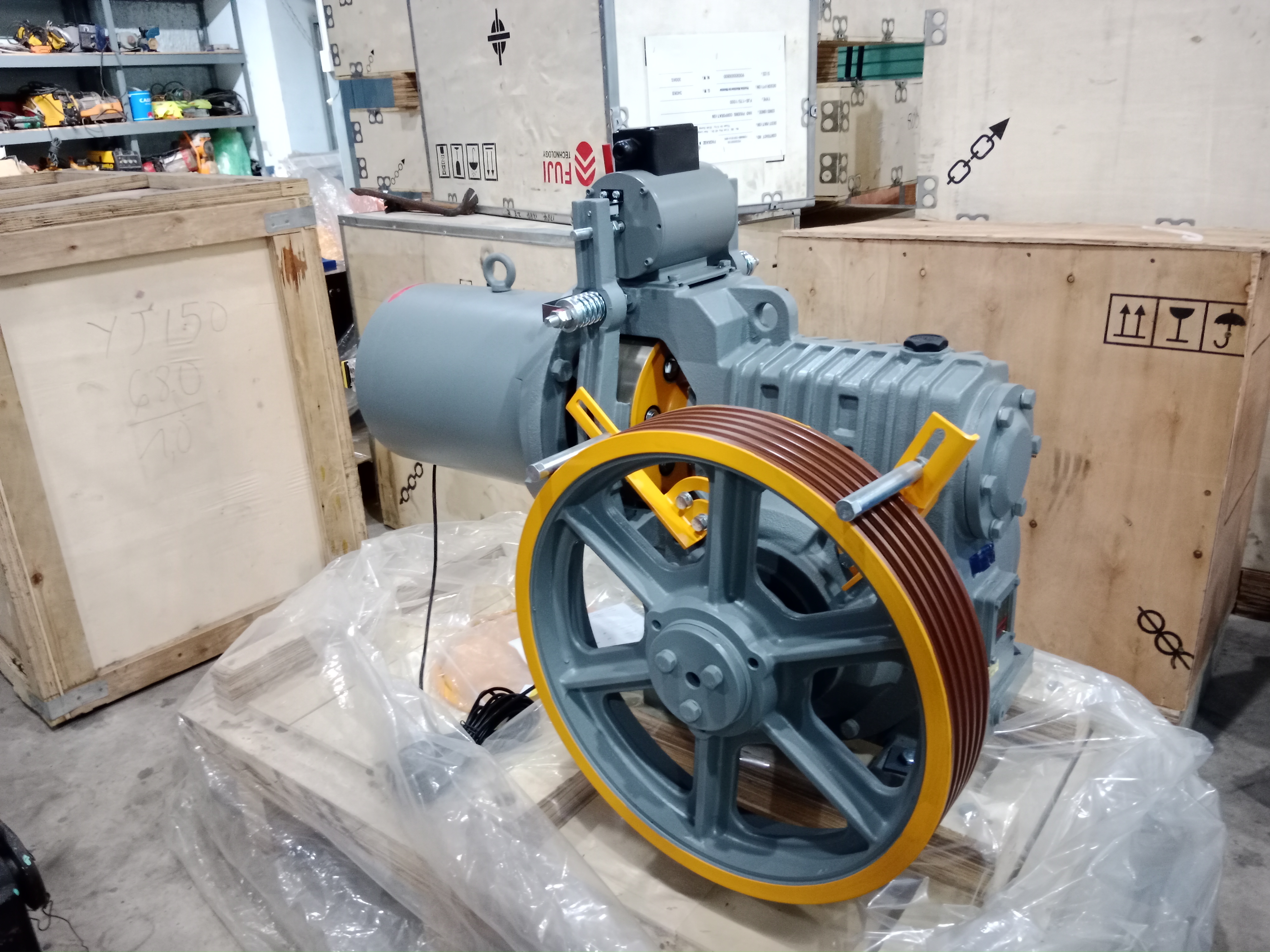
- Energy saving: Motor technology is applied to reduce power consumption and increase operational efficiency. Two common types of motors are:
- Gearless asynchronous motors: These motors do not use a gearbox, reducing friction and wear, and saving up to 30% on energy compared to traditional geared motors. They also offer smooth, quiet operation and require minimal maintenance.
- Geared motors: Enhanced with variable frequency drive (VFD) technology, allowing for flexible motor speed control, reduced energy consumption, and increased equipment lifespan.
Common types of apartment building elevators in Ha Nam
In the current market in Ha Nam, the types of elevators commonly used in apartment buildings not only meet transportation needs but also ensure safety, efficiency, and suitability for each type of building. Choosing the right elevator type depends on many factors such as building height, load capacity, installation space, and operational requirements. Below is an in-depth analysis of common elevator types, providing investors and construction engineers with a more comprehensive understanding.
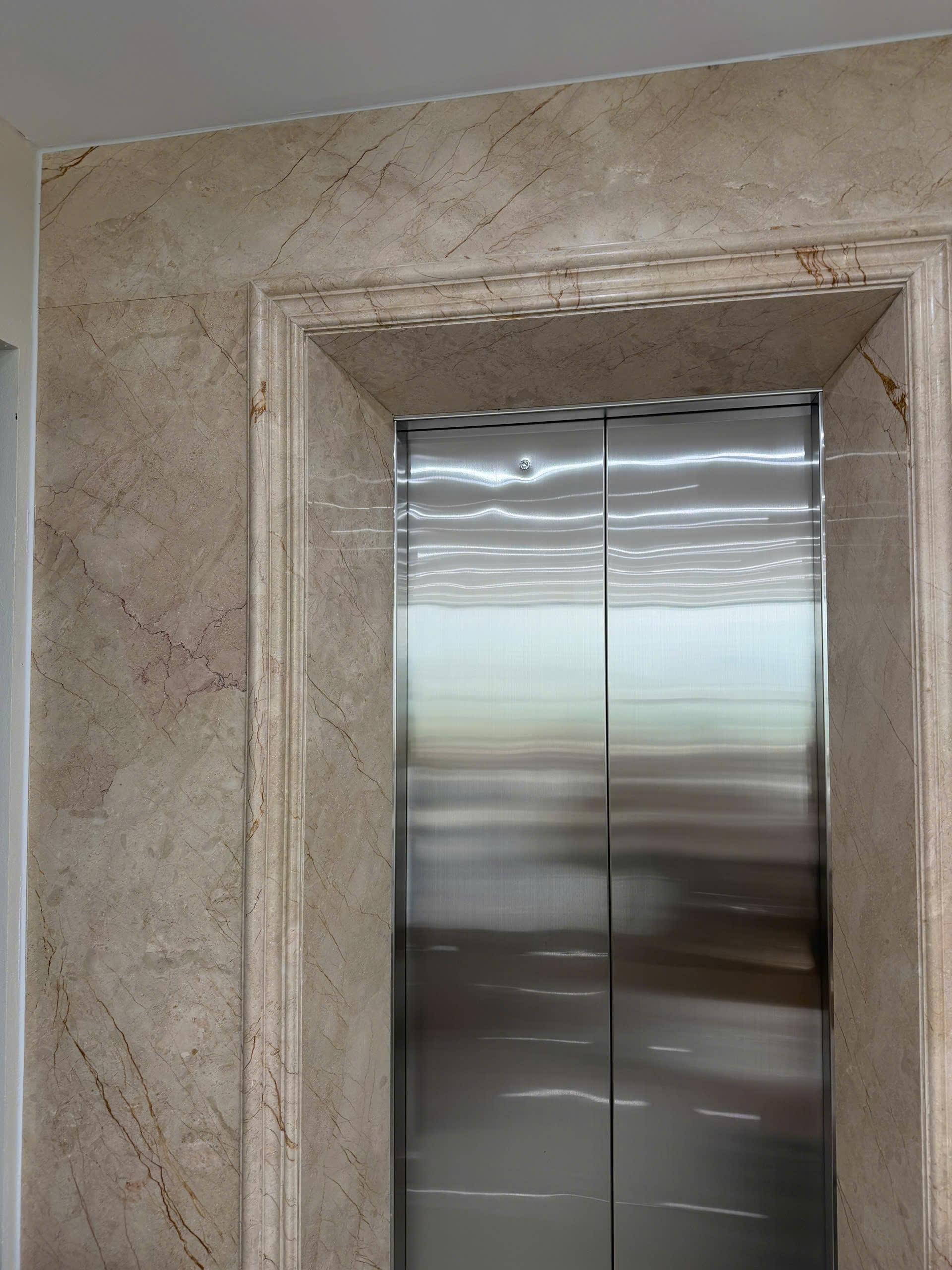
Hydraulic elevator
Hydraulic elevators operate on the principle of using hydraulic pistons to raise and lower the cabin through oil pressure in a cylinder system. This type of elevator is commonly used in buildings of moderate height, usually under 6 floors, due to the limitations on the operating height of the hydraulic system.
Technical advantages:
- Smooth operation: Because it doesn't use traction cables, hydraulic elevators minimize vibration and noise, providing a comfortable experience for users.
- Low initial investment cost: The hydraulic system is simple, easy to install, and does not require the construction of a complex elevator shaft.
- Good load-bearing capacity: Suitable for loads from 300kg to 1000kg, ideal for small or medium-sized apartments.
Disadvantages and maintenance considerations:
- Energy consumption is higher compared to cable-driven elevators because the hydraulic motor operates continuously to maintain oil pressure.
- Regular maintenance of hydraulic systems is required, including checking and changing the oil, and controlling oil leaks to prevent environmental pollution and ensure safe operation.
- Operating height limit; not suitable for buildings over 6 stories.
Practical applications: Hydraulic elevators are often chosen for low-rise apartment projects, luxury villas, or buildings requiring smooth operation and limited installation space.
Cable-driven elevator
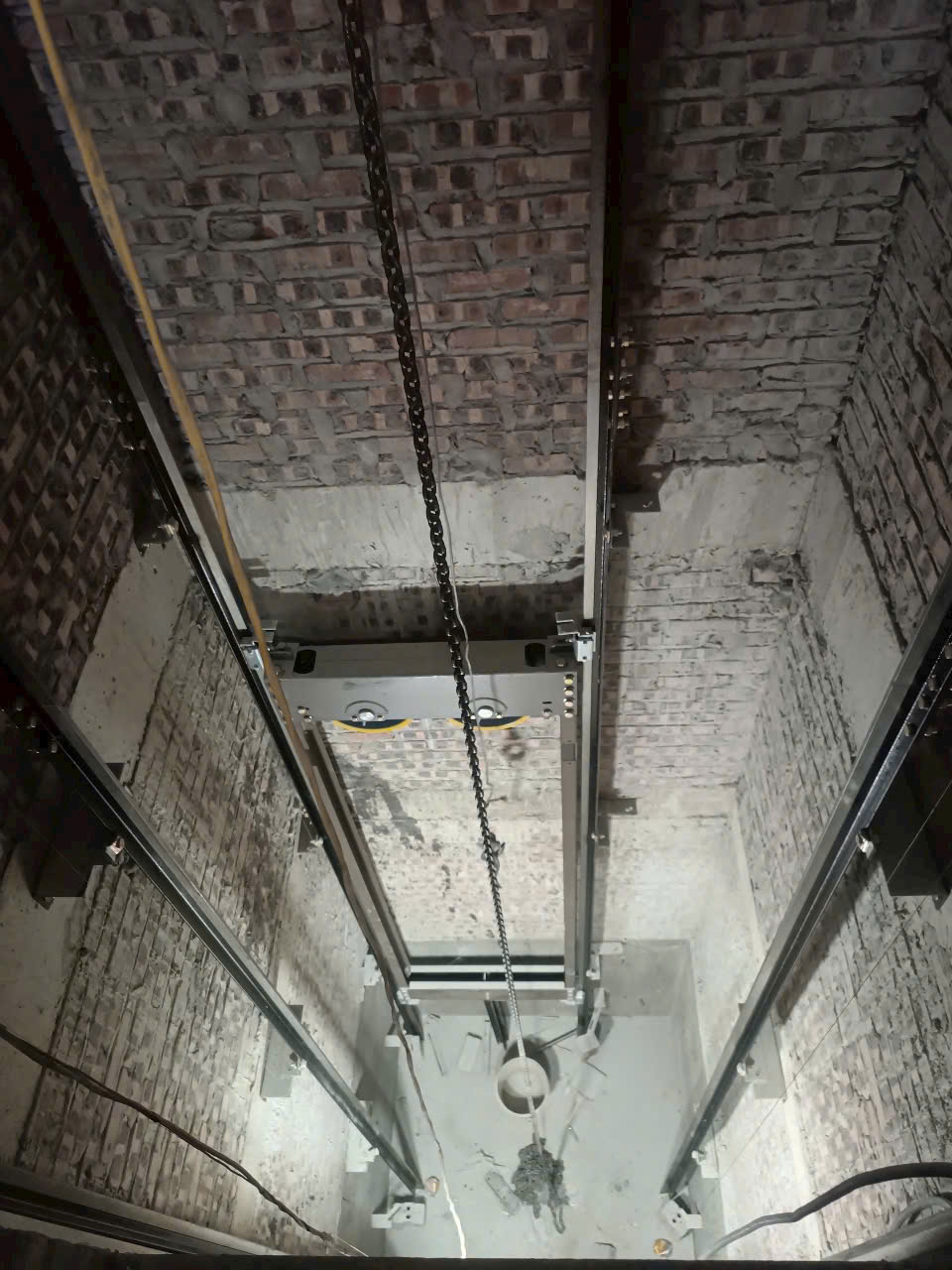
Cable-driven elevators are the most common type of elevator in high-rise apartment buildings in Ha Nam, using a system of steel cables combined with a traction motor to raise and lower the cabin. This is a traditional technology but has been continuously improved to meet modern standards of safety and performance.
Technical advantages:
- High load-carrying capacity: Can be designed to handle loads from 450kg to over 3000kg, suitable for high-rise buildings and densely populated areas.
- High operating speed: Cable-driven elevators can reach speeds from 1m/s to 3m/s or more, reducing waiting times and travel time in high-rise buildings.
- Durability and long lifespan: With modern steel cable and traction motor technology, the elevator can operate reliably for many years with proper maintenance.
- Energy saving: Variable frequency drive (VFD) control systems help reduce power consumption and operating noise.
Disadvantages and things to note:
- The requirement to build a machine room on the roof or technical floor to house the traction motor and control equipment increases construction costs and usable space.
- The initial investment cost is higher compared to hydraulic elevators, especially for tall buildings.
- Regular maintenance of cabling, safety brakes, and electronic equipment is necessary to ensure safe operation.
Practical applications: Cable-driven elevators are preferred in high-rise apartment buildings of 7 floors or more, and commercial and office buildings requiring high speed and load capacity.
Machine Roomless Elevators (MRLs)
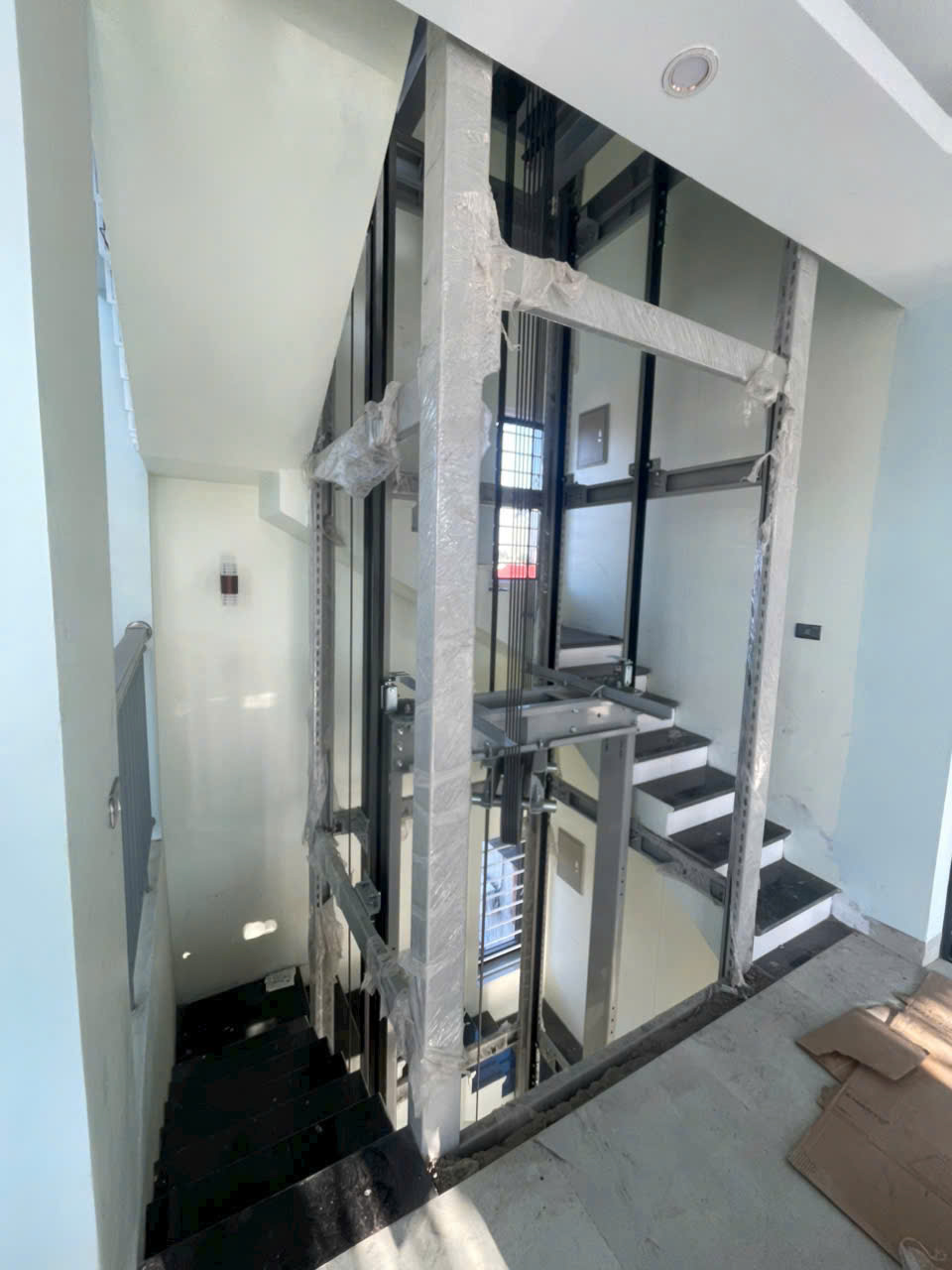
Machine-roomless elevators (MRLs) are an advanced technological solution that eliminates the traditional machine room by integrating the traction motor directly into the elevator shaft. This saves space and reduces construction costs.
Technical advantages:
- Space-saving: No separate machine room required, suitable for buildings with limited space or modern designs.
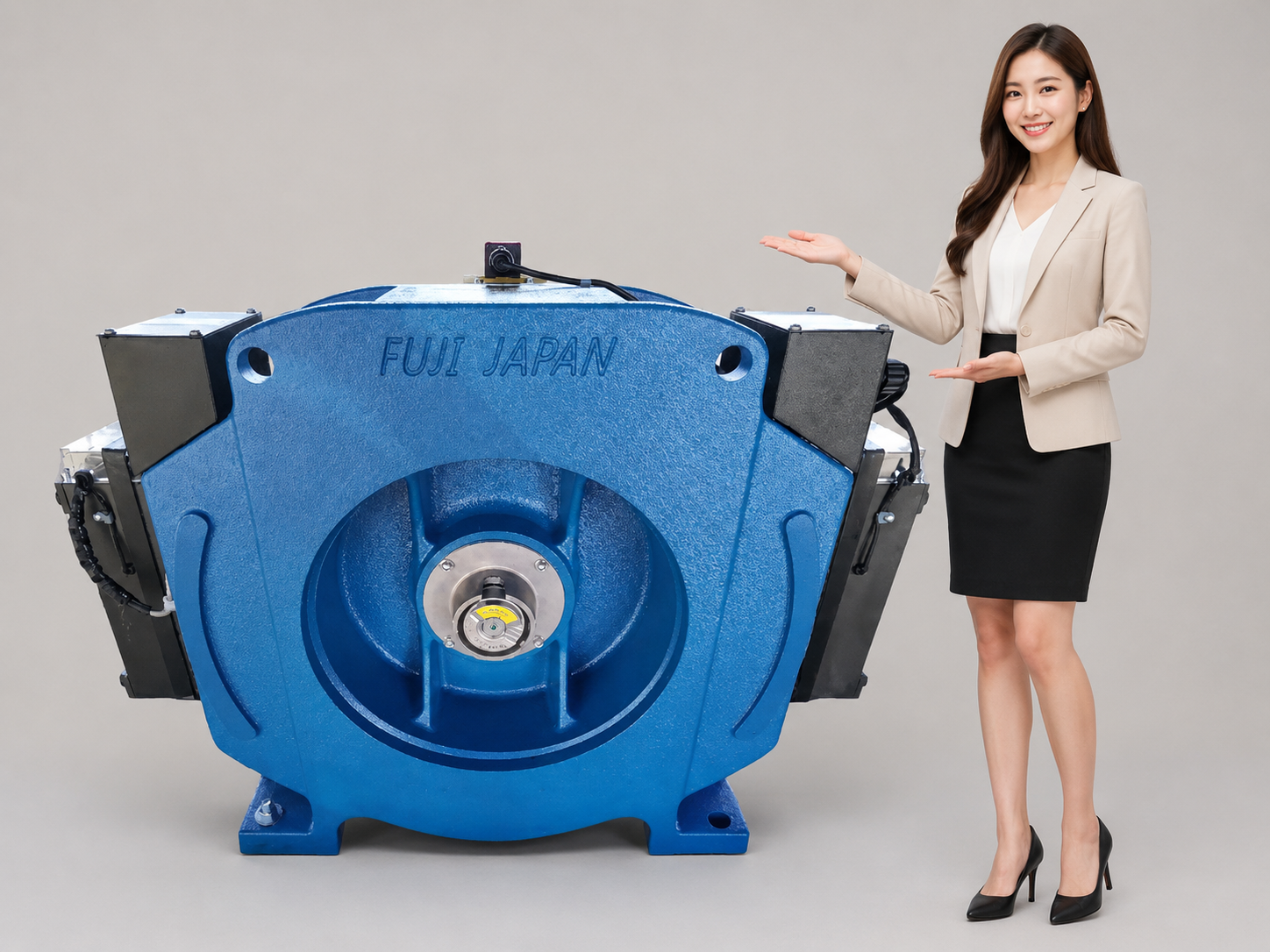
- High energy efficiency: Using gearless asynchronous motors with inverter technology reduces power consumption and ensures smooth operation.
- Reduced construction costs: No need to build a separate machine room and ventilation system, reducing material and labor costs.
- Easy maintenance: The equipment is located inside the elevator shaft, making inspection and maintenance convenient.
Disadvantages and things to note:
- Load capacity and speed limits are different compared to traditional cable-driven elevators, typically suitable for loads under 1600kg and speeds under 2.5m/s.
- Precise installation techniques are required, and the elevator shaft system must meet high standards in terms of size and structure to ensure safety.
- Initial investment costs may be higher due to the use of advanced gearless motor and inverter technology.
Practical applications: MRL elevators are chosen by many investors in Ha Nam for modern apartment projects, small offices, and buildings requiring space saving and high aesthetic appeal.
Safety standards and legal regulations regarding apartment building elevators in Ha Nam.
Installing and operating elevators in apartment buildings in Ha Nam is not simply a matter of putting the equipment into use, but also requires strict adherence to current safety standards and legal regulations. This aims to protect the lives and property of users, while ensuring the elevators operate stably and reliably in the continuous and diverse operating environment of apartment buildings.
1. Standard TCVN 6392:2012 – Regulations on elevator safety
This standard is the most important legal basis for the design, installation, inspection, and maintenance of elevators in Vietnam, including elevators used in apartment buildings. TCVN 6392:2012 specifies detailed technical requirements to ensure the safety of users and equipment, including:
- Mechanical and electrical design: Components such as load cables, safety brakes, and control systems must meet stringent technical standards, ensuring high load capacity, durability, and accuracy.
- Requirements for elevator cabin and doors: The cabin must be of appropriate size, made of fire-resistant and non-slip materials, and have an automatic door system that ensures safe opening and closing.
- Emergency and alarm system: Elevators must be equipped with an emergency communication, alarm, and automatic rescue system in case of an emergency.
- Regular inspection and maintenance: Maintenance procedures must be carried out periodically, fully documented, and in compliance with technical safety regulations.
2. National Technical Standard QCVN 09:2013/BXD – Safety in the construction and operation of elevators
QCVN 09:2013/BXD is a national technical standard issued by the Ministry of Construction, stipulating safety requirements during the construction and operation of elevators, with particular emphasis on the following factors:
- In harmony with the building's architectural and structural design: Elevators must be seamlessly integrated with the building's overall structure, ensuring they do not compromise the building's stability and safety.
- Technical space standards: The elevator area must have sufficient space to perform maintenance, repairs, and rescue operations when necessary.
- Electrical and fire safety requirements: The elevator's electrical system must be designed to protect against overload, short circuits, and fires, and must have an automatic power cut-off device in case of a malfunction.
- Safety operating regulations: Elevator operators must be properly trained, certified, and adhere to safe operating procedures.
3. Periodic inspections – Ensuring continuous safe operation.
According to regulations and authorities in Ha Nam province, apartment building elevators must undergo safety inspections at least every six months. This inspection includes:
- A thorough inspection of all mechanical components is required: hoisting cables, safety brakes, suspension systems, guide rails, and load-bearing parts must be carefully checked for signs of wear and damage.
- Inspect the electrical and control systems: Ensure that electrical equipment, sensors, and controllers are functioning correctly and that there are no short circuits or technical faults.
- Load testing and safety testing: Elevators must undergo load testing according to standards to ensure they can withstand maximum loads without failure.
- Assess the rescue and alarm system: Check the operation of the emergency communication, fire alarm, and rescue systems to ensure readiness for all situations.
The inspection must be carried out by authorized organizations or units licensed to conduct elevator inspections in the locality, and the inspection results must be stored and reported to the state management agency.
4. Fire safety requirements for apartment building elevators.
Elevators in apartment buildings in Ha Nam must strictly comply with fire safety regulations to minimize the risk of fire and explosions and ensure the safety of residents. Specific requirements include:
- Equipped with an automatic fire alarm system: Elevators must be connected to the building's overall fire alarm system, with heat and smoke sensors to detect fire hazards early.
- Emergency and escape system: Elevator designs must include separate emergency exits or connections to safe emergency exits within the building, ensuring users can escape in case of an emergency.
- Fire-resistant materials: Elevator cabins, doors, and related components must be made of fire-resistant materials to limit the spread of fire.
- Automatic rescue system: In the event of a fire, the elevator must automatically move to a safe floor and open its doors so that people inside can escape.
- Training and instruction: The building management must organize training and instruction for residents and operating staff on safe elevator operation procedures in fire or explosion situations.
5. Additional legal regulations and management responsibilities
In addition to technical standards, the management of apartment building elevators in Ha Nam must also comply with relevant legal regulations, including:
- Installation and operation permits: The investor and the construction company must obtain a valid permit from the competent authority before proceeding with elevator installation.
- Maintenance and repair responsibilities: Maintenance units must be professionally certified and perform maintenance according to proper procedures, ensuring that the elevators are always in optimal working condition.
- Incident reporting and handling: Upon detecting an incident or safety hazard, the managing unit must immediately notify the relevant authorities and take timely action to prevent accidents.
- Inspection and supervision by state agencies: Construction management, labor safety, and fire prevention agencies regularly inspect and supervise compliance with elevator regulations in apartment buildings.
6. Technologies and trends to improve elevator safety in apartment buildings.
To meet the increasing demands for safety and operational efficiency, apartment buildings in Ha Nam are adopting advanced technologies such as:
- Remote Monitoring System: Allows for continuous monitoring of the elevator's operating status, enabling early detection of any abnormalities for timely intervention.
- Intelligent sensors: Automatically adjust speed and load, and provide warnings when problems occur.
- Automatic rescue system: Automatically brings the elevator to a safe floor and opens the doors when a fire or power outage is detected.
- Maintenance management software applications: Help to plan periodic maintenance, store inspection records, and report elevator status in a scientific and transparent manner.
Modern technology in apartment building elevators in Ha Nam.
To meet the growing demand for performance and user experience, elevator manufacturers in Ha Nam have integrated many advanced technologies into their products to optimize operation, enhance safety, and minimize energy consumption.
- Intelligent control system:
Modern control systems utilize a central processing unit (CPU) with internet connectivity, allowing for remote elevator management and monitoring through specialized software interfaces. This technology helps to:
- Monitor operating status in real time, detect and alert on incidents such as door jamming, overload, or motor failure.
- Analyze operational data to predict maintenance and minimize unwanted downtime.
- Flexible control of operating modes, such as floor priority, energy-saving mode, or night operation.
- Integrate a building management system (BMS) to synchronize operations with other devices such as lighting and air conditioning systems.
- Energy-saving technology:
Modern elevators in Ha Nam province employ various technological solutions to minimize energy consumption and increase efficiency:
- LED lighting: Replace traditional light bulbs with LEDs, which have a longer lifespan, consume less energy, and reduce heat generation in the cabin.
- AC Induction Motor: Utilizes a high-efficiency brushless motor, reducing friction and wear, resulting in energy savings and extended equipment lifespan.
- Regenerative Drive System: When the elevator descends or decelerates, the motor acts as a generator, converting mechanical energy into electrical energy and feeding it back into the building's power grid, reducing the load on the electrical system.
- Sleep Mode: When the elevator is inactive for an extended period, the system automatically switches to energy-saving mode, turning off unnecessary devices.
- User-friendly interface:
To enhance the user experience, the elevators are equipped with modern control and notification systems:
- Multi-touch screen: Allows users to easily select floors, view real-time information, floor maps, or important notifications.
- Multilingual control panel: Supports Vietnamese, English, and other languages, suitable for multinational residents or visitors.
- Public address system: Provides clear voice announcements, helping users identify the floor they are on, delivering safety warnings, or providing emergency instructions.
- Indicator lights and signs: Use colored LEDs to indicate the elevator's status, such as moving, stopped at a floor, or a fault.
- Advanced safety system:
Safety is a key factor in modern elevator design, and the technologies applied include:
- Anti-pinch door sensors: These use infrared or pressure sensors to detect obstructions when elevator doors close, automatically reopening to prevent injury or damage.
- Automatic emergency rescue system in case of power failure: The elevator is equipped with an uninterruptible power supply (UPS) or backup battery system, allowing the cabin to move to the nearest floor and open the doors safely in the event of a sudden power outage.
- Anti-vibration and damping devices: Hydraulic or mechanical dampers are used to reduce vibrations and noise during elevator operation, increasing stability and comfort for users.
- Safety braking system: The mechanical brakes automatically activate upon detecting excessive speed or a control system malfunction, ensuring the cabin does not freefall.
- Load monitoring: Weight sensors help control the number of people and maximum load capacity, preventing dangerous overloads.
Choosing a reputable apartment building elevator supplier in Ha Nam
Choosing a supplier of apartment building elevators in Ha Nam not only directly affects the quality and durability of the equipment but also determines the level of safety and operational efficiency throughout the elevator's lifespan. To ensure a sound investment, a thorough evaluation of professional criteria and accompanying services is essential.
- Experience and Reputation: A reputable elevator supplier in Ha Nam typically has a long history in the industry, with many successful elevator projects for apartment buildings. This experience helps them understand the specific technical requirements of each project, from small-scale to complex high-rise buildings. Furthermore, their reputation is demonstrated through positive customer feedback, industry awards, and recognition from professional organizations.
- Quality Certification: Elevators are critical transportation equipment requiring strict adherence to technical and safety standards. Reputable suppliers will provide products with international certifications such as ISO 9001 for quality management systems, CE certification for compliance with European standards, or TCVN – Vietnamese standards for elevator safety. These certifications ensure that the equipment is manufactured and tested according to rigorous procedures, minimizing risks during use.
- Maintenance and After-Sales Service: Elevators require regular maintenance to maintain performance and ensure safe operation. Professional suppliers will commit to scheduled maintenance services, using genuine replacement parts when necessary, and having a team of technicians ready to respond quickly to any problems. 24/7 technical support is crucial to minimizing downtime, especially in densely populated apartment buildings.
- Competitive pricing: Price is one of the deciding factors when choosing an elevator supplier. However, price must go hand in hand with quality and service. Reputable suppliers will provide detailed and transparent price quotes for each item, avoiding unclear additional costs. Furthermore, preferential policies for large projects or long-term customers are also a plus, helping to save on investment costs.
- In-depth consultation: Each apartment building has its own unique characteristics regarding height, user traffic, installation space, and aesthetic requirements. The supplier's team of technicians and consultants needs extensive knowledge to design the most suitable elevator system, from selecting the type of elevator (passenger elevator, cargo elevator, machine-roomless elevator, etc.), motor power, operating speed, to additional safety features such as automatic rescue systems, anti-jamming sensors, and remote monitoring systems.
To ensure you choose the right elevator supplier for your apartment building in Ha Nam, you should prioritize companies capable of providing comprehensive solutions, from design and equipment supply to installation, maintenance, and future upgrades. Partnering with a professional supplier will not only help you own a modern and safe elevator system but also optimize operating costs and extend the lifespan of the equipment.
Elevator installation process for apartment buildings in Ha Nam
The elevator installation process in apartment buildings in Ha Nam is carried out according to standardized steps to ensure absolute quality and safety. Each step in the process requires high precision and strict adherence to current technical standards and safety regulations.
Construction site survey:
- Assessing the current state of the building: Engineers conduct a site survey of the elevator installation location, inspect the building structure, especially the elevator shaft, floor height, distance between floors, and factors affecting installation such as the electrical system and ventilation system.
- Measuring the elevator shaft dimensions: Use specialized measuring equipment to accurately determine the width, depth, and height of the elevator shaft to ensure the elevator fits the space.
- Technical assessment: Checking the load-bearing capacity of the structure, power supply, fire protection system, and other safety requirements according to Vietnamese and international standards.
Engineering design:
- Detailed drawing creation: Based on the survey results, the engineering team designs detailed CAD drawings of the elevator shaft, cabin, rail system, motor, and auxiliary equipment.
- Choosing the right elevator type: Determine the appropriate elevator type based on load capacity (typically 450kg to 2000kg for apartment buildings), operating speed (typically 1m/s to 2.5m/s), and number of floors served.
- Engineering calculations: Calculating engine power, control systems, braking systems, and safety devices such as door sensors and automatic rescue systems, ensuring stable and safe operation.
Site preparation:
- Completing the elevator shaft: Construct or modify the elevator shaft according to the design drawings, ensuring a flat surface, free of obstructions, and capable of bearing heavy loads.
- Electrical system: Install a separate electrical system for the elevator, including backup power supply, grounding system, and overload and lightning protection devices.
- Load-bearing structure: Inspect and reinforce the load-bearing structure at the installation locations of the motor, guide rails, and elevator cabin to ensure safety during operation.
Equipment installation:
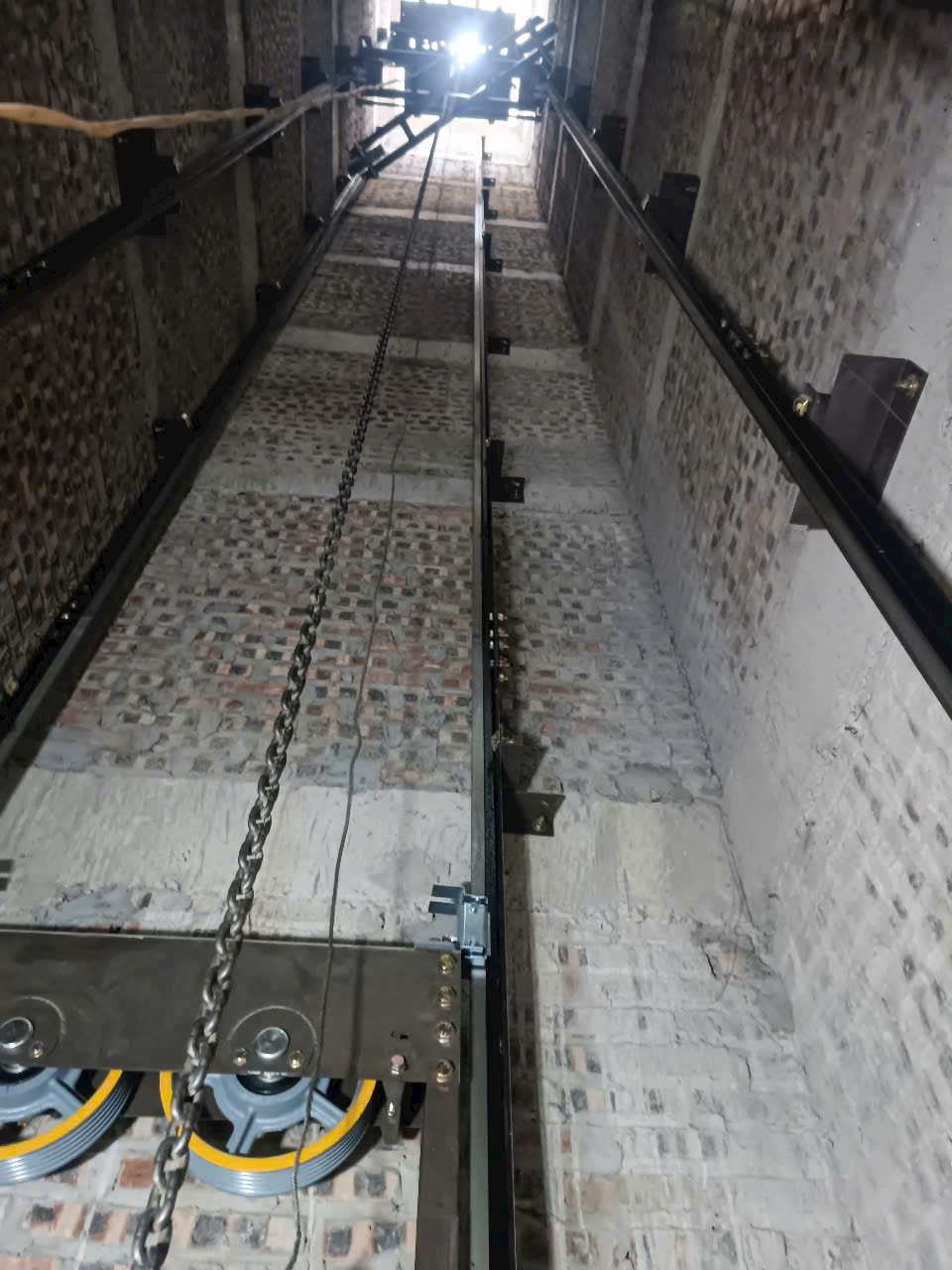
- Installing guide rails: Position and secure the guide rails according to technical standards, ensuring straightness and high durability for smooth cabin movement.
- Cabin installation: Assemble the elevator cabin with components such as the cabin door, lighting system, interior control panel, and safety devices.
- Engine and drivetrain installation: Install the traction engine, gearbox (if applicable), braking system, and other drivetrain components according to technical procedures.
- Control system: Installs a central controller, sensors, microprocessors, and an intercom system to ensure the elevator operates accurately and safely.
- Safety equipment: Install devices such as door sensors, automatic rescue systems, anti-jamming devices, and integrated fire and smoke alarm systems.
Check and adjust:
- Operational testing: Conduct trial runs of the elevator with different load capacities to check its stability, speed, and ability to stop accurately at various floors.
- Check safety functions: Inspect the operation of the braking system, door sensors, emergency response system, and warning devices.
- System calibration: Adjusting technical parameters such as speed, sensor sensitivity, and control functions to ensure optimal elevator operation.
Operational training:
- User guide: Provide instructions on safe elevator use, how to handle emergencies, and important usage precautions.
- Technical staff training: Training maintenance and operation teams on routine maintenance procedures, troubleshooting, and basic repair techniques.
Inspection and handover:
- Safety inspection: The elevator is inspected by competent authorities in accordance with the regulations of the Ministry of Construction and TCVN standards, ensuring that it meets technical safety requirements.
- Handover to the investor: After the inspection is completed, the elevator is officially handed over, along with technical documentation, inspection certificate, and operating instructions.
Order your apartment building elevator in Ha Nam today to receive professional installation services, guaranteed timelines, and superior quality.
Maintenance and upgrade of apartment building elevators in Ha Nam.
Regular maintenance is crucial for ensuring the stable, safe, and long-lasting operation of apartment building elevators in Ha Nam. Maintenance involves not only external inspections but also in-depth technical procedures to ensure all elevator components operate smoothly, minimizing the risk of malfunctions and accidents. Maintenance services include:
- Checking the electrical and mechanical systems: This is a crucial step to detect early signs of abnormalities such as short circuits, cable wear, and mechanical damage. Technicians will use specialized measuring equipment to check voltage, current, insulation resistance, as well as the tension of the traction cables and the condition of the braking system.
- Cleaning the guide rails, cabin, and moving parts: Dirt, grease, and other contaminants accumulating on the guide rails or inside the cabin can reduce performance and cause noise. Regular cleaning reduces friction, prevents corrosion, and ensures smooth elevator operation.
- Inspect and replace worn-out components such as brakes, towing cables, and sensors: These parts bear heavy loads and are frequently exposed to harsh working environments. Regular inspections help detect signs of wear, cracks, or damage so that they can be replaced promptly, avoiding operational safety risks.
- Software updates and technology upgrades: Modern elevator control systems are often integrated with intelligent management software that optimizes operation, reduces energy consumption, and enhances safety. Software updates help fix bugs, add new features, and ensure compatibility with modern equipment.
- Training operating staff on new safety procedures: Operating staff need to be updated on the latest operating, troubleshooting, and maintenance procedures for elevators to ensure the safety of users and equipment.
If your elevator is older, consider upgrading the system to improve performance and save energy, while also meeting the latest safety standards.
The comprehensive upgrade options include:
- Replace the cable system and drive components: Use high-quality steel cables with better load-bearing capacity and longer lifespan. The drive components can be upgraded to brushless DC motors (BLDC) to reduce power consumption and noise.
- Upgrading the electromagnetic braking system: Replacing traditional mechanical brakes with electromagnetic brakes increases accuracy and safety during cabin stopping, while reducing mechanical wear.
- Improved intelligent control system: Applying IoT technology and remote monitoring systems to track elevator operating status in real time, detect early signs of abnormalities, and automatically alert maintenance teams.
- Replacing elevator cabins and doors: Using lightweight, durable, and environmentally friendly materials such as aluminum alloy or stainless steel, combined with modern design, enhances aesthetics and user experience.
- Optimize lighting and ventilation systems: Installing energy-efficient LED lights and an effective ventilation system improves the cabin environment, increasing user comfort.
- Compliance with the latest safety standards: Ensuring elevator upgrades comply with the regulations of the Ministry of Construction and international standards such as EN 81-20/50, in order to minimize risks and enhance reliability.
Elevator maintenance and upgrades not only help maintain operational efficiency but also contribute to increasing the building's asset value, providing peace of mind for residents and users.