

Fuji Elevators – Solutions for Elevating Modern Spaces
Introducing Fuji Elevators
Fuji elevators are one of the world's leading elevator brands, renowned for their superior quality, advanced technology, and durability. Manufactured by Fuji Electric Corporation of Japan, Fuji elevators have established themselves in the global market with a diverse range of products suitable for various types of buildings, from residential and office buildings to high-rise buildings and shopping malls.
Founded in 1923, Fuji Electric boasts over 100 years of experience in the manufacturing of electrical and automation equipment, with elevators being one of its key product lines. Fuji elevators are designed to meet stringent international standards and incorporate cutting-edge technologies to optimize operational efficiency, safety, and energy savings.
Fuji elevators' outstanding technology and design.
Fuji elevators incorporate many advanced technologies, including:
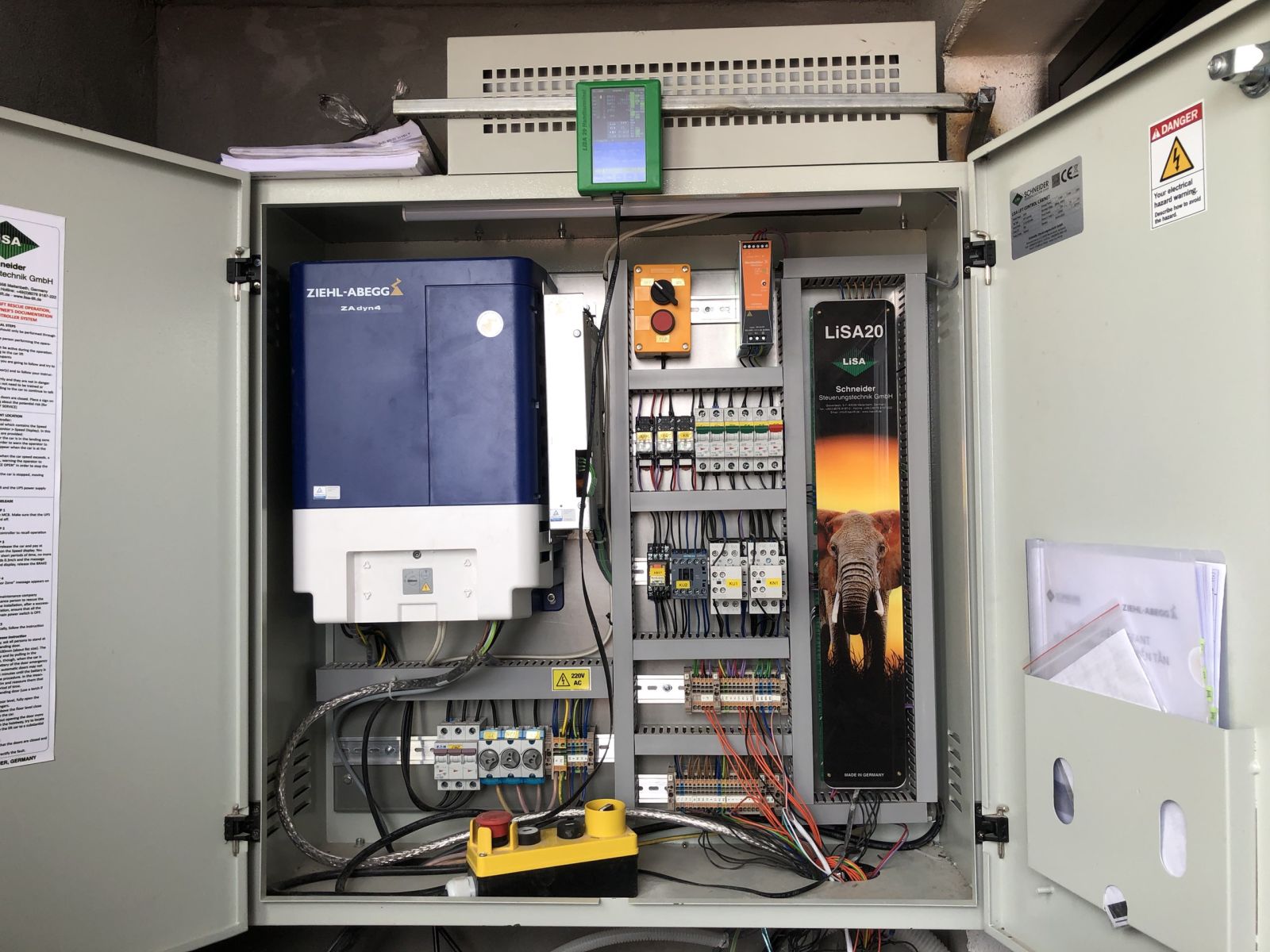
- Microprocessor Control System: Precisely manages speed, position, and safety functions, ensuring smooth and stable operation.
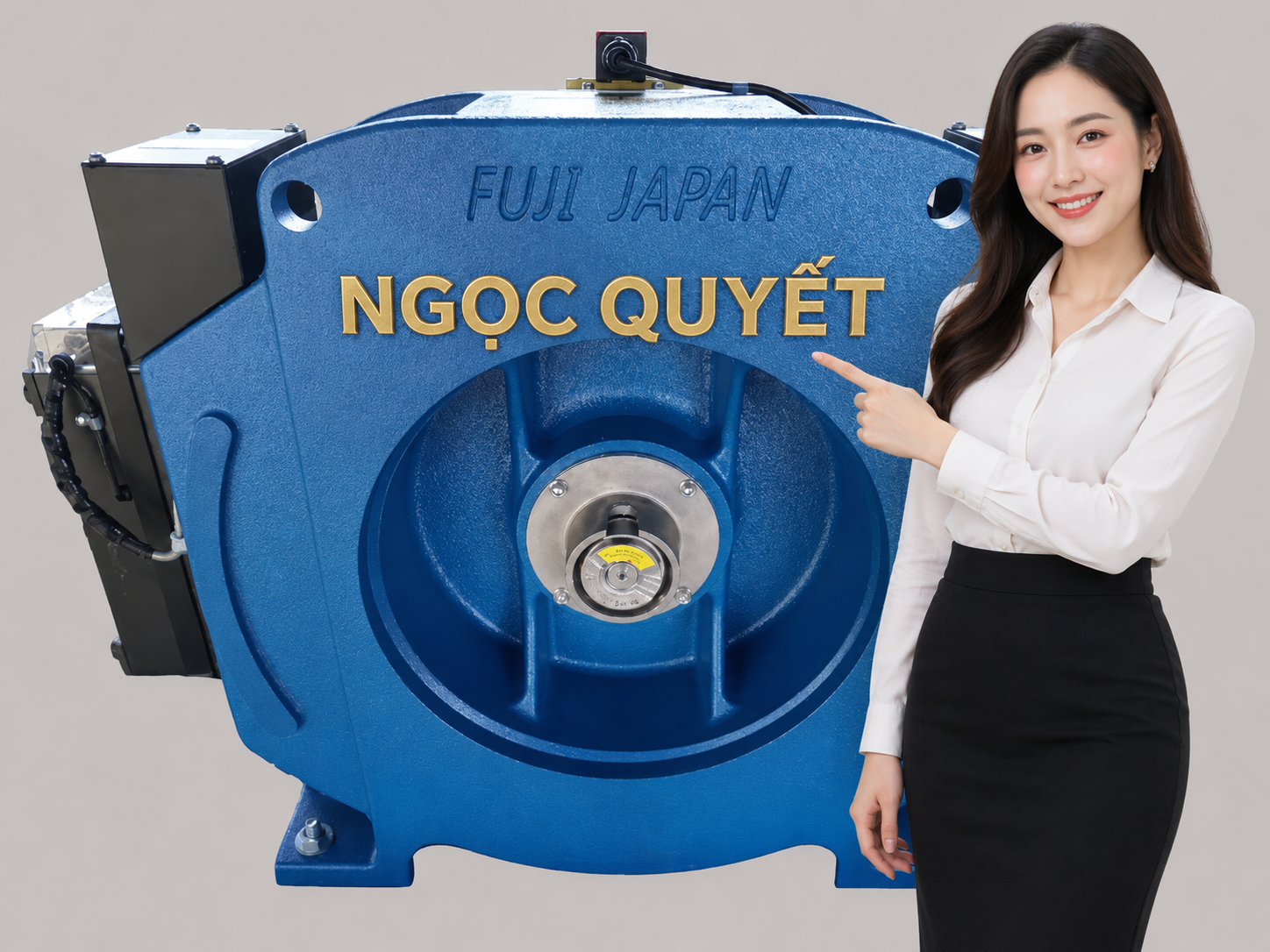
- Gearless Traction Machine: This gearless motor design reduces noise, increases efficiency, and lowers power consumption.
- Regenerative Drive System: Allows for the recovery and reuse of energy when the elevator descends, contributing to reduced operating costs and environmental friendliness.
- Multi-layered safety system: Includes emergency braking, overload sensor, door sensor, automatic power outage rescue system, ensuring absolute safety for users.
- User-friendly interface: Control panel with touchscreen, multi-language support, and smart features such as elevator calling via mobile phone or building management system.
Diverse applications in construction projects.
Fuji elevators are designed with flexibility to suit a wide variety of building types:
- High-rise residential buildings: Fuji elevators designed for residential buildings typically feature a compact, space-saving design, smooth operation, and safety for families.
- Offices and commercial buildings: Fuji elevators offer high-speed, high-capacity solutions, integrated with smart access control and management systems.
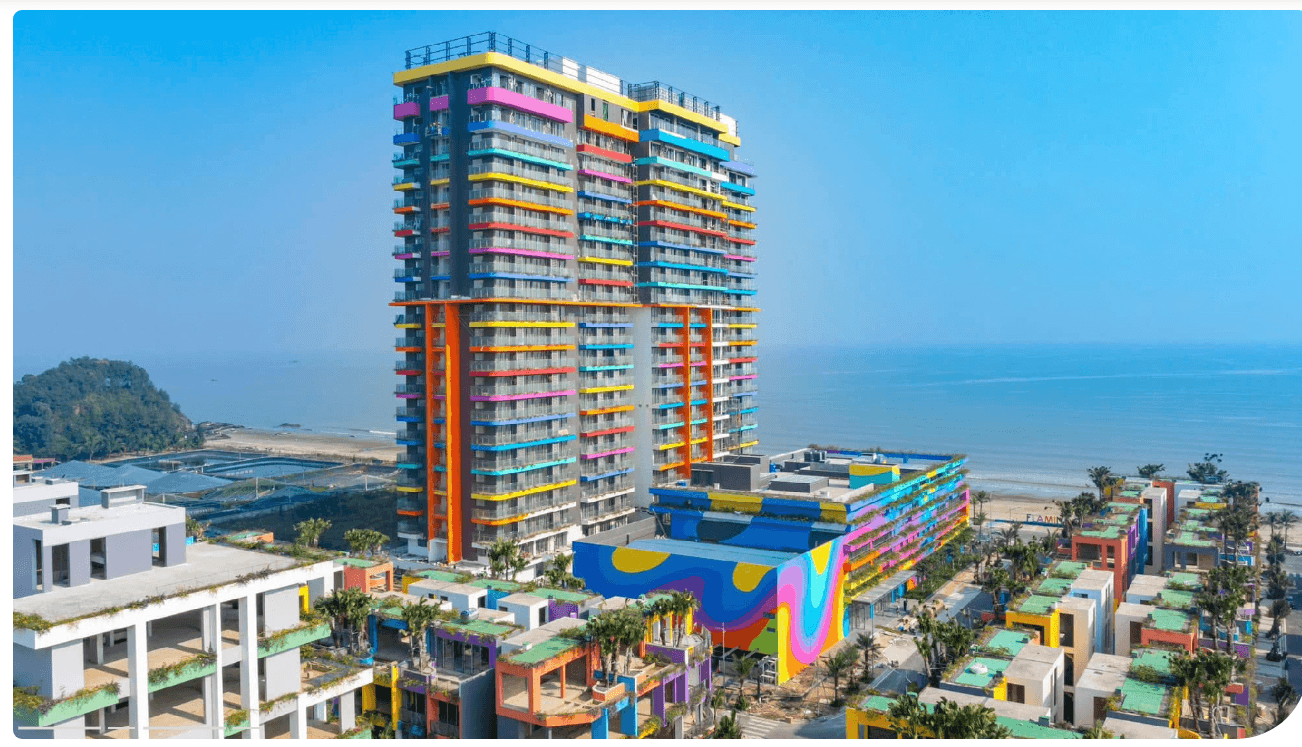
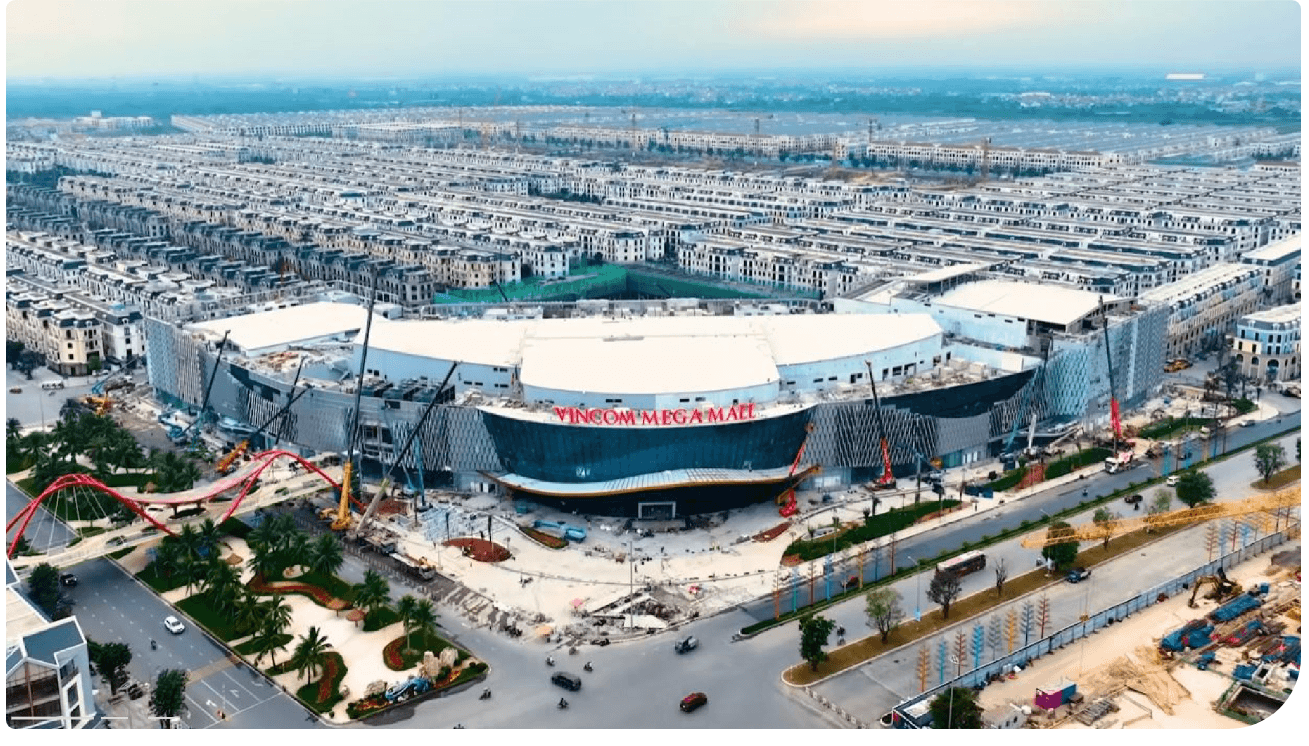
- High-rise buildings and shopping malls: Fuji develops high-speed, high-capacity elevator lines with advanced control systems that reduce waiting times and increase passenger transport efficiency.
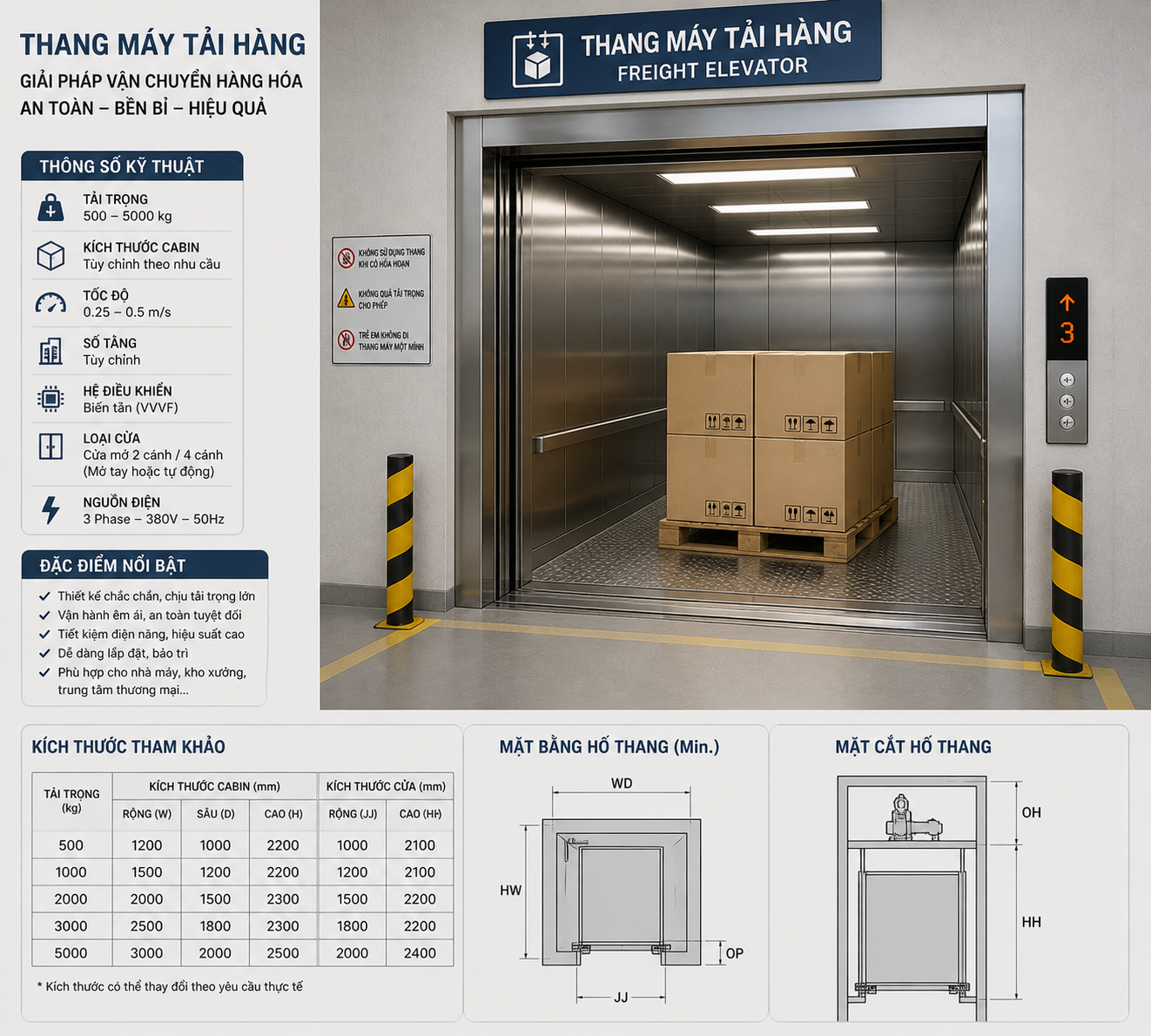
- Cargo elevators: Meeting the needs of transporting heavy goods in factories and warehouses with a sturdy, durable, and safe design.
International quality and standards
Fuji elevators are manufactured and tested according to strict international standards such as:
- ISO 9001: A global quality management standard that ensures rigorous production processes and quality control.
- ISO 14001: An environmental management standard, reflecting Fuji's commitment to minimizing its environmental impact.
- EN 81: European elevator safety standard, applicable to the design and installation of elevators.
- JIS (Japanese Industrial Standards): Japanese industrial standards, ensuring the durability and high performance of products.
After-sales service and technical support
Fuji Electric provides comprehensive after-sales service including:
- Regular maintenance: A team of professional technicians performs inspections and maintenance to maintain the performance and safety of the elevator.
- Prompt repairs: Our 24/7 technical support system ensures timely handling of any issues that arise.
- Upgrades and Improvements: Fuji provides software and hardware upgrade solutions to improve elevator performance and functionality according to customer requirements.
- Operational training: Instructing building users and managers on how to operate the building and handle emergency situations.
Commitment to the environment and sustainable development
Fuji Electric focuses on developing environmentally friendly elevator products, minimizing energy consumption and emissions. Renewable energy technologies, the use of recycled materials, and optimized design help reduce CO2 emissions during operation. Furthermore, Fuji participates in sustainable development programs, supporting communities and raising awareness about environmental protection in the elevator industry.
Fuji elevator technology and design
Fuji elevators incorporate many advanced technologies to enhance operational efficiency, ensure absolute safety, and optimize the user experience. These technologies not only help the elevators operate stably but also contribute to reduced maintenance costs and energy consumption, making them suitable for modern buildings with stringent technical requirements.
- Microprocessor Control System: This is the central brain of Fuji elevators, utilizing a new generation microprocessor capable of fast and accurate signal processing. This system coordinates operations such as floor calling, door opening and closing, speed adjustment, and floor stopping smoothly, minimizing vibration and noise. Furthermore, the microprocessor integrates algorithms to optimize travel, reducing waiting times and increasing operational efficiency. The use of intelligent control software also allows for real-time monitoring of elevator status, early detection of technical faults for timely maintenance, and thus extending equipment lifespan.
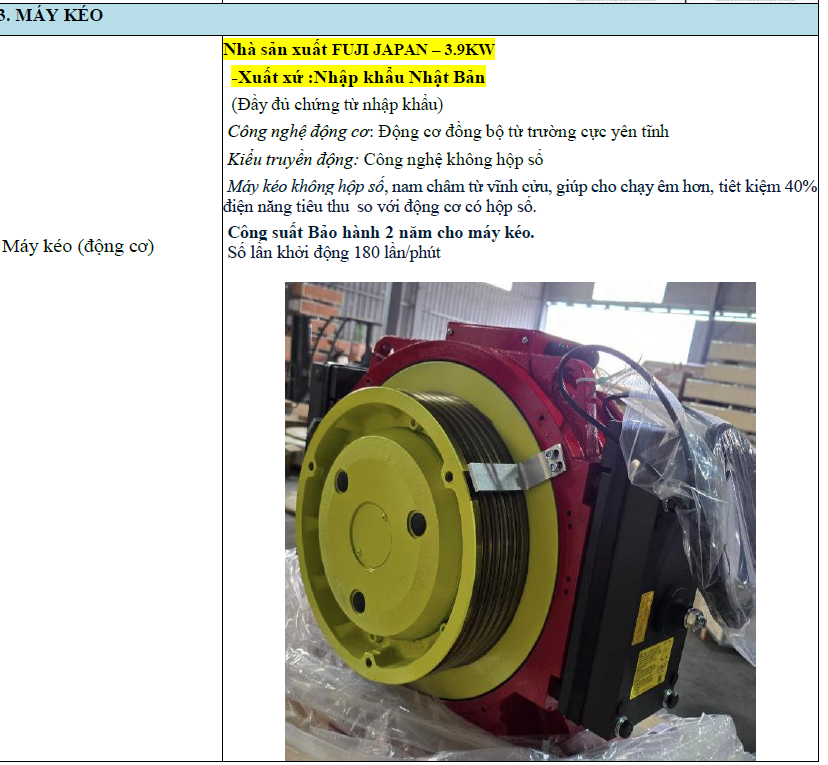
- Gearless Traction Machine: Fuji elevators utilize gearless traction motors, designed to directly connect to the cable drum, eliminating intermediate components such as transmission gearboxes. The outstanding advantages of gearless motors include high transmission efficiency, reduced energy loss, and lower operating noise. Furthermore, their simple structure minimizes the number of easily damaged mechanical parts, thus reducing maintenance frequency and repair costs. These motors also offer precise speed control, ensuring smooth and stable elevator operation even under sudden load changes.
- Electromagnetic braking system: This is a crucial safety braking system designed to automatically activate in emergency situations such as power outages or technical malfunctions. Fuji's electromagnetic brakes use electromagnets to hold or slow the movement of the elevator cabin, ensuring the cabin stops precisely and does not slide freely. This system undergoes rigorous testing and inspection according to international standards, ensuring stable operation under all conditions. Furthermore, the electromagnetic brakes have a highly wear-resistant design, maintaining long-lasting braking efficiency without frequent replacement.
- Energy-saving technology: Fuji elevators employ various energy-saving solutions, such as using variable frequency drives (VFDs) to adjust motor speed according to load and actual operating needs. VFDs reduce power consumption when the elevator operates at low speeds or during idle cycles. In addition, the cabin lighting system uses low-power, long-lasting, and low-heat LED lights, contributing to reduced electricity consumption and increased environmental friendliness. Furthermore, Fuji integrates intelligent sleep modes, automatically shutting off unnecessary equipment when the elevator is not in use, thereby optimizing energy efficiency.
In terms of design, Fuji elevators offer a wide variety of styles and materials, meeting the aesthetic and functional needs of many different types of buildings:
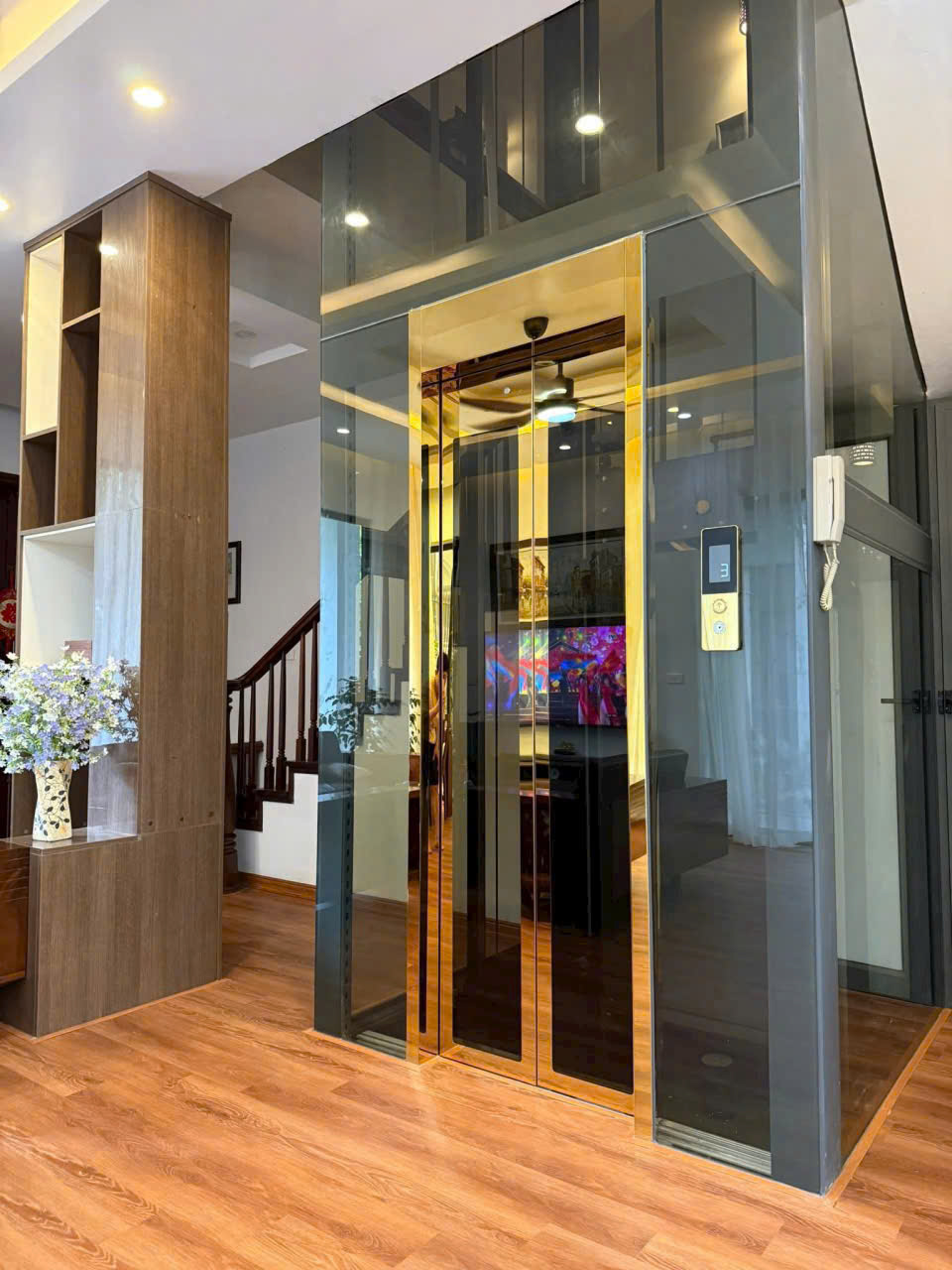
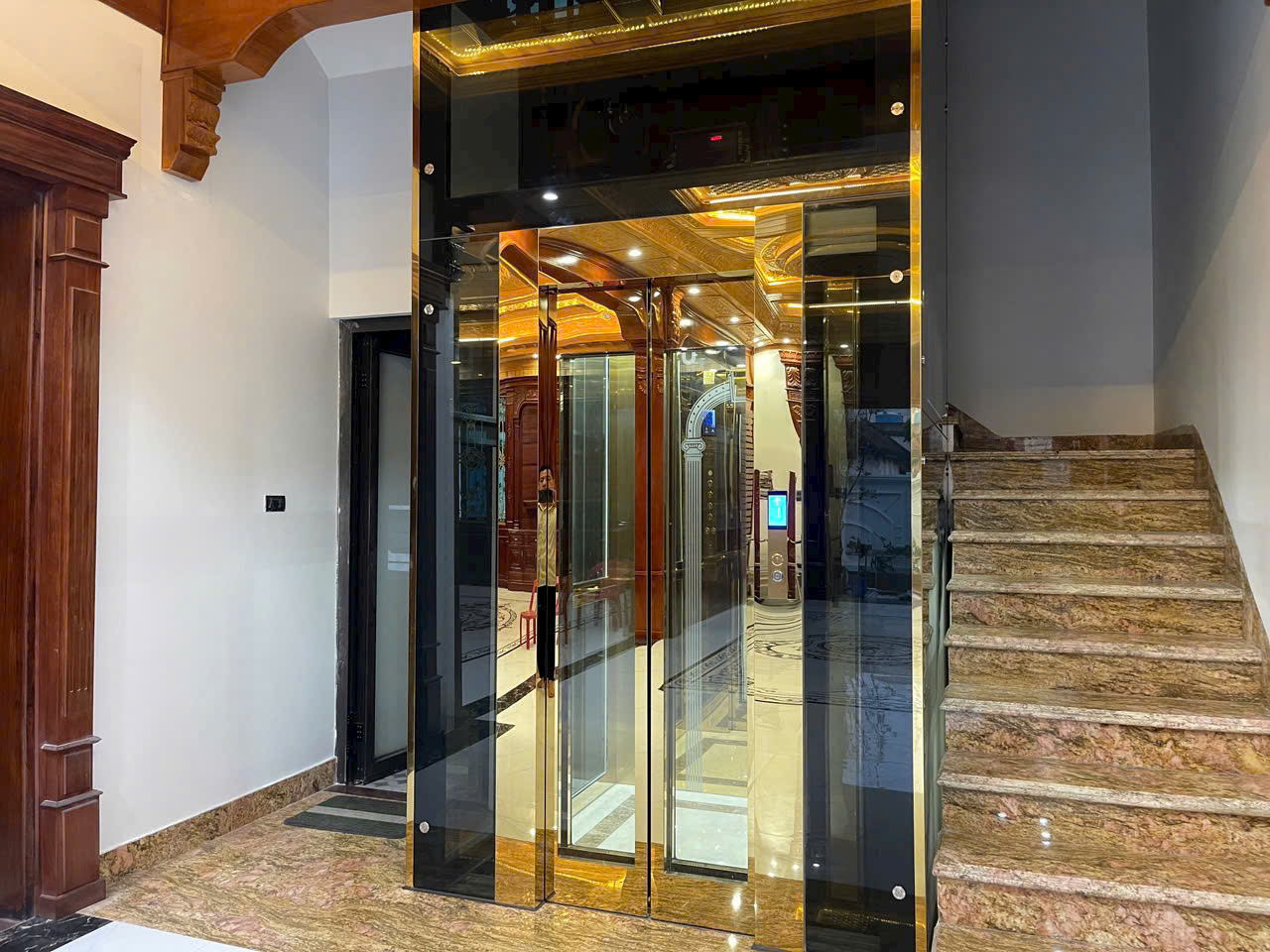
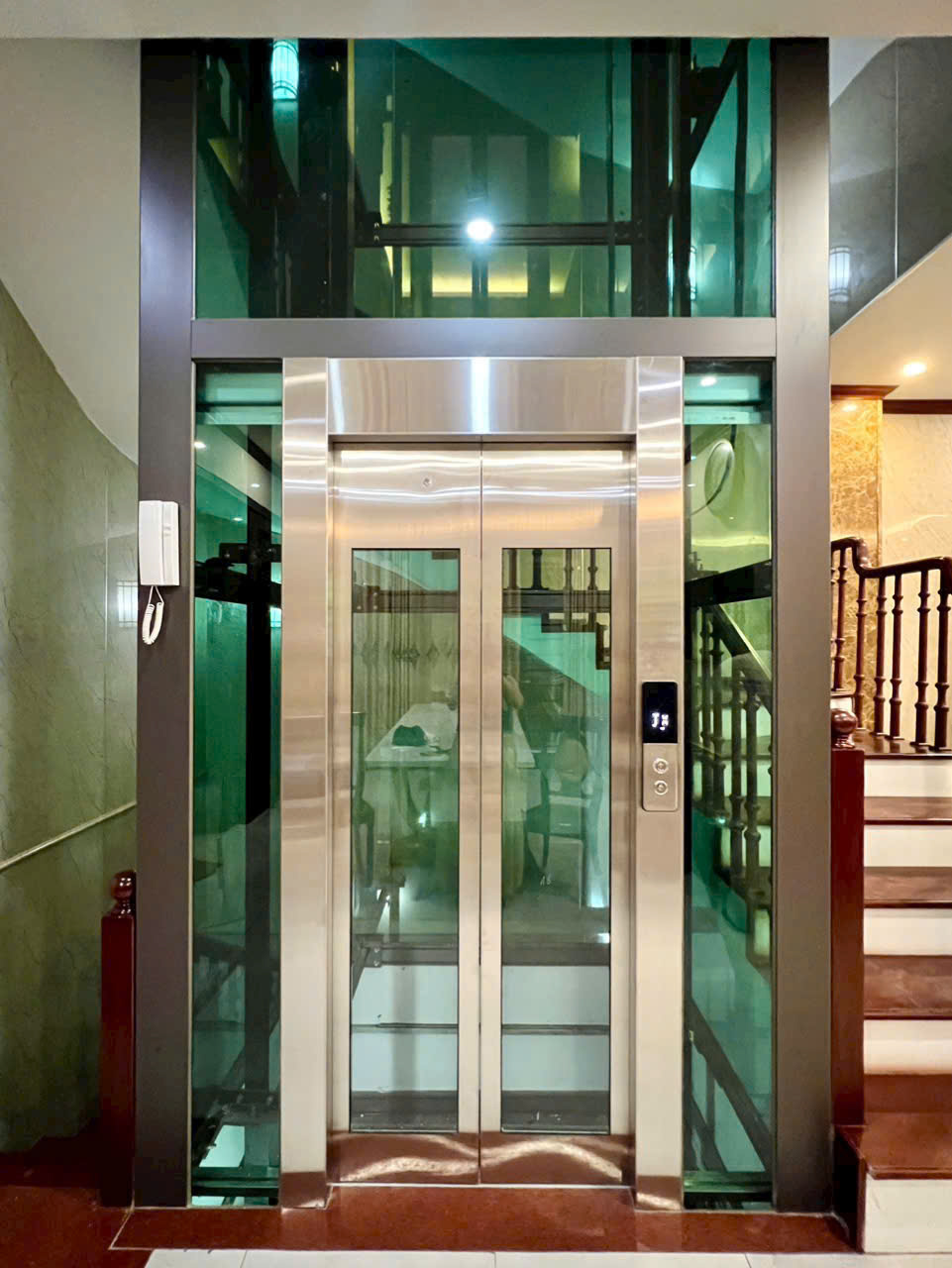
- Modern and luxurious design: Fuji focuses on cabin design with refined lines, smooth finishes, and harmonious color schemes. Cabin models often utilize clear or frosted tempered glass, combined with stainless steel or anodized aluminum frames, creating a spacious and luxurious feel. This design is suitable for high-end office buildings, hotels, or shopping malls.
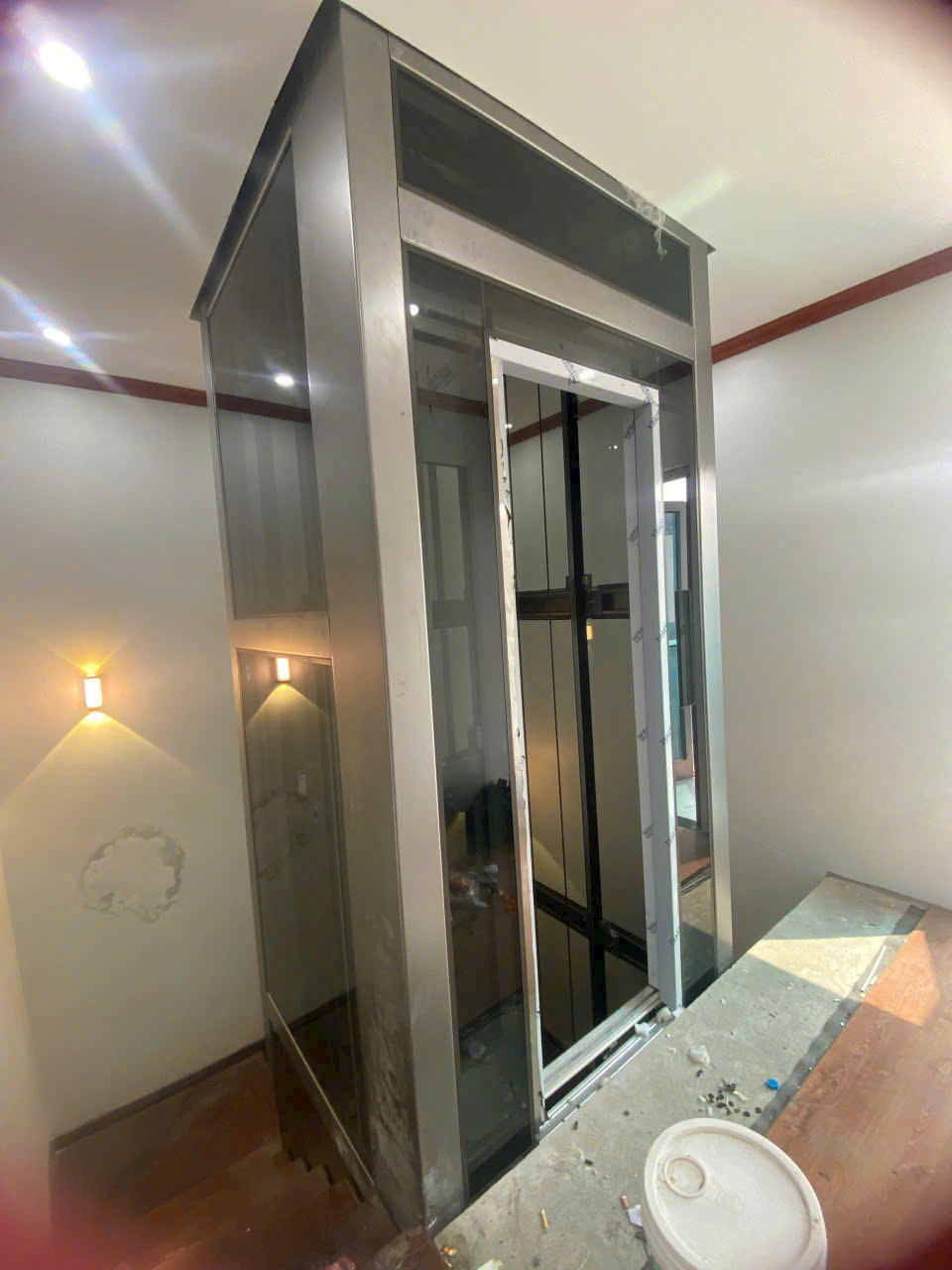
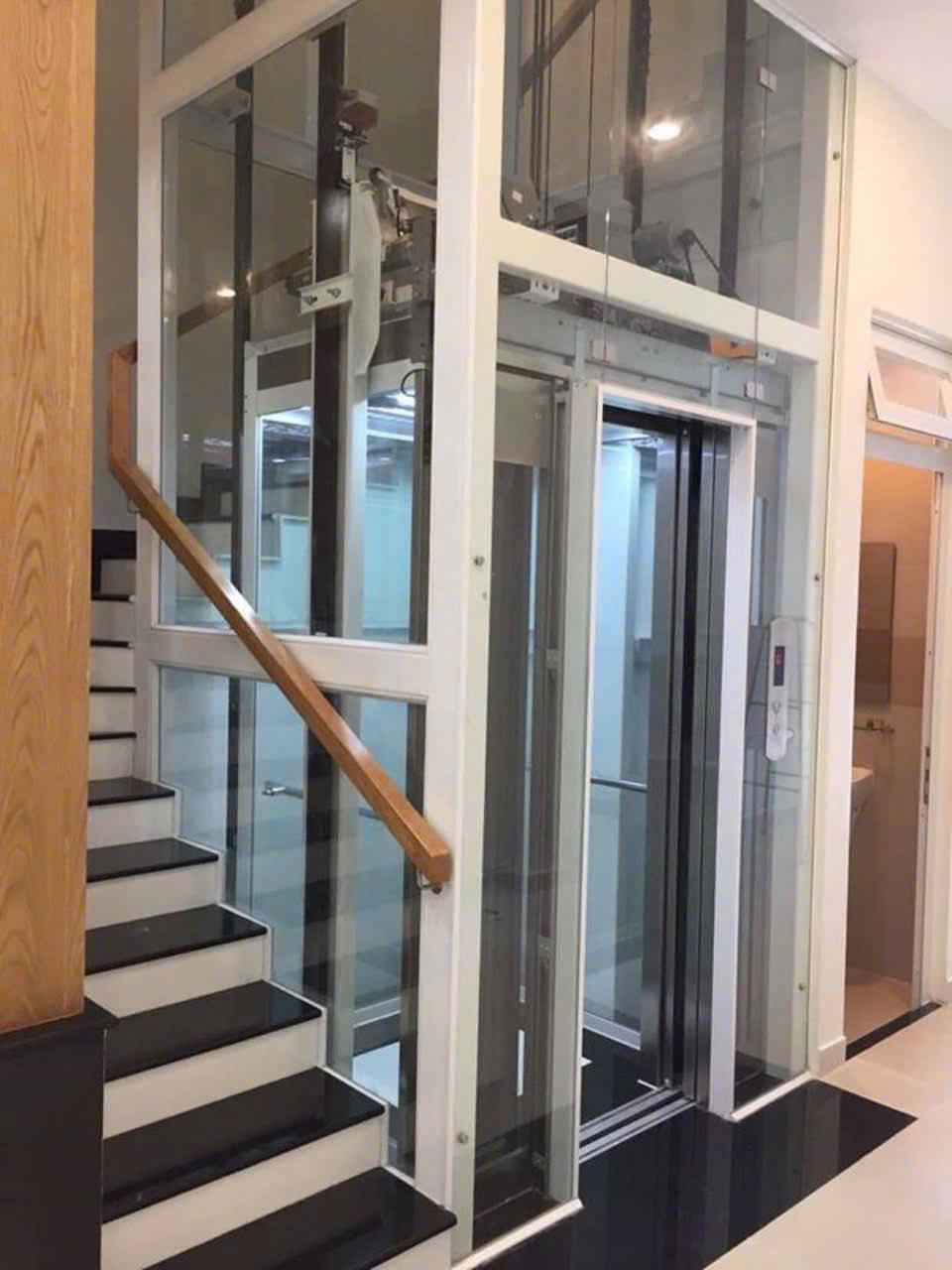
- Compact design for limited spaces: For buildings with limited space such as detached houses or low-rise buildings, Fuji offers compact elevator models that optimize installation space while ensuring full functionality and safety. These designs often utilize lightweight yet durable materials, reducing the load on the building structure.
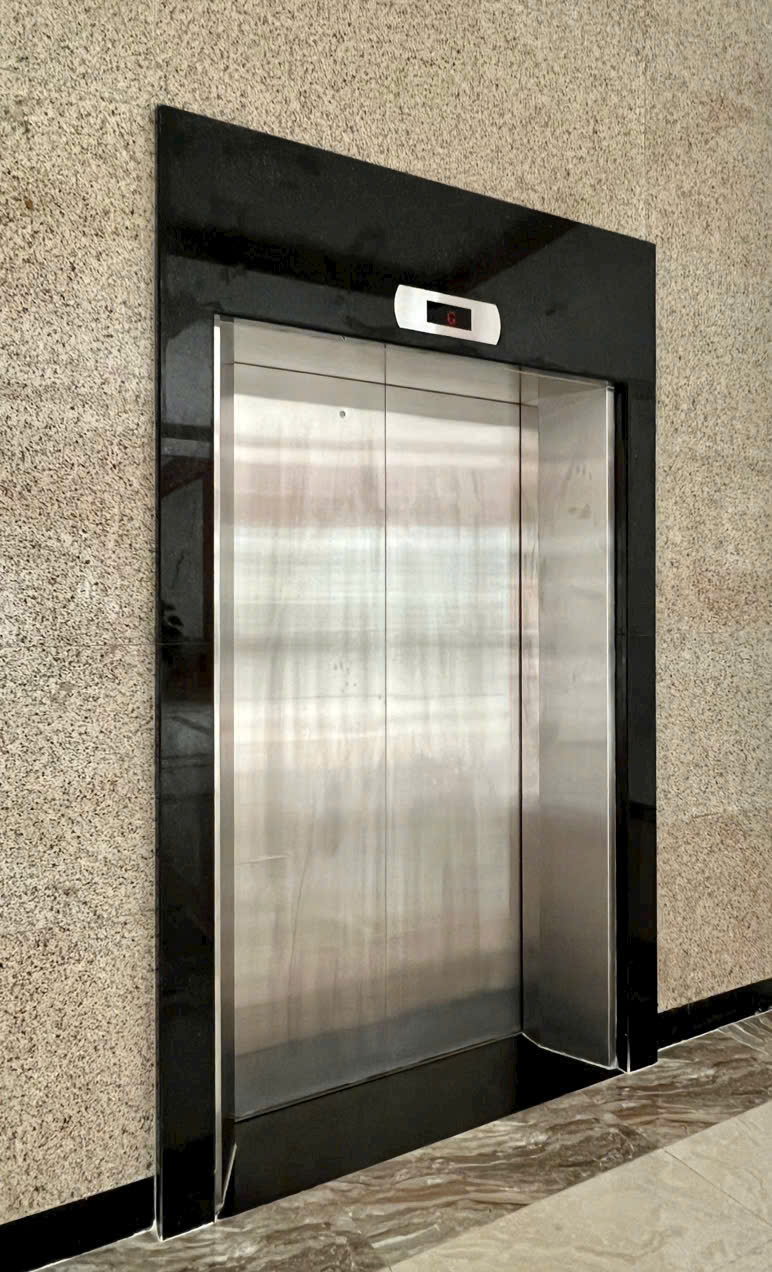
- Premium materials: Fuji elevator cabins are typically made from SUS304 or SUS316 stainless steel, offering corrosion resistance, scratch resistance, and easy cleaning. Tempered glass is used not only for aesthetic appeal but also to ensure safety in case of strong impacts. In addition, high-grade composite materials are applied to increase durability, reduce weight, and improve sound and heat insulation for the cabin.
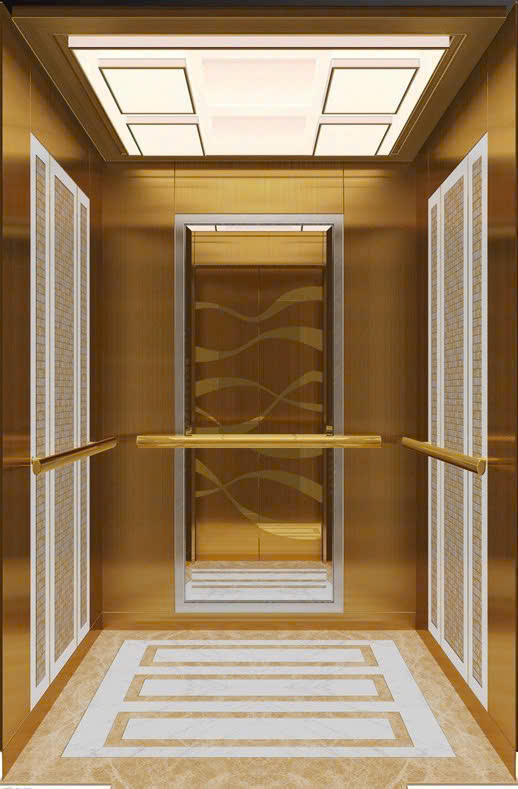
- Versatile interior finishes: Cabin interiors can be customized with materials such as wood veneer, patterned stainless steel, artificial stone, or special surface finishes to create aesthetic accents. Strategically placed LED lighting, combined with mirrors and decorative details, makes the cabin space feel more spacious and luxurious.
Detailed specifications of Fuji elevators
To choose the right Fuji elevator, customers need to understand the following important technical specifications:
- Load Capacity: Fuji elevators offer a wide range of load capacities from 250kg to 3000kg, meeting diverse needs from small households to large commercial buildings, offices, or shopping malls. Choosing the right load capacity not only ensures safety but also optimizes operational efficiency and saves energy. For example, home elevators typically have a load capacity of 250kg to 450kg, suitable for 3-6 people, while commercial elevators can reach up to 3000kg, serving 20 or more people.
- Speed: The operating speed of Fuji elevators ranges from 0.63 m/s to 3.5 m/s, depending on the type of elevator and its intended use. Low speeds (0.63 - 1.0 m/s) are typically used for home elevators or low-rise buildings, ensuring smooth operation and energy efficiency. Medium to high speeds (1.0 - 3.5 m/s) are suitable for high-rise buildings, shopping malls, or offices, ensuring fast travel, reducing waiting times, and increasing user transport efficiency.
- Cabin Size: Fuji elevators offer a wide range of cabin sizes, from small cabins for 1-4 people with an area of approximately 1.0 m² to large cabins serving over 20 people with an area of up to 6.0 m² or more. Cabin sizes are designed flexibly to suit installation space and actual usage needs. Common cabin sizes include:
- Small cabin: 900mm x 1100mm, load capacity 250-350kg, suitable for families or small offices.
- Average cabin size: 1100mm x 1400mm, load capacity 450-630kg, suitable for medium-sized residential or office buildings.
- Large cabins: 1600mm x 2100mm or larger, load capacity from 1000kg to 3000kg, suitable for commercial buildings, shopping malls, or hospitals.
- Travel height: Fuji elevators offer flexible operation in buildings ranging from 2 stories to over 50 stories. Advanced motor and control system technology allows for stable and safe operation in high-rise buildings, while minimizing noise and vibration. For high-rise buildings, the mechanical braking system, safety brakes, and shock absorbers are specially designed to ensure absolute safety in all operating situations.
- Door System: Fuji elevators are equipped with a variety of door systems, including automatic and folding doors, with many material and style options to match the overall building design. Common door types:
- Automatic doors: These doors open horizontally or vertically, using an electric motor and safety sensors to open and close smoothly, preventing jamming.
- Folding doors: Often used in spaces with limited width, folding doors can be made of stainless steel or aluminum alloy, ensuring durability and safety.
- Safety System: Fuji elevators are equipped with an advanced safety system, meeting international standards and stringent elevator safety regulations. Safety features include:
- Door anti-pinch sensor: Detects an obstruction when the door is closing, automatically reopening the door to prevent injury.
- Automatic rescue system: In the event of a power outage or malfunction, this system will bring the elevator cabin to the nearest floor and open the doors to allow passengers to exit safely.
- Overload protection device: Load sensors are installed to prevent the elevator from operating when the load exceeds the permitted capacity, protecting the system and users.
- Integrated fire alarm system: Upon detecting smoke or high temperatures, the elevator will automatically move to a safe floor and lock the doors to prevent danger.
- Safety brakes and shock absorbers: Ensure the elevator stops precisely and safely in all situations, minimizing vibration and noise.
The outstanding advantages of Fuji elevators compared to other brands.
Fuji elevators not only stand out in terms of quality but also have many superior advantages compared to other elevator brands on the market:
- High durability: Fuji elevators use materials and components imported directly from Japan, renowned for its rigorous quality standards and superior durability. The cabin frame is made from high-grade stainless steel, combined with a cable system and drive mechanism manufactured using advanced technology, minimizing wear and tear during operation. In addition, mechanical components such as guide wheels, pulleys, and brakes are designed to withstand heavy loads and operate stably for extended periods, thus extending the elevator's lifespan and minimizing periodic maintenance and repair costs.
- Stable operating performance: Fuji applies next-generation microprocessor control technology, integrating a variable frequency drive (VFD) to precisely and flexibly adjust motor speed. This not only reduces vibration and noise during elevator movement but also enhances smoothness during starting and stopping. Intelligent sensors and controllers optimize travel paths, minimizing waiting time and increasing passenger transport efficiency. Furthermore, Fuji uses high-quality electronic components with excellent anti-interference and heat resistance capabilities, ensuring stable elevator operation in various environmental conditions.
- Energy saving: Fuji elevators are equipped with an energy-saving inverter system, allowing the motor power to be adjusted to match the actual load, avoiding energy waste during operation. LED lighting in the cabin and technical areas not only has a long lifespan but also consumes significantly less electricity than traditional lights. In addition, Fuji integrates intelligent energy-saving modes such as standby mode when not in use, minimizing monthly electricity consumption, contributing to reduced operating costs and environmental protection.
- Absolute safety: Fuji elevators fully meet international safety standards such as ISO 25745, EN 81-20/50, and strict Japanese regulations. A dual safety braking system, anti-jamming door sensors, anti-fall devices, and integrated speed limiters ensure maximum user safety. In addition, Fuji equips elevators with a remote monitoring and automatic fault warning system, enabling timely detection and resolution of technical issues, preventing accidents. All safety components are regularly inspected and maintained according to strict procedures, ensuring the elevators always operate in a state of absolute safety.
- Professional After-Sales Service: Fuji provides maintenance and repair services with a team of highly trained, certified technicians with extensive practical experience. Maintenance procedures are carried out periodically according to manufacturer standards, including comprehensive inspections of mechanical, electronic, and safety systems. In case of any problems, Fuji's repair service is committed to a quick response, thorough resolution, and the use of genuine parts to ensure quality. In addition, Fuji offers technical consulting and elevator system upgrades to meet customer needs, helping them maintain optimal operating performance and extend equipment lifespan.
Applications of Fuji elevators in construction projects.
Fuji elevators are not only distinguished by their superior quality and durability but also by their diverse designs to suit various types of construction projects. The application of Fuji elevators in buildings not only improves transportation efficiency but also enhances user experience, increases aesthetic value, and ensures maximum safety.
Home elevators
Fuji home elevators are designed with compact dimensions, suitable for the limited space of apartments and villas. Common load capacities range from 250kg to 400kg, meeting the transportation needs of 3 to 5 people, suitable for the daily lives of households.
Key technical and technological features include:
- Gearless motors : Offer smoother operation, reduced noise, and energy savings compared to traditional geared motors.
- Microprocessor-controlled system : Optimizes operation, minimizes downtime, and increases accuracy in floor stopping.
- Diverse cabin designs : Materials, colors, and styles can be customized to match each family's interior design preferences.
- Safety features include emergency braking, anti-pinch door sensors, and an automatic power outage rescue system.
Fuji home elevators also incorporate smart features such as control via smartphone or keypad, enhancing convenience and security for users.
Office and commercial elevators
In office buildings and shopping malls, Fuji elevators are designed with high load capacity and high speed to efficiently meet the needs of transporting large numbers of people and goods.
Key technical features include:
- Diverse load capacities: From 630kg to 2000kg or more, suitable for buildings with high pedestrian traffic.
- Operating speed: Can reach from 1.0 m/s to 3.5 m/s, minimizing downtime and increasing work efficiency.
- Intelligent control system: Utilizing intelligent floor calling technology (Destination Control System - DCS) helps to efficiently allocate elevators, minimizing overcrowding and waiting times.
- Luxurious cabin design: Utilizing high-quality materials such as stainless steel, tempered glass, and energy-efficient LED lighting, creating a modern and professional space.
- High safety standards: Meets international standards for fire safety, vibration resistance, and shock resistance, ensuring stable operation in industrial and commercial environments.
Fuji elevators can also be customized to serve special needs such as cargo elevators, meeting room elevators, or elevators specifically for people with disabilities, with special support features.
Hospital and hotel elevators
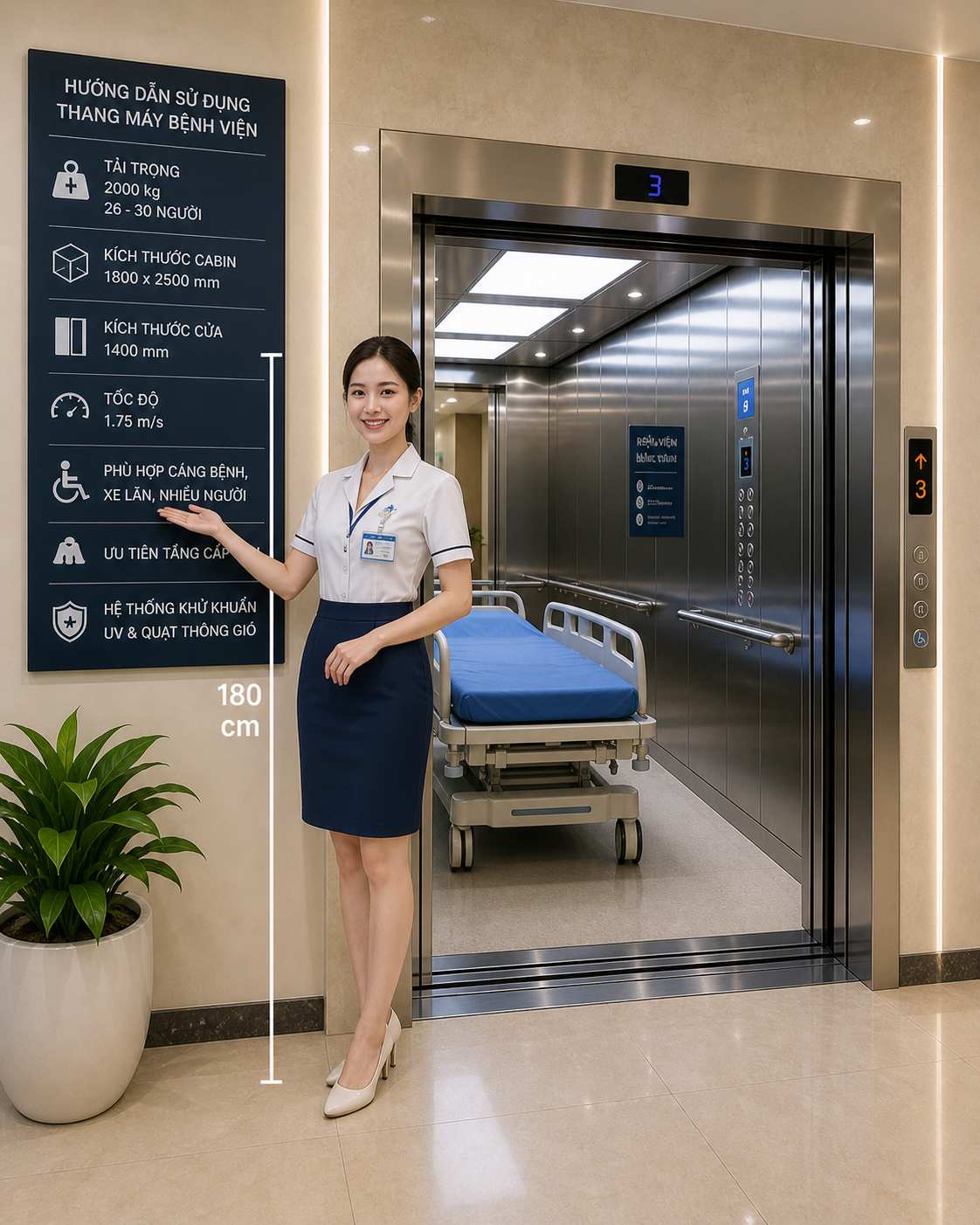
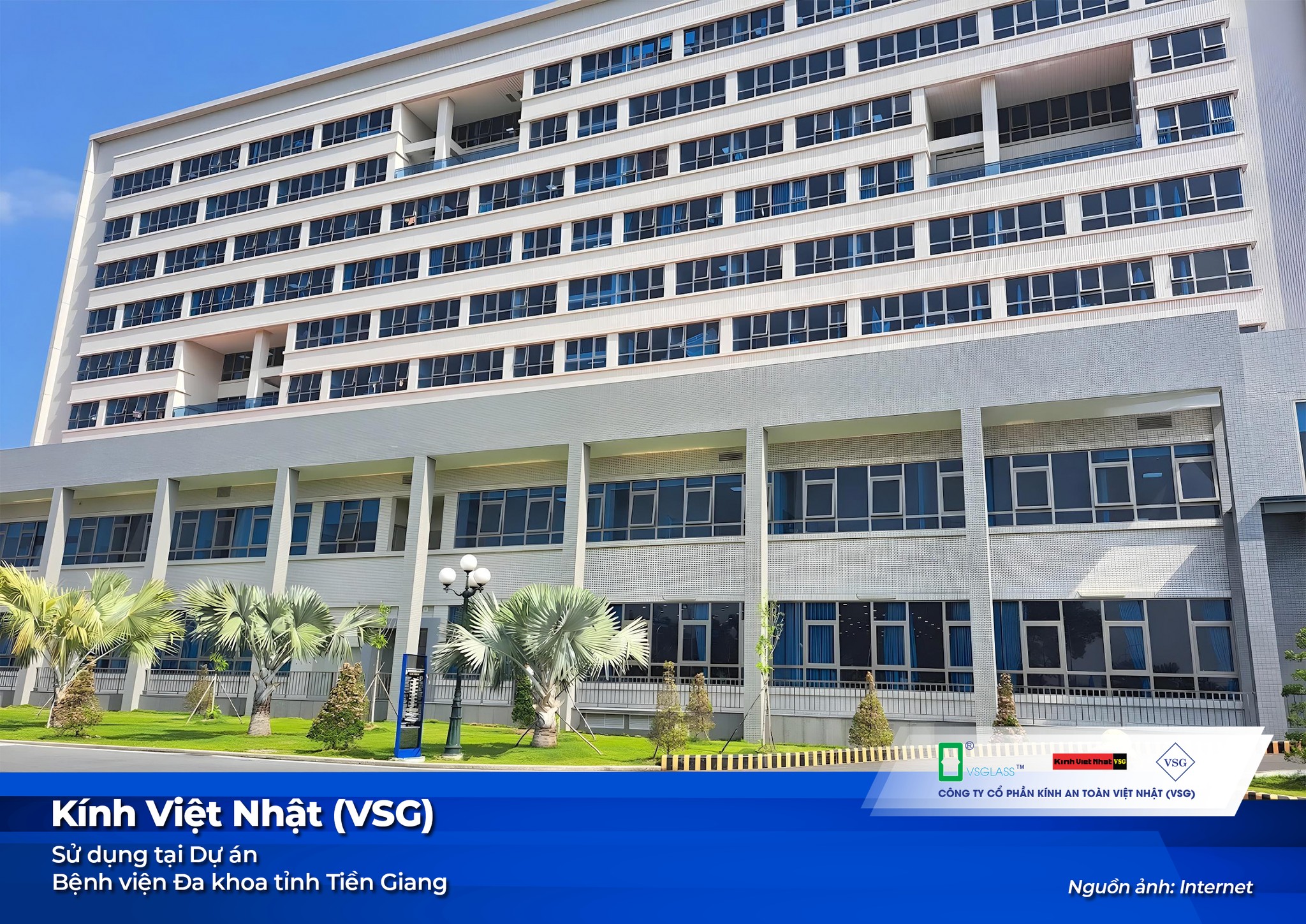
Fuji elevators for hospitals and hotels are designed with special technical standards and features to meet stringent requirements for safe, fast, and comfortable transportation.
Key specifications and features:
- Spacious cabin: Designed to be large enough to accommodate a patient stretcher, wheelchair, or large luggage, ensuring convenience during transport.
- Smooth operation: The gearless motor and damping system minimize noise and vibration, providing a comfortable experience for the user.
- Automatic rescue system: Automatically brings the elevator to the nearest floor and opens the doors in case of power failure or technical malfunction, ensuring absolute safety for patients and customers.
- High load capacity: With a load capacity of 1000kg to 2500kg, it is suitable for transporting large numbers of people and medical equipment or hotel luggage.
- Materials and design: Utilizing easy-to-clean, scratch-resistant, and antibacterial materials, suitable for high-end hospital and hotel environments.
- Priority control system: Allows for priority transport of emergency patients or VIPs, ensuring operational flexibility.
Fuji elevators in hospitals are also equipped with features such as emergency alarm systems, information display screens, and intercom systems, helping to improve management and service efficiency.
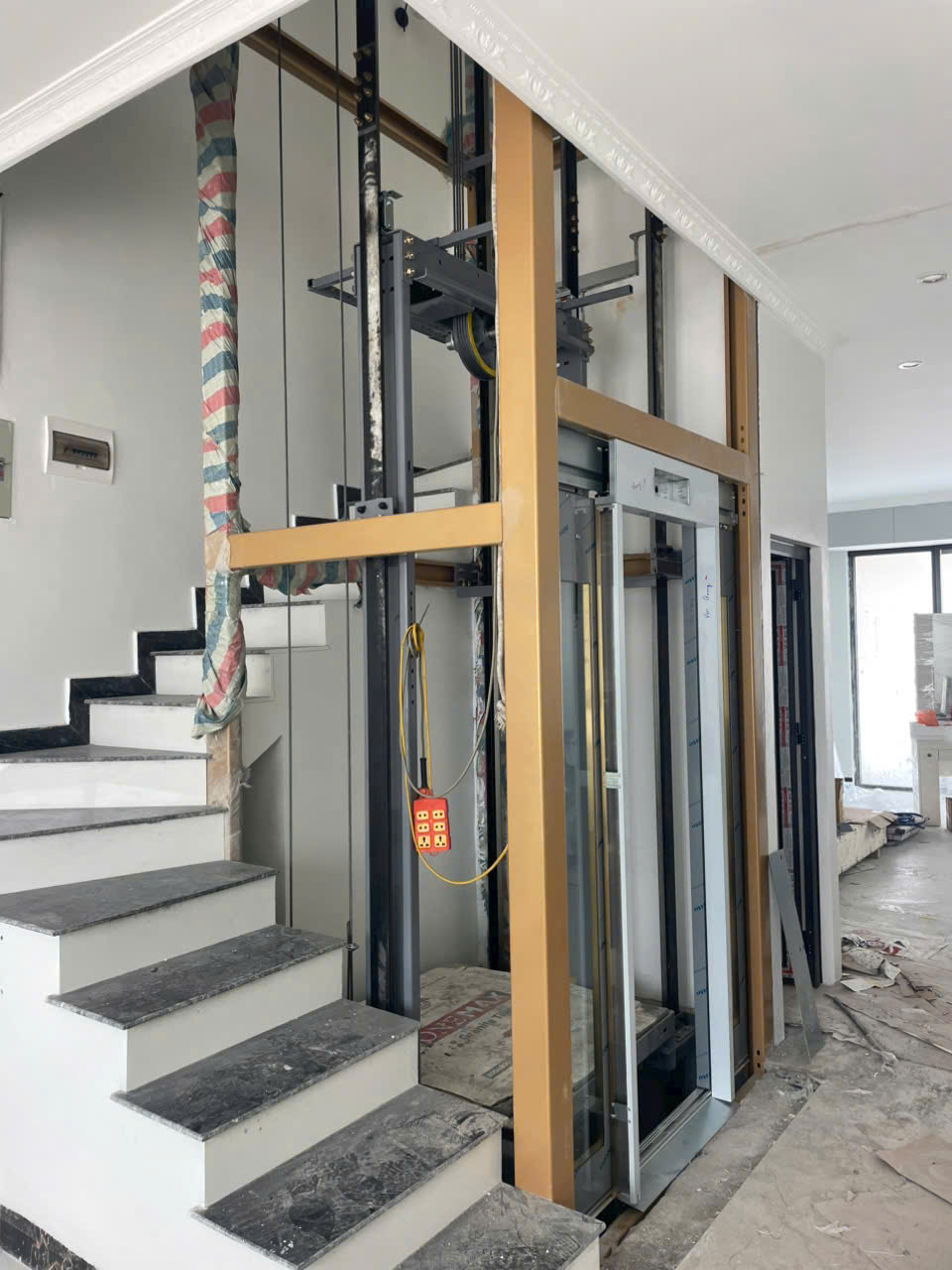
Fuji elevator installation and maintenance procedures
The installation process for Fuji elevators is carried out by a team of professional technicians, strictly adhering to technical and safety standards to ensure stable, durable, and absolutely safe operation for users.
- Site survey: This is the first and most important step in the installation process. Technicians will conduct detailed measurements of the installation location, elevator shaft dimensions, floor height, and assess the building structure to identify factors affecting elevator installation. The survey also includes checking the electrical system, ventilation system, and surrounding environmental conditions to ensure the elevator operates efficiently and safely.
- Design and Consultation: Based on the survey results, our technical team will design detailed drawings that suit the space and usage requirements of the client. This process includes selecting the type of elevator (passenger elevator, freight elevator, home elevator, etc.), motor power, cable type, control system, and safety features such as automatic rescue systems, anti-jamming door sensors, and fire alarm systems. Consultation also helps clients choose cabin designs, materials, and options that fit their budget and architectural style.
- Installation: The installation process is carried out according to standard procedures, including the following main steps:
- Preparing the elevator shaft: Clean, inspect, and complete the elevator shaft according to the designed technical dimensions.
- Mechanical frame installation: Install guide rails, cabin frame, counterweight, and other mechanical components.
- Powertrain system: Installation of engine, transmission, safety brakes, and hoisting cable system.
- Electrical and control systems: Installation of control panels, signaling systems, safety sensors, and automatic rescue systems.
- Cabin completion: Installation of cabin walls, ceiling, floor, lighting system, and other interior furnishings.
- Testing and commissioning: After installation is complete, the elevator undergoes a comprehensive inspection of its mechanical, electronic, and safety systems. These tests include:
- Test the maximum load capacity and continuous operation capability.
- Testing the automatic emergency braking and rescue system.
- Evaluate ride comfort, speed, and floor stopping accuracy.
- Check the alarm system and safety signals.
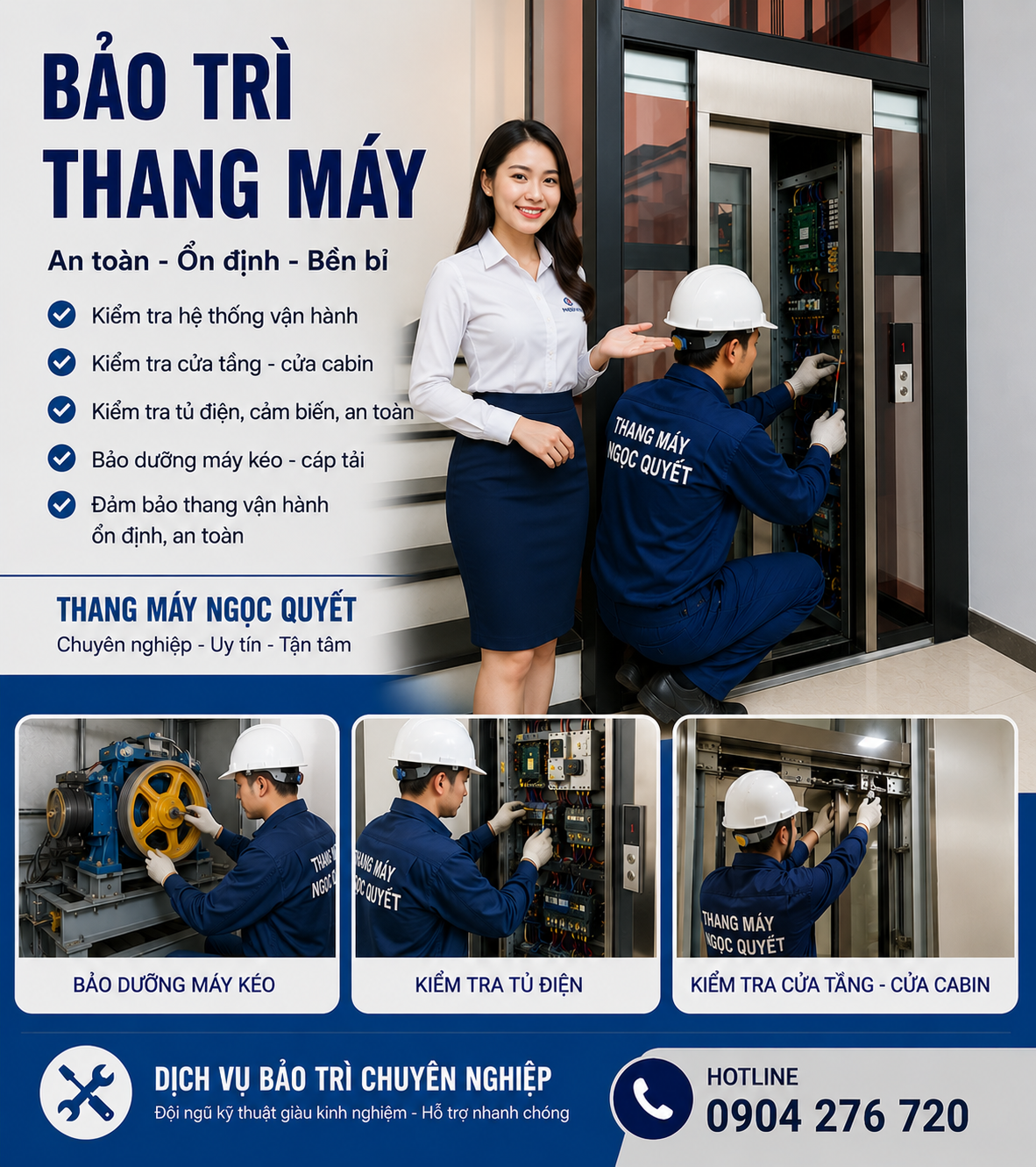
Fuji elevator maintenance is performed periodically by a team of professional technicians to detect and address problems promptly, maintain optimal operating performance, and extend equipment lifespan. The maintenance process includes:
- Overall inspection: Assessing the operational status of all mechanical, electronic, control, and safety systems.
- Cleaning and Lubrication: Clean mechanical parts such as guide rails, hoisting cables, and wheels, and apply the correct type of specialized lubricant to reduce friction and wear.
- Electrical system inspection: Measure voltage and current, check connections, control panels, sensors, and automatic rescue systems to ensure stable operation.
- Safety checks: Testing of braking systems, door anti-pinch sensors, fire alarm systems, and warning devices to ensure absolute safety for users.
- Troubleshooting and problem resolution: Promptly detect signs of damage or degradation such as unusual noise, vibration, control errors, and carry out necessary repairs or component replacements.
- Software update for control systems: For Fuji elevators with intelligent control systems, software updates improve performance and add new safety features.
- Prepare maintenance reports: Document in detail the work performed, the condition of the equipment, and suggest improvements or component replacements for the future.
Regular maintenance not only ensures smooth operation of Fuji elevators but also minimizes the risk of accidents, guarantees user safety, and extends the equipment's lifespan for many years.
Why choose Fuji elevators today?
Choosing Fuji elevators is not just an investment in transportation equipment, but also a guarantee of quality, safety, and long-term economic efficiency . Fuji elevators are developed based on advanced technology, meeting stringent international technical and safety standards, minimizing risks during operation and maintenance.
Advanced technology
Fuji elevators utilize a modern microprocessor control system, integrating intelligent sensors to optimize performance and save energy. Gearless motors with permanent magnet technology reduce noise, increase equipment lifespan, and minimize power consumption. Furthermore, the electromagnetic braking system and safety devices are designed to ensure precise and absolutely safe stopping in all situations.
Diverse and flexible design
Fuji offers a diverse range of elevator models suitable for various types of buildings, from residential homes and offices to hotels and high-rise buildings. Elevator cabin designs are customized to meet specific requirements regarding size, materials, and interior style, ensuring harmony with the overall architecture of the building. Materials such as stainless steel, tempered glass, and natural wood are carefully selected to guarantee durability and high aesthetic appeal.
Ensuring optimal safety.
Fuji elevators are equipped with a multi-layered safety system including:
- Door anti-jamming and anti-collision sensor system.
- The automatic rescue device activates in the event of a power outage, allowing the cabin to move to the nearest floor and open the doors safely.
- The emergency alarm and communication system is directly connected to the control center.
- Regular inspections and maintenance are carried out according to international standards, ensuring the equipment is always in optimal working condition.
Economic efficiency and cost savings
Investing in Fuji elevators means minimizing operating and maintenance costs thanks to their durable design and energy-saving technology. The intelligent control system reduces power consumption by up to 30% compared to traditional elevators. Furthermore, Fuji offers long-term maintenance service packages at reasonable costs, giving customers peace of mind without worrying about unexpected repair expenses.
Dedicated after-sales service
Fuji is committed to supporting customers from consultation, design, installation to maintenance and elevator upgrades. Our team of professional, well-trained technicians is available 24/7 to ensure prompt resolution of any issues. Our clear and transparent warranty policy provides customers with peace of mind regarding product and service quality.
Key benefits of choosing Fuji elevators:
- High durability: The equipment is manufactured and rigorously tested, with an average lifespan of over 20 years.
- Energy saving: Gearless motor technology and intelligent control system.
- Diverse designs: Suitable for many types of buildings and architectural styles.
- Absolute safety: Modern sensor systems and rescue equipment.
- Professional service: Fast and efficient support, consultation, maintenance, and repair.
Call us now for detailed advice and the best price quote! Our team of experts is always ready to assist you in choosing the Fuji elevator model that best suits your needs and budget. Don't miss the opportunity to own a high-quality Fuji elevator at a competitive price.